
Money & Markets
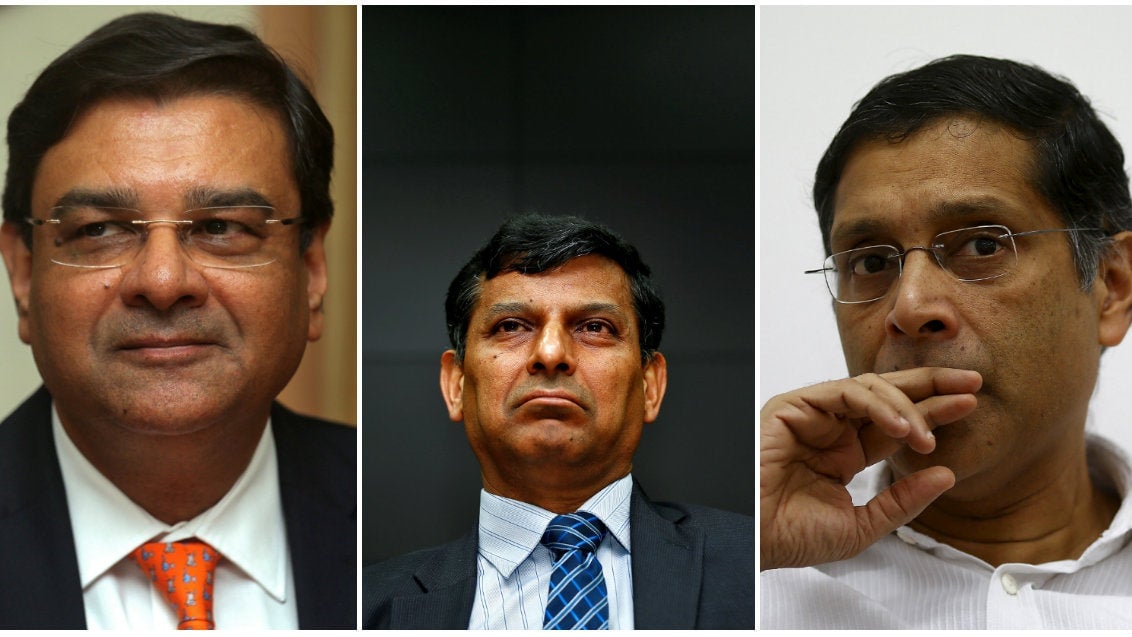
Narendra Modi’s government is losing economists left, right, and centreIn quick succession, two top economists in India have vacated their posts.
Updated July 21, 20224 min read
In quick succession, two top economists in India have vacated their posts.
As India approaches its next general elections, Facebook says it is doubling down on transparency in political ads.
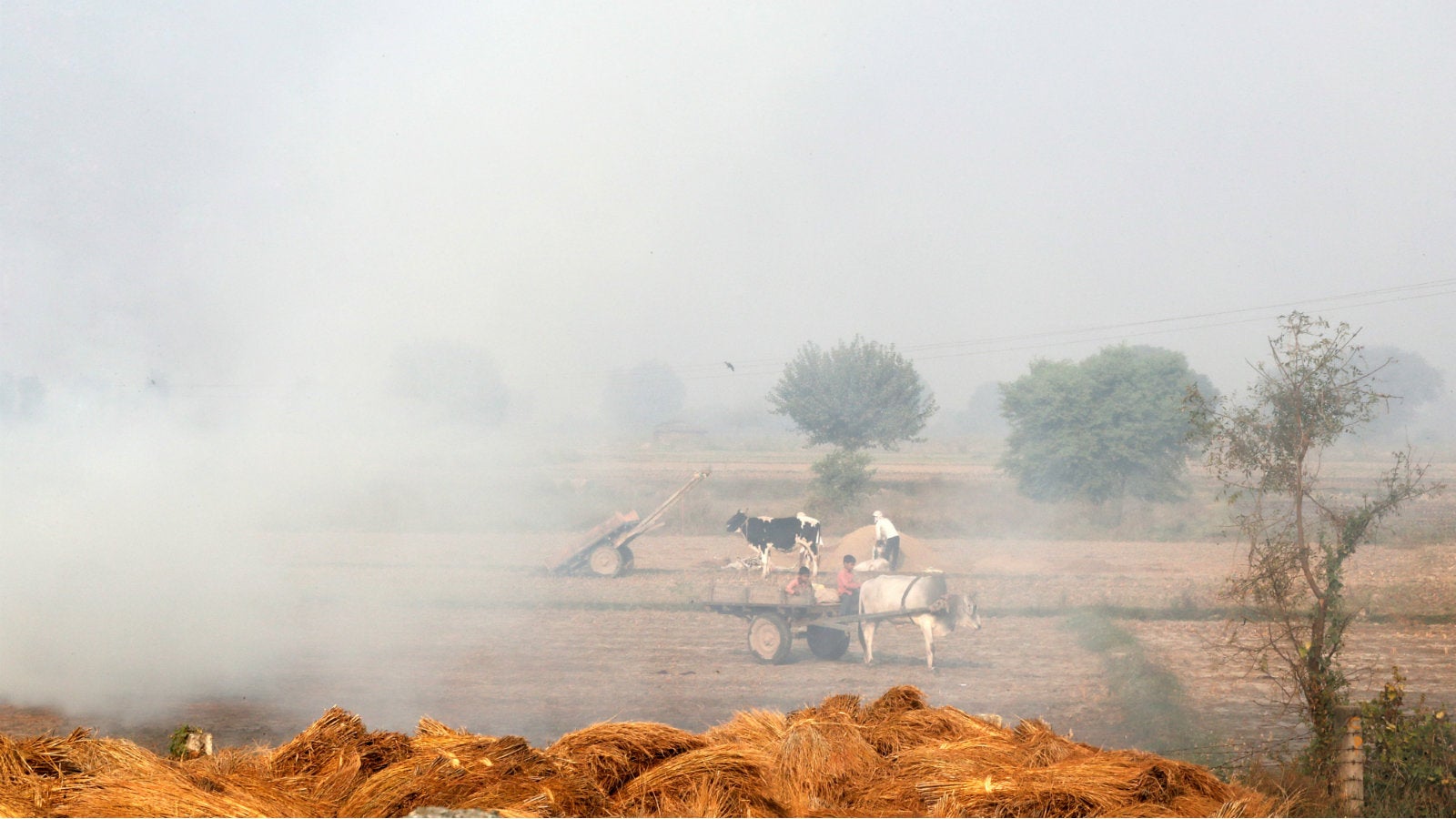
The human cost of India’s air pollution crisis is massive, especially in some of its poorest and least developed states.

The gender-based pay gap is a reality across industries in India, but in Bollywood, that gap is yawning.
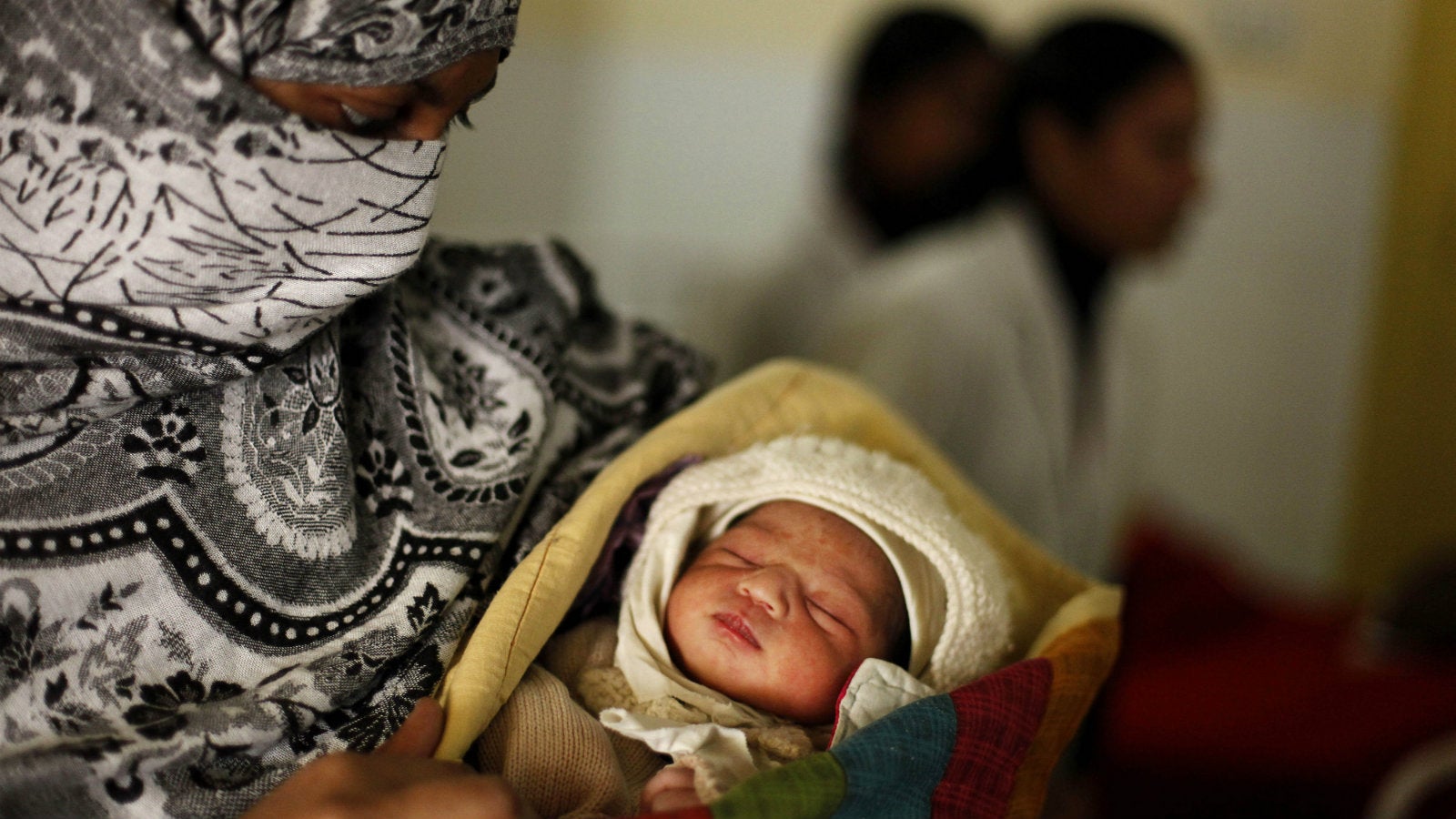
In conservative India, parents are increasingly pushing back against the stigma over breastfeeding babies in public places.
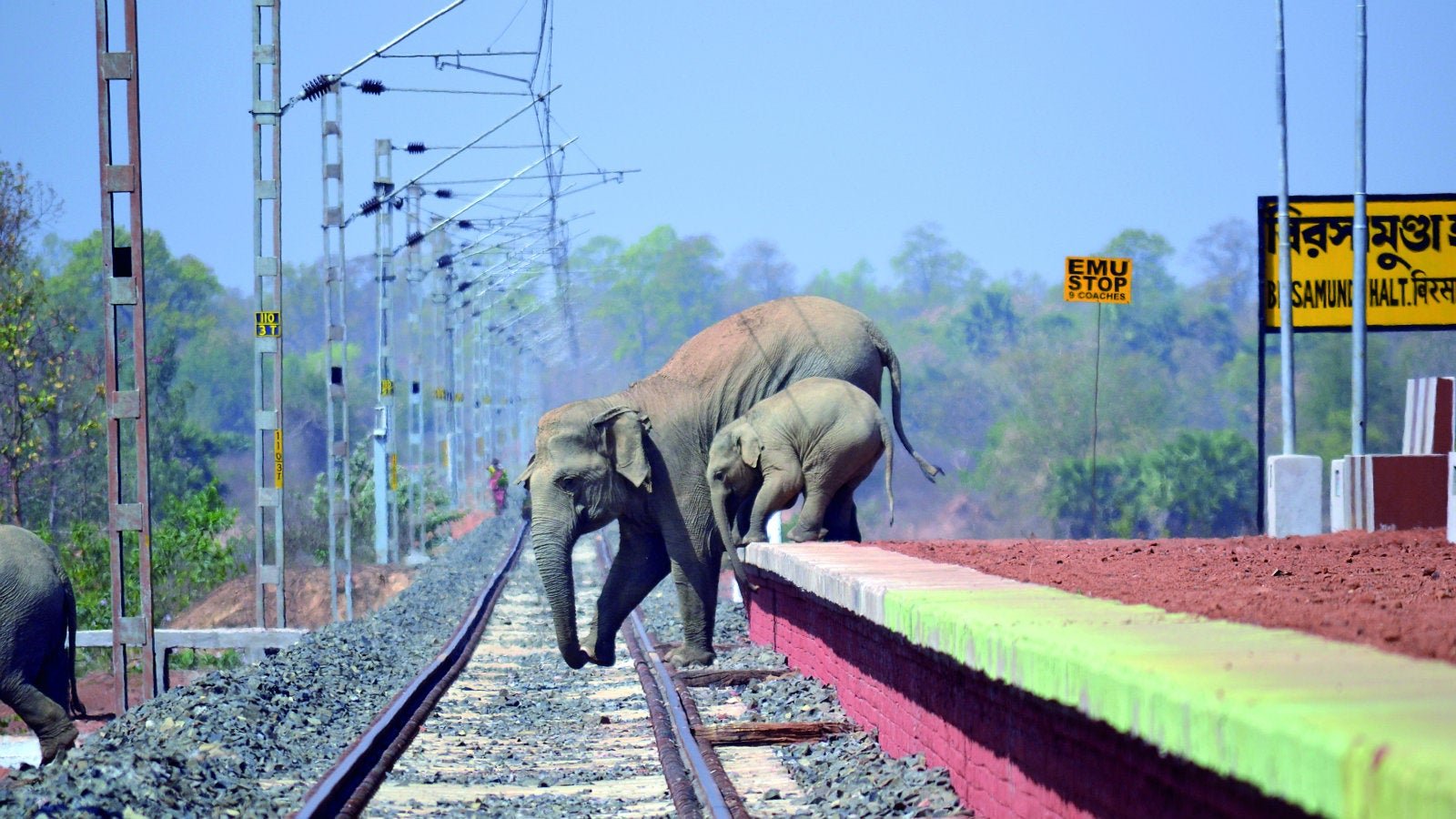
On a winter morning last year, the photographer Biplab Hazra watched as, one by one, a herd of elephants tried to cross a railway track in the town of Bishnupur in West Bengal’s Bankura district. Among them was a calf perched at the edge of the high railway platform, built in the middle of an elephant corridor, struggling to get down.

Some of the most fascinating exhibitions of Indian art, history, and heritage take place outside India.
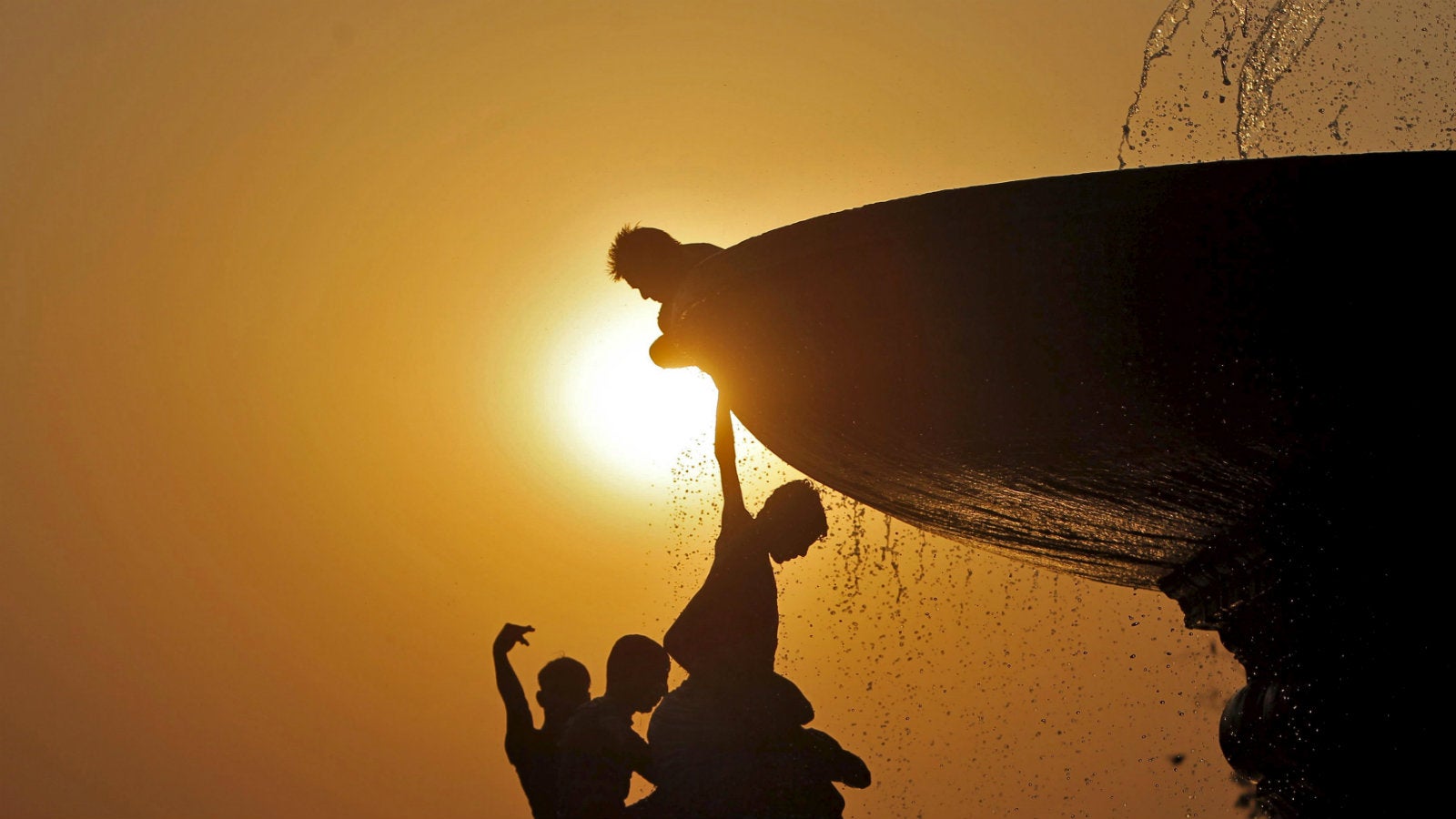
Climate change is hitting India particularly hard, and the proof lies in the intensifying heatwaves—and their increasing frequency—sweeping the country.

On Nov. 16, 1860, a ship carrying 342 indentured Indians arrived in South Africa, marking the beginning of a long and painful period in the history of the Indian diaspora in the region.
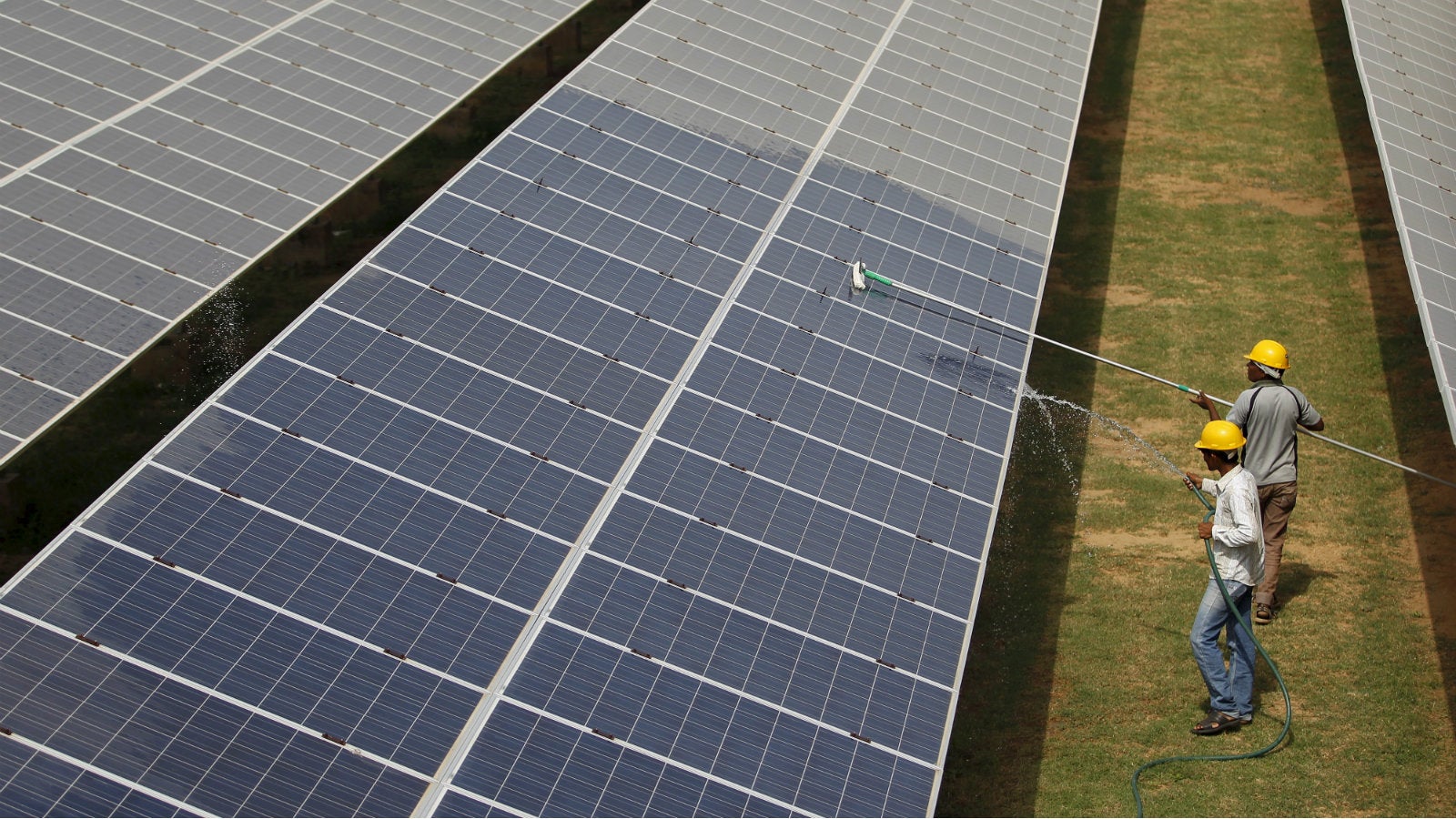
Developing nations are now driving the world’s gradual shift towards renewable energy, and India has become one of the leaders of the pack.

Desperate times call for desperate measures. First, they took away the free meals, now they’re taking away free web check-ins.
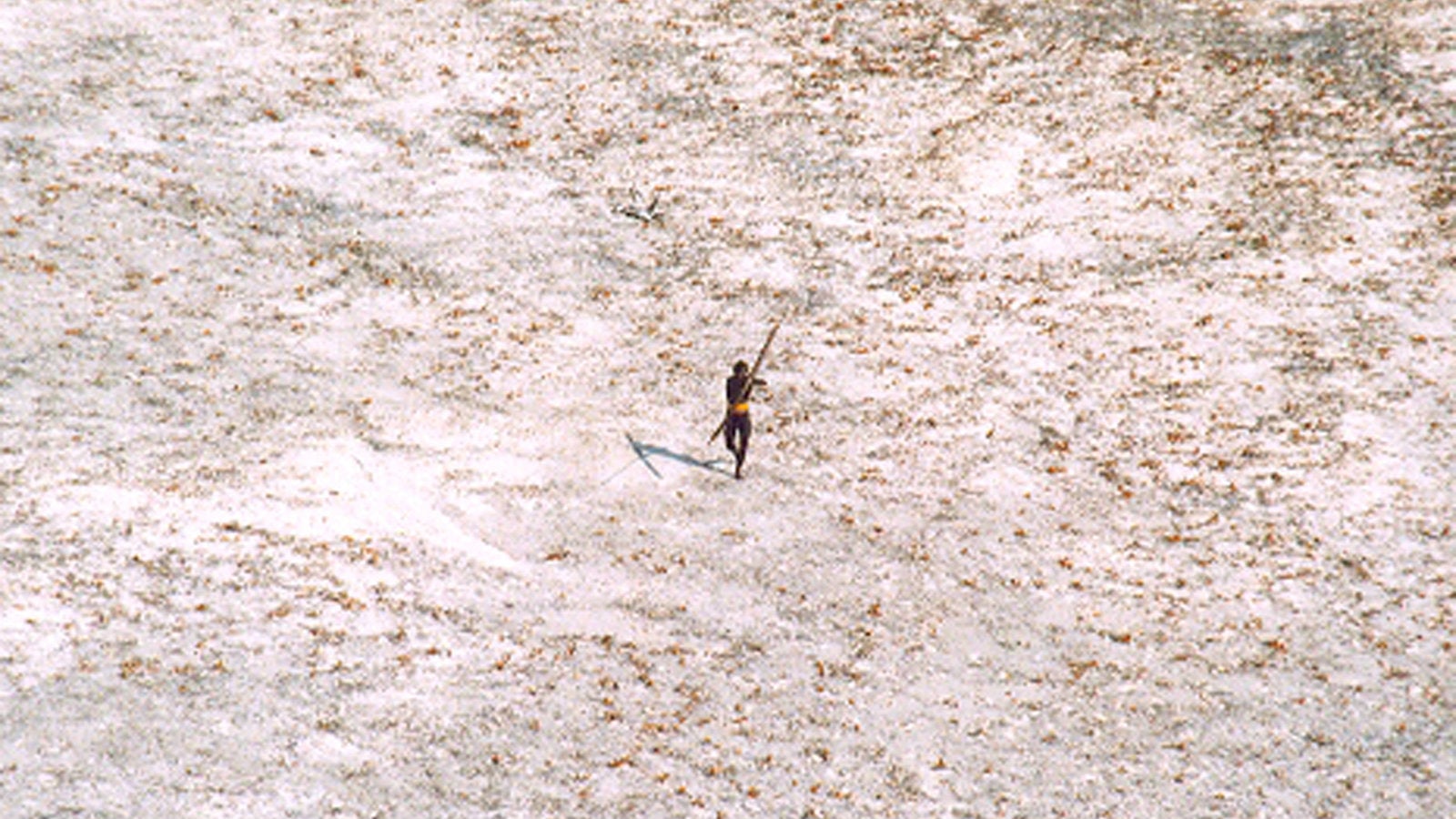
The tribals of North Sentinel island—part of the Andaman archipelago in the Bay of Bengal—don’t seem to like outsiders. One of the world’s most obscure communities, their isolation is accentuated by the Indian government’s 5km restriction preventing anyone from venturing near their home territory.
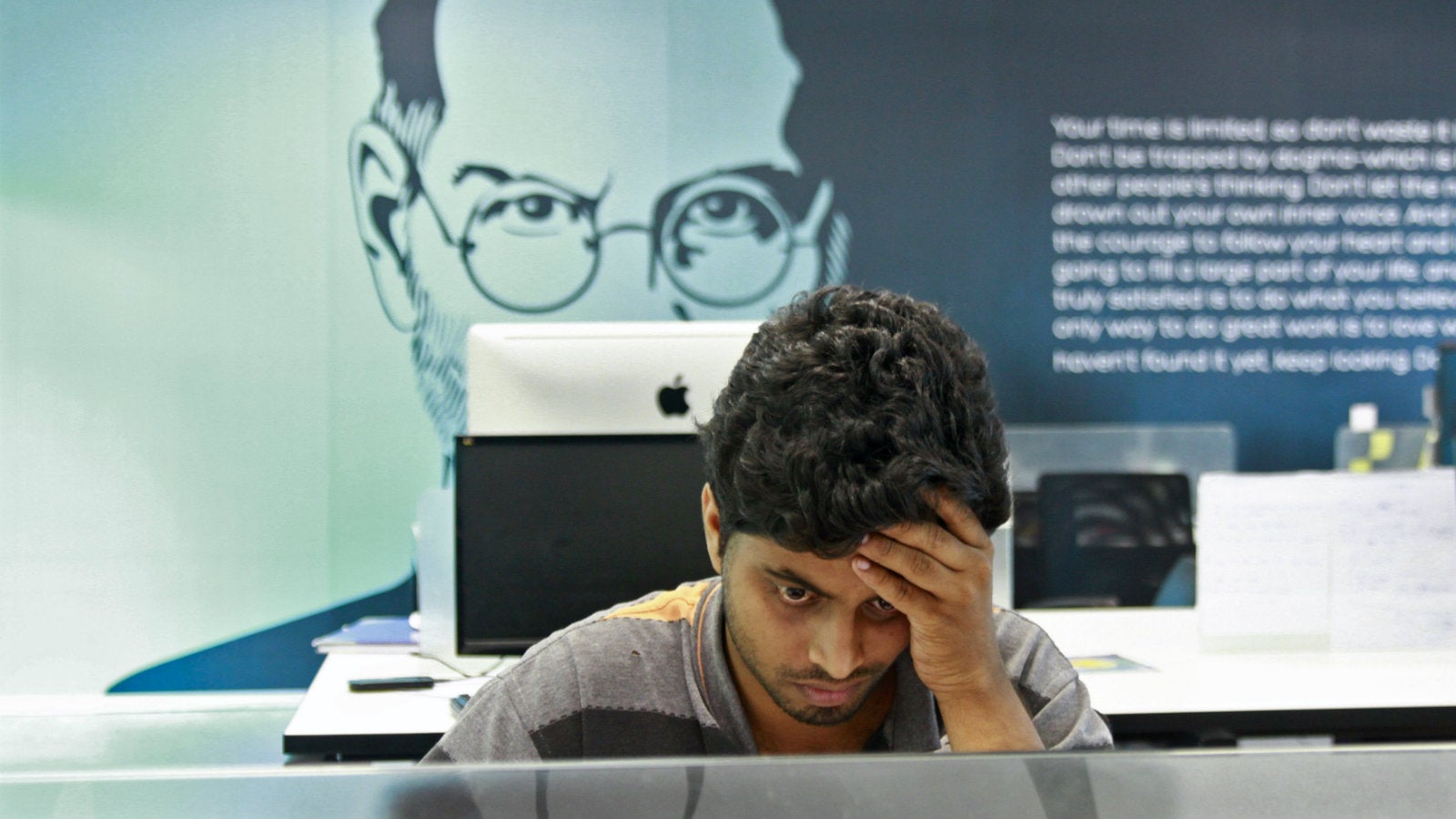
India’s punishing work culture is taking a toll on employees.
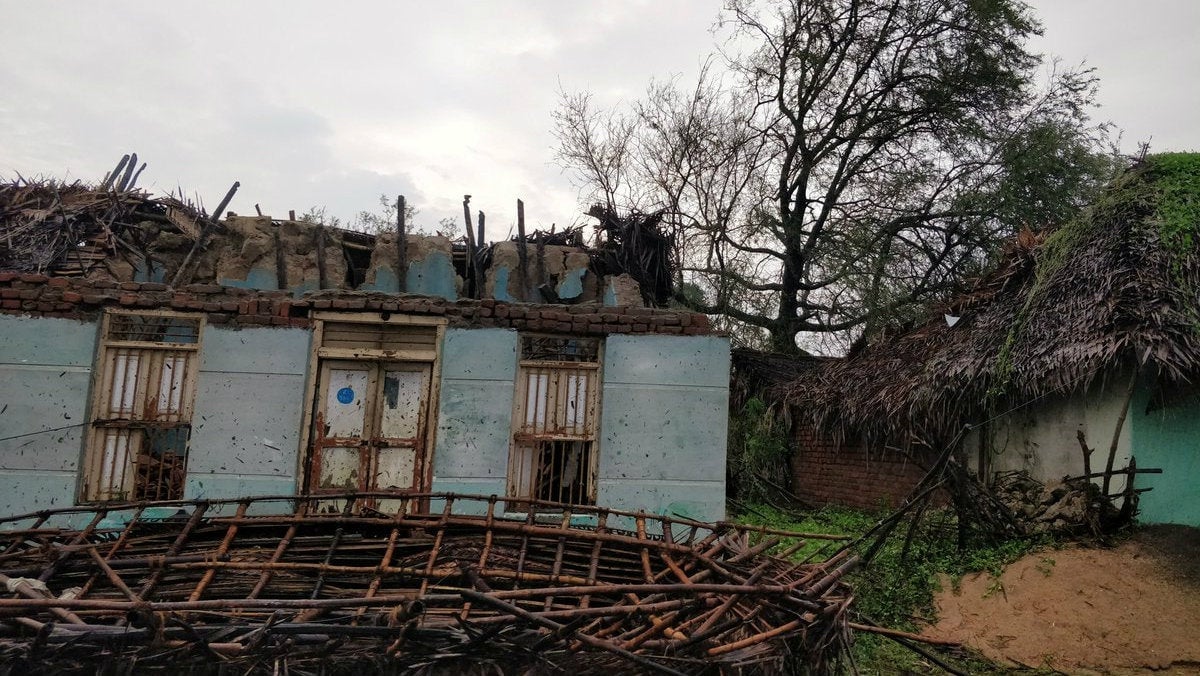
Cyclone Gaja has left a trail of destruction in the southern Indian states of Tamil Nadu, Kerala, and Puducherry, claiming the lives of at least 45 people.
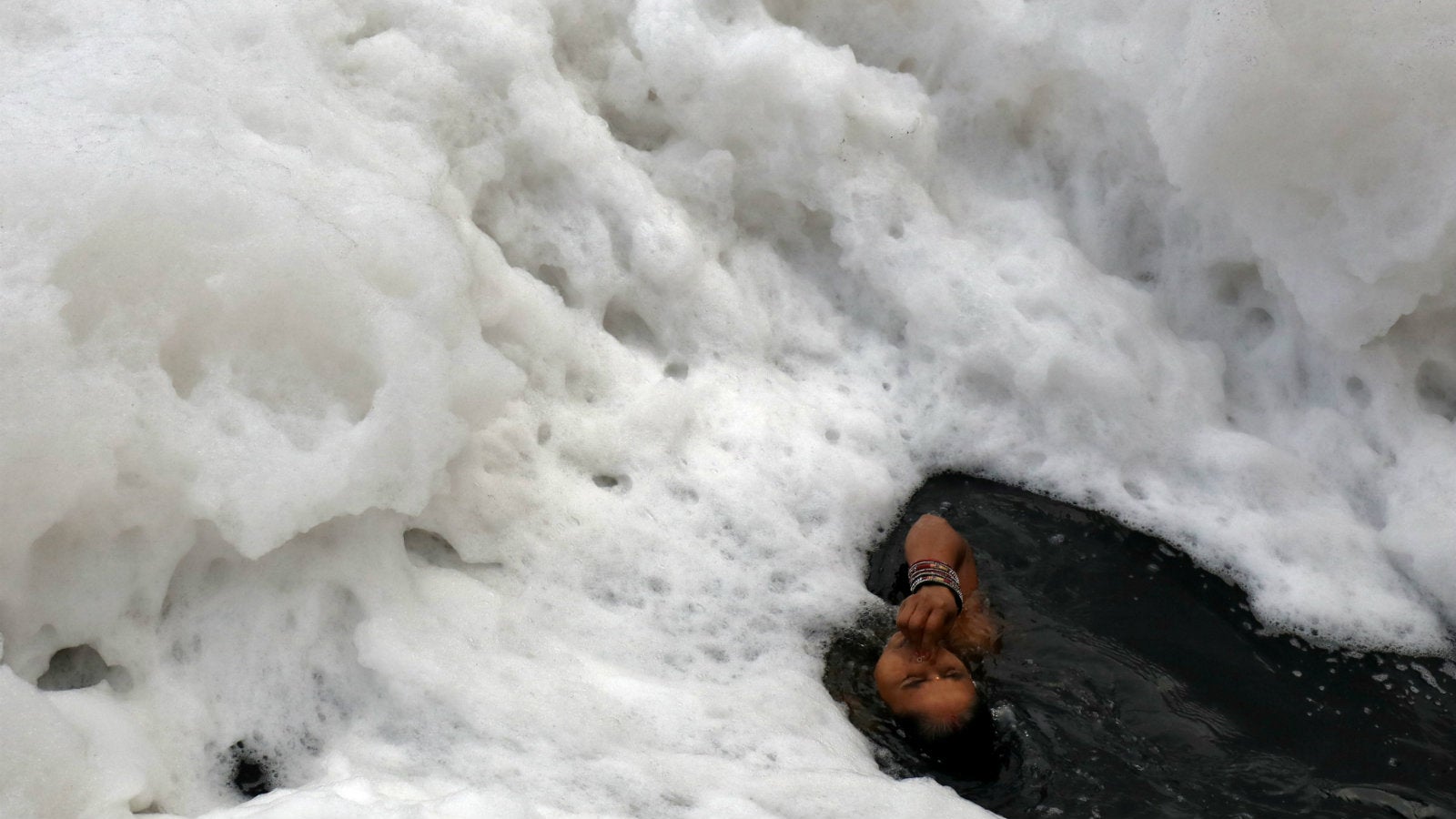
Earlier this week, thousands of Hindu men and women observed the Chhath Puja, an ancient festival dedicated to the sun god.
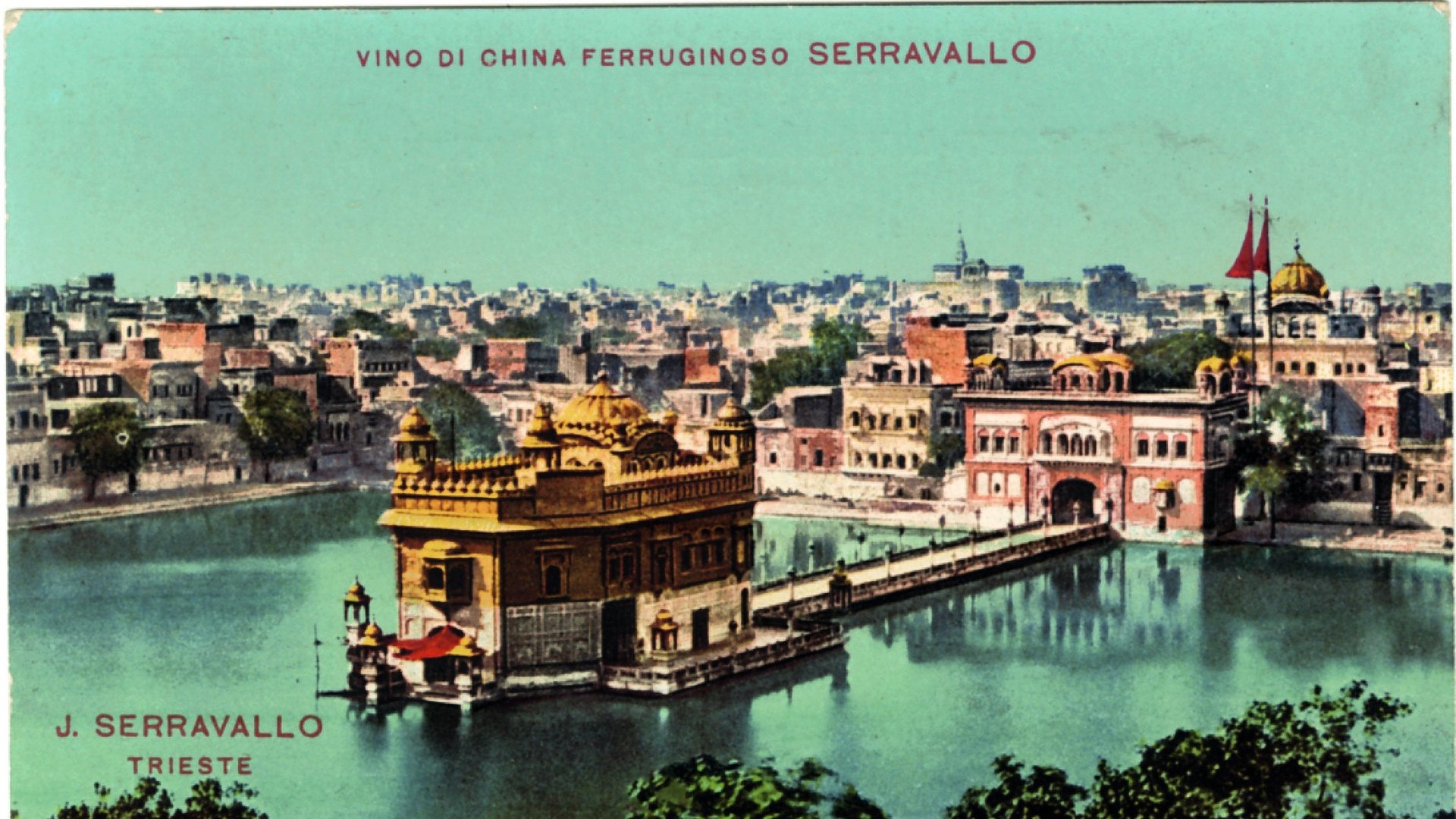
In 2003, after working in management around the world, Sangeeta and Ratnesh Mathur ended up in the Czech Republic. There, the couple stumbled upon countless old bookstores and antiquarian markets stocking a stellar collection of maps, lithographs, coins, porcelain, and postcards—many featuring people and places of India.
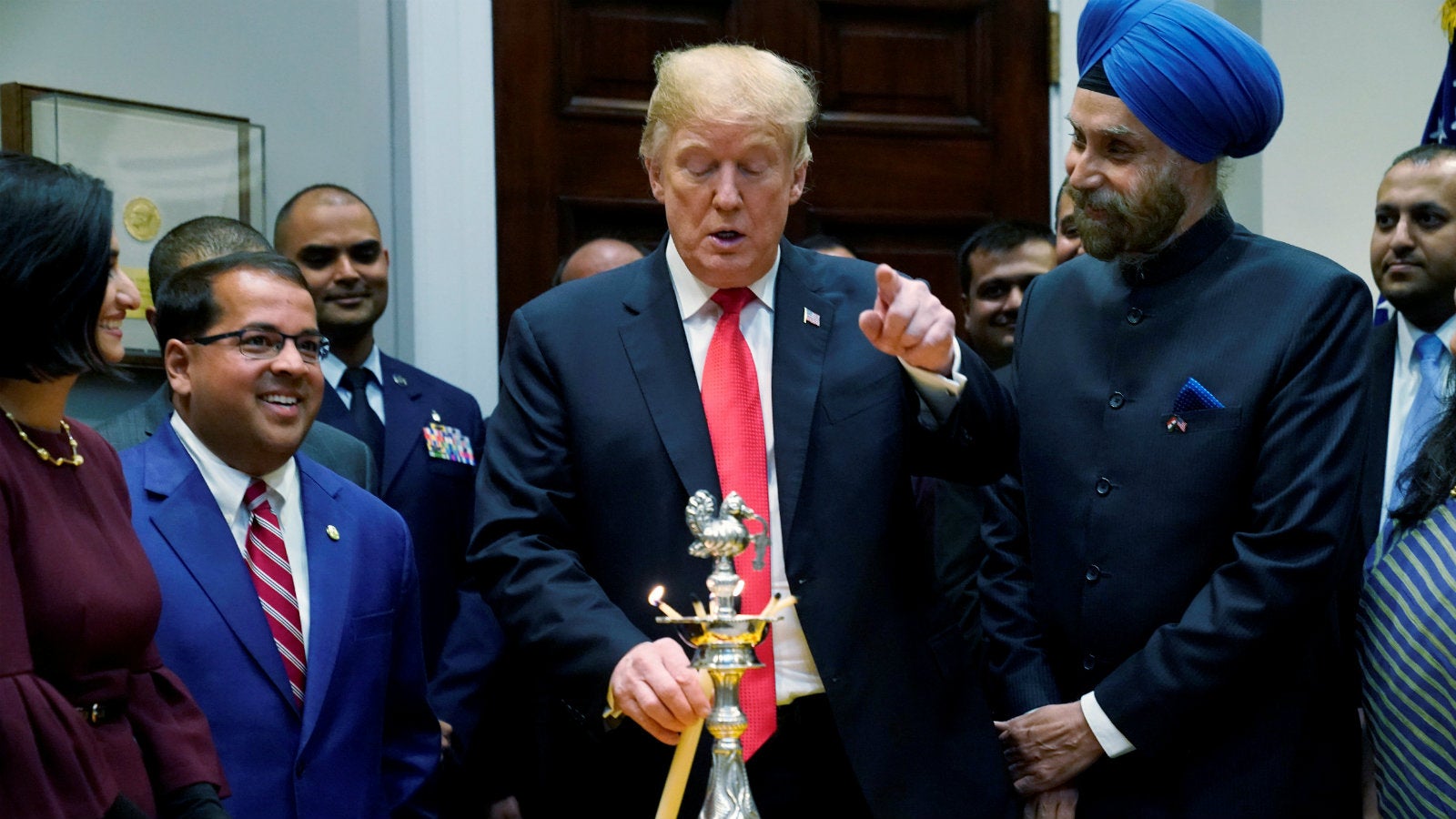
On Nov. 13, US president Donald Trump hosted Diwali celebrations at the White House, a tradition that began with his predecessor Barack Obama in 2009.
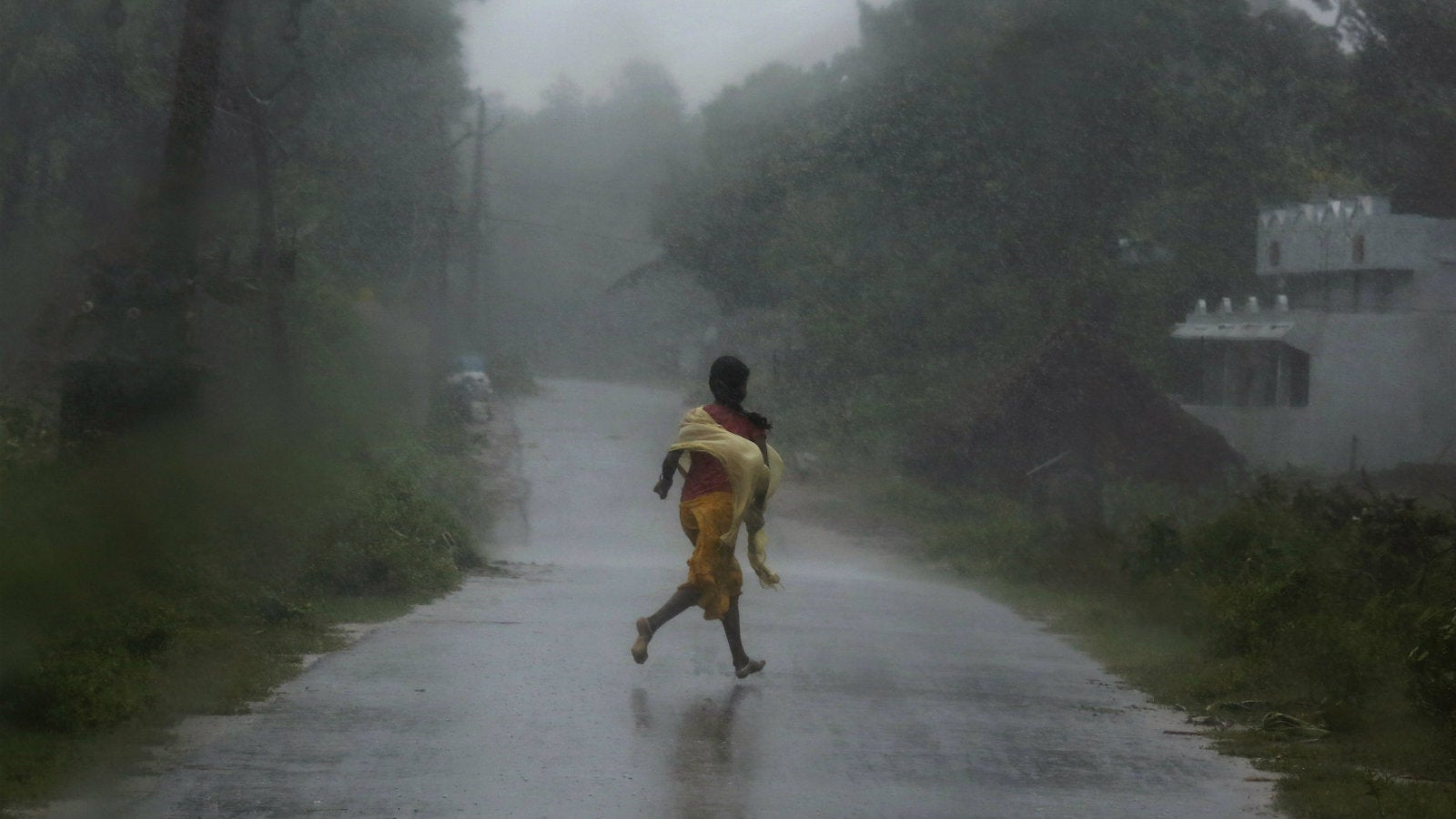
The states of Tamil Nadu and Andhra Pradesh, as well as the union territory of Puducherry in India’s south, are bracing for the impact of Cyclone Gaja, expected to bring heavy rains and strong winds to several parts of the region this week.
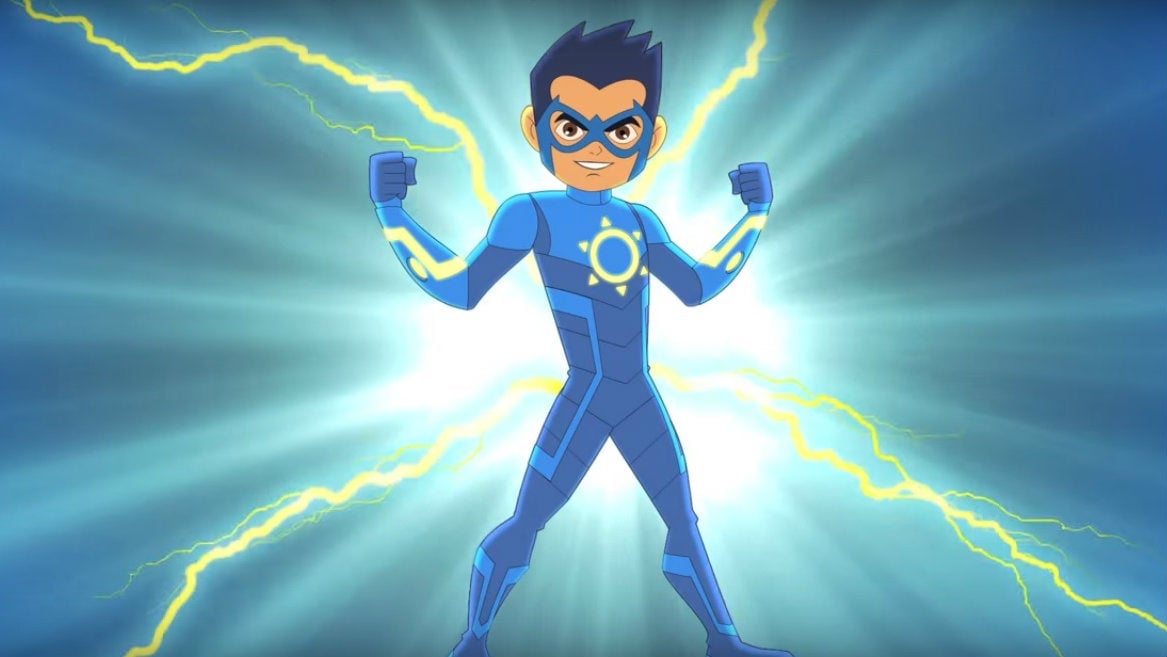
He was known for creating comic book icons such as the X-Men and Thor, but the legendary Stan Lee, who died at the age of 95 yesterday (Nov. 12), also co-created an Indian superhero.

Indians distrustful of mainstream news outlets are spreading information from alternative sources without verifying it. In doing so, they believe themselves to be promoting the “real story,” according to research conducted by the BBC.

In 2013, a few years after she documented India’s disappearing single-screen theatres, photographer Nandita Raman came to Kolkata and stumbled upon countless forgotten pieces of the country’s cinematic past.
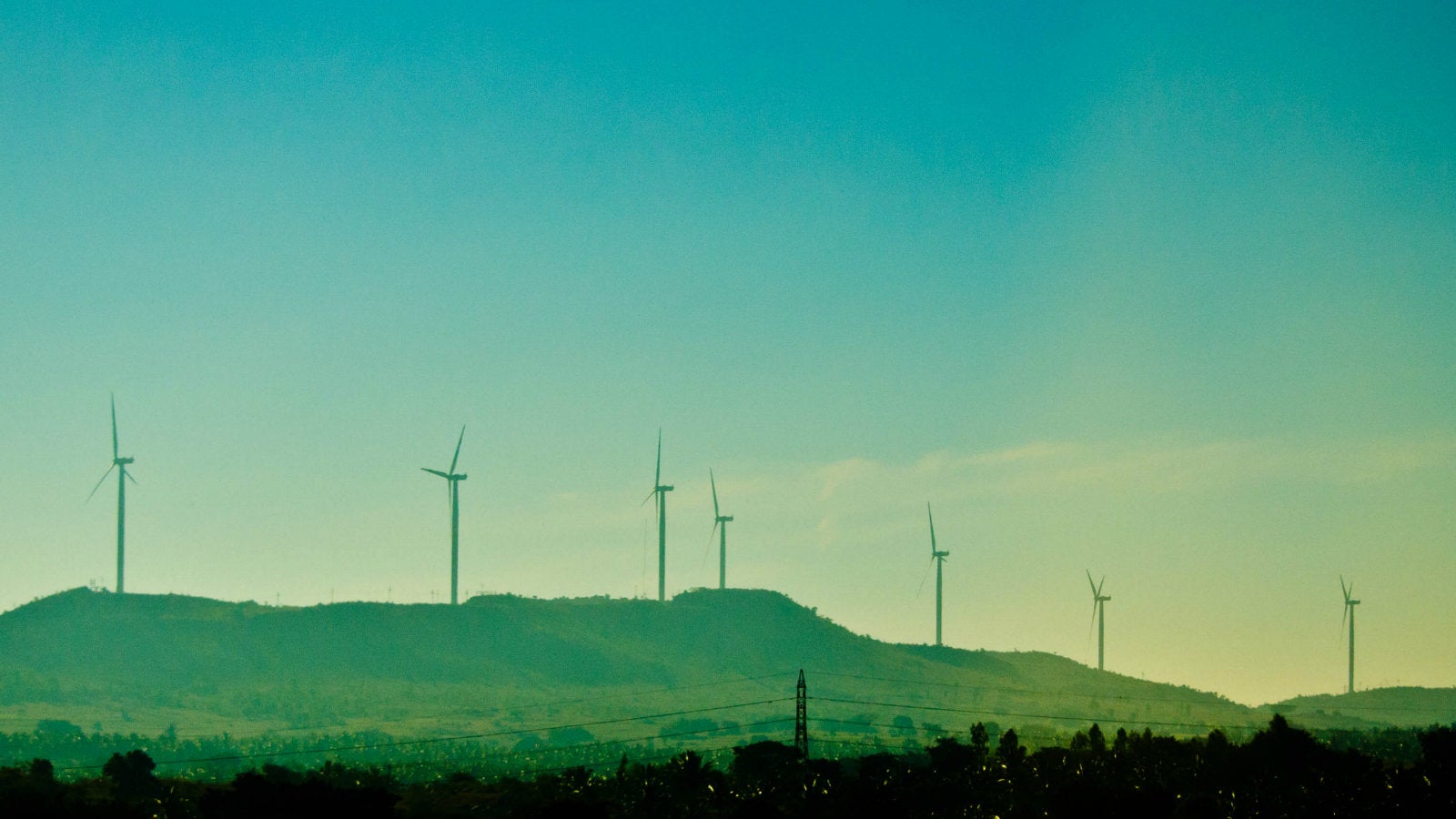
Renewable energy may be greener than fossil fuels, but that doesn’t mean it doesn’t affect the environment.
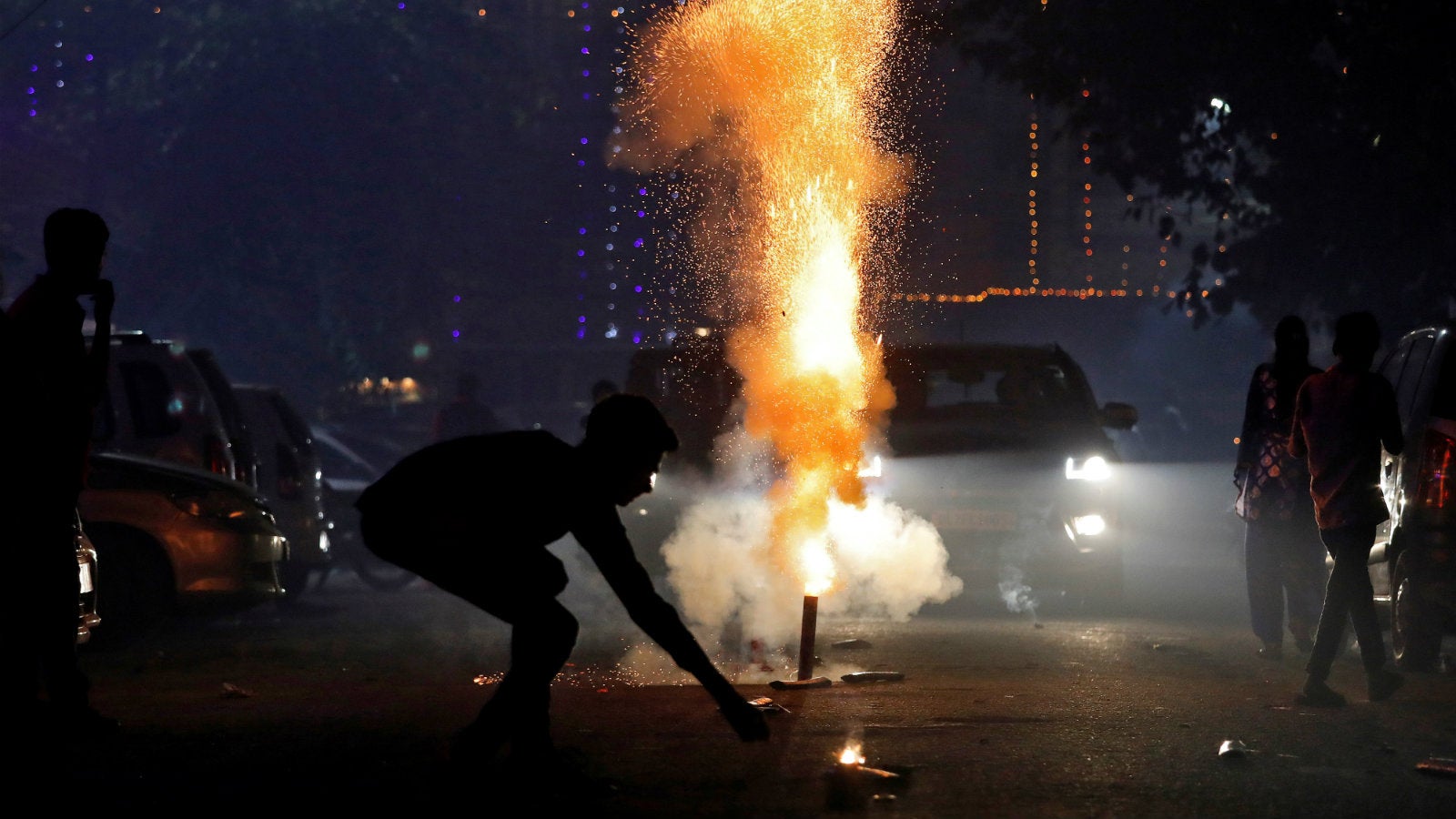
It’s the usual nightmare in regions around the Indian capital the morning after Diwali.
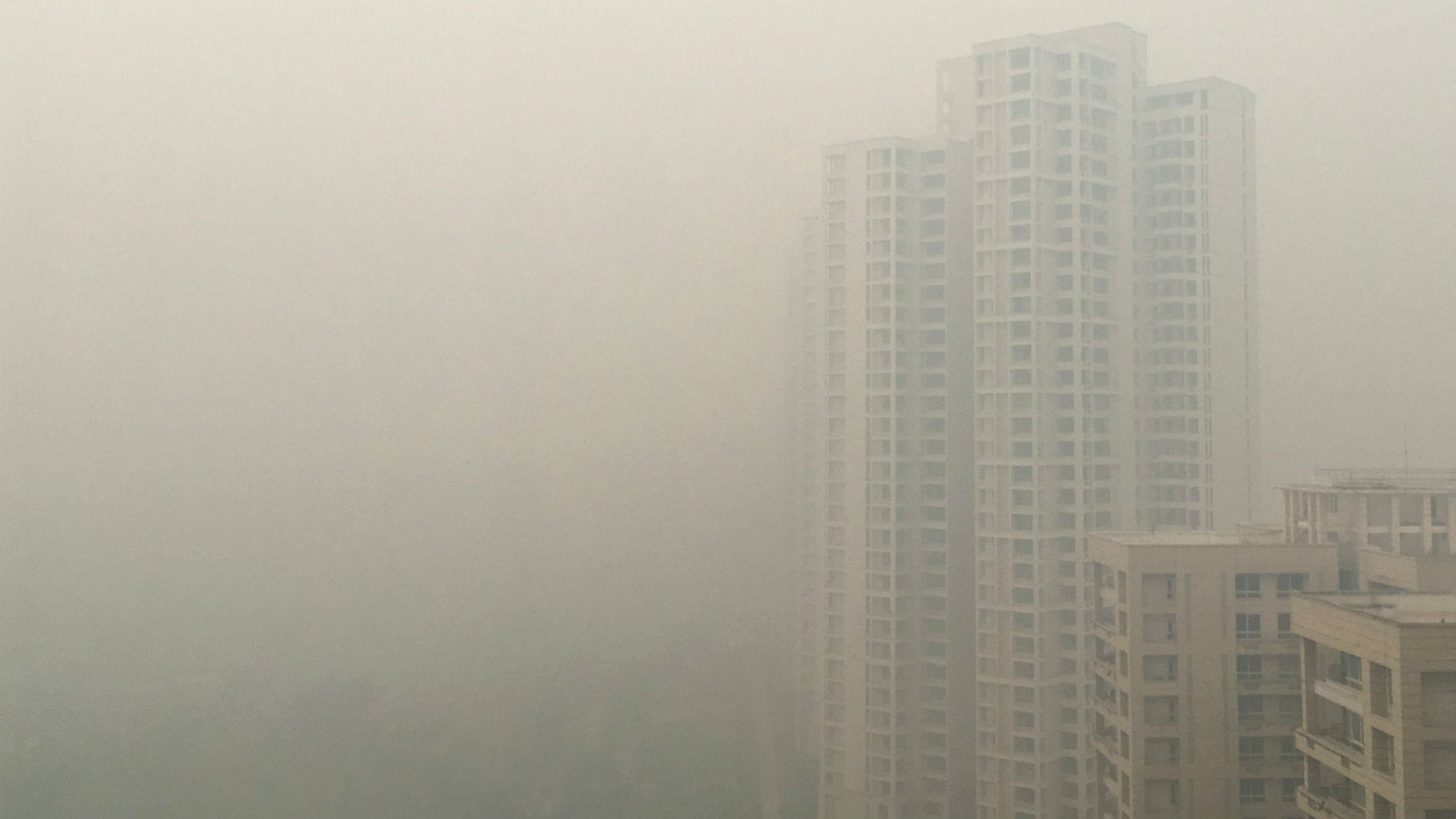
As India prepares to celebrate Diwali, its national capital is facing another bout of incredibly toxic air.