
Money & Markets
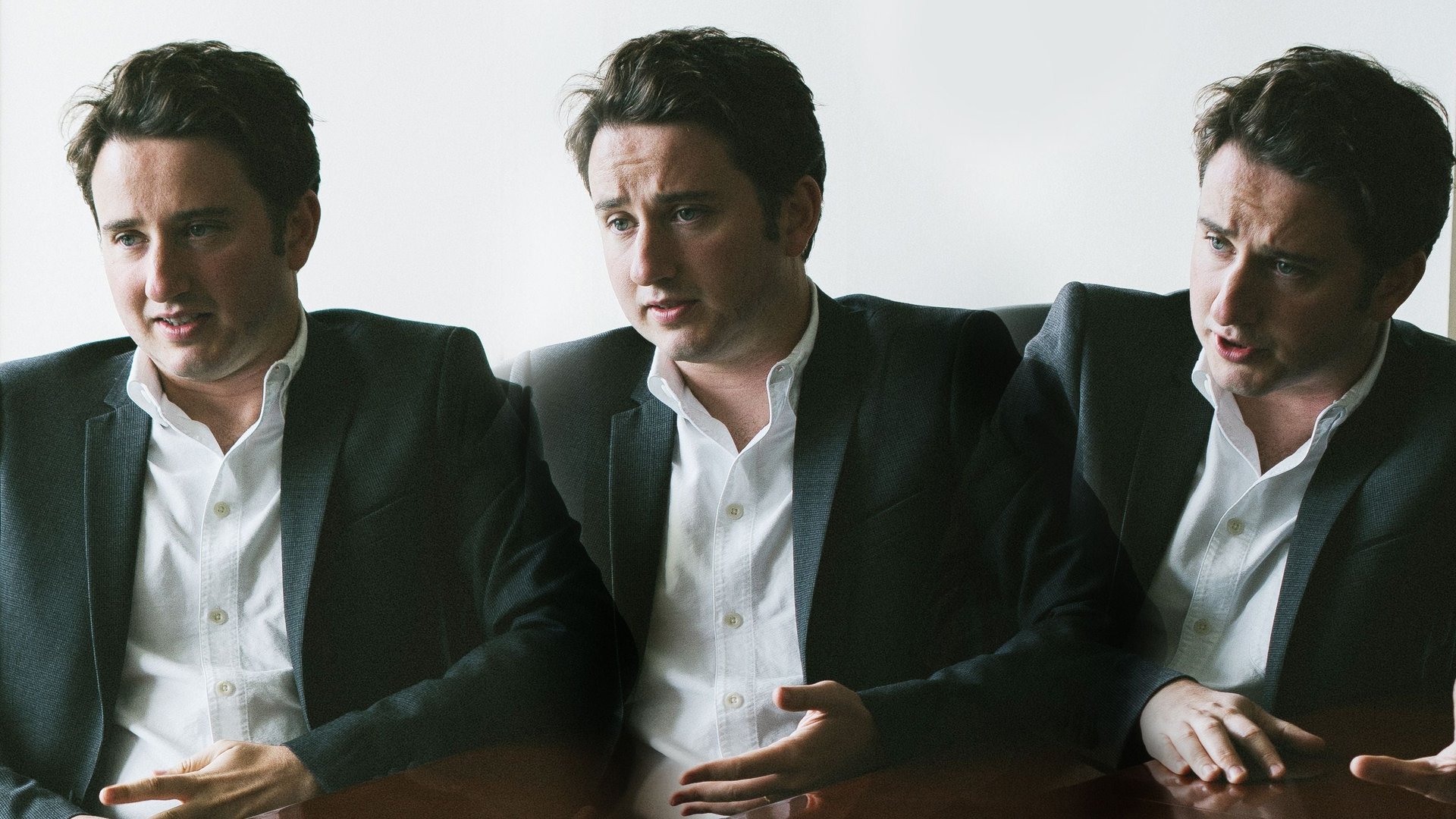
Secret bank accounts, income inequality—and why Luxembourg mattersGabriel Zucman is on a mission.
Updated July 21, 20228 min read
Gabriel Zucman is on a mission.
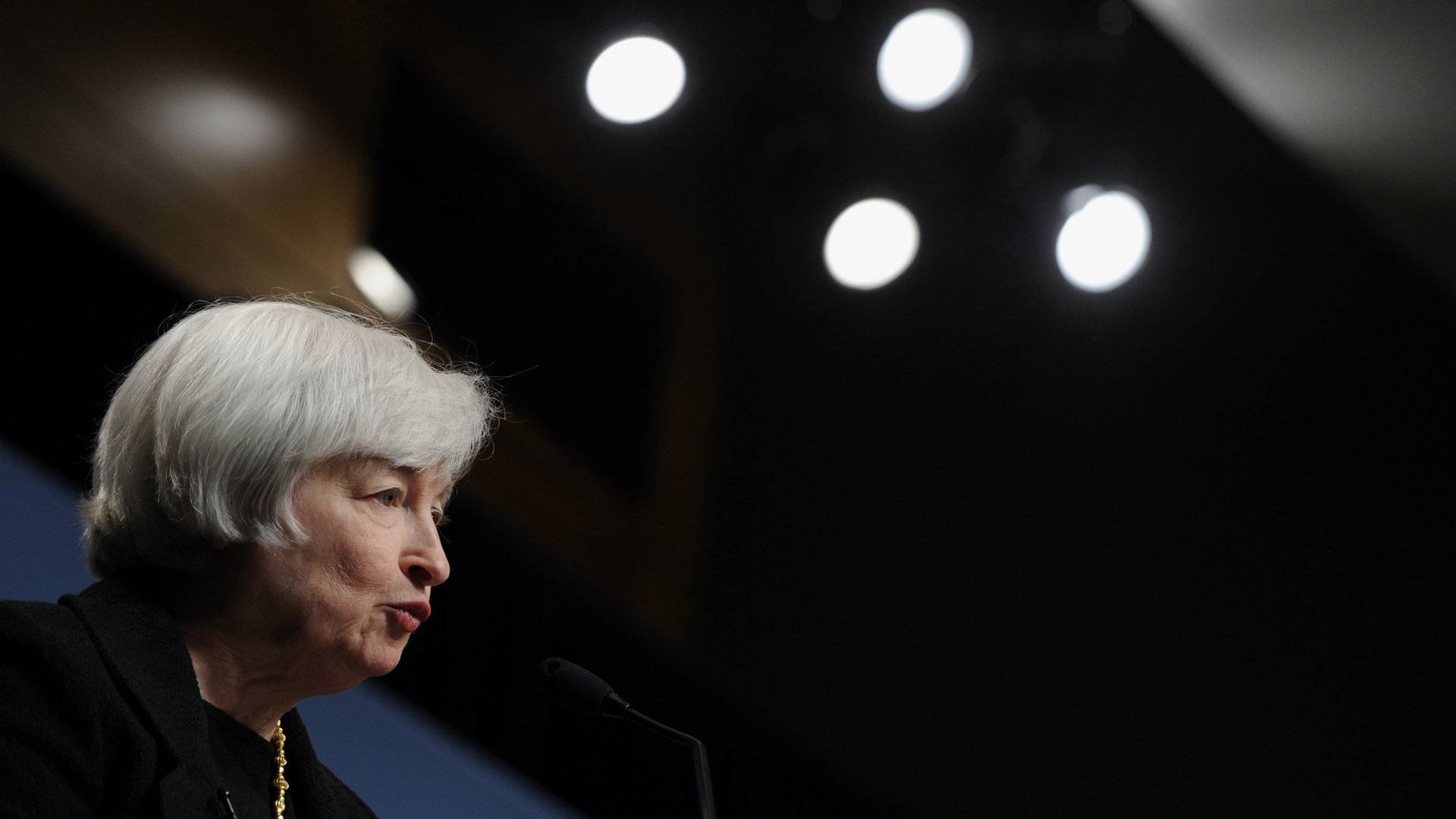
Pope Francis’ address to the US Congress today is eating up most of the media bandwidth. But for the US economy, a far more important speech will be delivered later this afternoon at the University of Massachusetts Amherst by Federal Reserve chair Janet Yellen.

The American middle class has been under pressure for decades. Median household income in the US is roughly where it was in the late 1980s—and down about 7% from the recent high set in 2007.
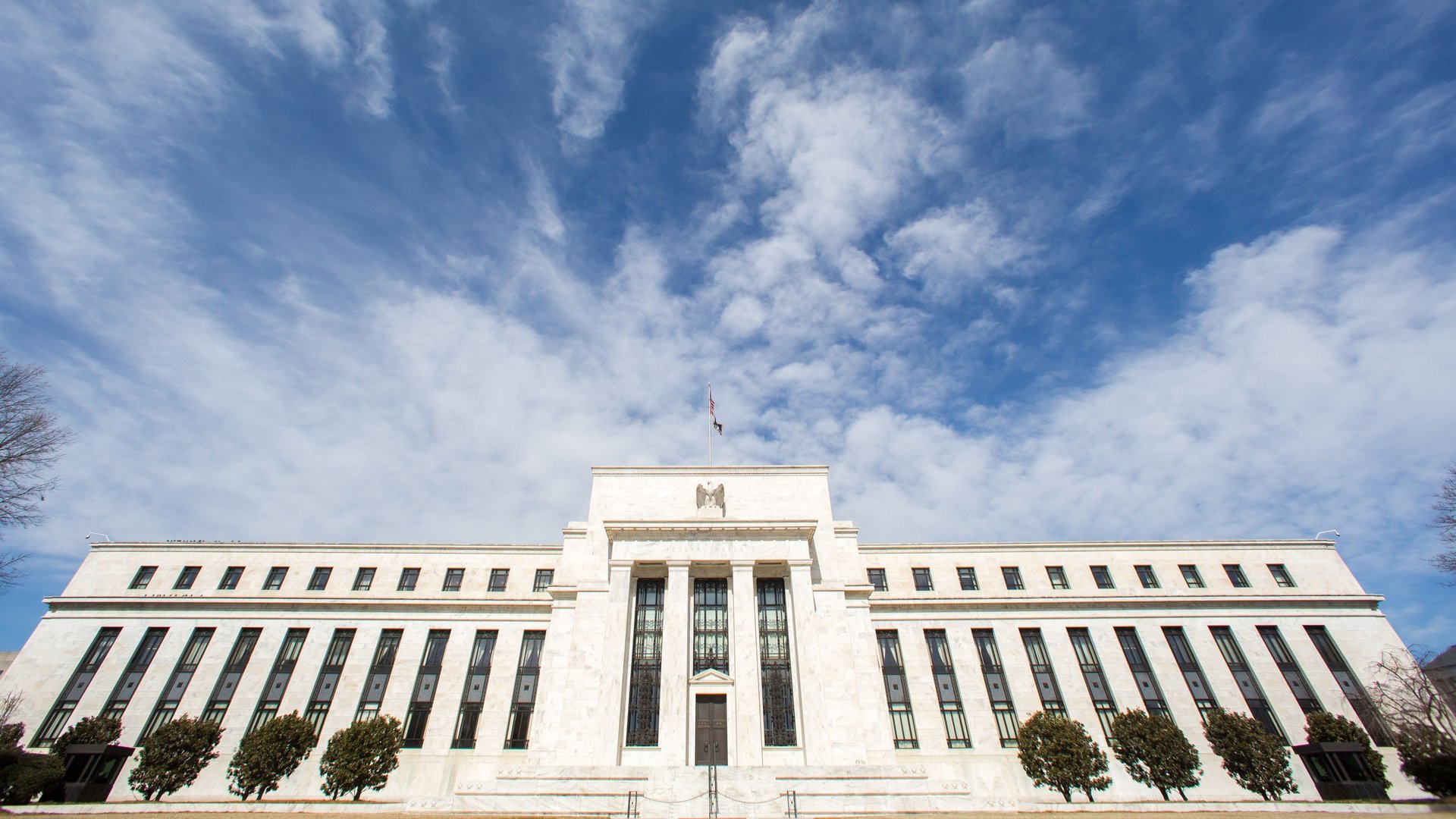
The Federal Reserve opted to leave interest rates unchanged in a closely watched decision, citing headwinds coming from financial markets and emerging markets.
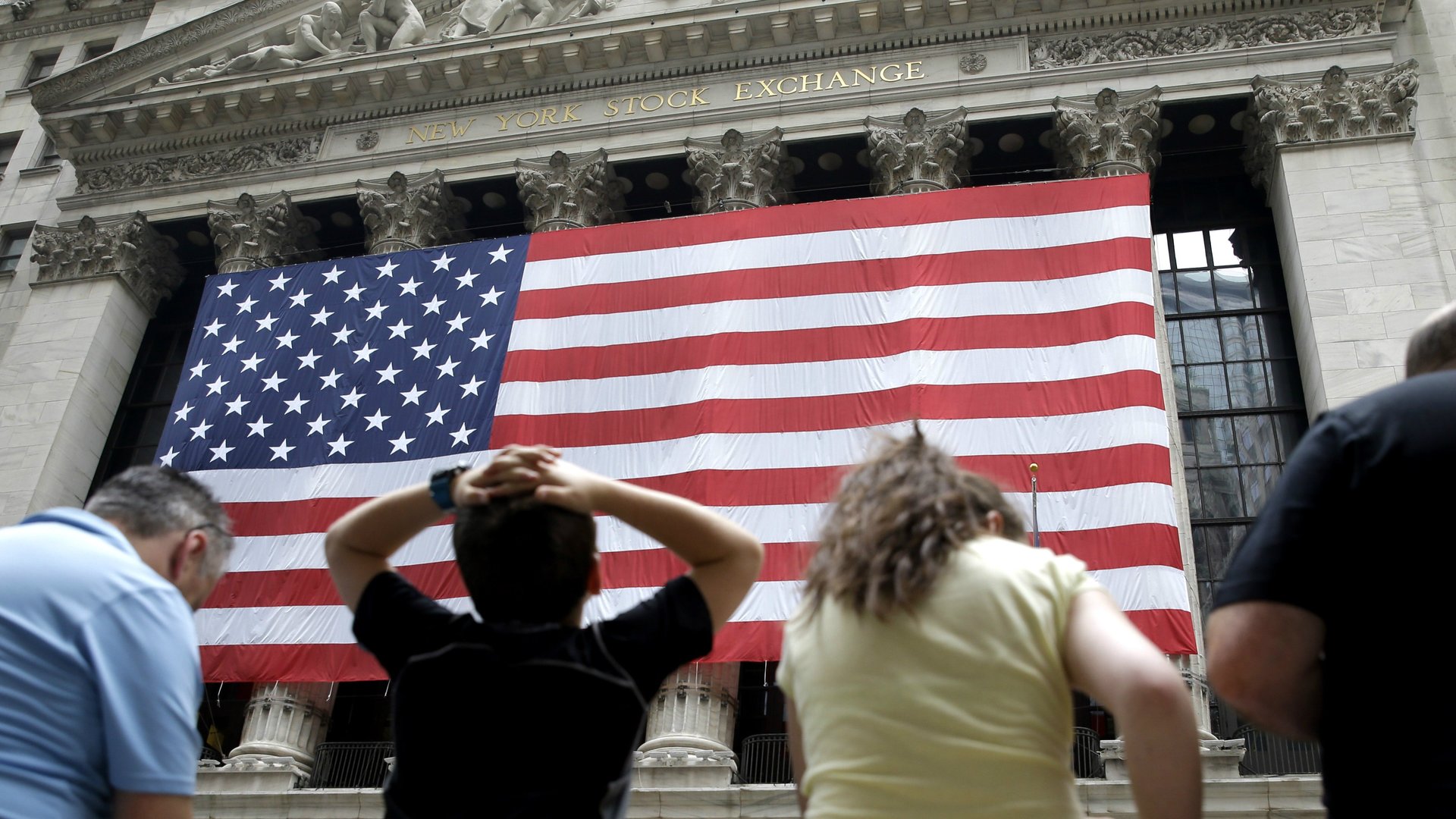
More than six years after the end of the Great Recession, America’s middle class is still waiting for its recovery.
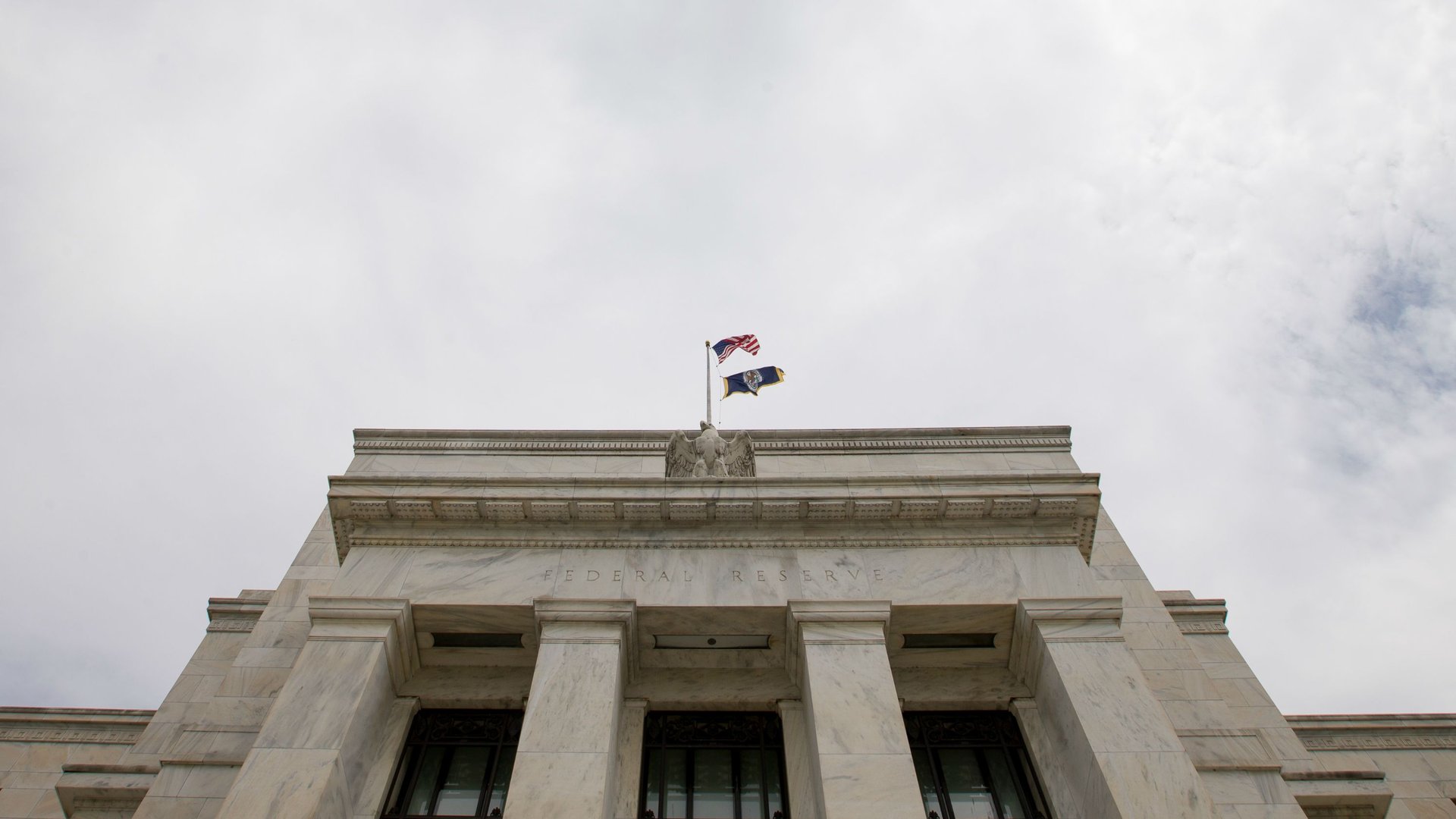
For years, everyone involved with investing has wanted to know: When will the Federal Reserve raise interest rates?
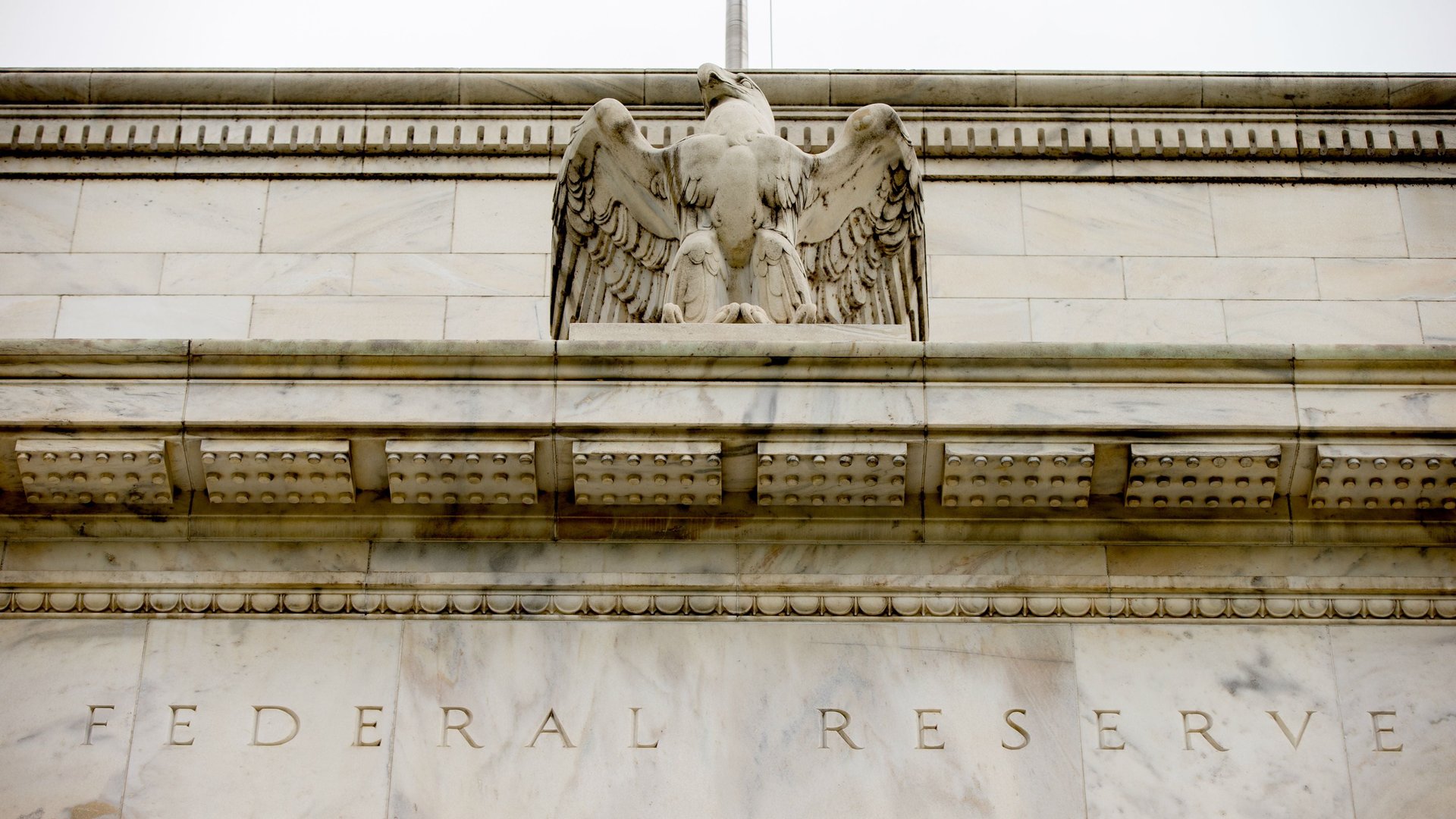
Before the US housing crisis, before the US financial crisis, before the European debt crisis, the Federal Reserve used to raise interest rates.
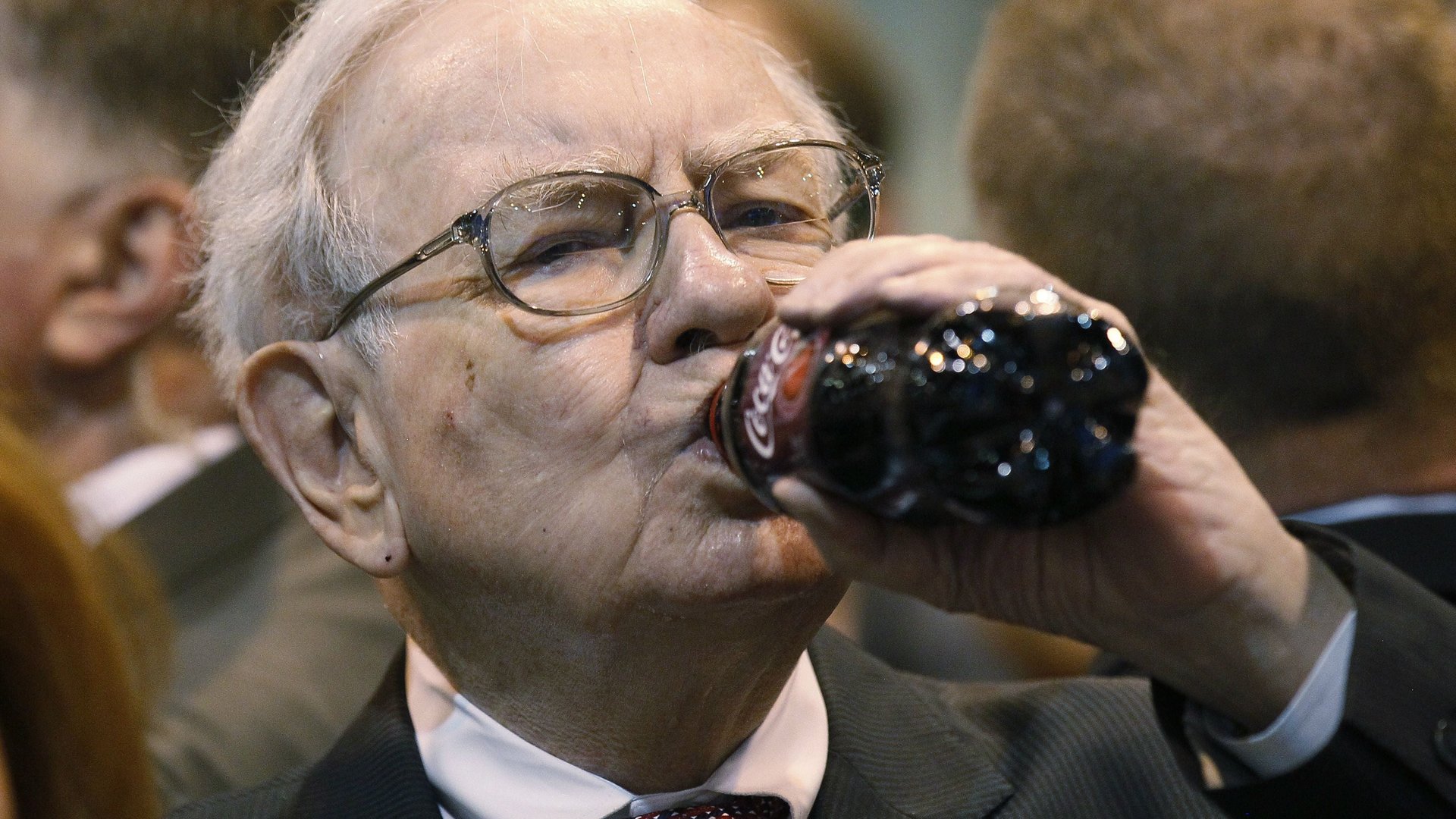
Cheap gas has led to a boom in US driving—and an even bigger-than-expected boom in accidents. US traffic deaths are up 14% in the first six months of the year, compared to the prior year. And injuries have risen 30%, according to research from Moody’s and the National Safety Council. Meanwhile, the miles driven through May only increased a bit more than 3%. A reason for the increase in accidents: Texting while driving. Earlier this year the National Safety Council found that roughly one quarter of all crashes involve cellphone use. Noted investor Warren Buffett concurs. Here’s how the Wall Street Journal quoted Buffett on the topic today:
Yeah, yeah. We know. China is a mess.
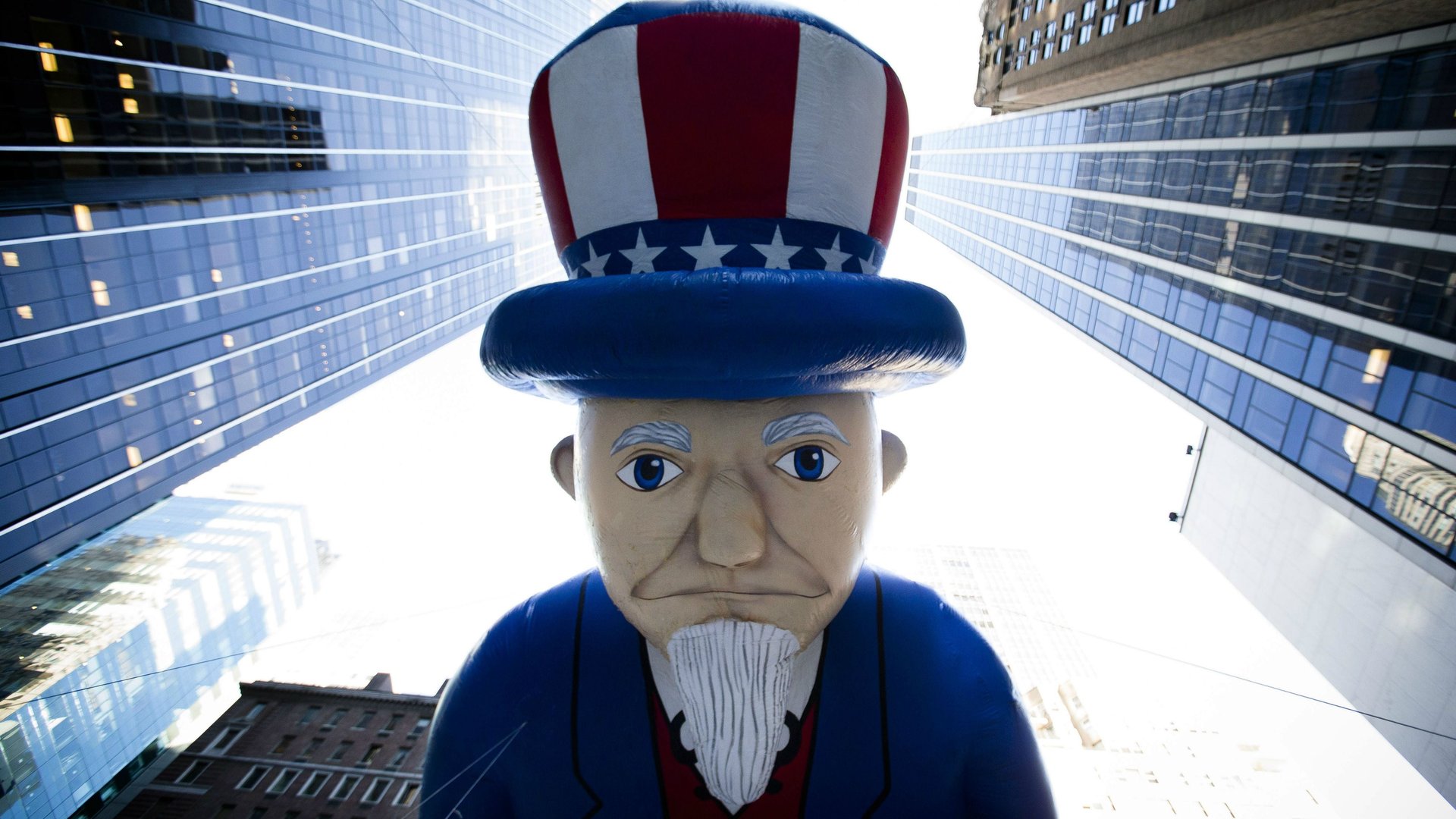
It’s that time once again.
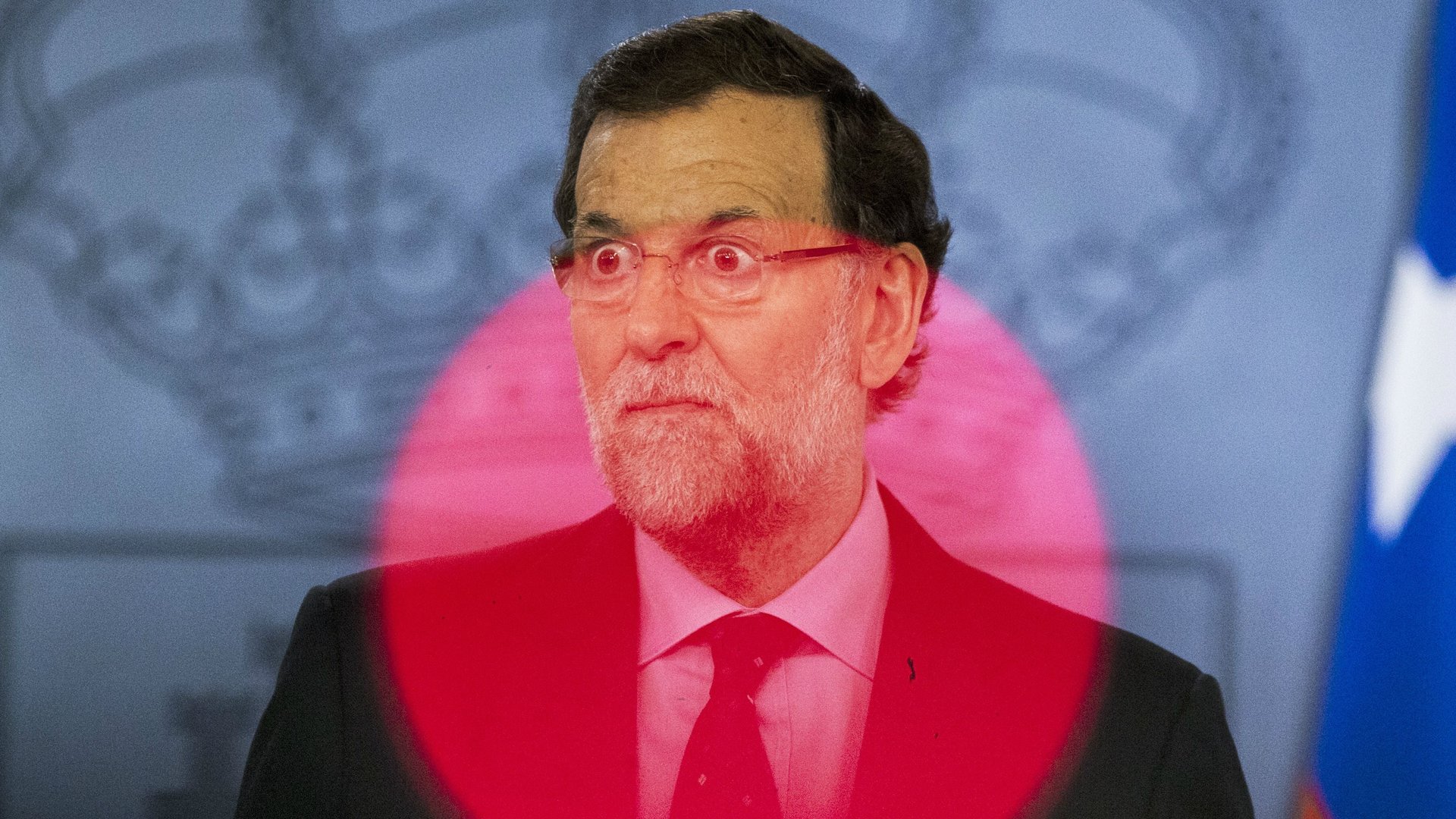
In Brazil, it’s olho grande. Italians call it il malocchio. Hungarians refer to gonosz szem. Deochi in Romania. In urdu, it’s known as nazar lagna. In Arabic, ayn al-hasud literally means ‘eye of envy.”
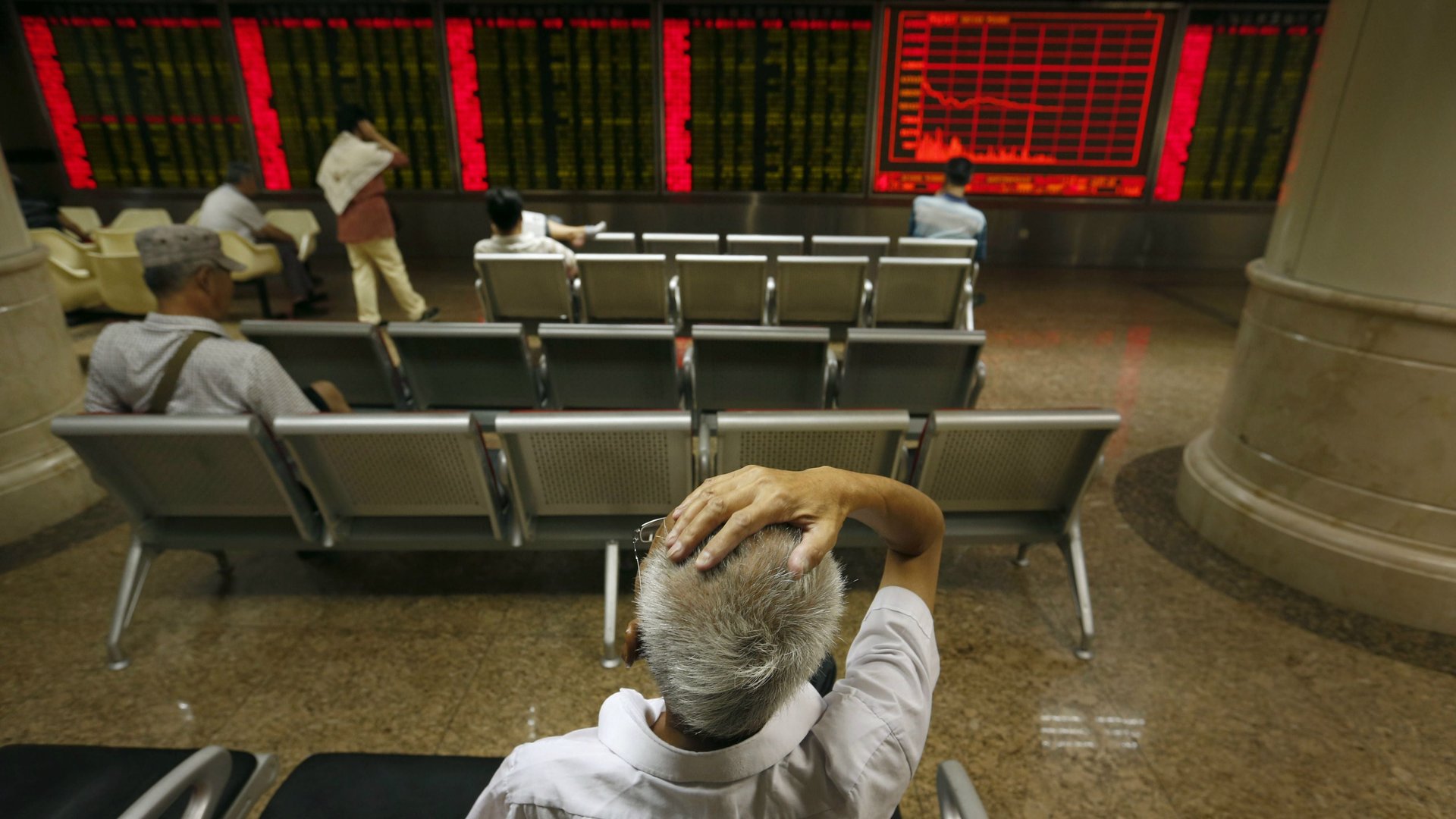
We know China is big. By some measures, China is now a bigger chunk of the global economy than the US.
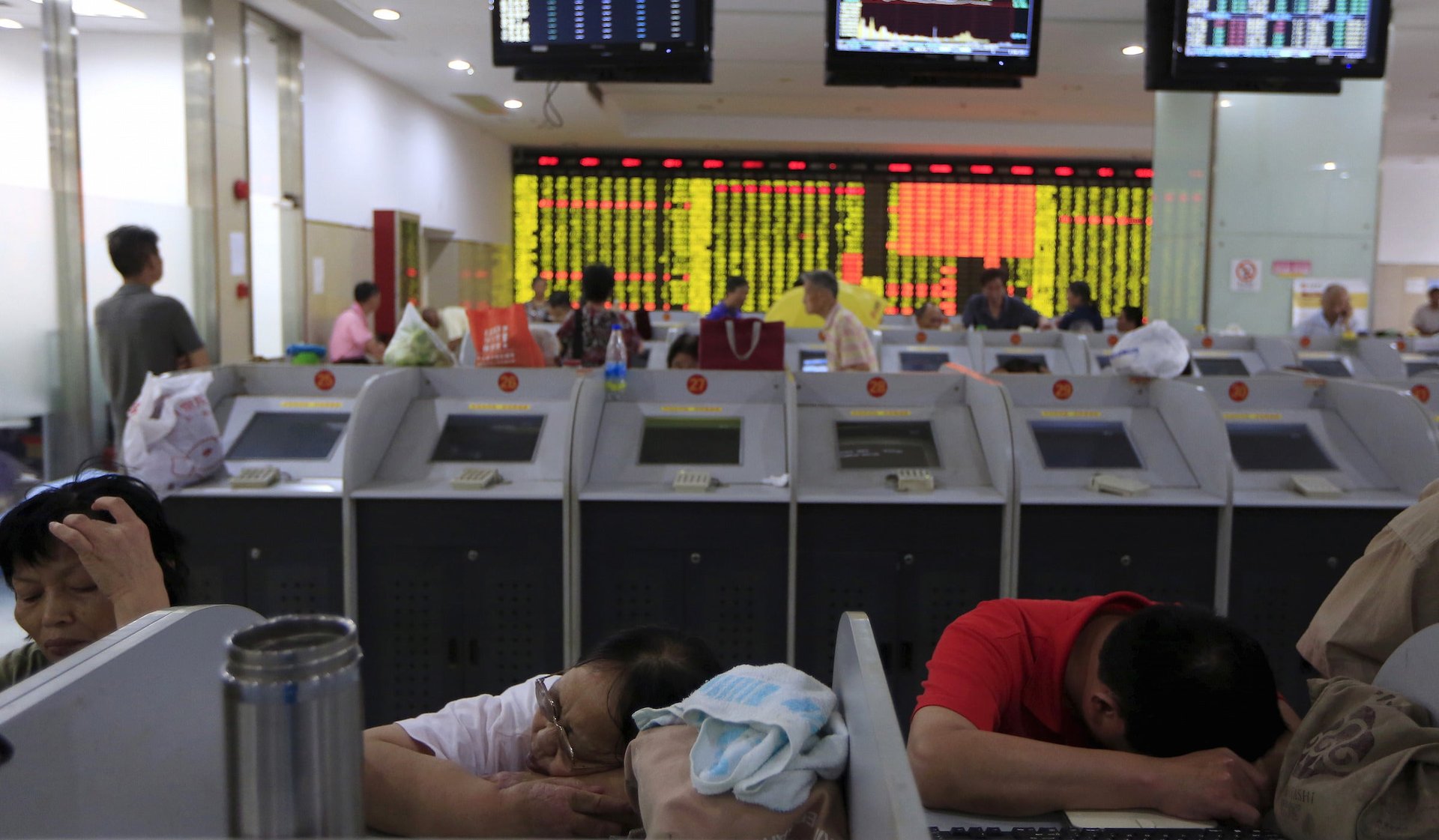
It all started in Asia.
Much of the beauty of capitalism is in its ability to be crafted to suit different cultures, times, and contexts.
The United States economy added 215,000 jobs in July, falling slightly below expectations, and the unemployment remained unchanged at 5.3%. We’re collecting all the relevant charts from the report below.
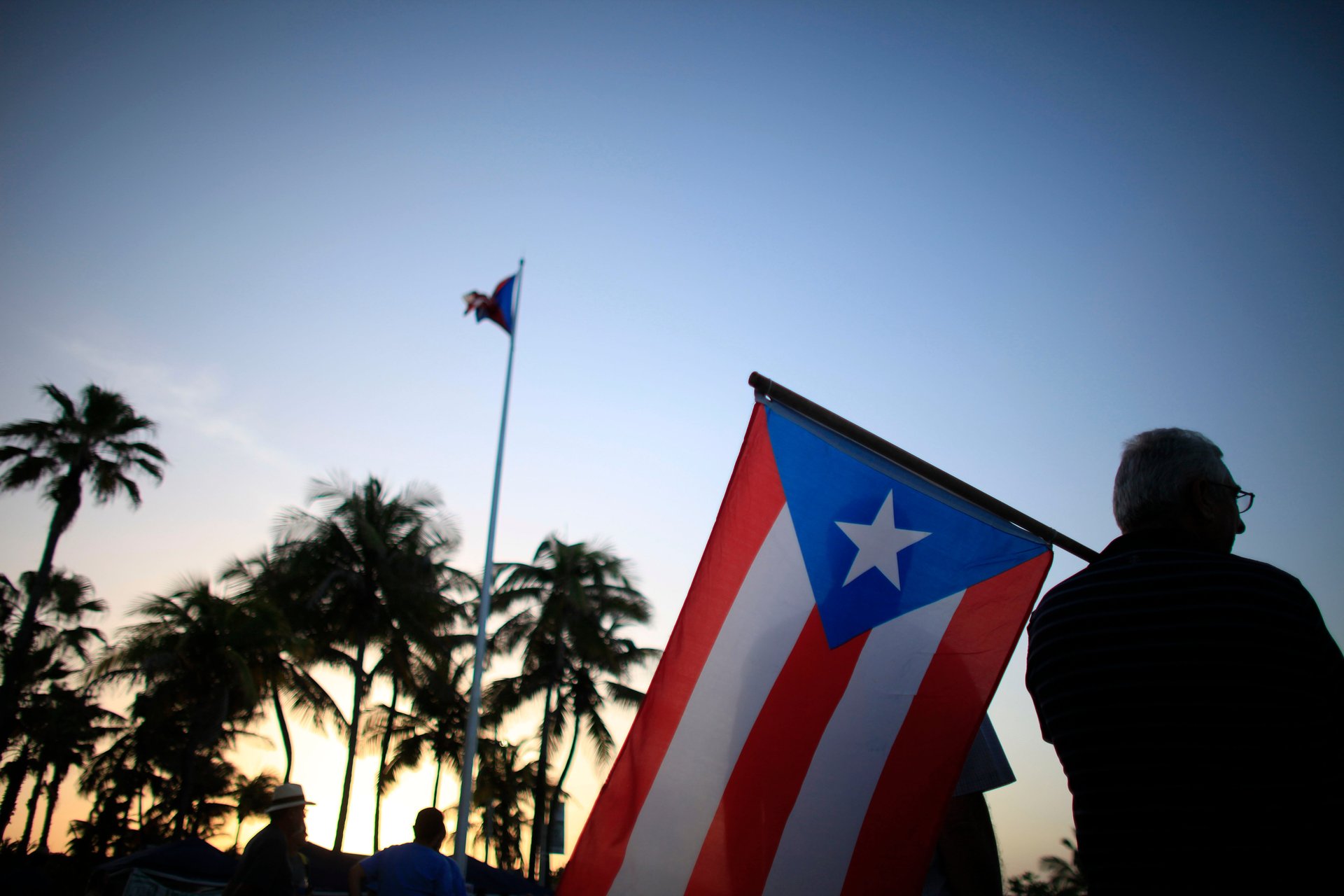
Puerto Rico defaulted. And no one should be surprised.
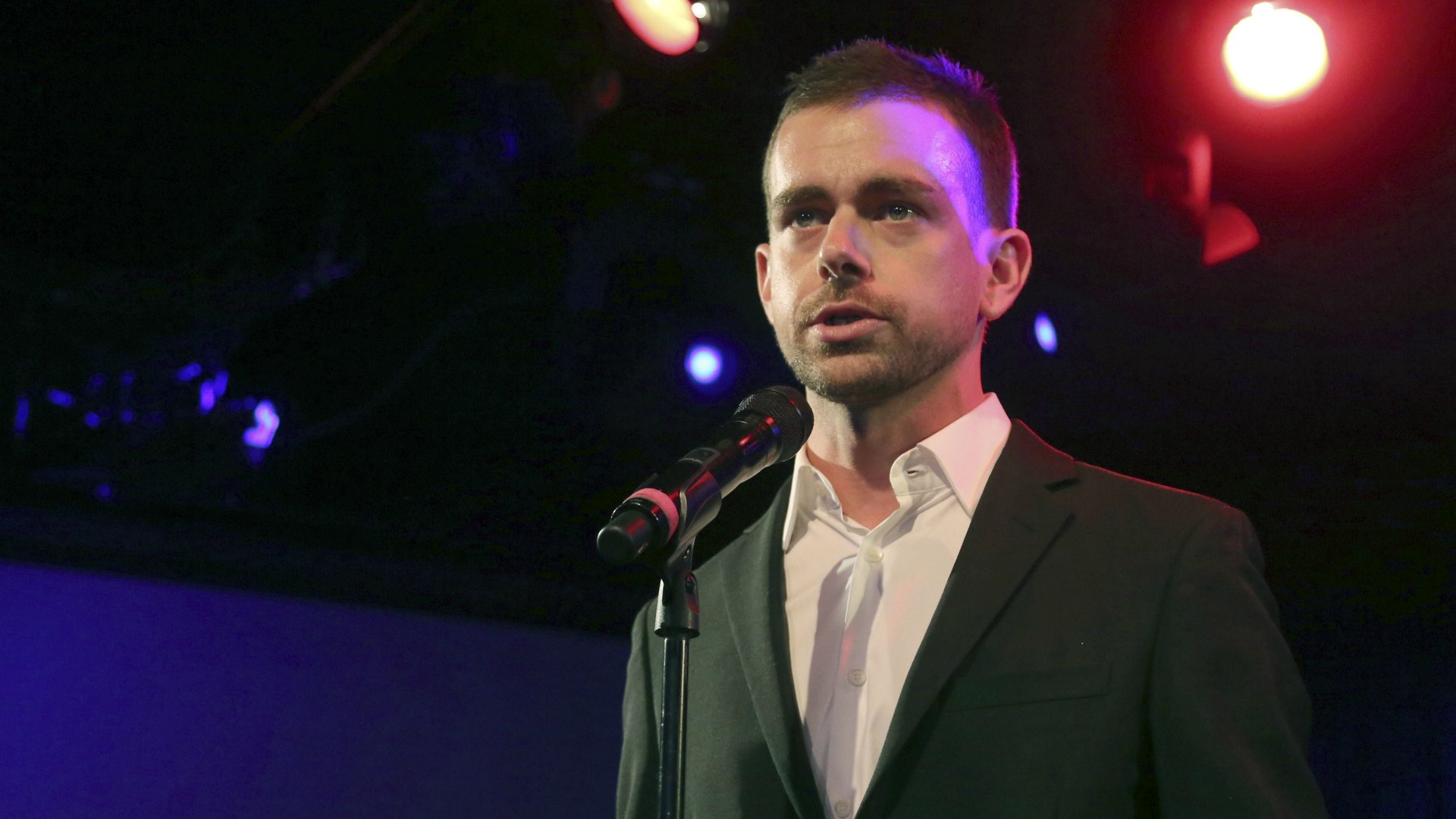
Twitter’s change in top management—ex-CEO Dick Costolo stepped down in June—was meant in part to give the shares a lift. But the installment of Twitter-cofounder Jack Dorsey as interim CEO has been less than salubrious for the stock, which is down roughly 12% from where it was when Costolo left the corner office.
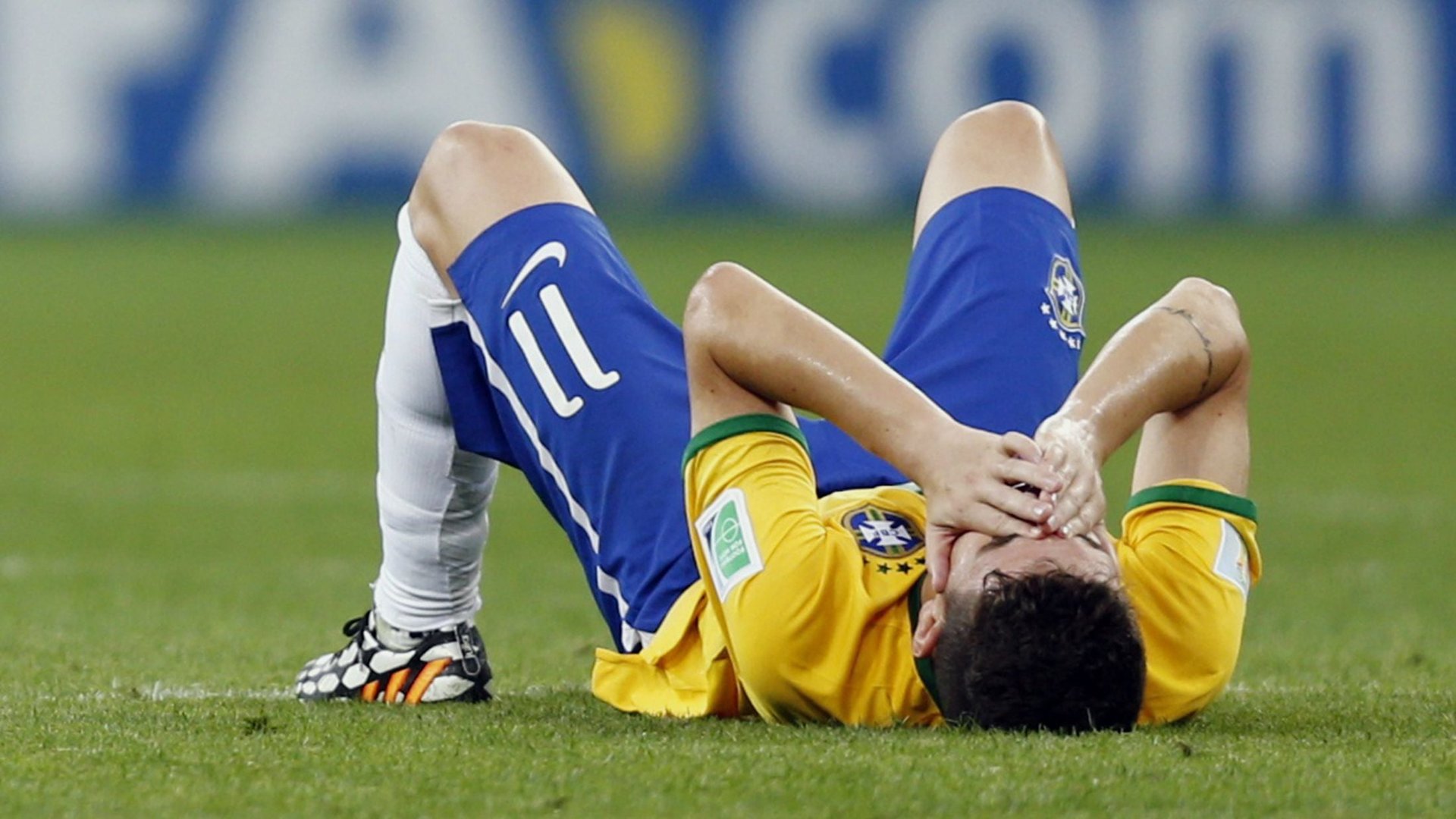
Another day, another dour data point for South America’s largest economy.
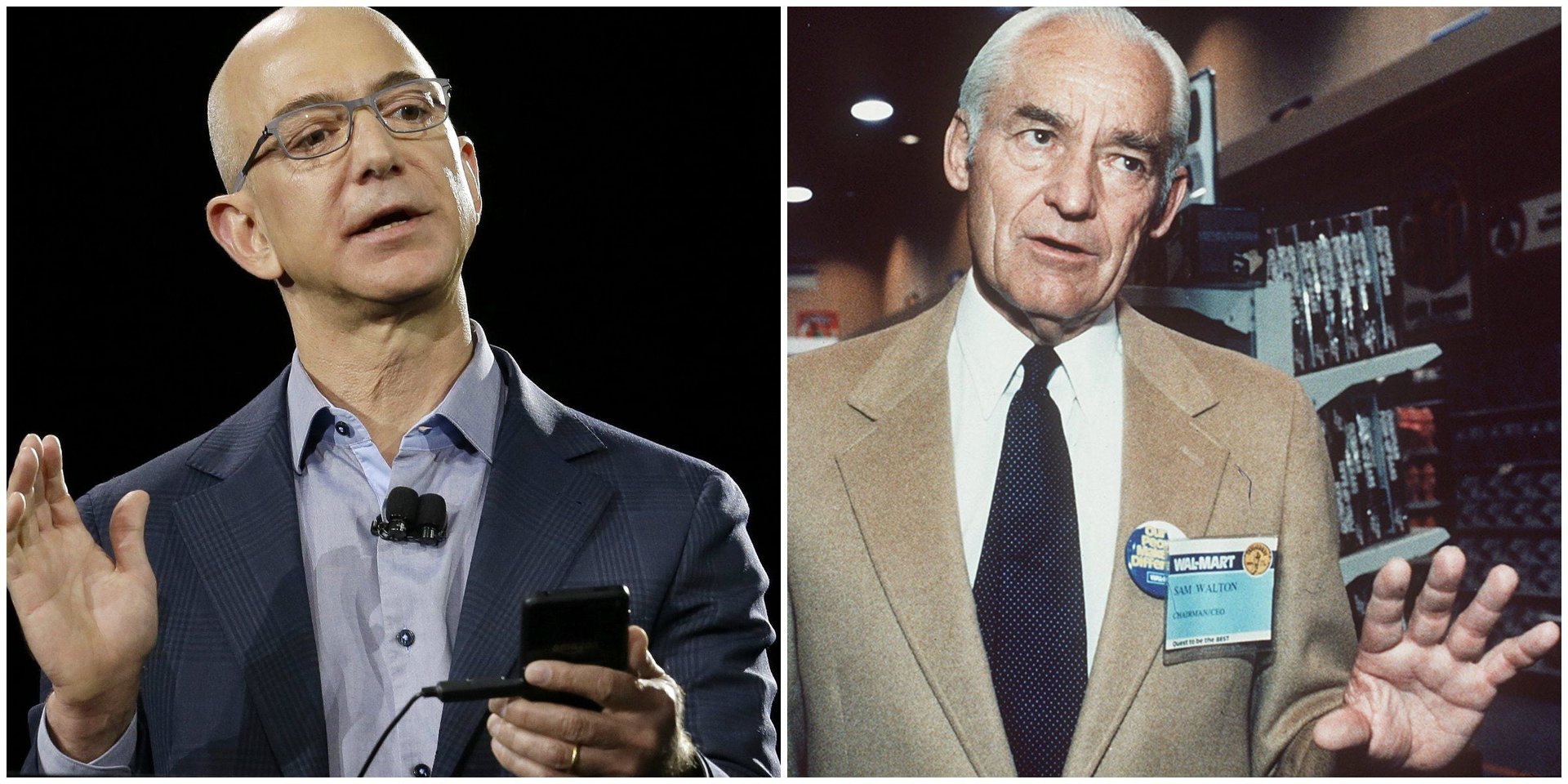
The retail king has lost its crown.

Here’s a silver lining for parents of rule-breaking, defiant, disagreeable children: Such surly offspring could end up being a very good investment.
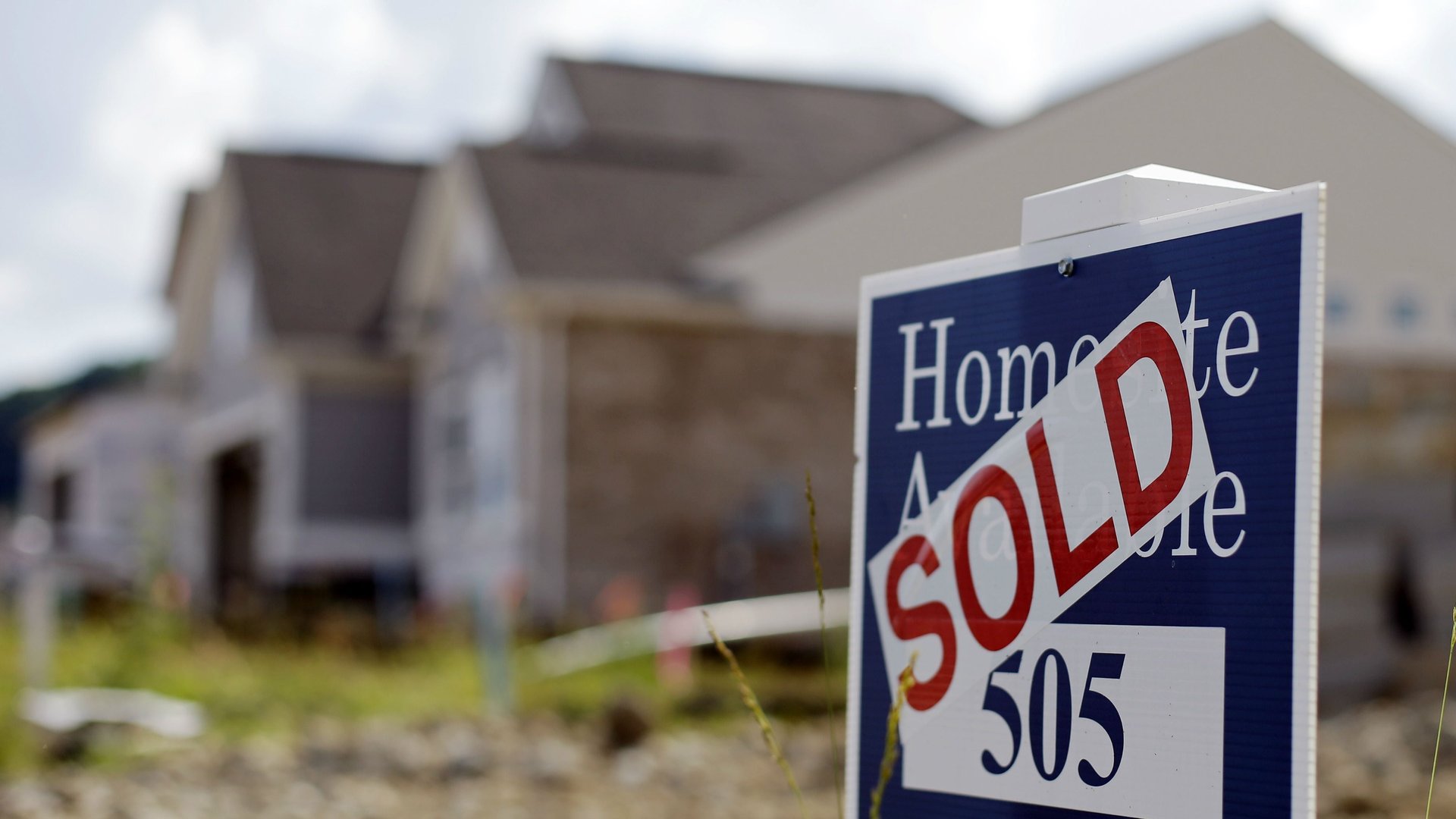
Seriously, where else are you going to find good news from a major economy? China and its 7%—wink, wink, nudge, nudge, say no more—growth rate? Its spineless stock market? Or Europe, which just went through one of its periodic crises flare-ups that threaten the foundations of its post-war economic order? How about Latin America, where Brazil is increasingly looking like a basket case? (Though it’s an all-star in comparison to the monetary disasters of Venezuela and Argentina.) Japan? It’s improving thanks to life-support from its central bank, but it’s still very much a work in progress.
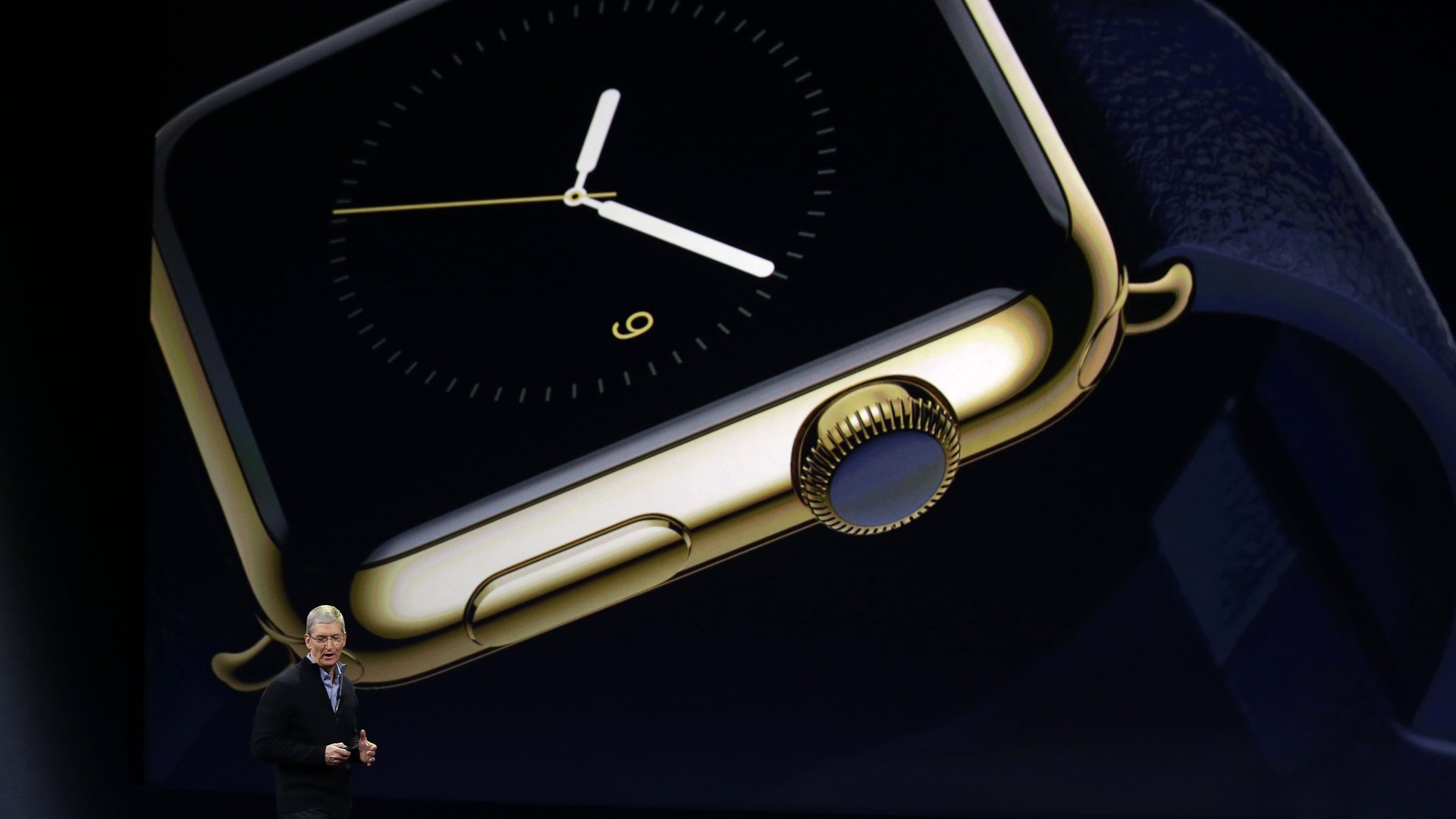
Apple’s share price fell sharply after its earnings hit this afternoon. Shares dropped to an after market low of $119.96—about three minutes after the report hit—from a closing price of $130.75. A decline of that order, 8.3%, isn’t unheard of in after hours trading. But given that Apple is the world’s largest publicly traded company by market valuation, that equates to a gobsmacking $62 billion in value. (For comparison’s sake that’s more than the market value of asset management giant BlackRock or consumer products company Colgate-Palmolive.)
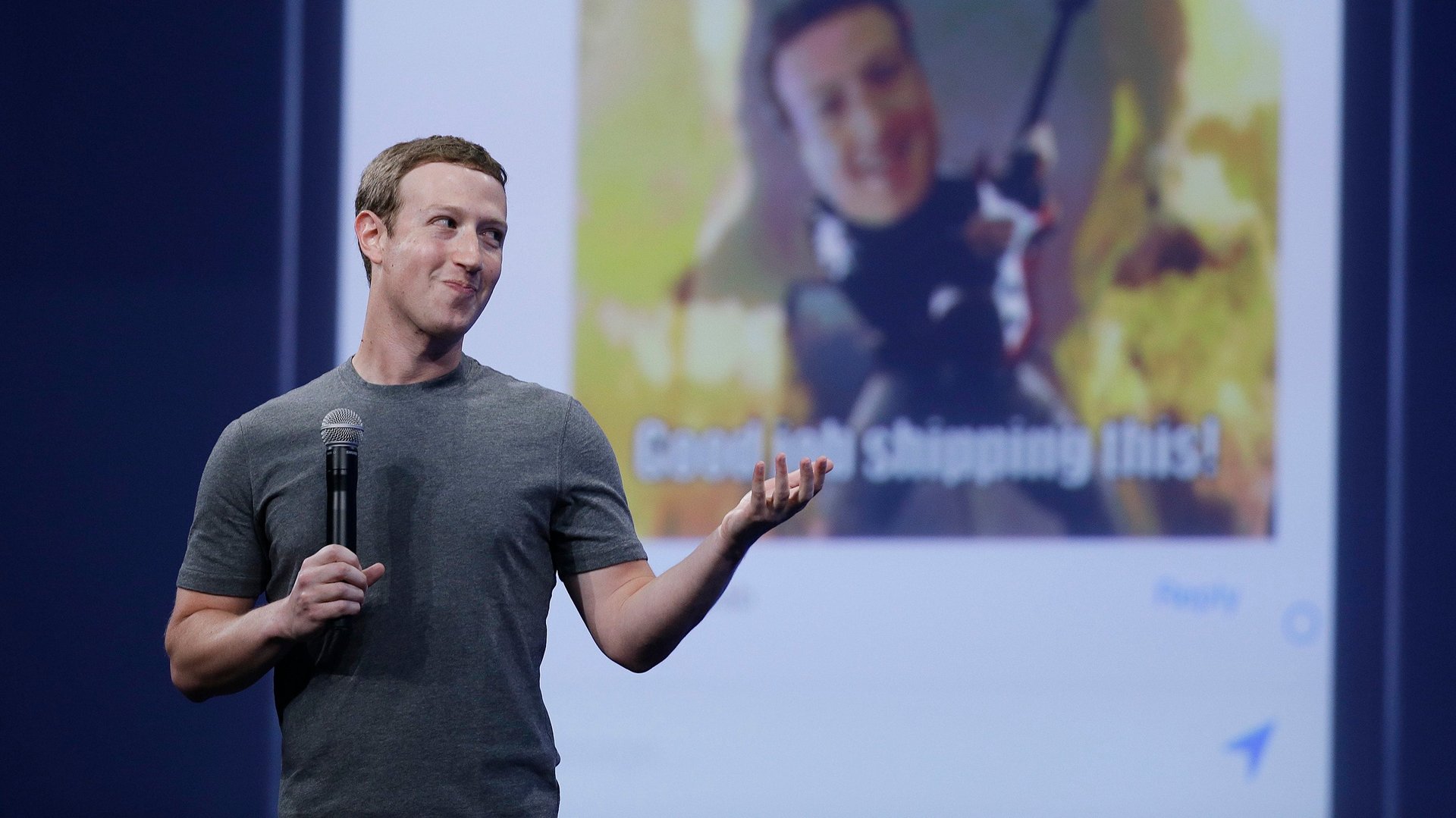
The giant premium investors are putting on the shares of Facebook has given the social network one of the largest market values in the world.
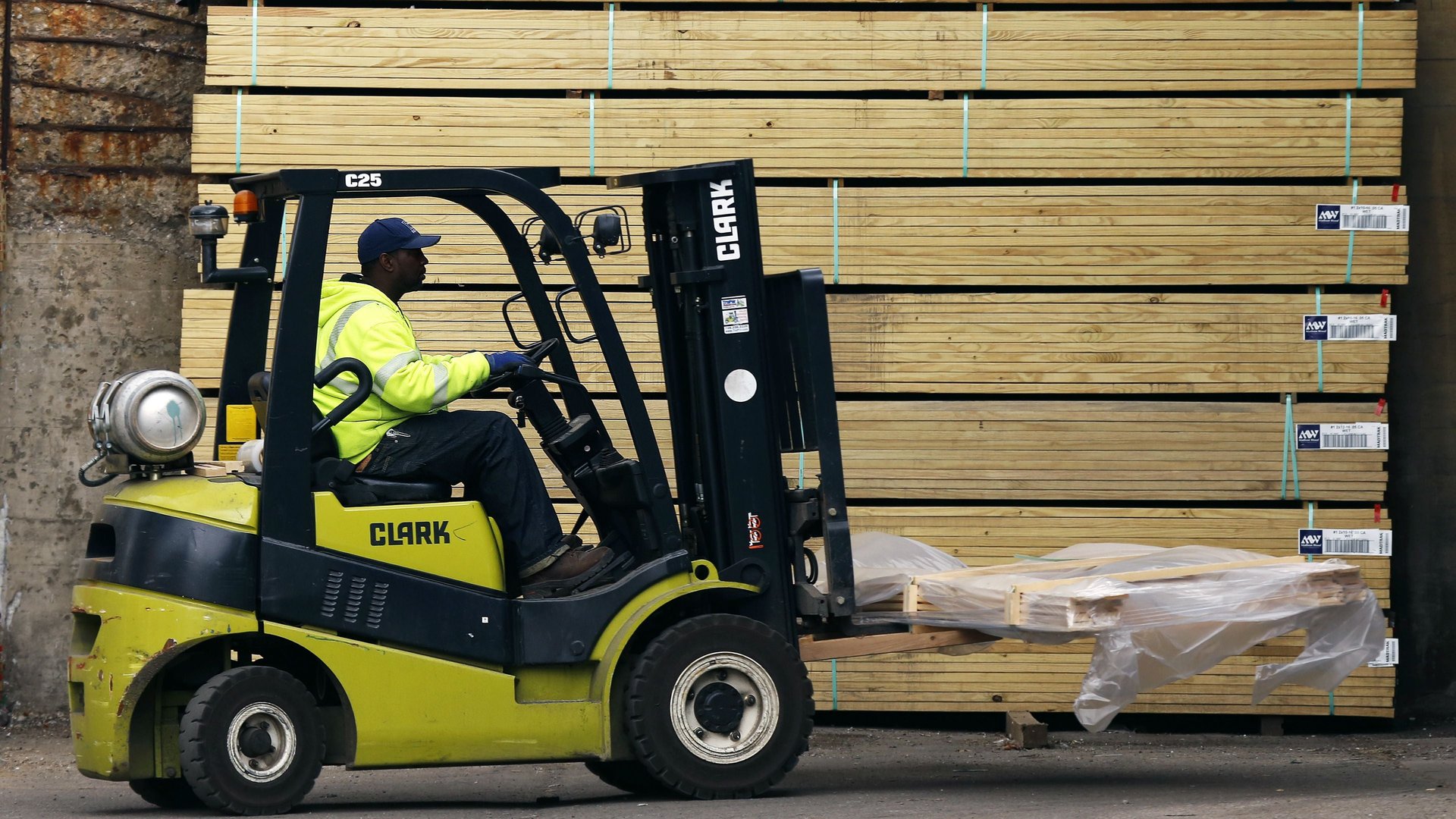
To build a house, you need wood.