
Money & Markets
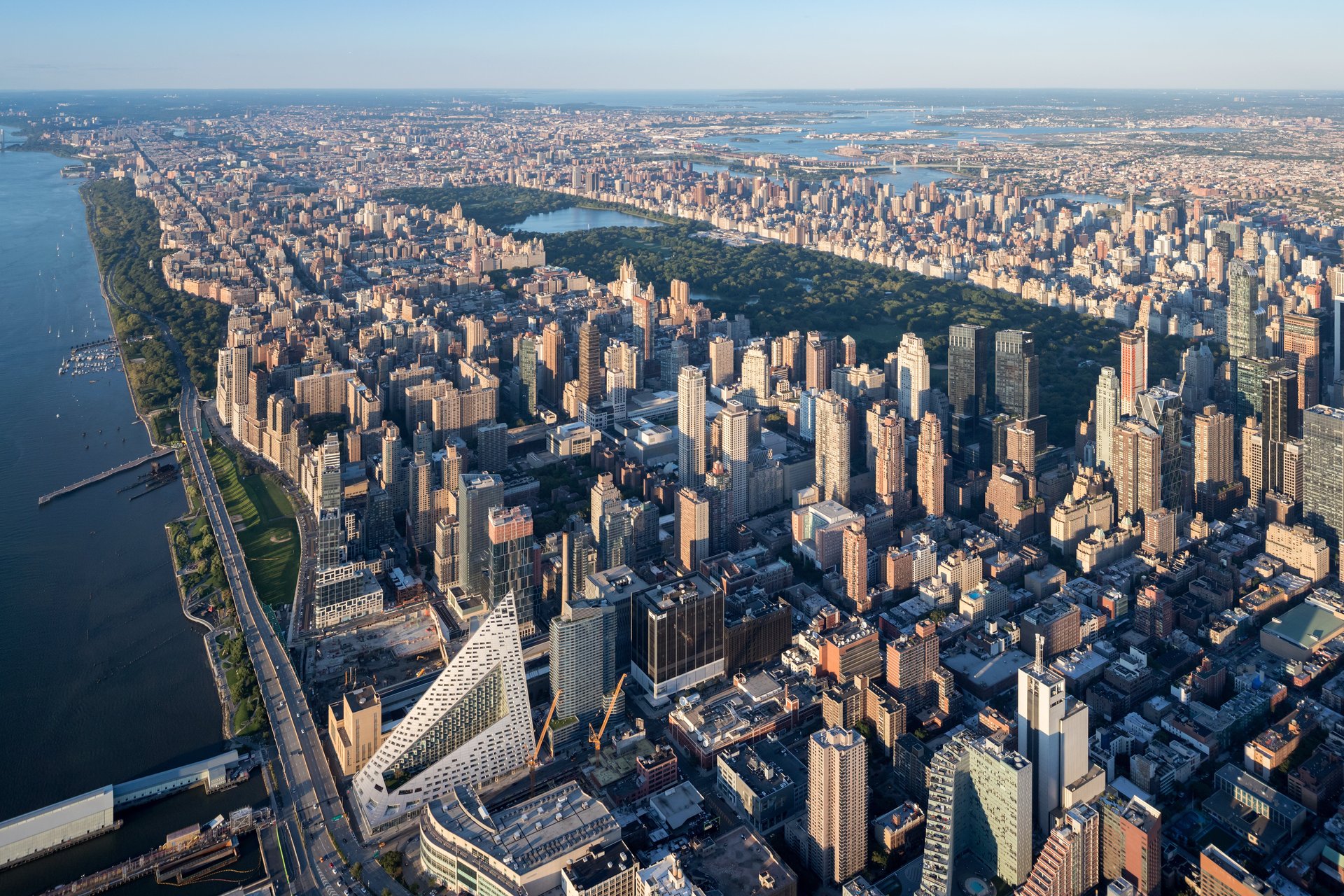
Chinese buyers are pulling out of New York real estate in drovesChina’s capital controls are making their mark on New York’s luxury real estate market.
Updated July 21, 20221 min read
China’s capital controls are making their mark on New York’s luxury real estate market.
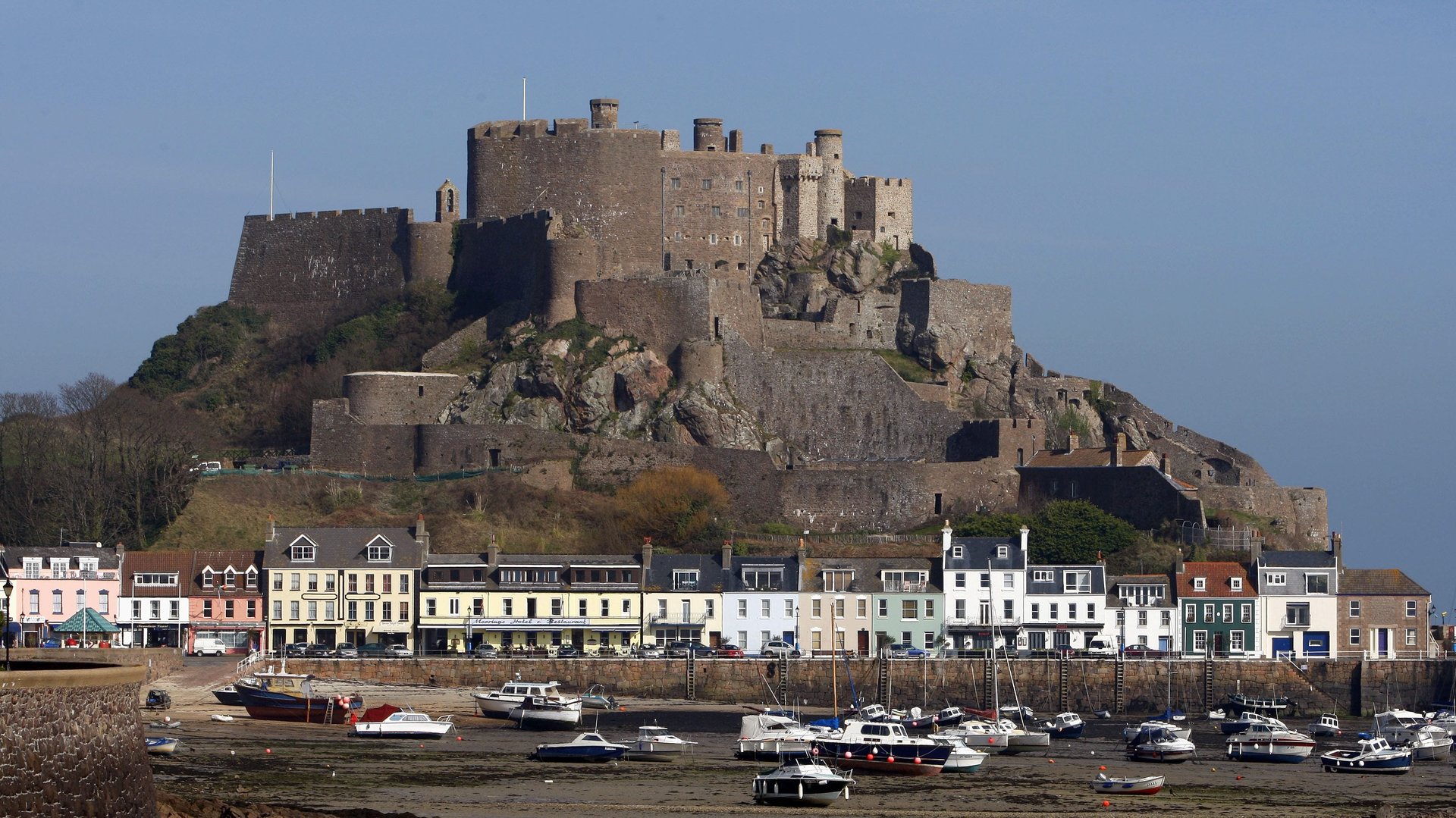
A trio of secretive British tax havens beloved of kleptocrats and money-launderers are facing unprecedented pressure to open their books.

While the number of countries criminalizing homosexuality has dropped dramatically in the past 50 years, the number of LGBTQ refugees has risen, according to the United Nations.

One of the world’s most important oil shipping routes has hit its most dangerous level since 2005, due to growing tensions between Iran and its American and Saudi rivals, according to insurance markets.
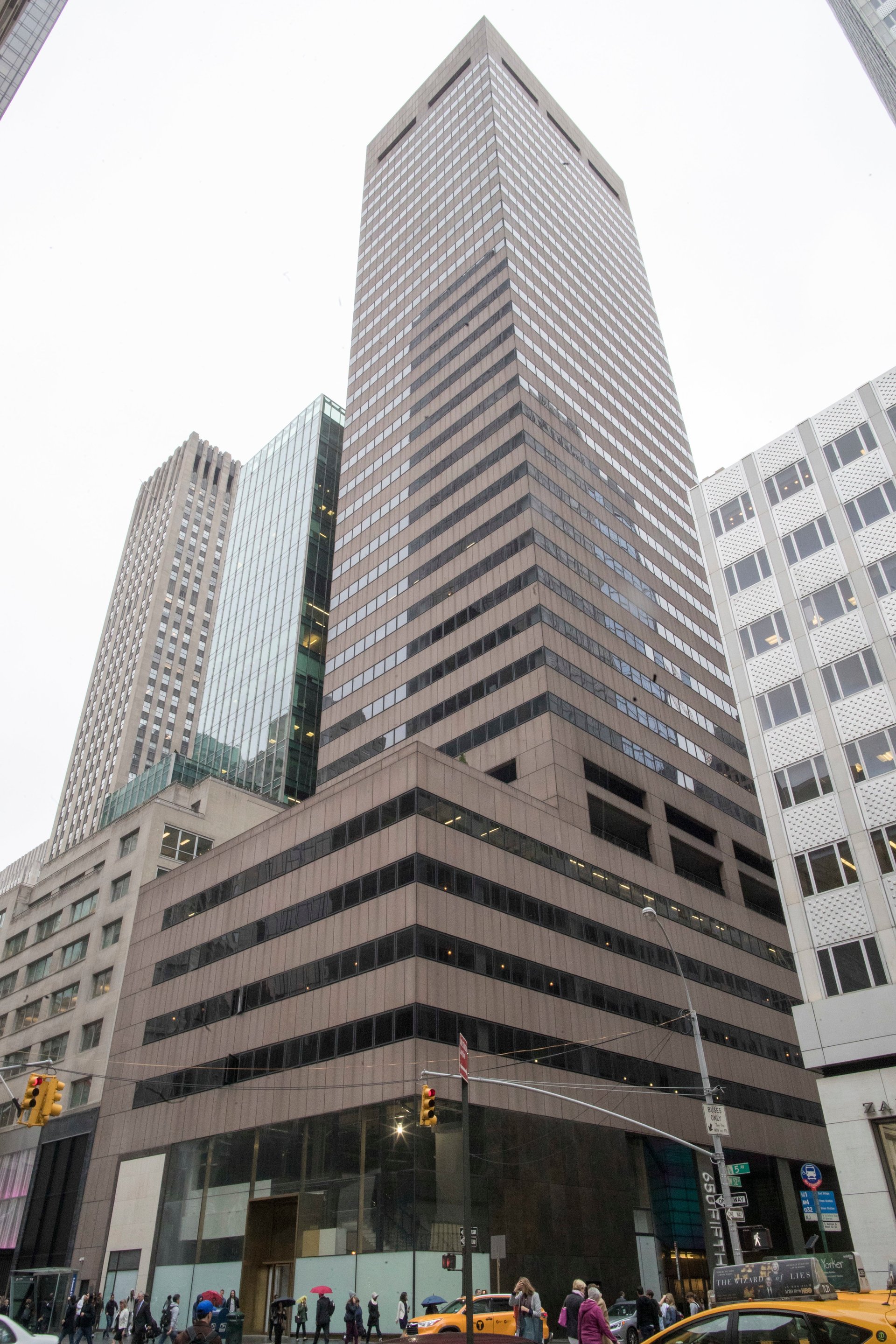
Criminals love US real estate. It’s been well documented.
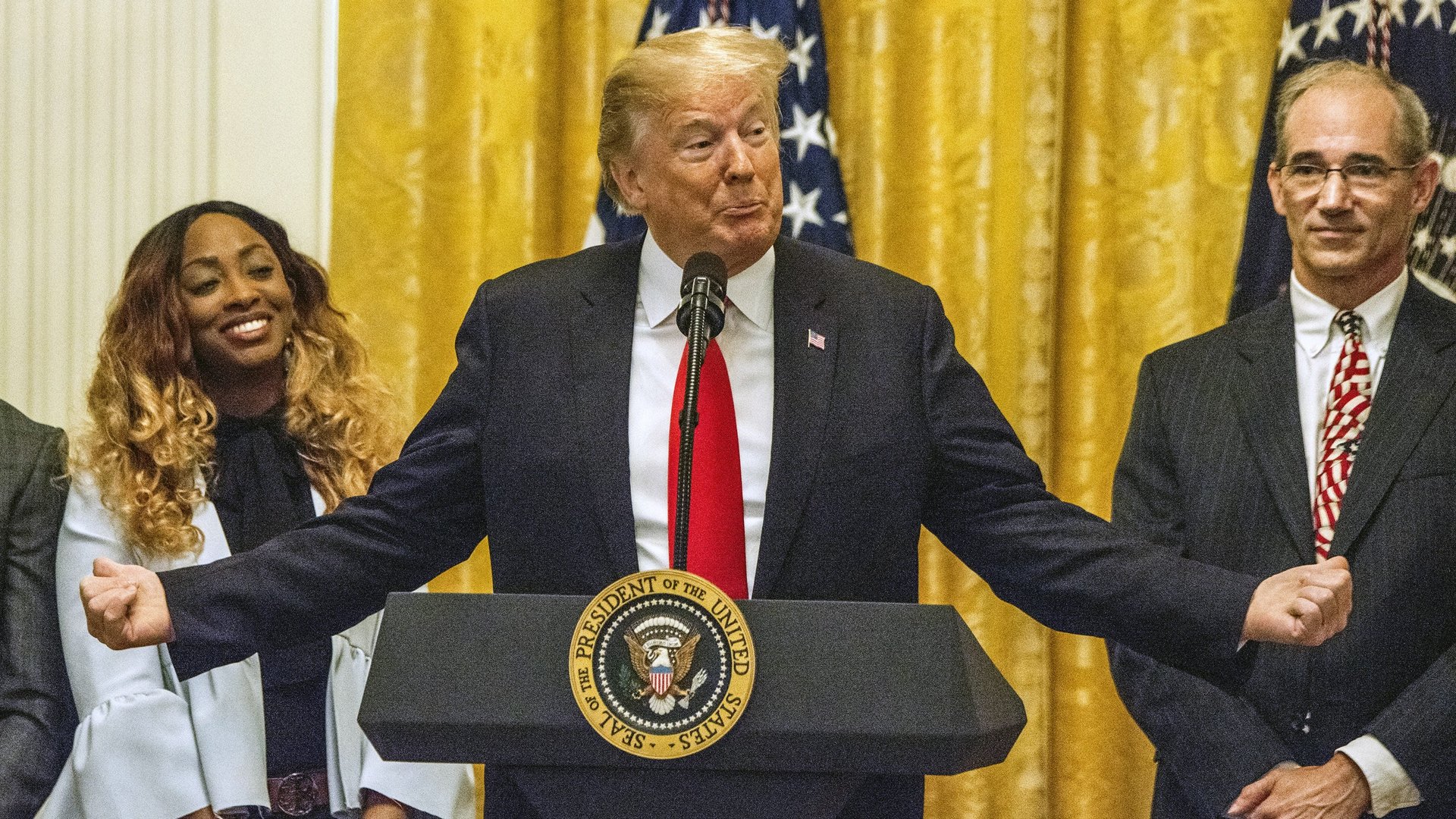
Something unprecedented happened last weekend: The G20 finance ministers signed a plan to figure out how to fairly tax the world’s biggest companies by 2020—and the United States didn’t block it.

They’re talking about a revolution in the tax world.
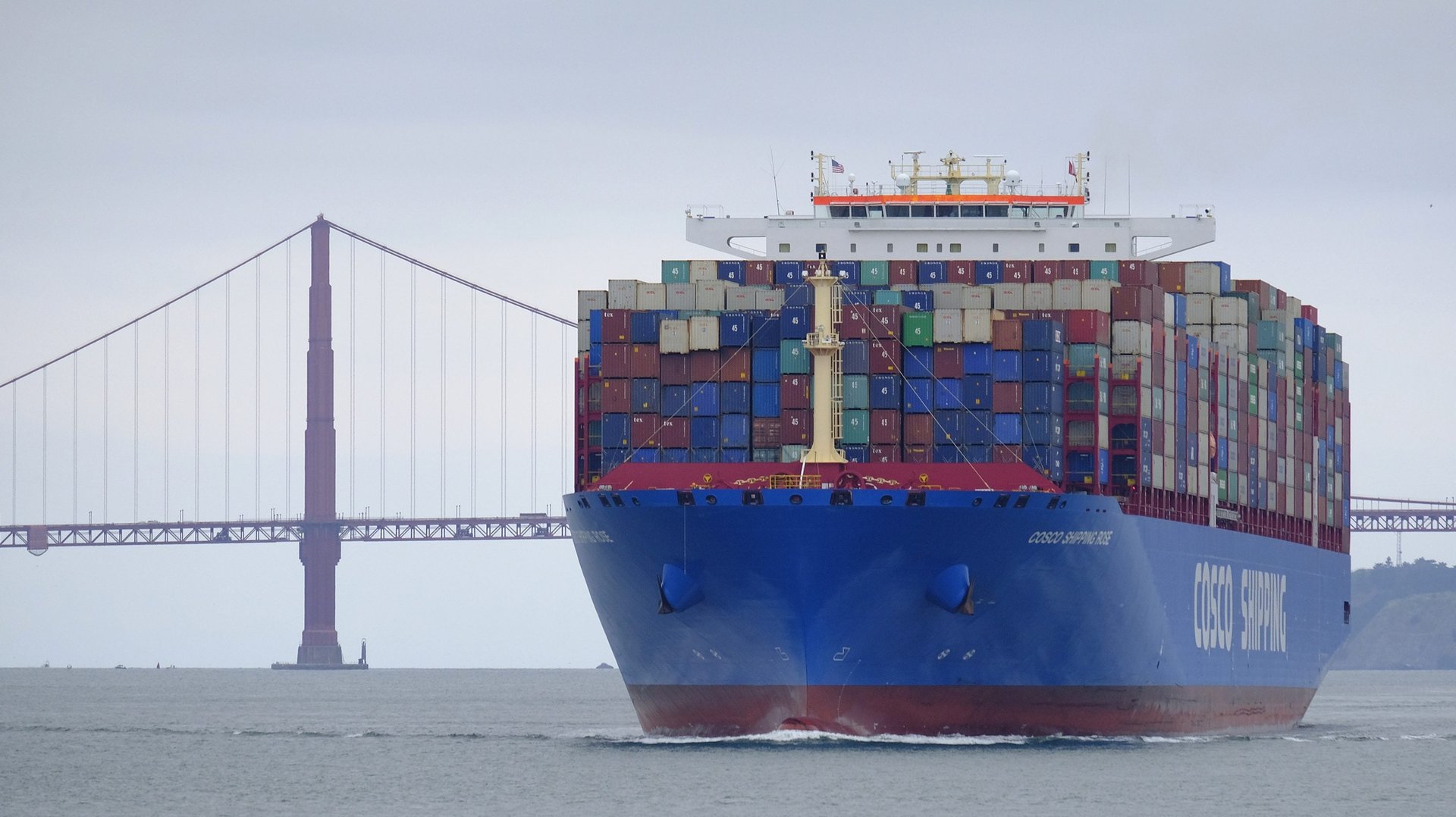
A small new exchange-traded fund launched today with an eye-catching concept: It plans to invest in companies that have large numbers of government contracts, which it thinks will protect them from the trade wars launched by US president Donald Trump.
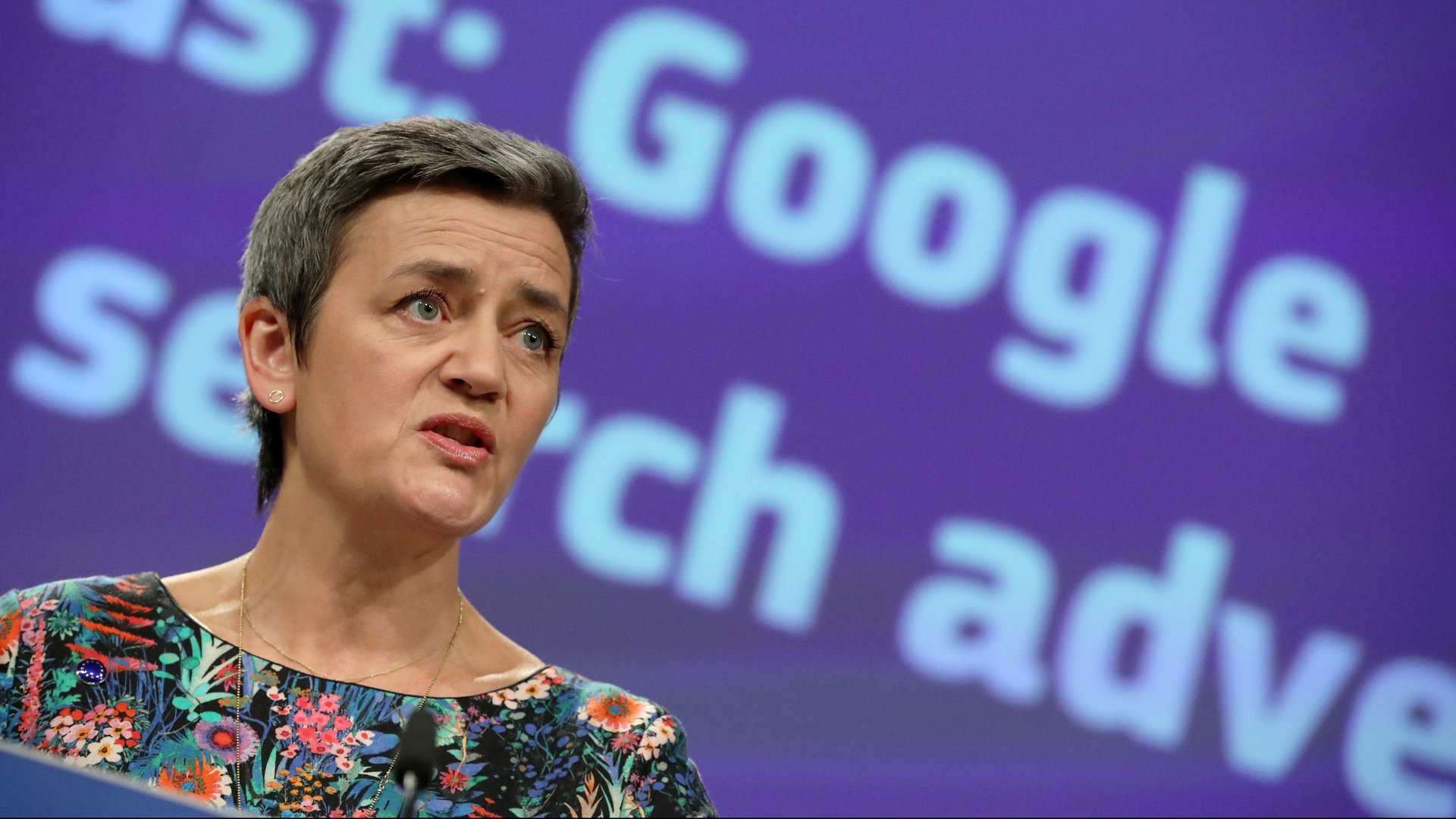
The four biggest jewels in America’s tech crown took a pummeling in the markets today after various reports predicted the US government would step up its antitrust oversight. A look at Google’s long history of antitrust tussles with the European Commission suggests many more years of disquiet.
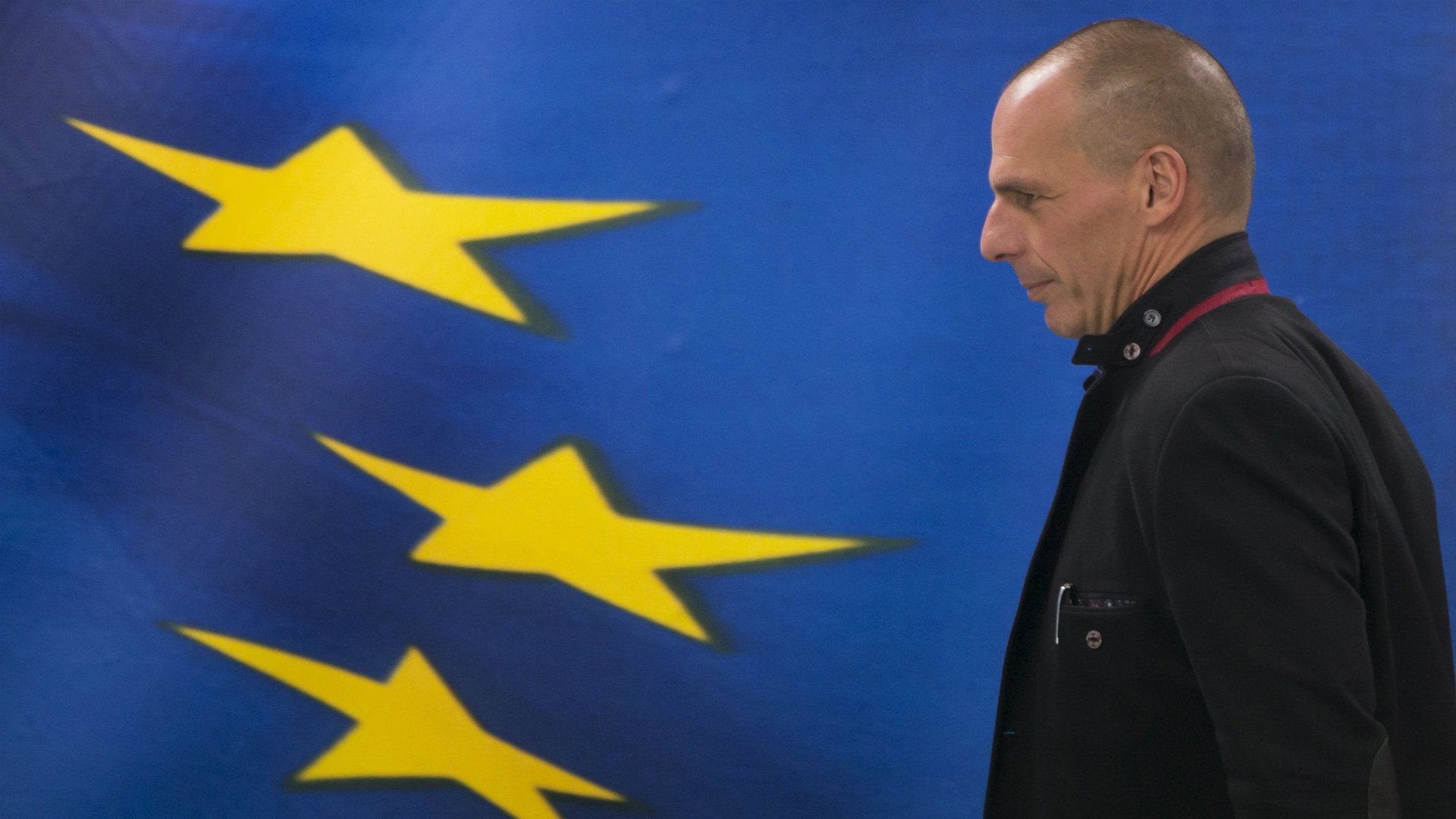
Yanis Varoufakis is tired.
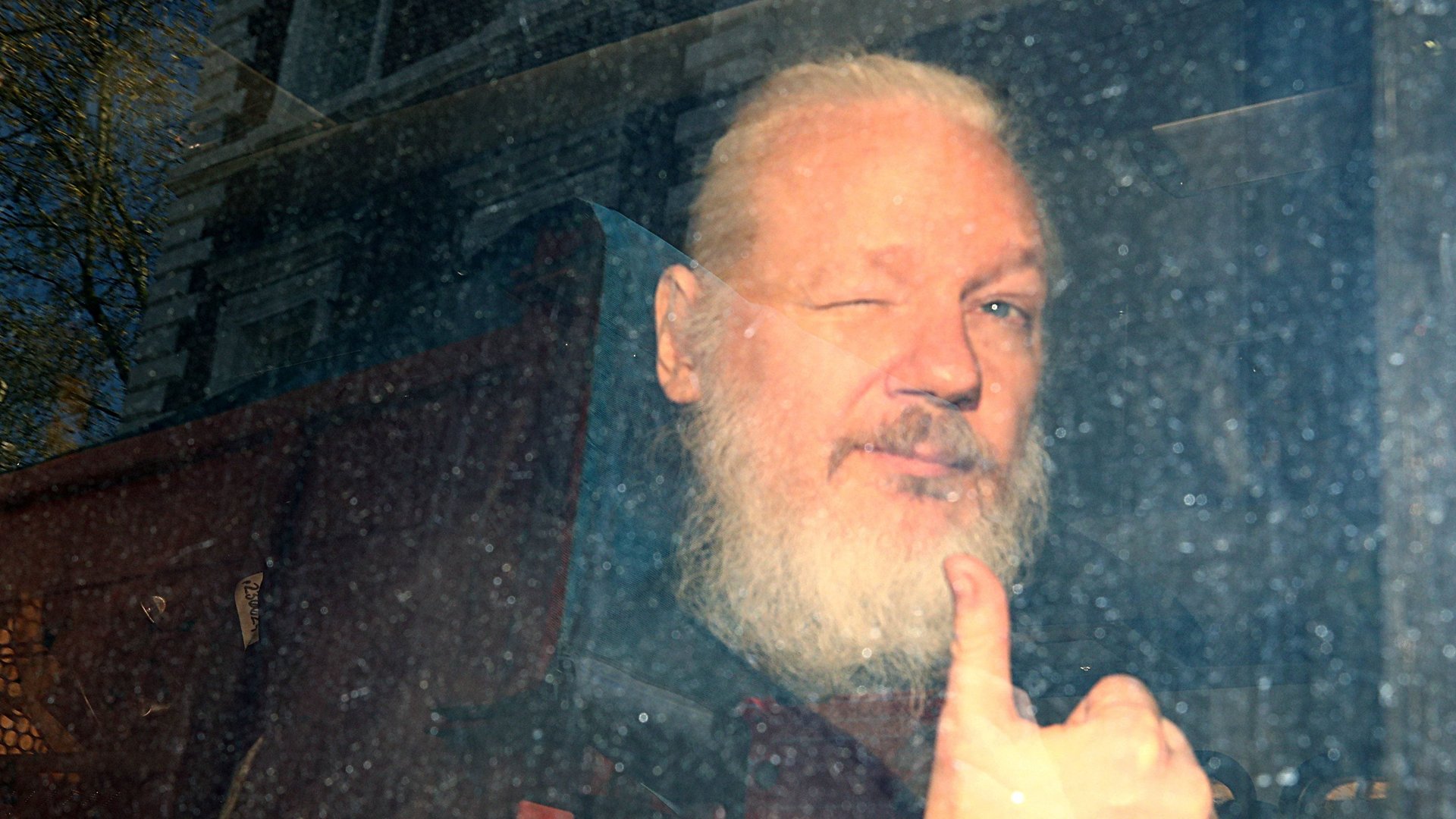
WikiLeaks founder Julian Assange made his opposition to Hillary Clinton’s presidential candidacy known from the start, according to Robert Mueller’s report.
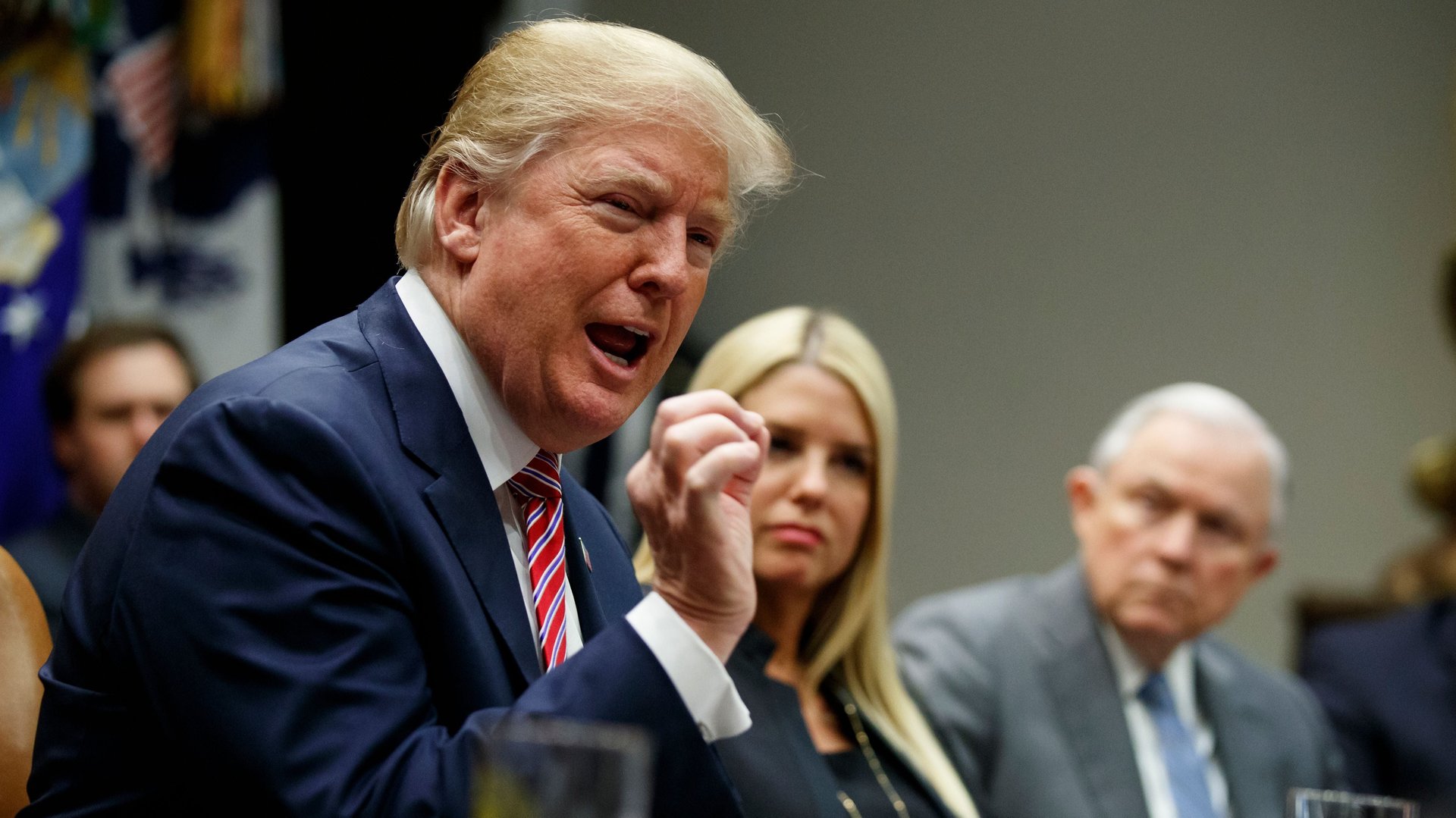
When president Donald Trump learned that Robert Mueller had been appointed to probe his campaign’s ties to Russia’s attack on the 2016 election, he responded with anger and graphic language, according to special counsel Mueller’s report released today.
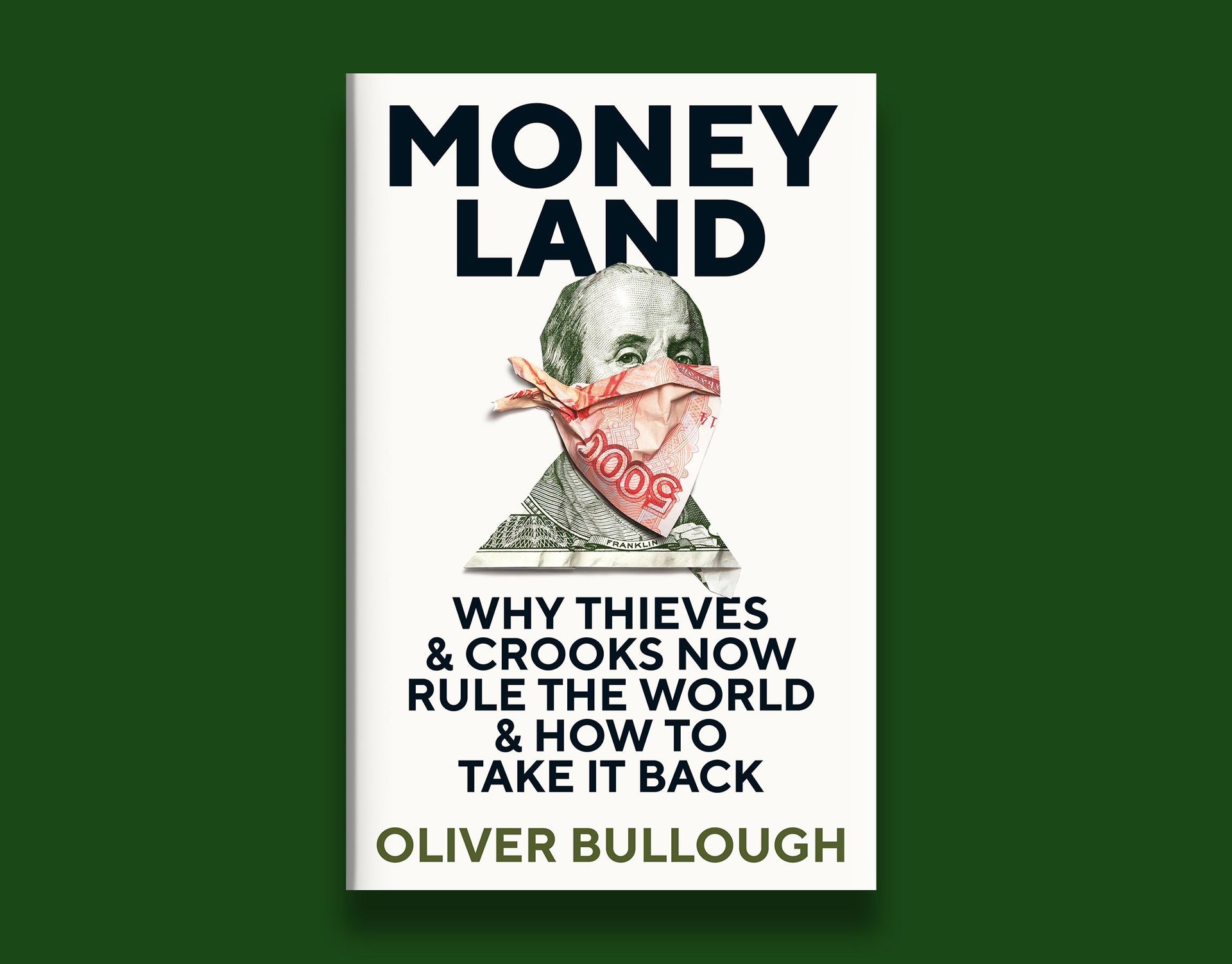
Title: Moneyland: Why Thieves and Crooks Rule the World and How to Take it Back
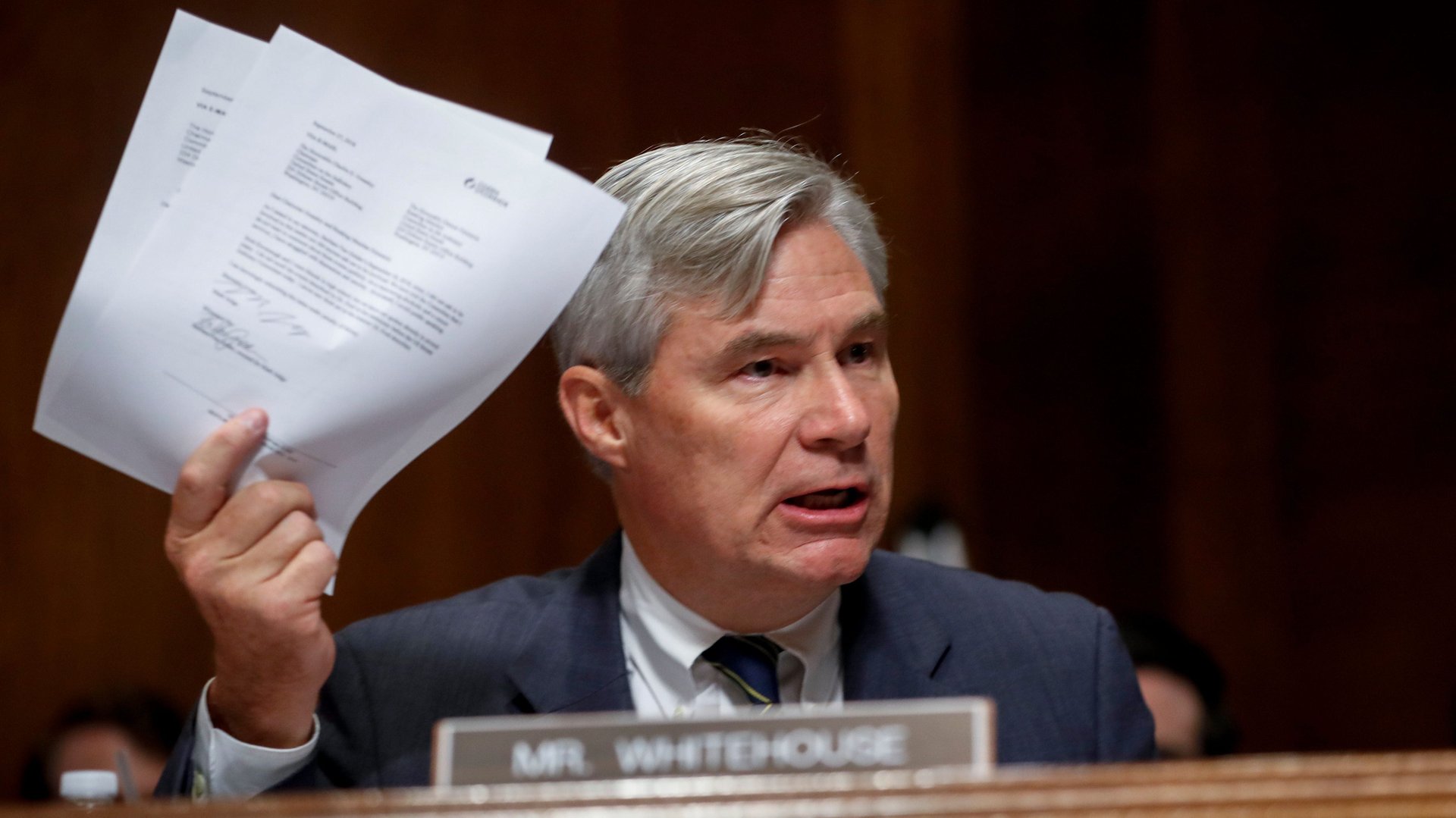
Senator Sheldon Whitehouse is not a man who messes around. The former prosecutor from Rhode Island has a gruff tone, jarringly direct speaking style, and visceral hatred of dirty money.
Late one fall night in 2008, Christine Nelson was dropped outside a Houston strip mall by the man who had been trafficking her for a year and a half.
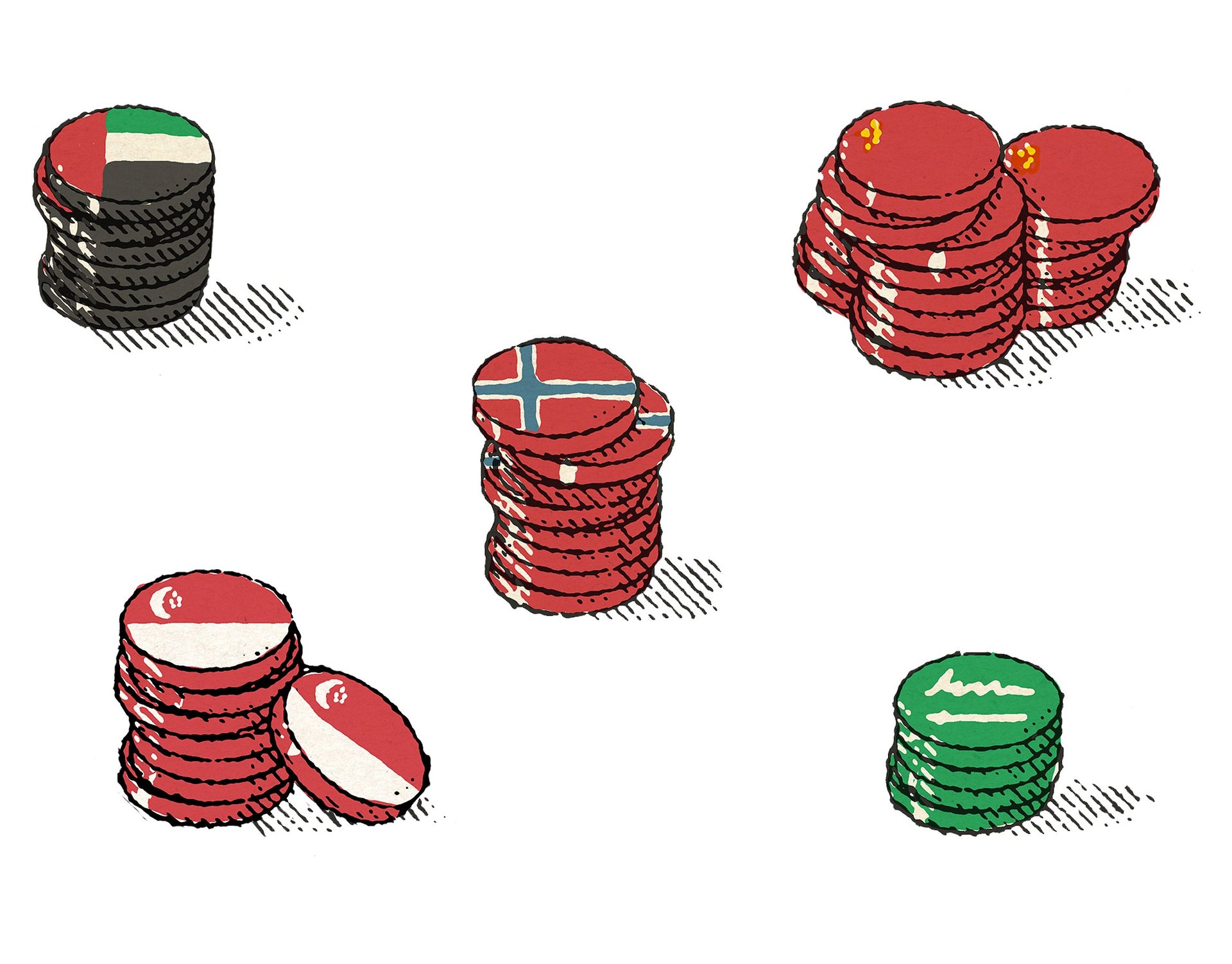
The term “sovereign wealth fund” has only been in existence since 2005. In the 14 years since, their number has gone through the ceiling and their total assets have quadrupled. In short, there’s a lot to keep track of. Given some SWFs’ penchants for secrecy, that’s not always an easy task—here’s where to start.
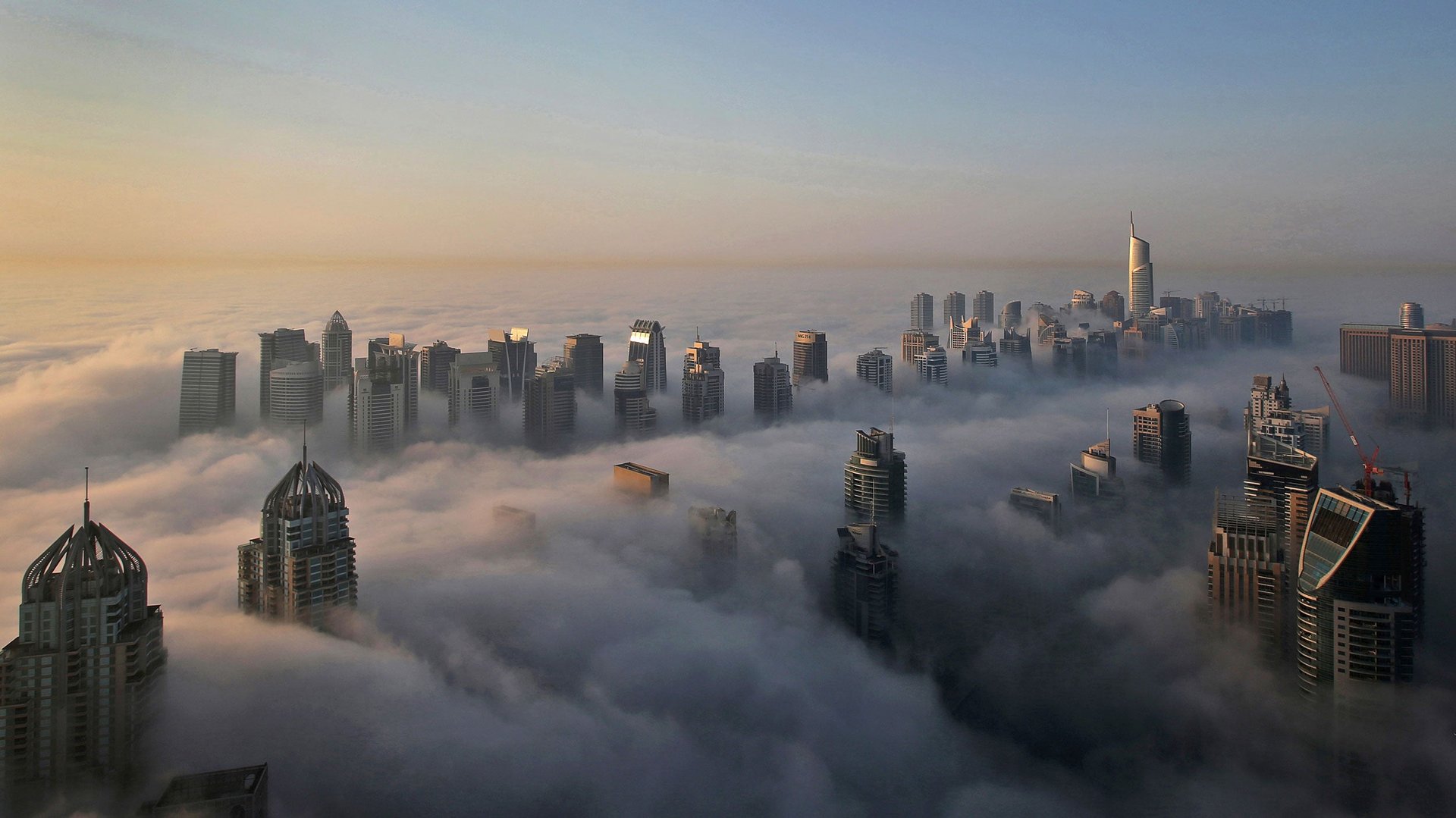
Say someone gave you an extremely large amount of money to invest in the global economy to make long-term profits—where would you place your bet?

You wouldn’t expect a $27 billion minnow to be a leader in an industry where the biggest players boast hundreds of billions in assets.
This story is part of How We’ll Win in 2019, a year-long exploration of workplace gender equality. Read more stories here.

If you’re looking for an antidote to the West’s hand-wringing over its predicted declining influence over 21st century geopolitics, have a gander at sovereign wealth fund investments. In 2007, former US Treasury secretary Larry Summers wrote, “for some time now, the large flow of capital from the developing to the industrialized world has been the principal irony of the international financial system.” Remarkably, the majority of SWF cash continues to flow in that direction 12 years on.
Next week, the Alaskan government is expected to give each of its citizens a check—typically for around $2,000.

The Israeli security firm Black Cube has become infamous for its alleged “dirty ops” campaigns, which involve getting “dirt” on their clients’ adversaries.
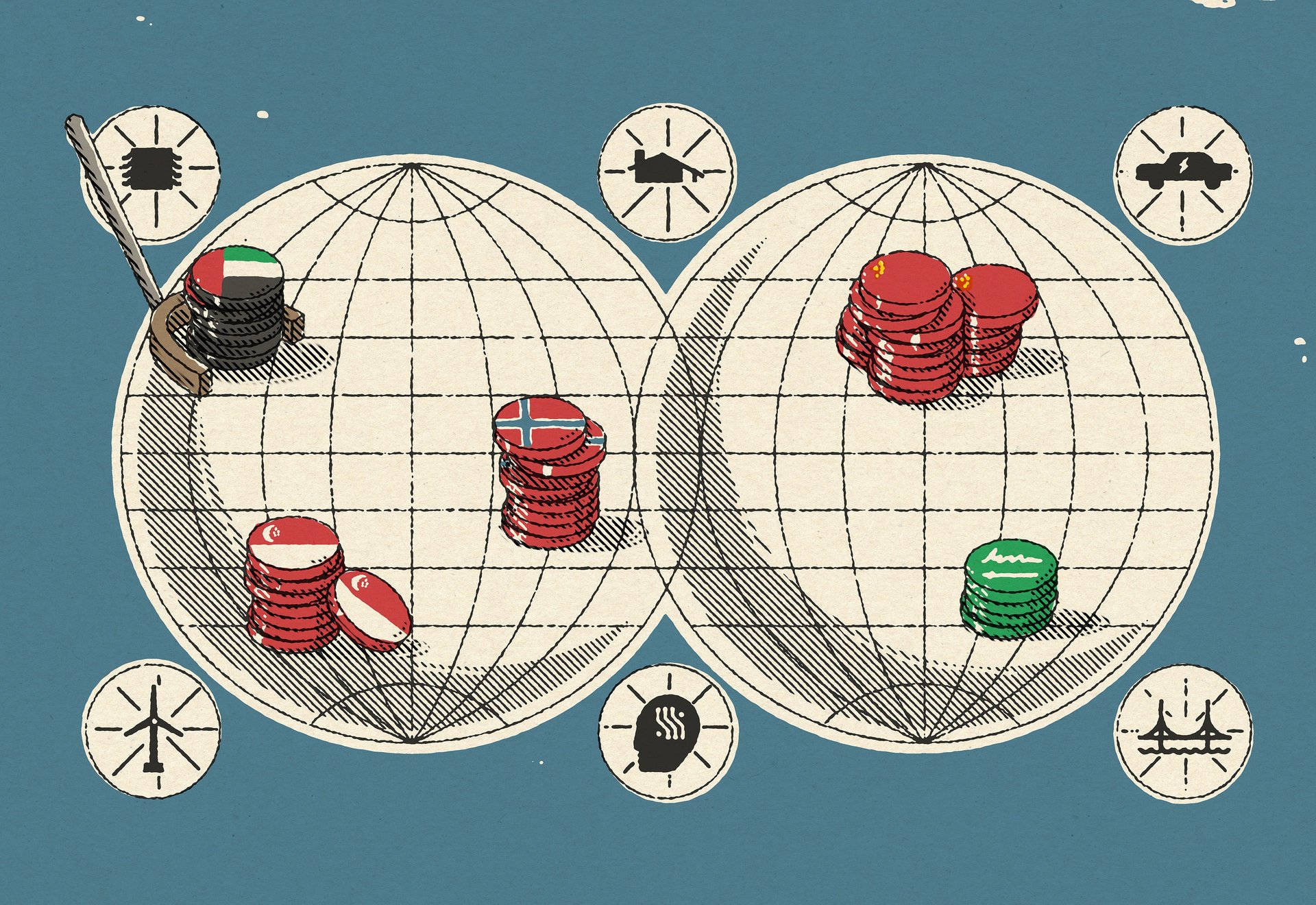
You’ve probably never heard of Yngve Slyngstad, and that’s understandable. As the financial world buzzes around big-name CEOs like Larry Fink, Jamie Dimon, and Steve Schwarzman, this Norwegian bureaucrat slips happily into the background. He flies economy, doesn’t have a personal assistant, and believes his salary of $800,000—around that of a mid-ranking managing director at Morgan Stanley—is unfairly high.
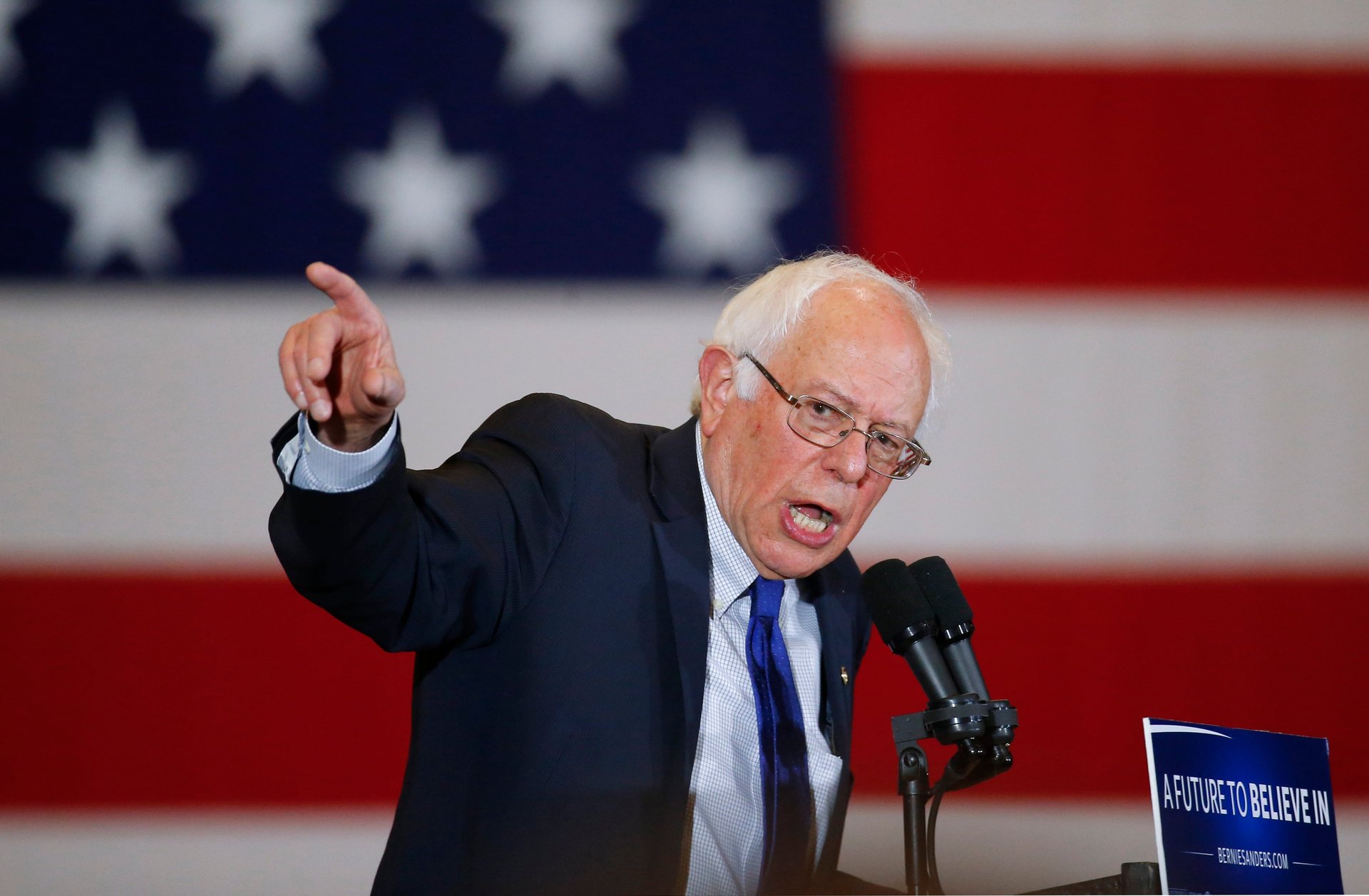
On both sides of the Atlantic, a hectoring old white man looms over the political left.