

Money & Markets
No matter what the boss says about flextime, get to work earlyFlex-time is not as flexible as you might think.
Updated July 21, 20222 min read
Flex-time is not as flexible as you might think.
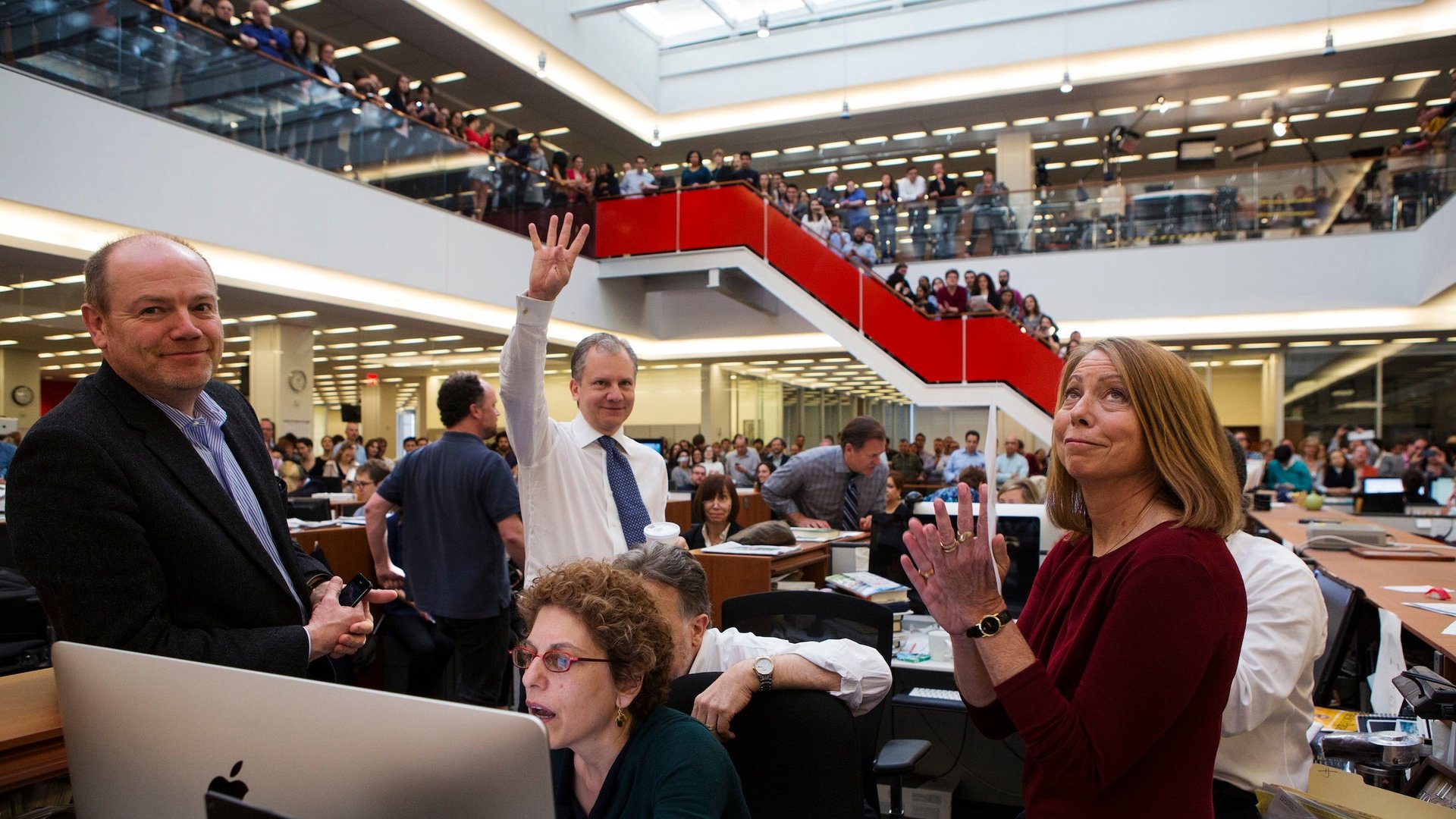
In the weeks before her ouster as New York Times executive editor, Jill Abramson found out that she was making “considerably” less than her male predecessor, Bill Keller, the New Yorker’s Ken Auletta reports. A Times spokesman pushed back against Auletta’s assertion, telling Business Insider that Abramson’s compensation was “not meaningfully less” than Keller’s.
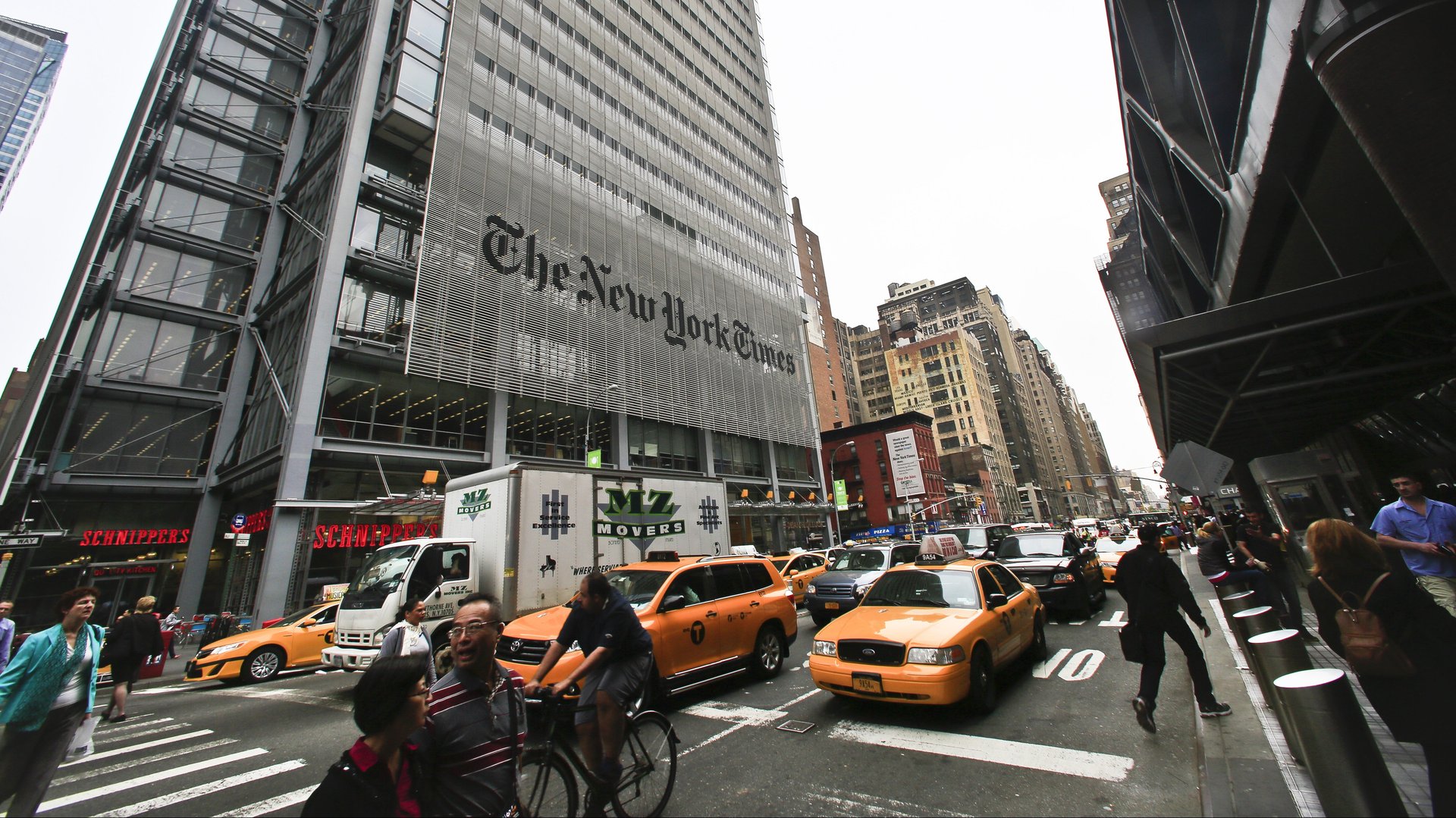
Dean Baquet, the incoming executive editor of The New York Times after Jill Abramson’s surprise ouster, made it most of the way through an English degree at Columbia University—but didn’t quite finish. In the great tradition of highly successful dropouts like Microsoft’s Bill Gates and Facebook’s Mark Zuckerberg, Baquet found exactly what he wanted to do and pursued it rather than sticking out a degree he’d lost interest in.

You may want to start buying your burritos in bulk. Facing a surge in food costs, the Mexican fast food chain Chipotle has announced plans to boost prices over the next few months.
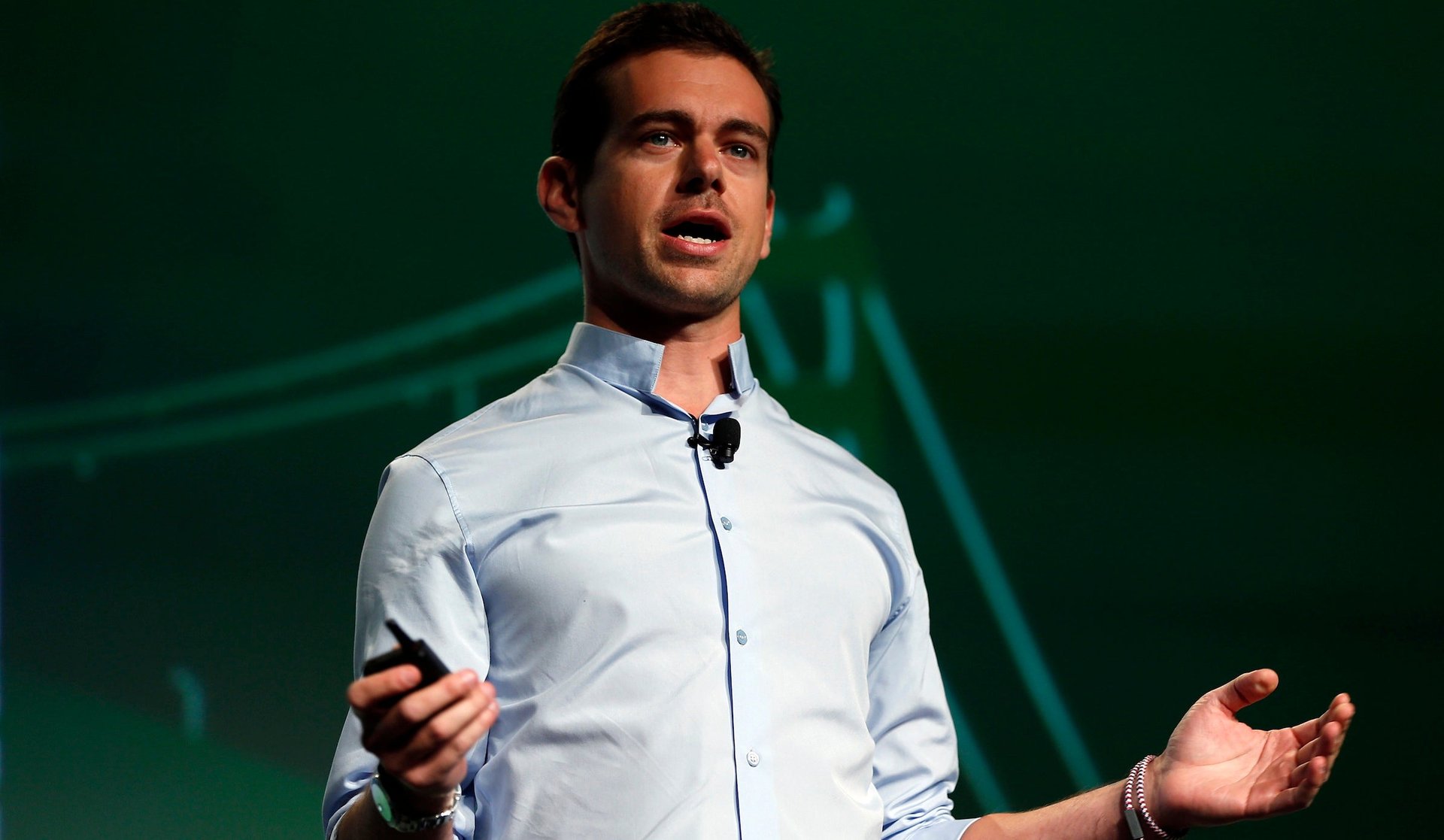
There’s an emerging form of corporate literature that’s great when it works: internal memos posted by startup CEOs describing a specific management tactic or philosophy.
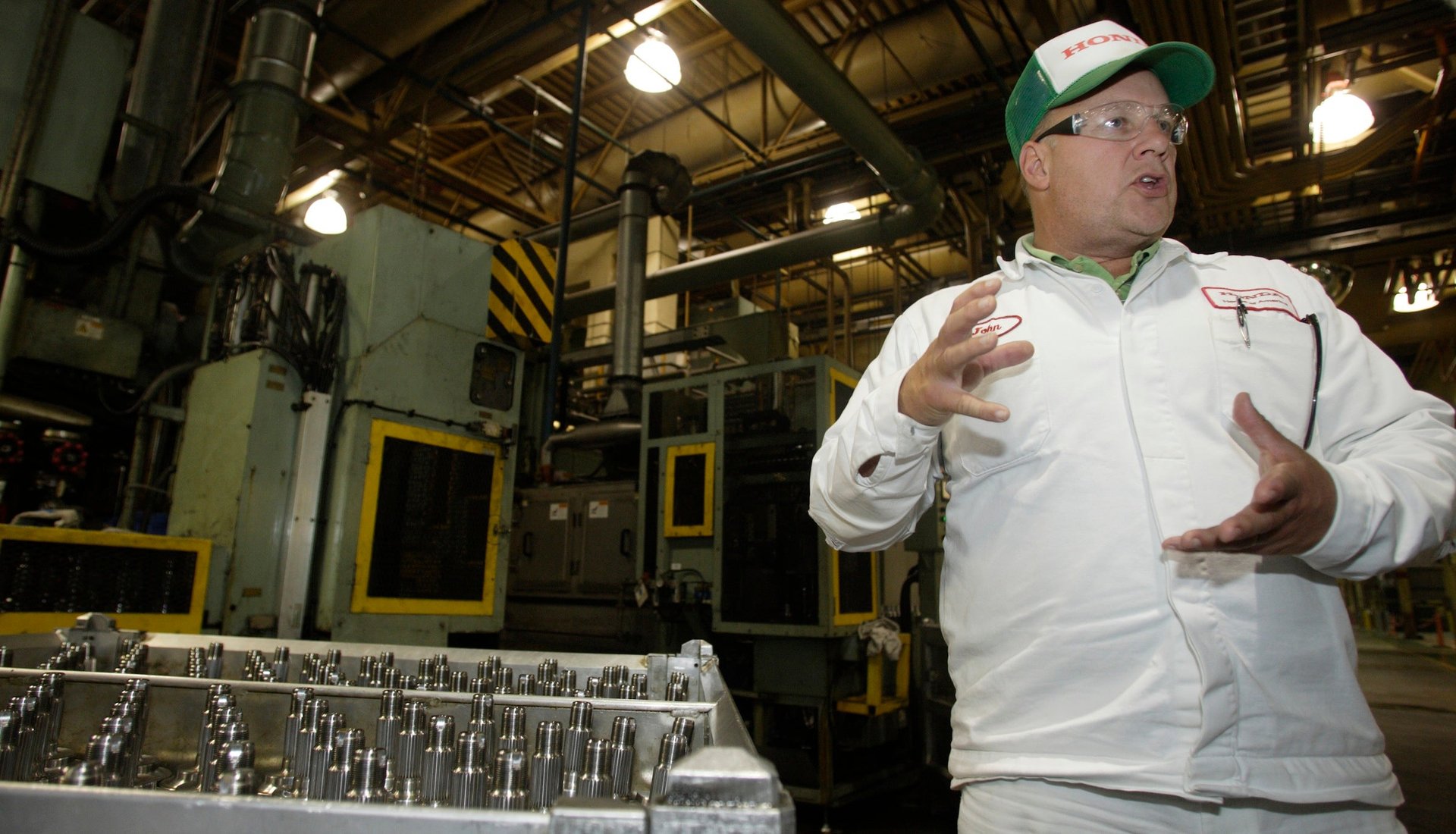
Led by Stanford’s Nicholas Bloom, researchers have spent a decade collecting survey data from managers to try and explain why certain companies and countries produce so much more. Good management plays a huge role. About a quarter of the productivity gap is explained by how managers do their jobs, according to a new NBER paper presenting the most recent results.
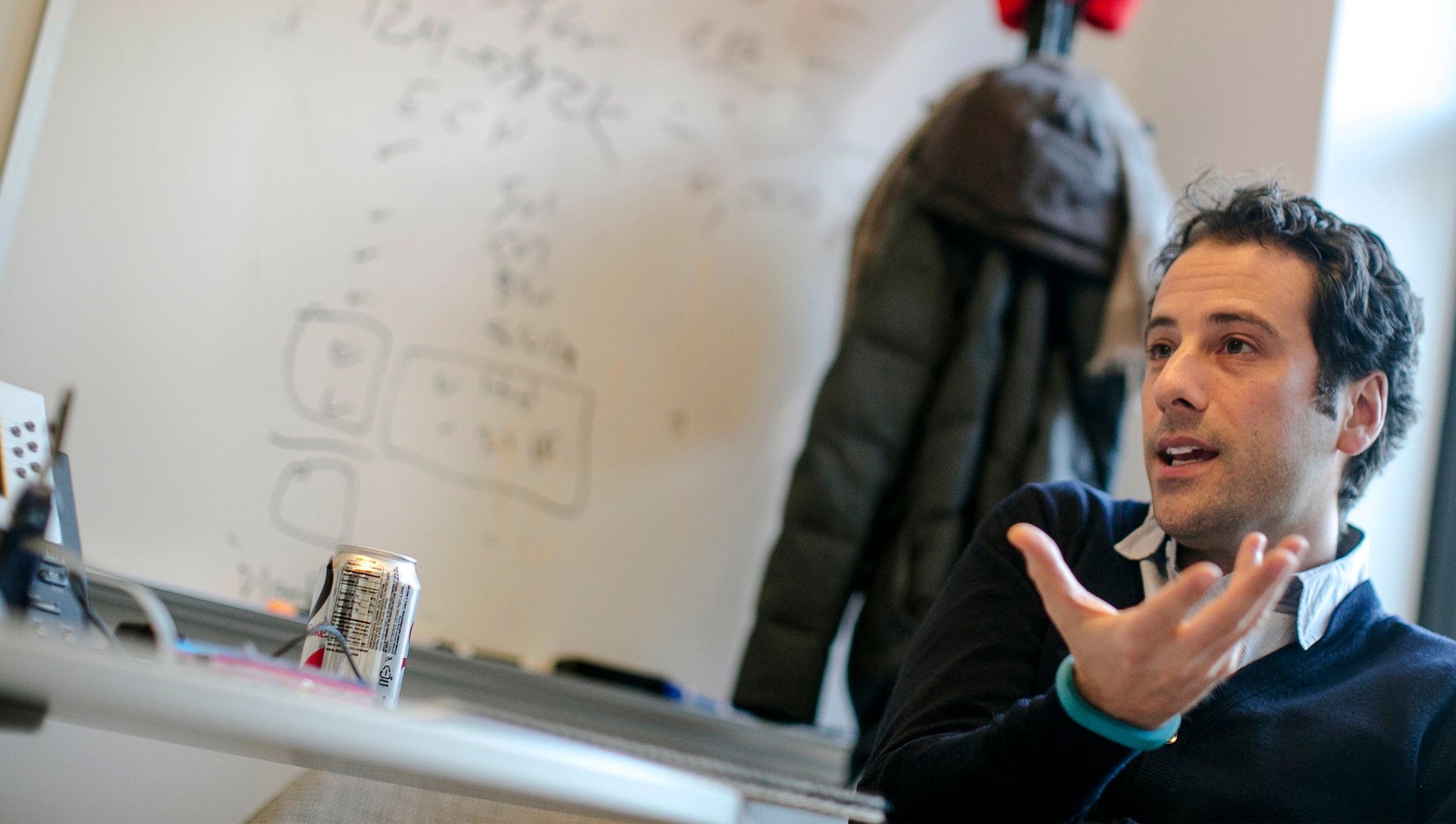
The departure memo is almost always an exercise in corporate tiptoeing, served with a minimum of specific information and a healthy dose of cliché.
If your college buddy is feeding you economic data ahead of its official release, it’s perhaps best to avoid publicly connecting with him on social networks. It was a LinkedIn connection that helped lead to the arrest of a National Australia Bank associate director who is charged with insider trading, the Age reports.
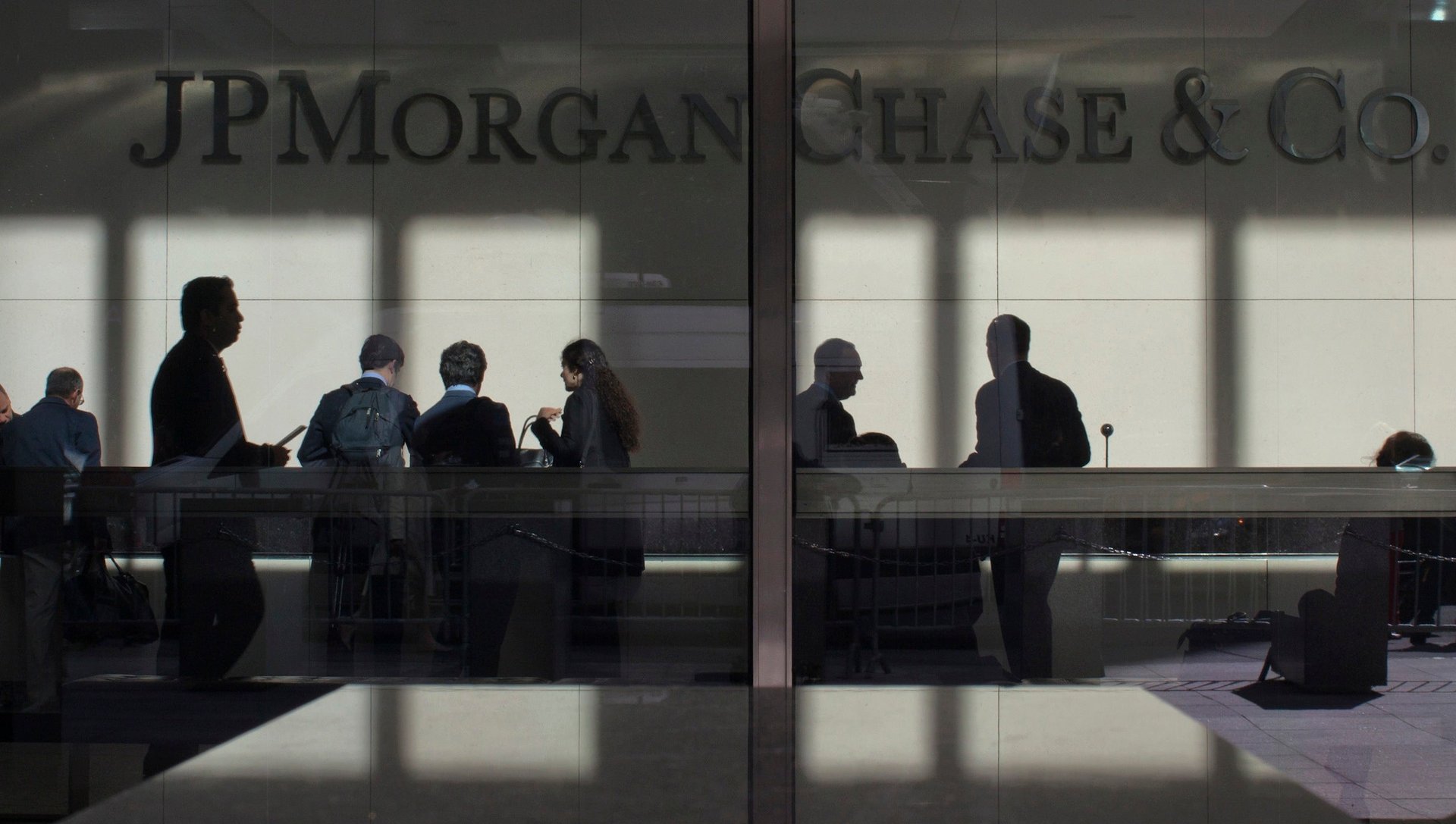
After the widely publicized death last August of a Bank of America intern in London who had worked for 72 hours straight, banks have been trying to cut the notoriously long hours that junior bankers and analysts work, as more and more grads choose other fields. Several banks have become more insistent about taking weekend days off, for example.

A report this week from credit rating agency Moody’s provides an early reminder that certain US colleges, some with very long histories, might not be able to survive the changing economics of higher education.
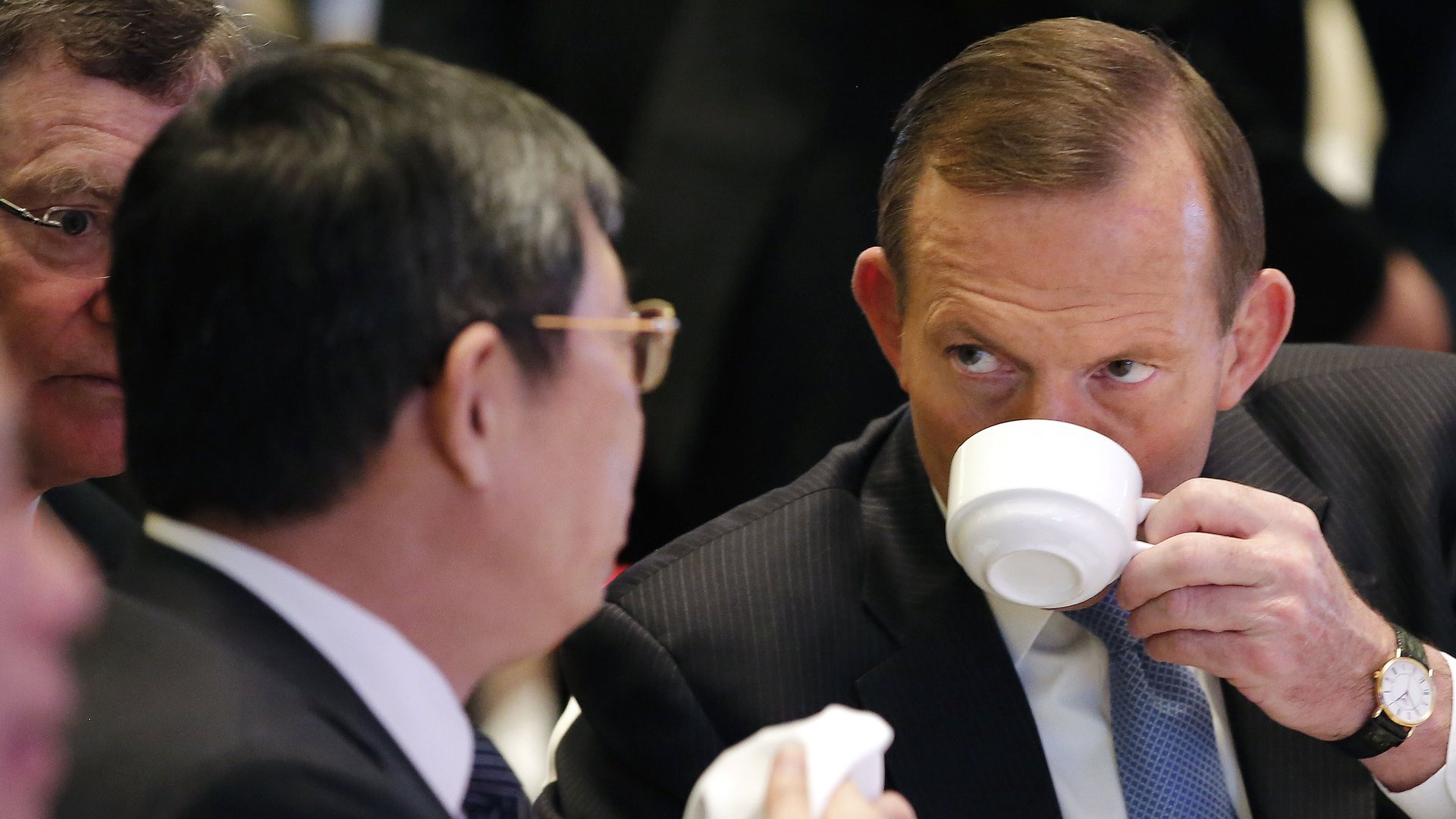
In North America, Keurig is king. The rest of the world is Nescafé territory.
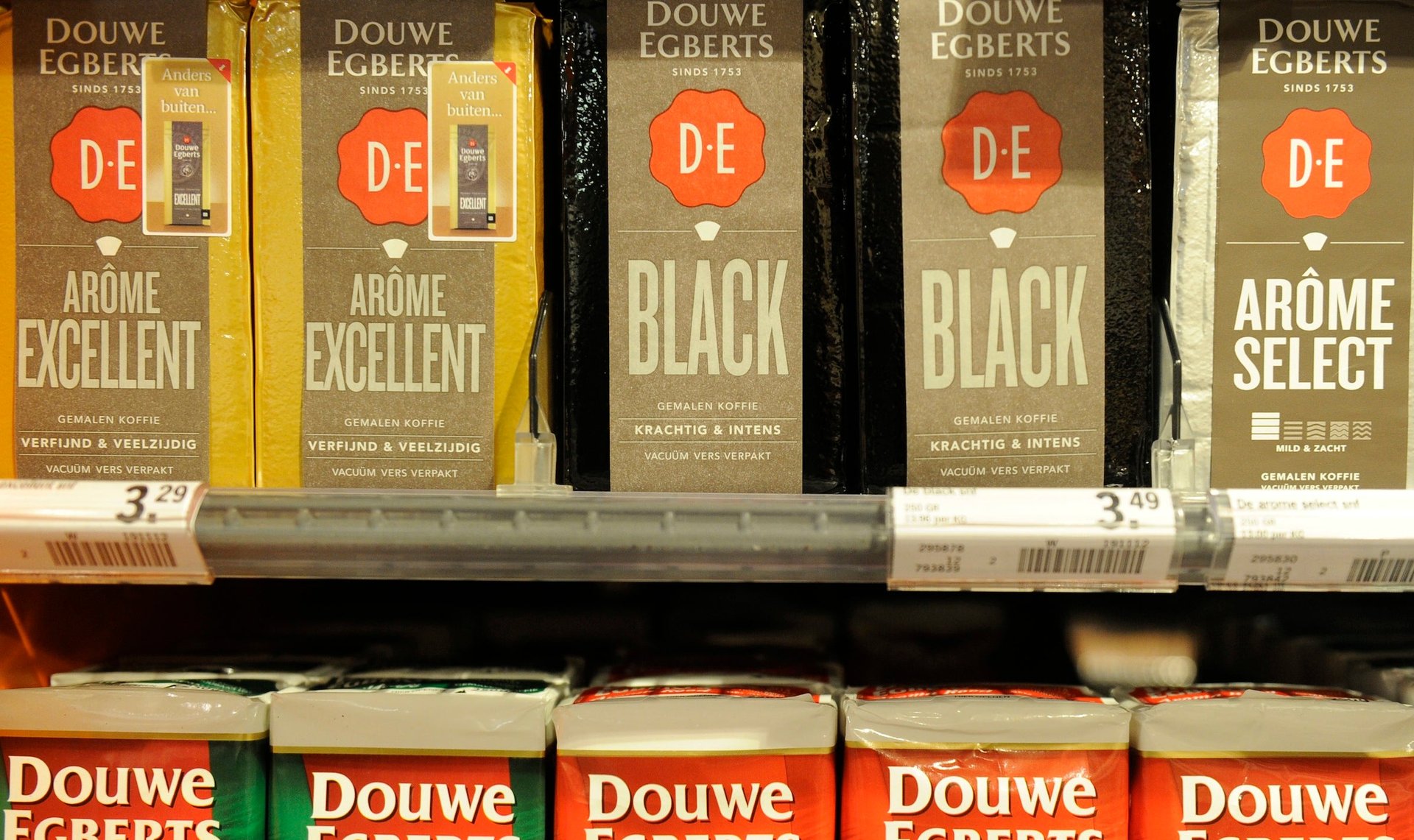
Yesterday, the global snack giant Mondelez announced plans to combine its coffee business with D.E. Master Blenders to create a company with annual revenue of more than $7 billion. The combined company, which will be called Jacobs Douwe Egberts, would be the largest “pure play” coffee company in the world.

Included in Alibaba’s highly anticipated IPO filing was a reminder that despite the benefits and wealth it has reaped from China’s massive population, being a Chinese corporate giant—particularly one based on the internet—isn’t a walk in the park.
Law schools aren’t just facing a momentary downturn. The industry has to deal with the fact that the world simply needs far fewer lawyers.
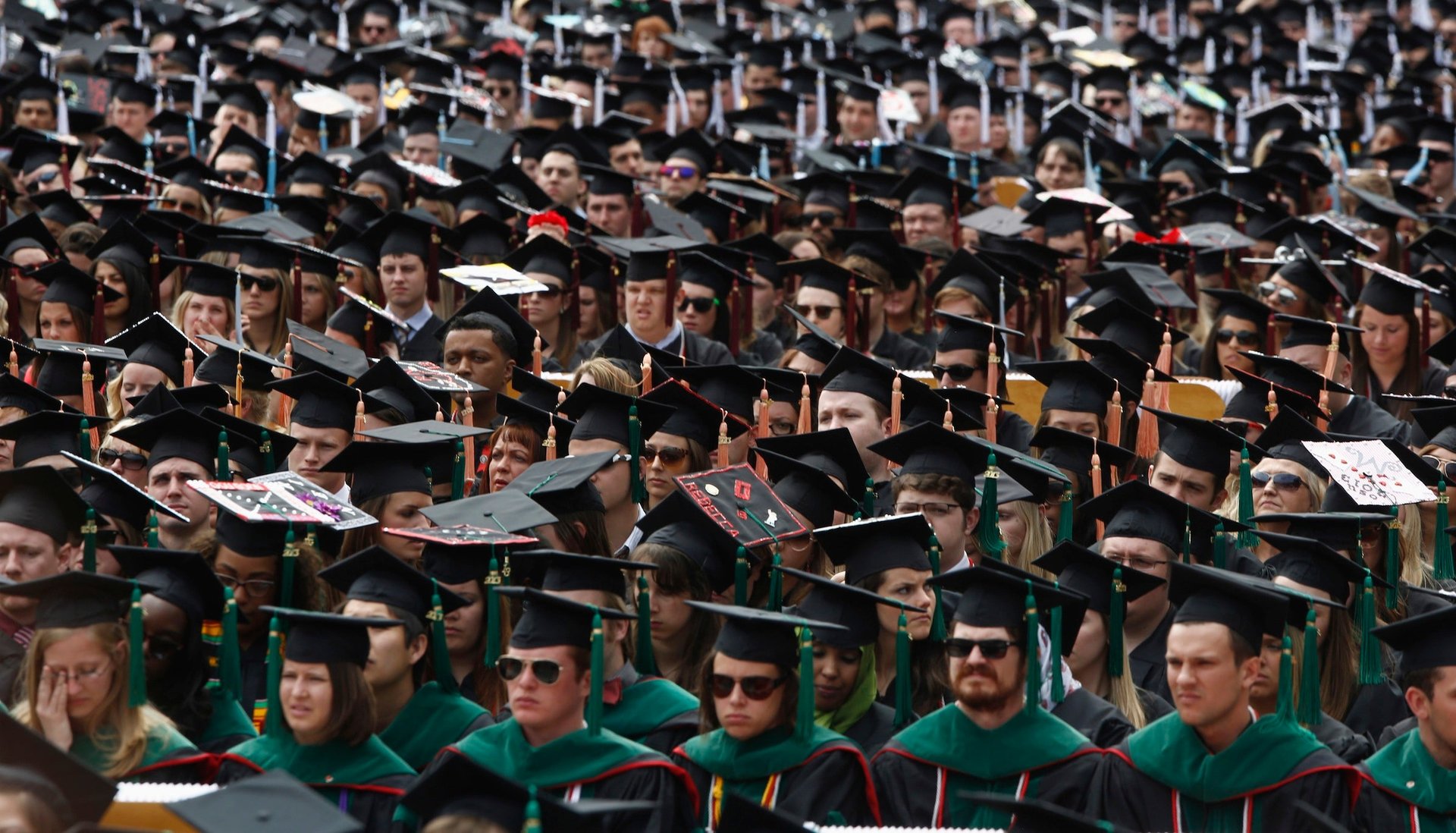
We’ve said it before—where you graduate from doesn’t matter and a new survey from Gallup and Purdue University confirms the sentiment.
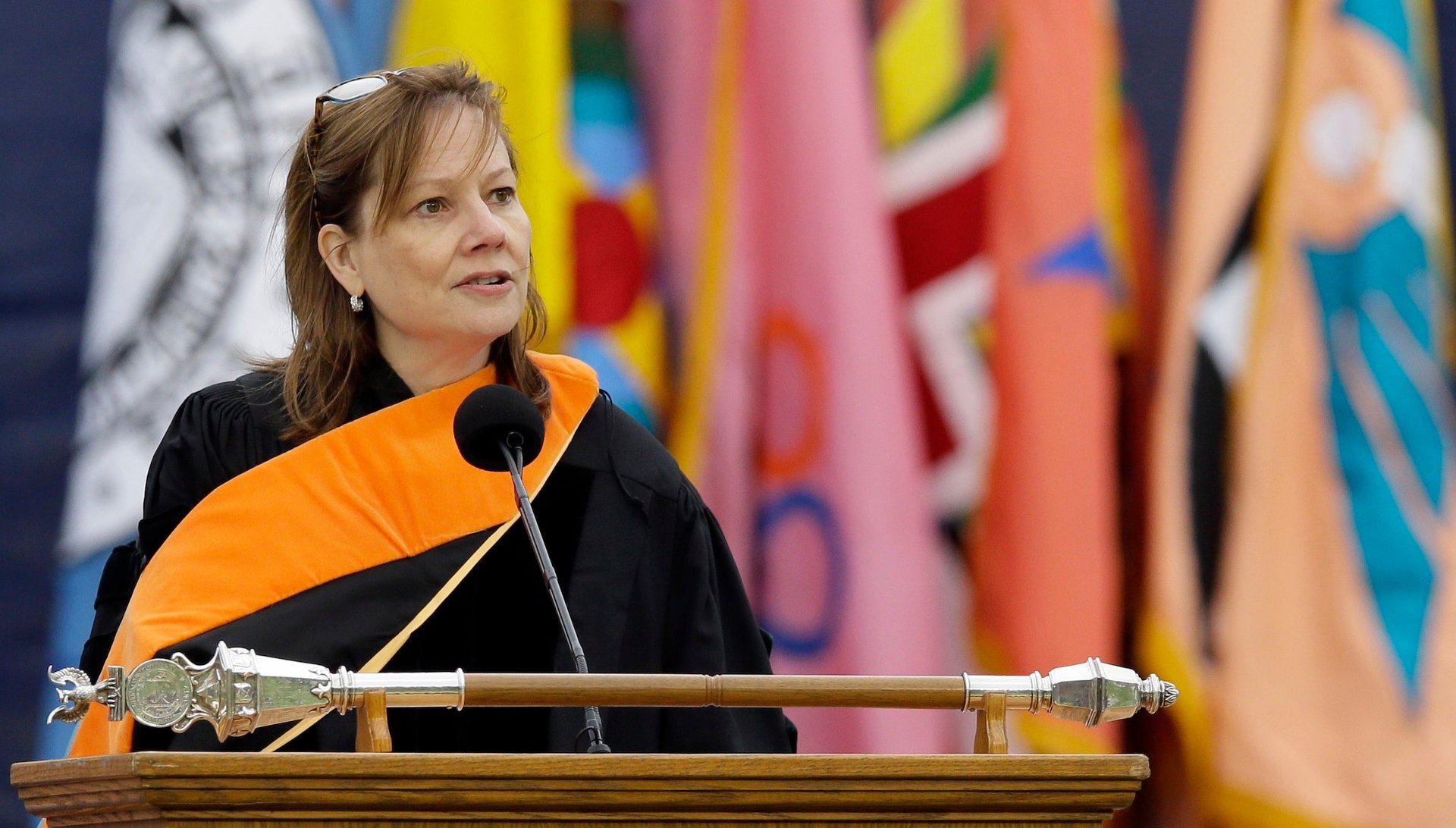
General Motors CEO Mary Barra has been in crisis management mode for months after a faulty ignition switch led to several deaths and a large car recall. On Saturday, she told University of Michigan graduates that the only way to deal with a problem like that is to address it head on.
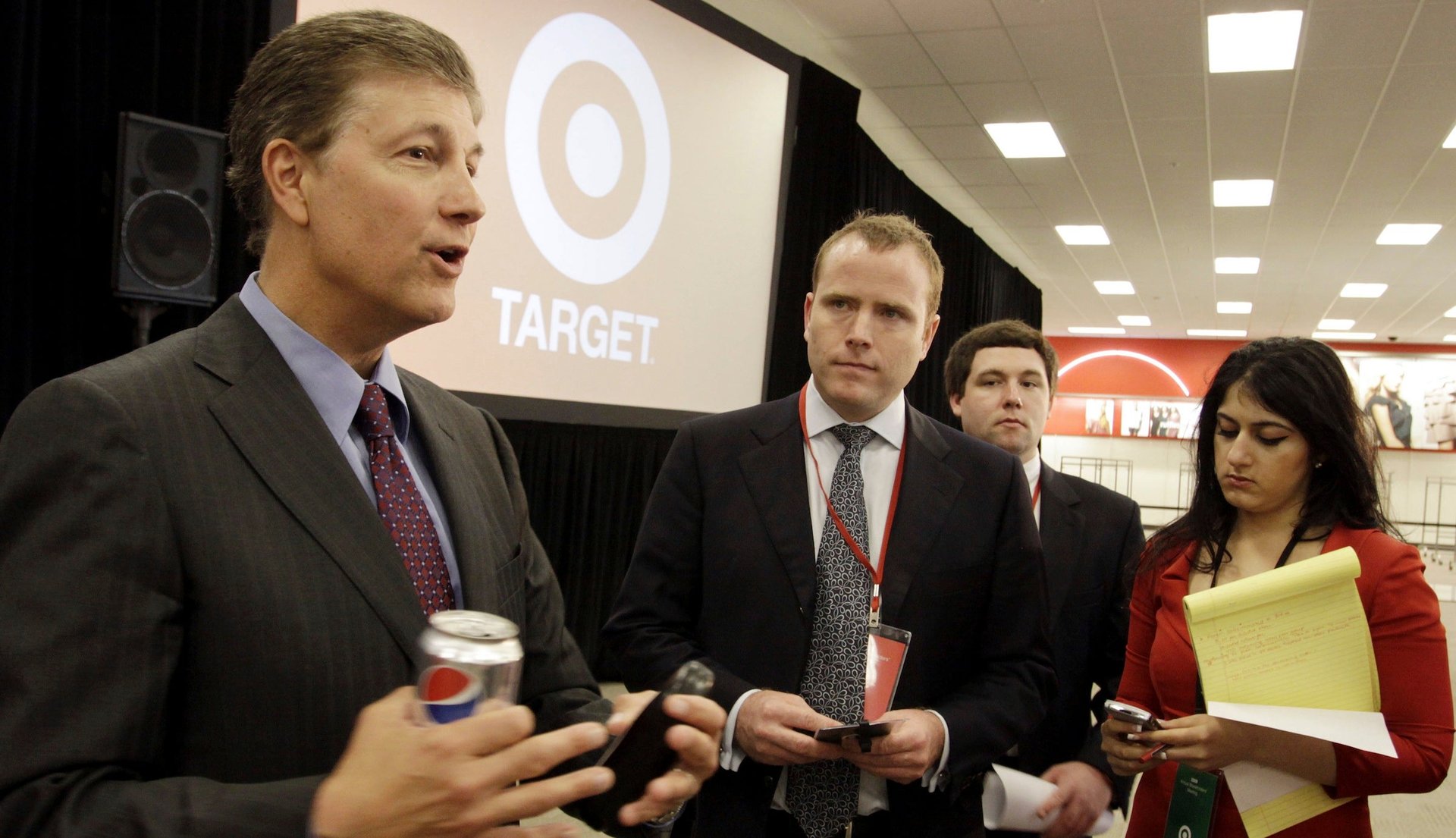
Target CEO Gregg Steinhafel did everything right.
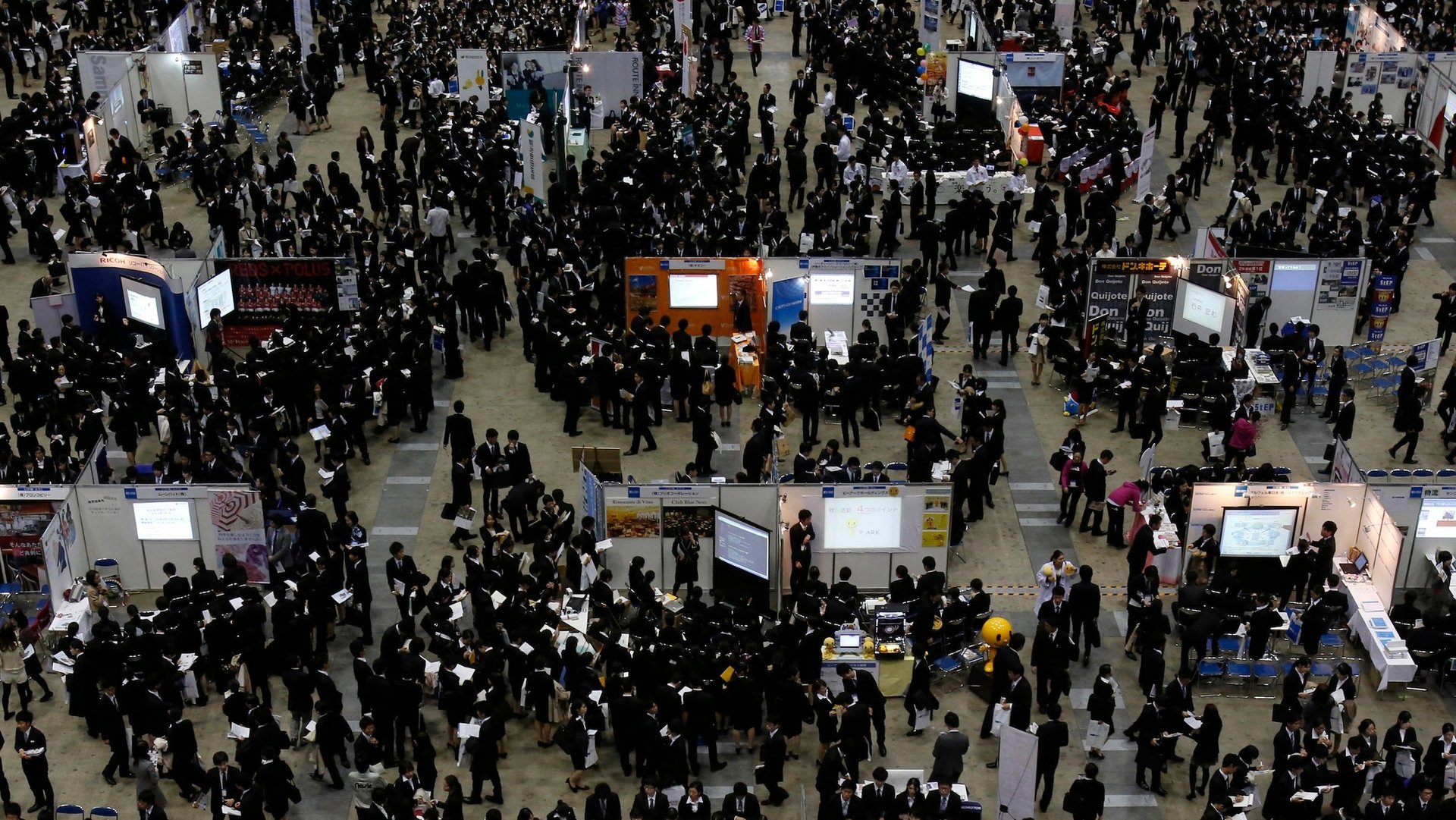
As the 6.3% of Americans who are still unemployed know, looking for a job can be an incredibly frustrating process, where dozens of resumes are met with rejection or, even worse, a deafening silence.
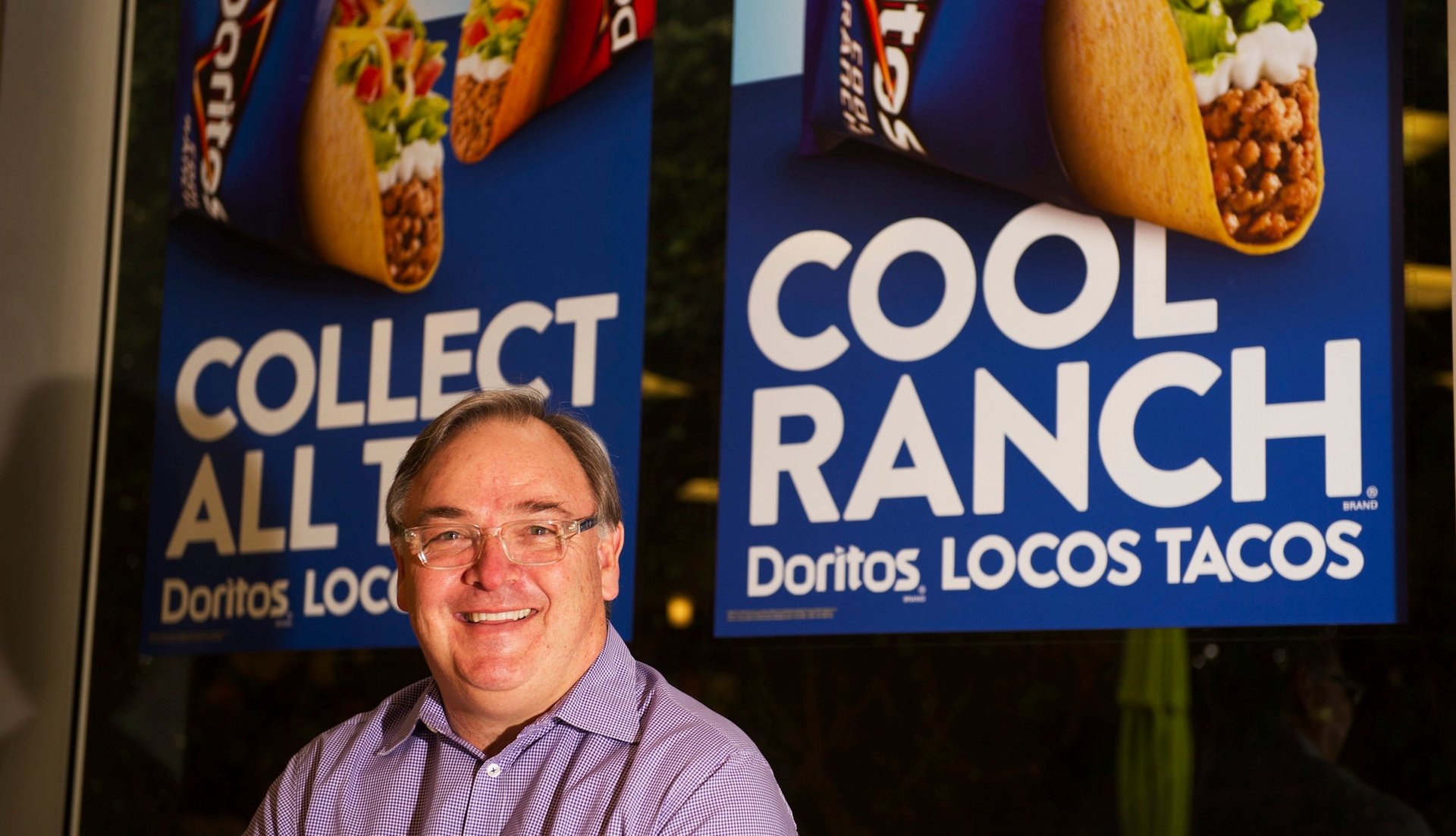
Yum Brands, the global fast food giant that runs Taco Bell, Pizza Hut, and KFC announced today that its CEO of 15 years David Novak will be stepping down in favor of current Taco Bell CEO Greg Creed on Jan 1.
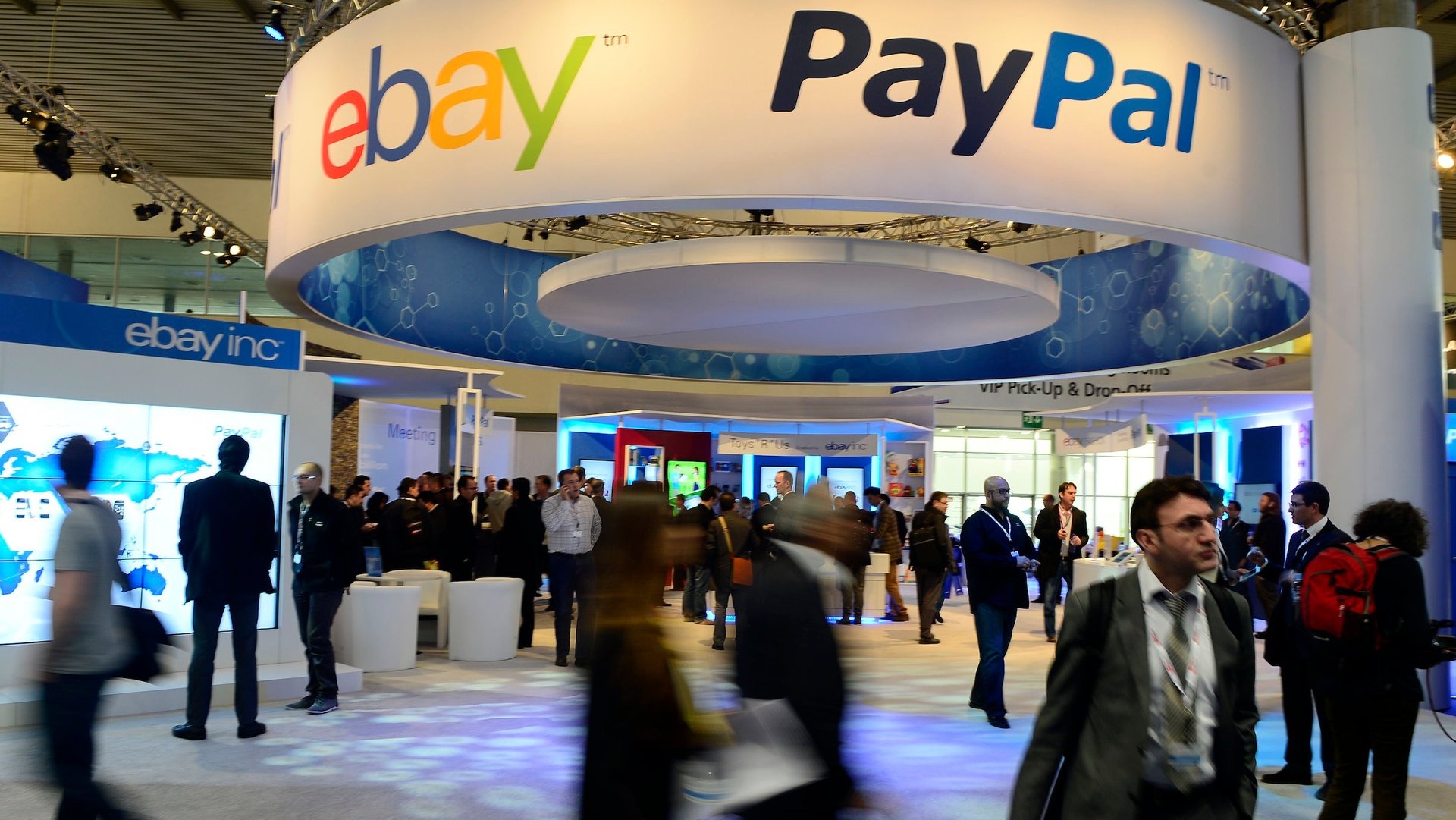
In some ways, PayPal is more famous for pioneering online payments in the late ’90s than its recent past. PayPal’s acquisition by eBay in 2002 helped launch the careers of the PayPal Mafia—Elon Musk and Peter Thiel—and it was nearly synonymous with online payments for years.

The world has made very little progress in ensuring that more women reach the top of companies. Only 3% of last year’s incoming CEOs were women according to a recent study from Strategy& (formerly Booz & Co.) The consultancy predicts that that number will increase dramatically in the future, and that approximately one-third of new CEO appointments will be women by 2040.

Many inventors would be happy if one of their inventions makes it out of their workshop. The Stanford lecturer and engineer Alan Adler struck gold twice—in completely different fields. He invented both an incredibly popular and far-flying version of the frisbee in the 1980s, the Aerobie Pro; and, more recently, the hit Aeropress single-cup coffee maker, which has developed a devoted following of coffee lovers since its introduction in 2005.

After making and shutting down Glitch, a critically admired but commercially unsuccessful game, Flickr co-founder Stewart Butterfield’s Tiny Speck is making the most of its second act. The company announced Friday that it had raised $42.5 million to grow its popular communications application, Slack. The funding was lead by the Social + Capital Partnership, making its biggest ever investment.
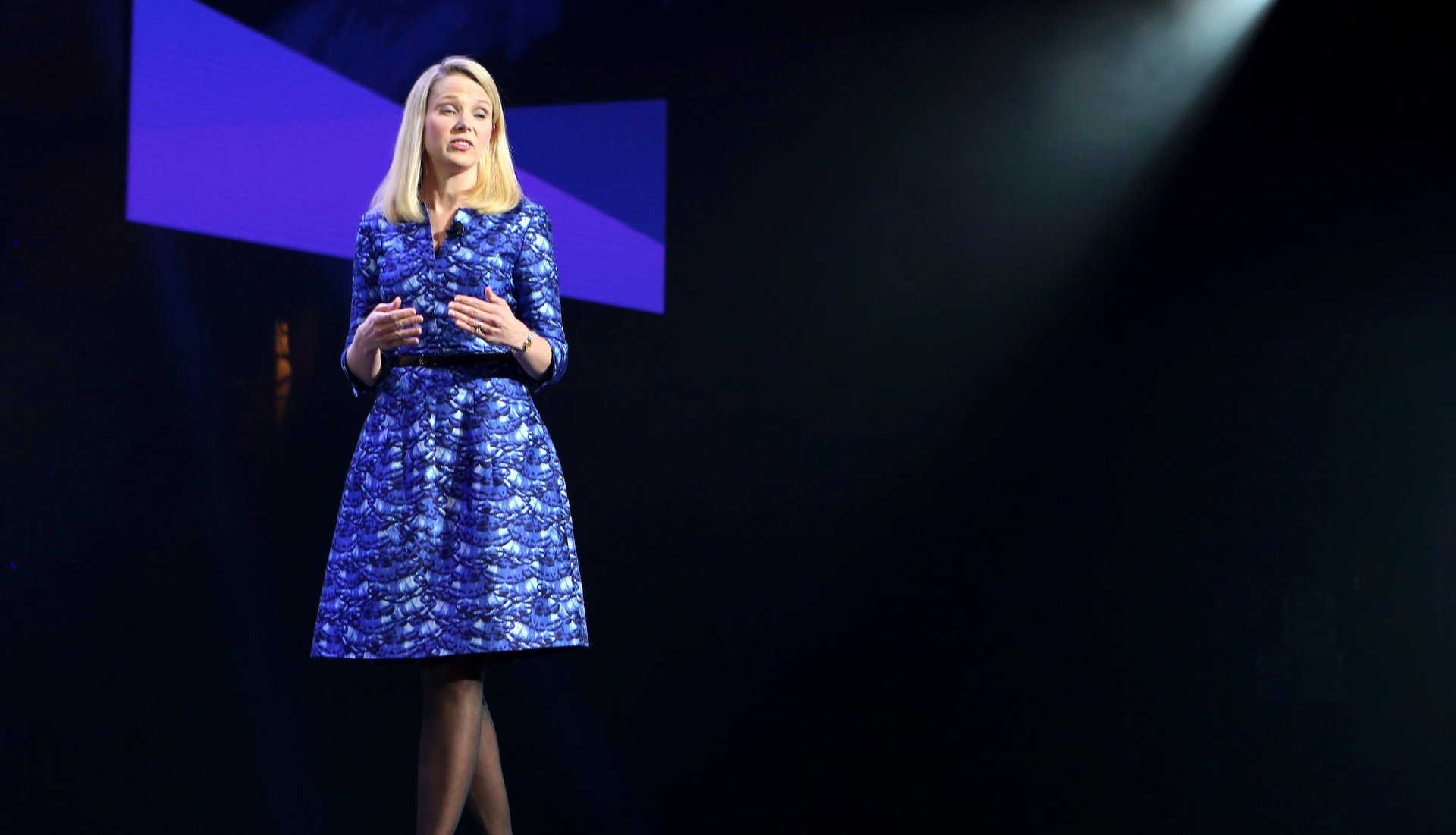
In its most recent annual report, Yahoo announced that it had seen an incredible 340,000 job applications in 2013, double the previous year.