

Money & Markets
France’s 10-week holidays and 35-hour work weeks are under attackWhat is three weeks’ vacation worth to you?
Updated July 21, 20222 min read
What is three weeks’ vacation worth to you?
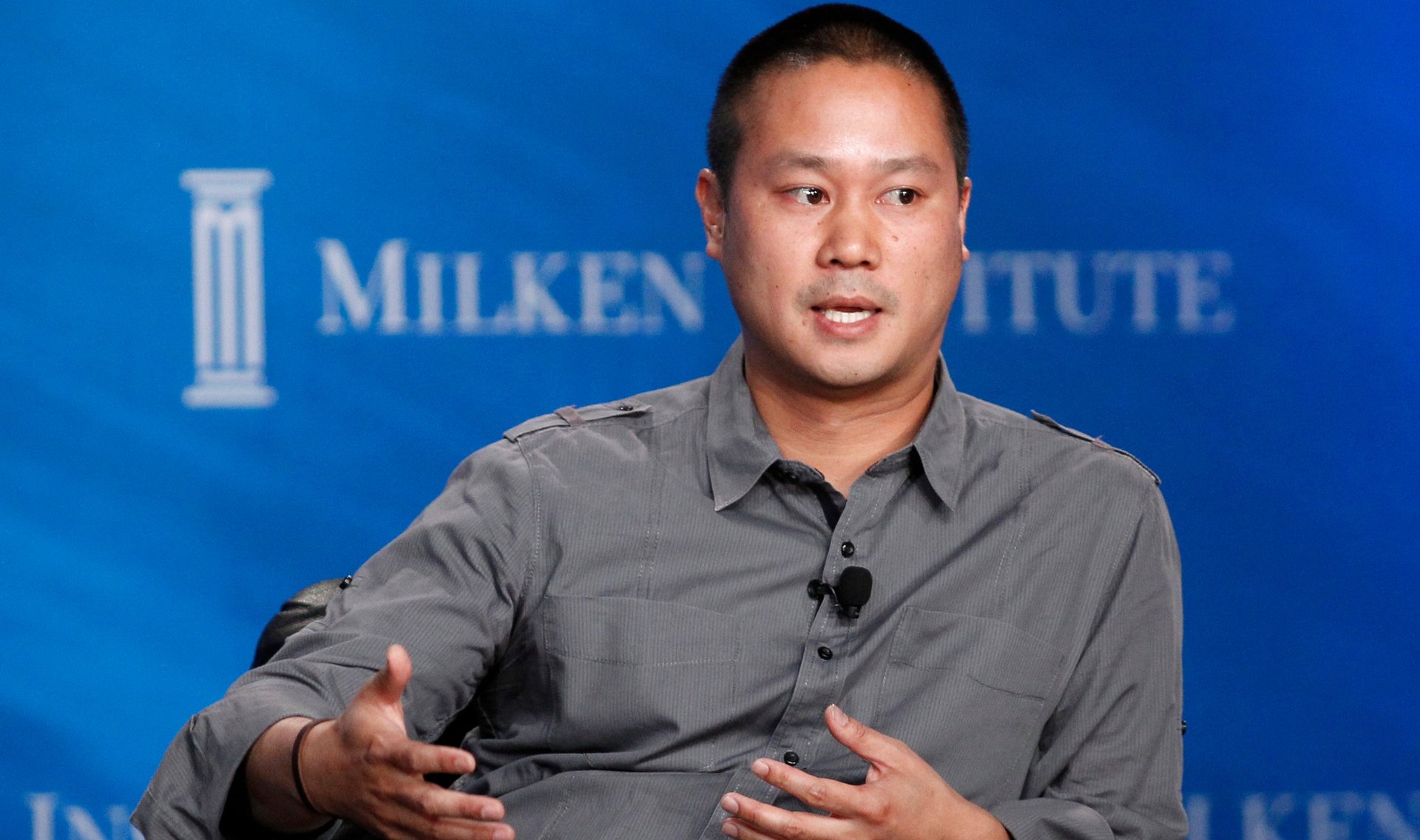
In late March, Zappos CEO Tony Hsieh wrote an extremely long memo detailing how the company’s shift to an open management philosophy called holacracy wasn’t happening rapidly enough:
There are plenty of statistics about the difficult job market for America’s law school graduates. But what about the people who educate them? Law school closings, declining enrollment, and general pessimism about the legal profession have apparently taken their toll on the market for American law school professors, according to a dataset compiled by UC Irvine law professor Sarah Lawsky at PrawfsBlawg, a prominent academic legal site originally started by the late Dan Markel, an American legal academic.

Master’s in business degree graduates, fresh off their commencement ceremonies, can feel pretty good this year. A survey of corporate recruiters by the organization that creates and administers the GMAT business school admission test found that more companies plan to hire MBAs than at any point in the past decade, and they’re going to pay them more than ever.

There’s plenty of evidence of an increasingly tight labor market in the tech world: ever rising pay; executive and investor griping; floods of aspiring teenage hackers (paywall); the incredible rate of visa applications by companies; and the growth of companies focused entirely on sourcing tech talent.

An expanded role at Microsoft hasn’t slowed Bill Gates’ voracious reading habit. As he’s done for the past couple of years, Gates provided a list of some of his favorite books for those looking for a bit of summer reading on his personal blog, Gates Notes.

This post has been corrected

There’s a common belief that interviewers tend to make hiring decisions within a few minutes of meeting someone, often based on little more than a couple of inane details. That assumption is supported by research, but the studies were small and they were conducted in labs. So a team of researchers from Old Dominion, Florida State, and Clemson decided to take a look (paywall) at how things play out in real life.

Just last November, Keurig Green Mountain looked unstoppable. It had a death grip on the extremely profitable single-serve coffee market, announced an enormous investment from Coca Cola as it developed a new machine for sodas and cold beverages, scared off a legendary hedge fund manager betting on its failure, and was about to release a machine that promised to end its pod piracy problems forever.
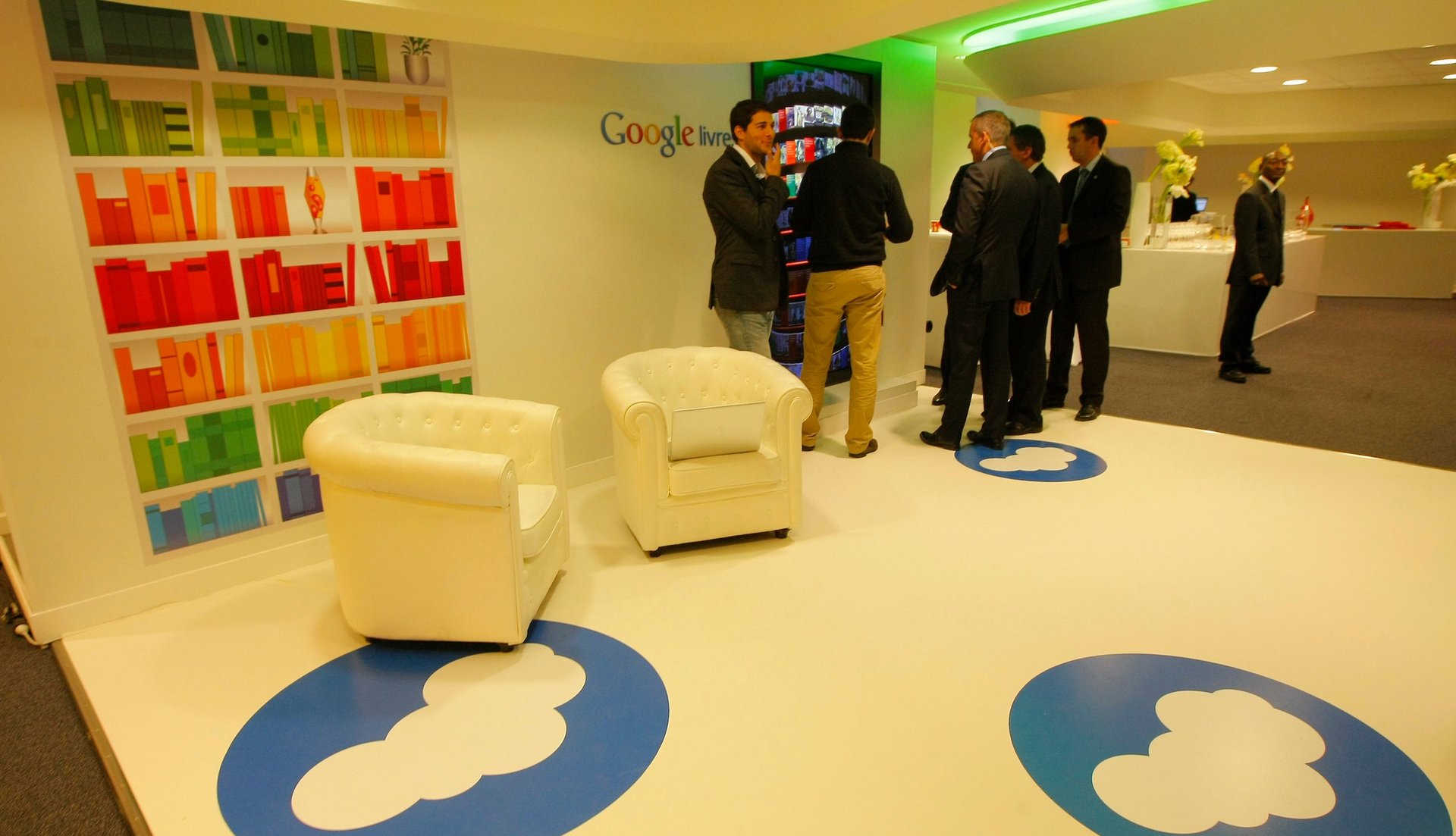
Like just about every employer, Google is keen on referrals. They come with a built-in reference and, on occasion, some inside information, and provide a sense of familiarity to both the candidate and the interviewer. That tends to lead to a much shorter hiring time, a higher rate of acceptance, and a tendency for the referred hire to stick around (pdf) the company longer.

New York City residents familiar with Wegmans, a popular supermarket chain concentrated in upstate New York and the mid-Atlantic region, were ecstatic at the news that the company plans to open a store in the Brooklyn Navy Yard in 2017. A lot of that has to do with the fact that it’s an excellent grocery retailer, welcome in a city where the options for everyday grocery shopping tend to be either highly limited, low in quality, or hideously expensive—and sometimes all of the above.

Indian officials announced an agreement today for Google to build an office in Hyderabad—its biggest outside the United States. If that wasn’t enough of a signal of the company’s ambitions in India, it also announced that it plans to double headcount in the region over the next four years, from 6,500 to 13,000.
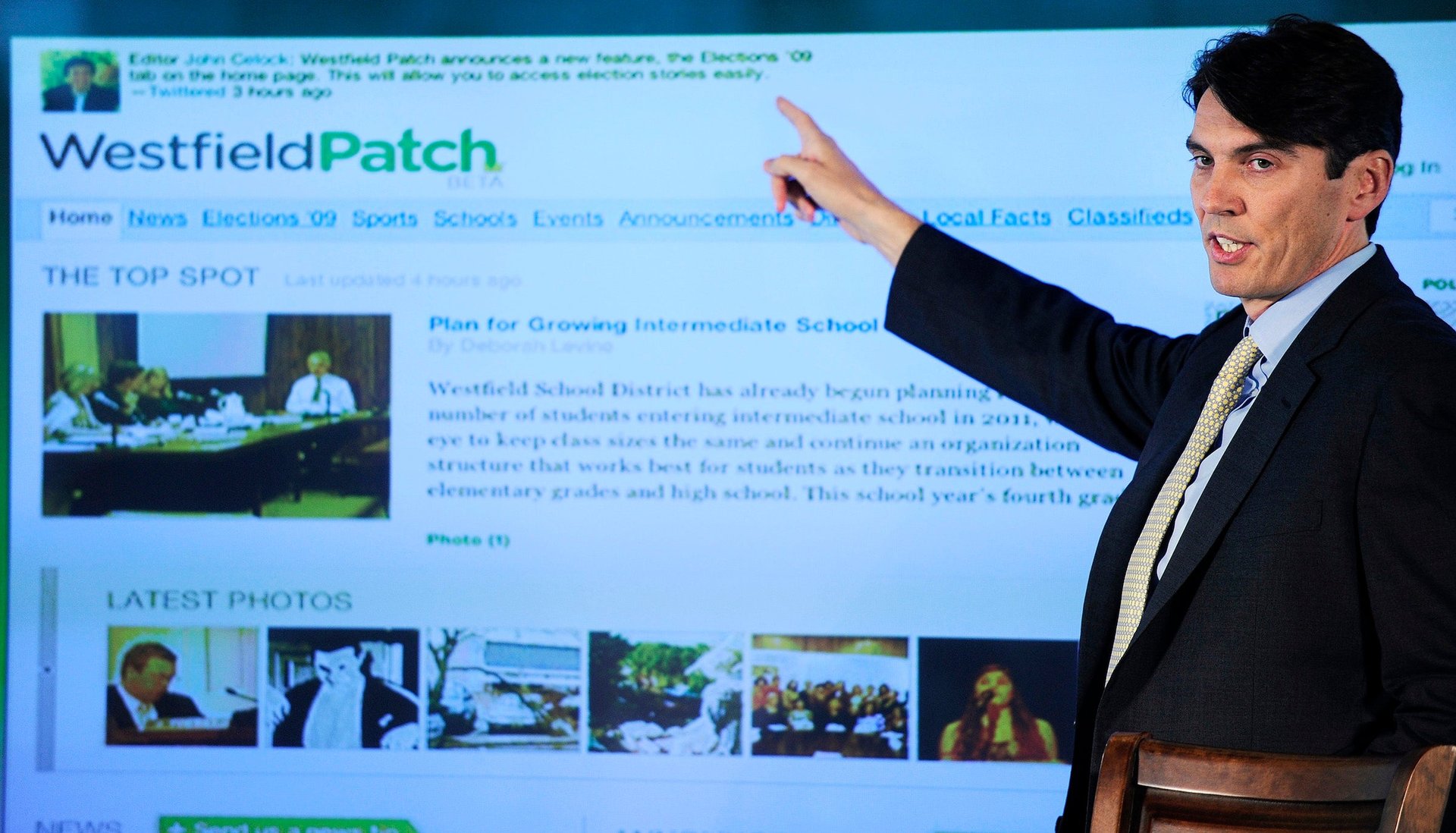
Tim Armstrong took over AOL in March of 2009, during the final days of its ill-fated merger with Time Warner Inc. The company was spun off less than 10 months later into its own company.
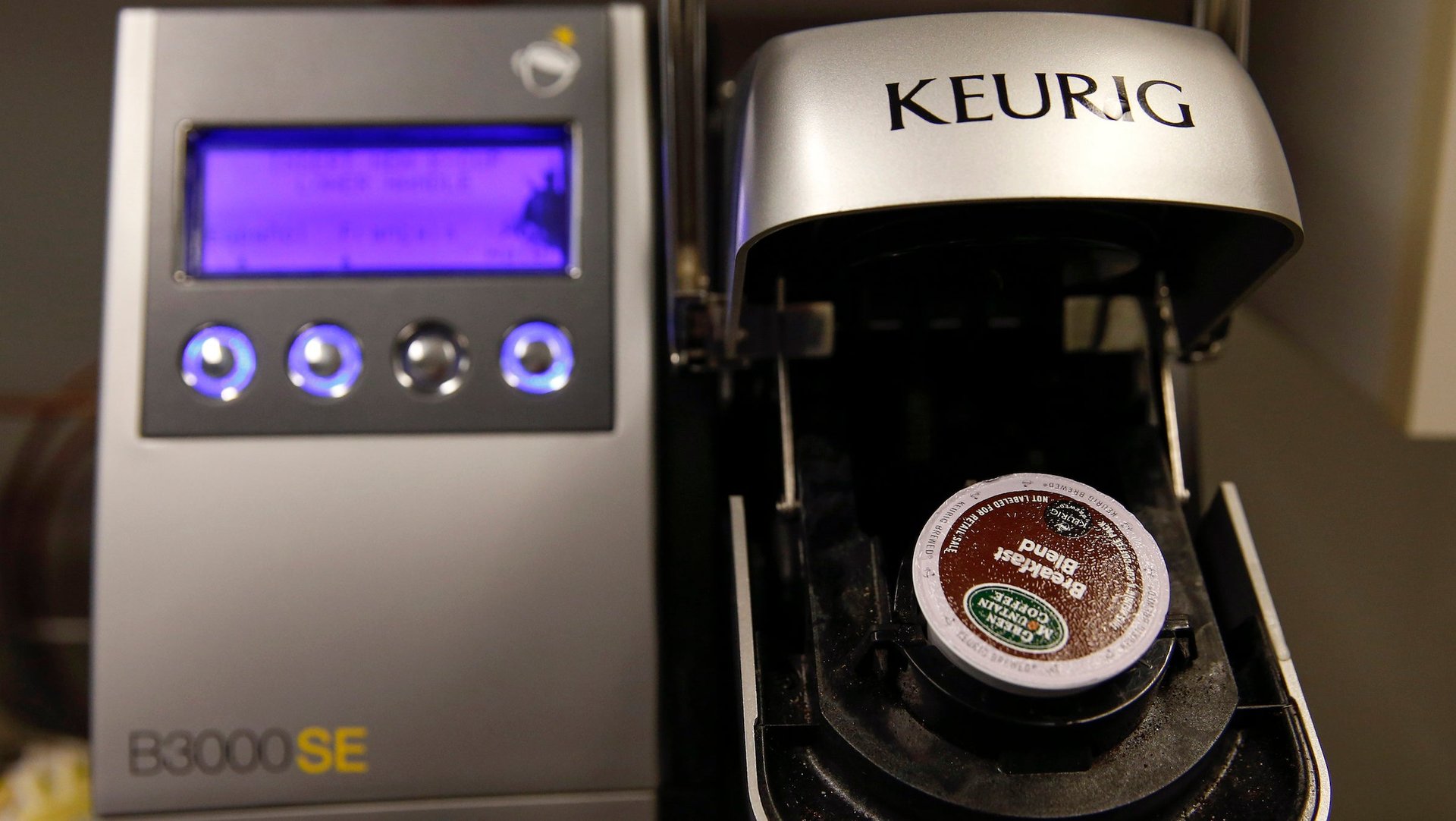
Less than a year ago, Keurig’s change in direction seemed like a masterstroke. After managing to weather unlicensed competition by signing up big coffee brands, and was set to solidify its position by introducing a new machine, the Keurig 2.0, that would make it impossible to use non-licensed pods.

The most common advice given to students on what to study at university tends to focus on salary and job prospects. One’s choice of major makes a huge difference to future earnings and job security, according to an analysis of census data by Georgetown’s Center on Education and the Workforce.
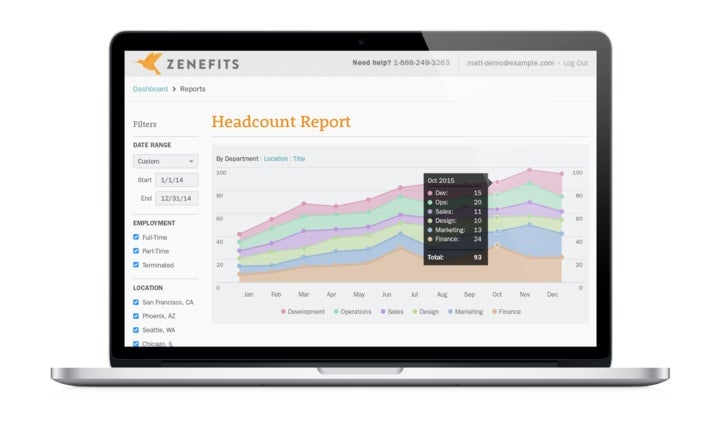
Asking for career advice on the internet is great until your would-be boss gets involved. An engineer who was weighing job offers from Uber and Zenefits, both startups in San Francisco, mused about the pros and cons of each in a public post on Quora, the question-and-answer site. A few hours later, one of the offers was revoked.

About a year ago, Google released its diversity stats in the interest of transparency, and as a way of acknowledging how much work there was to do. On May 6, the company revealed a bit more about its efforts to move the needle. Overall, the company said it spent $115 million on efforts to make its workforce more diverse last year, and this year it plans to spend another $150 million According to Google, one of the most important things it has done to boost diversity is double the number of schools that it recruits at, including schools like Alabama A&M and the University of Missouri-Columbia.

Women make up the majority of college graduates in the United States and in many other developed countries around the world. But they make up a minuscule fraction of chief executives, board members, and managers in general, particularly in the high-paying finance and technology industries.

Organizations love to brag about programs that give employees time off to work on blue sky projects. For example, essential Google products like Gmail sprouted from its “20% time” policy for engineers. It’s assumed that unscheduled time gives people space to experiment and be creative. But the real reason “slack time” and similar outlets work might be because people never get enough uninterrupted time to do the less flashy, mundane, but wholly essential work that actually turns ideas into reality, according to a new NBER working paper from researchers at the University of Toronto and MIT.

McDonald’s is acknowledging what anyone who’s followed the company’s performance over the past few months already knows. ”No business has a divine right to succeed,” CEO Steve Easterbrook said in a video the company posted this morning. ”The reality is our recent performance has been poor, the numbers don’t lie.”

Baofeng Technologies is China’s best performing stock this year. Since its IPO on the Shenzhen stock exchange, its share price has gone up every day by the exact same amount, 10%, the maximum increase allowed by China’s exchanges, the FT points out (paywall). The company, which is a manufacturer of virtual reality headsets, is now worth more than 13.37 billion yuan (about $215 million) after barely a month on the market. It only raised 214 million yuan at a market cap of 856 million yuan when it first went public.
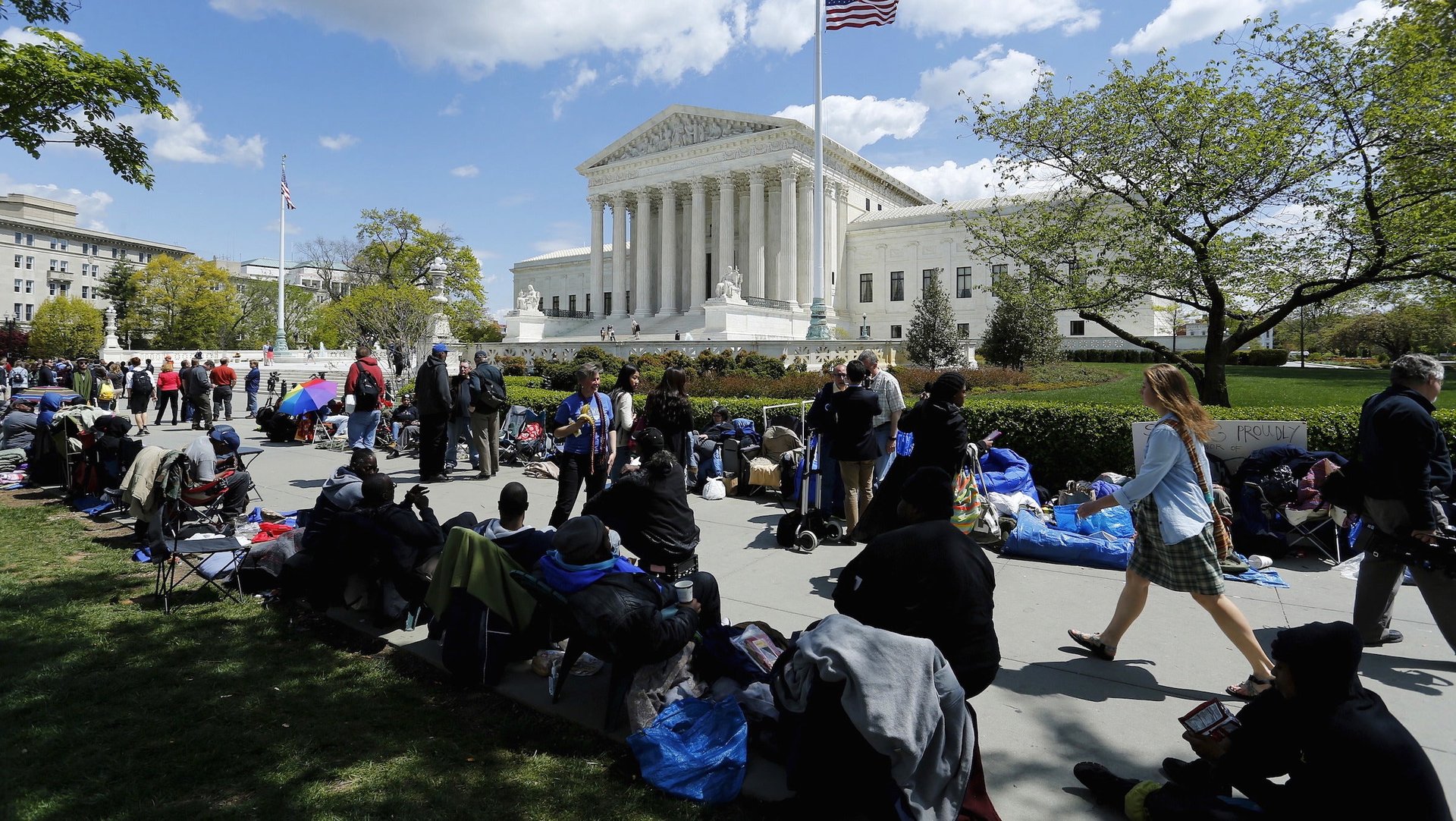
The proportion of law school graduates who have a full-time, long-term job that uses their degree is up a this year, according to data compiled by the American Bar Association from what the schools reported. It’s 71.09%, compared to 67.12% last year.

In the US, it’s a common expectation that workers be committed to their job above all else. It’s called the “ideal worker image,”and whether they admit it or not, companies reward people who embrace it. Boston University professor Erin Reid conducted in-depth interviews with employees about that expectation at an elite US consulting firm (anonymized and called “AGM”).

Google HR chief Laszlo Bock has been just about everywhere lately, promoting his book on the extremely data-focused approach to hiring and management he has created at the search and tech giant. His team’s research has helped the company stop asking older candidates for GPA and test scores, and determined that the optimal number of interviews is only four.