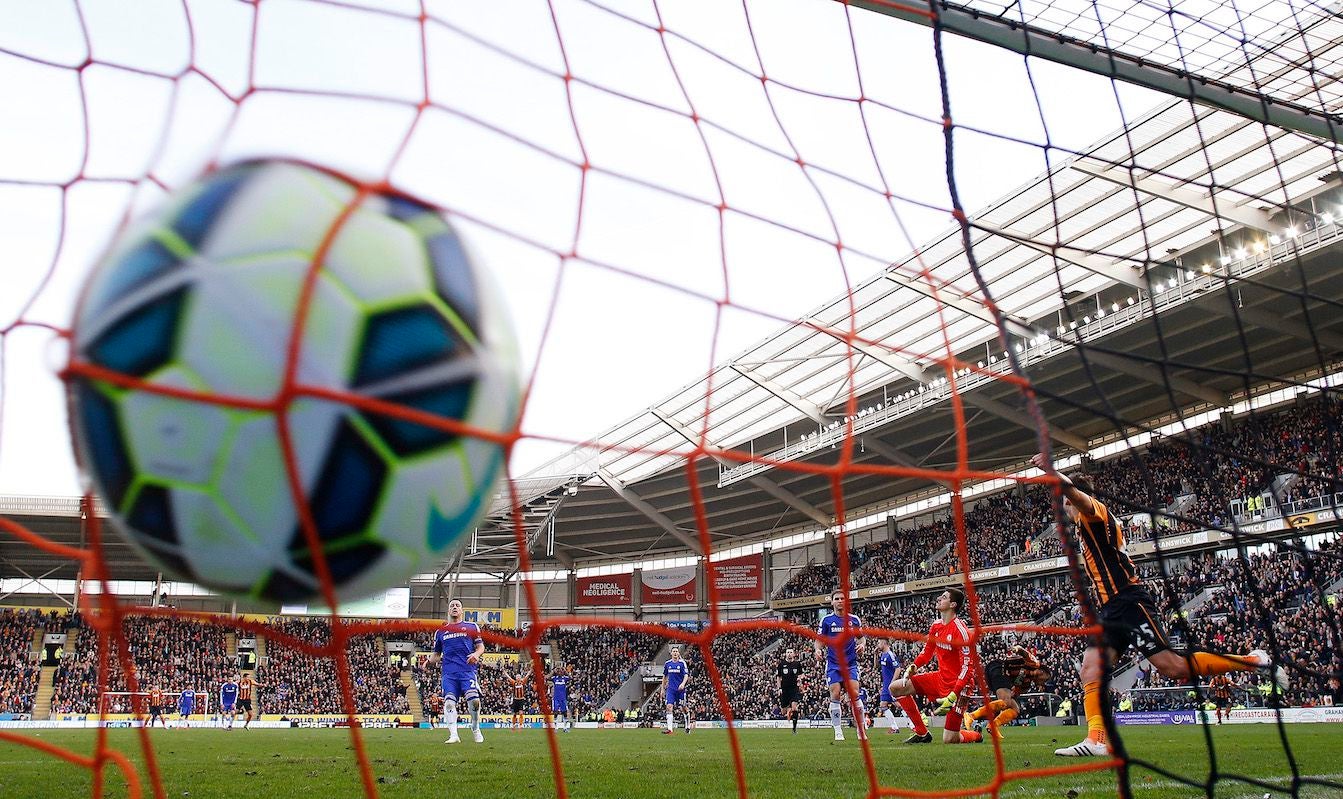
You wouldn’t know it from the headlines, but the English Premier League—full of debt-plagued playthings beloved of billionaires—is heading back to profitability.

You wouldn’t know it from the headlines, but the English Premier League—full of debt-plagued playthings beloved of billionaires—is heading back to profitability.

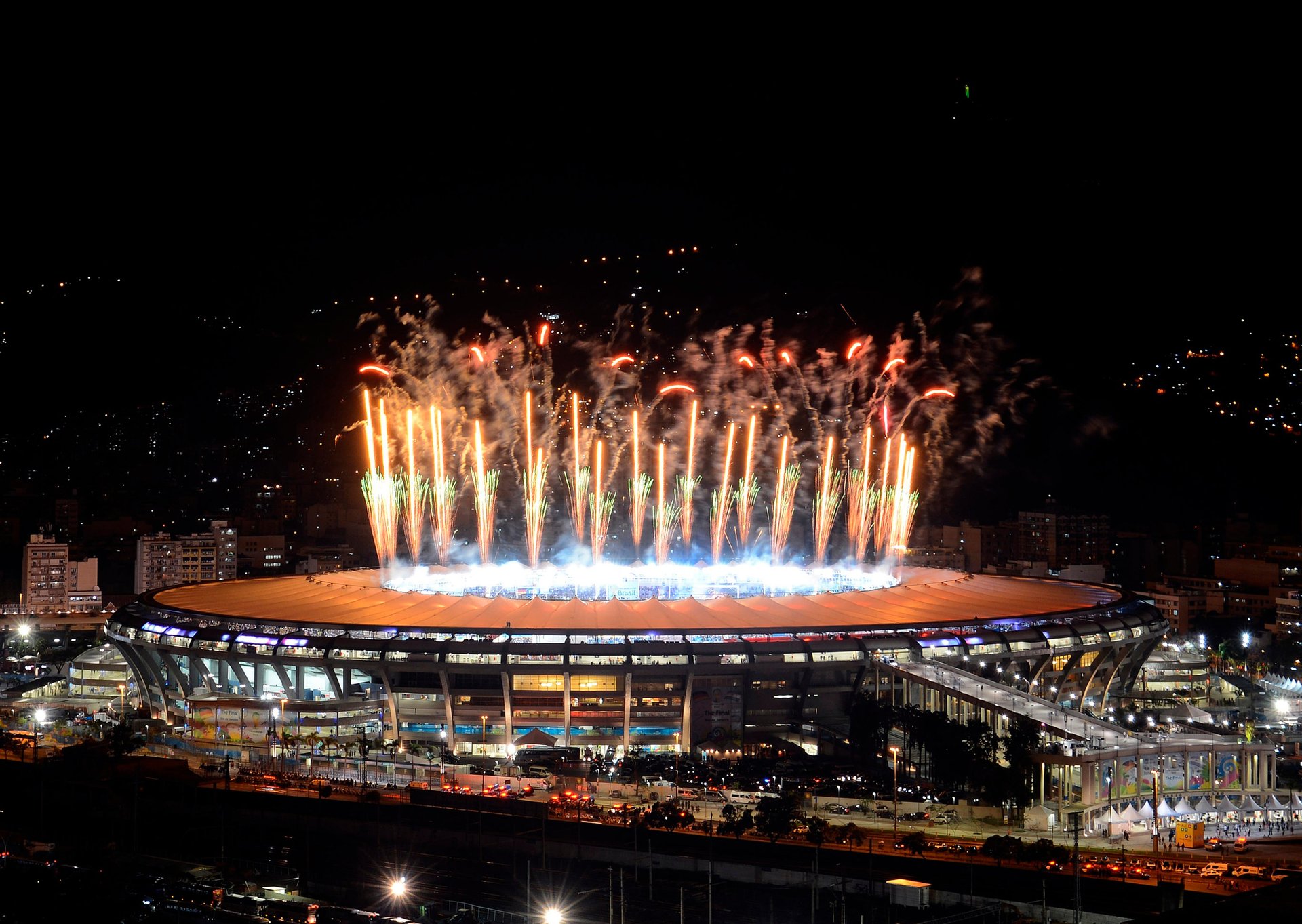
In 2014 sports felt more global than ever before. The soccer World Cup in Brazil broke all sorts of records, the NFL took up a longer residency in London and 61,000 people paid to watch a rugby match in Chicago. This is a trend that will continue in 2015, as more teams cotton on to the potential value of their brand. What clubs do with their businesses off the field will only grow in importance and visibility this year. You can bet that European soccer teams will again pop up in Asia and the US (and increasingly the Middle East), US basketball and football teams will return to Europe and Formula 1 will attempt to go just about everywhere.

The sporting year 2014 will be remembered, depending on what sport you are a fan of, for the odd moment of individual brilliance, a dramatic team collapse and the enduring excellence of a couple of veterans. The thing is, examples of achievement and failure can of course be found in every sport, almost every year. But 2014 will also go down as the year of sporting mismanagement.

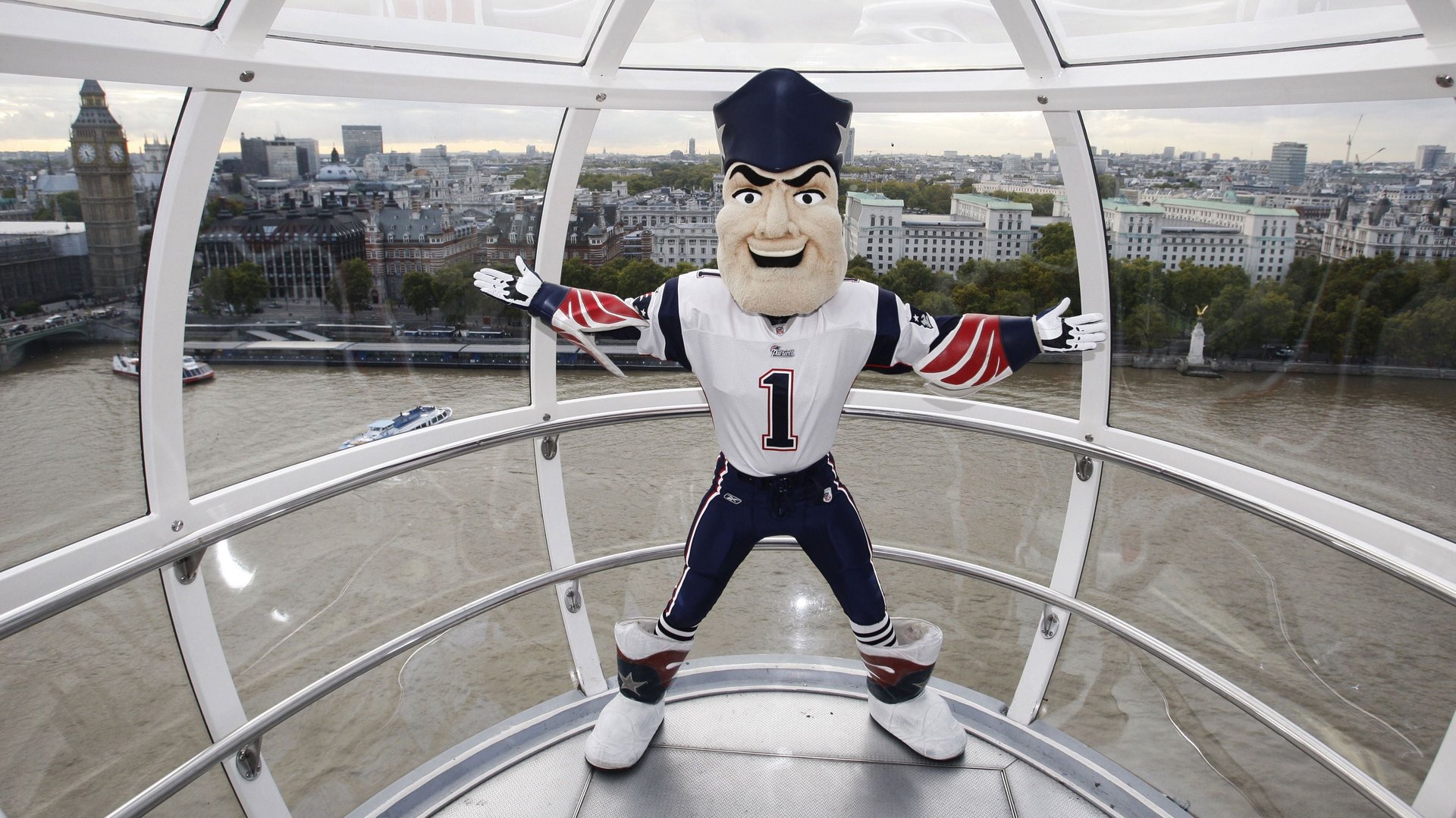
After another two sell-out matches at Wembley, momentum is growing for a permanent NFL team in London.

It is an idea so simple it can’t fail. To improve sanitation in developing countries, an American firm has designed a toilet that retails for $1.85.

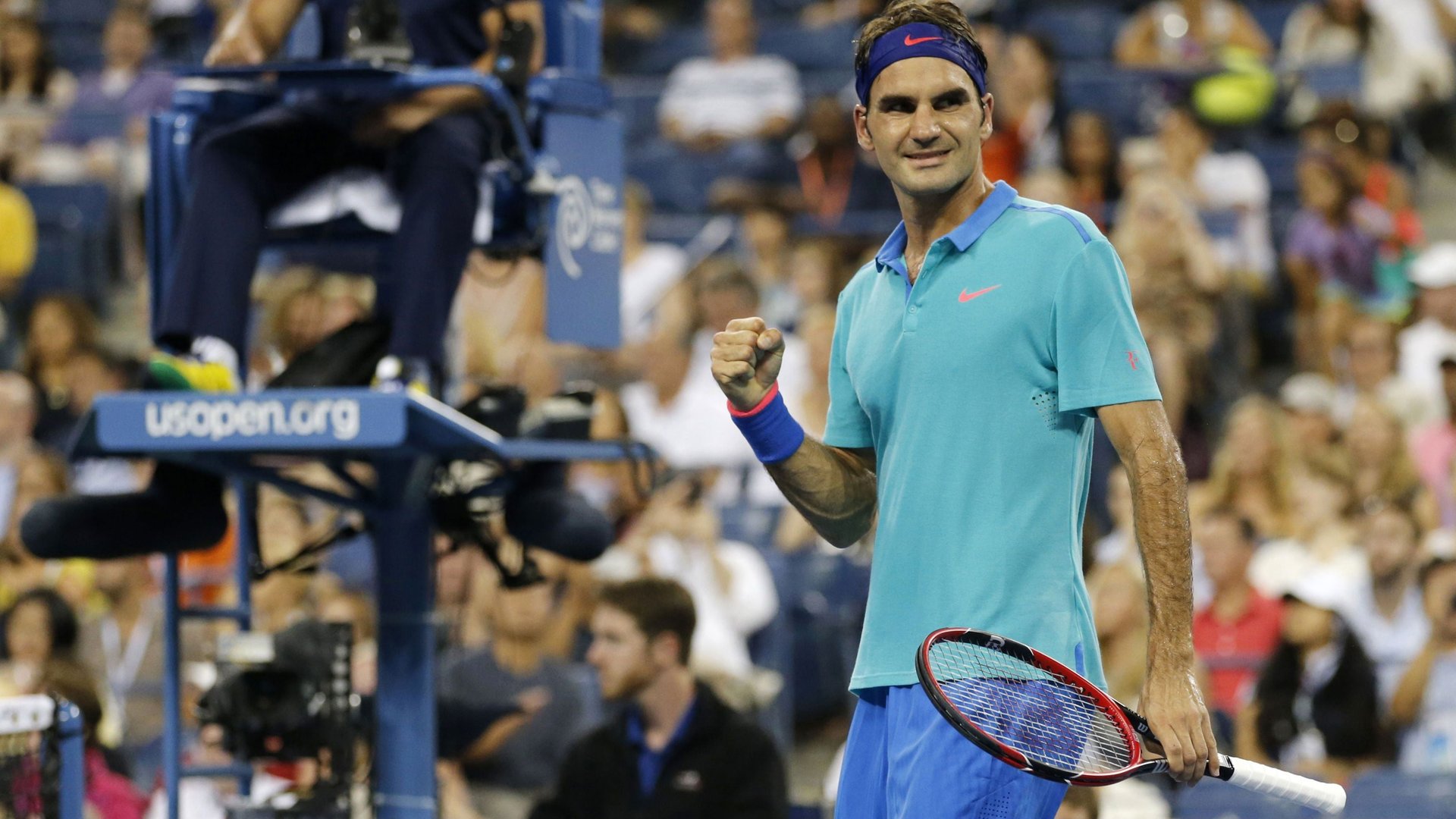
An unmistakable figure sat with Roger Federer’s entourage at the US Open last week: Michael Jordan.

Chelsea is the bookies’ favorites to win the English Premier League, which begins again next week.

Hilary Mantel, Howard Jacobson, Julian Barnes, Mantel again. The Man Booker Prize, the most significant award in the British literary calendar, has rewarded the heavyweights in recent years. This is partly because of the submission guidelines. And partly because literary culture is like that.

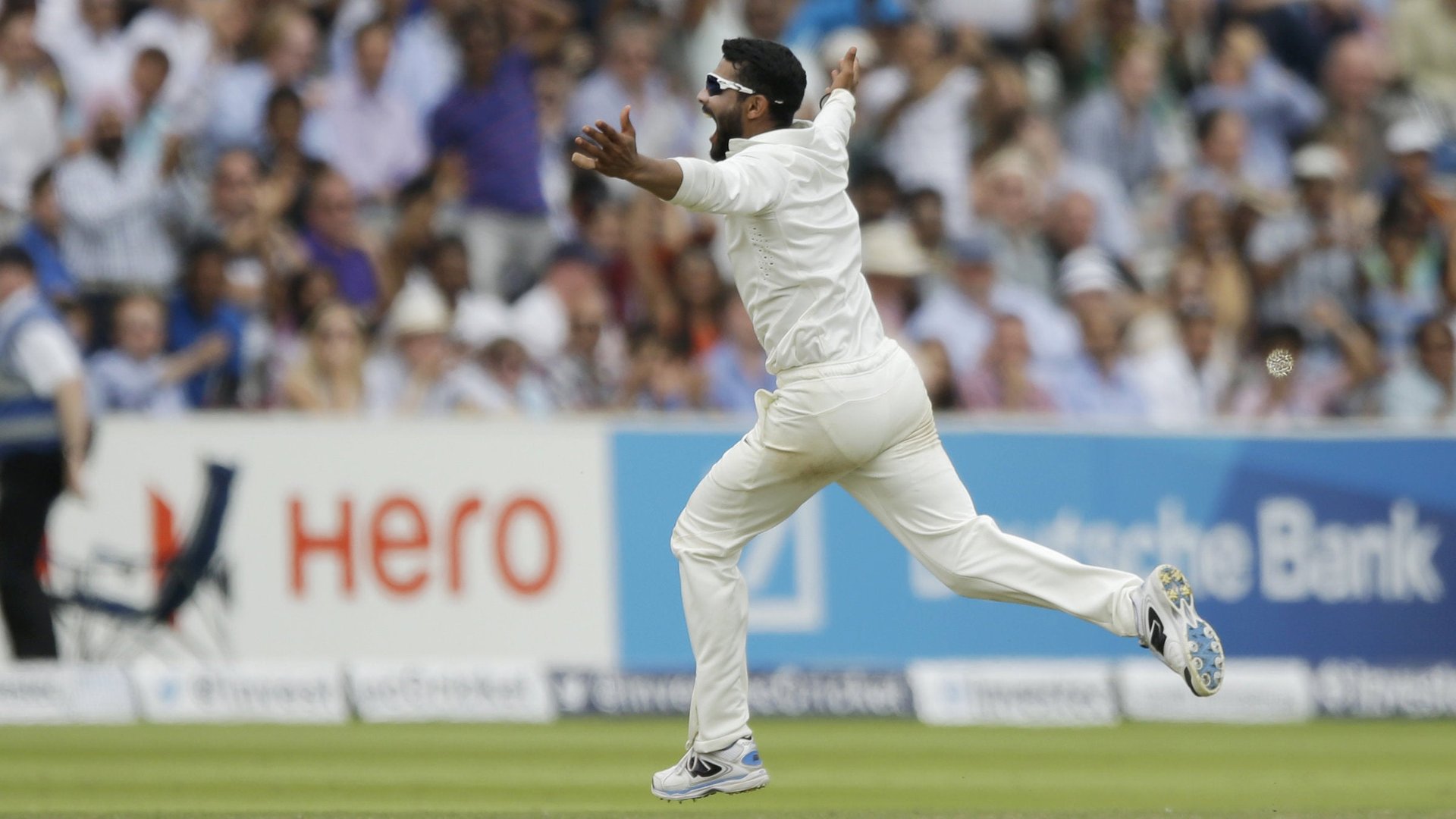
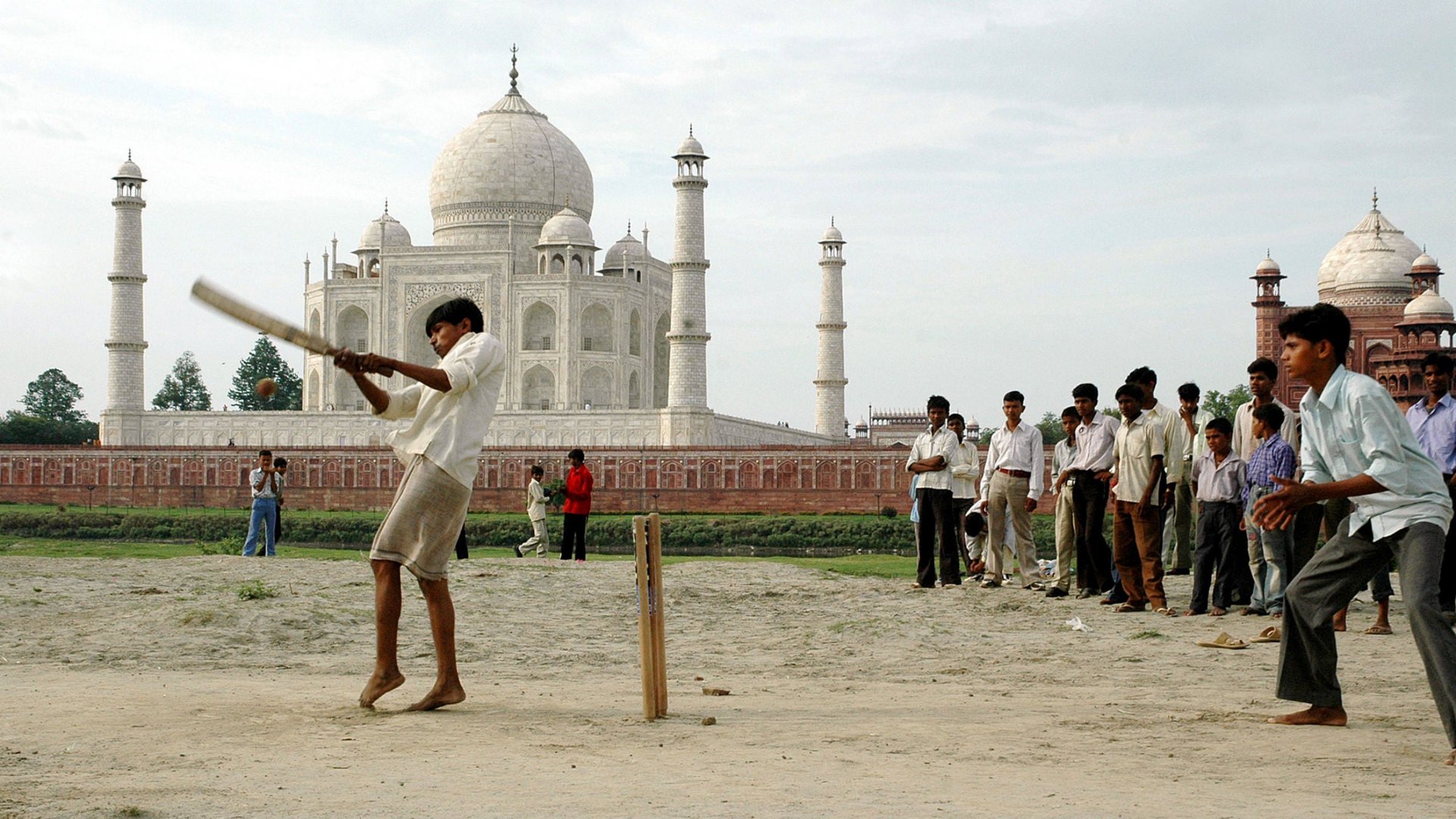
The last time India won a test match at Lord’s was on June 10, 1986. Back then only four of the current members of the Indian team had been born, and none are old enough to remember it. India’s victory today, in the second match of their tour of England, was also their first win outside of India for 16 games, since they beat the West Indies in Kingston three years ago.

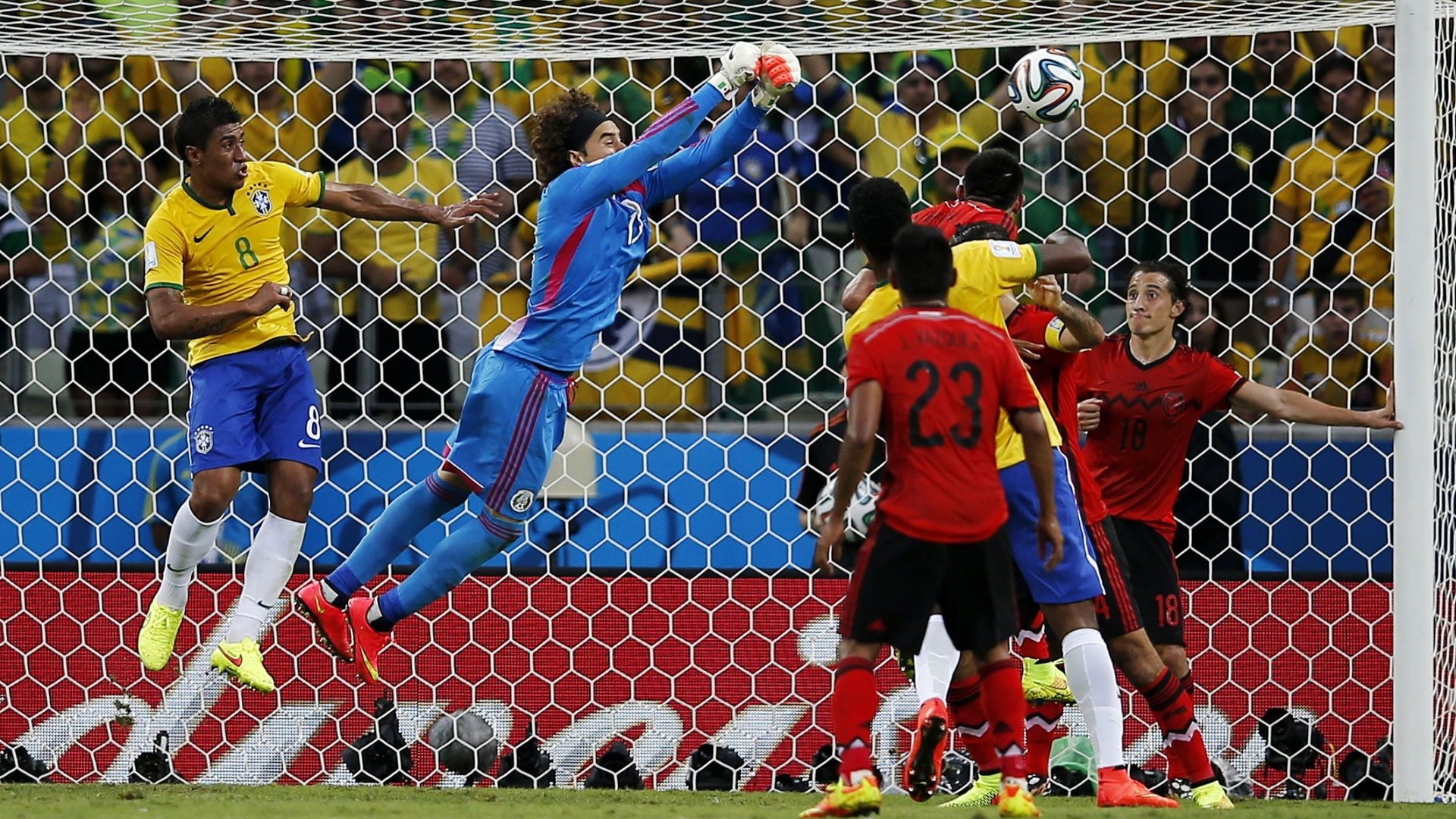
So far, the World Cup has been an unbridled joy. There have been more goals per game—3.1—than in any tournament since 1958. And in the brief lulls between goals, there has been a smattering of dodgy refereeing, laughable play-acting and lots of shaving foam on the pitch.

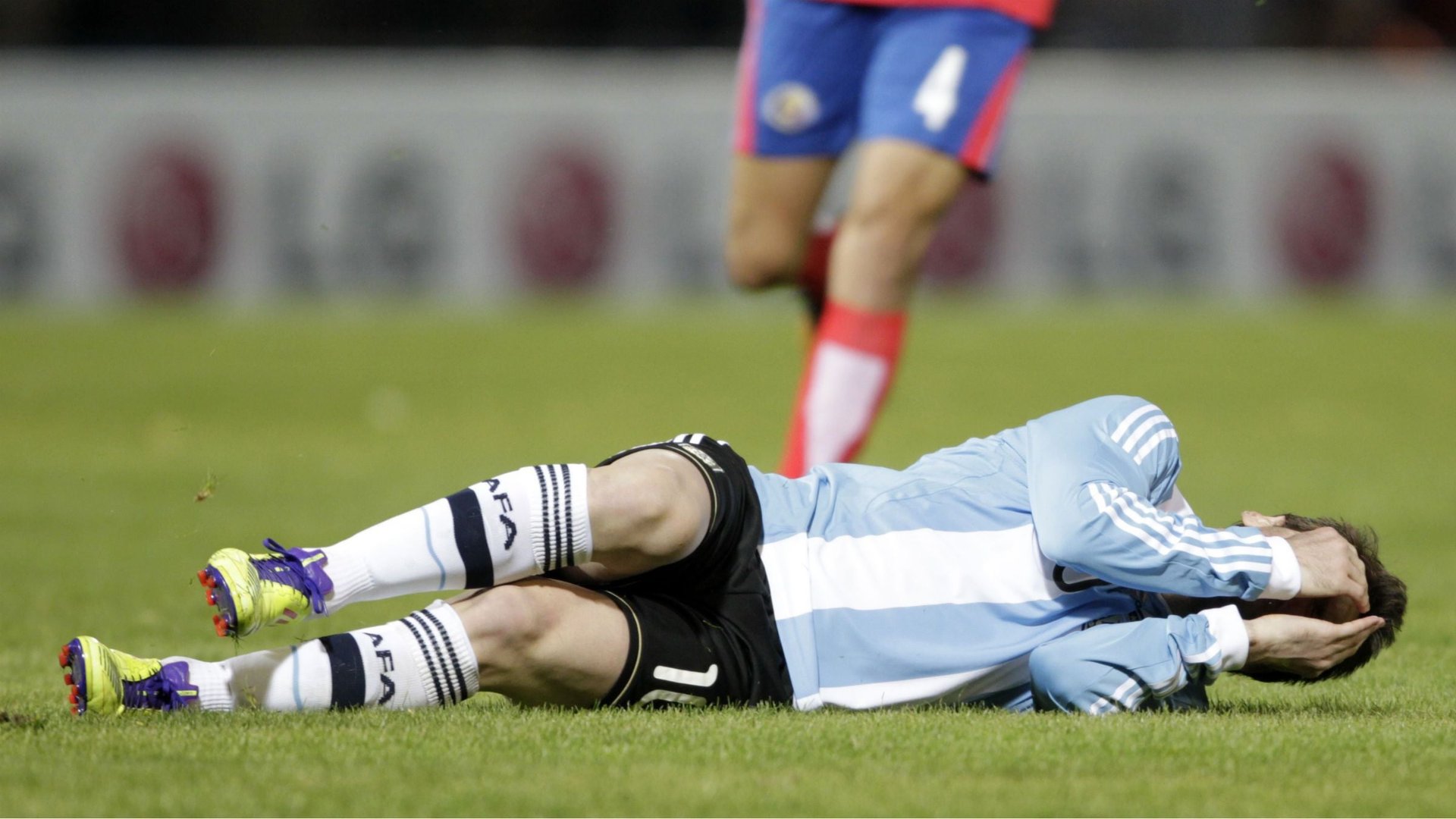
For young Marco Reus, the World Cup ended before it had even begun. The same fate has also befallen a host of other injured stars: Radamel Falcao, Franck Ribery, Christian Benteke, Theo Walcott and Thiago Alcantara, among others. The loss of these players–and the condition of their teammates—will have an important bearing on the destination of the trophy.

Just a week after a major report alleged that $140bn a year is laundered through illegal betting on sport, cricket has been beset by another match-fixing scandal. After convictions against Pakistani and English players and investigations into Indian administrators, this time it is a New Zealander who is in the spotlight.

If you’re an exceptional athlete and want to turn your talent into cash, consider moving to New York, Manchester or London.

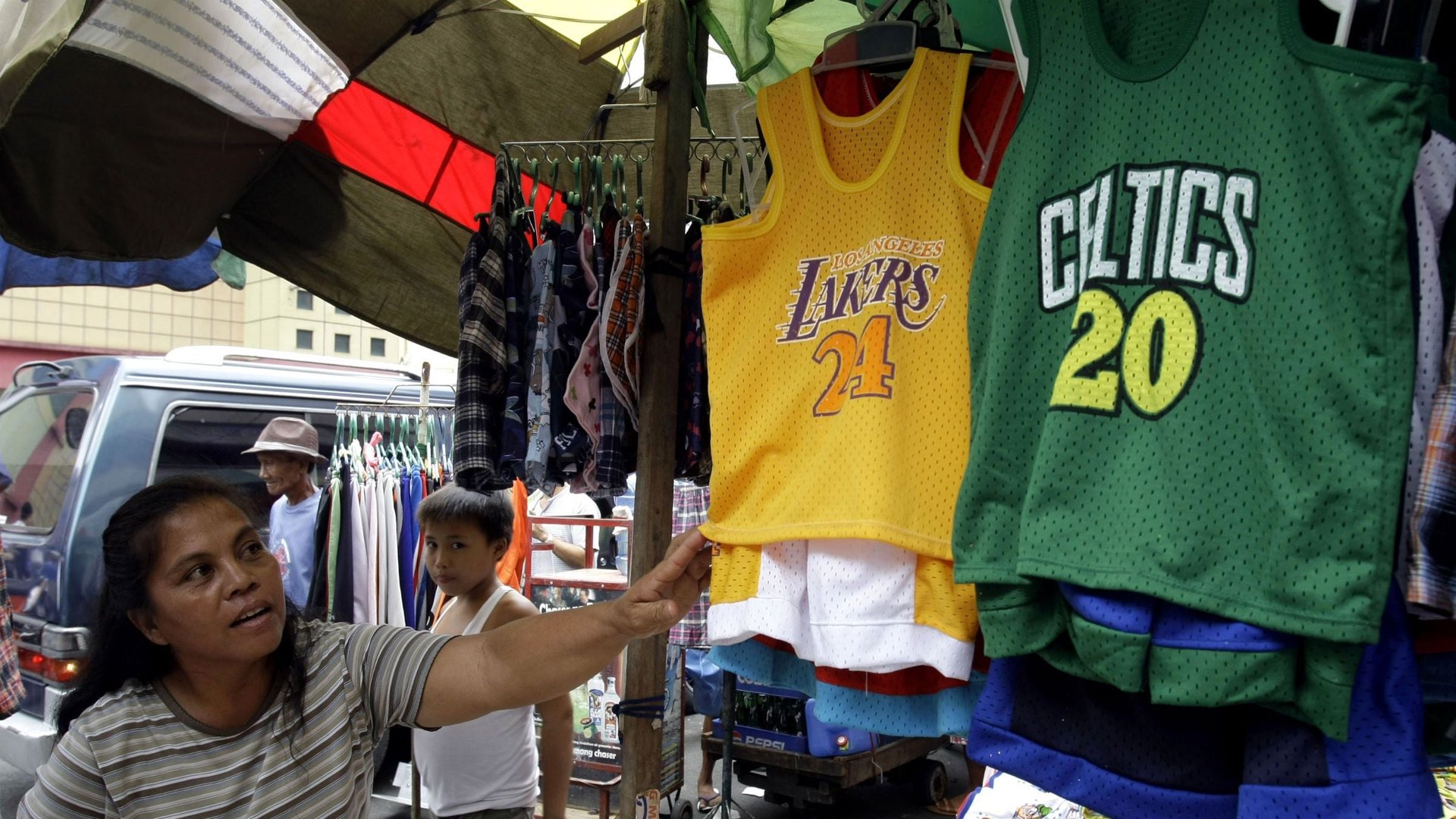
The new commissioner of the NBA, Adam Silver, has not taken long to make his mark. The league’s iconic jerseys are likely to get a new look, thanks to the start of corporate sponsorships, a move Silver has described as “inevitable.” He expects logos to begin popping up within the next five years. The arguments for and against logos on jerseys have been made for years, but a combination of buoyant broadcasting rights and fan opposition has so far kept the shirts ad-free.

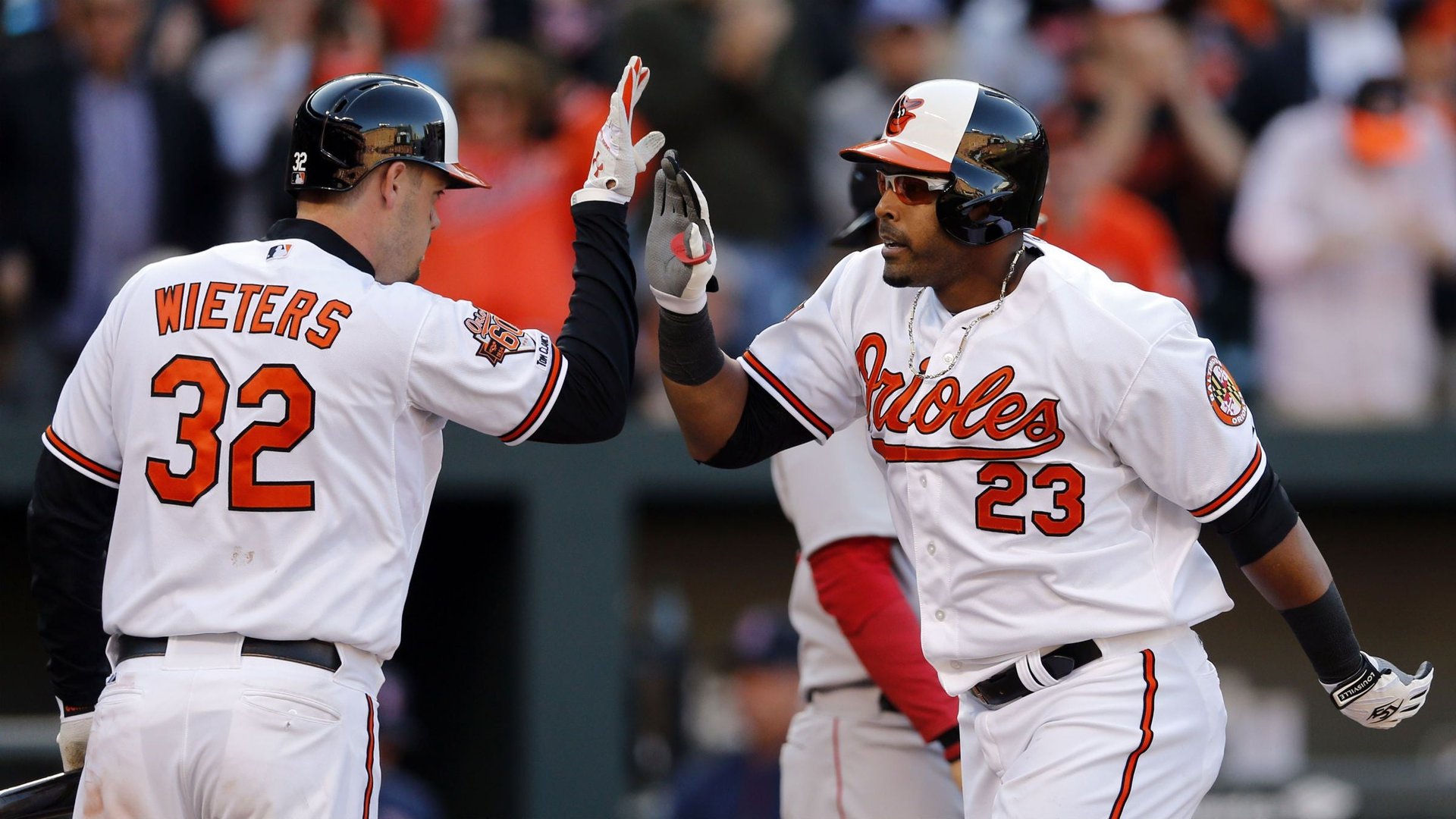
Success doesn’t come cheaply, at least for fans of the Boston Red Sox.

Legendary hip-hop collective, the Wu-Tang Clan, has announced that its first new album for seven years will be released on a limited run of exactly one copy.

The elite tennis calendar is about to get a new event: the International Premier Tennis League. Conceived of by an Indian former doubles champion, Mahesh Bhupathi, the IPTL is a team tournament that will take place in November-December in four Asian cities: Bangkok, Dubai, Mumbai, and Singapore.

The twin giants of Spanish football—Real Madrid and Barcelona—are still the world’s wealthiest football clubs. In the 2012-2013 season, they generated combined revenue of €1 billion.

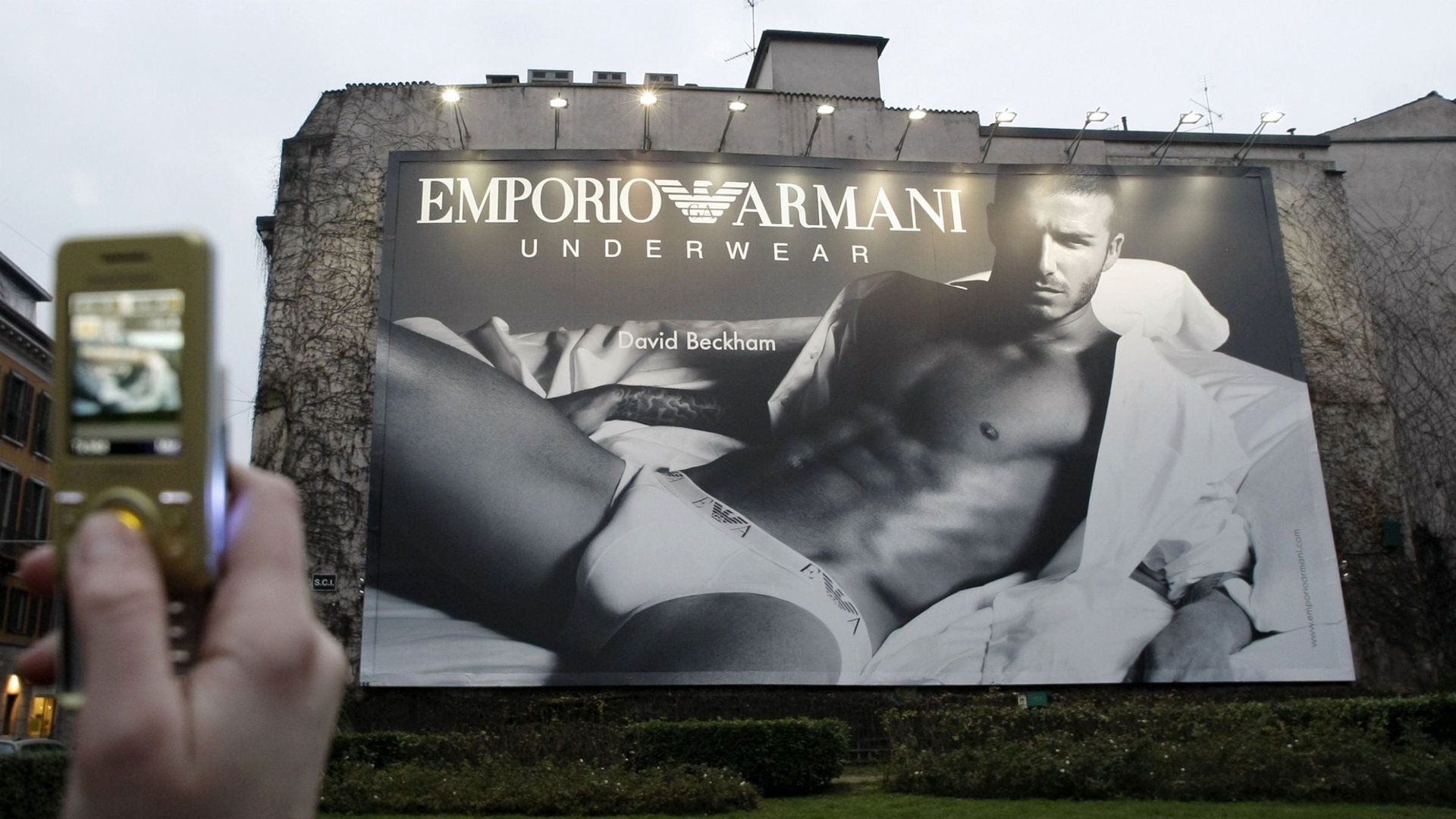
Beckham is back.

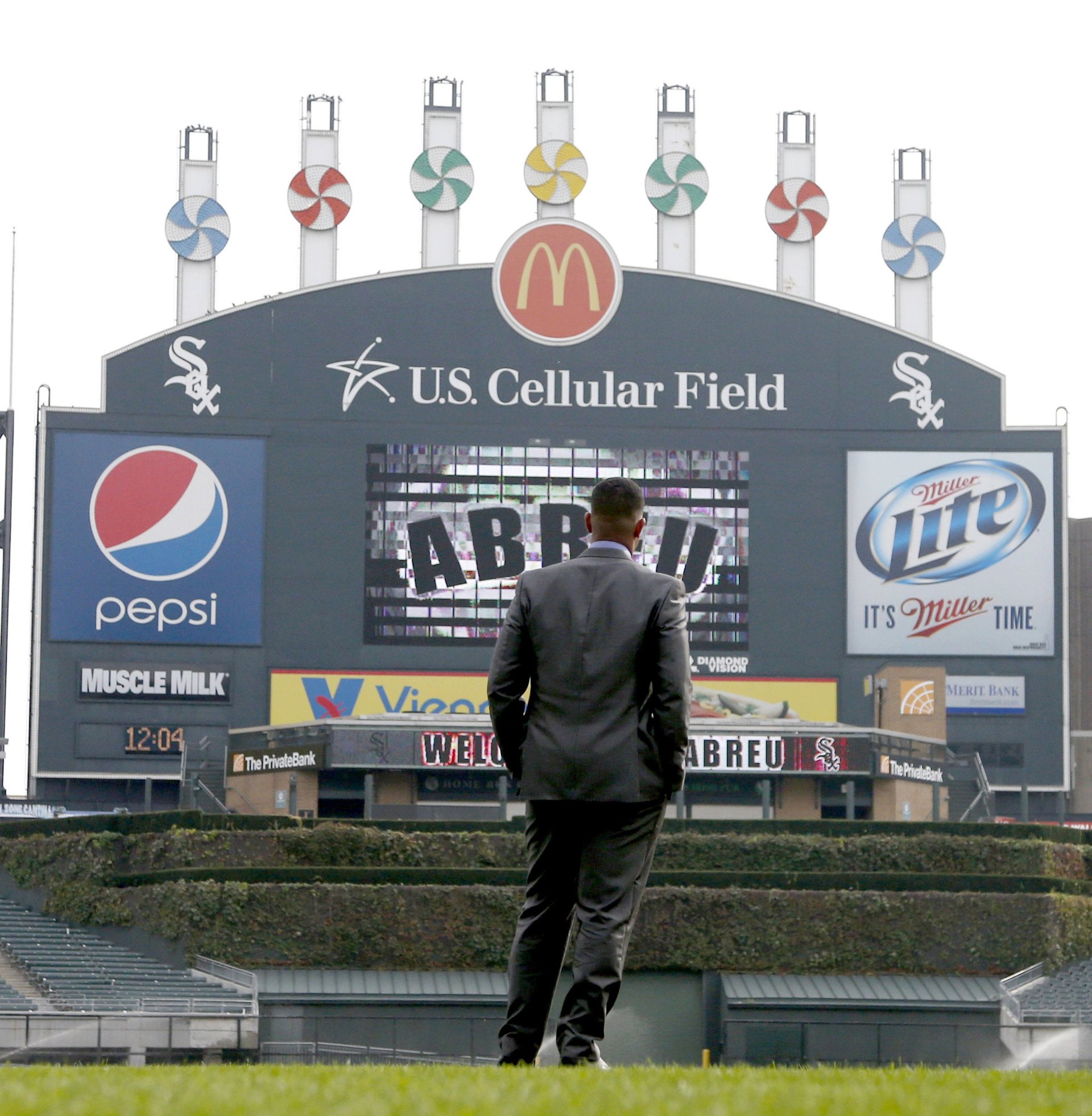
Until recently, it was impossible to make any real money as a baseball player—or any other professional athlete—in Cuba. Under Fidel Castro, sporting salaries and the reward they represent for individual excellence were regarded as anti-socialist. Athletes, thus, were regarded as state employees, just like teachers or agricultural laborers, and were paid accordingly. Taking your skills abroad was off limits and illegal. (Orlando “El Duque” Hernandez famously left on a sailboat in 1998 with a group of ballplayers and docked in the Bahamas.)

Last weekend a British tabloid newspaper, the Sun on Sunday, published the results of a sting operation use to catch players cheating in English football. The newspaper’s undercover journalist, Mazher Mahmood, documented several lower-league players offering to commit fouls in exchange for £30,000-£70,000 ($48,825-$113,925) from fixers. Six players have since been arrested, which has generated plenty of hand-wringing, but little focus on whether this form of cheating, known as spot-fixing, is a viable proposition for fixers.

Until very recently, you could pick a Grand Slam tennis match at random and be sure to see one of a very small number of logos on the players’ kit. The Nike swoosh is sewn into the shirts of Roger Federer, Rafael Nadal, Maria Sharapova, and Serena Williams; Adidas’ three stripes are worn by Andy Murray, Jo-Wilfried Tsonga and Caroline Wozniacki; David Ferrer and Agnieszka Radwanska show off Lotto’s double diamond. But there’s a new group of fast-fashion and lifestyle brands on the court, and they are putting big money behind the next generation of players.

Australian newspapers are in trouble, struggling with the same transition from print to digital that triggered waves of reorganizations in the US and the UK. The latest ABCs made for grim reading. Redundancies have been made at Rupert Murdoch’s dominant News Limited, while the wobbling Fairfax empire has witnessed several unsuccessful restructures.

French president Francois Hollande’s ace in the pack was supposed to be a 75% super-tax on the wealthy, but this faces opposition from a most powerful interest group: France’s football clubs.