

Series
Workers worldwide are questioning what ambition really means to themFrom quiet quitting to China's lying flat movement, we're seeing a moment of fundamental change around the idea of success and sacrifice
Updated November 3, 202226 min read
From quiet quitting to China's lying flat movement, we're seeing a moment of fundamental change around the idea of success and sacrifice
Reducing the workweek doesn't affect everyone equally, and that means not everyone wins
More companies and even countries are starting to test out a shorter week
The new concept album from Taylor Swift could break the record for vinyl record sales
When it comes to pay transparency, there are right and wrong ways to do it.

When it comes to others' salaries, is it possible to know too much?
Giving good, useful feedback is deceptively difficult.
Can we get better at getting better? Here's a framework for requesting feedback
What makes for a happy and productive work environment?
Is the office doomed? If not, what's going to save it?
Companies and employees have been slowly changing things for years. But the pandemic pushed many to pick up the pace.

Asynchronous, on-demand talk radio was a bold proposition back in 2004, when podcasts first started making waves. Less than 20 years later, podcasting is a big business. But monetization has its downsides: What began as a freewheeling, do-it-yourself space is evolving into a data-obsessed sector dominated by tech giants.
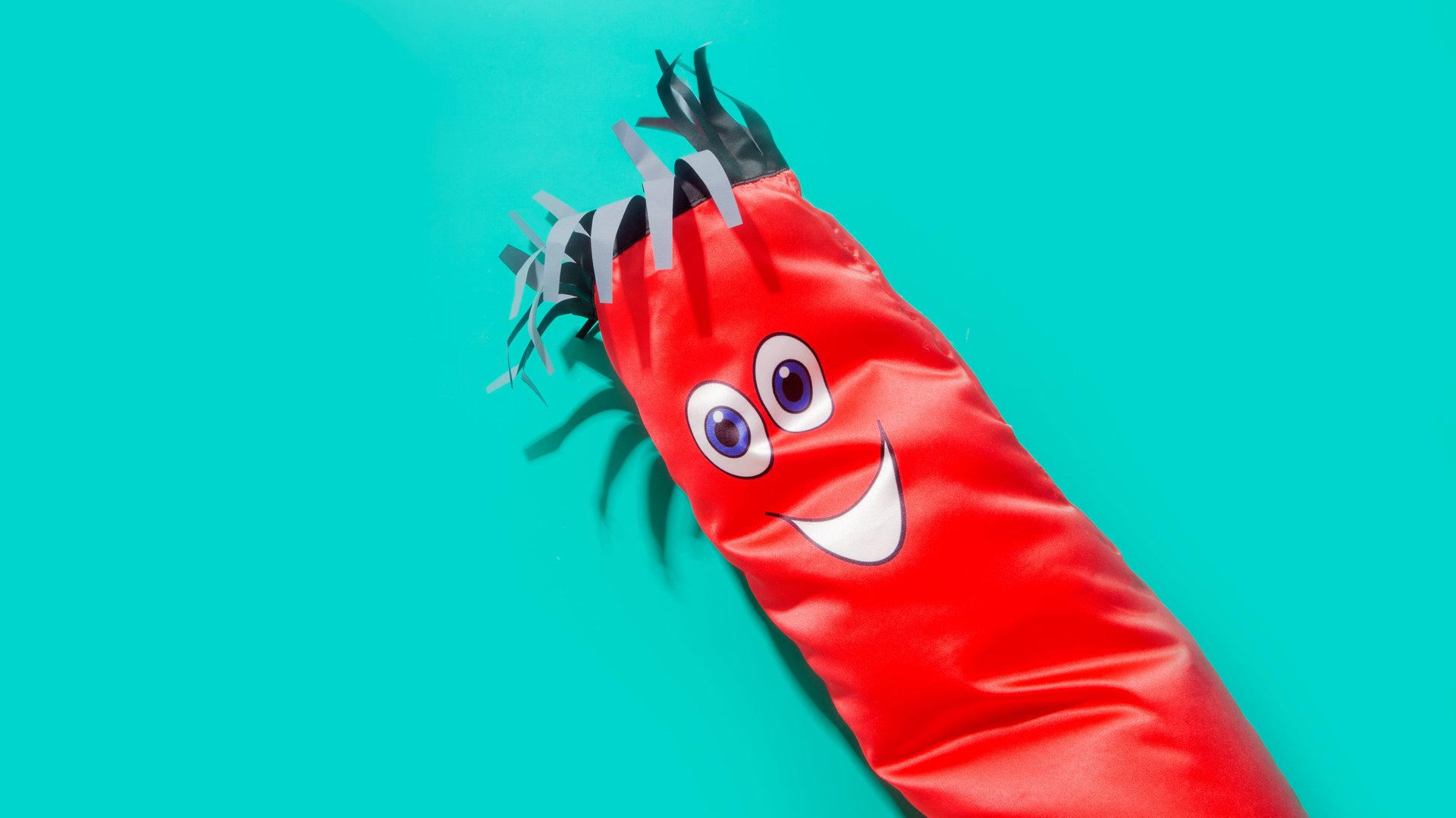
Prices for goods, from furniture to meat, have been steadily rising for months. It’s the most obvious symptom of inflation, which is when money buys less than it used to. But there’s no need to panic: This is far from the first time inflation has come for consumers’ purchasing power. The question is, how do you make it stop?

After Tuesday’s school shooting in Uvalde, Texas left 19 children and two adults dead, we wondered how difficult it was to order a DDM4V7, one of the two rifles the gunman bought a few days after turning 18 years old, according to reports.

Shipping snafus have hit everything from Pelotons to paper towels, and they’re also coming for perfume. From Chanel No. 5’s secret recipe to the modern proliferation of DIY scents, this global industry has supply chains as delicate as the scents captured in its tiny bottles. How does perfume adapt to a changing world?

Though scientists first identified dyslexia over a century ago, politicians, parents, and educators still struggle to teach students that suffer from it. In the English-speaking world, dyslexia has become a great unequalizer, pushing those with means into lucrative careers, and those without to the bottom of the socioeconomic ladder. But as technology mediates and alters how we read, it could level the economic playing field.

2.1—that’s how many children every woman “needs to have.” Any fewer, and a country’s population will eventually stop growing, age, and shrink, which could inhibit its economic growth and drain government coffers. But it’s easier said than done: China has been well below replacement rate for some time; India is just hitting that number. What happens to the world when 2.1 stops being a guarantee?

新しいポッドキャストシリーズがスタートしました! 「メタバースえとせとら」は、メタバースやファンダム、クリエイターエコノミーやNFTと、Web2.0からWeb3へ急速に移行する流れの中で次世代インターネットが今後どんな動きをみせるのか、パノラマティクス主宰の齋藤精一さんと黒鳥社の若林恵さんが、海外ニュースを通して読み解くポッドキャスト。
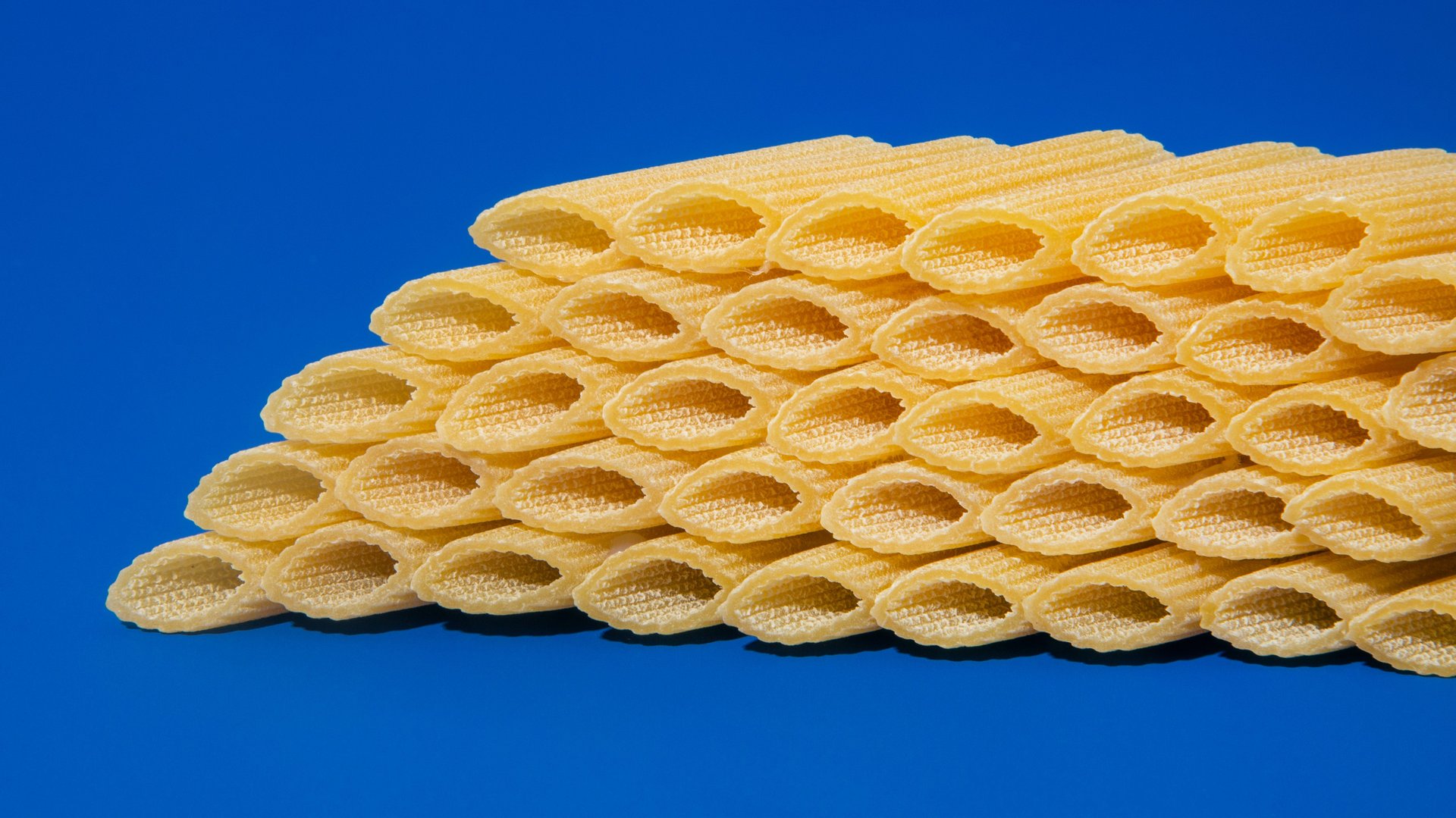
Pasta’s path to pantries all over the world is inextricably tied to Italy, the country that used technology and mass production to turn a homemade food into a commercial product. Even as pasta-makers market an idealized version of the Italian lifestyle to the world and to Italians themselves, some of the things that make pasta the taste of home might be due for a rethink.

おはようございます。ゴールデンウィーク中も世界は大きく動いています。今週も、月〜金は毎朝「世界で今起きている事」をお伝えします。今夜は号外ニュースレターも配信予定です。
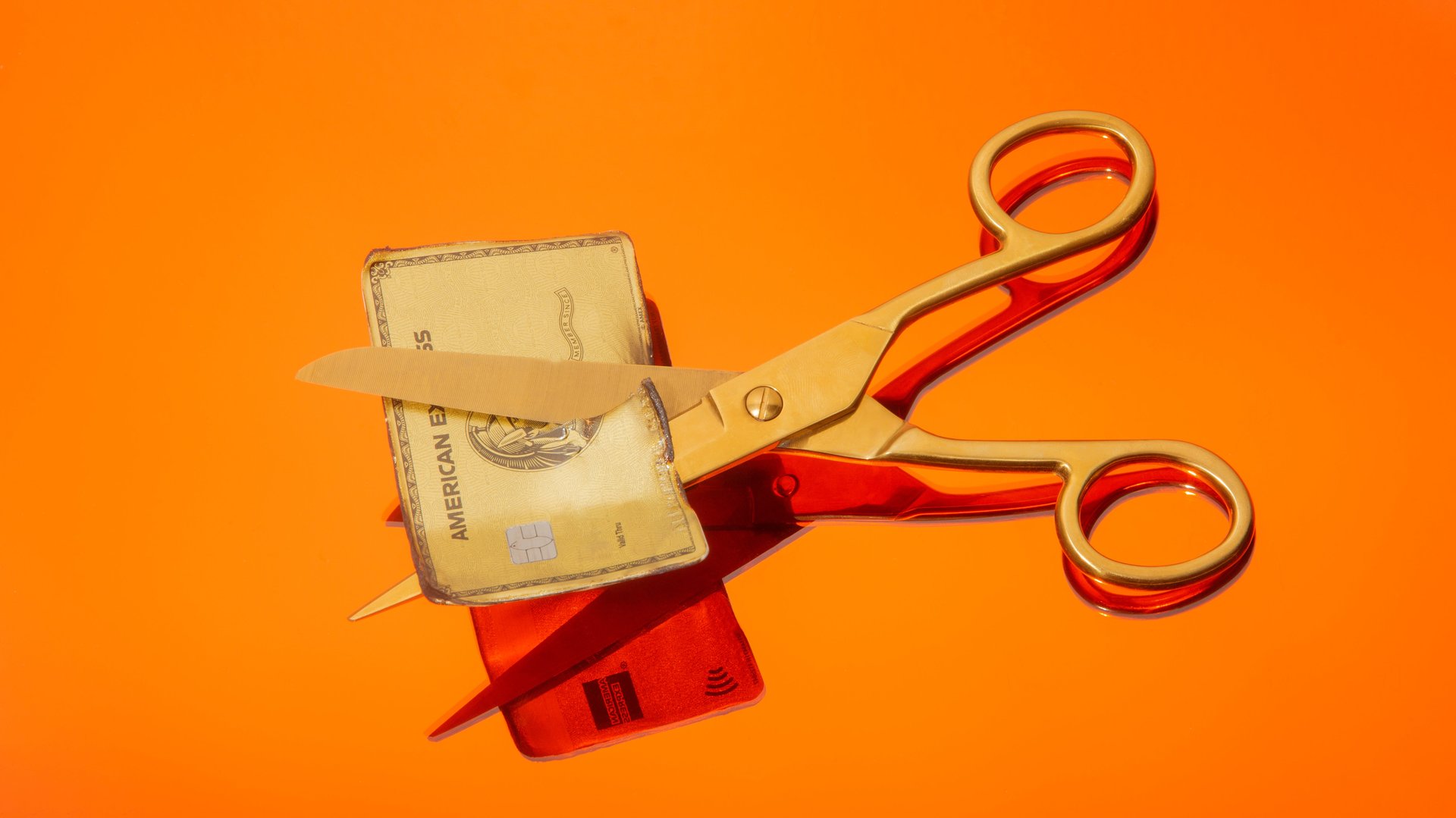
As individuals, we know it’s not great to have too much debt. But at the macro level, that narrative falls apart. In fact, most governments need some debt to take care of their people, especially in the wake of a crisis like a pandemic. How a country invests in itself—and how its leaders talk about that investment—says a lot about how it sees its future.

Between lab-grown meat and veganism going mainstream, we’re in an age of abundance for alternative protein options. But one hasn’t been getting as much attention as the others: Edible insects, popular in places like Ghana and Mexico, are nutritious, plentiful, and much less damaging to the environment than, say, a steak. What would it take to put insects in more kitchens around the world?
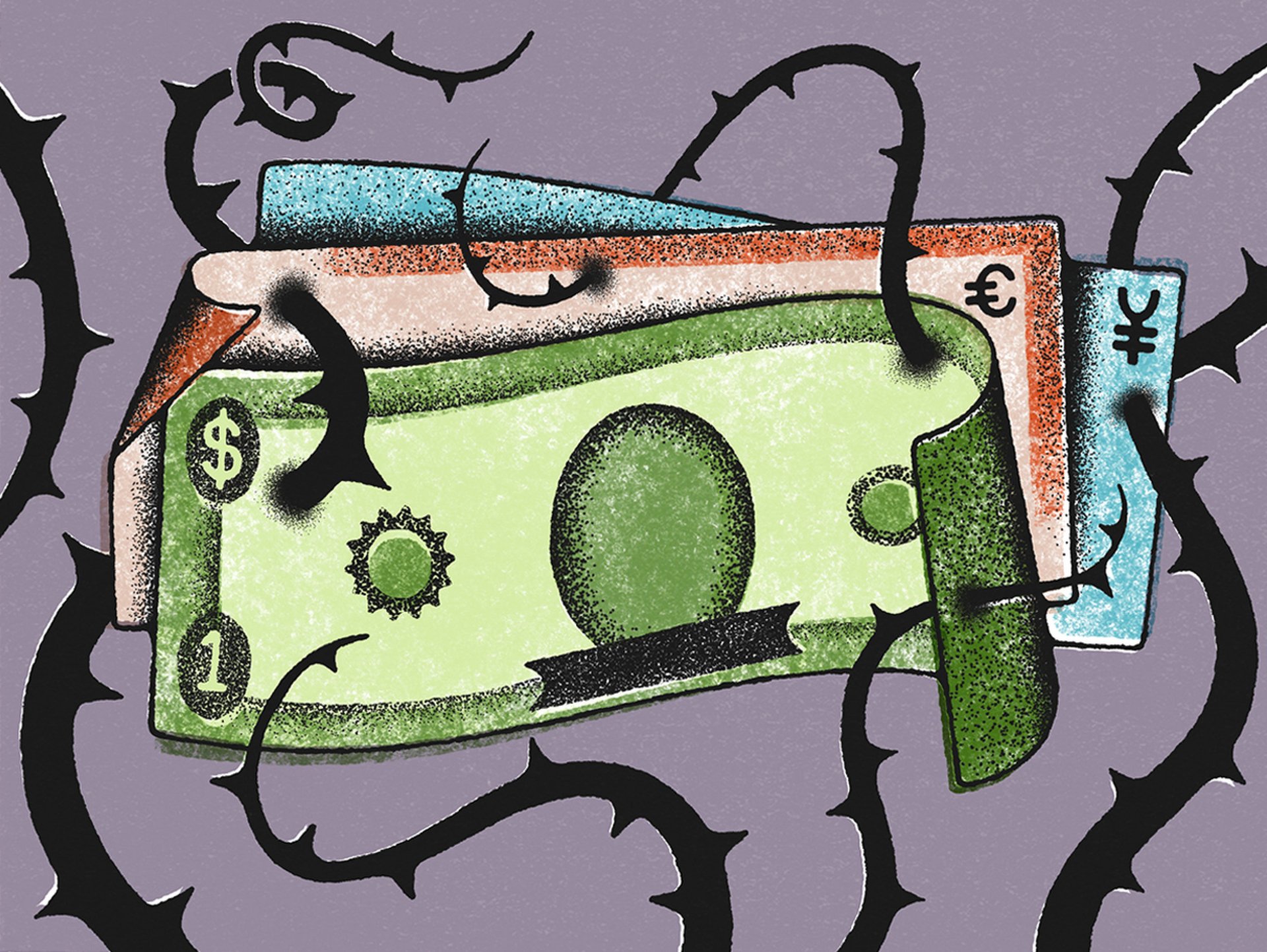

This is a full transcript of the eighth episode of the Quartz Obsession podcast season two on sequels. Here’s a lightly edited transcript if you prefer.