

Business News
Peugeot and GM strengthen alliance in EuropeA link from Financial Times
Updated July 21, 20221 min read
A link from Financial Times
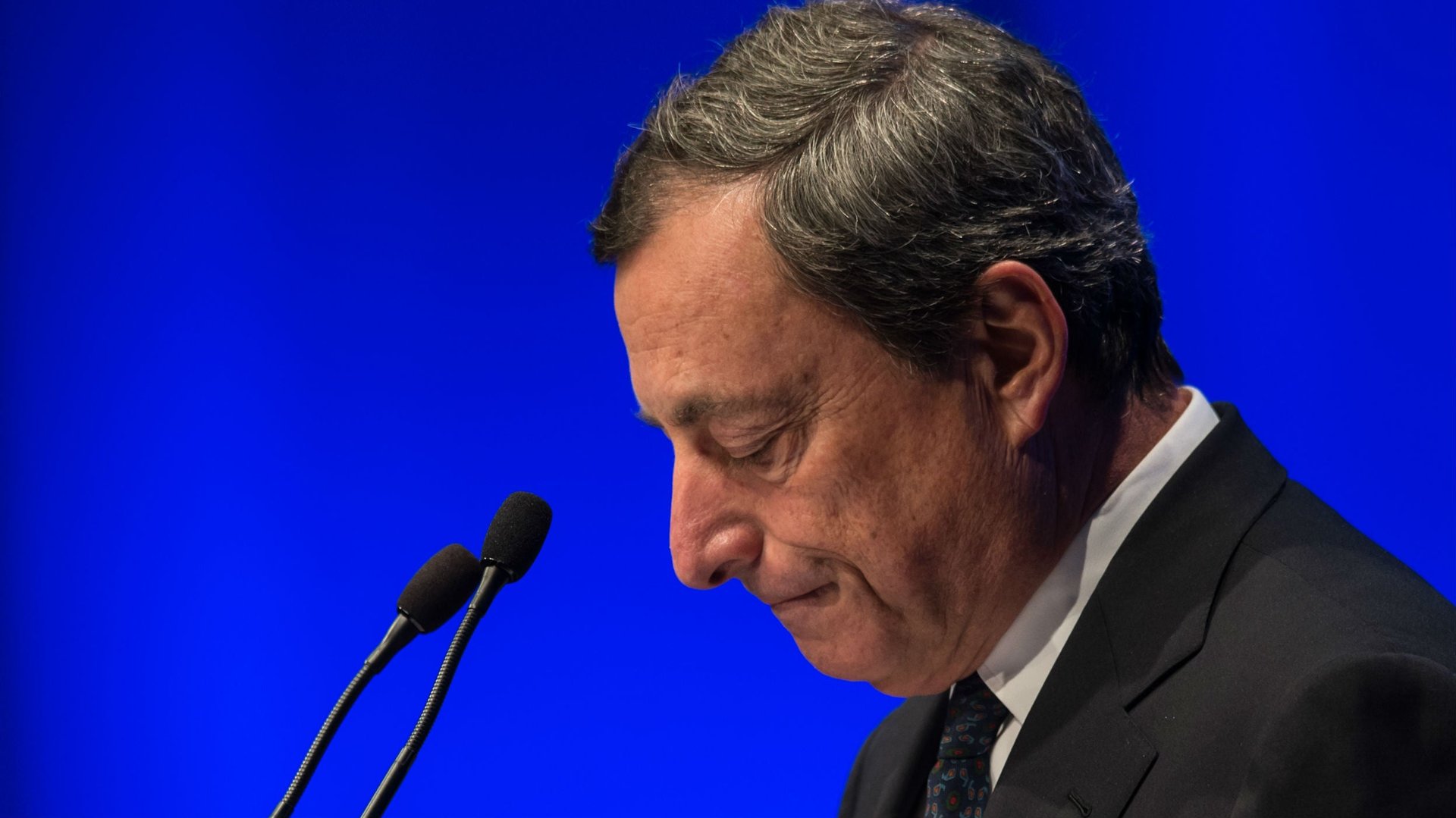
Nearly two months on, European Central Bank (ECB) head Mario Draghi is still defending his debt crisis plan.
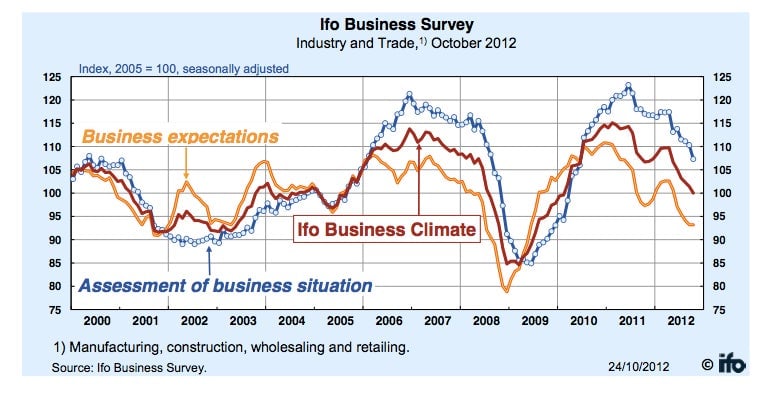
The business news isn’t great from Germany today.
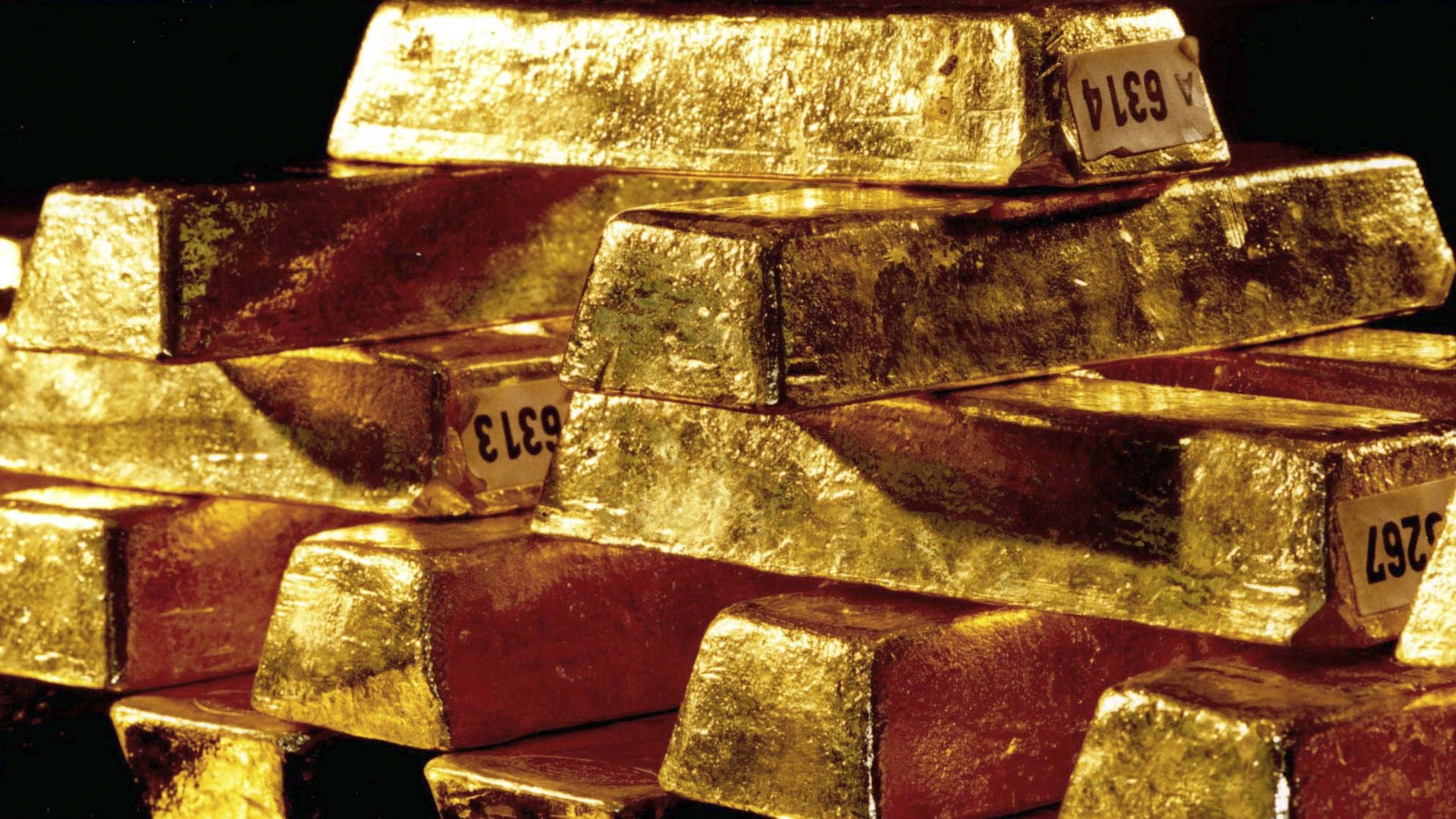
In the latest sign of rising European crisis anxieties, German federal authorities have ordered the country’s central bank, or Bundesbank, to weigh the nation’s gold following rumors that it might not all be there.

Some of the biggest multinationals have figured out how to avoid paying most taxes on their UK sales.

In 2002, the Daily Mirror wrote that Sven-Göran Eriksson, the former England football manager, was having an affair with Ulrika Jonsson, a gorgeous Swedish-British TV presenter. The story won “scoop of the year” at the British Press Awards. Not long after the paper’s then editor, Piers Morgan, teased Jonsson over lunch about how he had come to know about her love life, before explaining to journalist Jeremy Paxman, another guest at the lunch, how to stop people from hacking into your phone messages (paywall).
A link from Financial Times
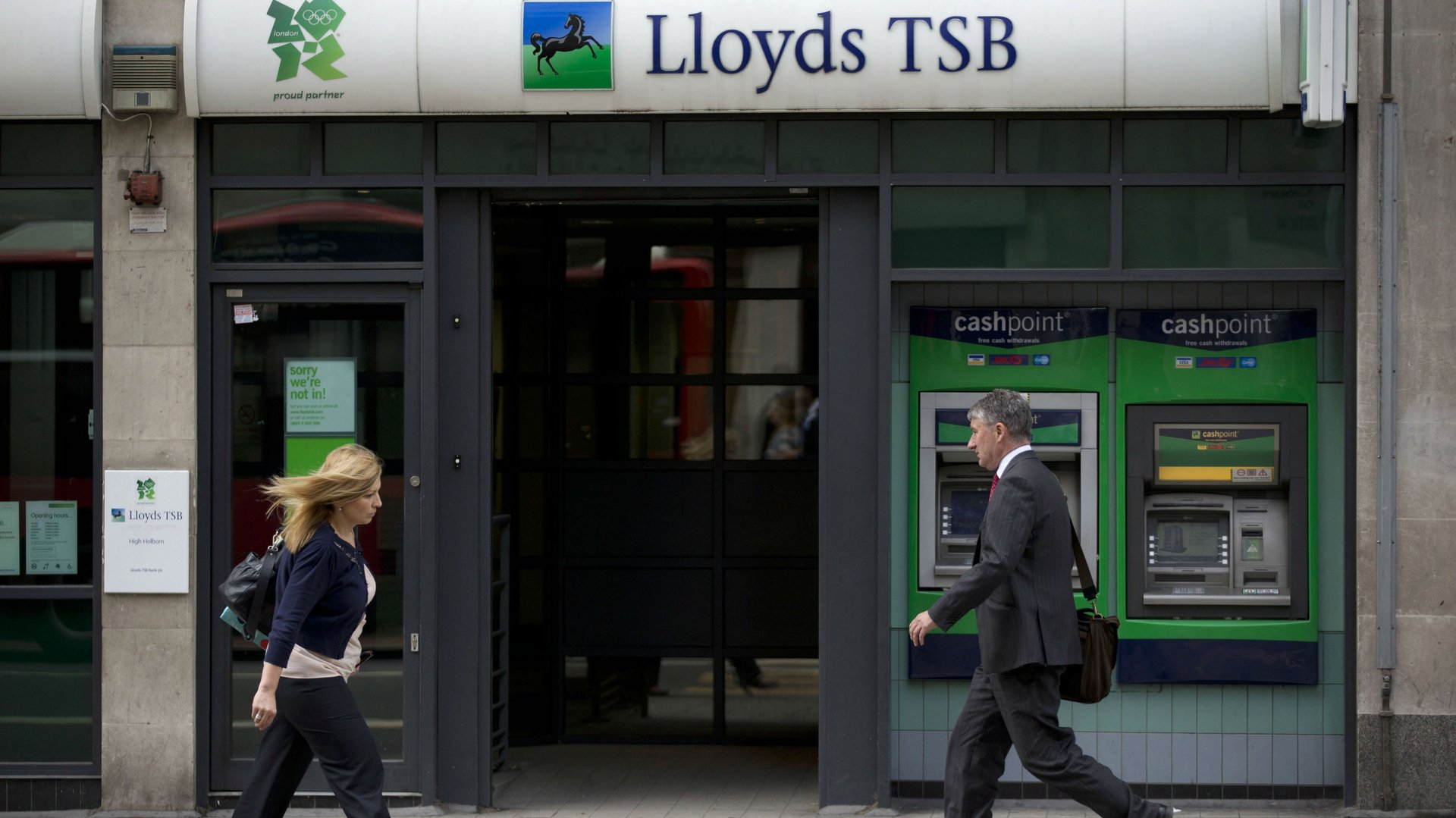
Leaders at Lloyds bank are considering scrapping annual bonuses in favor of longer-term incentives (paywall) for top staff, taking their cue from other large banks that have come under fire from shareholders. The idea being bandied about by Lloyds’ executives, is whether to pay out incentives over a ten-year period and link them to share price. Whether or not Lloyds will actually enact the plan is unclear.

This weekend’s regional elections in Galicia and the Basque Country brought some relief to Prime Minister Mariano Rajoy and his Popular Party (PP). In Galicia, Rajoy’s home region, the PP not only held power, but increased its absolute majority in the region’s parliament. This is good news for Rajoy, as many viewed the Galician elections as a test of popular opinion on Rajoy’s handling of the economic crisis.
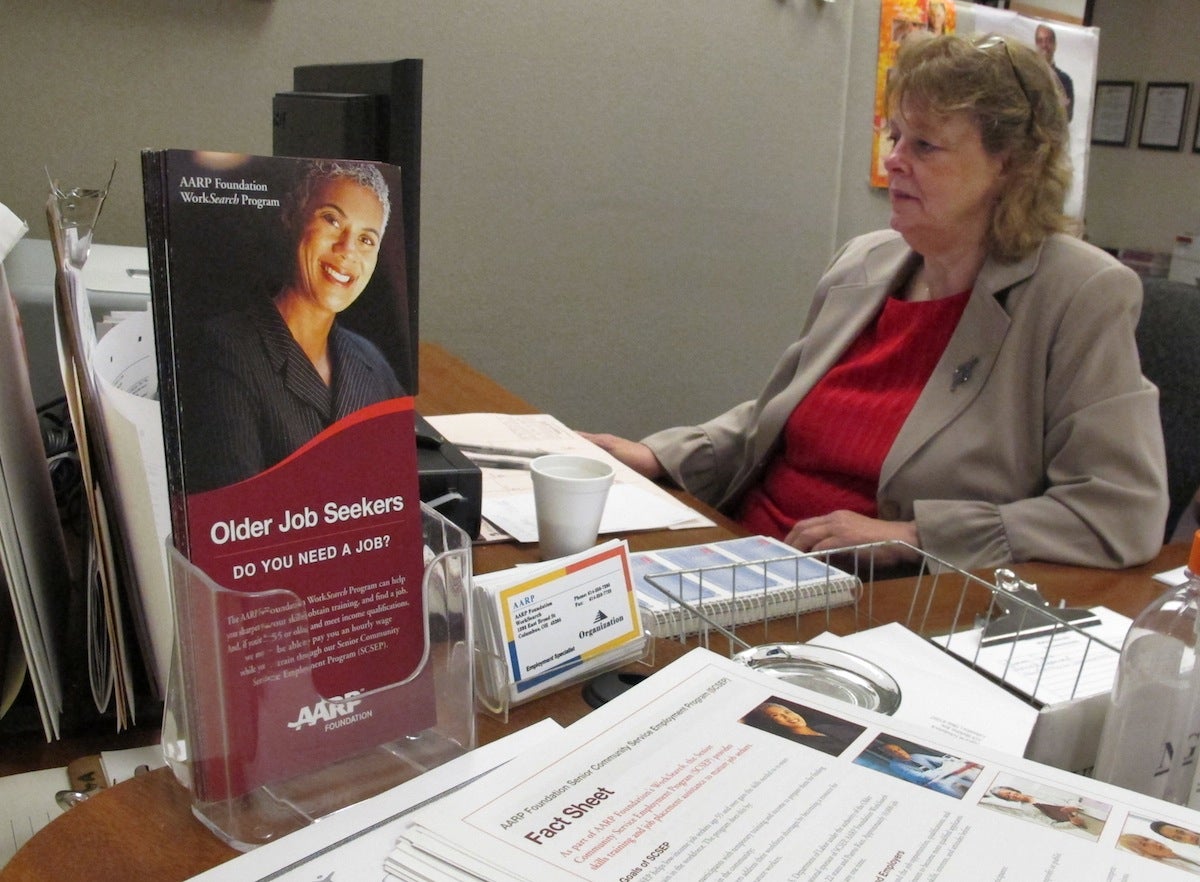
While unemployment has soared in Europe and elsewhere, at least one group has weathered the unemployment crisis fairly well: older workers.

Reading today’s headlines, you would almost think European leaders made great progress on banking union at yesterday’s European Union summit in Brussels. Here are some of the headlines:

Earlier this year Louis Brooke and some friends were sitting in a London pub bemoaning the scandal-ridden state of the world’s biggest banks. At the end of the night, everyone pulled out their cards to pay, all from those very same banks. We had spent three hours talking about this, says Brooke, “and now we were going to give them our money.”
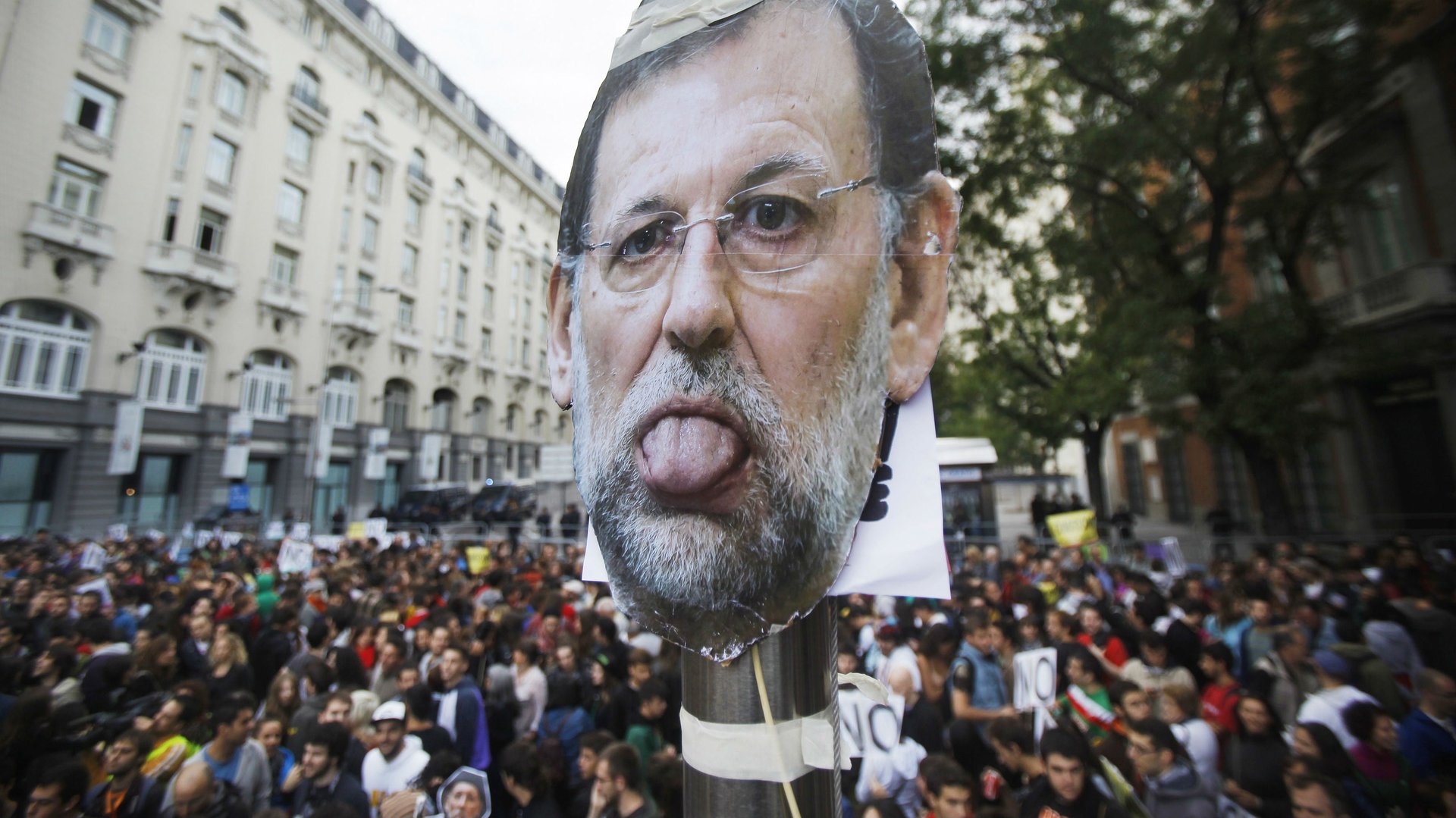
Europe’s leaders gather today for a summit under the gray skies of Brussels, and even darker clouds of the euro zone crisis. High on the agenda will be what to do about Spain, where the situation keeps getting worse.
Nestle’s sales beat or missed expectations this quarter depending on what you measure and who you read.

France’s third-largest bank, Crédit Agricole, is leaving Greece at painful cost. It has agreed to sell its Greek Emporiki unit to rival Alpha Bank for a token €1. The pain deepens. Before exiting, it will inject more funds into Emporiki and buy €150 million of convertible bonds issued by Alpha Bank—leading to a net income loss in the third quarter of about €2 billion ($2.6 billion). How’s that for a Grexit?
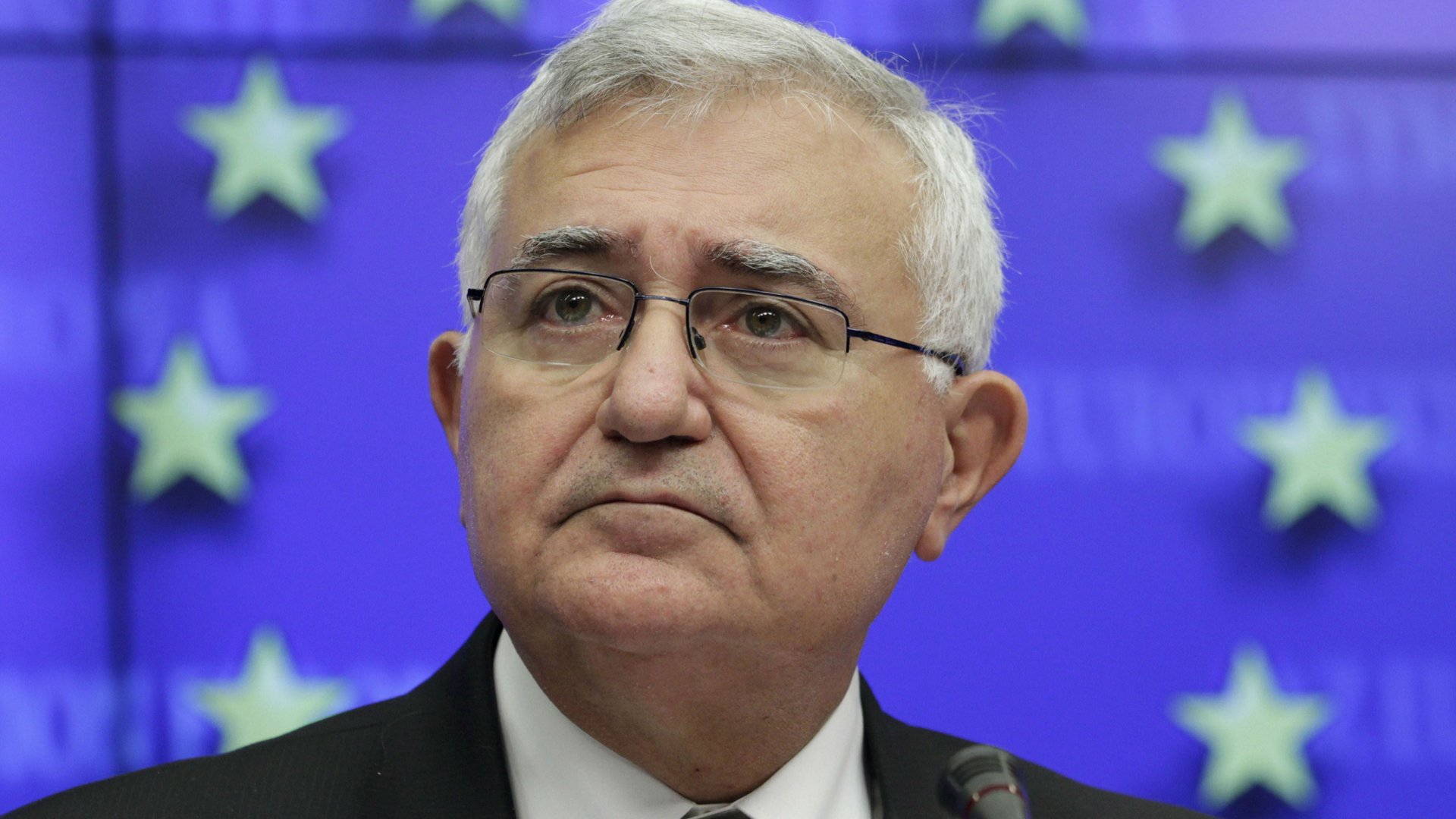
John Dalli has resigned as the European Union’s (EU) health commissioner over allegations of fraud. The EU’s anti-fraud office (OLAF) said the Maltese former businessman knew about an attempt to influence legislation involving a Swedish smokeless tobacco product known as snus.

It’s not yet clear if the class-action lawsuit on behalf of US homeowners against the world’s biggest banks has merit. But even if it does, it’s unlikely to see the light of day in a US court.
Consumer prices across the euro zone (17 countries) rose 2.6% annually in September—unchanged from the previous month. Annual inflation in the European Union (27 countries) was up 2.7%, also stable and unchanged from August. Both rates are lower than they were a year ago, which should cheer European consumers.
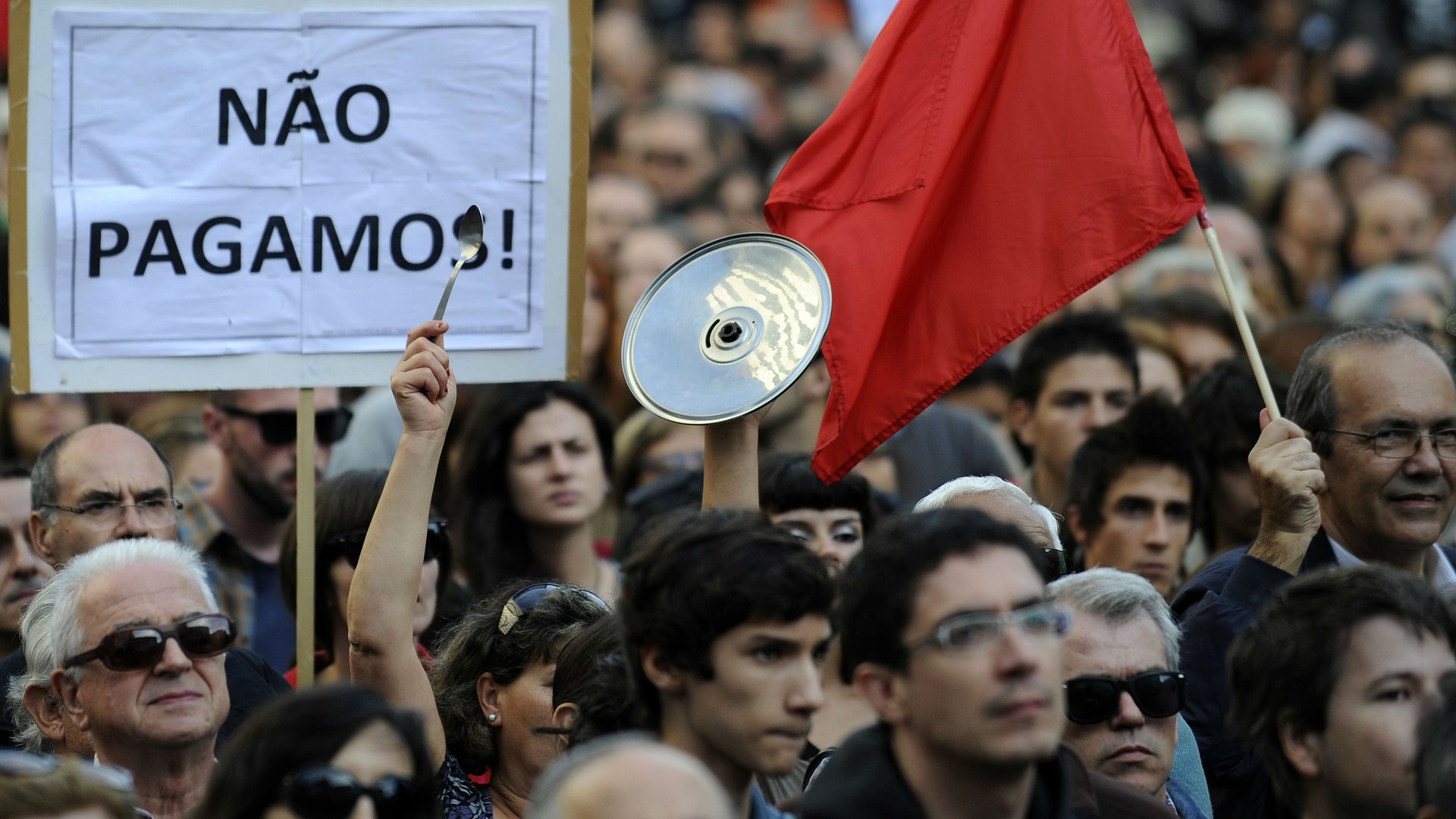
Portugal is the latest euro crisis country to unveil even harsher austerity measures to meet strict conditions of a multi-billion euro bailout. The 2013 budget includes tax hikes totaling €4.3 billion and spending cuts, including to pensions, equalling €2.7 billion. The tax increases affect things like capital gains, property, and middle-class incomes, equaling up to three months’ wages.
Good morning Quartz readers!
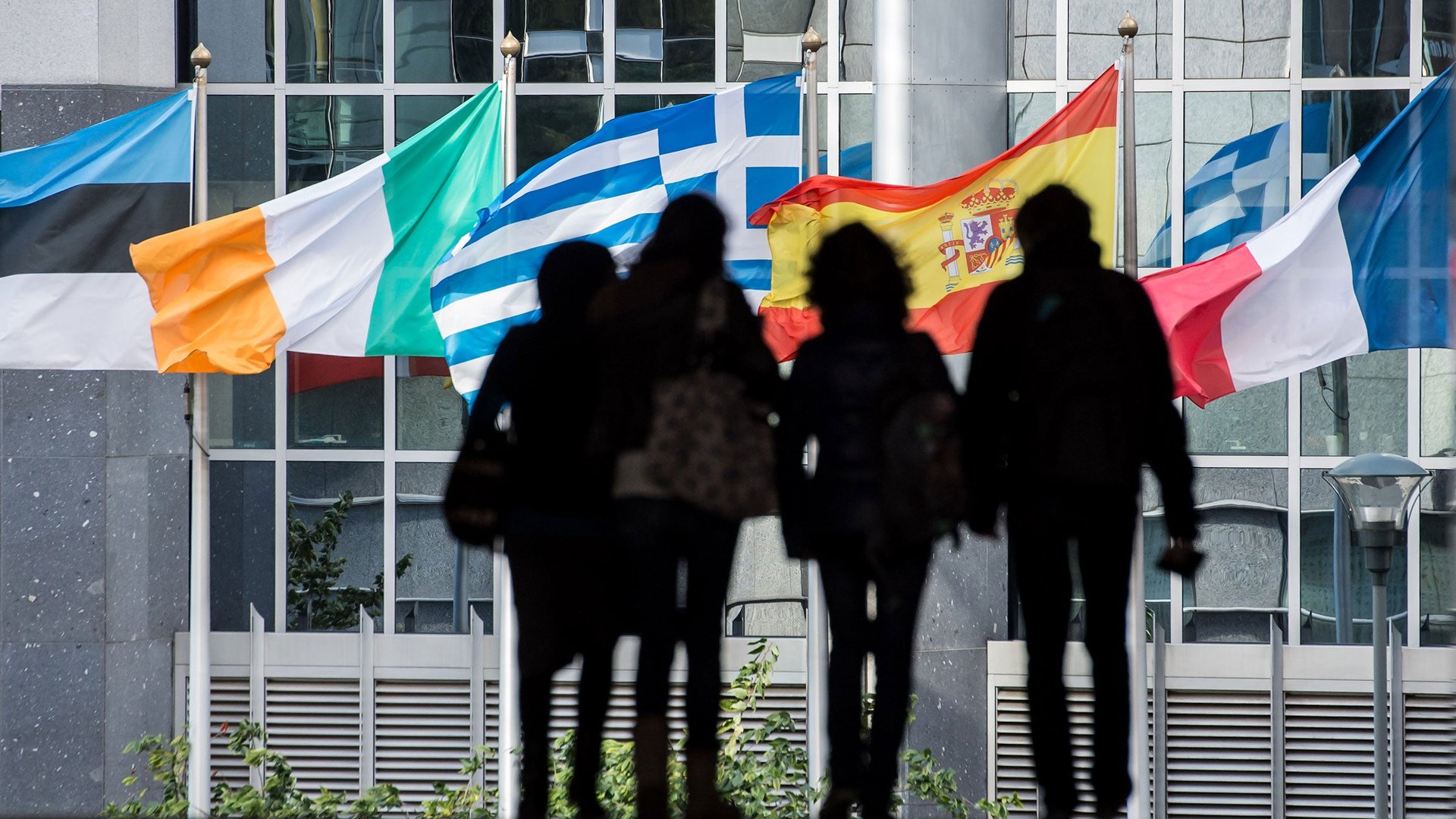
Europe’s future as a single market hangs in the balance, yet no major resolutions are expected at this week’s EU summit. On the agenda will be Greece, obviously, Spain’s fate, and also banking and monetary union. Despite the seriousness and urgency of these issues, by most accounts, meetings on Thursday and Friday will mostly involve more talking.
Europeans’ quality of life has deteriorated amid the worst economic crisis the continent has seen since World War II. That’s expected. What’s not is that more Eastern Europeans—from Bulgaria, Latvia, Lithuania, and Romania—report their lives are improving, or that they are “thriving,” compared to the same Gallup poll last year. Of course, these results are relative, as overall, Eastern Europeans remain pretty poor compared to their western counterparts, and their lives appear to be just marginally better while the latter categorize theirs as much worse. Across Europe, 37% of residents felt they were thriving this year, while 54% say they’re struggling, and 10% are suffering.
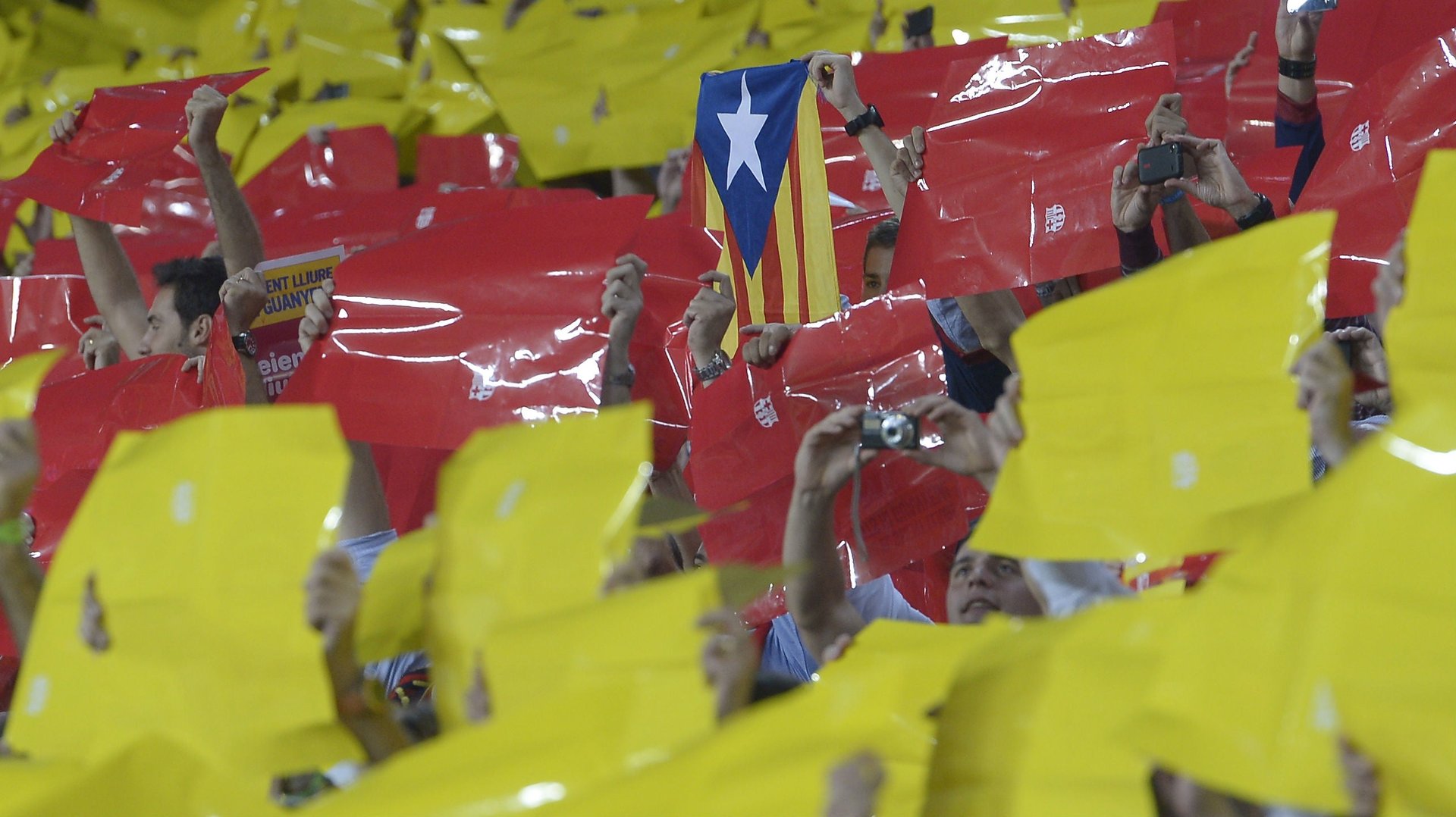
It should be an interesting meeting in Brussels this week. While EU leaders discuss how to keep their fragile union together at their annual summit on Thursday and Friday, calls to break free are growing from nationalist movements across Europe.