A French regulator is expected tomorrow to order Google to change its privacy policy in France, potentially costing the company tens of millions in lost sales if regulators in other countries follow suit.

A French regulator is expected tomorrow to order Google to change its privacy policy in France, potentially costing the company tens of millions in lost sales if regulators in other countries follow suit.

Vladimir Putin’s popularity was tested this weekend, five months after the Russian leader returned to the presidency. Voters went to the polls to select regional governors, as well as provincial and city leaders. Early results show Putin’s United Russia party dominated in the nearly 5,000 elections held across the country.

Since when do technical difficulties kill a banking merger?

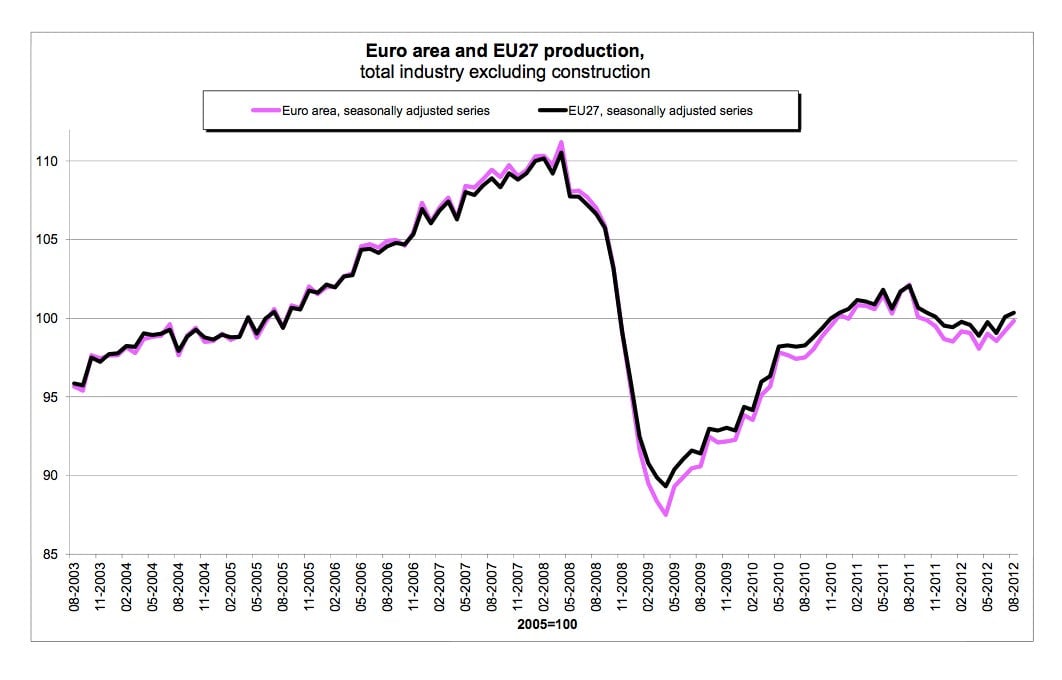
The news just keeps getting better and better in Europe today. First a Nobel peace prize awarded to the European Union, and now industrial production numbers have beat forecasts: up 0.6% for the euro zone (17 countries) for August, and up 0.3% for the larger European Union (27 countries). Production of durable consumer goods increased by 3.9% for the euro zone in August, and 2.4% for the European Union. The most surprising news came from the troubled southern region where industrial production rose by 6.8% in Portugal, 2.5% in Greece, 1.7% in Italy, and 1.3% in Spain—winning over Germany, down 0.4%, Denmark down 2.8%, and Finland down 1.1%.

Facebook is under fire for allegedly dodging UK taxes last year on estimated sales of £175 million ($280 million). Facebook has a UK office, but sales are run through Ireland. Soon after the news emerged, everyone from tax experts to members of parliament had their say:

Good news today from Oslo for the embattled European Union. The Norwegian Nobel Committee awarded it the 2012 peace prize for contributions over more than six decades to “peace and reconciliation, democracy and human rights.” Note the absence of “prosperity.”

Christine Lagarde, head of the International Monetary Fund (IMF), said today that Europe’s austerity measures have been too harsh (paywall). The Red Cross could have told you that a long time ago.

While news from the US suggests small businesses are no longer the engines of growth they once were, Britain’s prime minister, David Cameron, is applauding his nation’s entrepreneurs (paywall). Big companies may continue to cut staff in large numbers, but small and medium sized businesses are still fueling the UK economy. In the last fiscal year, there were more than 455,000 newly incorporated companies, up from about 400,000 the year prior, according to companies registrar Companies House. Company closures dropped during the same period to about 288,000 from nearly 510,000 the year before. And small and medium-sized enterprises (SMEs) account for a disproportionate share of jobs: 59% of private sector employment, according to government statistics.

Had it come into being, the world’s largest defense and aerospace company would have been a fascinating experiment in transnational joint ownership and the mixing of business interests with national-security imperatives. But hours before a UK regulatory deadline, merger talks between Britain’s BAE and the Franco-German EADS were called off. What was the problem? Irreconcilable national interests.

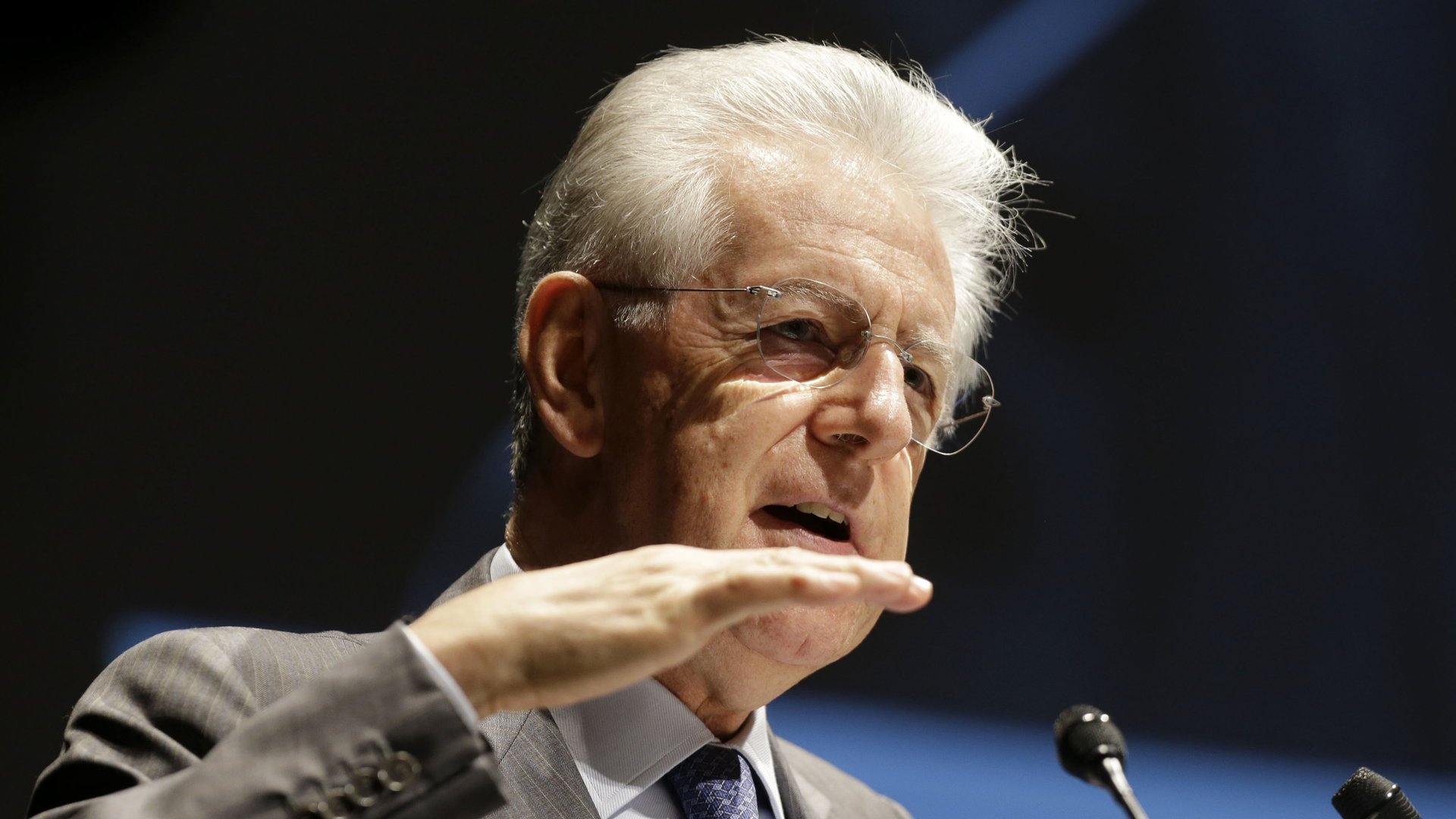
Mr. Austerity, Italian Prime Minister Mario Monti, has given his country an anti-austerity surprise: a percentage-point tax cut for the country’s lowest earners. “We can allow ourselves some moderate relief,” Monti said in announcing the move.

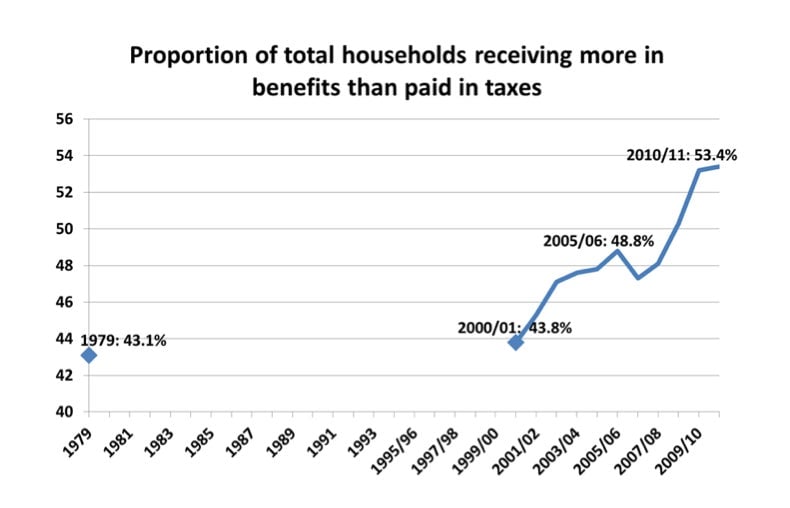
Britain is at risk—if it’s not already there—of becoming a welfare state. New data from the Centre for Policy Studies (CPS) show an astonishing increase in government care of its citizens, in areas from education to health, over the past 30 years. Over the past decade the situation has worsened with middle-income people going from significant net contributors to significant net recipients. Statistics show that 53.4% of total households in 2010/11 received more in benefits than they paid in taxes, compared to 43.1% in 1979—adding 3 million households to the red category.

Nearly 2,400 millionaires in the US, it emerged last week, collected unemployment benefits in 2009. The news adds fuel to the debate about taxing the rich, which has intensified as Europe’s sovereign debt crisis worsens. France’s government has raised the rates of its wealth tax, leftist politicians in Ireland and Germany are pushing to introduce them, German citizens recently marched to demand one, and Britain’s Liberal Democrats have called for a “mansion tax” on expensive houses as well as a wealth tax—a demand now rebuffed by their coalition partners, the Conservatives.

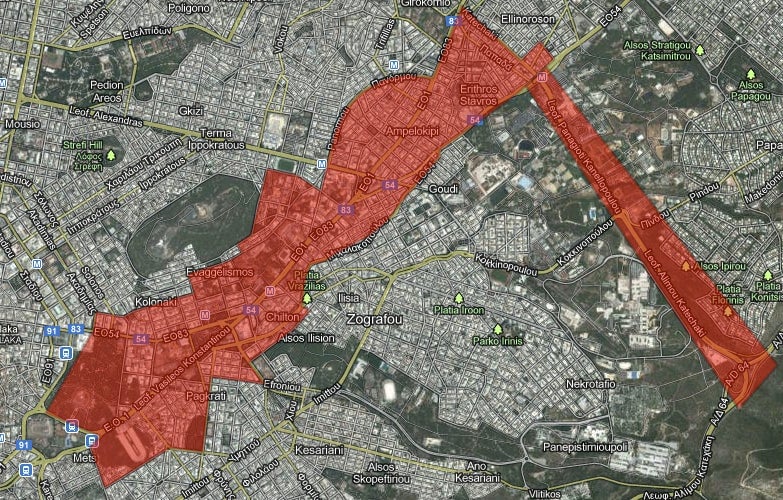
Angela Merkel arrives in Athens tomorrow, amid widespread protests, to face government officials desperate to close in on tens of billions of euros in bailout funds. The German chancellor’s visit could prove a chaotic affair, but it’s unclear what it accomplishes.

A man walked into London’s Tate Modern gallery on Sunday afternoon, calmly pulled out black paint and defaced a painting by Russian-born American artist Mark Rothko. The markings in black appear to read: “Vladimir Umanets, A Potential Piece of Yellowish.”

There’s a lot of talk lately about Europe’s so-called Lost Generation, the more than one in five under 25s who are unemployed. The further south you go, the worse it gets: 50% youth unemployment in Greece and Spain and more than 30% in Bulgaria, Italy, Portugal and Slovakia.

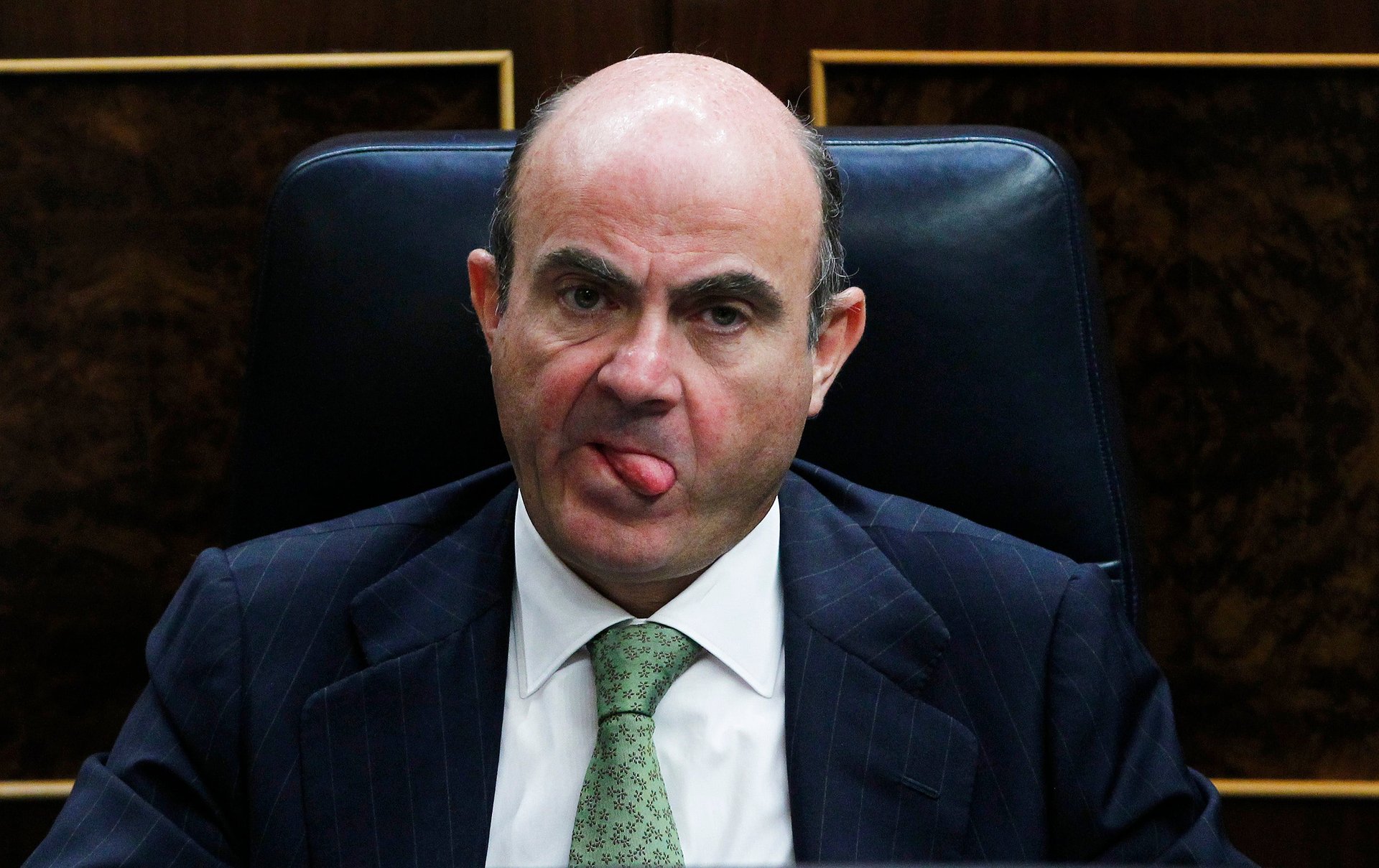
Spanish Finance Minister Luis de Guindos says his country’s crisis is all a big misunderstanding. Speaking to an audience of students and academics at the London School of Economics on Oct. 4, he said:

While other euro zone countries slip deeper into recession, there’s good news from at least one: Ireland. Bailed out two years ago by the European Union and International Monetary Fund, the country is starting to show signs of economic recovery.

Despite a deep recession, leaders scrambling to find billions in budget cuts to qualify for billions more in bailout loans to save the country from total economic collapse, Greece has approved plans to go forward with a Formula One racetrack.

Deutsche Telekom AG, the parent company of T-Mobile USA, is closing in on a deal to buy MetroPCS. The plan is to merge the smaller rival with T-Mobile, according to informed sources, to boost its flagging cellphone service business in America.

It’s a sad day for female executives. Dame Marjorie Scardino, the straight-shooting Texan—and one of four women currently leading a FTSE 100 company—will step down as chief executive of Pearson PLC.

October is depression-awareness month in Europe and the press is abuzz with stories about how sad we all are. One in ten Europeans have taken time off from work for depression, according to a survey by Mori for the European Depression Association, with people from Britain, Denmark and Germany being the most likely. The association says that 11% of EU citizens suffer from depression at some point in their lives.

A link from Bloomberg

A link from RTÉ News

A link from Reuters