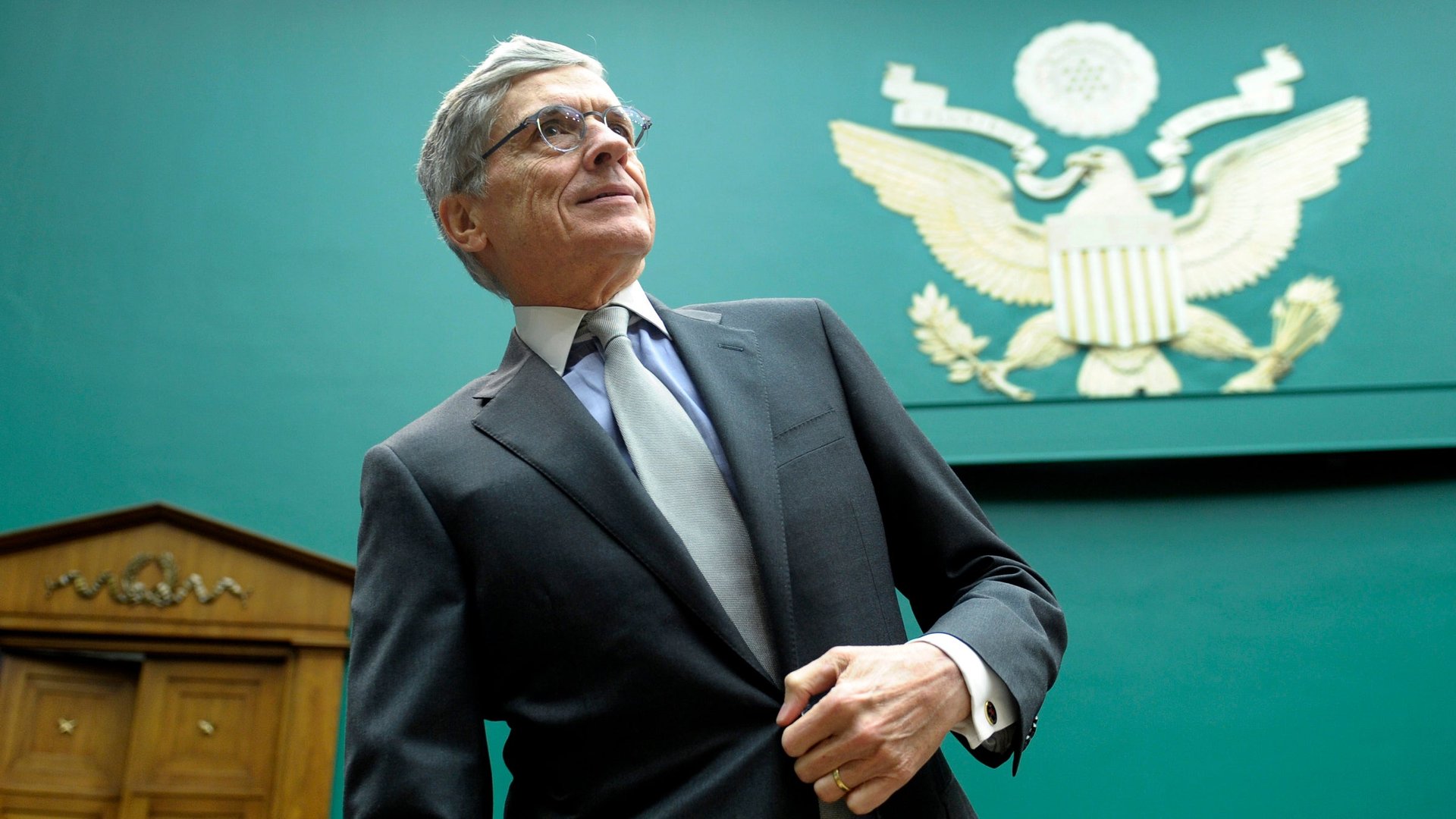
US telecommunications regulators just approved preliminary rules intended to protect an open internet and ensure investment in its improvement.

US telecommunications regulators just approved preliminary rules intended to protect an open internet and ensure investment in its improvement.

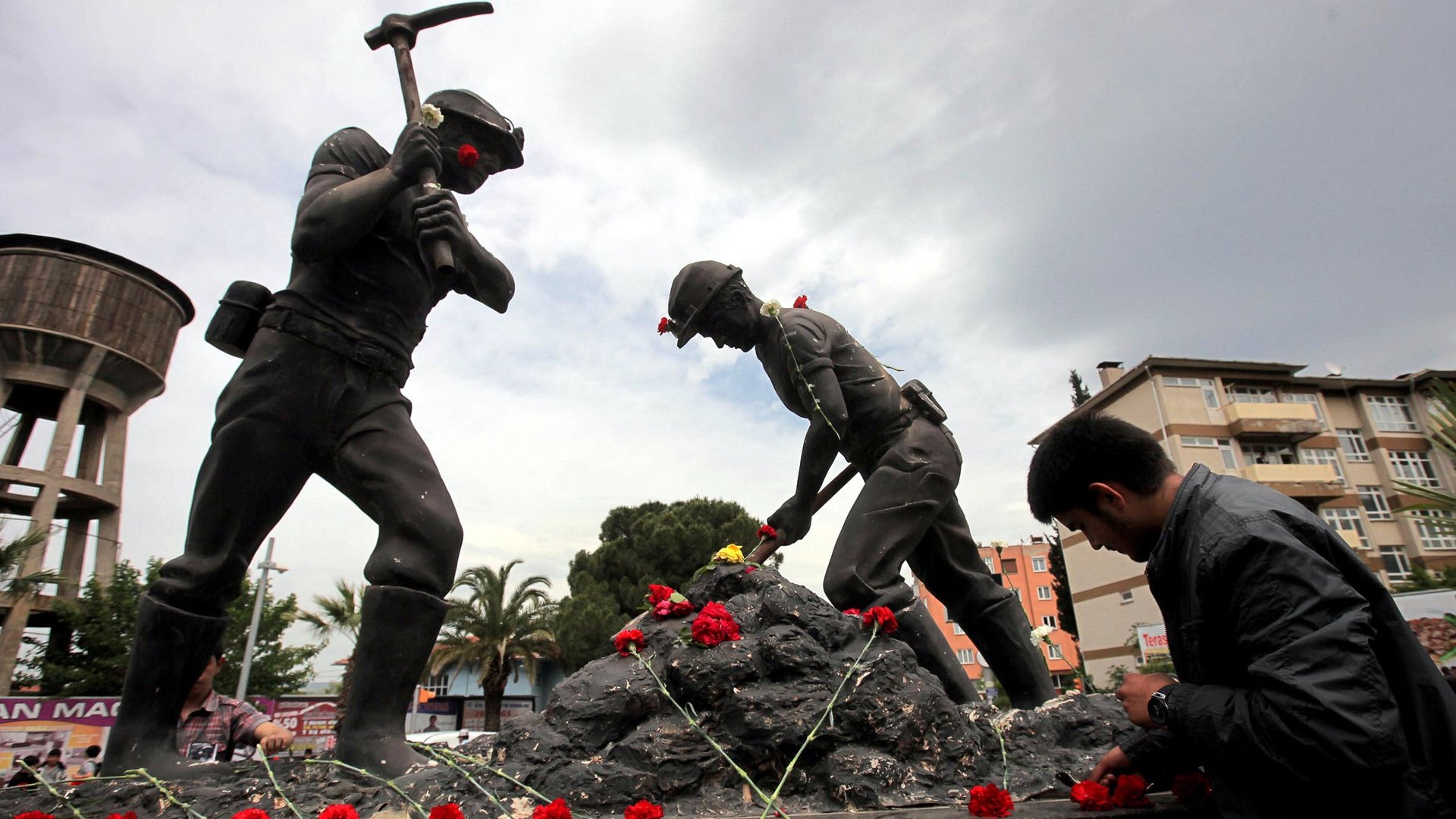
An explosion in a Turkish coal mine is expected to be the largest disaster in the country’s history, with at least 232 workers reported dead. The country’s miners union says it’s time for a long-overdue upgrade of mining safety standards, which have suffered as the country has rushed to meet its burgeoning demand for electricity—Turkey is the seventh-largest producer of coal in the world, and also the thirteenth-largest importer of the carbon fuel.

And those two indulgences are just a drop in the bucket.

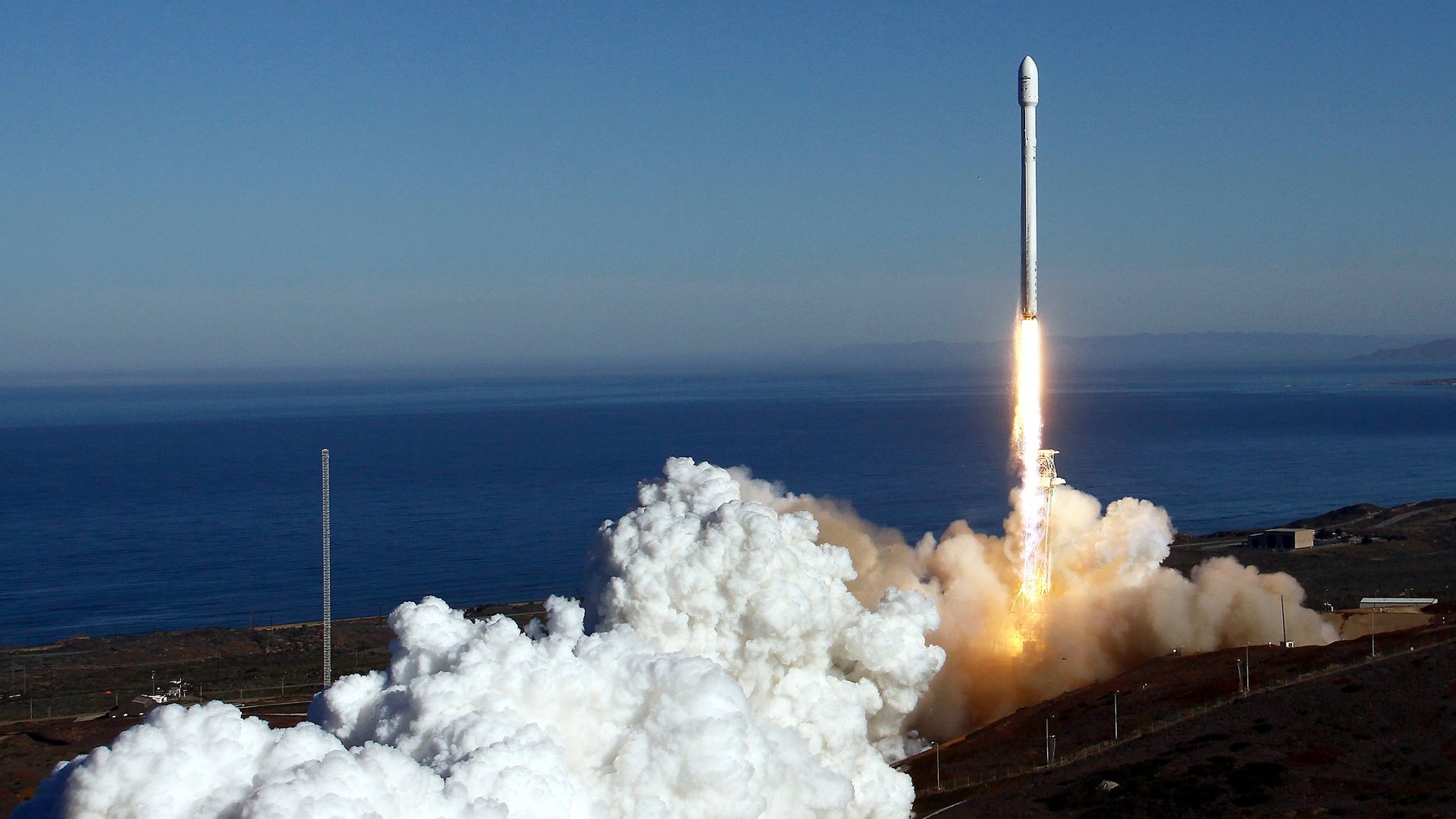
SpaceX claims it is making great progress toward a reusable rocket, while Russia and the US are playing a tit-for-tat game of space sanctions, refusing each other rocket engines and satellite tracking stations. Together, this is a recipe for space war, at least according to the geo-strategic consulting firm Wikistrat.

Americans don’t go in for foodownership today, but once upon a time, they did.

The co-dependence of Russia and Europe has complicated efforts to punish Russia economically. The latest wrinkle is the fact that Russians love to park their money in tax havens under the European Union’s jurisdiction; and the countries involved love Russian cash just as much.

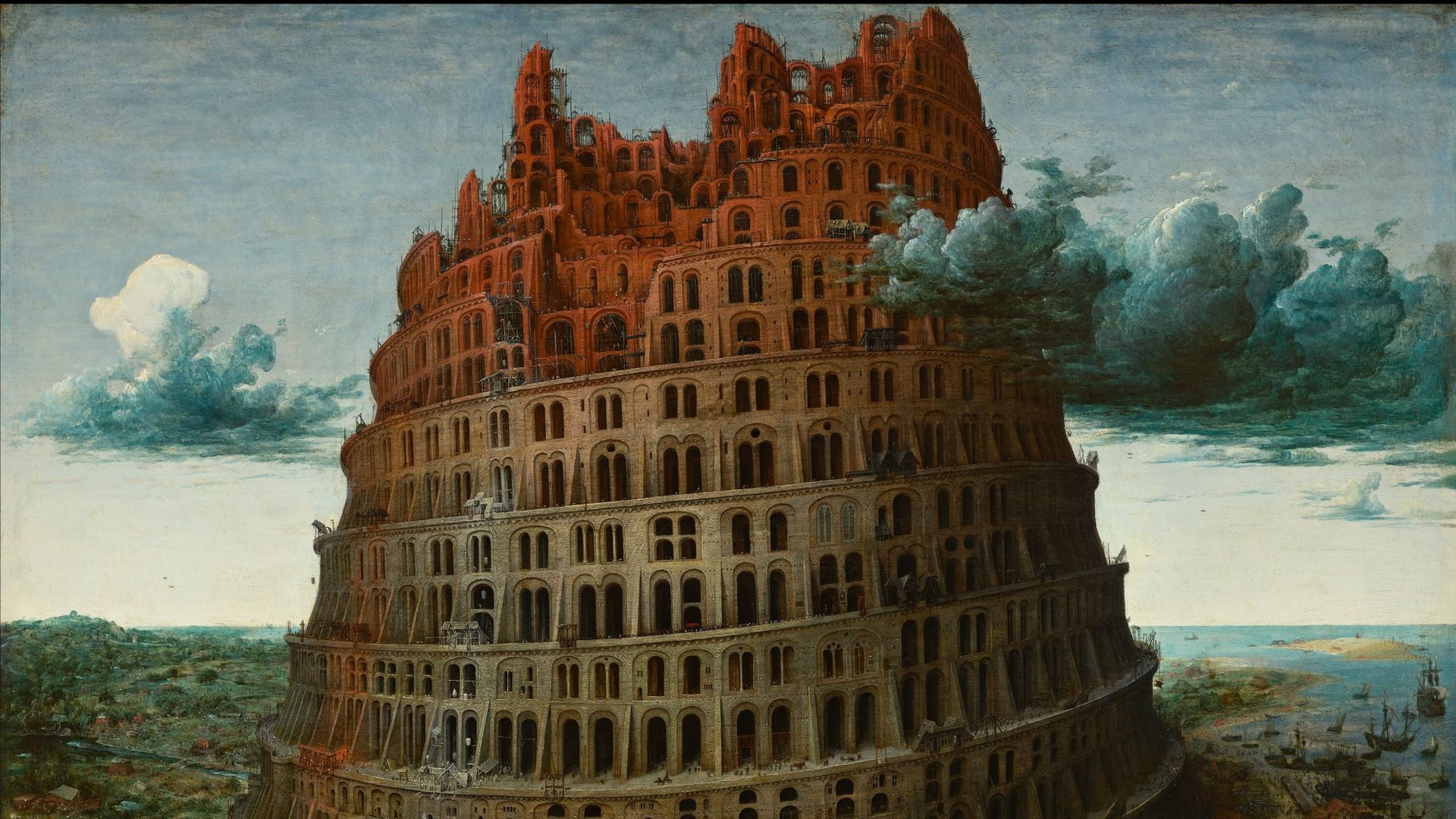
Between $6 and $9 trillion dollars—about 8% of annual world-wide economic production—is currently being spent on projects that individually cost more than $1 billion. These mega-projects (including everything from buildings to transportation systems to digital infrastructure) represent the biggest investment boom in human history, and a lot of that money will be wasted.

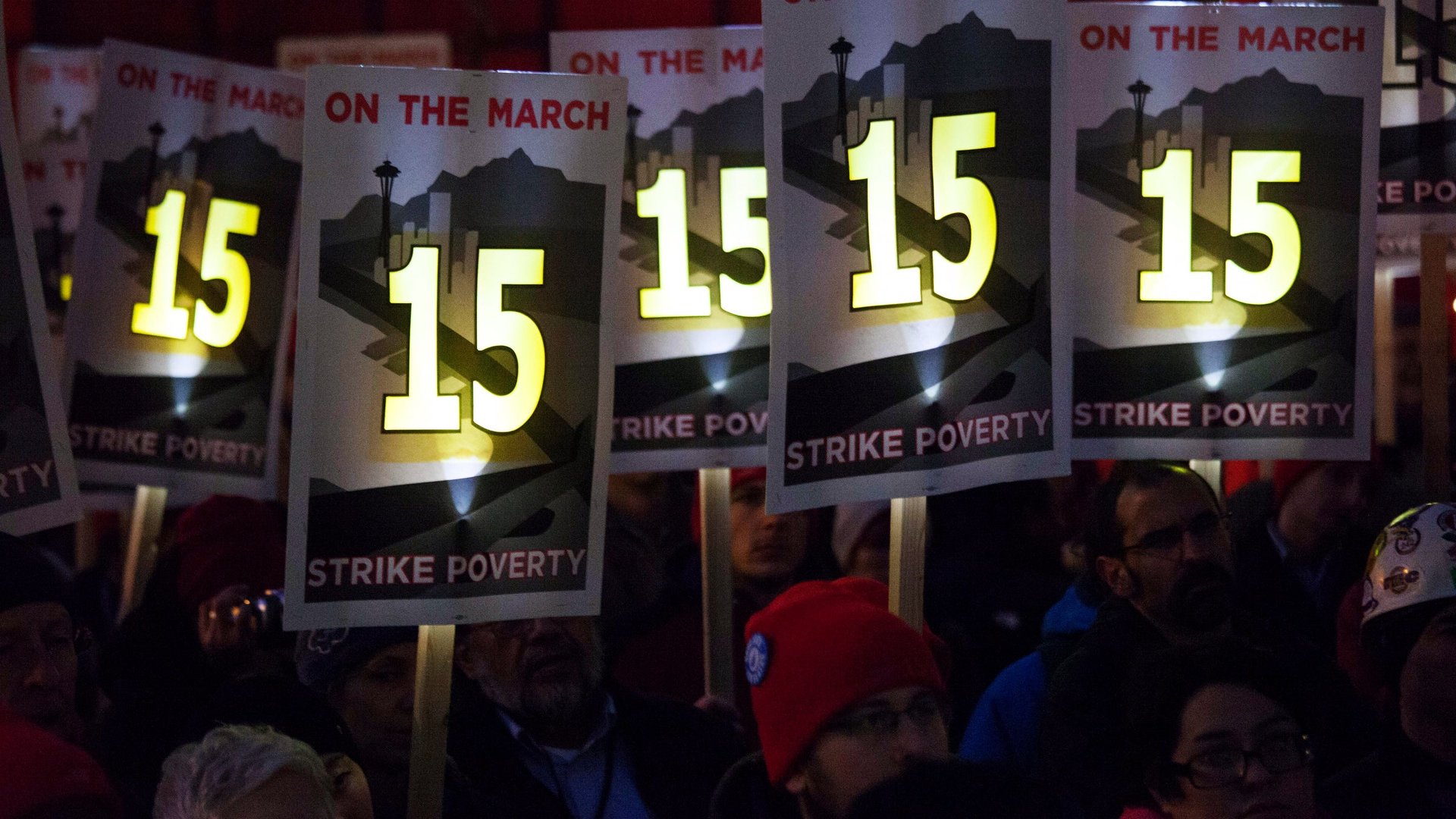
This month kicks off with May Day, an international holiday for workers, and in one US city they got a little bit of good news: The Mayor of Seattle announced a plan to raise the hourly minimum wage to $15.

The International Monetary Fund is going long Ukraine with a $17-billion loan package for the troubled European country.

EBay is making an interesting decision for an American multinational company: It’s thinking about paying its taxes.

It’s day one of the new regime. Two months ago, opposition groups hit the streets to protest an autocratic government, and after the security forces got out of hand, a reconciliation government swept into power. The only problem? The president-for-life spent the last decade selling off the country’s assets for kick-backs, and the treasury is empty.

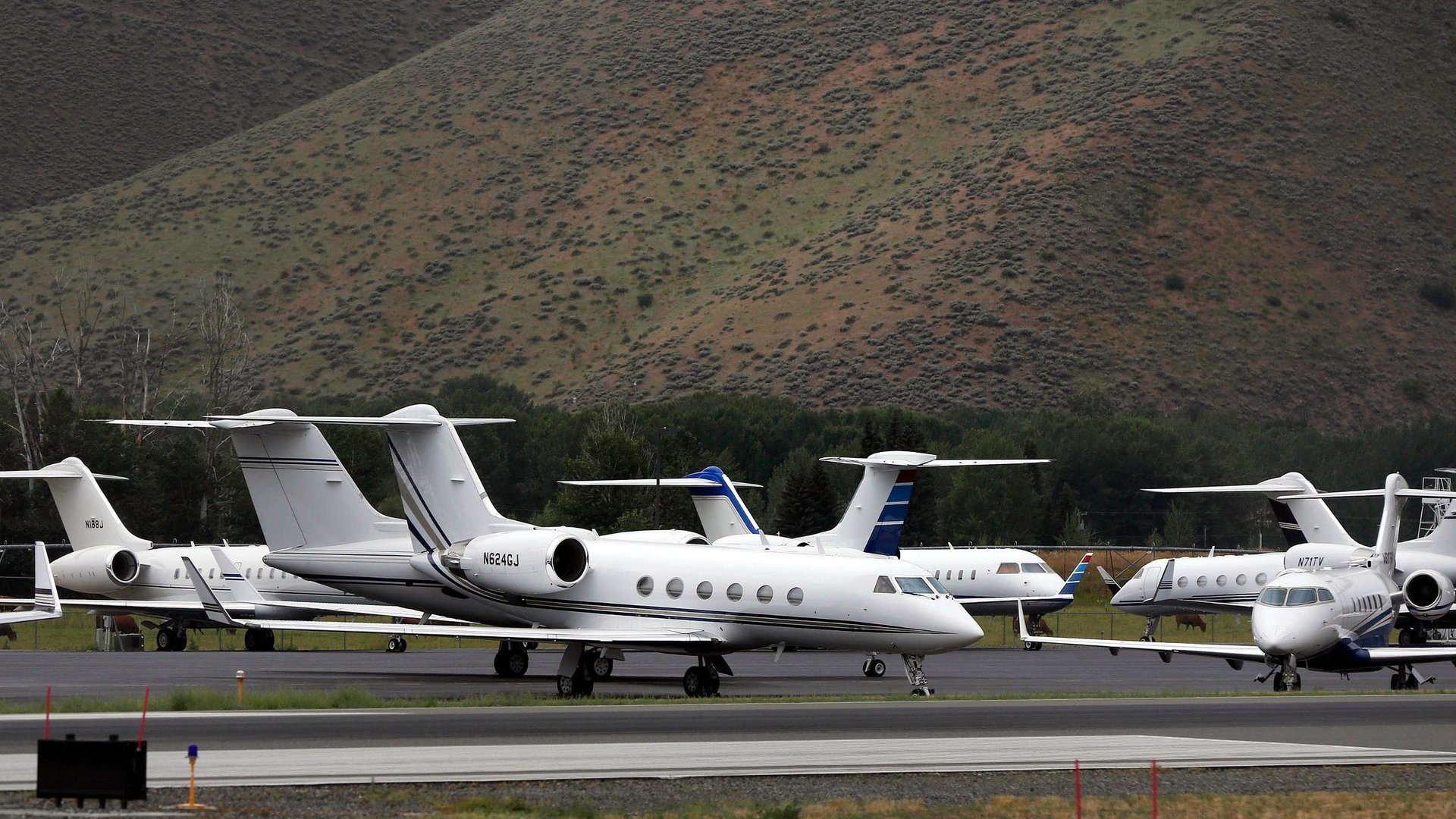
Is US inequality shown by the number of people who earn their living guarding other people’s stuff?

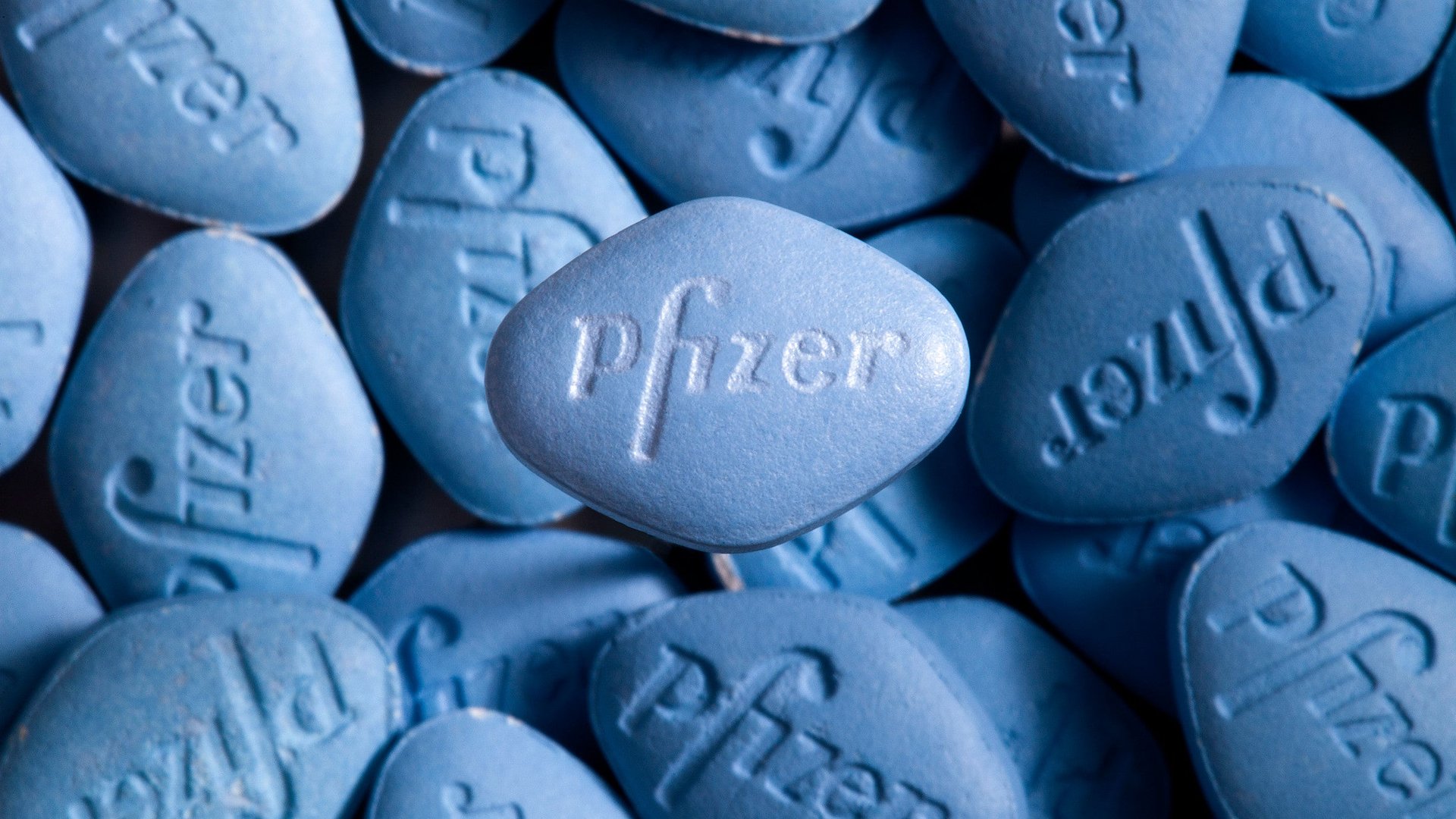
Pfizer, the US pharmaceutical giant, has made a $100 billion cash-and-stock offer to purchase Anglo-Swedish rival AstraZeneca. Is this the best use for that much money?

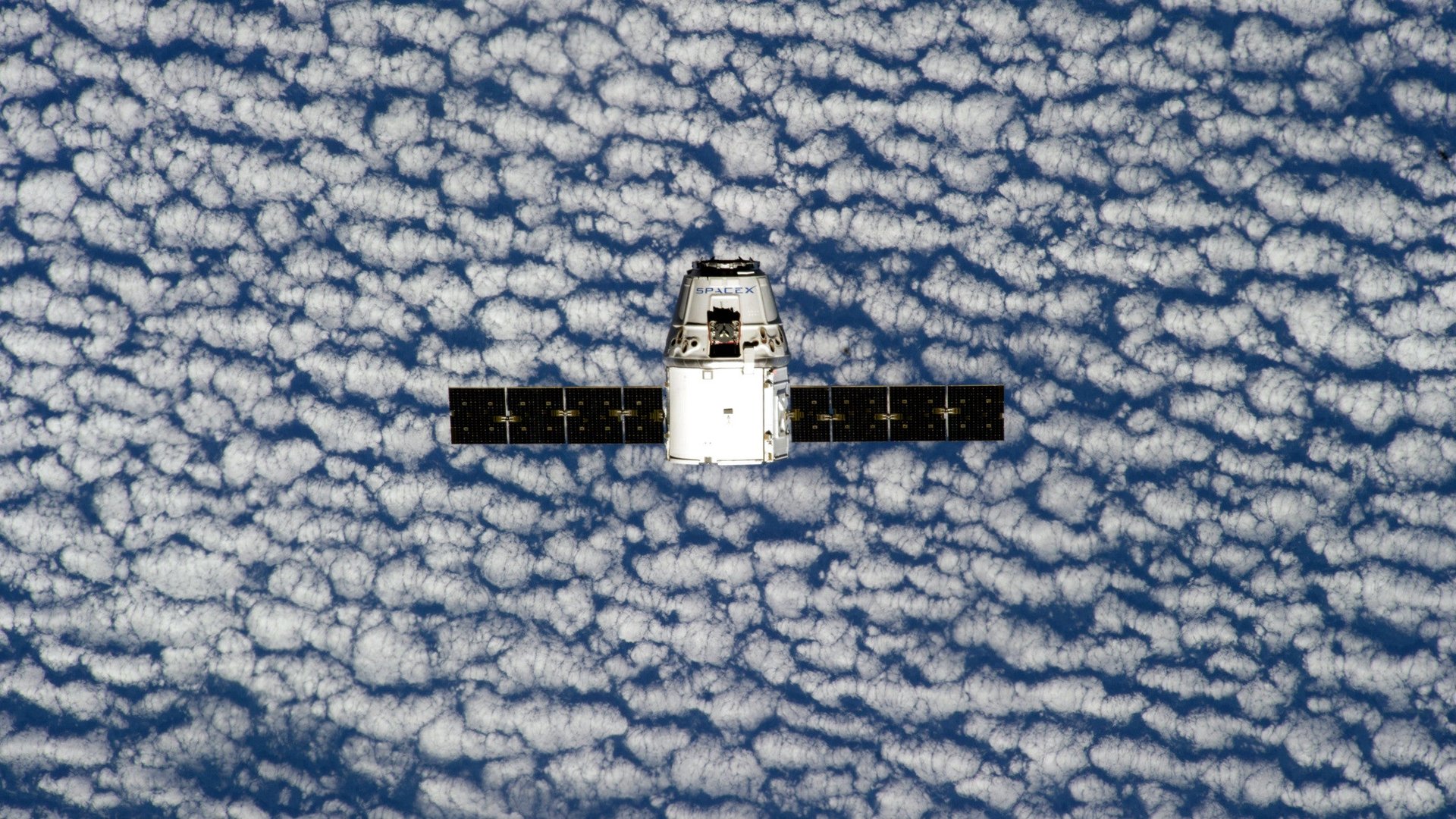
Entrepreneur of the future Elon Musk told reporters today about the most pressing aspirations for his company, SpaceX: Making even cheaper rockets, and forcing the Air Force to buy them.

If capital is taking over the 21st century, what are we to do?

It’s the end of net neutrality—at least, as we know it today.

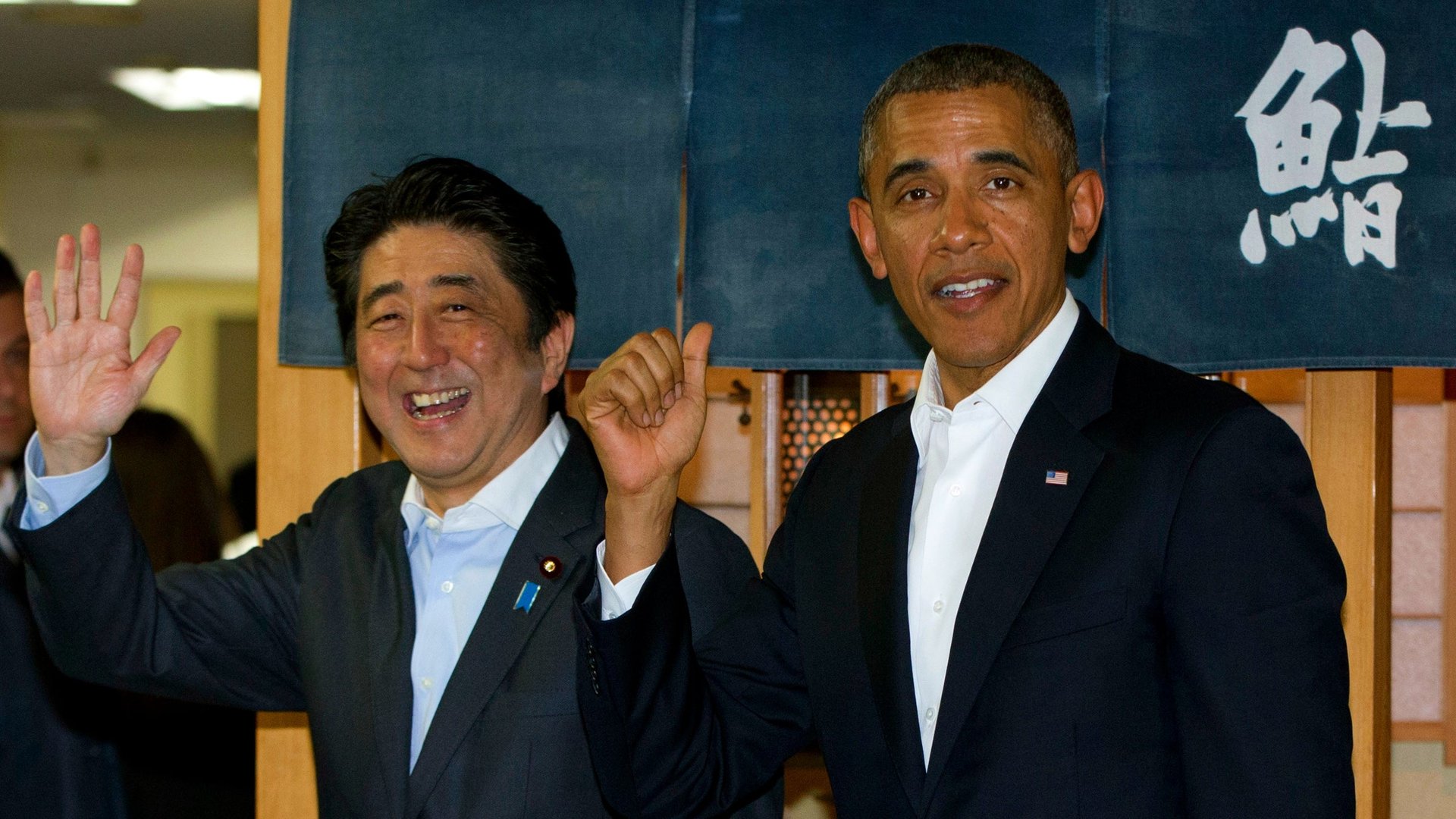
US president Obama and Japanese prime minister Shinzo Abe sat down for dinner today at Sukiyabashi Jiro, the restaurant made famous by a documentary about the chef’s relentless pursuit of perfection. But if Obama, on a state visit to Japan, and Abe are seriously pursuing a trade pact that requires the political equivalent of Jiro’s deft knife-work and exquisite timing, they’re looking in the wrong place.

Whether it’s Russia’s military adventures in the Crimea or China’s less-than-neighborly attempt to exert influence in the South China Sea, international tensions are on the rise—and if those tensions lead to accidents in space, neither the community of nations nor the US has the tools to prevent such a conflict from spinning out of control and costing billions.

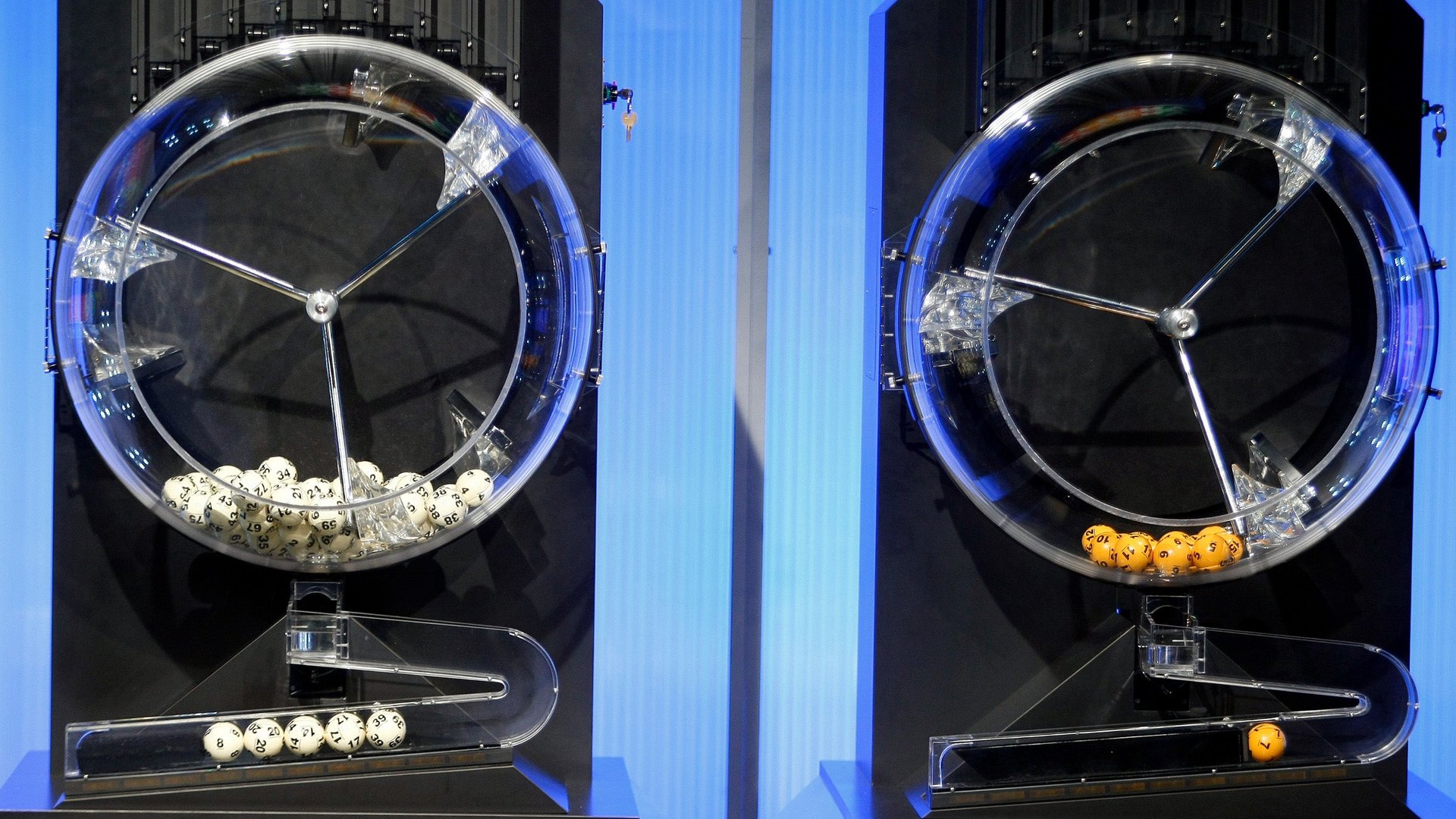
People love lotteries. Almost half of Americans play at least once a year; Spain’s annual national lottery has been going strong for more than a century; and in China the national welfare lottery has collected $167 billion since it began in 1987. This love is unrequited: The odds of winning are abysmal, which can turn them into a tax on the poor.

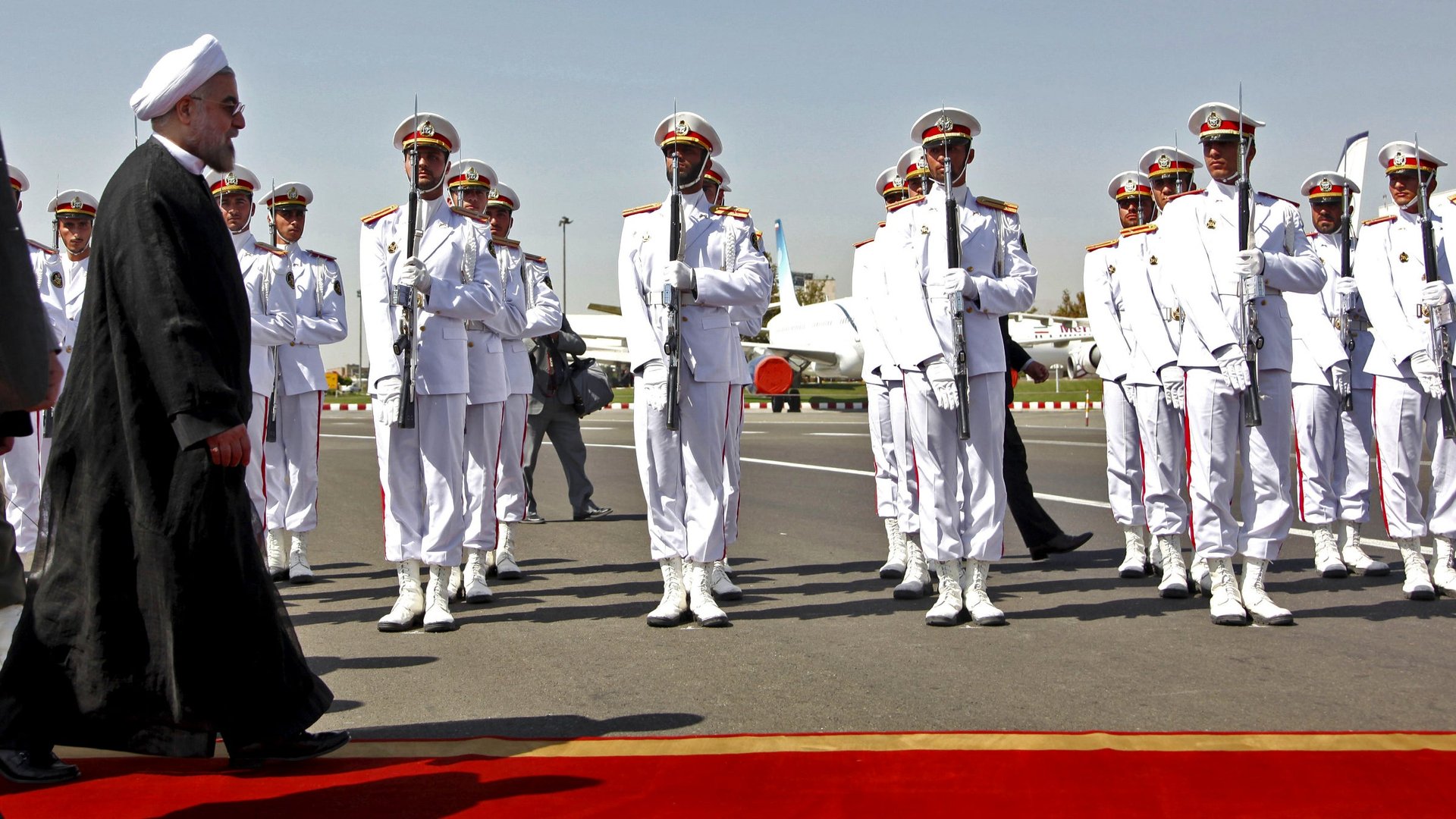
There’s a puzzle in international aviation and diplomatic circles: How did an American jet wind up landing in Iran?

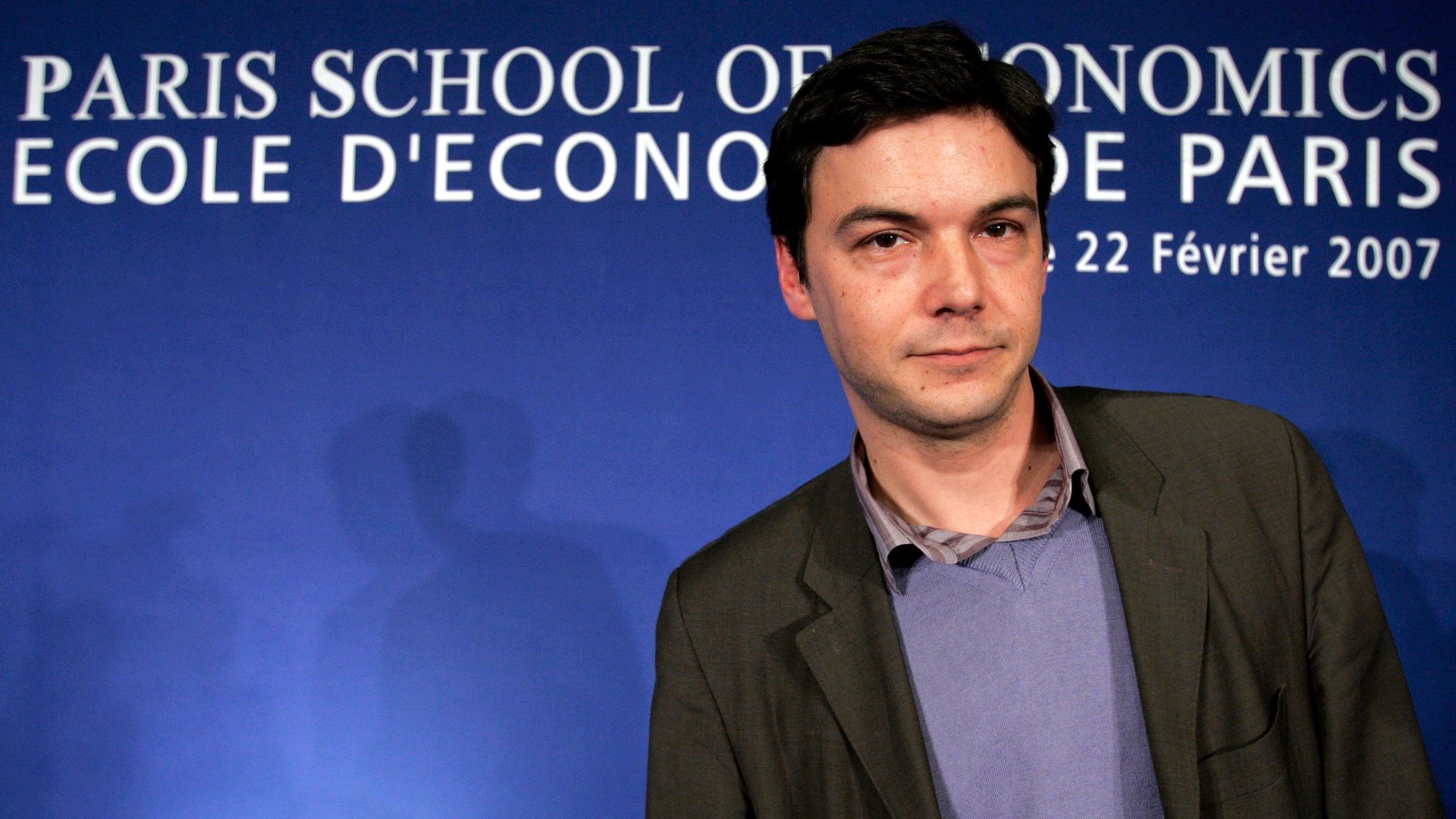
Thomas Piketty is in high demand.

Higher taxes on wealthy Americans could be one reason for the stock market’s recent downward correction.

Today is tax day in the United Sates, and most Americans pay their fair share without a peep. Some of the folks that aren’t playing ball keep their money in offshore accounts to dodge taxes and then invest it back in the US, and for the first time we have an estimate for how much: Some $34 billion to $109 billion, at least in 2008.

Update (4:06 PM EST): SpaceX announced that the launch will be postponed due to a helium leak in the Falcon rocket. The next opportunity for a launch comes on Friday, April 18.