Belgium skims the biggest share of labor costs for its public coffers among the wealthy countries, snapping up more than half. Chile takes the least, at 7%, while the US weighs in with a below-average 31.3%:

Belgium skims the biggest share of labor costs for its public coffers among the wealthy countries, snapping up more than half. Chile takes the least, at 7%, while the US weighs in with a below-average 31.3%:

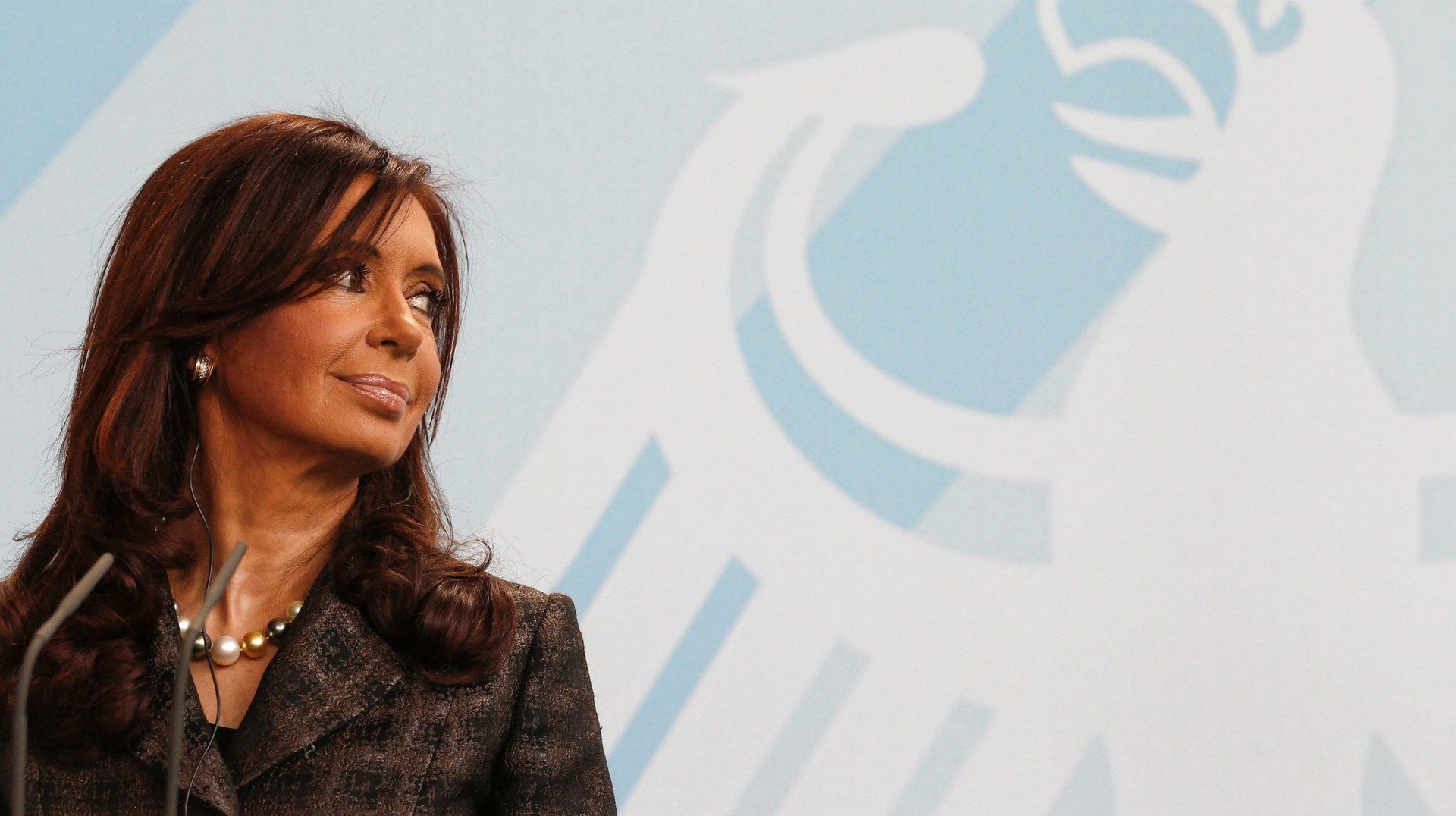
The New York hedge fund NML Capital hopes an Argentine embezzlement scandal is the key to its own fortune.

Matthew Prince, CEO of the online security company CloudFlare, watched his company’s top cryptographer turn “white as a ghost” after learning about a bug in the essential infrastructure of the internet last week. That flaw, he says now, is the worst thing to happen to the internet since it became a mass medium in the early 2000s.

The IMF just released its latest attempt to forecast the health of the global economy, which it thinks will expand by 3.6% this year. The forecast also comes with a warning about what will happen if things go wrong, with growth instead falling to 2.4%, just above the 2% cut-off point that the IMF considers a global recession:

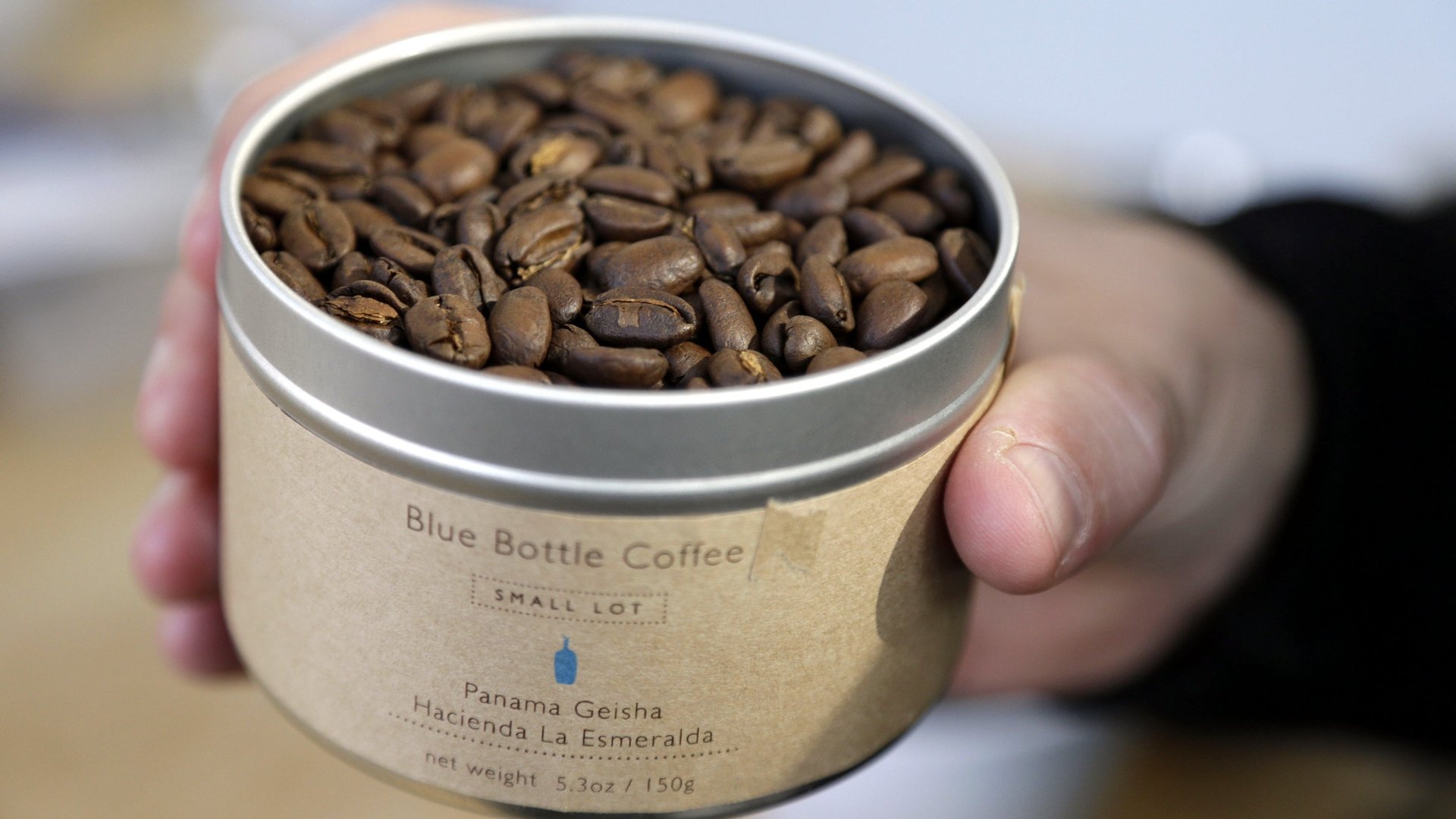
How does a specialty coffee roaster with just 14 cafes in two cities get to national scale in a country in the size of the US, without losing its reputation for quality?

To the tune of some $147 billion in new growth, according to the latest International Monetary Fund projections.

Lots of American companies have private jets, and the government gives them a pretty good reason to buy one: They can pay for themselves in just a few years.

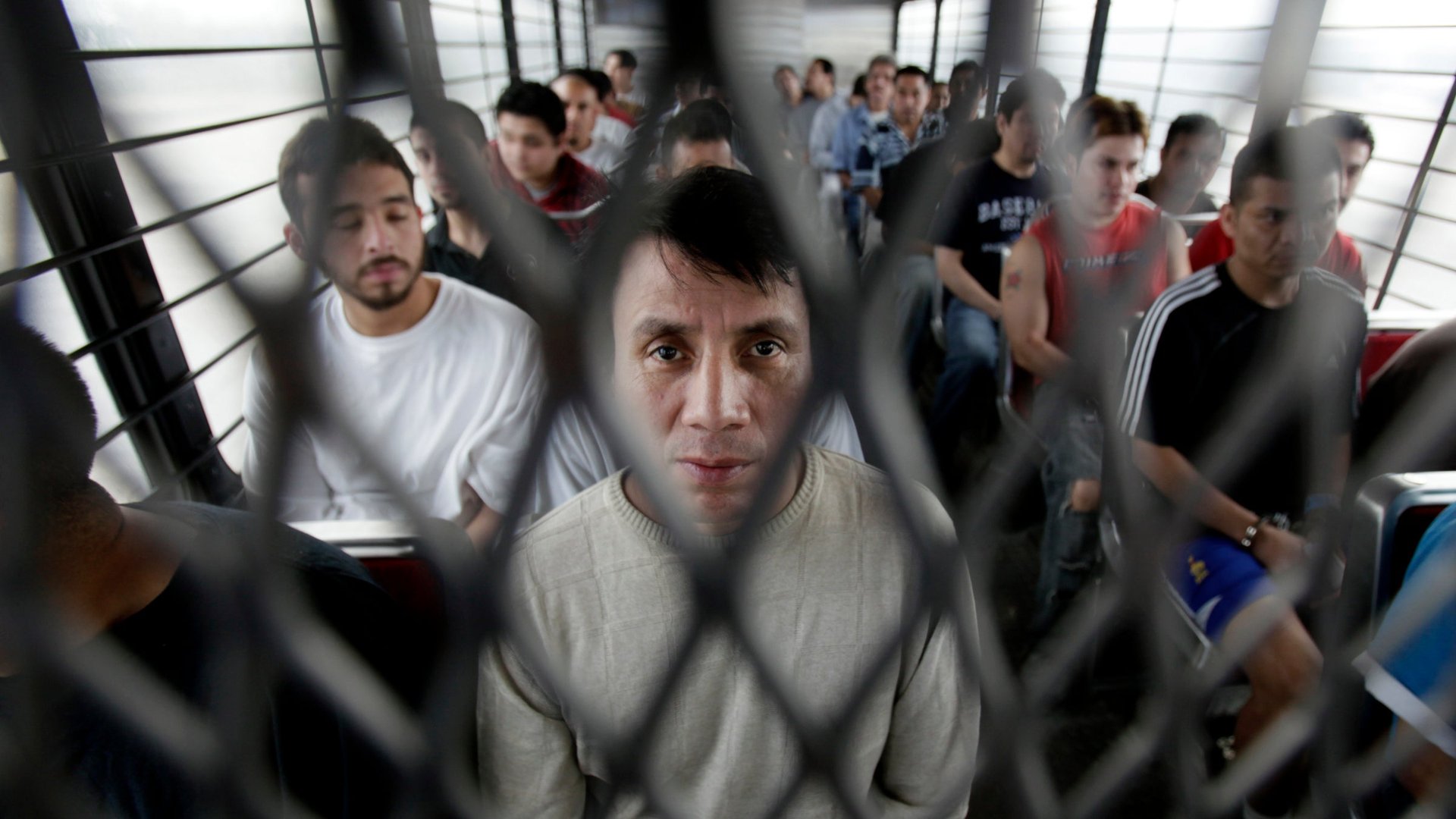
Are unauthorized immigrants living quietly in the United States more likely to be deported under president Barack Obama’s administration? Or less? It’s a harder question to answer than you might think, as is often the case when politics mixes with data.

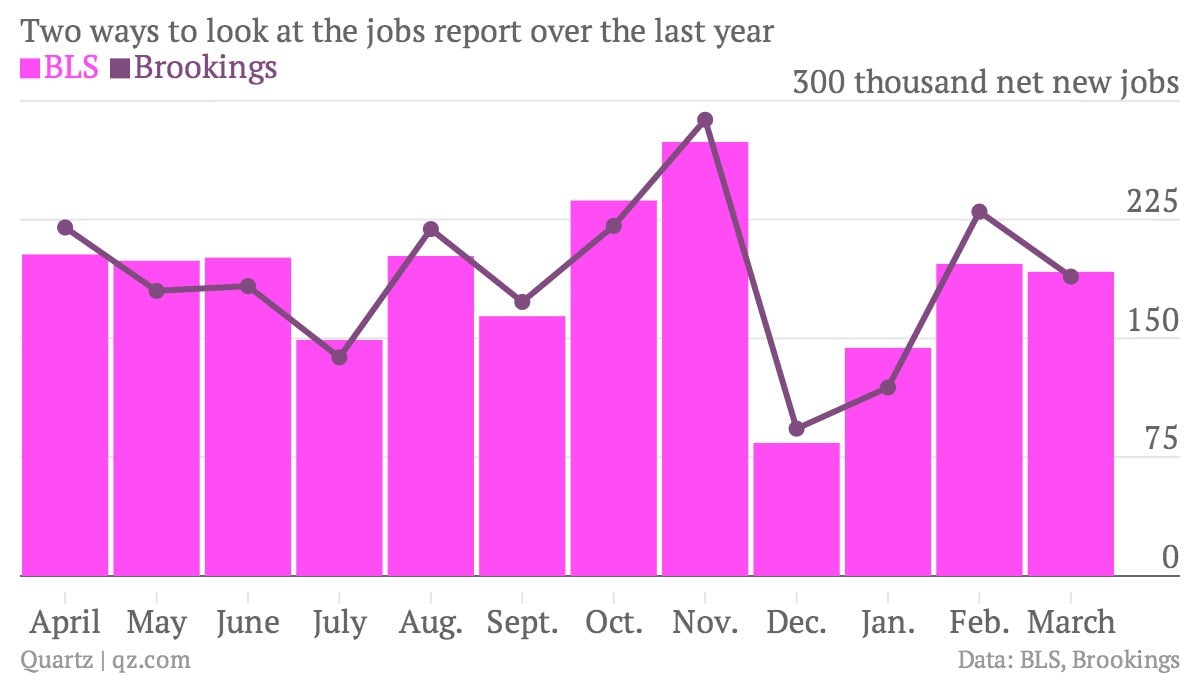
The chart above shows two ways to look at the number of jobs created in the United States, month by month. You’ll notice the purple line, based on data from the Brookings Institution, shows a slightly different job creation pattern in the last two months than the pink columns, which represent the widely followed results disseminated by the US Bureau of Labor Statistics. Which is correct?

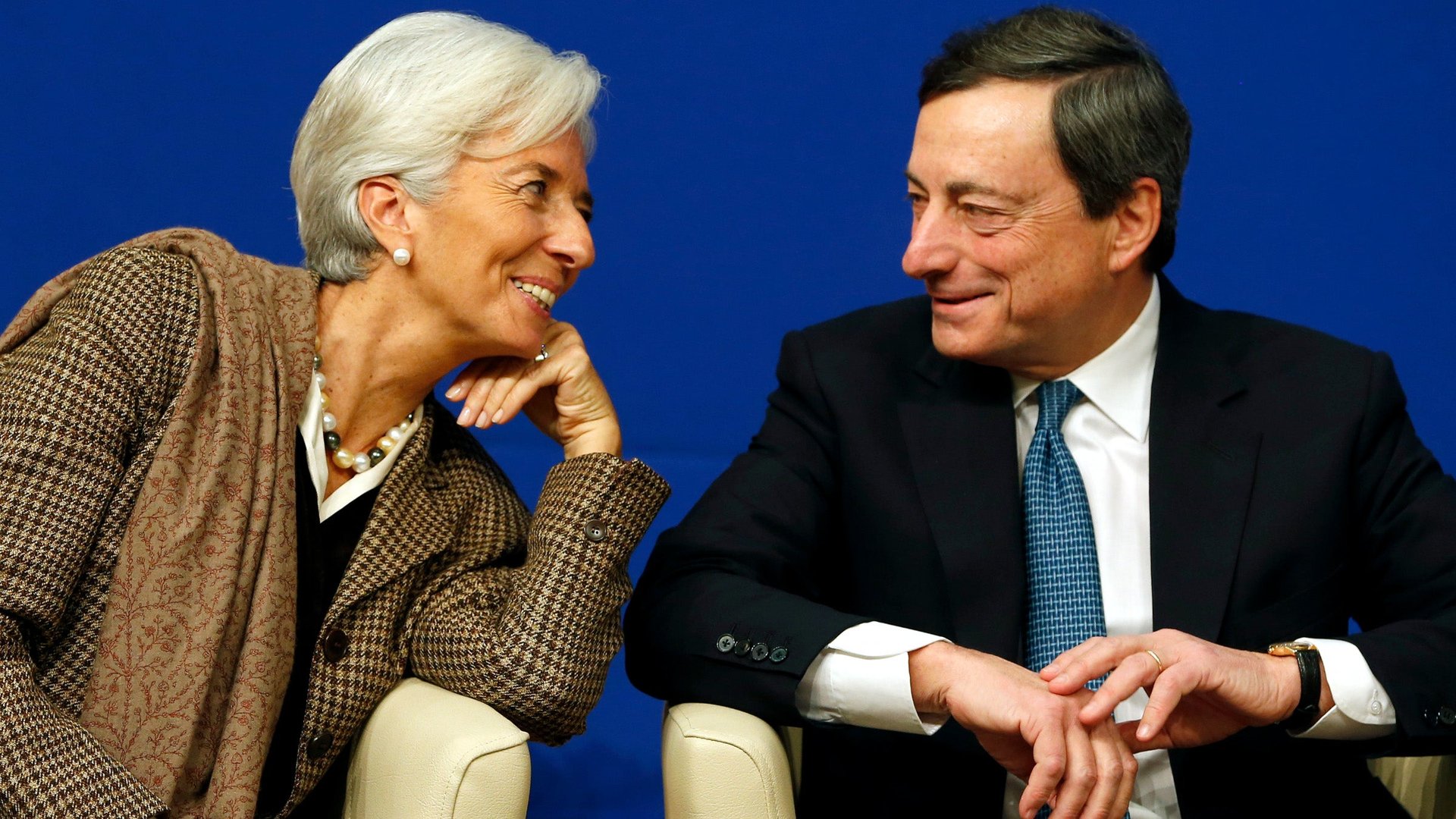
Global finance is getting snippy: The head of Europe’s Central Bank, Mario Draghi, is tired of backseat driving from the International Monetary Fund.

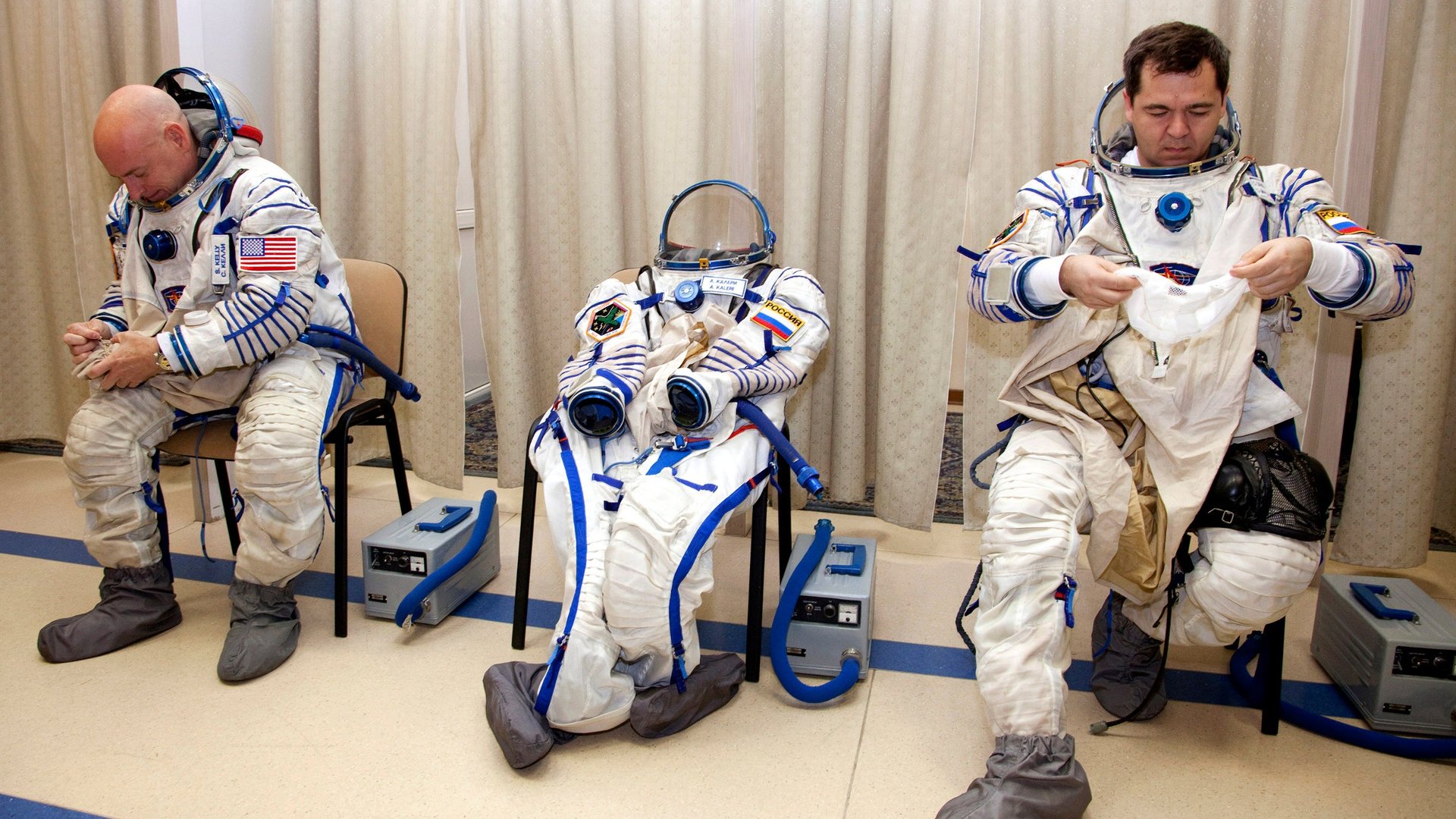
NASA’s decision to stop cooperating with Russia came as a surprise yesterday, including within the American space agency.

If there’s anything Americans love, it’s money in politics.

The attorney Ken Feinberg makes a good living off big problems.

Today, US lawmakers are grilling Caterpillar executives for shifting profits overseas, and the whole thing rests on whether Caterpillar is a redundant part of its own supply chain.

Because market makers are profit takers.

French economist Thomas Piketty’s new book Capital in the Twenty-First Century is getting him compared to Alexis de Tocqueville by his admirers and to Karl Marx by his right-wing detractors. But he doesn’t suffer from the German economist’s disapproval of popular entertainment. Rather than seeing pop culture as a mechanism enforcing capitalist ideology, Piketty’s book uses cultural references to explain capitalism’s flaws.

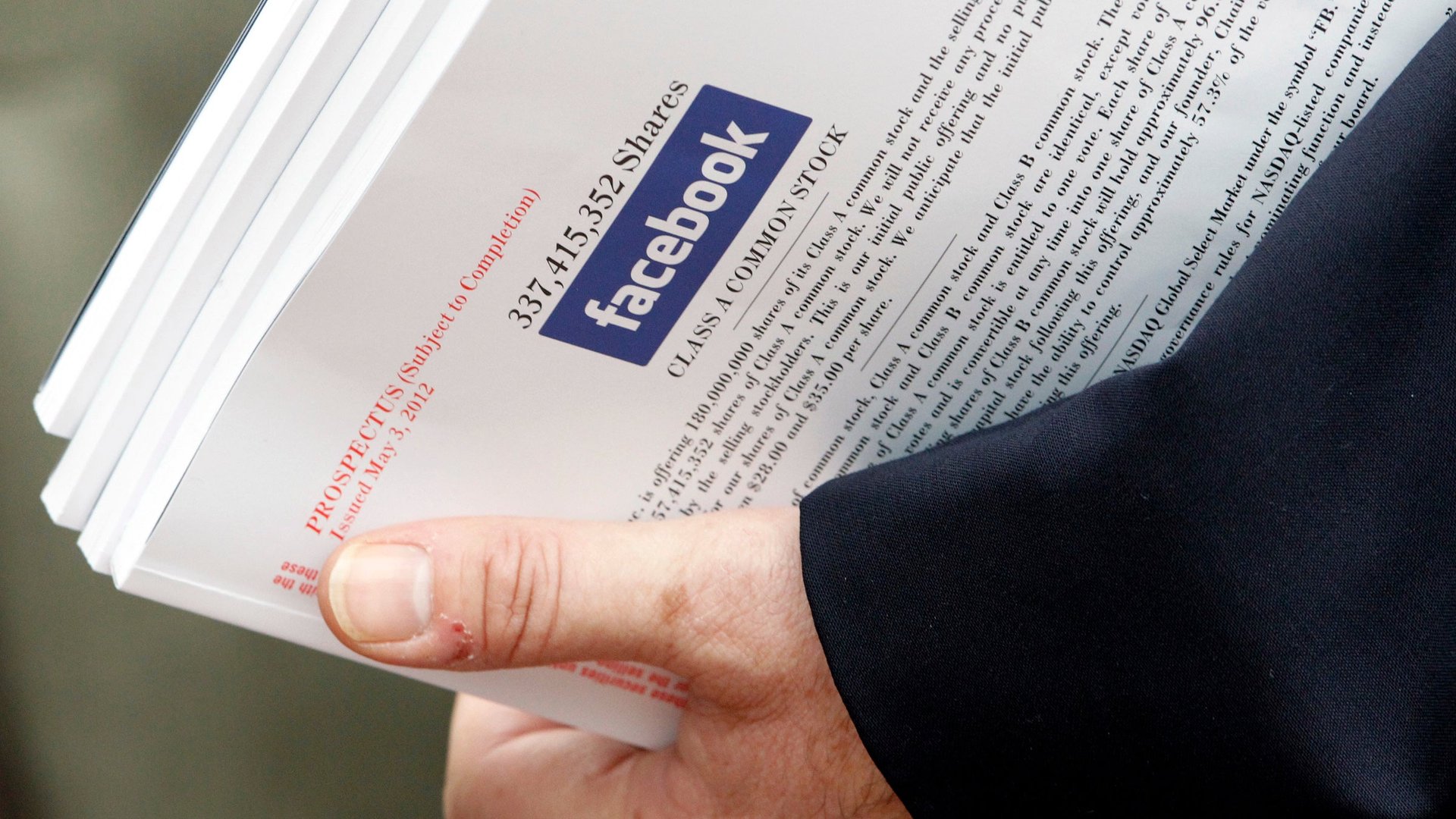
When Mark Zuckerberg pays astronomical prices for unprofitable start-ups like Oculus ($2 billion) and WhatsApp ($19 billion), the Facebook CEO and founder is paying with a special currency, all his own: Facebook stock.

Last year was another record year for US corporations. New figures released today show they pulled in a record $1.68 trillion in after-tax profit:

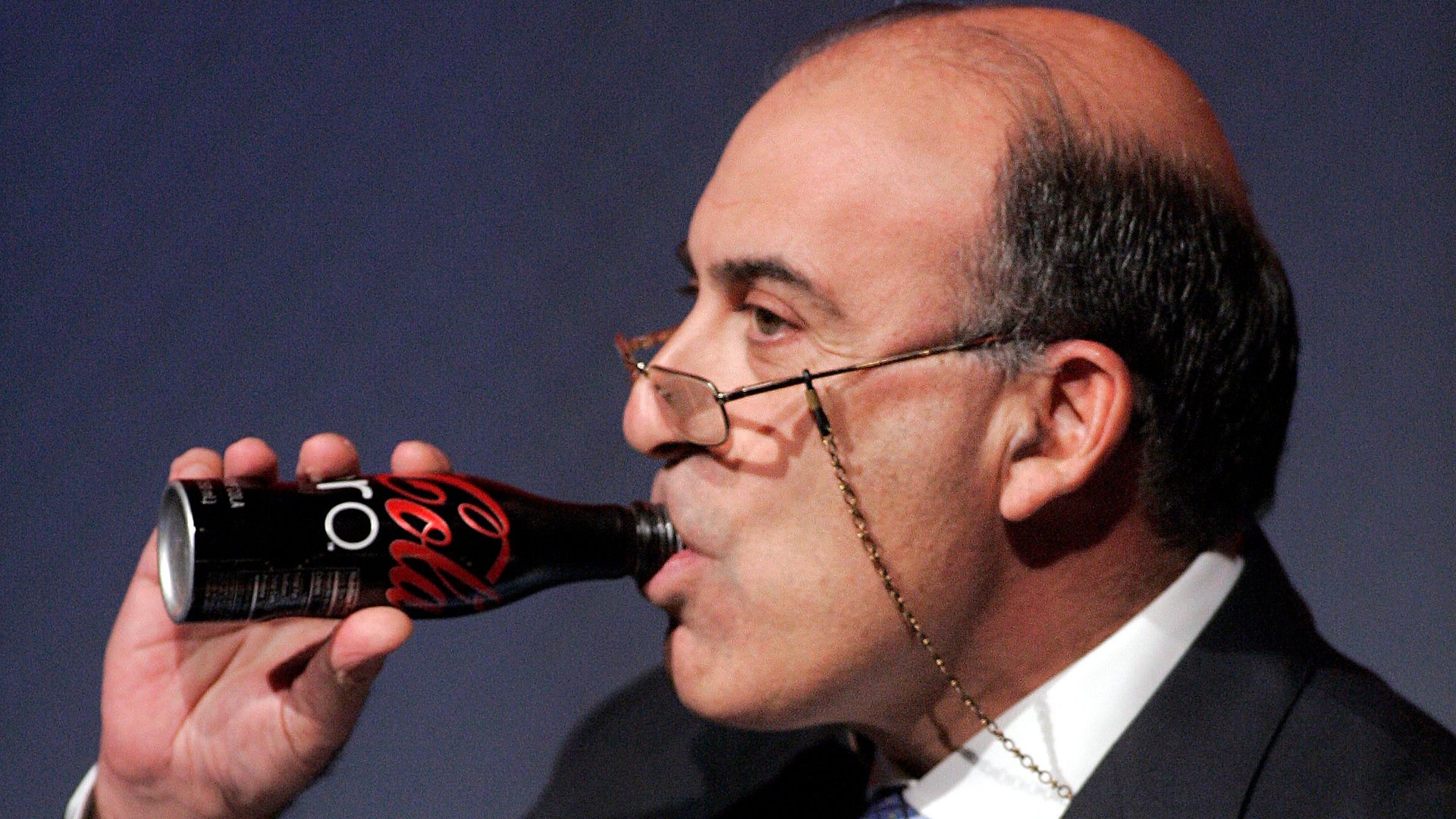
Investor David Winters was astonished when he concluded that Coca Cola was paying its executives $13 billion—and perhaps as much as $24 billion—in stock. So were we!

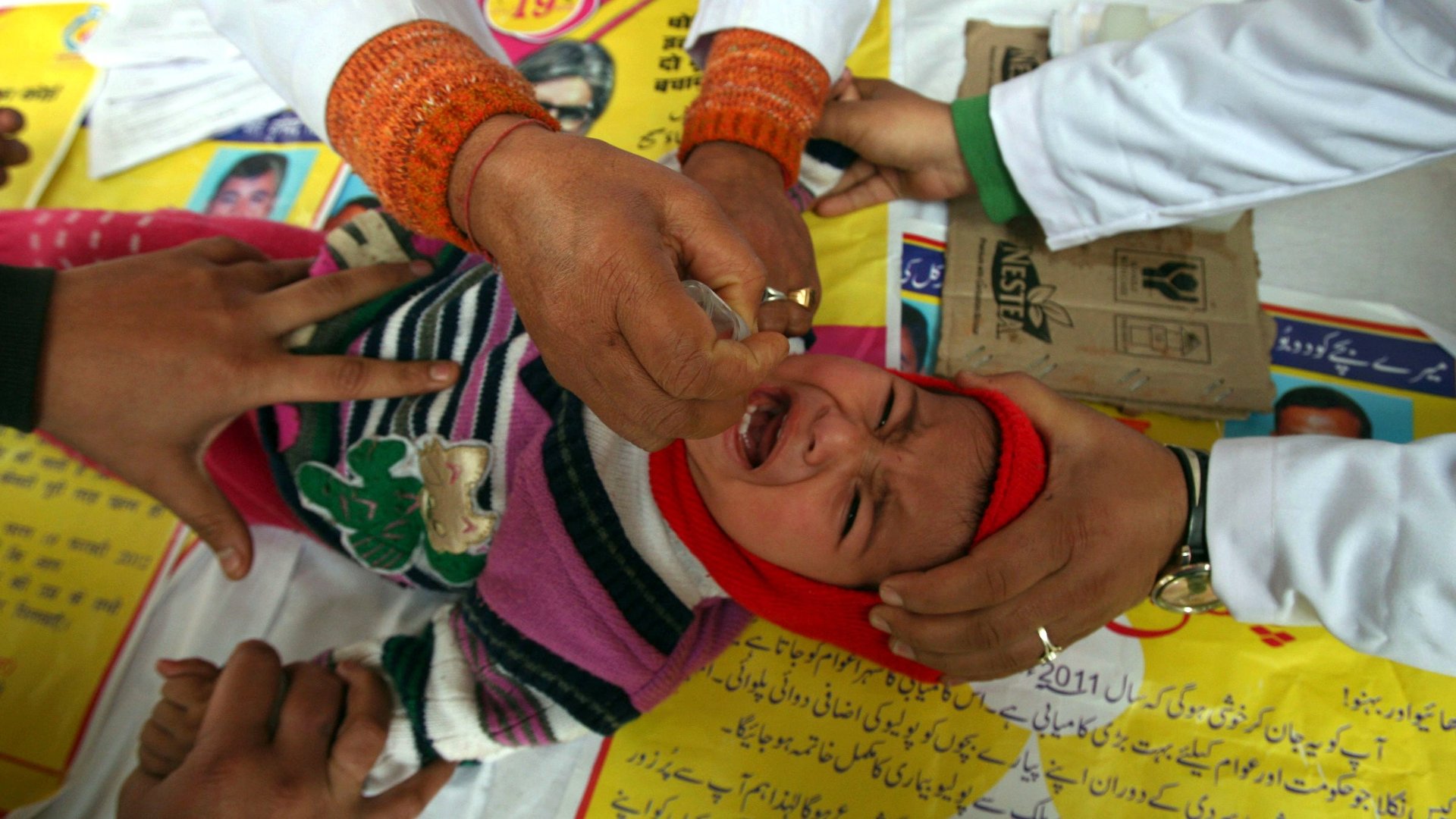
Tomorrow, the World Health Organization (WHO) is expected to officially certify that south-east Asia, formerly one of the regions with the worst levels of polio, has eradicated the disease, after India found new no cases in the previous three years. (The WHO counts India as part of south-east Asia.) To understand why that matters, read this heart-breaking profile of Rukhsar Khatoon, the four-year-old girl with India’s final documented case of polio.

Regulatory pressure on the Comcast-Time Warner Cable merger is heating up, but a third competitor’s plan to steal their customers could be the key to a winning combination.

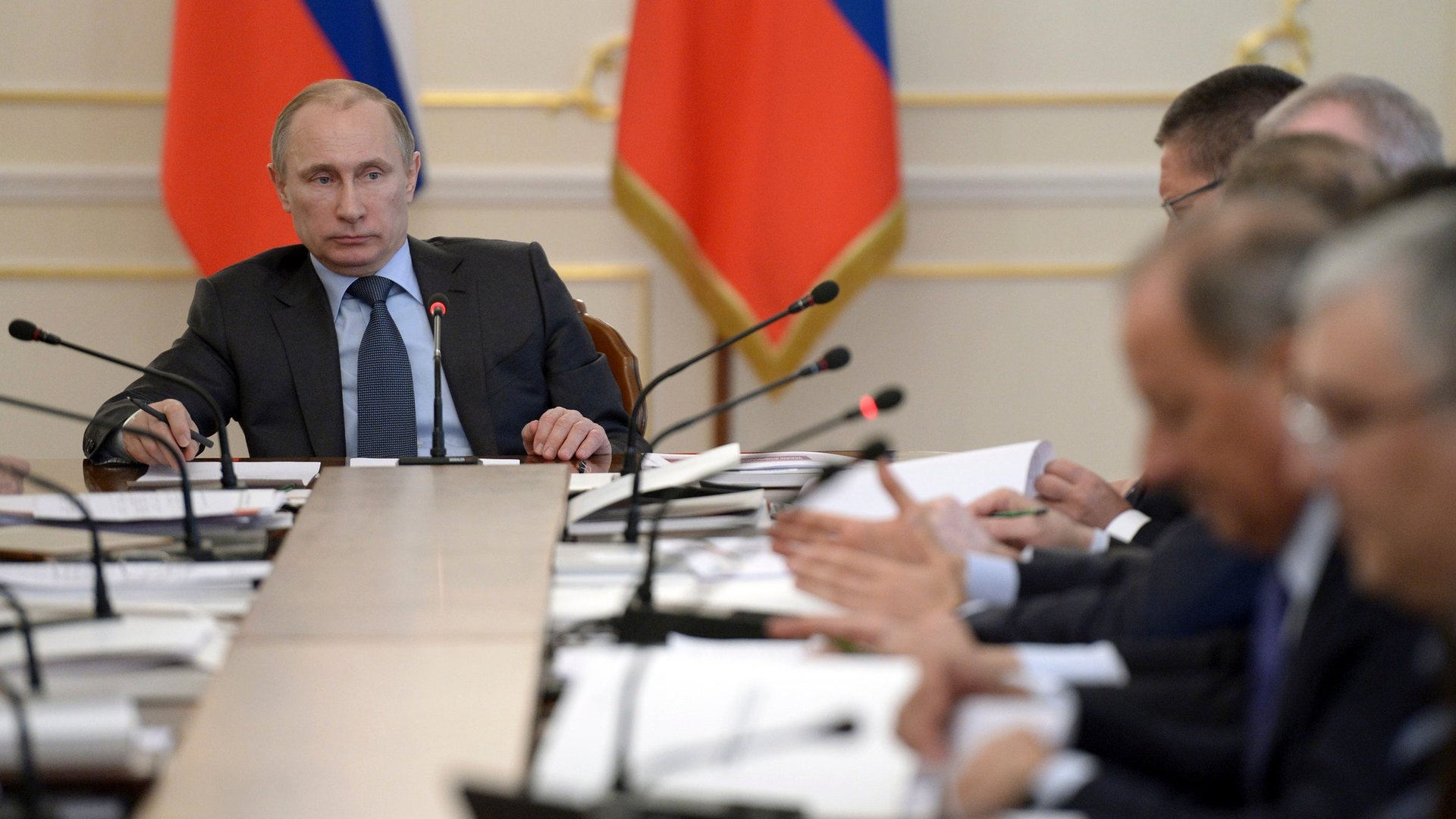
In its economic response to Russia’s seizure of Crimea from Ukraine, the US is apparently trying to pry open not just the records of shell companies, but also the code of silence around allegedly corrupt energy deals.

The collapse of the Mt. Gox bitcoin exchange has been a speed bump for bitcoin, but the chaos has shed light on the opaque crypto-currency markets. Earlier this month, hackers published what is purported to be the exchange’s trading data from 2011 through November 2013 in an effort to publicly expose any malfeasance. (Some users have been able to confirm that their transactions are in the database because bitcoin addresses are public.)

The internet is a confusing place, and not just because of all the memes.