When US president Obama unveils his 2015 spending proposal in March, it is expected to be the first in more than a decade to shift defense spending off its post-9/11 war footing.

When US president Obama unveils his 2015 spending proposal in March, it is expected to be the first in more than a decade to shift defense spending off its post-9/11 war footing.

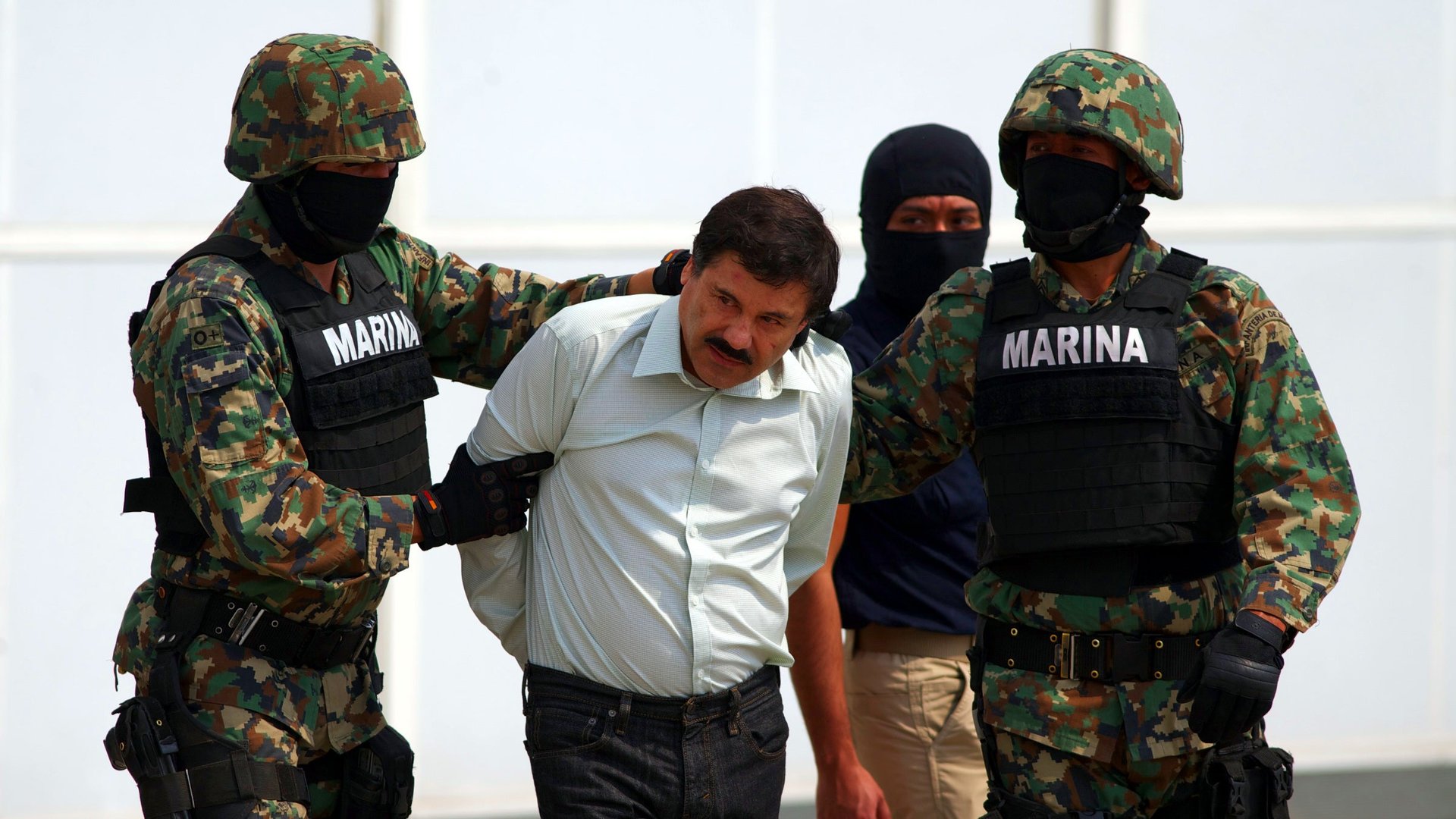
After the capture of Joaquín “El Chapo” Guzmán, head of the world-spanning Sinaloa drug cartel and a cagey escape artist who spent over a decade as a fugitive, Mexican law enforcement released a photo of soldiers surrounding the bedraggled drug peddler (see above). It was reminiscent of this picture of former Iraqi dictator Saddam Hussein after he, too, was seized by soldiers after a long manhunt.

Call it the ultimate NIMBY move: Exxon CEO Rex Tillerson has joined a lawsuit to prevent a fifteen-story water tower from being built near his 83-acre Texas horse ranch, the Wall Street Journal reports.

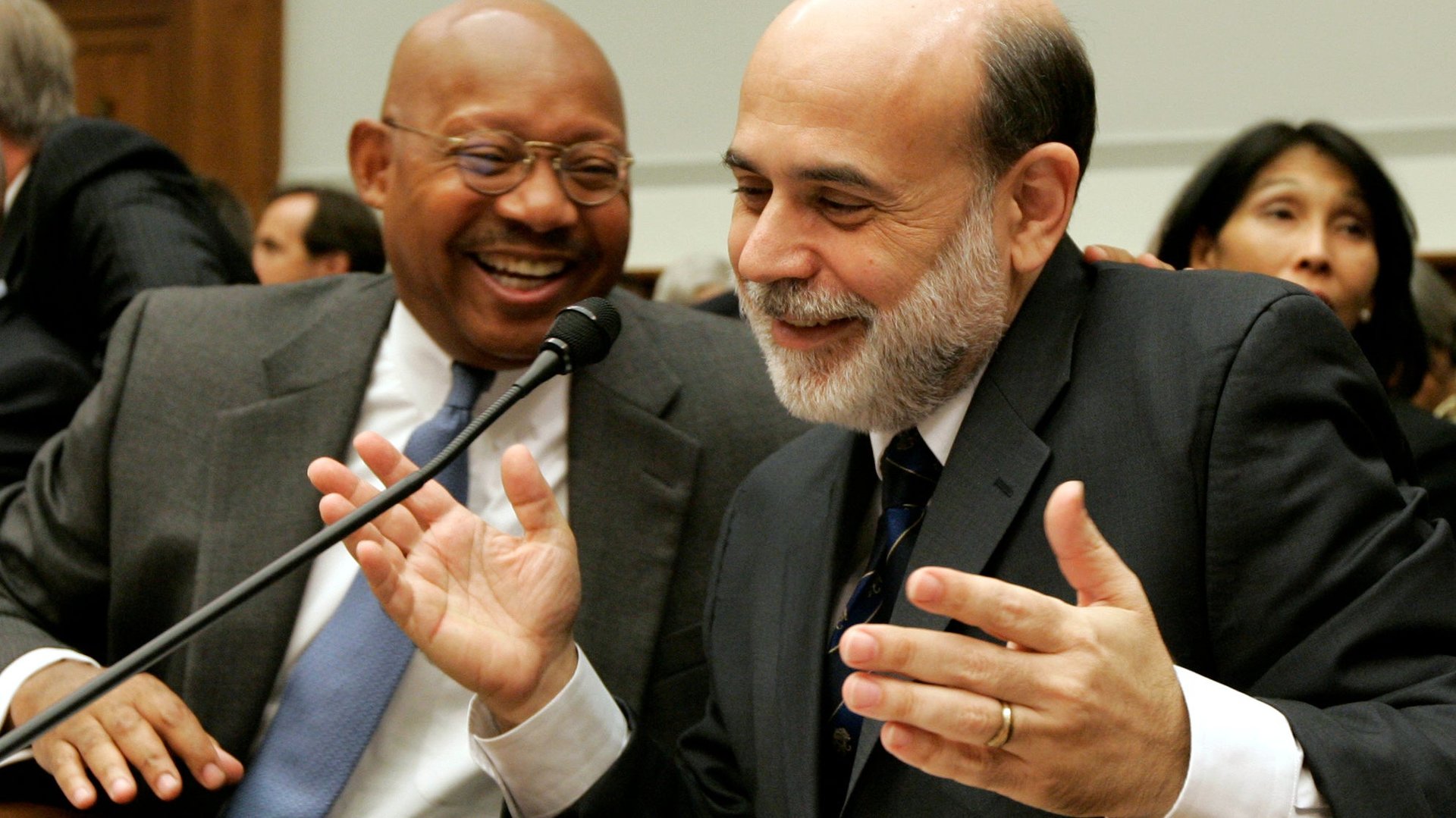
The Federal Reserve isn’t just revealing the thinking behind its policy decisions by releasing meeting transcripts from 2008. It’s also letting the rest of the world in on the fact that—even as during the worst of the financial crisis—financial policymakers still enjoy a good yuck. Here’s some of the best, or worst, depending on your point of view.

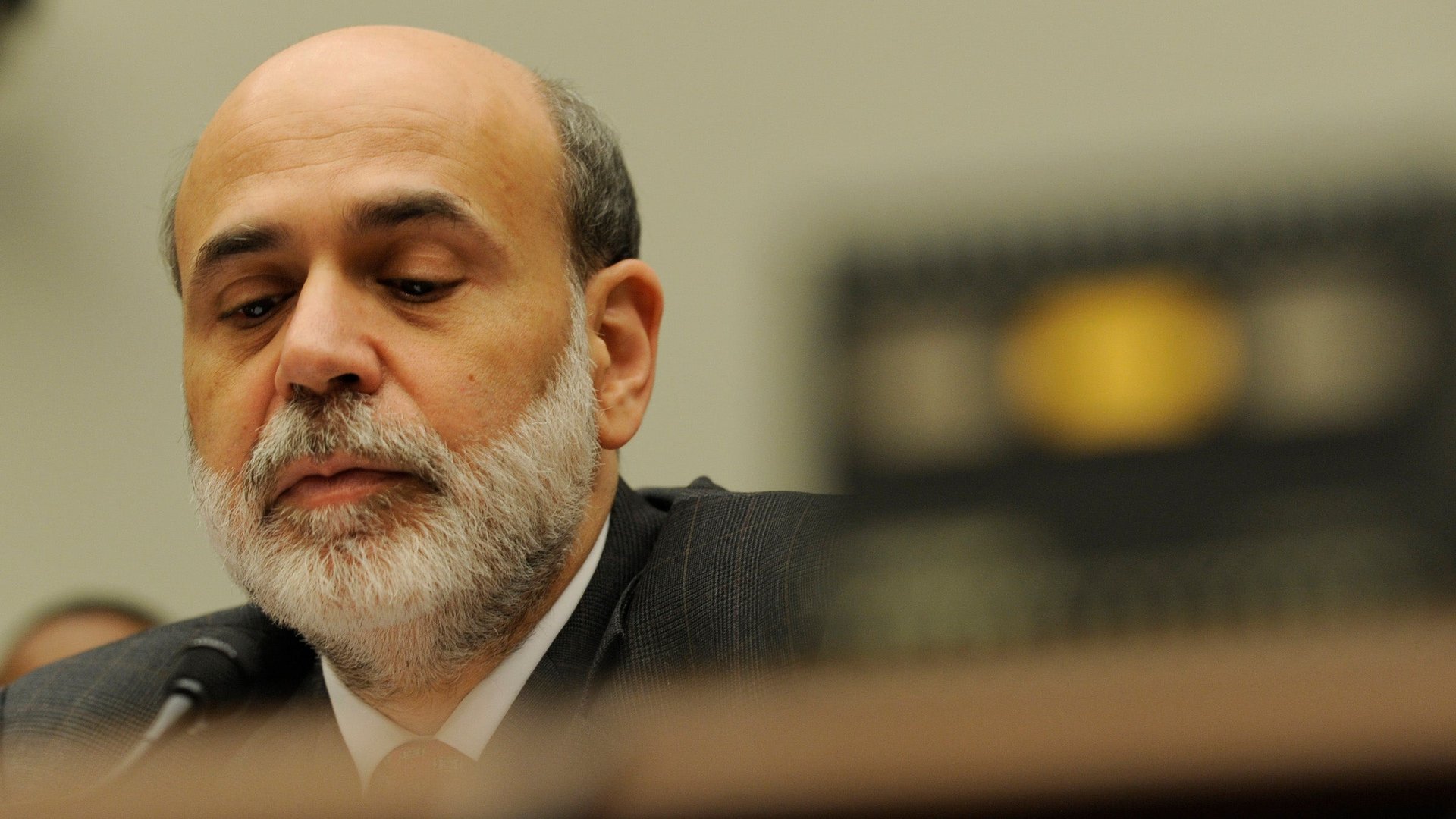
Today, the Federal Reserve released the transcripts of 2008 meetings held by its key monetary policy board. Released after a customary five-year delay, the transcripts offer a remarkably detailed glimpse into the thinking of some of the world’s most important financial policymakers as they struggled to stabilize a wobbling banking system and assess economic damage that, even then, looked incredibly severe. We’ll be updating this post and highlighting some of the most interesting moments from the documents.

Simple, the digital banking startup, was purchased by Spanish mega-bank BBVA today for $117 million in cash.


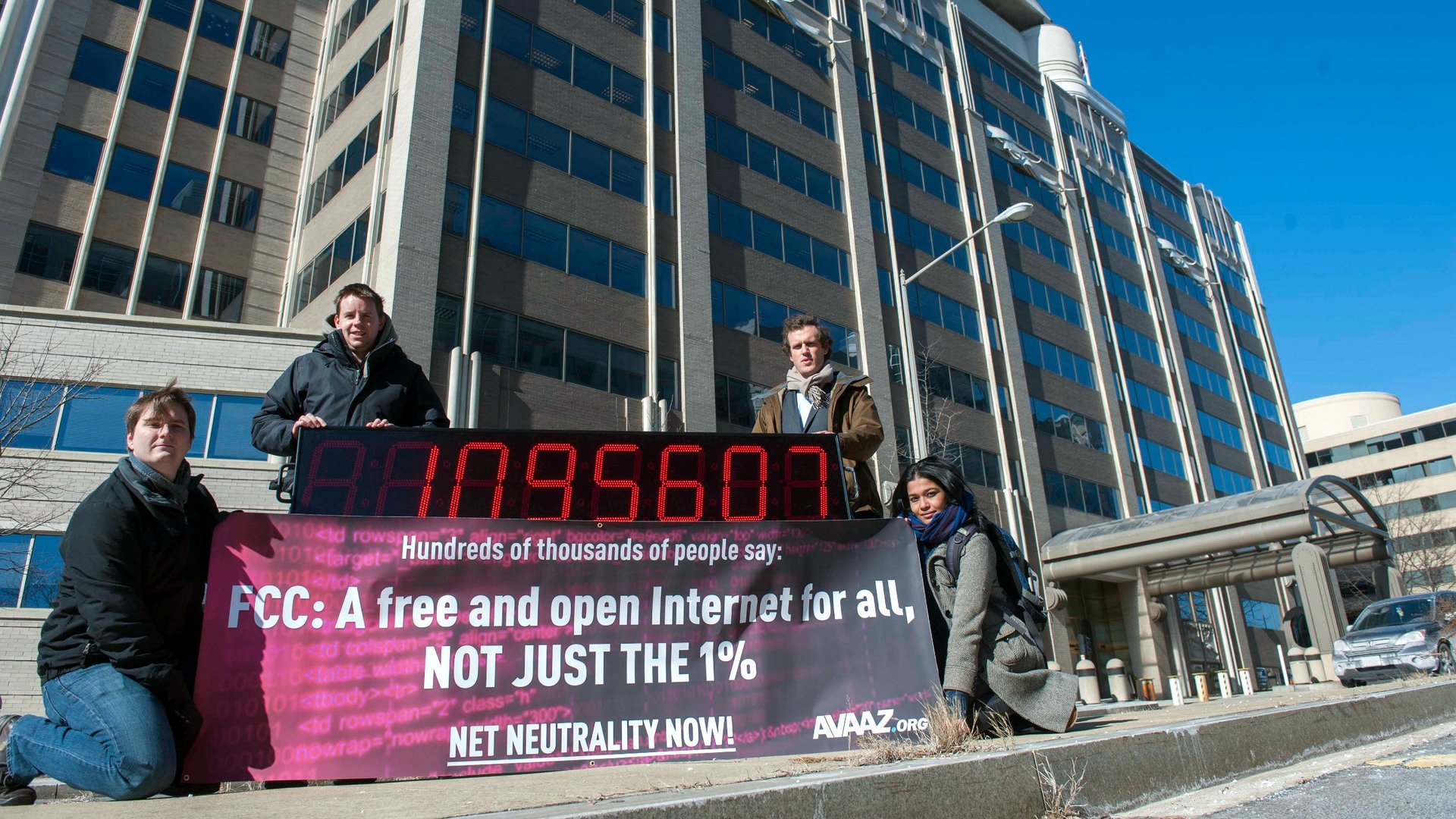
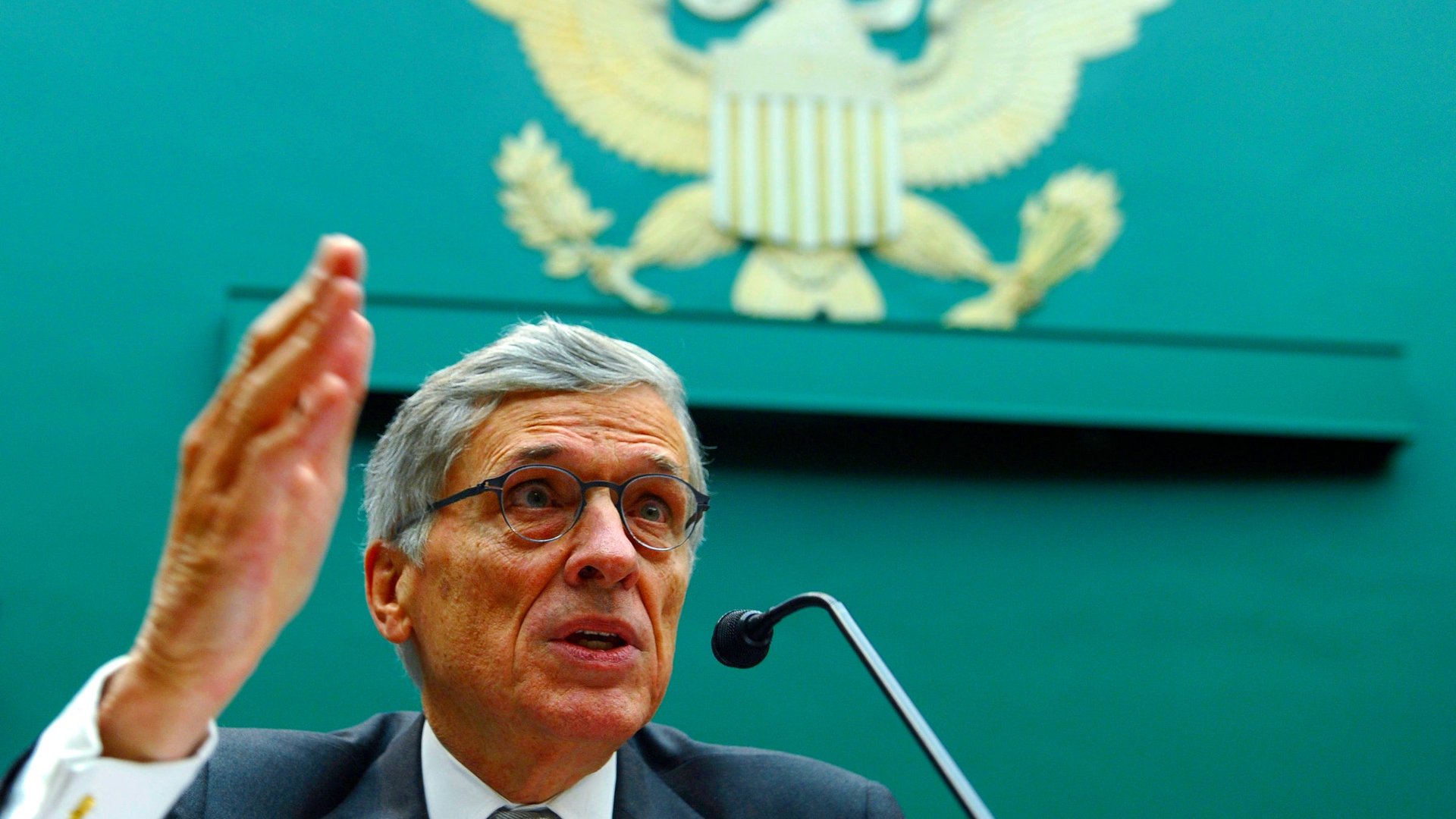
A month after US courts rejected a bank-shot effort to force internet service providers to treat their traffic equally, Federal Communications Commission chair Tom Wheeler announced today a new plan to enforce net neutrality.

A new analysis from independent government bean counters has American politicians up in arms over proposals to hike the US minimum wage from $7.25 an hour to either $9 or $10.10.

A year after a controversial bail-out put an end to Cyprus’s financial crisis, it is still a major offshore banking center for Russian cash—which is just the way the country’s leaders want it.

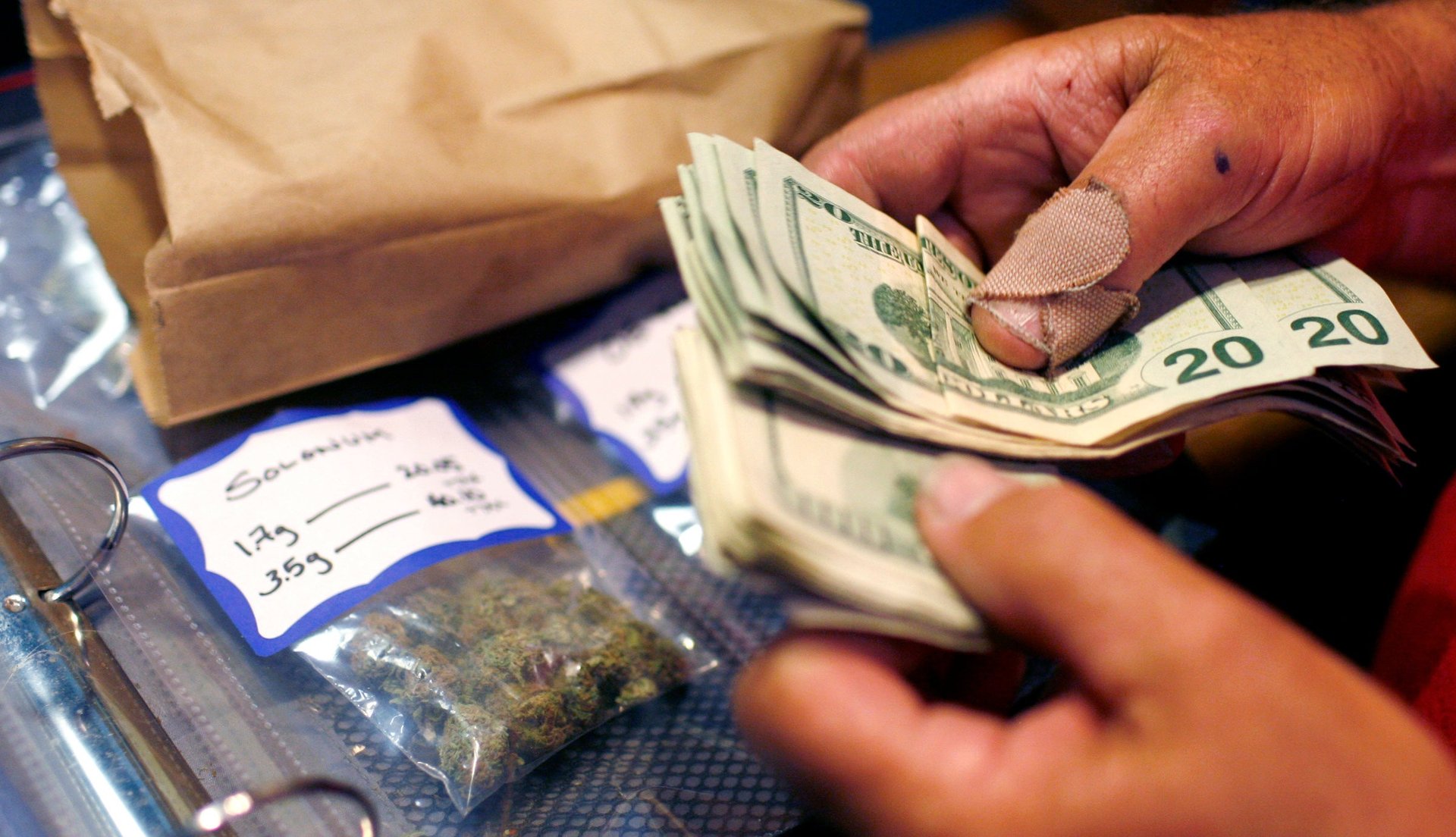
Soon, legal marijuana businesses may have a better place to put their cash than a safe or a duffel bag: In the bank.

We’ve spilled a lot of pixels on Comcast’s proposal to take over Time Warner Cable, and why not? Two huge companies who drive the most important consumer technology, out there uniting in a multi-billion-dollar deal—it’s an exciting and fascinating project.

Is a conservative just a liberal with money? Apparently so, say UK economists with access to a huge data set of lottery winners.

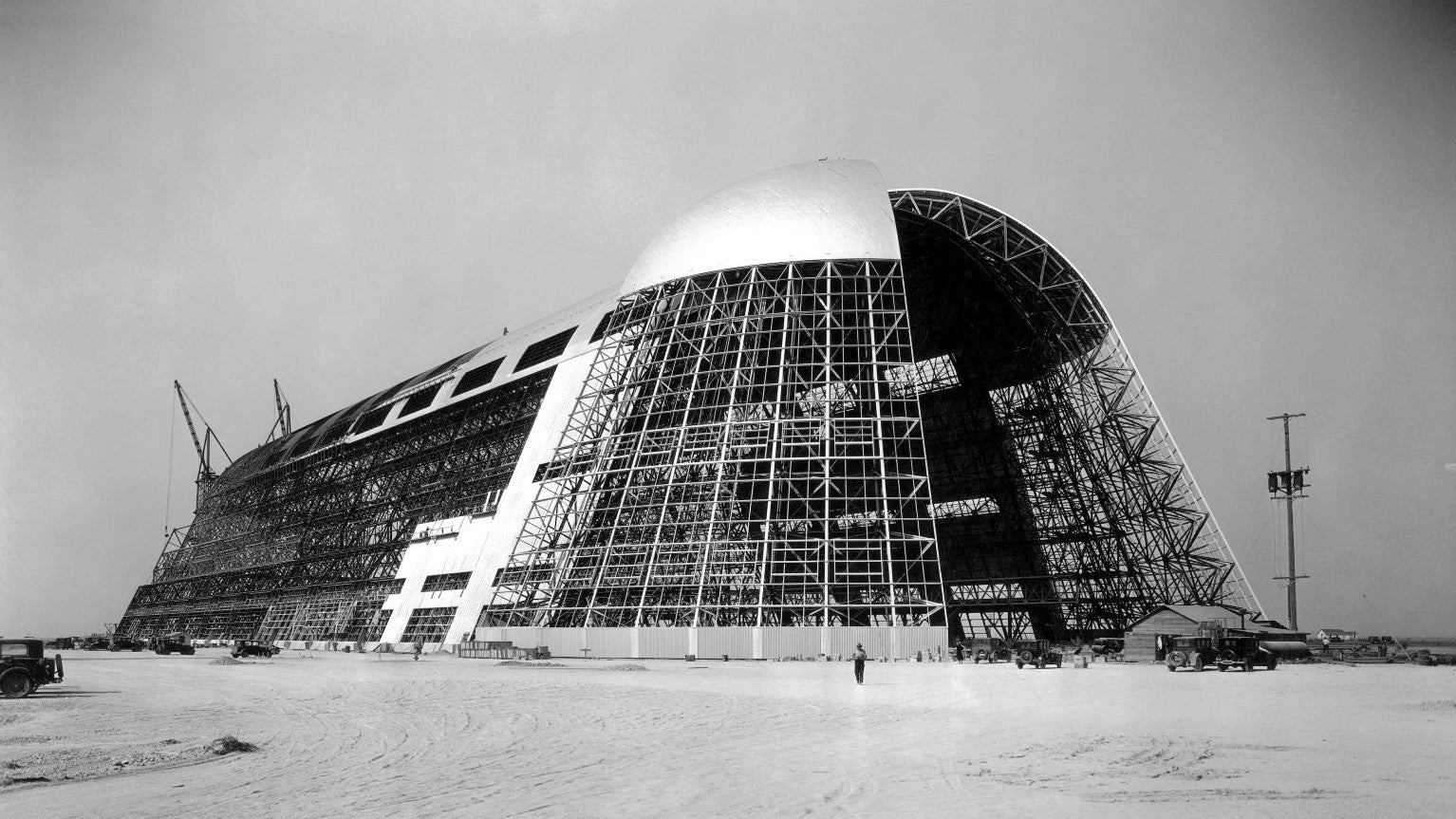
Update, 11/11/2014: NASA announced today that it had approved Google’s plans to lease Moffett Airfield for 60 years, in exchange for $1.16 billion in rent, $200 million in capital investment and responsibility for maintenance.

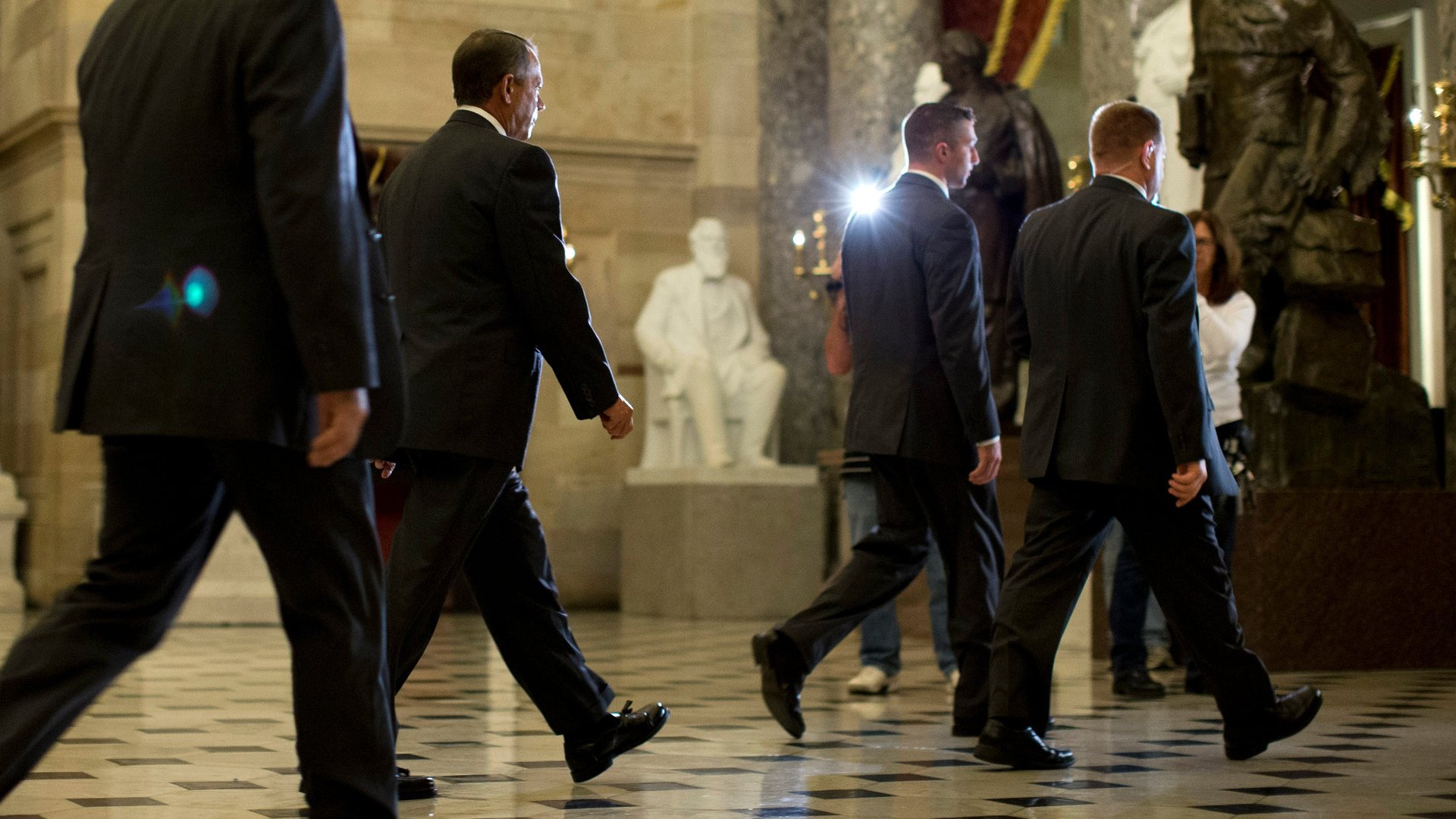
It was like ripping off a band-aid: Short, sharp, painful, but worth it. In a single day, Republicans in the House of Representatives yesterday announced and enacted a plan they had long said was impossible to avert a potential debt crisis.

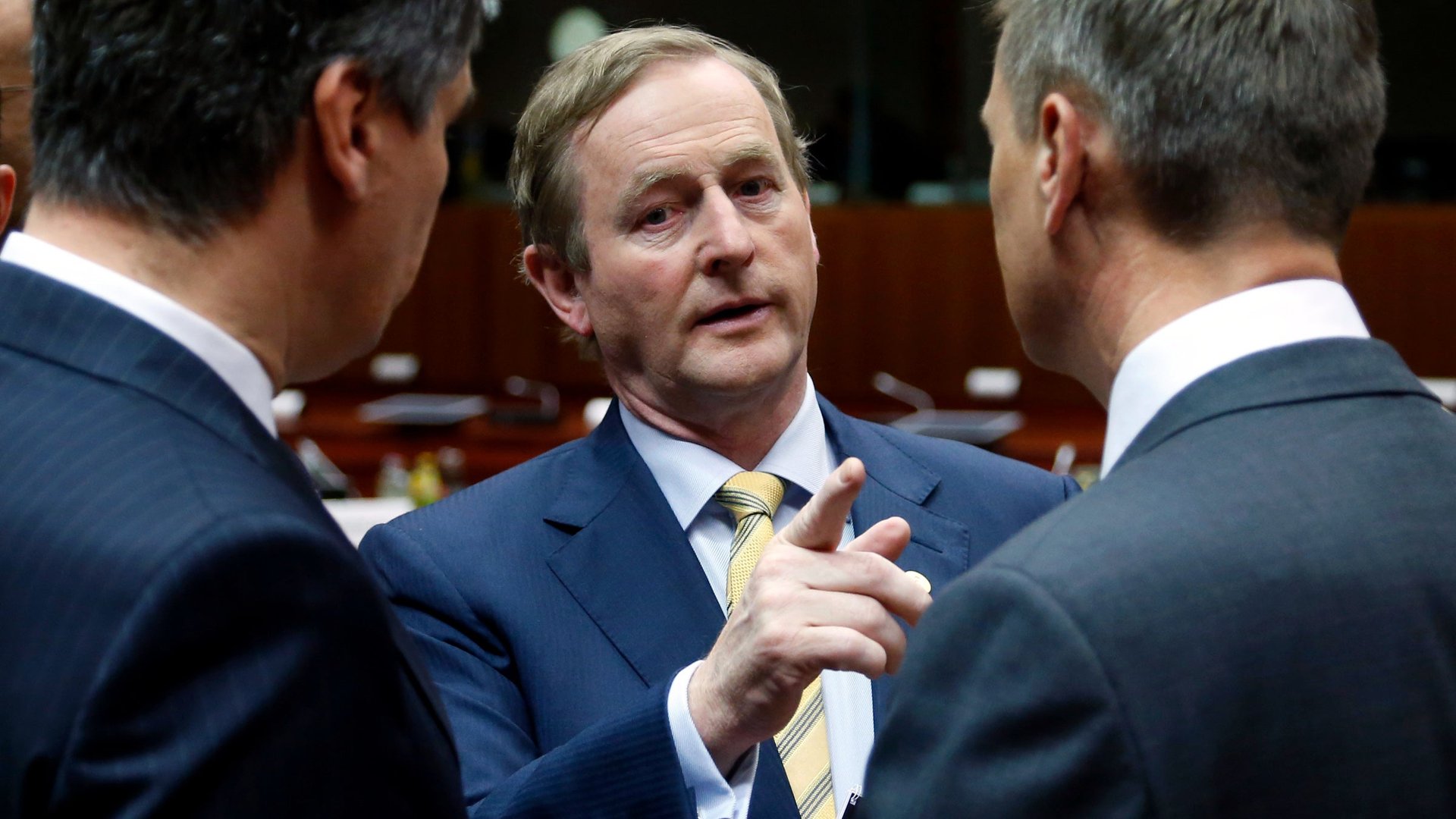
Is Ireland a tax haven? The Irish government bristles at the question, given rising interest in cracking down on offshore financial centers, but research from a Trinity College professor is pretty definitive: Yes, it is.

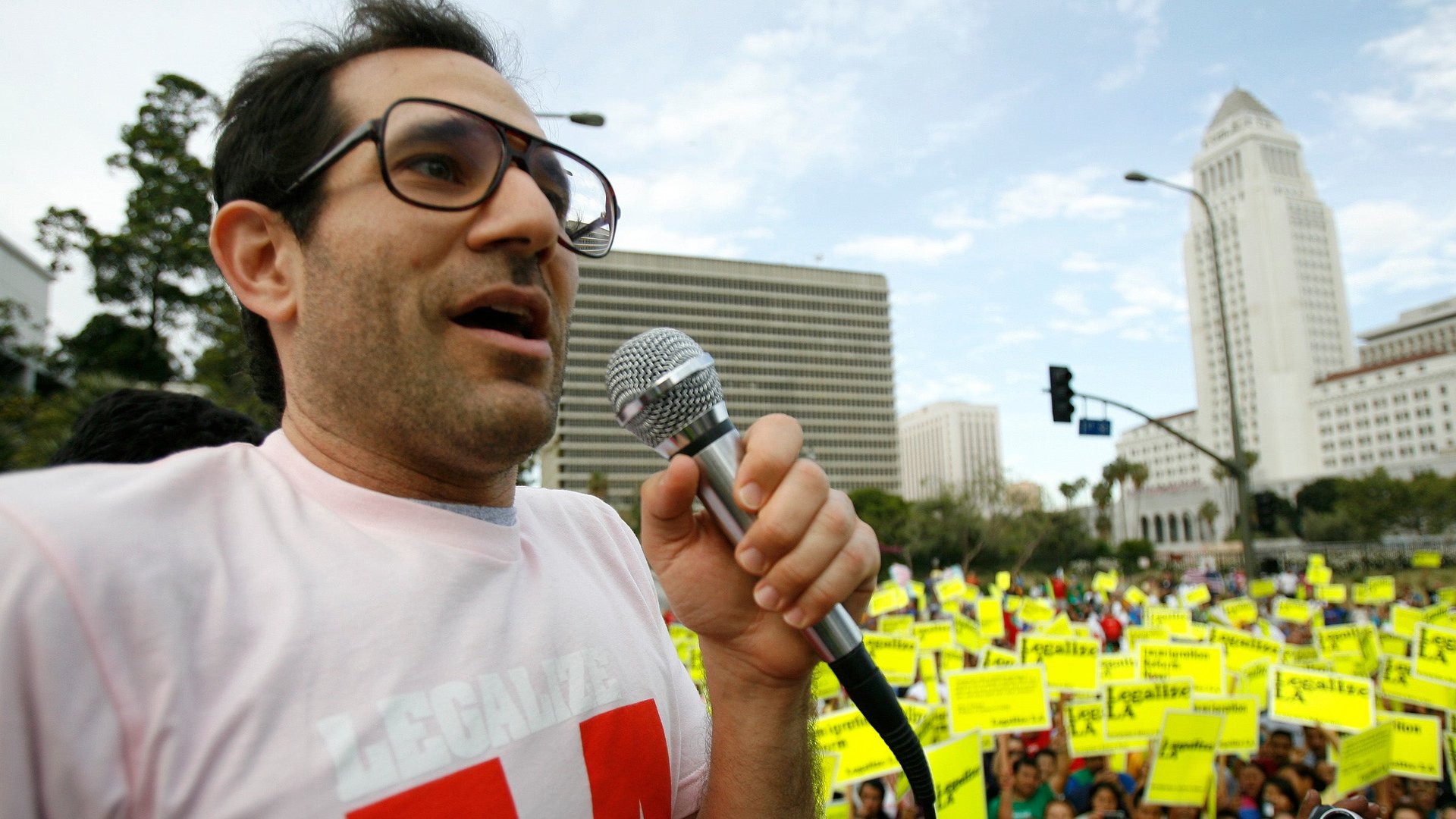
Dov Charney, CEO of US clothing retailer American Apparel, does not have a great reputation. Whether it’s the employee harassment lawsuits, the racy ads or that time he masturbated in front of a reporter, Charney’s over-the-top style has obscured his company, known for its pricey but not fancy clothes made in Los Angeles by workers earning more than minimum wage.

But not nearly as much as Bill Clinton or Harry Truman.

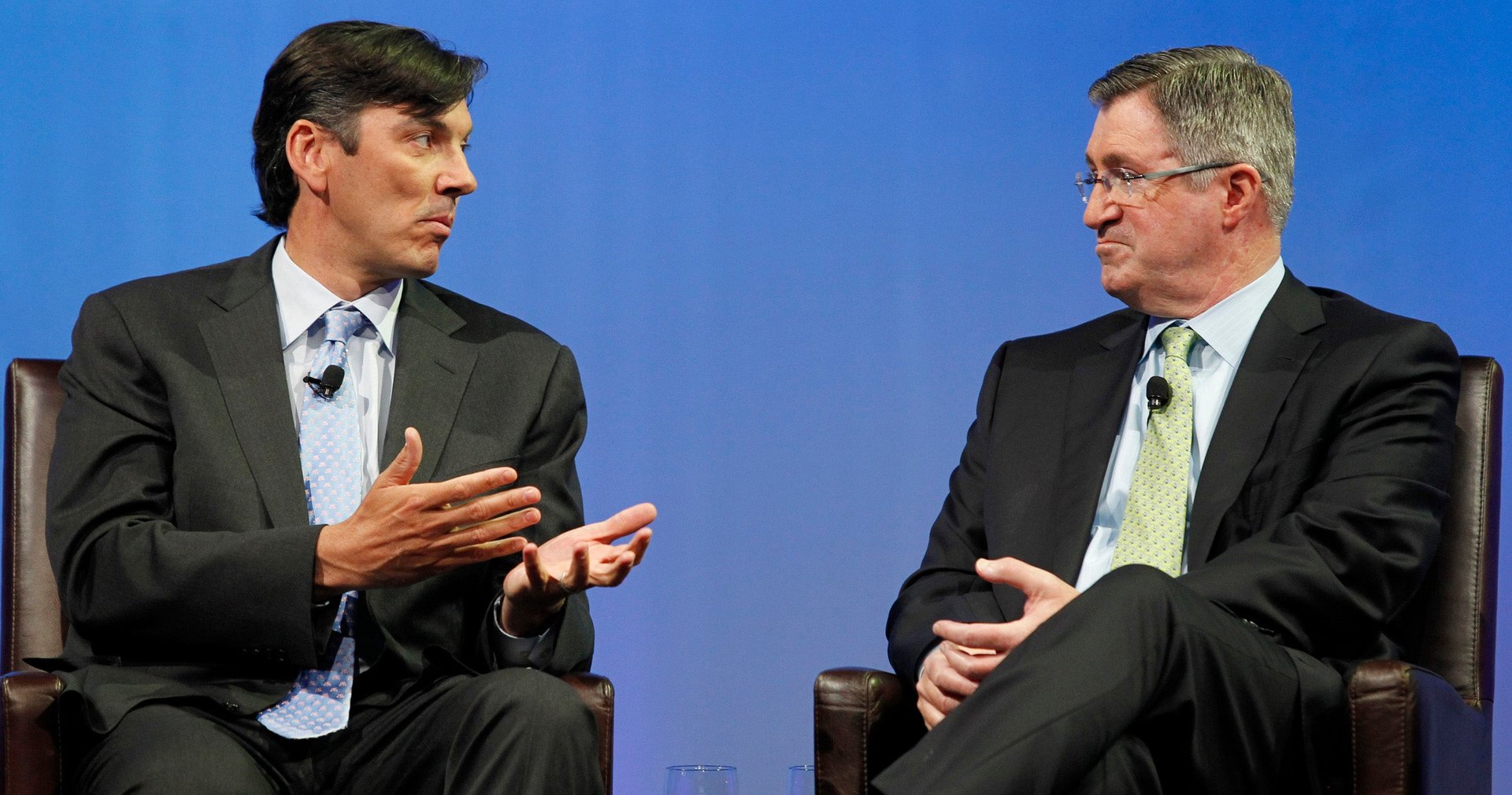
AOL CEO Tim Armstrong got in some hot water yesterday when he cited the medical expenses of two employees’ difficult births to explain why the company will make its retirement plans less generous.

A new forecast that America’s new health care law could lead some 2 million workers to leave the workforce has become a political flashpoint in the US. But short-term infighting over the US welfare state is missing the point—all the trends in the modern economy are leading toward less work, and Obamacare’s effects are something of a drop in the bucket:

This again? The US will be unable to borrow enough money to pay its bills sometime between February 28 and March 25, and so far it’s not clear whether its lawmakers will choose to raise the debt limit in time to avoid a potential default or costly brinksmanship.

Sort of.

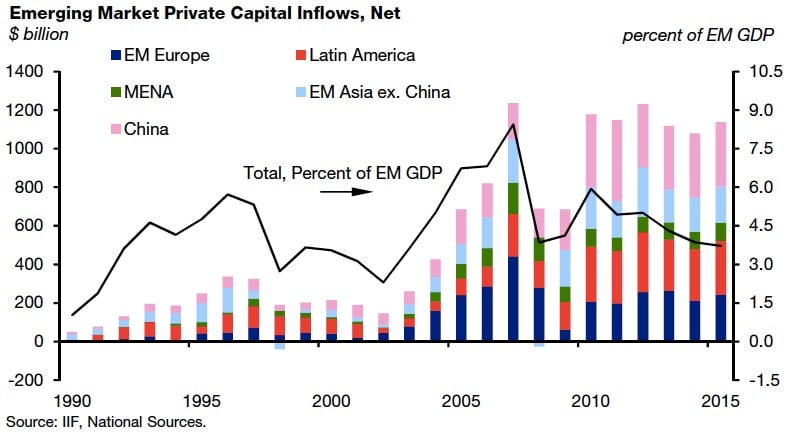
With emerging markets facing weakening currencies and skittish investors around the world, the Solons of finance have a question: Who, exactly, is to blame? There are two popular answers.

What if the government accidentally invented a new industry?