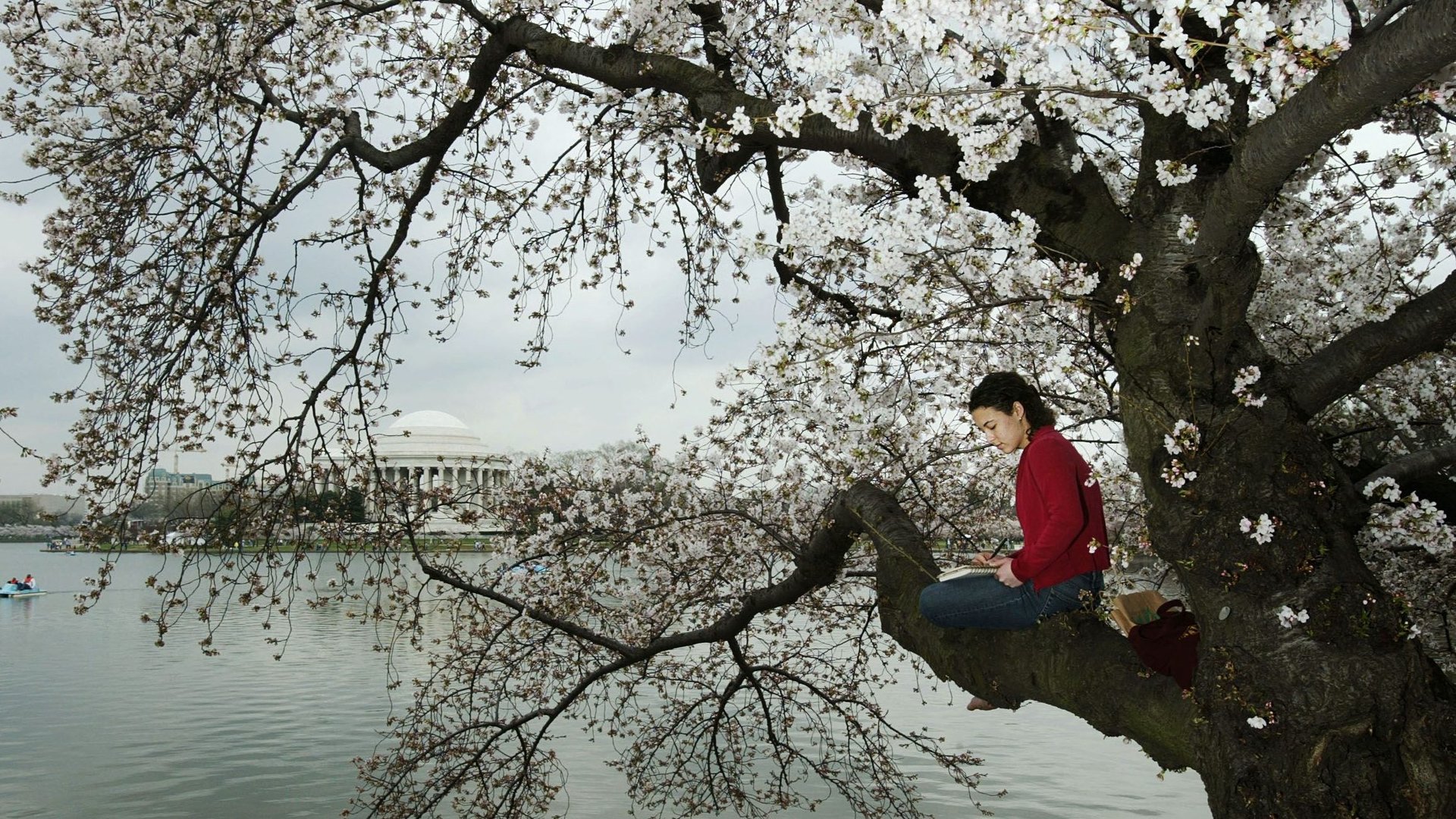
You’ve made it out of the deep, irritable slumber of winter. You’re leaving your windows cracked and have put your humidifier back into storage. Sunlight, at last, cuts across your bare, pale knees.

You’ve made it out of the deep, irritable slumber of winter. You’re leaving your windows cracked and have put your humidifier back into storage. Sunlight, at last, cuts across your bare, pale knees.

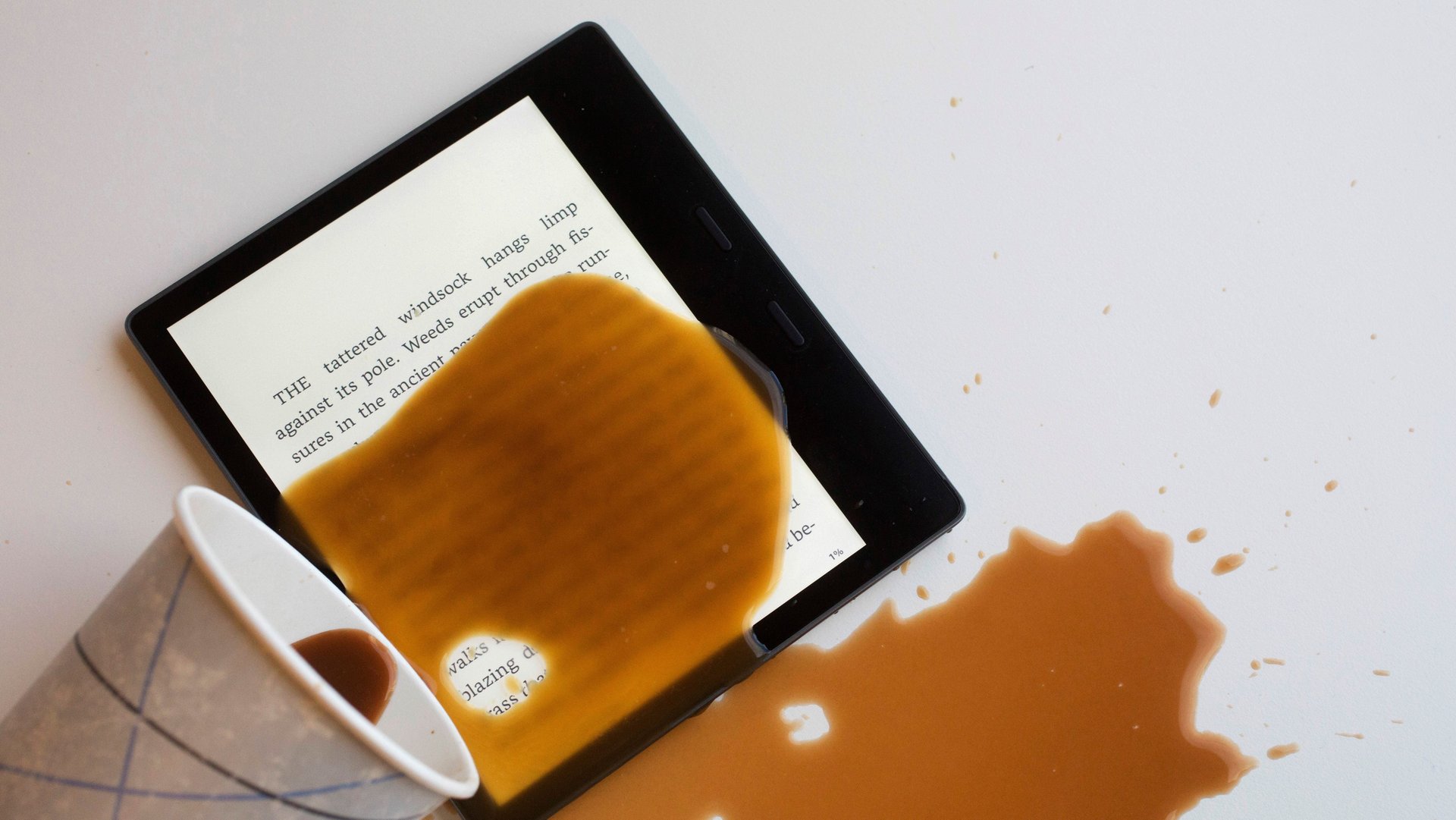
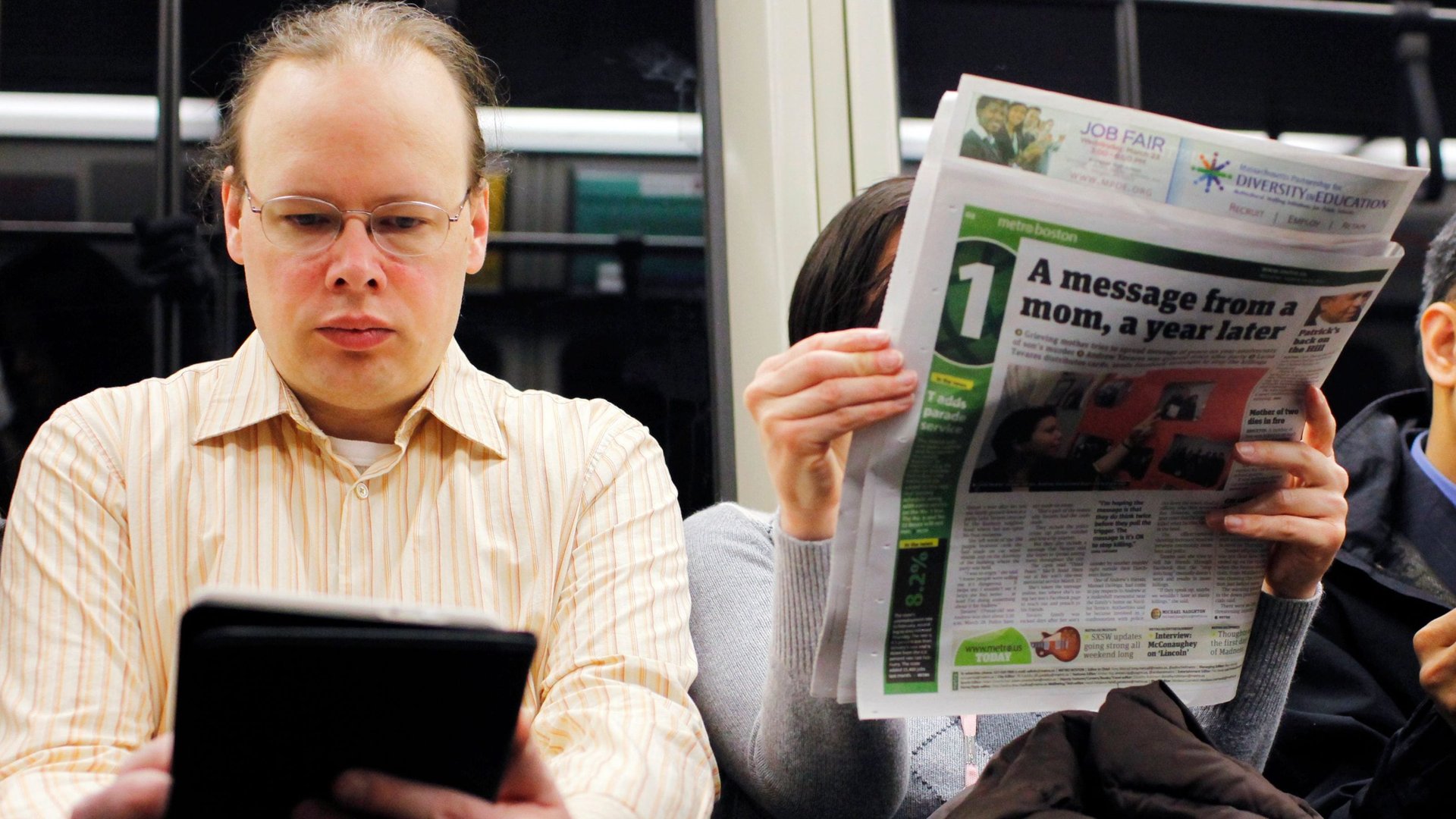
It is a heartwarming story: In spite of the endless onslaught of digital content, American readers have collectively put down their screens and decided to embrace once more that beloved tactile rectangular prism that reminds us, with its weight at the bottom of our bags, of its immeasurable heft. Since 2015, major news outlets, including this one, have reported the triumphant return of print: that “real” books are back, and ebooks have lost their gleam.

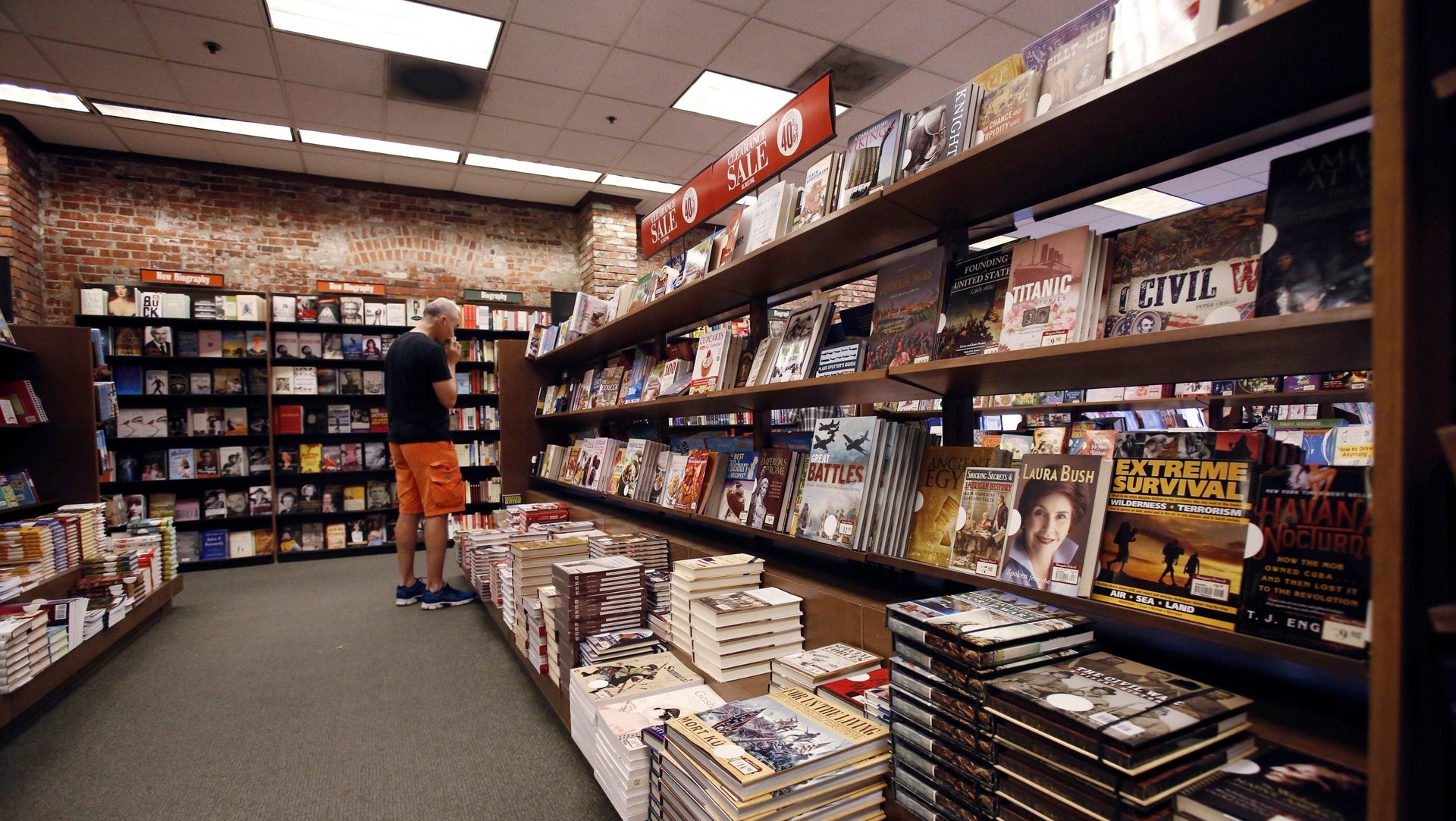
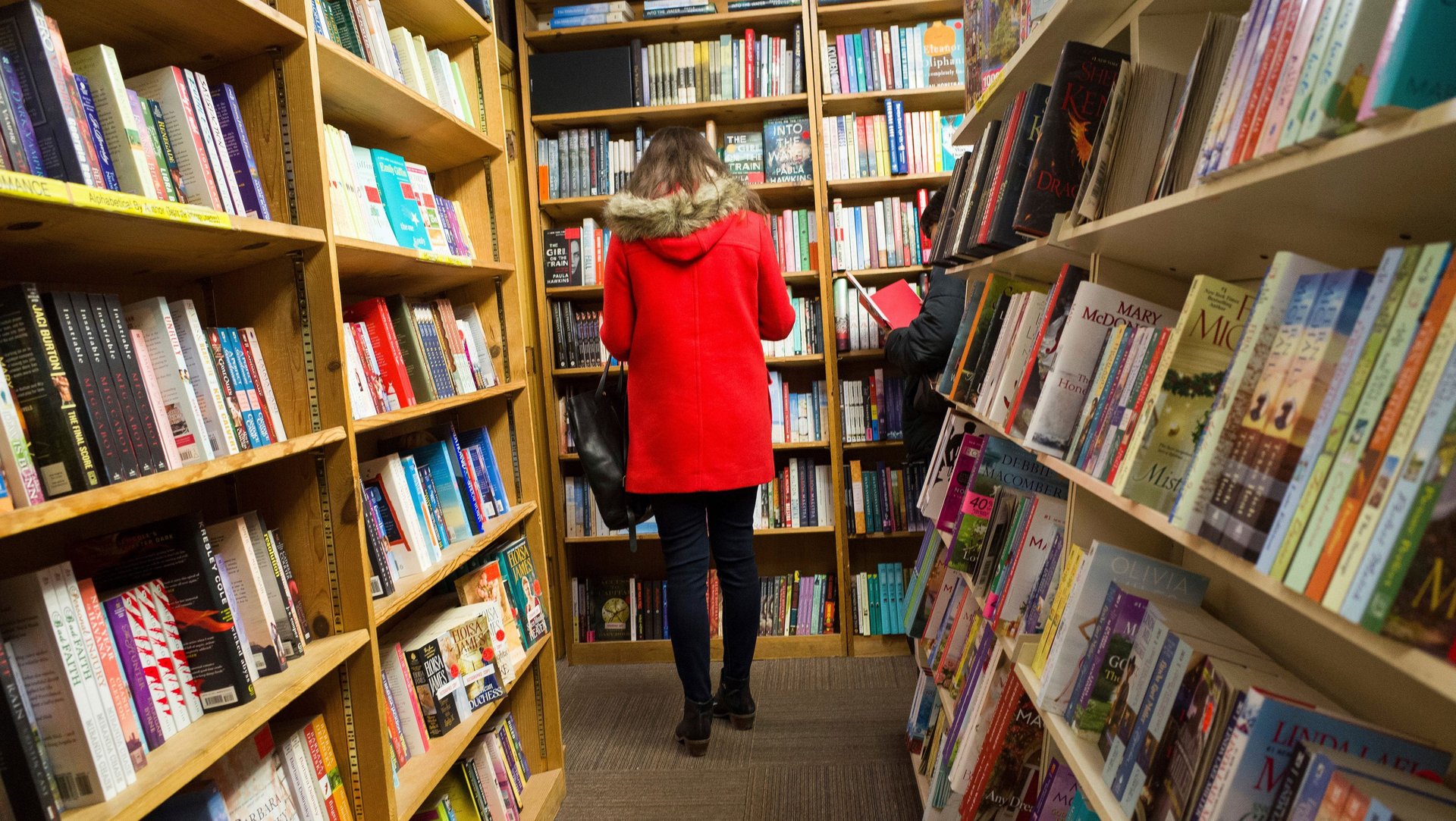
Print-book devotees love the romance of independent bookstores, with their clever shelf labels, twee greeting cards, and mouthy tote bags. But the soulless chain bookstore deserves your dollars, too.

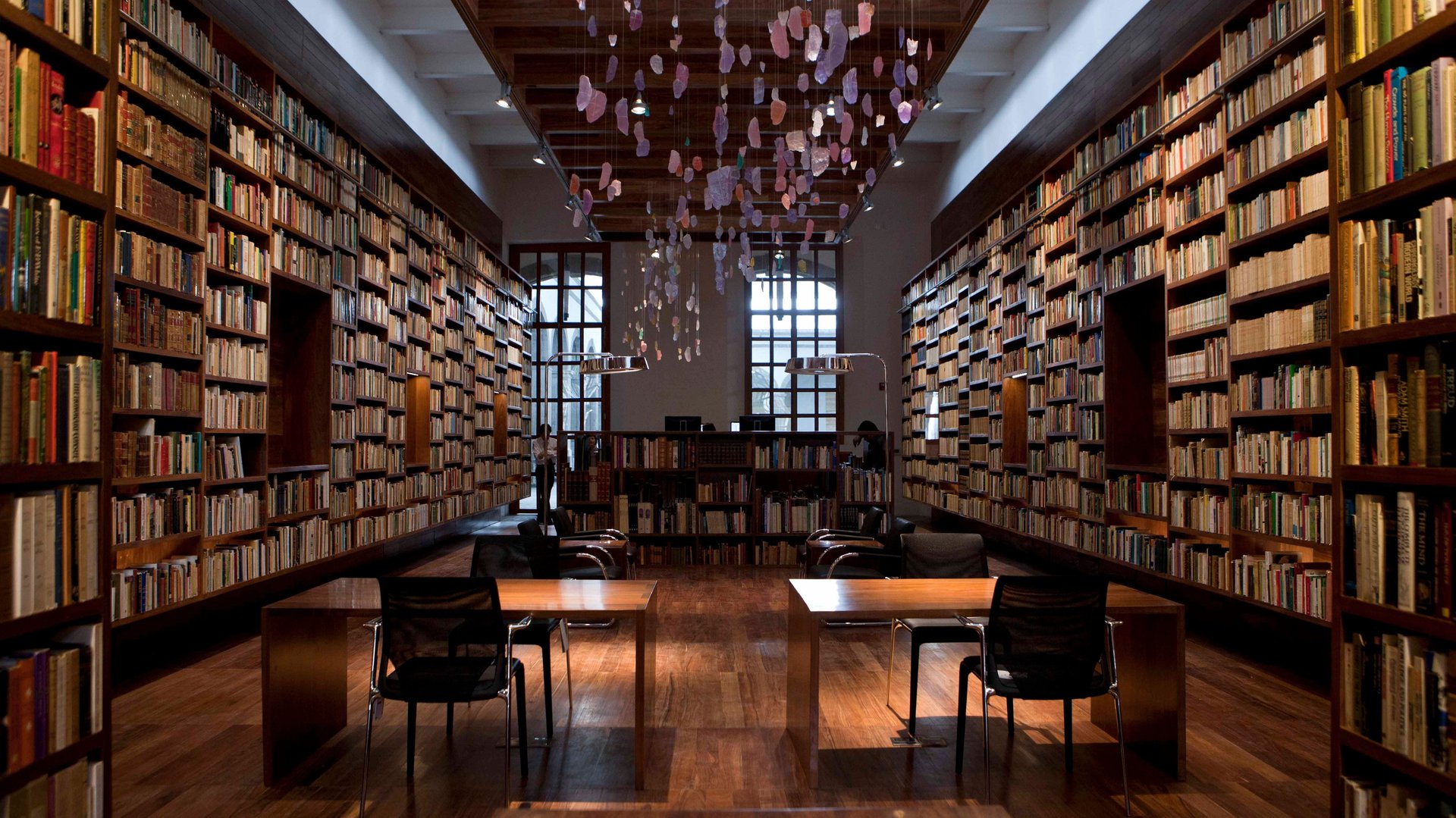
A library at the University of Texas-Austin is facing an existential quandary that’s likely to feel familiar to bookstores and libraries all over the US. In the age of speedy search and deliver, how useful is the presence of physical books?

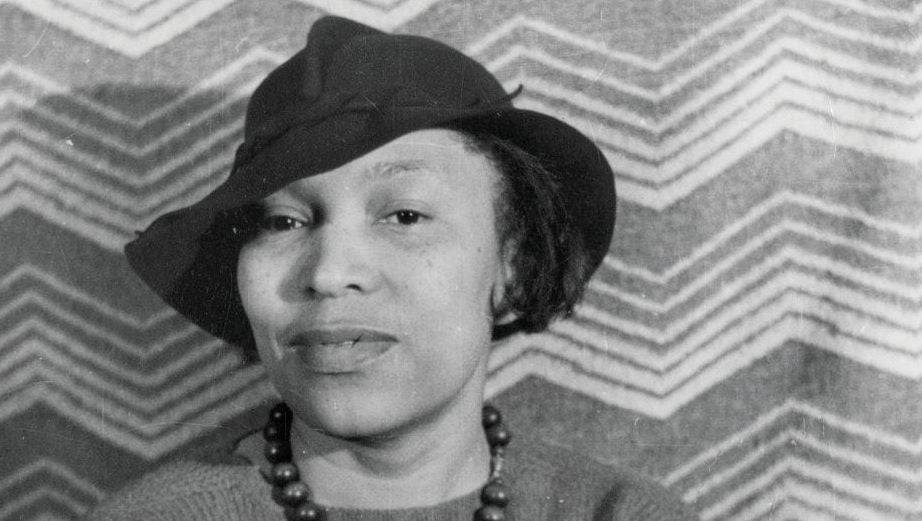
The 1937 novel Their Eyes Were Watching God is a staple of US classrooms and has cemented Zora Neale Hurston as a seminal writer of American fiction. But her newly published book, released for the first time 87 years after it was written, will shed new light on the author as a historical chronicler.

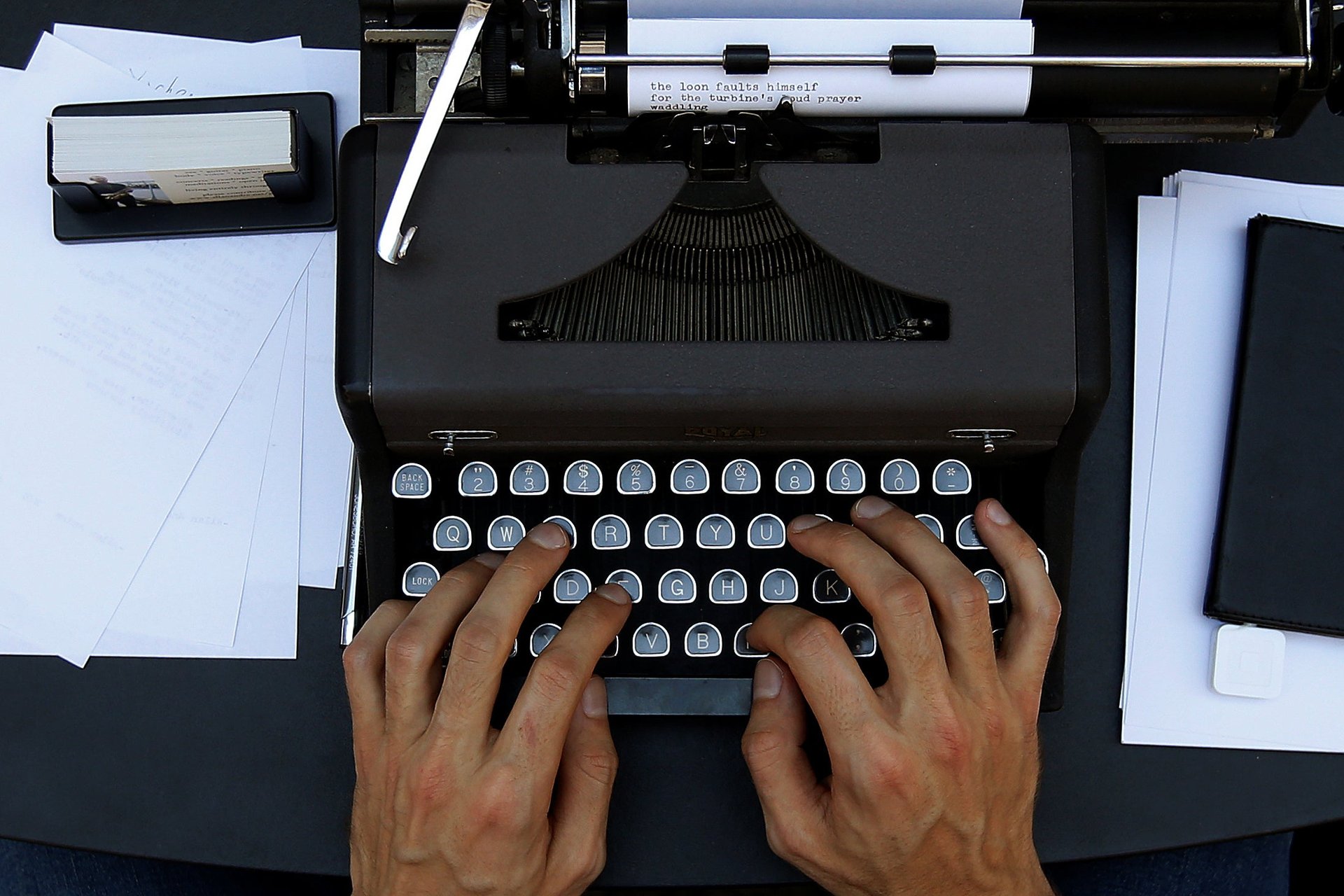
In the days of the mechanical typewriter, it was clear what to do when you came to the end of a sentence. But as the number of Americans who grew up on typewriters dwindles, the US elite has been gripped by a divisive dilemma: Between the period at the end of a sentence, and the first word in a new sentence, should there be one space or two? Oh, and how many inches should the margins in Microsoft Word be again?

A new study of US book prices shows that book genres with more female authors are also cheaper. For their analysis, researchers from Queens College in New York looked at 2 million individual titles published in North America between 2002 and 2012. They determined the gender of the authors by cross-referencing their first and middle names with census data.

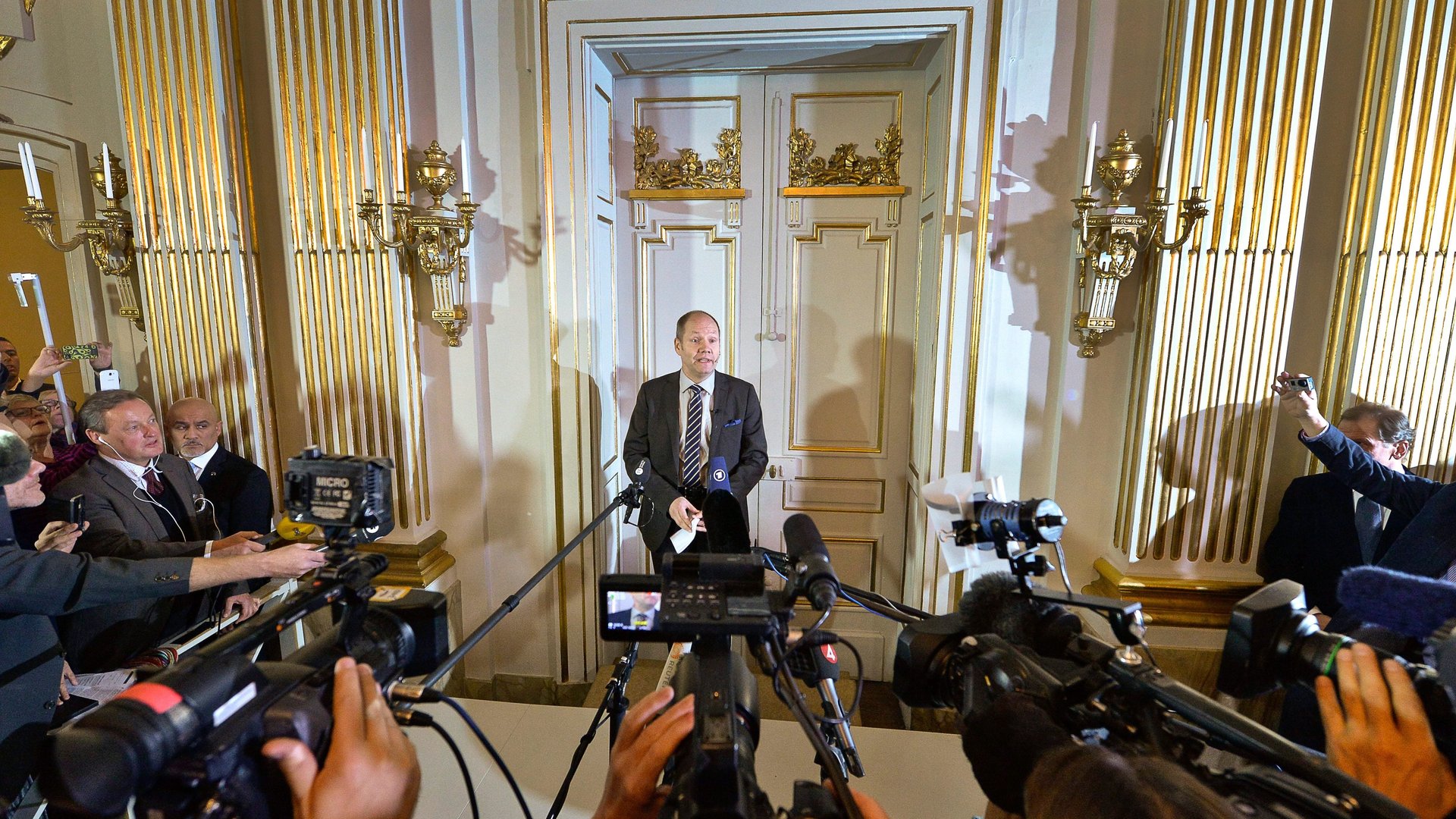
A slew of members have left the Swedish Academy, which awards the Nobel prize for literature, following sexual harassment allegations against one colleague’s husband. The controversy exposes the opaque and convoluted bureaucracy around the very lucrative book prize.

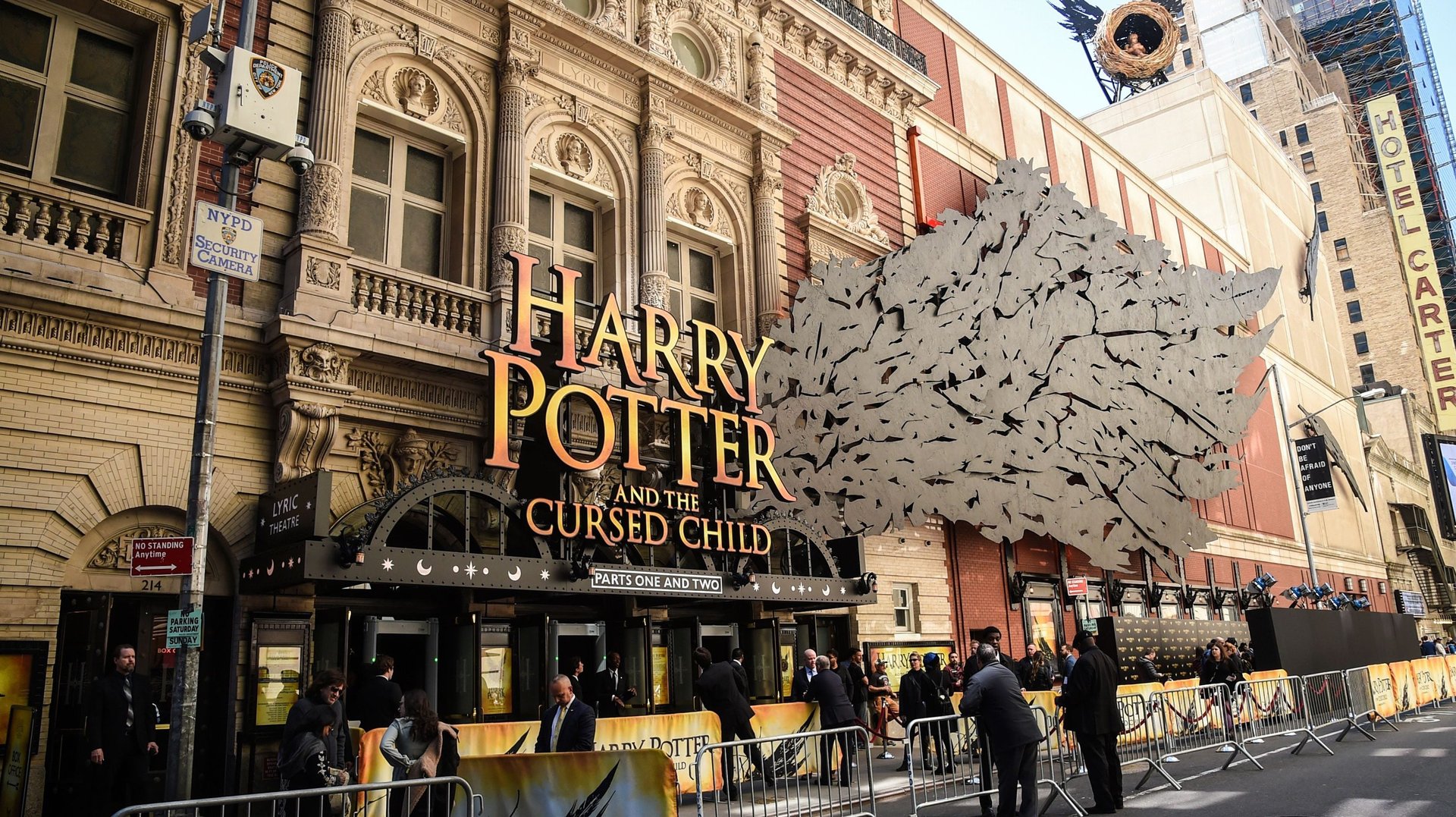
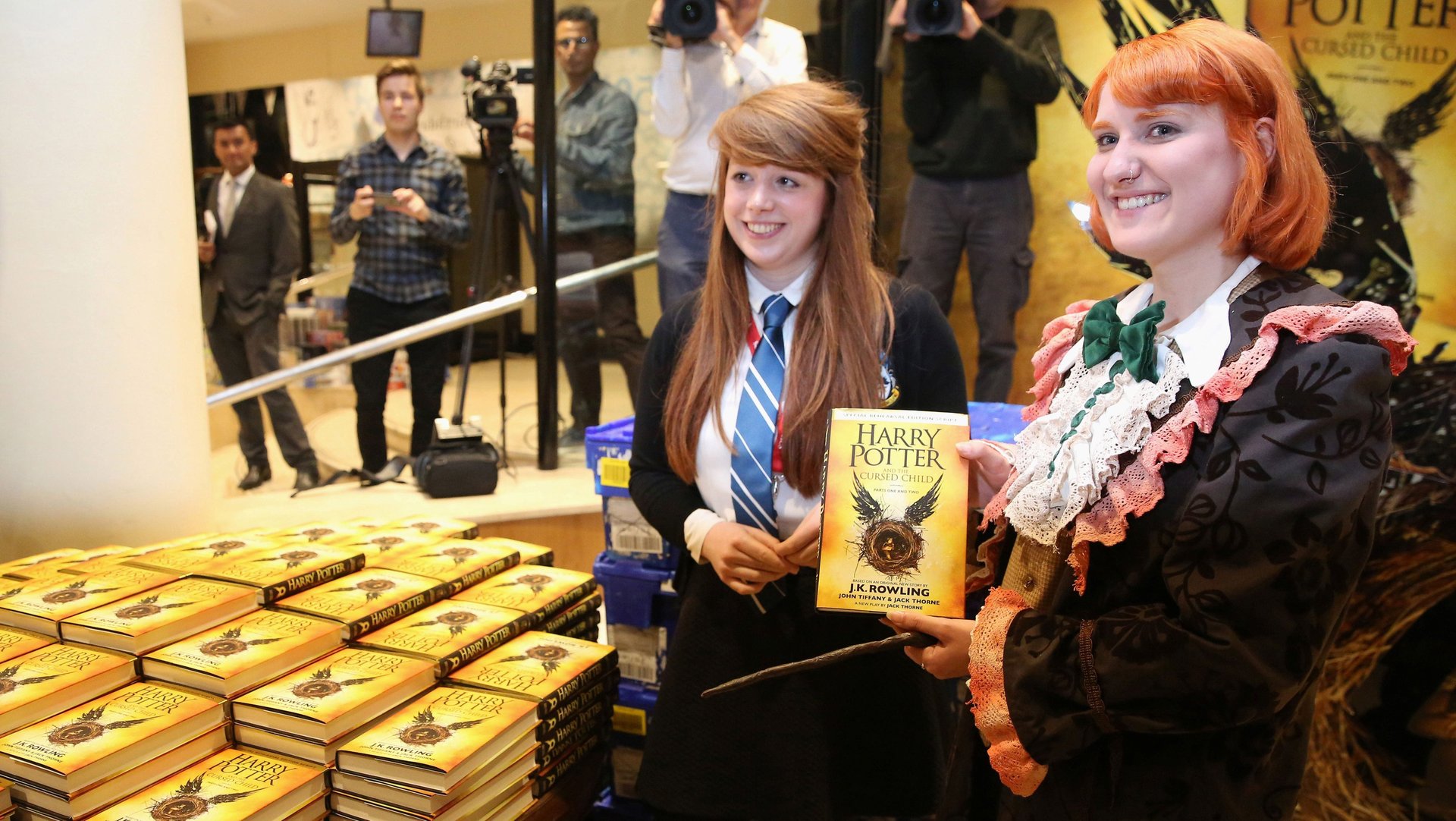
The reviews are in for Harry Potter and the Cursed Child, Parts I and II on Broadway, which opens this week. According to critics, the show is “a triumph of epic proportions”; the pacing is “a master class in brisk but lucid exposition”; the lighting is “game-changing”; the acting “exquisitely classic.”

In 2018, Michael Wolff’s Fire and Fury and James Comey’s A Higher Loyalty have captured US readers with juicy insights into the Trump White House. But what books bring Americans deep, blithe pleasure?

Watch This is a Quartzy recommendation series that spotlights unusual or surprising television shows and films to check out. You’ll find all the entries here.

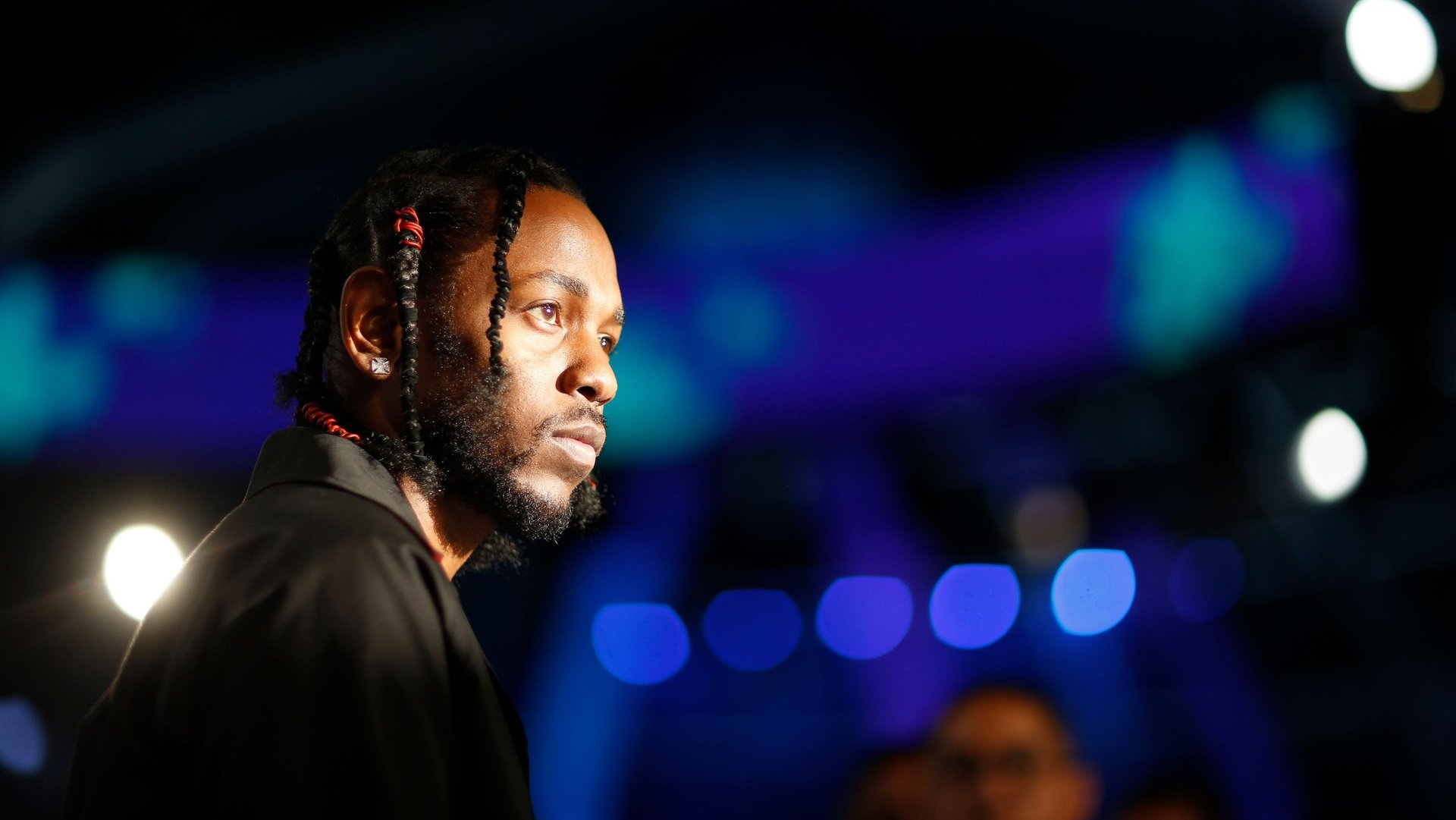
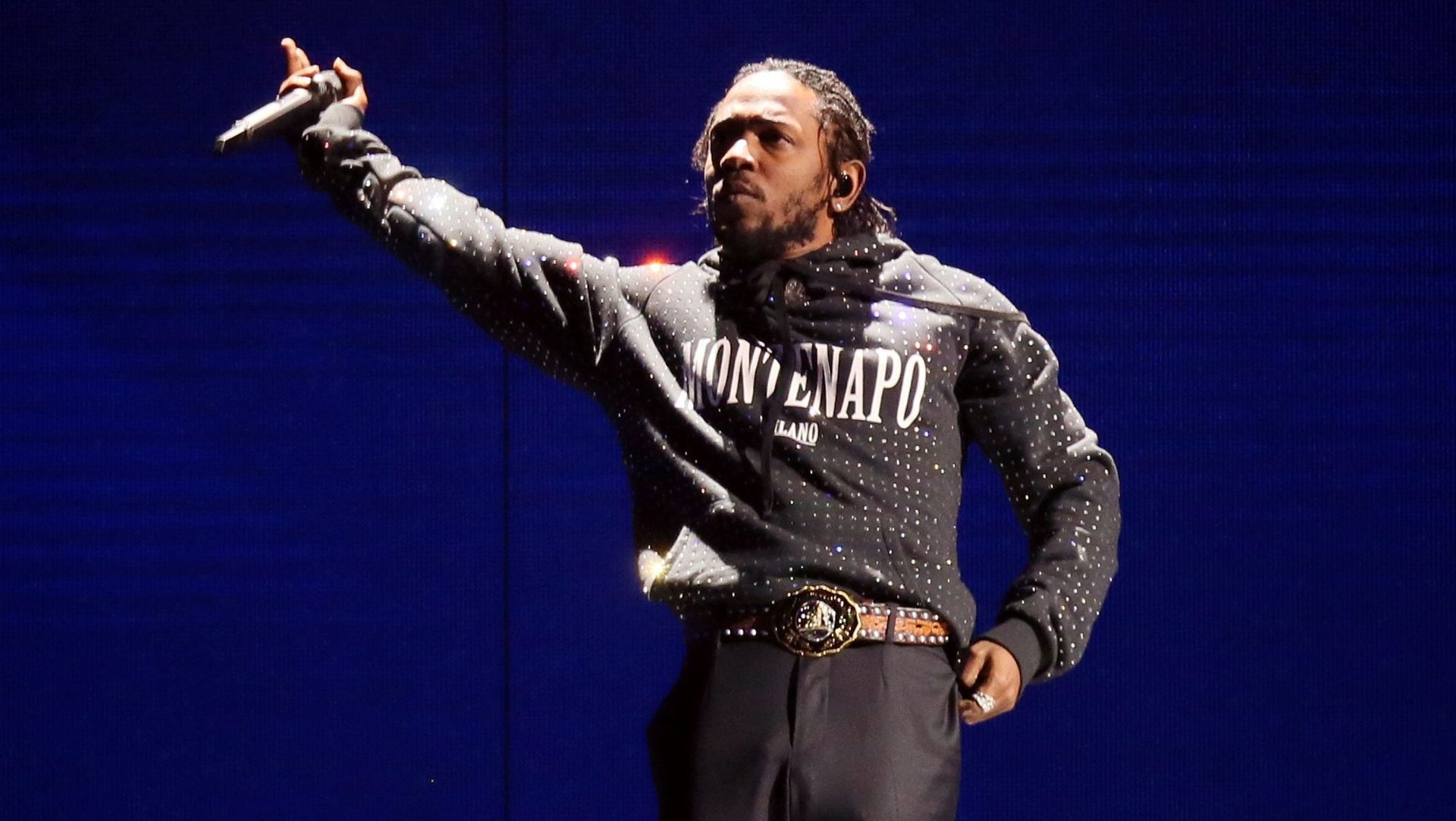
Kendrick Lamar, intimate storyteller, social commentator, avant-jazz artist, and popular rapper, can add an unexpected accolade to his résumé. His album DAMN. has won the 2018 Pulitzer prize for music. That marks the first time in the prize’s 75-year history that it was awarded to a musical work that is not jazz or classical.

It has been a difficult few years for US news organizations. President Donald Trump relentlessly attacks what he believes to be a biased, factually agnostic media, while he breaks protocol for keeping the public informed and tweets outright lies. Today the Pulitzer Prize, the biggest prize in US journalism, celebrates the persistence of reporters and commenters.

The winners of the biggest US prize for arts have been announced. This year’s Pulitzer prizes in arts—officially the “letters, drama, and music” awards—explore themes of privilege, race, and cultural production. (The prizes for journalism were also announced today.)

English is a messy language. The roots of its grammar are Germanic, but its vocabulary comes mostly from Romance languages. And as a global lingua franca, hundreds of millions of people modify it, and invent new meanings and grammar. So how can any one culture lay claim to its proper use?

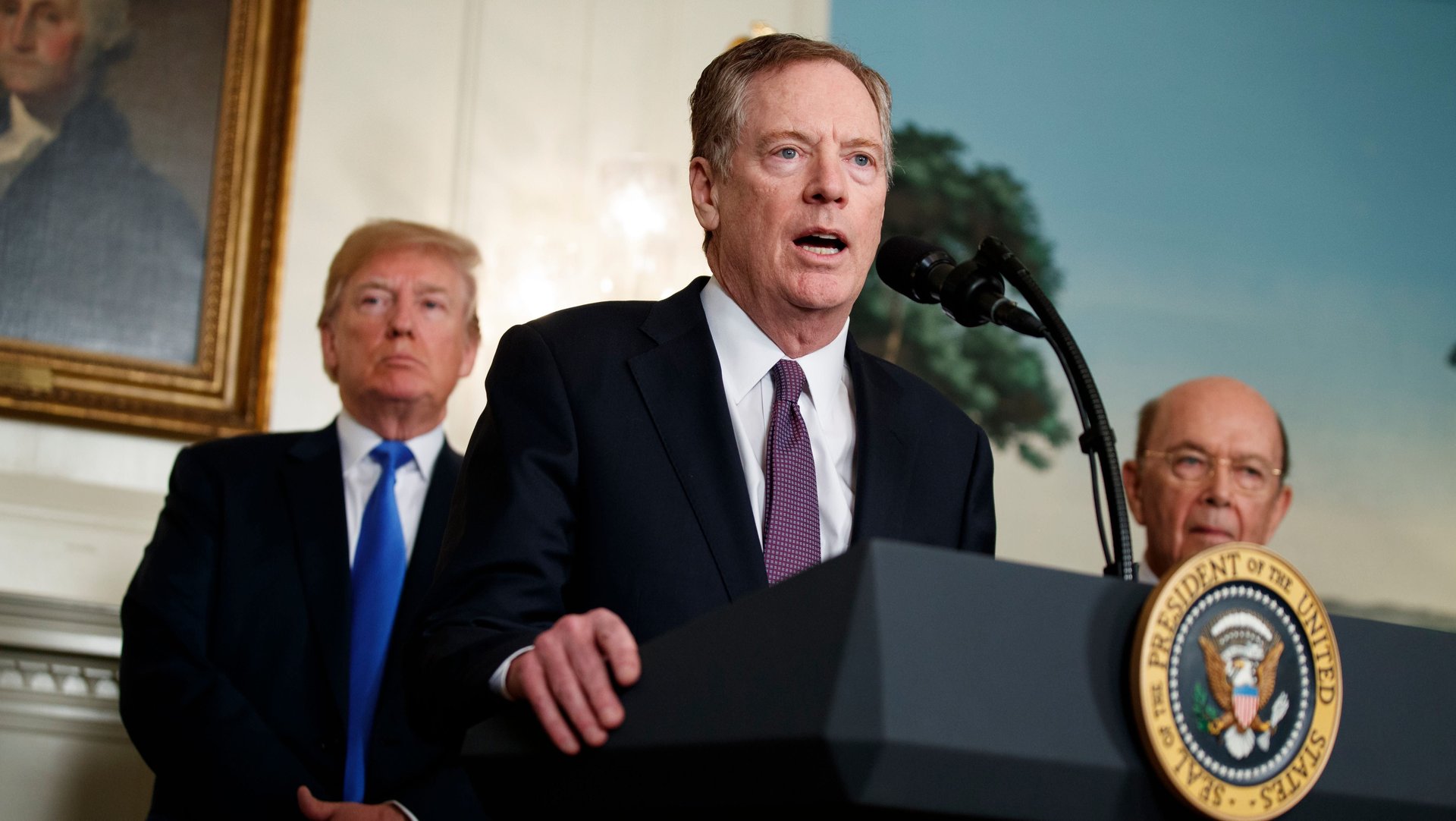
US trade representative Robert Lighthizer is the man lurking in the shadows of Donald Trump’s trade offensive on China.

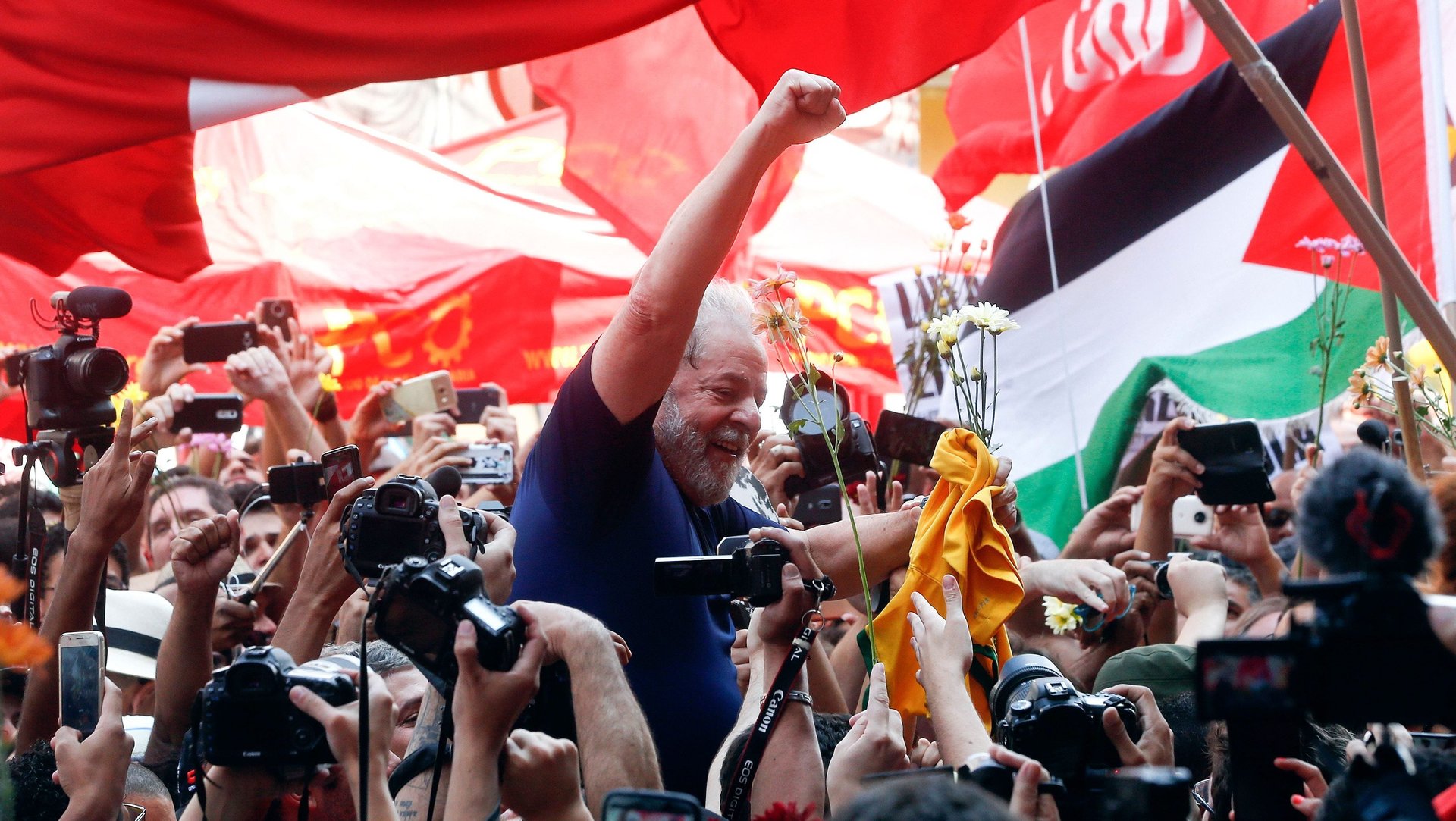
Riding a literal wave of support, Luiz Inácio Lula da Silva is headed to prison.

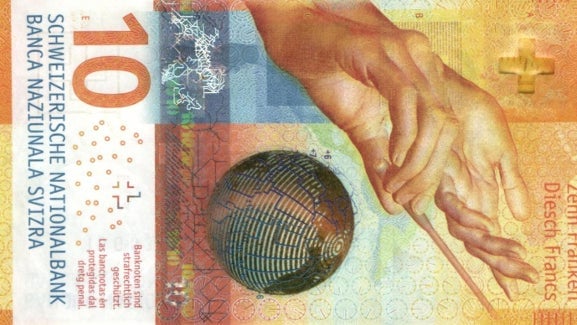
Which country’s currencies elicit shivers of pleasure, exchange rates be damned? For the second year in a row, the Swiss franc wins for its svelte stacks.

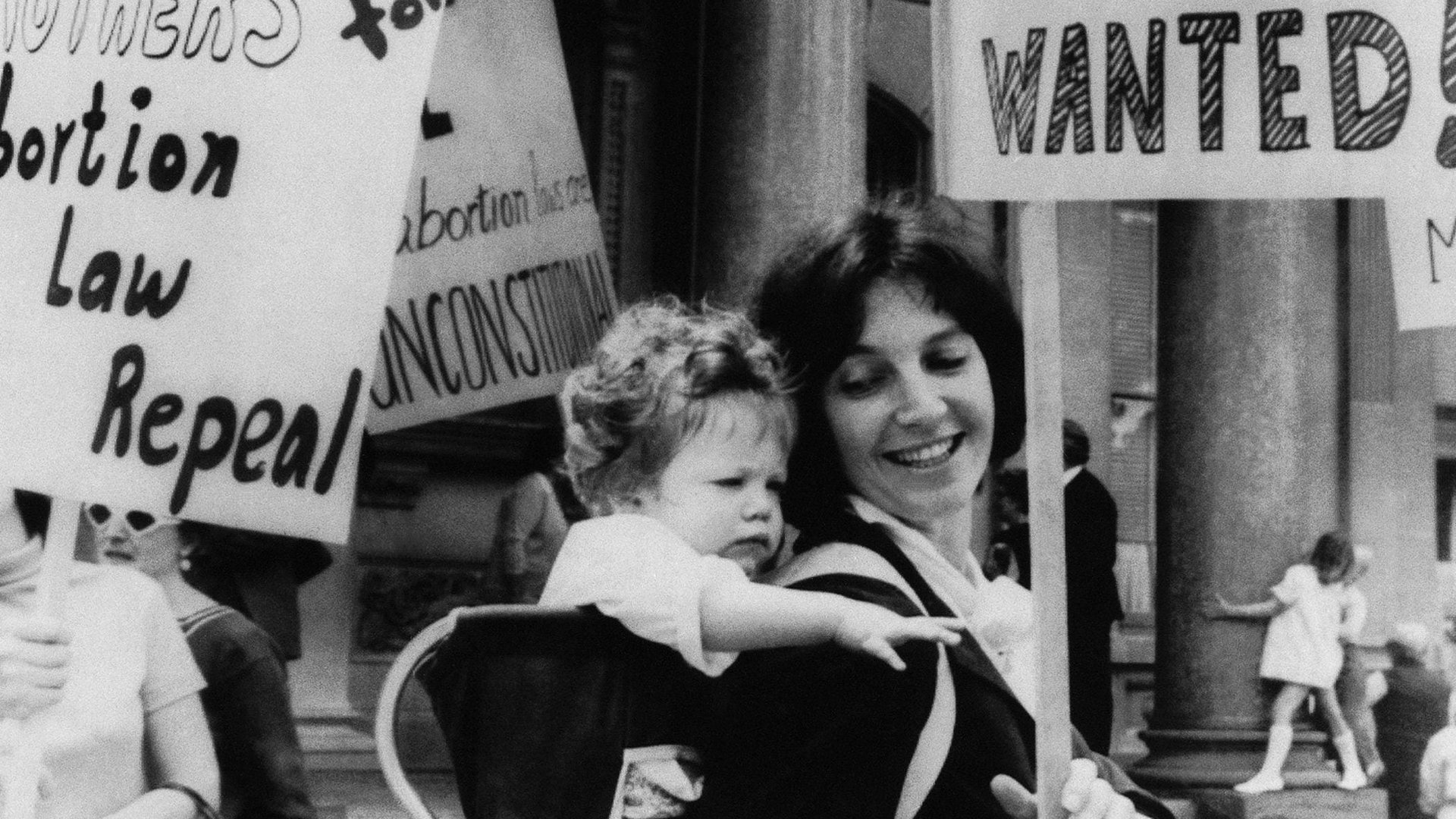
A book that helped a generation of women take the shame out of understanding their bodies, is quietly slipping away.

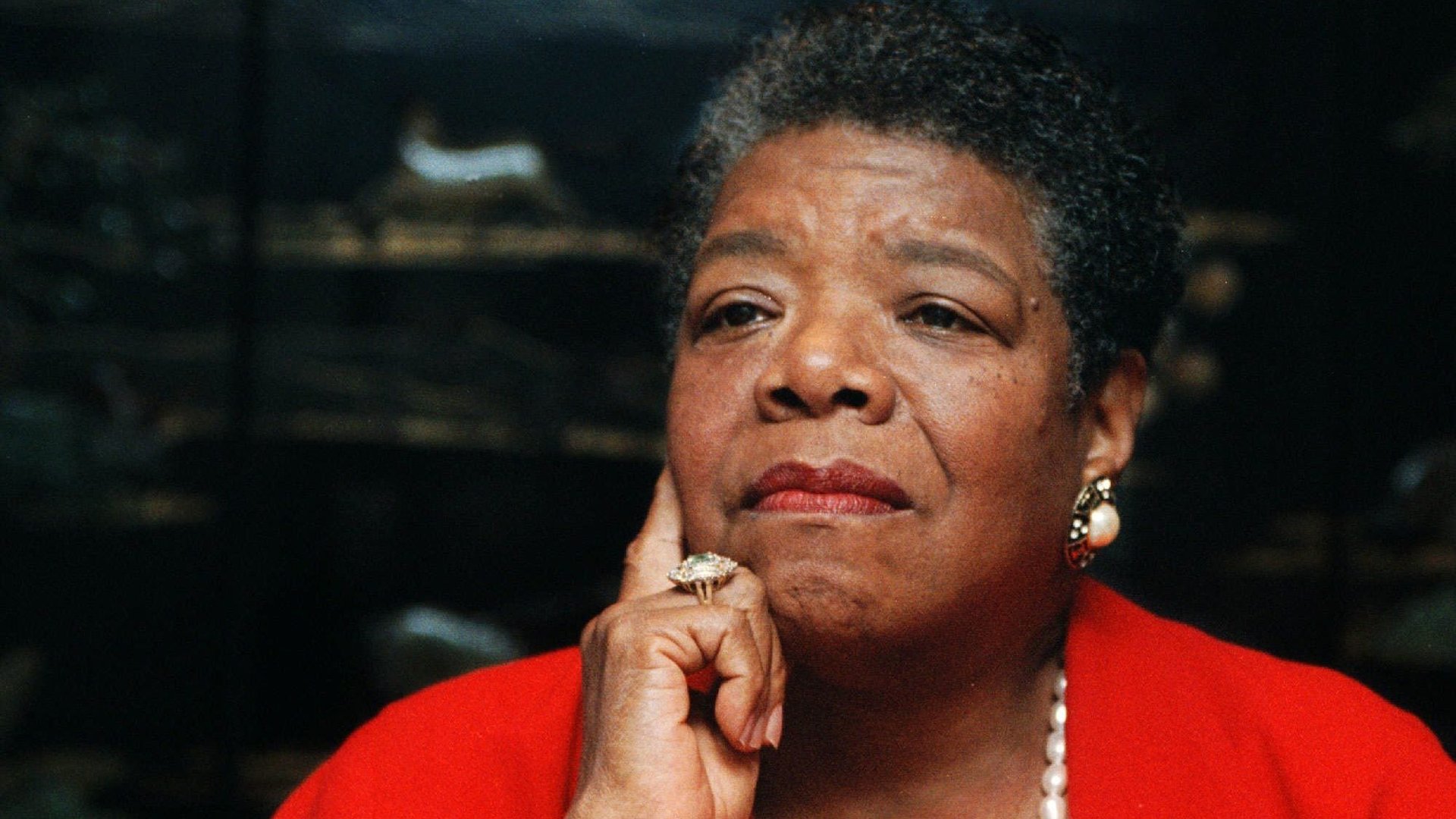
Maya Angelou died in 2014, but today would have been her 90th birthday. During her lifetime, the writer was a towering cultural figure, whose stories of trauma and racism showed that the stories of black women could find mainstream success.

A new French cultural phenomenon is spreading to the US. It’s not creamy cheese or baby-feeding crazes, but very short short stories, printed out on scrolls of paper and dispensed for free from vending machines.

“I think there are two kinds of feminists. The famous ones, and everyone else.”

Last week the New York Times reported that the hit Broadway musical Dear Evan Hansen will be adapted into a novel this October, from Little, Brown Books for Young Readers. It’s an unusual move: Books are used often as source material for movies, TV shows, and even musicals but it’s far less common in reverse.

If you’re looking for your next book recommendation, ask someone who still has a curfew.