
Tech & Innovation
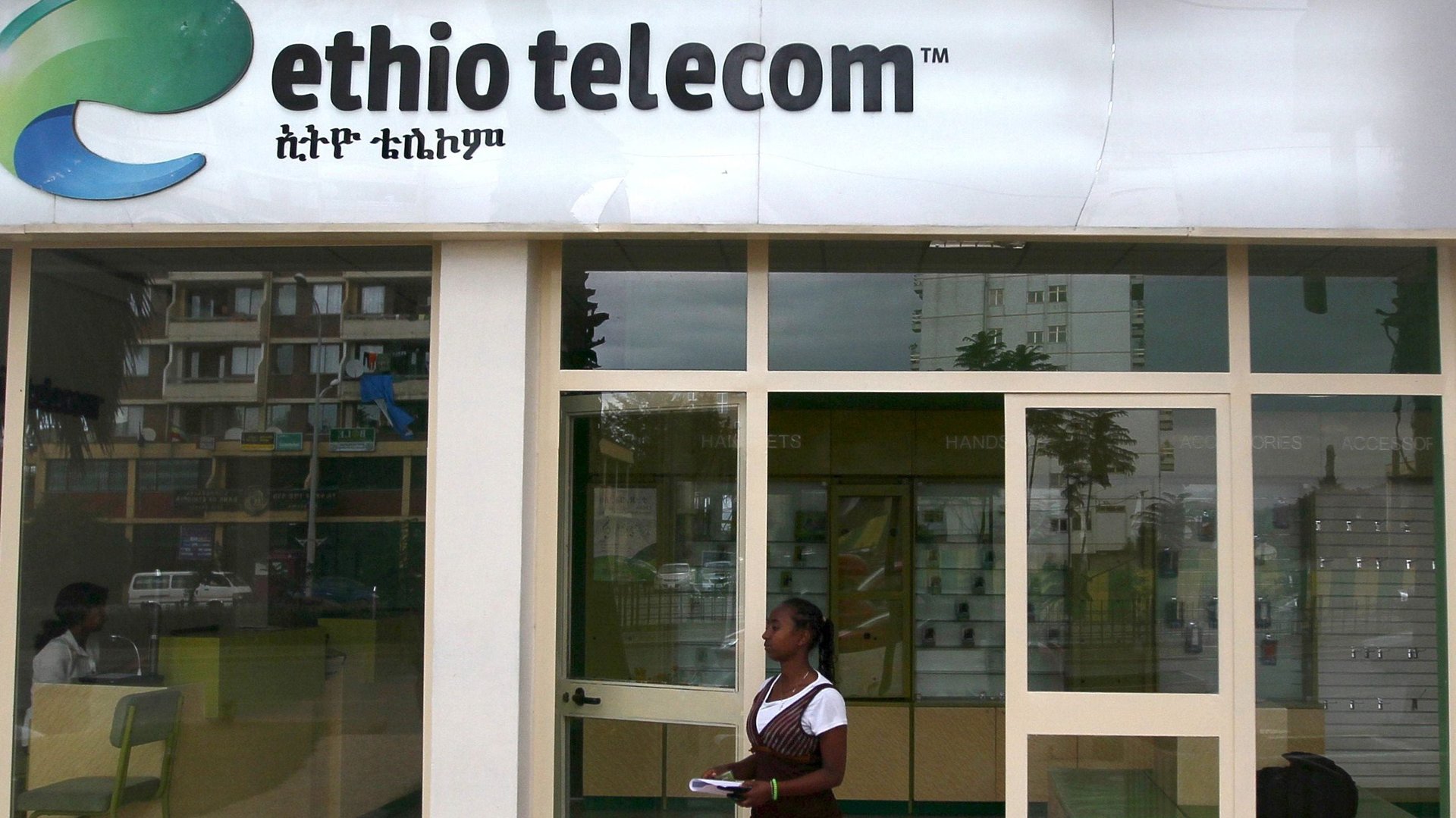
Ethiopia’s tech startups are confident change is coming at just the right timeParis
Updated July 20, 20223 min read
Paris
Paris

The Angolan newspaper Expansão had an intriguing front page cover this week. It declared, “Every Angolan owes $745 to China.” It also listed debt to other countries, but debt to China was more than seven times what’s owed to the next creditor, Israel. By some estimates Angola owes some $25 billion to China. Since resuming ties in 1983, Angola has taken $60 billion from China in loans and investments.
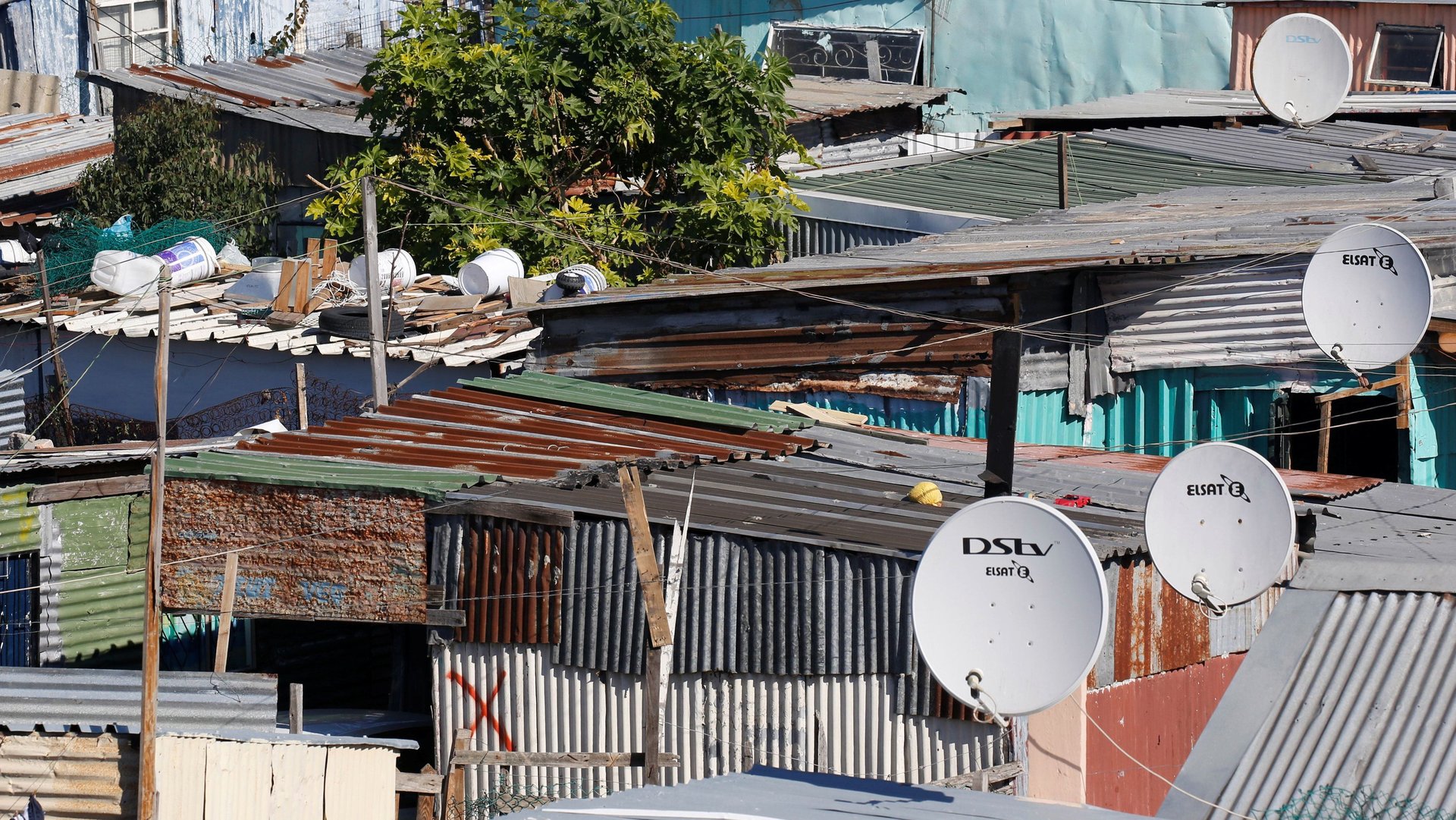
For years, media execs have fretted about the fate of their industry, as the internet has eaten into their print and broadcast TV business models. The phenomenon, as then NBC boss Jeff Zucker (now head of CNN) once described it, is like “trading analog dollars for digital cents.”
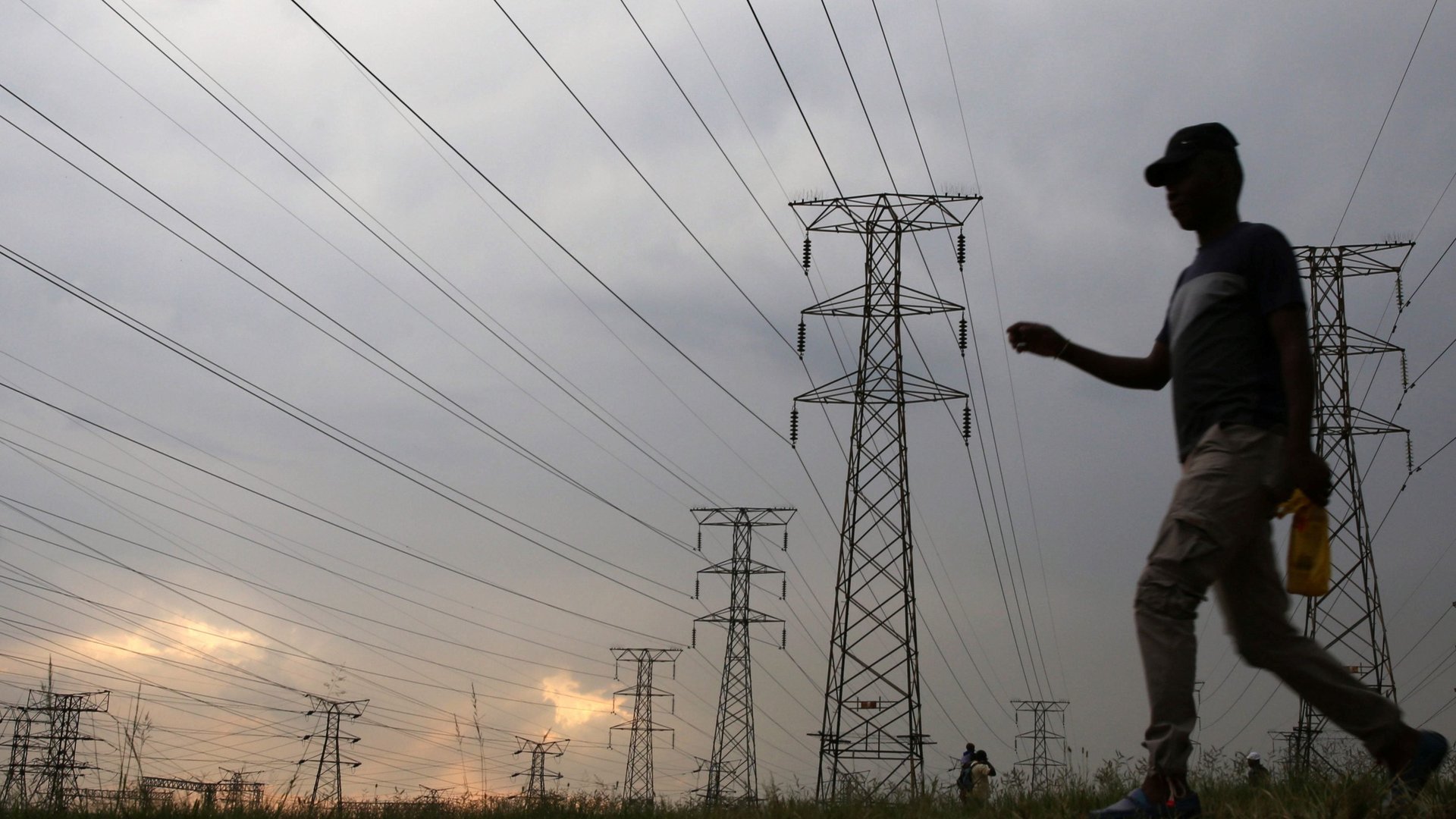
More Africans than ever before have electricity but there are still 600 million on the continent without it. The household electrification rate in sub-Saharan Africa is the lowest in the world, around 42% in 2016, and that’s despite the many programs providing access for 70 million people since 2014.

The first decade of Africa’s tech startup funding has been led by angel and early-stage investors. Most of that funding was relatively modest: usually between $10,000 and $50,000. Still, it was enough to help entrepreneurs and local ecosystems get off the ground with limited infrastructure or market capacity.
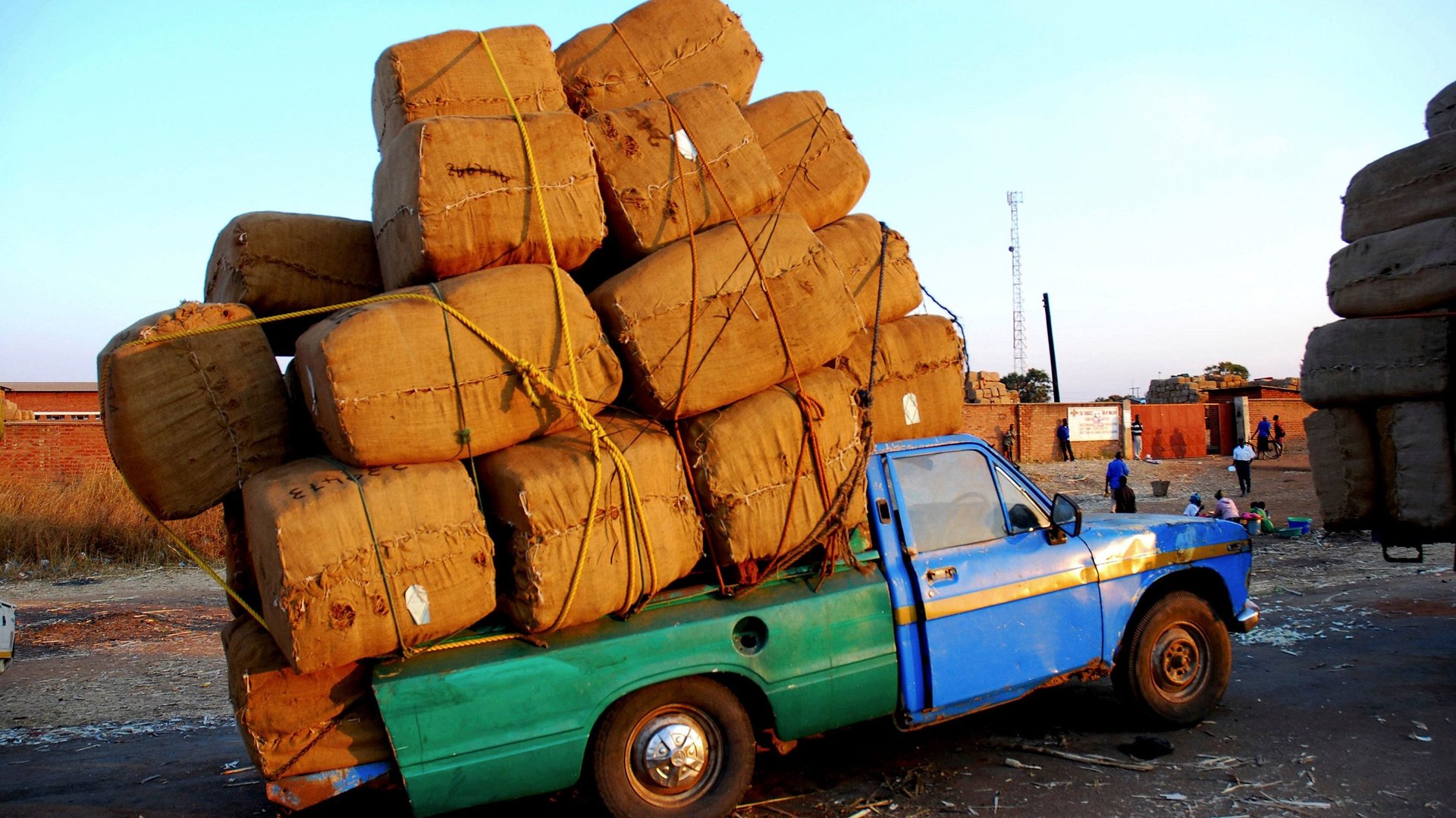
Last month, ahead of his ill-fated African tour, then US secretary of State Rex Tillerson warned African governments about the amount of debt they were amassing from China. In reaction, there was collective eye-rolling around the world, especially in Africa, as China’s largest debtor seemed to be lecturing African countries, without irony, about the perils of taking on too much credit from the Chinese.
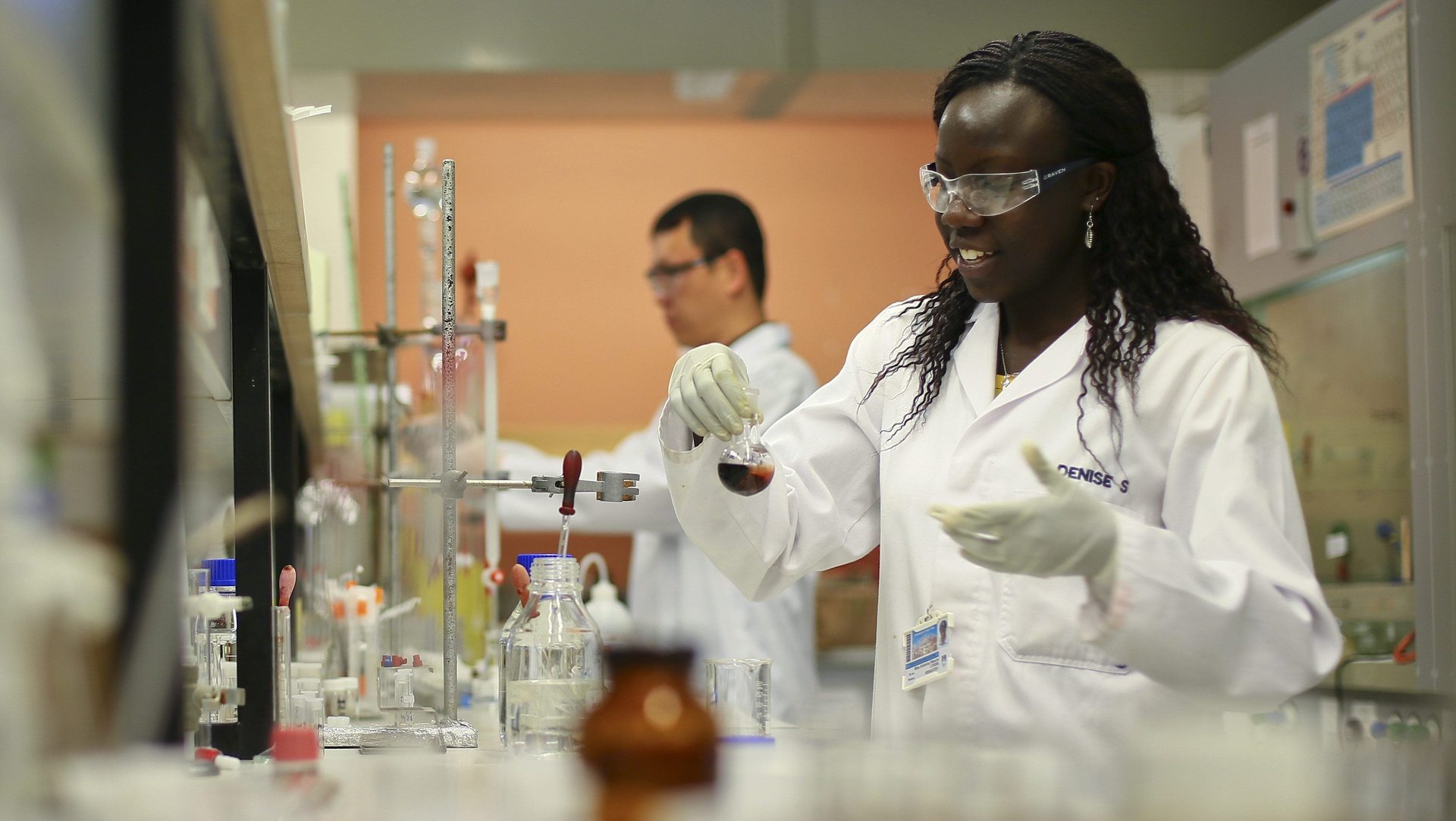
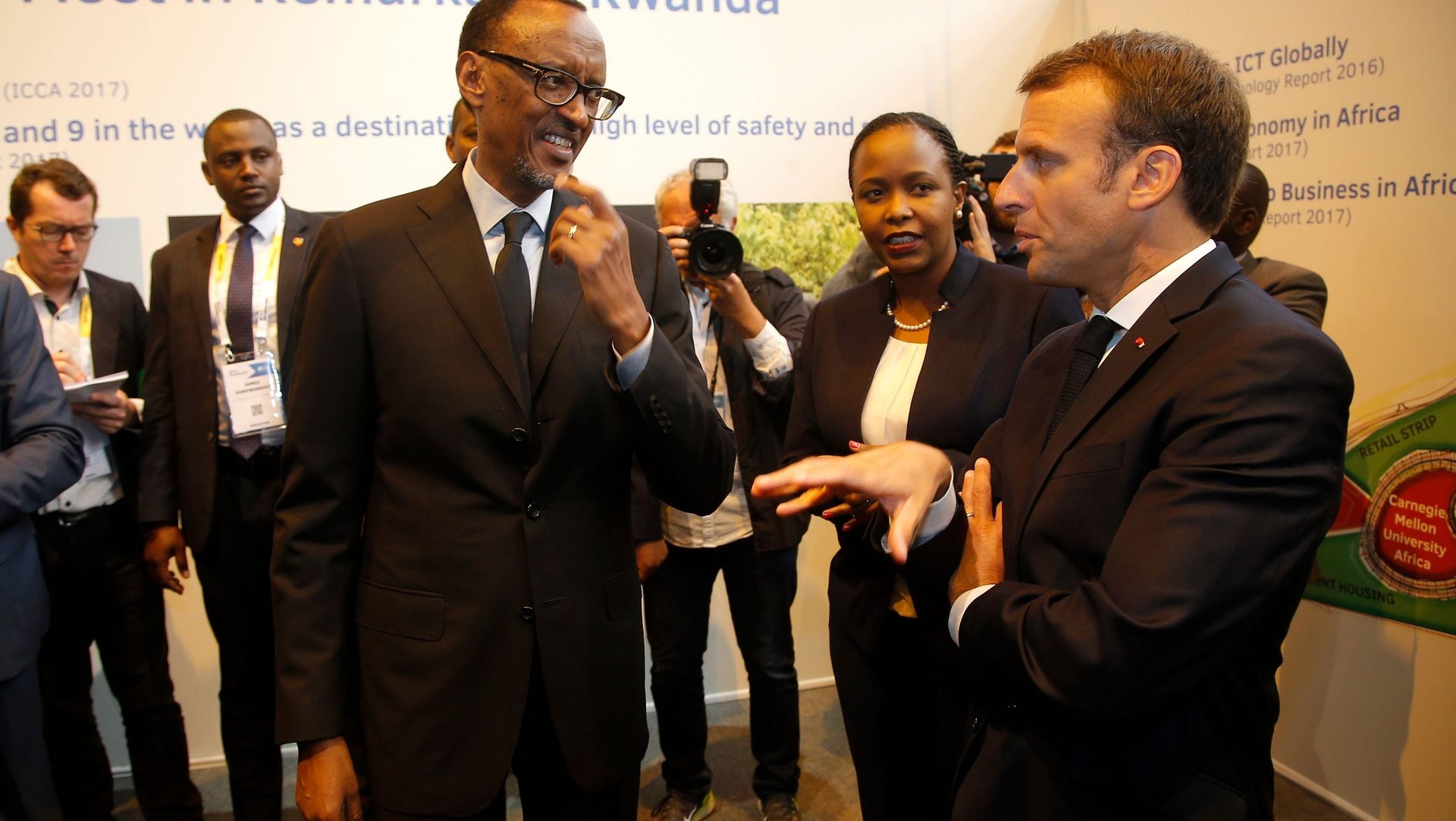
Kigali, Rwanda
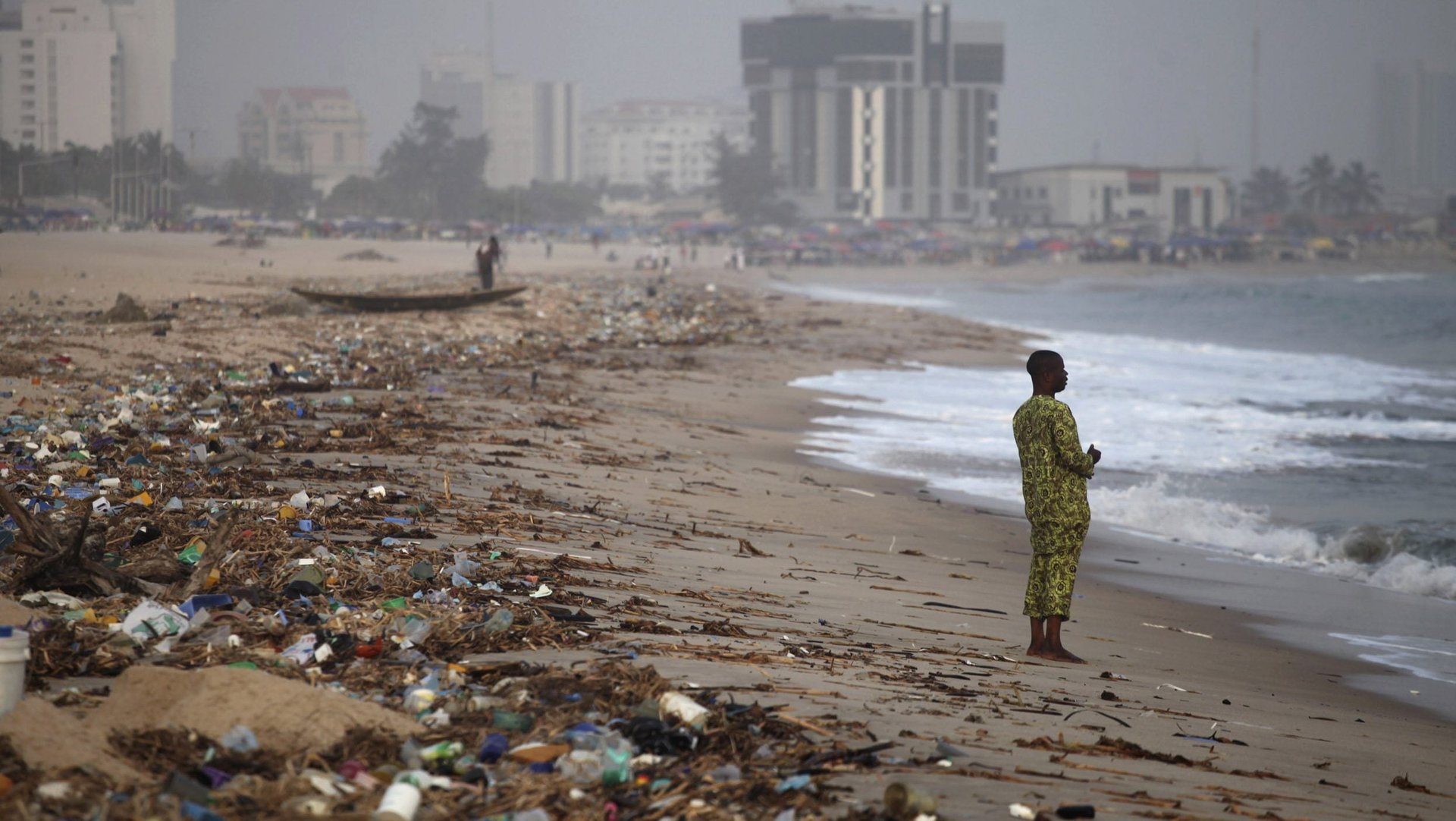
“I am going over to London, to learn how English carry dustbin.”
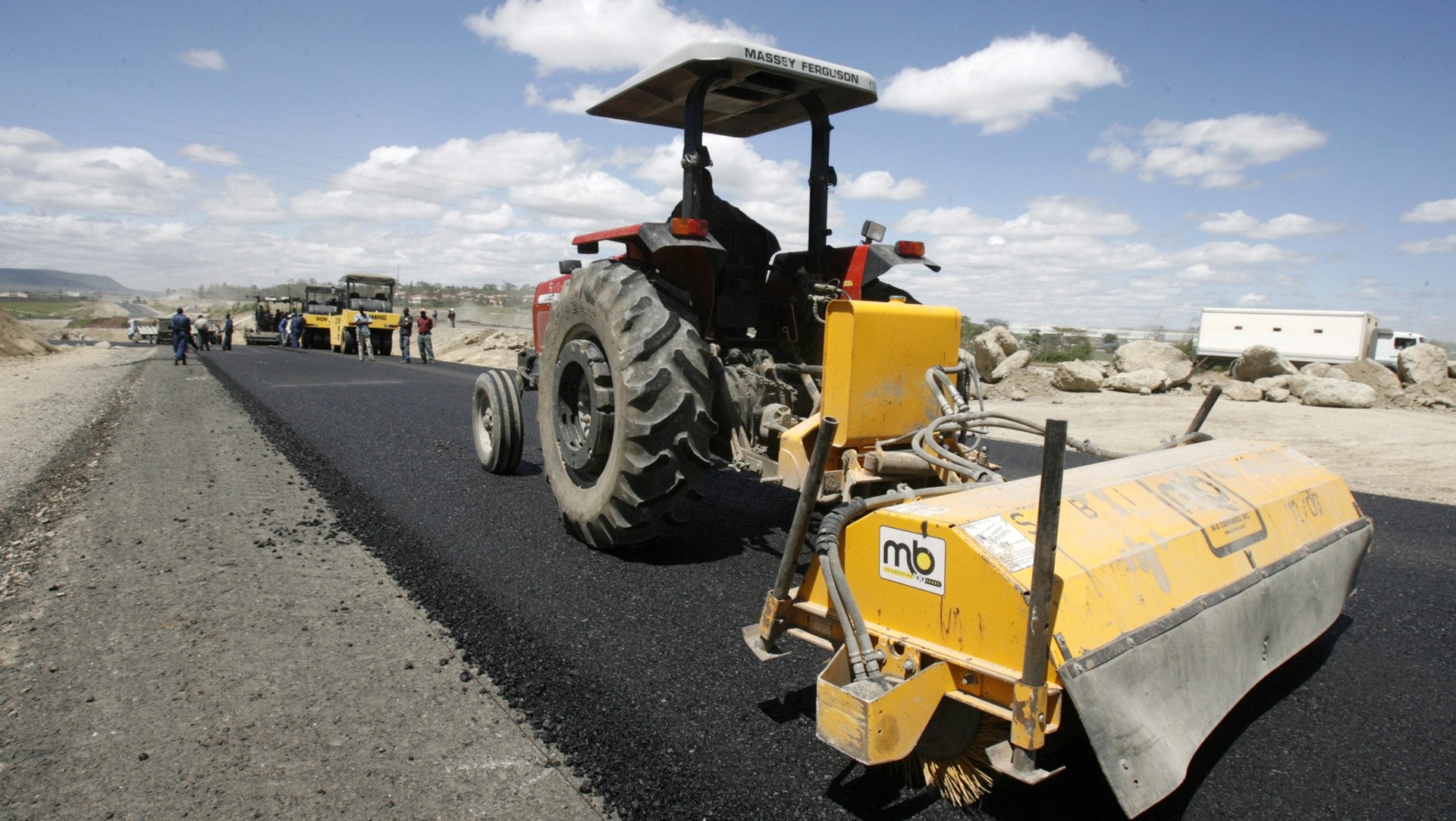
I recently asked a business acquaintance how long it took to travel by road between DR Congo’s two biggest cities, Kinshasa to Lubumbashi. There was a long sigh, a pained look, then a helpless shrug. “It could take a week or two.”

The last decade of building digital startups and tech ecosystems across Africa has focused around local hubs in big cities, usually led by accelerator and incubator programs. In many cities, especially in the early days—when internet infrastructure, talent, and capital were even scarcer than they are now—aggregating demand in one location under the roof of an accelerator hub was incredibly important.
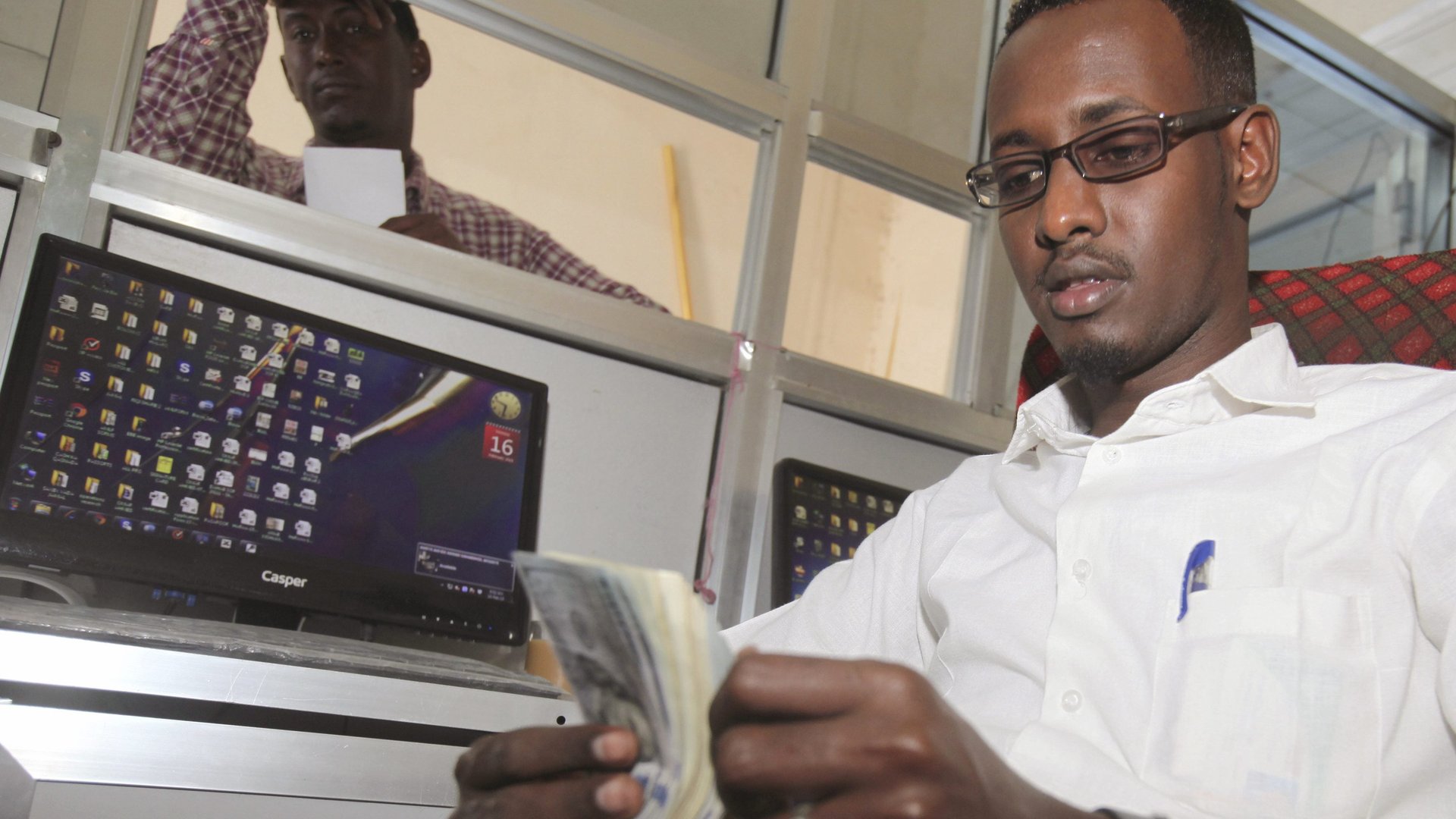
Since 2010, international migrant population numbers from Africa have grown significantly. So much so that eight in 10 of the fastest-growing migrant populations are from sub-Saharan African nations, according to a Pew Research Center analysis of the latest United Nations data on the number of emigrants, or people living outside their country of birth.

WhatsApp has always been pretty basic. Its simple interface and ‘lite’ weight have helped ensure the messaging app’s ascendancy in emerging markets across Africa, South Asia, and Latin America, where internet access has either been too expensive or too slow to handle some of the heavier social media options. But the habits of those markets are also informing WhatsApp’s strategy, which looks increasingly different than Facebook’s.
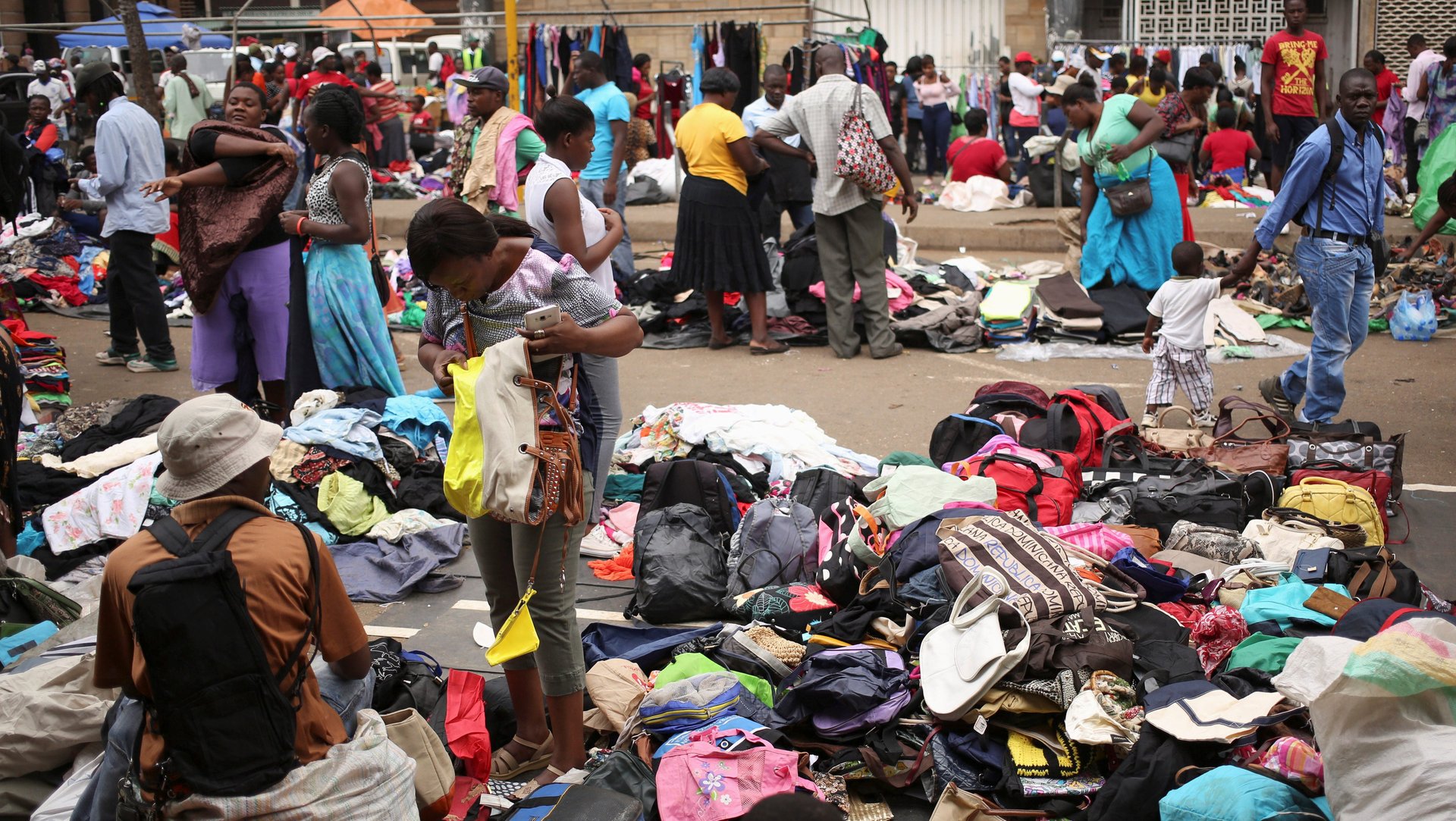
On the face of it, 2018 is going to be a good year for sub Saharan Africa’s economies. The World Bank forecasts growth of 3.2% for the year, up from 2.4% in 2017. It also predicts slightly higher growth for 2019 of 3.5%.
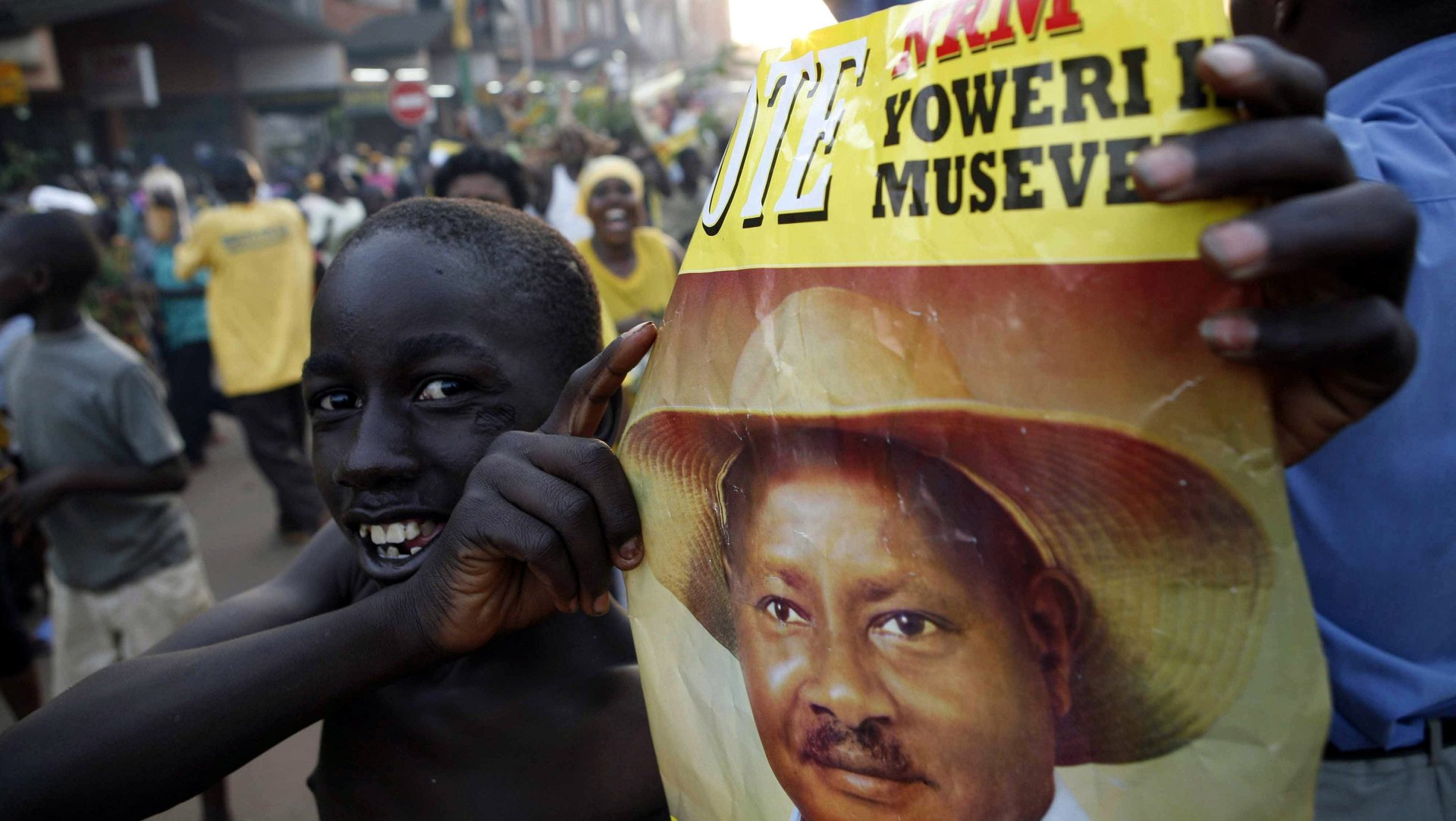
When former Zimbabwe president Robert Mugabe, 93, was unceremoniously marched out of the office he held for 37 years, hope remained that the moment last month could be a turning point in Africa’s long history of “old men” running the continent.

Many of us are instinctively aware that most of sub-Saharan Africa’s economies are dominated by their informal sectors.
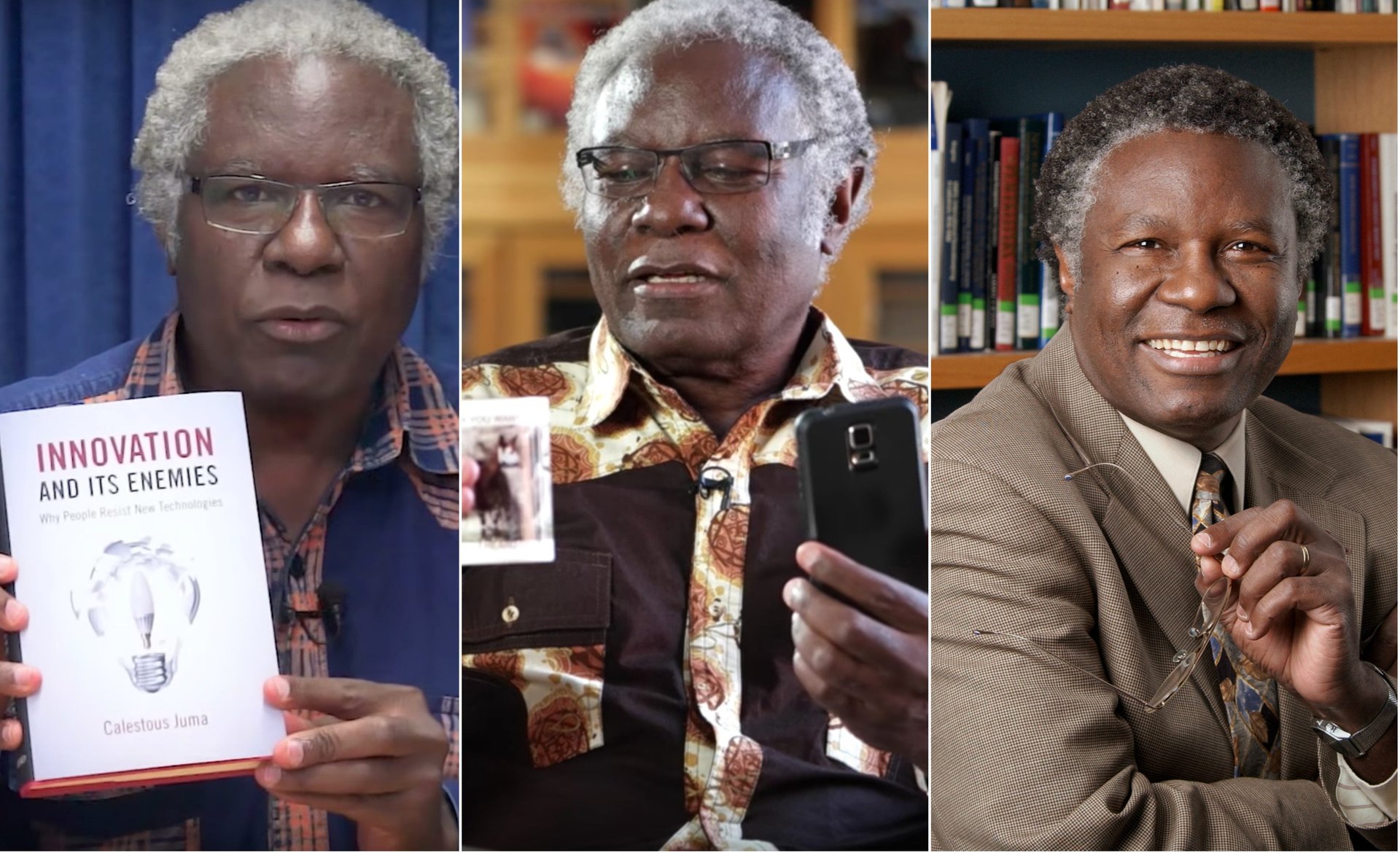
Three years ago, when we started discussing what an Africa edition of Quartz would look like it didn’t take long for us to come to the conclusion that telling the continent’s stories through a lens of innovation would be the most rewarding approach for our readers.
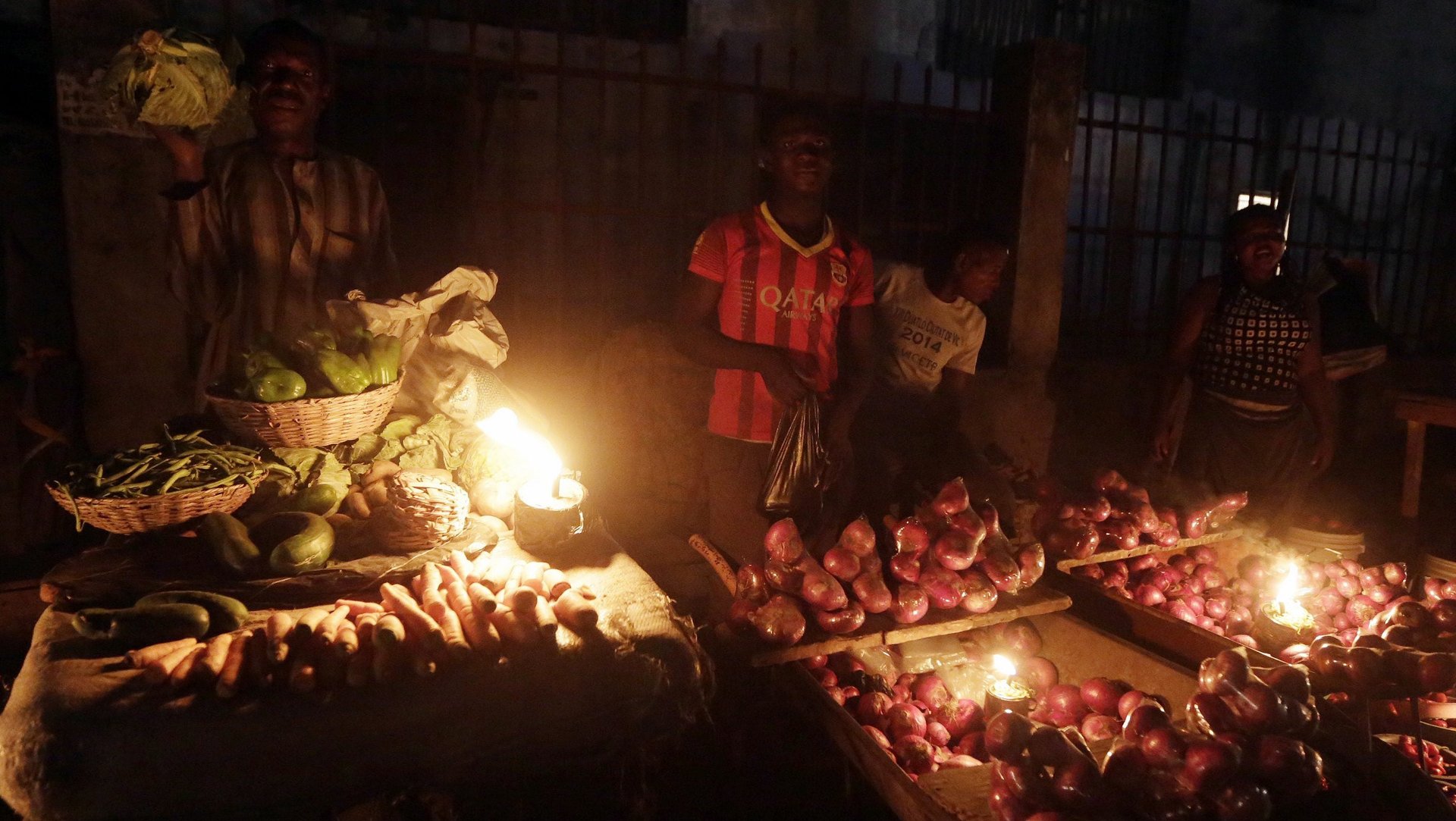
The idea that technology and innovation can have a meaningful impact on African countries is something championed in many of the stories you’ll read on Quartz Africa. We regularly see ingenuity across the continent as different communities try to get around daily challenges, in many cases requiring that they overcome long-term infrastructural deficits.
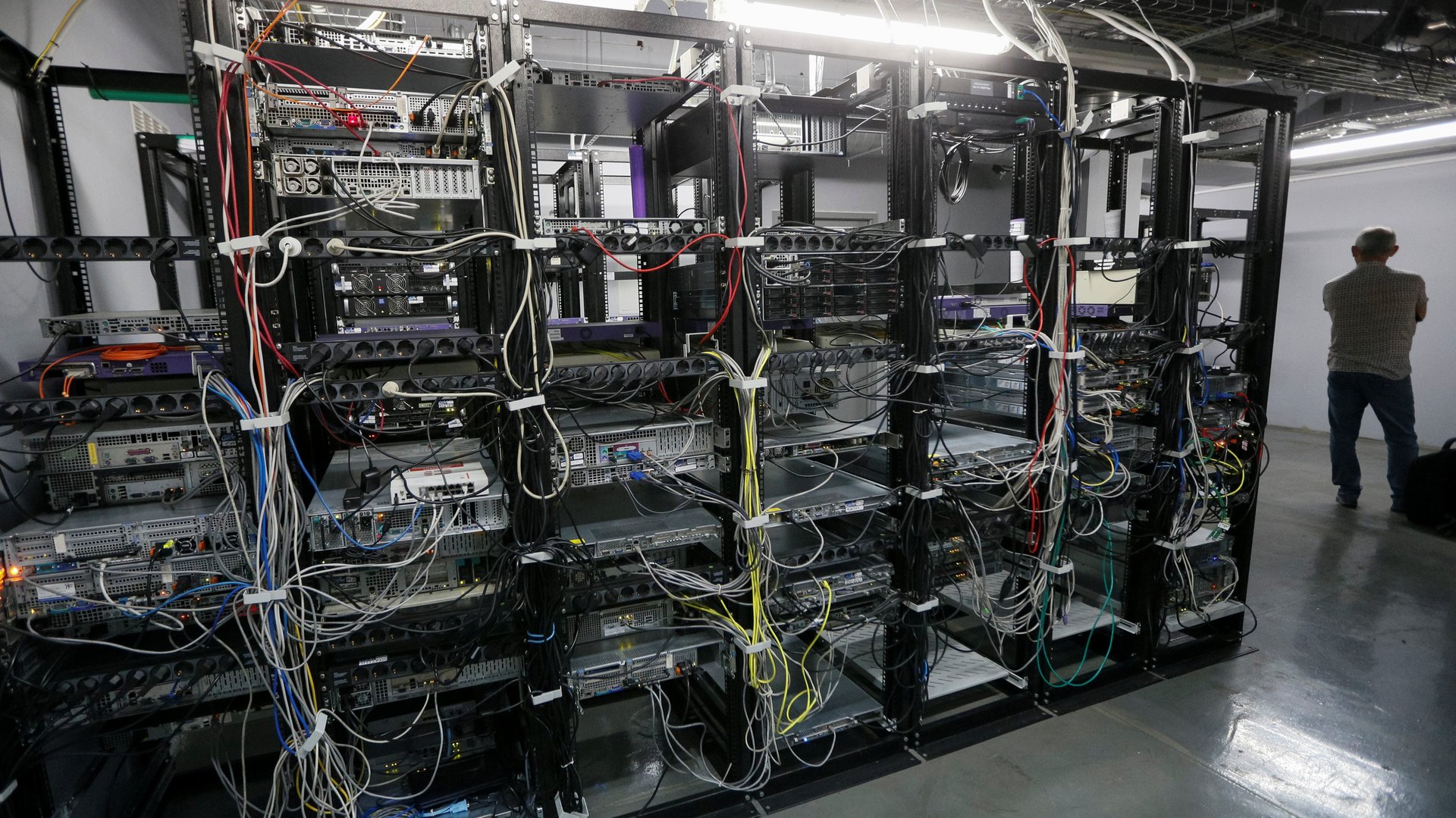
The internet is a good thing for Africa. But it could be an even better thing.
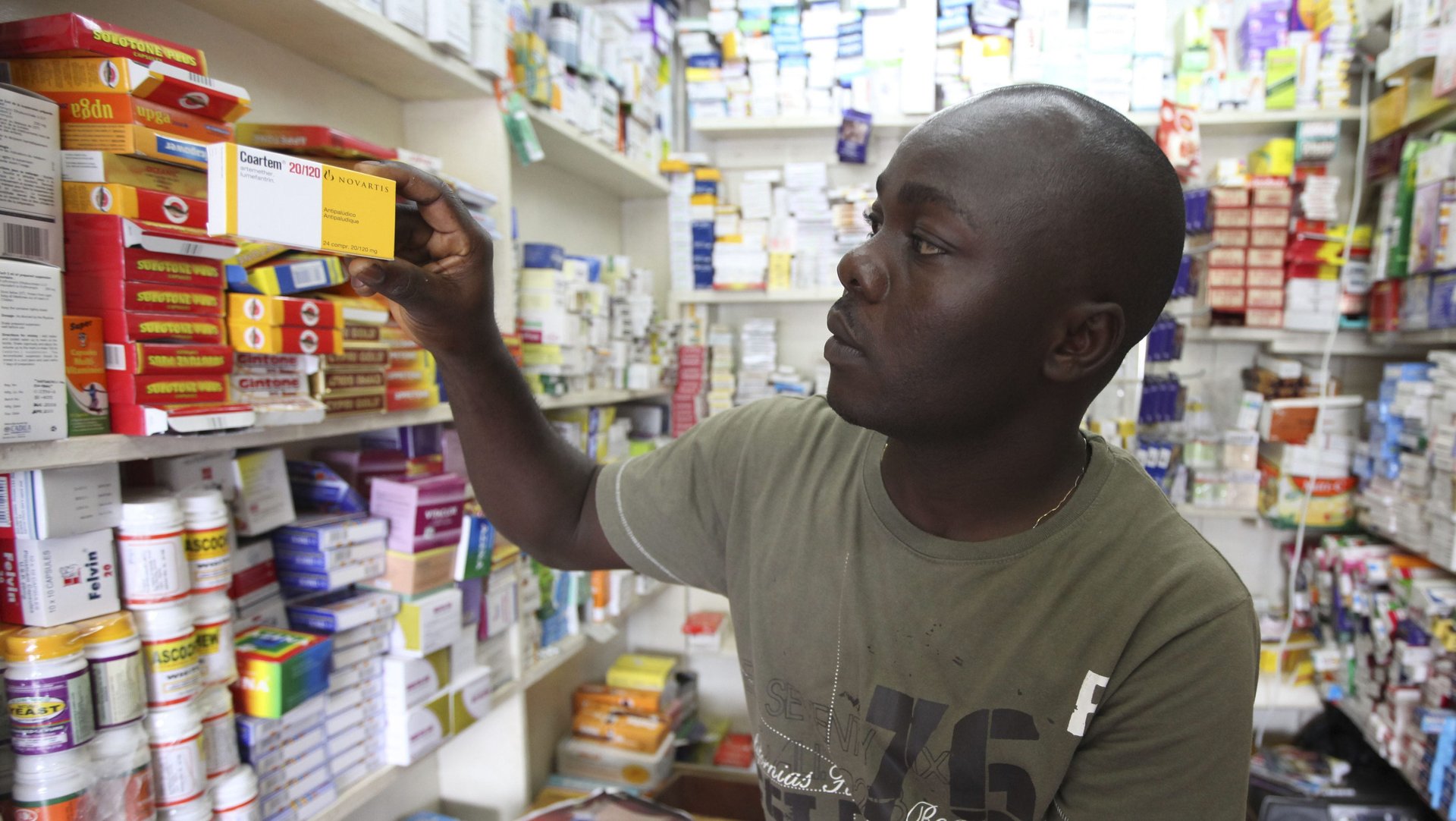
Greg Rockson, founder of mPharma, sometimes struggles to sum up the myriad services his three-year old startup provides. But it’s safe to say the Accra, Ghana-based company is starting to disrupt Africa’s pharmacy retail supply chain and is setting its sights on bigger targets beyond the continent.
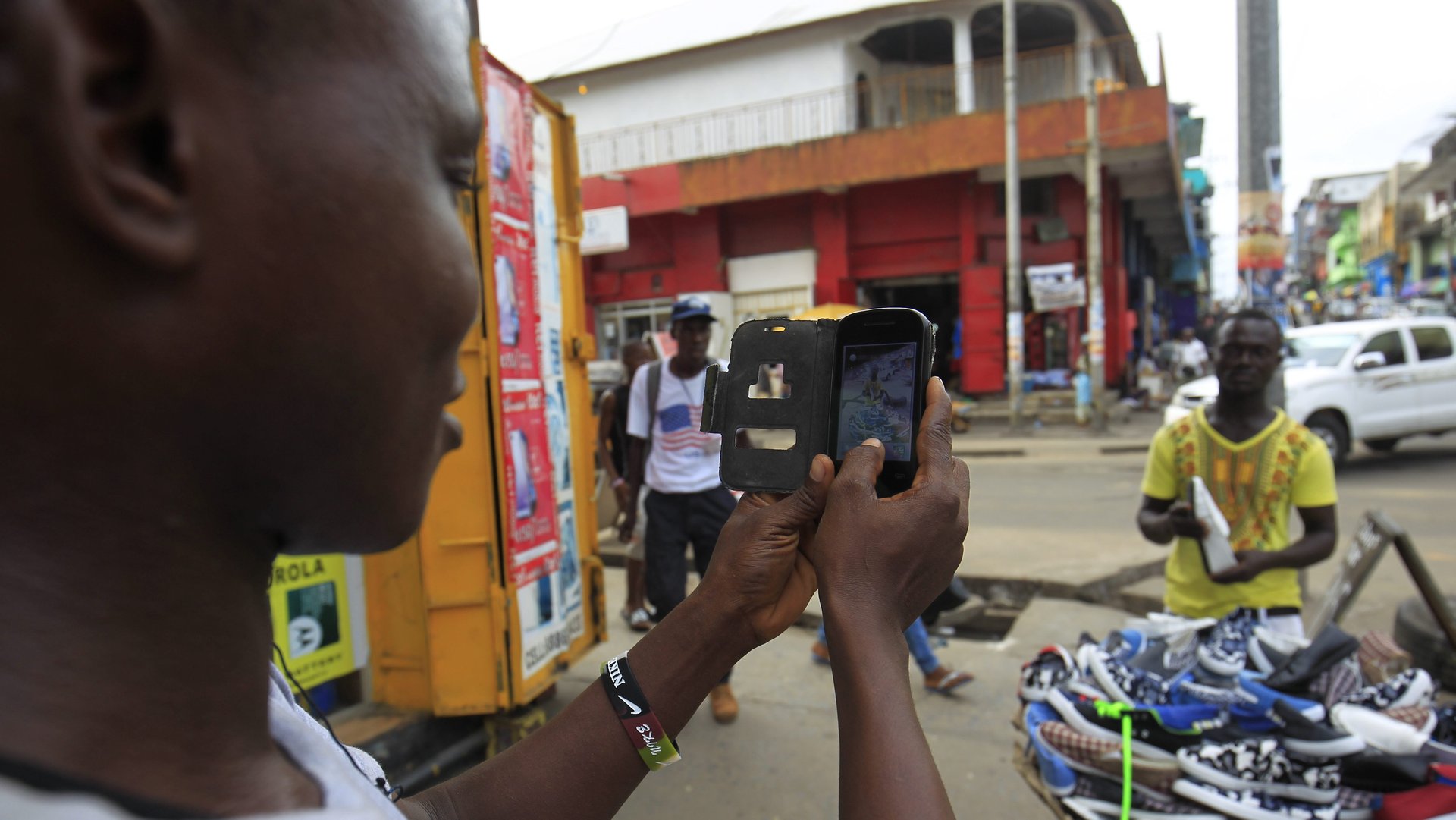
It is easy to glaze over the impact of the mobile phone in Africa, particularly Sub-Saharan Africa. It seems already well-established by all those presentations you’ve probably seen showing farmers getting their produce to the market on time thanks to SMS and a 2G Nokia phone. But mobile telephony’s impact in the region remains very much at an early stage and always worth reevaluating.
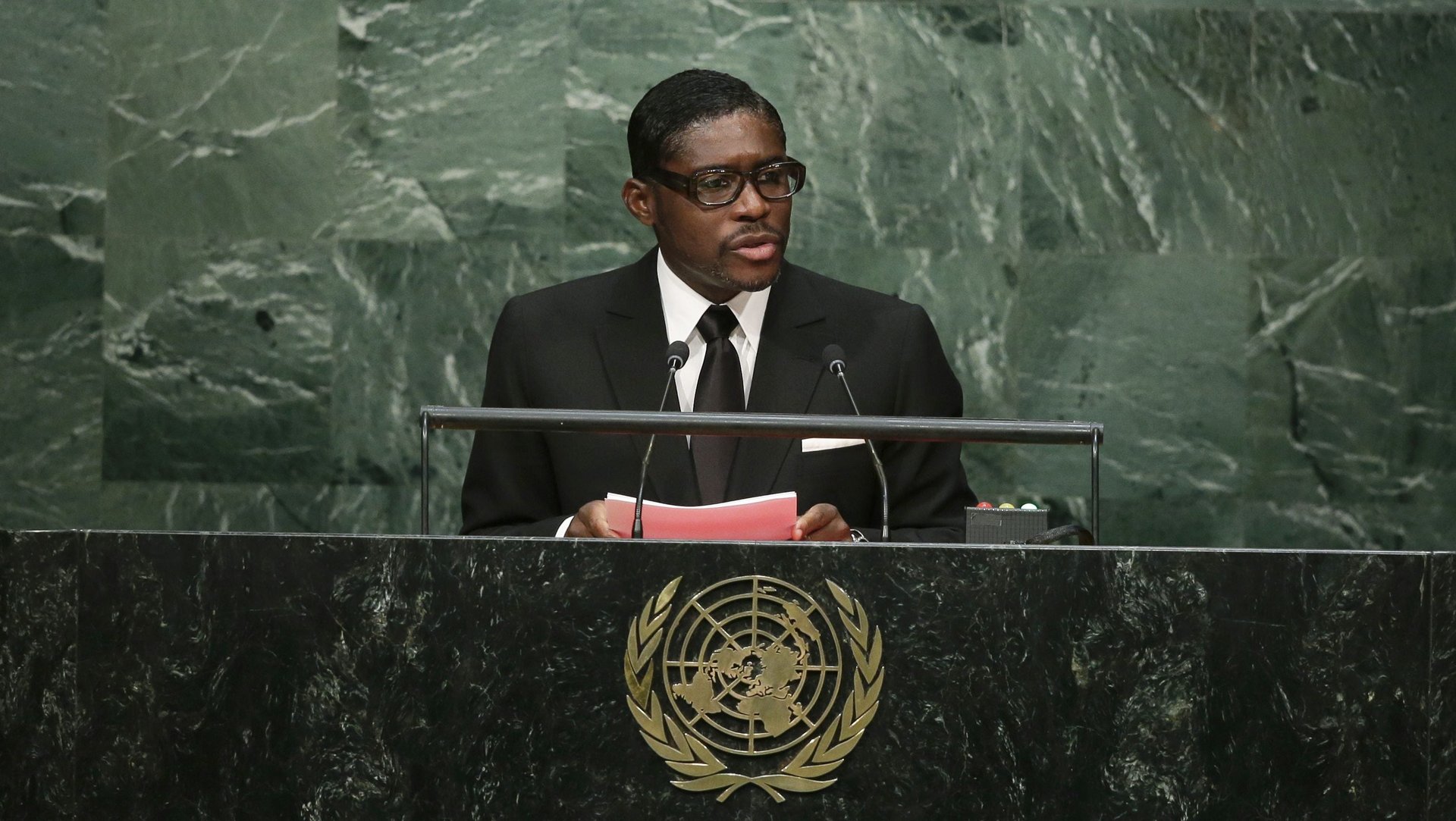
Teodorin Obiang, the playboy son of oil-rich Equatorial Guinea’s leader, and the country’s current vice president, has been found guilty of corruption and sentenced to three years in jail in France.
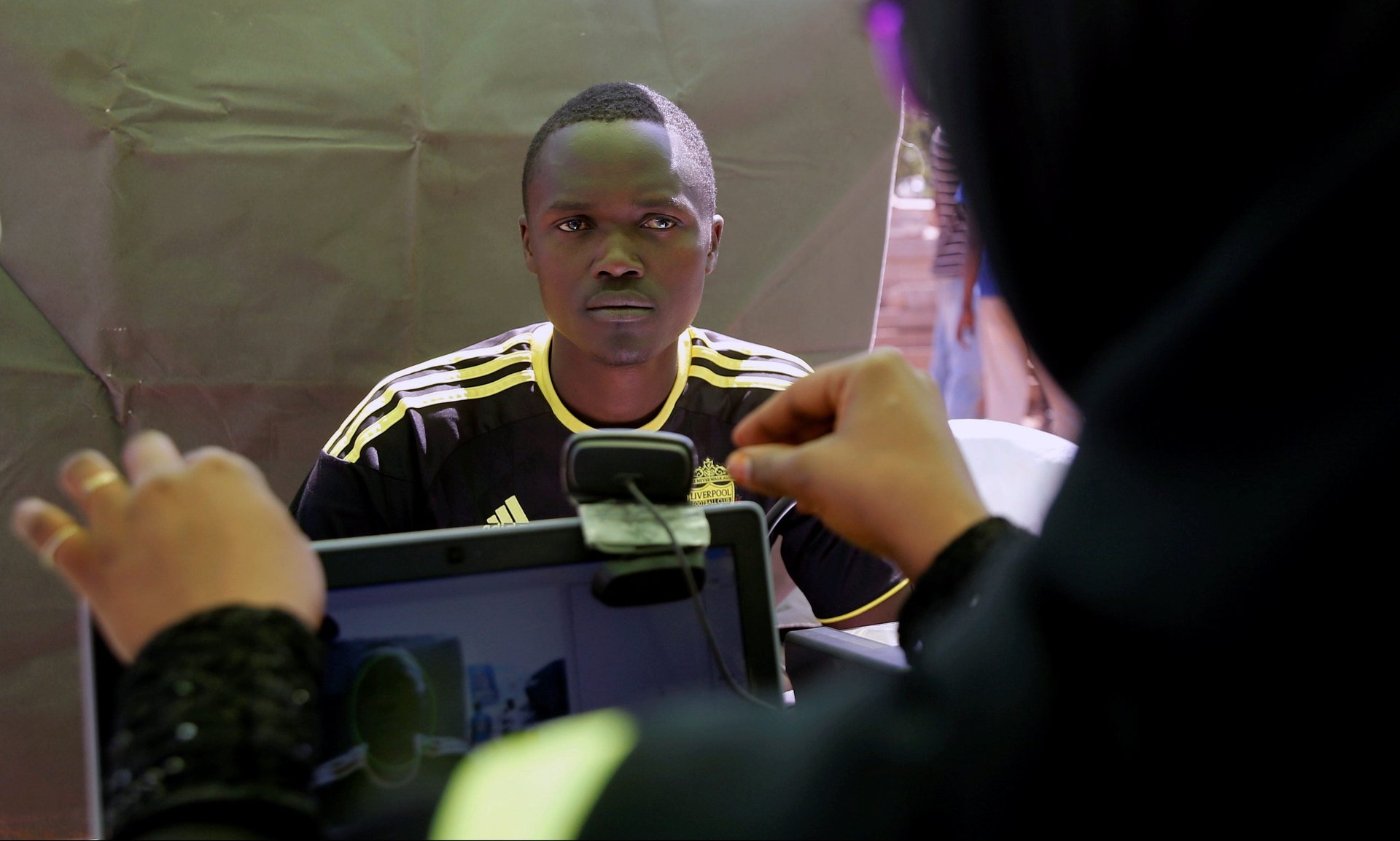
Back in 2013, Tanzania’s health authorities trialled a program that allowed parents to register to receive birth certificates for newborns via their mobile phones. The program, ramped up earlier this year, established a simple process whereby health workers send an SMS with a baby’s name, gender, date of birth, and family details to a central database that is managed by a state agency in real time.
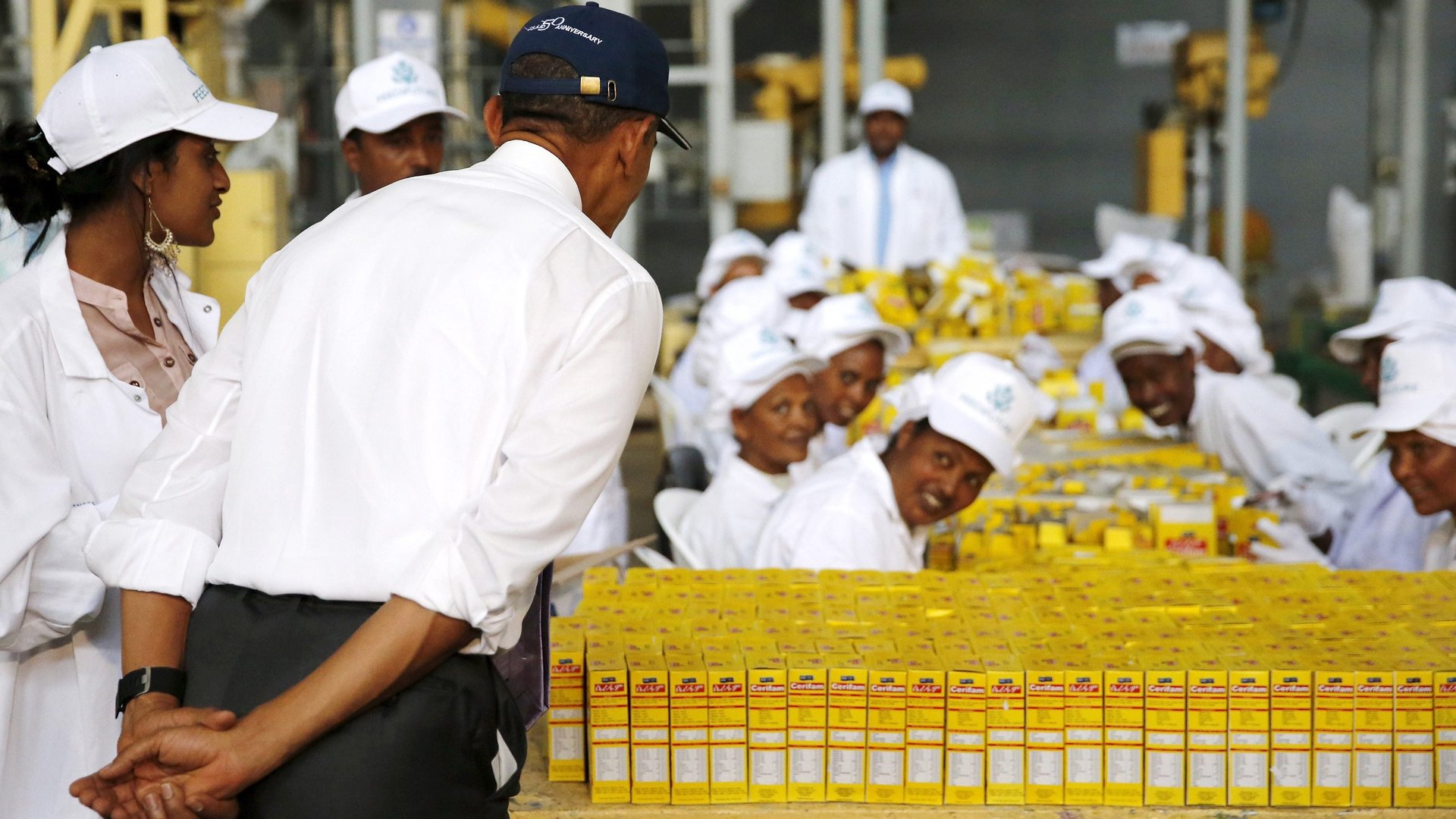
Even though the global economy has evolved significantly in the last few decades away from the industrial revolution—which transformed many of the world’s advanced countries—there’s still much hope tied to the idea that manufacturing will play a key transformative role in developing countries in Africa today.