
Money & Markets
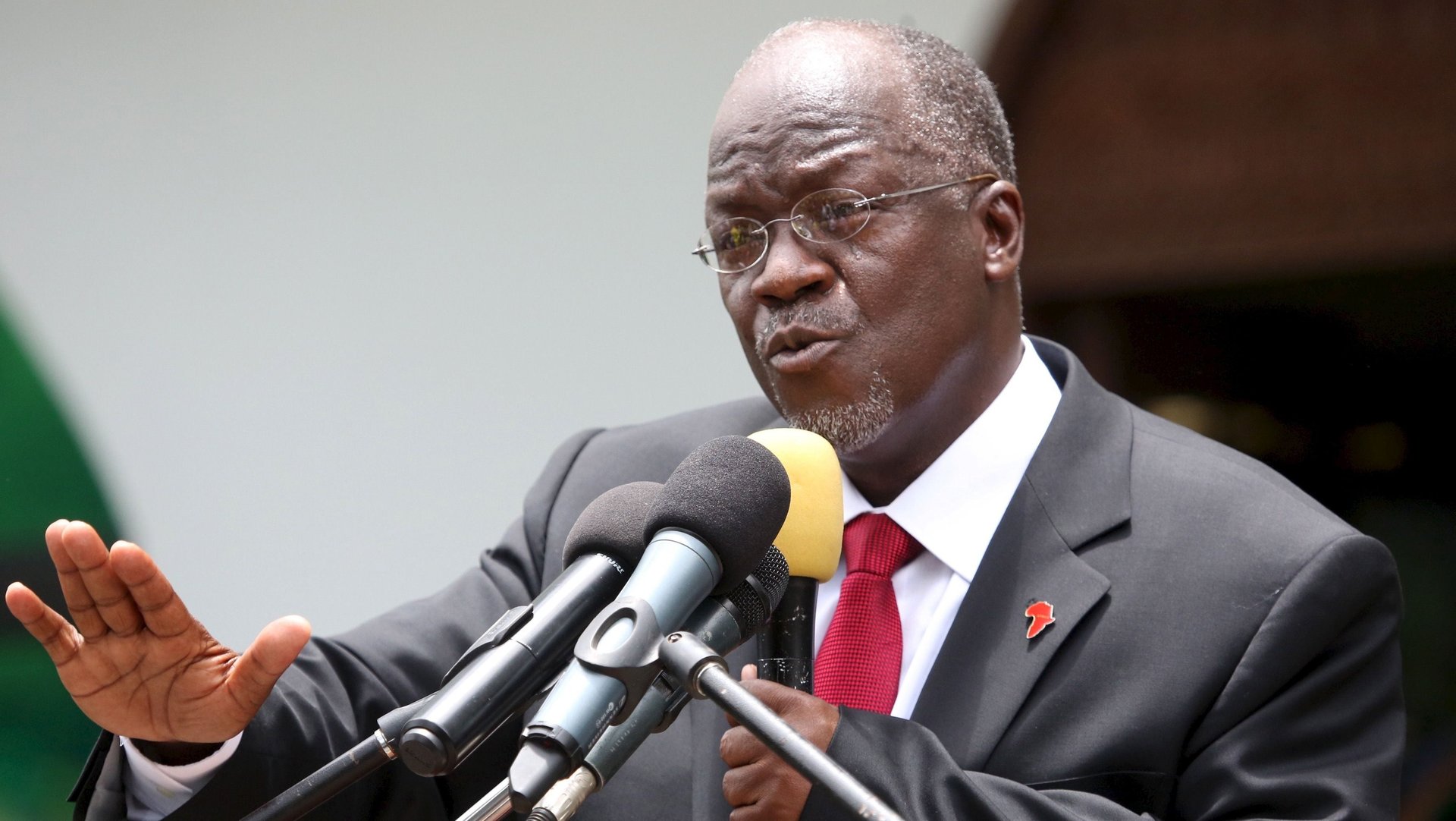
Tanzania’s government is casting itself as the nation’s sole custodian of dataTanzania’s government wants to have exclusive control over who collects and shares data about the country.
Updated July 20, 20222 min read
Tanzania’s government wants to have exclusive control over who collects and shares data about the country.
Free trade and less aid: that’s the latest call from Europe’s top leader on how to engage with Africa.

Ride-hailing drivers in Kenya say they are feeling the pinch of a surge in fuel prices mandated by the government earlier this month.
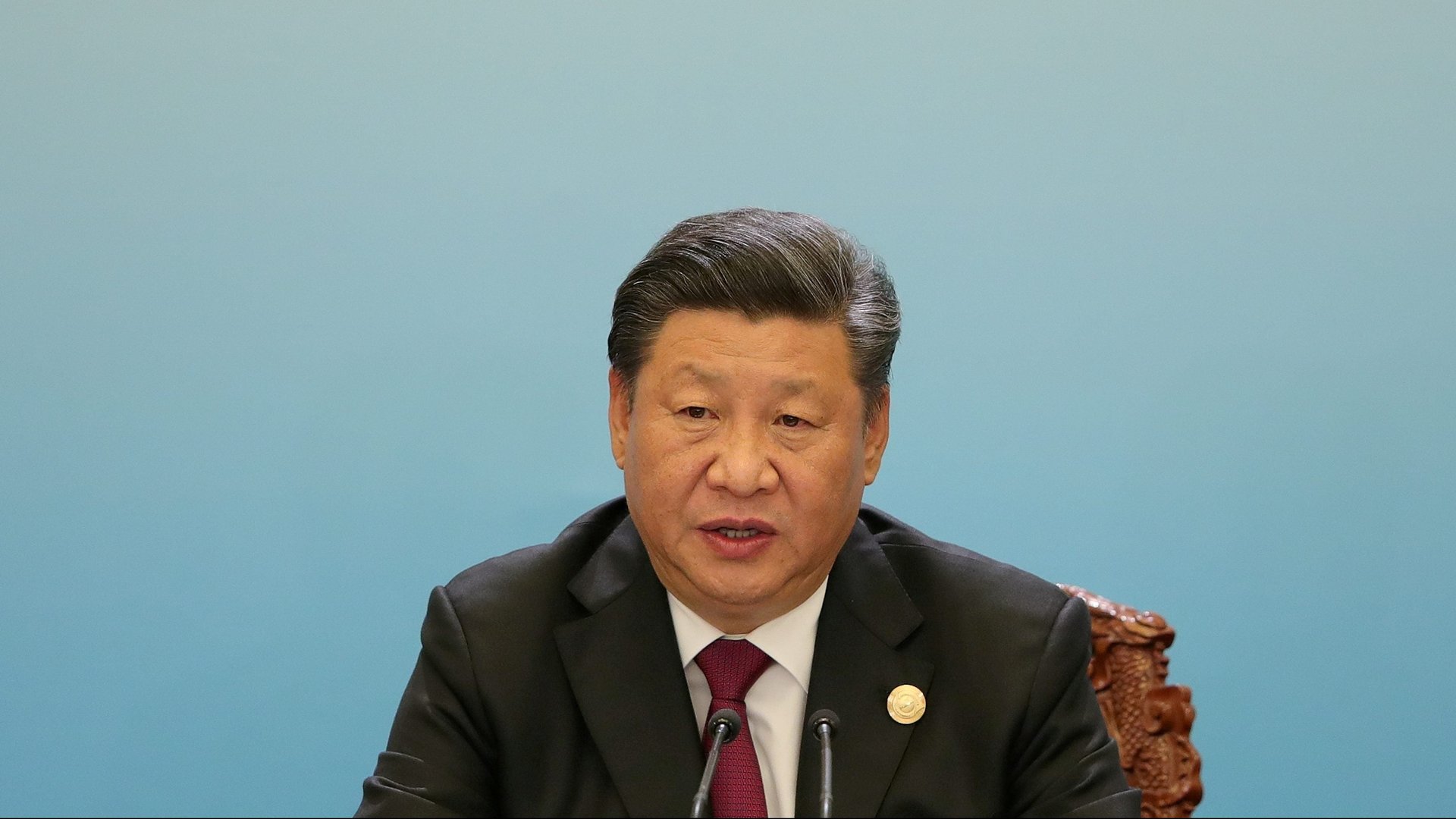
Leaders from all African nations, except for eSwatini, attended the 2018 Forum on China Africa Cooperation (FOCAC) in Beijing this past week. There, Chinese president Xi Jinping pledged $60 billion to the continent in loans, grants, and development financing. Xi also announced eight initiatives aimed at improving Sino-Africa relations, including investments in healthcare, education, security, cultural exchanges, and increasing non-resource imports from Africa.

Ryanair and easyJet are considered some of Europe’s least popular carriers. Yet Kenya’s government is now preparing to engage the low-cost commercial carriers in a bid to revitalize its tourism sector.
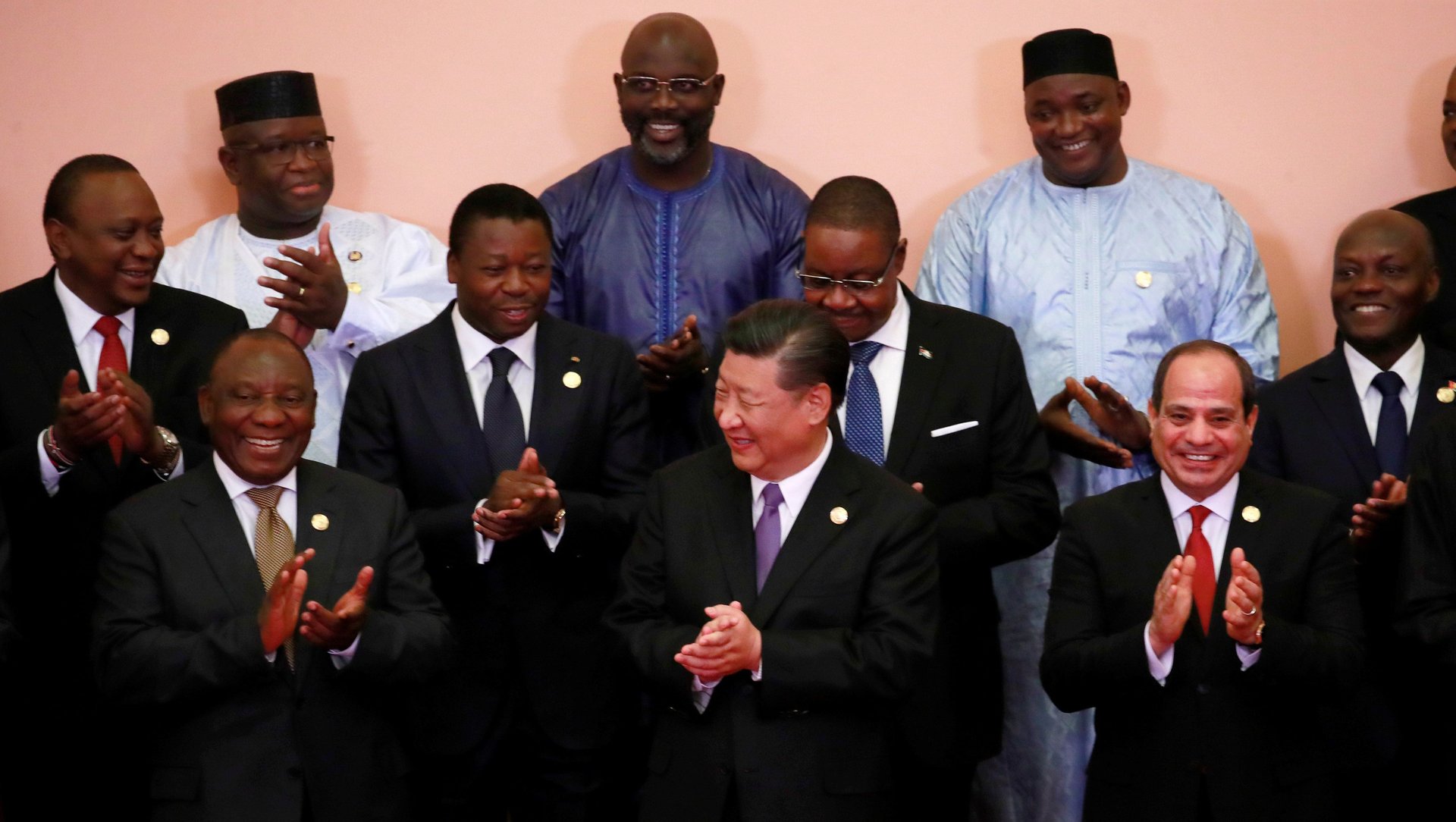
Close to 50 African presidents and heads of government attended the Forum on China-Africa Cooperation (FOCAC) in Beijing this week. With the exception of eSwatini, which remains committed to its alliance with Taiwan, African states are all hoping to get a share of the $60 billion for development projects that president Xi Jinping announced at the conference, which comes on top of billions previously pledged.
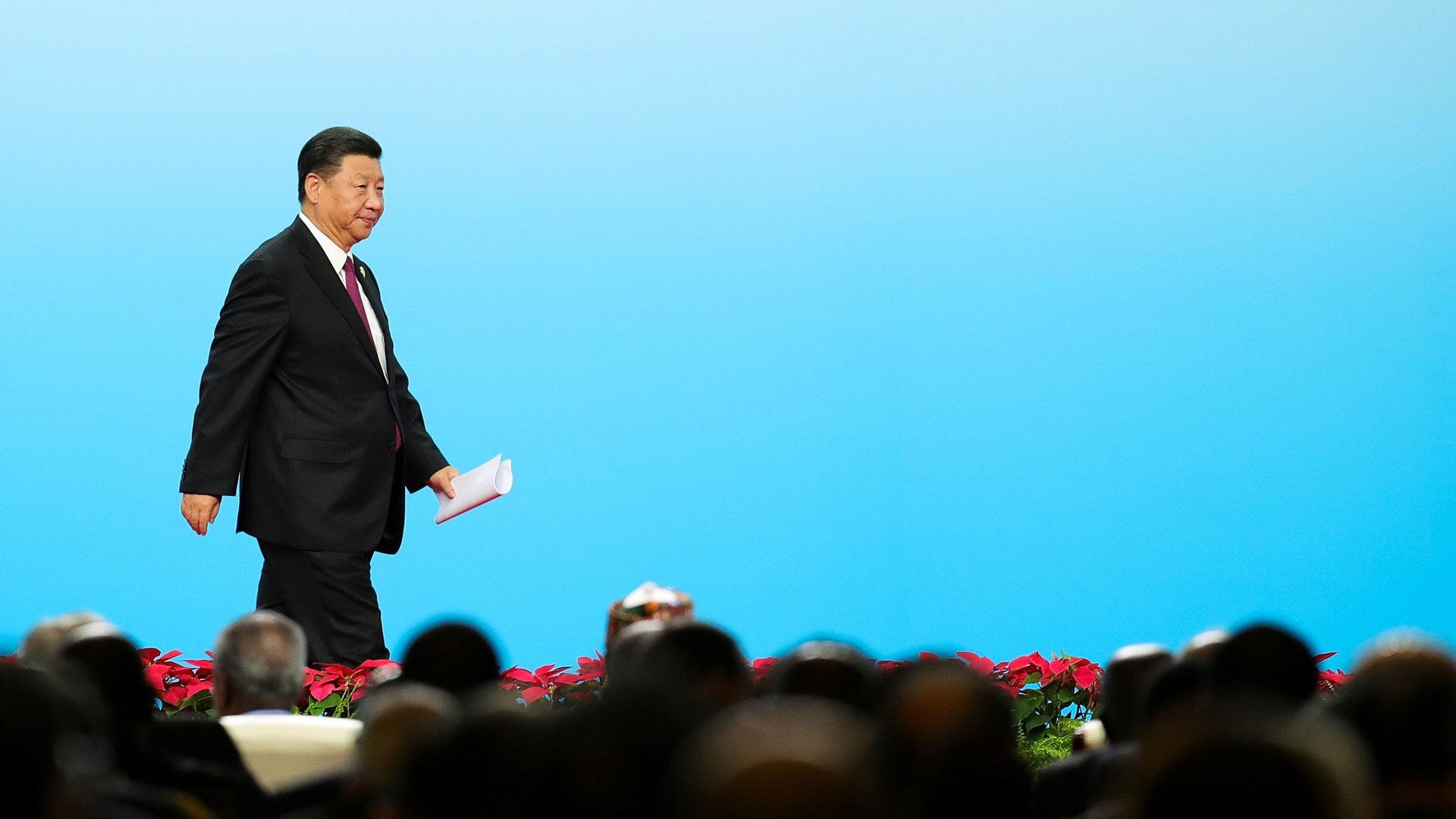
Chinese president Xi Jinping has affirmed his country’s commitment to its “win-win” cooperation policy with Africa, noting China won’t interfere in the political and development paths of African states. Xi was speaking at the Forum on China-Africa Cooperation where he announced $60 billion for development projects in Africa over the next three years.
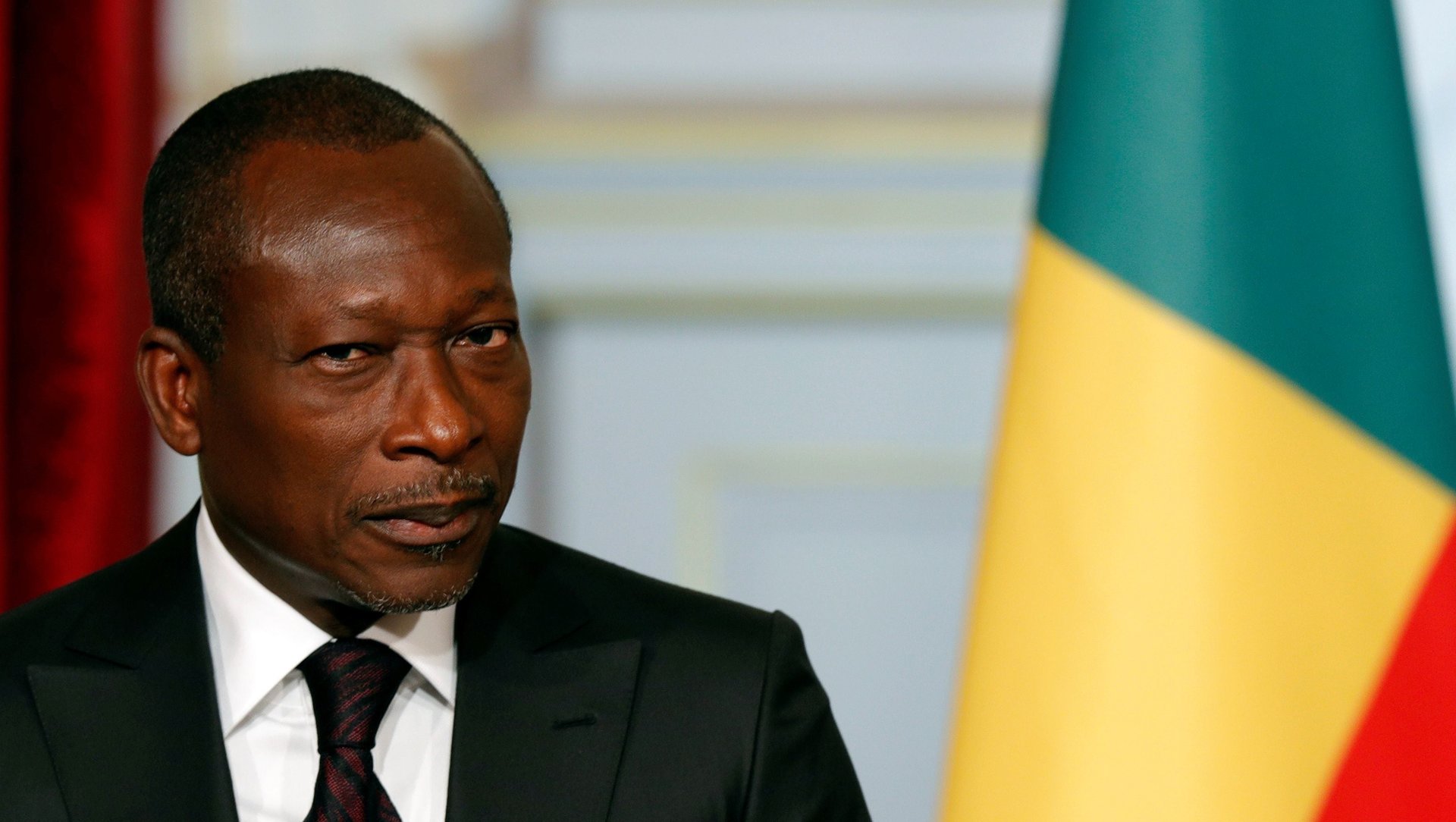
Benin has joined a growing list of African states imposing levies for using the internet.
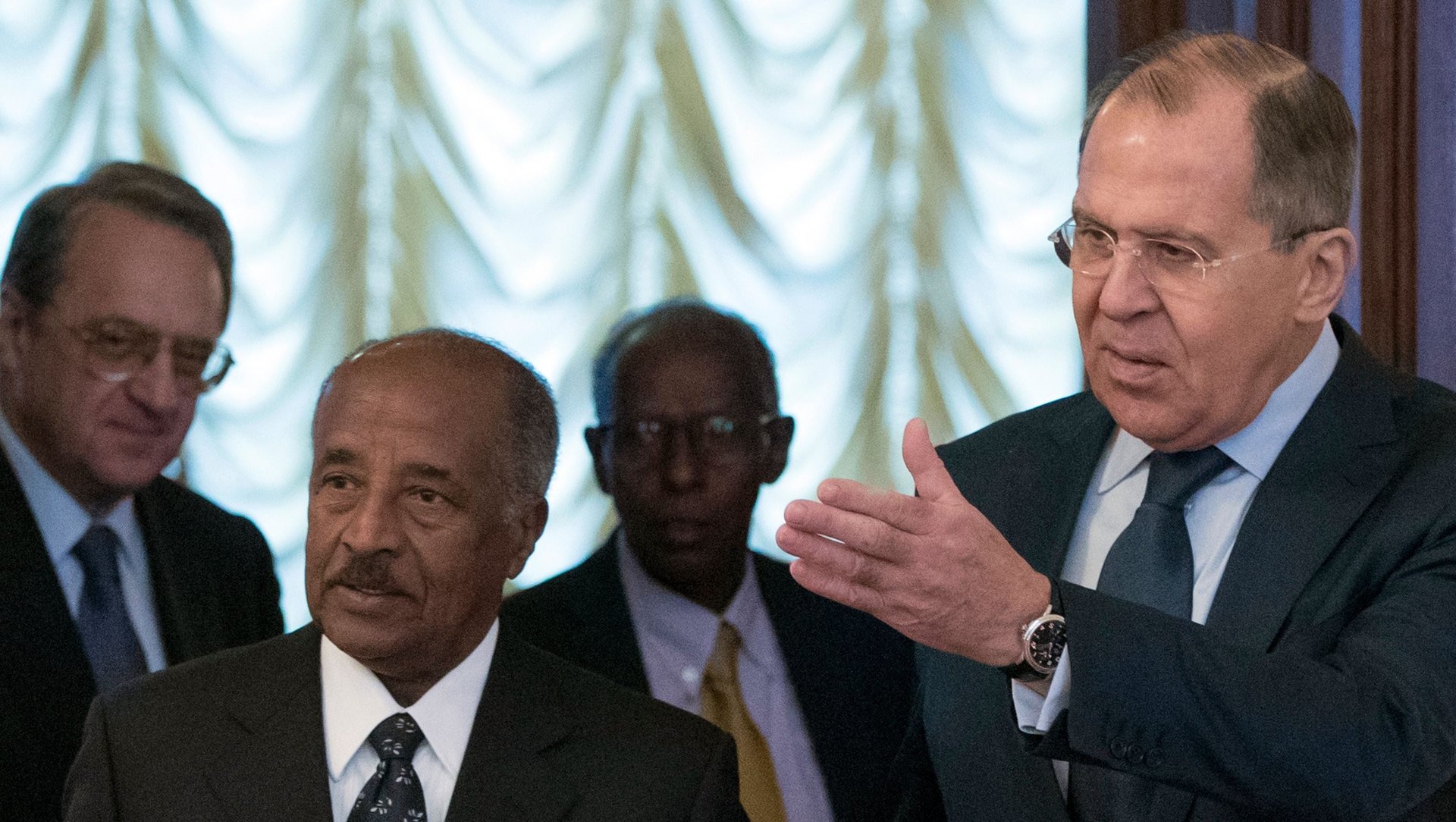
Russia is joining the list of nations intent on establishing their foothold in the Red Sea. In a meeting with Eritrean leaders on Friday (Aug. 31), foreign minister Sergey Lavrov announced plans to establish a “logistics center” at a port in the East African nation. Moscow didn’t specify the location or the timetable of the project but said it was aimed at boosting bilateral trade and infrastructural investment between the two nations.
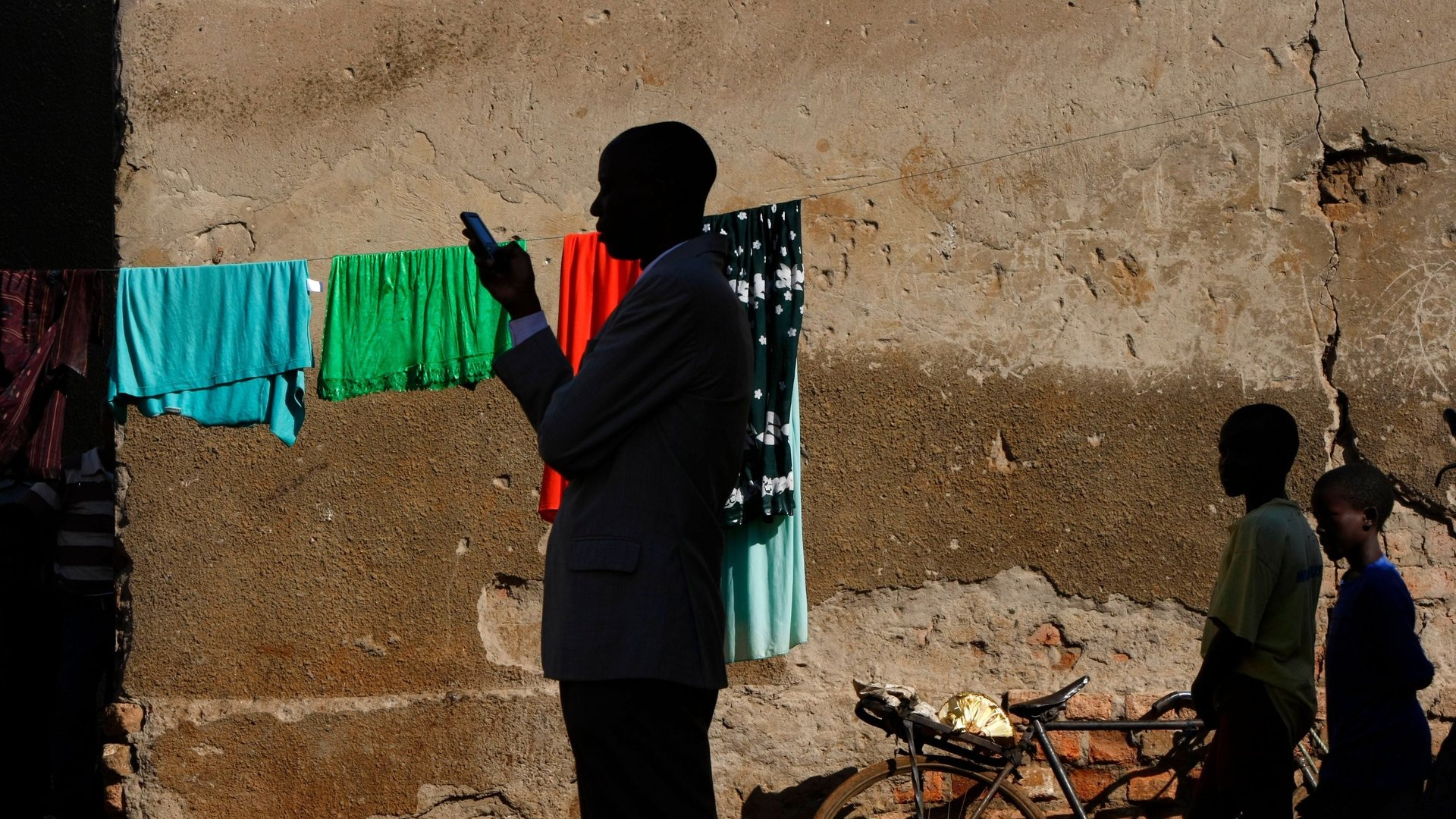
The first prediction of the impact of Uganda’s tax on social media and mobile money is in—and it’s grim.
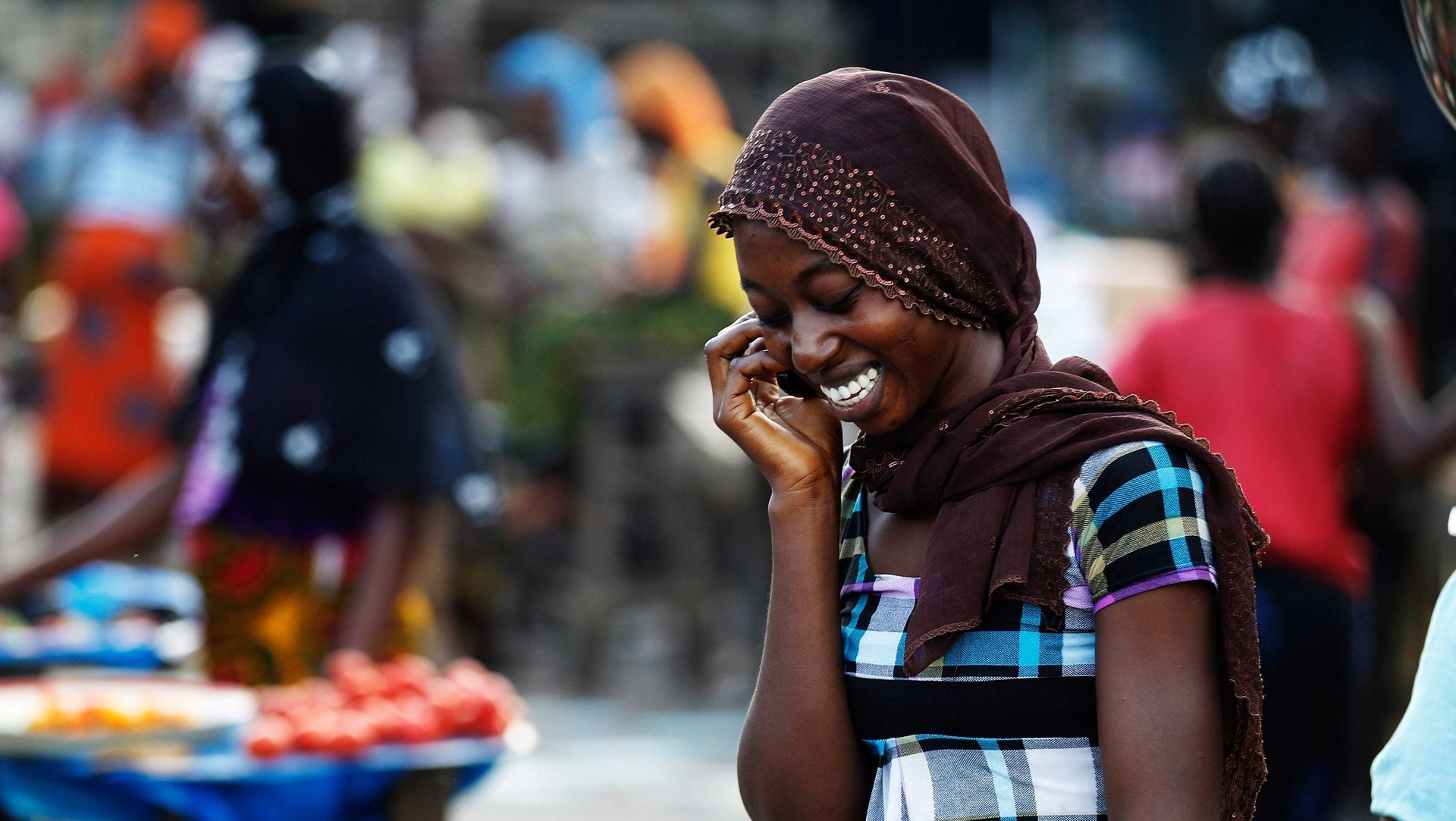
The first African facility for the Chinese phone maker Transsion Holdings is tucked away in a nondescript area, down an unpaved road in Ethiopia’s capital Addis Ababa. Here, several hundred employees sit in low plastic stools in neat assembly lines carefully handling various phone accessories. Wearing white, pink, yellow, and light blue lab coats, workers handle parts like microphones, vibrators, and cameras in sequence, run experiments to check for wear resistance and power consumption, and then subject the new headsets to a few durability tests.
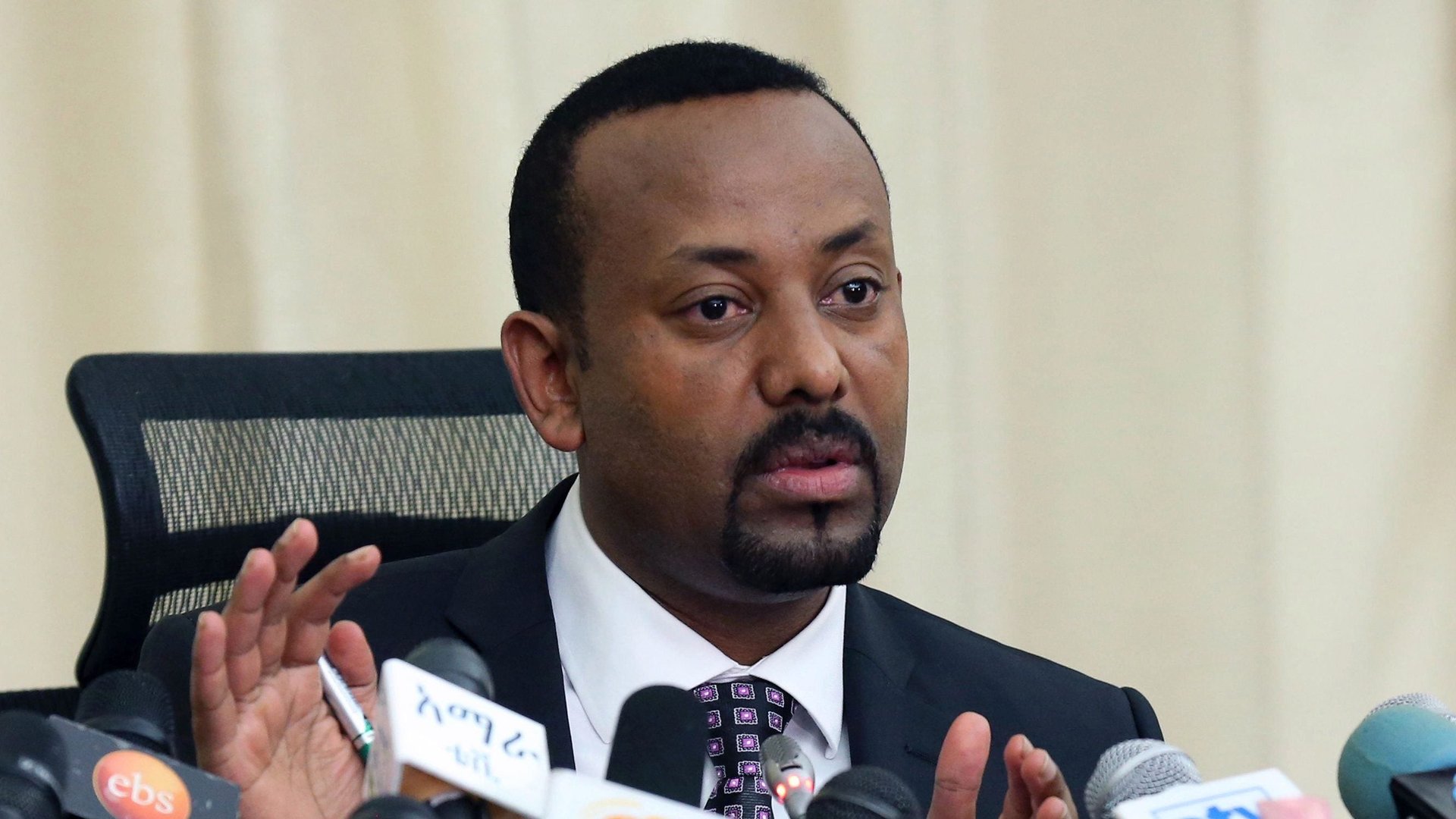
Since ascending to the head of the ruling Ethiopian People’s Revolutionary Democratic Front coalition in late March, Ethiopian prime minister Abiy Ahmed has overseen drastic changes that have reshaped the nation’s socio-economic and political trajectory.

Egypt’s crackdown on dissent continues to raise concerns worldwide.

At the beginning of Sauti Sol’s new song Tujiangalie—“self-reflection” in Swahili—the Kenyan band poses a question in epistolary form from the nation’s founding fathers: “Is everything fine in Kenya?” The answer, damning and swift, is a resounding no. “In Kenya, we have a disaster.”

It’s been exactly five years this month since Uber launched in Johannesburg, South Africa, marking its first entry into the African continent.
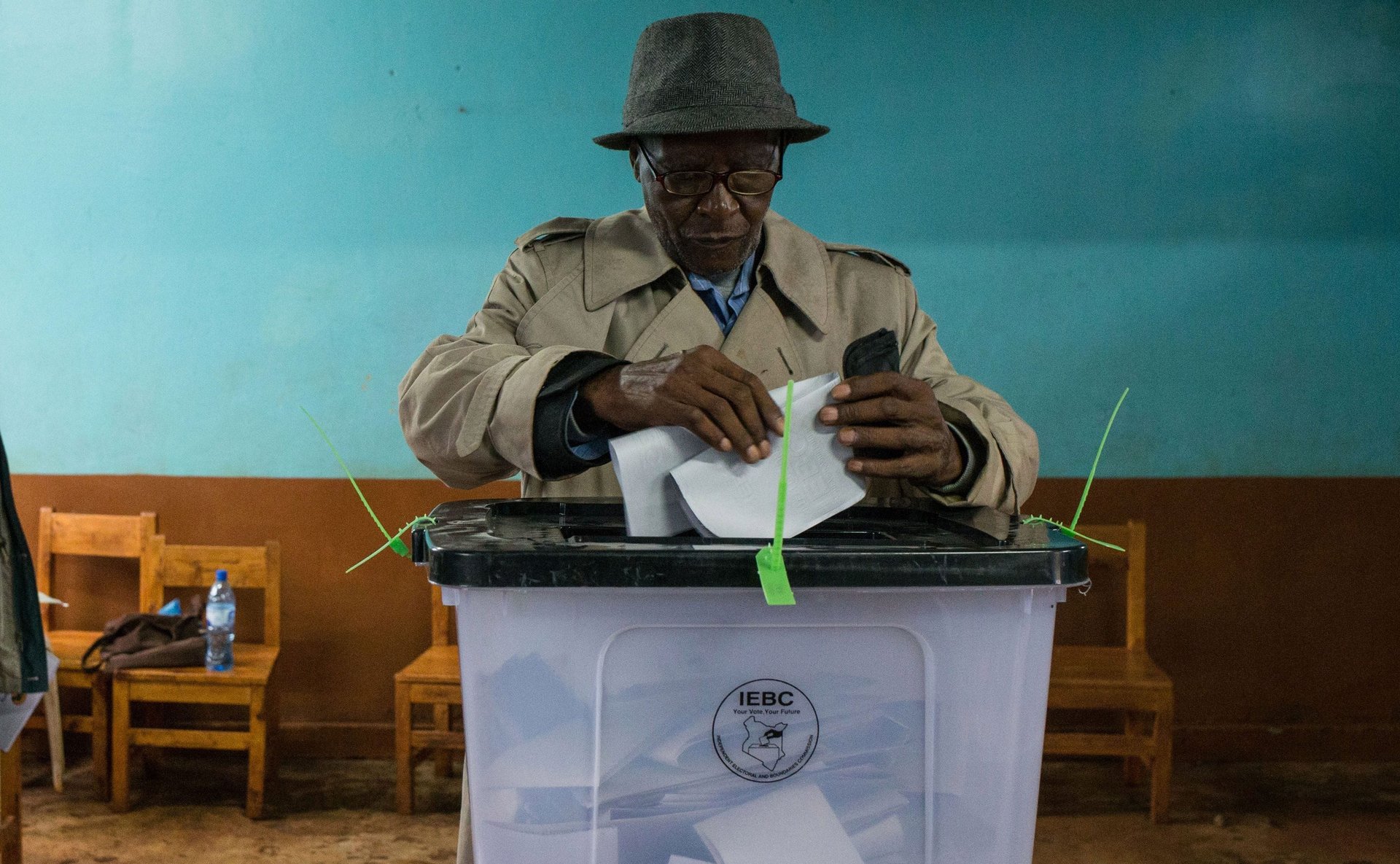
Kenya held one of Africa’s most expensive elections in 2017, with its electoral body alone using more than $530 million to conduct the polls. Allegations of tampering and hacking, voter boycotts, and violence dogged the voting, and the supreme court eventually annulled the August presidential results and ordered a new election in October. After the electoral irregularities of 2007 and 2013, the crisis solidified mistrust of the electoral commission.
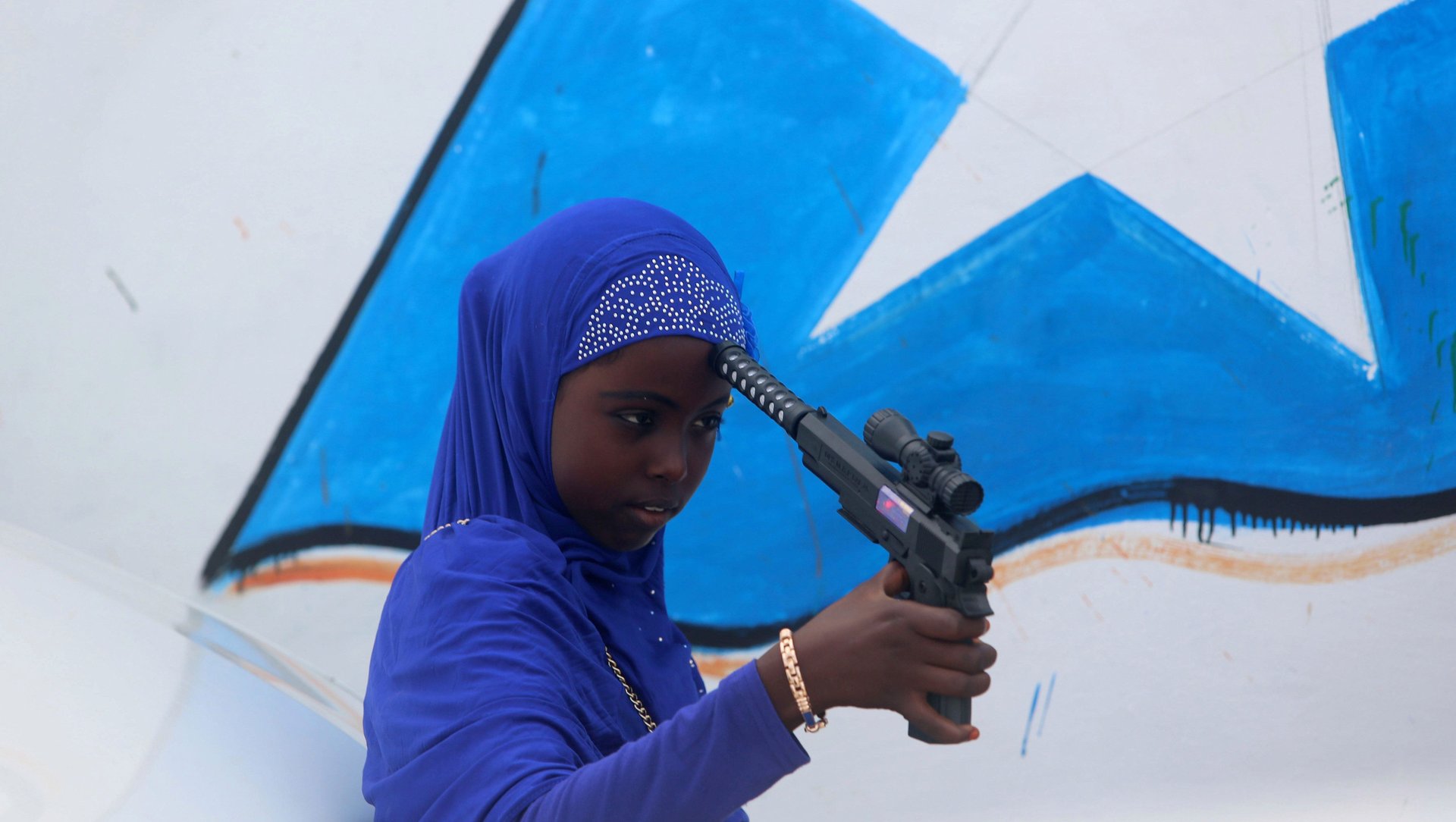
Millions of Muslims across the world are today (Aug. 21) marking Eid al-Adha, an Islamic holiday that commemorates the end of the annual Hajj pilgrimage to Mecca. Like any celebration, the festival of sacrifice is a time for sharing, helping the poor and needy, reconnecting with friends and family, and most importantly, eating.
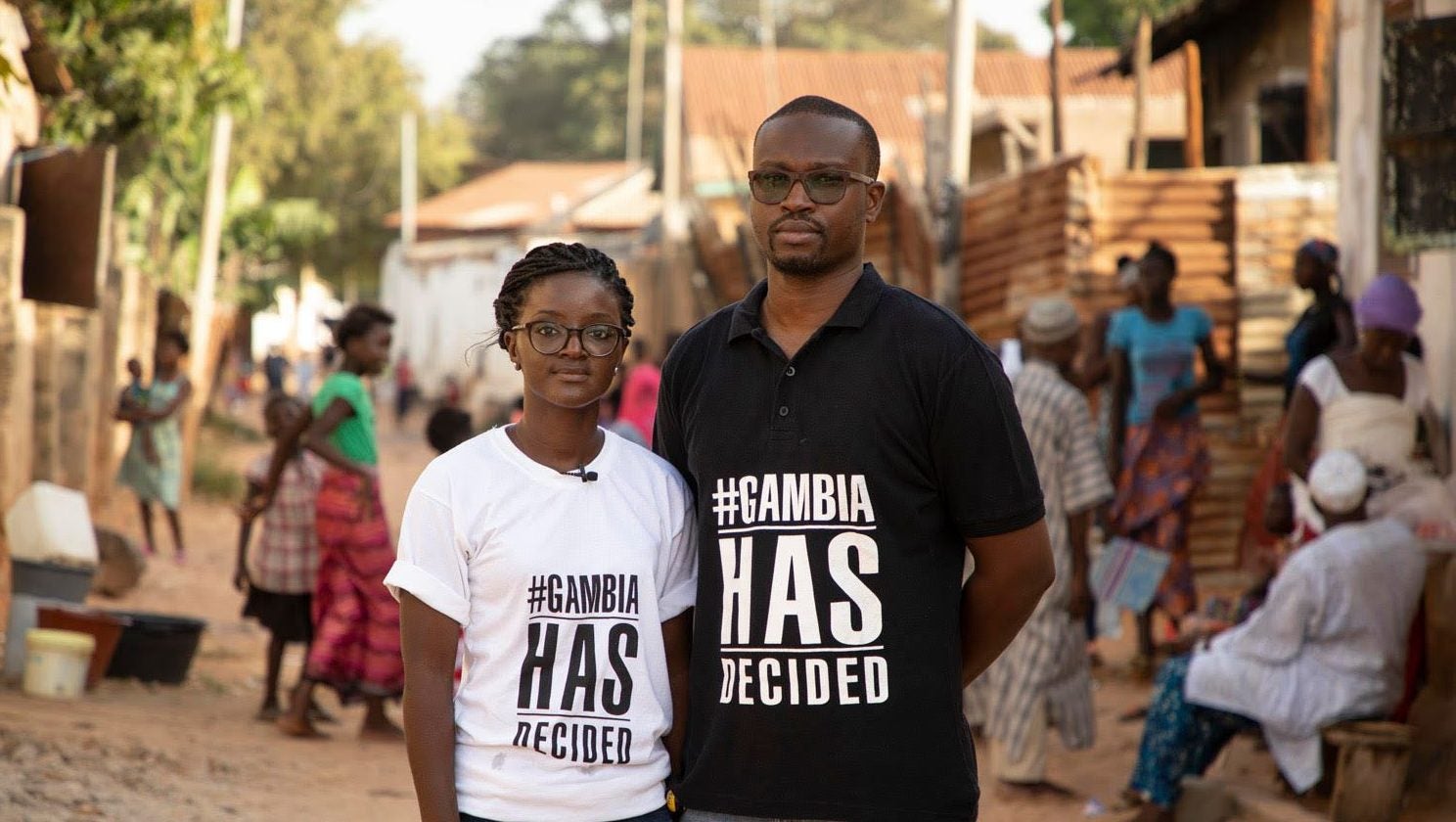
Yahya Jammeh once promised to rule the Gambia for “one billion years.”
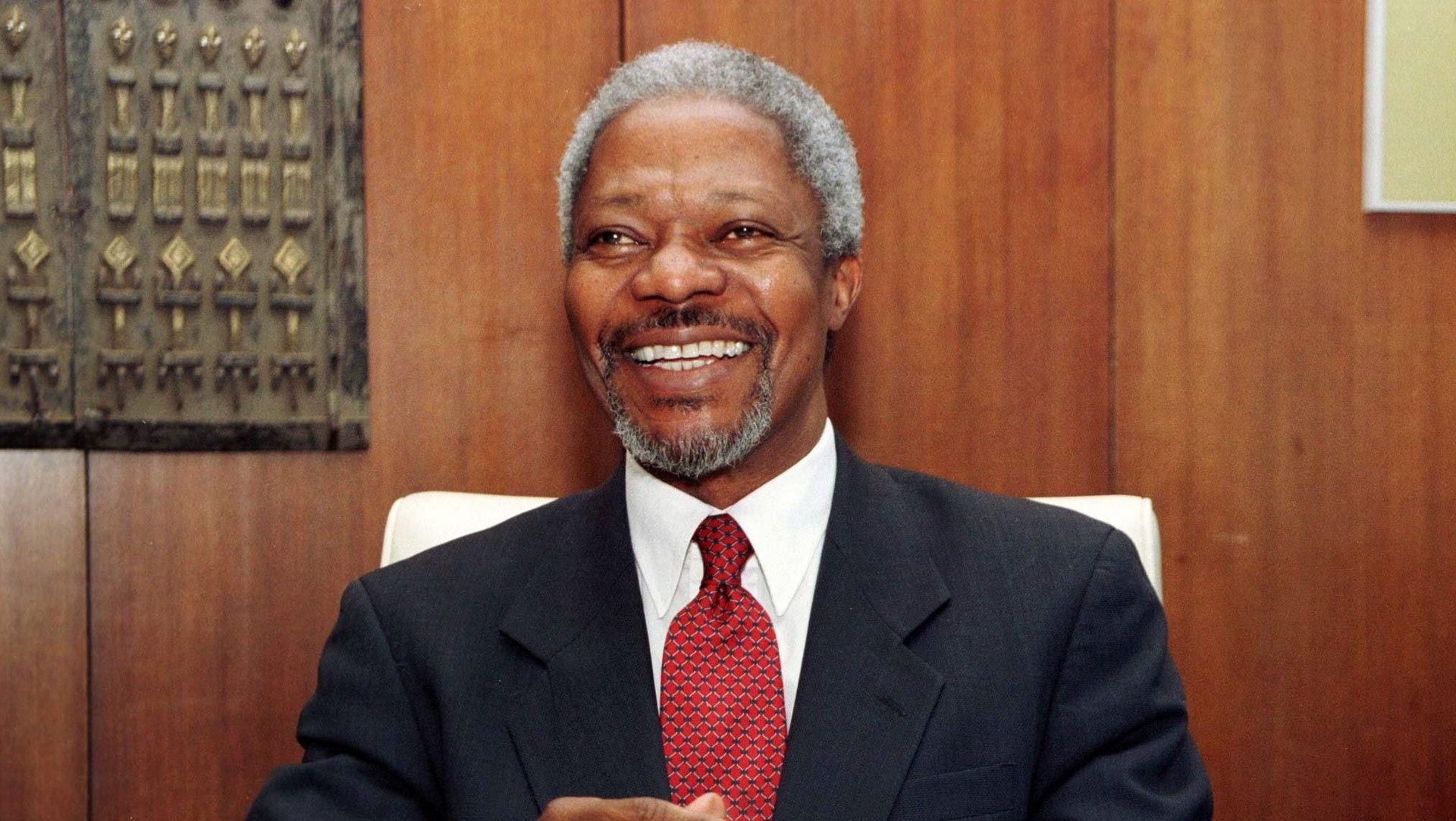
Kofi Annan, who died Saturday (Aug. 18) at age 80, was once described by former US ambassador to the UN Richard Holbrooke as the “rock star of international diplomacy.”
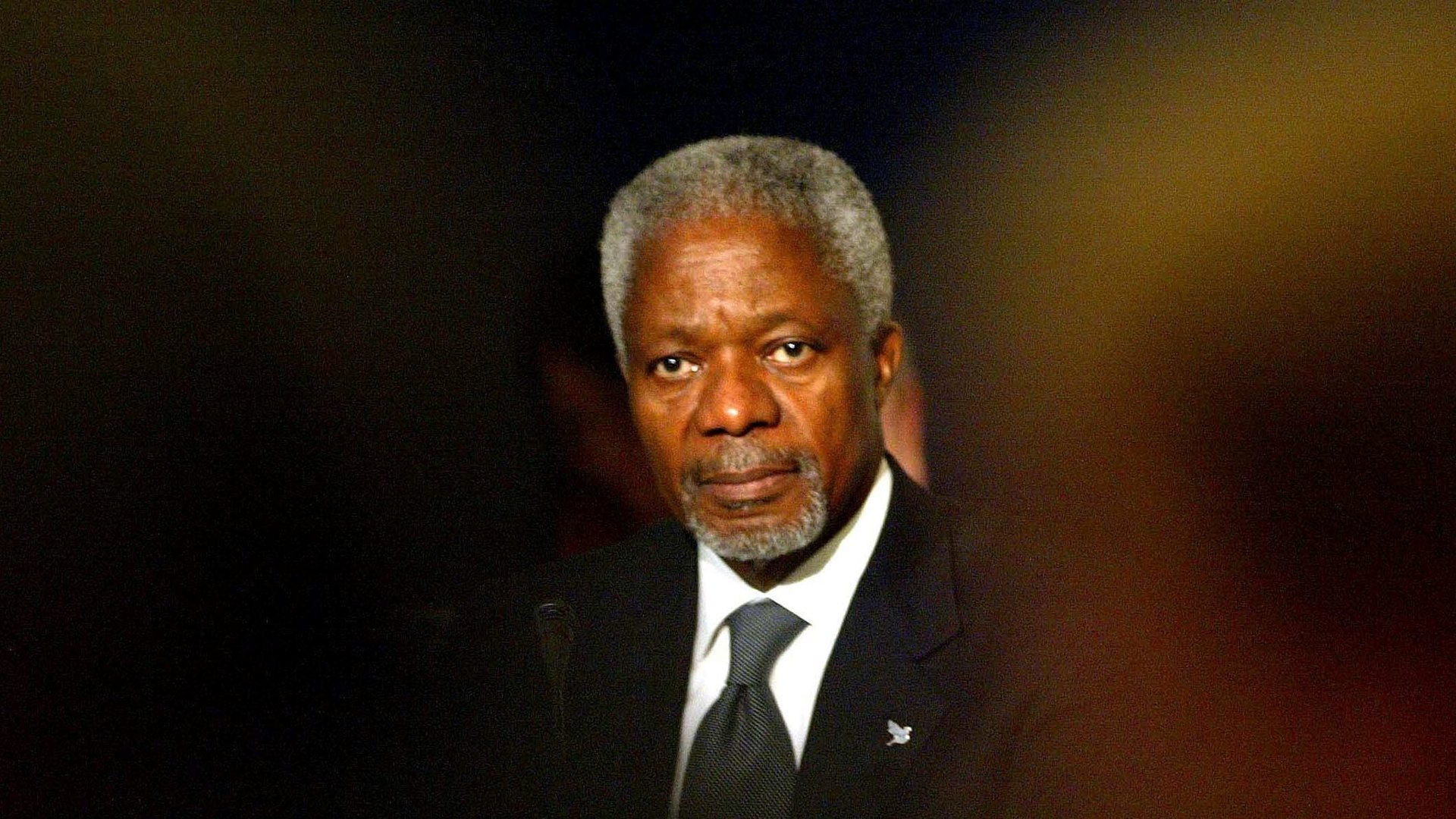
Kofi Annan, the former United Nations secretary-general and Nobel peace prize winner, died today (Aug. 18) at the age of 80. His family confirmed that he passed away at a hospital in Switzerland “after a short illness.”

Java House, east Africa’s largest chain of coffee and dining shops, is taking Kenyan coffee and tea to China.
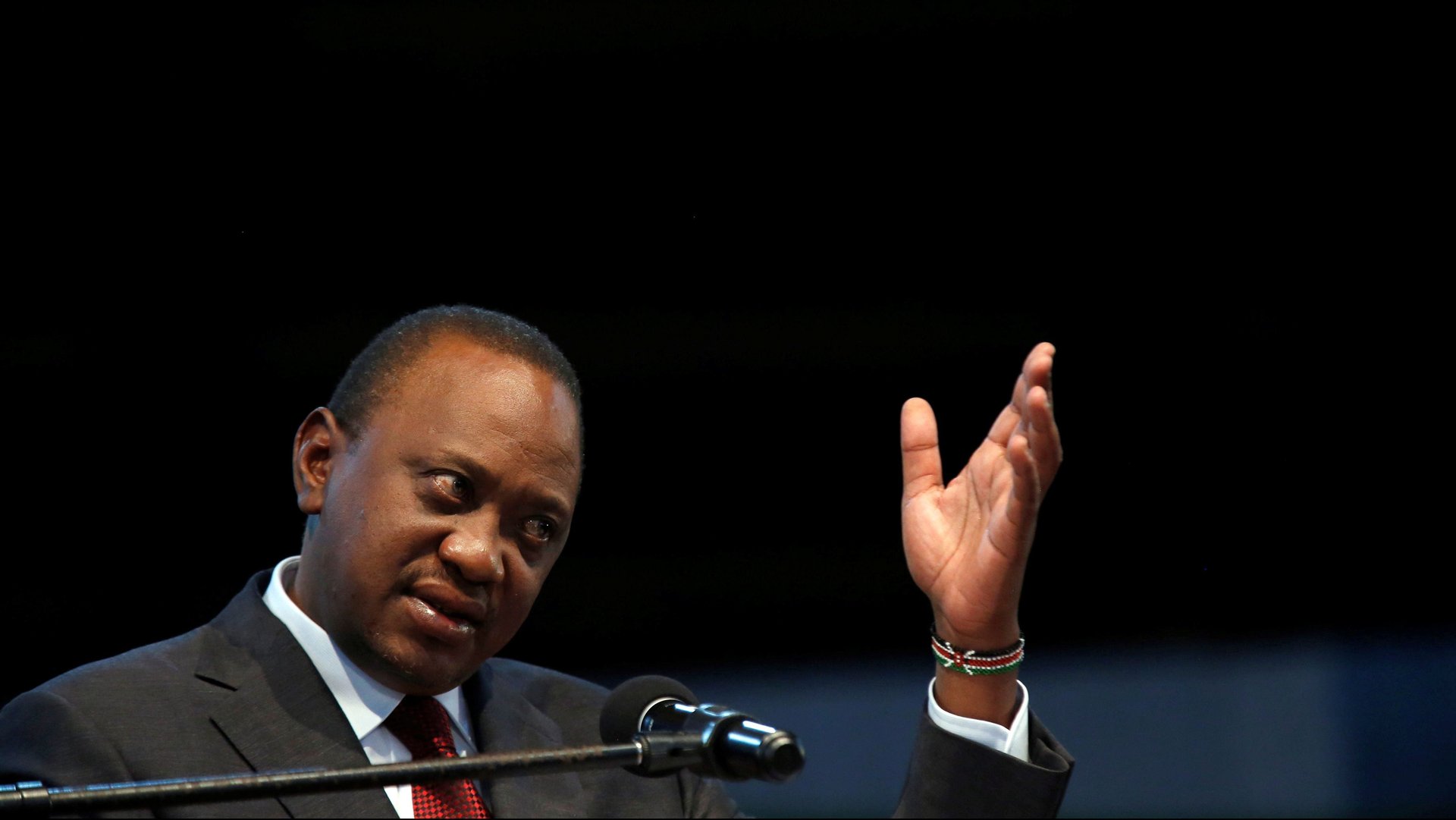
Kenya’s president has lost friends and allies in recent weeks—many, many of them.
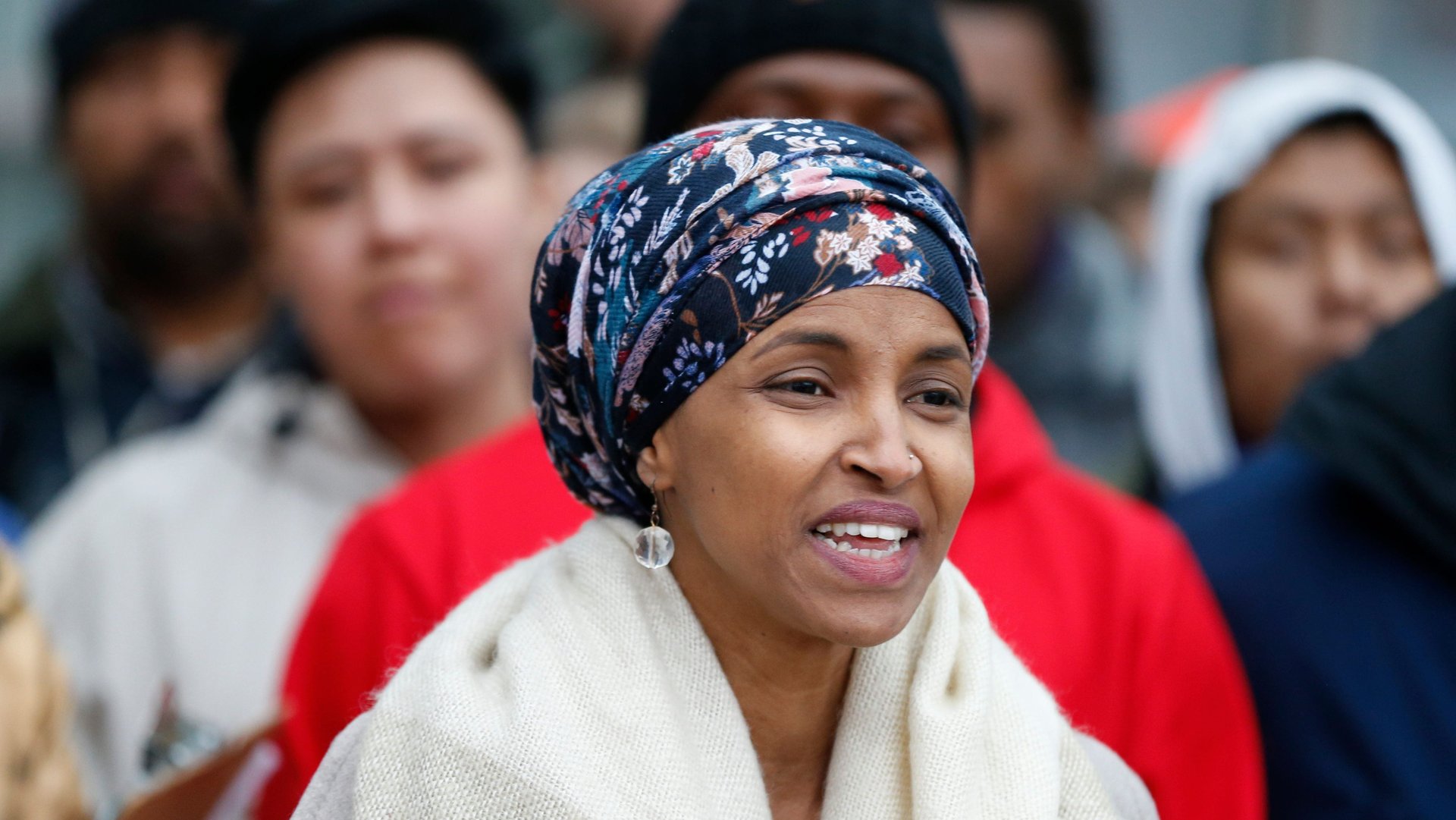
Two days before the 2016 US presidential elections, Donald Trump visited Minnesota and told supporters that faulty refugee vetting processes allowed large numbers of Somalis to come to the state. They came here, he said, “without your knowledge, without your support or approval, and with some of them then joining ISIS and spreading their extremist views all over our country and all over the world.”

It’s been 30 years since Rwanda’s pre-eminent cycling event first began. In the intervening years, the Tour du Rwanda has faced numerous challenges, key among them getting canceled for almost decade in the 1990s as the nation’s political situation deteriorated.