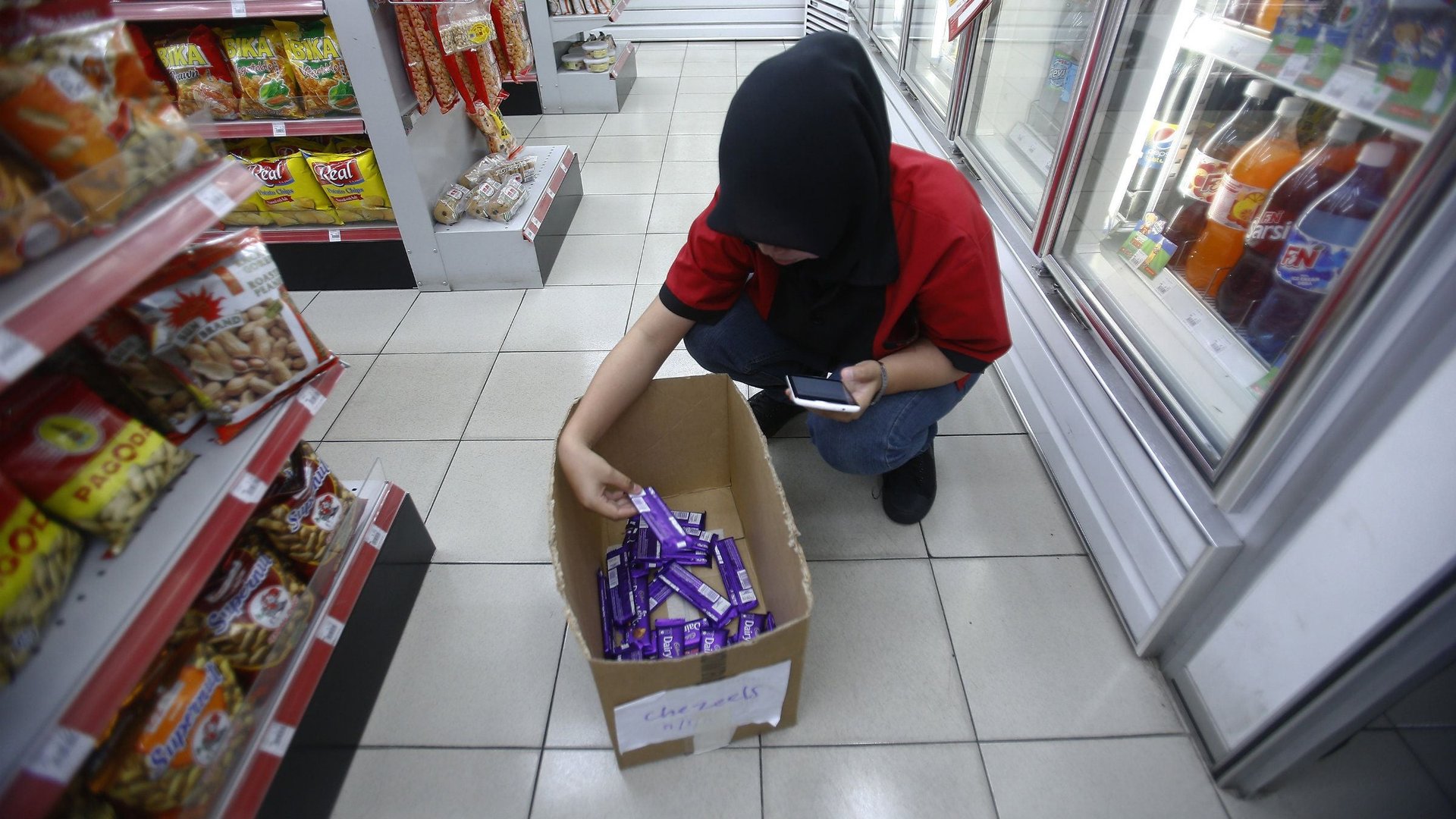
The dietary laws that forbid Jews and Muslims from eating pork date back millennia—but when they were laid down, nobody conceived of detection tools that could find minuscule traces of the forbidden foods.

The dietary laws that forbid Jews and Muslims from eating pork date back millennia—but when they were laid down, nobody conceived of detection tools that could find minuscule traces of the forbidden foods.

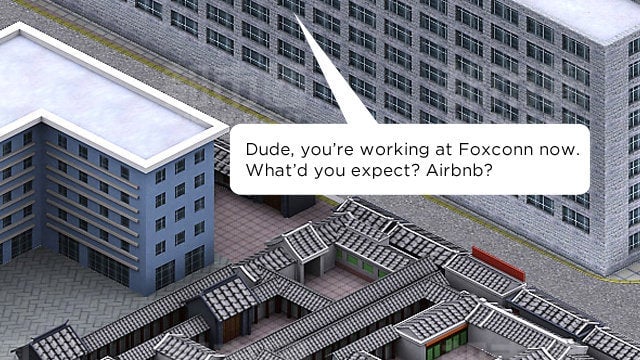
A few years back, Baidu, China’s biggest internet search engine, began offering a unique Sim City-like cartoon view of the biggest Chinese cities. Based on custom 3D maps created by a company called Edushi, they depict sprawling mega-cities as clockwork machines, all drawn in a charmingly low-fi style.

Pity the poor Chinese government IT guys.

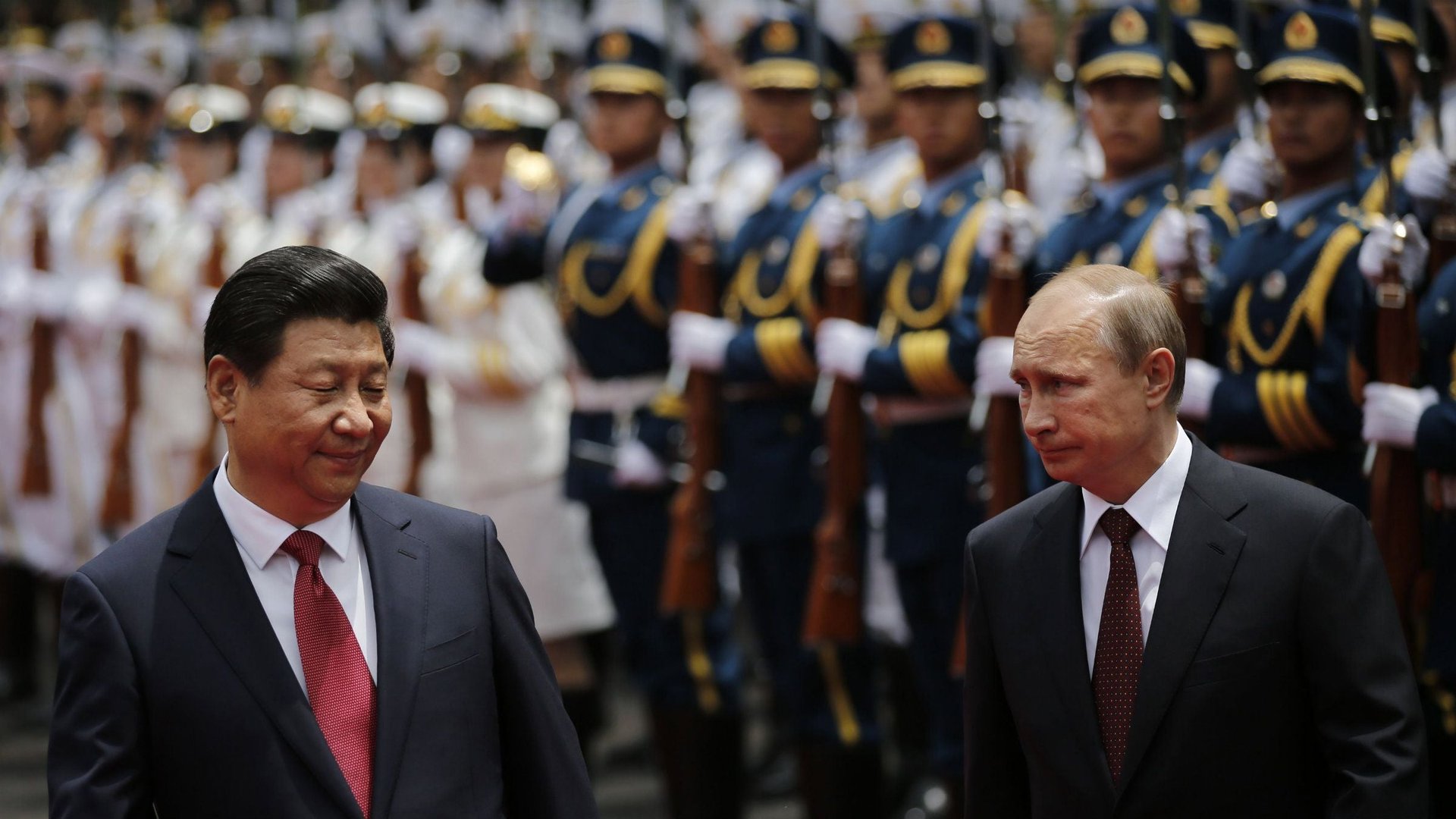
Russian president Vladimir Putin is in Shanghai, with the primary goal of signing a long-negotiated deal to supply China with natural gas. The news just came through that the deal is apparently done, with Russia agreeing to deliver 38 billion cubic meters of gas per year, for 30 years. The pricing is not yet available, but indications are that the deal is worth about $400 billion.

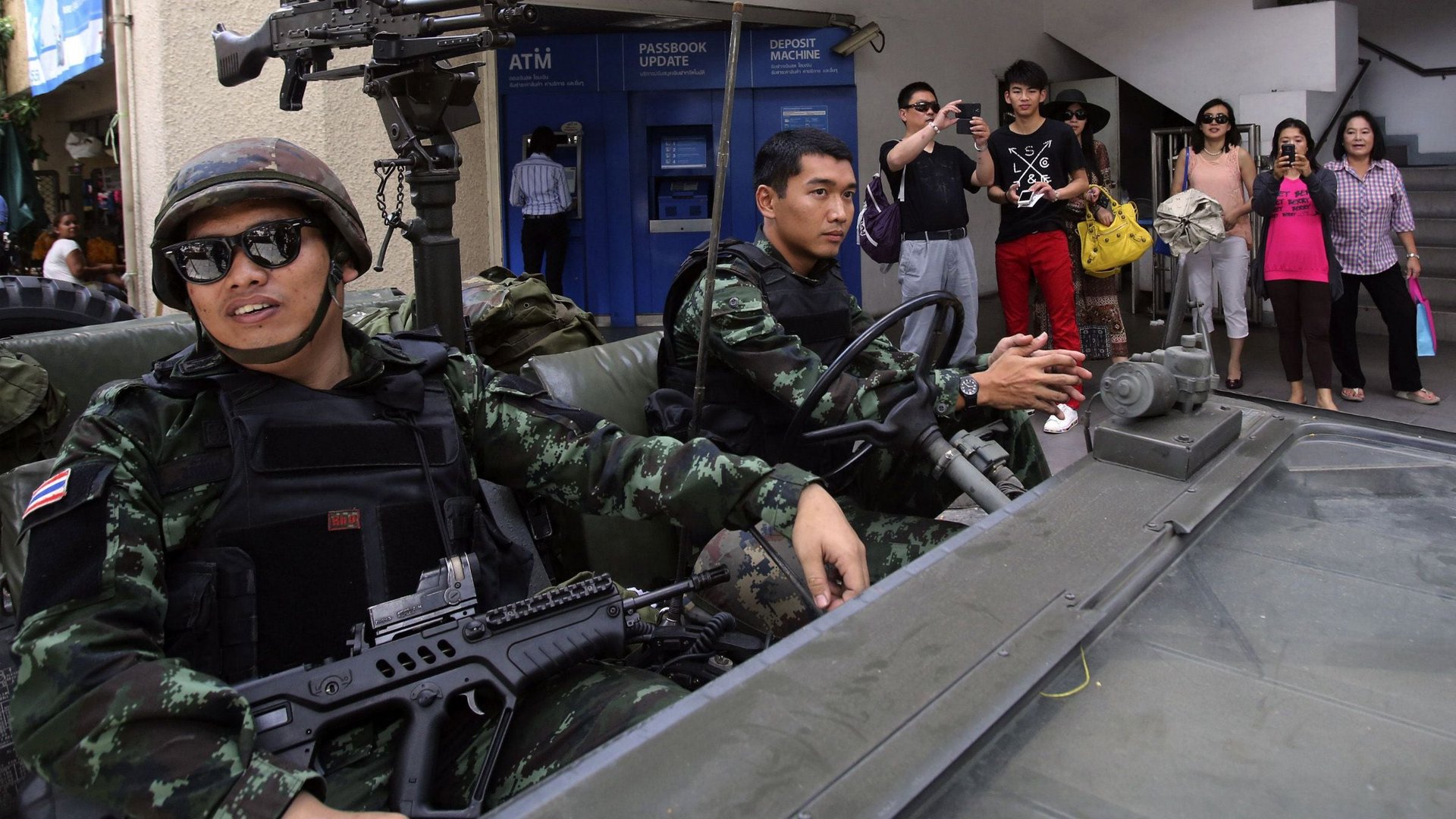
BANGKOK—The political discord that has shaken Thailand for months entered an uncertain new phase at dawn today, as the country’s military declared martial law (paywall), granting itself broad powers to “suppress unrest” and take control of the country’s public security.

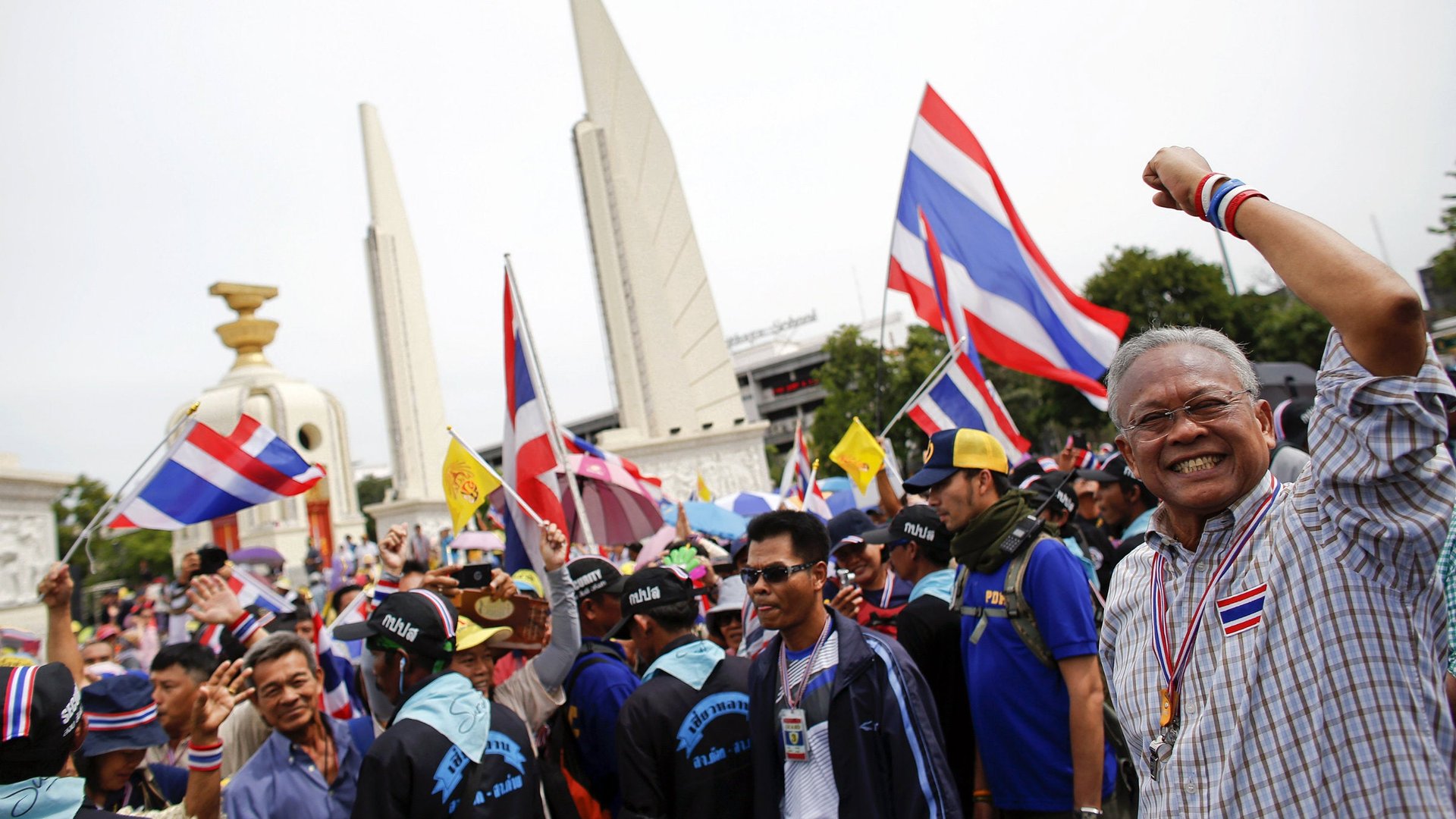
Thailand’s political chaos has been waxing and waning for more than a decade, but it has done little to derail economic expansion, earning the country a famously nonstick reputation—until now.

It hasn’t been a great couple of decades for Japan, which has suffered from persistent stagnation and deflation as China, its bitter regional rival, leapfrogged it to become the world’s second-largest economy. Japan still has plenty of problems, but prime minister Shinzo Abe should be cheered by the fact that Japan’s GDP growth—calculated on a quarter-on-quarter annualized basis*—narrowly edged out China’s in the first quarter, 5.9% to 5.72%.

The numbers: Robust. Chinese internet giant Tencent’s first-quarter profit (pdf) easily surpassed analyst estimates, rising by 60%, to 6.46 billion yuan ($1.04 billion), from a year ago. Revenue climbed by 36%, to 18.4 billion yuan.

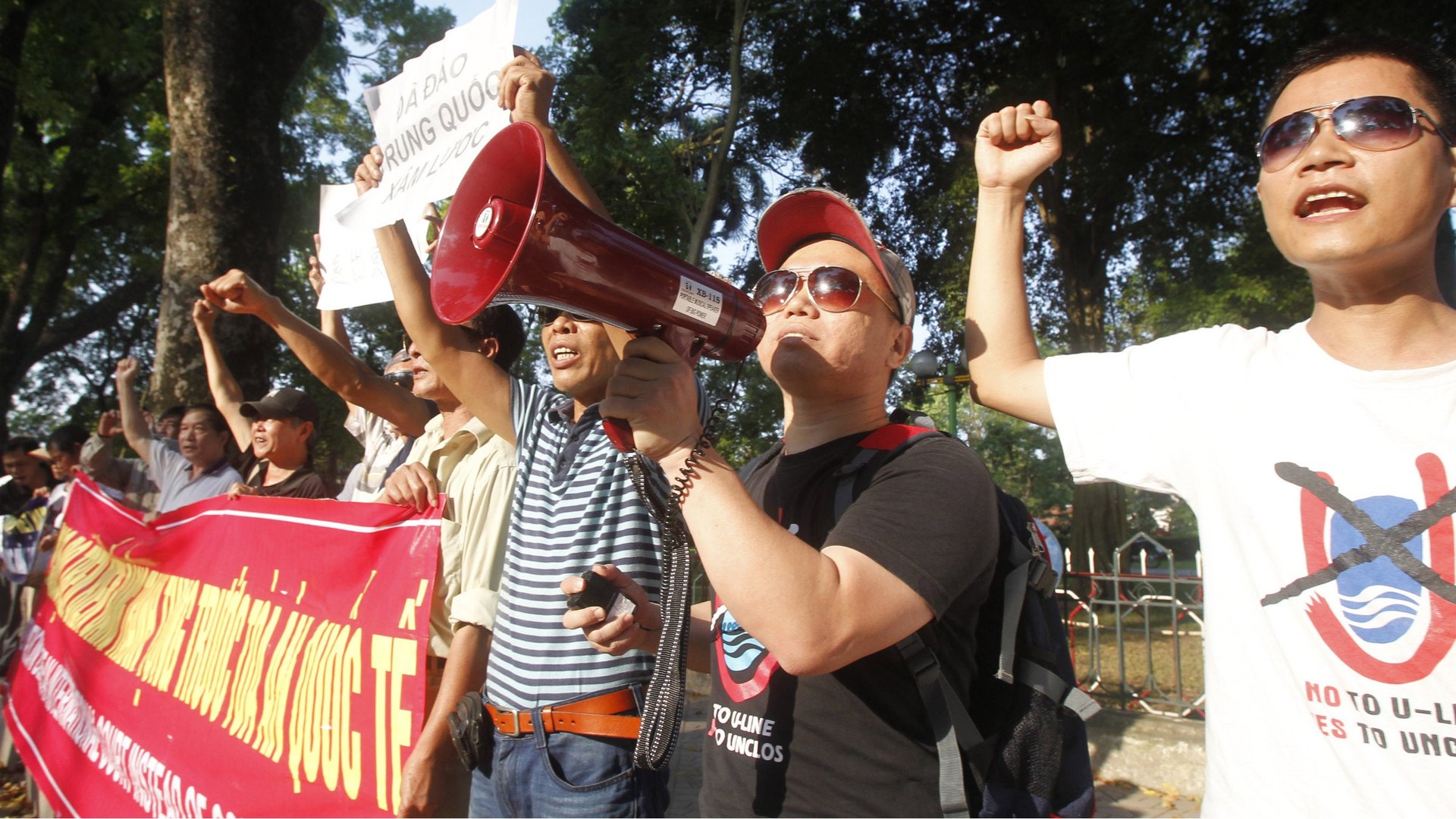
Some 19,000 workers in Vietnam rioted yesterday, burning down and damaging as many as 15 factories in an outburst of rage over China’s decision to deploy an oil rig near a disputed chain of islands. Regardless of the trigger, the aggression was ultimately misplaced: Most of the torched facilities were owned by companies based not in China but in Singapore, Taiwan, and South Korea.

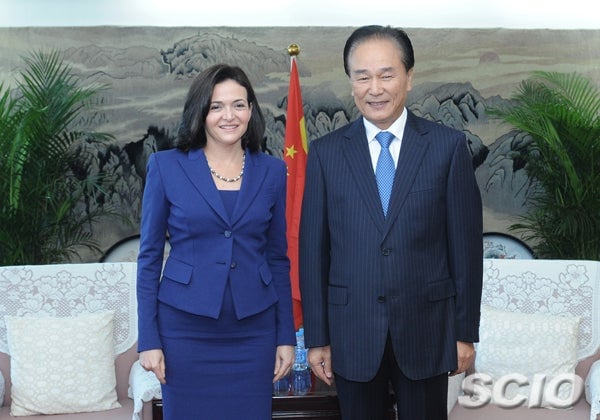
China’s 600 million internet users have been off-limits to Facebook since 2009, but that isn’t stopping the social network from scouting for office space in Beijing’s Fortune Financial Center, according to Bloomberg.

Attention bourbon-loving bacon fans: The Templeton Rye Distillery is trying to make your pork-and-booze-filled dreams come true.

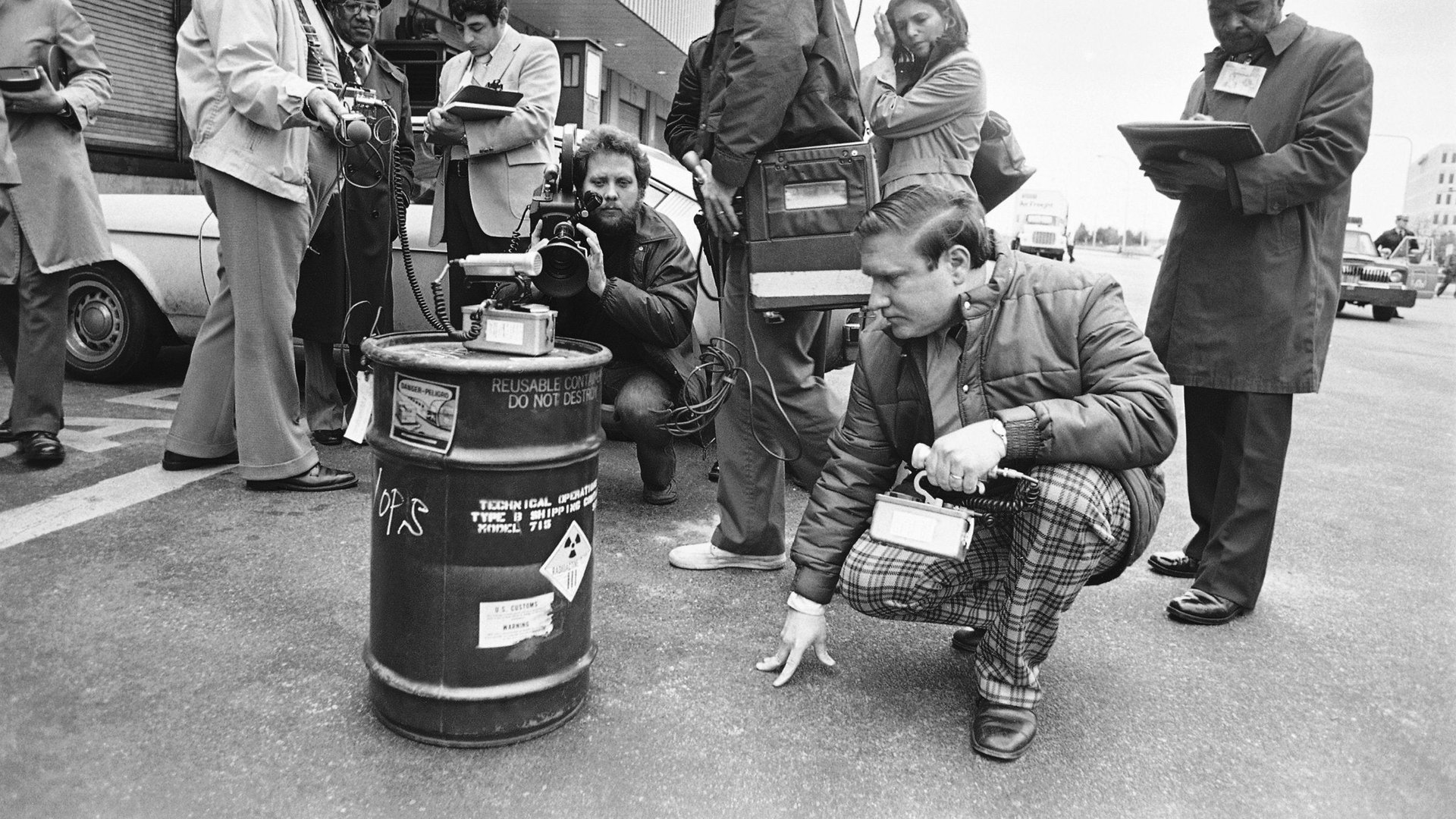
Iridium-192 is nasty stuff—the isotope is so radioactive that if it comes into contact with the skin the only remedy is often amputation. It can cause harm, or even death, from up to 30 meters away. Yet when a company in the Chinese city of Nanjing misplaced a soybean-sized piece of the stuff on May 7, it neglected to tell the public for 36 hours.

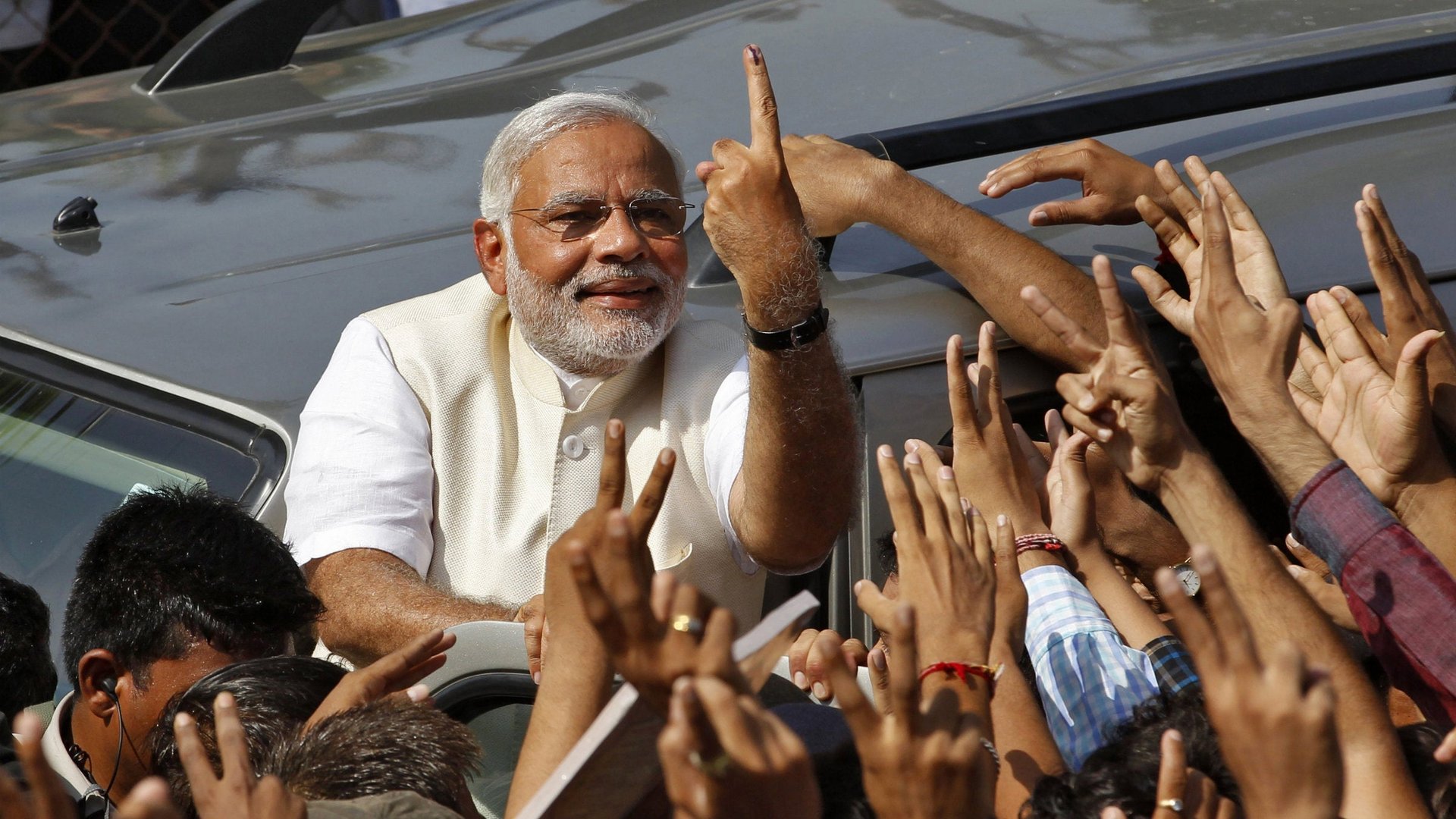
In his expansive campaign ahead of this general election, Bharatiya Janata Party’s (BJP) high-profile prime ministerial candidate Narendra Modi has addressed 437 rallies and 5,827 public events (some using 3D holographic projection technology), and travelled 300,000 kilometres across 25 states. But as the campaign draws to a close, the talk now is about a different kind of rally—the so-called Narendra Modi rally in the stock markets.

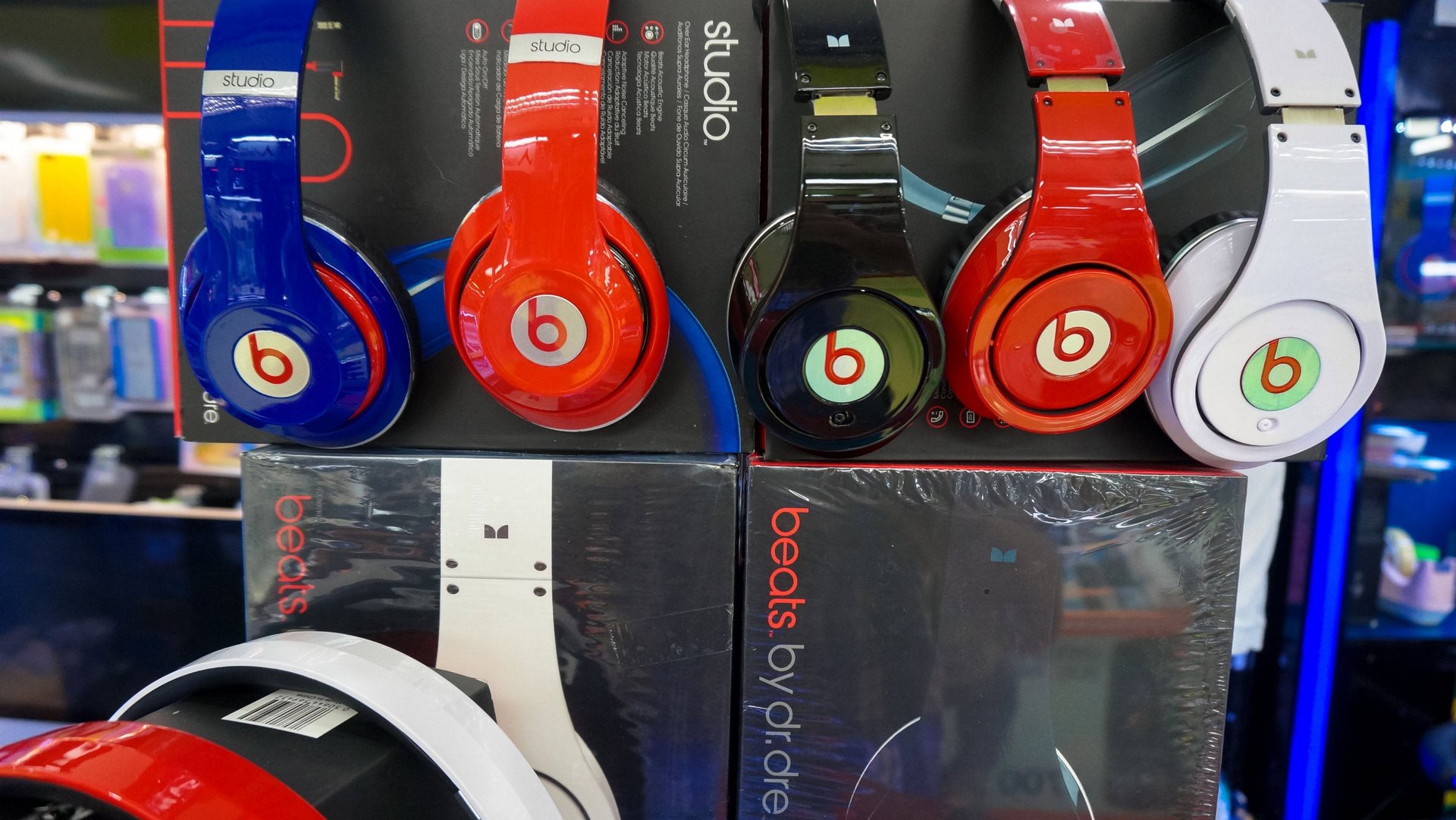
Apple is reportedly in talks to spend $3.2 billion on Beats, the music company co-founded by hip-hop DJ Dr. Dre that is known for its bulky, colorful, wildly popular high-end headphones. But at Bangkok’s MBK mall, known for its extensive selection of electronic gadgetry, Beats headphones can be had for considerably less.

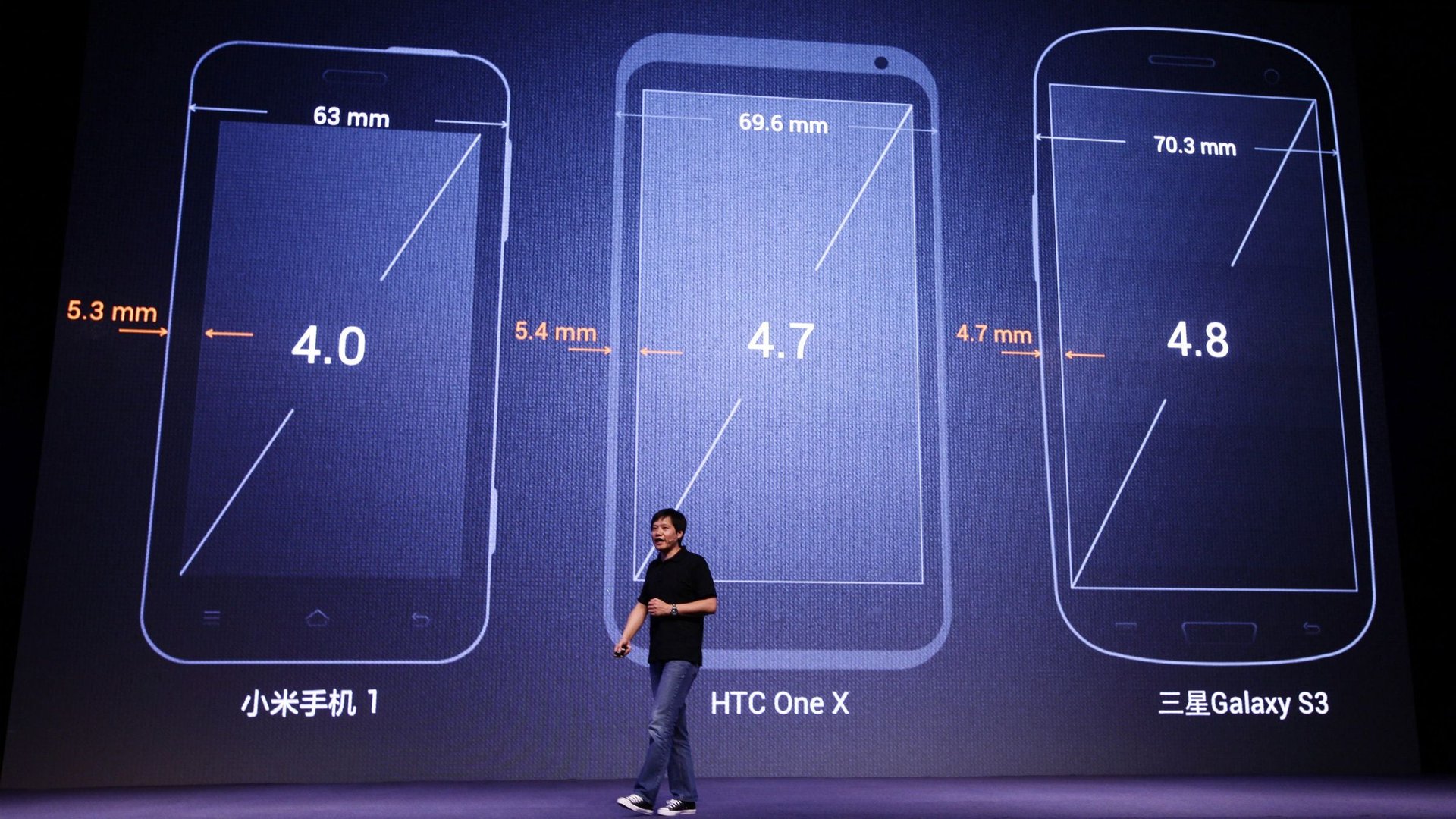
Chinese smartphone maker Xiaomi is on a hot streak, selling out its sought-after handsets in mere minutes and ramping up plans to expand beyond its home market. But the company would not have enjoyed this success if founder Lei Jun hadn’t decided to spend most of his team’s early efforts lining up top-flight suppliers for Xiaomi’s handsets—and especially if he didn’t make a bold call to travel to Japan at the height of the Fukushima nuclear crisis.

Japanese businesses have had a hard time in China since disputed islands in the East China Sea reignited regional tensions, leading to boycotts and the occasional riot. Even the false rumor of Japanese ownership was enough to wipe $2.4 billion off the market cap of noodle maker Master Kong last year.

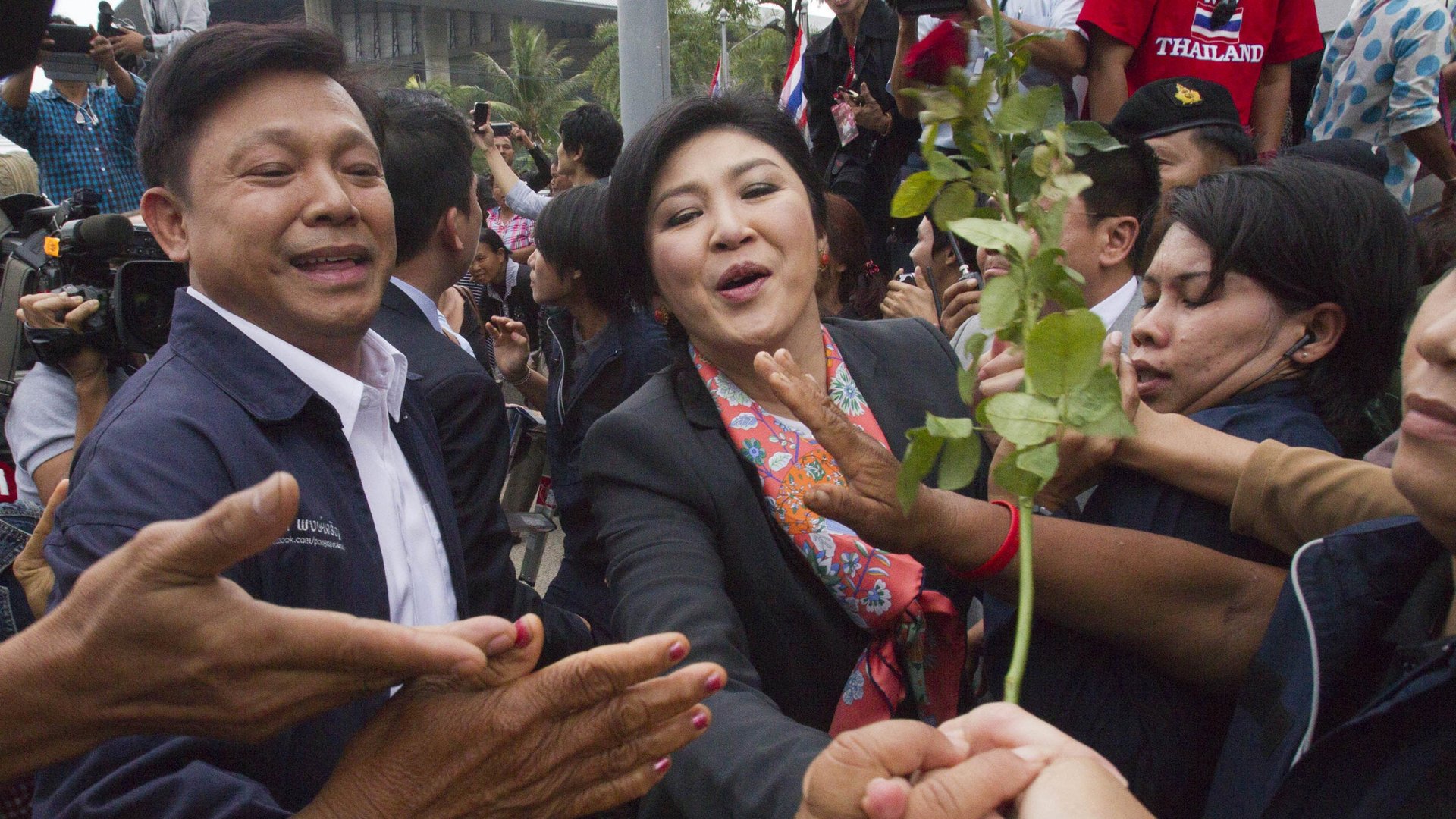
The throngs of protesters didn’t drive Thai prime minister Yingluck Shinawatra from office, but the judges did. The country’s constitutional court ruled today that she abused her power in a personnel shuffle, and removed her from office. The result is sure to sow more confusion in Thailand, a major US ally that has one of the region’s most developed economies—but it’s one that has been suffering due to a political system that seems to alternate between gridlock, violent chaos, and the absurd.

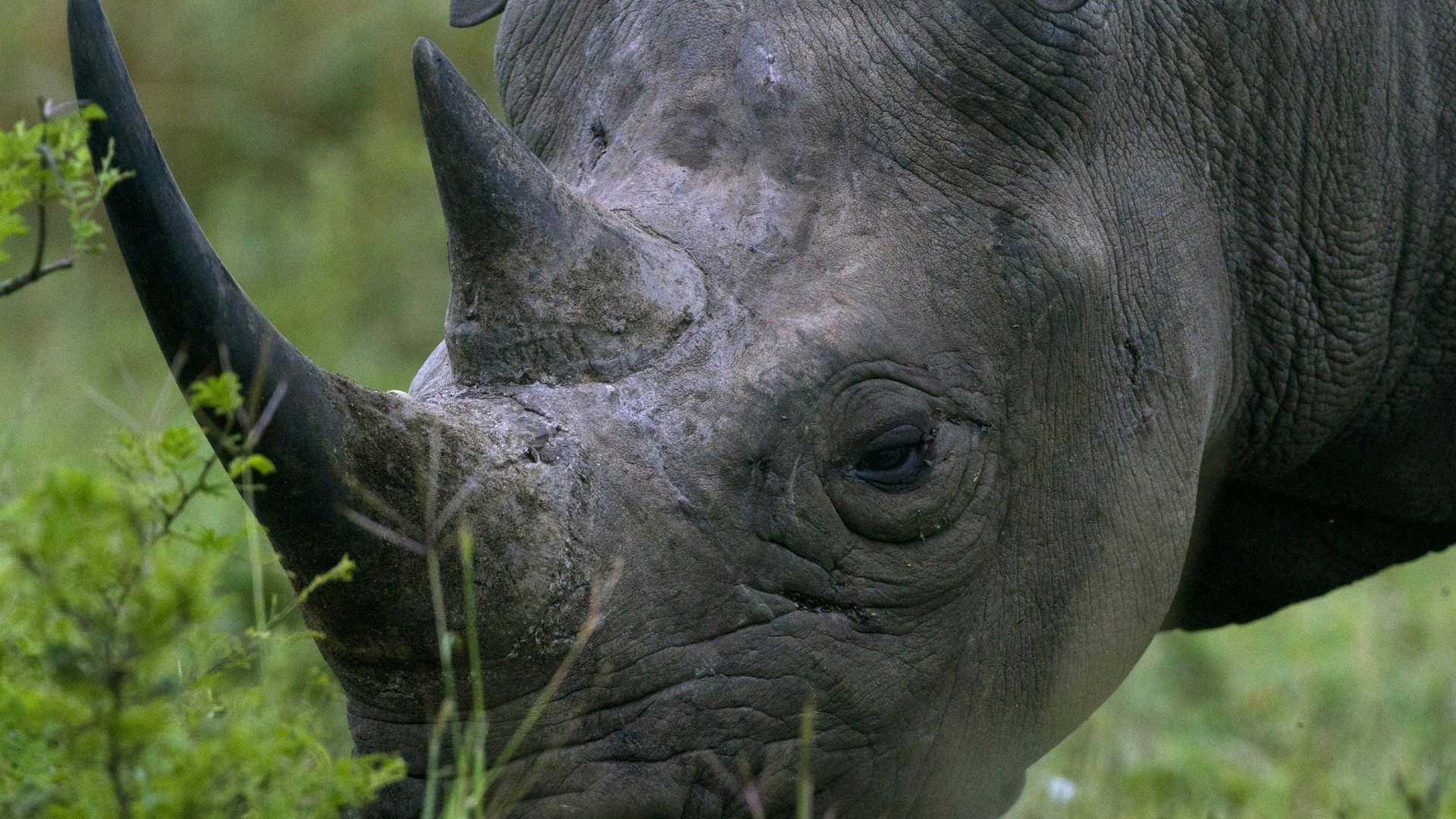
The battle against poachers is becoming a technological arms race. For every elephant’s GPS tracking collar and drone for protective surveillance, there is also a poaching ring that’s trying to scrutinize a tourist’s safari photo to find the exact coordinates of an endangered species.

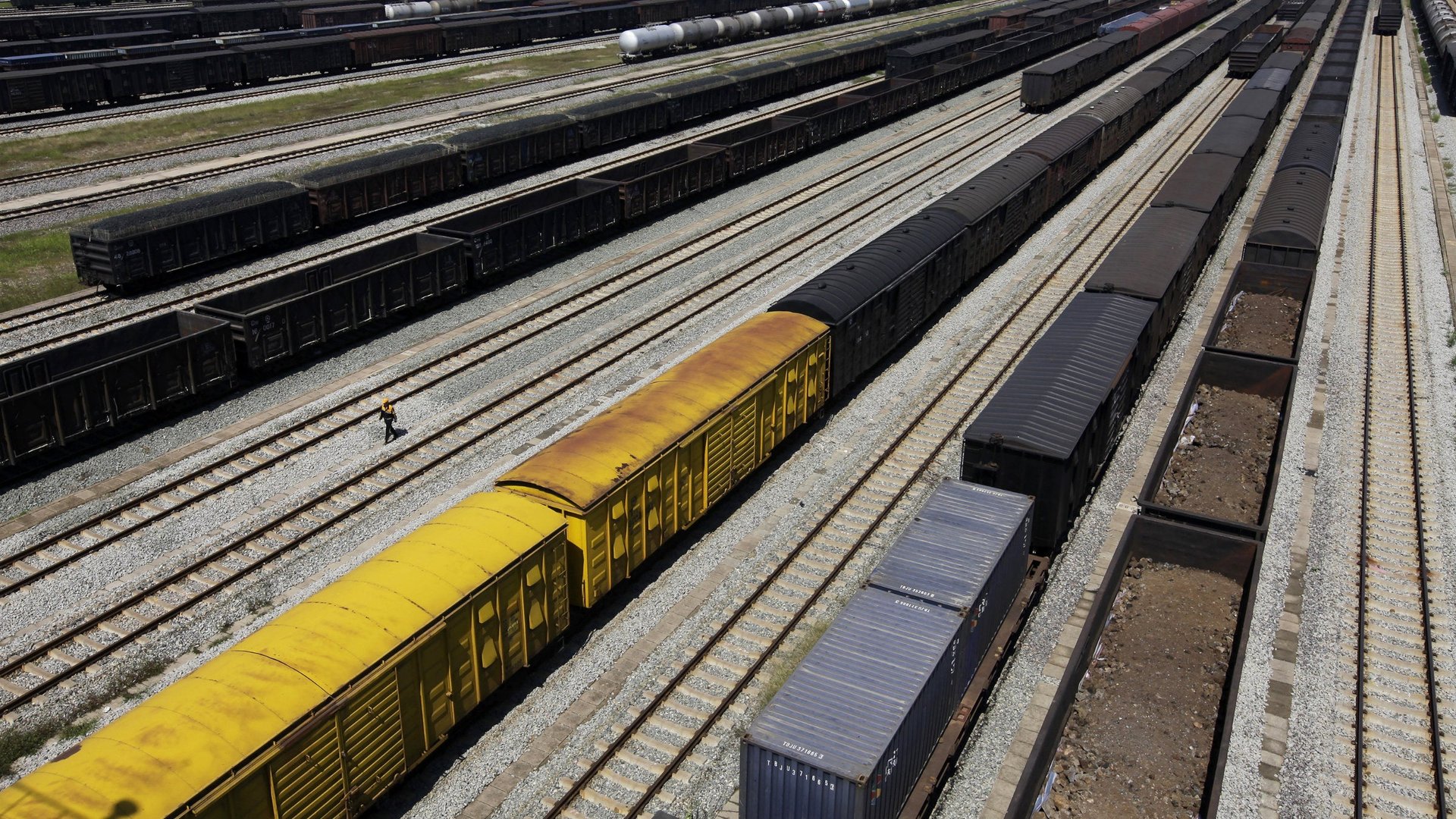
The electronic gizmos churned out by China’s factories have long been delivered to western consumers by giant seagoing vessels filled with shipping containers or, in the case of particularly high-value products, by air.

The United States helped create the jeepney—the Philippines’ distinctive public-transport vehicles, modified from surplus US army jeeps—and now president Obama is touting their demise. In Manila this week for a stop on his Asian tour, Obama climbed aboard a Comet, a new electronic vehicle designed to replace the 55,000 jeepneys currently clogging roads and spouting diesel exhaust in the chronically traffic- and pollution-ridden city.

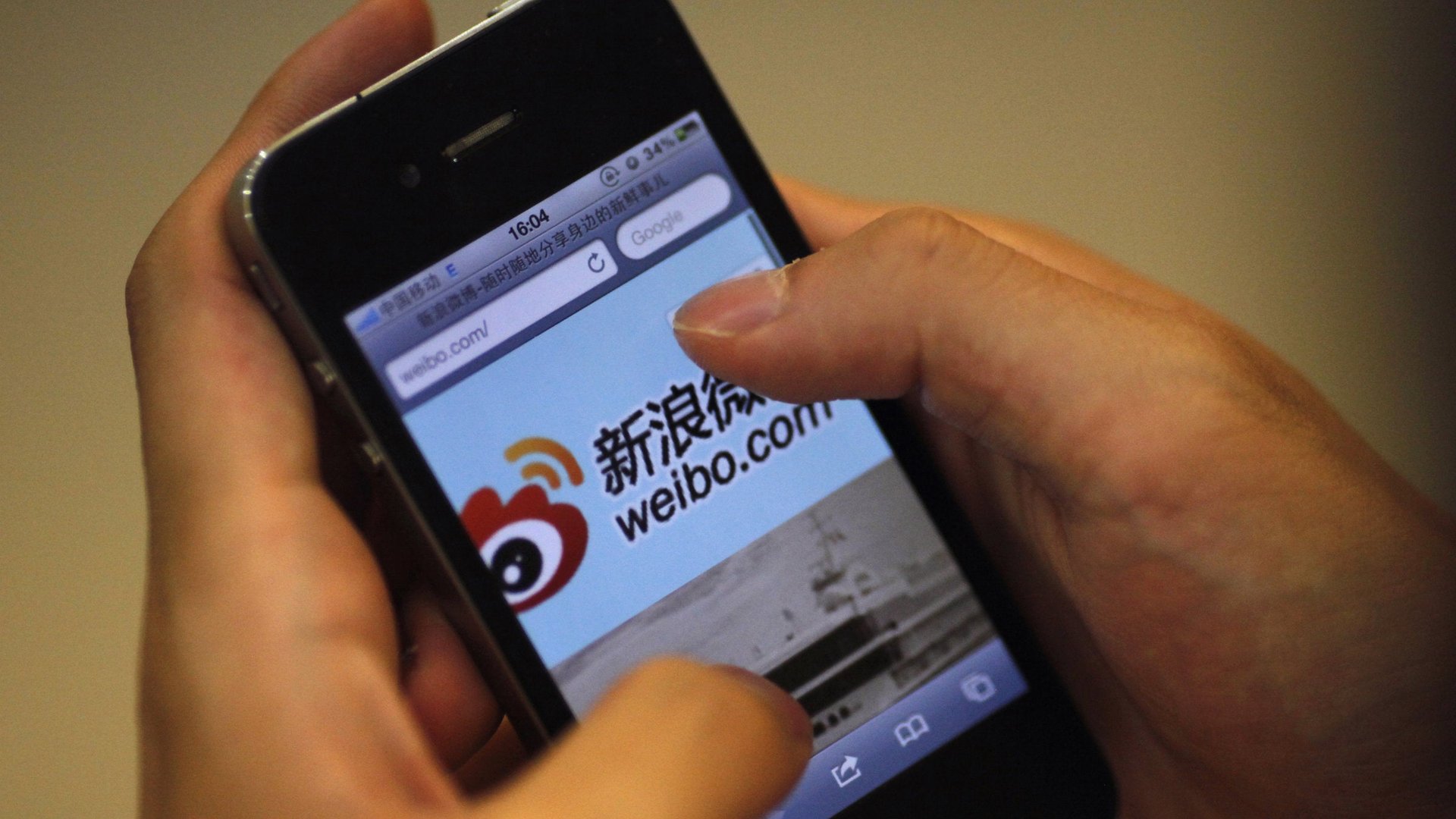
Weibo, China’s Twitter-like service, has issued new financial data before it prices its initial public offering, which it is expected to do today before starting to trade tomorrow on the Nasdaq. The company posted a $47.4 million net loss in the first quarter, compared to a loss of $19.2 million in the same period last year. Quarterly revenues of $67.5 million were more than double last year’s, but they fell about 5% from the previous quarter, which the company blamed on seasonal effects from Chinese New Year.

Alarmingly bad air quality is a perpetual source of worry across the world, whether in developing cities like Beijing and New Delhi or in western capitals like London and Paris. Air pollution is responsible for one in eight deaths worldwide, making it the single largest environmental health risk. But it’s one thing to know that the air is bad, and it’s entirely another to figure out the risks that it poses from day to day.

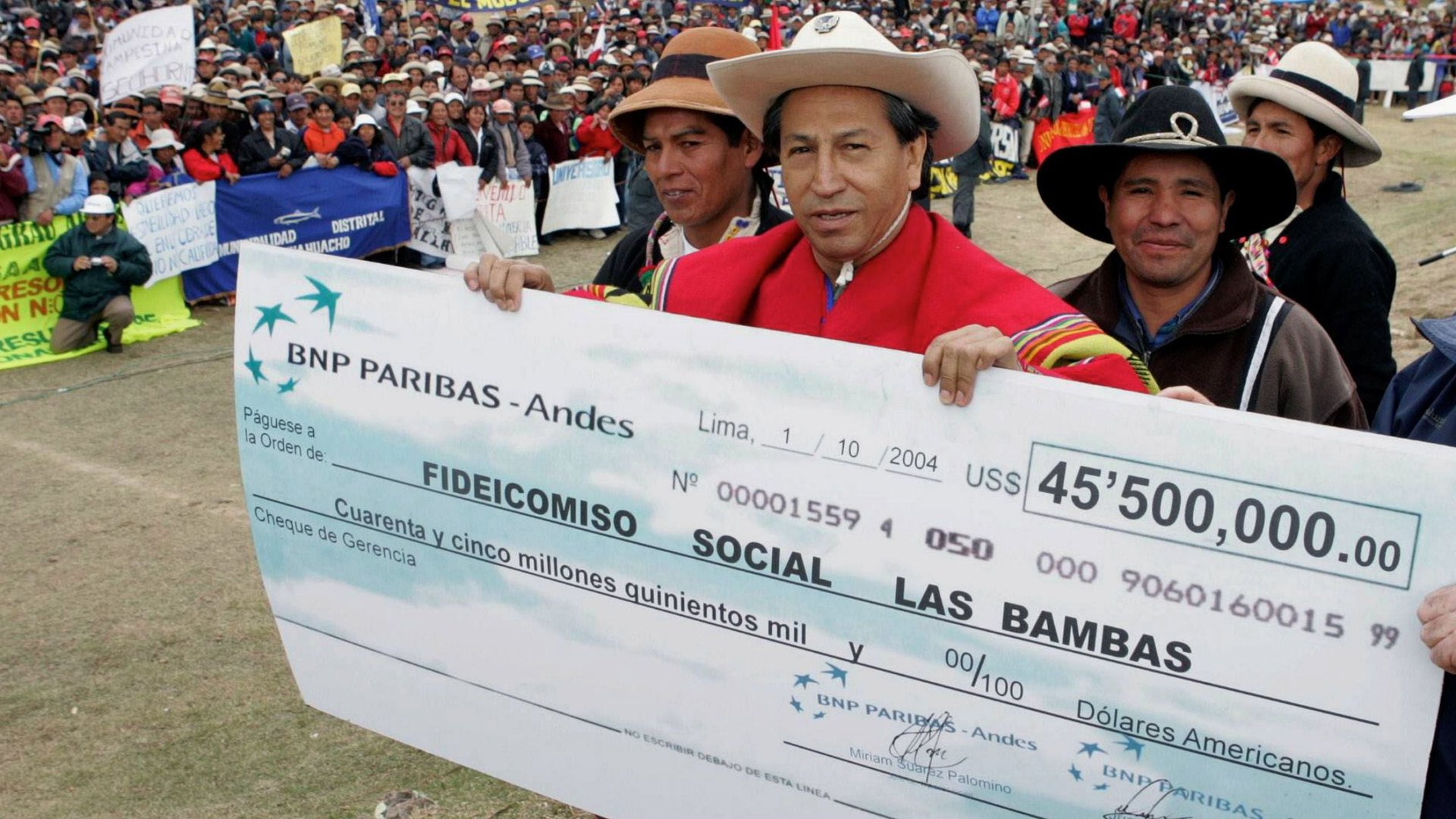
Mergers and acquisitions are supposedly all about synergy between the companies involved. It’s unusual to see it blossom between a company and an antitrust regulator, yet that’s exactly what seems to have happened in the case of the Chinese government and the Switzerland-based mining group Glencore-Xstrata.

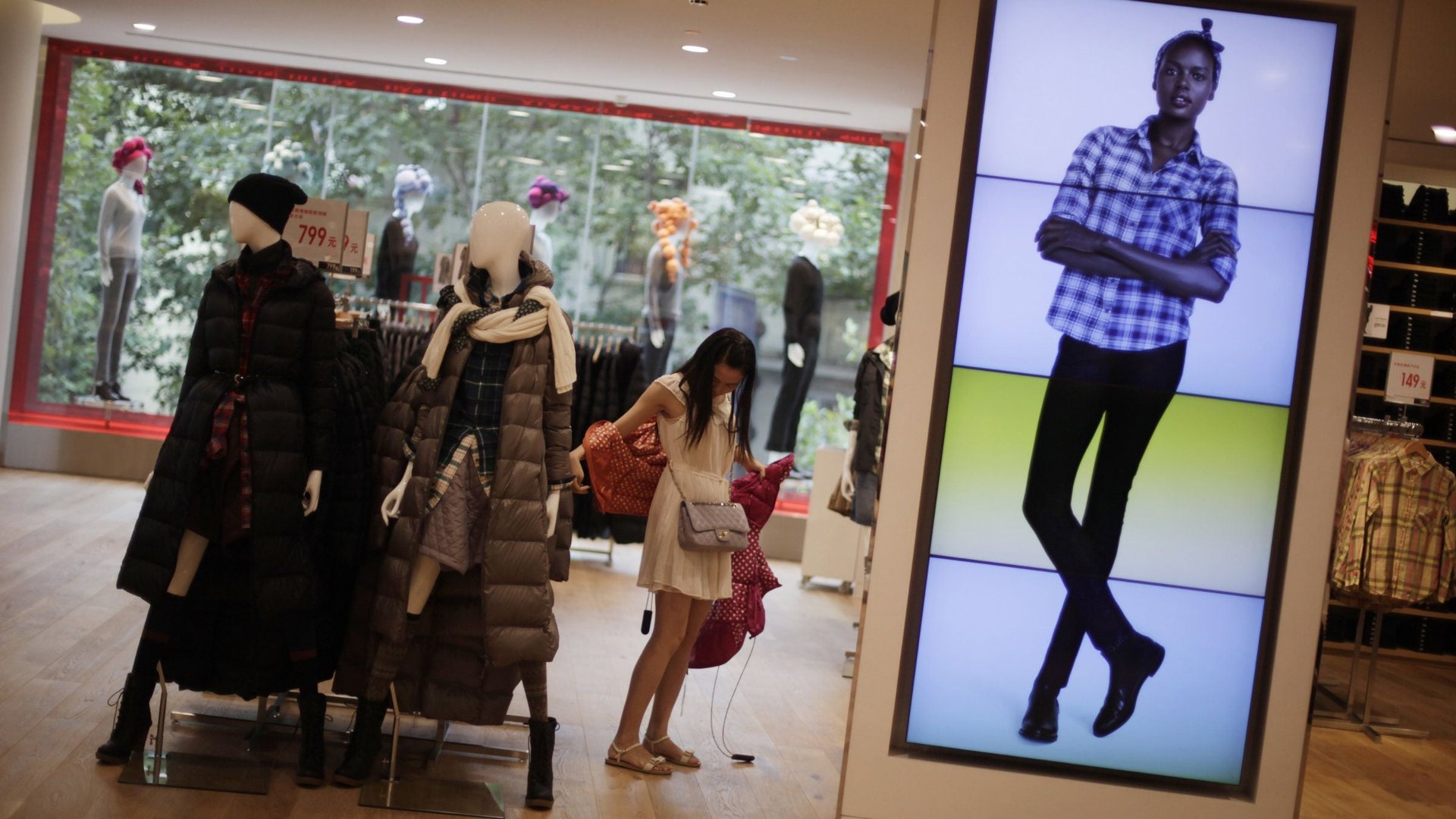
Fast Retailing, the Japanese parent company of the clothing chain Uniqlo, dragged the entire Japanese stock market down today. The company’s shares fell by 7.9% after the company warned that profits would be lower than expected this year. At issue is the retailer’s expansion drive, which aims to add 30 stores a year in the US and 100 year a year in China. Analysts fear that this isn’t enough to make up for anemic sales in Japan, where stores have already reached saturation levels.