There isn’t an indicator of the desperate times befalling the music industry as good as this: Universal Music, one of the world’s three biggest record labels, is releasing an album for cats.

There isn’t an indicator of the desperate times befalling the music industry as good as this: Universal Music, one of the world’s three biggest record labels, is releasing an album for cats.

LGBT students in the US looking to attend colleges with specialized resources quite literally have to pay an extra cost.

Apple is scheduled to unveil the highly anticipated iPhone 7 on Sept. 7, as well as a smattering of other device and software updates. Ahead of the big launch, Apple Music—the company’s one-year-old music streaming venture—is already getting a refresh.

College summer interns are invariably at the bottom of any organization’s food chain, more often than not overworked, underpaid, and unthanked. Sometimes even unnecessary.

More than a year has passed since a jury ruled that musicians Pharrell Williams, Robin Thicke, and T.I. have to shell out $7.3 million for their 2013 hit song ”Blurred Lines” infringing on the copyright of Marvin Gaye’s 1977 party tune ”Got to Give You Up.”

Due to the woeful lack of corporate training available at most companies, the majority of employees seeking professional advancement are taking matters into their own hands by networking, taking classes, and doing research on their own.

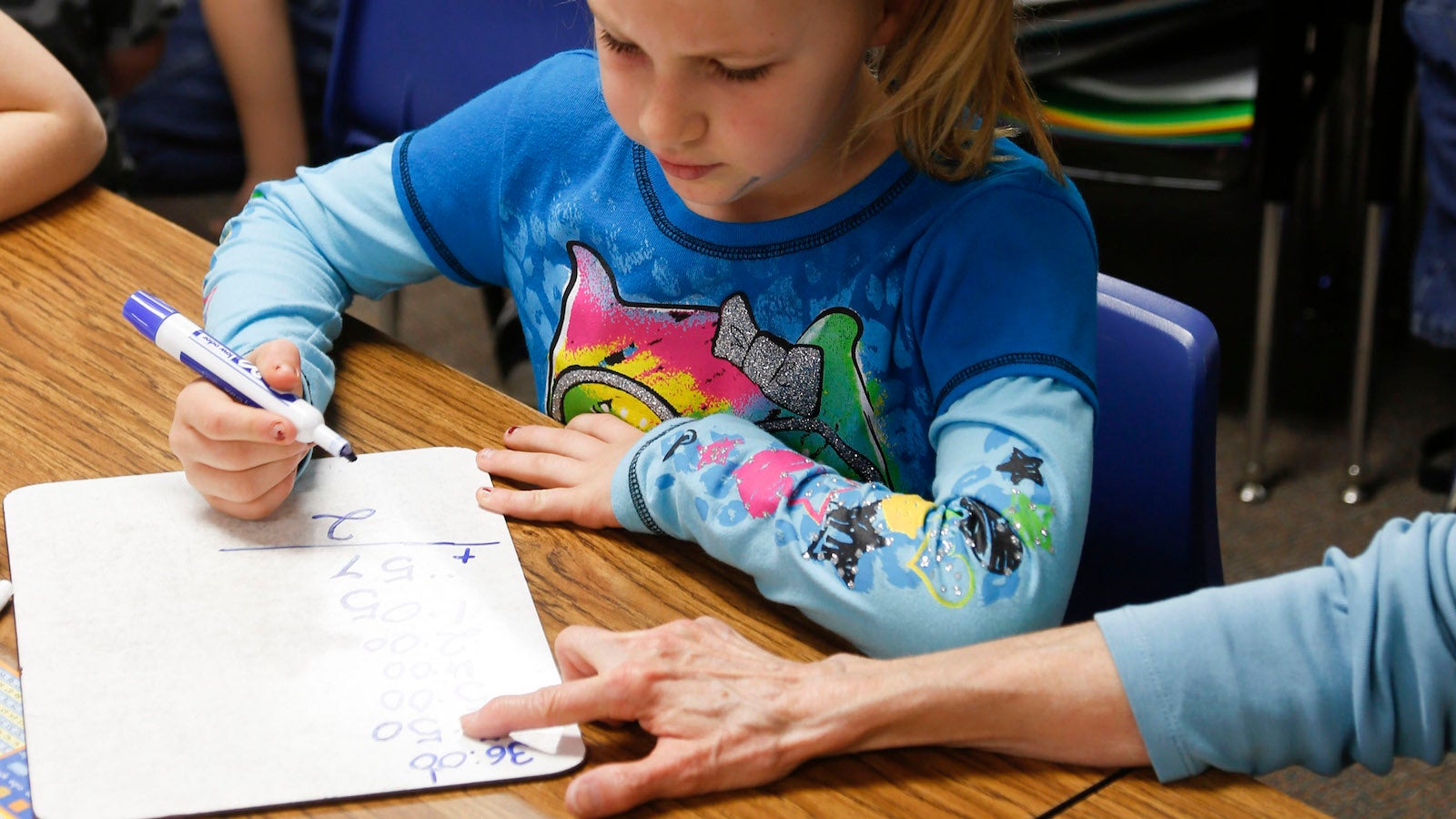
No wonder the US public school system is so broken. Parents across the country can’t even agree on what it’s meant for.

When an international pop star puts out a new track—especially if it’s the first to hit the airwaves in a while—it usually draws glittering attention. Radio stations and streaming platforms, deeply interested in catering to huge fanbases, tend to hype new hits with flashy promotions and spots on featured playlists.

College students tend to flock to dense, urban areas after graduation, seeking the types of skilled-labor jobs that are most widely available in large cities. So it makes perfect sense, then, that London—the biggest city in Europe, with a population of 8.6 million—has the highest concentration of college-educated people in Europe.

The punches pulled, this time, are literal.

As the majority of American universities take a vague, middling approach to the intensifying national debate over campus political correctness, one school is opting to be utterly blunt—and uncompromising.

More than a few creative folk in the world might bristle at a new declaration coming out of a major US county: that certain types of live performances—specifically country, rap, rock, and electronic music—do not constitute “culture.”

Jeff Bezos isn’t one to cower from a challenge, which is why his company Amazon is set on disrupting almost every industry out there.

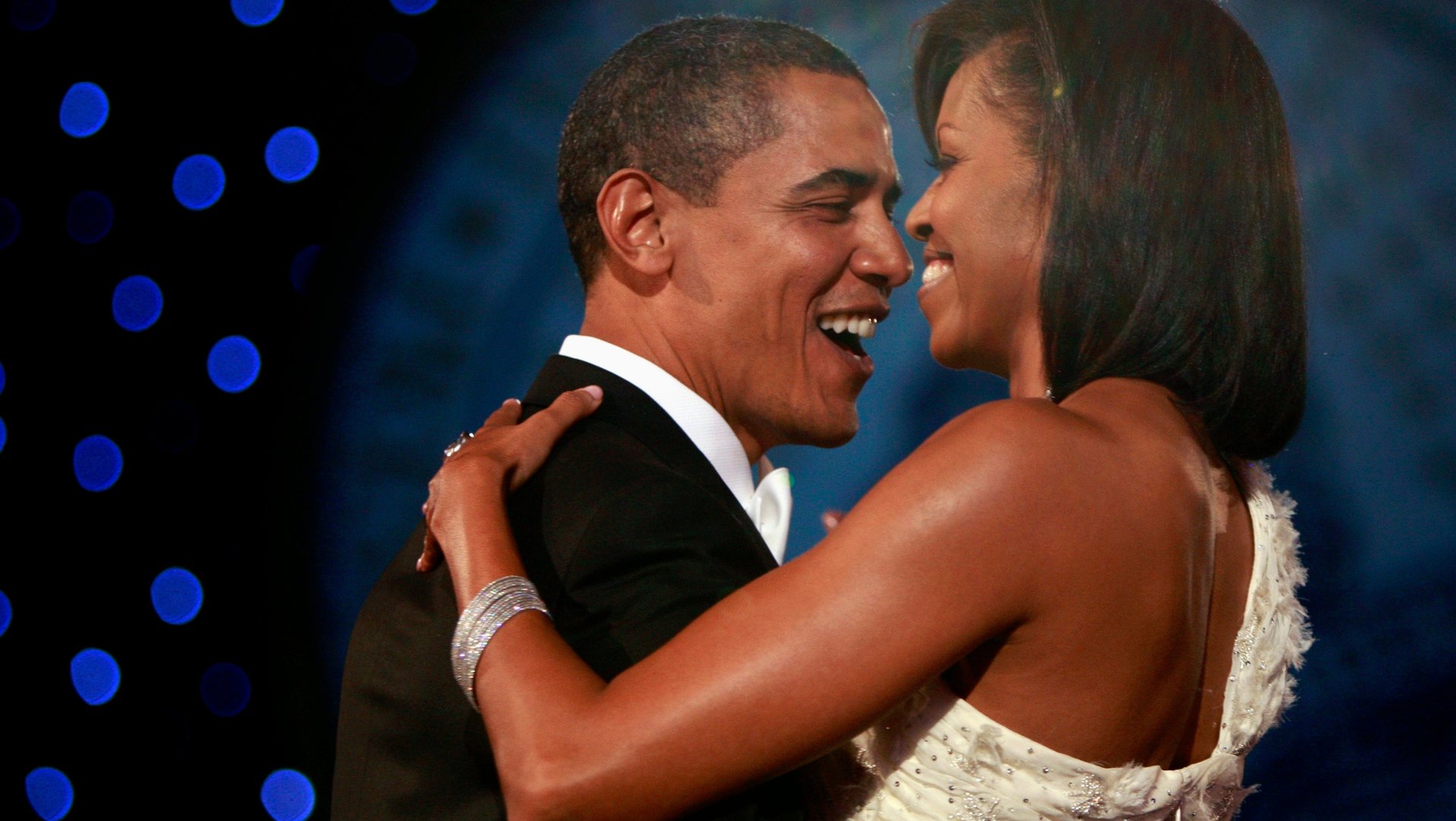
Less than six months stand between Barack Obama and the end of his term as president of the United States. While madness engulfs the race to succeed him, Obama himself is gearing up for some R&R… and R’n’B.

Cornell University’s about to get its youngest student: Jeremy Shuler, aged 12.

Pokémon Go might offer more than mindless entertainment.

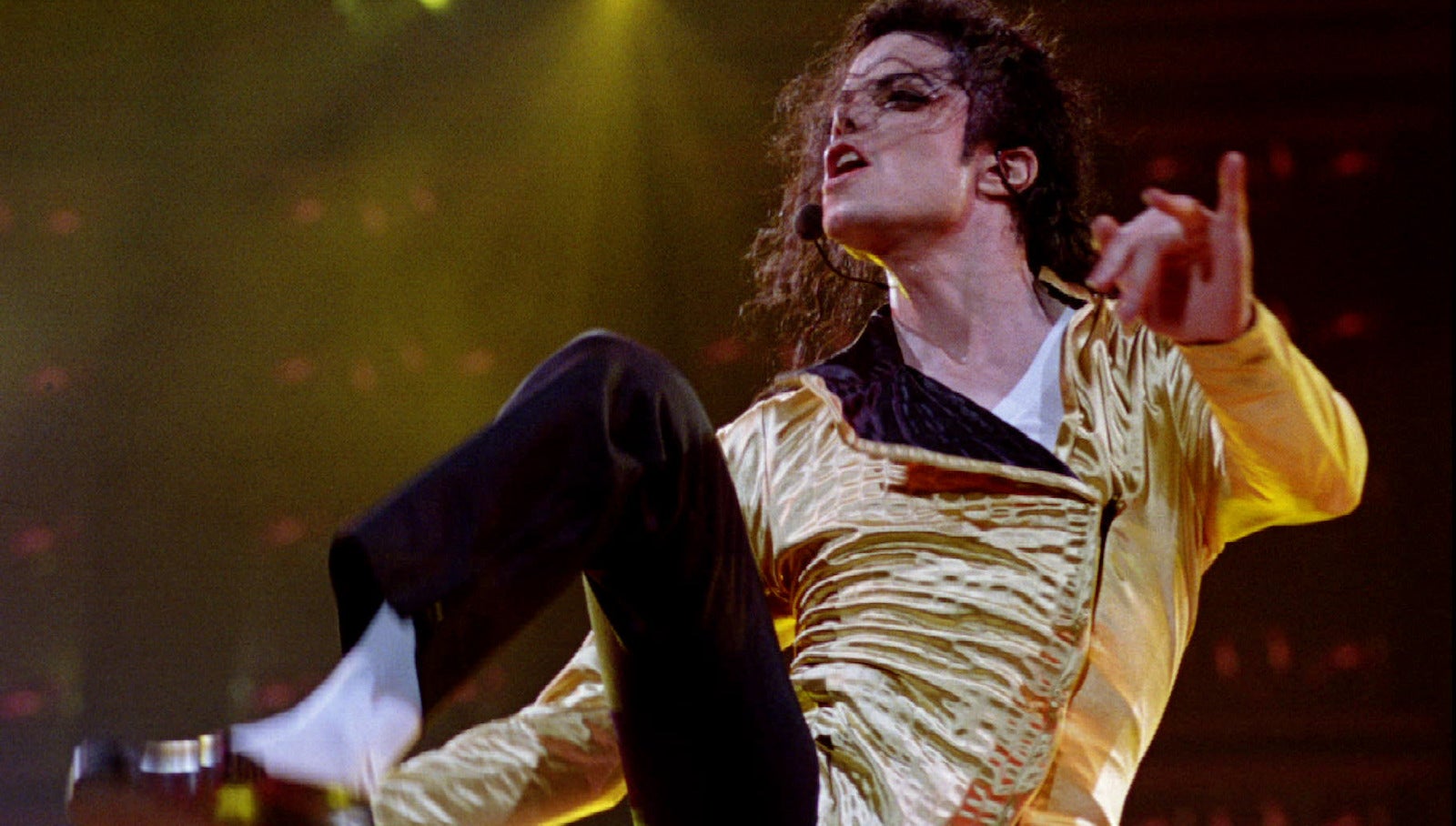
It’s a sign of the changing times, some would say. This week, rapper Kanye West scored his 40th song on the Billboard Top 40, netting him a spot on the list of top ten most chart-topping male artists in the chart’s history—and knocking pop legend Michael Jackson out of it.

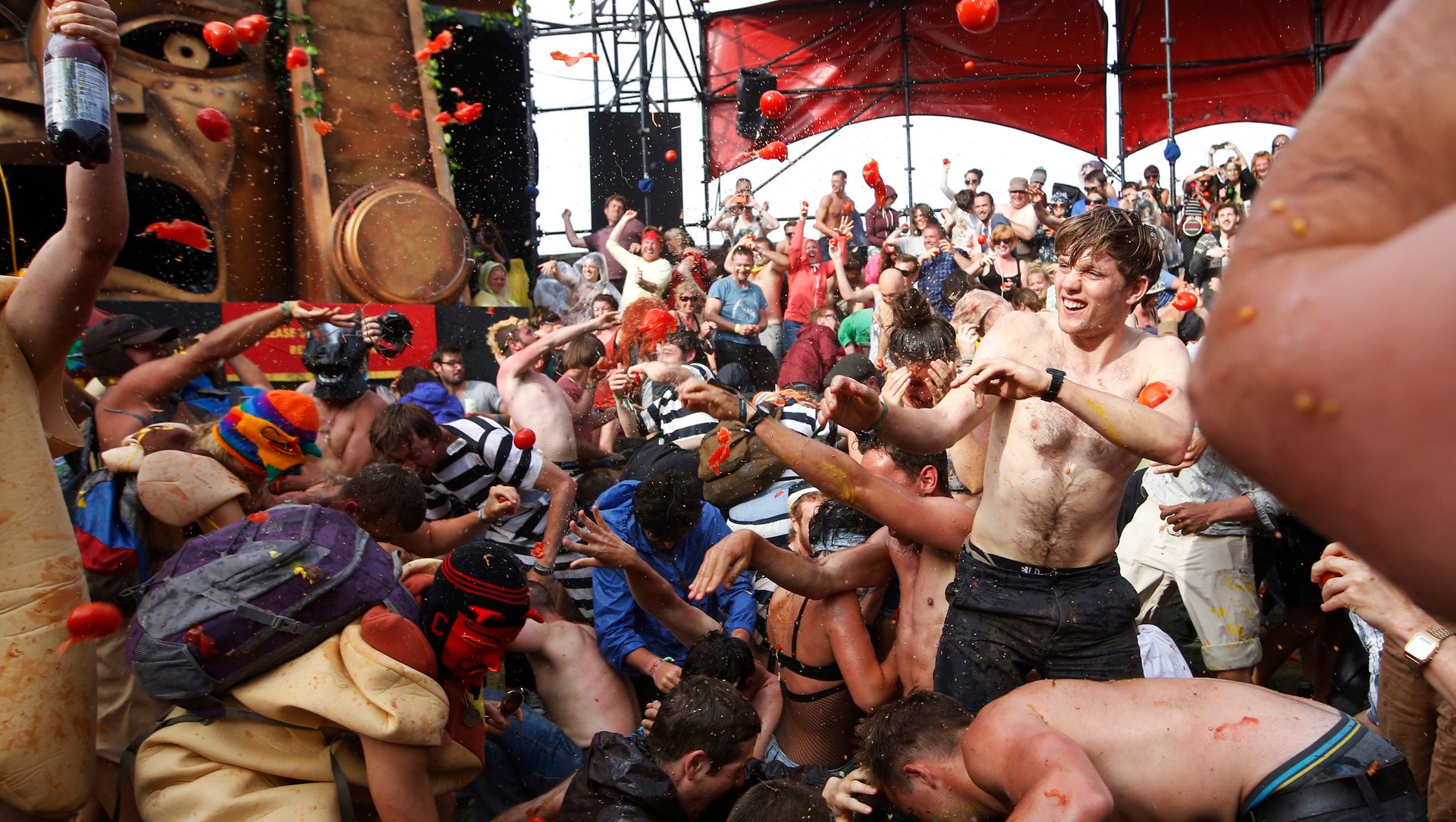
All hail the summer music festival, the most glitzy, increasingly popular—and increasingly lucrative—phenomenon in the entertainment industry at the moment.

First there was Discover Weekly, the impressively well-tuned, self-refreshing mixtape of personalized song recommendations that captured the hearts of many and helped Spotify catapult itself to 37 million global subscribers.

Political change has a long history of being driven, at least in part, by music. Songs and lyrics possess a unique power to rally masses, to spark passion. To socially transform.

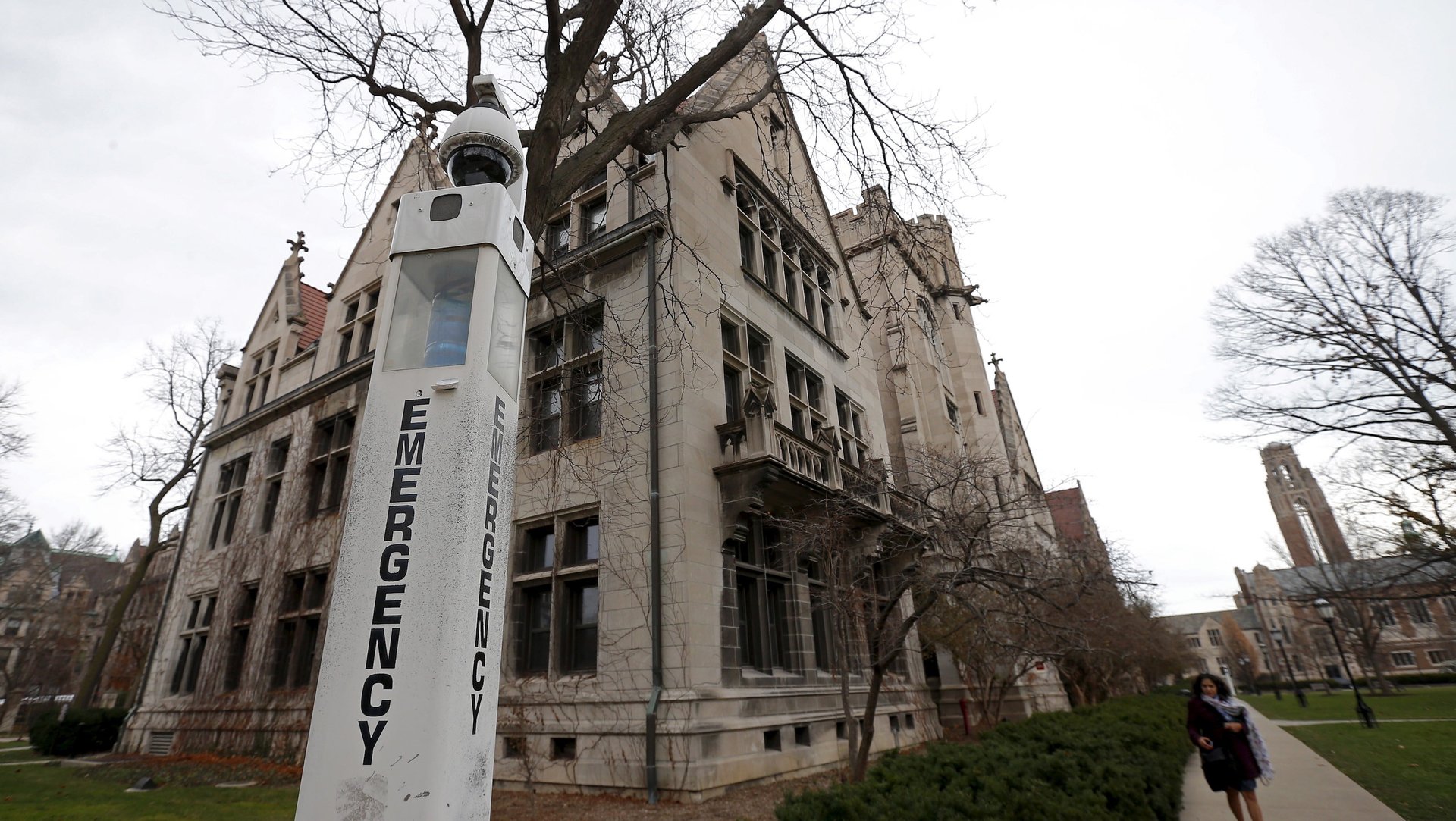
Emergency exits come in handy in times of fire, earthquake, flood—and apparently blistering student activism.

Spotify and Apple Music can give you access to 30 million songs. Tidal and Deezer, 40 million. SoundCloud, a boastful 125 million.

Enigmatic R&B singer Frank Ocean is releasing his first new tracks in years. His album, Boys Don’t Cry, will live exclusively on Apple Music for two weeks starting Friday, after which it’ll become more widely available, according to the New York Times (paywall).

In the entertainment business, surviving 35 years is no small feat.