Photos from Europe’s migrant crisis shook the consciences of citizens around the world last year, and the power of such images was reflected in the winners of 2016’s prestigious World Press Photo awards, announced today, Feb. 18.

Photos from Europe’s migrant crisis shook the consciences of citizens around the world last year, and the power of such images was reflected in the winners of 2016’s prestigious World Press Photo awards, announced today, Feb. 18.

Pope Francis leaves Mexico today, after a five-day visit across the country. As expected, the head of the Catholic church addressed inequality, immigration, and violence linked to the drug trade during his trip. But curiously, he never mentioned some of the country’s most controversial and pressing issues: abortion and contraception.

US pop star Taylor Swift won the 2016 Grammy Award for best album for her record-breaking release, 1989. In doing so she has become the first woman in the history of the Grammys to win the award twice (in 2010 she was awarded the accolade for her album, Fearless).

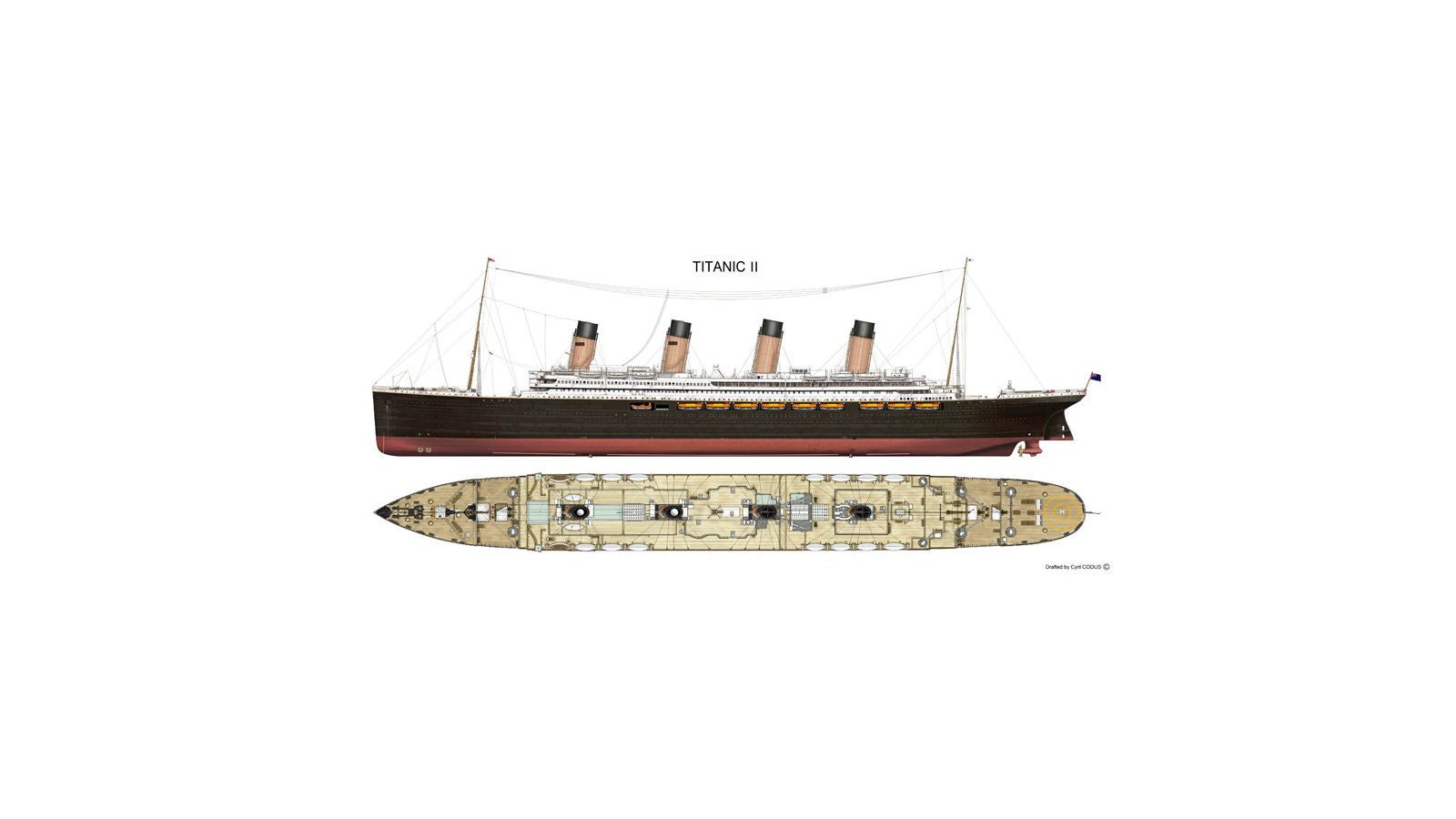
Here’s an unexpected way to show your appreciation for history: in two years’ time, you might be able to take a cruise on an exact replica of the Titanic—a ship called, well, Titanic II.

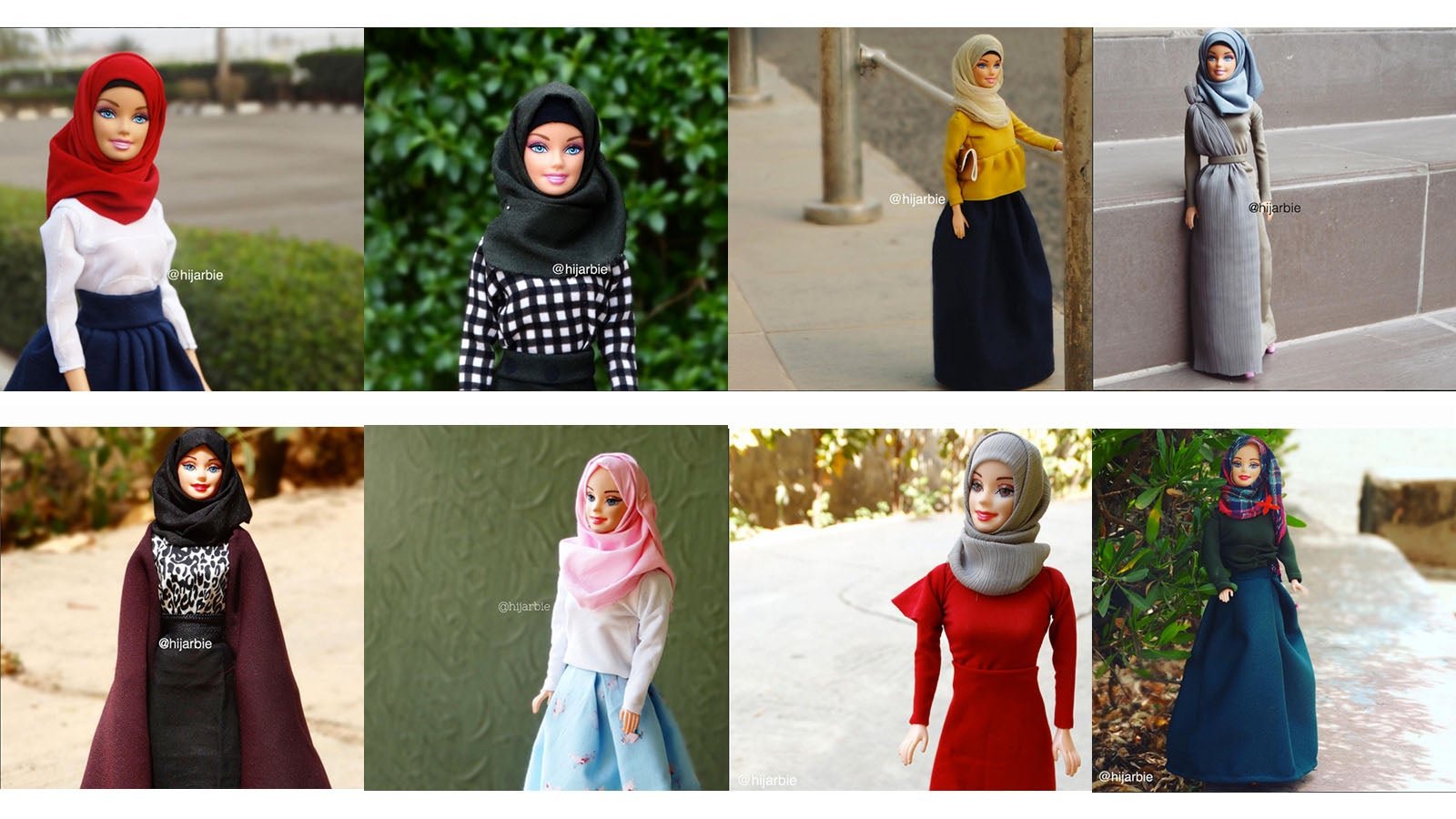
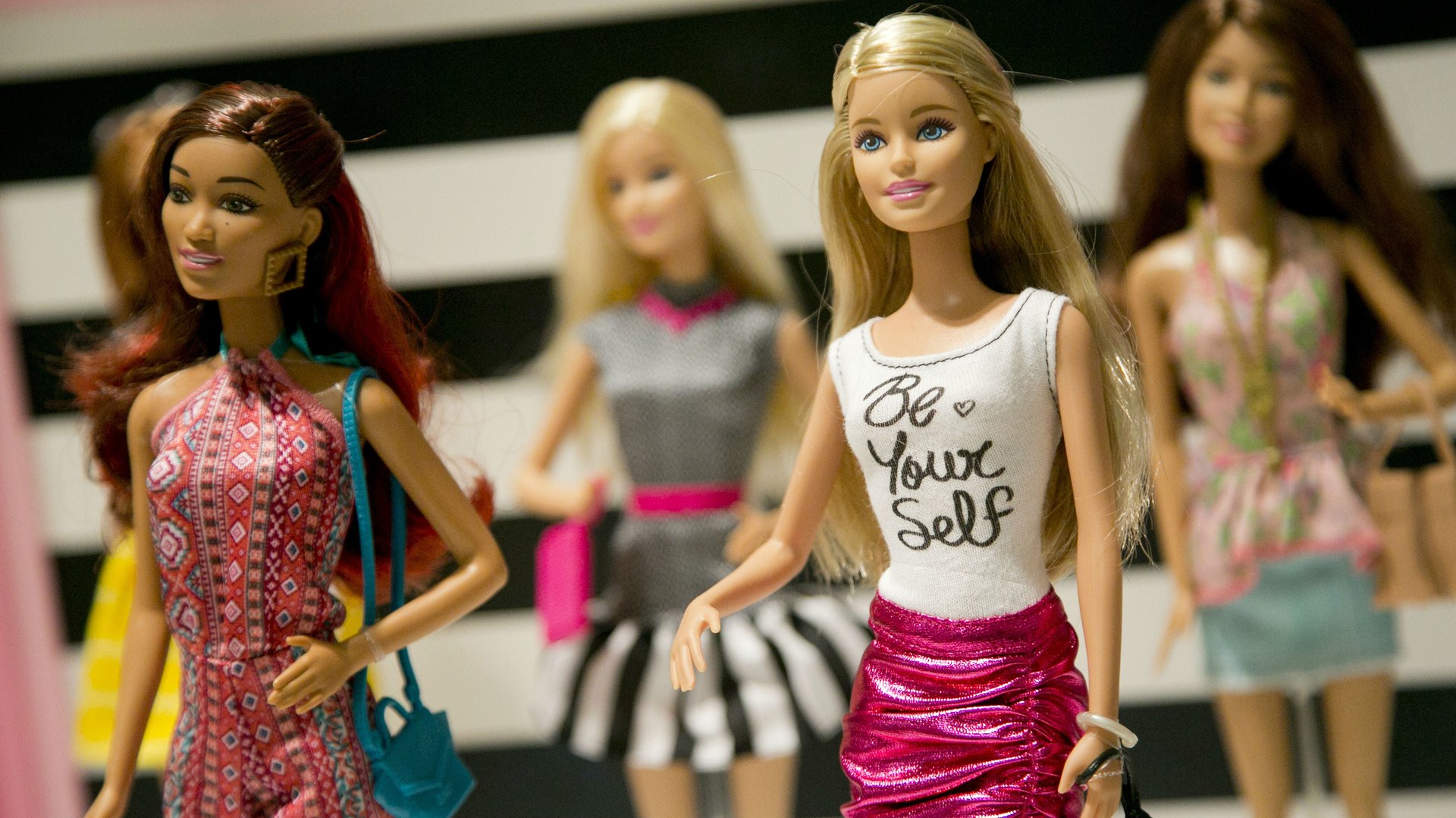
While toymaker Mattel tries to convince girls that Barbie dolls can be just like them, one customer out there has already madeover Barbie in her image.

The people of Yemen are facing incredible hardship at the moment: As if internal fighting and air strikes weren’t enough, food and water are scarce in the area, due to Saudi blockade on imports, isolation from humanitarian routes, and a tough natural climate. But there is one resource no one can take away: Yemen’s fog.

Patricia Arquette called it out in her Oscars speech in 2015, and Jennifer Lawrence wrote about it in an essay later the same year: Hollywood is sexist. To understand exactly how much, it might be useful to follow @femscriptintro, a new Twitter account set up by Ross Putman, a movie producer.

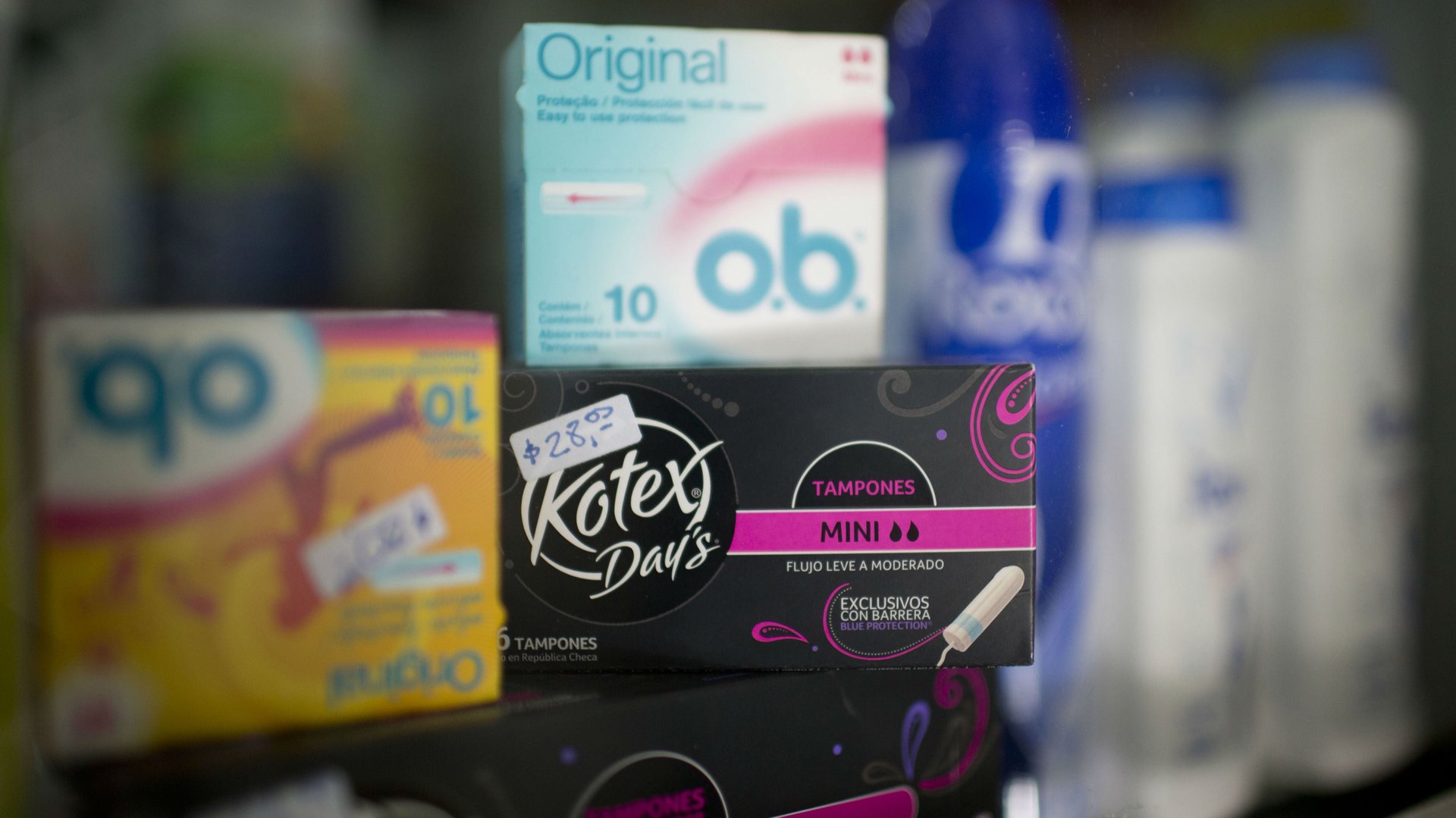
In as many as 40 US states, tampons and female hygiene products are taxed as luxury items. It’s something that’s stirred up a debate as of late—one that made it all the way to president Barack Obama, who suggested that the tax treatment of these items might have something to do with the fact that the duties are imposed by male-dominated legislatures.

It’s Ash Wednesday and, for Catholics all over the world, the day that marks the beginning of 40 days of Lent. This year, aside from the customary pledge to give something up, people have something else to keep up for the next few weeks—listening to Pope Francis’ daily audio messages on Telegram, a messaging app.

Why is it that in 2016, it’s still so difficult to accurately predict a flu outbreak, or quickly determine its size once it’s already here? It’s a troubling question, considering that influenza epidemics kill an estimated 500,000 people worldwide each year. Poor data is partly to blame. While the minutest details of our lives fuel customized advertising and targeted products, records of real-time health data are patchy, inconsistent and difficult to gather quickly, making it challenging to use them efficiently.

Beyoncé is a force of nature. Even during an underwhelming Super Bowl halftime show (Coldplay likely to blame for it, but even Bey’s show wasn’t half the spectacle she put on at the Super Bowl in 2013)—she was able to make a powerful statement. She channeled black power and Michael Jackson as she sang her latest single “Formation,” a tribute to her African American and Creole heritage, released only a day earlier (Feb. 6) with a video that took on police brutality against black citizens.

On Feb. 4, former Turing Pharmaceuticals CEO Martin Shkreli was interrogated by members of Congress over his decision last September to jack up the price for Daraprim, an antiparasitic commonly used to treat HIV patients, from $13.50 to $750 a pill.

Roosh Vörek (real name: Daryush Valizadeh)—a pick-up artist, pro-rape-on-private-property activist, and self-declared chauvinist who goes by the name Roosh V.—had to cancel international meet-ups he had organized in cities around the world for his community of “heterosexual, masculine men,” Return of Kings. The meet-ups, comprising “165 meetings in 43 countries,” were meant to happen on Feb. 6 and had been organized as a way to connect “fellow tribesmen,” or followers of Roosh V.’s blog and “neomasculinity” philosophy.

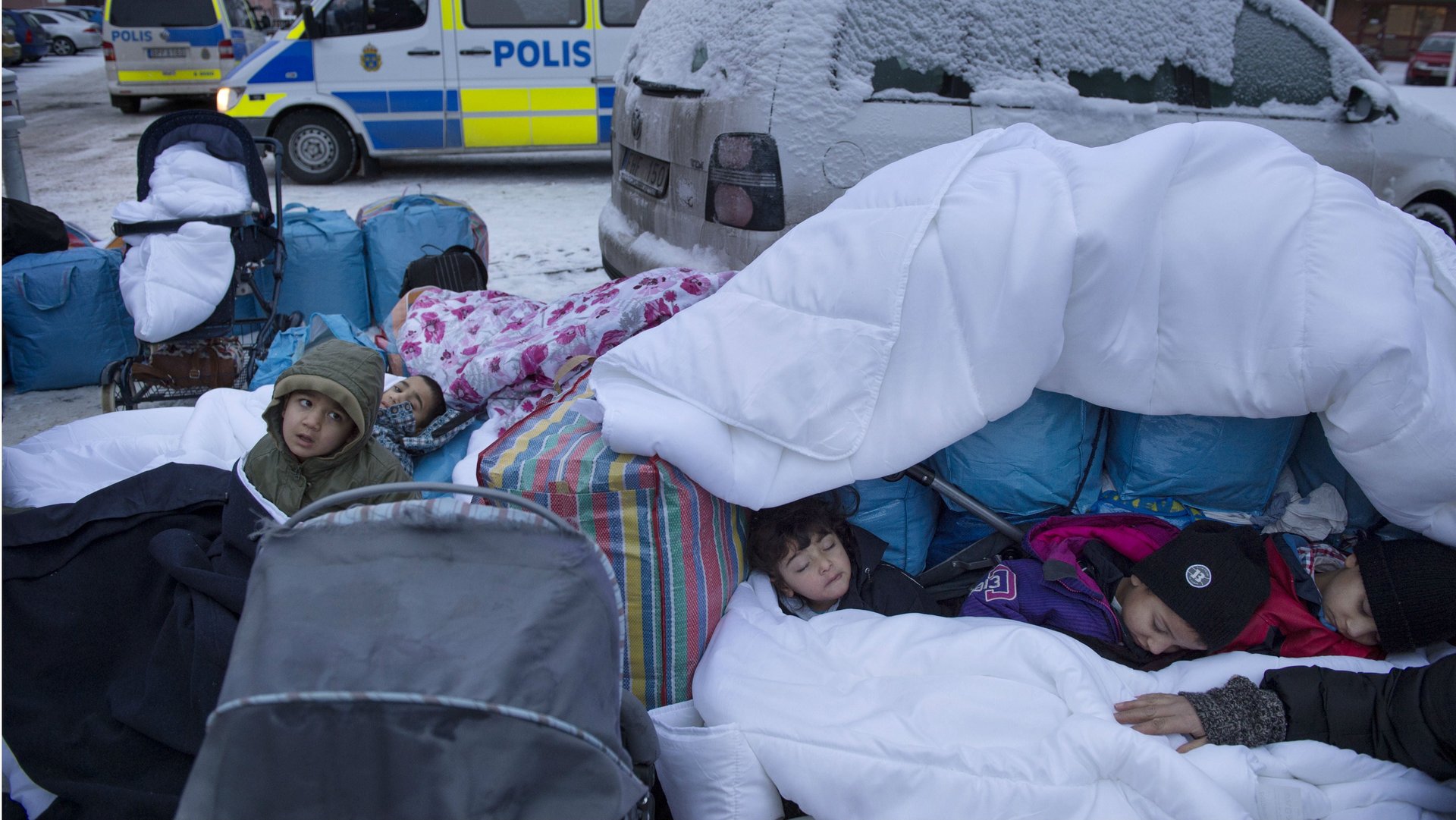
More than a million people sought asylum in Europe last year, and the influx of refugees from Syria, Iraq, and other war-torn places shows no signs of letting up in 2016.

Less than a year and a half since the world was panicking about Ebola, the world is dealing with another terrifying epidemic.

When it comes to international education standards, Ghana has little to be proud of. In the latest OECD report (pdf, p. 38), the country rates last in the world in student achievements, and UNESCO reports that it’s in need of nearly 190,000 teachers. That’s not a small requirement, especially considering that nearly 95,000 of 240,000 Ghana primary and junior high school teachers are untrained.

Tension against refugees is mounting in Europe, and violent, xenophobic episodes targeting asylum seekers are becoming more common. The latest, in Stockholm, Sweden, is particularly brutal: Around 9pm on Jan. 29, a mob of dozens of masked men marched through the city’s central station, distributing leaflets promising to give “the North African street children who are roaming around the punishment they deserve.”

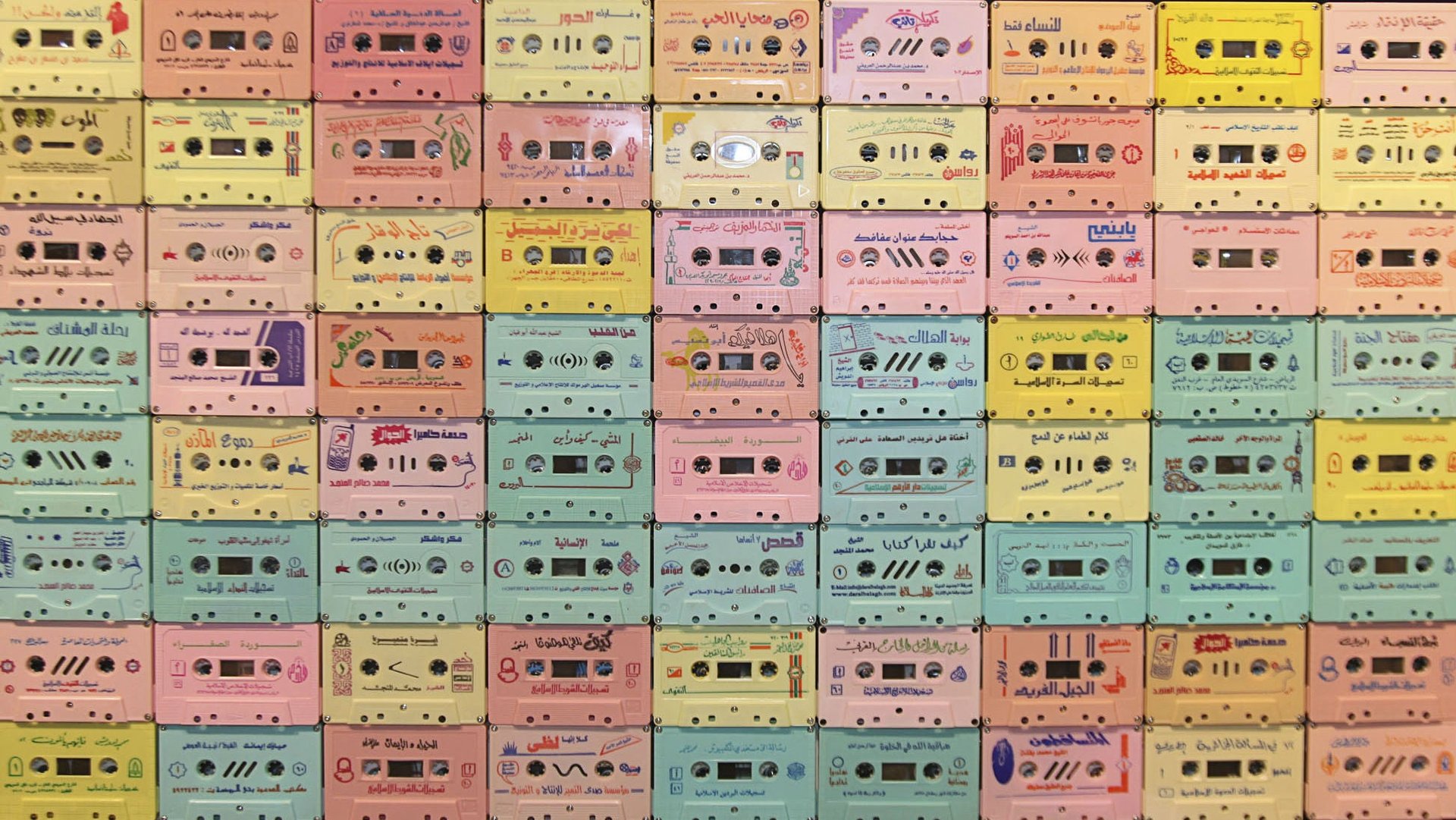
It’s one of the glorious, forgotten gestures of the 1990s: pressing the “play” and “record” buttons simultaneously, and then “stop” at the exact right time, to make a mixtape. And so is sticking a pen inside a cassette hole to rewire a tape gone awry. Much like vinyl, there is a romanticism to the experience of audio tapes that no CD—let alone MP3—can hope to replicate.

“Can we stop talking about my body?” asks a Barbie doll on the cover of Time magazine. Most of her body, pictured in profile, is in complete shade, making her look like a silhouette. It’s not the one we’ve seen for decades, but a more realistic body—if you ignore the silky blonde hair, the enormous eyes and invisible nose, the long fingers and perfectly shaped lips.

Less than a year and a half since Ebola terrified the world, a new viral pandemic has emerged.

“Life,” John Lennon sings in Beautiful Boy, “is what happens to you while you’re busy making other plans.”

After Greece passed a law recognizing same-sex partnerships late last year, Italy became the sole country in Western Europe that still doesn’t recognize these unions. But this might not last: on Jan. 28, the Italian senate is scheduled to debate a bill that would recognize same-sex partnerships.

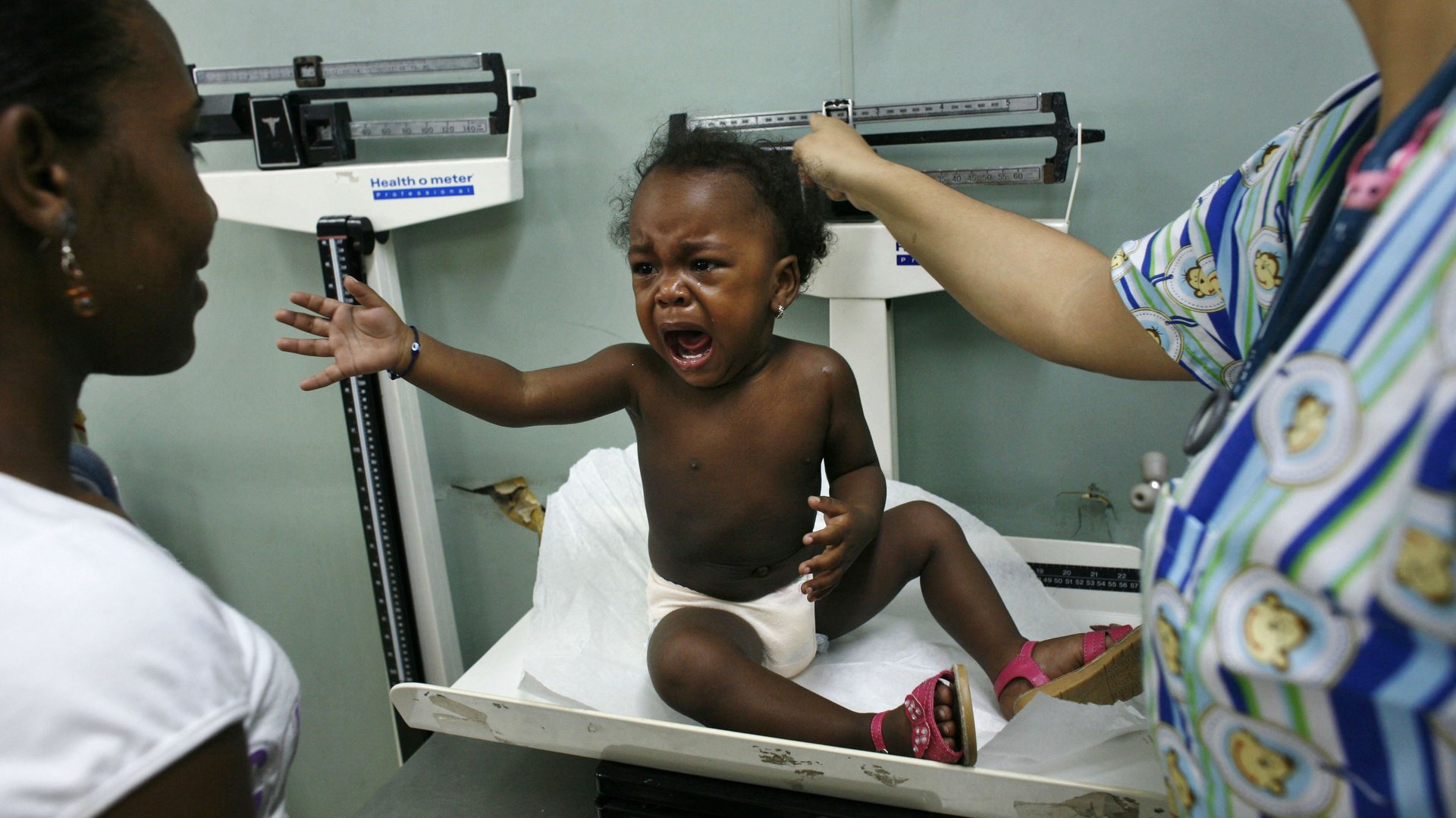
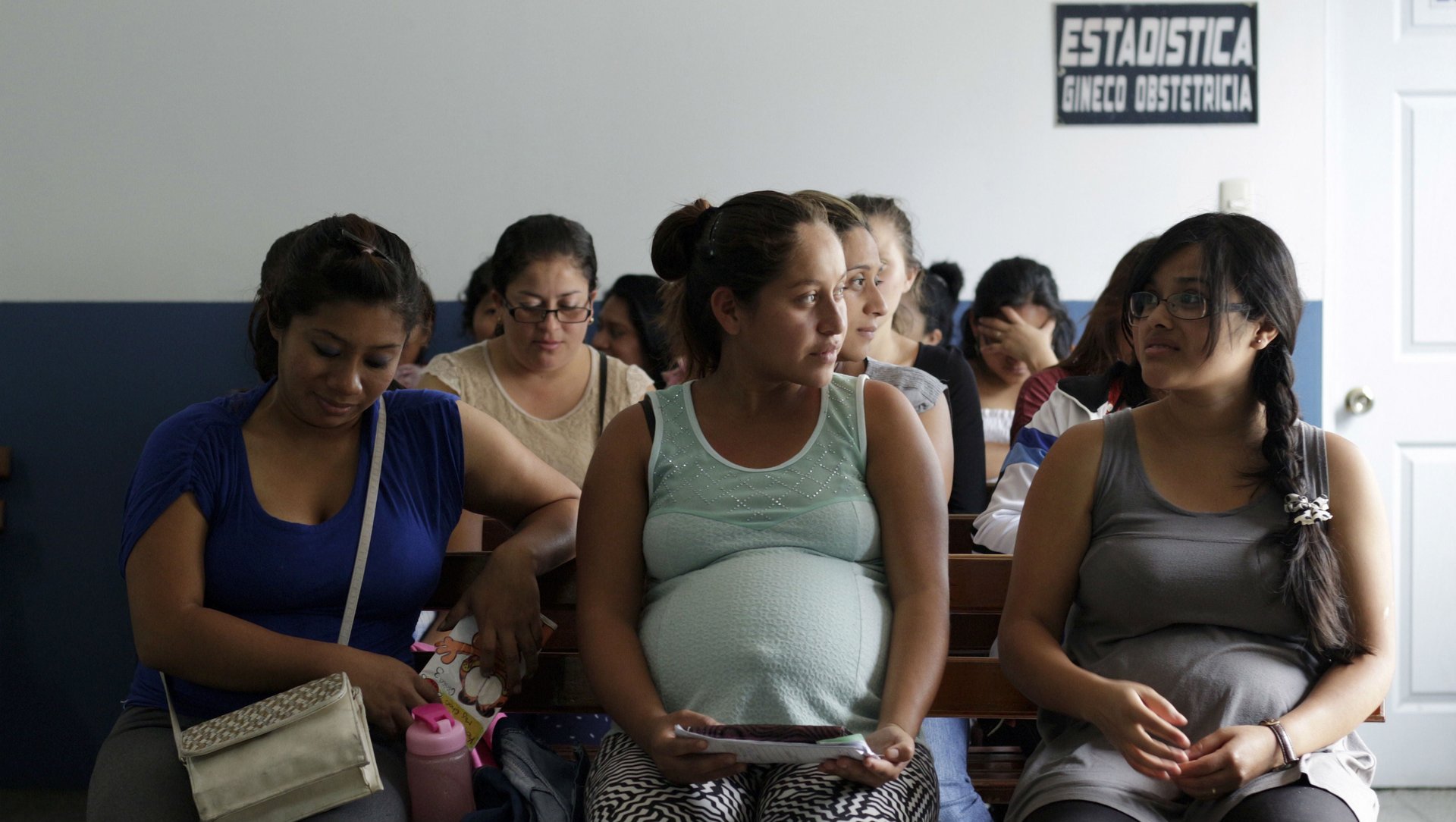
Rio de Janeiro is just months away from hosting the 2016 Summer Olympics as Brazil deals with a terrifying epidemic of the Zika virus, which has been linked with shrinking babies’ brains. In 2015, as many as 1.5 million cases were registered in the country (paywall)—and the disease is spreading fast around the world.

One of the constant findings in suicide studies is that the majority of victims are older white men. Data from the American Foundation for Suicide Prevention shows that in 2014, men accounted for 77.4% of all suicides in the US—and white males for about 70%.