
Money & Markets
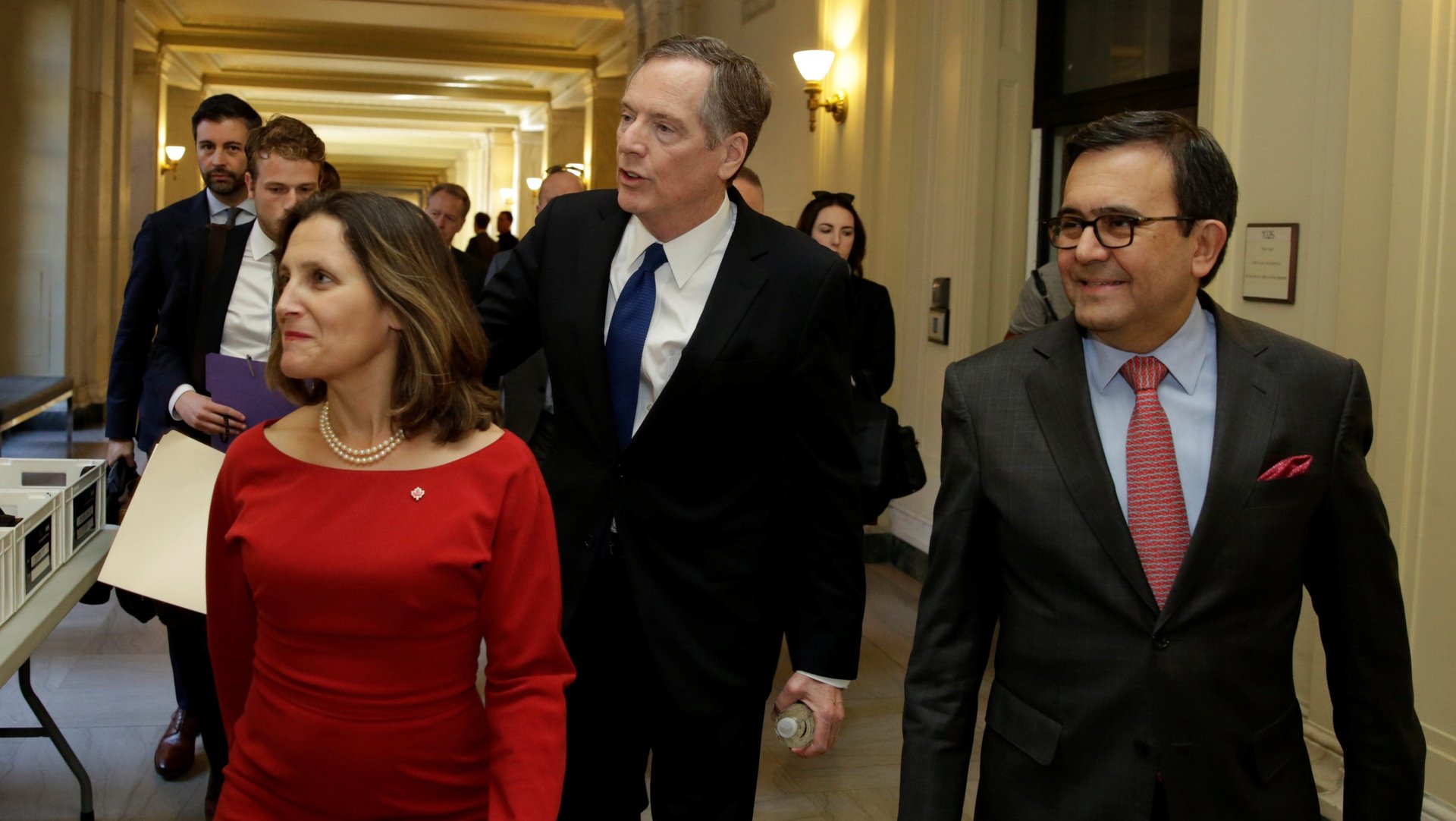
The North American Free Trade Agreement is at an impasse because the US is tired of free tradeTalks to revamp the North American Free Trade Agreement (Nafta) have survived their fourth round—barely.
Updated July 20, 20222 min read
Talks to revamp the North American Free Trade Agreement (Nafta) have survived their fourth round—barely.

Google often celebrates cultural figures with a clever doodle on its search page.
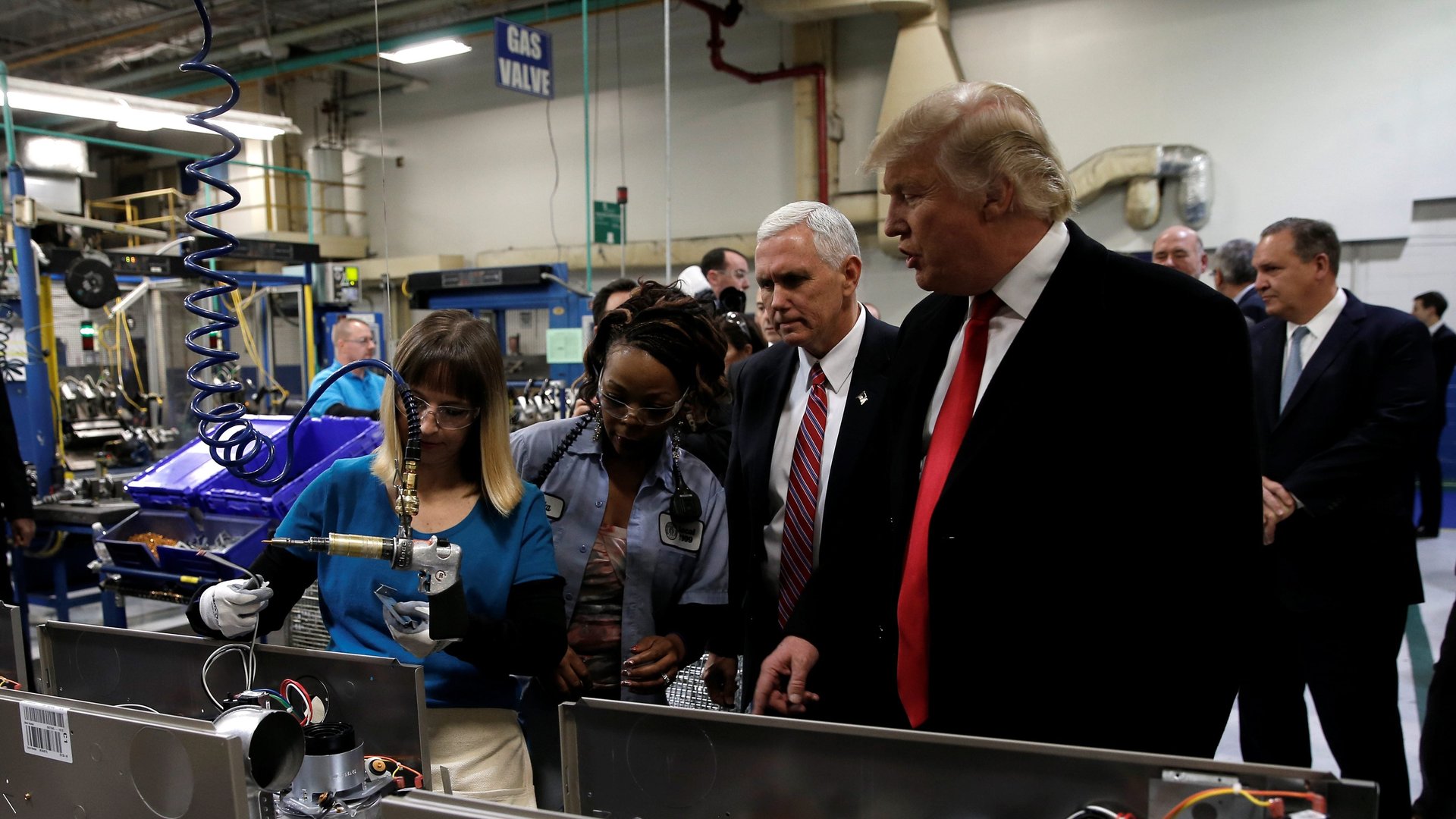
As billed during the presidential campaign, Donald Trump has been playing hardball on trade. He killed the Trans-Pacific Partnership, a 12-nation trade agreement, during his first week in office; he’s pressured South Korea into agreeing to change its trade deal with the US to be more favorable to the latter; and last week, his administration introduced several controversial proposals to renegotiate the North American Free Trade Agreement, or Nafta, that threaten to derail talks.
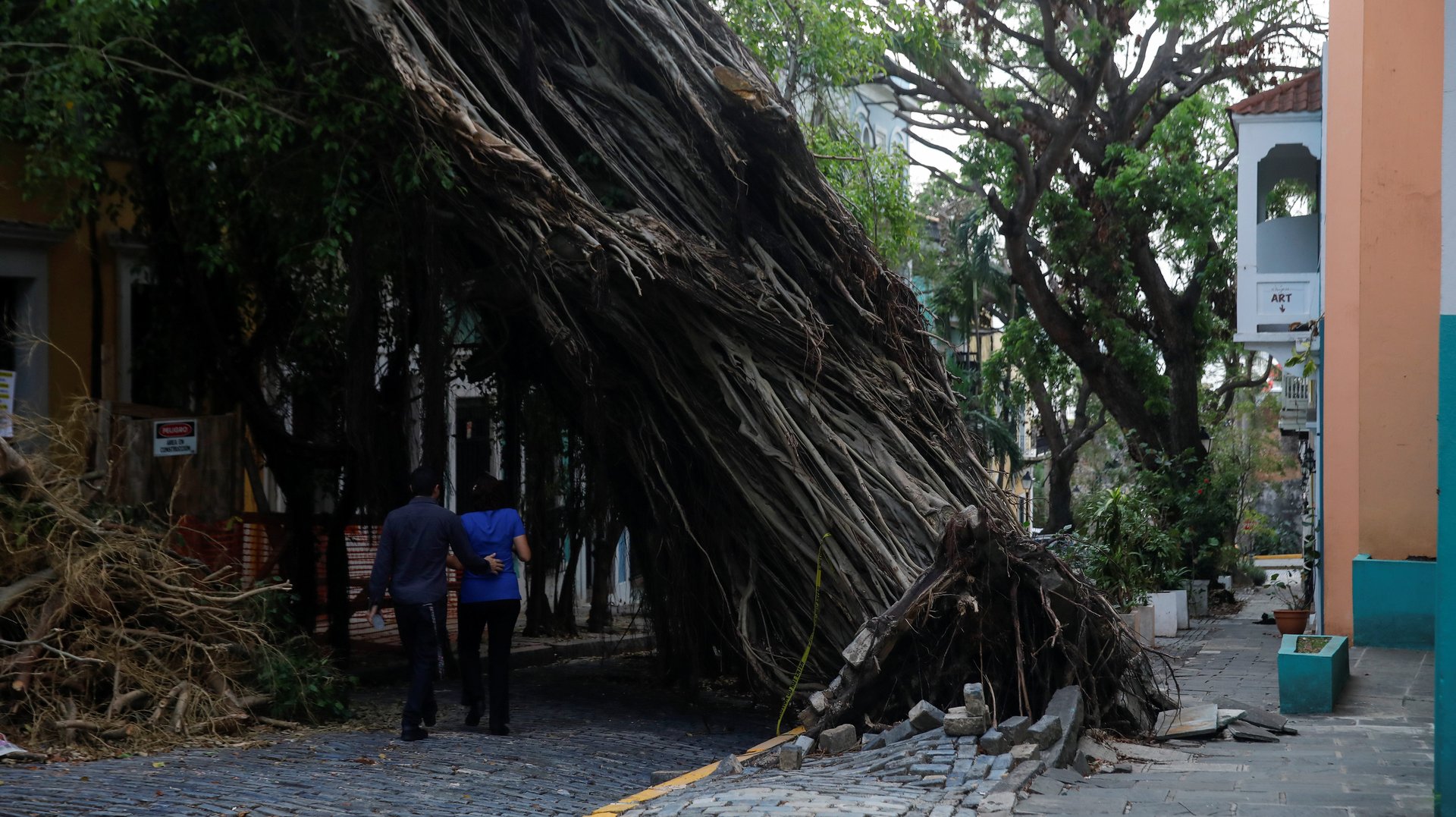
Hurricane Maria tore through Puerto Rico on Sept. 20. Three weeks later, many residents still live like it’s the day after the storm made landfall.
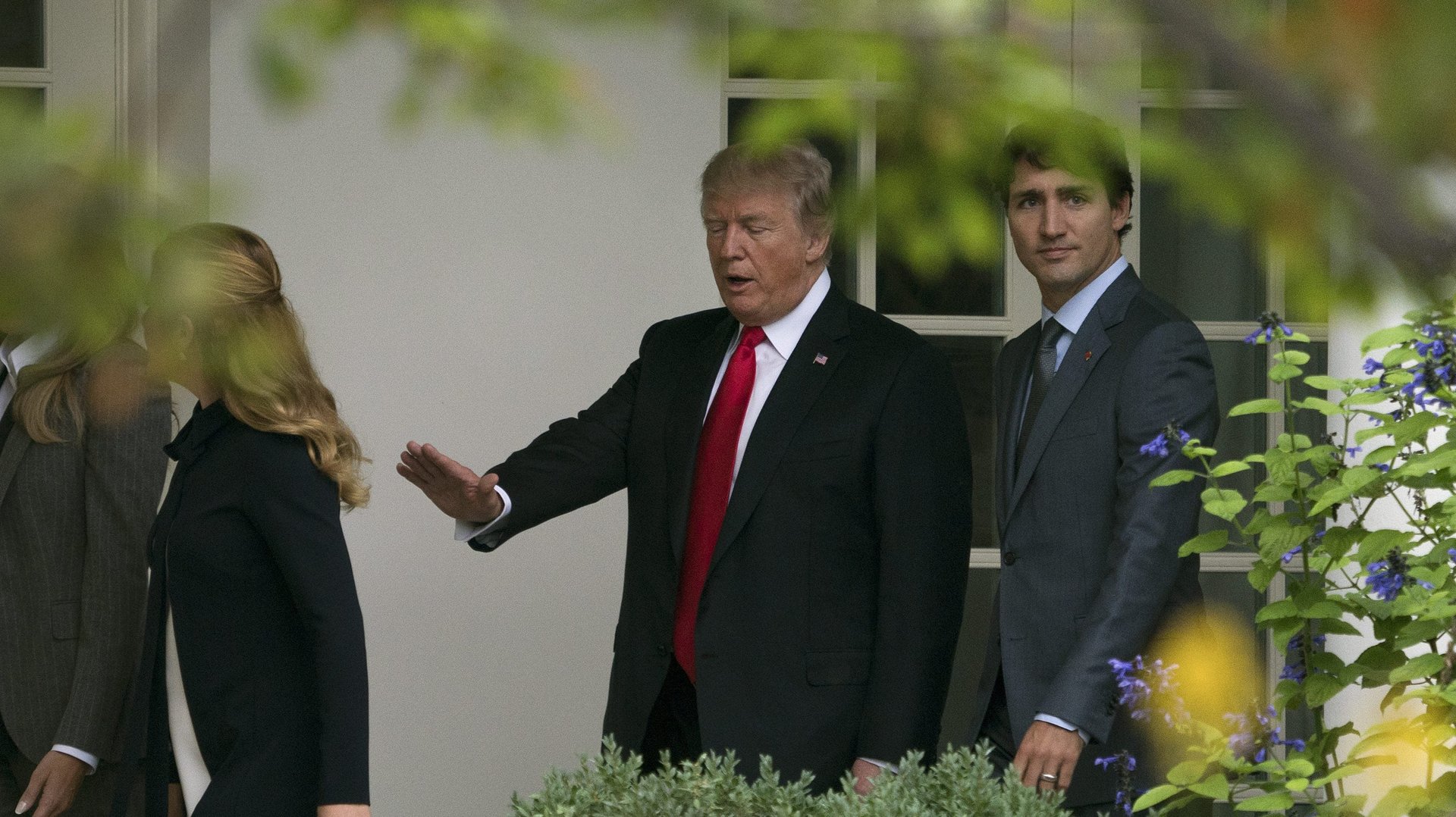
Donald Trump again said Oct. 11 that he might terminate the North American Free Trade Agreement (Nafta) with Canada and Mexico—or he might not.
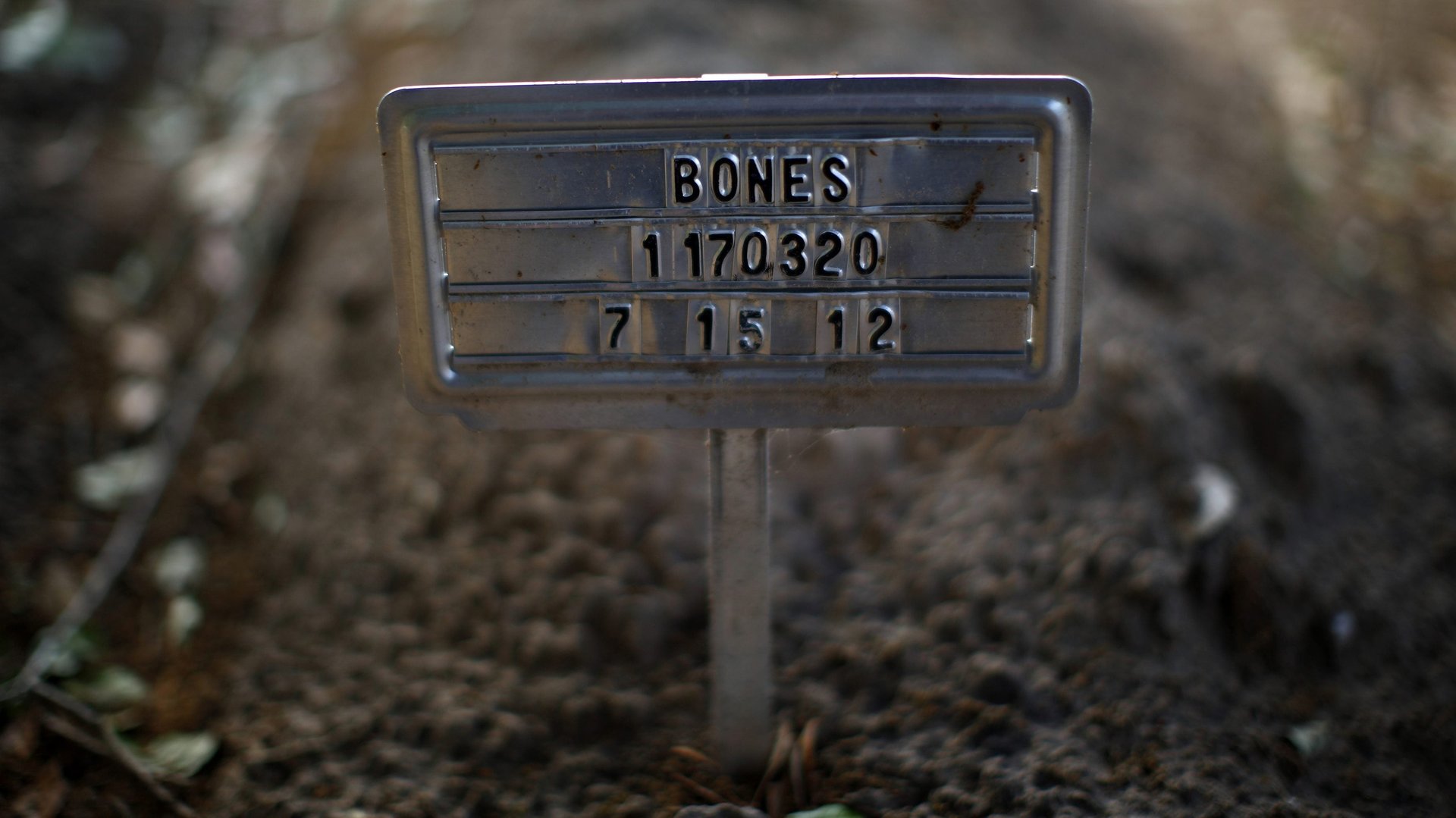
Whatever your position on illegal immigration, the work of anthropologist Jason de León—one of this year’s recipients of the MacArthur Foundation’s “genius” grants—will ensure you will not be indifferent to the plight of undocumented immigrants.
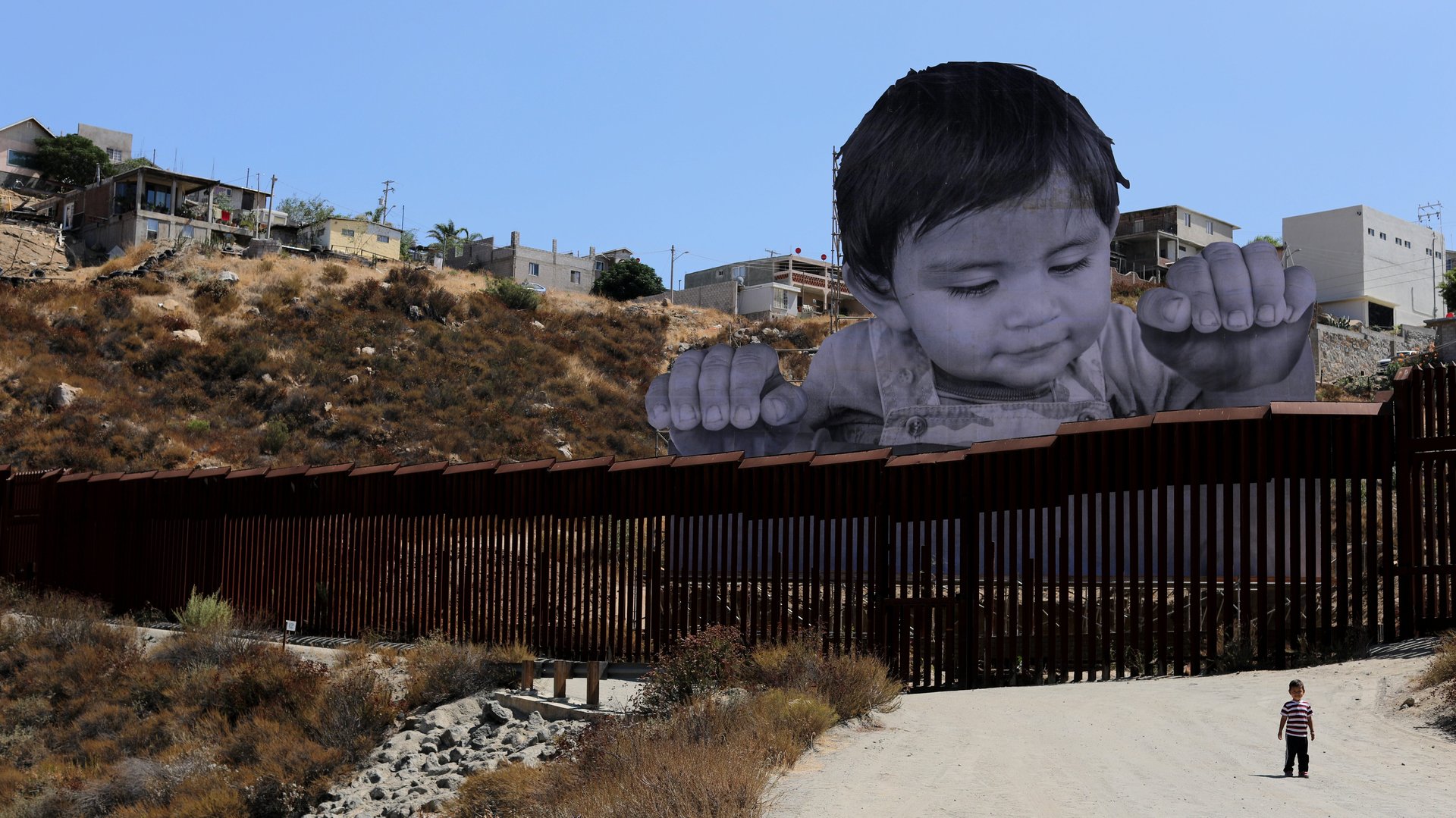
Donald Trump’s anti-immigration policies are putting Tecate, Mexico, on the map.

When an irritated aggressor is putting lives at risk, traditional forms of communication won’t do. For such situations, experts have clear guidelines for how to calm things down without anyone getting hurt.
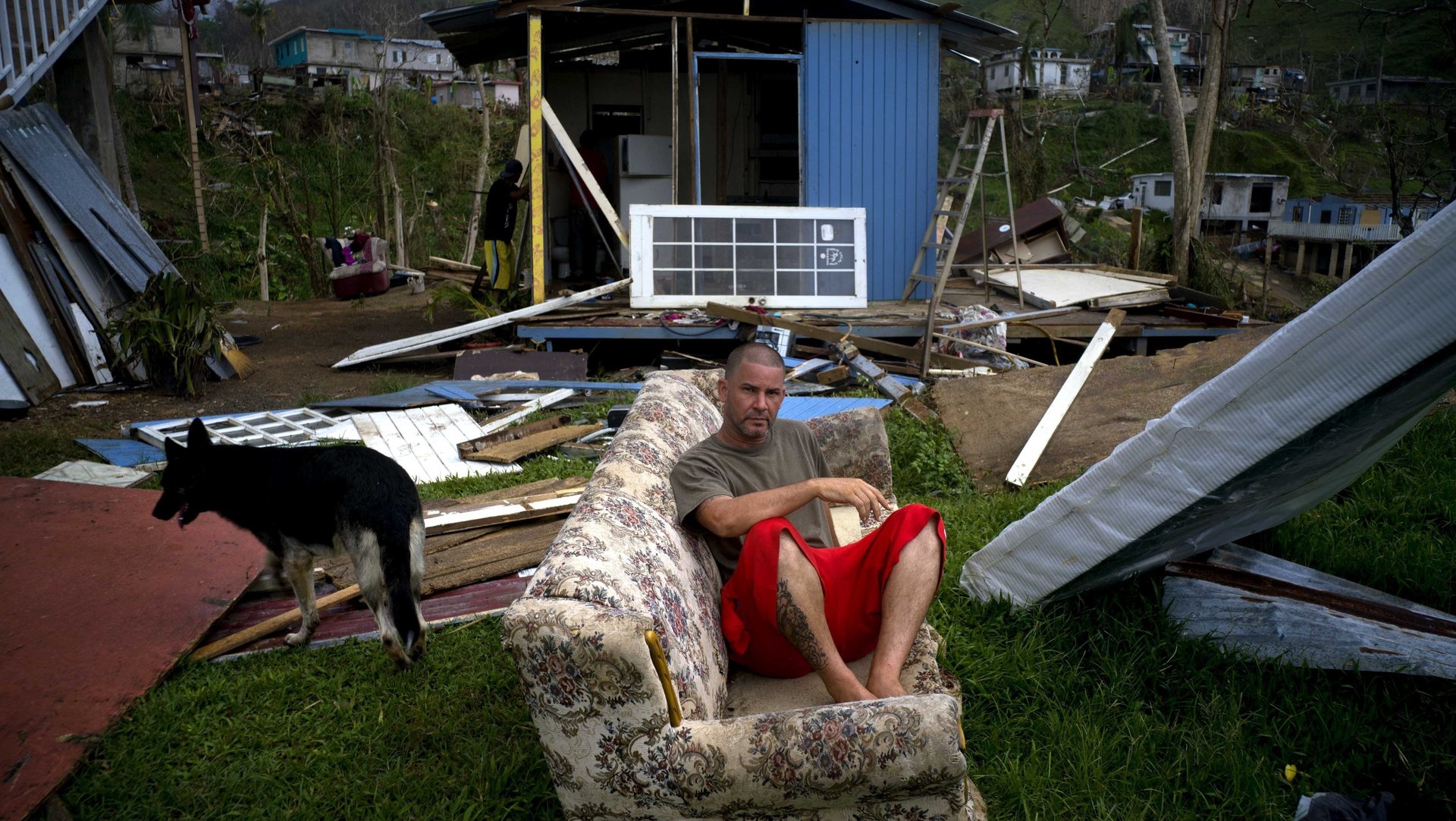
Puerto Ricans “want everything to be done for them,” grumbled US president Donald Trump on Twitter over the weekend.
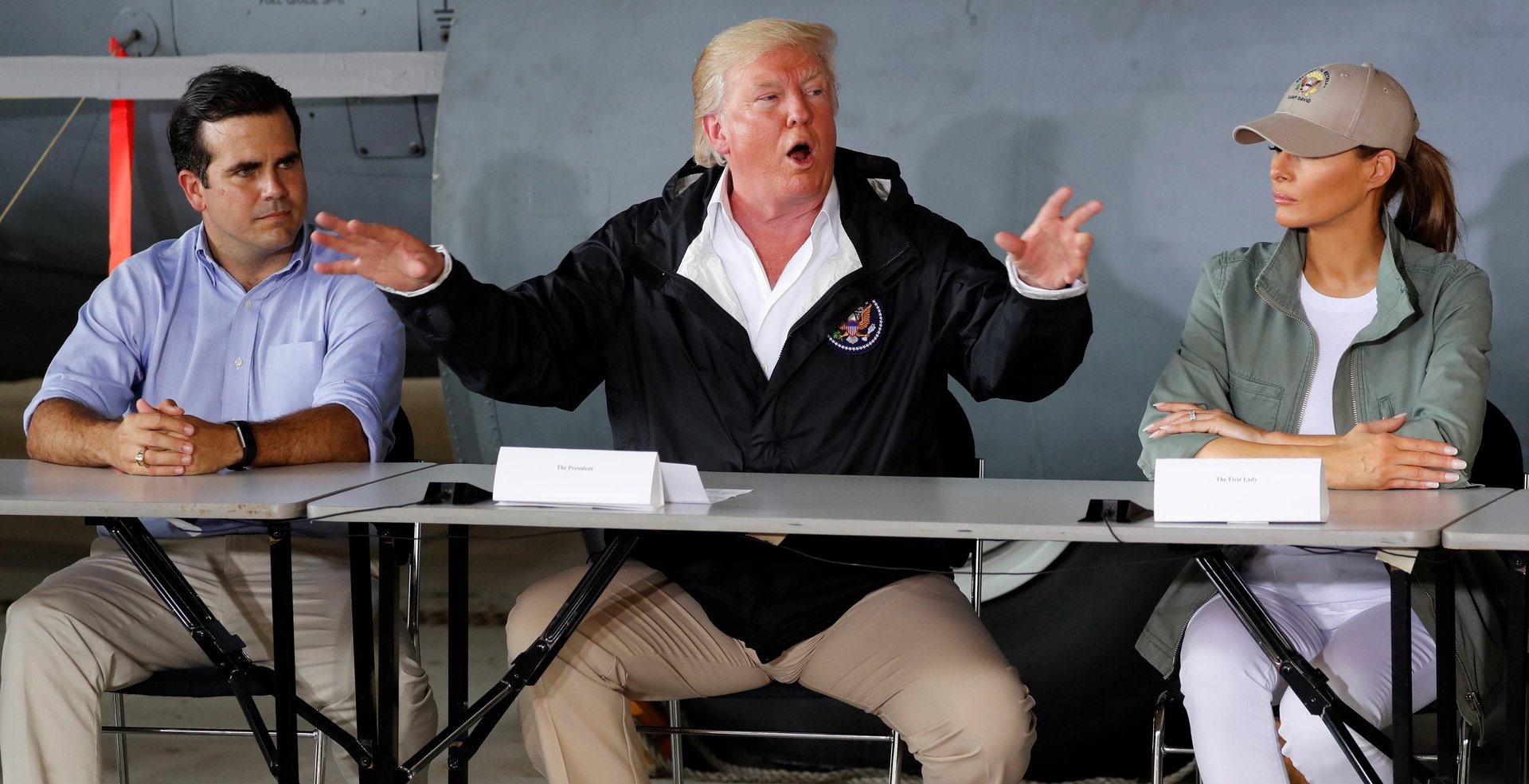
During his first visit to Puerto Rico after it was rocked by two monster hurricanes, US president Donald Trump threw packages of paper towels into an eager crowd and waxed poetic about his administration’s efforts to help the island.
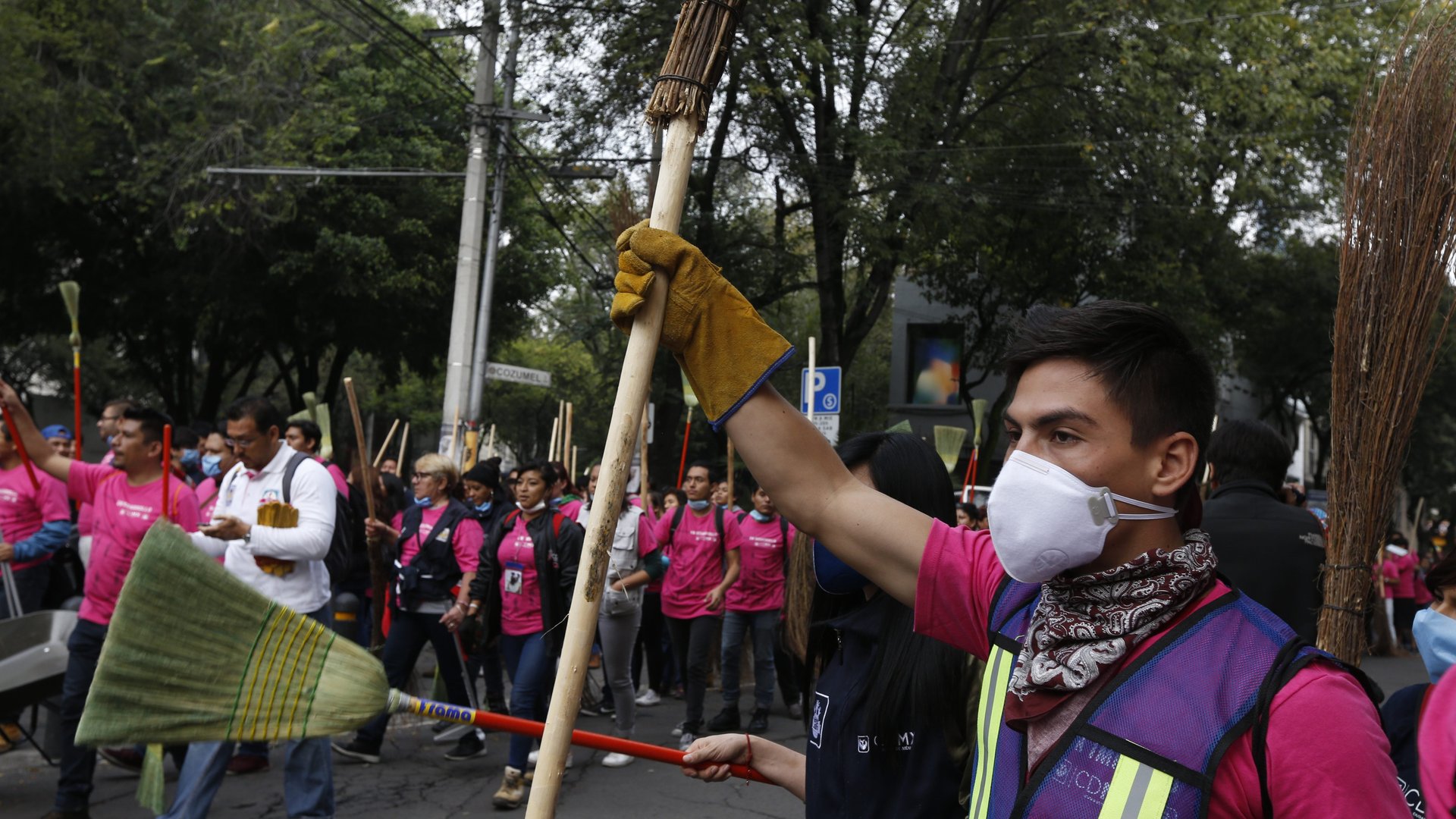
The 7.1-magnitude earthquake that jolted Mexico City on Sept. 19 unleashed an eruption of extraordinary needs.
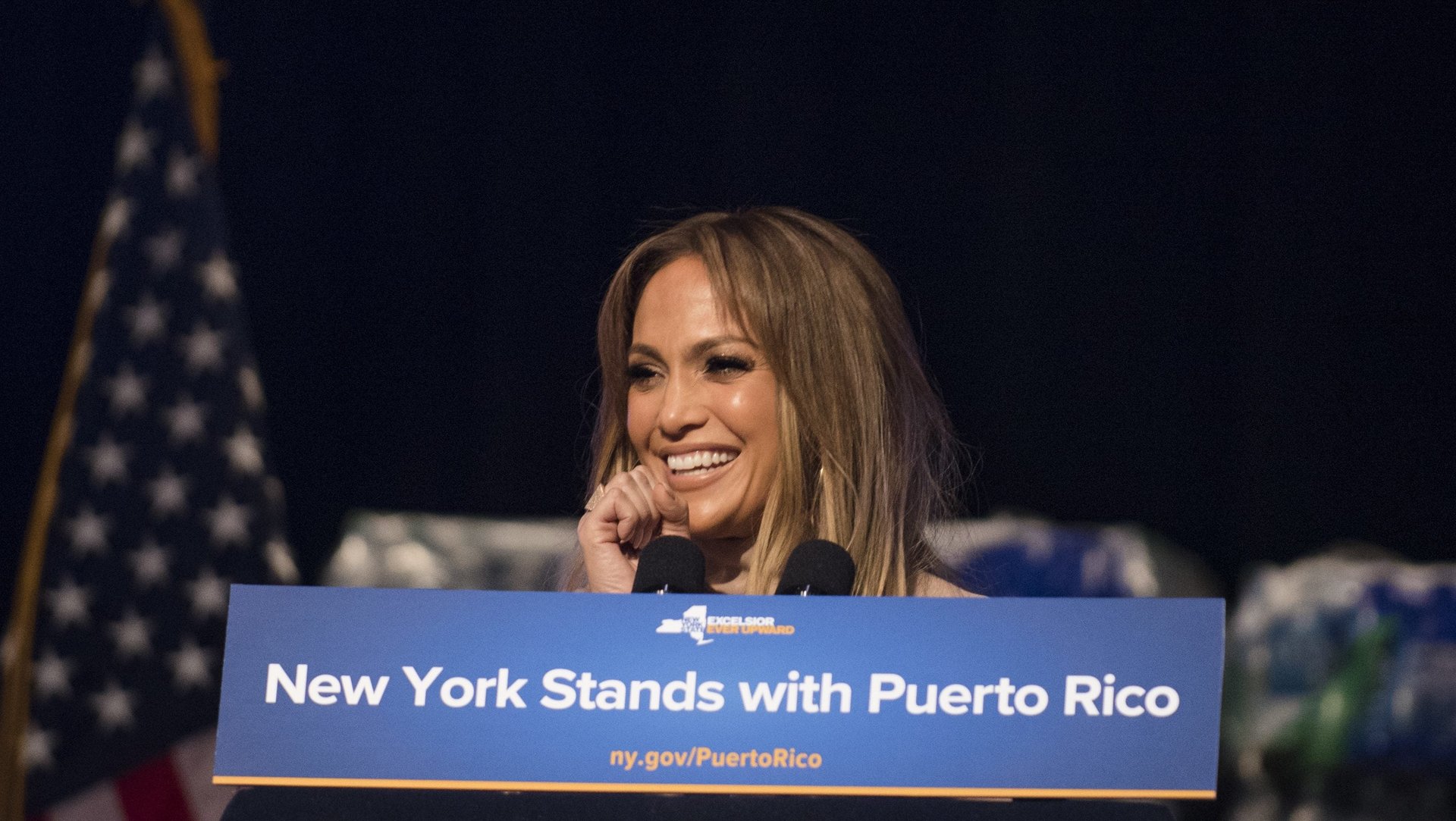
More than a week after hurricane Maria pounded Puerto Rico, many in the island remain cut off from the world, with no access to electricity or cell phone signal.
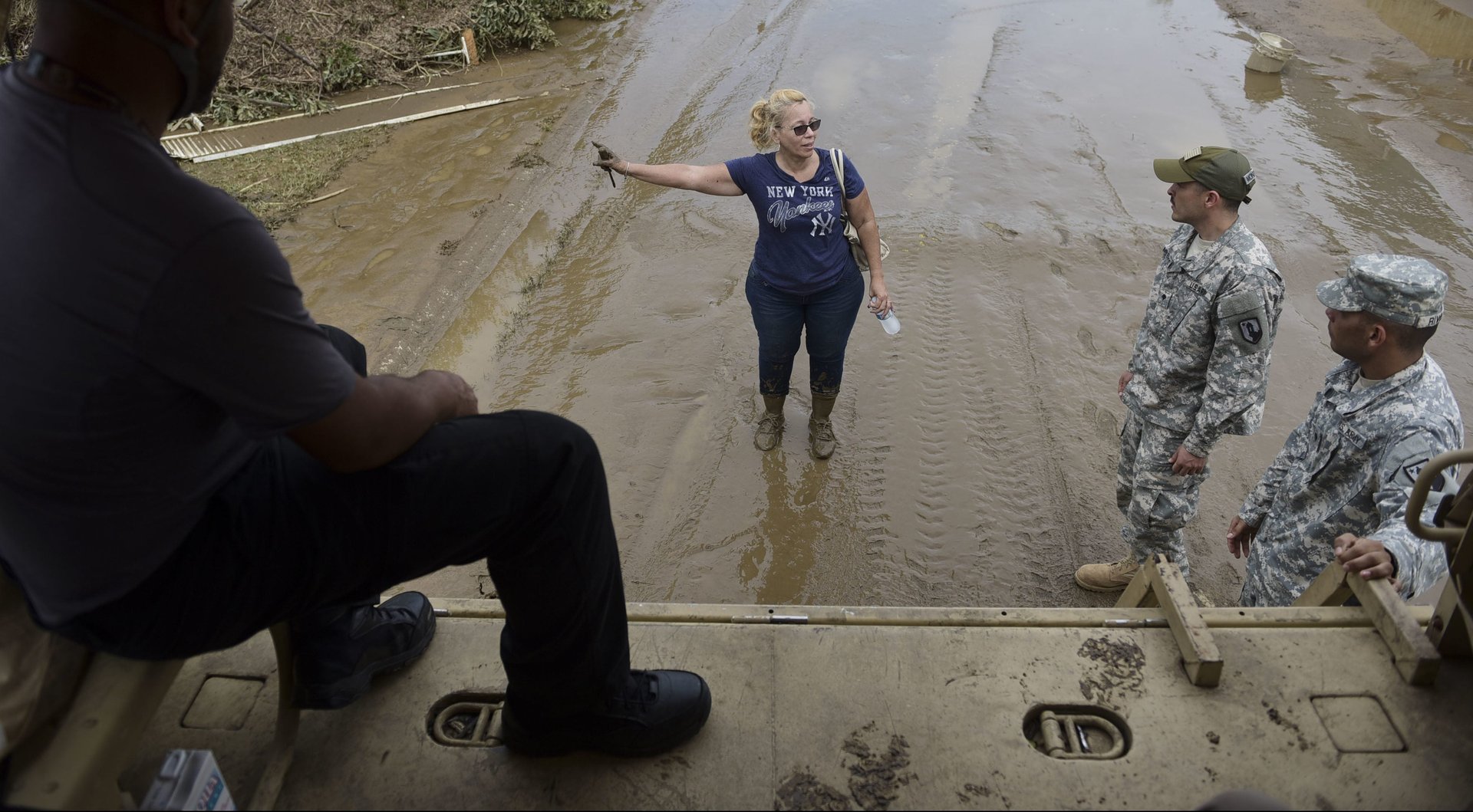
The US State Department is being flooded with calls after media reports that it’s making US citizens in Puerto Rico pay to be evacuated in the aftermath of hurricane Maria. According to those reports, it will hold their passports hostage until they pay up. And—guess what—people are mad on the internet.
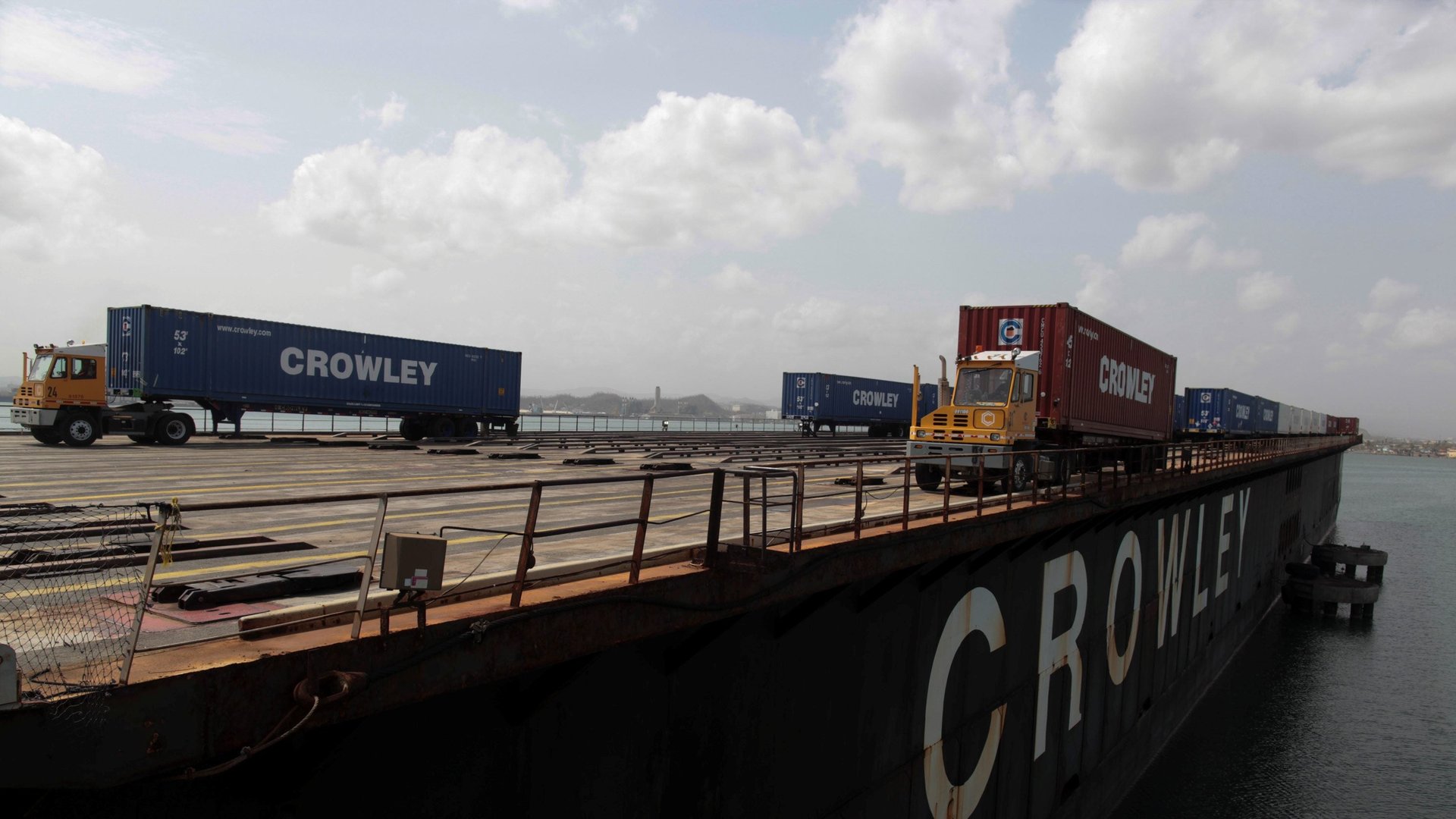
US president Donald Trump today waived a law that had been limiting the number of boats that can deliver aid to Puerto Rico—eight days after hurricane Maria devastated the island.
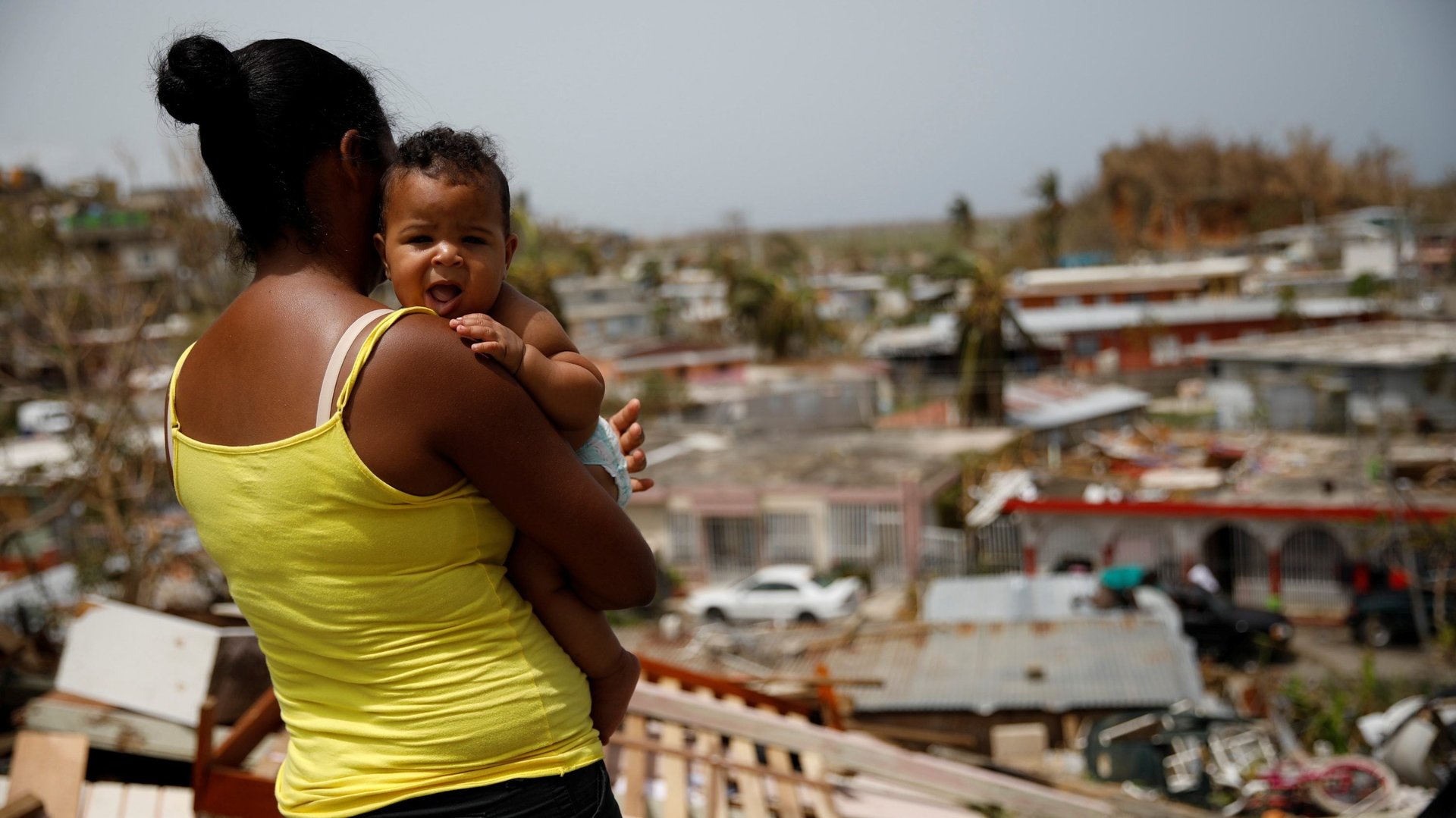
Hurricane Maria was somewhat less of a weather monster than the two big storms that preceded it. Harvey dumped record amounts of rain over parts of Texas, and Irma’s tropical-storm force winds covered an area wider than the Florida peninsula.
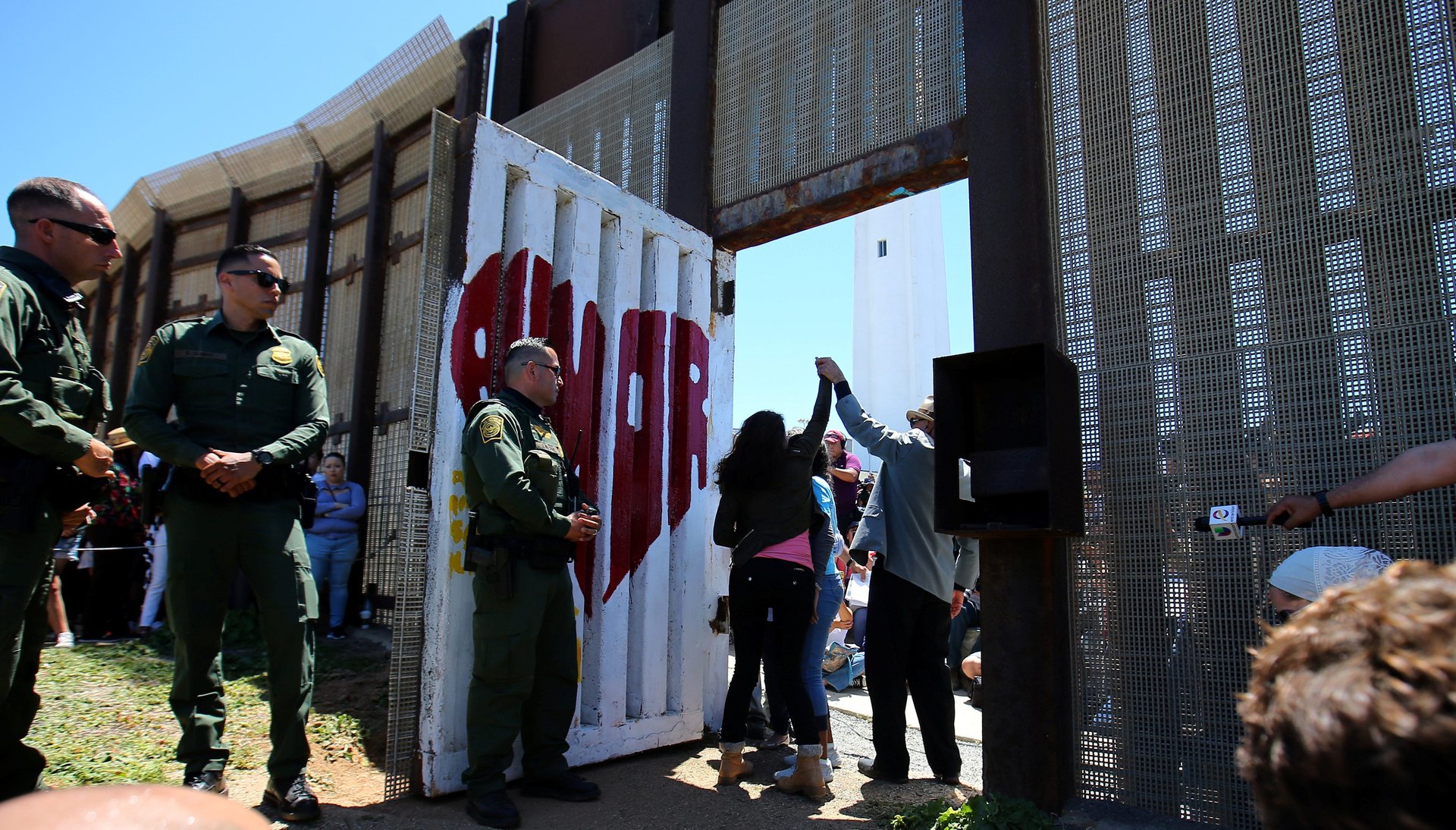
Gloria Anzaldúa, the American writer Google honored with the doodle in its search page Sept. 26, was the epitome of a minority.
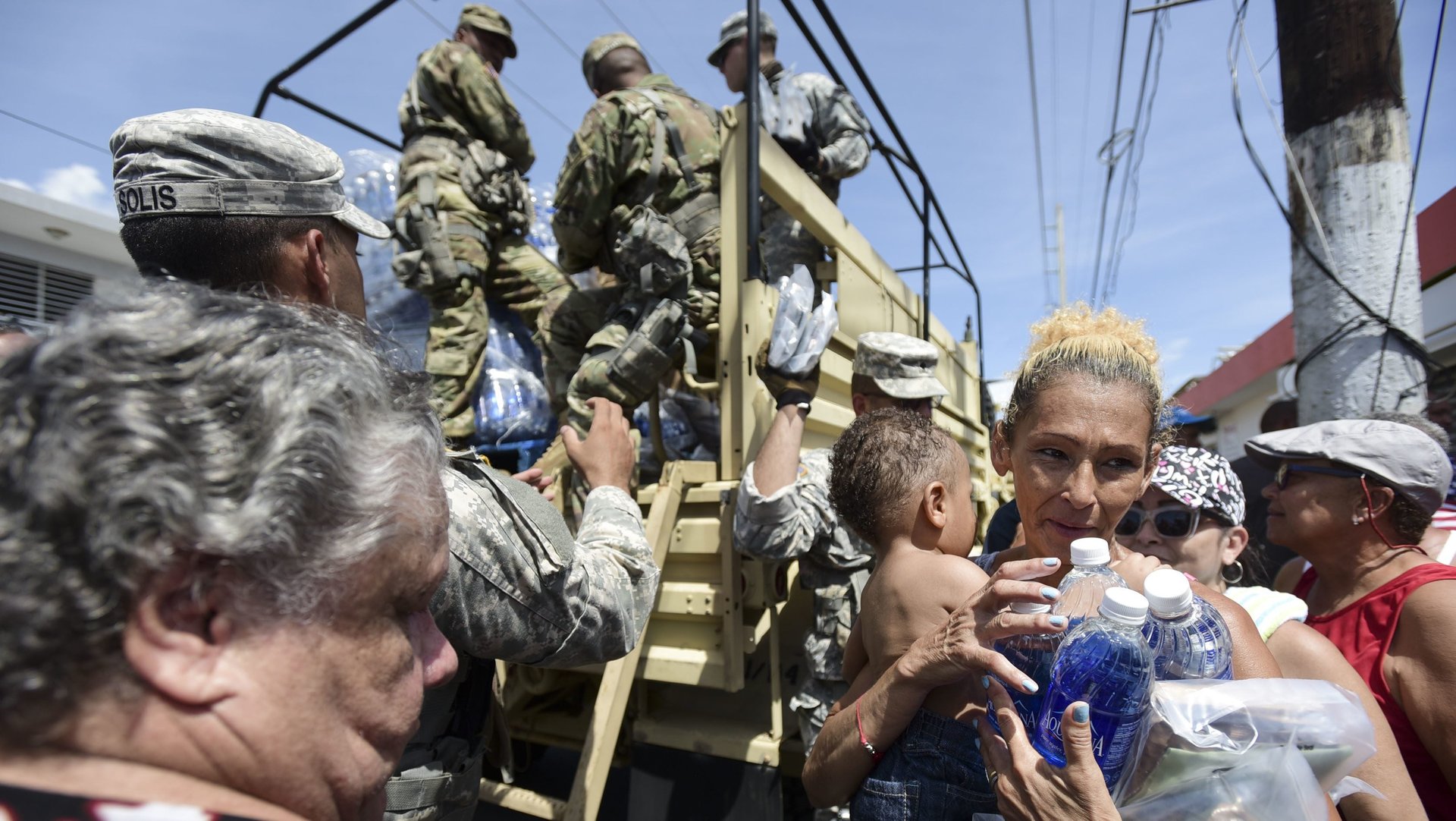
In the aftermath of hurricane Maria, Puerto Rico is dealing with horrifying devastation. One thing that could help with a recovery that’s bound to be long and difficult is opening the ports to emergency-supply-laden foreign boats. Plenty such boats come and go to the US that could be deployed for that task, but there’s a catch: They’re not allowed to unload their wares on the island.
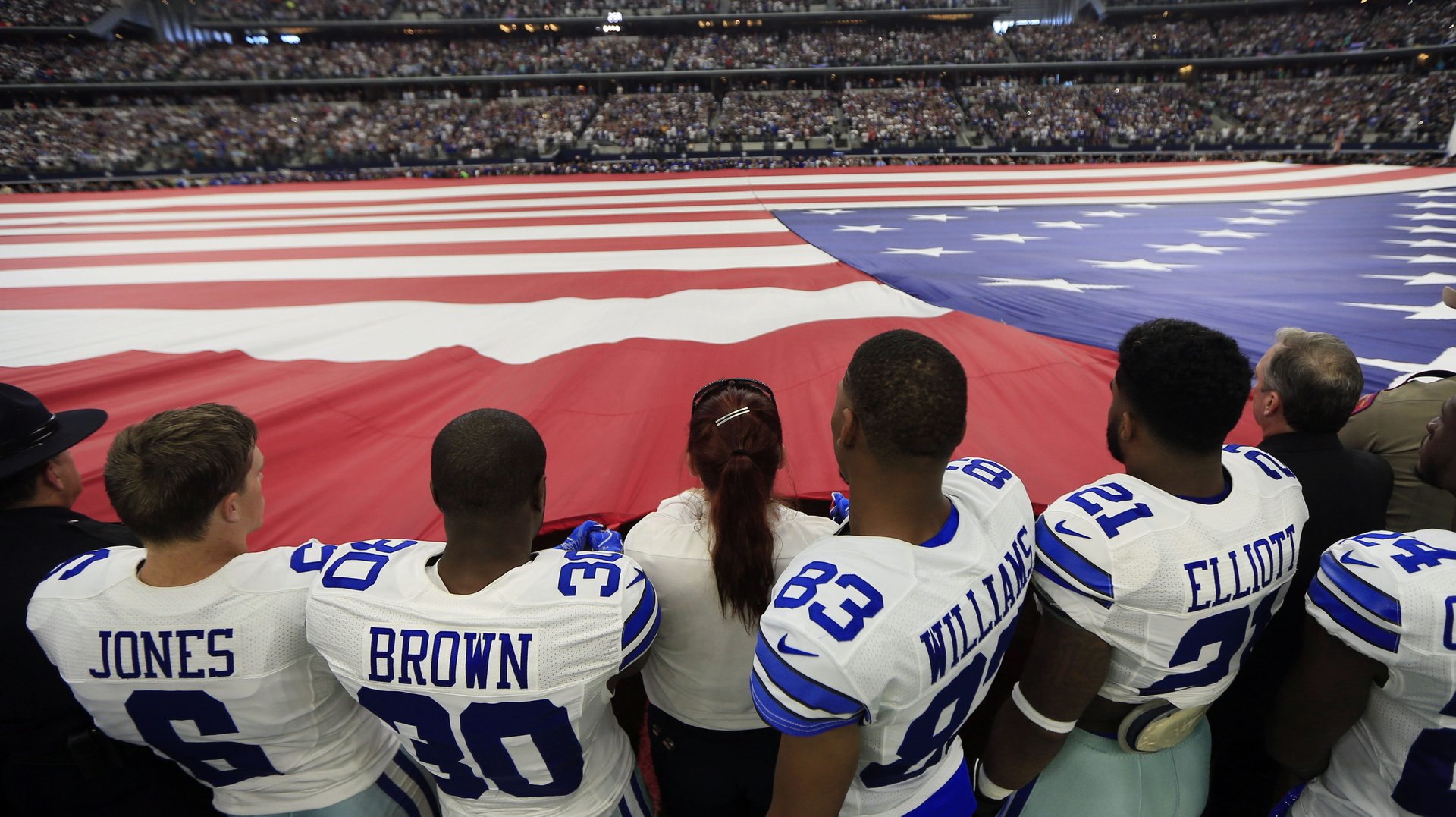
Over the weekend US president Donald Trump went on public quest to get fired National League Football players who refuse to stand during the playing of the Star-Spangled Banner, calling it a sign of disrespect to the country and its banner.
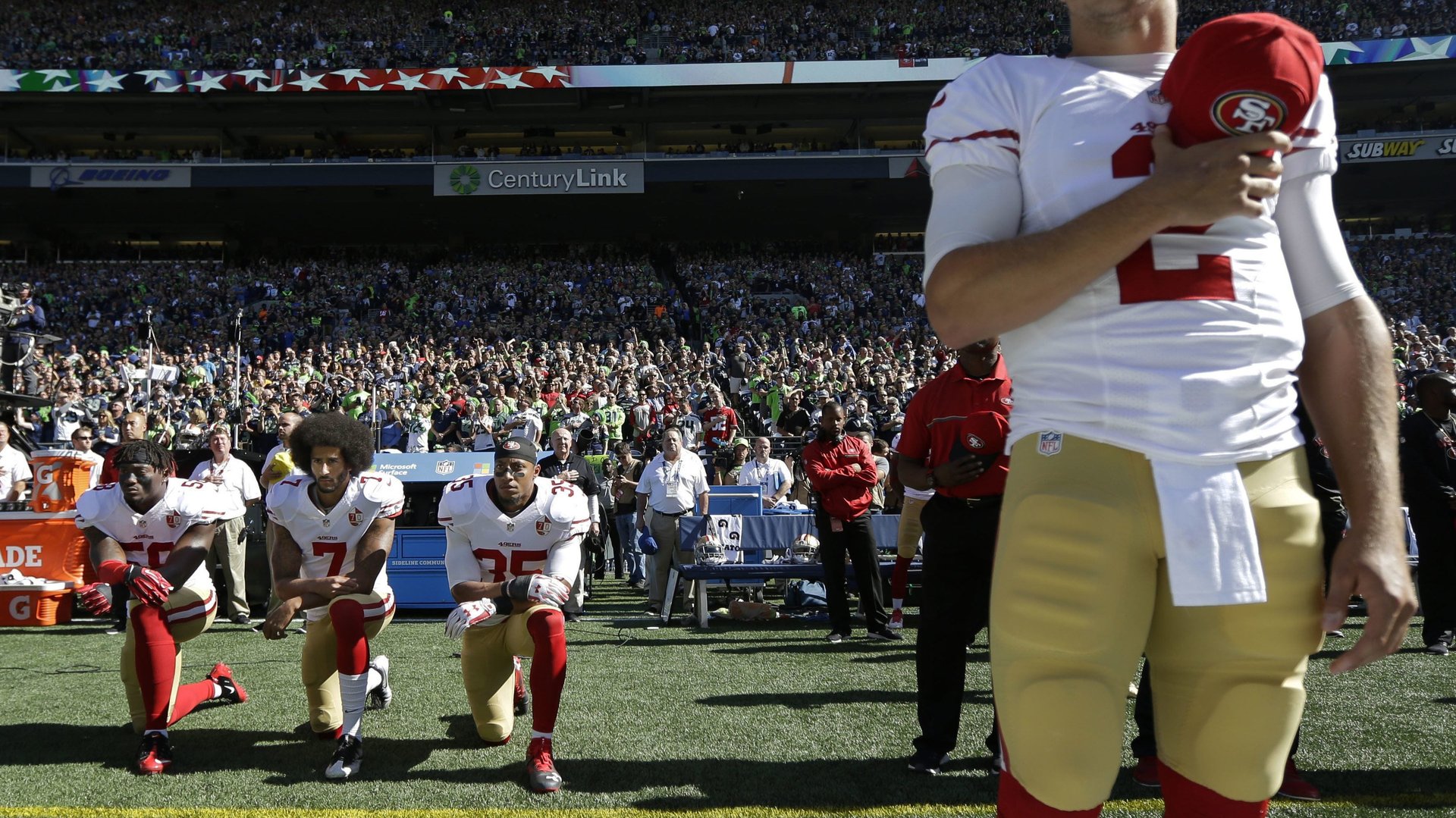
As nine National Football League games kicked off Sunday at 1 pm in the US, players and coaches across the country locked arms and kneeled to protest US president Donald Trump’s contention that they should be fired for kneeling to highlight racial inequality in the US.
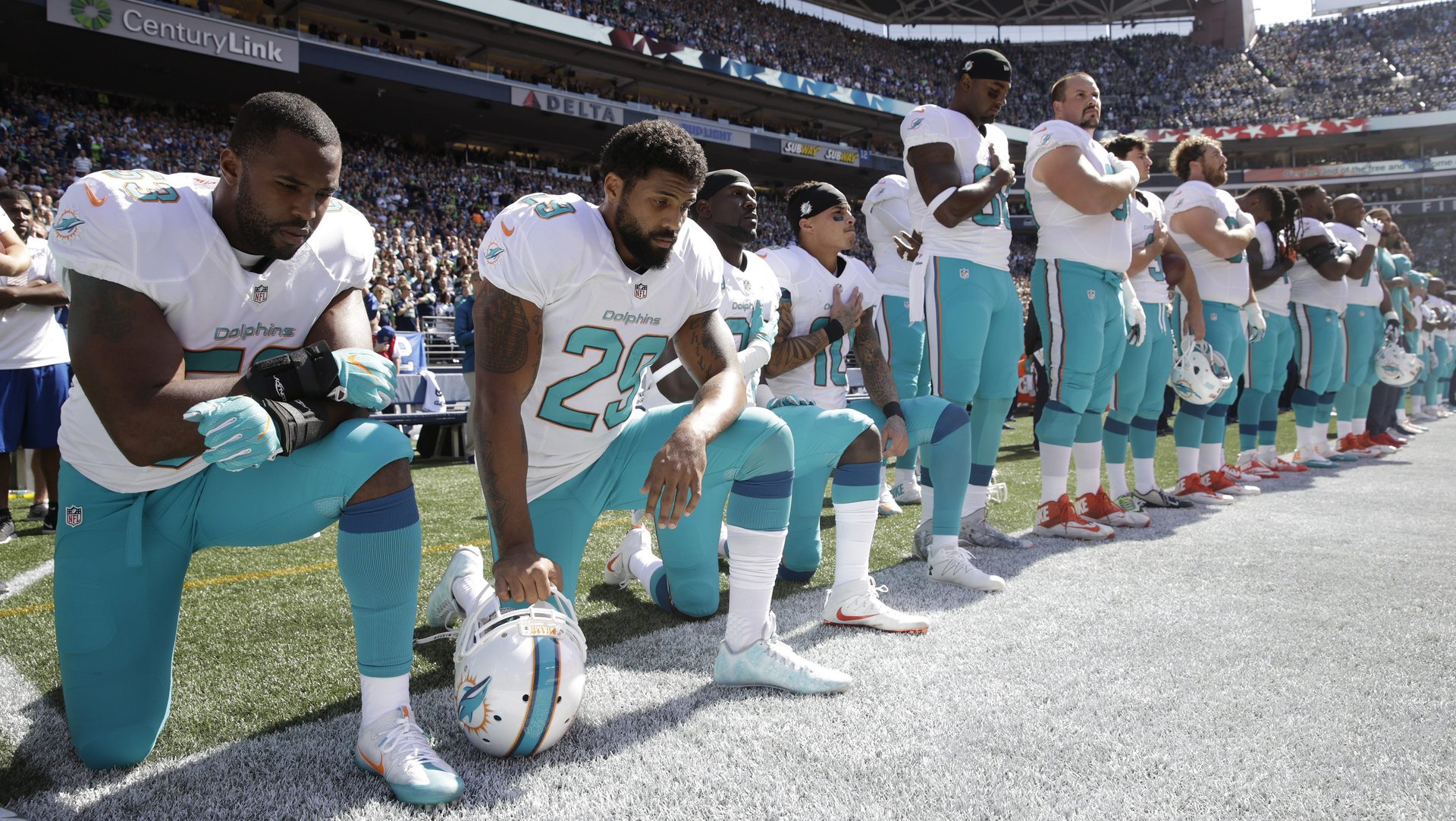
US president Donald Trump wants the National Football League (NFL) teams to fire players who refuse to stand during the playing of the national anthem at the beginning of games. During a political rally in Alabama on Sept. 22, and again today on Twitter, Trump called the kneeling protest disrespectful.
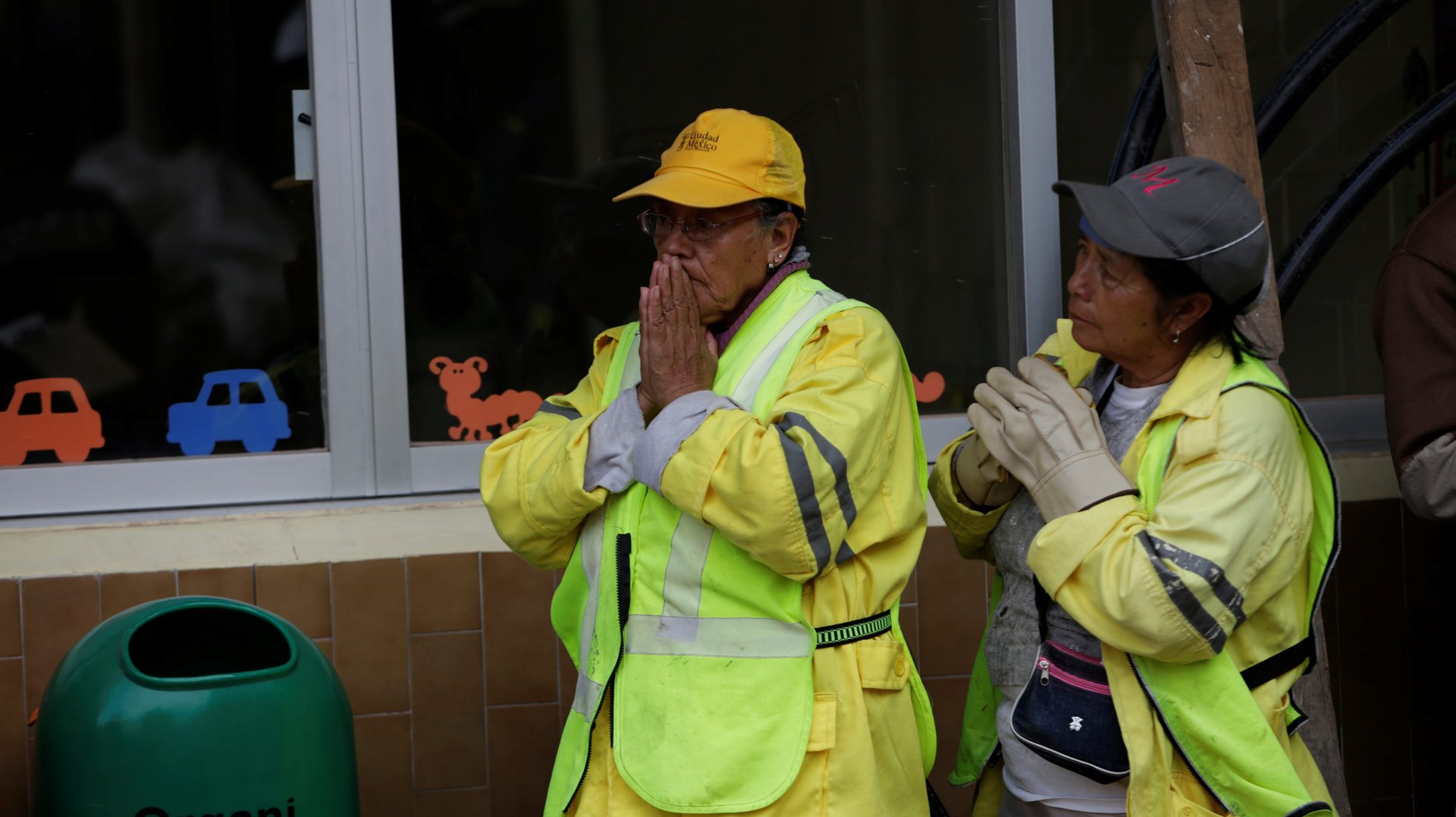
It looked like a miracle in the making. A 12-year-old girl was discovered alive under the ruins of a school toppled by the Sept. 19 earthquake in Mexico City.
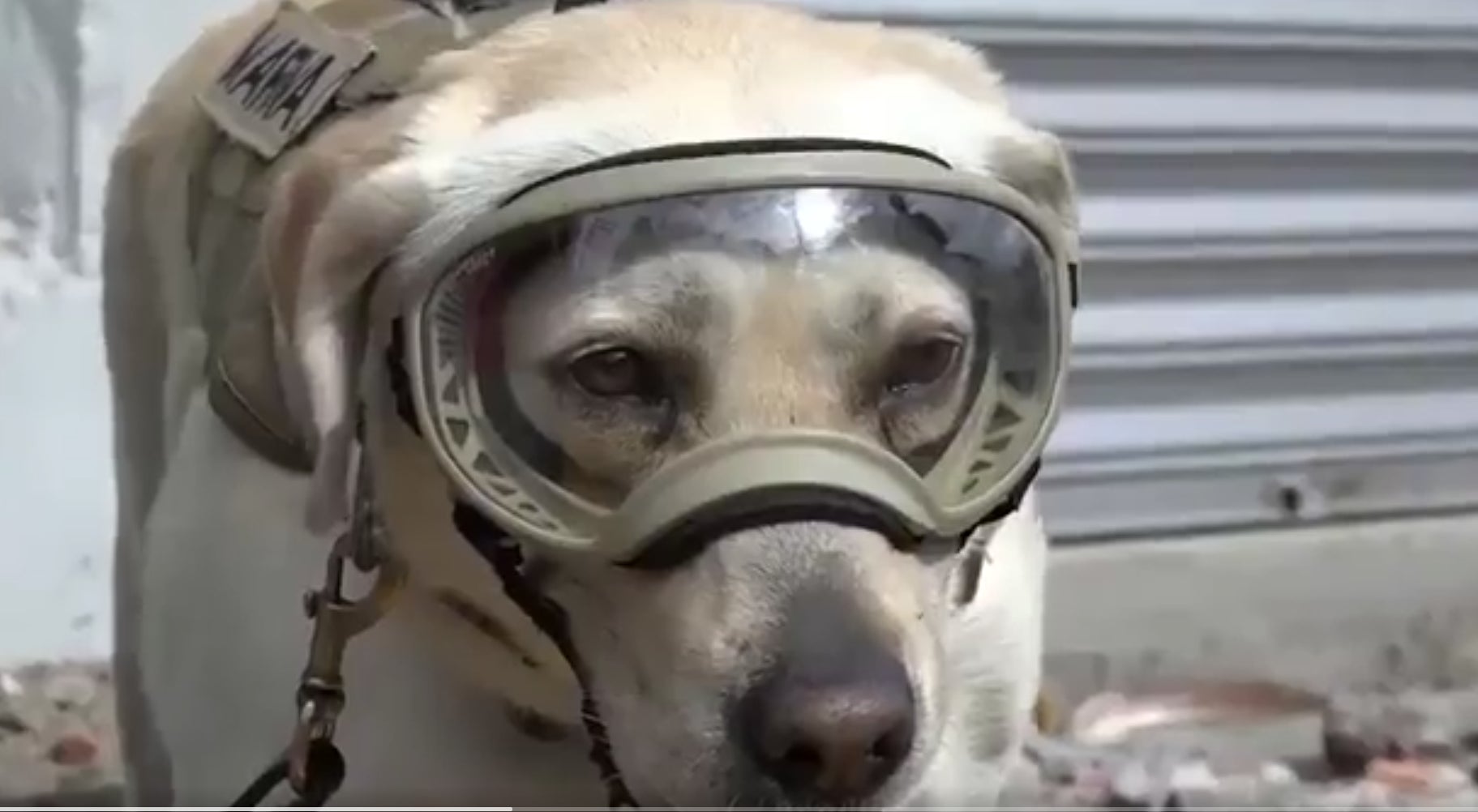
As the Mexican saying goes, it’s pouring over wet ground. The Sept. 19 earthquake that shook Mexico City and surrounding states was the latest in a string of natural disasters to hit Mexico amid the regular stream of crime and corruption plaguing the country.
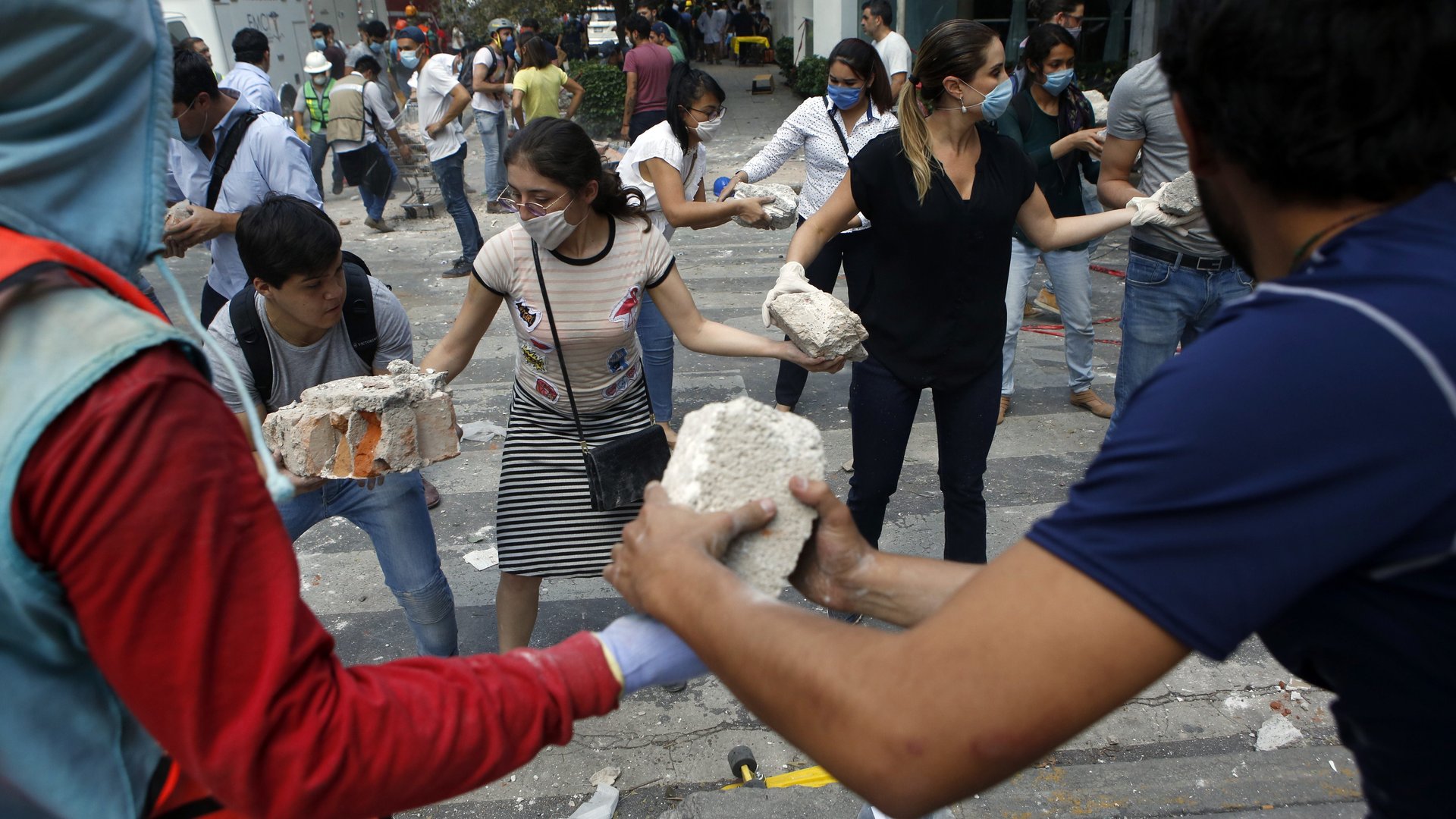
The earthquake that hit central Mexico yesterday (Sept. 19) summoned terrifying flashbacks of the massive destruction wrought by the most deadly tremor to shake the country’s capital, 32 years ago to the day.
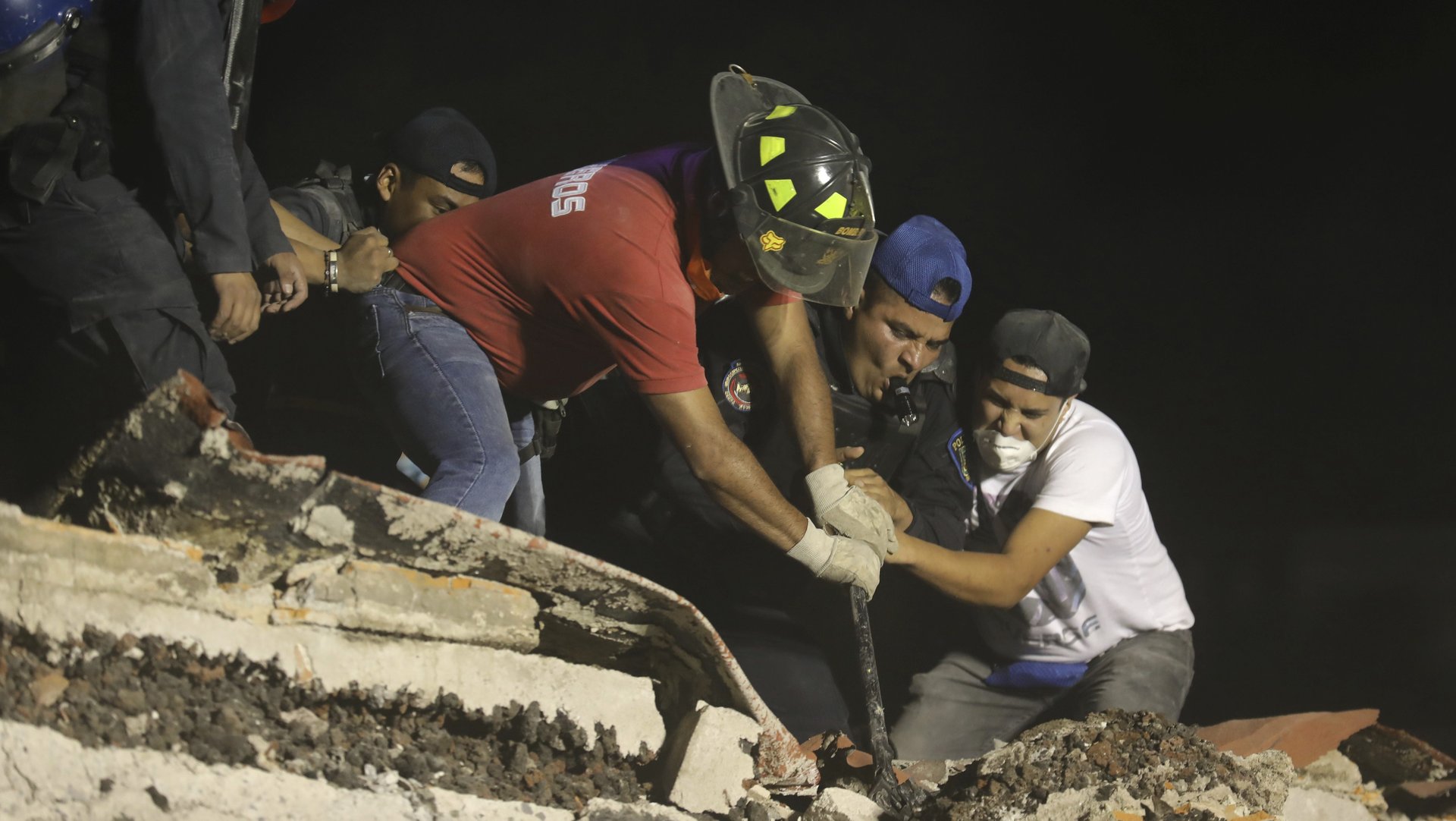
Mexico is still digging through the rubble of a powerful earthquake that struck its capital city and neighboring states on Sept. 19.