
Money & Markets
As Myanmar’s Rohingya pour in, Bangladesh worries about space and radicalisationUnited Nations, New York
Updated July 20, 20223 min read
United Nations, New York
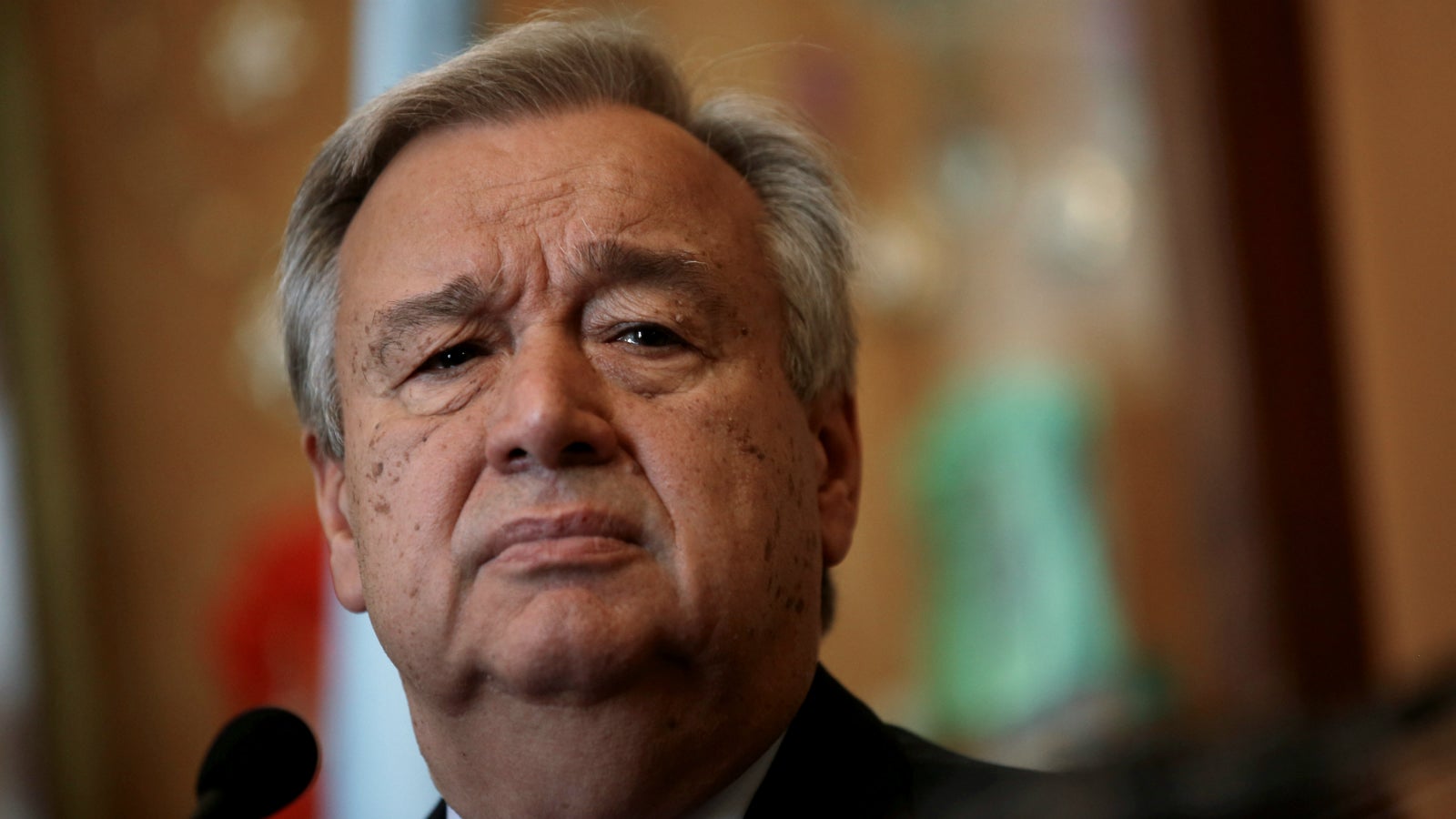
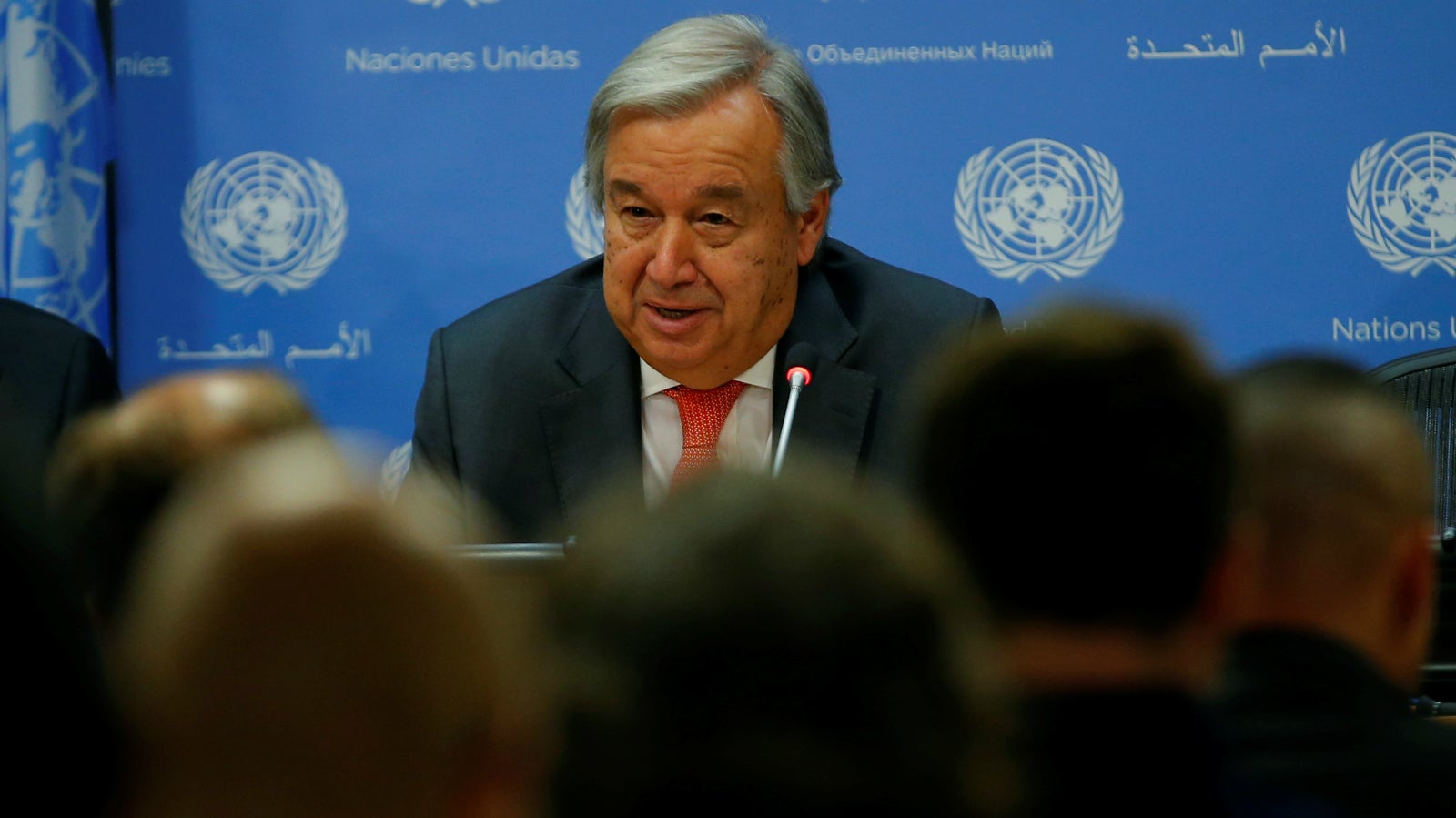
The number of Rohingya refugees pouring into Bangladesh since Aug. 25 is nearing 400,000, and UN secretary general Antonio Guterres seems exasperated.

United Nations, New York
United Nations, New York
United Nations, New York

United Nations, New York, NY
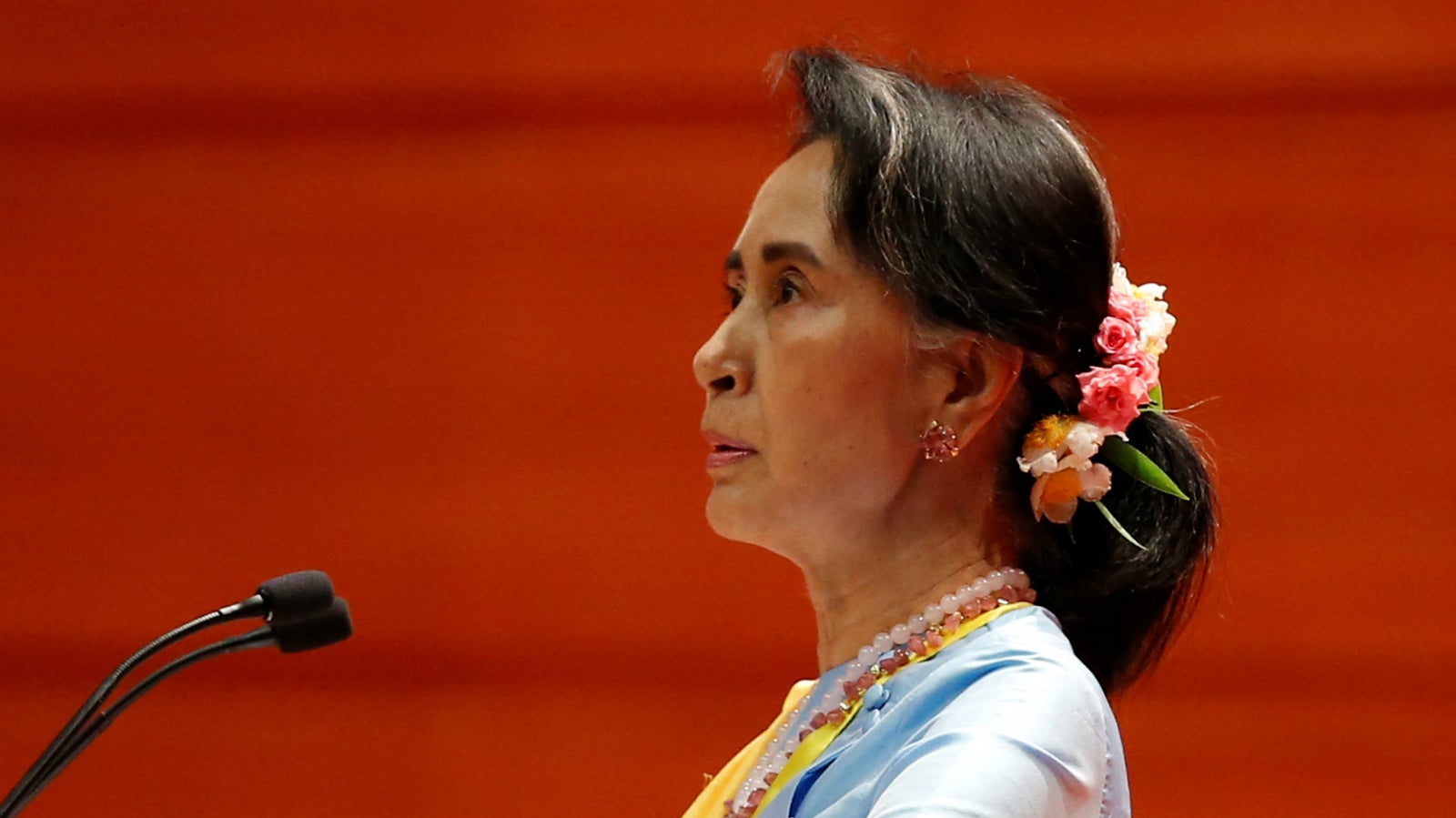
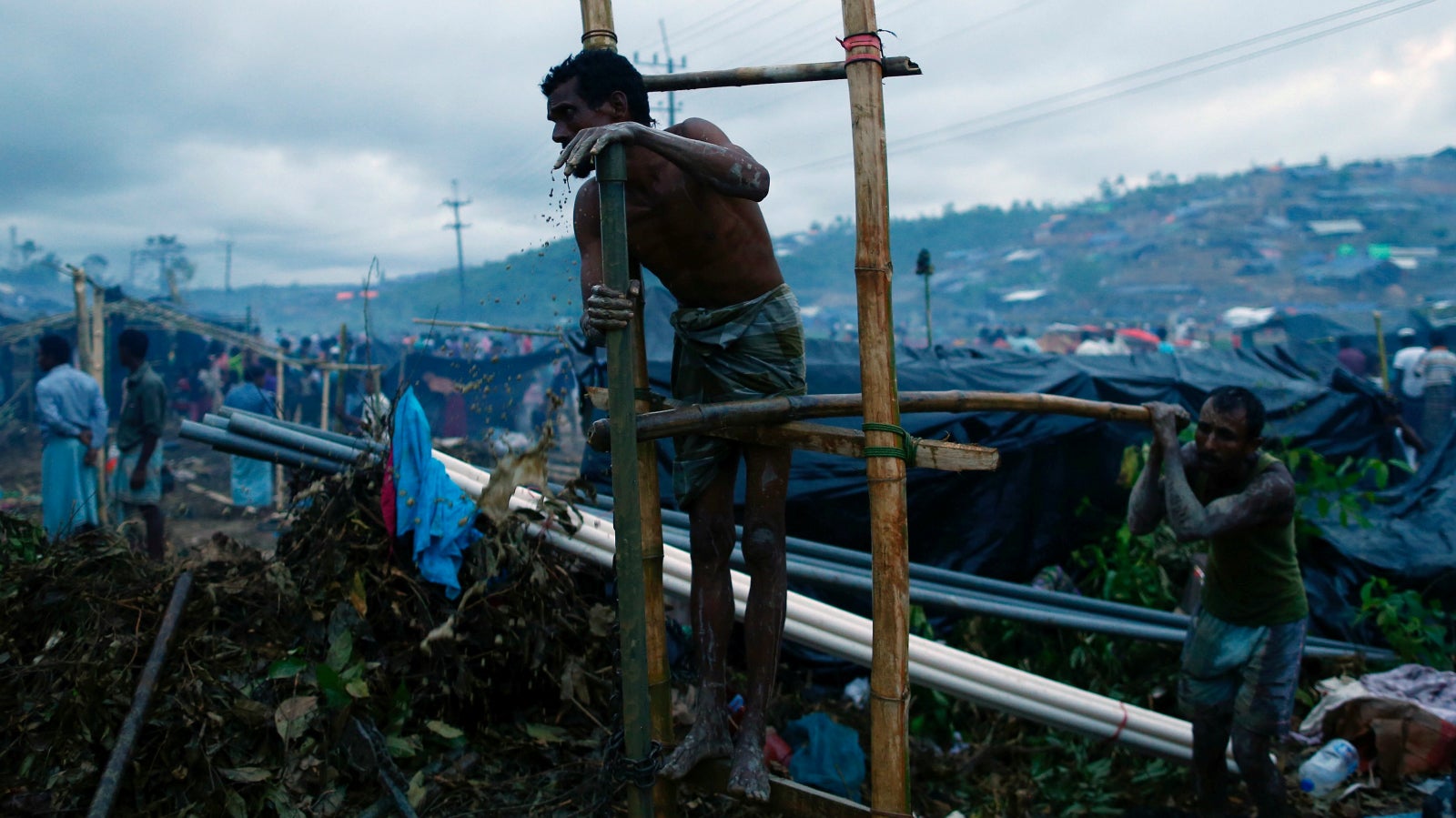
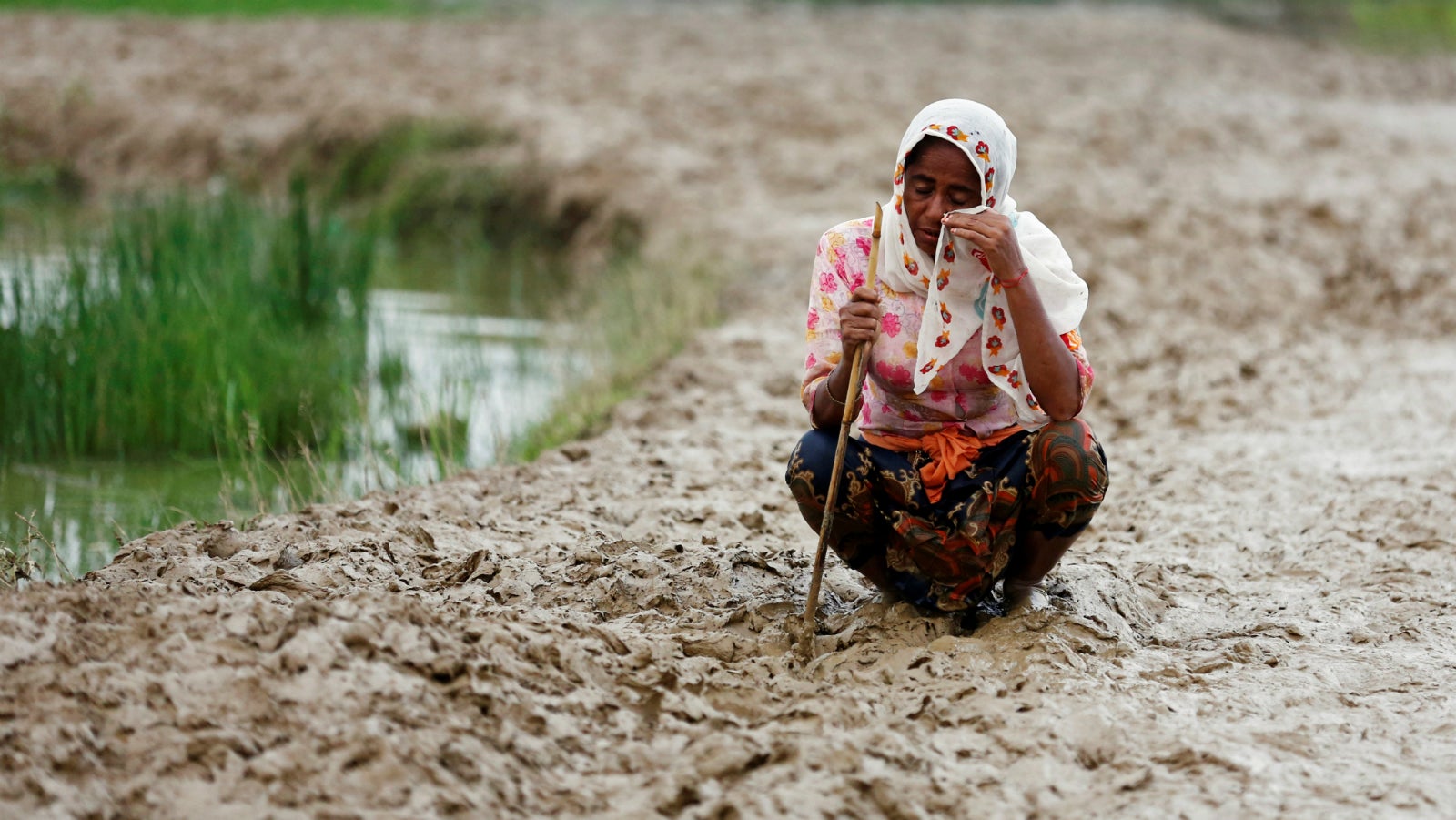
It’s not easy to defend Aung San Suu Kyi’s actions, or the lack of it, as the crisis in Myanmar’s northwestern Rakhine region spirals out of control. Hundreds have been killed, hundreds of thousands of Rohingya, a long-persecuted Muslim minority numbering around a million, have fled to neighboring Bangladesh, while their villages still smolder.
When she won the Nobel Peace Prize in 1991, Aung San Suu Kyi was under house arrest in Myanmar.
Jamalpur, India
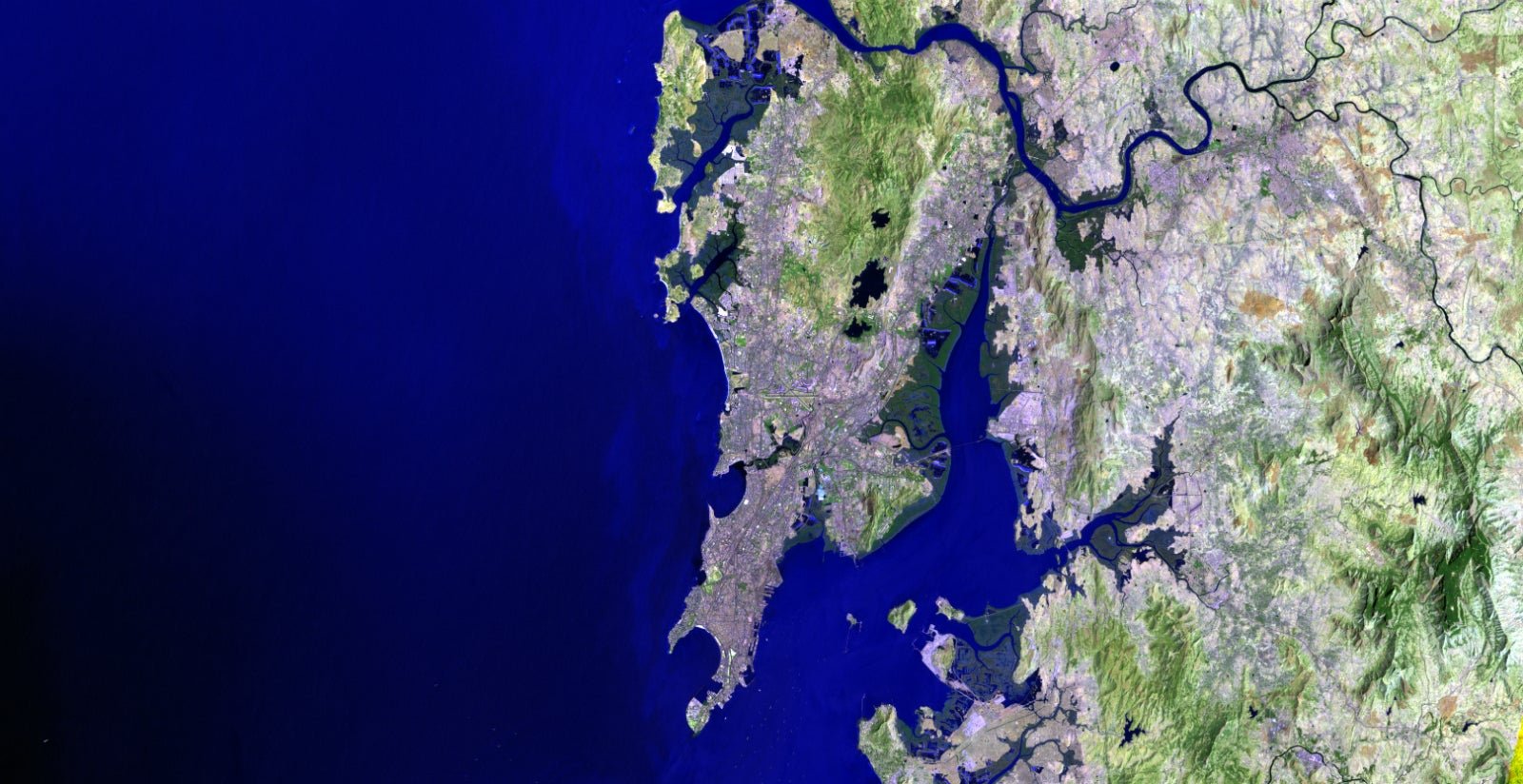
It’s almost a ritual: At least on one day every year, the heavens above Mumbai open up, and the metropolis of some 20 million below is inundated.
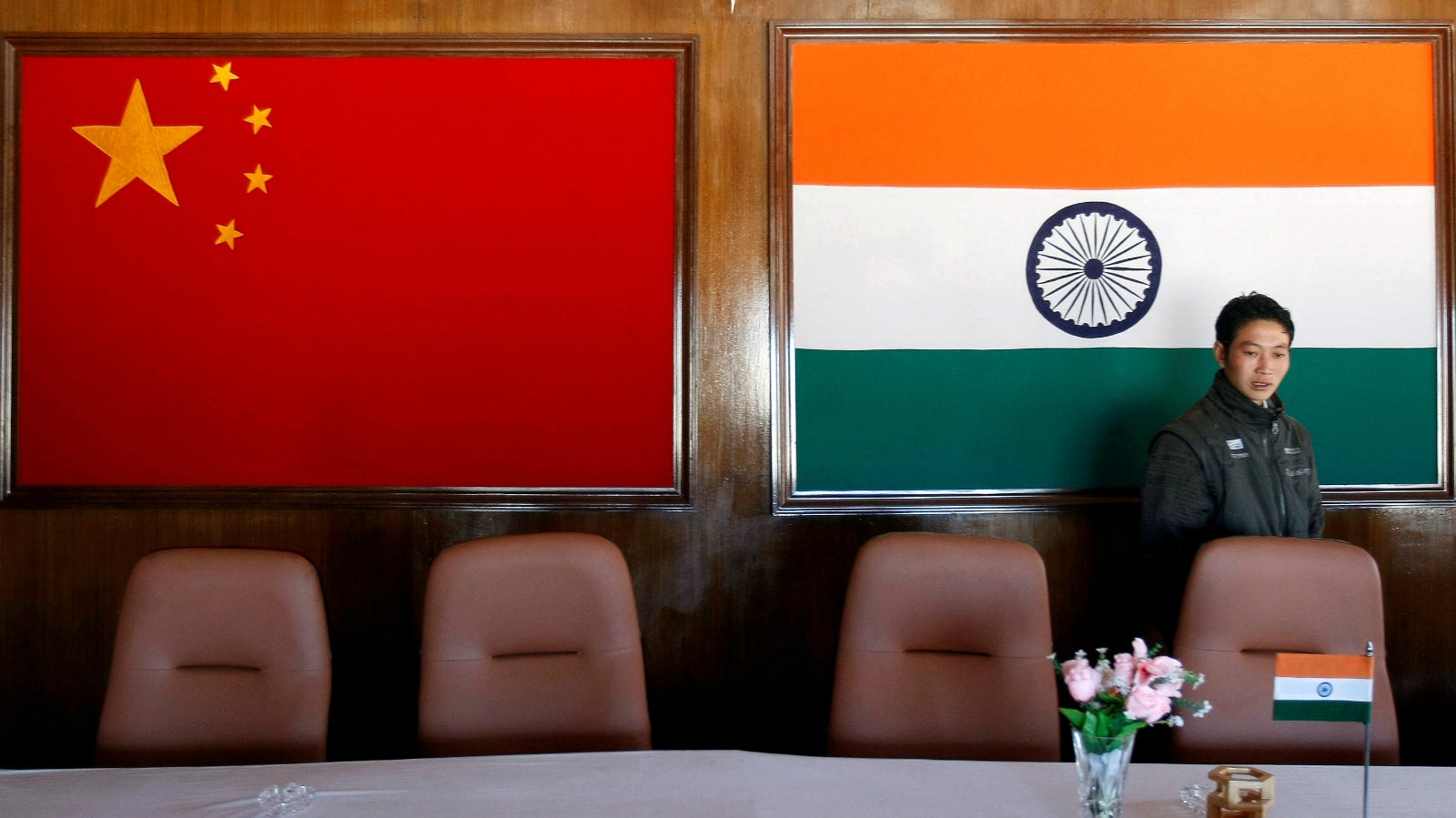
After nearly two months of a tense border standoff high in the Himalayas, India and China have finally agreed to disengage their personnel at the disputed area in Doklam.

On Feb. 15, Mukesh Ambani sat on stage at a leadership summit in Mumbai and declared: “To my mind, data is the new natural resource.”
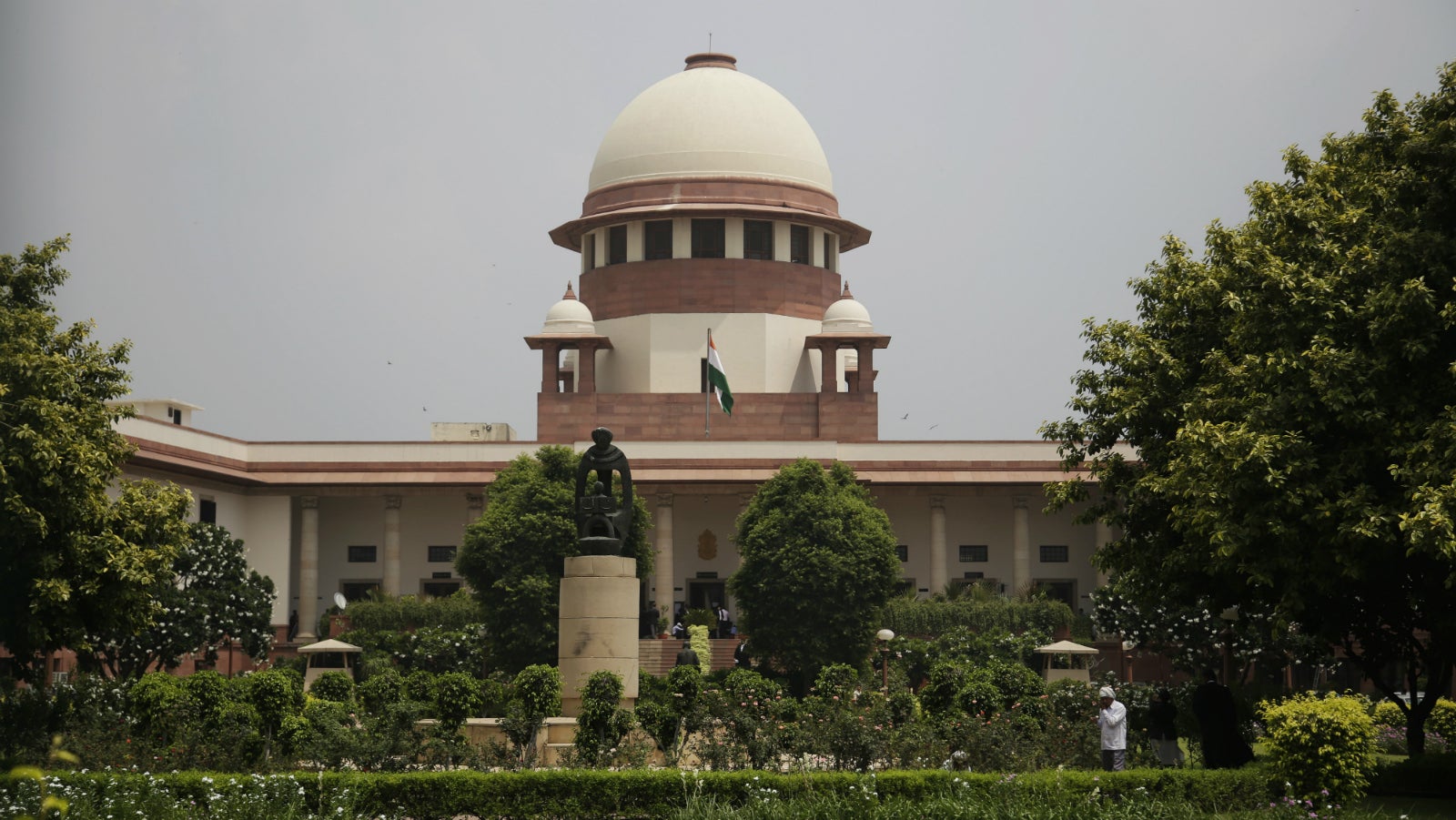
In a landmark judgement, India’s supreme court today (Aug. 24) ruled that privacy is a fundamental right—a ruling that could have a far-reaching impact on the Aadhaar project, besides other government schemes.
Infosys, a global consulting and information technology (IT) services company, is looking for a CEO and managing director. Headquartered in Bengaluru, we are an NYSE-listed firm with annual revenues in excess of $10 billion and a workforce of over 200,000 employees. We were founded in 1981 by NR Narayana Murthy and six engineers—and our founding patriarch hasn’t really let go since. In fact, we’re only advertising for this position because he forced out the previous CEO last week.

It’s becoming a familiar script—a tragicomedy in four acts.

On Feb. 23, 2016, Tarun Mehta walked on the stage at a tech conference in Bengaluru, spoke for less than five minutes, and walked off. He reappeared quickly, though, wearing a black helmet, riding a black and white scooter. As the rock music toned down, Mehta dismounted, and with half a smile and a wave of the hand introduced his ride, “Guys, S340.”
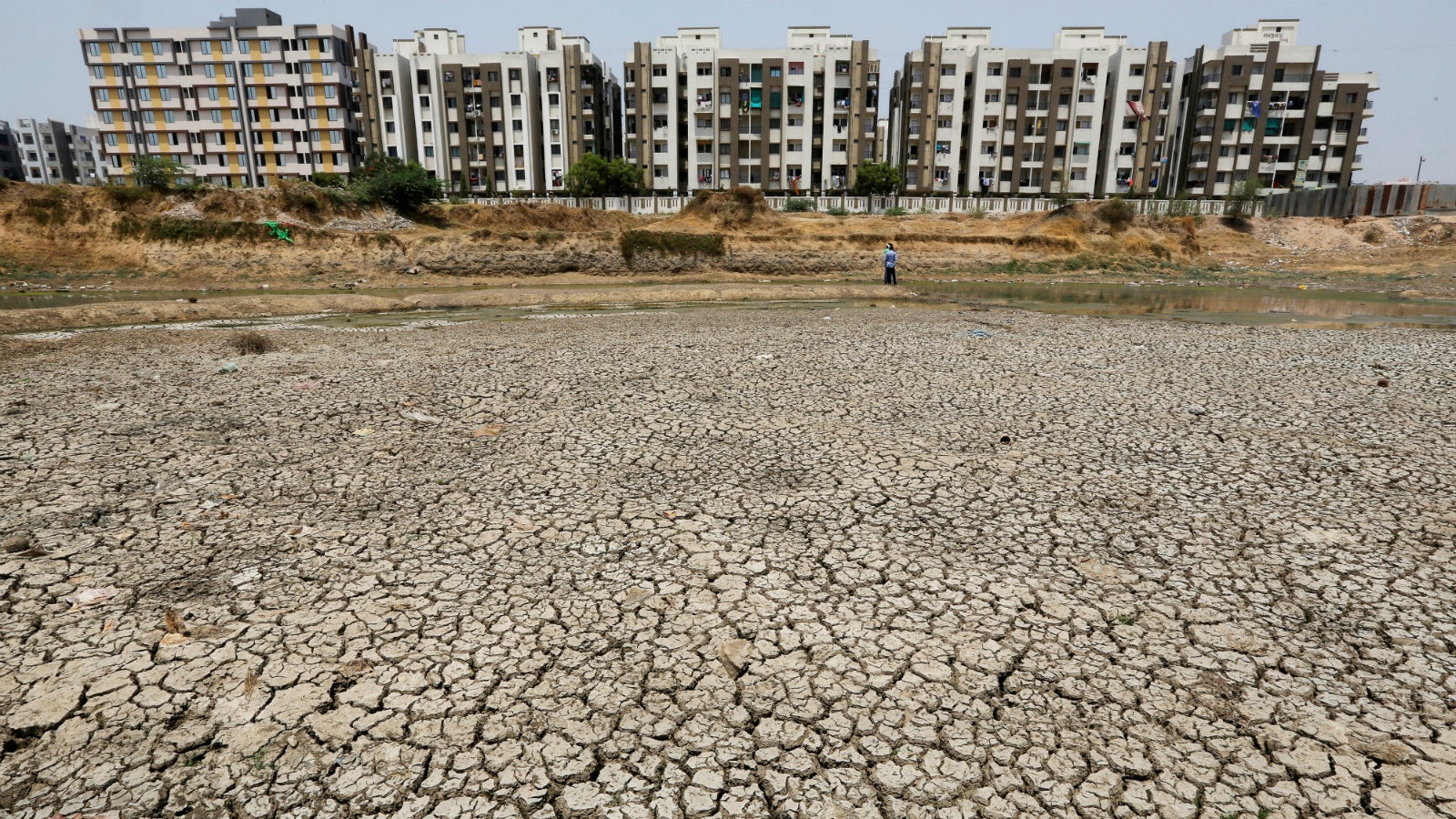
Catastrophic heatwaves triggered by climate change could render parts of south Asia uninhabitable by the end of the century, potentially upending the lives of millions of people across India, Bangladesh, Sri Lanka, and Pakistan.
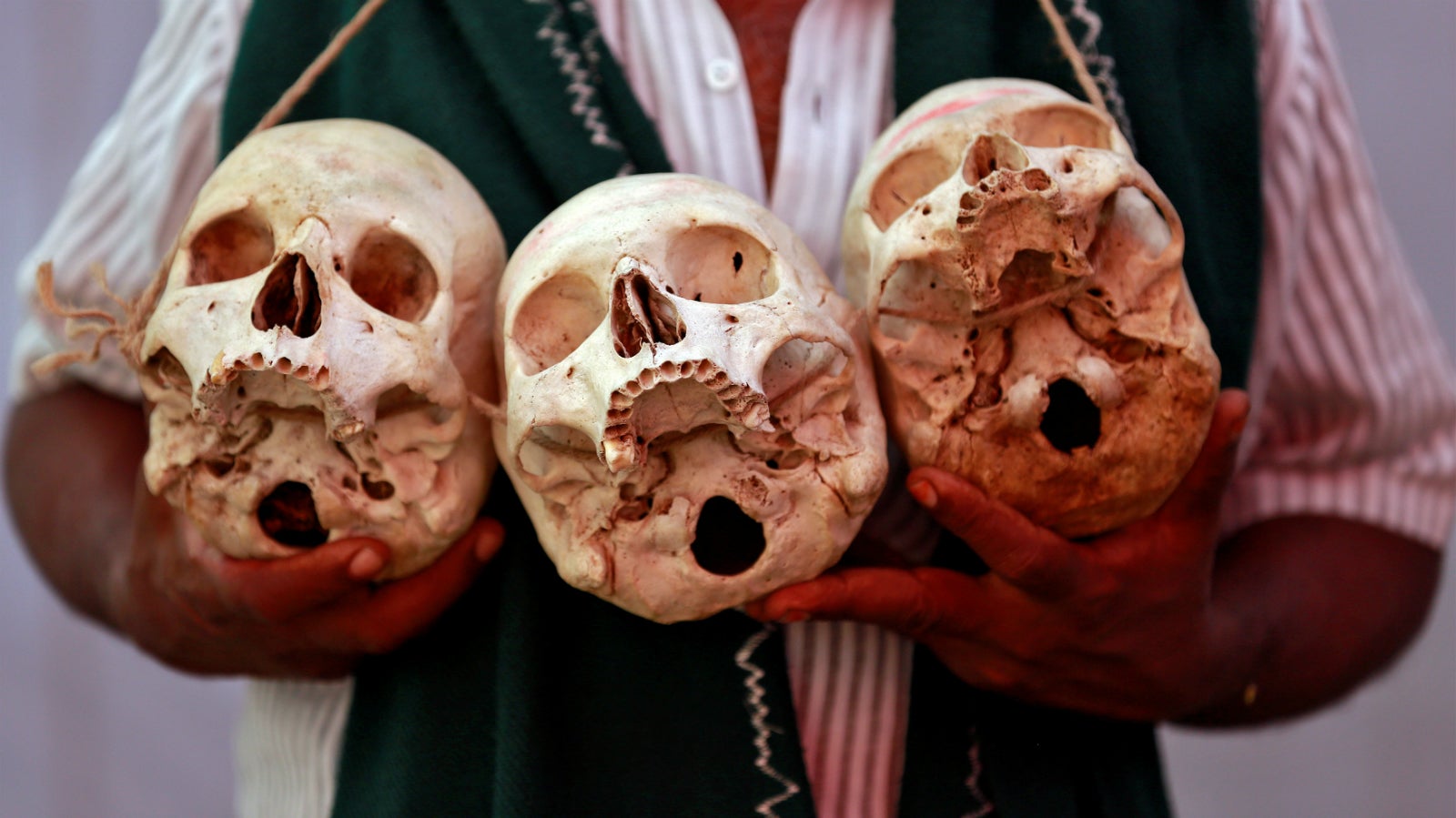
For many weeks this summer, a group of farmers from Tamil Nadu, the southern Indian state ravaged by one of its worst droughts in over a century, has been vociferously protesting in New Delhi. Almost always clad in green and sometimes holding human skulls or dead rats, they have been attempting to lobby the Narendra Modi government for a relief package, including a farm-loan waiver.
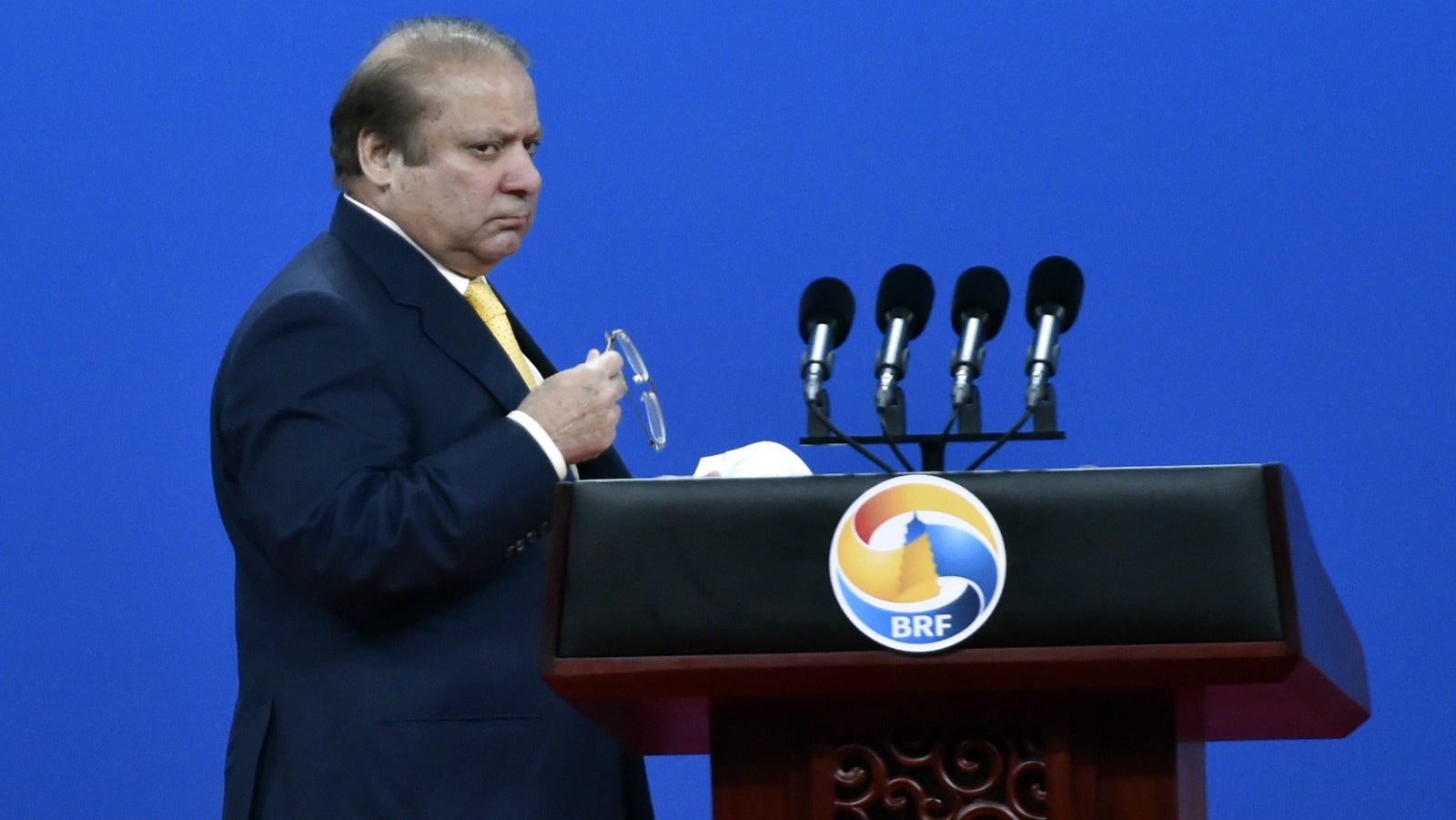
The record remains intact: No elected prime minister in Pakistan’s history has managed to serve a full five-year term. Not even Nawaz Sharif, who was out trying his luck for the third time.
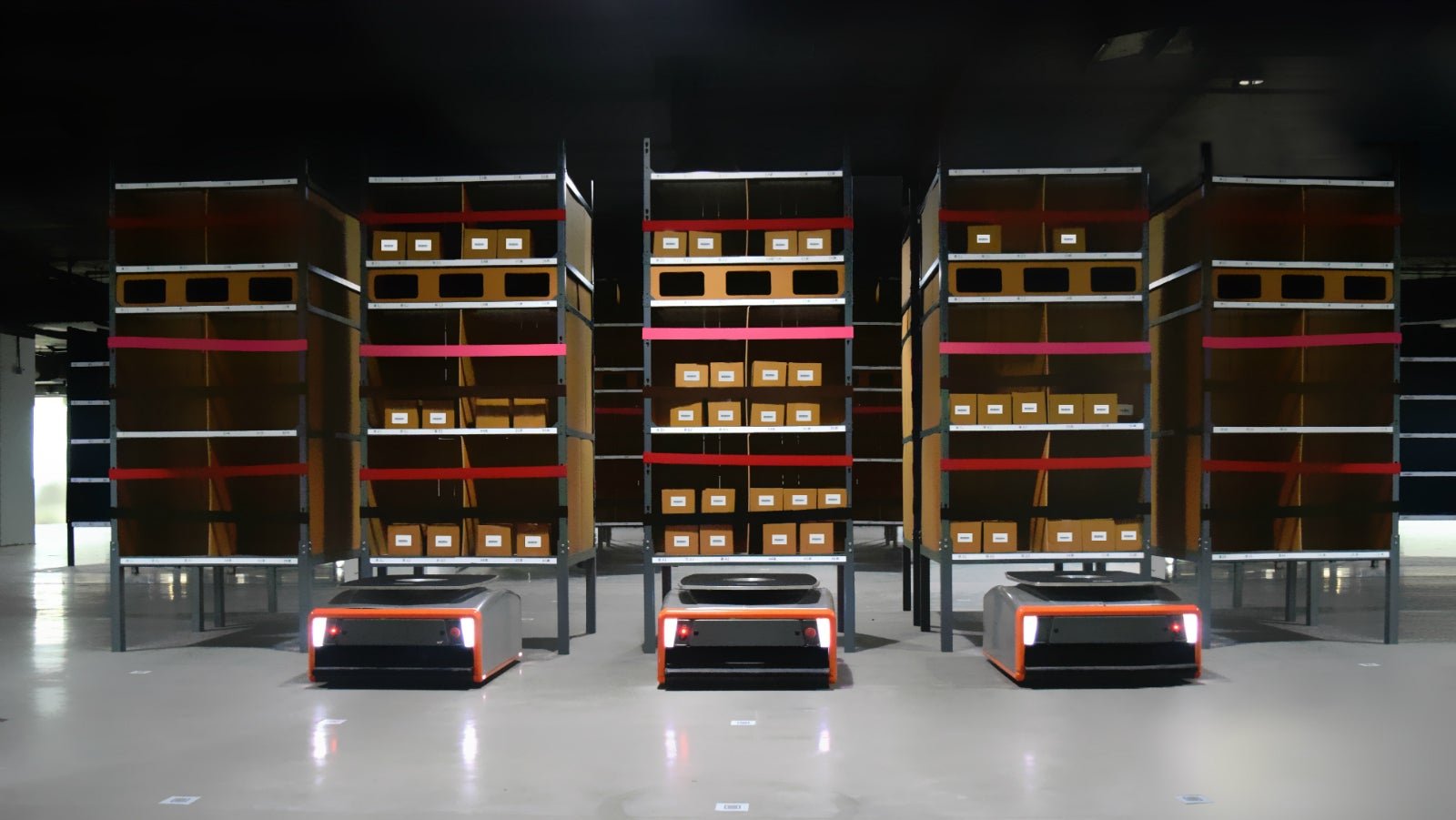
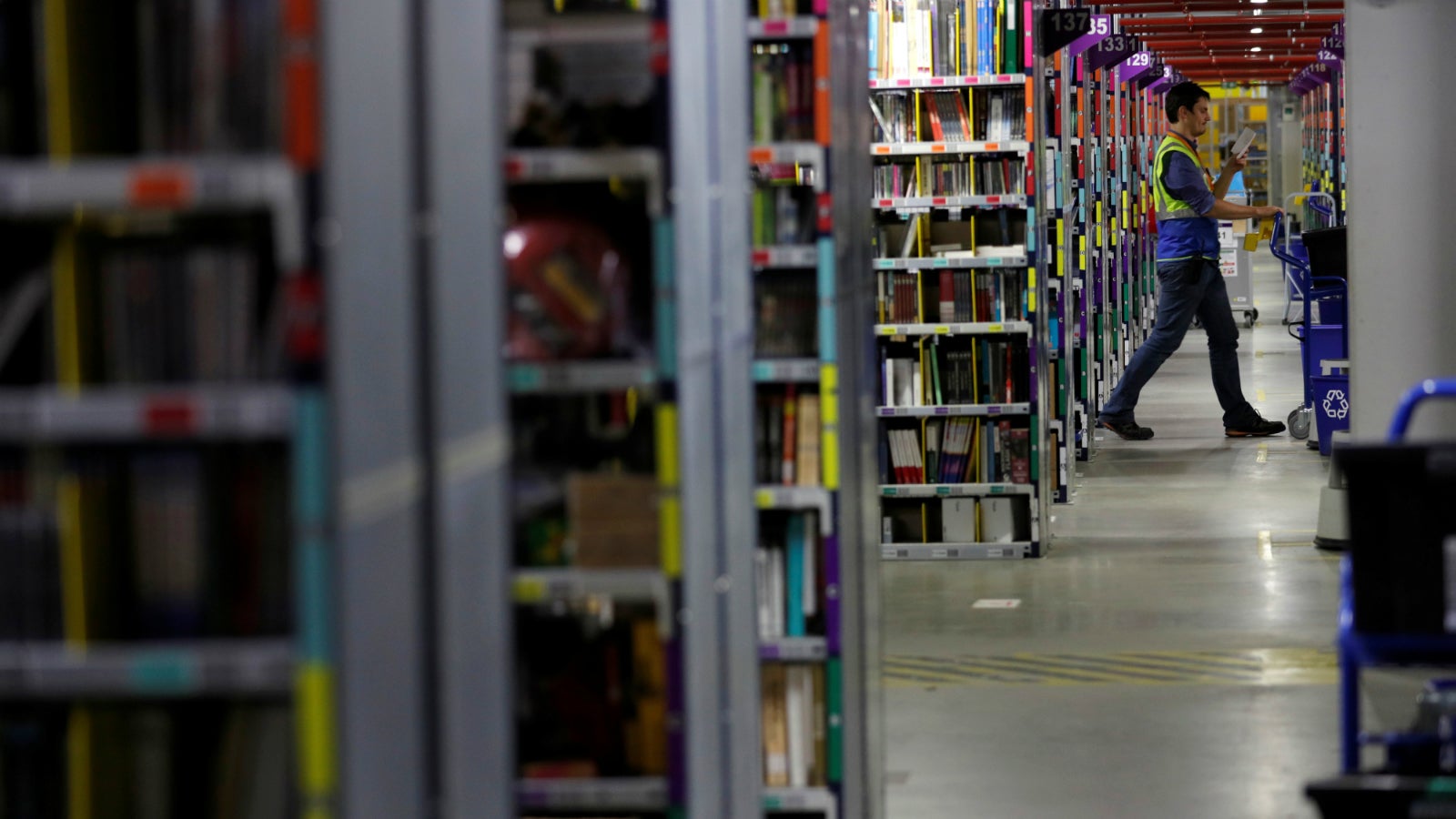
Butler and Sorter seem like an unlikely pair. One is unassuming, small, and squat, though it has a talent for lifting weighty shelves and whirring around with them. The other is loud, long, and immobile, with a conveyor belt for a spine and pneumatic arms that swing with unerring precision.
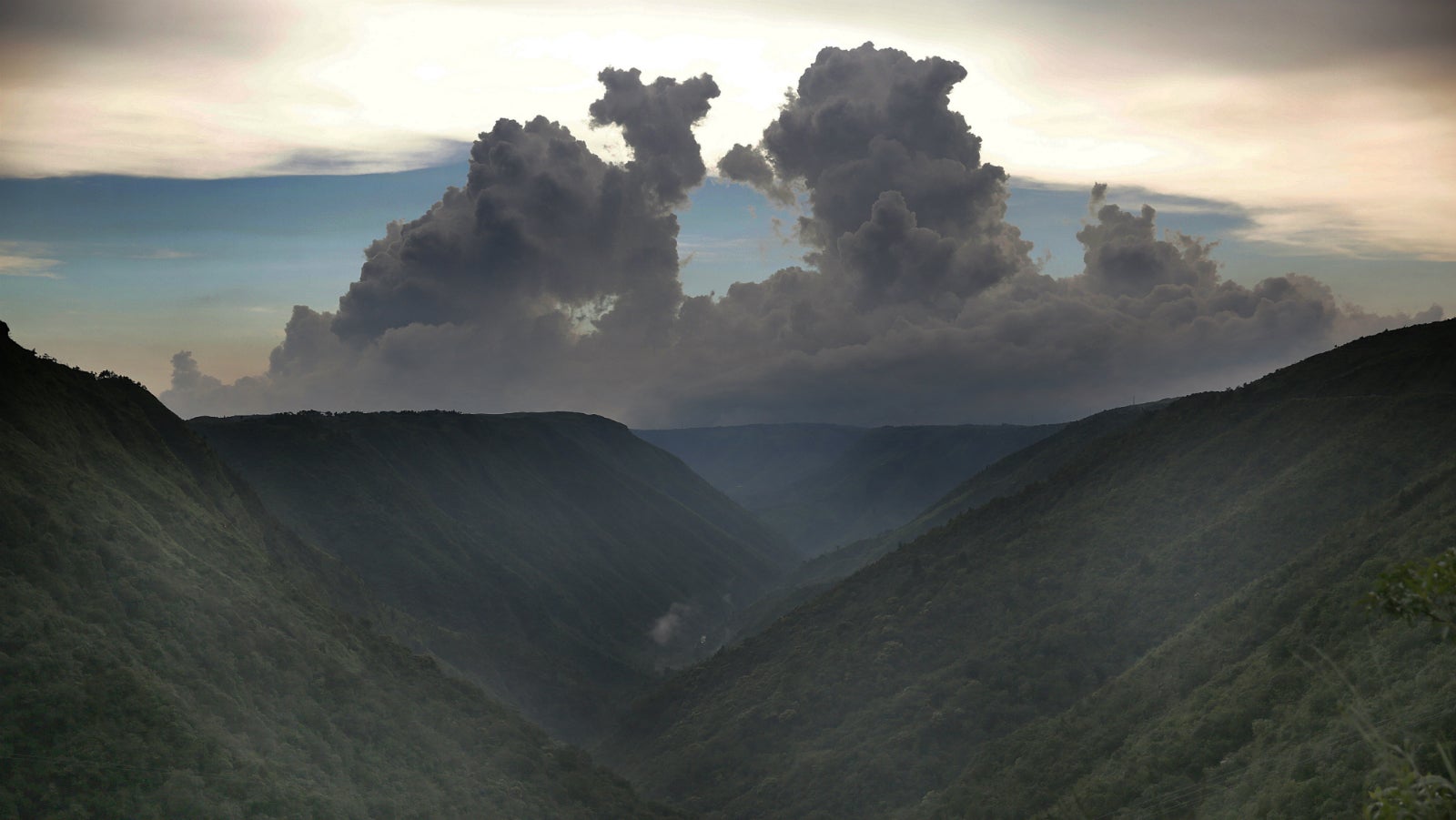
During the second half of the 20th century, the skies above northern central India dried up.
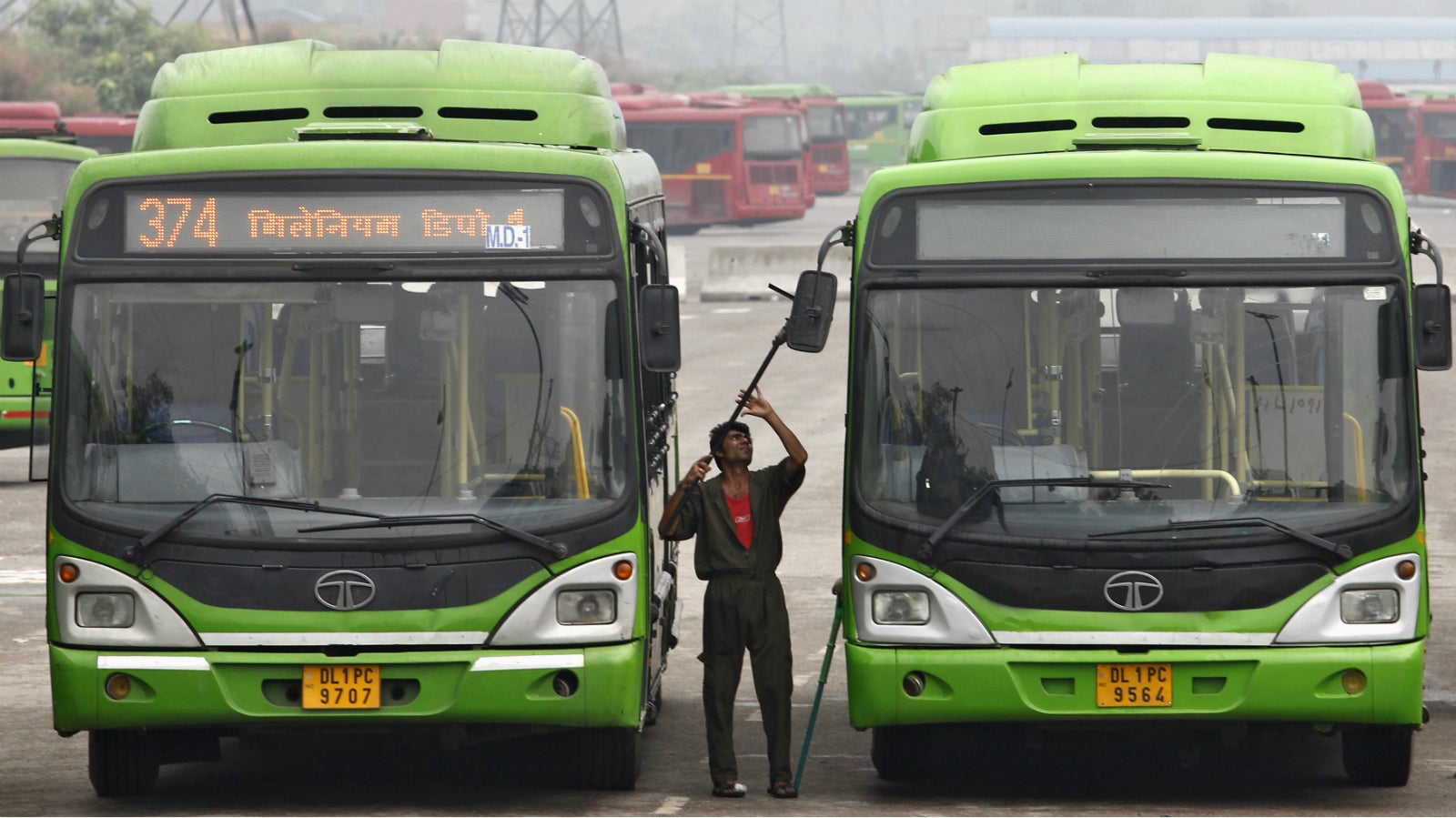
A storied truck-maker and an ambitious upstart are coming together, in further proof that India’s electric mobility ecosystem is gaining traction.
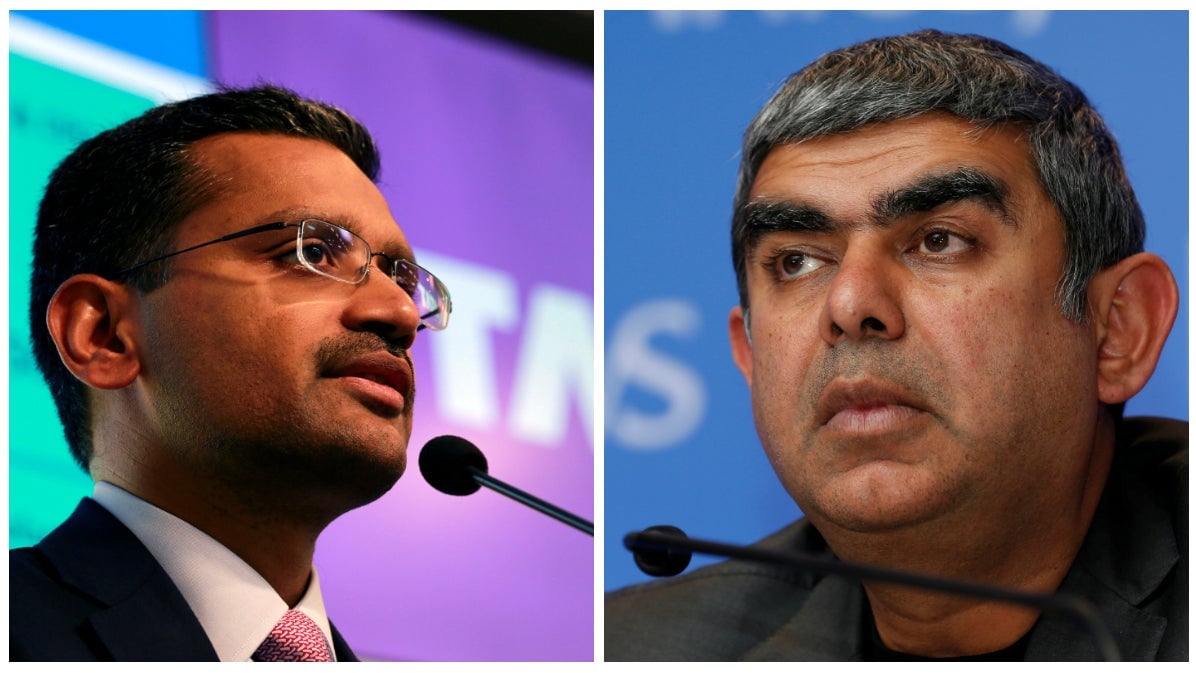
Last week, two of India’s biggest information technology (IT) services companies posted their quarterly results.
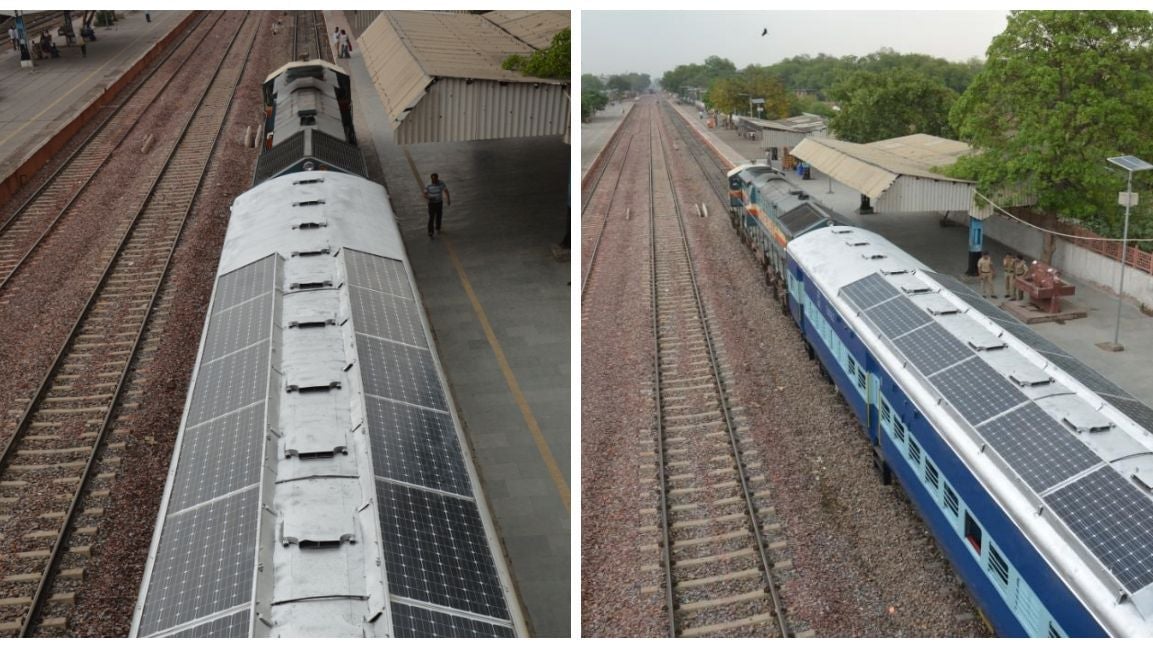
India’s massive diesel-guzzling railway network is getting serious about its experiments with solar.