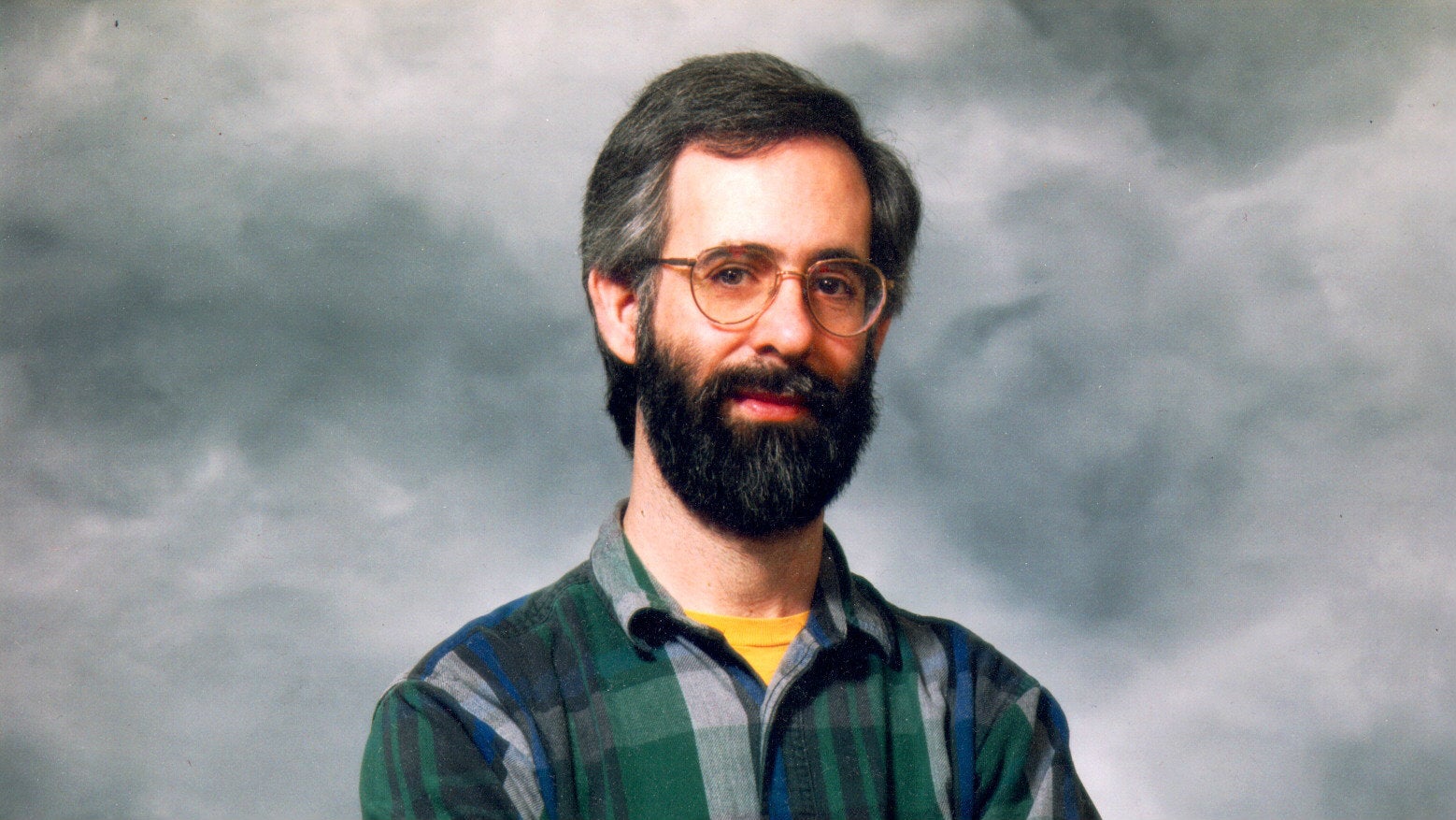
You may not know Dan Bricklin, but you are almost certainly familiar with his work. It’s fair to say that the Boston-based programmer is as important a figure in the early days of personal computing as contemporaries like Steve Jobs and Bill Gates.

You may not know Dan Bricklin, but you are almost certainly familiar with his work. It’s fair to say that the Boston-based programmer is as important a figure in the early days of personal computing as contemporaries like Steve Jobs and Bill Gates.

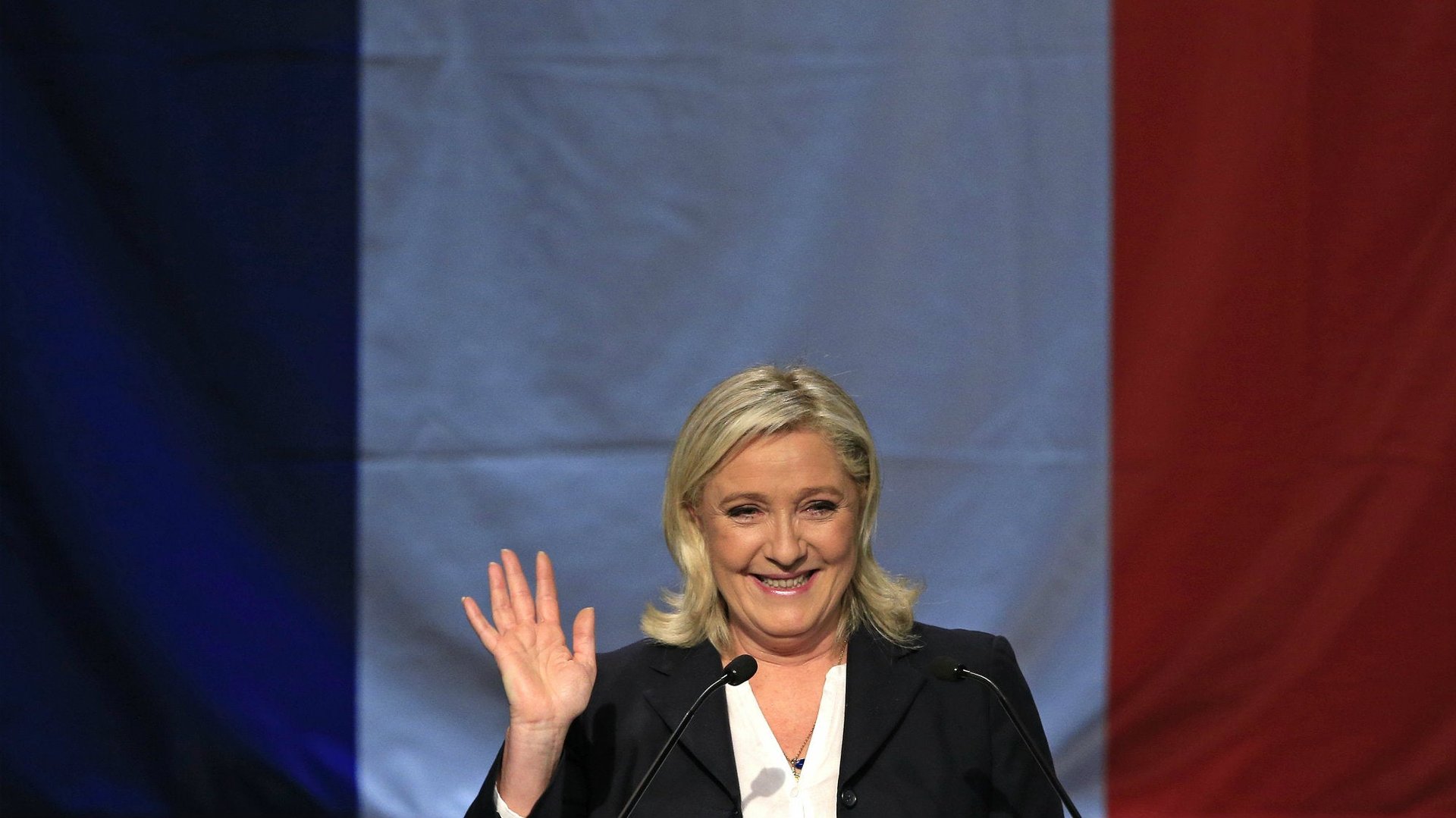
“We are without question the first party of France.” That was the verdict of Marine Le Pen, leader of the far-right National Front (pictured above), after her party won the largest share of votes in the first round of regional elections yesterday (Dec. 6).

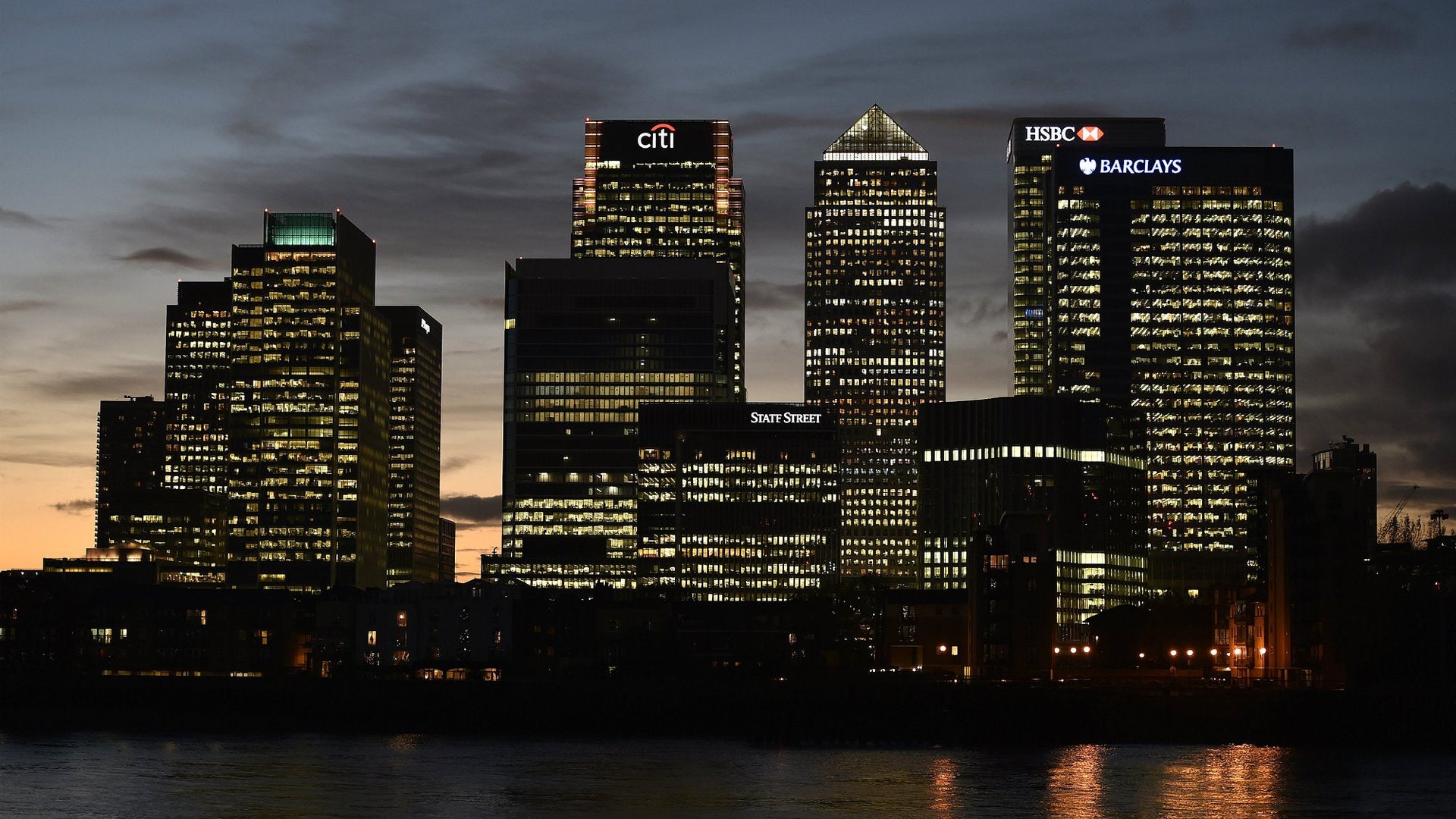
Those looking for retribution from big banks for their role in wrecking the world economy will be heartened by a report out of London today (Dec. 4). In Britain, home to some of the world’s most toxic, scandal-ridden banks, the financial industry is back to paying nearly as much tax as it did before crash. According to PricewaterhouseCoopers, which crunched the numbers for the City of London Corporation, the UK finance industry paid £66.5 ($100 billion) in tax in the year to March, just under the high-water mark set in 2007.

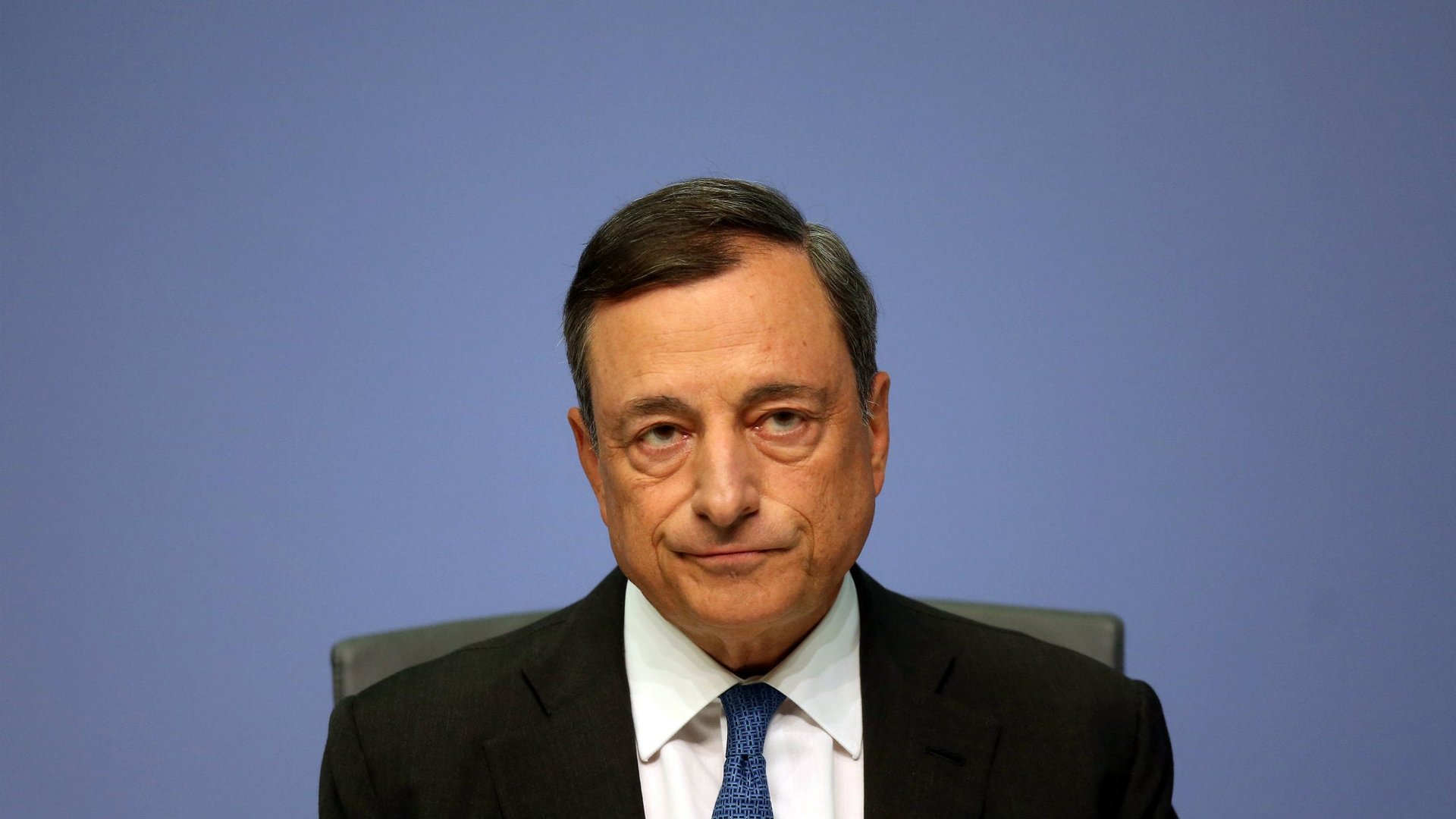
We’ve said it before, and we’ll say it again: nobody moves markets like Mario Draghi.

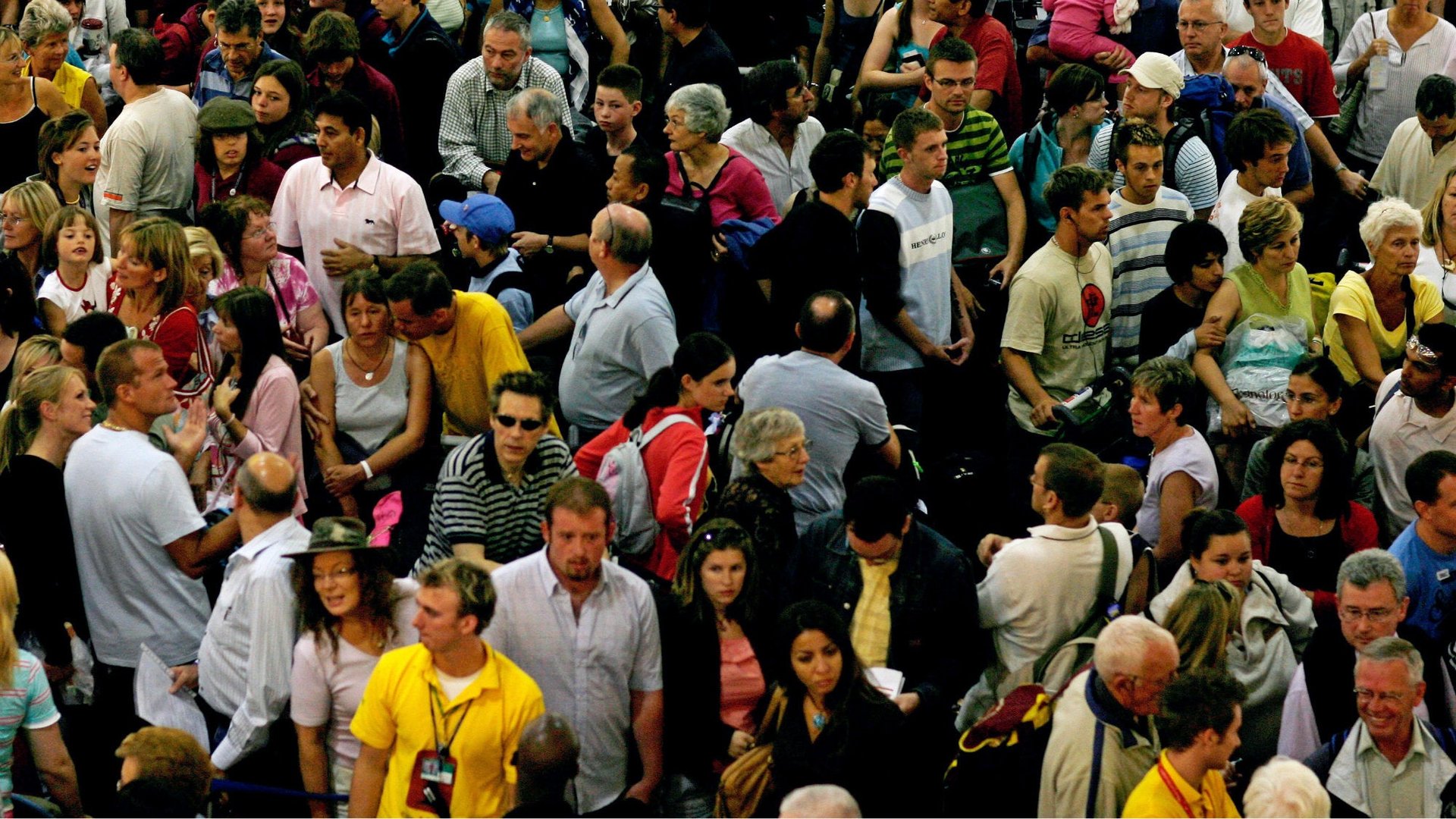
Inequality, immigration, obesity. People hold strong views about these thorny public challenges. It’s a shame, then, that most don’t know even basic facts about them.

Tablets have struggled to live up to their initial hype, with sales stalling relative to smartphones—especially the super-sized smartphones known as “phablets.” According to new forecasts from ZenithOptimedia, a marketing agency, two-thirds of the population in 47 key markets will own a smartphone by 2018; tablet ownership will only cover a fifth of the same people by then. (The agency’s definition of tablet excludes e-readers.)

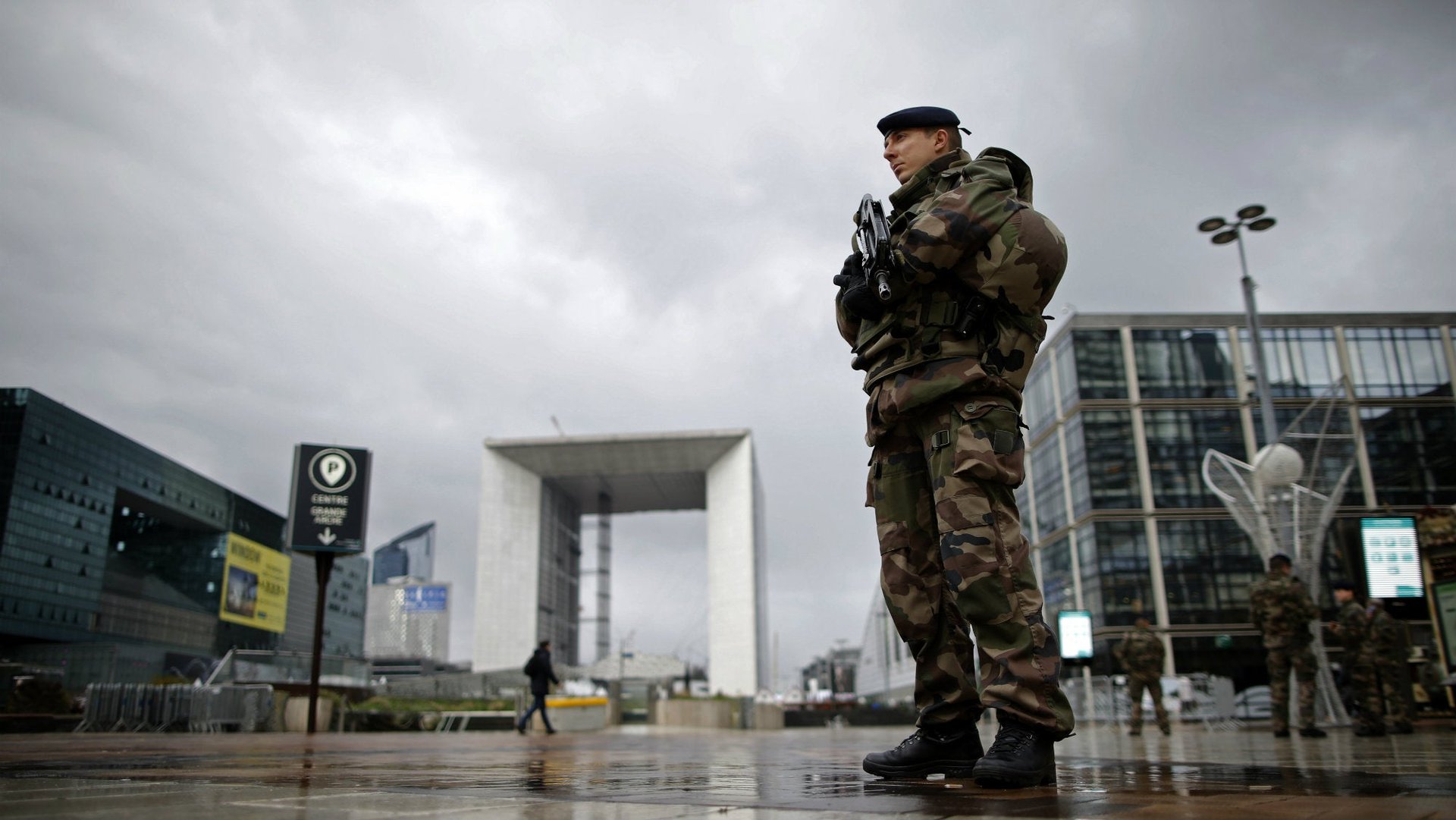
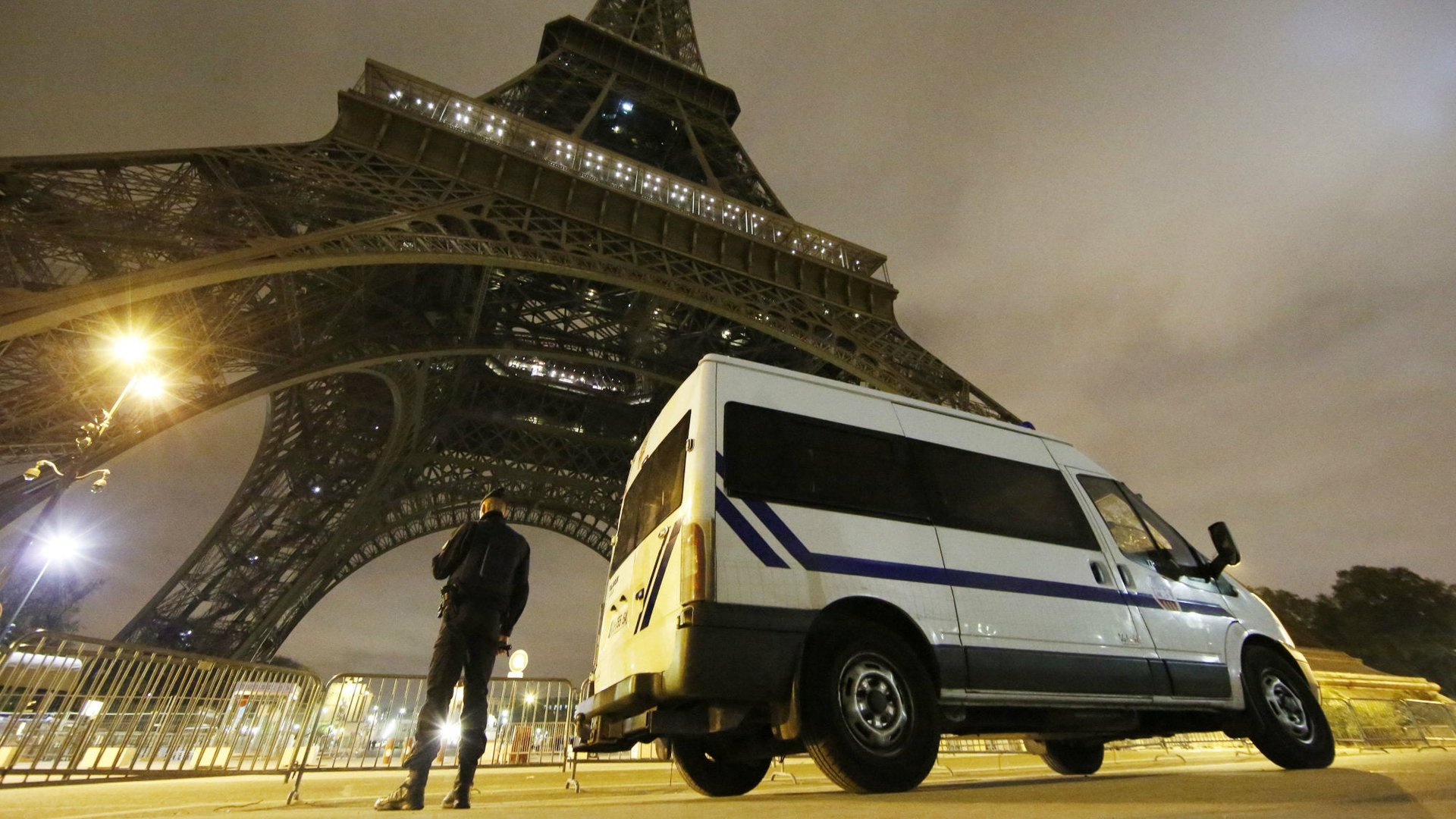
The attacks in Paris on Nov. 13 took 130 lives and permanently altered many more. Against this, discussing the financial costs of that day of terror may seem gauche. But as Paris, and France, tries to return to some sense of normalcy, it must address the economic damage of terrorism as well as its human toll.

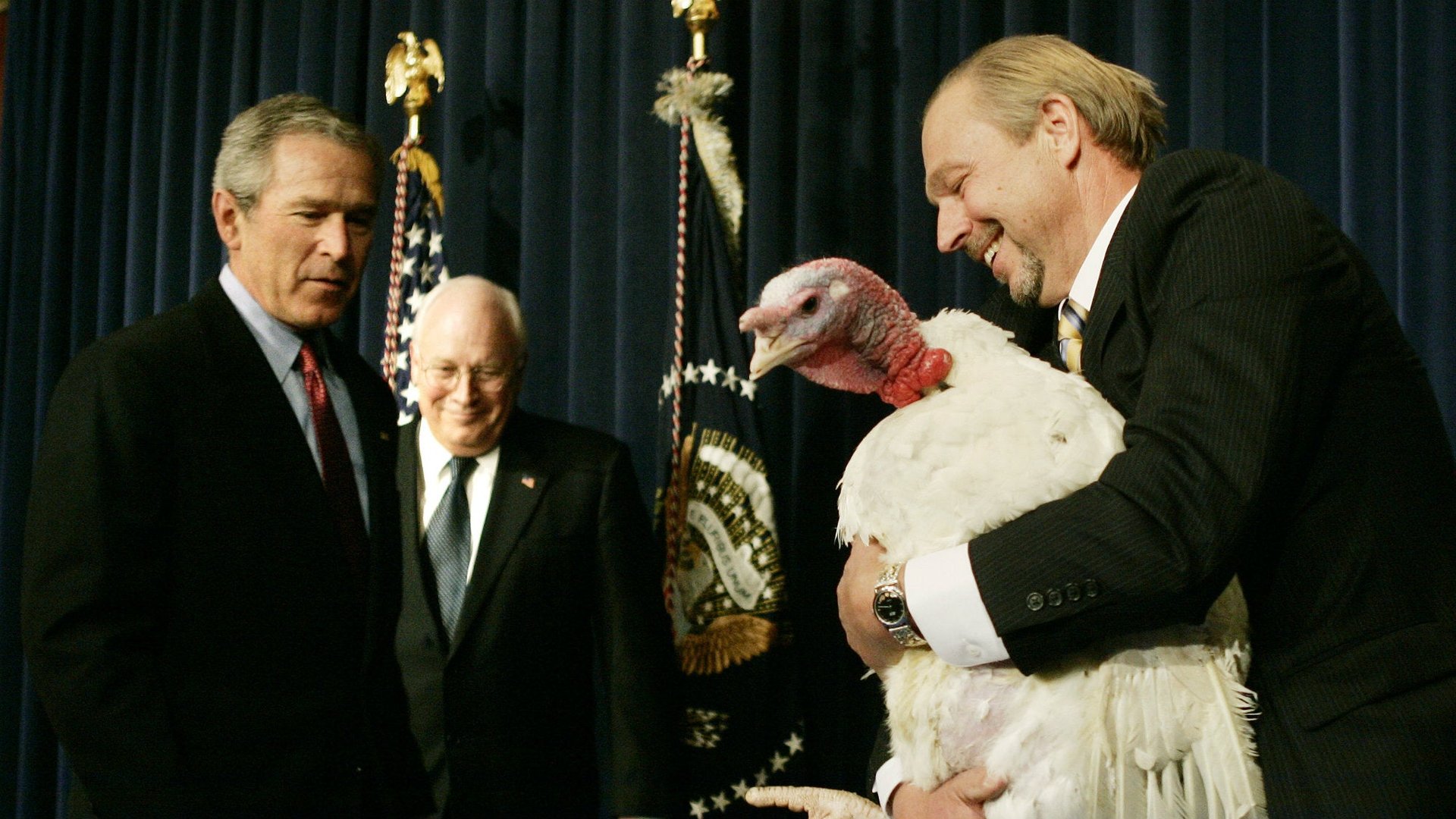
For anyone exposed to American media and entertainment—that is, much of the world—there is no escaping Thanksgiving.

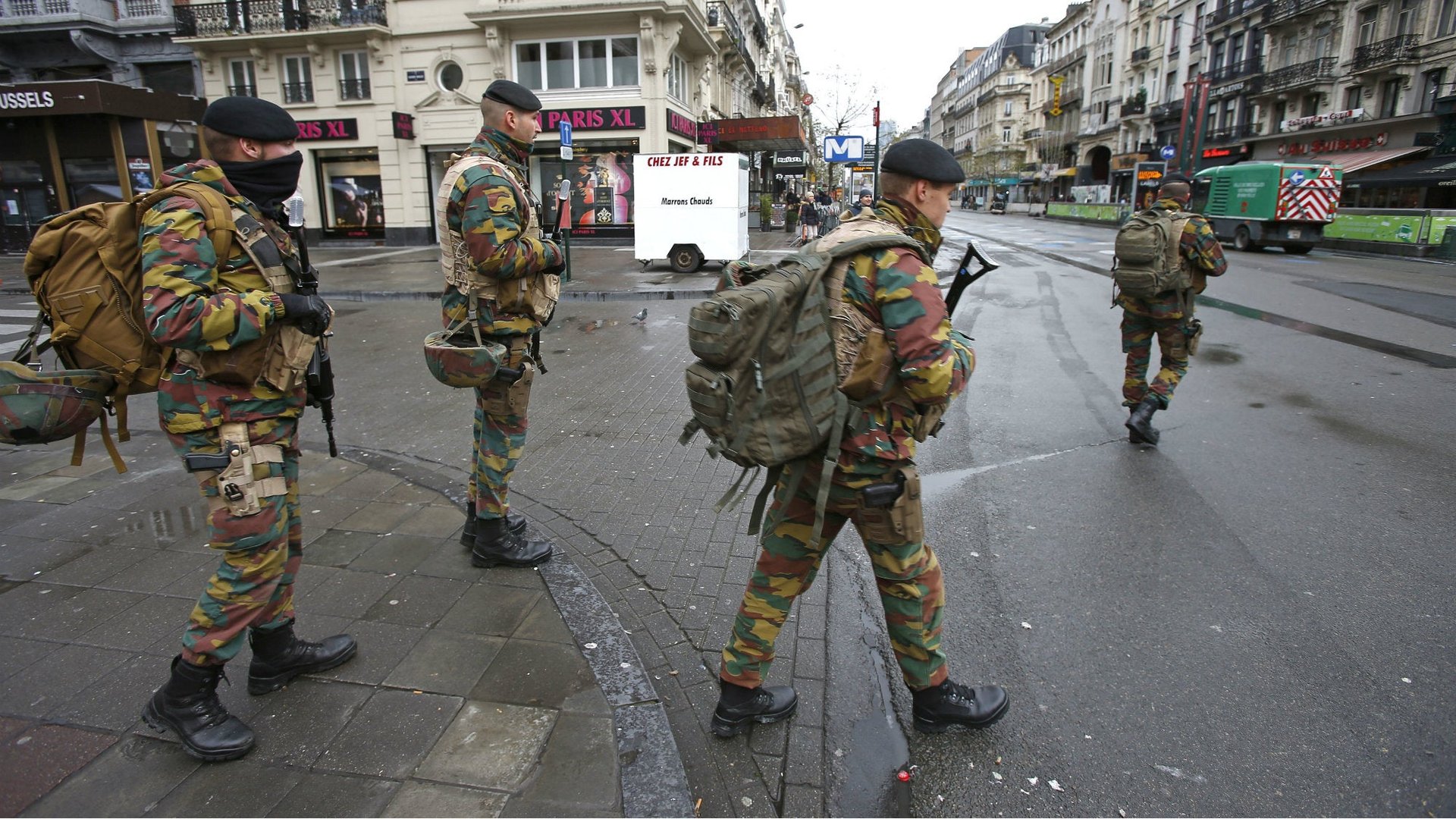
In the early hours of Saturday (Nov. 21), Belgian authorities raised the terror threat for Brussels to its highest level (link in French). Prime minister Charles Michel said there is a “serious and imminent” threat in the Belgian capital based on “quite precise information.”

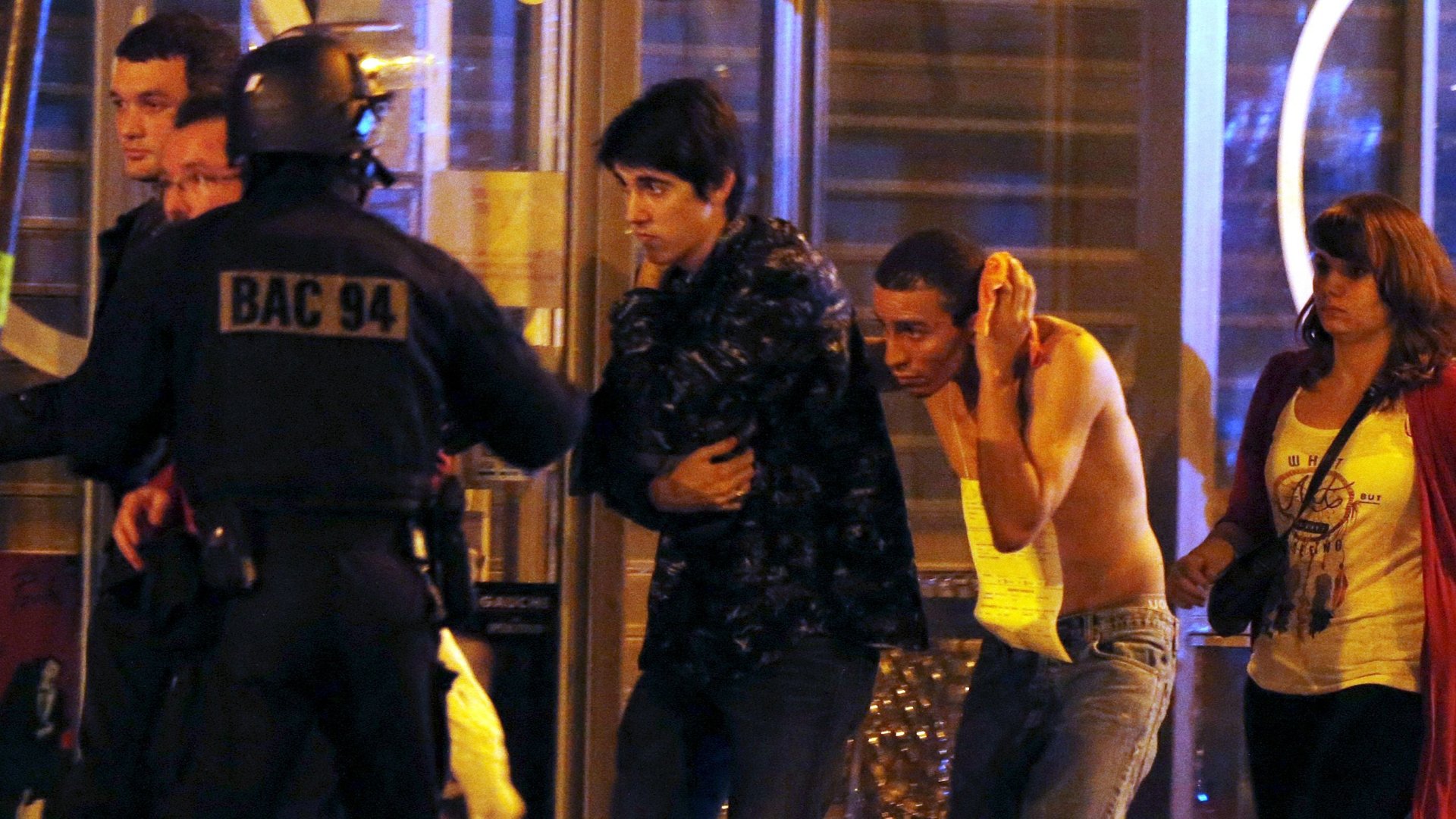
French police have carried out more than 400 raids, made more than 60 arrests, and seized 75 weapons, including 11 “military weapons” (link in French) since declaring a state of emergency following the deadly attacks in Paris on Nov. 13. Police have also used their new powers to place 118 people under house arrest.

Given their depressing regularity, the markets have gotten used to analyzing the impact of terrorist attacks. In fact, after an initial drop in stocks in the regions affected, recent market movements in response to terrorist atrocities have been remarkably short-lived.

Updated 9:03pm ET

To many, Finland is a member of the euro zone’s fiscally conservative core, alongside Germany. But in the words of its own finance minister, “basically, we are the sick man of Europe.”

Bank stress tests have got a bad rap. In recent years, these periodic regulatory assessments have given banks a clean bill of health that subsequently blew up, or found their capital cushions unable to withstand relatively mild stress. And that’s despite criticism—on both sides of the Atlantic—that those worst-case scenarios devised to gauge the resilience of bank balance sheets are not nearly stressful enough.

If you don’t have anything nice to say, don’t say anything at all. It’s advice that parents the world over give their kids. But few of those kids put that simple advice to use making billions of dollars in profit.

It will surprise few that the property markets in London and Hong Kong look a bit bubbly. But get this—real estate in New York is “fairly valued,” according to a new report.

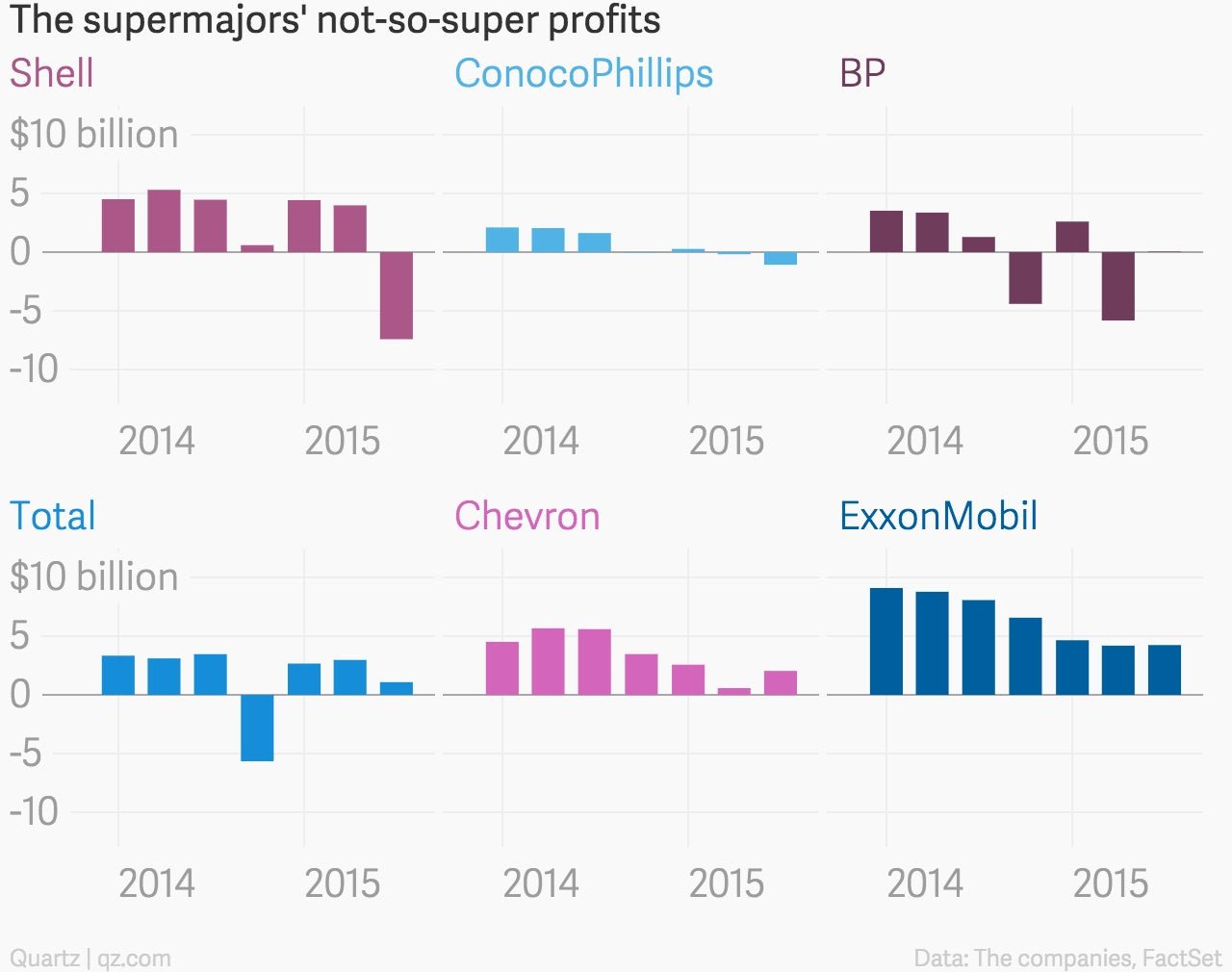
The supermajors aren’t feeling so super these days. This week, the six largest private oil companies reported third-quarter earnings, and the news wasn’t pretty.

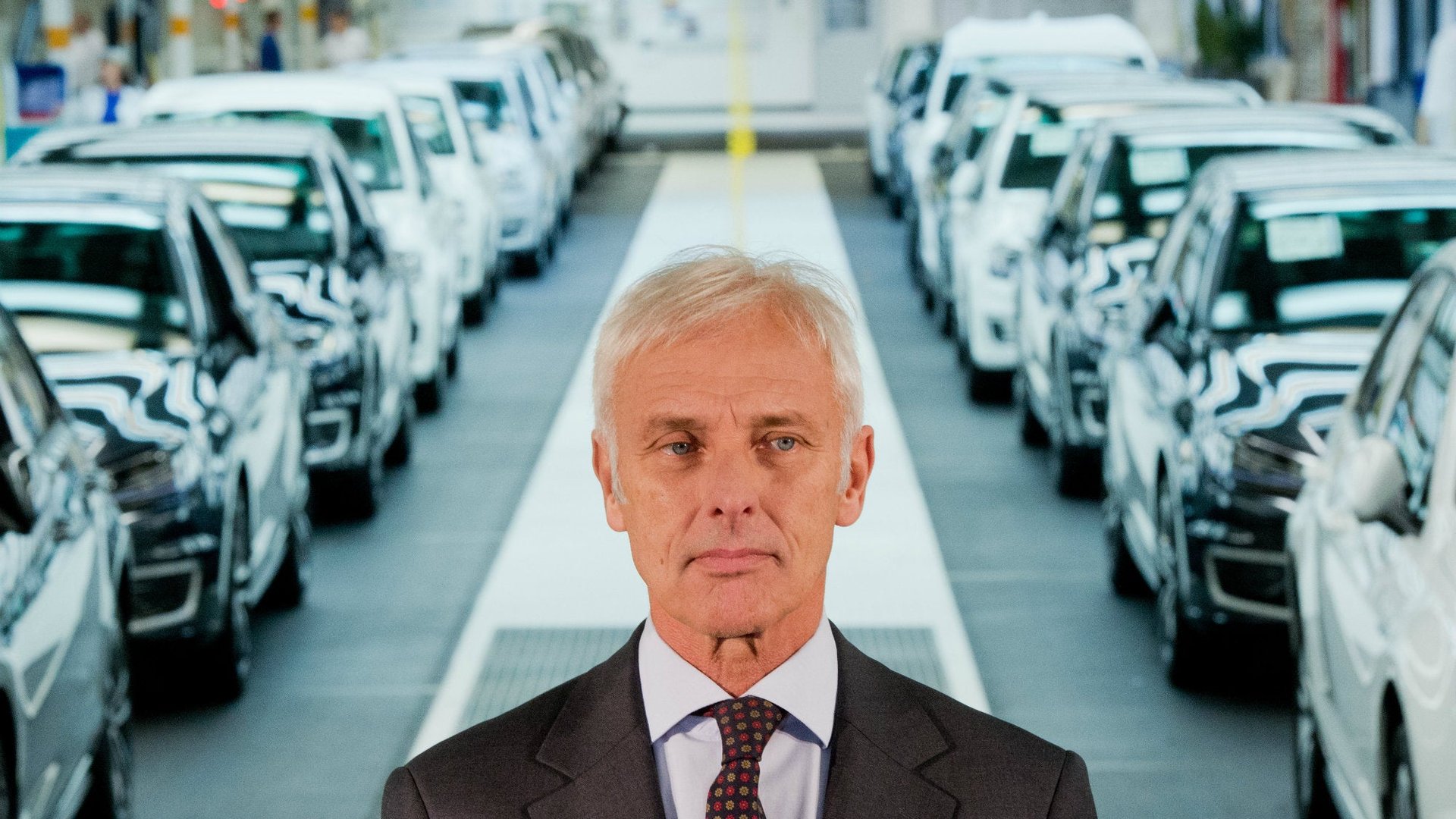
“You, as shareholders of Volkswagen, have had to endure considerable pain for which we are deeply sorry.”

It gets earlier every year. That common refrain, muttered under one’s breath at any unseasonably early sign of Christmas, is particularly prevalent in Britain. This is the place, after all, where a popular department store started selling Christmas knick-knacks in August this year.

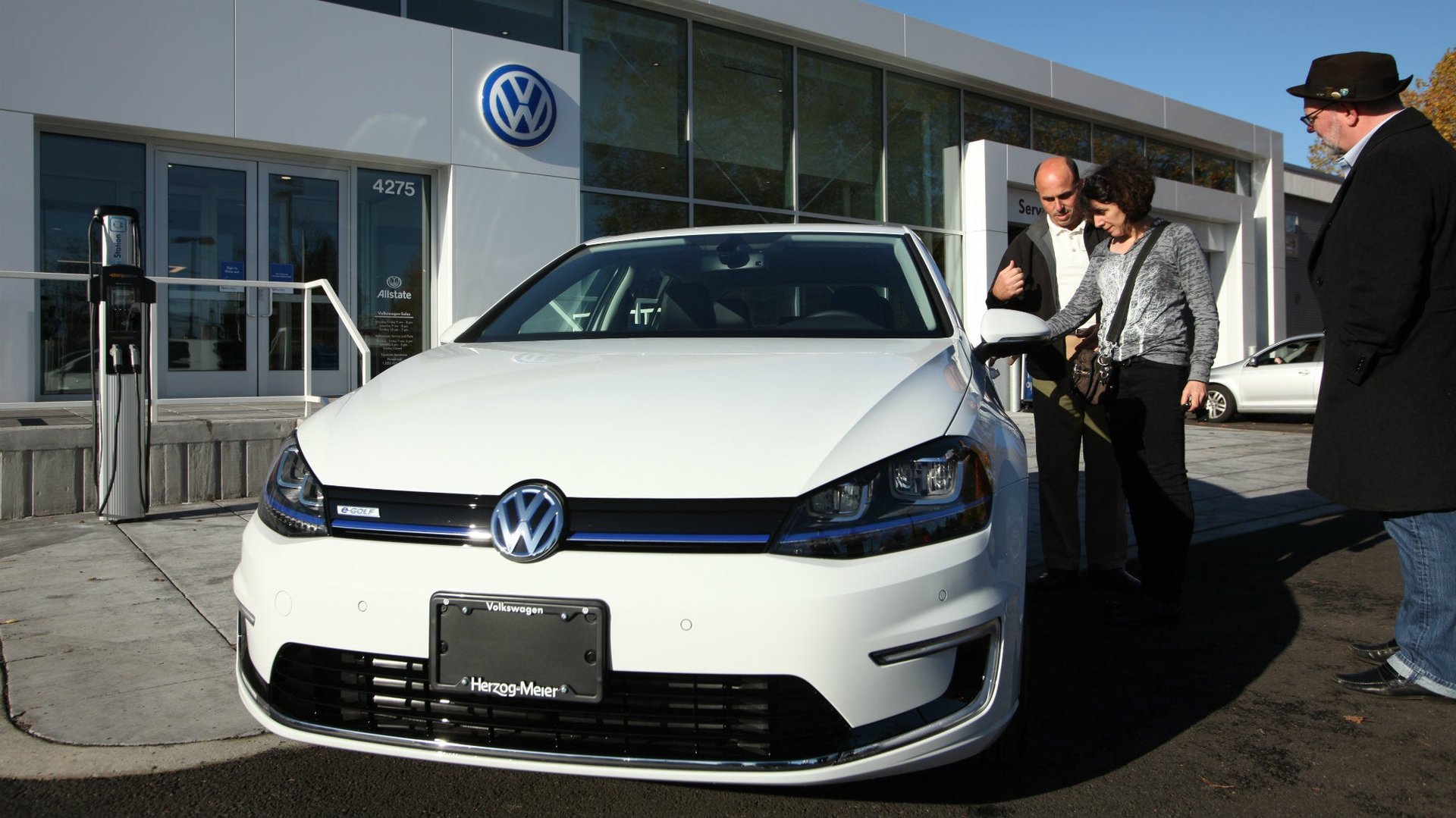
Volkswagen is in the midst of one of the biggest car recalls in history, after it was caught cheating on emissions tests last month by US regulators. Nearly 500,000 diesel-powered cars in the US are affected, and the scandal is tarnishing the carmaker’s reputation in a market that it was just starting to crack.

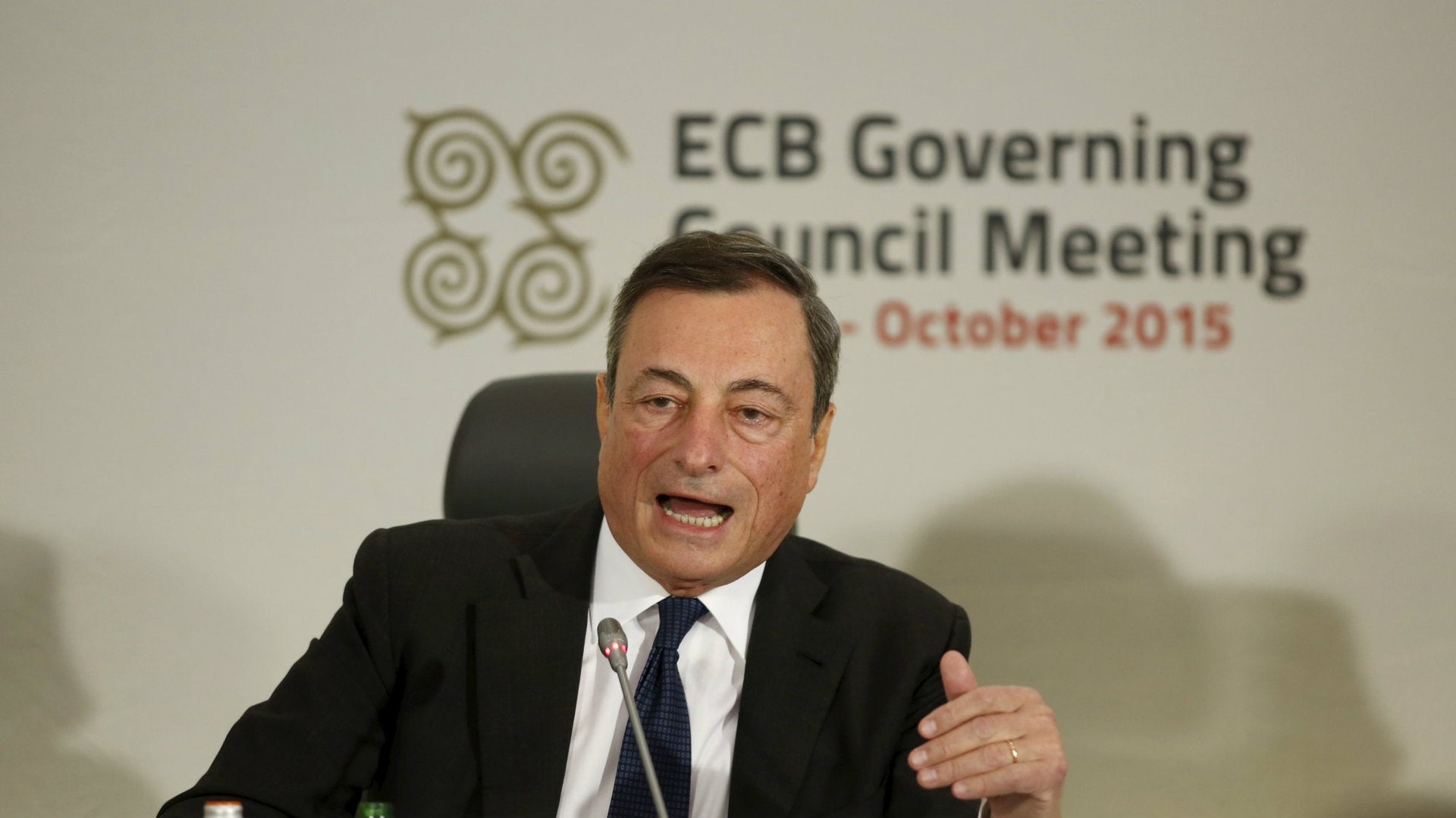
One man is dominating the discussion among traders today: Mario Draghi. The president of the European Central Bank lit a rocket under stocks and bonds yesterday by hinting that the ECB is open to boosting its regular bond purchases—currently worth €60 billion ($66.7 billion) per month—and cutting one of its key interest rates even further below zero. The euro sank to the sounds of “Super Mario” revving up the printing presses.

When Mario Draghi speaks, investors listen. And while you could say the same for most central bank chiefs, few central bankers move markets with words alone the way the president of the European Central Bank can.

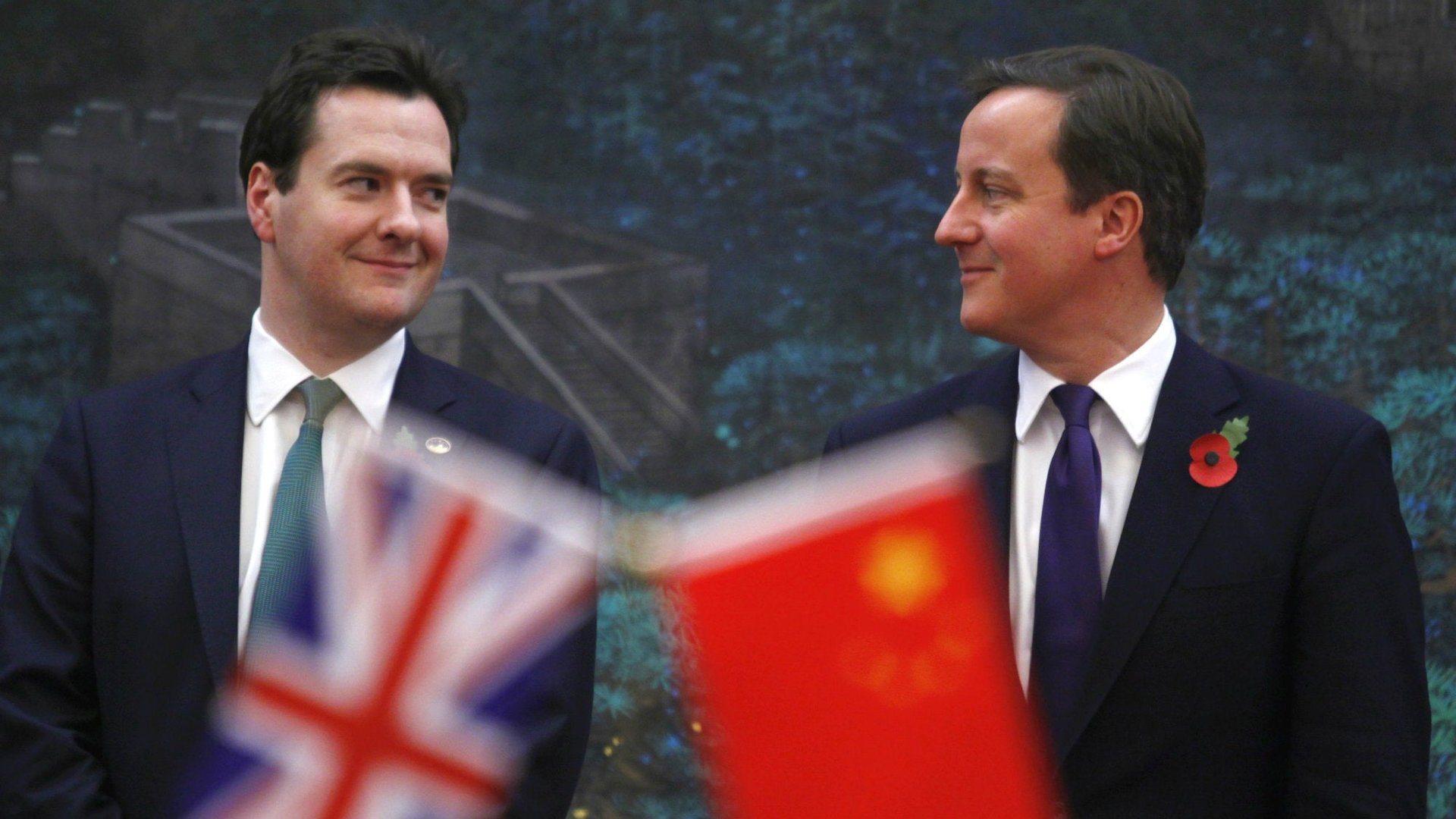
Three years ago, the UK’s relations with China were in a deep freeze. After British prime minister David Cameron met with the Dalai Lama in London, an angry Beijing cancelled meetings and generally put the brakes on greater cooperation with Britain.

One of the most audacious gambles in Silicon Valley today has nothing to do with technology.