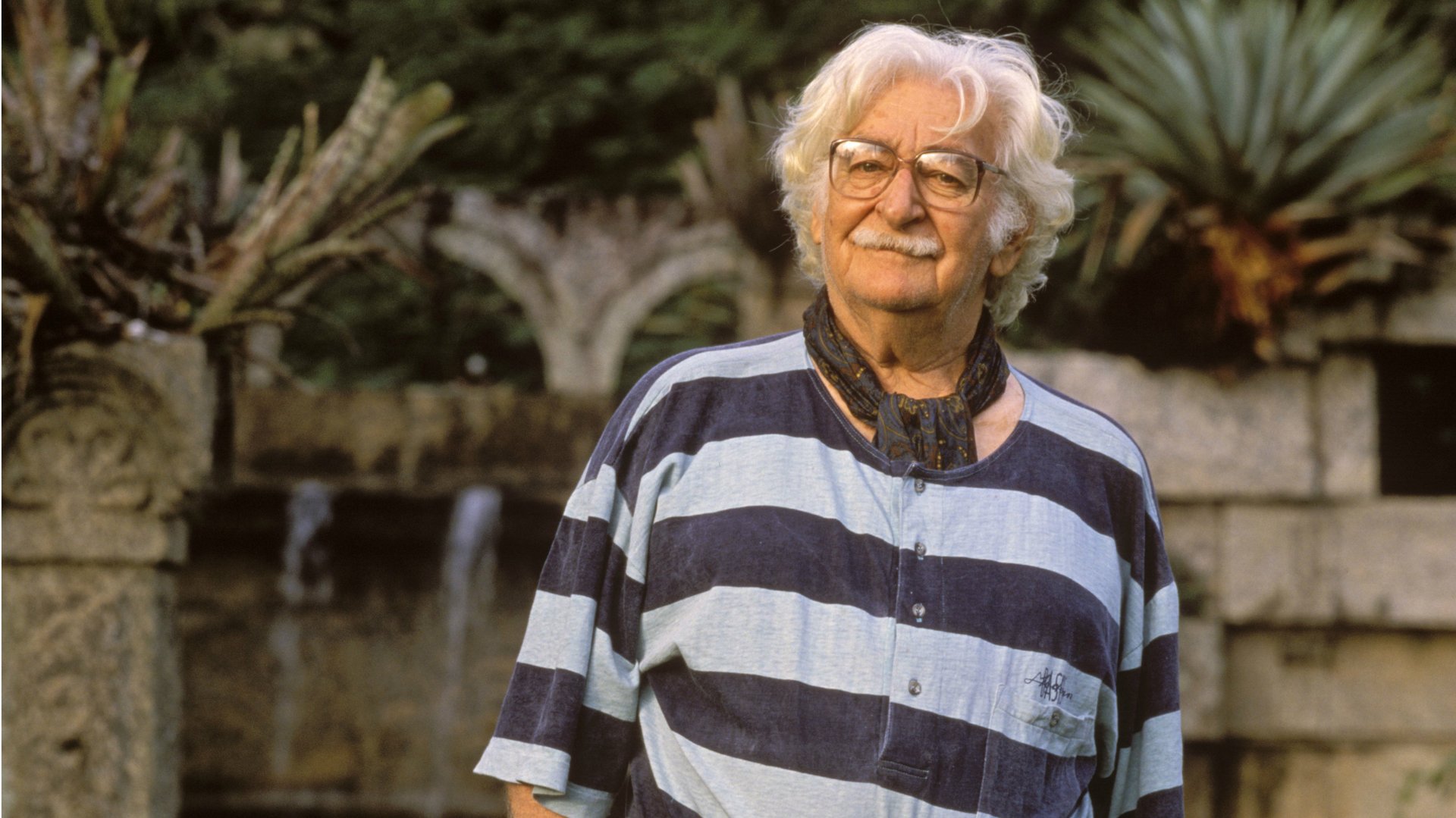
The sense that the Brazilian artist Roberto Burle Marx—perhaps the most influential landscape architect of the 20th century—was generally satisfied with his work, is deeply reassuring. Great artists, Burle Marx shows us, need not be tortured.

The sense that the Brazilian artist Roberto Burle Marx—perhaps the most influential landscape architect of the 20th century—was generally satisfied with his work, is deeply reassuring. Great artists, Burle Marx shows us, need not be tortured.

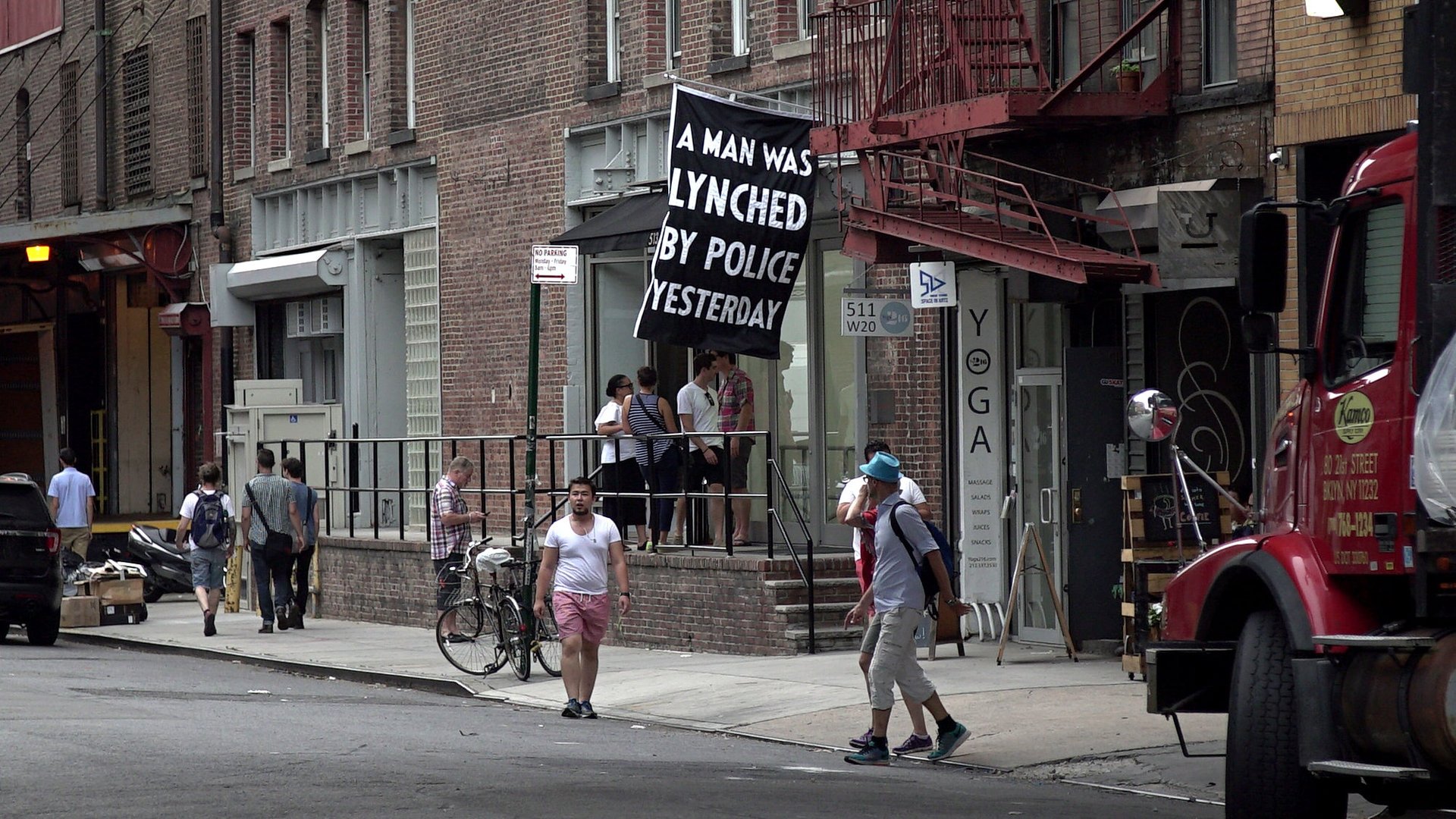
Between 1920 and 1938, the National Association for the Advancement of Colored People (NAACP) flew a flag from the window of its Fifth Avenue headquarters in New York City when a lynching took place. It stated, simply, starkly: “A man was lynched yesterday.” The flag demanded that the people of Manhattan, however far they were from the American south, bear some form of witness to the racist murders taking place in their nation.

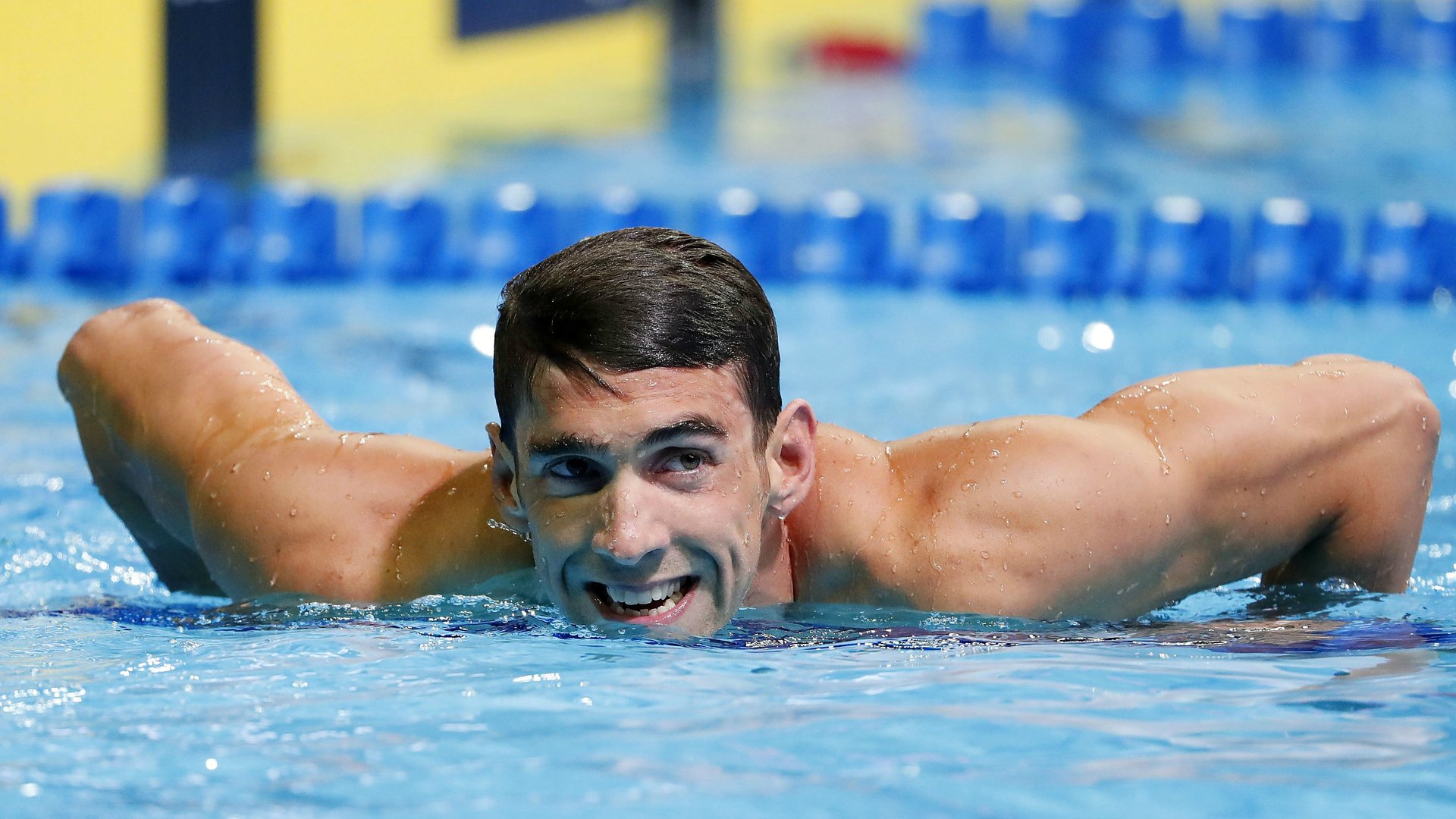
The first time many of us heard about swimmer Michael Phelps was in 2004, when the American swimmer was headed to his second Olympics. At 19, Phelps was described as something of a merman: a superhuman in the water, but awkward and imperiled on land.

At the North American Leaders Summit on Wednesday (June 29), Canadian prime minister Justin Trudeau, US president Barack Obama, and Mexican president Enrique Peña Nieto—AKA “the three amigos”—talked about trade, Trump, and immigration. It was a friendly meeting, and Peña Nieto in particular seemed pleased to note progress on a particular kind of migrant: the Monarch butterfly.

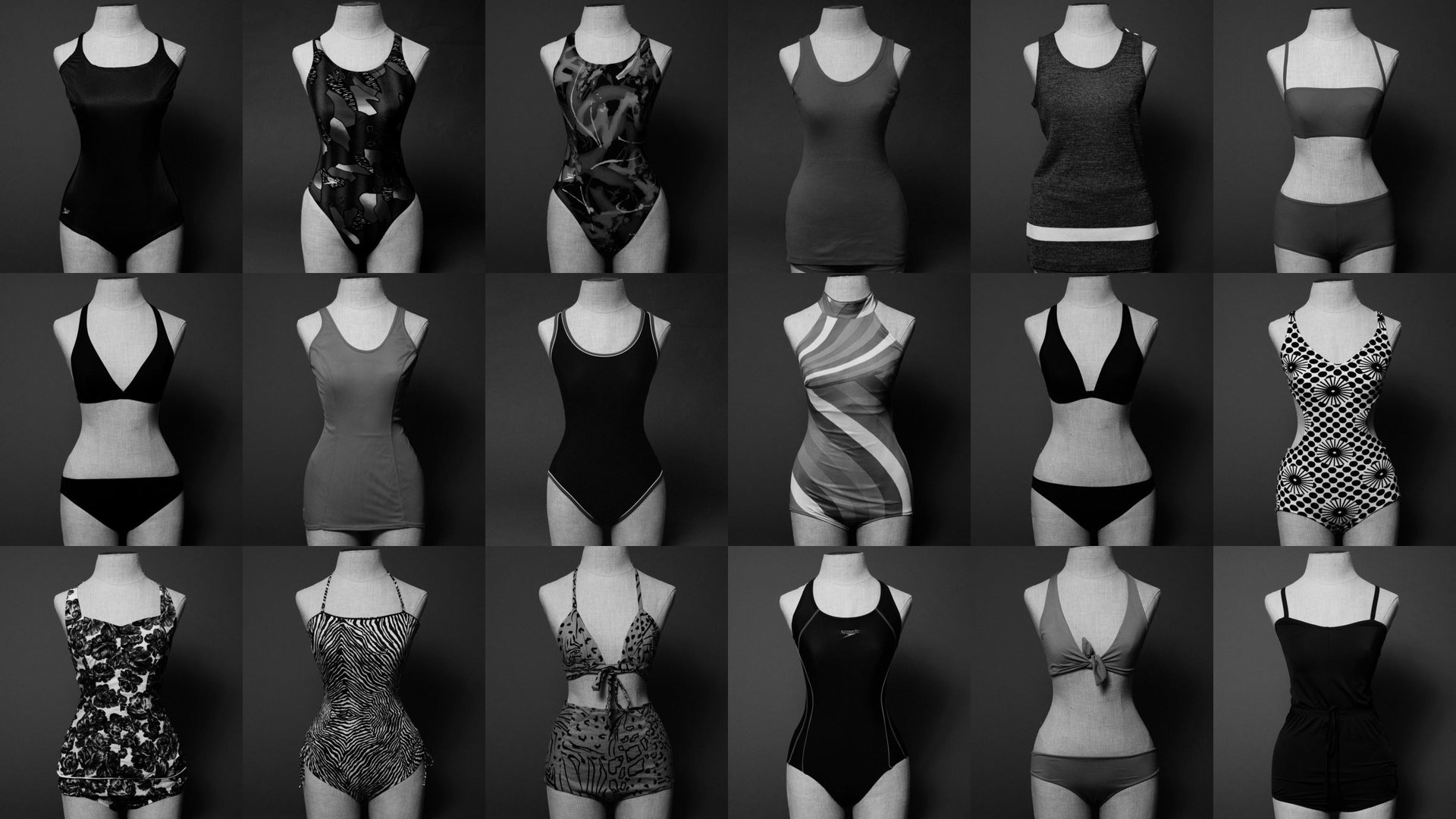
I recently experienced the pure, immersive joy of finding a beach book perfectly suited for my vacation. At the beginning of four days on a secluded island, I dove into Leanne Shapton’s memoir, Swimming Studies, and rarely came up for air.

When New York’s Metropolitan Museum of Art hired Sree Sreenivasan as its first-ever chief digital officer in 2013, the move made headlines. So did his work in the three years that followed.

One of my first dates with my now-boyfriend happened in the thick of New York summer. It was a Friday night so hot that I rushed home from work first, to shower off the stickiness and change into a sun dress. So when I met him a restaurant in Brooklyn, I was surprised to find him wearing a long-sleeved collared shirt with jeans. It was buttoned all the way up to his neck, and down to the cuffs. I became fixated on his wrists. I wanted—somewhat desperately—to unbutton his cuffs and roll up his sleeves. I recognized this would have been an extreme action on an early date (or really, ever) and restrained myself. The cuffs stayed buttoned.

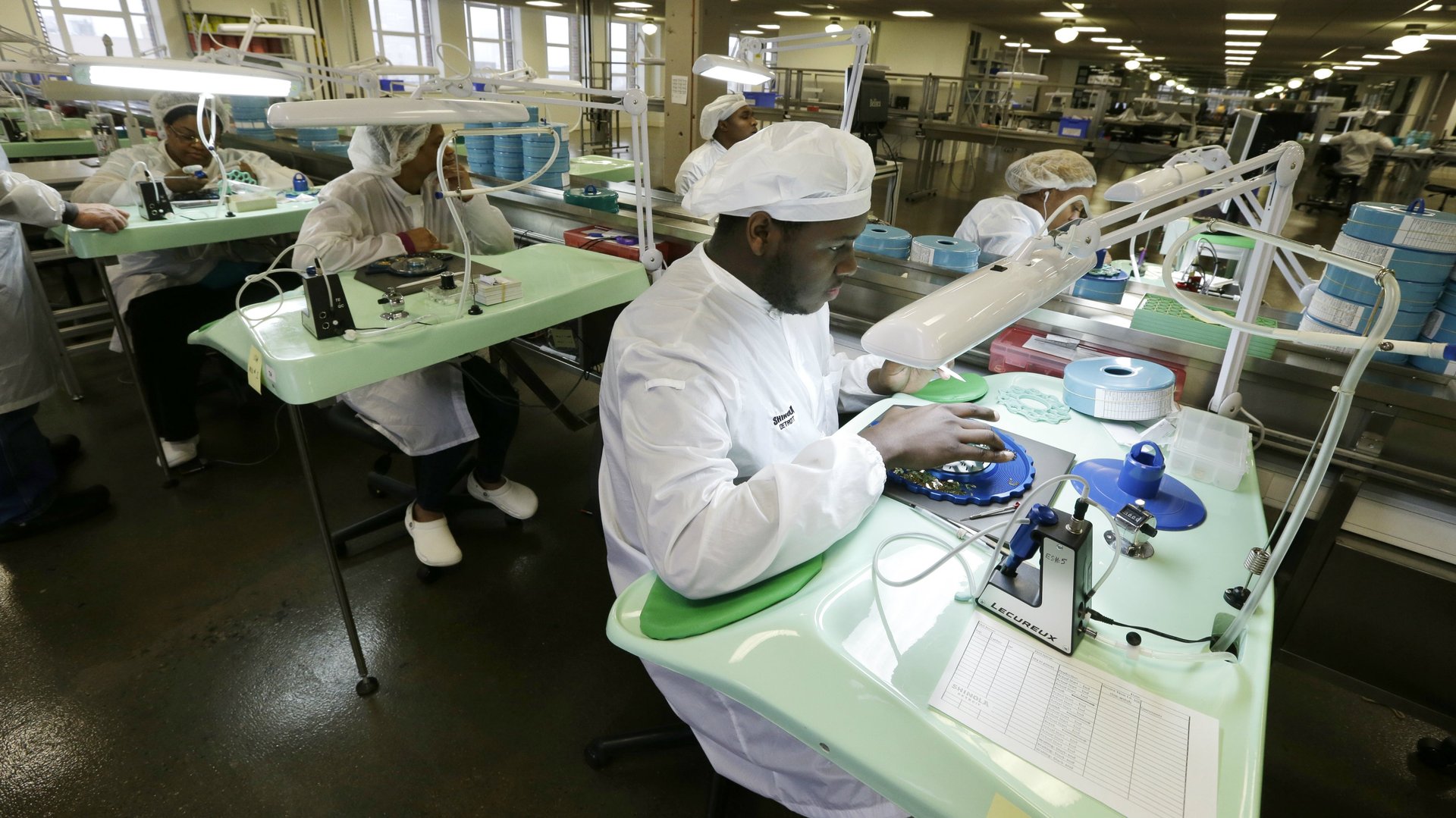
On June 16, the US Federal Trade Commission (FTC) wrote a letter to Shinola, the Detroit-based manufacturer of watches, bicycles, and leather goods, solidifying its position that the brand should not be using the slogans “Built in the USA” or “Built in Detroit,” as it currently does. That’s too bad, because the descriptions are entirely accurate.

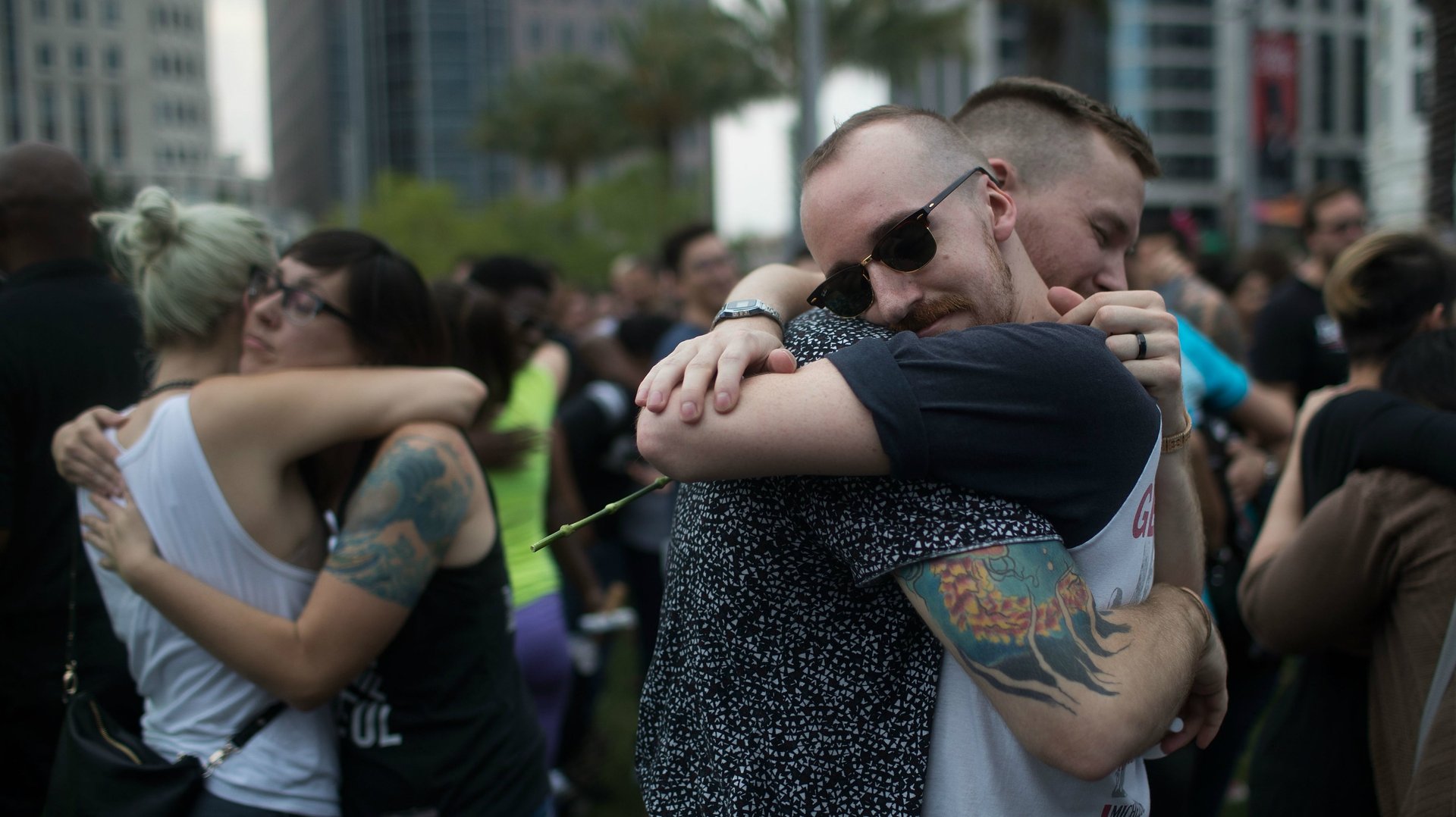
What do we know in the wake of the shooting at Pulse nightclub in Orlando last weekend?

Every time I get in the pool to swim laps, I make a little underwater noise when I first submerge. I sit on the edge, plop in feet-first, and bend my knees to submerge my butt, shoulders, head, all at once. Then, I push off the wall with my feet and exude a high-pitched hum of bubbles, before my head emerges and I start my exercise. It’s one-part response to the cool shock of being underwater (brrrrrr), one-part glee that I’ve actually made it into the pool (wheeeee).

At the end of this winter, I found myself in the deep valley of a food rut. I was frying an egg with crispy kale for dinner as routinely and thoughtlessly as I swipe my MetroCard to get on the subway each morning. The main variation came from whether I had leftover quinoa or Finn Crisp crackers on the side. Sad.

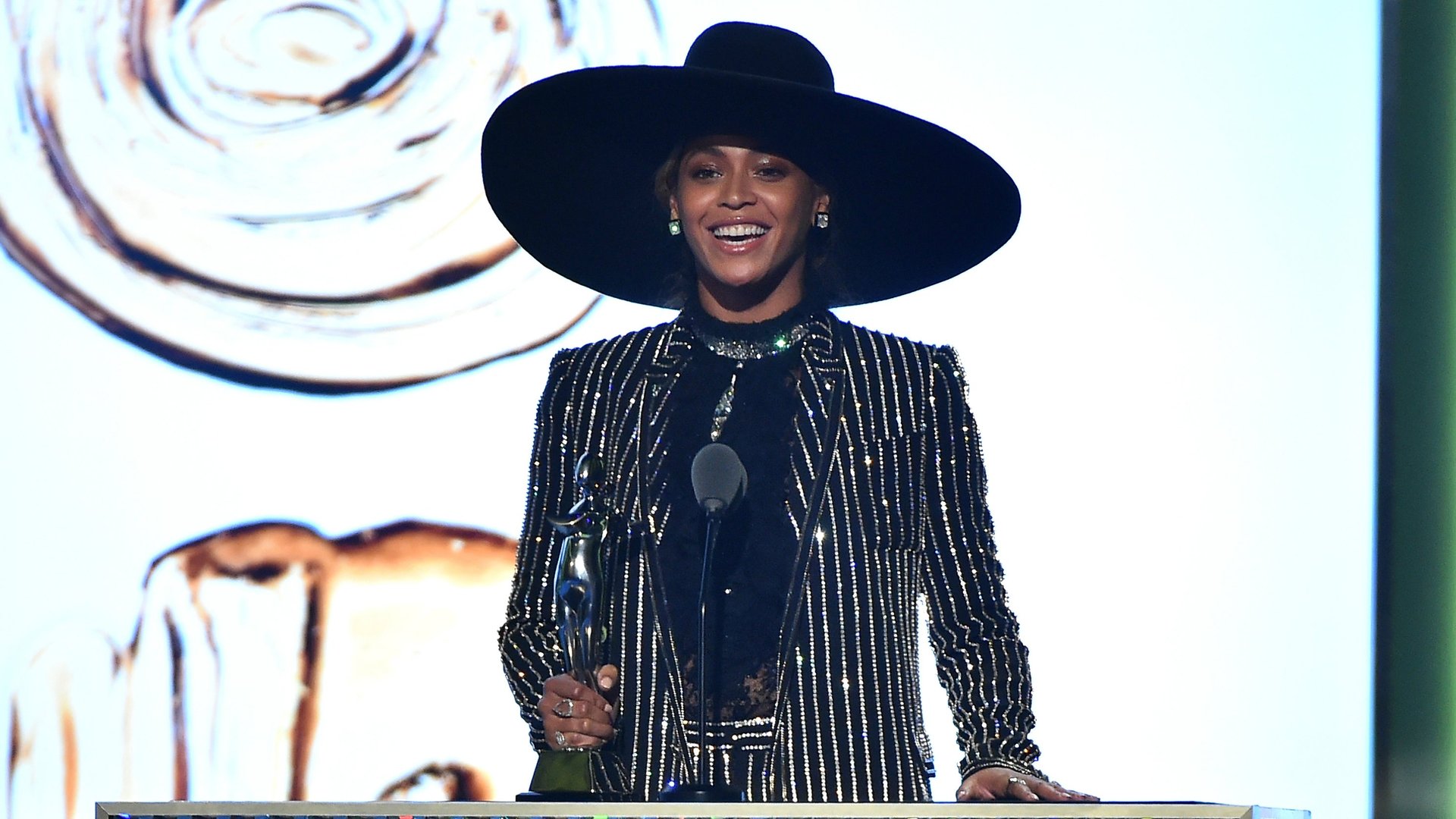
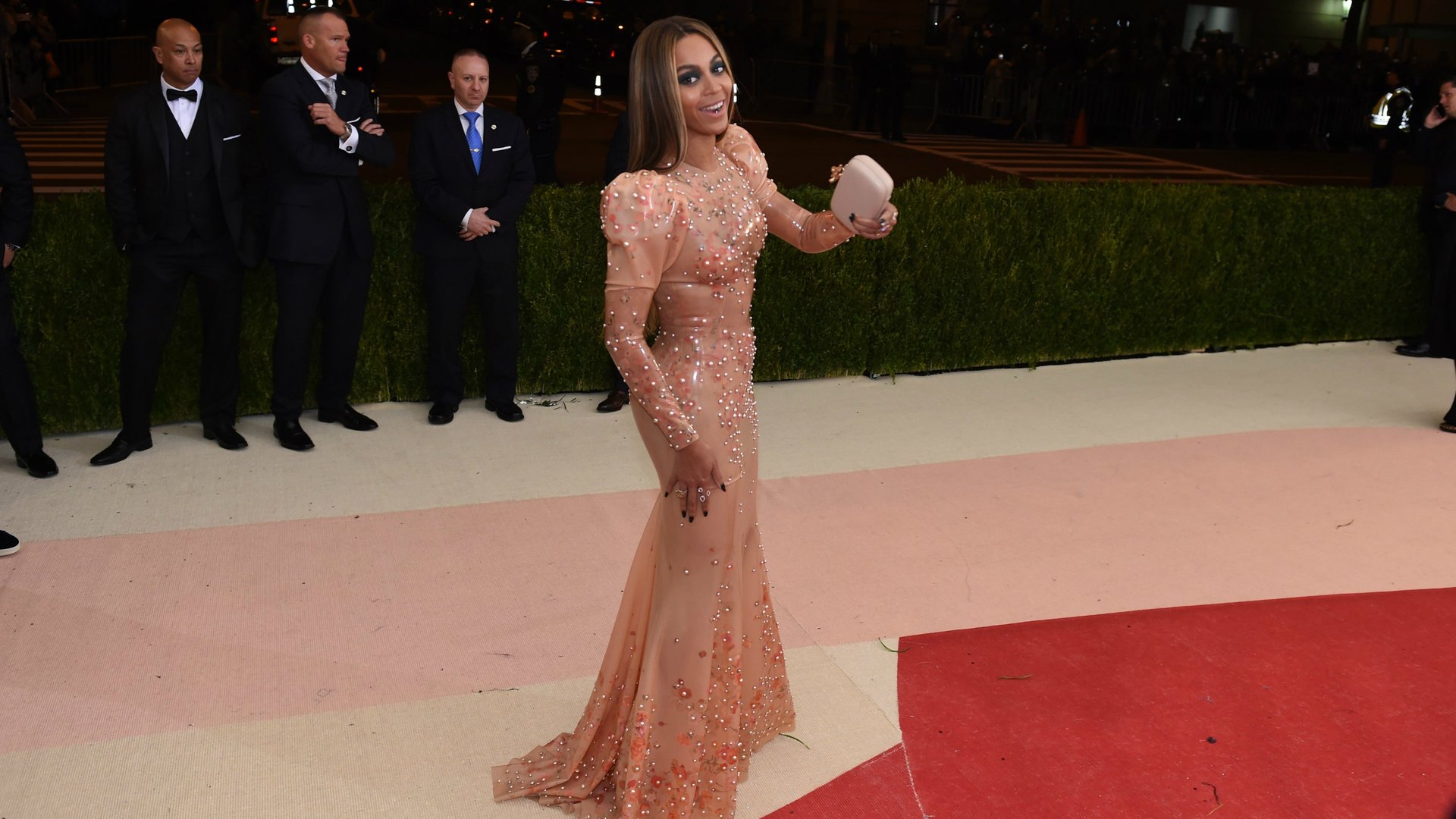
Beyoncé made a surprise appearance at last night’s Council of Fashion Designer of America (CFDA) Awards in New York. The CFDA named her this year’s Fashion Icon—an honor that’s been bestowed upon stars such as Kate Moss, Rihanna, and Pharrell Williams in past years.

On a recent overnight flight from New York to Zurich, I had the horrifying realization my toothbrush and toothpaste were packed in the bag I had checked. On some international flights, even passengers flying coach receive pouches with mini toothbrushes, eye masks, and the like. This was not one of those flights. But the plane was fairly empty, and I hoped a passing flight attendant might have mercy. Did he happen to have one of those little kits with a toothbrush? I asked.

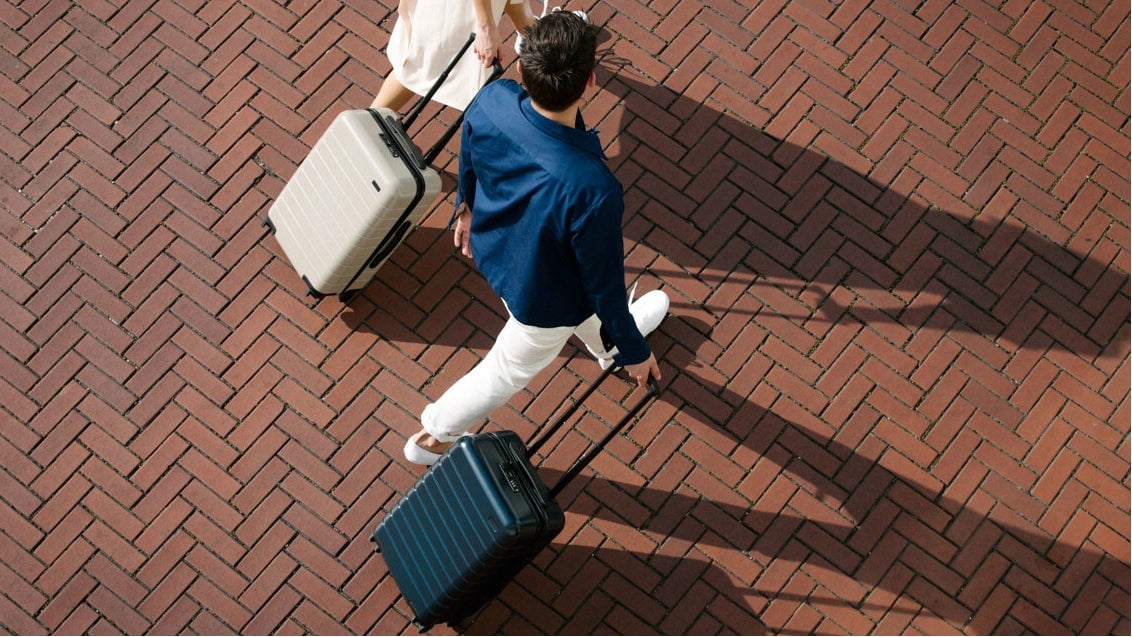
I am a person who appreciates nice clothes, accessories, and housewares. I like my things. But there’s a certain unsexy, utilitarian category of possession I have no desire to spend money on, even though I know the investment will make a marked improvement. Luggage falls into this category. (See also: frying pans, sports bras.)

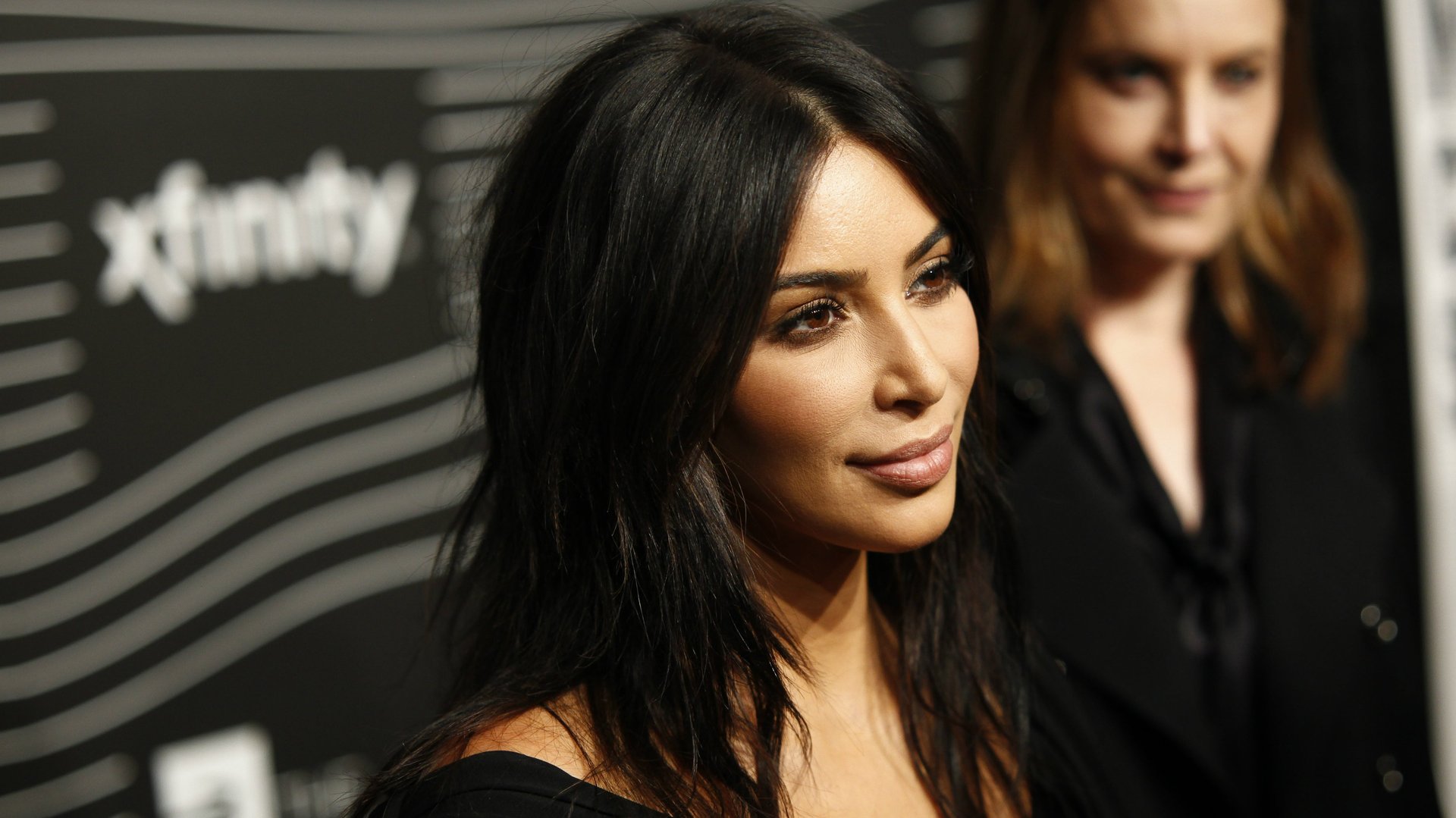
The International Academy of Digital Arts and Sciences’ annual ceremony honoring excellent work on the internet has, fittingly, created an entirely new category for Kim Kardashian West.

As an American, the first time I encountered the Eurovision Song Contest was on a visit to London years ago, where a friend introduced me to its delights. The pastel lighting, the synthesizer-infused music, and the wearing of formal vests onstage were just a few of the factors that made this singing contest between countries a gleeful, irony-free throwback to the glory days of camp. Like a pan-European Star Search (perhaps a more apt comparison than today’s self-serious primetime singing contests) Eurovision is so bad it’s good.

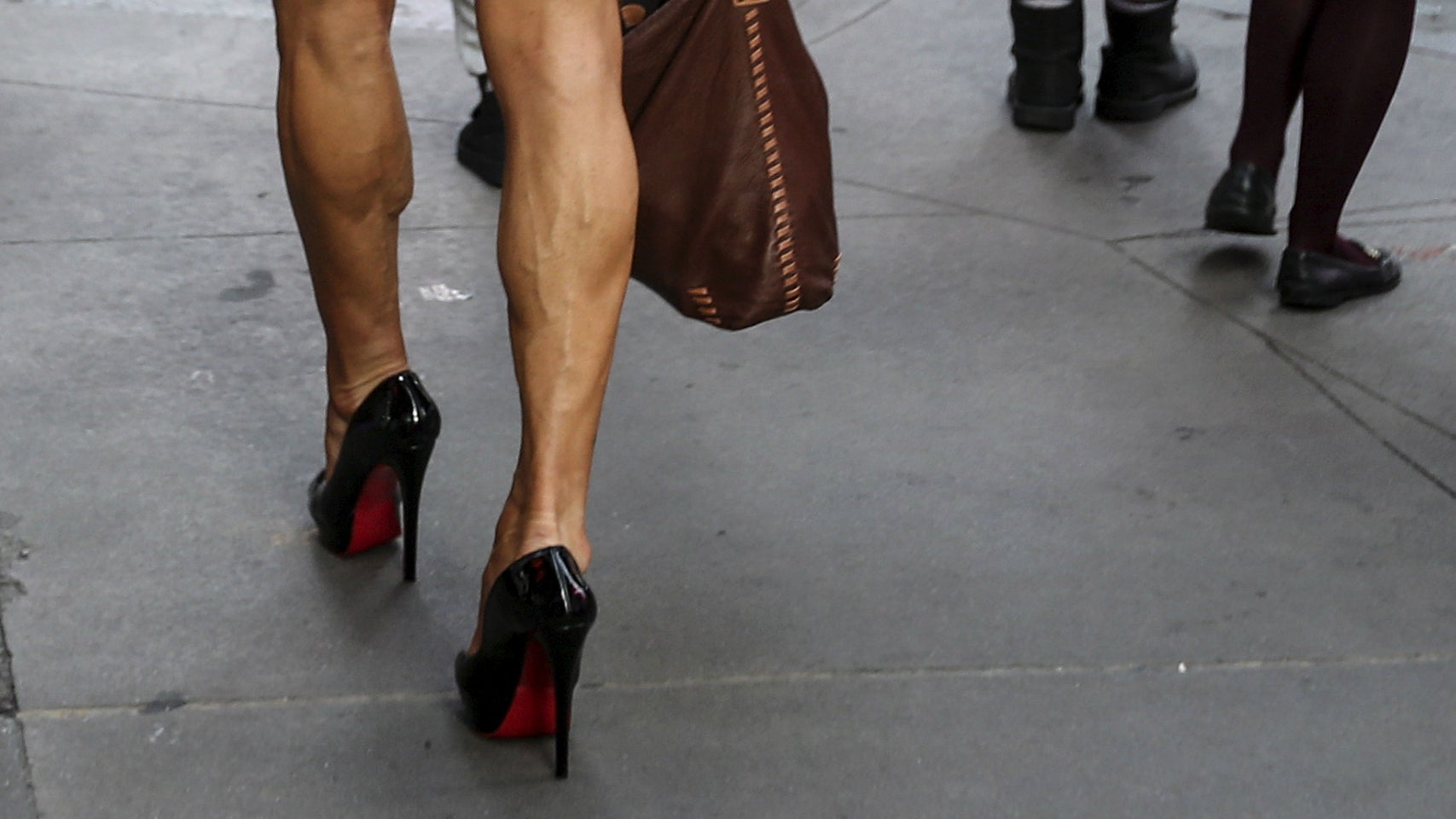
Nicola Thorp, a temp reporting for her first day of work at PricewaterhouseCoopers in London, set off an online debate over high heels this week, after she said she was sent home for showing up to work in flat shoes instead of high heels.

A lot of people who never cared about the electro-pop duo Yacht—or rather, YACHT, because it’s an acronym for “young Americans challenging high technology”—became aware of them yesterday (May 10), after it was revealed that a supposed leak of an unauthorized sex tape of YACHT members Claire Evans and Jona Bechtolt was a hoax to promote an upcoming music video.

Many clothing and jewelry purchases are fraught with emotions that defy reason, but perhaps none so much as the diamond engagement ring.

Almost two years ago, Japanese police arrested artist Megumi Igarashi (also known as Rokudenashiko) for sharing the data necessary to 3D print a model of her vagina. The information was a reward for contributors to Igarashi’s campaign to build a kayak in the shape of her genitalia. That campaign was a success, and you can see her paddling happily in the vessel, pictured above.

For most of the celebrity A-listers invited to attend the Met gala—an opening party for the Costume Institute’s flagship annual exhibition, and fashion’s most important red carpet event—it’s typical to wear a dress that at least nods to the theme of the exhibit.

Every spring, the Costume Institute at New York’s Metropolitan Museum of Art opens a flashy new fashion exhibit, with a Vogue-sanctioned theme party—also known as the Met Gala—that arguably provides the best red carpet of the year. Uber-celebrities from Hollywood, music, sports, technology, politics, and wherever the Kardashians come from attempt to out-dress one another under the all-seeing eye of co-host and Vogue editor-in-chief Anna Wintour.

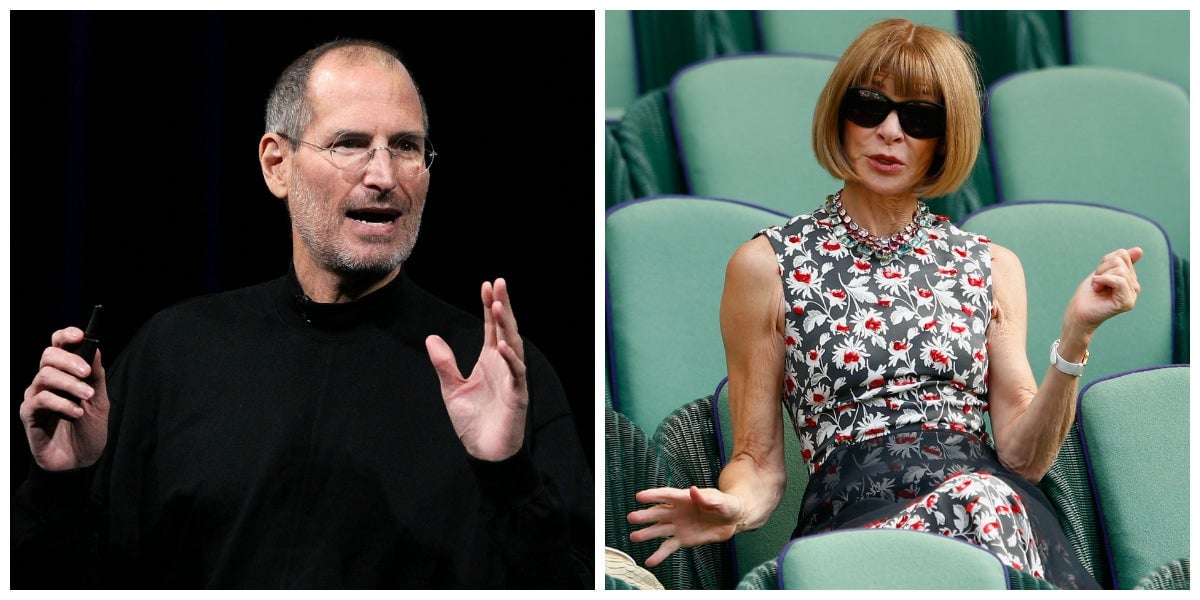
Being a visionary leader requires creativity, drive, and a relentless adherence to one’s instincts. Vogue’s longstanding editor-in-chief Anna Wintour displays this regularly, and Apple’s late founder and CEO Steve Jobs had it in spades. Each kept aloof from from the public, and their laser-sharp clarity often came across as arrogance, or even cruelty, earning both leaders icy reputations.

Let’s talk about what we wear when we cook.