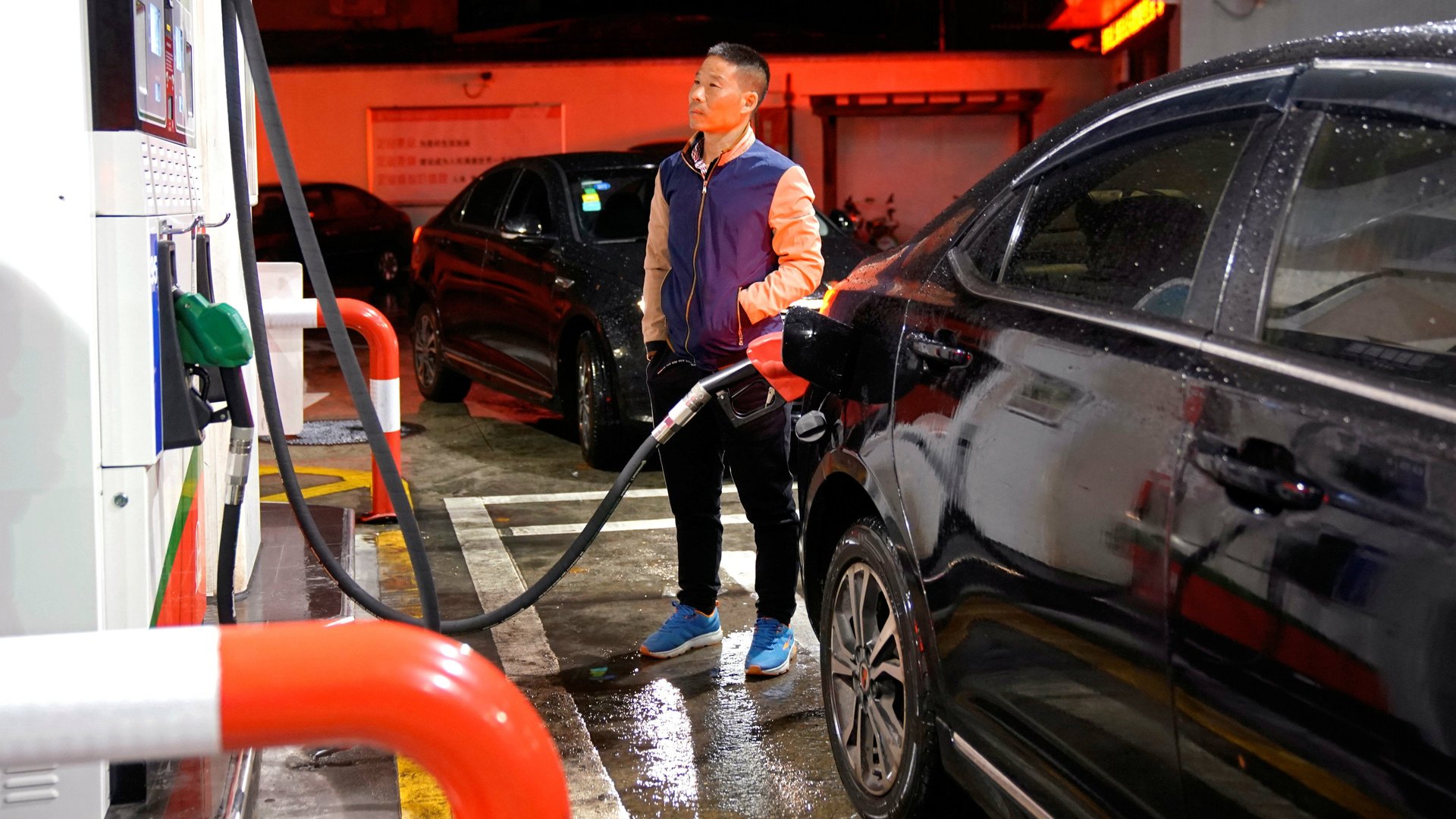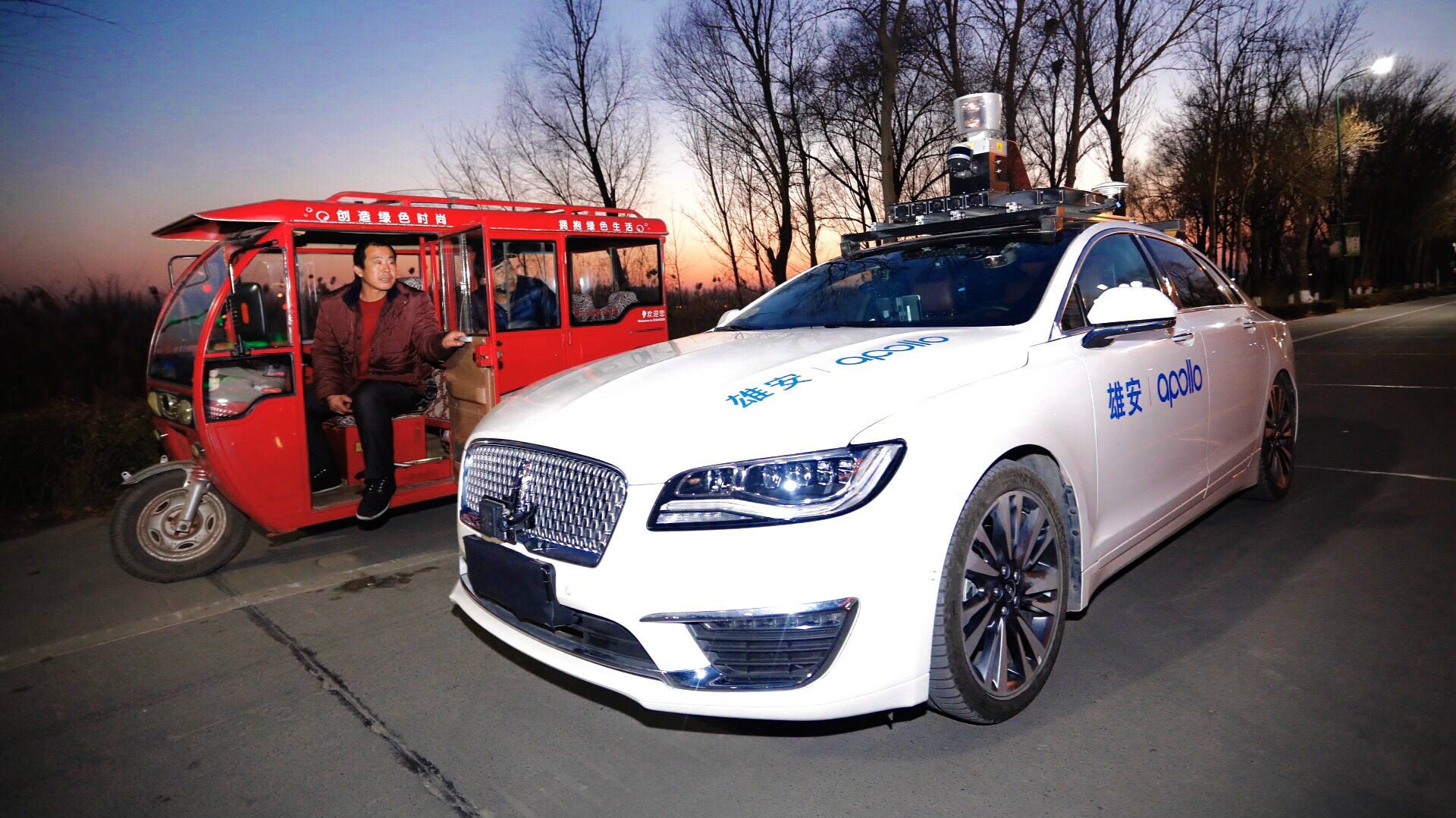
At the annual Consumer Electronics Show in Las Vegas, where tech companies from all over the world gathered this week to show off, traces of the automotive ambitions of some of China’s biggest tech companies were on display too.

At the annual Consumer Electronics Show in Las Vegas, where tech companies from all over the world gathered this week to show off, traces of the automotive ambitions of some of China’s biggest tech companies were on display too.

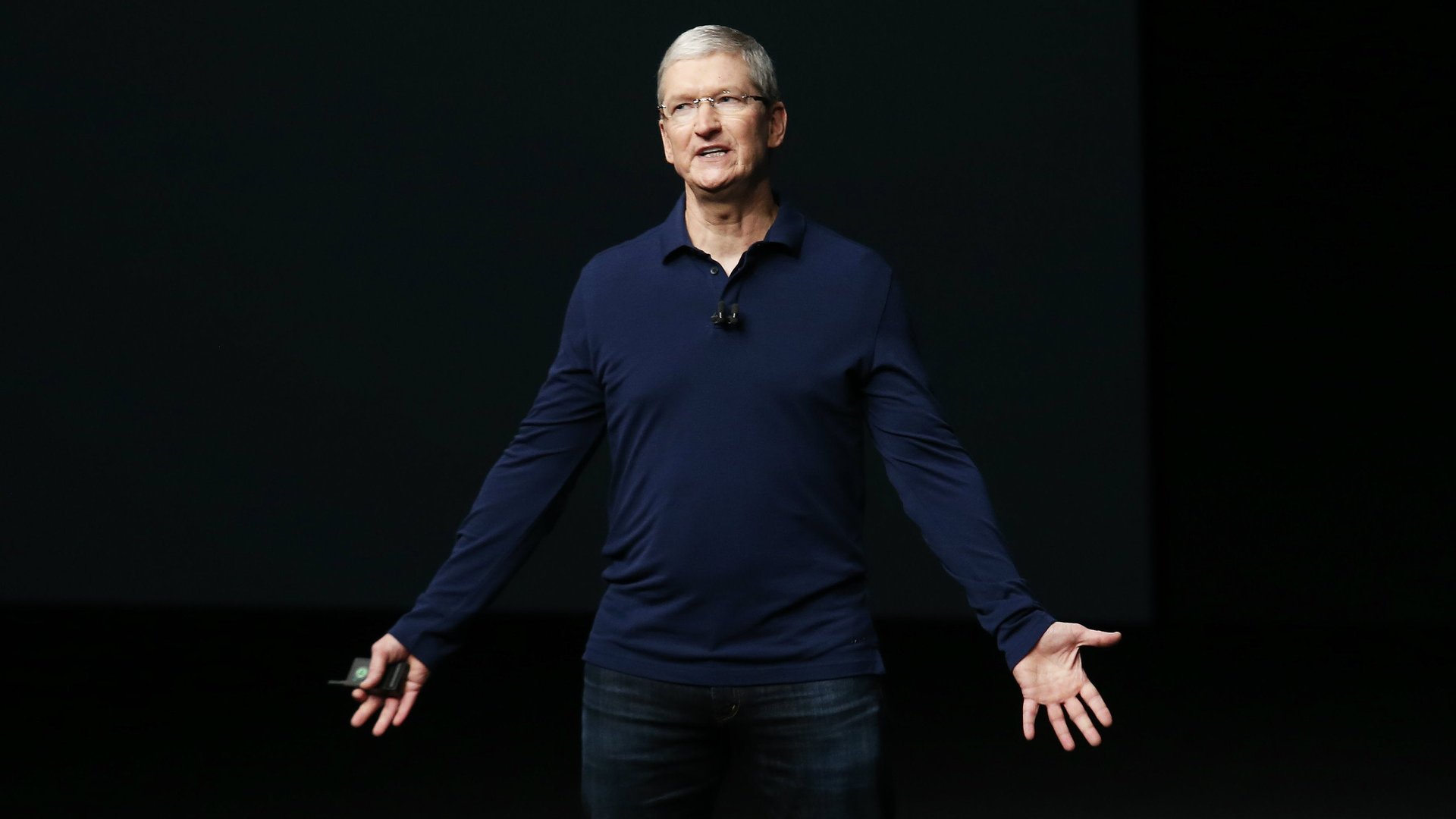
Apple has notified its users in mainland China that starting next month, all of their data will be stored domestically in China. The company is complying with a law implemented in 2017 that dictates how foreign tech companies can operate in China as tensions increase between Washington and Beijing over cross-border technology deals.

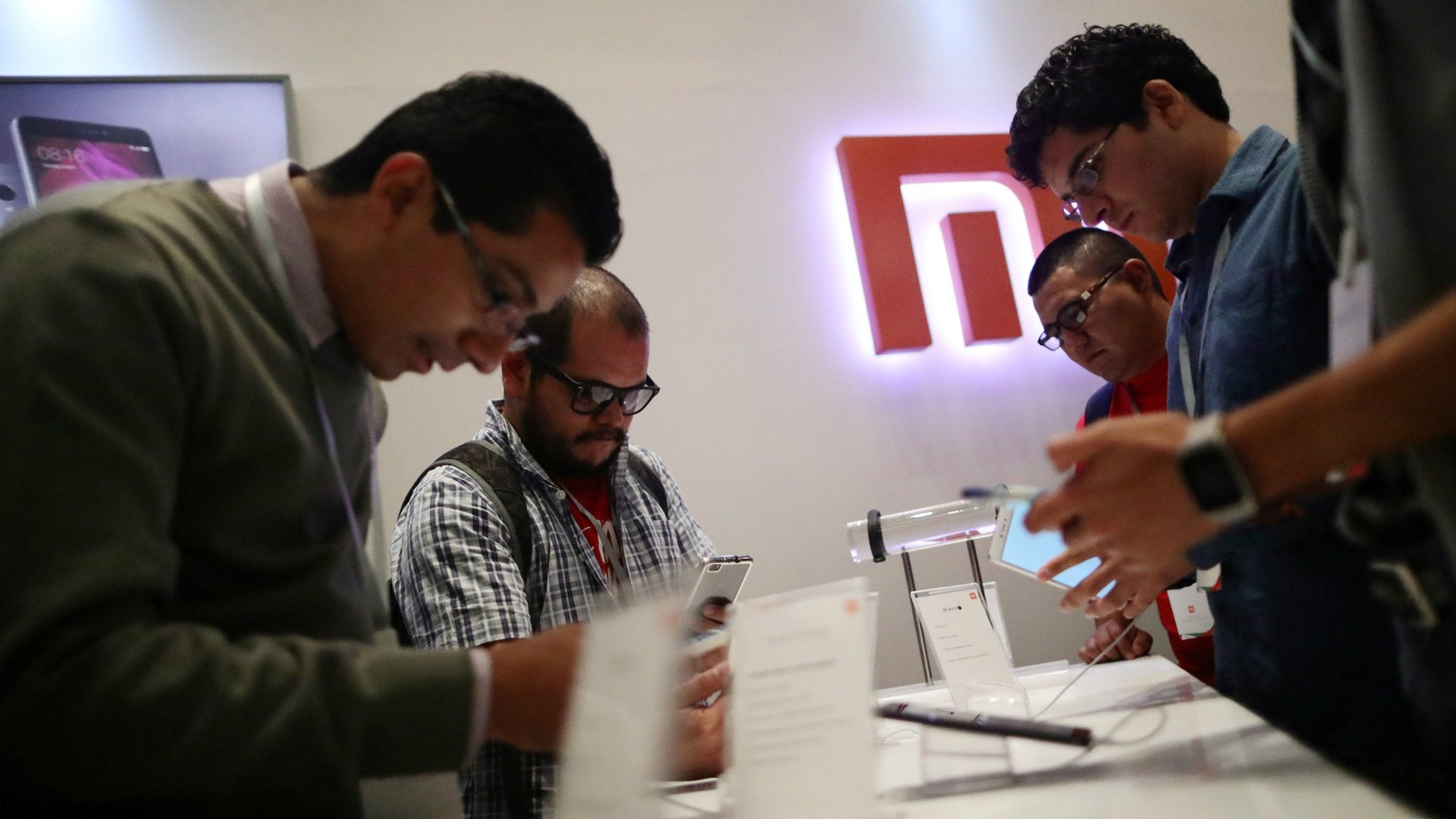
On Jan. 8 at CES in Las Vegas, VR company Oculus announced it will form a partnership with Chinese phone maker Xiaomi to take its latest virtual-reality headset to China. The news will finally bring the popular VR brand to the world’s largest consumer market, where it will face off against several popular inexpensive headset makers.

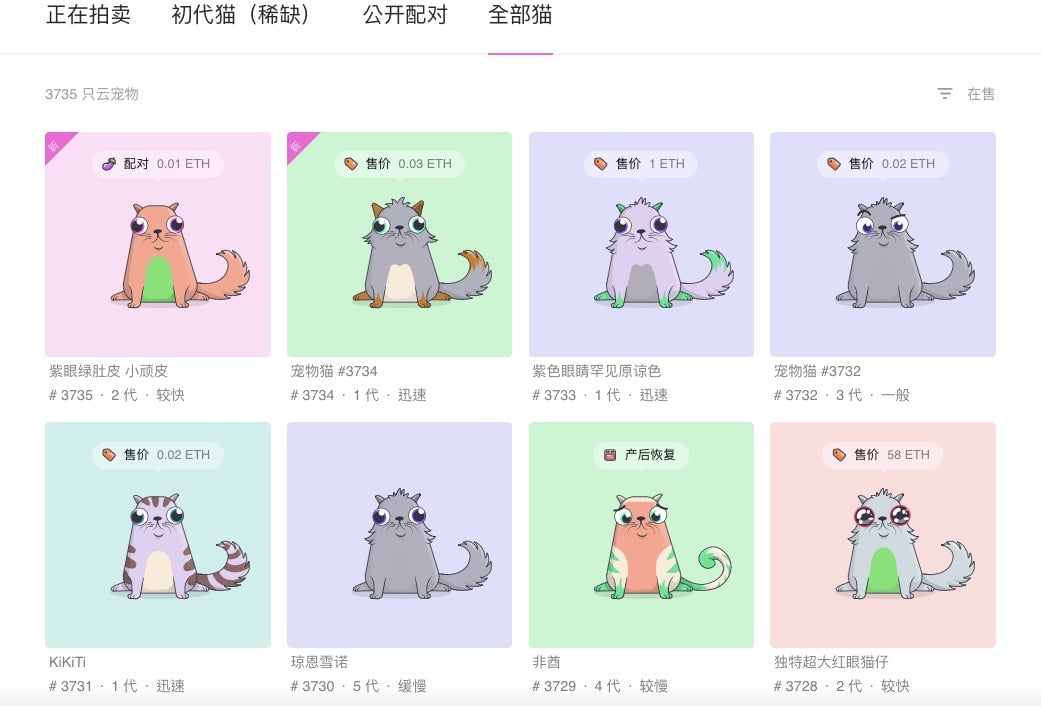
Last month, the global cryptocurrency community flocked en masse to CryptoKitties, a game that lets users breed and trade virtual kittens using ethereum, a virtual currency like bitcoin. At one point, 12% of all ethereum transactions were going toward the game, as users spent the equivalent of tens (and possibly hundreds) of thousands of dollars on the virtual felines.

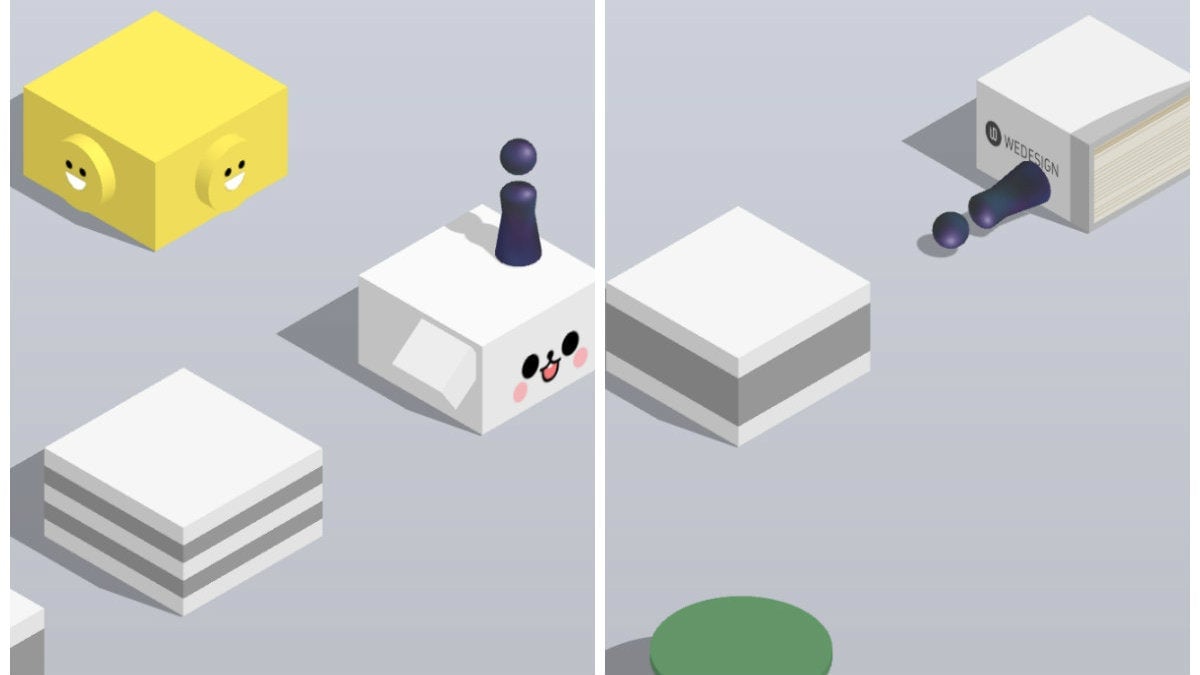
Just before the new year, Chinese social media giant Tencent released a new feature in WeChat, its wildly popular messenger, allowing users to play games inside the app without first downloading them. It’s part of Tencent’s effort to turn WeChat into a mobile Swiss Army knife that will reduce the need for users to ever download another app in the first place.

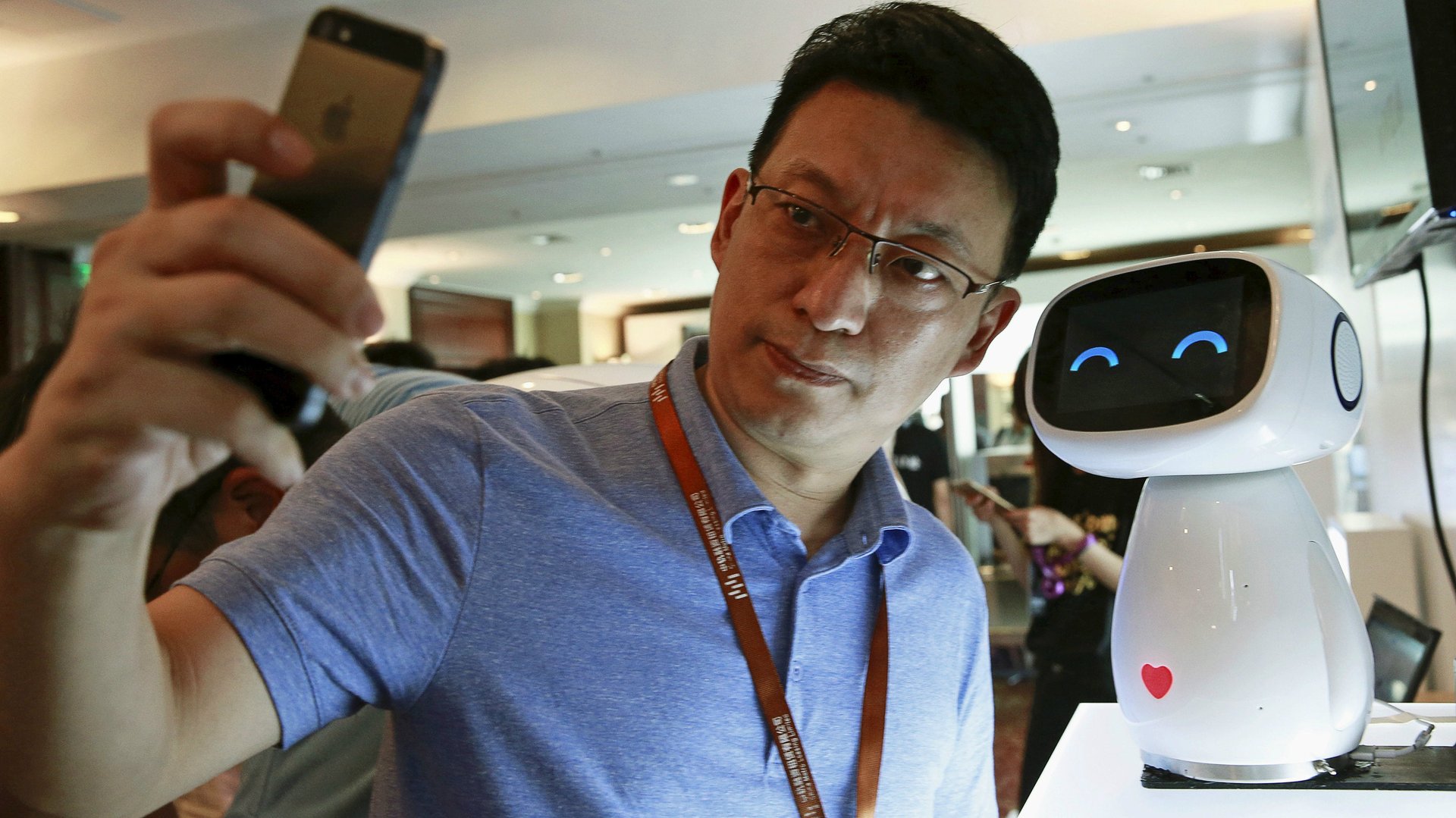
Last year, China said it plans to be a world leader in AI by 2030. Now its capital is building a massive campus to house the AI firms that will power that rise, according to local media outlet Beijing News (link in Chinese).

On Jan. 5, Chinese state-run newspaper the People’s Daily published an op-ed berating Apple over its treatment of customers after the company admitted to deliberately slowing down the iPhone’s speed as it ages. It also issued a warning to foreign brands more generally:

Didi Chuxing and Uber may be getting more financially entangled, but their rivalry continues to deepen.

Over the past year, as the Chinese government continued to police the domestic internet and tech industry with its signature mix of protectionism and censorship, Silicon Valley and Washington responded differently.

Chinese e-commerce giant Alibaba is expanding globally, with R&D centers planned all over the world and investments in e-commerce companies across India and Southeast Asia. But it’s also bringing more foreigners into its ranks in China.

Today Didi Chuxing, China’s answer to Uber, announced it has closed a $4 billion fundraising round. Details surrounding the deal are scarce, but a source close to the company says that the deal values the company at over $50 billion, and that participants include Mubadala (a fund of the United Arab Emirates government). SoftBank, currently in the process of investing in Uber, confirmed to Quartz that it also participated.

A campus can reveal a lot about a company’s culture. Google is famous for its outlandish office spaces, which contain egg pods and caverns, capturing its founders’ quirky personalities. Amazon is known for its door desks, symbols of founder Jeff Bezos’ frugality (even though they were more expensive than actual desks).

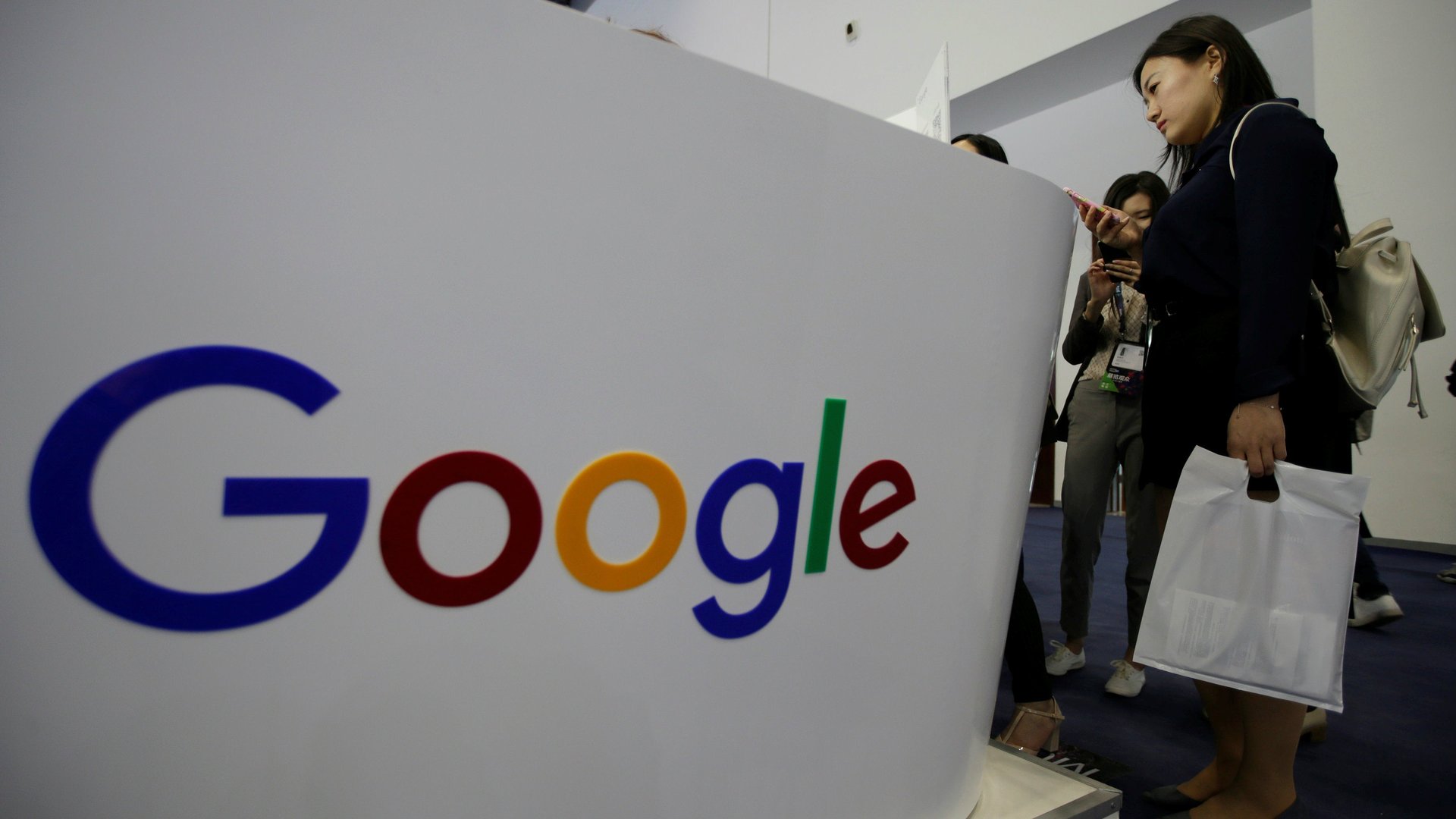
Google announced today it will open a lab in Beijing dedicated to researching artificial intelligence (AI).

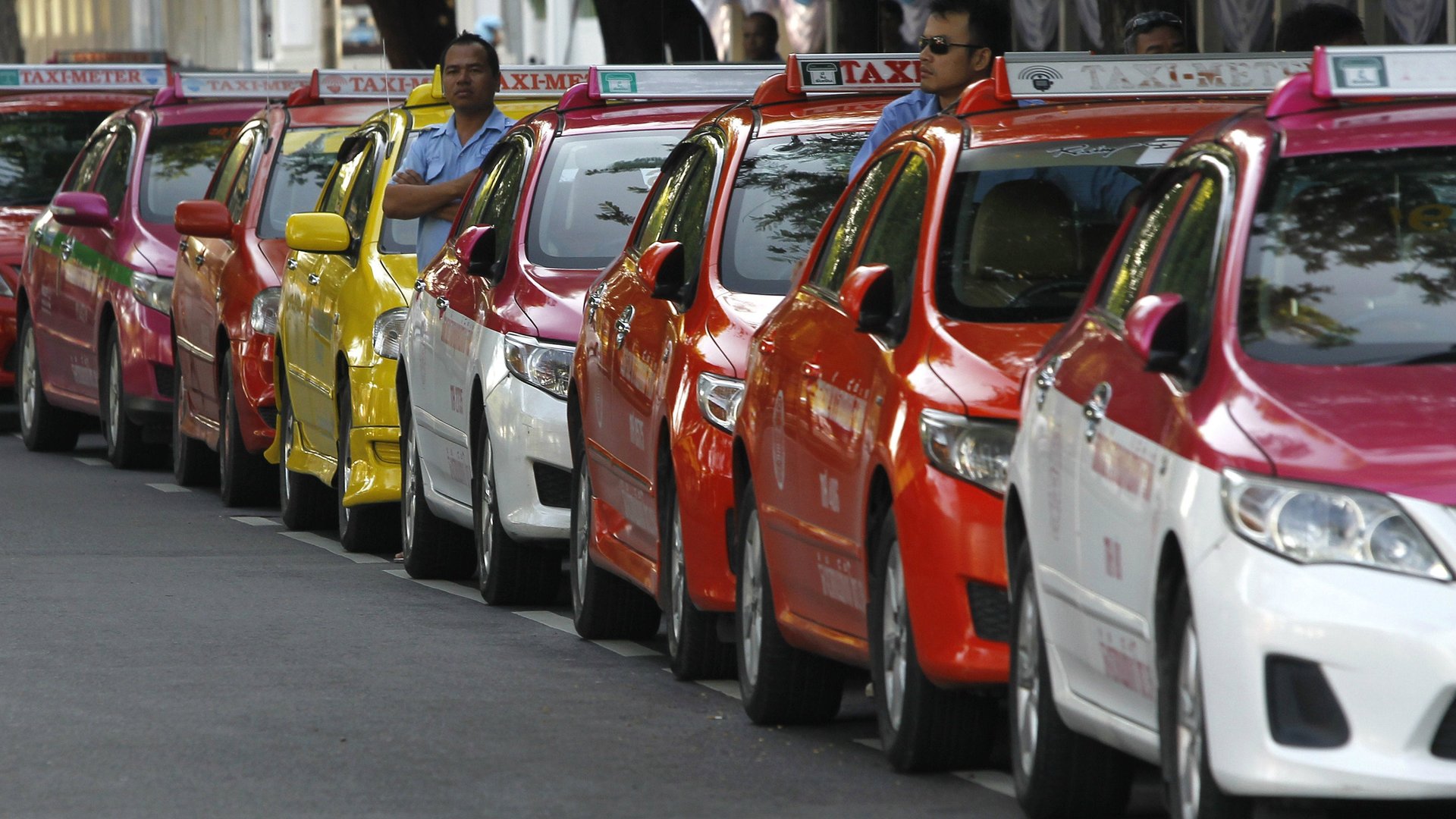
Uber’s public enemy No. 1 was once the global taxi industry. “We’re in a political campaign, and the candidate is Uber and the opponent is an asshole named taxi,” former Uber CEO Travis Kalanick once said at a tech conference in 2014.

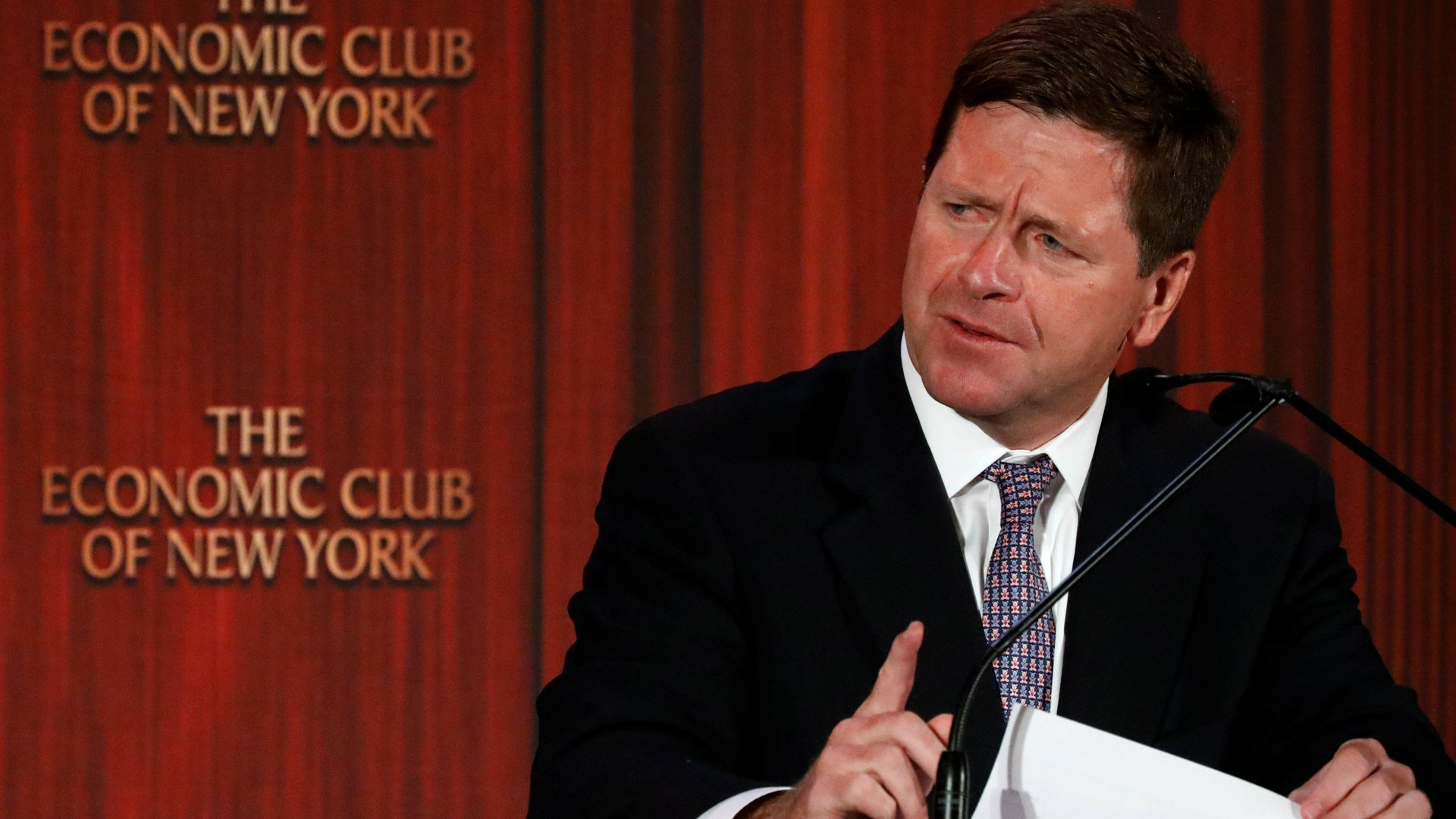
In a statement peppered with boldface warnings, the Securities and Exchange Commission is urging people eyeing crypto-asset investments to exercise “extreme caution.”

The United States has long led the world in technology. But there’s strong reason to believe that as artificial intelligence (AI) becomes increasingly widespread, stateside engineers will quickly have to contend with another global powerhouse—China.

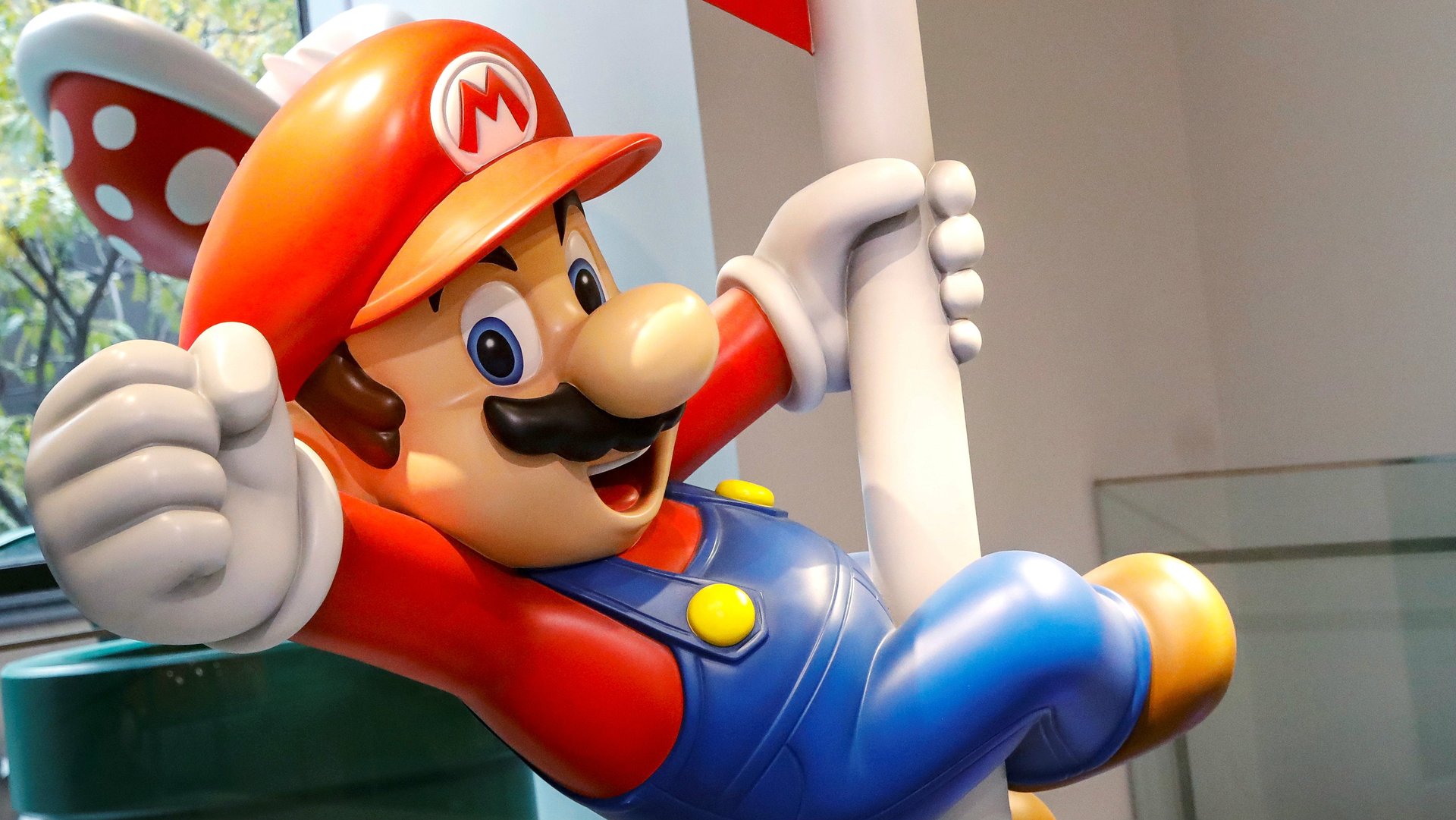
Foreign companies will often make sacrifices just to do business in China and gain access to billions of consumers. For Nintendo, that means handing out one of its signature titles to a rival.

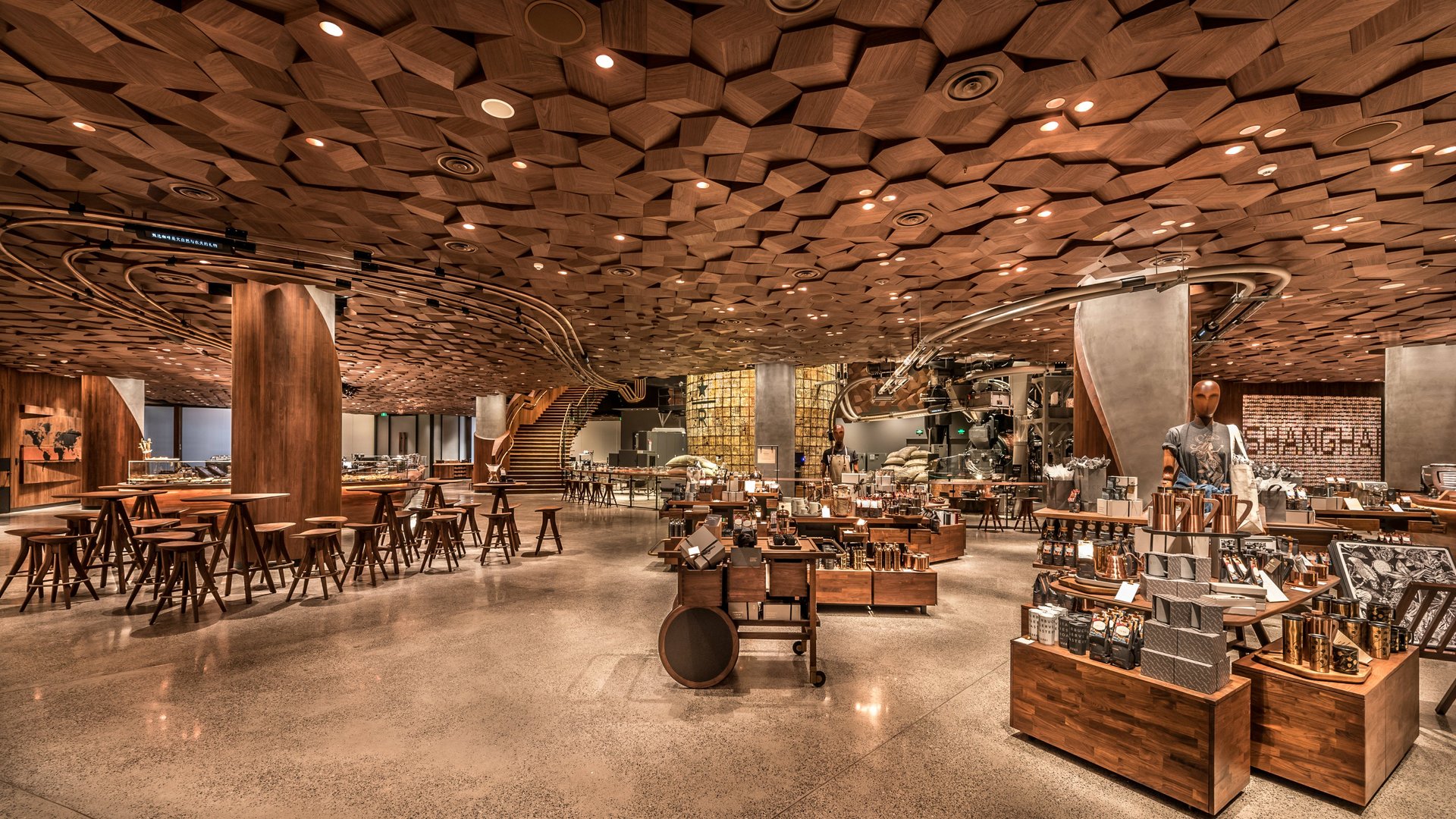
Today Starbucks is opening a new facility in China that will be its largest store in the world. It highlights the coffee company’s unexpected success in the country, which is now its second-largest market with over 3,000 stores.

Companies that have thrived by selling goods in cyberspace might grow even more if they move out into the real world.

Apple reached an agreement with the European Union today (Dec. 5) to begin paying €13 billion ($15.46 billion) to the Irish government. That’s 5.9% of the tech giant’s total cash pile as of August 2017, when it reported reserves of $261.5 billion.

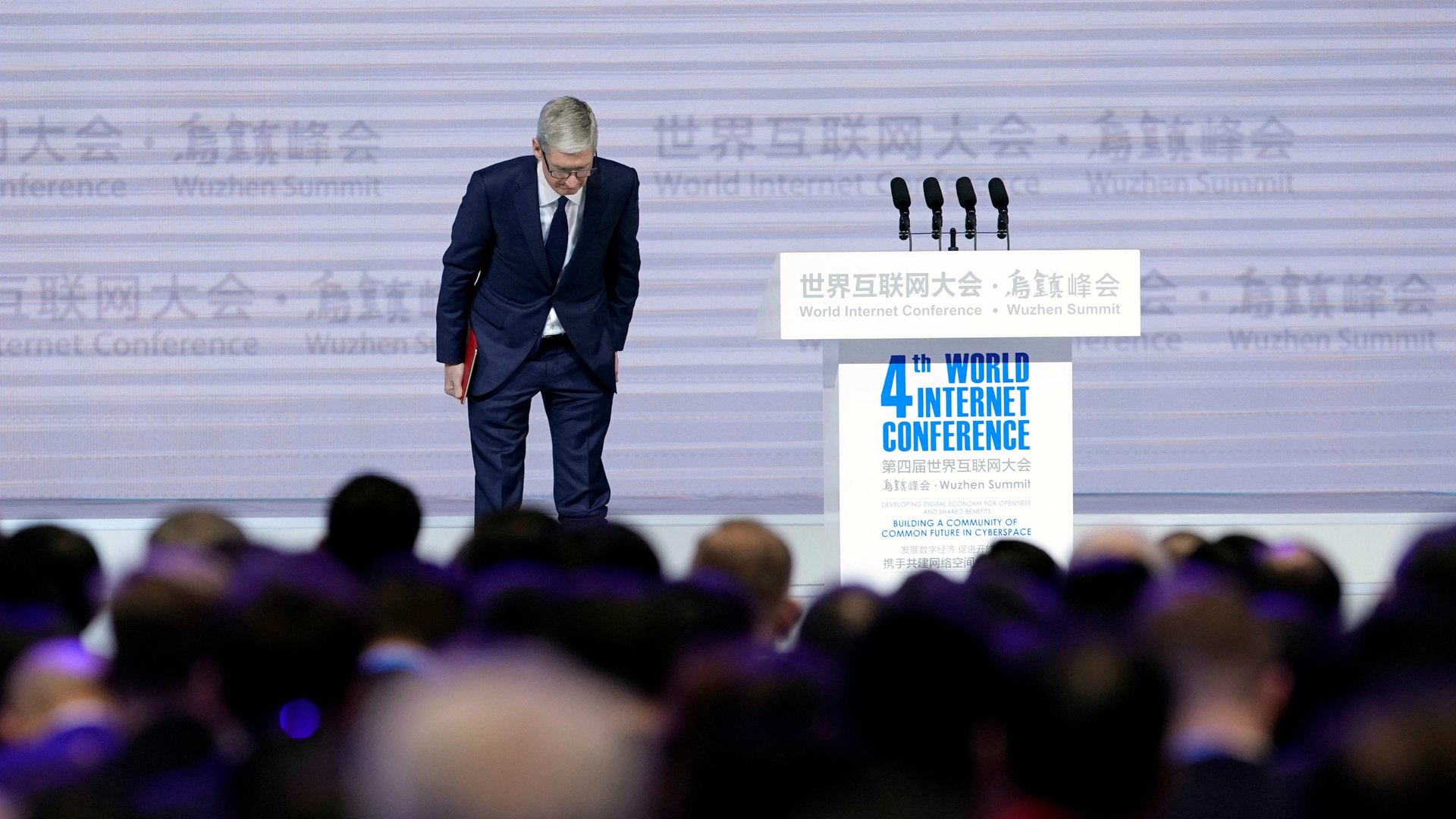
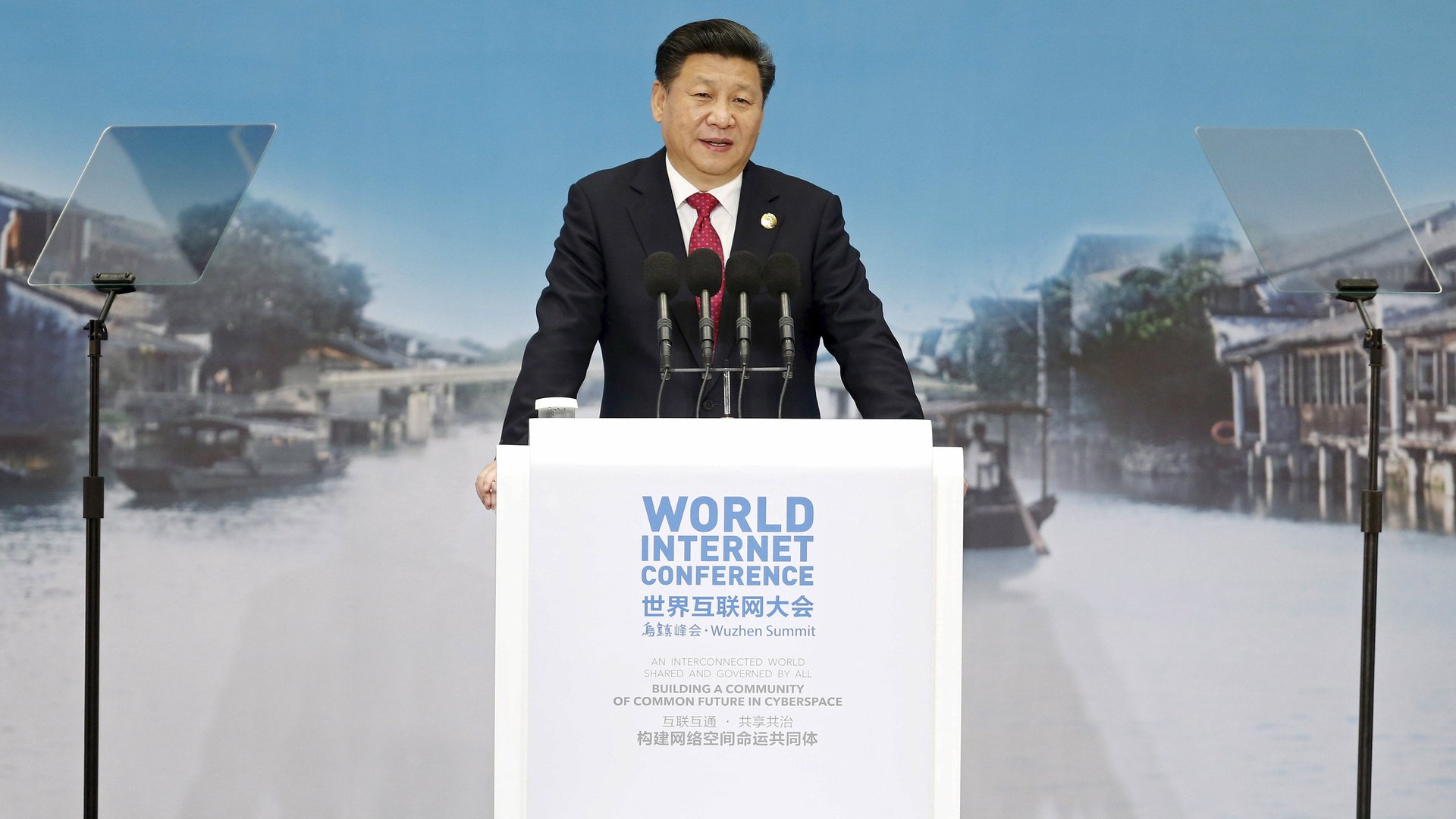
Sunday (Dec. 3) marked the start of the fourth World Internet Conference, an annual gathering at which the Chinese government promotes its closed, censored version (paywall) of the internet under the premise of “cyber sovereignty.” And while last year’s event was a quiet affair, this year a few high-profile guests made surprise appearances.

On Dec. 3, researchers, business leaders, and government officials from all over the world will head to the scenic town of Wuzhen in east China for the three-day World Internet Conference. Past attendees include Wikipedia founder Jimmy Wales, LinkedIn co-founder Reid Hoffman, Facebook vice president Vaughan Smith—and high-level officials from Russia, Pakistan, and Tajikistan.

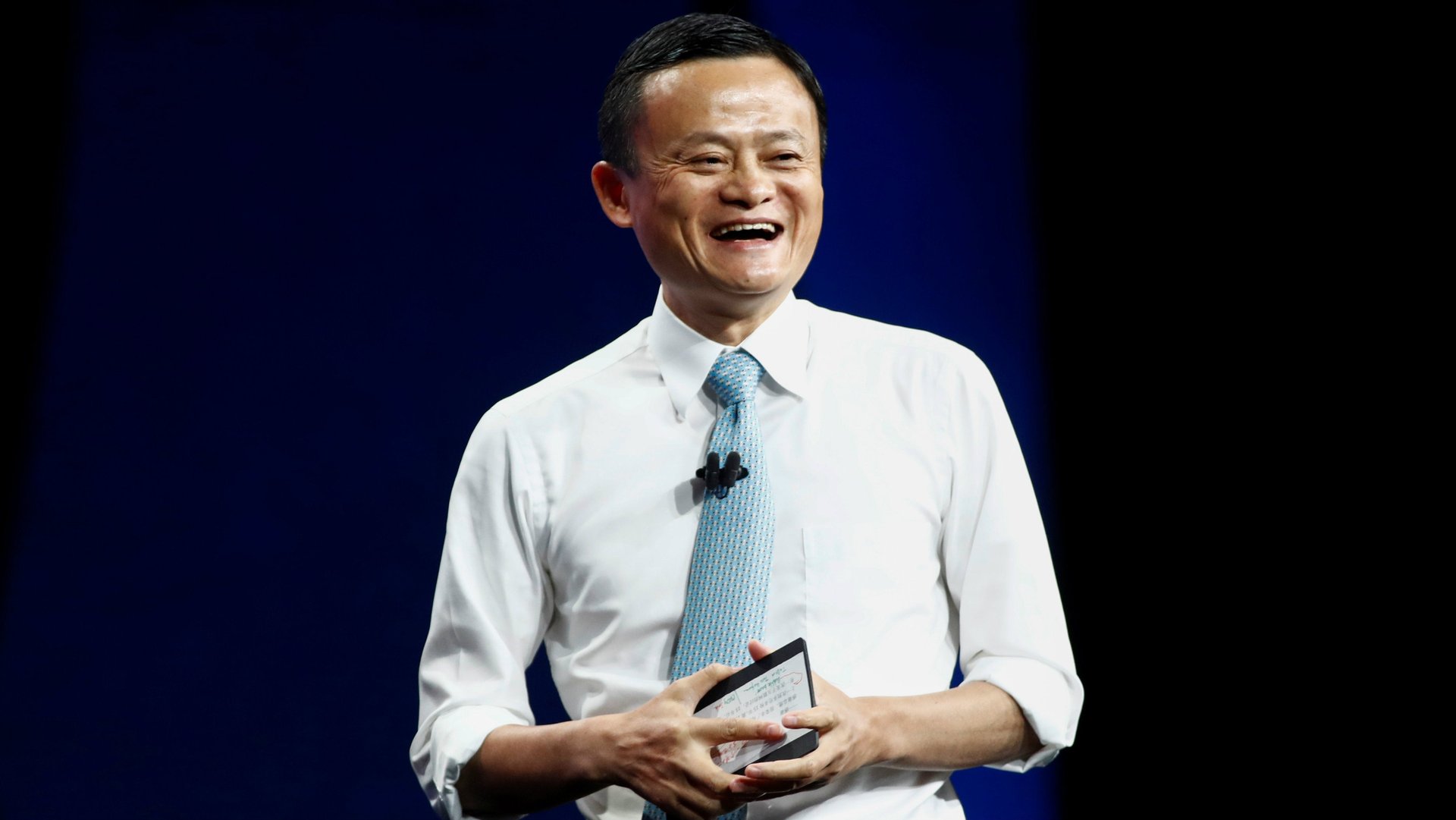
Jack Ma is one of China’s most outspoken entrepreneurs. He’ll regularly entertain audiences with stories of his rejection by KFC, his pre-Alibaba days as an English teacher, and words of wisdom for budding entrepreneurs.

Tesla plans to open what appears to be an R&D center in Beijing, suggesting the company will do more engineering from inside China.