
Lifestyle
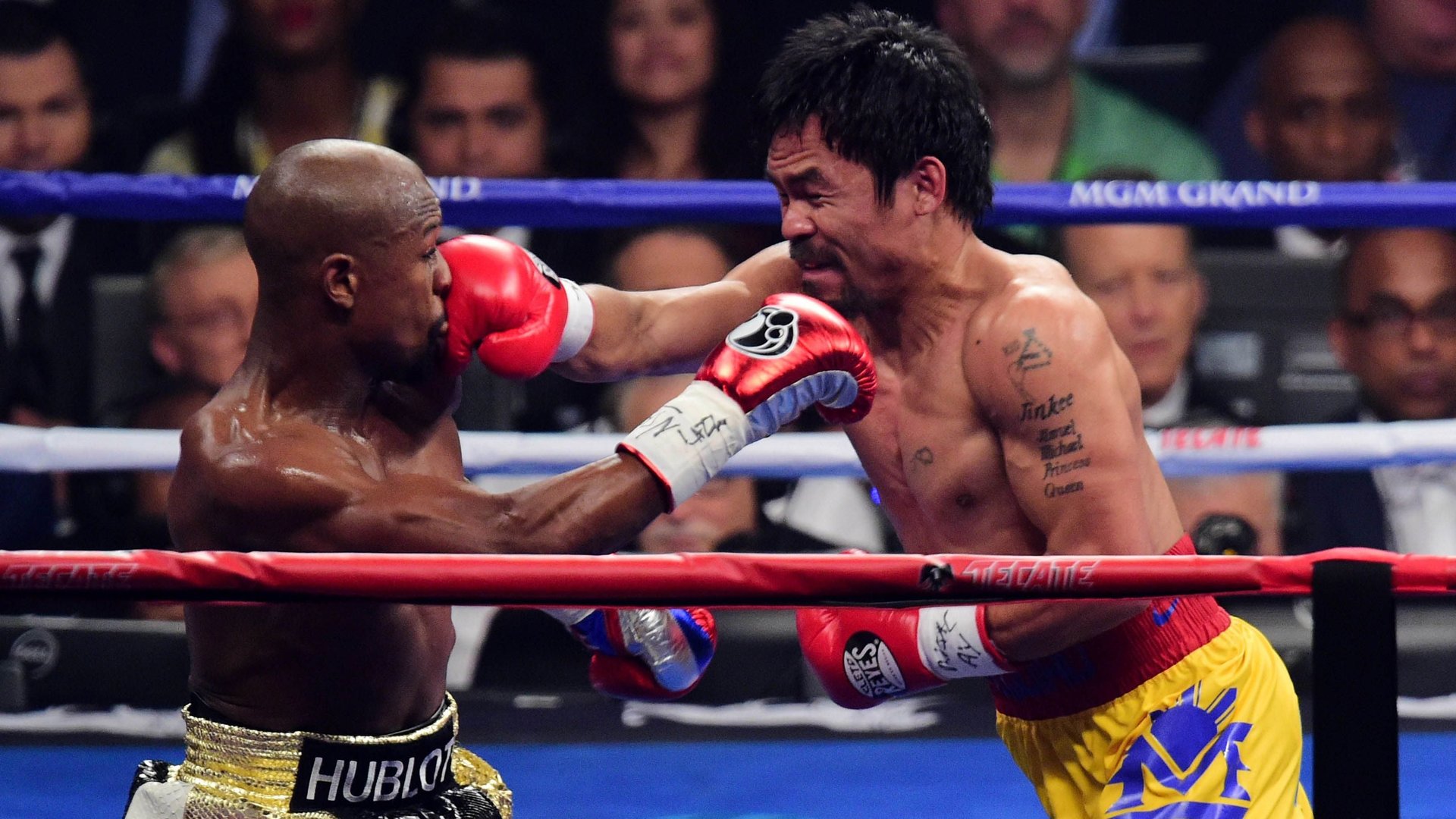
Floyd Mayweather just can’t stay retiredFloyd Mayweather says he is coming out of retirement. Again.
Updated July 20, 20222 min read
Floyd Mayweather says he is coming out of retirement. Again.

Consumers turning to plastics made with alternatives to BPA in the hope that they’re safer won’t like what they’re about to hear.

In 2010, a panel of scientists warned North Carolina lawmakers about rising sea levels off the state’s coastal regions. The state government ignored those warnings, the Washington Post reports (paywall), and in 2012, banned state agencies from basing policy on predictions that sea-level rise was accelerating until 2016.
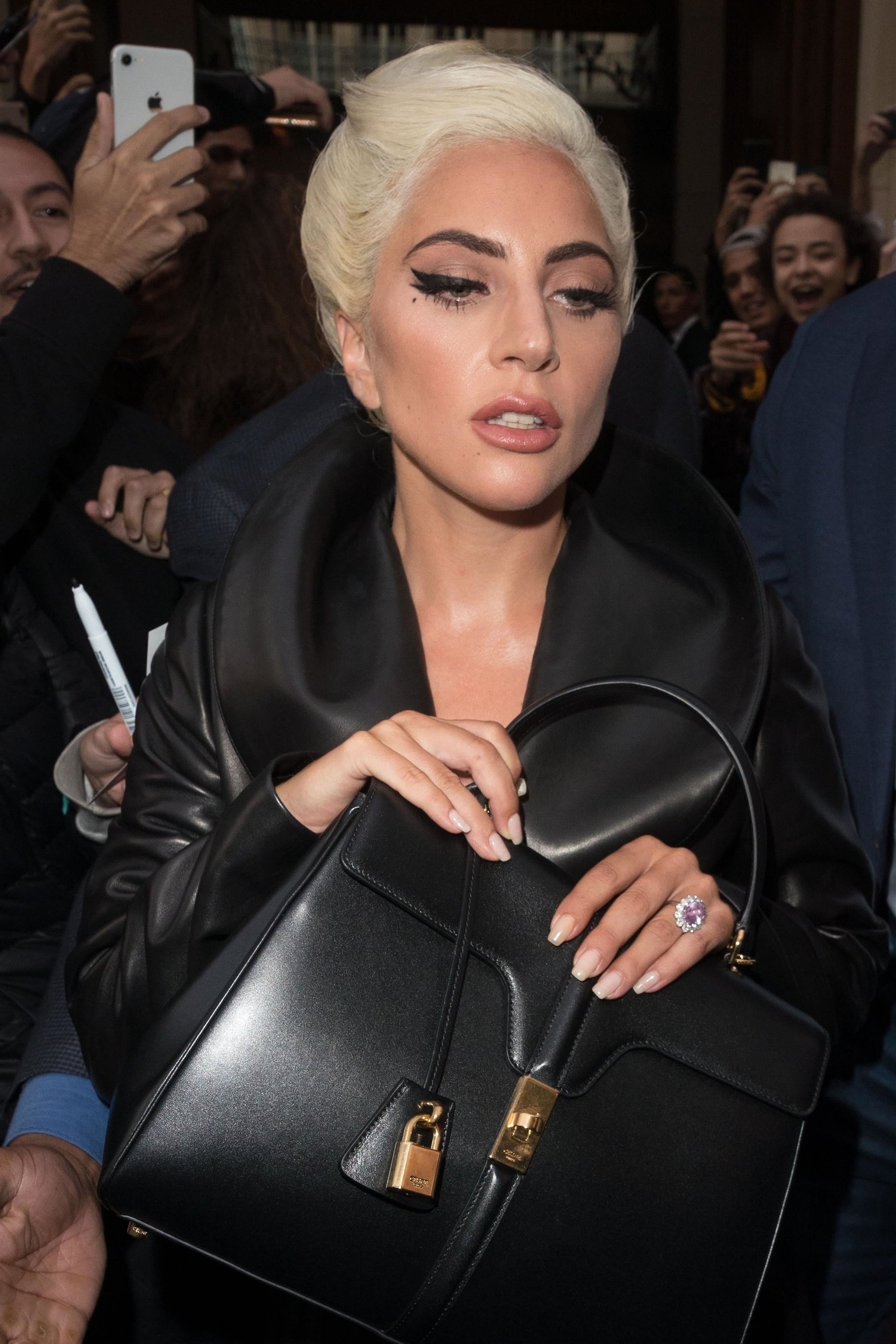
One thing Hedi Slimane has proved in his decades as a fashion designer: He can sell. Slimane made Dior Homme into a massive success in the early 2000s, and doubled sales at Yves Saint Laurent within three years of taking over as its creative chief in 2012. The success seems to be following him into his new role too, as artistic director of French fashion house Celine.

In the 13 years since David Fischer started Highsnobiety, the sneaker, fashion, and music site has grown from a personal blog into a multi-faceted publisher and creative agency with more than 9 million monthly visitors to its site and 2.4 million Instagram followers. In that time, the fashion world has changed too, with the staggering growth of streetwear, the globalization of sneaker culture, and the rise of Instagram. Fischer, who is based in Berlin, has found a reach among young men that few in the fashion media have been able to achieve.
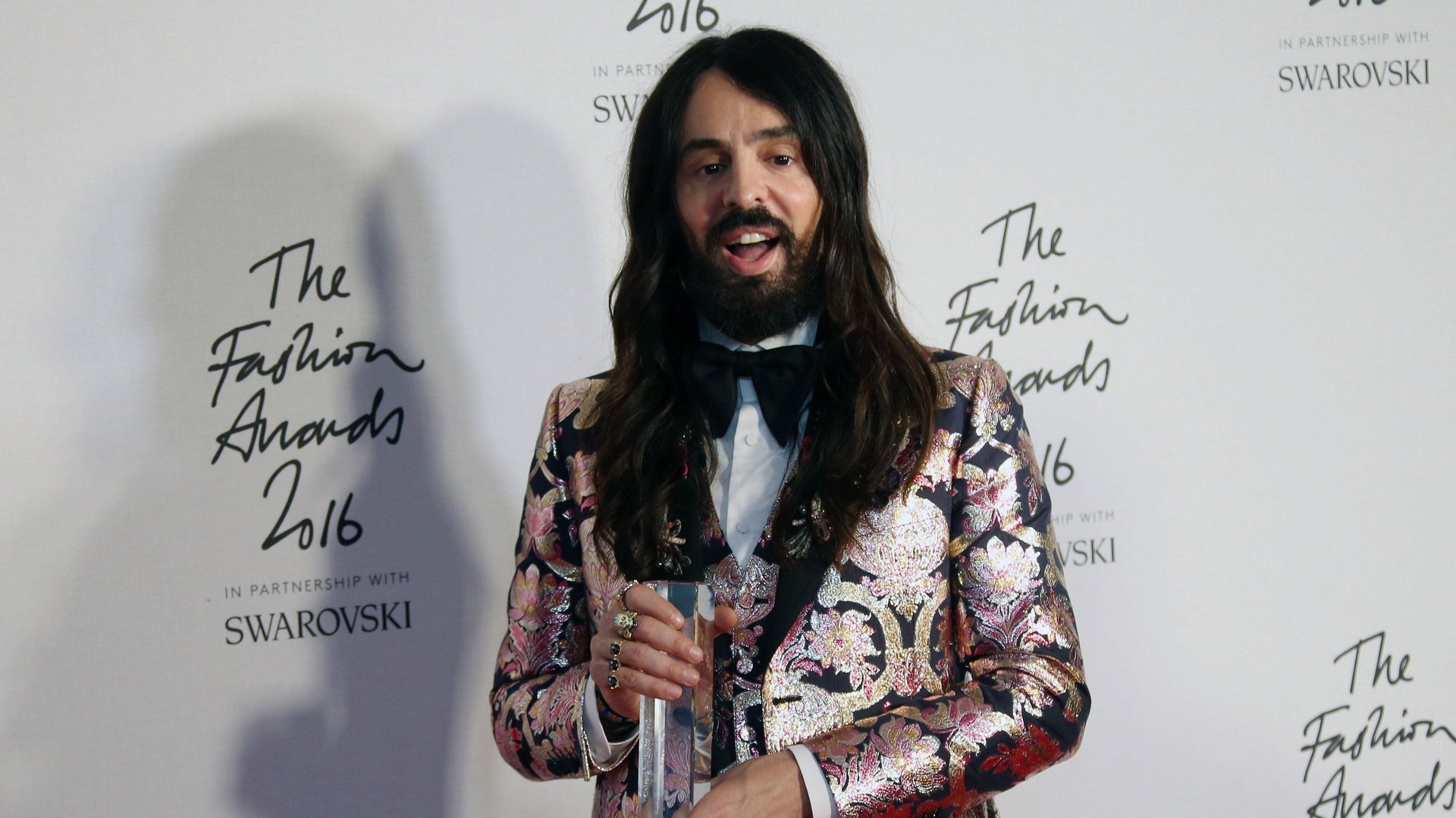
Alessandro Michele has been immensely successful as the creative director of Gucci, turning a languishing brand into a kooky, idiosyncratic, and impressively hot label with supercharged sales.

Uniforms can be a contentious topic in US public schools, particularly for the kids wearing them.
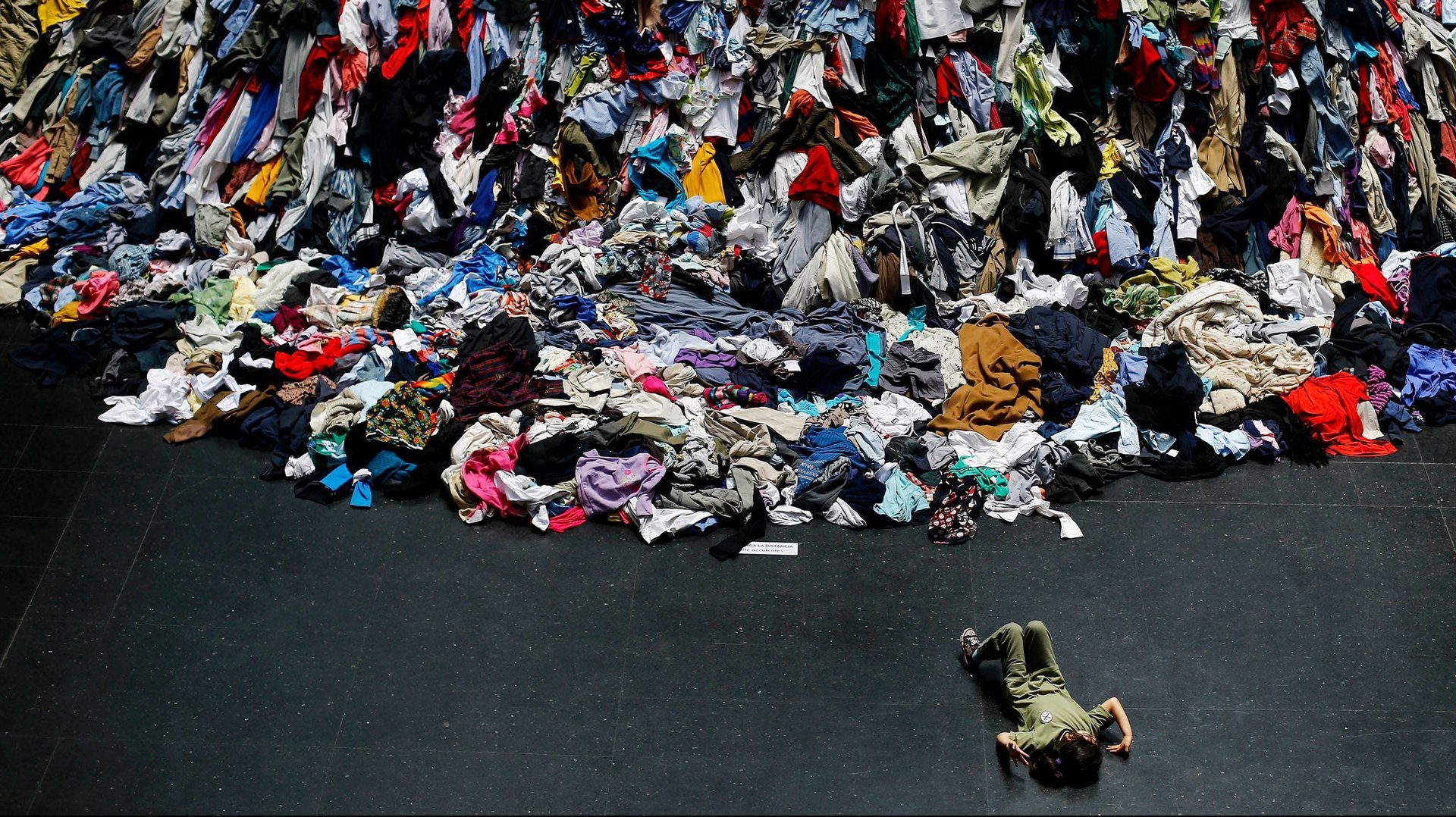
Unilever knows a lot about how you do laundry—or don’t.

This July, Burberry drew a lot of criticism after disclosing in a financial report that it had destroyed £28.6 million (about $37 million) in what it deemed unsaleable merchandise in its recent fiscal year.
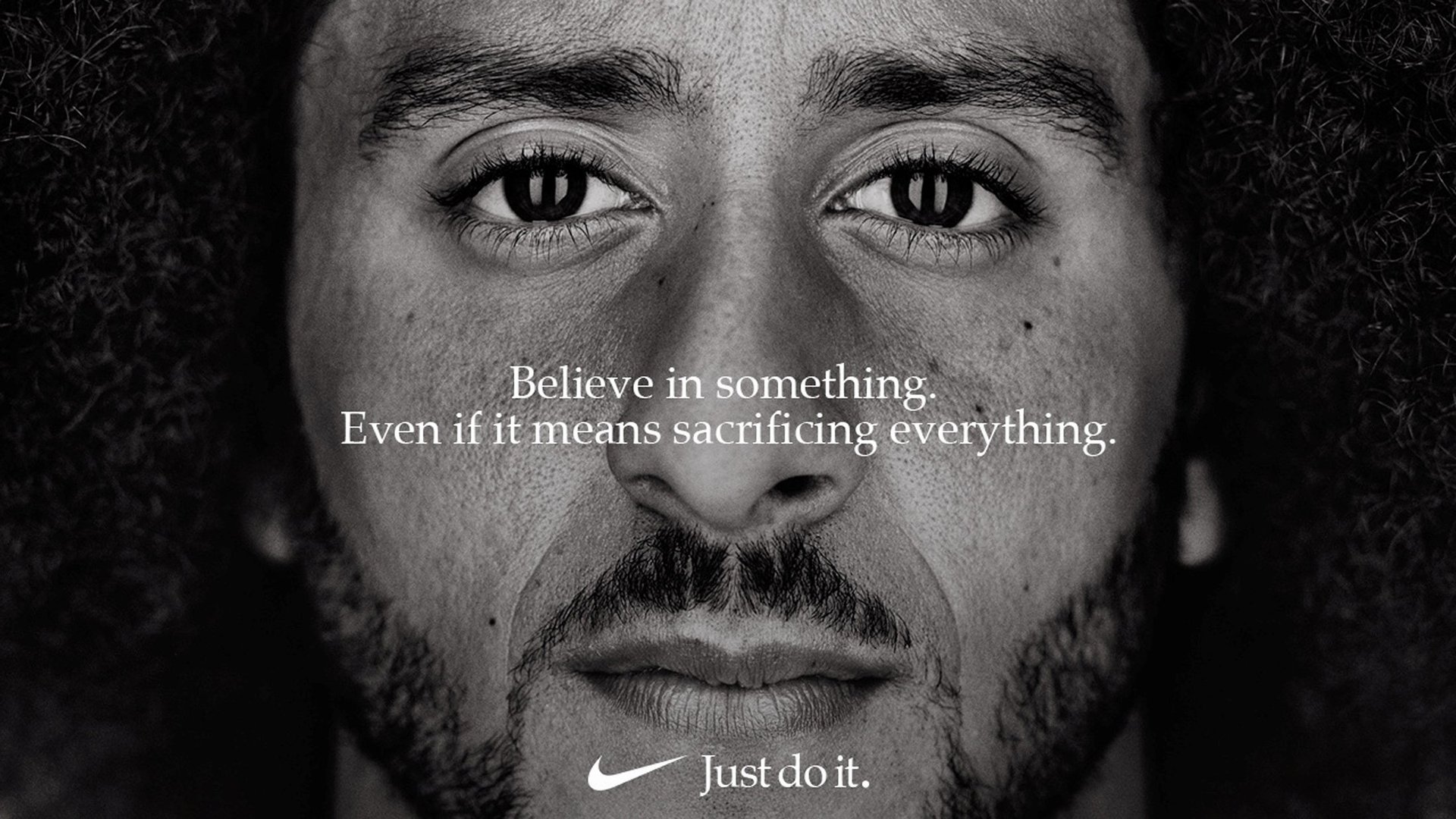
Colin Kaepernick first refused to stand for the US national anthem to protest the ongoing police shootings of black Americans. So it makes sense that police would have strong feelings over Nike’s decision to feature the former NFL quarterback among the athletes in its new campaign.
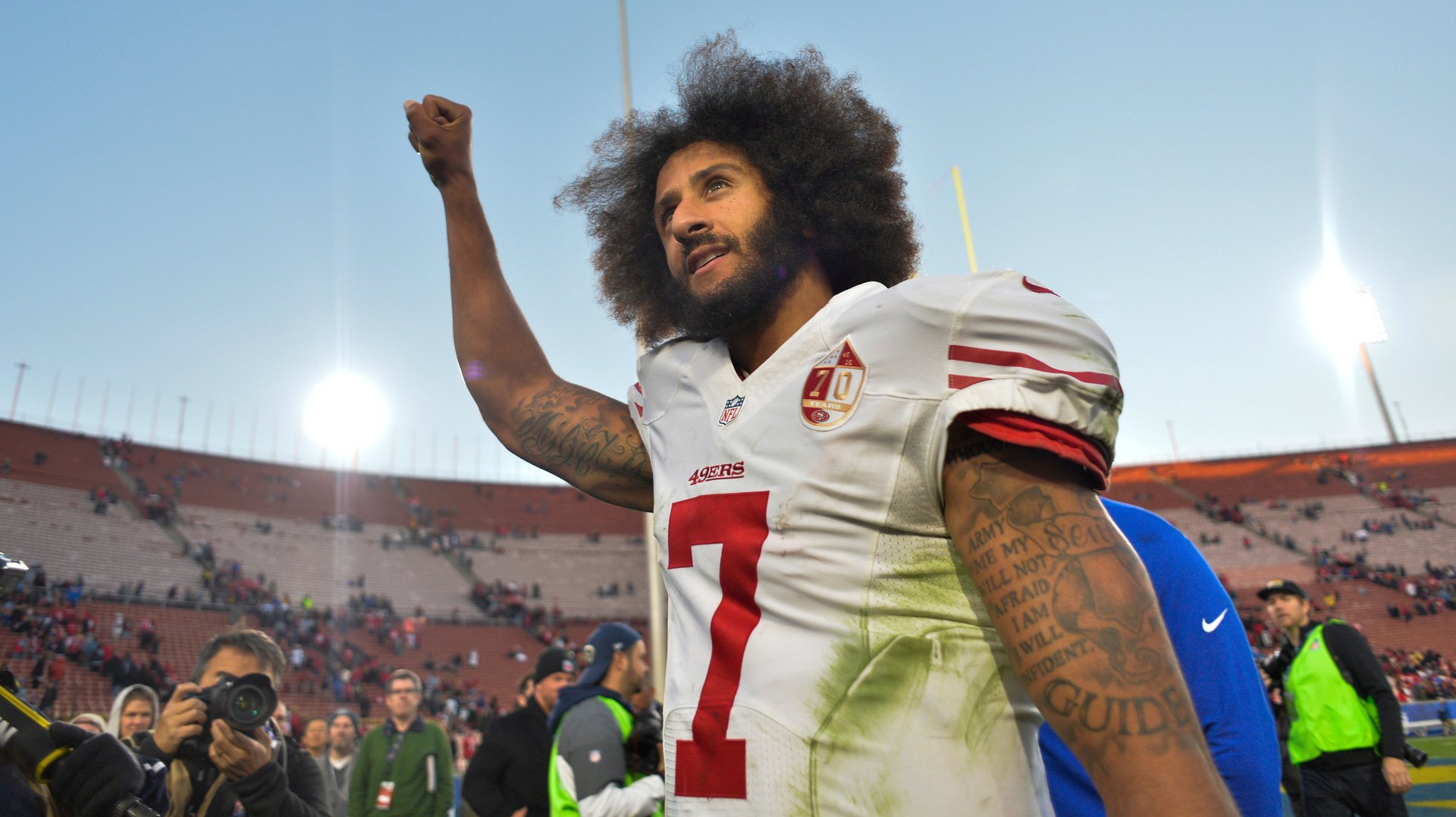
Nike’s stock suffered its biggest single-day drop in several months yesterday (Sept. 4).
Richard Hayne, the CEO of Urban Outfitters, is excited. For the past year, shoppers at the American high street fashion brand’s stores have been steadily increasing. At first it was a trickle, but in the last few months, it has become a deluge.
The backlash came quick after Colin Kaepernick shared the picture, a black-and-white close-up of his face overlaid with the words, “Believe in something. Even if it means sacrificing everything.” At the bottom, Nike’s swoosh, followed by its well-known tagline: “Just do it.”

It all started with a hat.
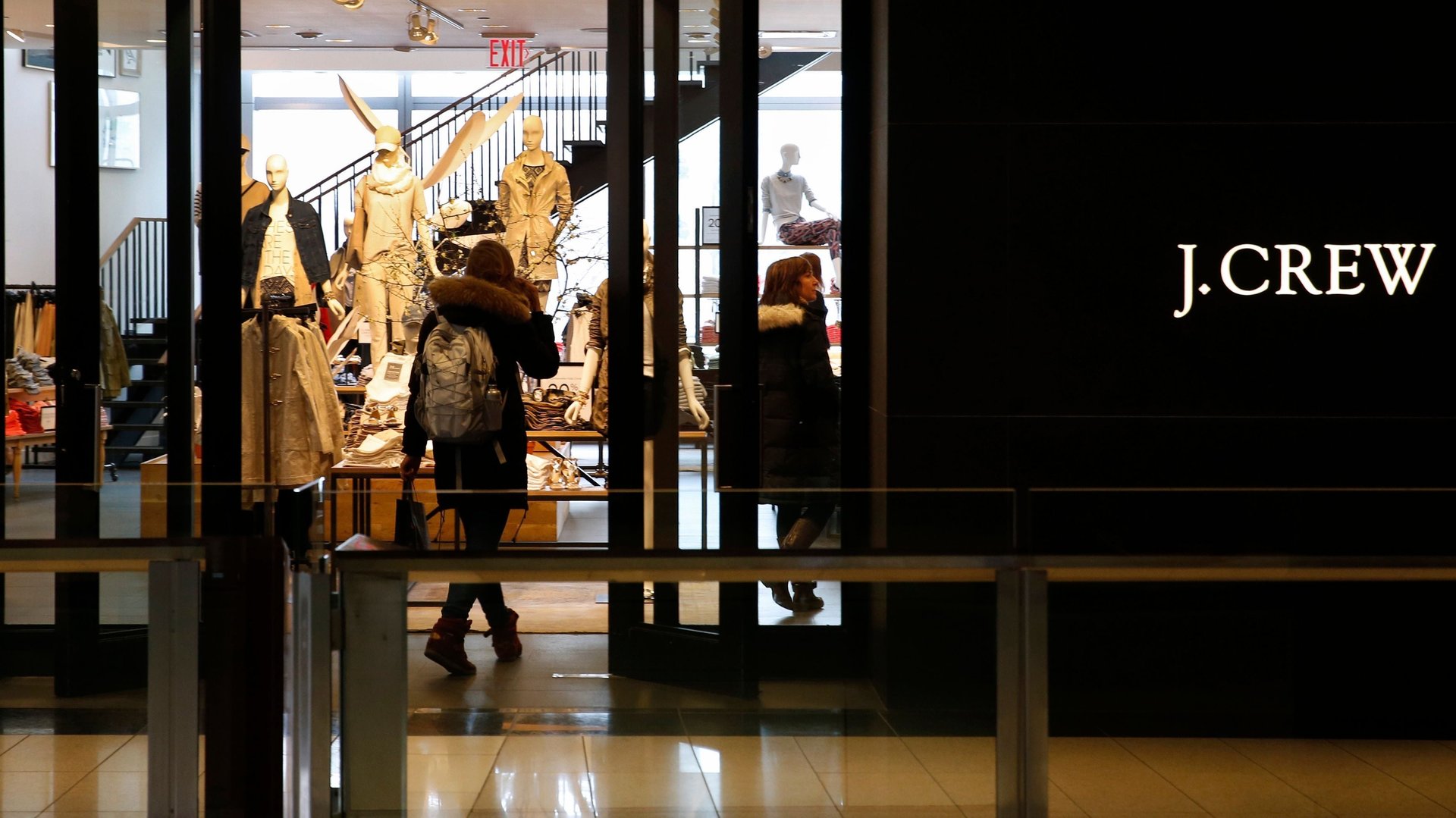
Last June, J.Crew marked the end of an era. The company announced the departure of Mickey Drexler, the longtime CEO who guided the American brand through its stunning rise in the mid-2000s and recent fall.
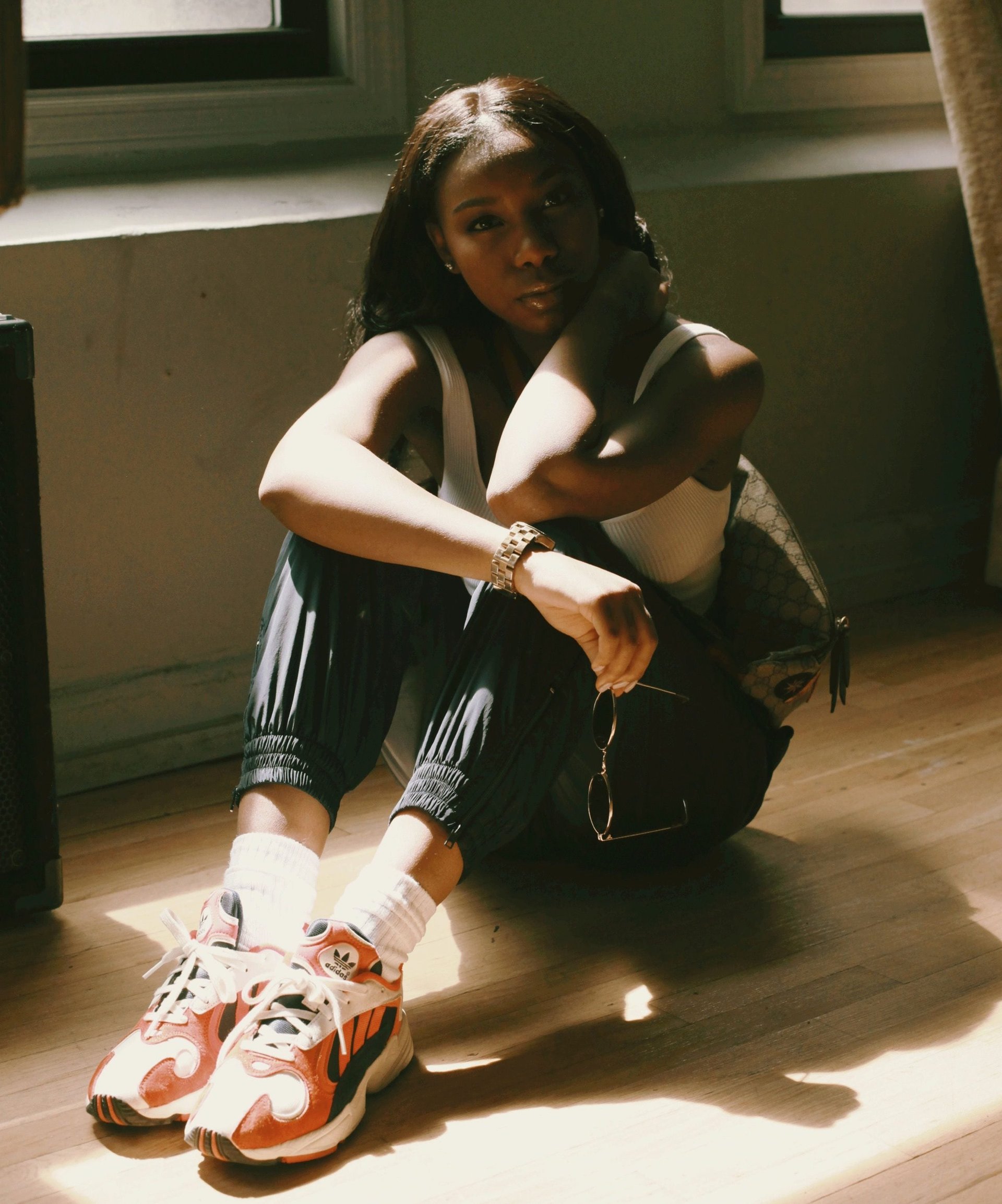
Streetwear’s ascendance over the past several years has, at least to some degree, promised to challenge the paradigm of major fashion brands filling their campaigns, runway shows, and corporate offices with almost entirely white faces.
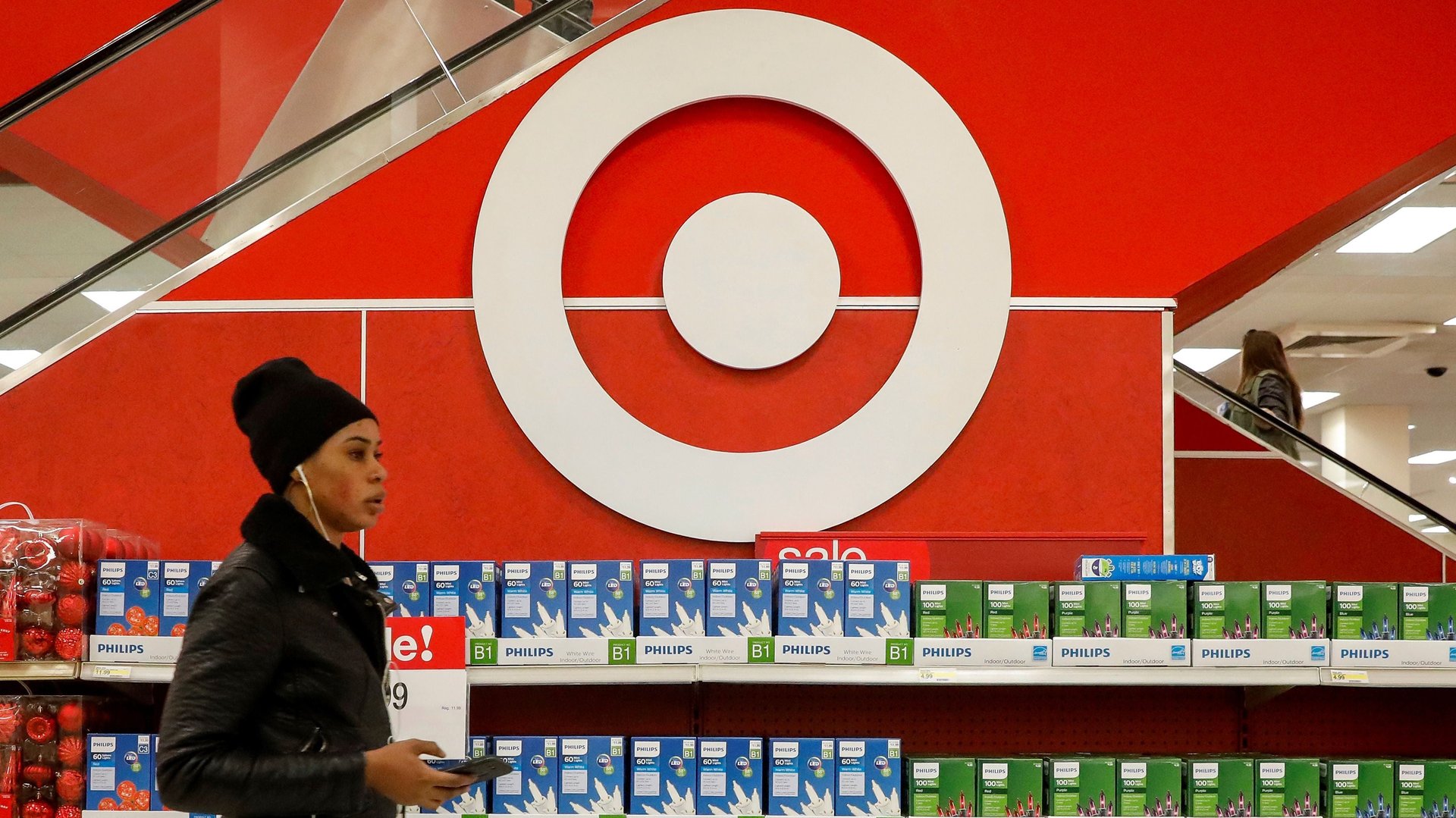
Target and Walmart have a secret weapon helping both of them to flourish right now: stores that shoppers are actually pouring into.

Farfetch launched in 2008 with a clever premise: It would use the reach of the internet to create a single luxury-fashion marketplace, through which brick-and-mortar boutiques scattered around the world could easily find a global audience. Rather than each retailer having to figure out how to build and manage its own e-commerce site, Farfetch would handle the technical side. The stores just had to provide the products, and Farfetch would get a cut of the sales it enabled.
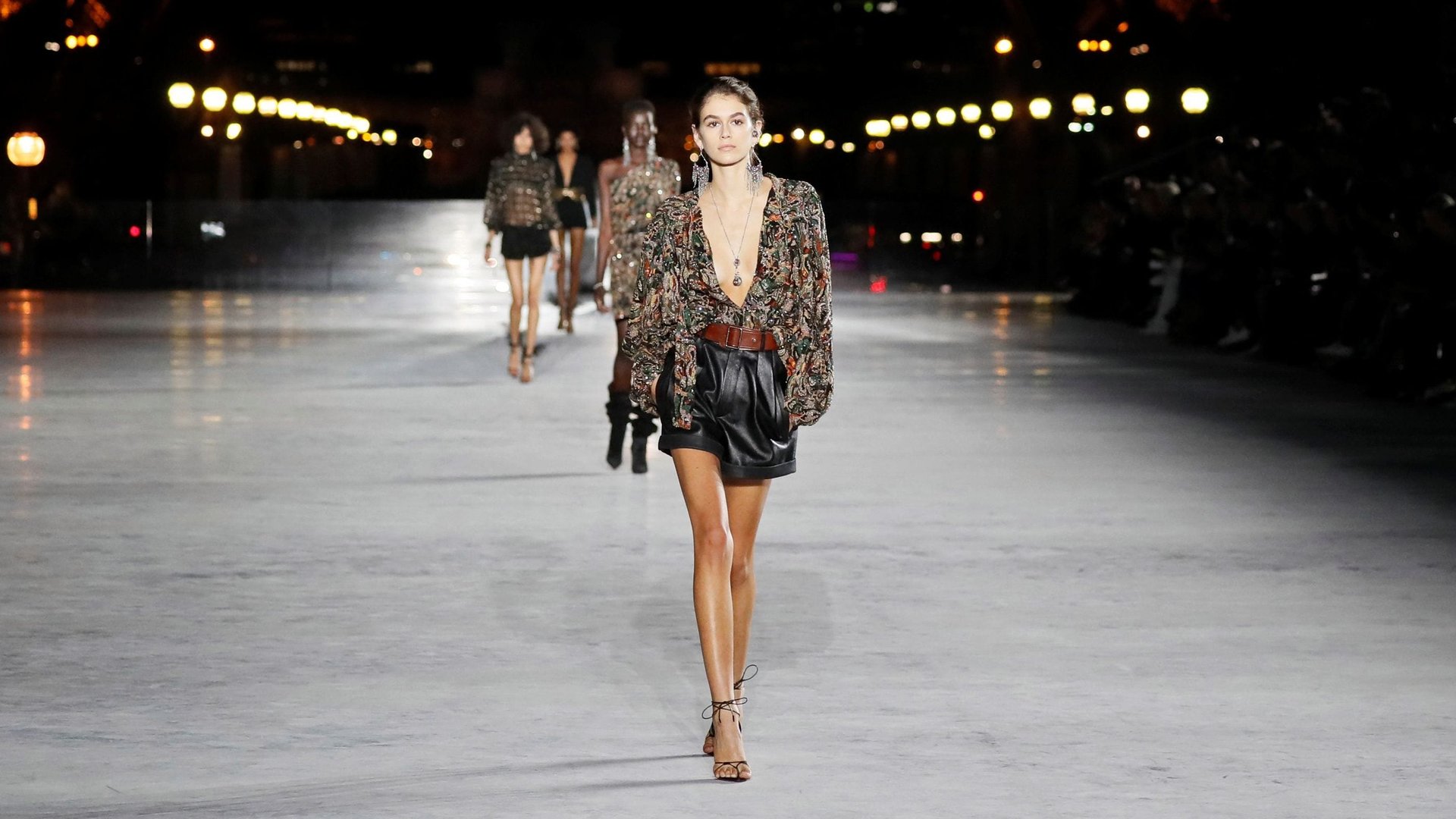
Fashion companies have been casting girls in very adult campaigns for decades—see 15-year-old Brooke Shields for Calvin Klein way back in 1980. But they’re finally starting to publicly consider whether it’s ethical to do so.
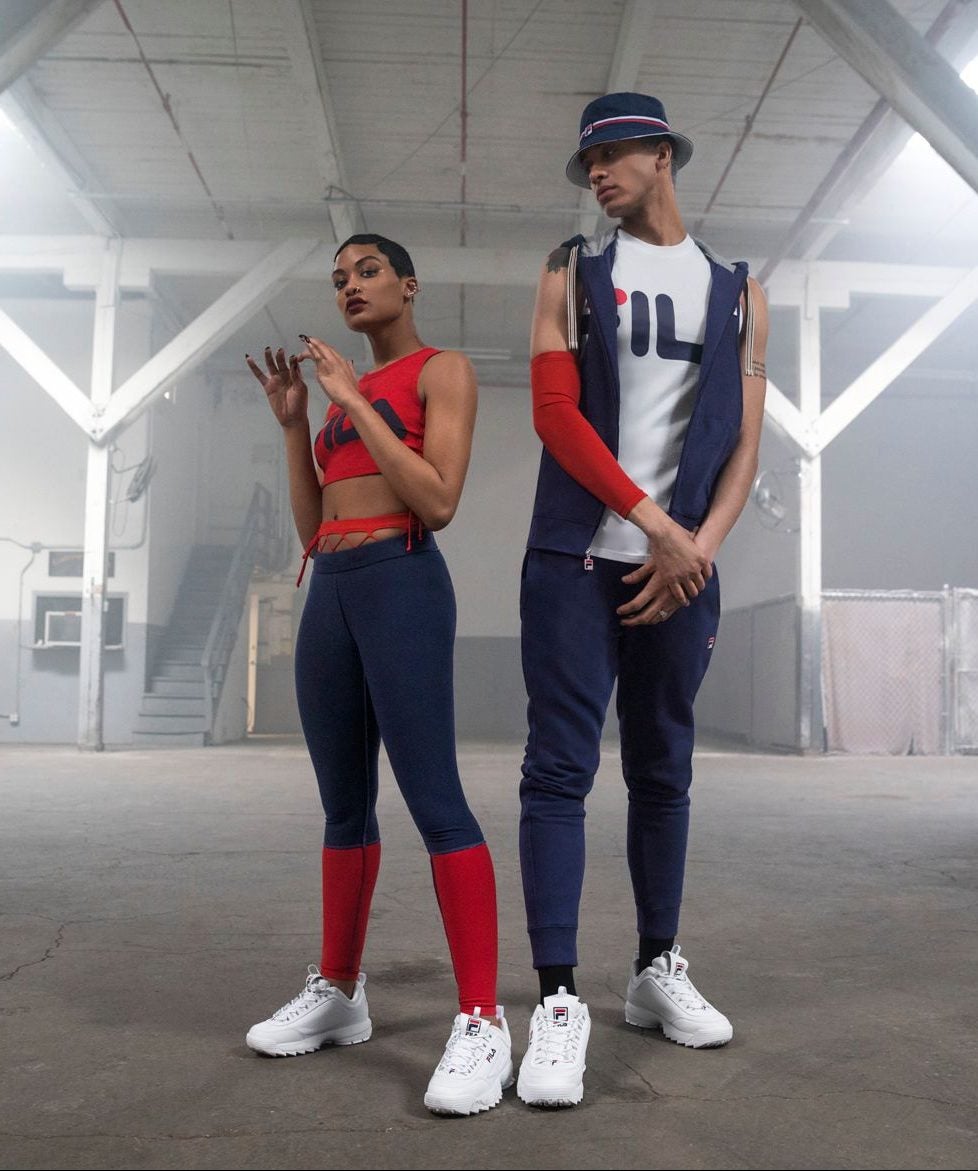
You could hardly engineer a better moment for a sneaker like the Fila Disruptor. The sawtooth-soled behemoth—most often seen in stark white—was originally released in 1996, and its newly updated rerelease, the Disruptor II, delivers on multiple fashion trends simultaneously: the 1990s resurgence, the rise of bulked up sneakers like those seen on your stereotypical dad, and even, one could argue, fashion’s current love of the deliberately ugly.

The fashion industry is surprisingly old-fashioned. For decades, it has relied on cheap, manual labor to do just about every job. But it’s entering a period of radical change, when future-minded brands are turning to technology to drastically speed up how they make clothes.

If Walmart is getting squeezed by Amazon, you wouldn’t know it.
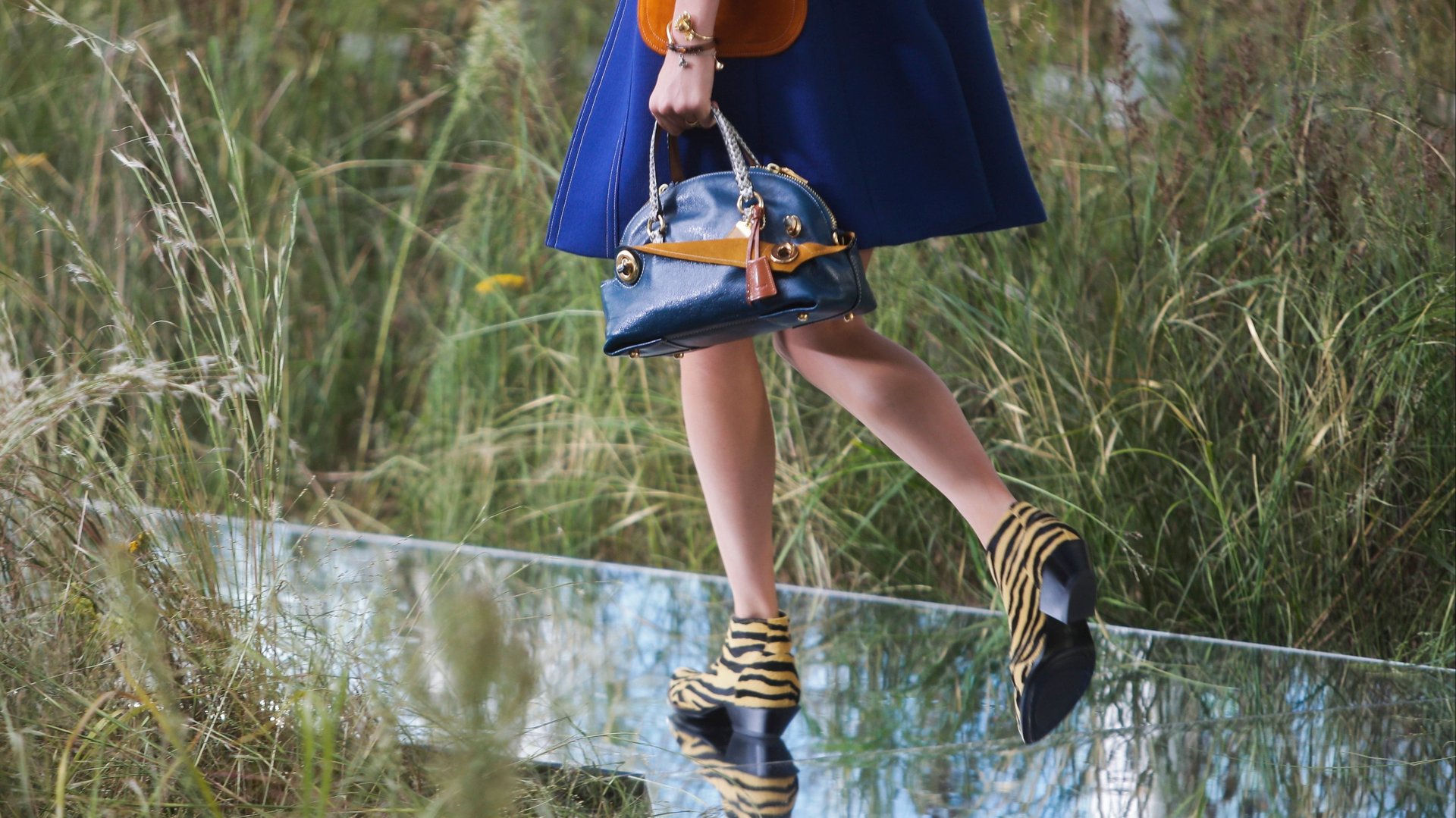
Just a couple of years ago, Coach finally got back on its feet in the US, its core market, after a prolonged slump that saw the brand’s handbags filling sales racks at department stores. Today, it’s in a very different position.
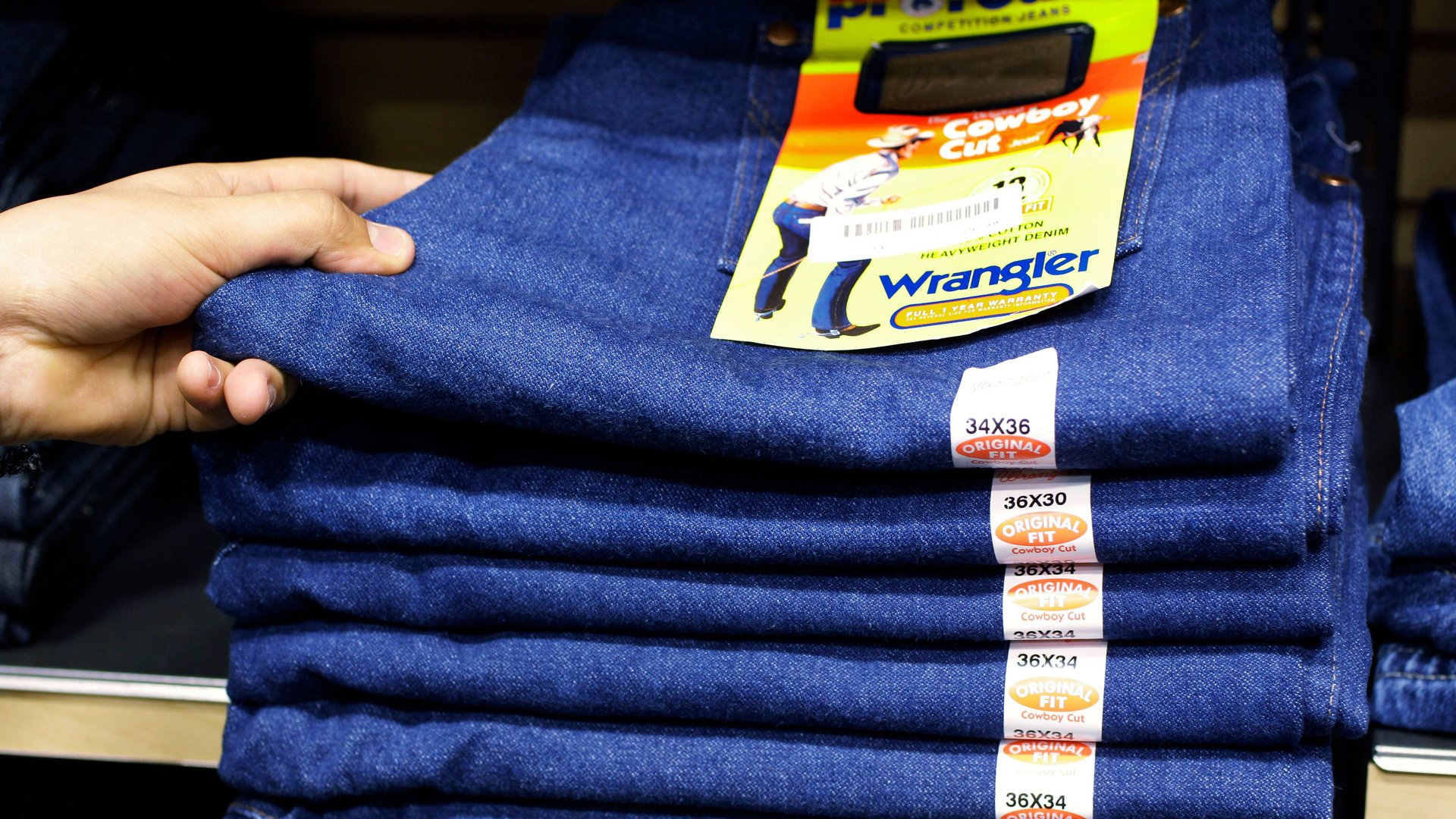
The owner of two of America’s most historic denim brands wants out of the jeans business.