
Business News
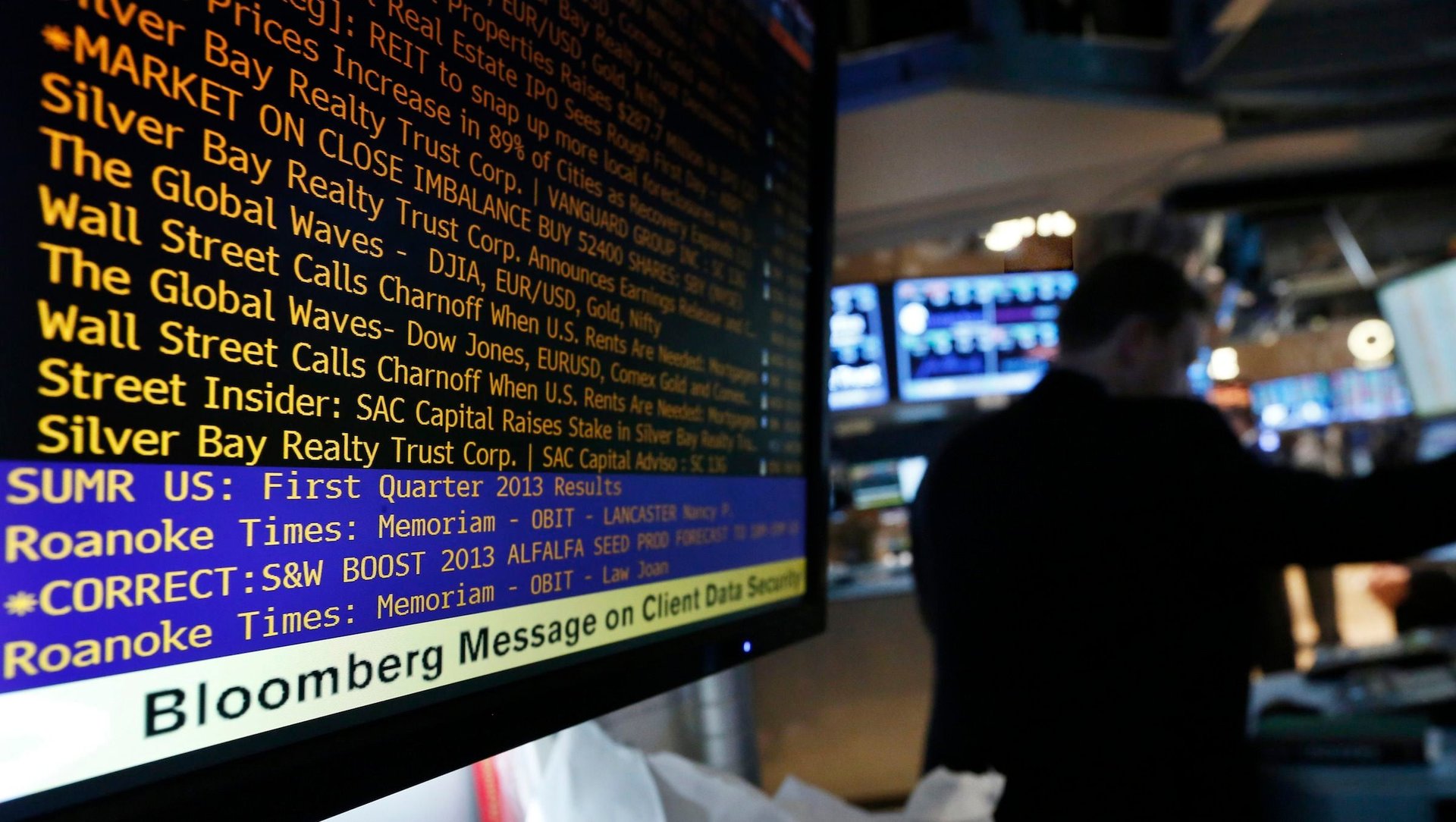
A ban on traders chatting to each other could spell trouble for BloombergThe ubiquity of Bloomberg terminals at Wall Street trading houses may be facing its biggest threat yet.
Updated July 21, 20222 min read
The ubiquity of Bloomberg terminals at Wall Street trading houses may be facing its biggest threat yet.
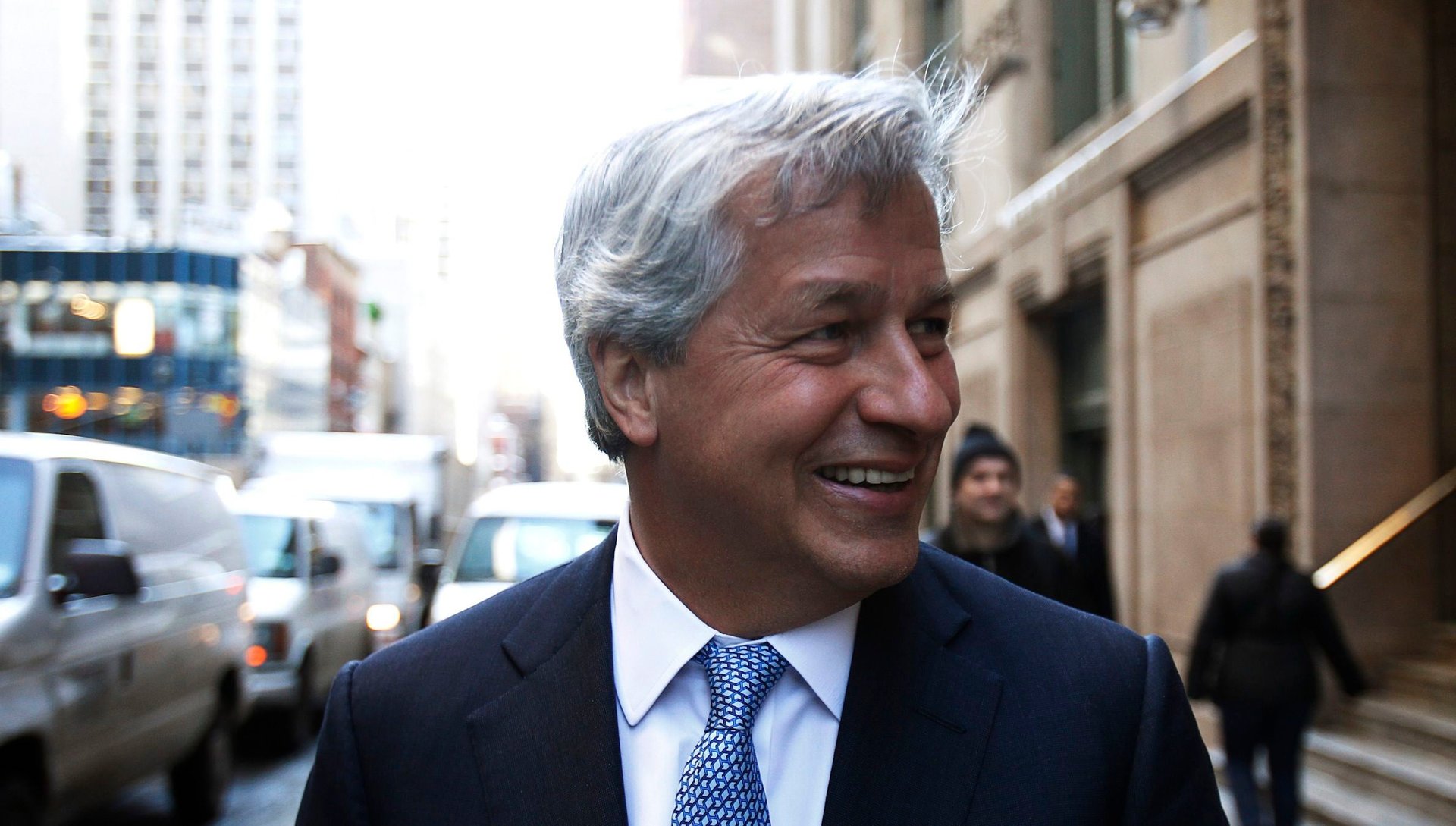
JP Morgan Chase CEO Jamie Dimon today scored a roughly 74% jump in his total pay for 2013, despite a round of withering fines that ate into the bank’s earnings last year.
Wall Street wallets are getting fatter.
The numbers: Messy. Results suffered because the firm set aside $1.2 billion in reserves to pay for litigation related to financial crisis-era mortgage bonds. Those legal costs and an accounting adjustment muddied an otherwise good performance for the firm. Revenues of $7.8 billion were up 11% from a year ago. That’s good a thing. But in reality, accounting for the legal expenses and other charges, fourth quarter profits fell 71 percent from $192 million,or 7 cents a share, compared to $661 million, or 33 cents a year earlier.
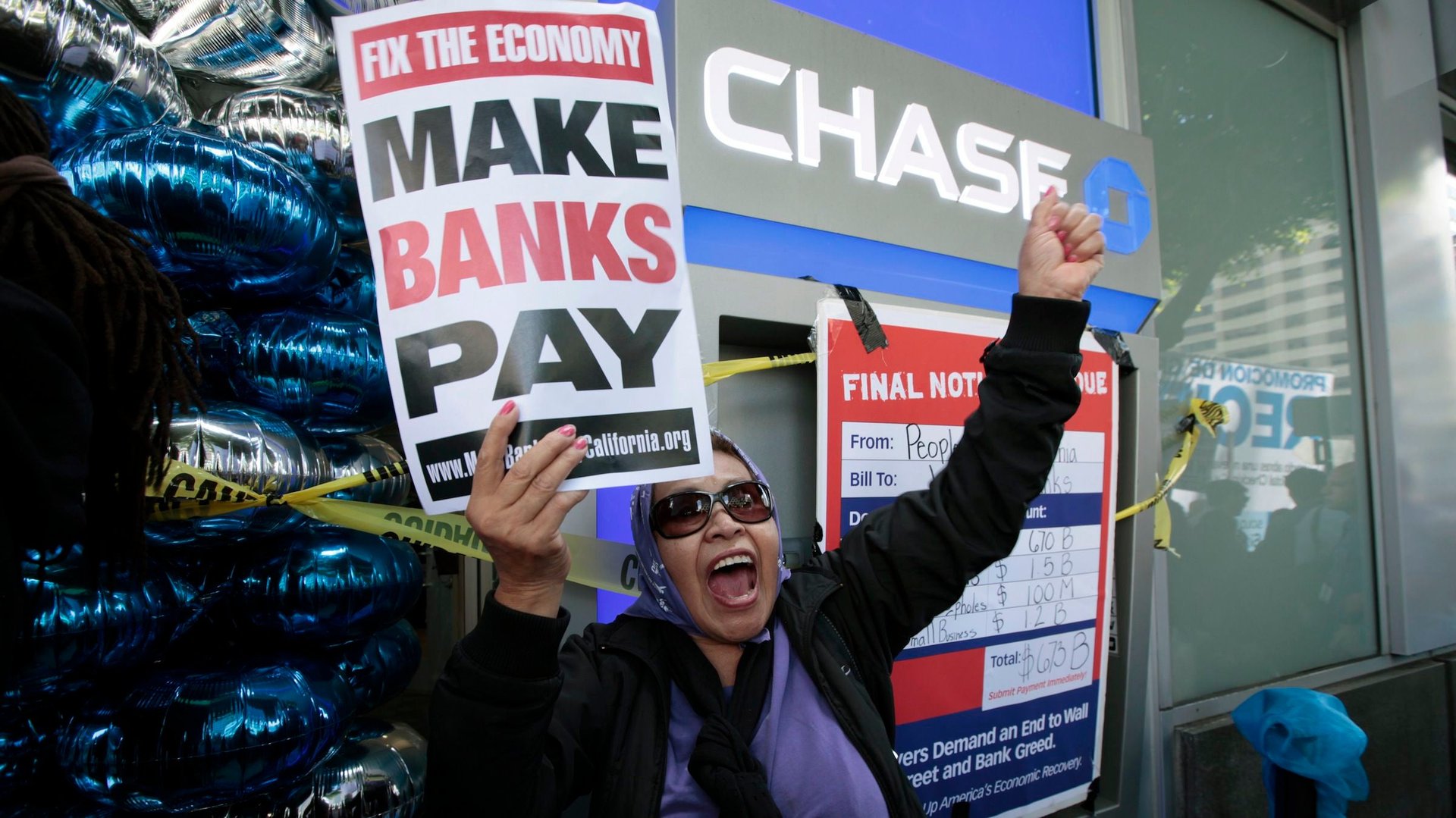
Big banks whinged endlessly about the perilous US regulations foisted onto them after the financial crisis. But as it turns out, the reforms tied to banker pay have only made fat cats even plumper.
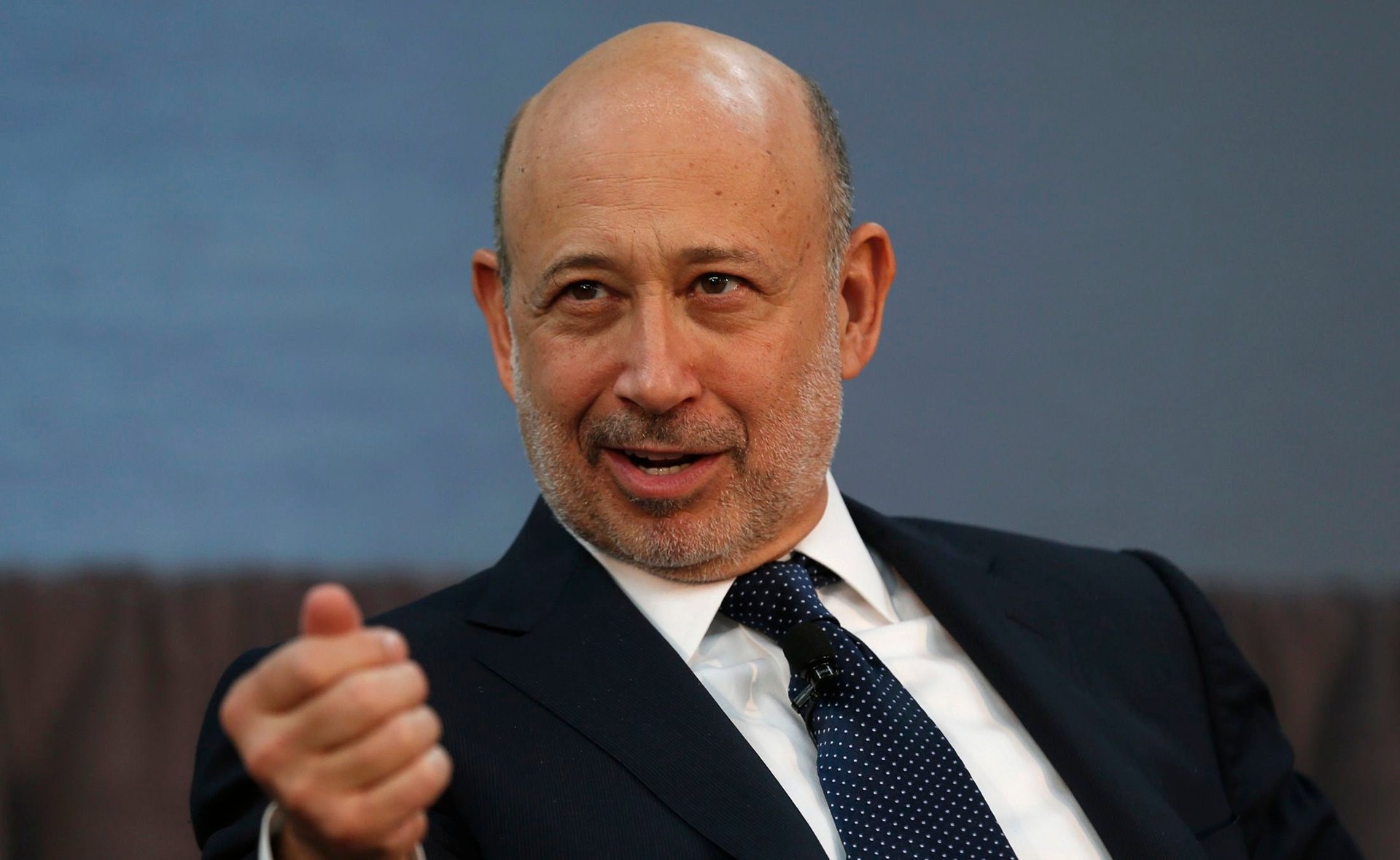
Goldman Sachs, the, er, gold standard for bank bonuses, appears to be losing its magic touch.
The numbers: Goldman Sachs’ fourth-quarter results beat estimates but its bond-trading shop—long seen as Wall Street’s best in class—is showing signs of real weakness, following an uncharacteristically poor third quarter. The bank posted a fourth-quarter profit of $2.33 billion, down 19% compared to last year.
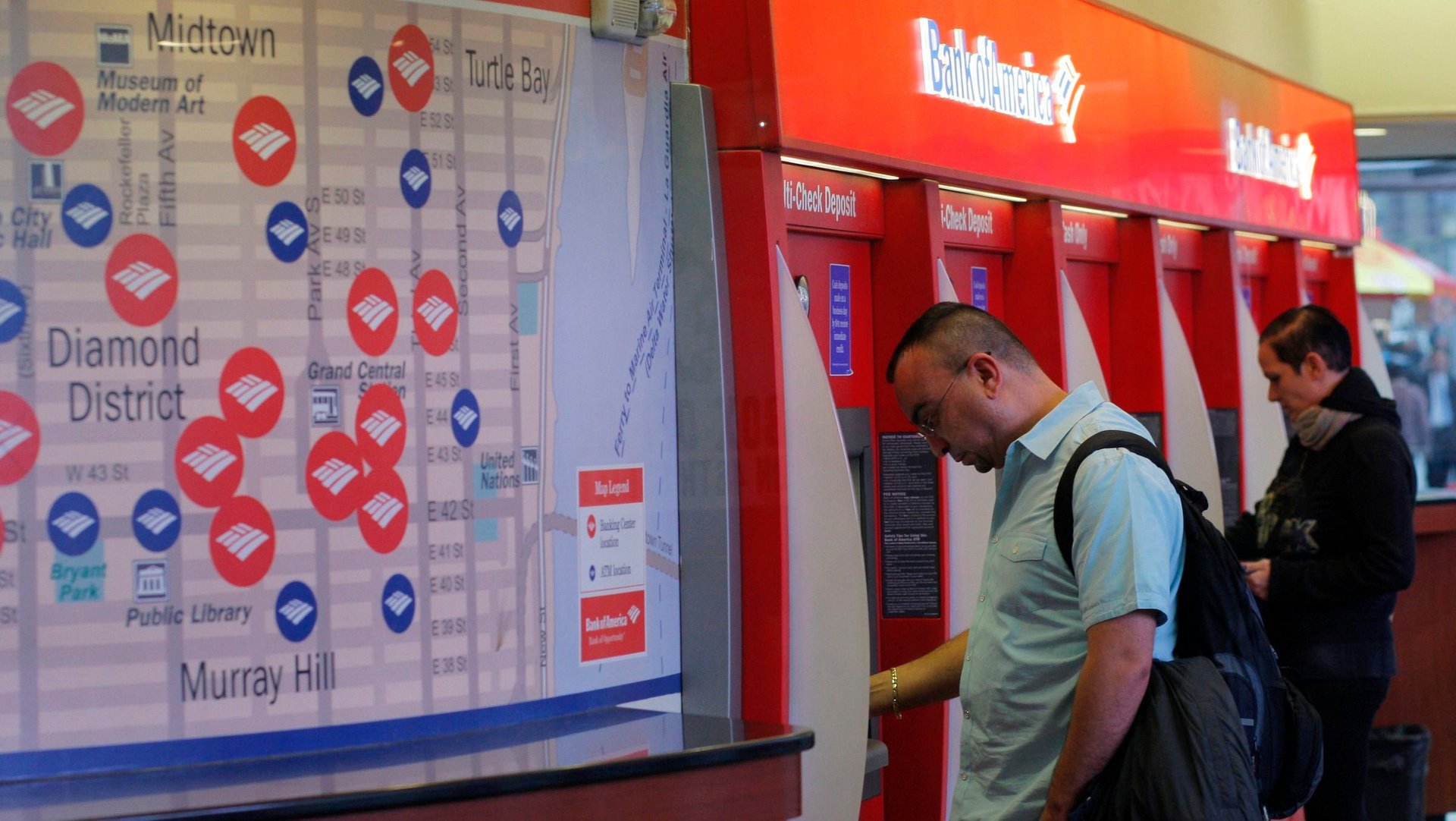
US banks are reconsidering their urge to put a branch on every corner, as more customers use mobile phones to do everything from depositing checks to paying bills.
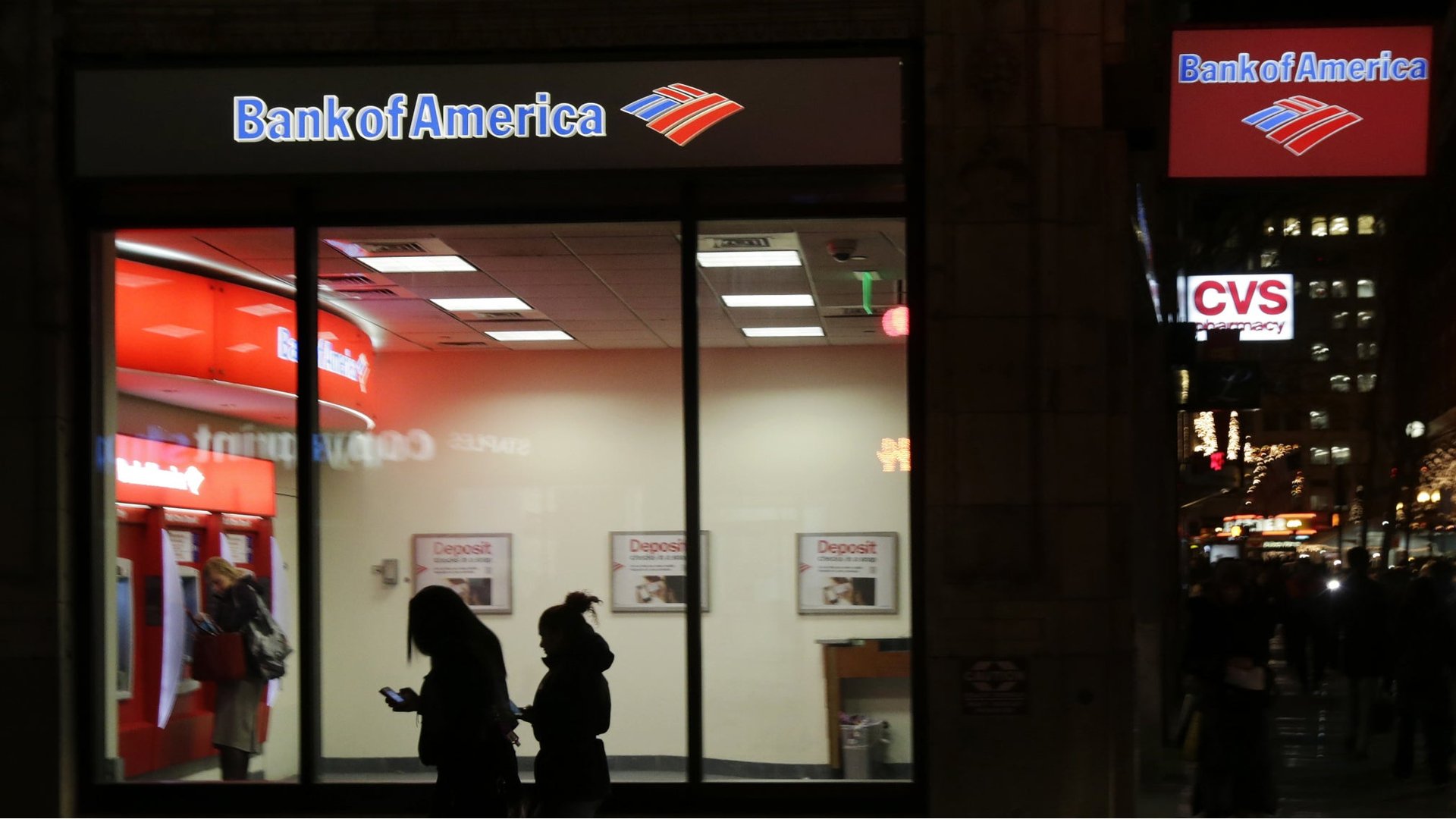
The numbers: Not bad. Bank of America beat expectations by a couple of cents recording profits of 29 cents a share, or $3.44 billion, versus expectations of roughly 27 cents. Lower litigation costs helped. Last year the bank posted a considerably lower profit of $732 million, after factoring in a roughly $11 billion settlement with Fannie Mae.

A feisty Jamie Dimon said that he’s not planning on resigning in the wake of a raft of fines that has plagued JP Morgan over the past year. Asked if he would consider resigning on a conference call this morning to discuss the bank’s fourth-quarter results with reporters, the chairman and CEO fired off: ”No, no and no.” He qualified his comments in the same breath, “And it’s all up to the board.”
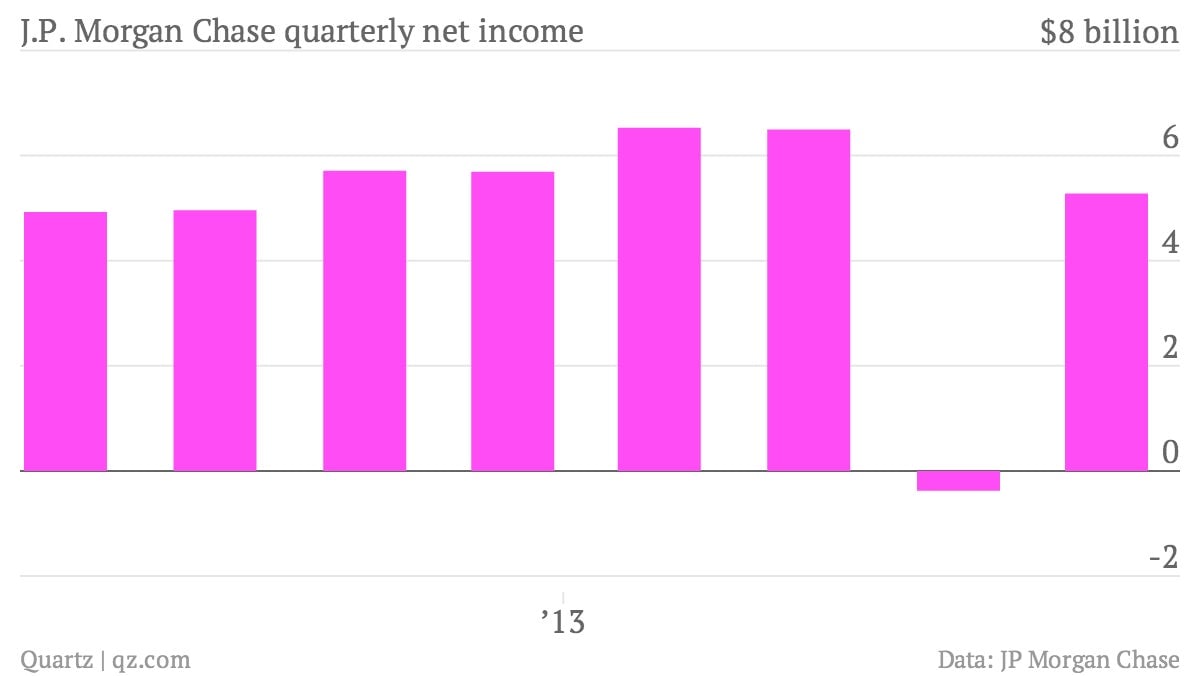
The numbers: With all the fines the bank has been paying lately, Wall Street wasn’t expecting much better. CEO Jamie Dimon’s bank got whacked by nearly $23 billion in legal claims that sapped the financial institution’s profits. Net income fell 7.3% to $5.28 billion, or $1.30 share, missing most analysts’ estimates or $1.35.

US banks, facing penalties from bad behavior amid a tougher regulations, are still grappling with the new financial landscape created by the financial crisis.
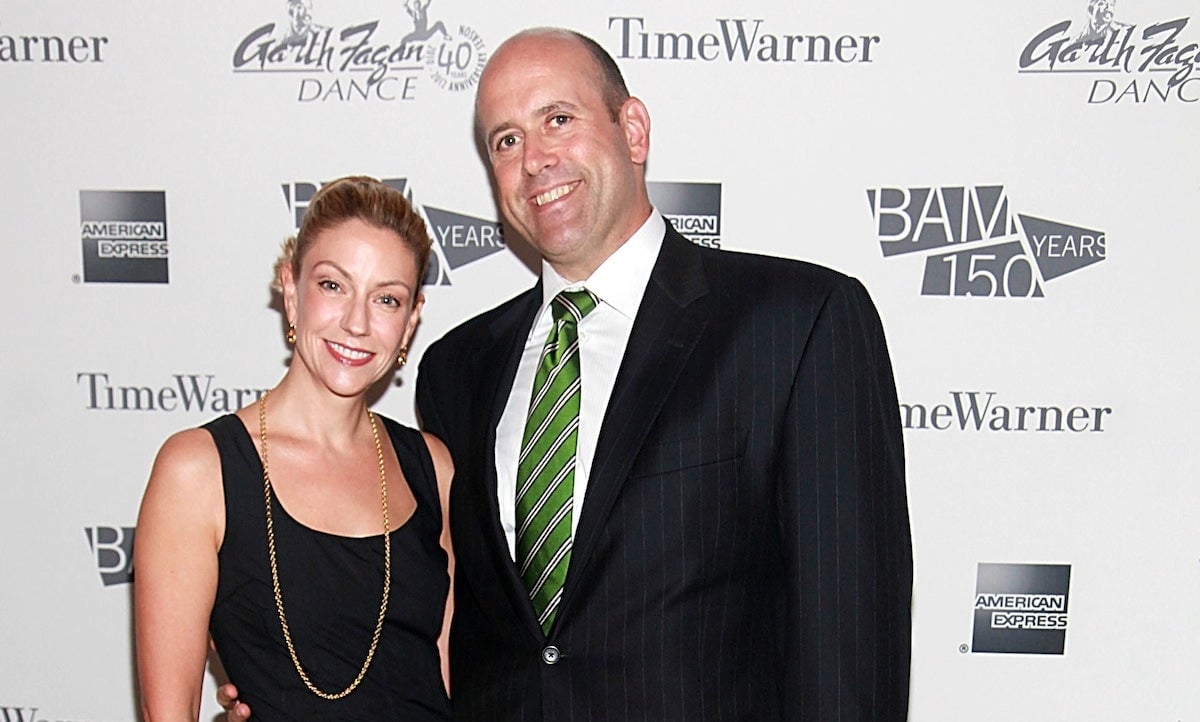
Additional executives are emerging as potential candidates to eventually take over the reins at Goldman Sachs: chief financial officer Harvey Schwartz and Latin America head Stephen Scherr.
Risk-taking traders at the world’s biggest banks are on the outs.
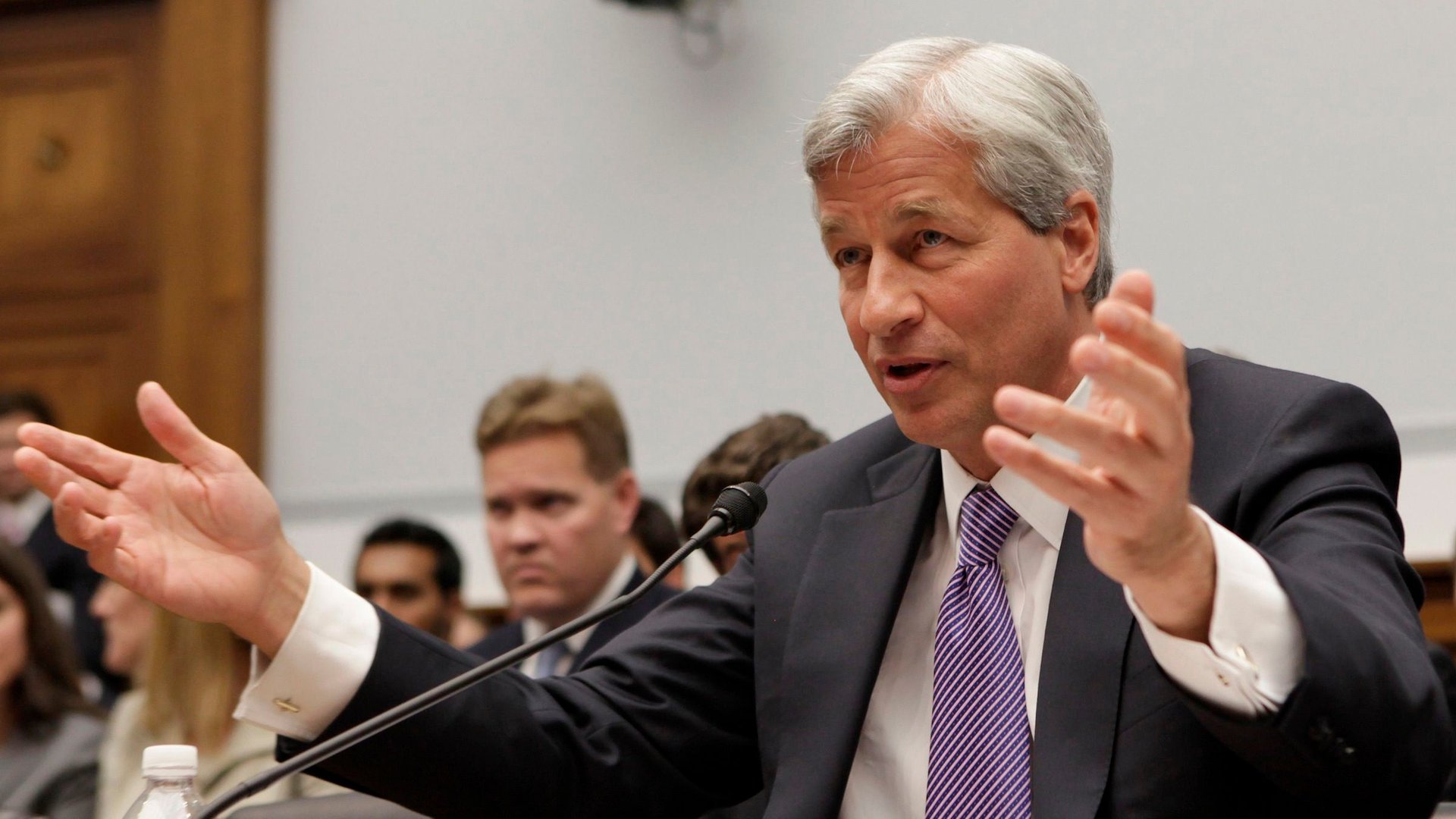
Jamie Dimon is hoping for a new age of glasnost at JPMorgan Chase, if insiders at the bank are to be believed. With JP Morgan having paid more than $22 billion in fines in the past year, including roughly $2.6 billion in penalties related to its role in Bernie Madoff’s Ponzi scheme this week, the CEO is apparently leaning on both senior and junior staff to report problems and concerns throughout the bank sooner rather than later, sources say.

With the $2.6 billion that JP Morgan has just agreed to pay for its role in Bernard Madoff’s decades-long Ponzi scheme, the bank is hoping that it can put the days of hefty fines behind it. The latest penalty—$1.7 billion to the US Attorney’s office led by Preet Bharara, $350 million for a civil case by the Office of the Comptroller of the Currency, and $543 million to Madoff trustee Irving Picard—brings the total the bank has shelled out in the past year alone to $22 billion.