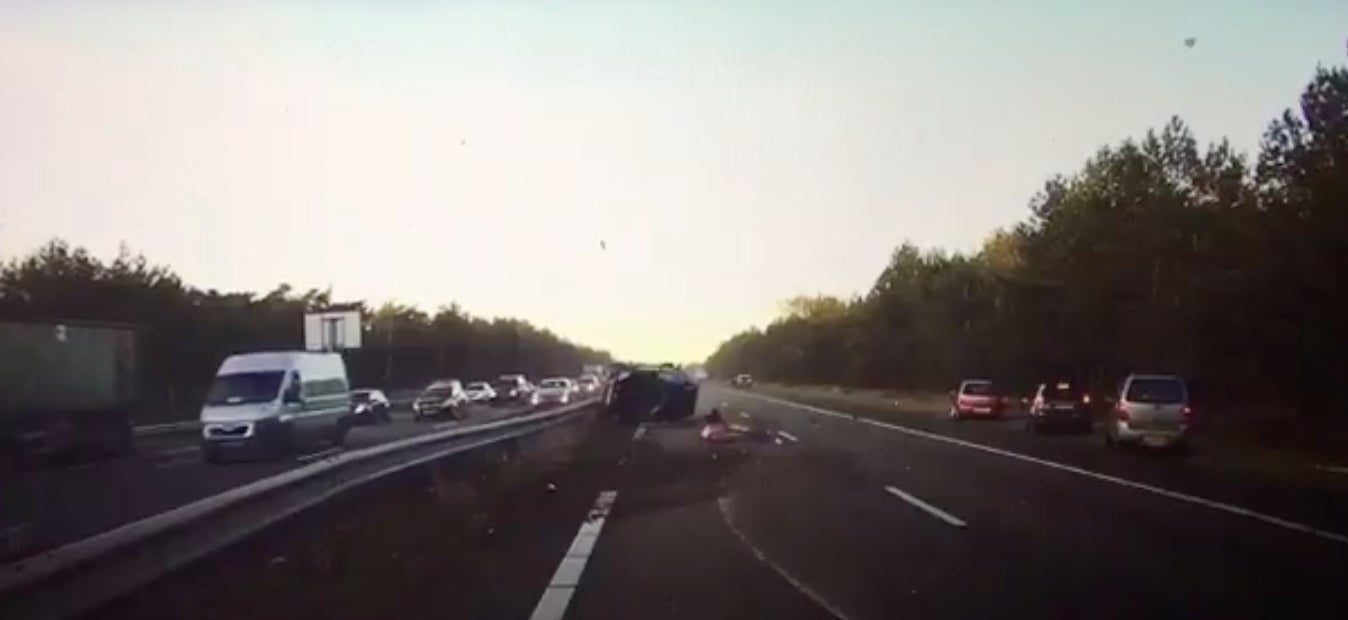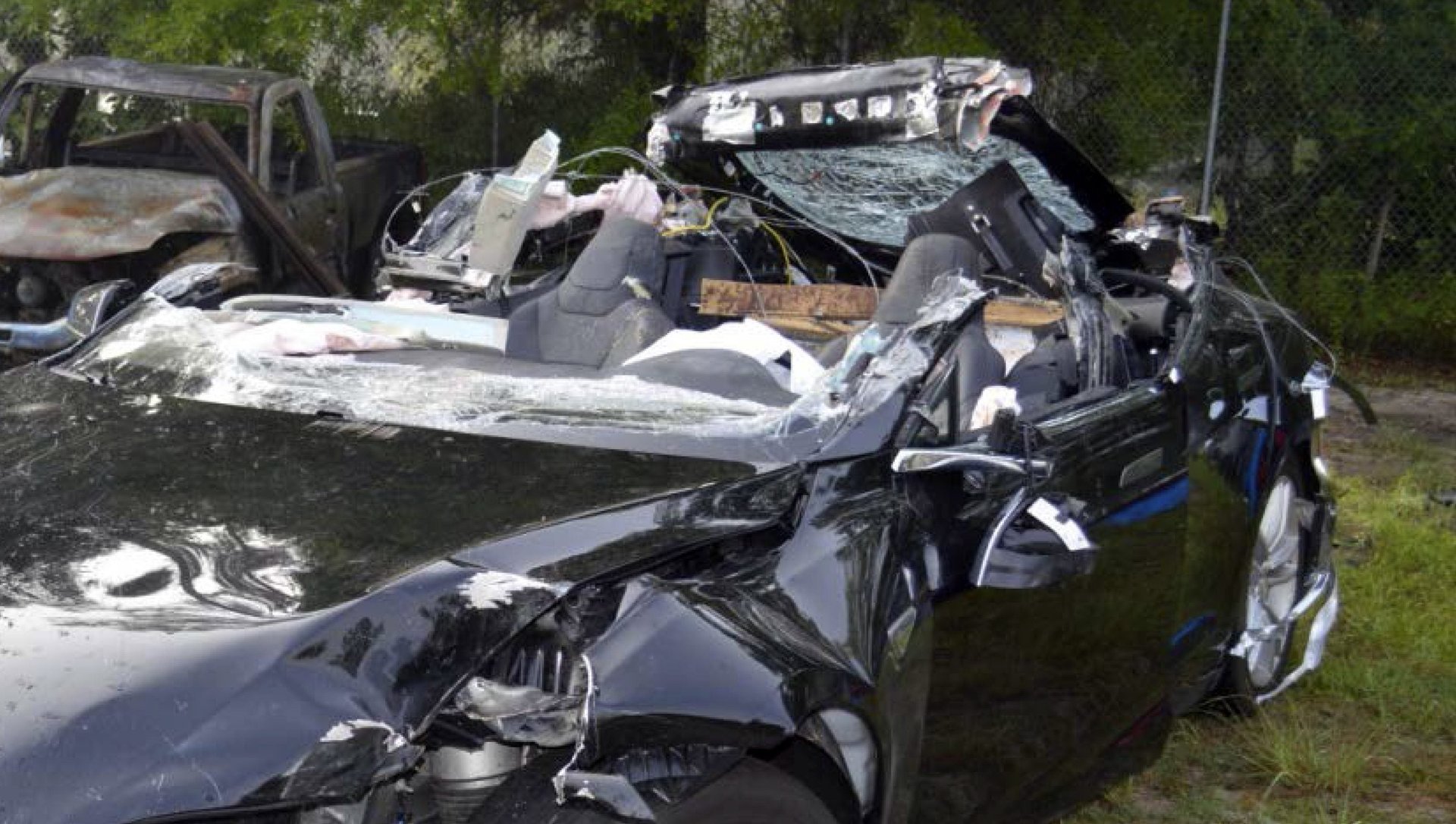
US safety investigators have determined Tesla is not at fault in a fatal May 2016 incident that killed the driver of a Model S using the company’s Autopilot system.

US safety investigators have determined Tesla is not at fault in a fatal May 2016 incident that killed the driver of a Model S using the company’s Autopilot system.

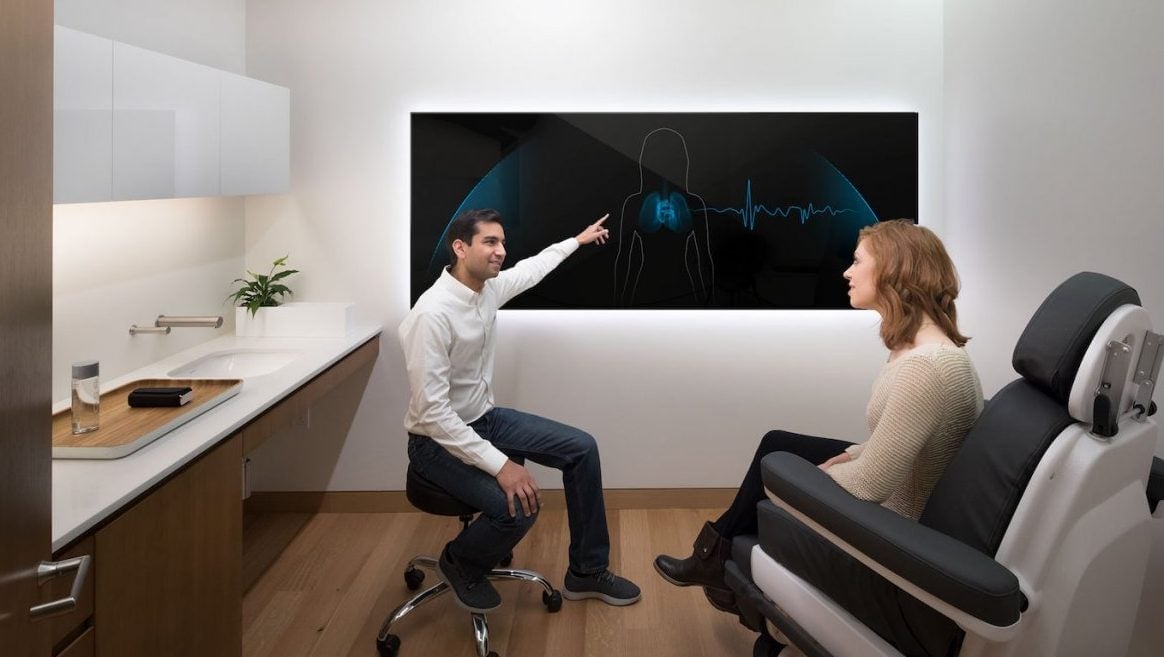
The best way to think about Forward, the new clinic in San Francisco, is like a smartphone app. First, there’s the front end: a slick, seamless, Uber-like experience, a bit like a luxury health spa on the starship Enterprise.

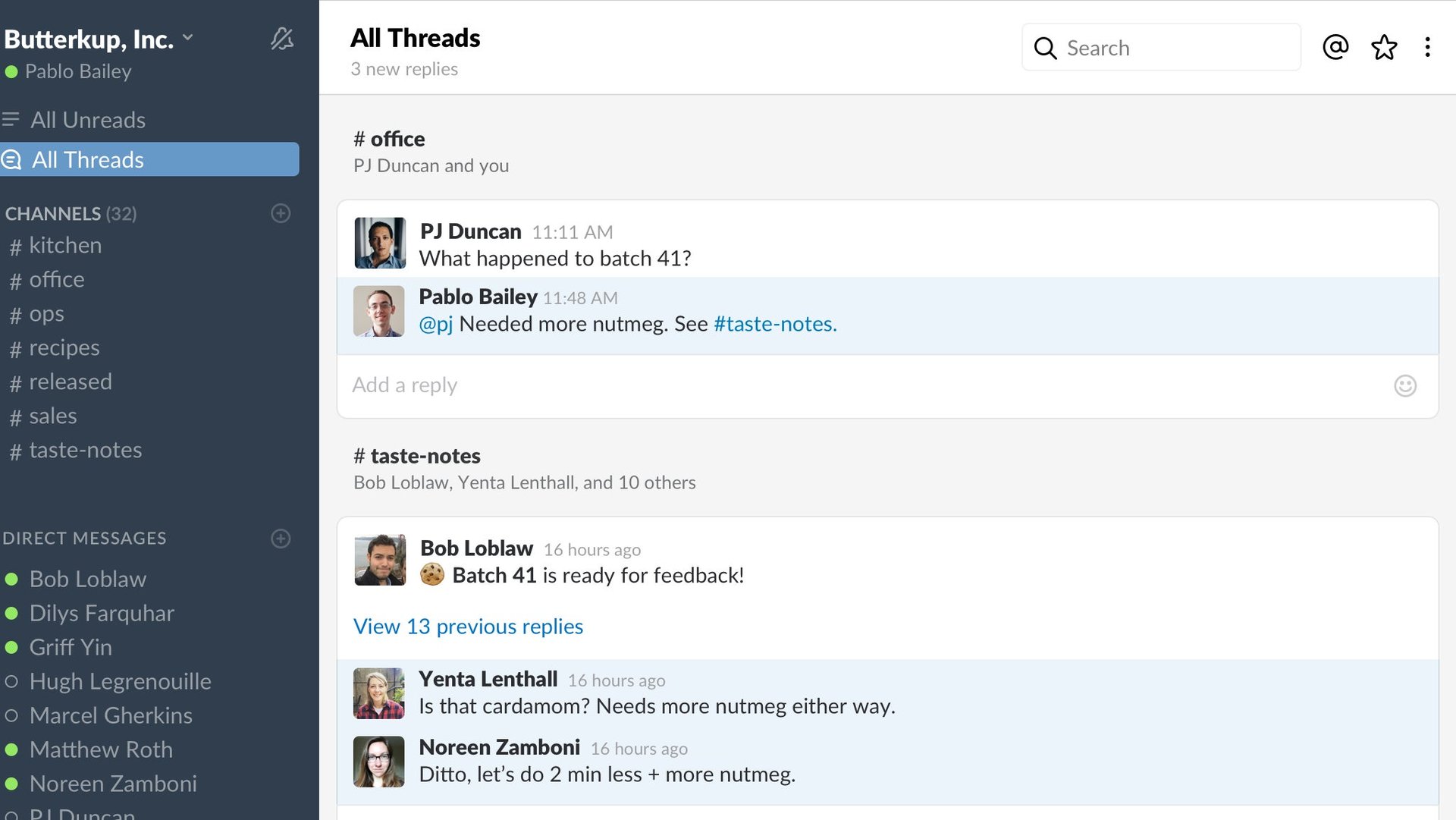
Slack is on the road to Silicon Valley glory. Its chat application is now used by more than 4 million people at thousands of companies, and the startup was valued at $3.8 billion in April. CEO Stewart Butterfield has set his sights high on the enormous enterprise market, which could firmly embed Slack as a key platform in the next decade of work.

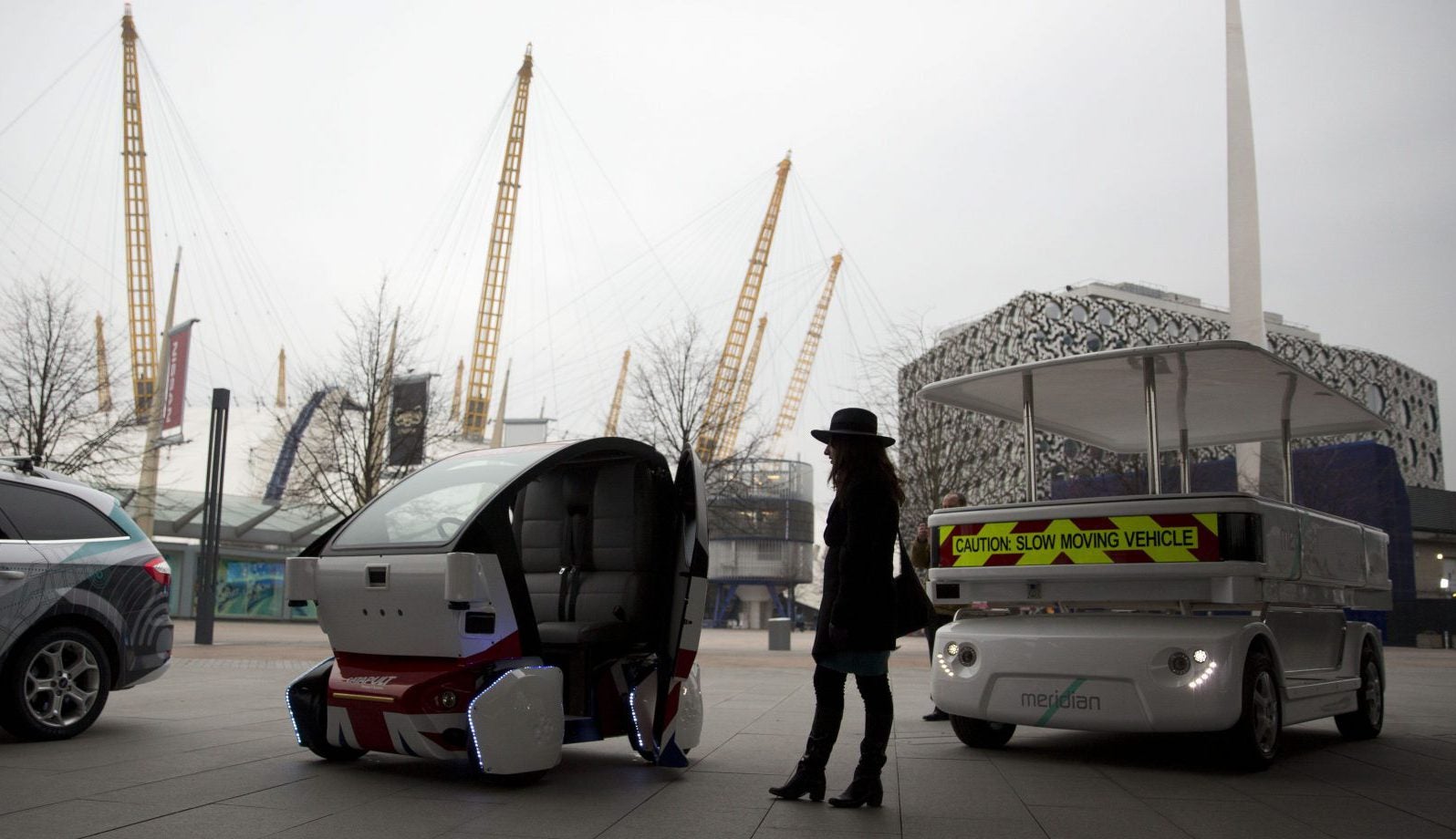
Henrik Christensen, director of the University of California San Diego’s Contextual Robotics Institute, has issued a jarring prophecy for the next generation: “My own prediction is that kids born today will never get to drive a car.”

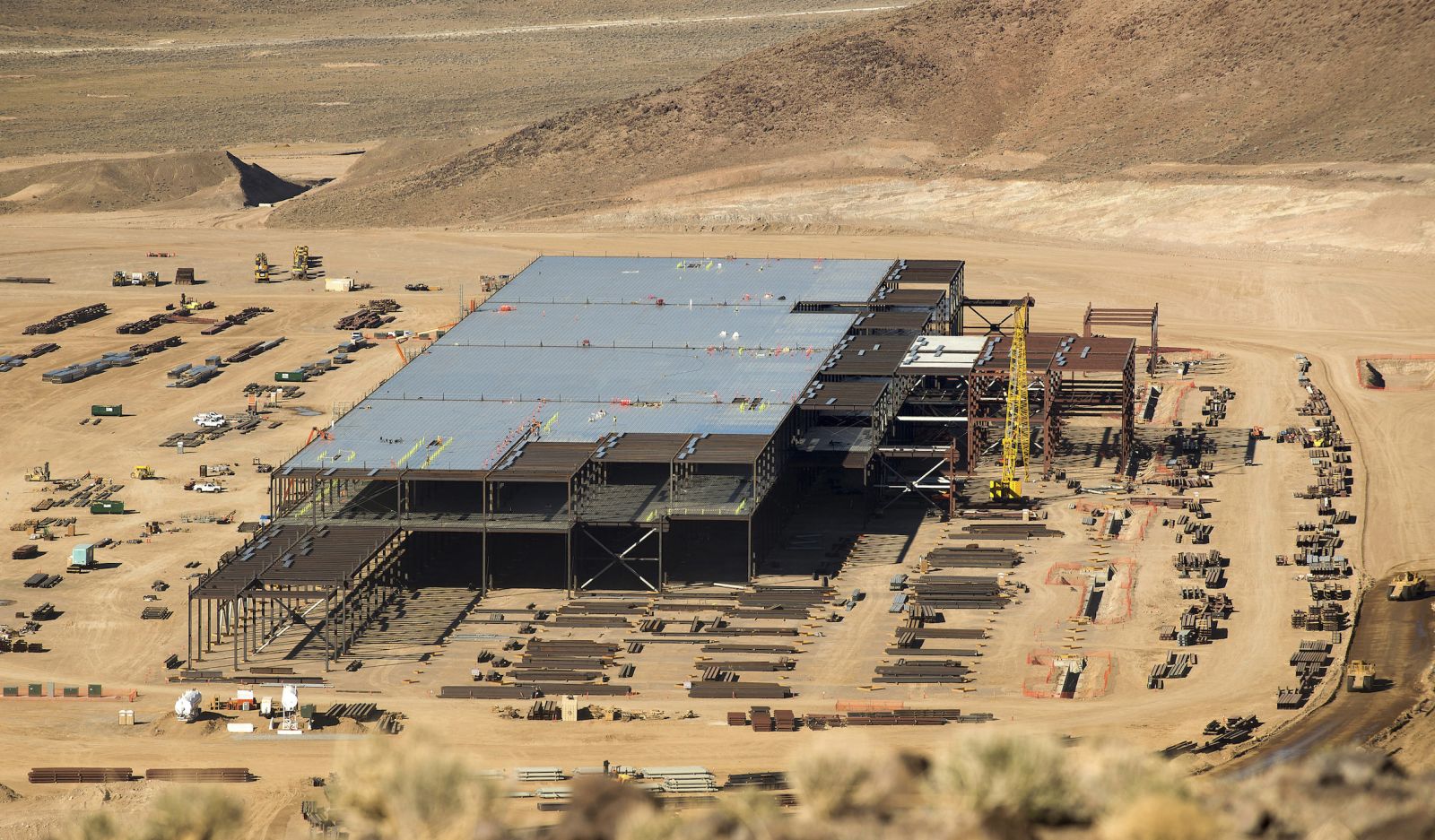
Tesla realized early on if it was going to be the first major US carmaker in more than a century to succeed, it was going to need a serious competitive advantage. A cheaper and more powerful battery was the play. On Jan. 4, Tesla announced its big bet was finally rolling off assembly lines.

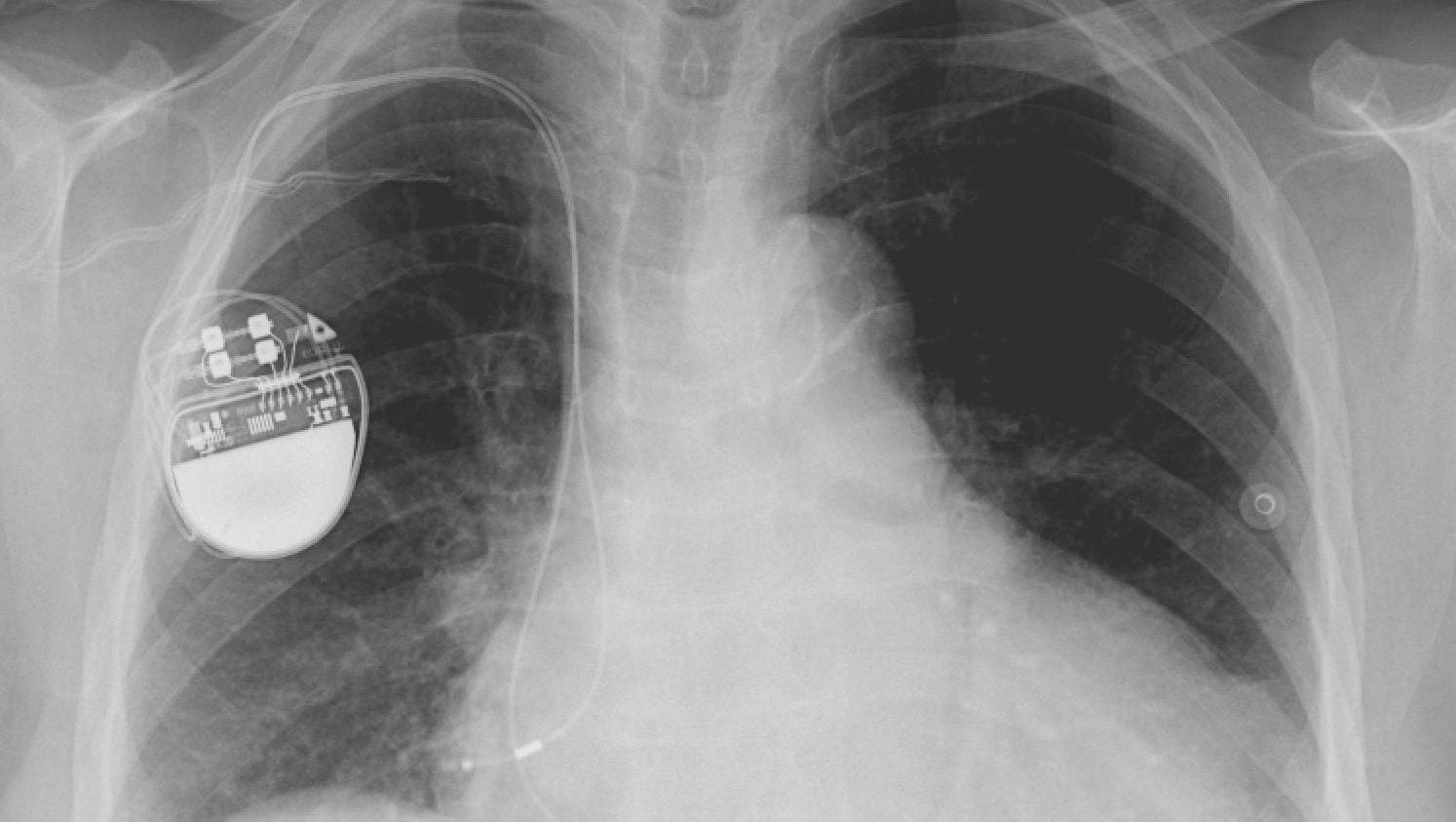
Light packs a powerful punch. If we could harvest a fraction of the photons striking our bodies each day, we could be cyborgs with medical devices powered by the sun. The concept took a step forward this week as Swiss researchers, publishing in the Annals of Biomedical Engineering on Jan. 3, showed postage-stamp size panels implanted under the skin could theoretically generate enough electricity to run pacemakers and similar devices that now require bulky batteries.

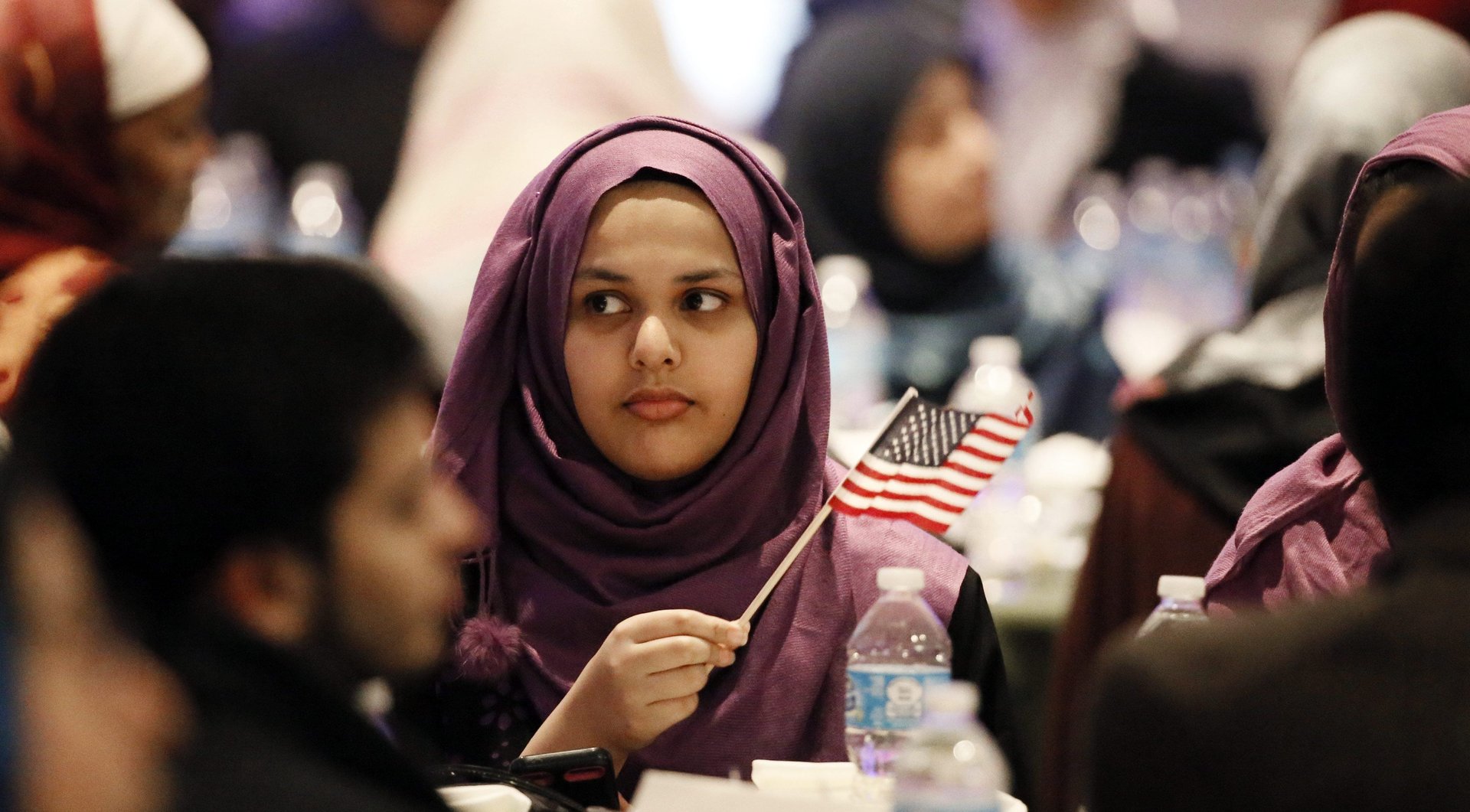
On several occasions during his campaign, US president-elect Donald Trump alluded to the idea of building a database of Muslims in the US. His position has veered between tracking refugees (nearly half of those admitted to the US this year are Muslim, according to the Pew Research Center) to considering proposals to register America’s own Muslim citizens. He has always been cryptic about the details. But on Dec. 21, Trump reaffirmed his intention to do something when asked, after terrorist attacks in Germany and Turkey, if he planned to create a registry. ”You’ve known my plans all along,” he told reporters.

Tesla has taken heat for releasing its unfinished Autopilot as a “beta” to drivers on the road. Plenty of owners have ignored Tesla’s directions to keep alert with their hands on the wheel while engaging the function, with at least one involved in a fatal accident. Throughout, Tesla CEO Elon Musk has insisted the company’s software would be safer than human drivers, sharply reducing the more than 1.25 million global traffic fatalities each year.

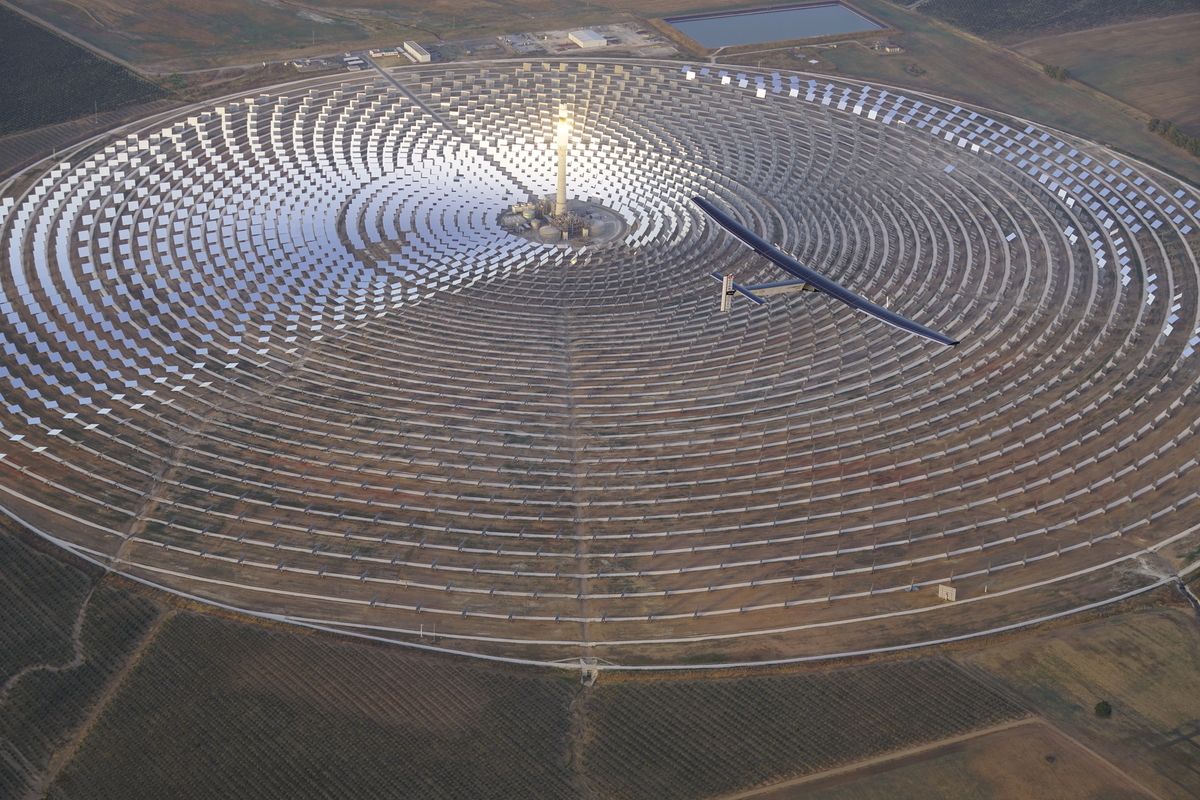
The renewable energy future will arrive when installing new solar panels is cheaper than a comparable investment in coal, natural gas or other options. If you ask the World Economic Forum (WEF), the day has arrived.

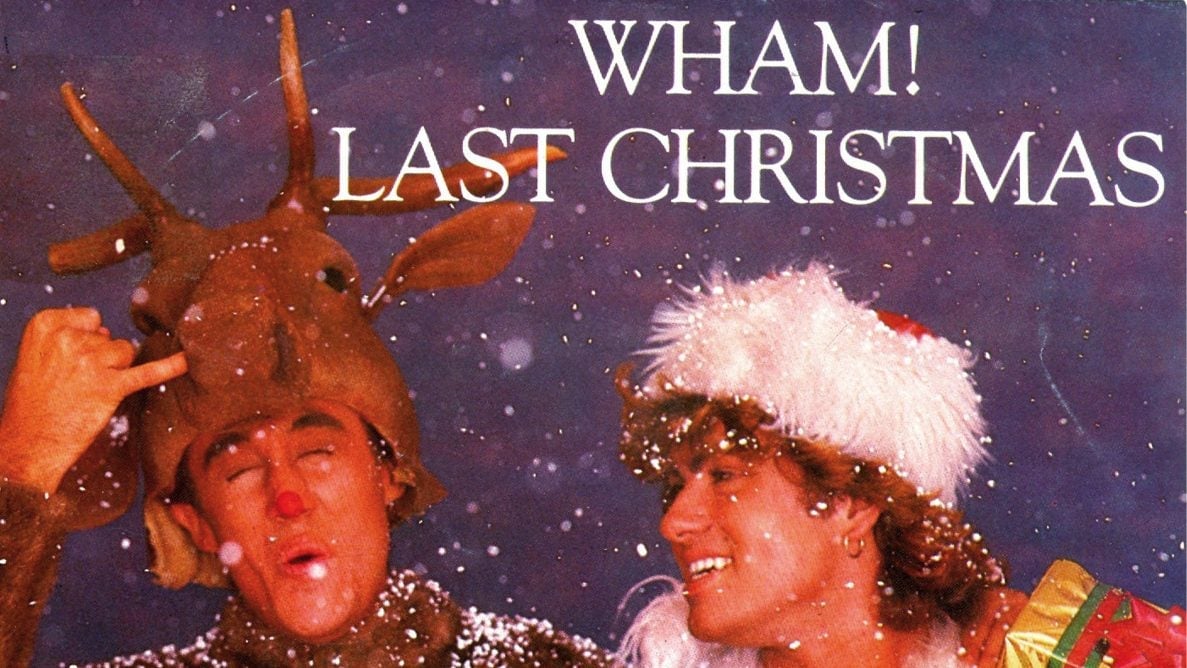
“Last Christmas”—a pop song of 1980s heartbreak—never sounded as sad as it did today, after news broke that its singer and composer, George Michael, died at his home on Christmas Day.

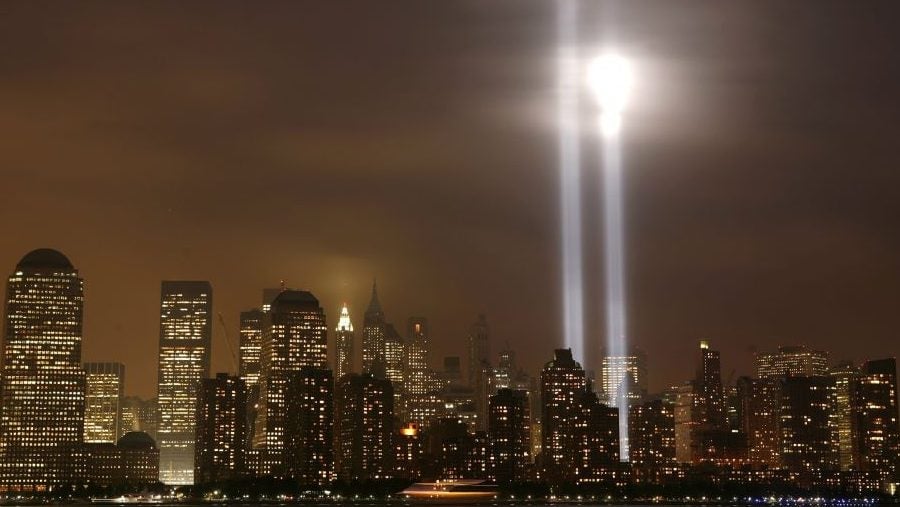
Historic events come to define our national identity. But do we all agree on what’s important?

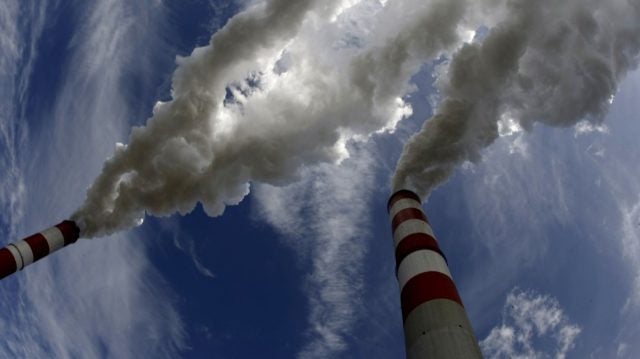
As the world adapts to climate change, companies around the globe are building a carbon price into their investment models, accounting for the likelihood that carbon will be a big part of their budget one day.

Yunha Kim built the meditation app Simple Habit after experiencing the grinding pressure of building and selling her first startup Locket (a smartphone lock-screen app) in 2015.

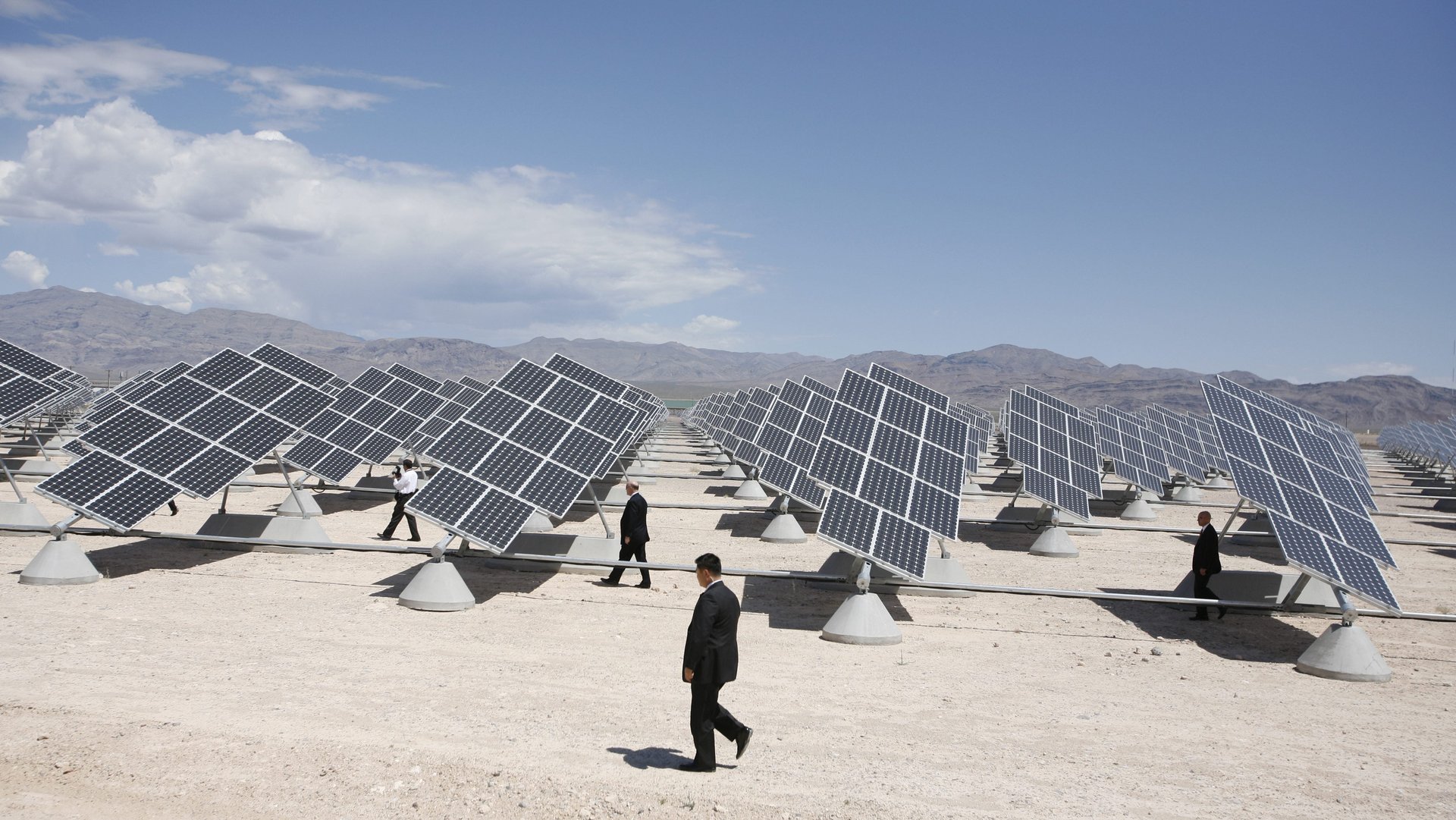
Ten years of effort finally paid off for Las Vegas this week when officials announced the city government will now be powered entirely by renewable energy. After a large solar array, Boulder Solar 1, came online on Dec. 12, the city was able to buy enough carbon-free electricity to power its 140 buildings, streetlights and other facilities. The power flows from a mix of solar panels and hydroelectric turbines including the Hoover Dam. The renewables, plus energy efficiency savings, are estimated to save the city roughly $5 million per year, reports the Las Vegas Review-Journal.

Donald Trump is magnanimous only in victory. After an election campaign spent deriding Silicon Valley elites (an often mutual sentiment), he used their social media platforms to defeat their favored candidate. Then, as the dust began to settle, Trump declared himself on Silicon Valley’s team.

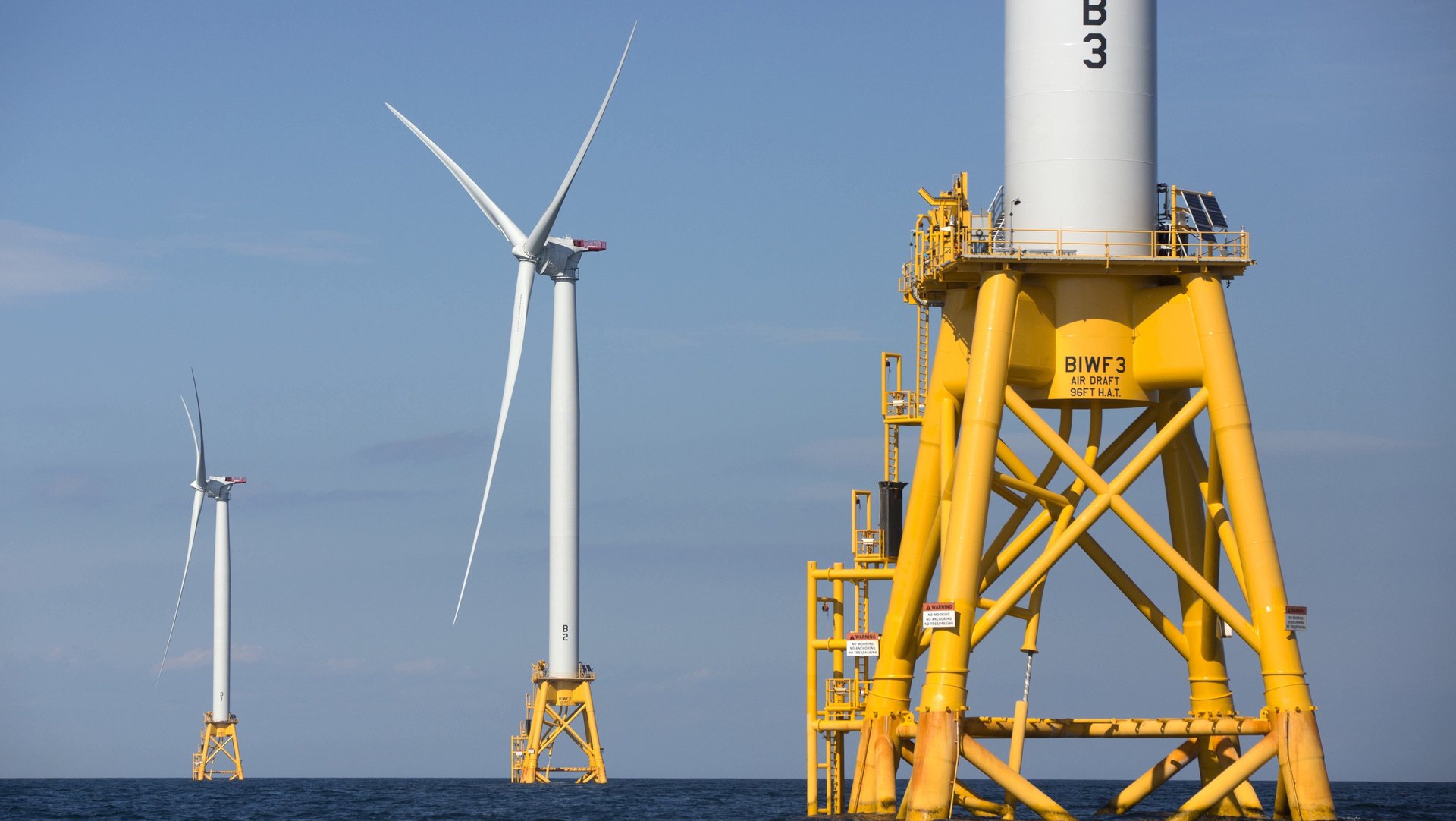
Rhode Island flipped the switch on the country’s first offshore wind farm on Dec. 12. When the five turbines in the Block Island Wind Farm reach full power next month, renewables will have notched another win in the effort to out-compete fossil fuels on the open market.

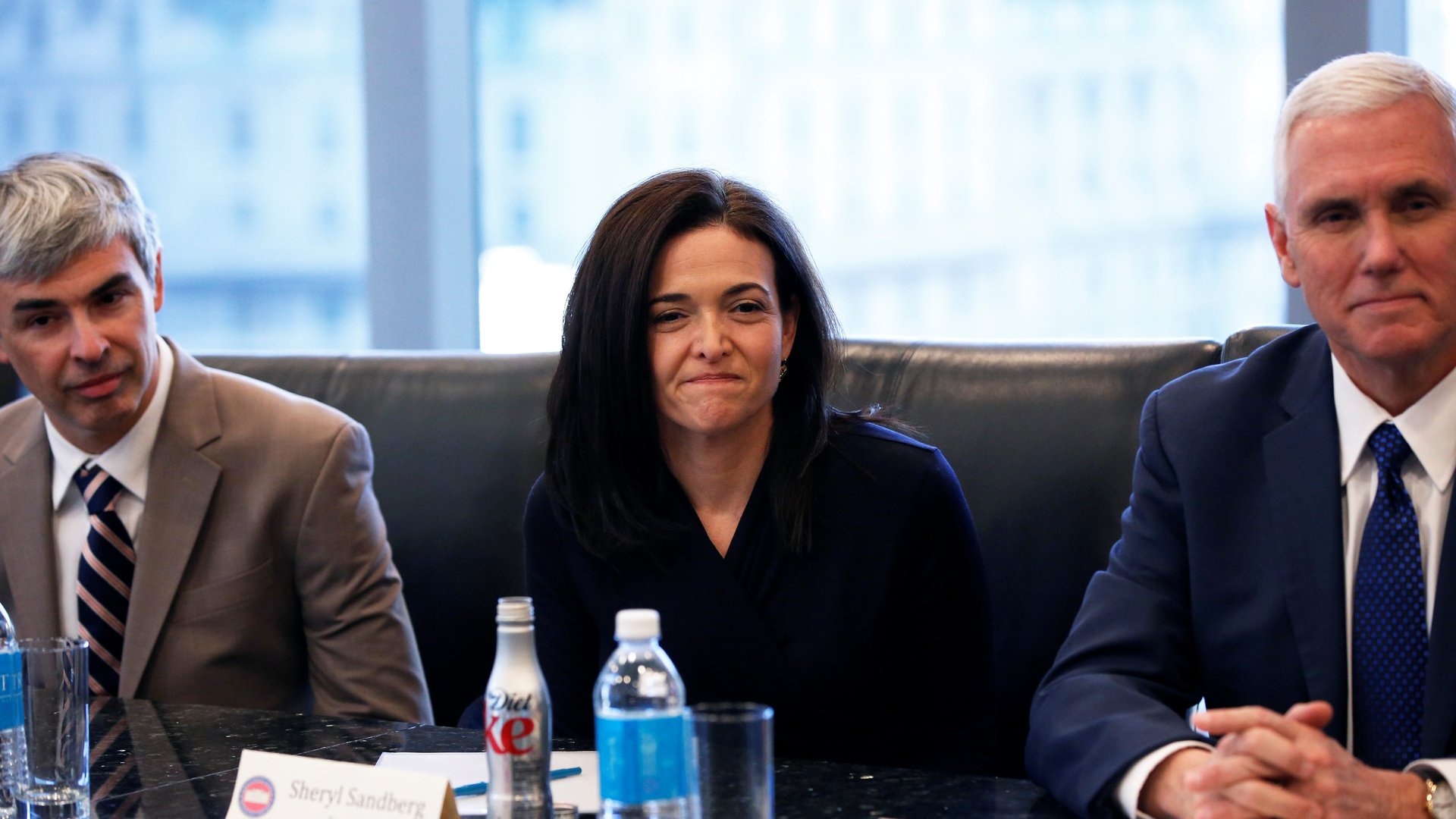
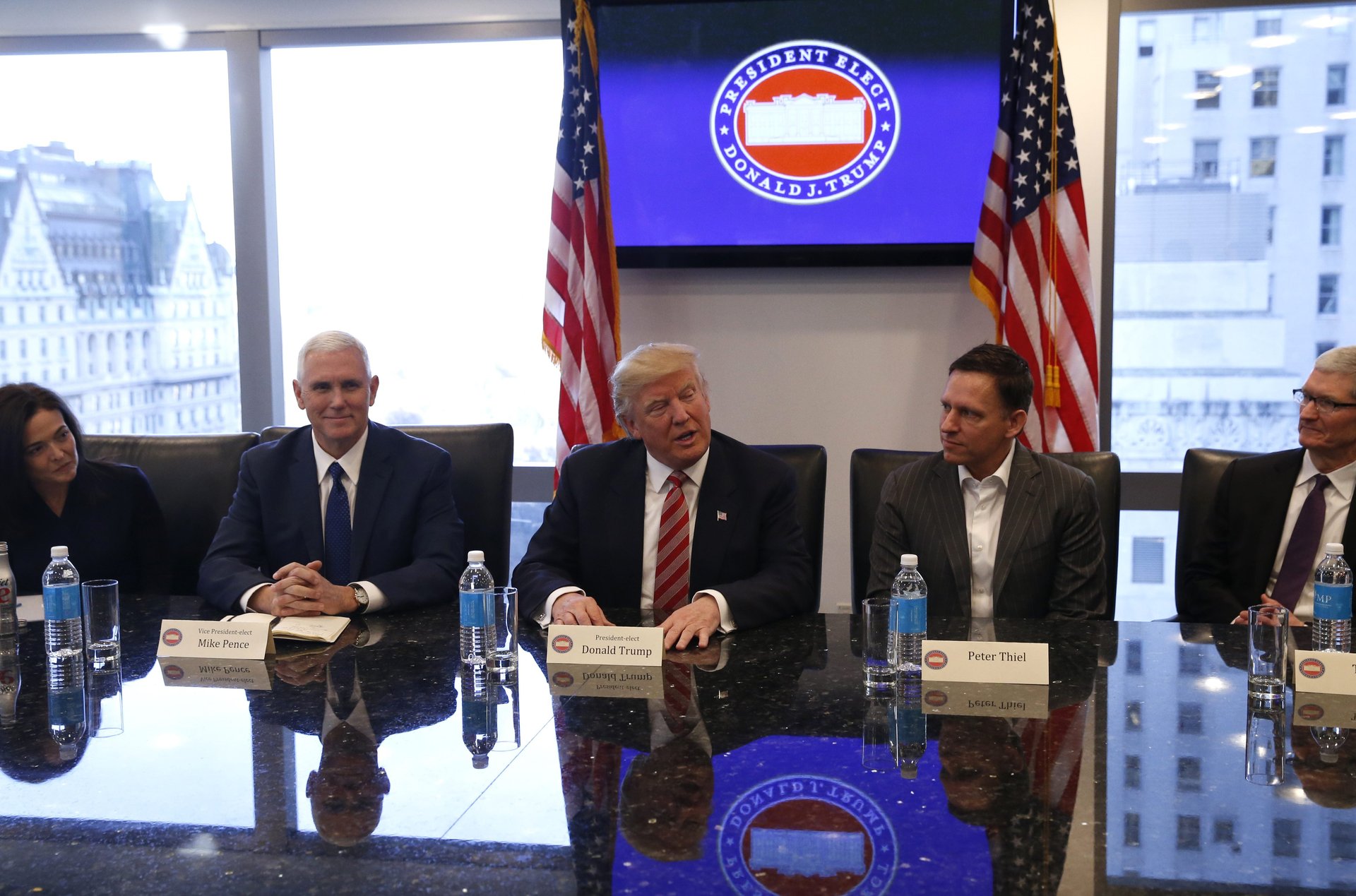
Silicon Valley’s most vaunted executives were summoned to Trump Tower in New York City this morning, and almost all came. The Dec. 14 meeting with president-elect Donald Trump, billed as a “Strategic and Policy Forum” to discuss jobs, tax reform, and investment, gathered the leaders of more than a dozen of the world’s most powerful technology companies.

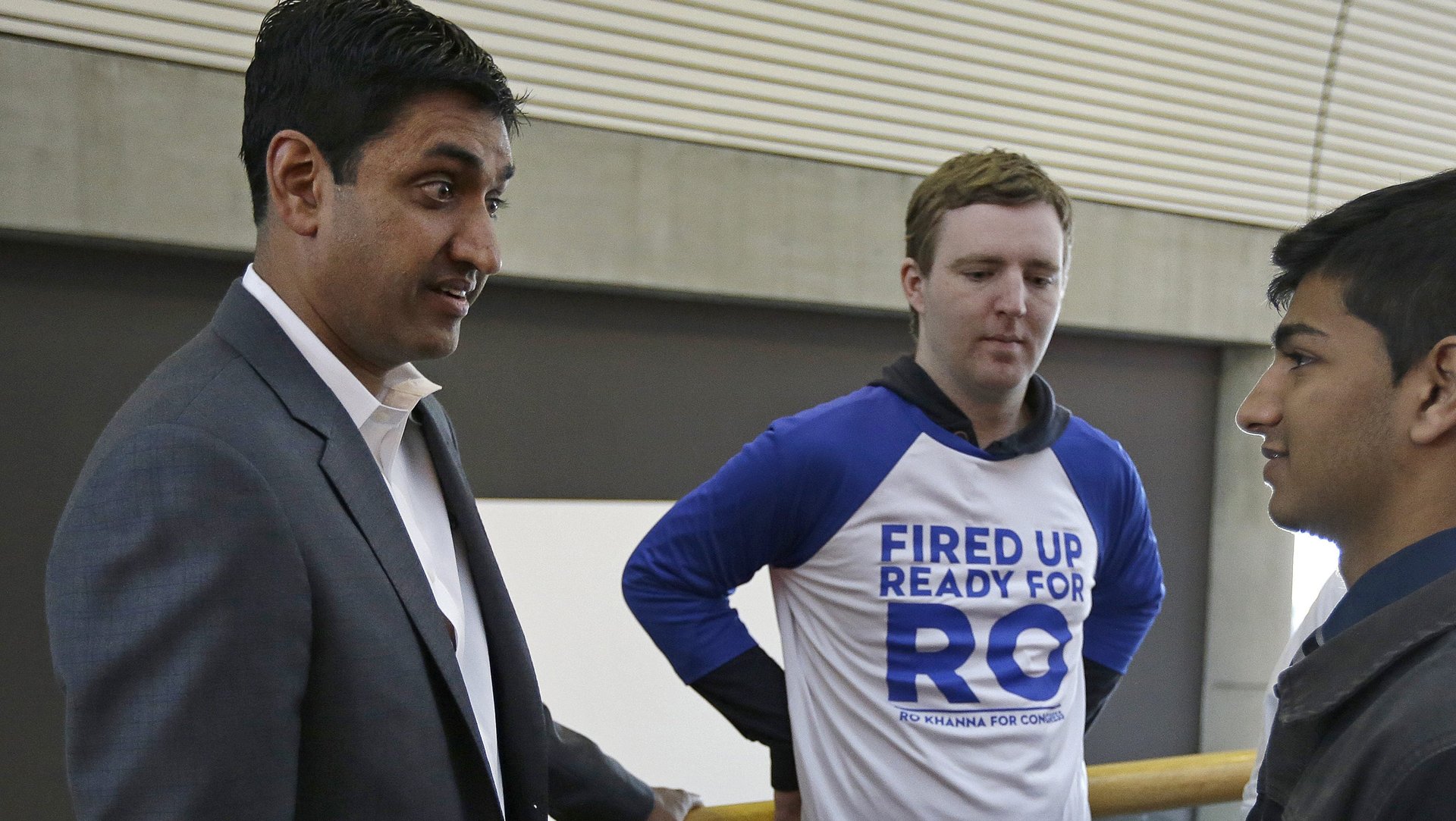
Ro Khanna, a Yale law school graduate and former Department of Commerce official, ran his successful campaign for the US House of Representatives against incumbent Mike Honda on a quixotic appeal: deliver more tech jobs in Ohio, and everywhere across middle America.

Pre-empting any efforts by the incoming Trump administration, a group of technology workers in Silicon Valley released a signed pledge on Dec. 13 refusing to cooperate with potential proposals build a Muslim registry or aid in ”mass deportations” of people targeted by the US government.

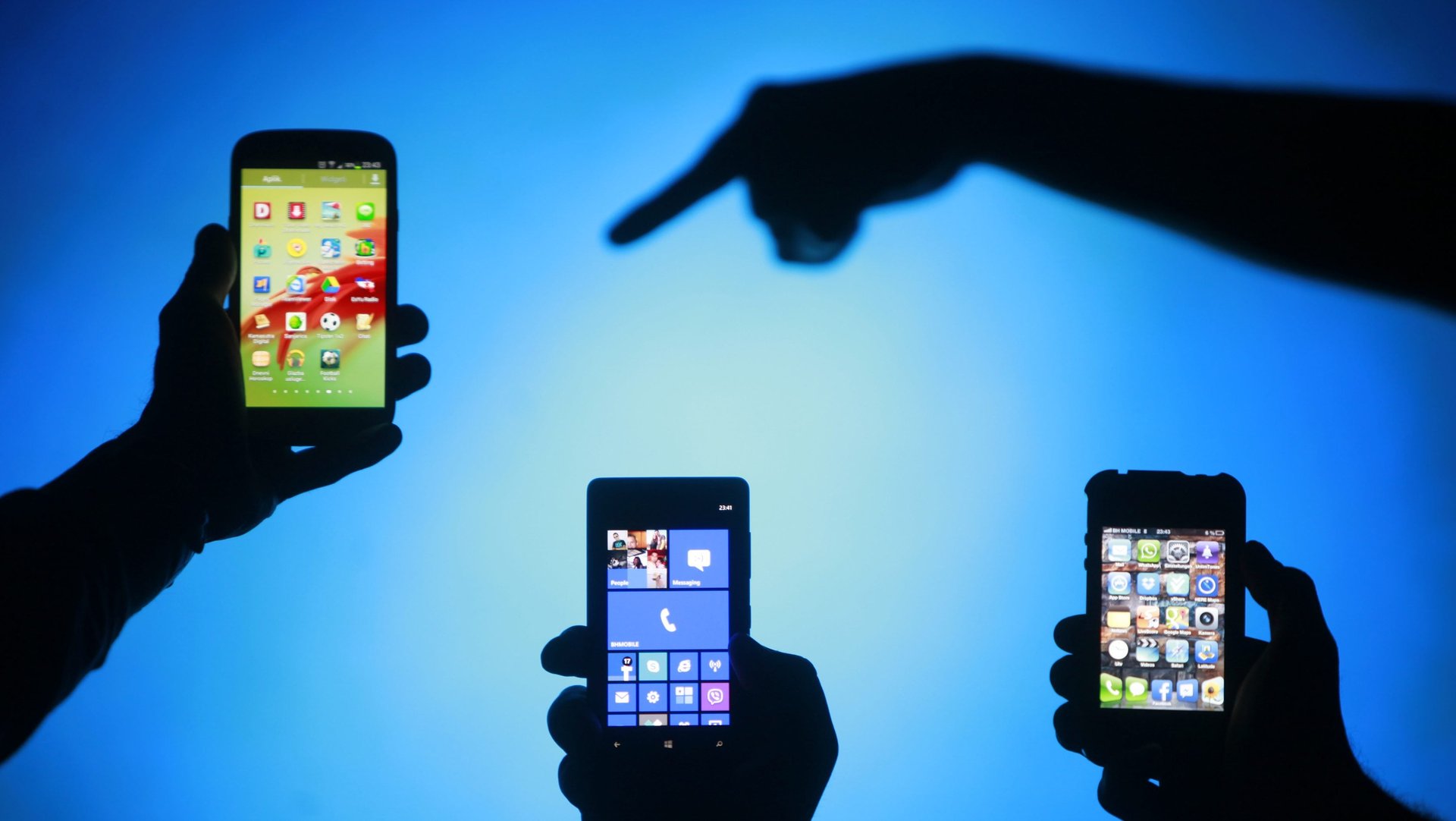
Benedict Evans, a partner at venture-capital firm Andreessen Horowitz, spoke at Quartz’s The Next Billion conference in October on how mobile technology has moved from its initial, frenzied creation stage to its deployment phase. The questions are no longer whether the technology will work and who will win, but what can be built now that it’s reached such a massive scale. Meanwhile, the new next thing—machine learning—has emerged. Evans says we’re primed to see dramatic changes across industries as a result, from ecommerce to autos.

The questions of what will they look like and who will control them are now answered. The next two decades, predicts Benedict Evans, a partner at venture-capital firm Andreessen Horowitz, will be how smartphones redefine myriad industries from automobiles to ecommerce.

Universal basic income (UBI) is either a miracle cure for ailing capitalist economies or a dead end for a doomed, under-employed underclass. Nobody really knows which is true because UBI has never been fully studied. Now, one of the most ambitious efforts so far is about to spend millions to find out.

If you feel like there’s too much information, you’re in the minority.

As far as most truckers can tell, the danger of losing their jobs to robots is still a long, long way off.