

Business News
39-year-old Peyton Manning will retire from the NFL with the most career earnings of any playerThis post has been corrected.
Updated July 21, 20223 min read
This post has been corrected.

While exploring the ocean near the Hawaiian islands late last month, researchers with the US National Oceanic and Atmospheric Administration (NOAA) discovered what they believe to be an entirely new species of octopod.

Donald Trump knows many words. He has the best words. He’s going to find the best people to help him run the country. He knows many smart people. Tons. His presidency will be classy, huge, even.
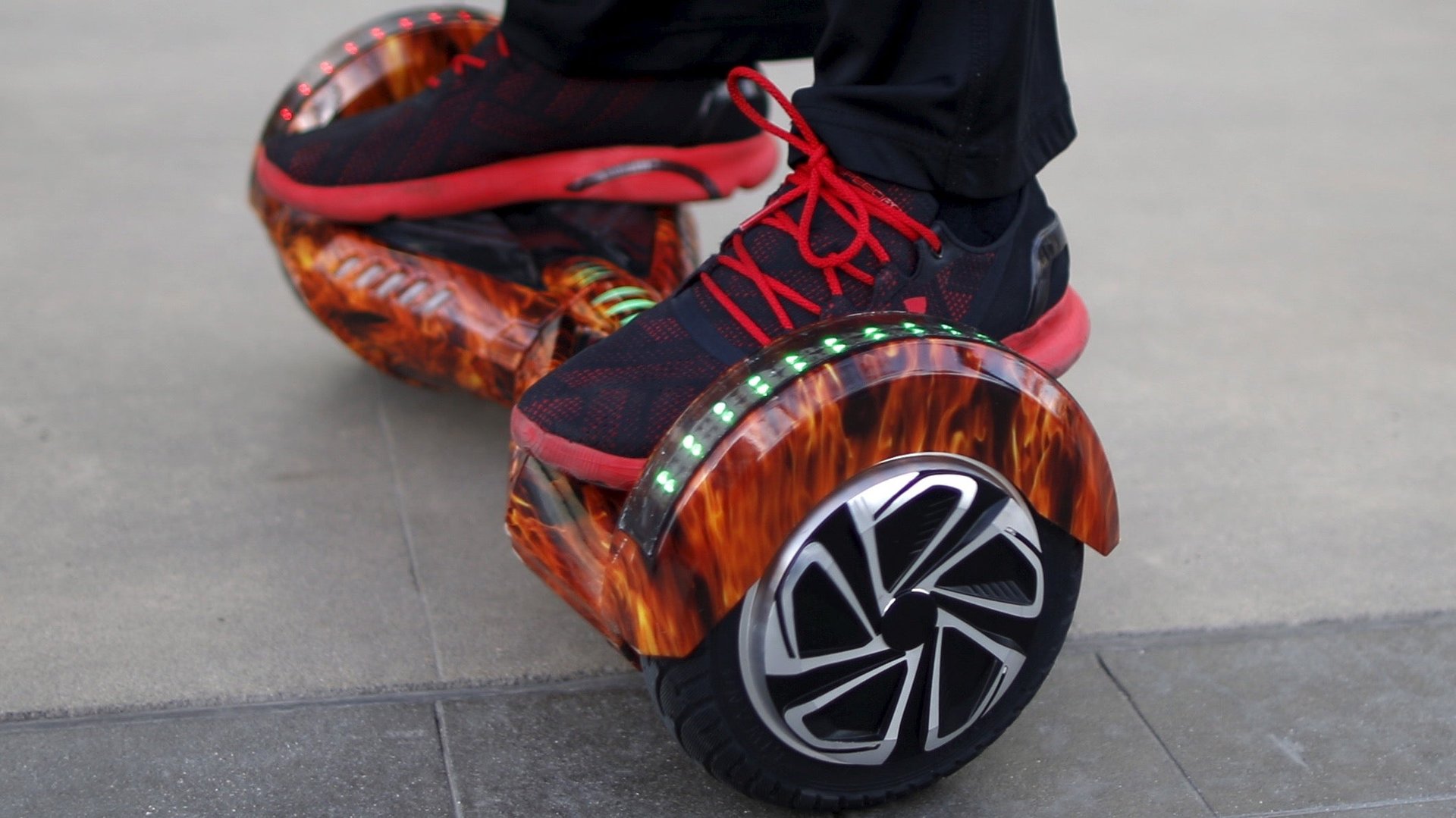
As if hoverboards, the self-balancing scooters that were everywhere last year, were not already getting enough bad press, now one of them may be an accessory in a crime. A hoverboard has been used as the getaway vehicle for a drive-by shooting in Texas, KDFW Fox 4 reported today (Mar. 3).
This post has been corrected.
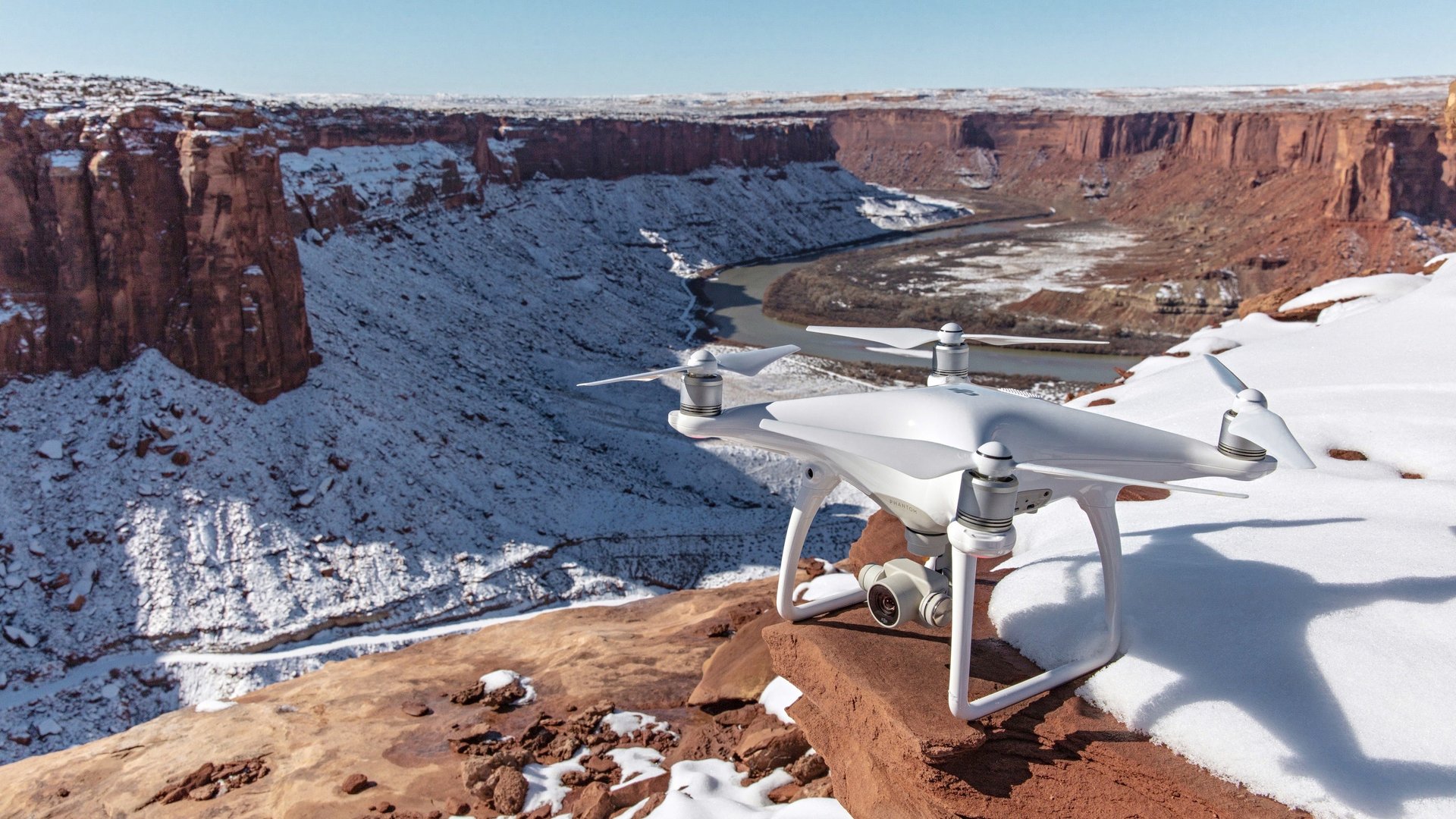
Chinese drone maker DJI says it finally has a solution to all those flying drones that keep running into walls. The fourth iteration of its Phantom range has so many sensors and cameras packed into it that it can see its way around the world as it’s moving. Phantom 4 may be the first self-flying drone on the market.

This post has been updated.
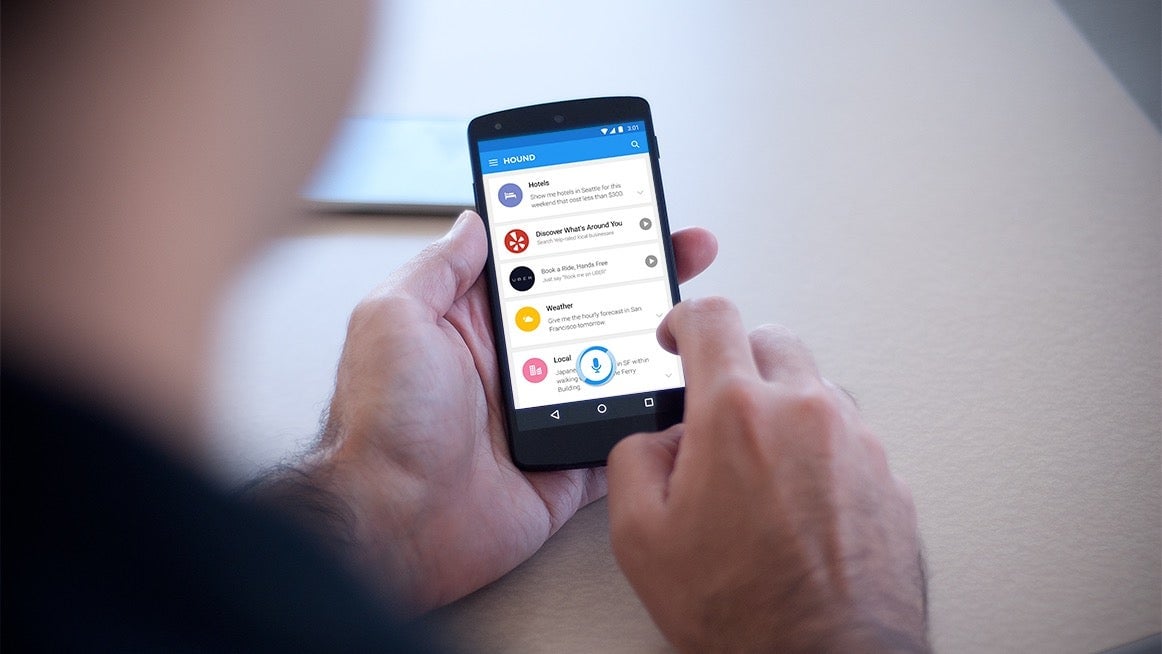
Siri, however witty her off-the-cuff remarks may be, is generally not very helpful. She often can’t understand what you’re asking her, can’t take dictation without making bizarre mistakes, and often gives the exact opposite of the information you’re after. But there’s a new voice-based assistant, called Hound, that actually might not drive you crazy, and may offer a glimpse of how we’ll control internet-connected devices in the future.
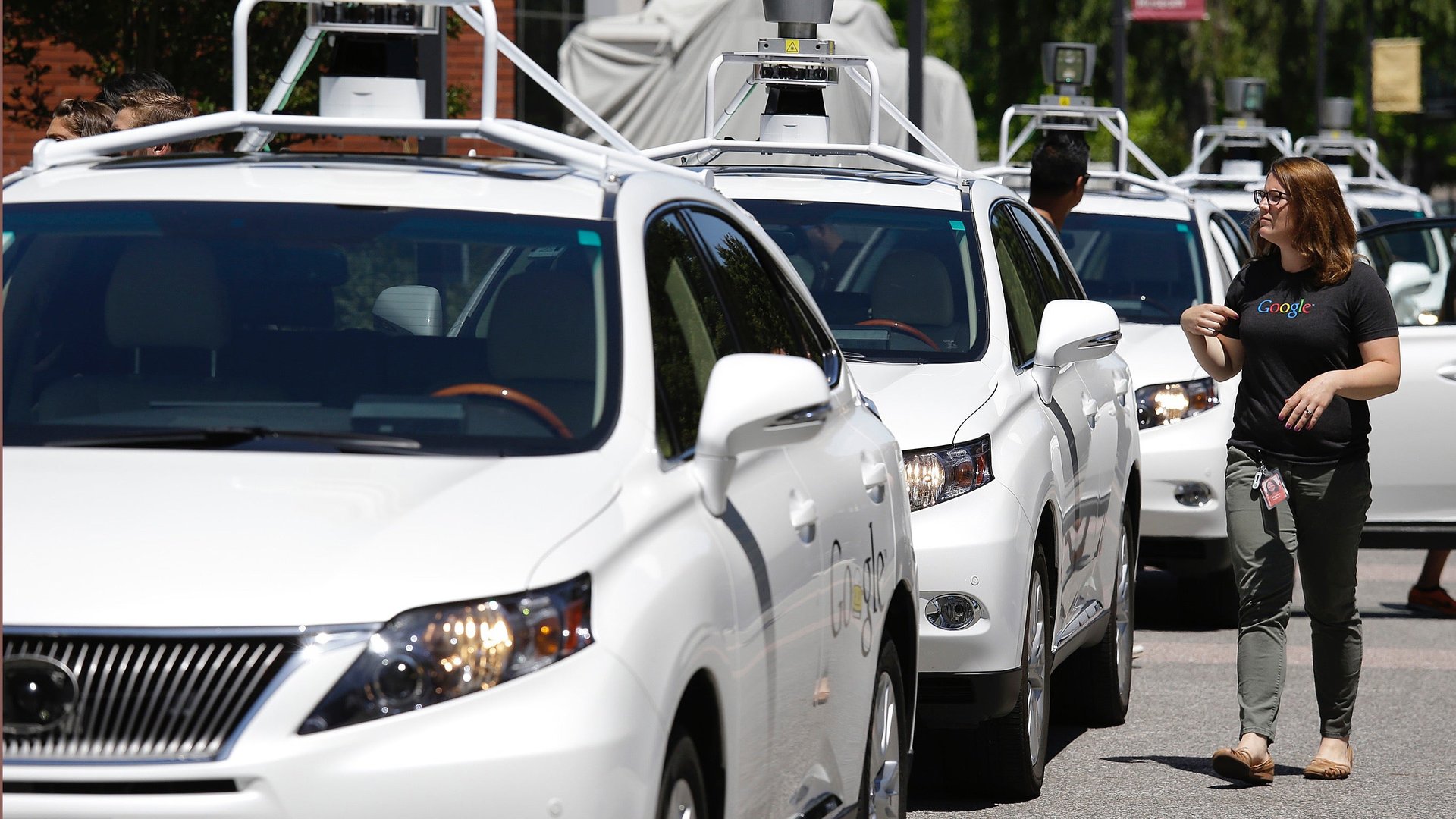
Google’s self-driving cars have been in a few minor accidents over the last few years, but in every case so far, the accident was the result of something a human was doing. Now it seems a car itself was at least partly to blame for a small accident in Silicon Valley, by making a prediction not unlike one a human driver would make.
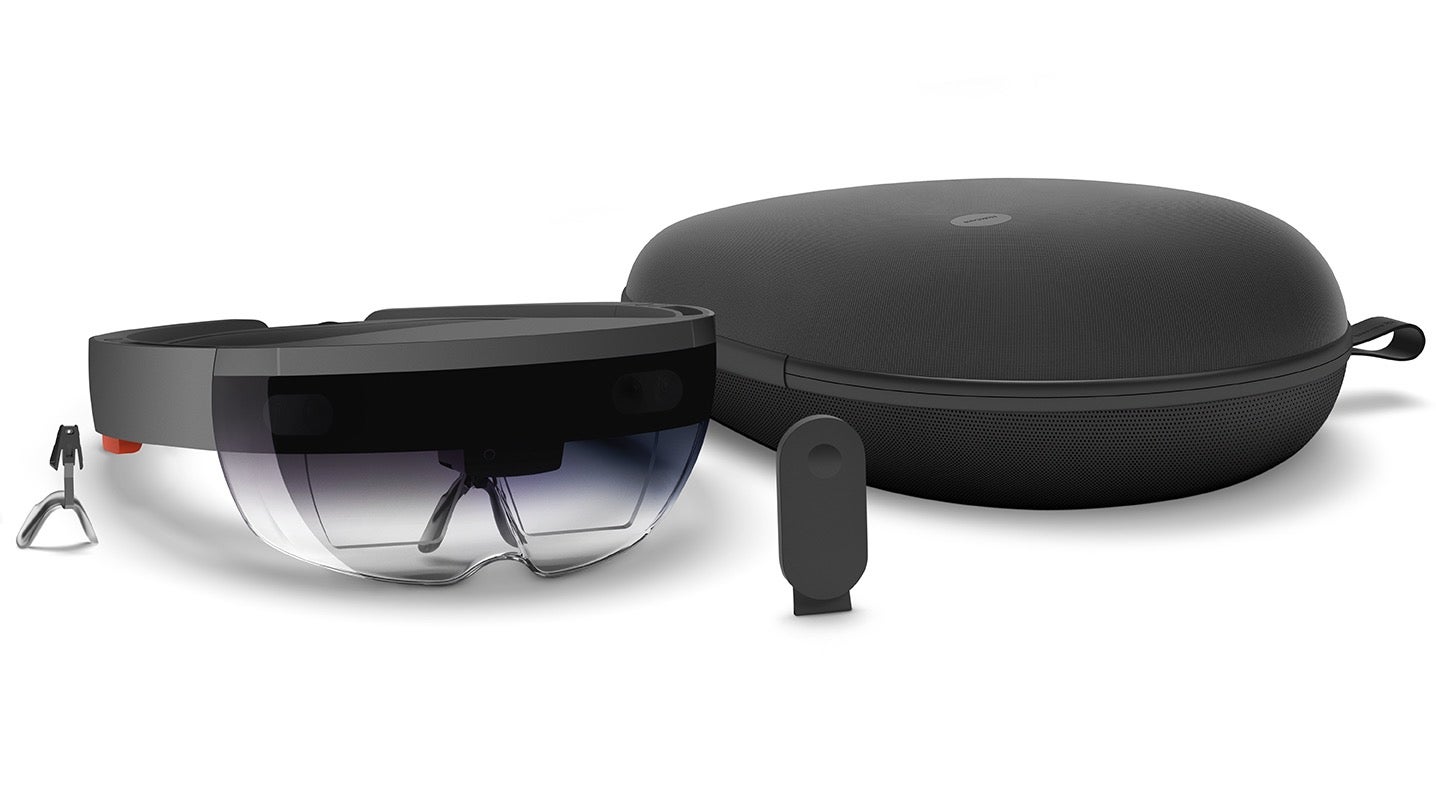
Just over a year ago, Microsoft announced one of the most radical products it has worked on in years: an augmented-reality headset that merges the real world with the digital, called the HoloLens. Today, the company announced that it’s finally making the headset available to developers, or anyone who can afford the price tag. The HoloLens Development Edition is available to pre-order from today, and will cost $3,000.

Northbrook, IL

In a few weeks, Apple is going to release a new phone that won’t be on its number-and-S release cycle. If reports are to be believed, it’s going to unveil a new, cheaper, edition of its now two-year-old iPhone 5S phone, called the iPhone 5se. (The “se” apparently stands for “special edition.”)

Samsung released two new flagship phones this week, the Galaxy S7 and S7 Edge. Both are updates on the S6 versions of these phones unveiled last year. They perform pretty much like their predecessors, but with slightly better cameras, slightly brighter screens, and a few minor software upgrades. If you’re looking for a new Android phone, they’re likely to top your list.
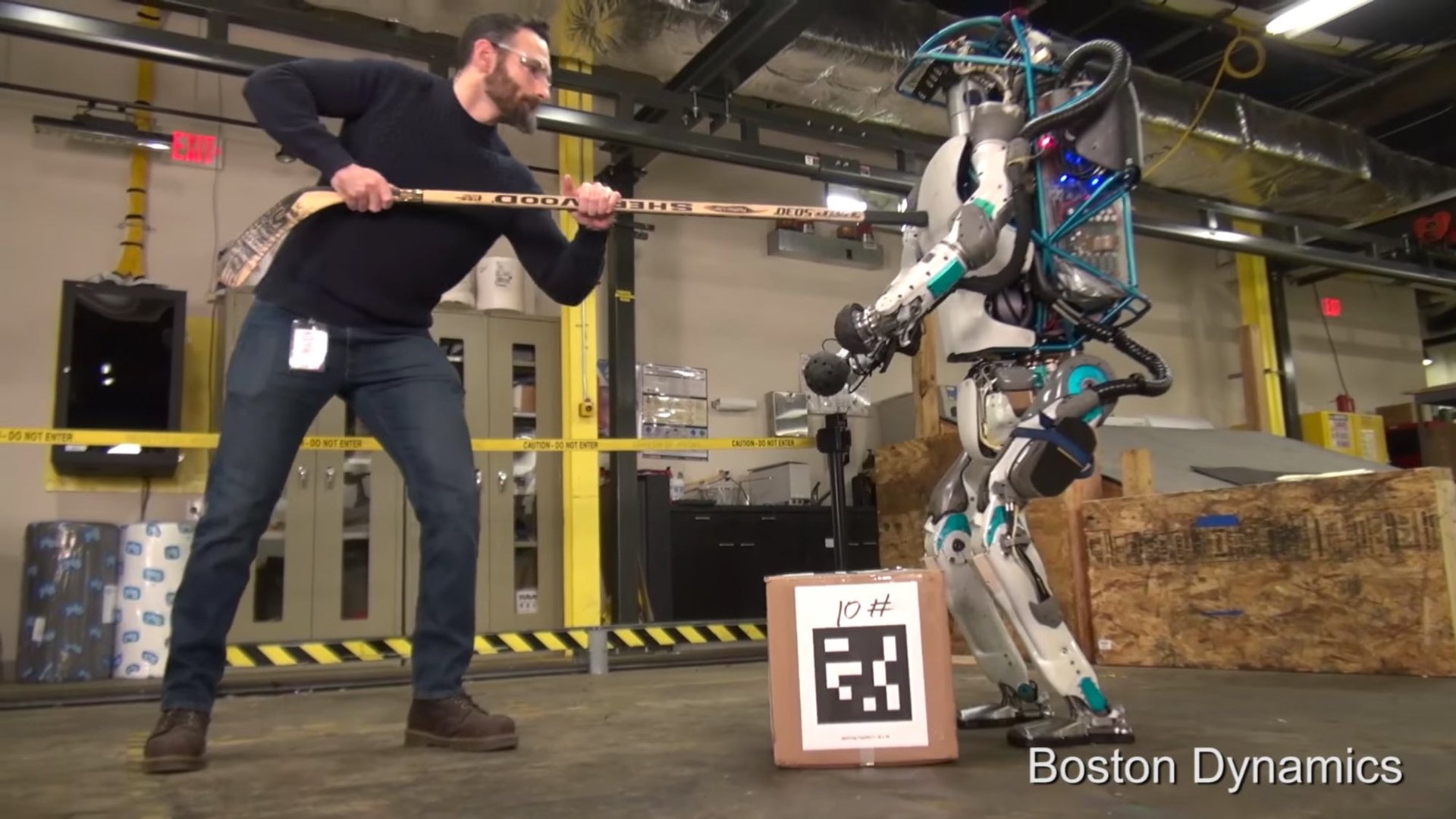
Boston Dynamics, the robotics subsidiary of Alphabet, released a video today (Feb. 23) showing off a new version of its human-shaped Atlas robot. The new model appears to be lighter, quieter and more nimble than its predecessor, and to show off its abilities, Boston Dynamics decided to torment the robot that just seems to want to help out.

There’s no denying that Chrome, Google’s web browser, is a bit of a resource hog. If you keep a lot of tabs open over the course of the work day, Chrome will invariably take up a massive amount of your Mac’s memory, making your computer feel slower, and shortening how long the battery seems to last on a single charge.

Recently, my roommate wanted to watch a movie on his Apple TV. I told him that I needed to set up and test a new Wi-Fi router, and his response was, in that case, he probably wouldn’t be watching a movie that night. I said, “No, this router is different! It should only take five minutes to set up, and it should work perfectly as soon as it’s up.” So he set a timer and said “Go.”
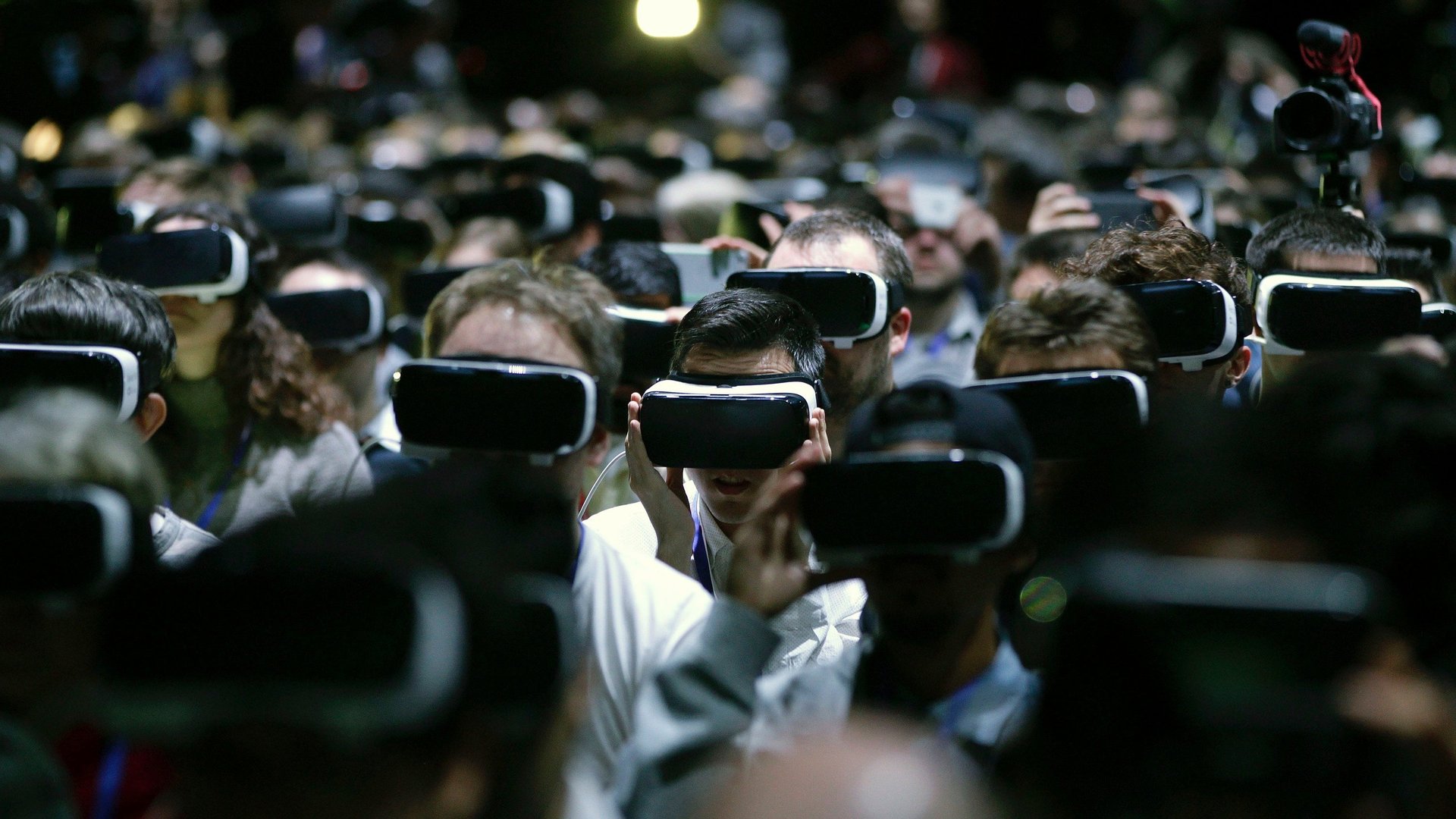
At the Mobile World Conference in Barcelona this week we were given a glimpse of the new world order.
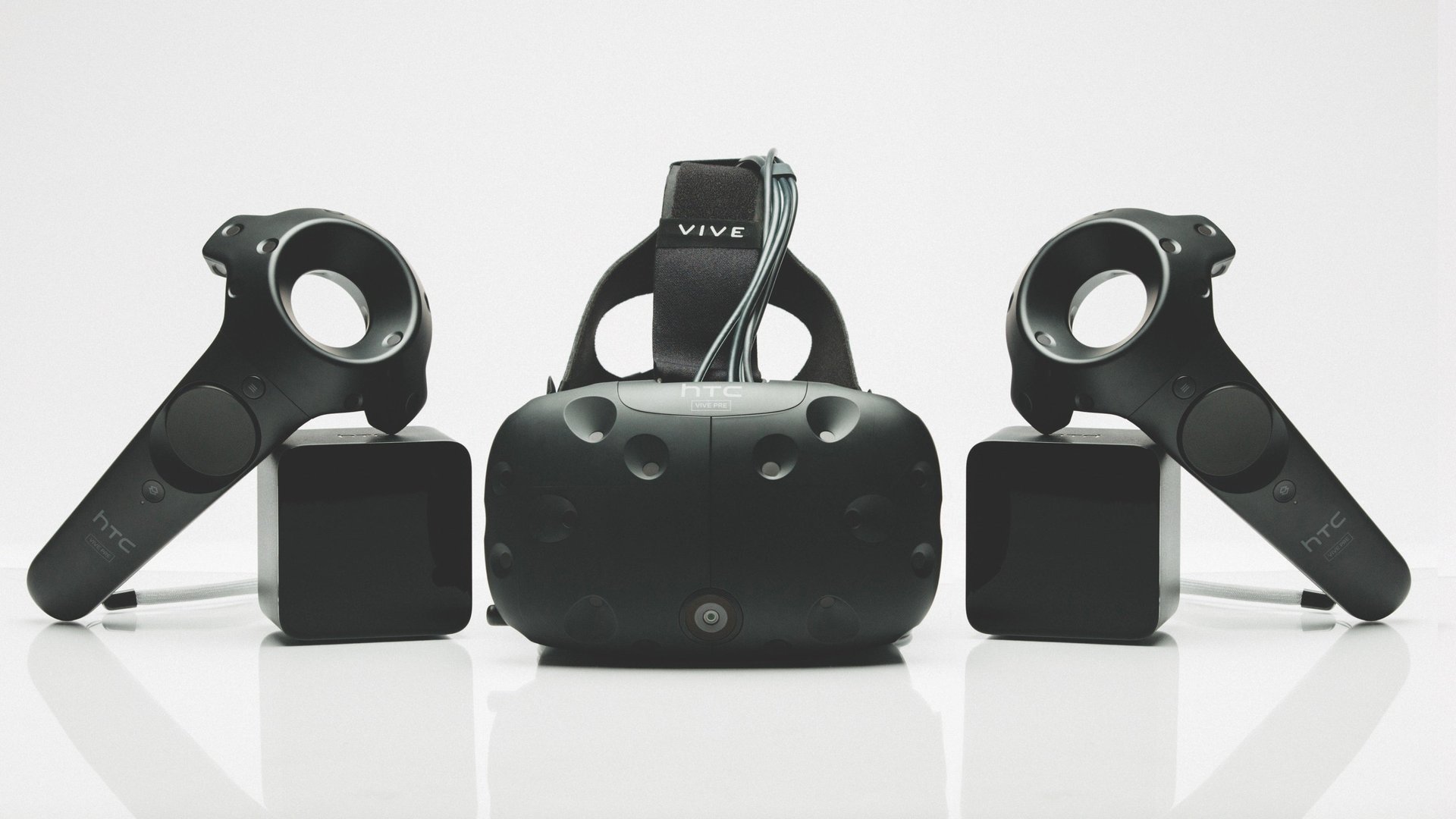
At January’s Consumer Electronics Show in Las Vegas, virtual reality was seemingly everywhere. Even vendors with little to no direct connection to VR had some sort of VR demo on offer at their booths. Meanwhile, the crowd was buzzing with the news that Facebook’s Oculus Rift would cost $600 and start shipping in March. But a competing headset, the HTC Vive, was also impressing those in attendance, although there were no details about the pricing or release date for the headset.

Robots that look and act like us are still probably quite far away from reality. When faced with adversity, today’s most advanced robots tend to fall over. When trying to complete tasks that are pretty simple for humans, today’s robots tend to stab us in the face. But new research out of the University of Washington in Seattle shows that we’re at least getting closer to robotic hands that look and that actually act like ours, unlike a lot of the robot hands in the world today.

Yahoo announced today that it has followed through on the strategic plan CEO Marissa Mayer announced on last month’s earnings call and has set up a committee to “explore strategic alternatives.”

Neil Peart might soon be out of a job.
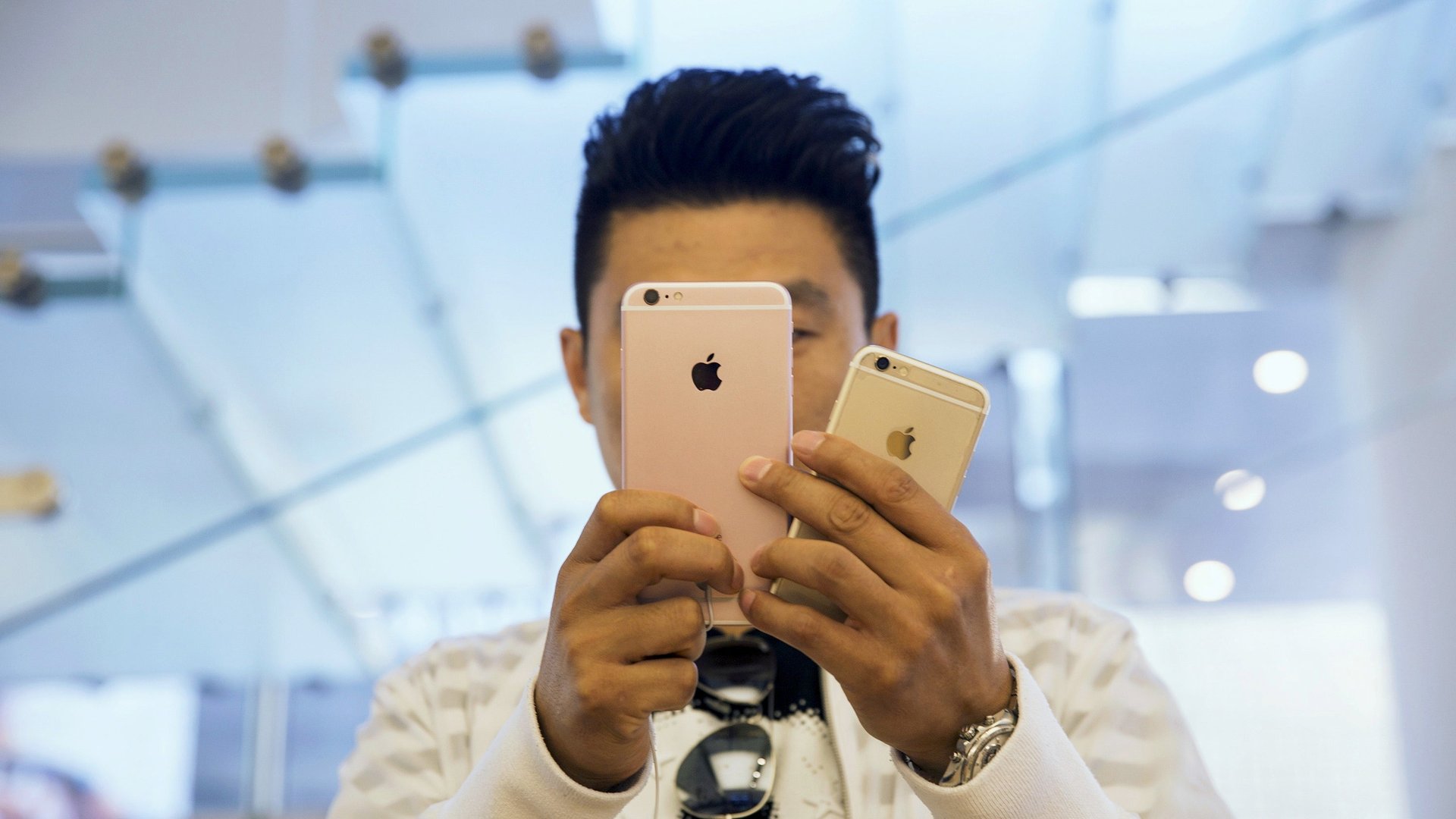
A US federal judge has ordered Apple to help the FBI break into the iPhone of one of the attackers who killed 14 people in San Bernardino, California last December. Apple’s CEO, Tim Cook, said the company won’t help the FBI get past the passcode on the iPhone 5C belonging to one of the killers, Syed Rizwan Farook, as it would set a “dangerous precedent” for letting the government (and thus potentially anyone else) break into anyone’s phone.
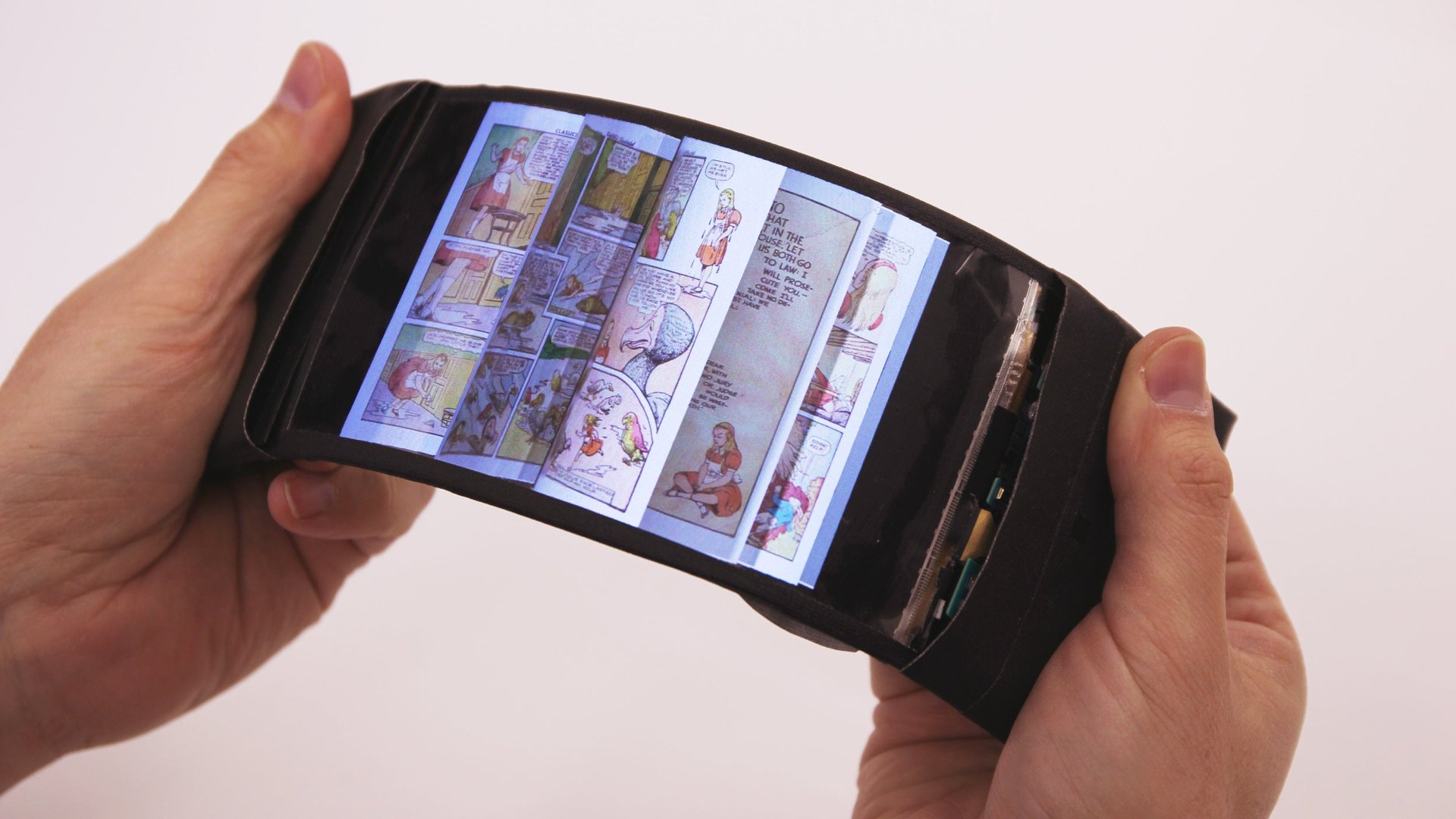
For years, we’ve been tantalized by the prospect of electronic devices that are as malleable as paper. There’s something about the idea of unfurling a phone as we would a newspaper that seems eminently futuristic. Save for a few curved edges on TV screens and smartphones, we’ve yet to see any actual devices that can properly bend. But new research out of Queen’s University in Canada suggests bendy phones are right around the corner.
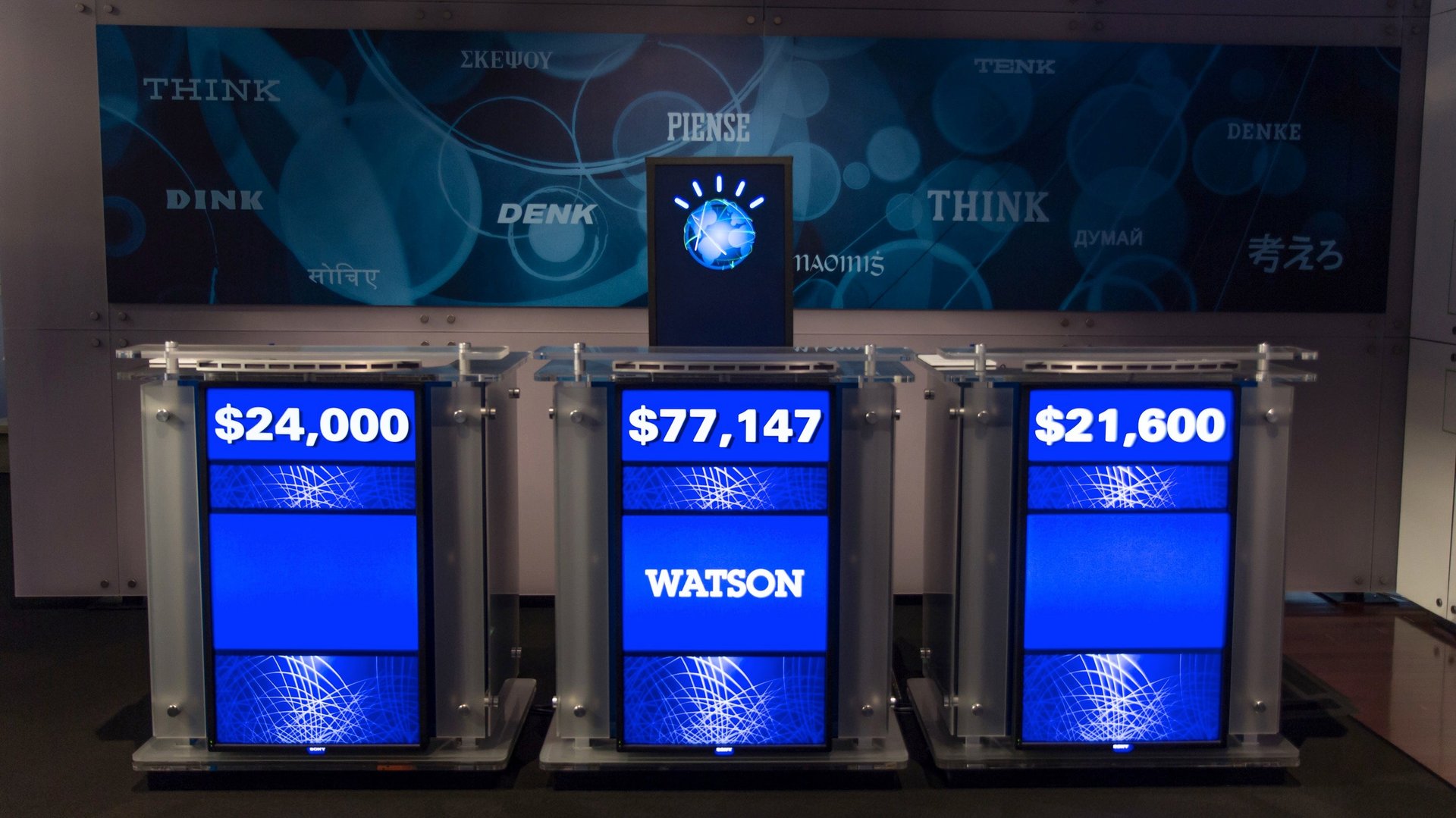
Eight years ago, IBM researchers wanted to see if they could build a computer program that could beat humans at the game show Jeopardy. That project has since evolved into Watson, an AI program that IBM is working on with others to better diagnose cancer, help with taxes, and even make us new dinners. Now IBM is partnering with XPrize, the nonprofit that ran the competition to get the first privately funded spaceship off the ground, to encourage the next breakthroughs in artificial intelligence research.