
Tech & Innovation
These are the most popular iOS apps and games of all timeThis post has been corrected.
Updated July 21, 20222 min read
This post has been corrected.
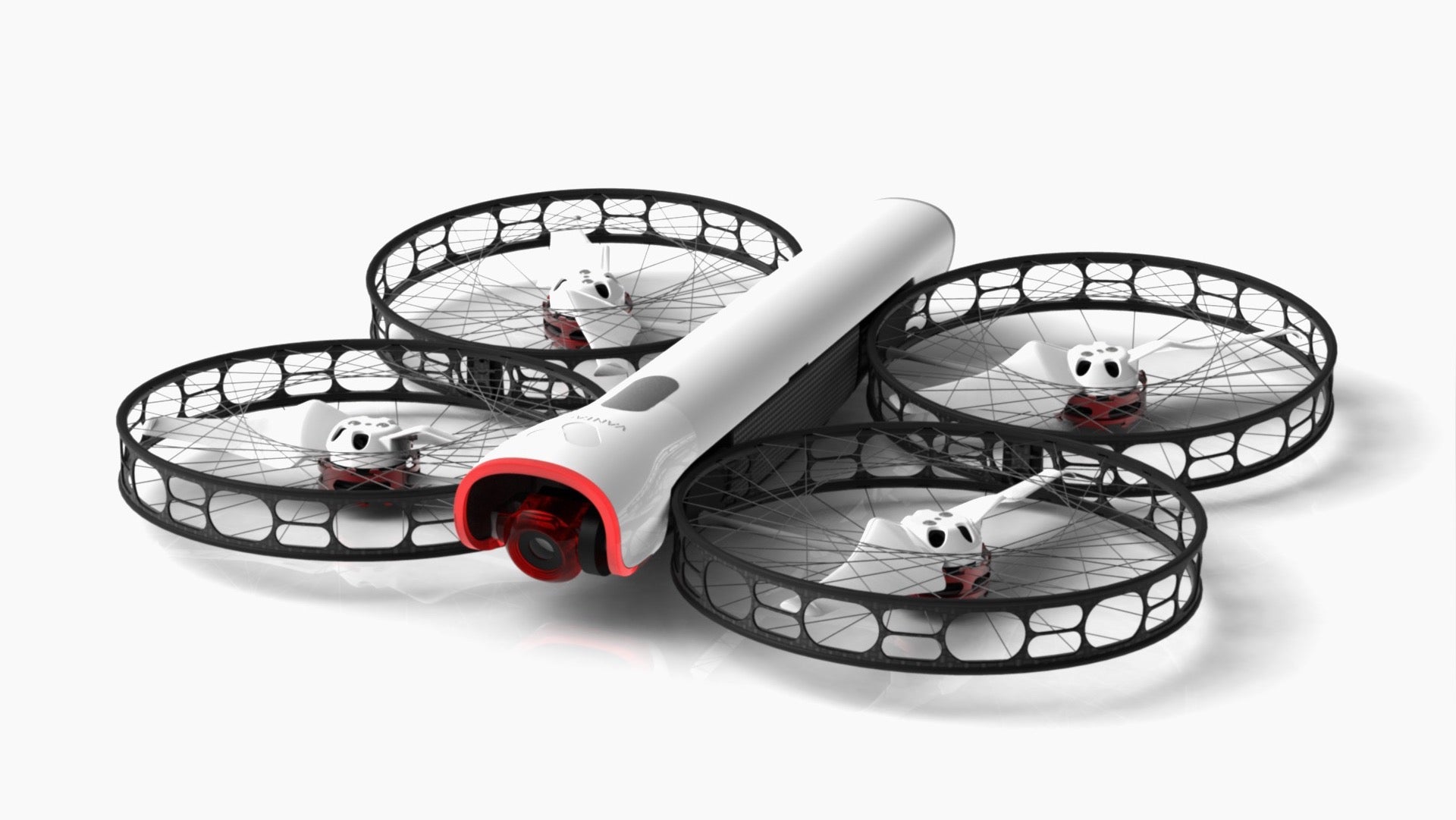
Don’t be like Enrique Iglesias. In May the multi-platinum singing sensation was playing a sold-out show in Tijuana, Mexico, when a drone dropped down near the stage to get some close-up shots. He reached out to it to pull it closer and sliced his fingers open on the spinning propellor blades.
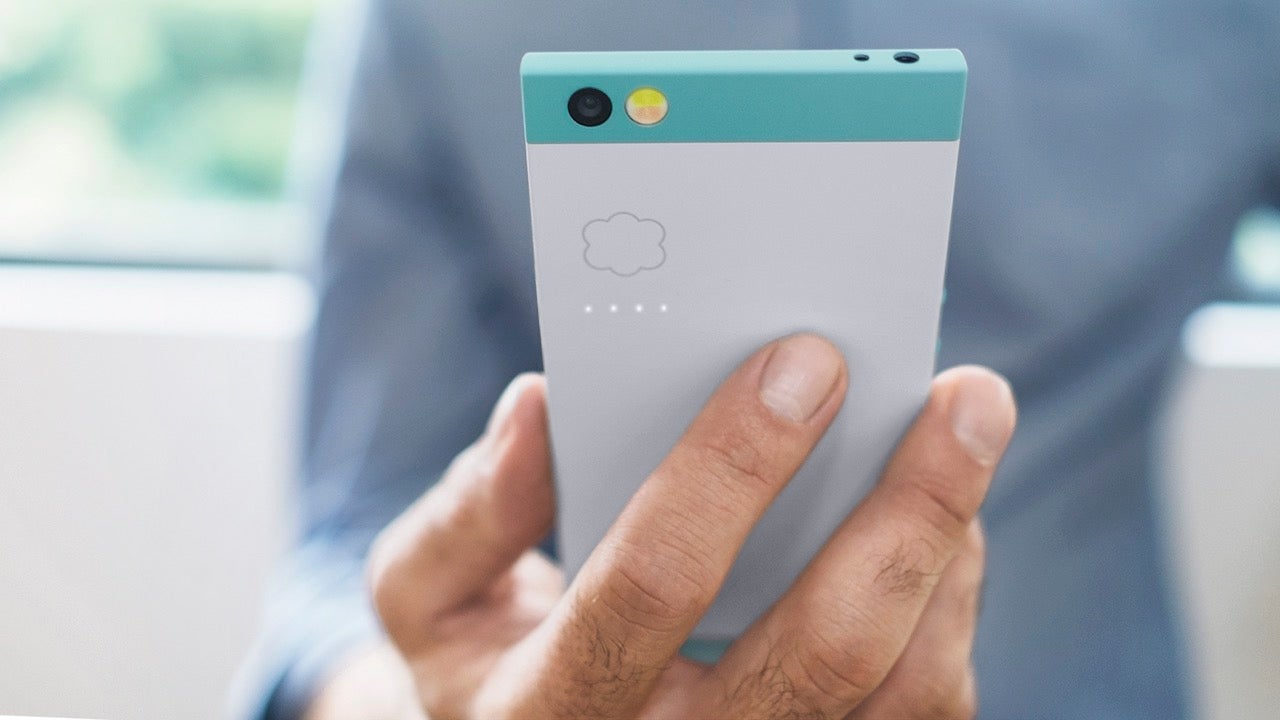
“Not enough storage.” This is my iPhone’s favorite saying. After using the phone for just under a year, I’ve already taken enough photos and videos, downloaded enough music and apps to fill up the phone. If I want to back up all my data, I have to pay Apple between $1 and $20 a month to store it in the company’s cloud. A new smartphone from Nextbit, founded by Google and HTC alums, wants to make running out of storage a thing of the past.

For drone-makers, finding a way to keep a camera steady as it jukes and jives through the air is the holy grail. New research out of Stanford University suggests that they should look to nature for an elegant way to stabilize drone videos—by imitating the noble swan.
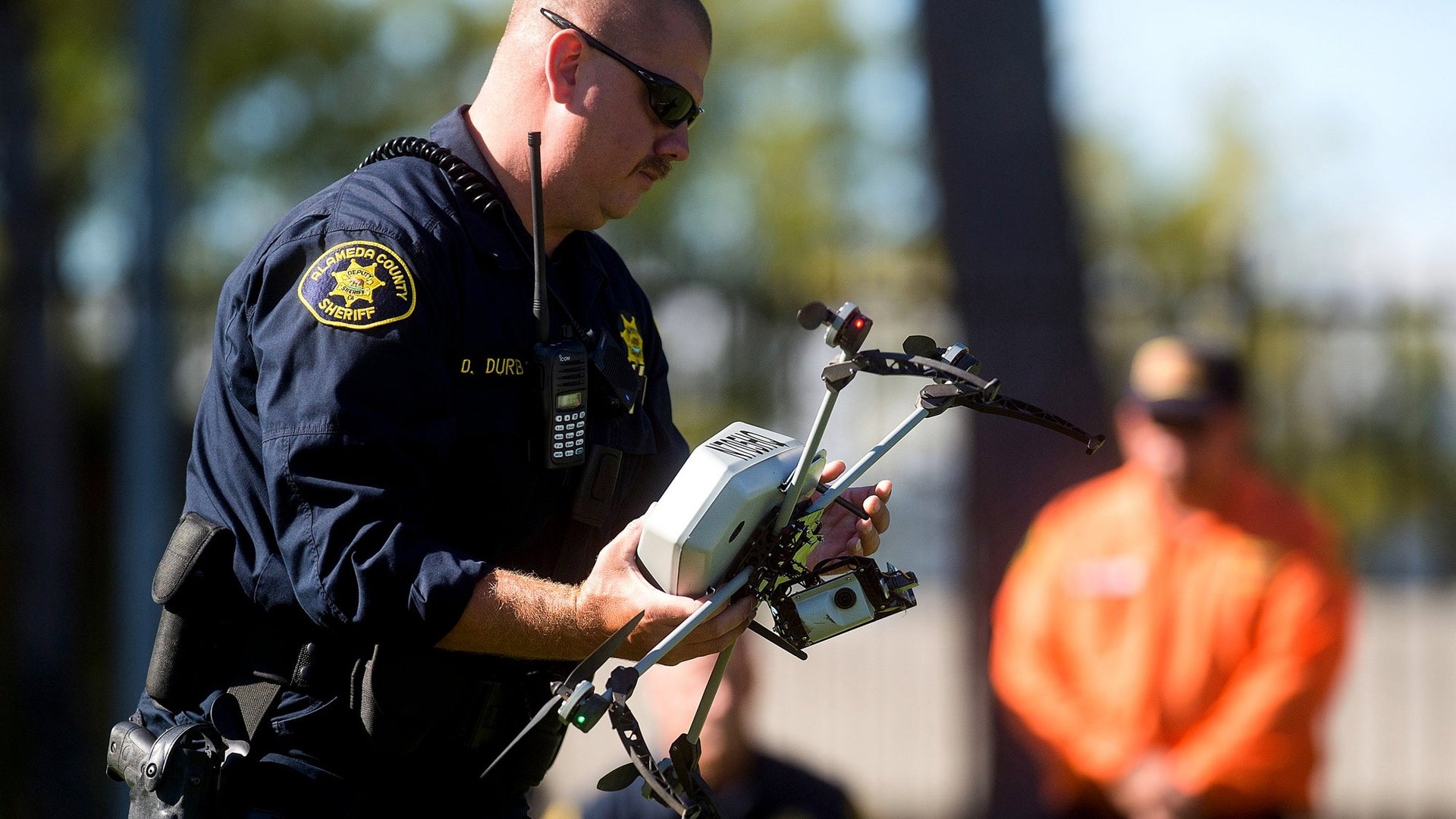
North Dakota, known for its vast frackable oil reserves and being in a Coen brothers film once, is the first state in the US that will allow its police to fly drones equipped with tasers and other “non-lethal weapons,” The Daily Beast reported.

The robot revolution has come to classical music composition.
The future of artificial intelligence apparently still involves humans.

If there’s anything you’ve ever needed to know how to do, from building a birdhouse to tying a bowtie to dressing like a “pastel goth,” you’ve probably ended up on wikiHow. Now, robots are using the user-generated advice site to learn how to do all sorts of tasks for us—including making pancakes and pizza.
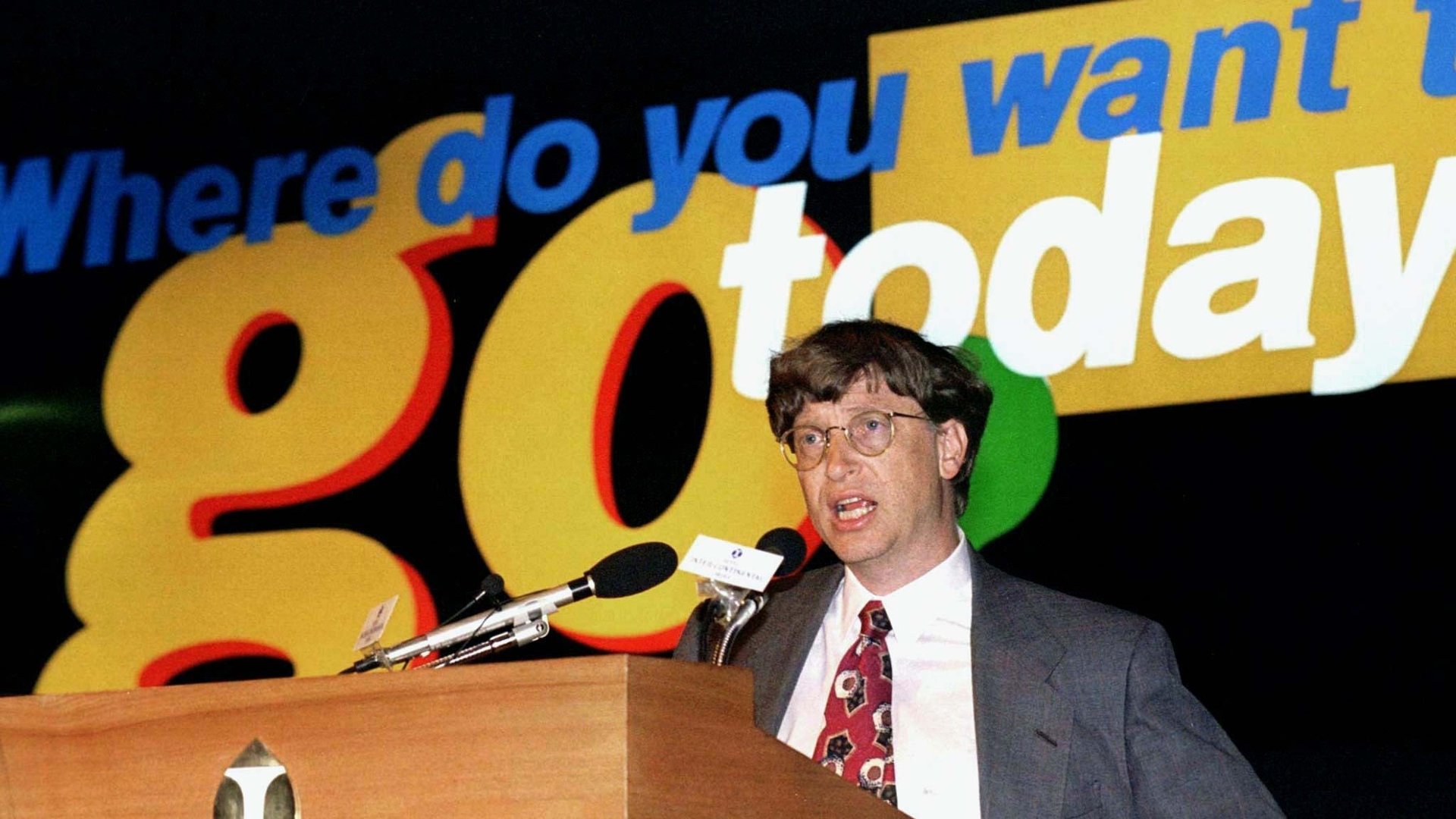
On Aug. 24, 1995, Microsoft launched Windows 95 and Office with great global fanfare. Since its launch, Windows computers have continued to dominate computer sales worldwide.
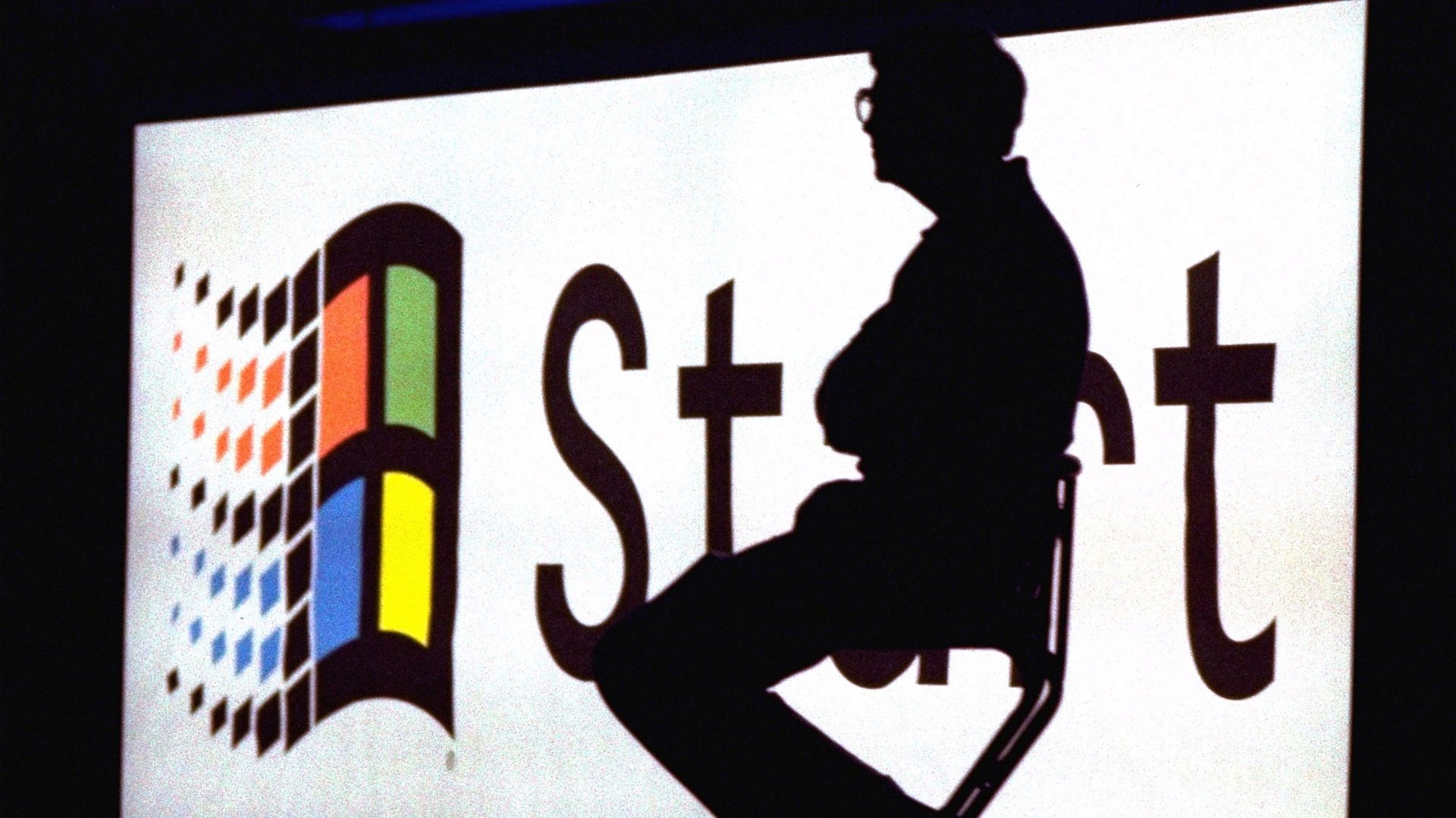
It’s a little hard to imagine today, but in the mid-1990s, Microsoft was the most well-known, powerful and exciting technology brand in the world. The launch of Microsoft’s Windows 95 operating system was met with a global fanfare that tends these days to be reserved for Apple product launches, or when Kanye West releases new shoes.

In the summer of 1995, as American girl group TLC’s “Waterfalls” dominated the charts in the US, a new operating system was unleashed on the world. Windows 95 was released 20 years ago today (Aug. 24). There was a multimillion-dollar advertising campaign using the Rolling Stones’s “Start Me Up” to introduce the world to Windows 95, but 20 years on, another promotional video by Microsoft seems like the one worth revisiting.
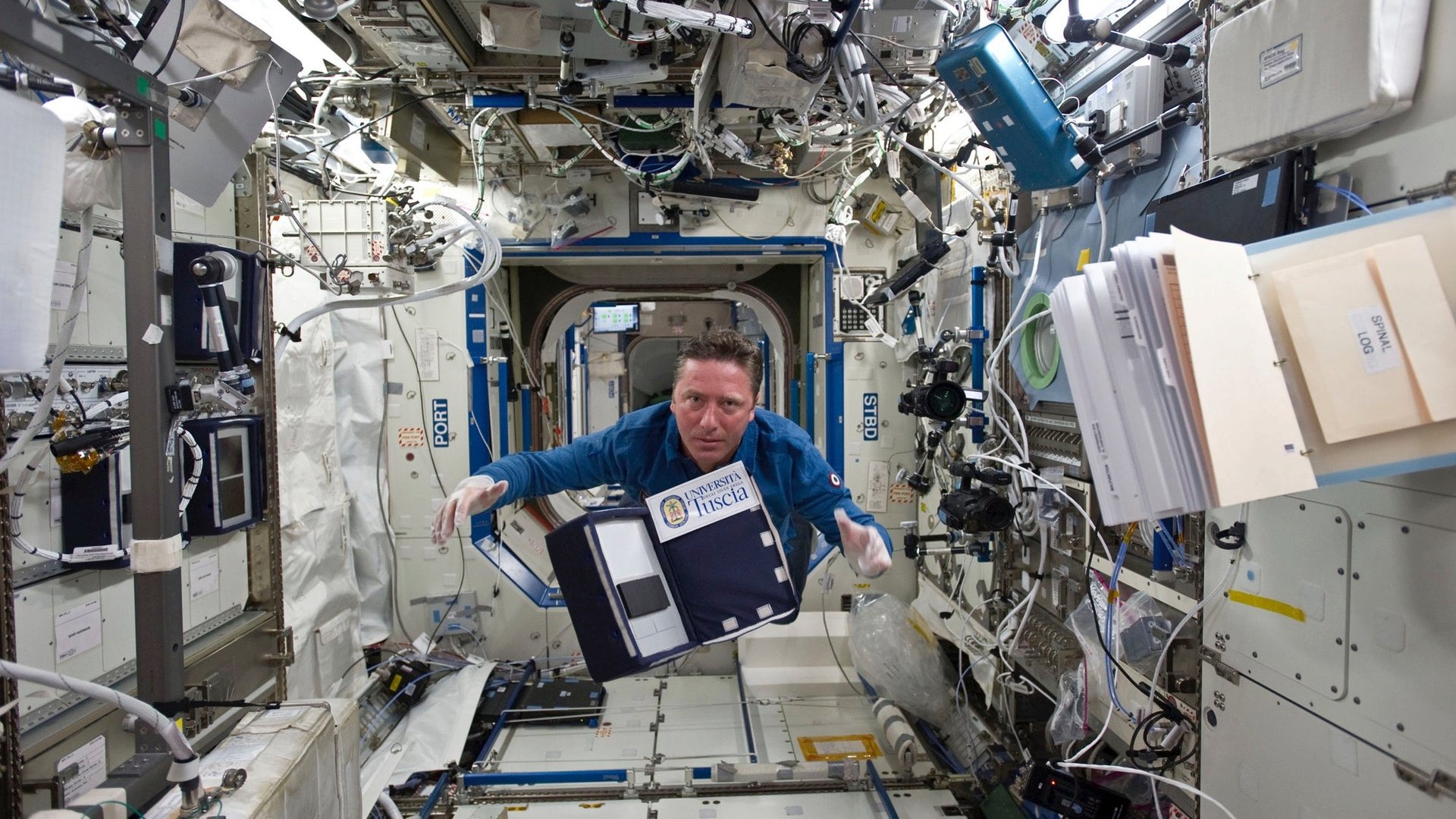
When tomorrow’s astronauts feel the call of nature, they may be engaging in an act of creation. NASA recently awarded roughly $200,000 to researchers at Clemson University to figure out how to turn human waste into usable products, including vitamins and plastics.
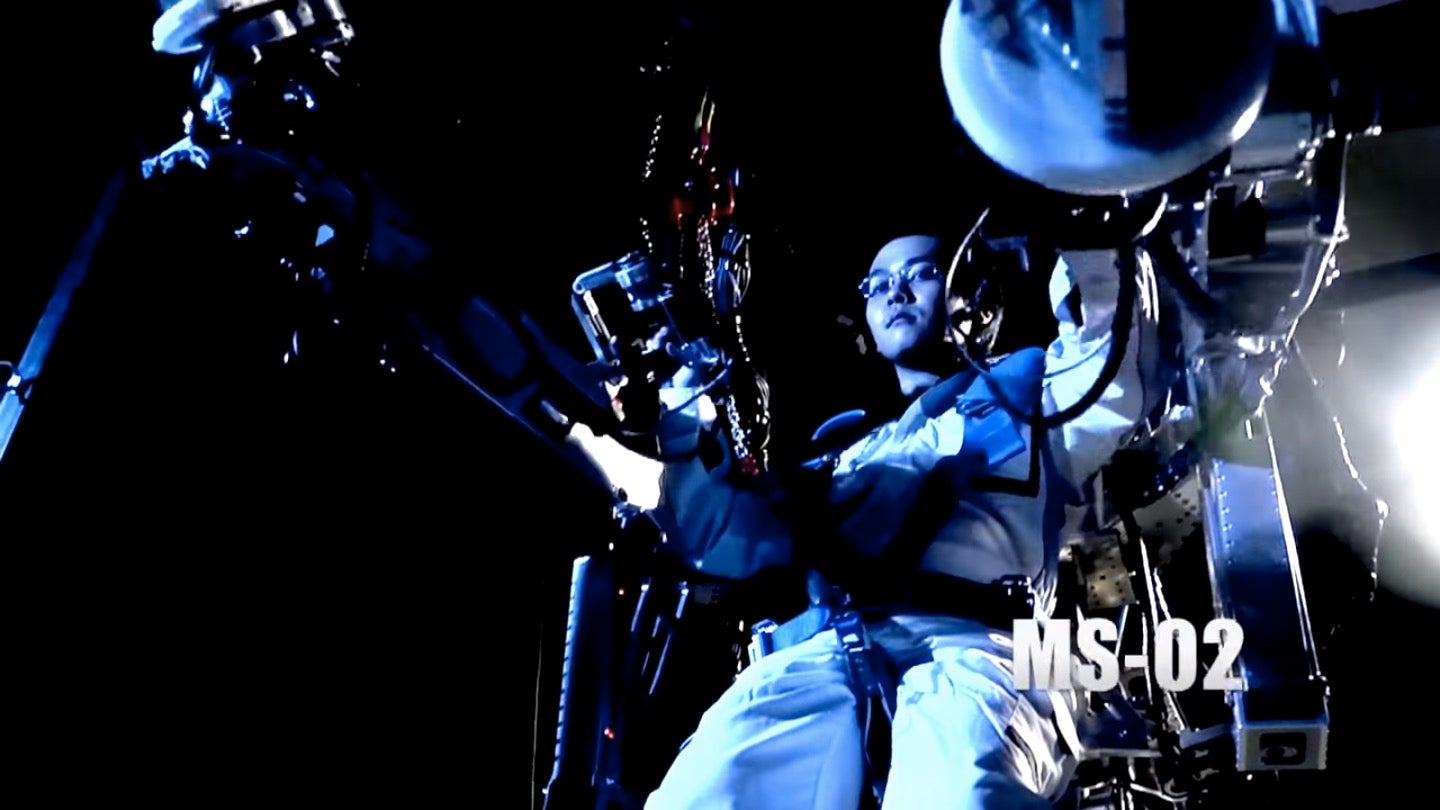
While we don’t have interstellar spaceships, the ability to terraform other planets, or know of any bloodthirsty aliens bent on our eradication, there may soon be one sci-fi thing we’ll have from James Cameron’s “Aliens:” exo-suits.

Your selfie game is about to get a lot more poignant. Giphy, which has been called the “Google for GIFs,” launched a new iPhone app today (August 20) called Giphycam, which lets anyone turn any moment into a GIF.

We are getting closer to being able to convey emotion and meaning entirely through emoji. The Unicode Consortium, the governing body of the how text renders on computers, recently accepted 38 new emoji to be included in its next update, scheduled for mid-2016. While the designs won’t be finalized until companies like Apple and Google start adopting them into future versions of their operating systems, the folks at Emojipedia—the internet’s emoji almanac—were not that patient. They commissioned an artist to mock up what the next set of emoji might look like if the Unicode Consortium approves the emoji, inspired by what Apple’s current emoji look like.
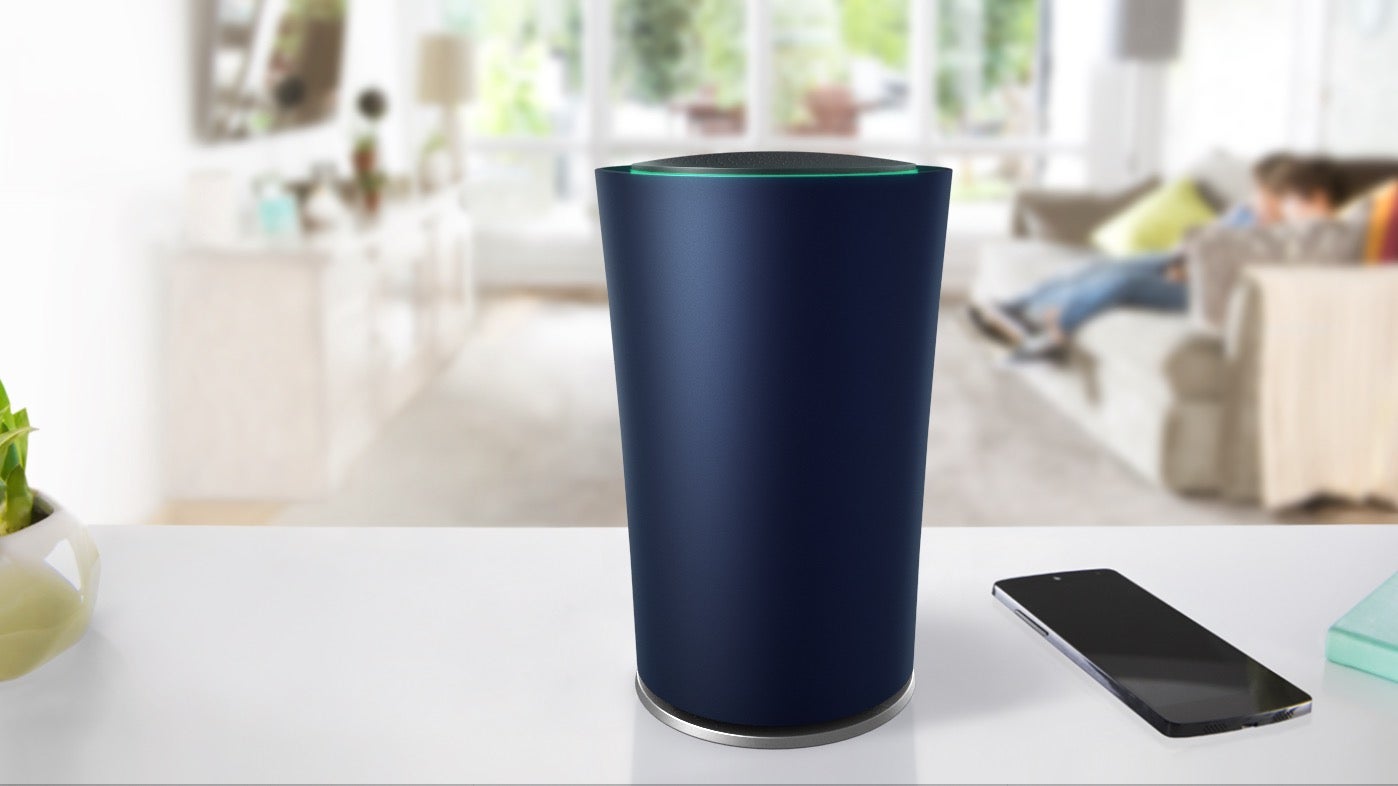
One of the worst parts of the internet is actually getting on the internet. Wireless routers always seem to be finicky devices, beeping and blinking in the corner of the room, often dropping your connection for no apparent reason, sending you into a blind fit of rage as you sit there trying to restart the box. Google wants to change that with OnHub, a $199 router that’s meant to be a lot easier to set up and use.

Siri, and her inability to understand what you’re on about, may soon be a thing of the past. Two startup veterans are teaming up to create an operating system that works like the AI system in the movie “Her.”

Giant fighting robots are taking another small step toward becoming a sport of the future—but they need a helping hand from some humans.
This post has been corrected.
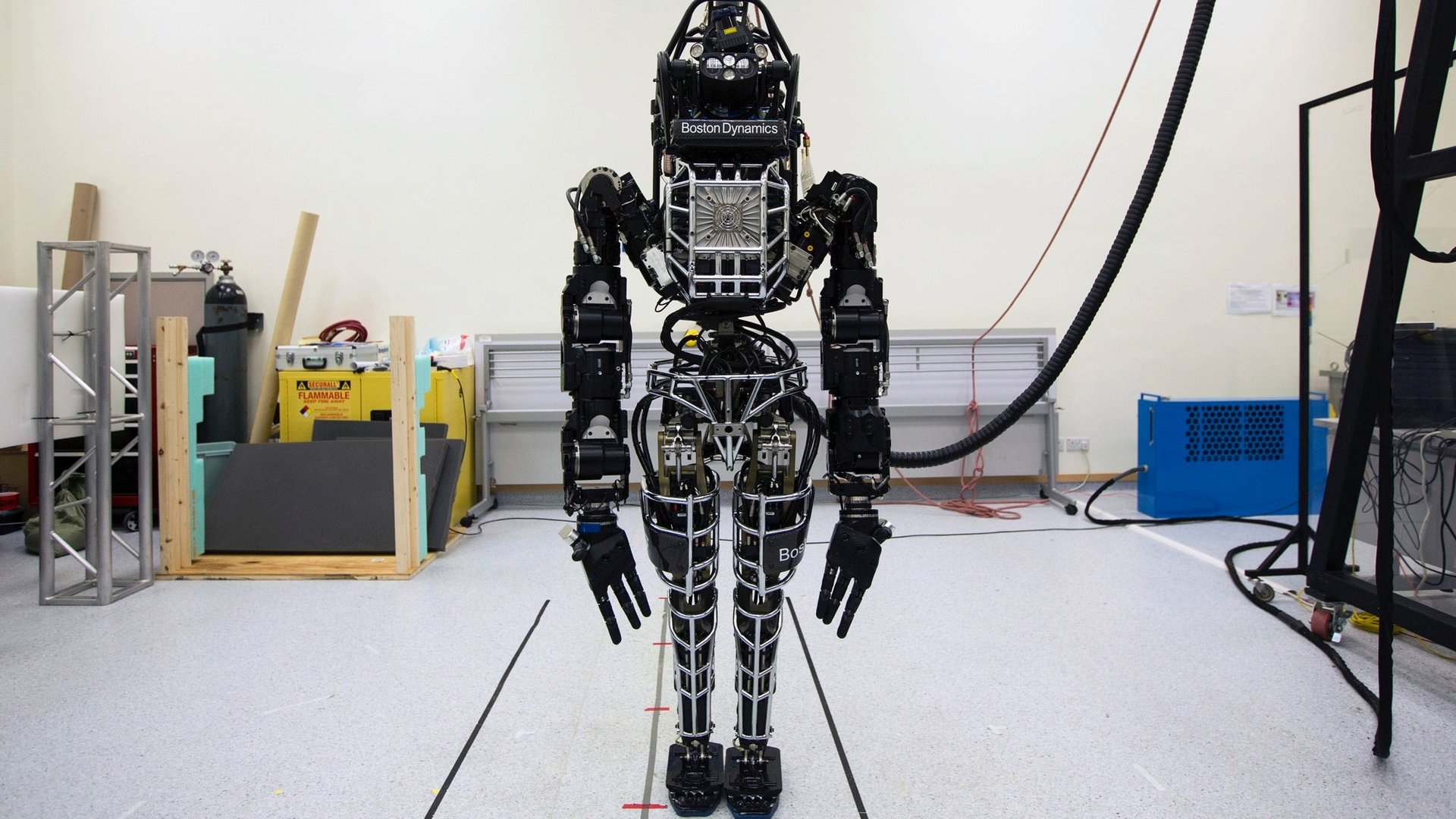
As you hide behind a tree, your heart races. You breathe shallow so they don’t hear you. But you know you’re running in vain. The robots are coming and this forest won’t hide you for long.

The sun is a massive ball of free energy that could be powering your home. Unfortunately, researching and installing solar panels is currently a bit of a hassle. Google wants to fix that problem with a new tool called Project Sunroof.
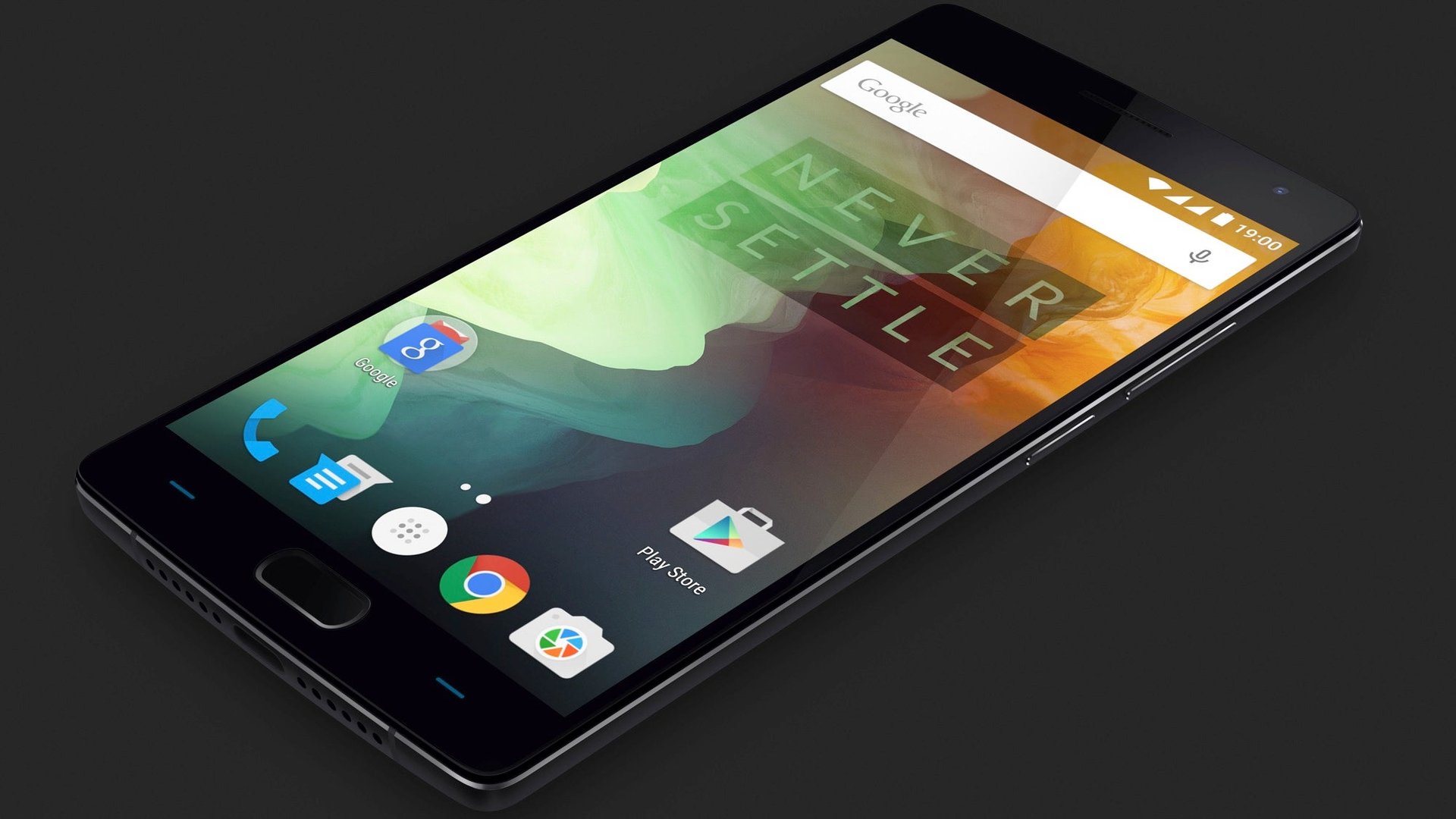
Most of the high-end smartphones on the market right now aren’t cheap. If you’re buying one outright—that is, without contract subsidies—a new iPhone 6 starts at $649, and a Samsung Galaxy S6 costs $580. But Chinese manufacturers have recently started making inroads into the high-end market, making phones that can stand up to the world’s most popular phones, but at a fraction of the cost. Xiaomi’s Redmi Note 2, announced last week and on sale in China for about 899 Yuan ($140), sold 800,000 units in just 12 hours. In the US, however, the options are more limited. But the second phone from another Chinese manufacturer, OnePlus, may be the first smartphone under $400 worth your time.

Have you been looking for a nifty new way to join the internet-connected wearables craze? Well, 2Whynot Tech might have the wearable for you. The company makes a ring, rather literally named “Aring.”

In the future, after our robot servants prepare our breakfast, we will sit in our self-driving cars to take our kids the park, where we will ride our personal transporters alongside their self-driving strollers. It’s a brave new world that awaits us, and Volkswagen is ready for it.