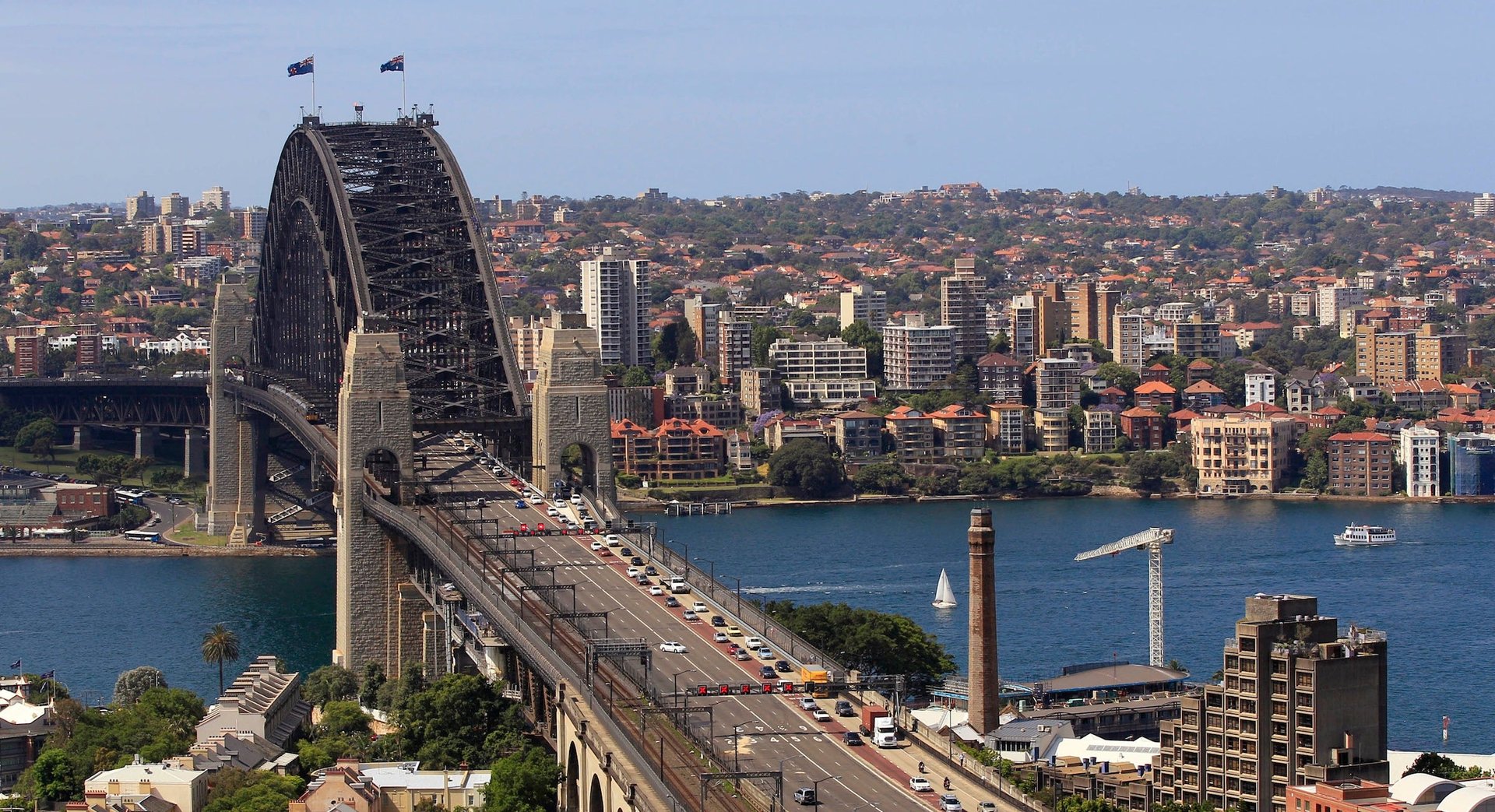
Australia’s central bank left official interest rates on hold today, which bulls will have seized on as a sign that previous rate cuts (text and video), most recently a drop to 3% last December, have stabilised the economy.

Australia’s central bank left official interest rates on hold today, which bulls will have seized on as a sign that previous rate cuts (text and video), most recently a drop to 3% last December, have stabilised the economy.

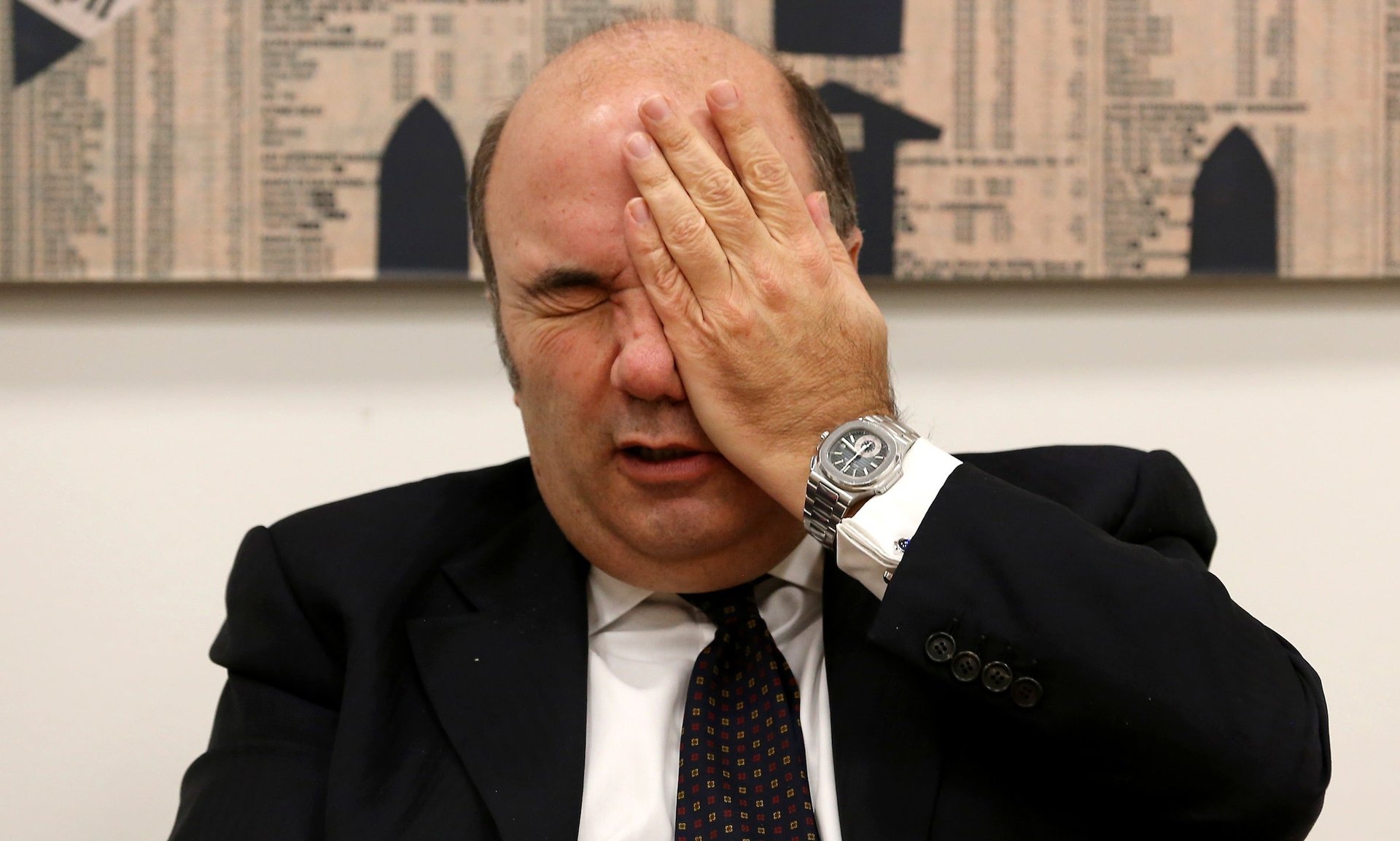
Banca Monte dei Paschi di Siena (MPS), Italy’s third-largest bank and the world’s oldest, has admitted in a statement posted quietly on its website that its customer deposits have fallen by a “few billion euros.”

Chinese tech companies have a tendency to copy instead of innovate. Lenovo is one company that appears to break this mold.

International businesses have flocked to China for years to try and grab a slice of the nation’s economic growth. That is why publishers never stop producing upbeat books such as this one, or this one, which appeal to entrepreneurs dreaming of the riches they could make by selling to just a fraction of the nation’s 1.35 billion people.

In Hong Kong and Singapore, it is not unusual to see couples pushing baby strollers that do not contain a baby, but rather a small dog. Sometimes the puppy prams are not wheeled by the dog owners, but by a Filipino or Indonesian domestic helper who has been hired just to look after the pooch.

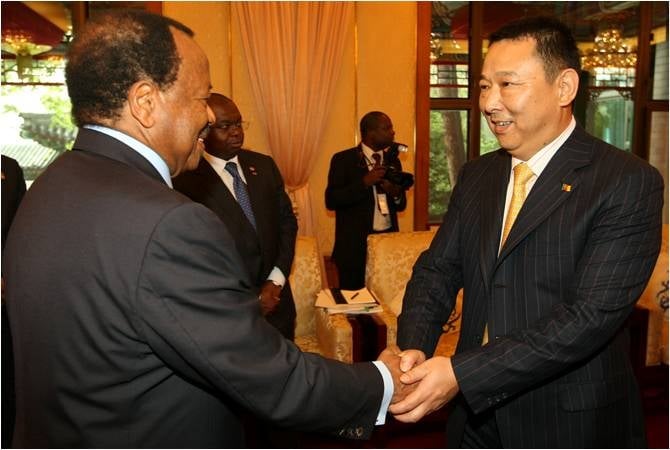
The saga of Liu Han—a Sichuan mining billionaire who has gone missing, leaving a trail of uncompleted global financing deals in his wake—illustrates the extreme risks of doing business with Chinese tycoons who may suddenly find themselves out of favor with Beijing.

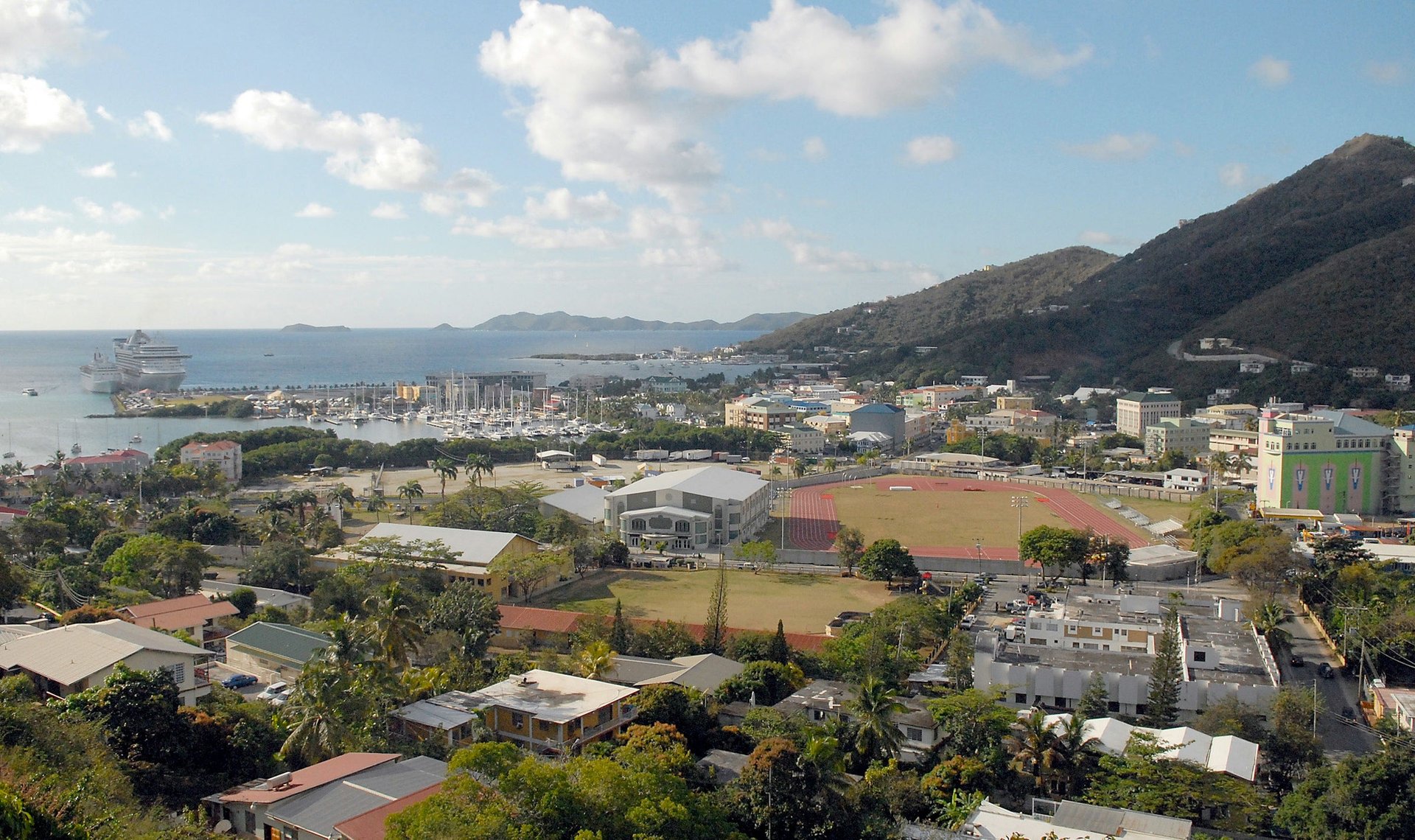
The Cyprus crisis has shone a light on how tax havens aid money laundering.

In the first nine months of 2012, as China prepared to usher in its new leadership, an estimated $225 billion leaked out of the country. Unsurprisingly, Chinese real estate developers are following that flighty capital abroad.

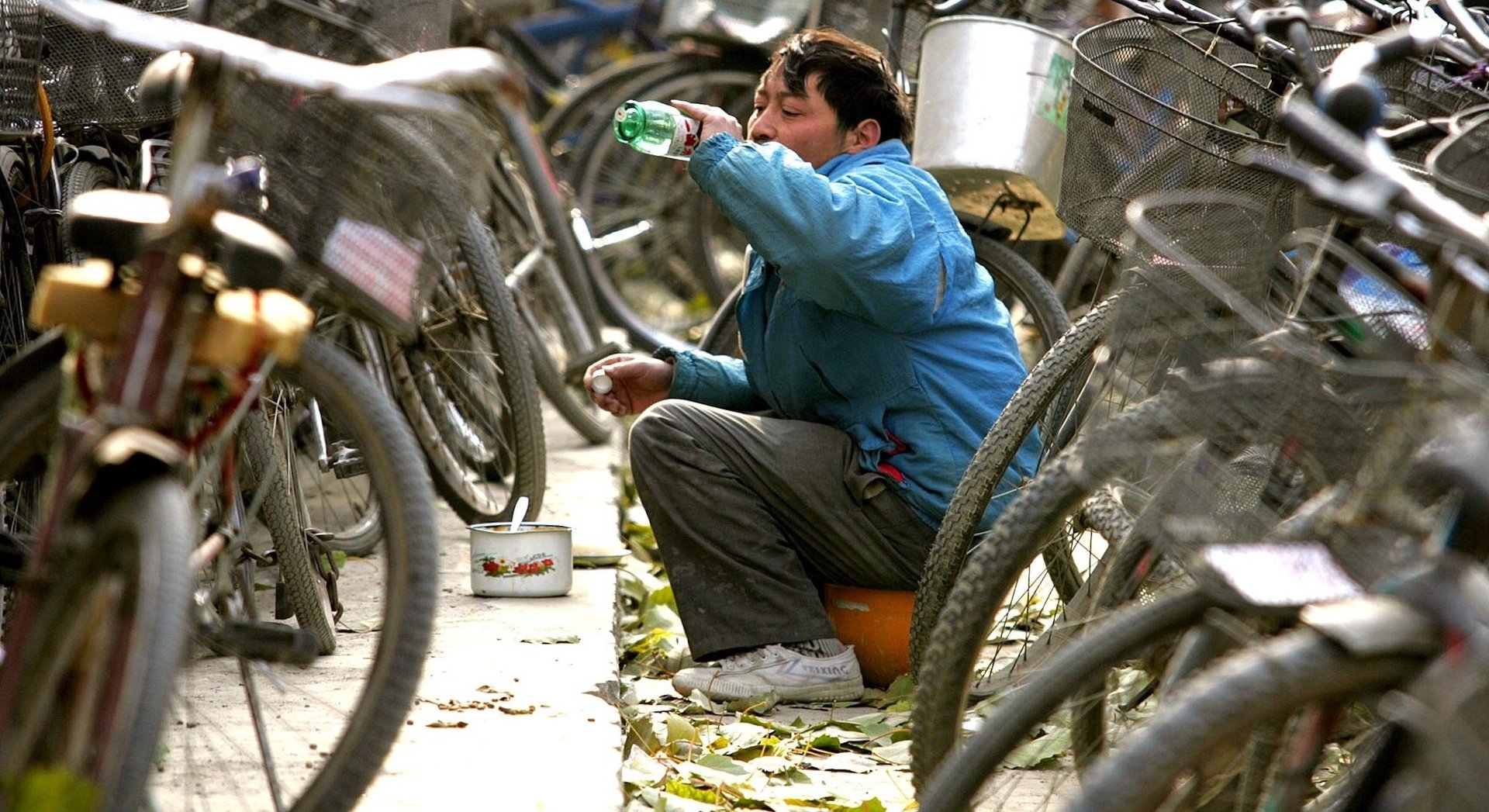
Baijiu, or “liquid razor blades” as it was once described, is an eye-wateringly strong grain liquor that Chinese officials often toast with at the regular banquets they do not pay for themselves.

South Korea has just posted its slowest quarterly GDP growth since the global recession.

Leaders of Brazil, Russia, India and China are gathering in South Africa for a summit this week, where they will undoubtedly congratulate themselves on the high economic growth their nations have achieved. Some items that are notably absent from the agenda: Tax evasion, round-trip foreign transactions, and money-laundering.

Chinese economic data is often questioned by skeptics who believe government statisticians massage the numbers to make the Communist Party look like it’s doing a good job at bringing prosperity to its many citizens. Figures like GDP growth have been called “too important a number politically to be reliable” and, more plainly, ”a fake figure.” Li Kequiang, China’s new premier, called GDP figures “‘man-made’ and therefore unreliable,” according to a US diplomatic cable released by Wikileaks.

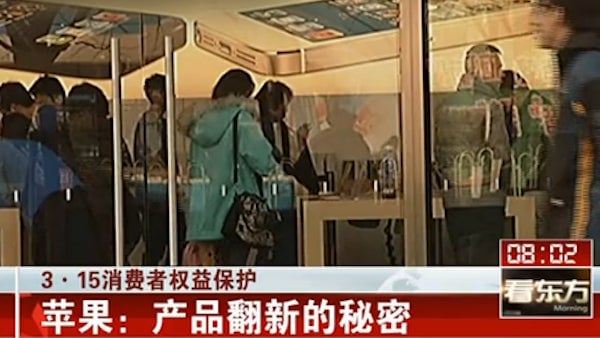
When it comes to public relations, Apple is notoriously tough: stonewalling reporters, obsessively stage-managing the roll-out of new products, even calling in the cops when necessary. But the image-conscious tech firm may have finally met a worthy opponent in the Chinese Communist Party.

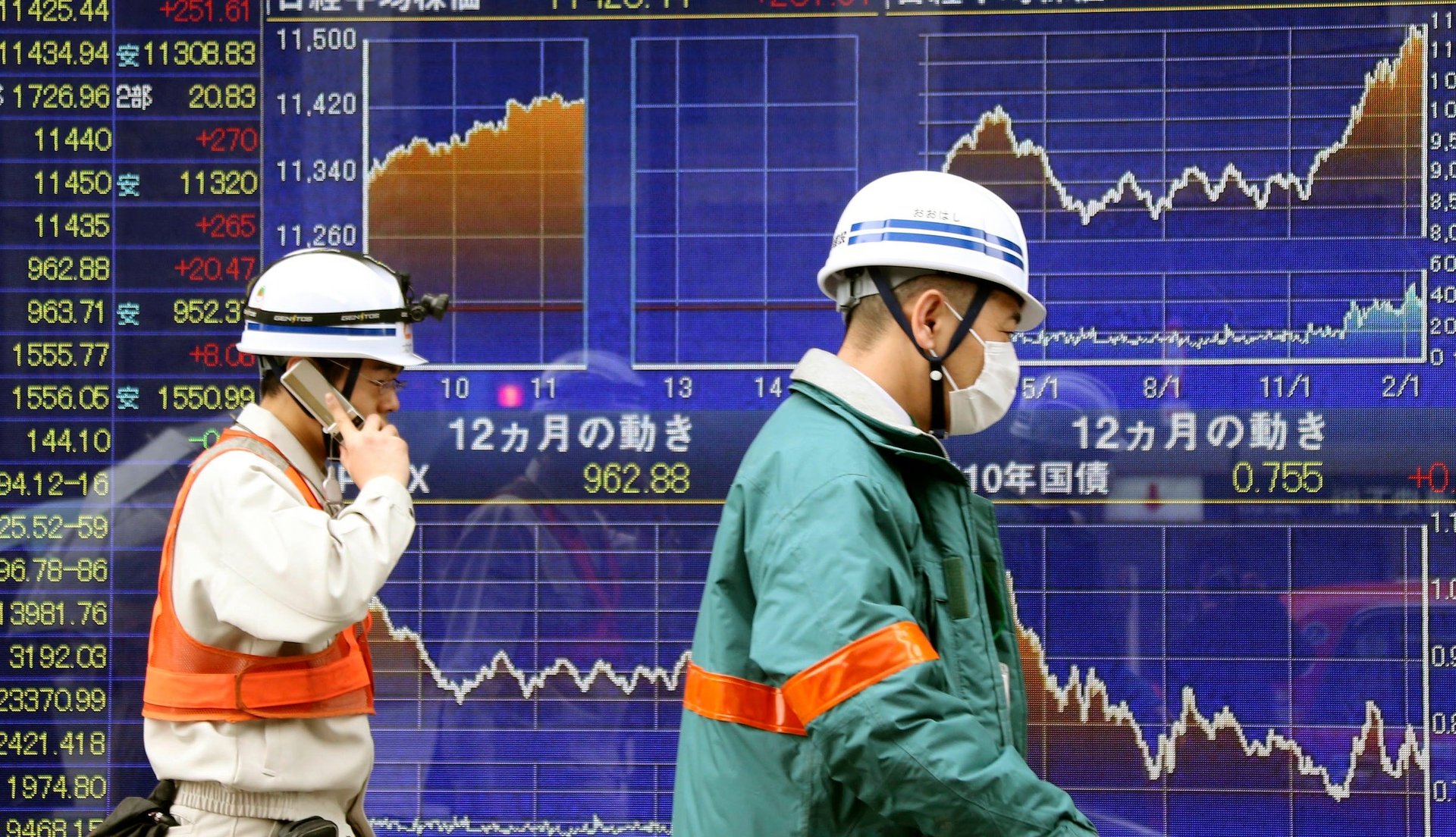
Being a Japanese home owner has been a disappointing experience beginning in the late 1980s, when land values collapsed, and in the subsequent decades, when they have stubbornly failed to recover. But all that may be about to change. The Wall Street Journal reports that Japans’s property market might be about stir back to life (paywall). It’s a sign of how terrible things have been that the WSJ sees it as a hopeful sign that land values fell only 1.8% in 2012—the slowest pace of decline since 2008.

China Construction Bank (CCB) is the first of China’s large state-owned lenders to report 2012 earnings, with net income up 14% (pdf p.2). Of course it doesn’t take much financial genius to make healthy profits when the Beijing government sets borrowing and lending rates and makes sure its majority-owned lenders earn money. But despite the rigged game, those earnings are under pressure.

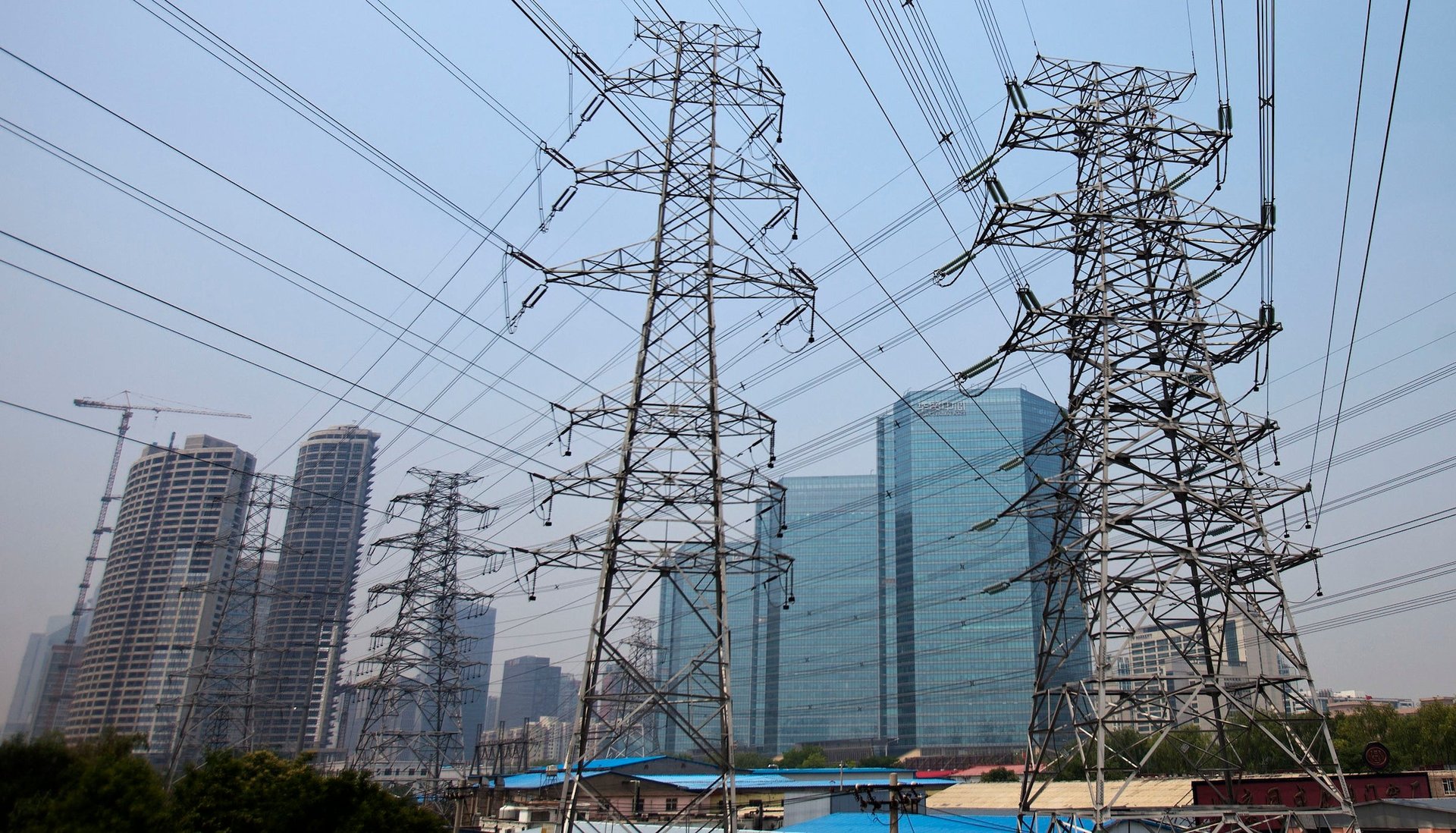
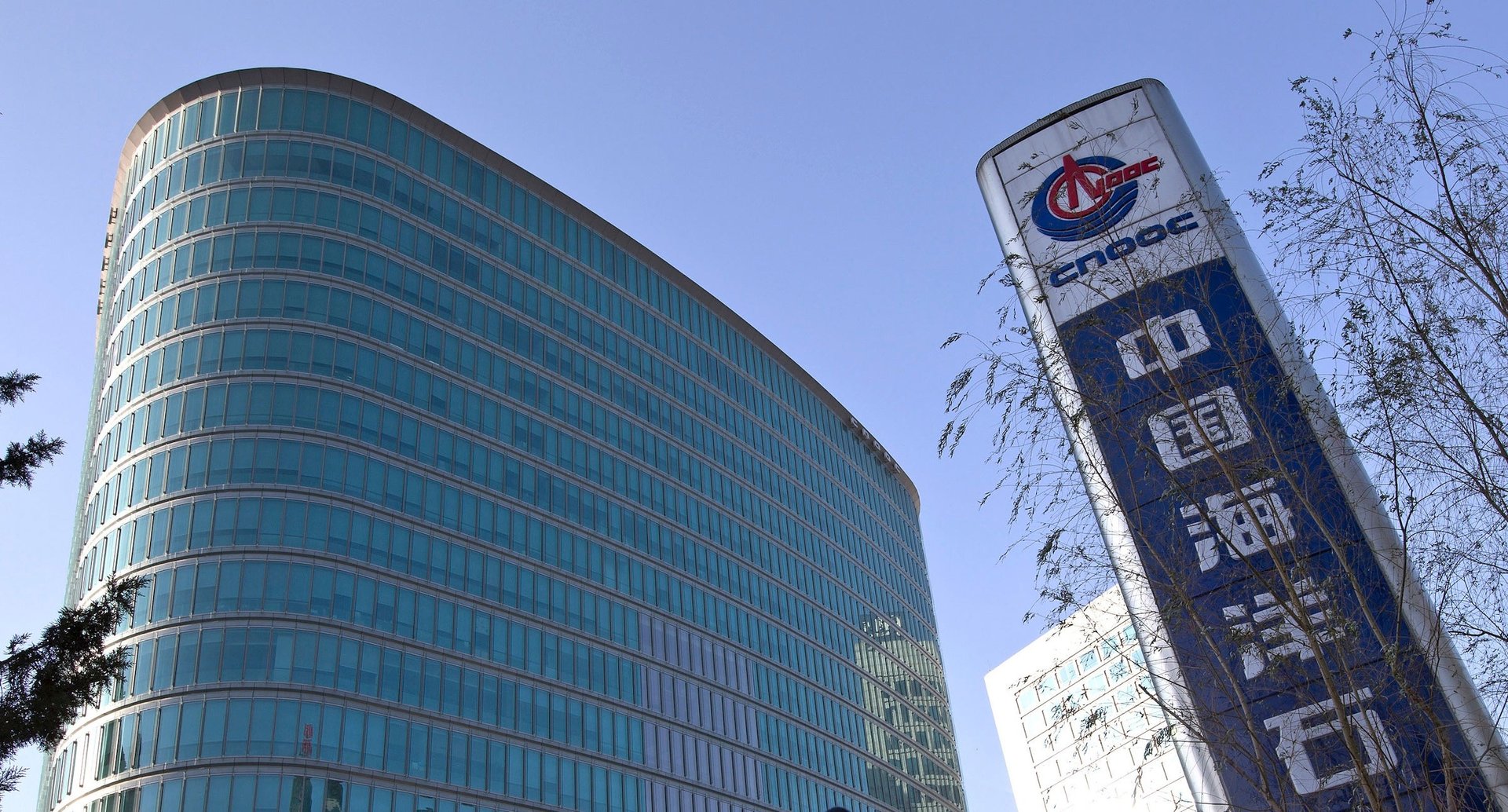
China’s investment-heavy growth model might make investors assume its energy companies would be well-positioned for profits. In fact, Chinese energy companies are being forced to look overseas to offset their woeful businesses at home.

It is World Water Day, and time for the United Nations to remind us how many people in developing countries still lack basic sanitation.

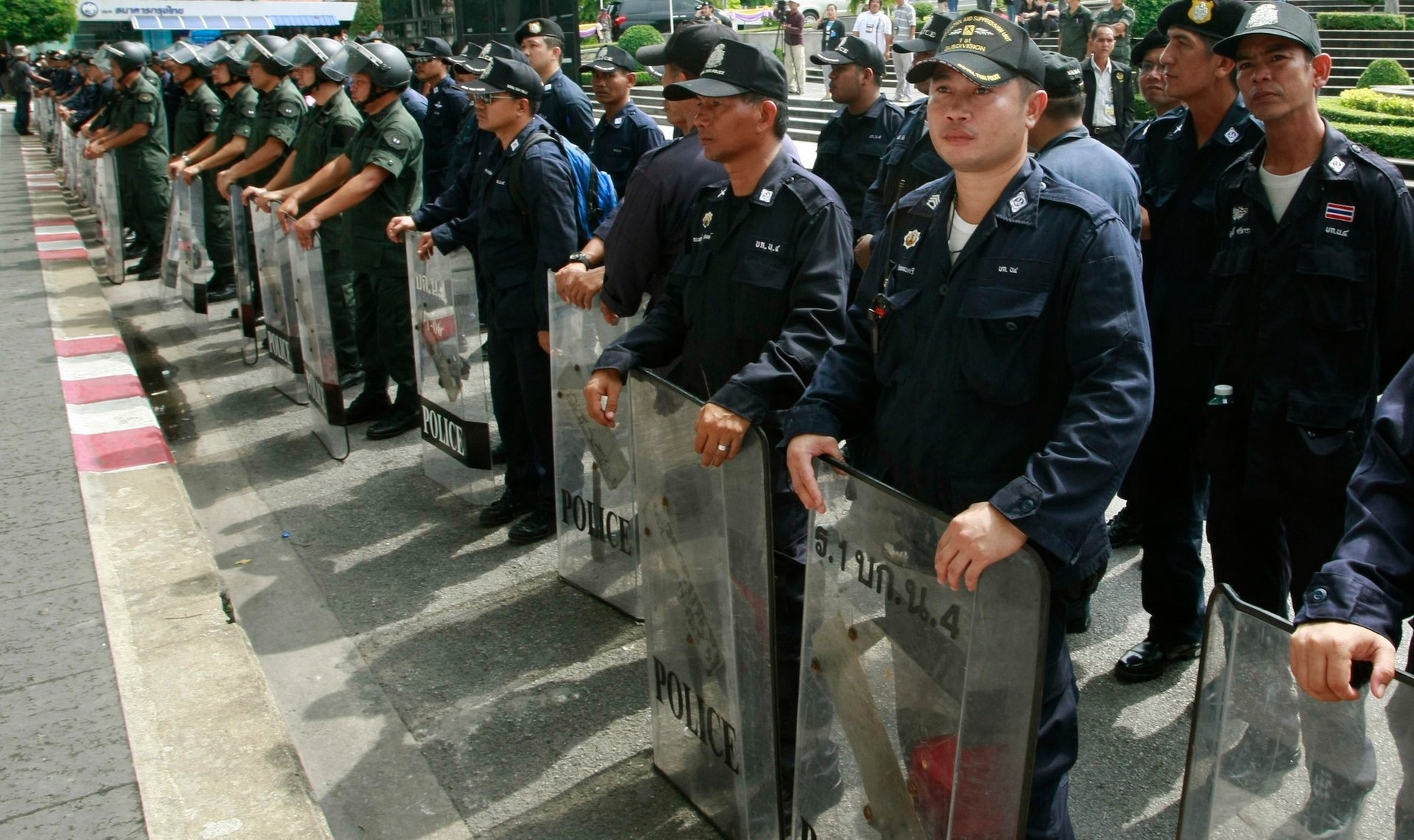
Because of the nation’s burgeoning economy and business-friendly government, Thailand’s currency, the baht, has been a star performer in 2013 and investors remain extremely bullish.

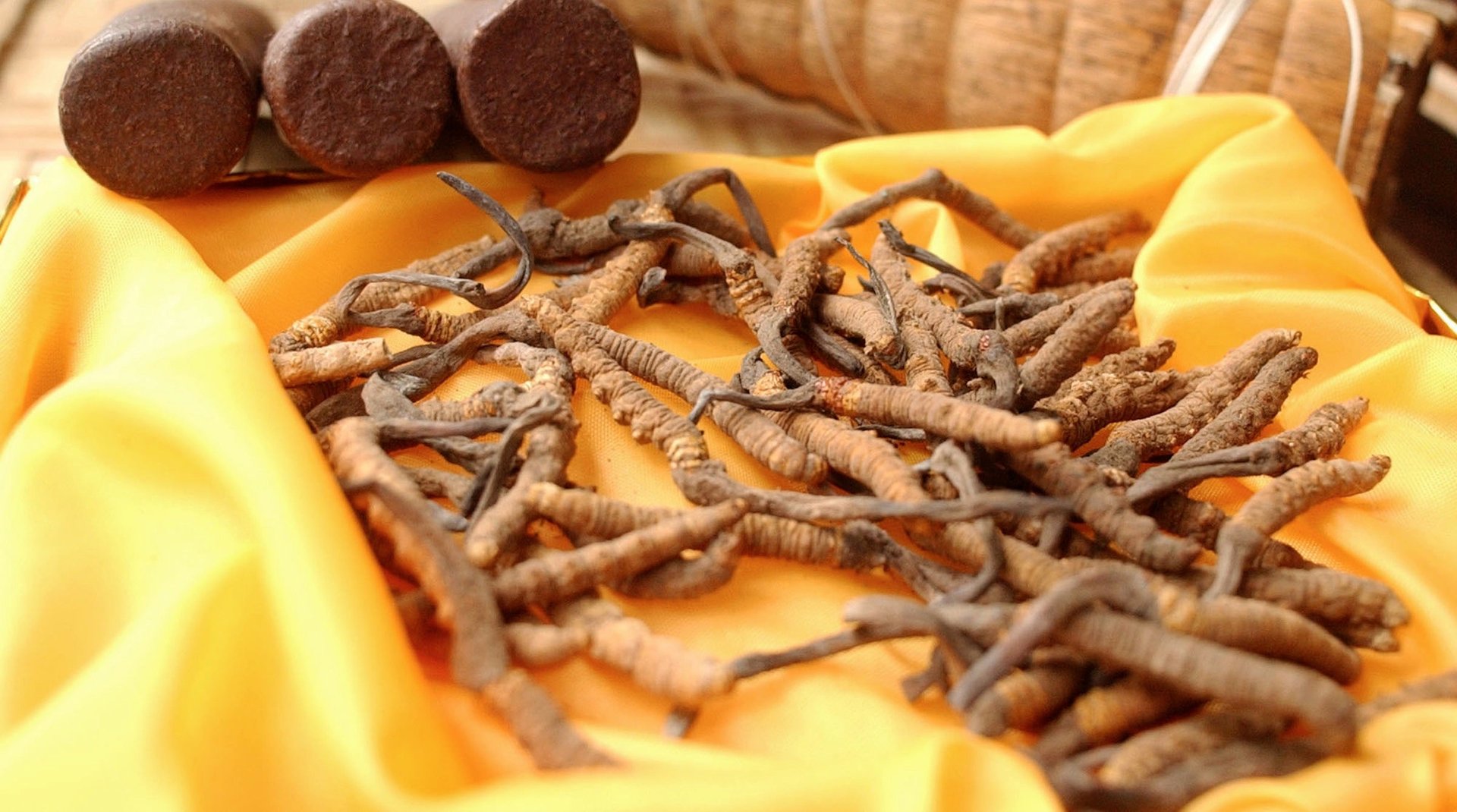
L’Oreal is doing fantastically well at selling high-end skincare in China, Bloomberg reports, because it has struck on the idea of filling its lotions and potions with traditional Chinese ingredients.

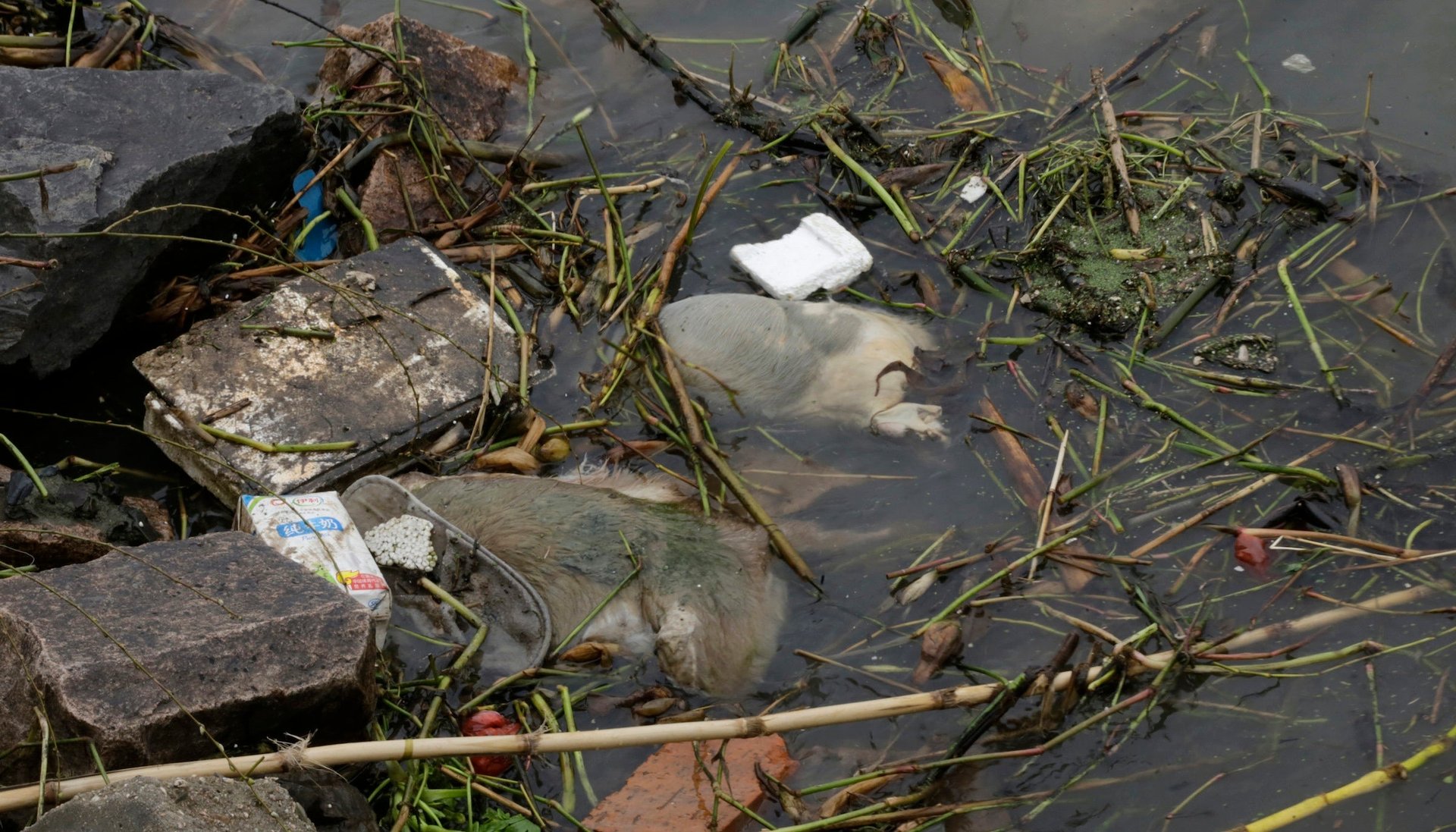
Obviously, it is not a good thing at all that there are, by the latest count, 14,000 pig carcasses floating in the river that feeds into Shanghai’s drinking water supply.

Chinese bureaucrats dipping into public coffers to treat themselves to extravagancies such as bottles of expensive “bai jiu” liquor and sharks’ fin soup costs the nation $160 billion a year, according to a study by Communist Party magazine the People’s Tribune.

Good morning, Quartz readers!

If you are an Indian man in search of a wife, try not to found a tech start-up. That, at least, is the conclusion of the authors of the World Start-up Report, a project surveying start-up conditions in multiple countries led by Silicon Valley entrepreneur Bowei Gan.

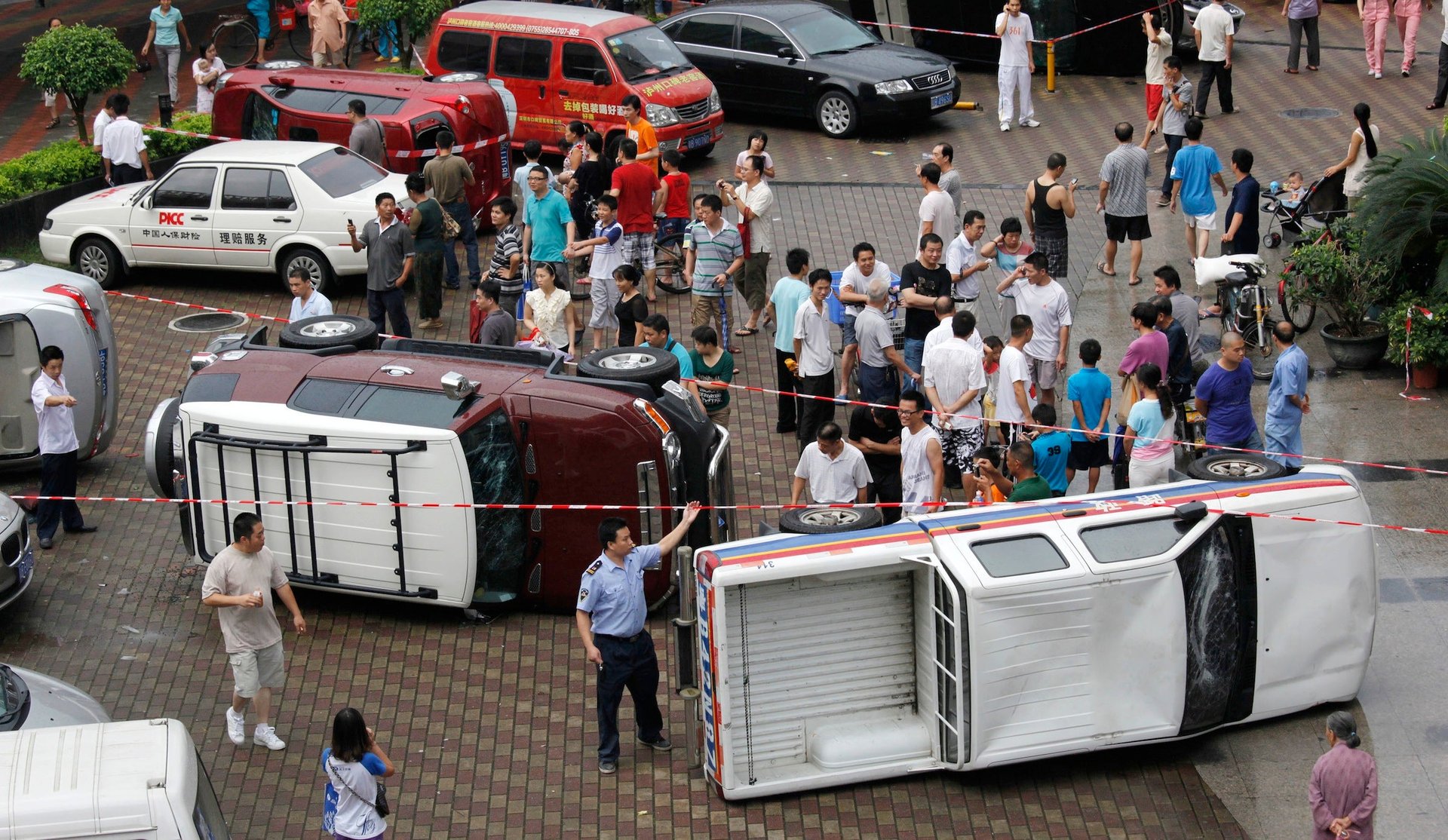
Since China and Japan began trading fierce insults in the spat over who owns a group of uninhabited islands in the East China Sea, Japanese auto makers have seen a serious slump in Chinese sales as nationalist fervor prompted consumers to boycott their vehicles.