Australia’s relentlessly cheery investors have jubilantly sent stocks up to a 4.5 year high after the release of new GDP figures, even though the data itself—a 0.6% expansion in the fourth quarter—is lackluster.

Australia’s relentlessly cheery investors have jubilantly sent stocks up to a 4.5 year high after the release of new GDP figures, even though the data itself—a 0.6% expansion in the fourth quarter—is lackluster.

As recently as last November, the Hong Kong government was fretting (paywall) about a crisis-level shortage of private school places, as the territory continued filling up with expat bankers and hedge fund managers.

Nobody pays much attention to the Chinese credit rating agency Dagong, and its downgrade of Japan’s sovereign debt on Monday was resolutely ignored by investors who drove Japanese bond futures to a record high. But the fact that Dagong has made a series of good calls in the past three years—downgrading debt from the United States, Britain, and France ahead of Standard & Poor’s and Moody’s—means it shouldn’t necessarily be overlooked.

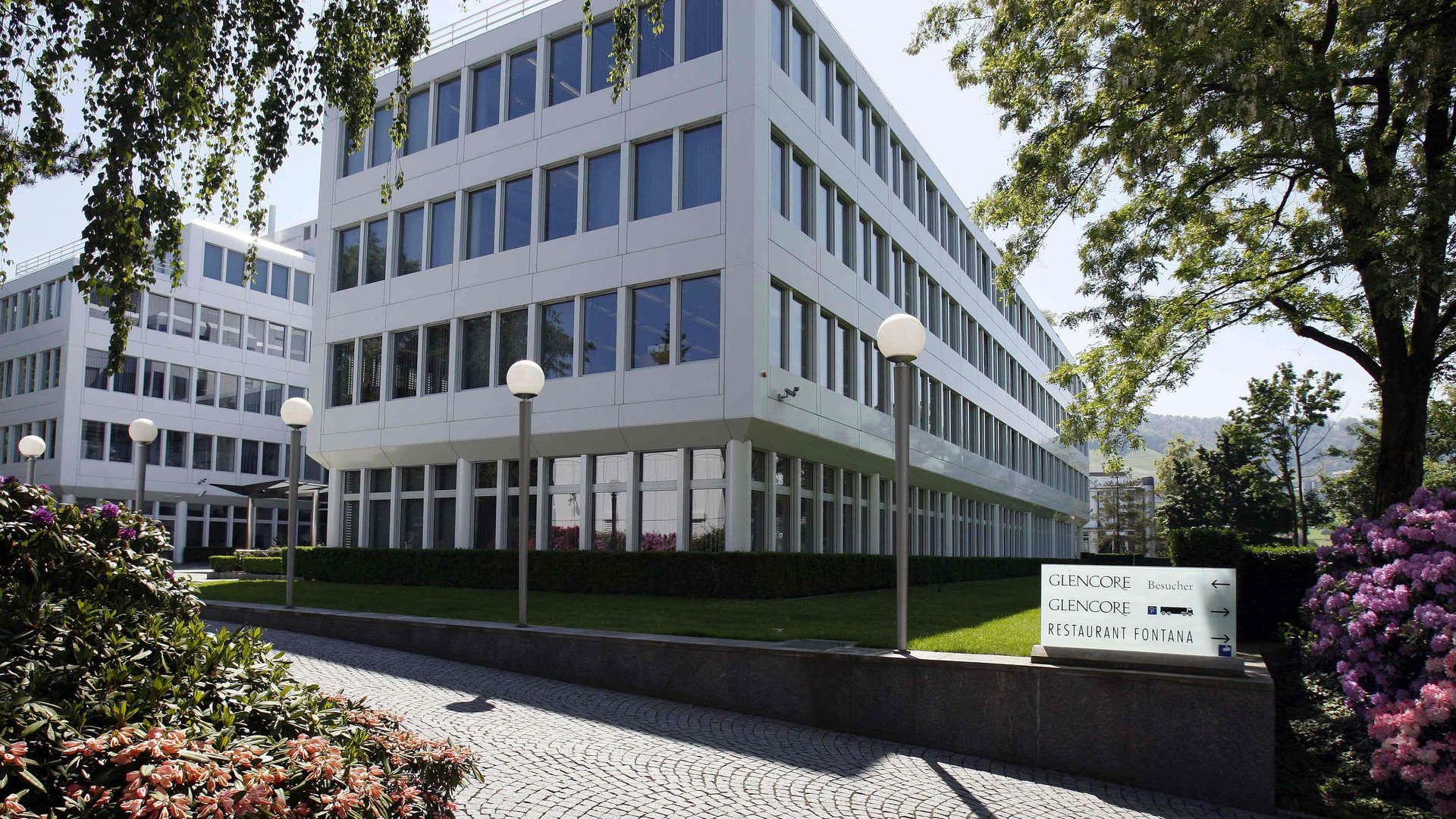
Commodities giant Glencore is well known for its trading savvy. And a common point analysts raised just before its 2011 IPO was that Glencore’s majority shareholders may be selling out because they predicted the world resources “supercycle,” as commodities bulls used to call it, was about to be punctured.

Chinese lawmakers want to overhaul the country’s labyrinthine food safety bureaucracy to improve terrible food standards, replacing a large group of overlapping regulators with an entity similar to the Food and Drug Administration of the United States.

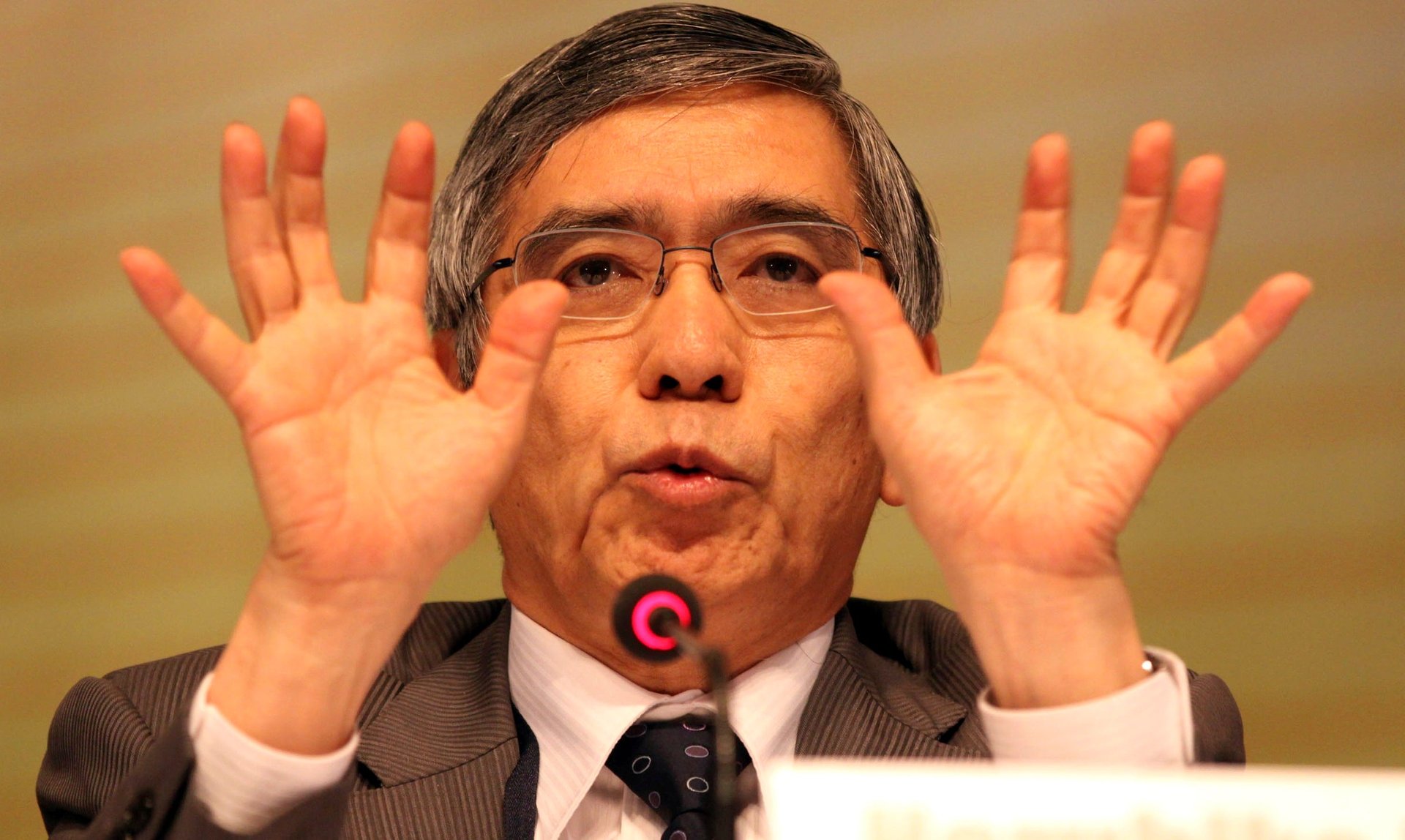
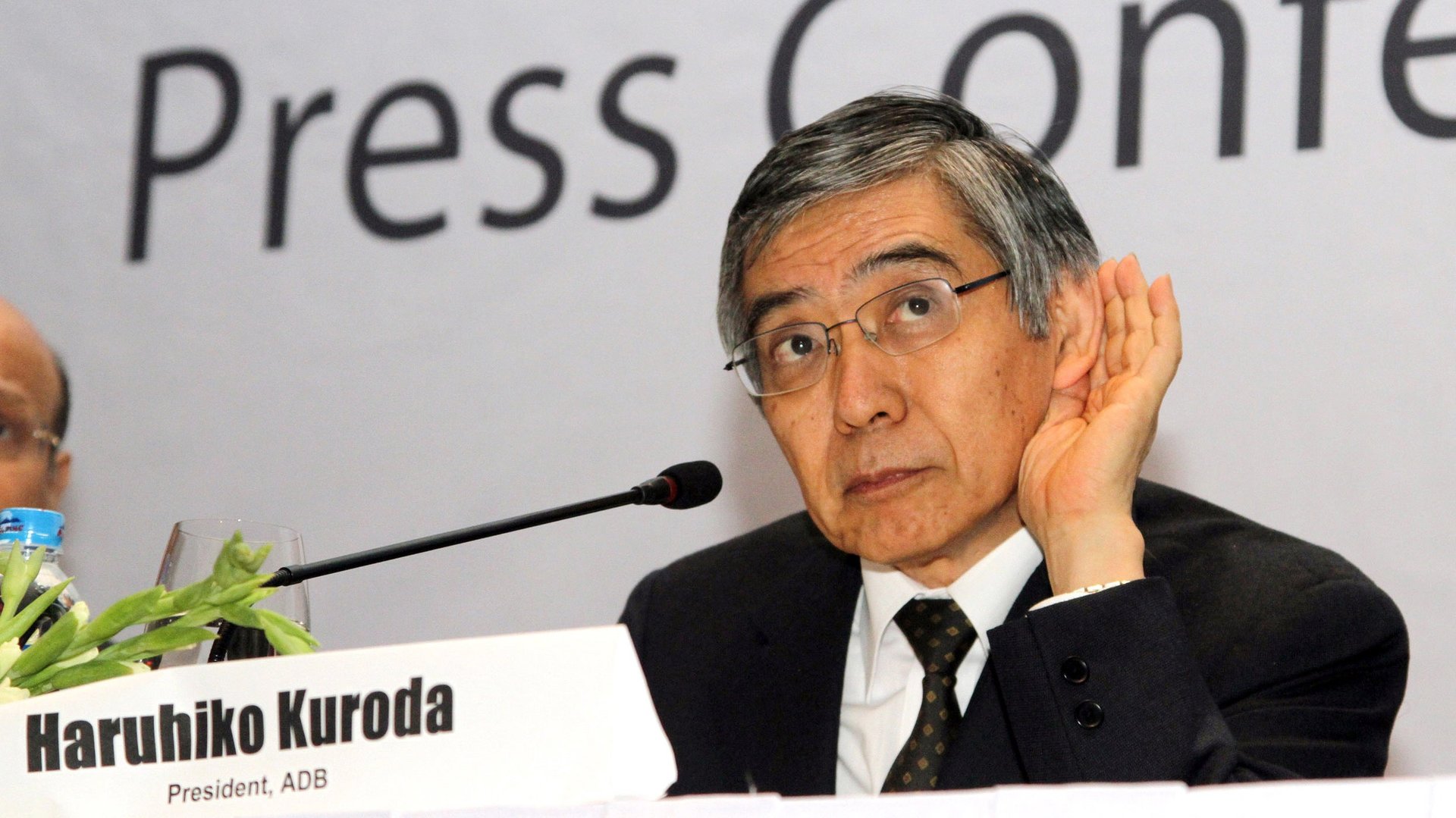
George Soros will be delighted. The famed currency trader shorted the yen and profited handsomely from new Japanese leader Shinzo Abe’s plan to print unlimited amounts of money, and now the man who is likely to be the next Bank of Japan governor has promised to put all his firepower behind “Abenomics”.

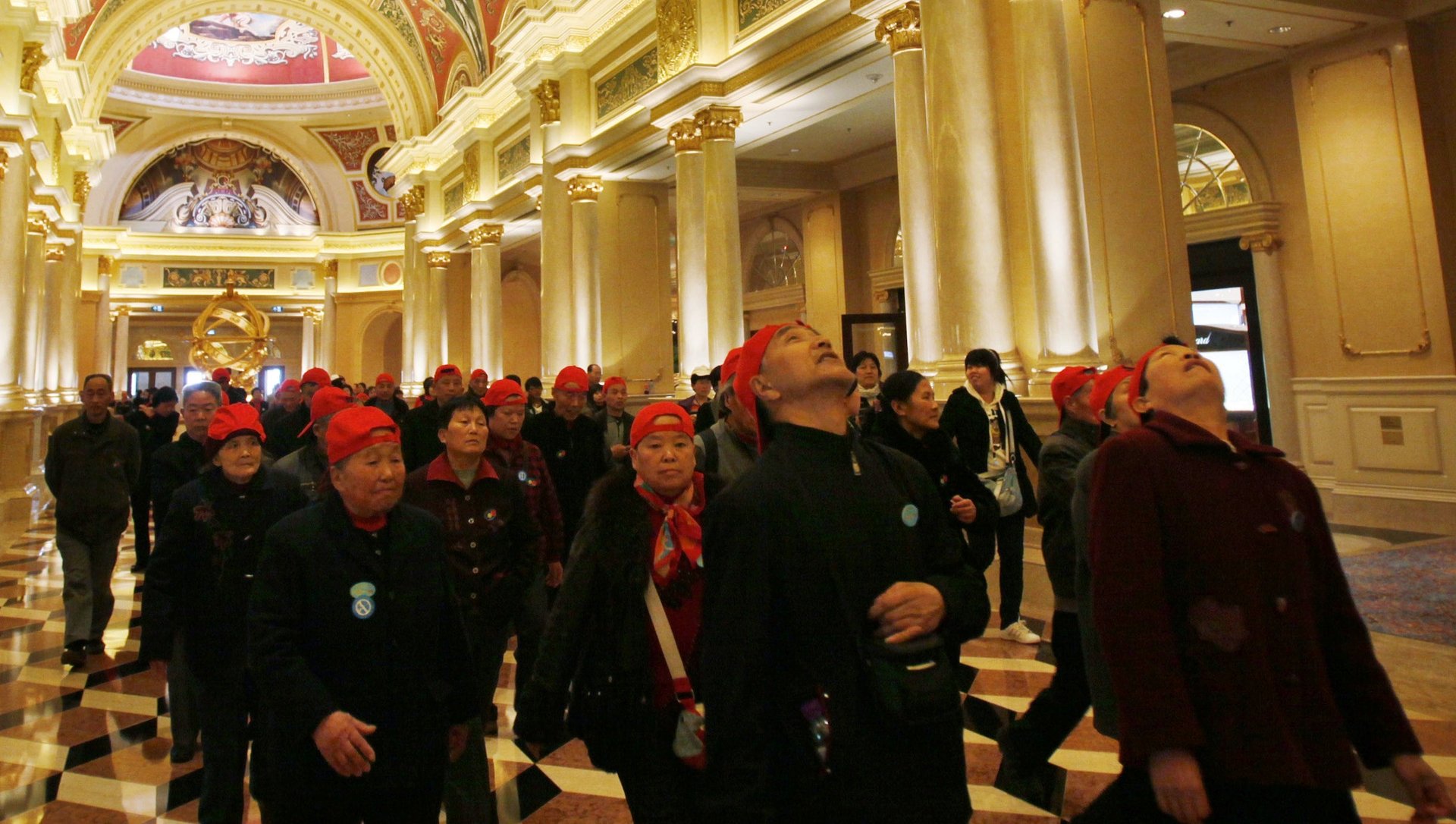
Macau, the only part of China where gambling is legal, has the world’s biggest gaming market, and its business is booming.

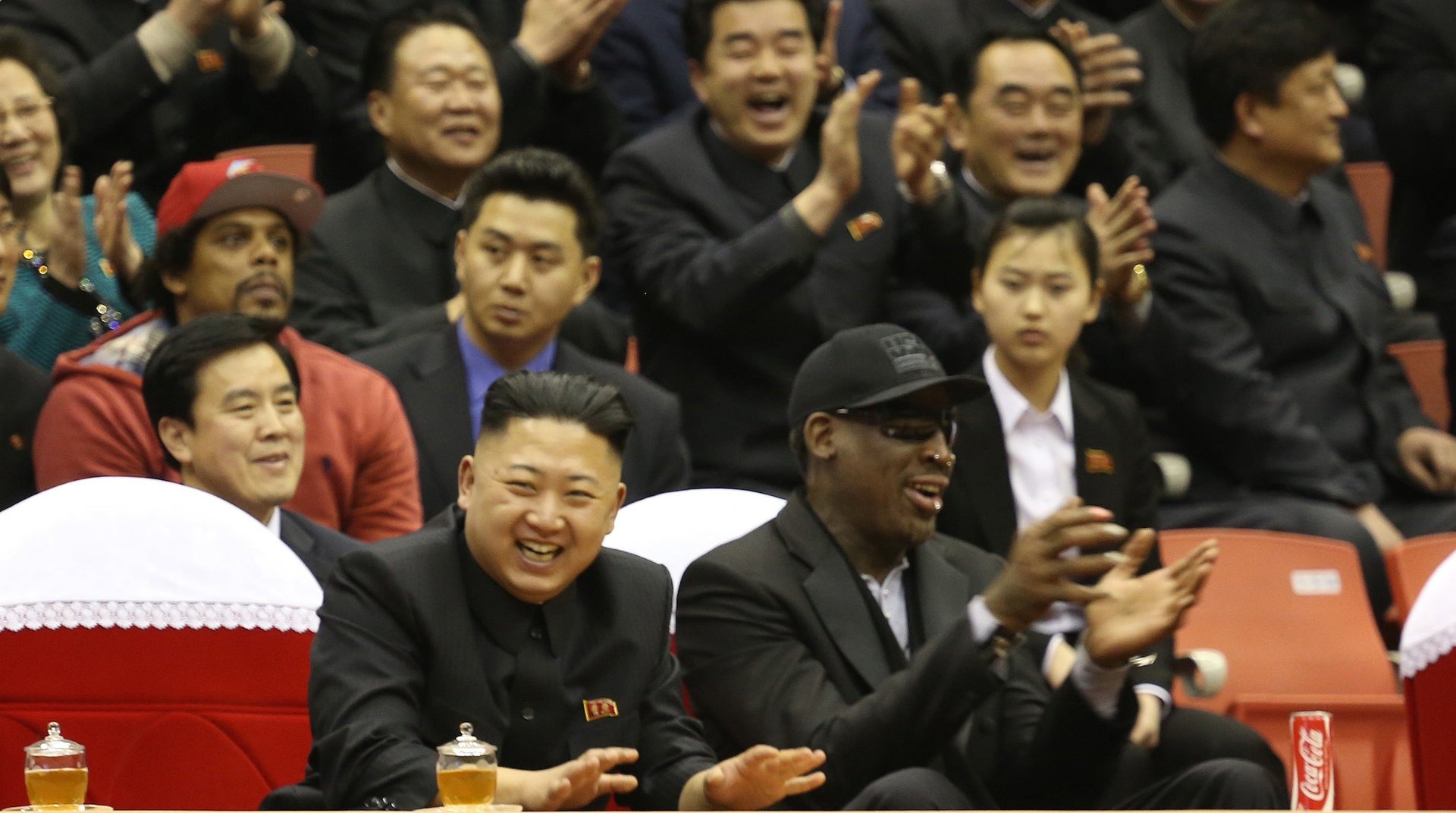
North Korea’s diminutive dictator, Kim Jong-un, has been hanging out with former NBA star Dennis Rodman during the latter’s visit to Pyongyang. As part of an event organized by New York-based Vice Media, Kim and Rodman watched North Korean and American teams play basketball (the game was said to end in a diplomatic 110-110 tie), and vowed to be friends for life.

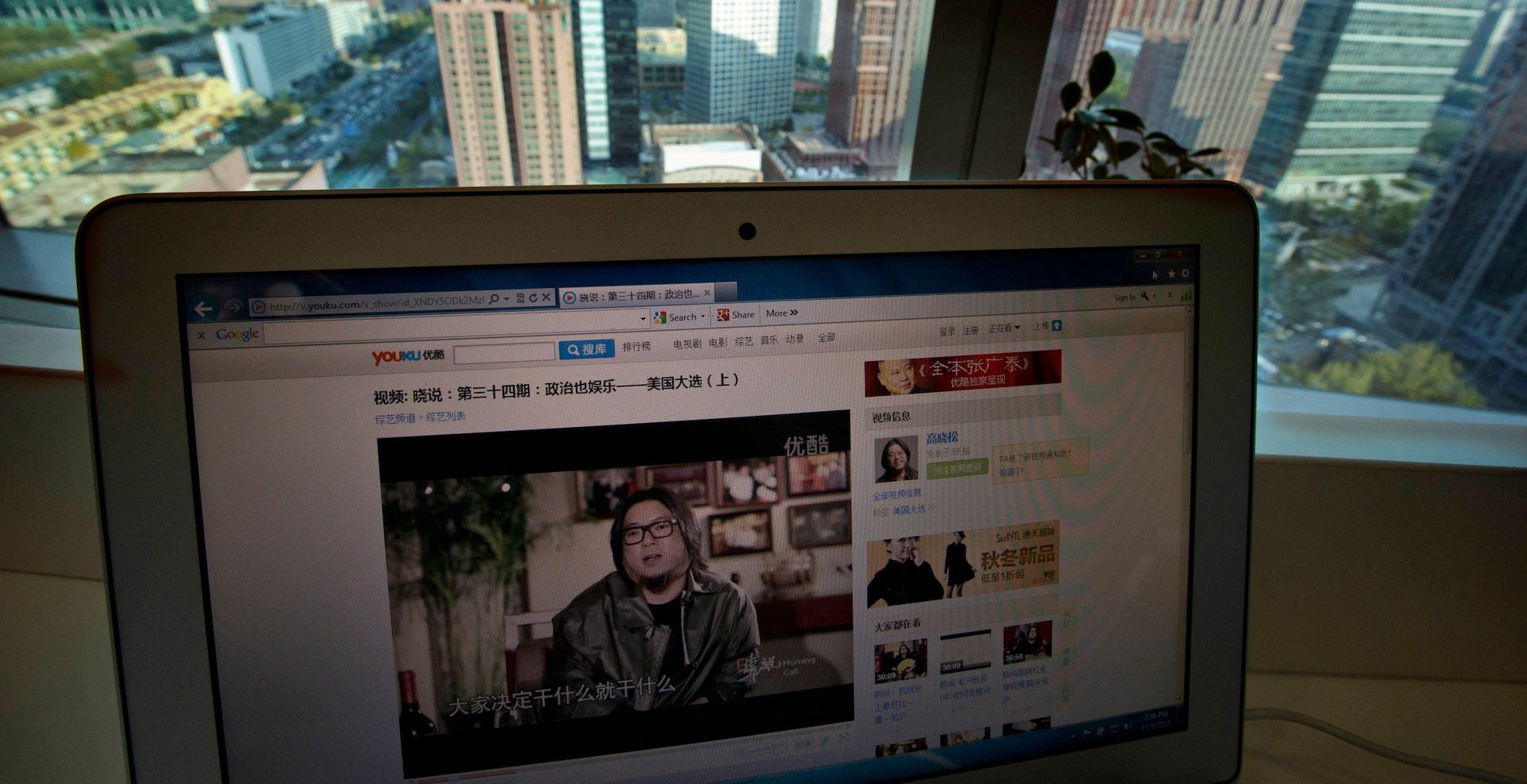
Youku Tudou, China’s equivalent to YouTube, released quarterly and full-year earnings today that sent its Nasdaq-listed shares plunging 12% after the closing bell.

Cross-border capital flows—meaning, banks lending to customers outside their own countries—are now 60% less than what they were in 2007, according to a report by consulting firm McKinsey & Co.

The Indian government unveiled a budget earlier today that will levy new taxes on corporations and the rich. The plan involves a surcharge on local firms with incomes of more than 100 million rupees ($1.84 million) and a 1o% surcharge on individuals with taxable incomes topping 10 million rupees.

In China, anything the government does not want the public to know can be labeled a “state secret.” This not only produces indignation in China, it also frustrates American financial regulators and frightens foreign executives working in the country. According to law firm Jones Day, China’s state secrets law “is as vague as it is broad”, but government departments and law enforcement authorities have “almost unlimited discretion” in applying it.

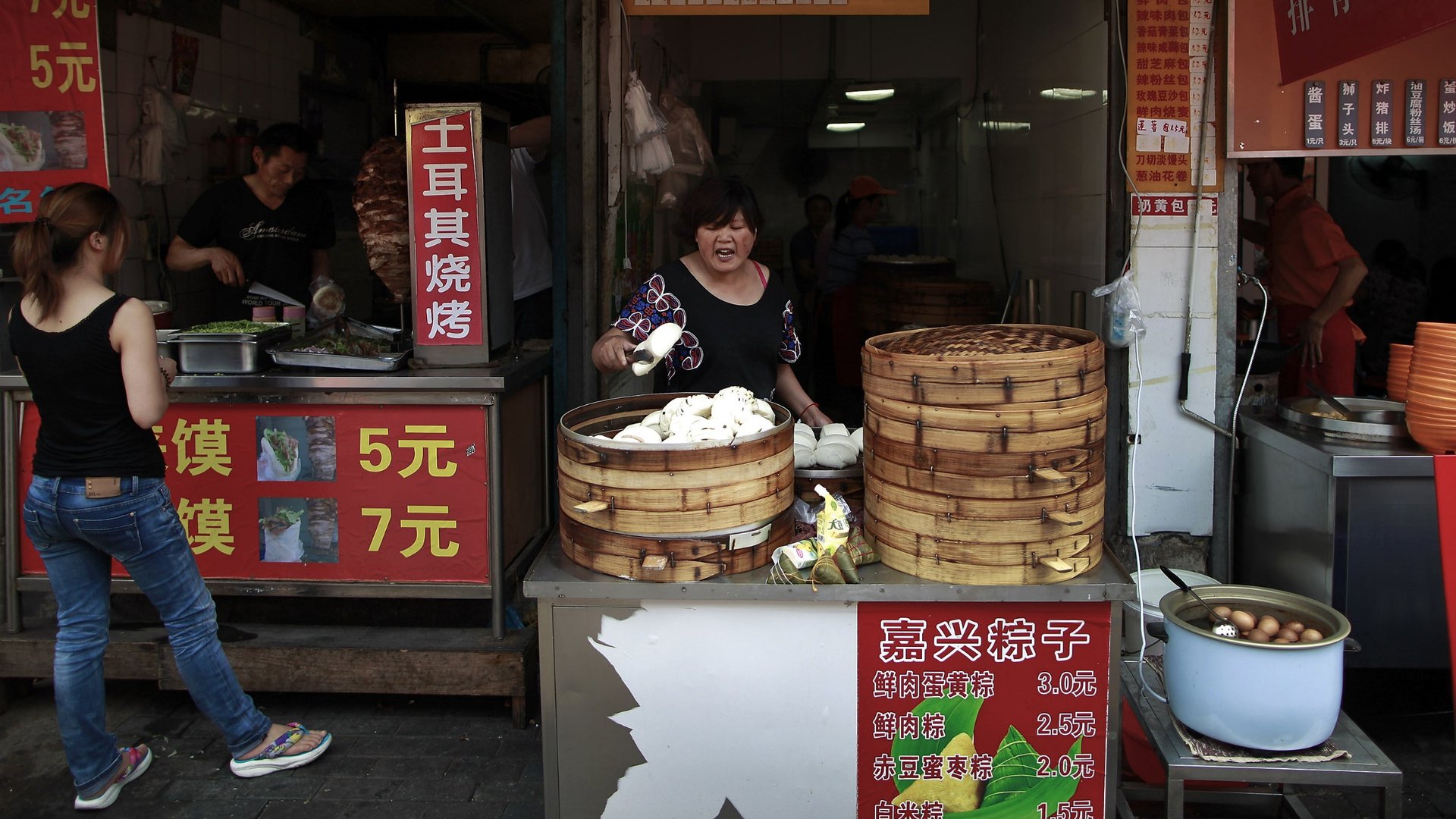
Chinese commodities consumption is often weird. Quartz has reported how, last year, many individuals and companies purchased copper in order to have some so-called “collateral” to pledge to banks as security for loans. The trend was a huge driver in world copper demand.

China’s unofficial, off-balance-sheet lending has for months greatly exceeded formal bank lending. And the massive size of the “shadow banking” sector has raised fears of a credit meltdown. It remains unknown which projects shadow loans are funding and whether they will be able to repay debts.

The BBC says China is blocking its English-language World Service shortwave radio broadcasts. And while it won’t speculate as to why, this could be retaliation for the BBC’s coverage of Chinese hacking of Western corporations. After Mandiant, an IT security firm, released a report tracing cyber attacks on US companies to a secretive unit of the Chinese army, a BBC China crew went to film outside the unit’s building and was detained by Chinese police.

Head into any high-end supermarket in Jakarta and one product will be missing: Australian eggs. The Indonesian government has banned all Australian eggs and egg products, purportedly to protect the country from bird flu — even though the recent Australian mini-outbreak was limited to ducks.

Chinese factories’ fortunes stalled last month, according to a closely followed report. A preliminary survey by HSBC of manufacturing activity in China last month, called “Flash PMI”, showed Chinese factories’ business expanded at the slowest pace in four months in February.

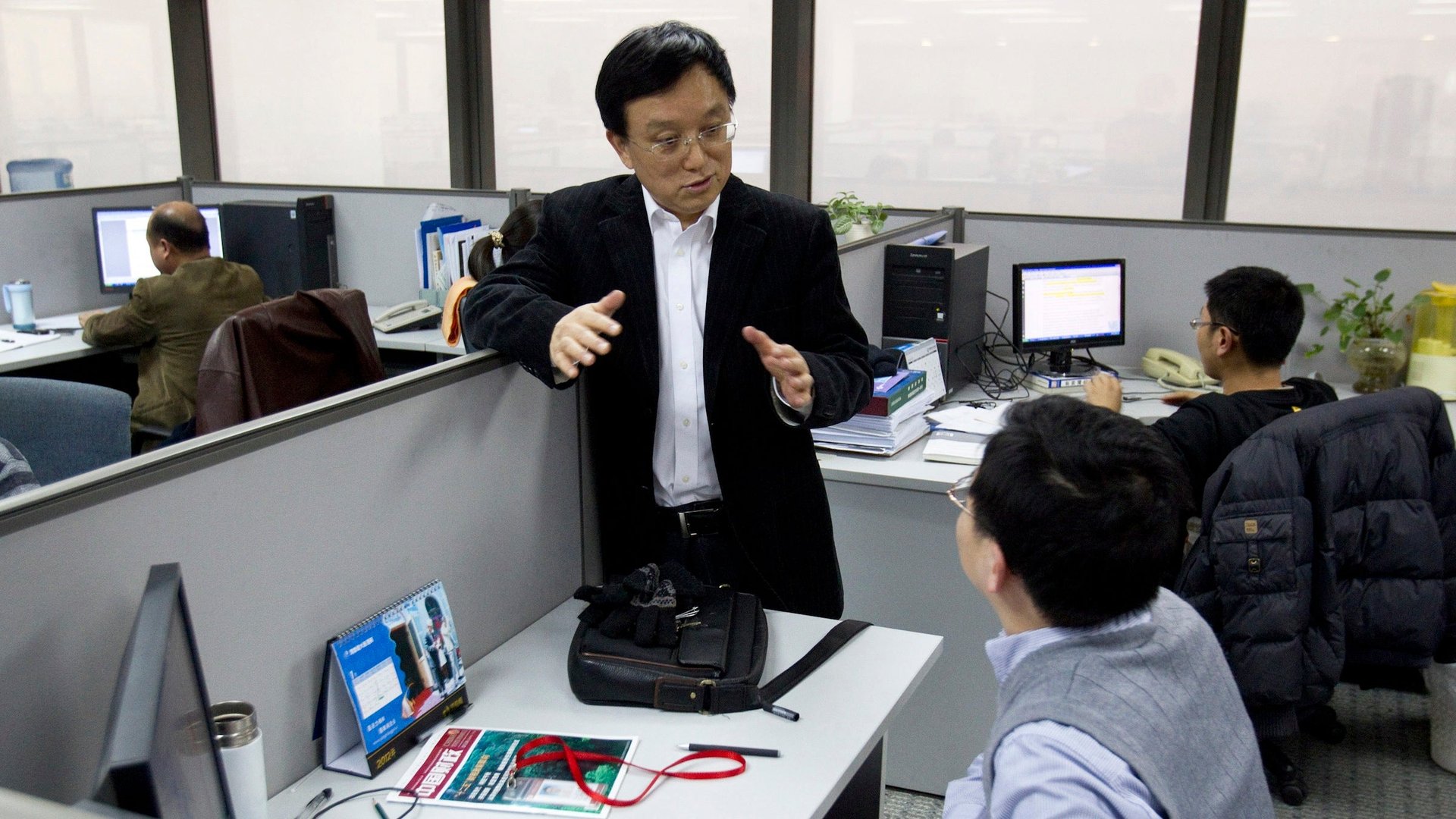
Due to its perilously high pollution and shrinking labor force, China needs to stop being the world’s workshop and start producing higher-value exports that require fewer, smarter workers and fewer factories powered by air-choking coal. China’s problem is its relative lack of creative entrepreneurs because of its dictatorial government, conformist culture and an education system that values rote learning over individual thought.

Markets are betting that new Japanese prime minister Shinzo Abe’s plan to kickstart the economy by aggressively printing and spending new money will succeed. News that Haruhiko Kuroda—a former academic and diplomat who favors money-printing and reflation—is Abe’s top choice for governor of the Bank of Japan, has sent Japanese stocks rising and spurred another fall in the value of the yen, which has plunged almost 20% against the US dollar since last October.

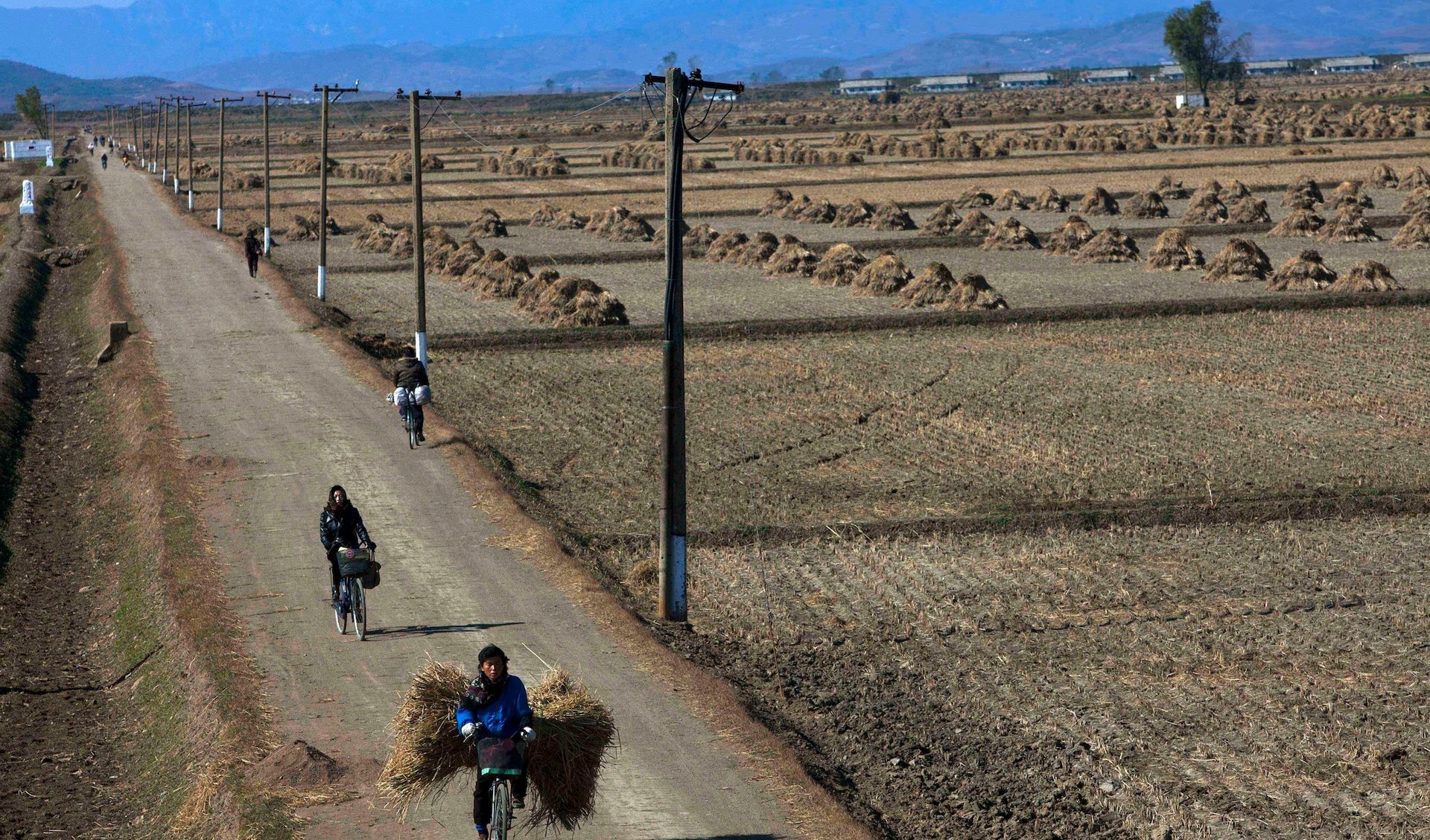
Before it conducted its third nuclear test today, North Korea was looking like it had an outside chance of becoming the next frontier market for investors in natural resources.

Australia has not had a recession since the early ’90s. Its stock market is booming. And businesses feel confident. But the party is winding down. The Reserve Bank of Australia (RBA) said last week that growth will slow to 2.5% this year from 3.5% in 2012. Here’s why:

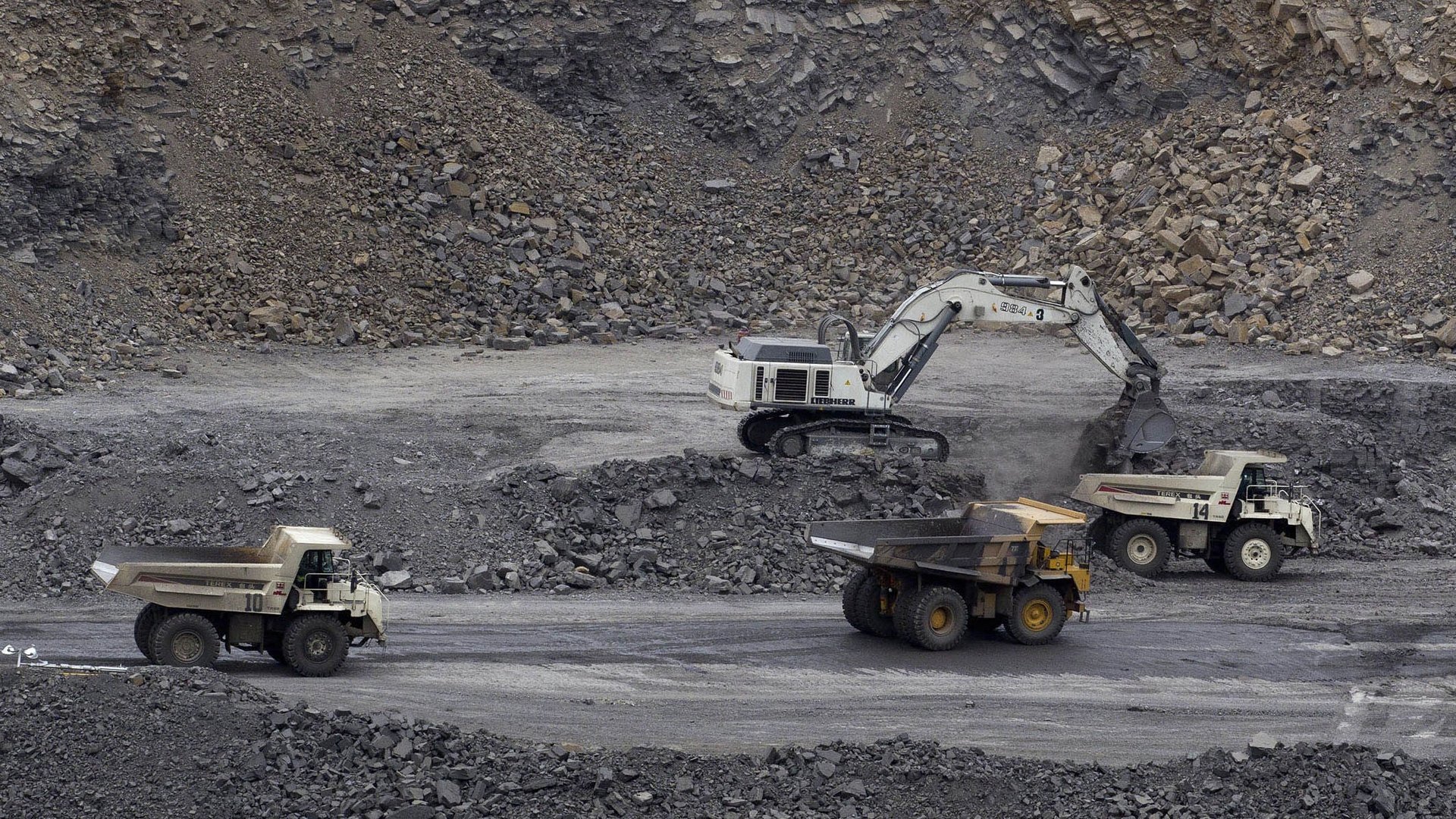
Justin Kapla, a US citizen and president of the coal mining division of Hong Kong-listed coal miner SouthGobi Resources, cannot get out of Mongolia.

Xoom, an American company that helps immigrants living in the US transfer money back home, is about to list on the stock market. Its biggest sources of business are remittances to India, Mexico and the Philippines, and its IPO prospectus reveals some intriguing factoids about financial habits in these emerging markets:

For a successful Chinese businessman, there used to be nothing like taking dozens of government officials out for a pre-Lunar New Year holiday banquet to show them a taste of the largesse they could expect in the coming year.