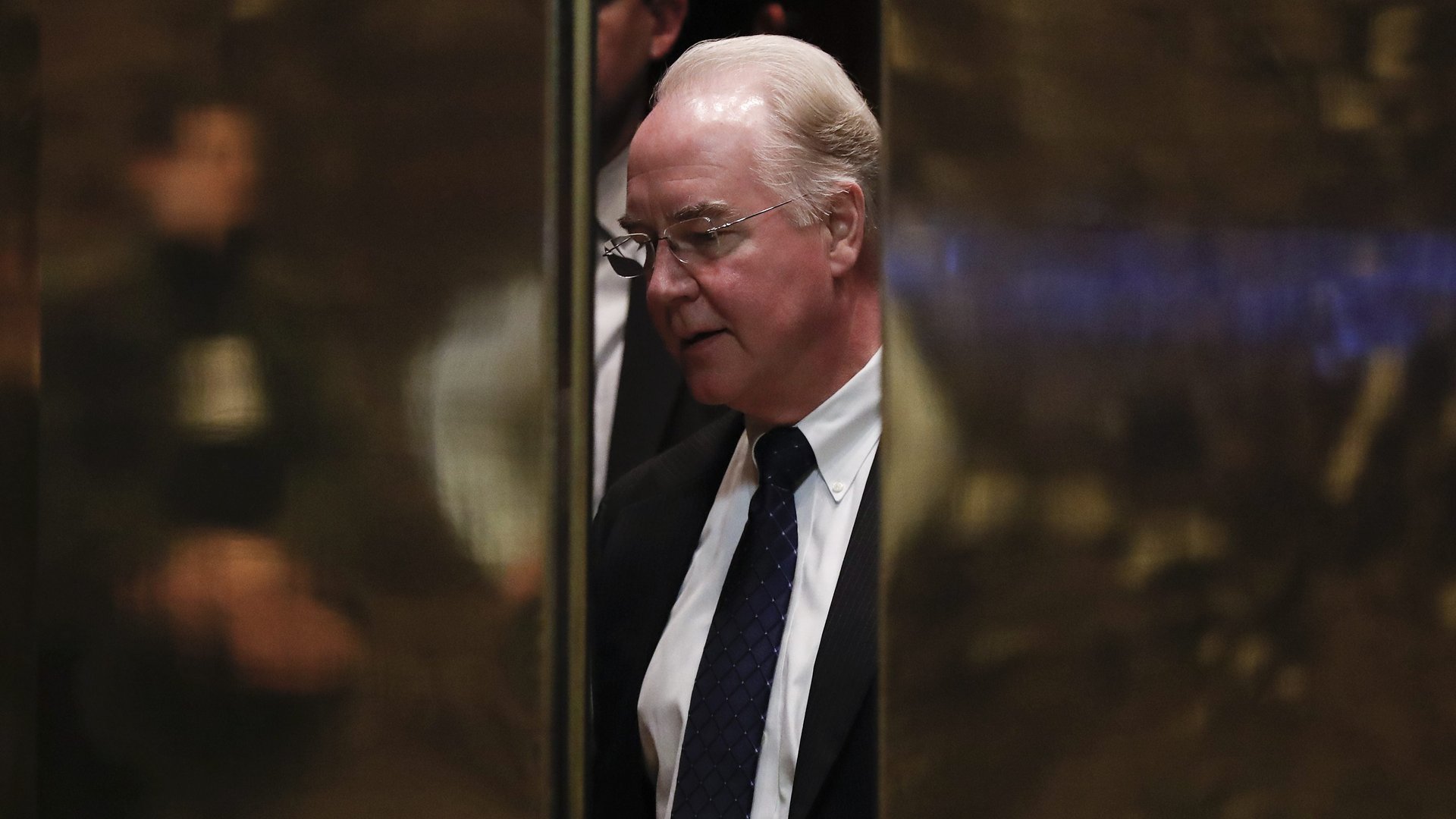
On Nov. 29, president-elect Donald Trump picked Tom Price, Georgia congressman and orthopedic surgeon, to head the Department of Health and Human Services. Price’s primary mandate, it seems, is to dismantle Obamacare.

On Nov. 29, president-elect Donald Trump picked Tom Price, Georgia congressman and orthopedic surgeon, to head the Department of Health and Human Services. Price’s primary mandate, it seems, is to dismantle Obamacare.

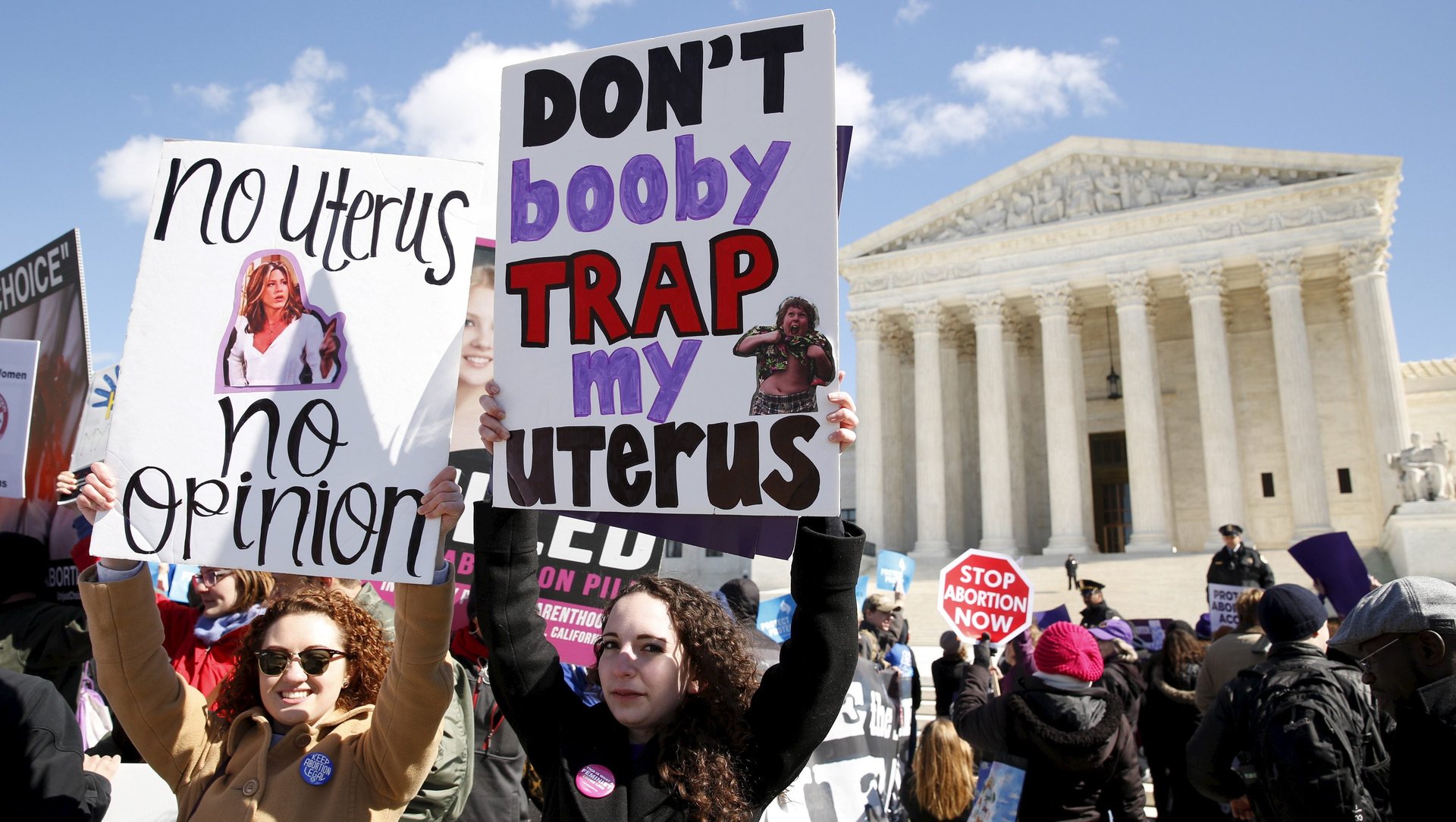
While president-elect Donald Trump has been busy declaring his intention to overturn Roe v. Wade and appointing an attorney general with a questionable record on women’s rights, one state is quietly instituting laws that would curb women’s reproductive rights sooner than anything Trump could do.

A powerful earthquake hit the coast of northern Japan on Tuesday morning, prompting the Japan Meteorological Agency to issue a tsunami advisory, warning of waves up to 3 meters (10 feet) high. A 60cm (2ft) tsunami wave has already reached Fukushima’s Onahama Port, according to public broadcaster NHK.

Tulsi Gabbard, the 35-year-old US congresswoman from Hawaii, and a rising star in the Democratic party, is an unconventional ally for Donald Trump. But when the two met on Monday afternoon (Nov. 21), they had a lot of common ground between them.

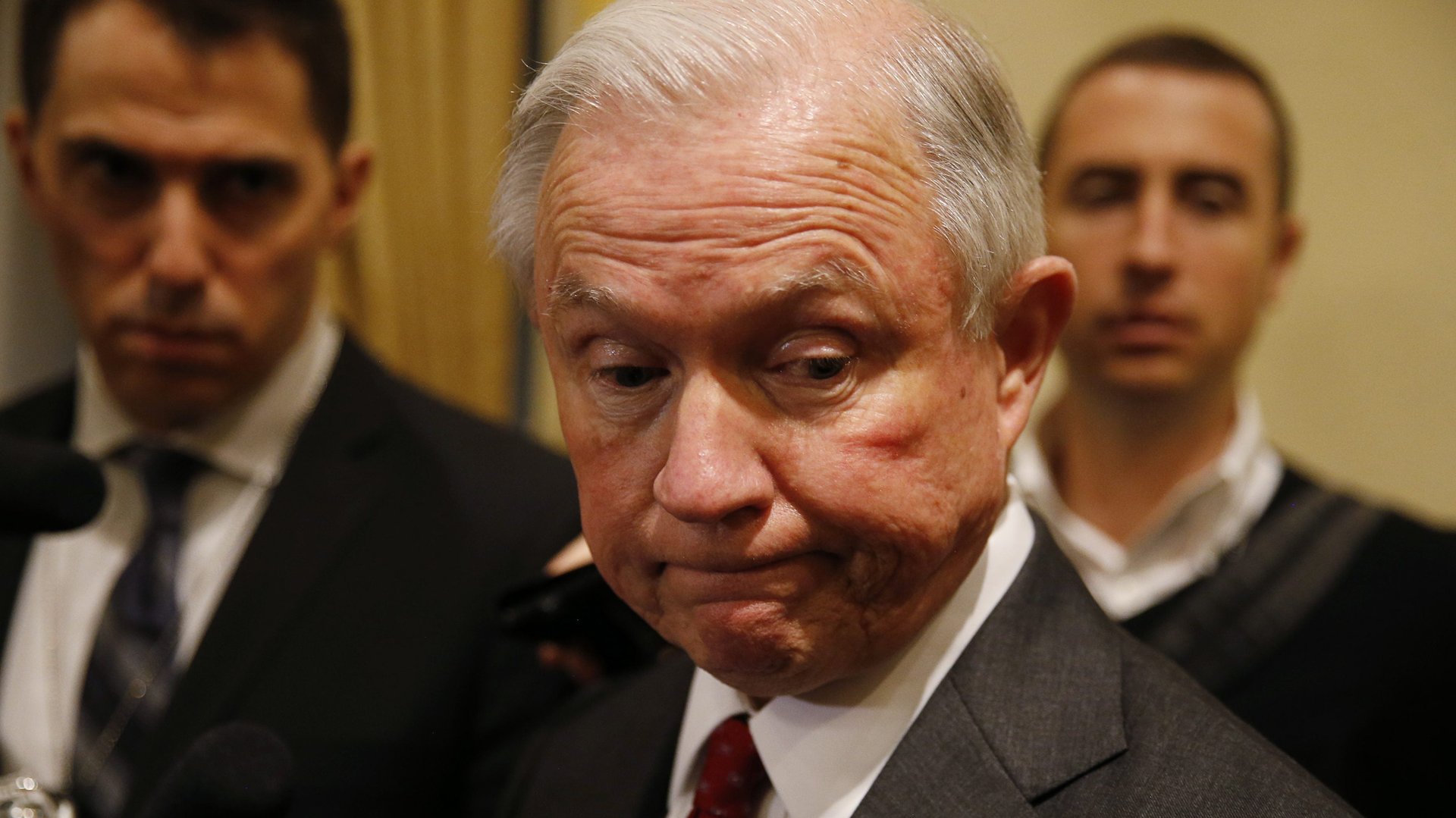
Alabama Senator Jeff Sessions, US president-elect Donald Trump’s choice for attorney general, is widely considered one of the most conservative Republicans in the senate and has a controversial history as a federal prosecutor in his home state.

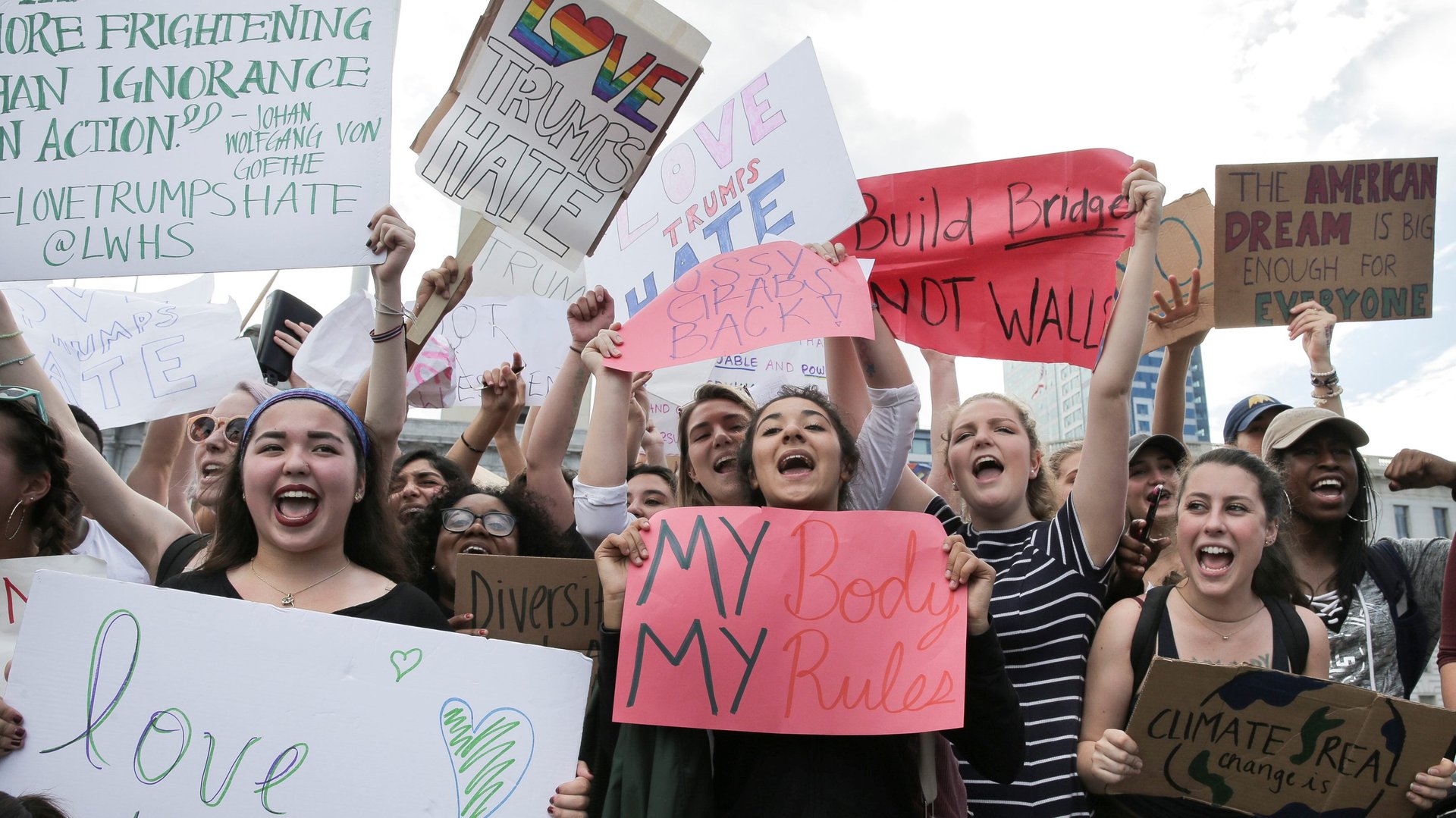
In the days since US president-elect Donald Trump’s victory on a platform that included promises to deport unauthorized immigrants, students, alumni and faculty at several universities are asking their university administrations to make their colleges “sanctuary campuses” for immigrant students—safe spaces where they can study without the threat of deportation.

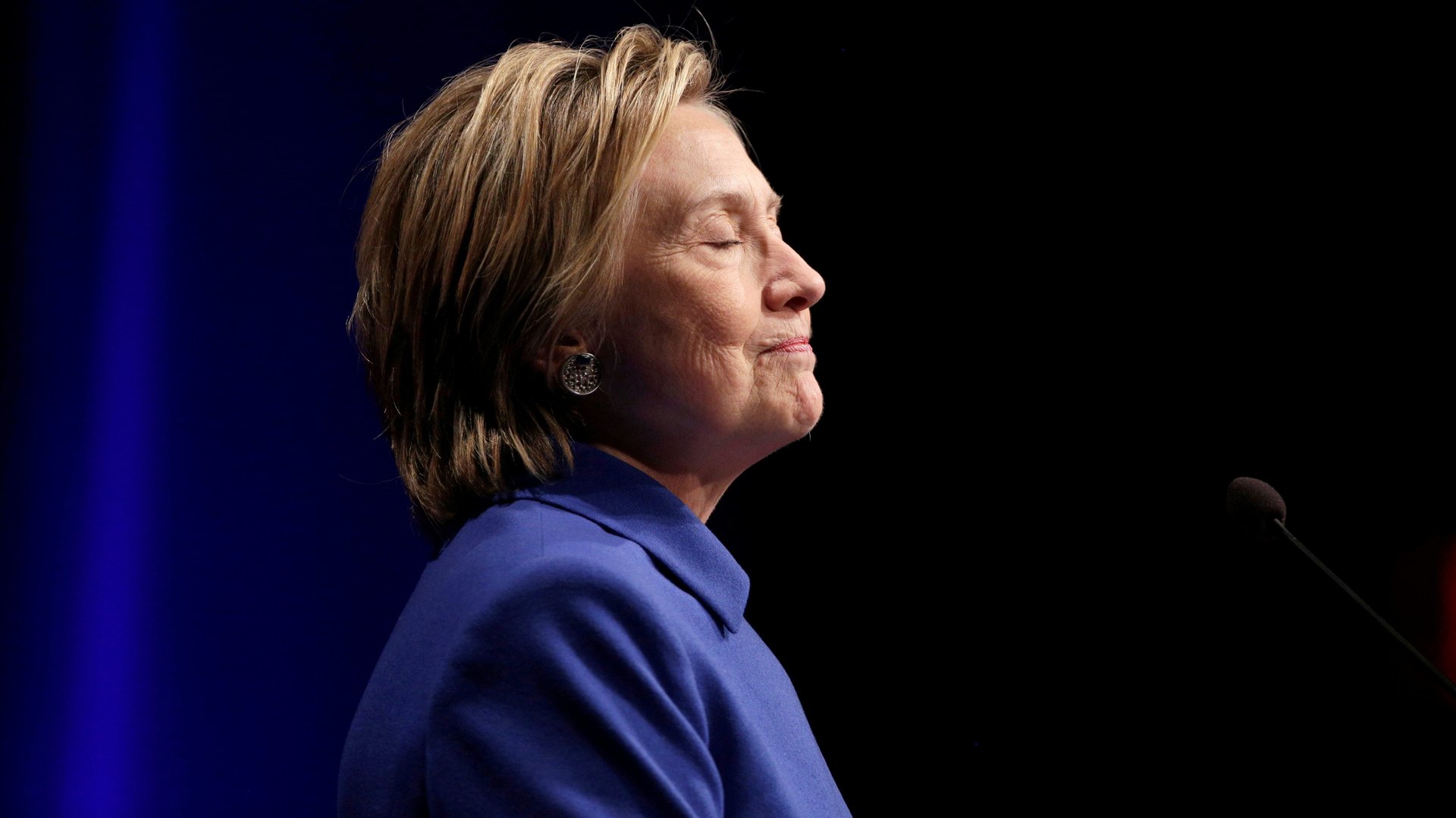
In her first public appearance since conceding the election to president-elect Donald Trump last week, Hillary Clinton made an heartfelt plea to her supporters “not to give up.”

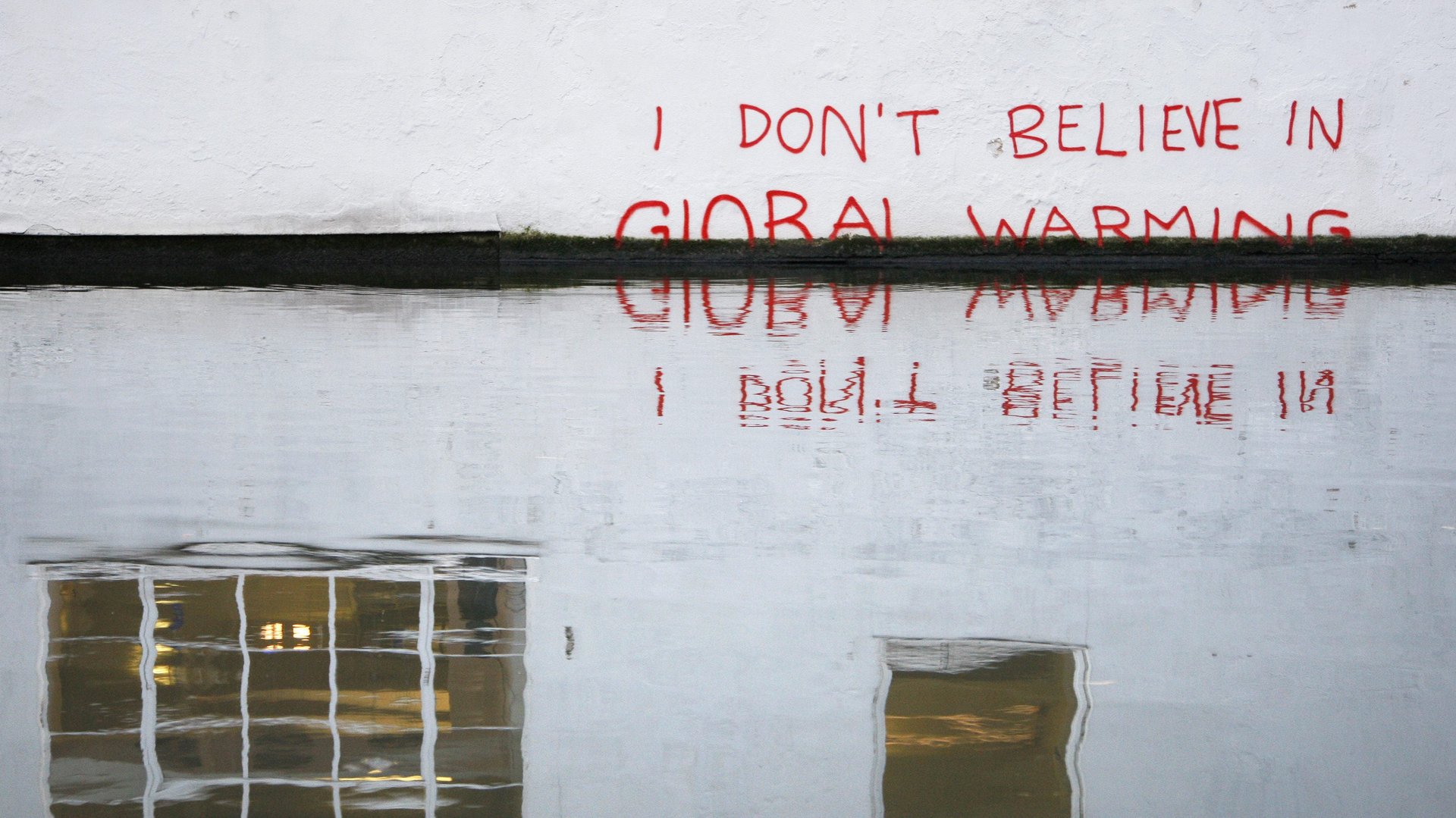
It has never been more important to figure out how to have constructive conversations with climate change deniers.

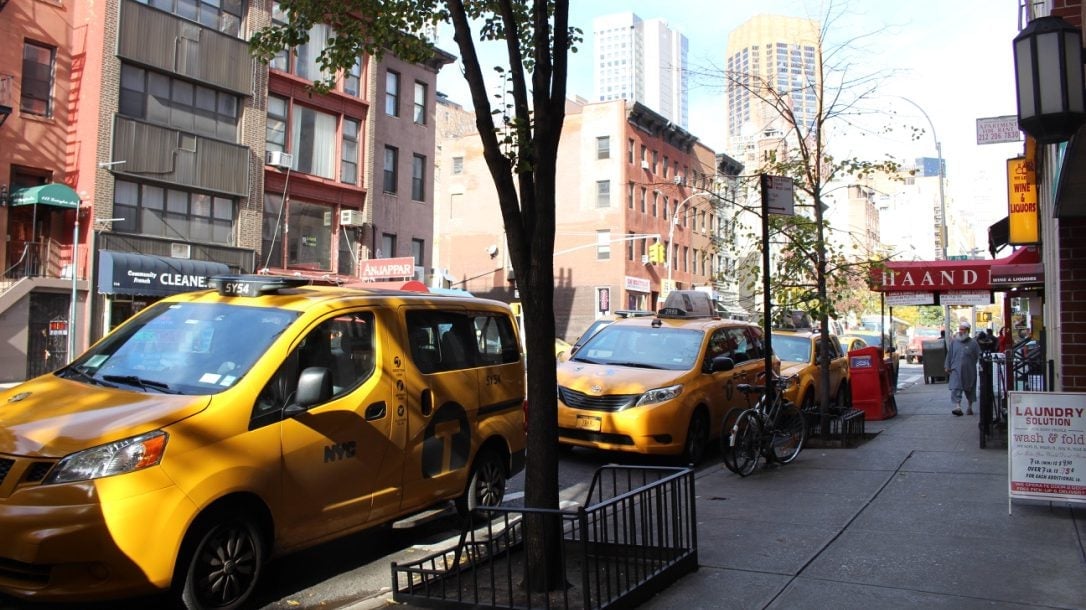
At any given time of the day, a line of yellow cabs can be seen parked outside Haandi, a restaurant in the South Asian part of New York’s Lexington Avenue sometimes called Curry Hill. Tucked in between stores selling saris, pickle, and paan, the casual eatery is a favorite among South Asian cab drivers looking for familiar food and the company of compatriots.

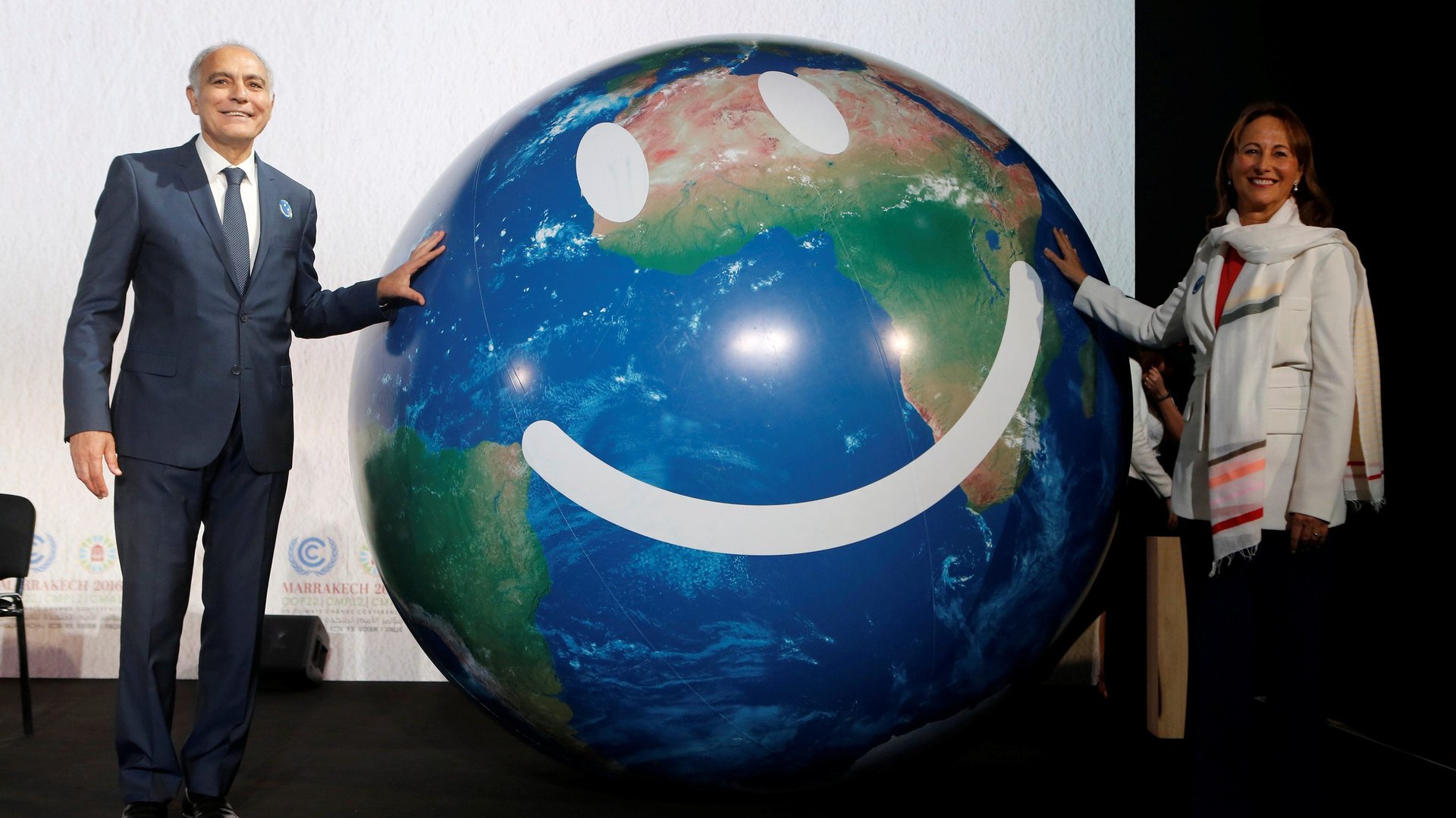
Donald Trump has long questioned the science behind climate change, by turns calling it a Chinese deception designed to harm American manufacturing, an “expensive hoax,” and “bullshit.”

After months and months of complaining that the election is rigged, and refusing to confirm that he will accept the outcome of the election, Donald Trump has now filed an election lawsuit in Clark County, Nevada.

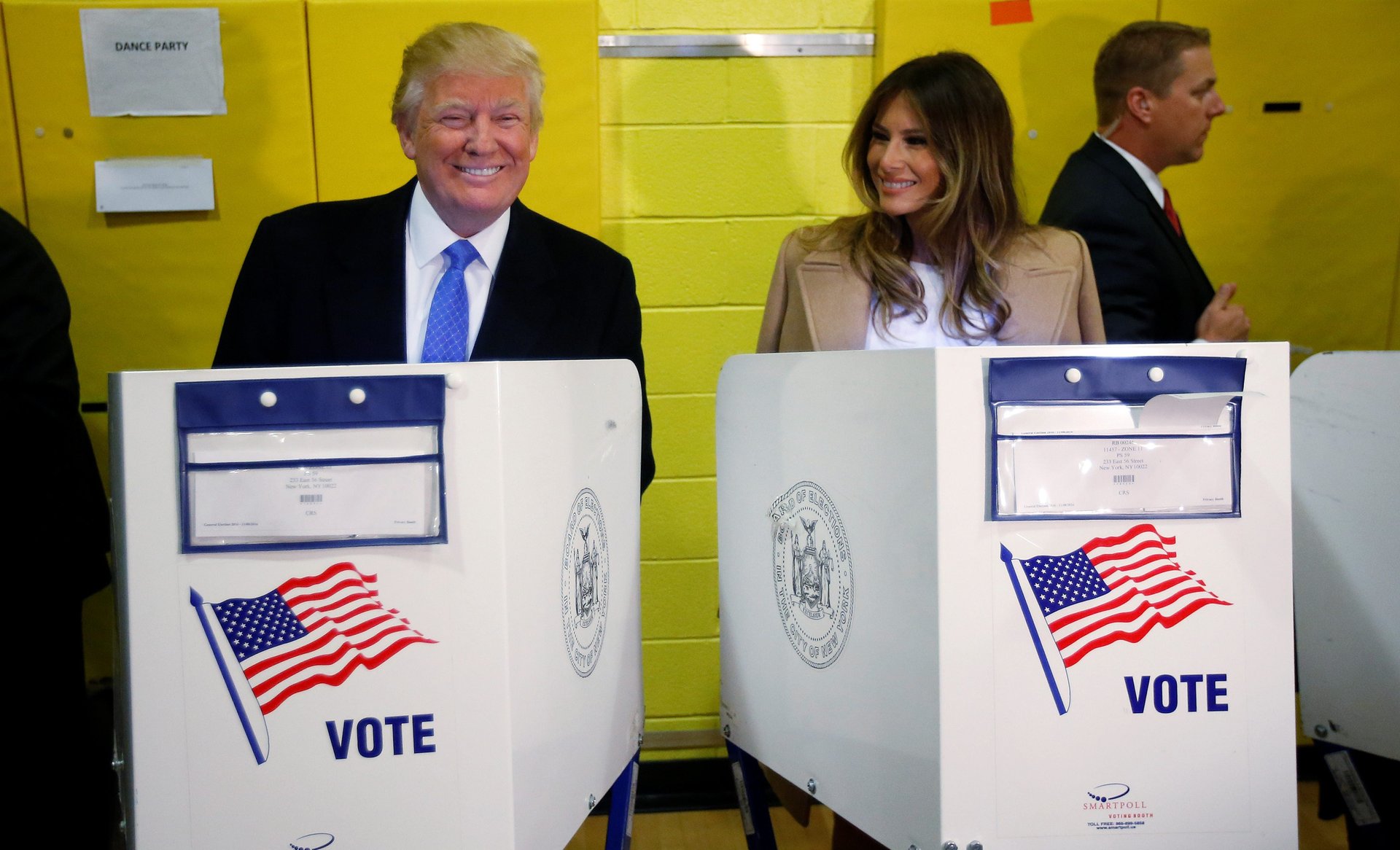
As Donald Trump pulled up to his midtown Manhattan polling station this morning, crowds lined the street—many of them ready to heckle.

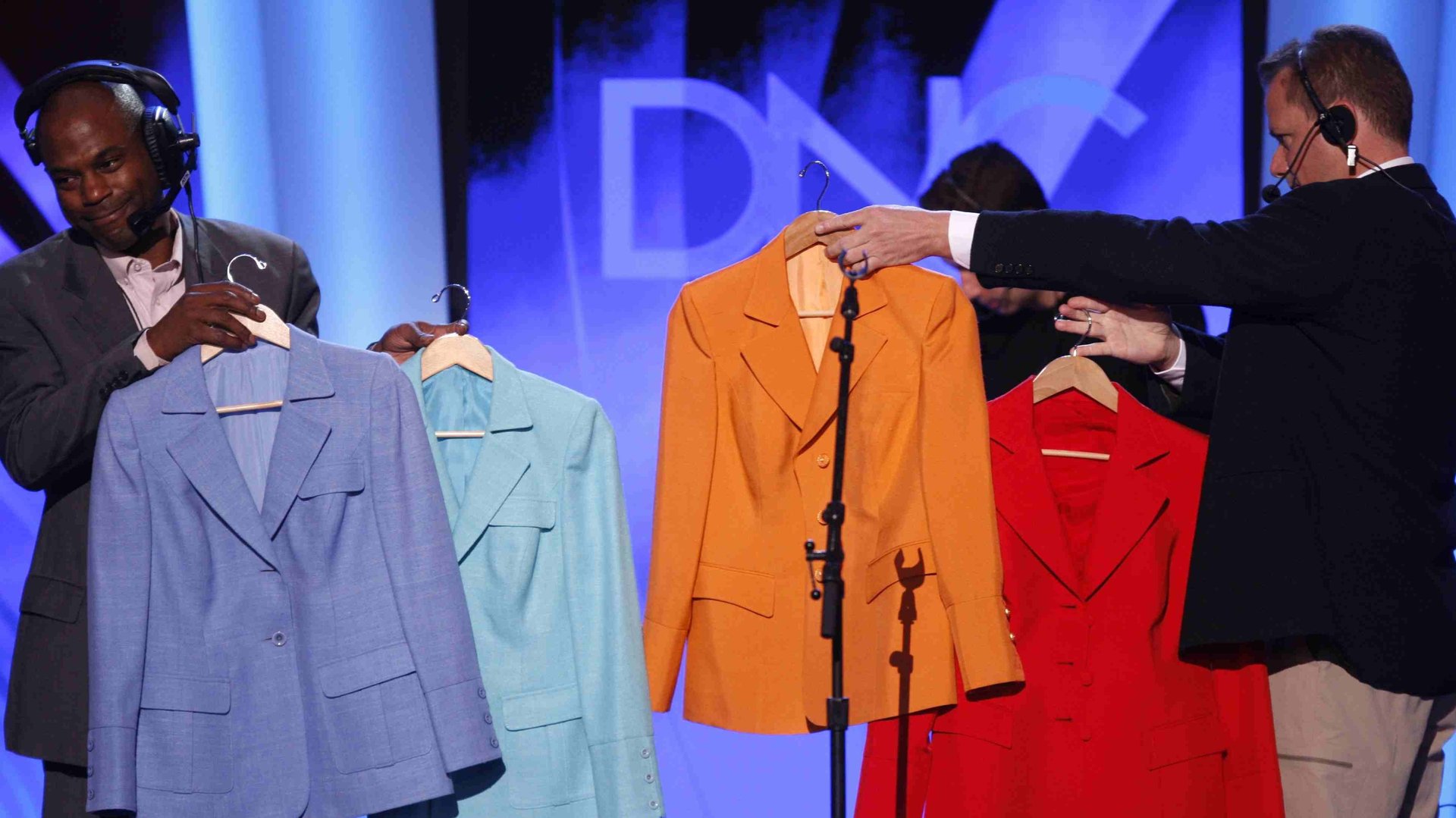
Hillary Clinton’s signature pantsuits have become such an iconic look that even Beyoncé wore one when she campaigned for the Democratic candidate in Ohio.

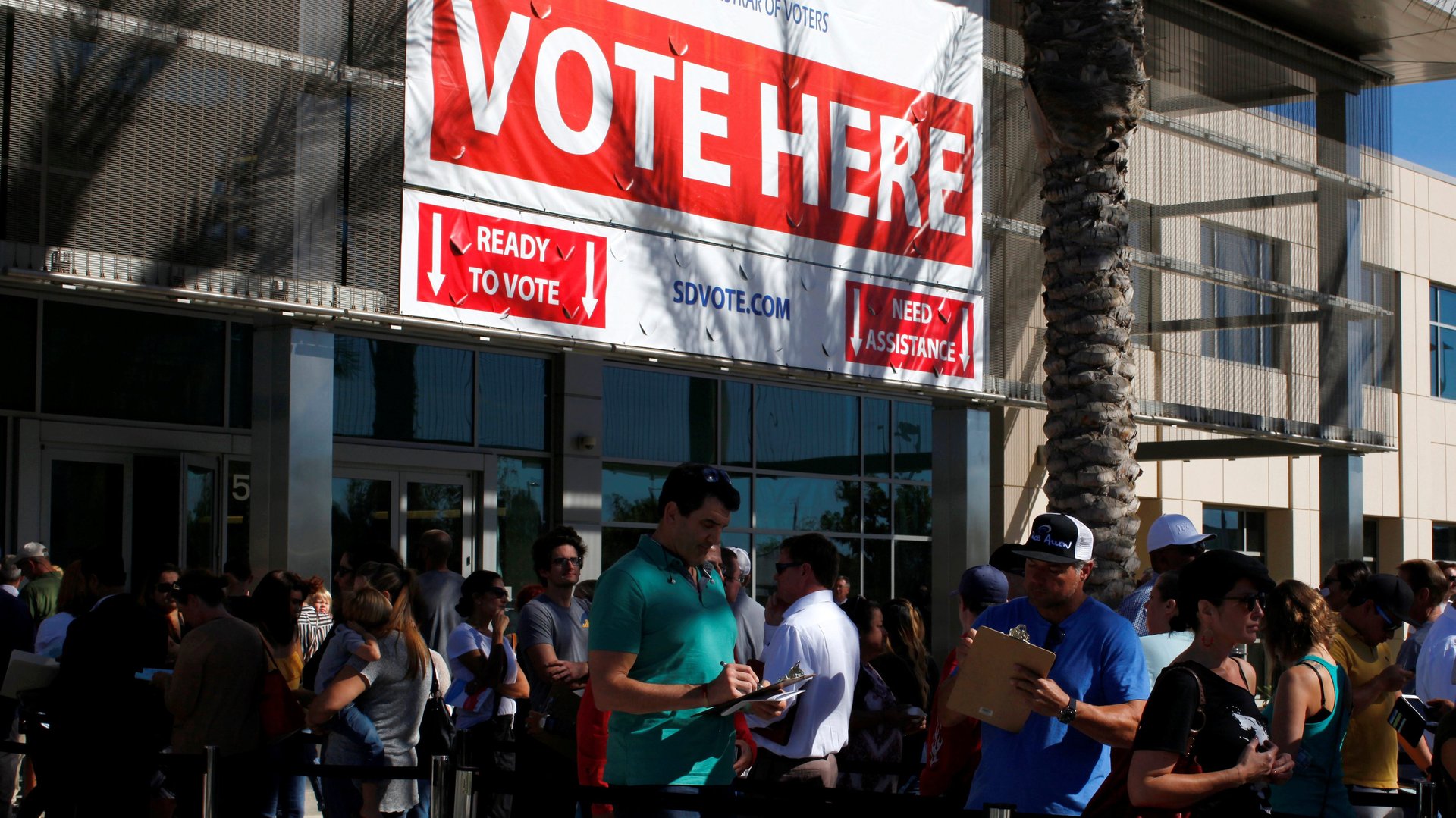
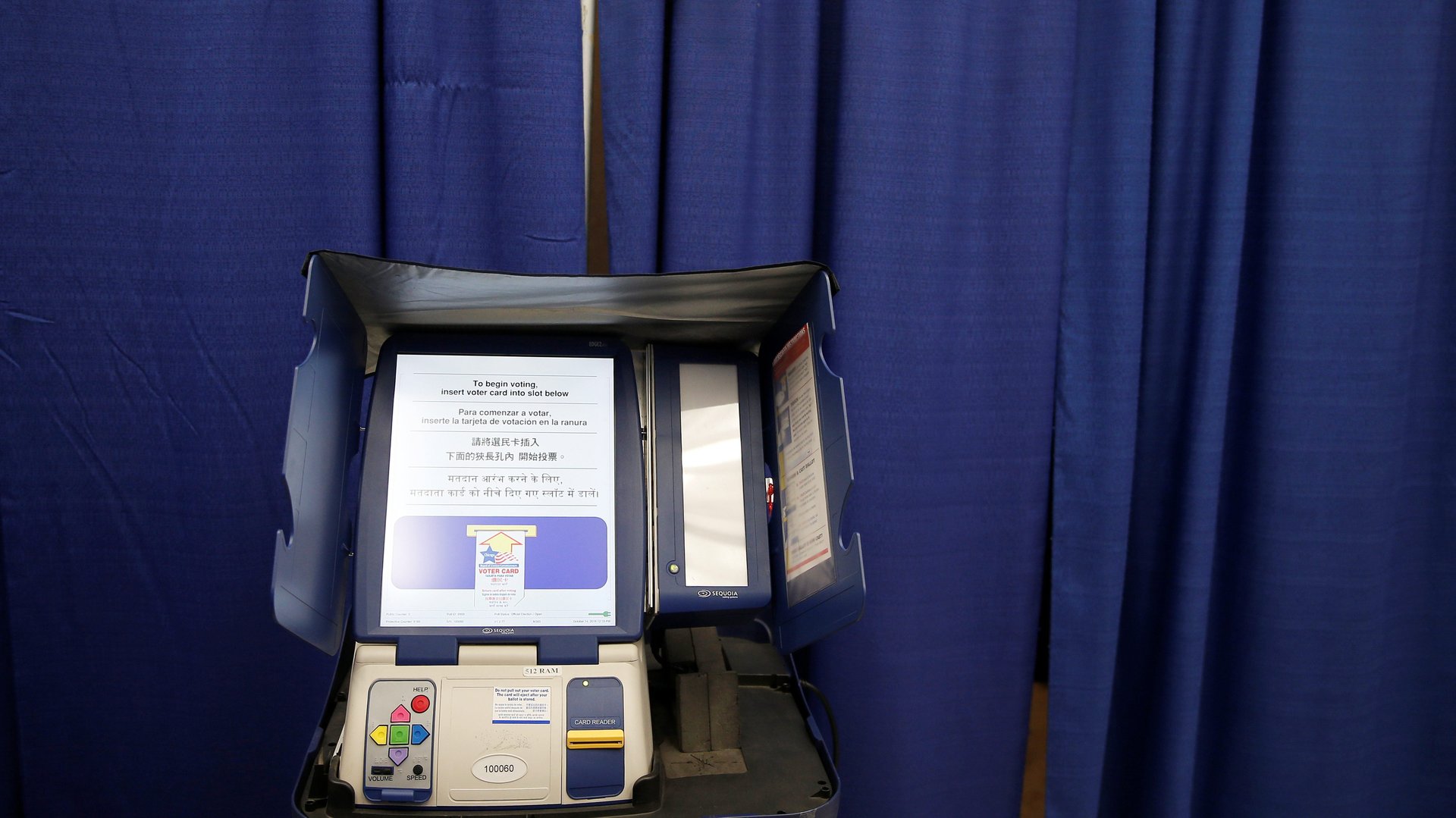
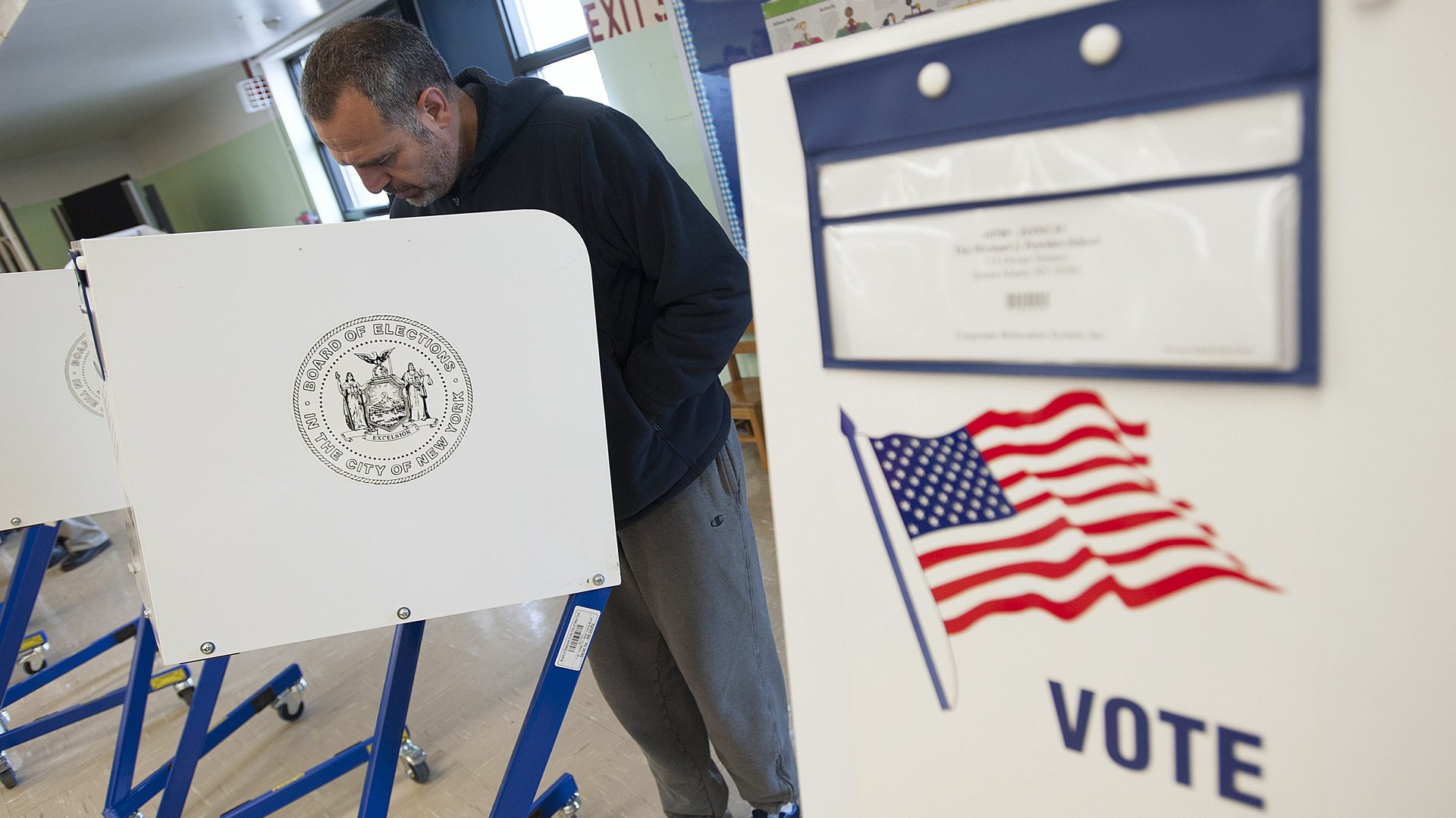
Election day in the US is finally upon us, and while early voting is becoming more popular than ever, most Americans will cast their votes today.

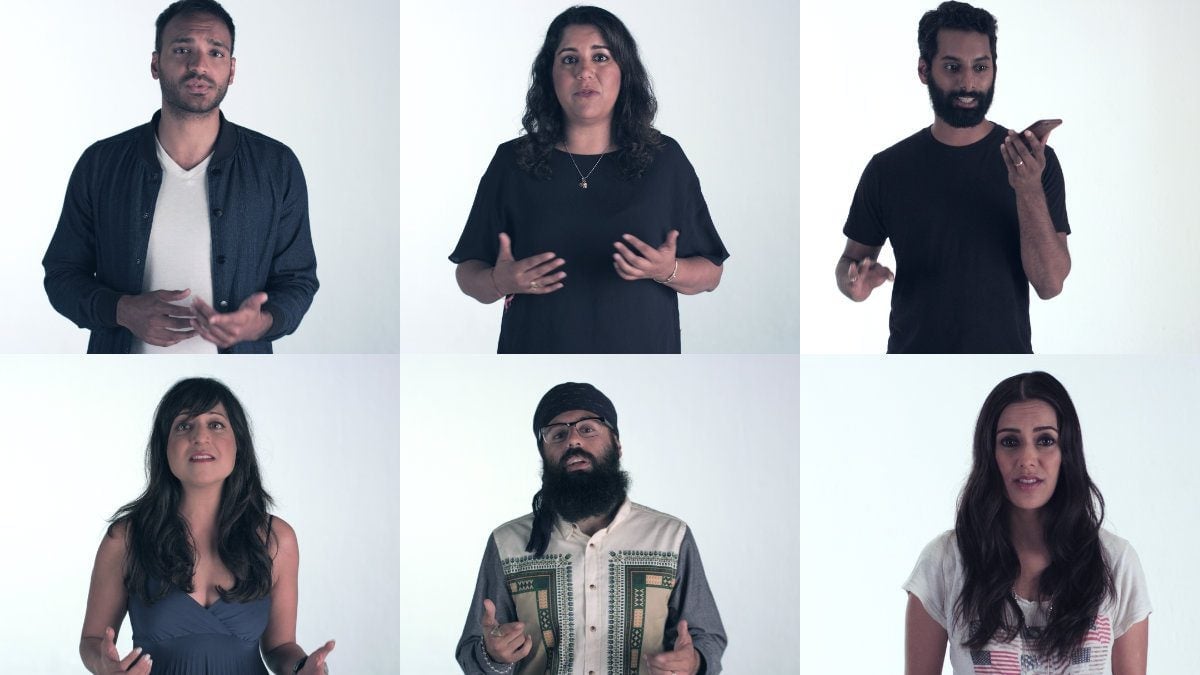
Donald Trump has been trying to woo South Asian American voters.

After a presidential campaign that has seemed interminable, voters in the United States are tired of hearing about Hillary Clinton and Donald Trump. But Aviva Rosman, COO of BallotReady, an online voter guide, estimates that there are about 40,000 other candidates running for local political office on Nov. 8. They include people running for offices like city council, sheriff, school board member, county water board member, county coroner, tax collector and justice of the peace. And, Rosman says, voters tend to be much less informed about these lower-profile down-ballot races.

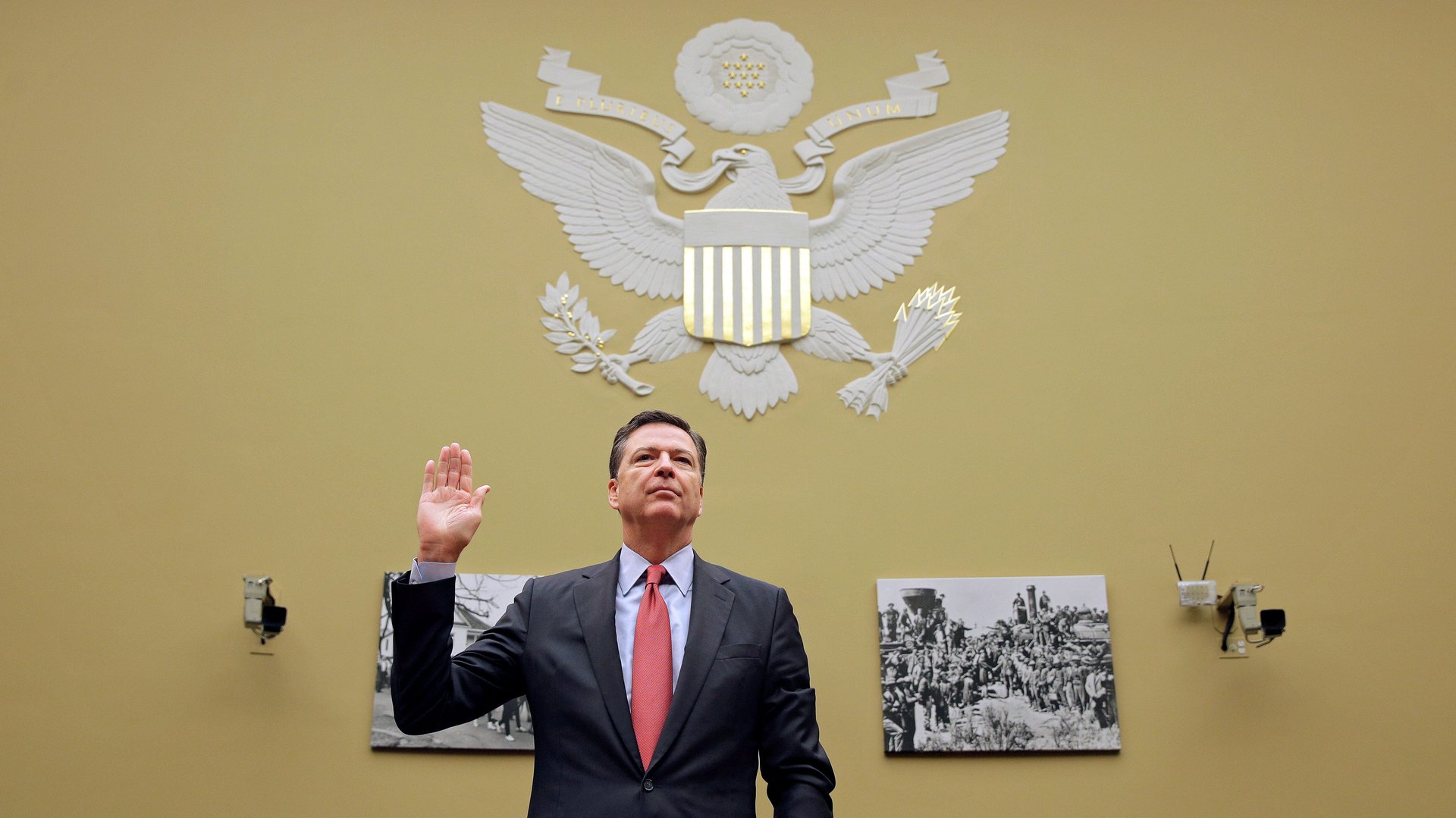
In the last days of a bizarre US election season, the Federal Bureau of Investigation is playing an unprecedented starring role.

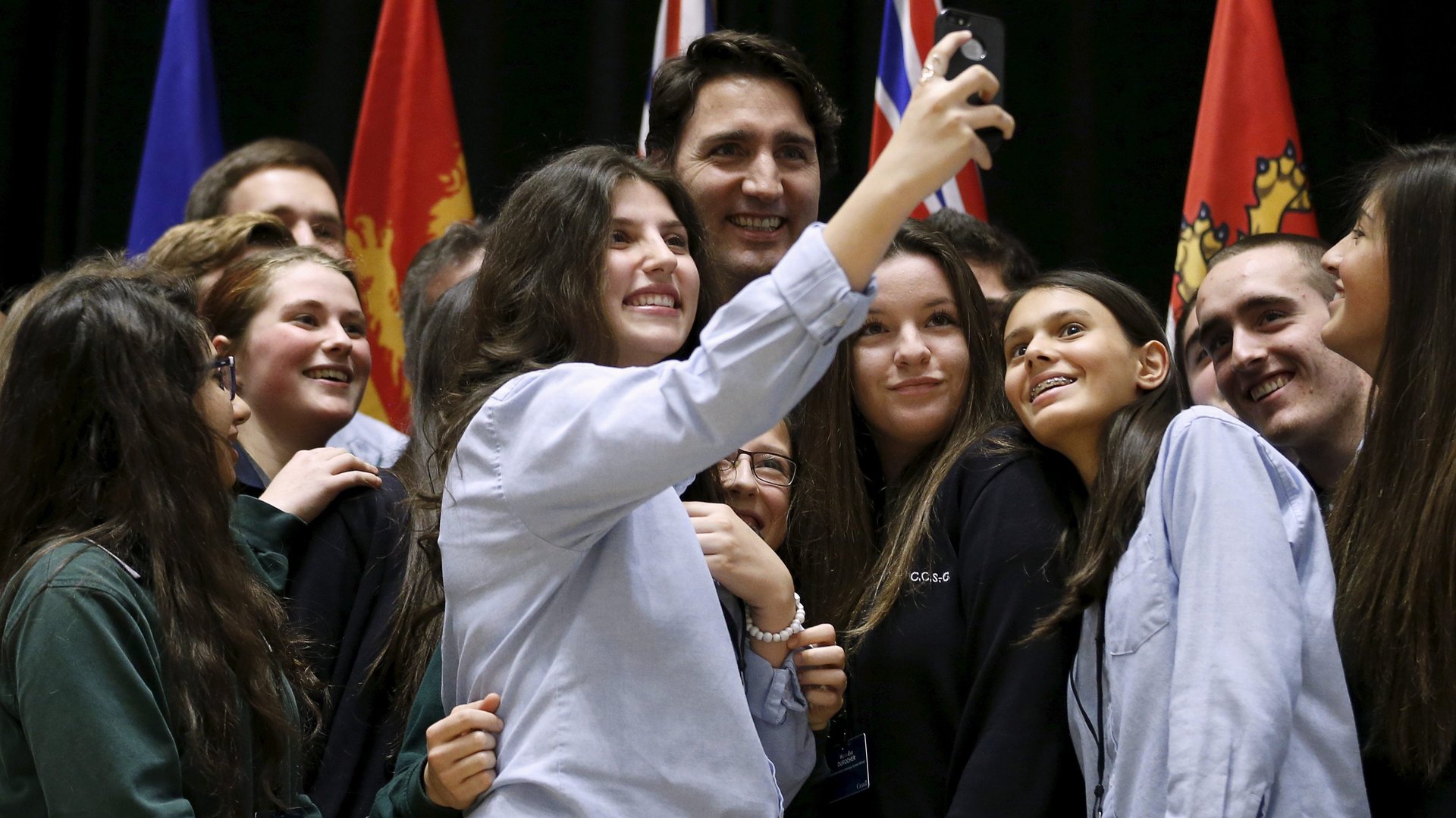
As though it’s not enough to have a prime minister who looks great shirtless and speaks eloquently about the power of diversity, a cabinet that is half female, and a parliament that edited the national anthem to make it gender neutral, Canada’s government is now making it easier for young people to shoulder their student debt burden.

A day after they faced each other in their third and final debate of the 2016 election season, Hillary Clinton and Donald Trump will be attending a white-tie charity gala at the Waldorf-Astoria ballroom in New York, where they are expected to make lighthearted jokes about each other.

HBO’s Silicon Valley depicts the US tech industry as dominated by geeky men in sweatshirts. But the satire isn’t far from reality. Despite efforts to the reduce the gender gap in technology, a new study by Accenture and Girls Who Code, a non-profit dedicated to closing the gender gap in computing, predicts that women’s share of computing jobs in the US is going to narrow even more if steps aren’t immediately taken to the address the issue.

Donald Trump has been peddling conspiracy theories about how this election is rigged for months now, and is using these claims to depict himself as a martyr, the victim of a grand conspiracy to keep him out of the White House.

Ala Sirota, a sprightly 70-year-old woman who immigrated to the United States from Ukraine in 1979, thinks that America has changed since her arrival—and she doesn’t like what it has become. Pursing her lips and setting down the hair dryer at the salon where she has worked for more than a decade she mutters, “Many people come here and they are not for this country. They do a lot of damage to this country. They change America.”

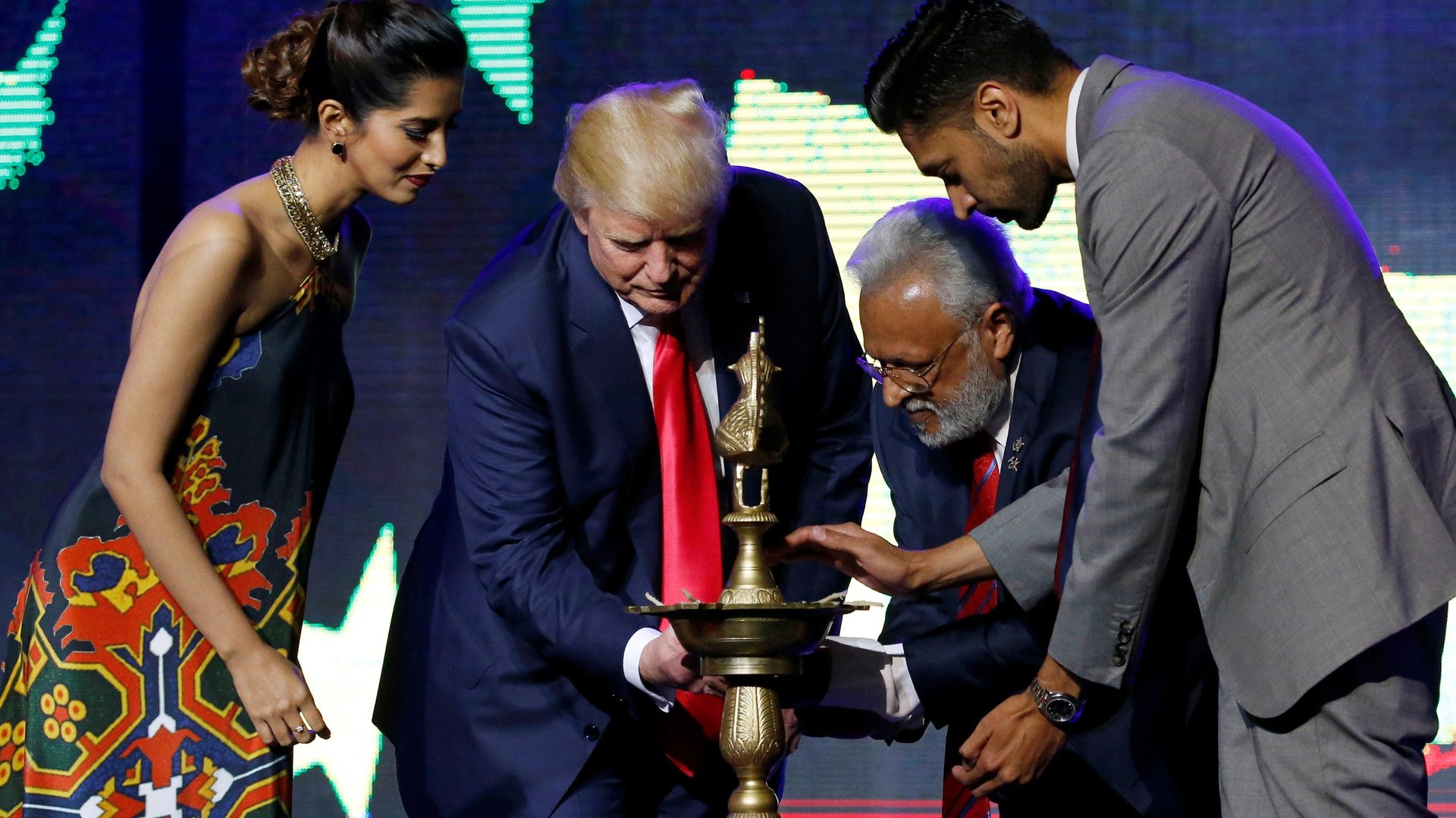
Last night, Donald Trump used an unlikely new campaigning tool: Bollywood. The Republican presidential nominee attended an event organized by the Republican Hindu Coalition in New Jersey, which mixed Bollywood dances with political speeches in an effort to win over Indian American voters and donors.

As a reporter working in Iran, Maziar Bahari was bothered not to hear more people speak about the discrimination faced by the Baha’i, a persecuted religious minority. But he knew that if he wrote about their lives, it would mean the end of his ability to work in the country.