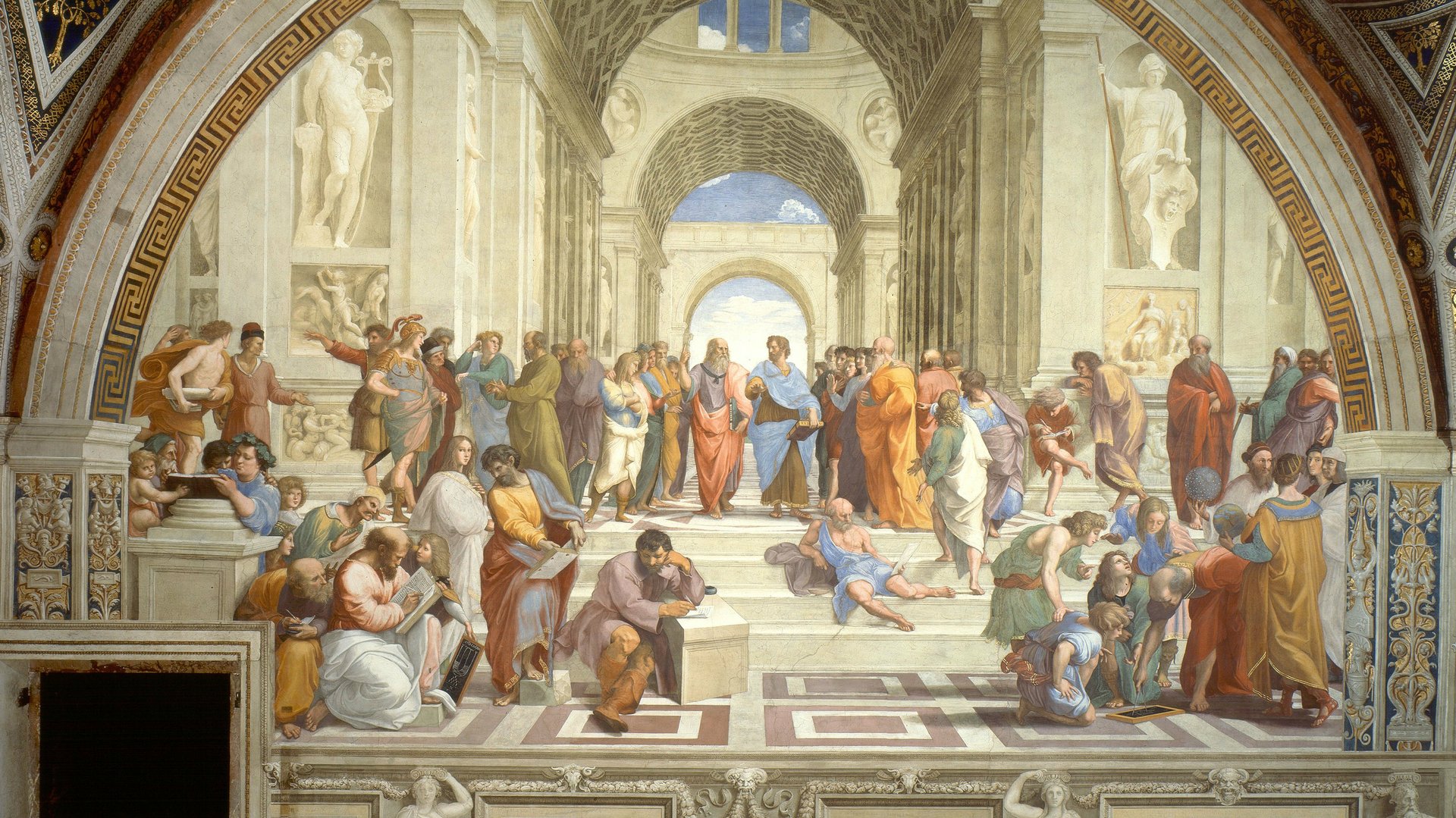
Long before there were Silicon Valley guys in hoodies aiming to hack the world, there were toga-clad men in Athens devising philosophical theories to shift our understanding of reality.

Long before there were Silicon Valley guys in hoodies aiming to hack the world, there were toga-clad men in Athens devising philosophical theories to shift our understanding of reality.

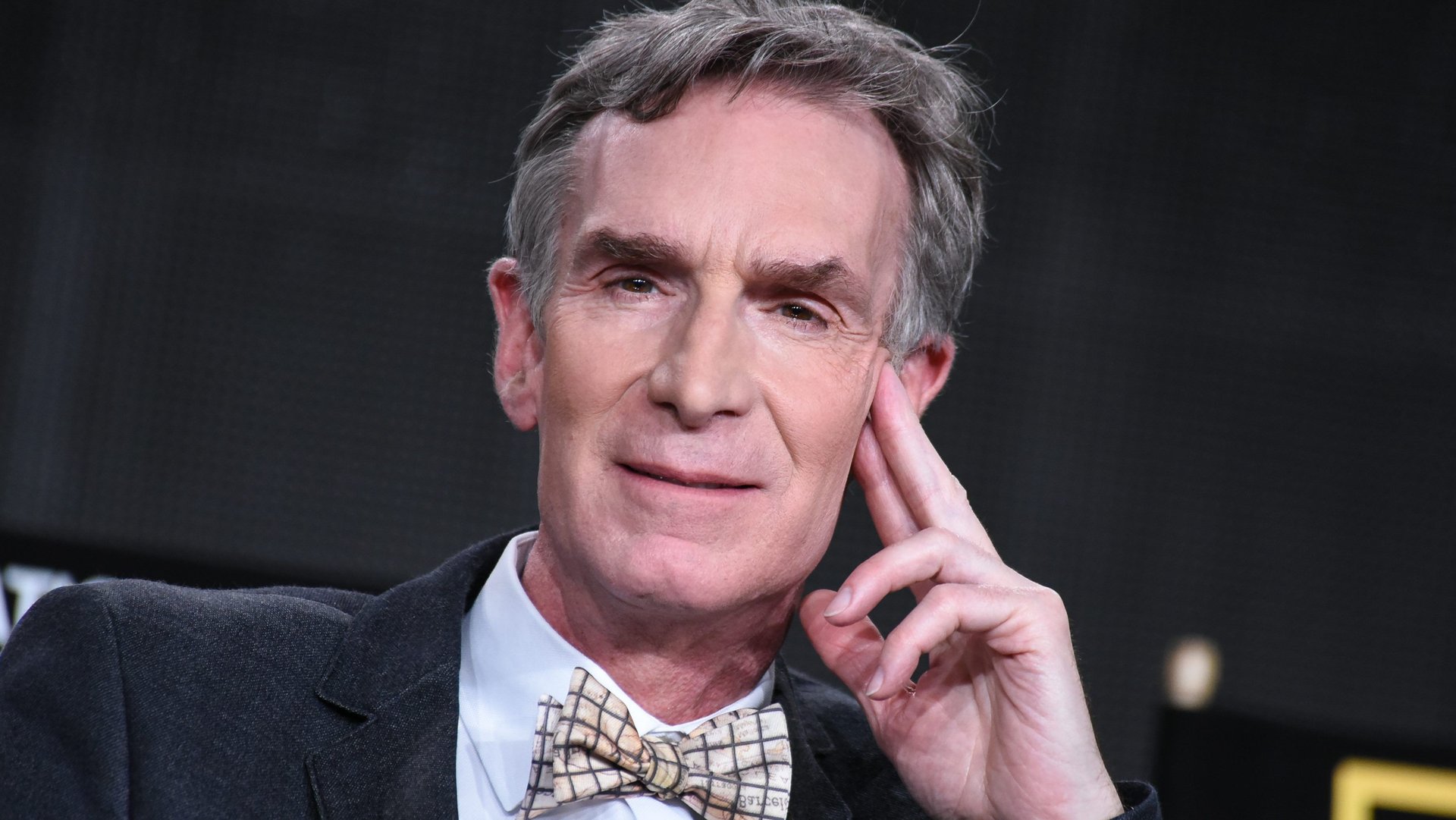
Bill Nye, the science guy, is now a budding philosopher.

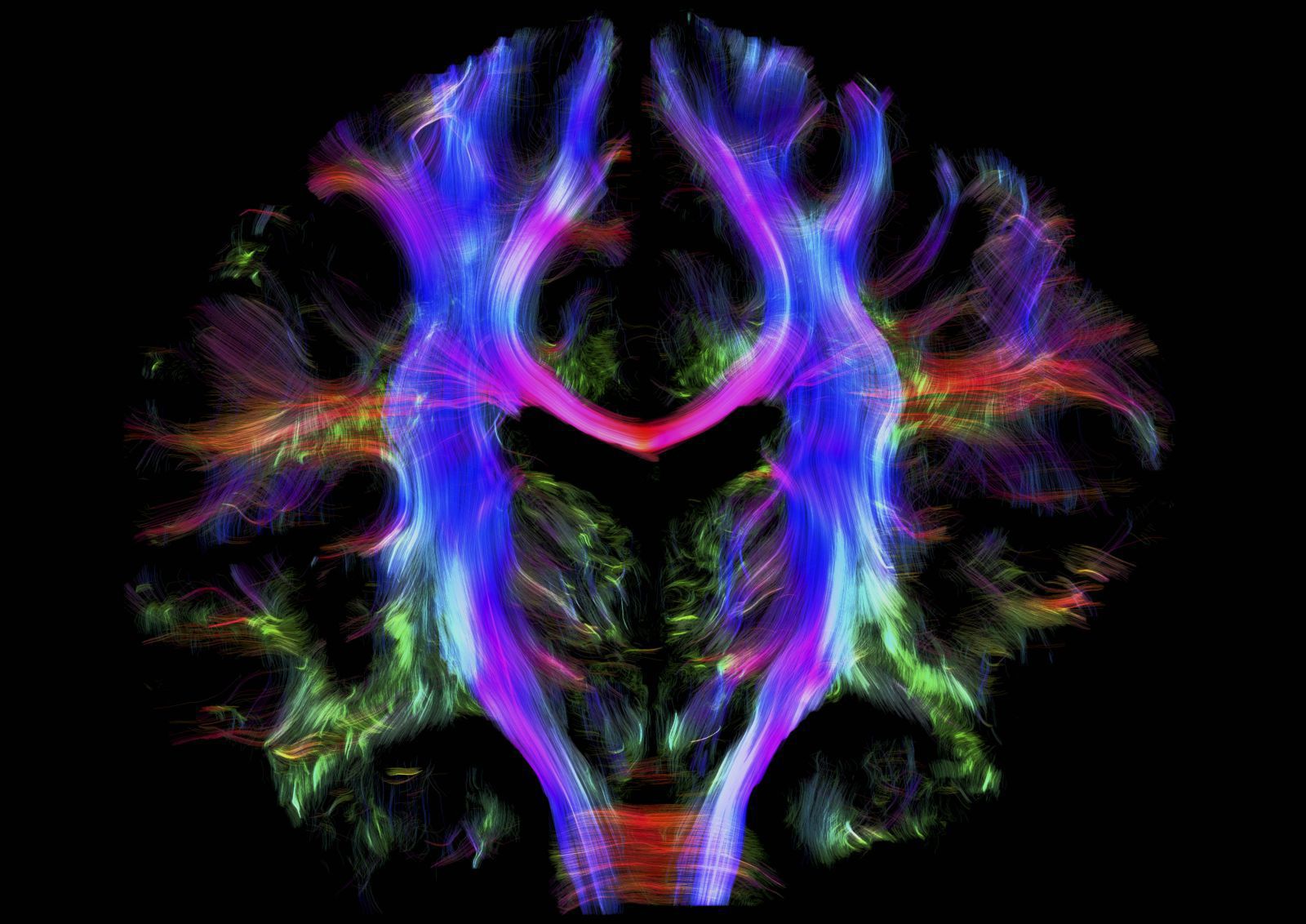
We rely on memory to pass exams and excel at trivia nights, but in fact the stakes are far higher than simply recalling facts, no matter how essential. Memory structures our identity; it’s the foundation of consciousness. Our past and current selves, emotions, and experiences, are linked together thanks to memory.

Love potions have been a plot point in fairytales for centuries. Now, thanks to dramatic advances in our understanding of the neuroscience behind love, they’re close enough to reality to be studied by Oxford University researchers.

“How’s your day going?” can be a truly personal question. It’s banal chitchat if all is well, but if you’re going through immense trauma or crisis, it can feel invasive. Once, it might have been possible to brush off the question with a polite “fine” but we live in a world that no longer settles for polite. Instead, we’re expected to be cheery and positive, regardless of what we’re feeling inside.

Knowledge is power, so the saying goes, which makes it all the more striking how determined humans are to avoid useful information. Research in psychology, economics, and sociology has, over the course of several decades, highlighted countless examples of cases where humans are apt to ignore information. A review of these earlier studies by Carnegie Mellon University researchers, published this month in the Journal of Economic Literature, shows the extent to which humans avoid information and so selectively edit their own reality.

The actress Emma Watson has made a point of portraying her latest movie, Disney’s Beauty and the Beast, as feminist film. Watson told Vanity Fair that she worked with Disney to update her character for the live-action version of its 1991 cartoon: In this latest version, Belle wears more practical clothing, is an inventor in her own right (rather than her father’s assistant), and often asserts her love of reading. Watson even asked renowned feminist writer Gloria Steinem to watch the film and make sure it aligned with feminist principles.

Yoga class undoubtedly improves a person’s flexibility and serenity. But Lisa Miracchi, a philosophy professor at University of Pennsylvania who is teaching a seminar called “Yoga and Philosophy,” says that the poses can also enhance your reasoning, behavior, and relationships.

Modern politics is unavoidably rage-inducing. Perhaps you’re disgusted by US president Donald Trump’s attempt to block visitors based on religion, at the referendums ripping apart the UK, or the countless human rights atrocities taking place worldwide. But what good, if any, does anger do, and how can you cultivate appropriate—and useful—anger in these times?

Deepak Chopra, one of the earliest proponents of the now-ubiquitous Western meditation craze, is a controversial figure. To his millions of fans, he is a spiritual leader, a mindfulness prophet, and an enduring new-age guru. To others, he’s a charlatan, pseudoscientist, and—to be frank—a spouter of bullshit.

In the 1970s, two psychologists proved, once and for all, that humans are not rational creatures. Daniel Kahneman and Amos Tversky discovered “cognitive biases,” showing that that humans systematically make choices that defy clear logic.

Everyone wants you to be happy: Self-help books dish out advice on how to stop worrying, boost happiness, and banish negative thoughts; bosses want to see smiling enthusiasm in the workplace; and the only way to respond to “how are you?” is with a joyful “great!” But according to Svend Brinkmann, a psychology professor at Denmark’s Aalborg University, the culture of positivity has a dark side.

President Donald Trump’s Supreme Court nominee is a gift to conservatives: Neil Gorsuch has a history of defending religious liberties and has written extensively on the value of human life with regards to euthanasia. But, while Gorsuch’s judicial history has been extensively discussed, it’s also worth examining his intellectual influences.

Donald Trump would not be US president without the votes of many, including Obamacare enrollees and immigrants, who are likely to find themselves worse off because of his policies. To some Democrat supporters, this widespread voting against self-interests can seem impossible to understand. To Molly Crockett, a neuroscientist and experimental psychologist at Oxford University, it makes perfect sense.

Look at a photo of yourself as a teenager and, mistaken fashion choices aside, it’s likely you see traces of the same person with the same personality quirks as you are today. But whether or not you truly are the same person over a lifetime—and what that notion of personhood even means—is the subject of ongoing philosophical and psychology debate.

In 1964, after Fact magazine polled more than 12,000 psychiatrists and wrote a cover story on the 1,189 who considered Republican Barry Goldwater mentally unfit for presidency, the American Psychiatric Association officially banned its members from commenting on a public figure’s mental health without examining them. With this policy, known as the Goldwater rule, the APA made clear that passing such judgement from afar was morally reprehensible and unethical.

Let’s pretend you care, very much, about winning a game. The competition heats up, your opposition’s closing in, and you’re at risking of losing. What do you do? If your competitive streak is alive and well, then you get aggressive. Forget decorum, focus on the prize, and shove your opponent out of the way to claim your victory.

Valentine’s Day isn’t the only time we’re bombarded with pink hearts and heteronormative expectations. Those societal prompts are everywhere. Pop songs, rom-coms, and awkward dinner table conversations around the world convey the expectation that, once you reach a certain age, you’ll find your “other half,” fall madly in love, and settle down to a life of commitment and monogamy and children.

Sometimes, when faced with political operatives using terms like ”alternative facts” or invoking a nonexistent “Bowling Green massacre,” it feels easier (and emotionally healthier) to laugh than to cry.

Salads are an unappetizing scam. I’m not talking about a nice little side salad to go with a meaty main dish, or a pasta salad laden with rotini, feta and chickpeas. But anything that’s more than 20% leaves and served as a meal is inevitably lacking in nutrition, leaving you both hungry and hangry. That’s because the whole dish serves as a means of eating as little as possible.

Grandparents do not have a reputation for vivacious sexuality. But our perception of grandma and grandpa as largely sexless is unfounded, according to a recent study of sexual habits across age groups.

Donald Trump’s erratic behavior—from his petulant response to Saturday Night Live’s depiction of him to his erratic diplomatic calls—is hardly typical of a president. And his manner is so unusual that three psychiatrists, including Judith Herman, professor of psychiatry at Harvard Medical School, have written to US President Barack Obama to request that Trump receive a “full medical and neuropsychiatric evaluation.”

The Russian president and the president-elect of the United States are on remarkably good terms, given the two countries’ lingering resentments since the Cold War. If this relationship causes unease for those with concerns about hacking, dictatorial control, or human rights, understanding the philosopher nicknamed “Putin’s Brain” will only deepen this sense of alarm.

Chances are, you’re still doing whatever bad habit you tried to quit for last new year’s resolution. The months and years go by and, perhaps your job or relationships change, but your routines and behavior likely stay overwhelmingly the same. That’s because the vast majority of our actions aren’t conscious. And to change any lingering bad habits, you have to focus on understanding your subconscious behavior.