

Tech & Innovation
India feels hotter than ever, but this summer may not be as bad as last year’sOver the past few months, parts of India have been burning up.
Updated July 20, 20222 min read
Over the past few months, parts of India have been burning up.
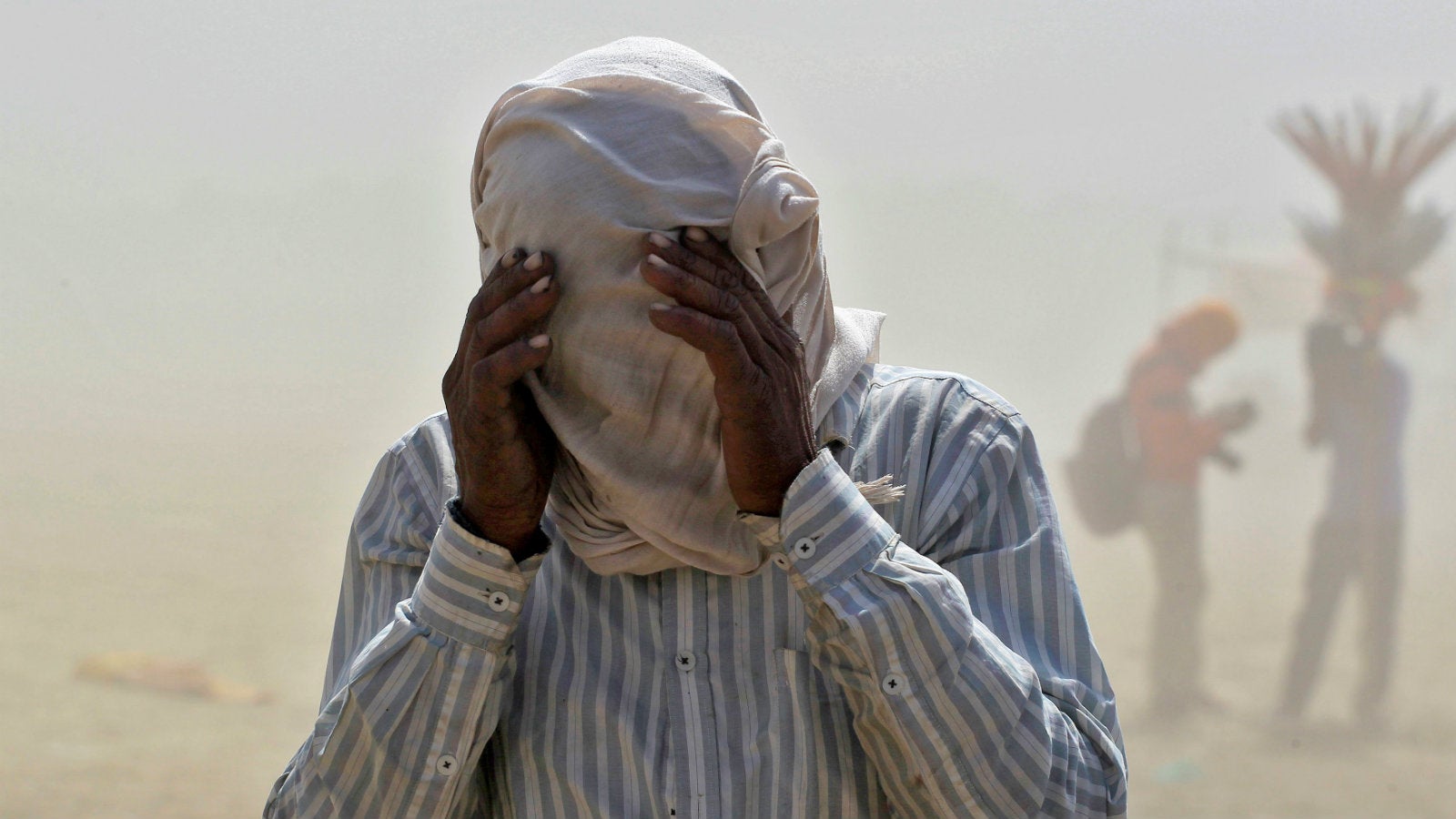
The India Meteorological Department (IMD) has predicted another week of extreme weather across the country.

Decades after the golden era of the state-run Hindustan Machine Tools (HMT), a husband-wife team of watch enthusiasts is setting out to revive the lost art of watchmaking in Bengaluru.

A data breach at the Employees’ Provident Fund Organisation (EPFO), a retirement fund for salaried workers, may have exposed the personal information of millions of Indians.
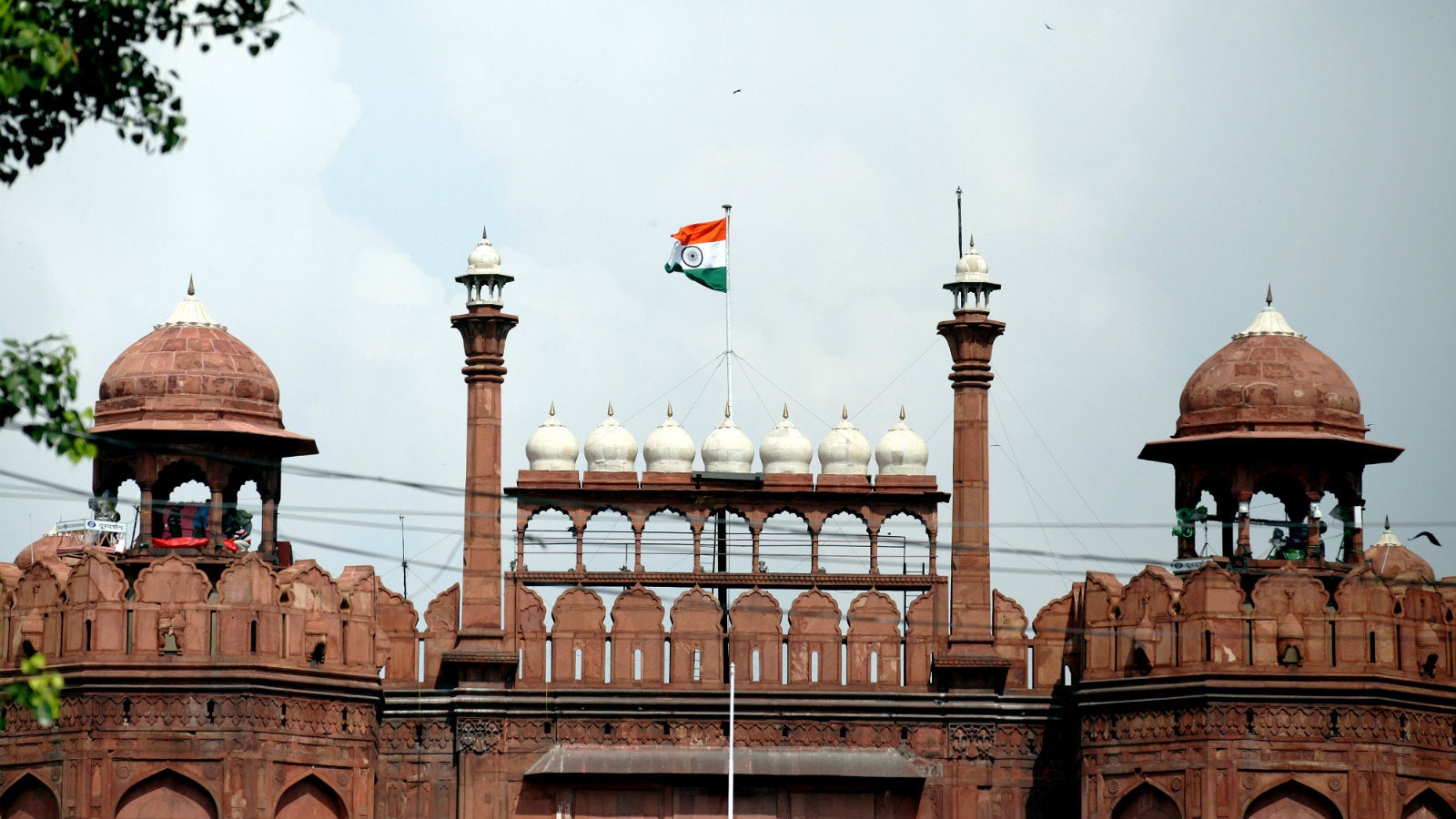
In tapping the cement maker Dalmia Bharat to upgrade Delhi’s historic Red Fort, the Indian government has sparked a national debate over who should be in charge of the country’s long-neglected monuments.
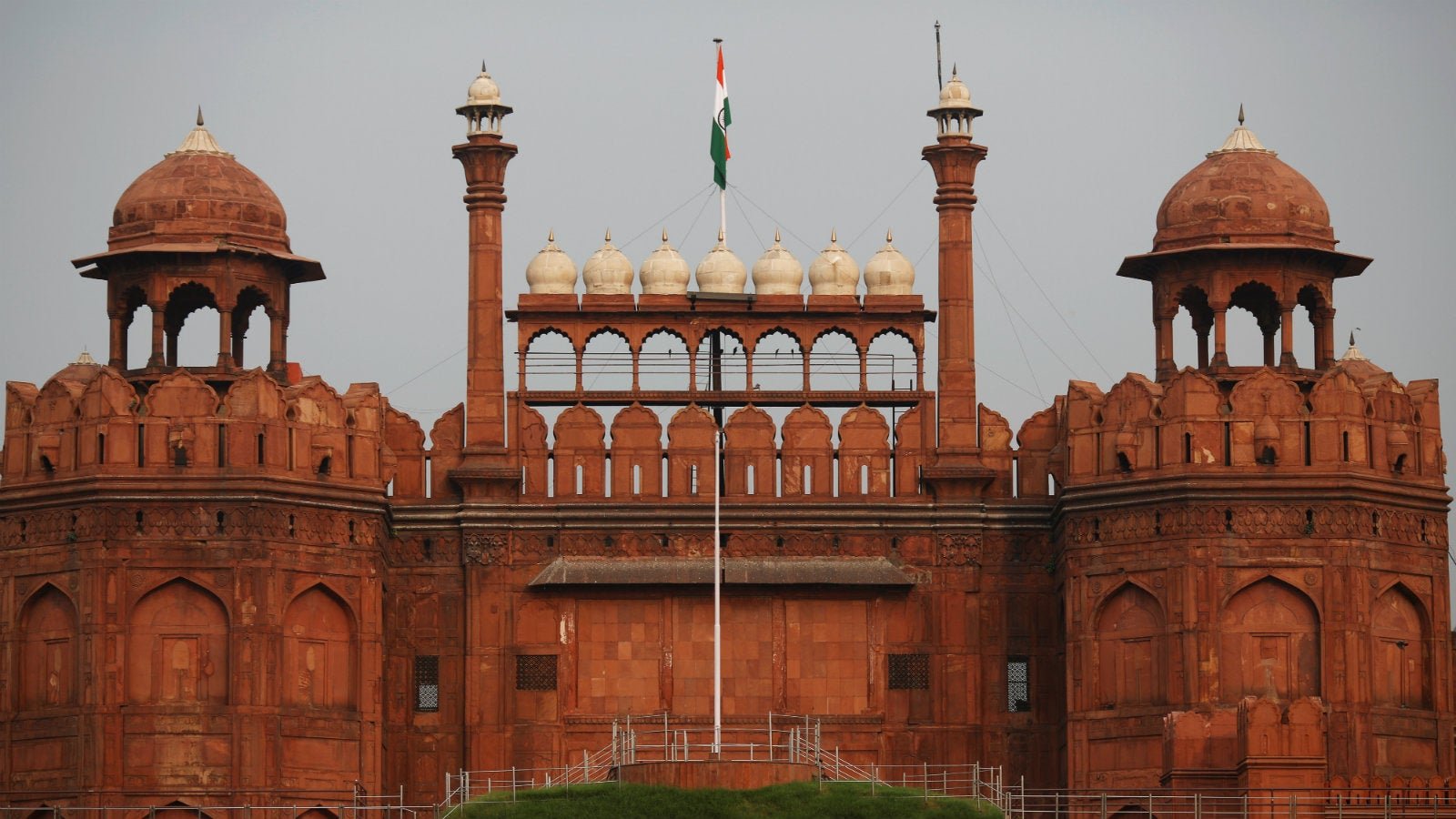
For perhaps the first time ever, heritage conservation is a trending topic in India.
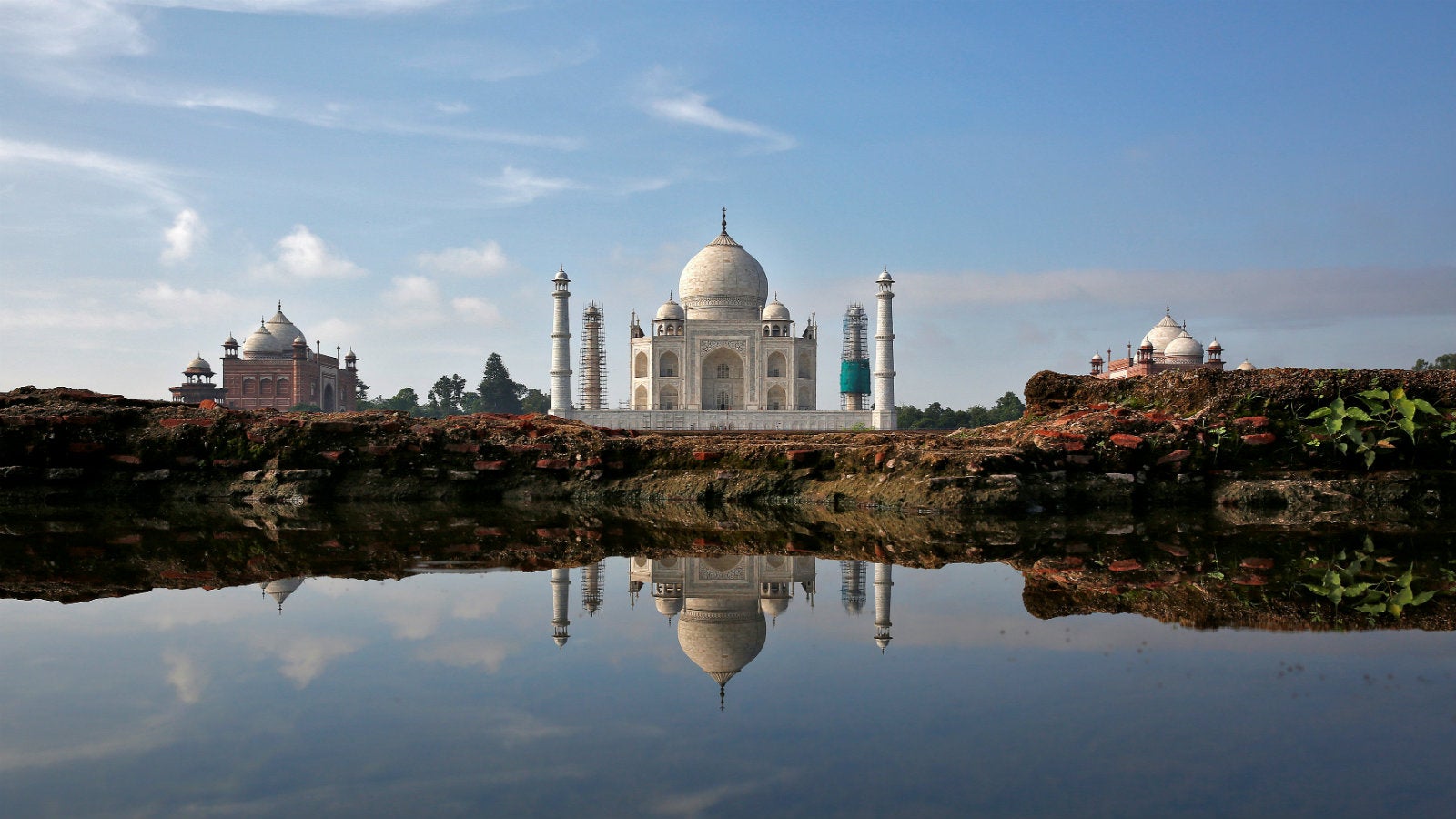
Mughal emperor Shah Jahan can finally rest in peace. After decades of neglect by the Indian government, his iconic red sandstone bastion along the River Yamuna in Delhi will soon be in safe hands—that of a cement maker.
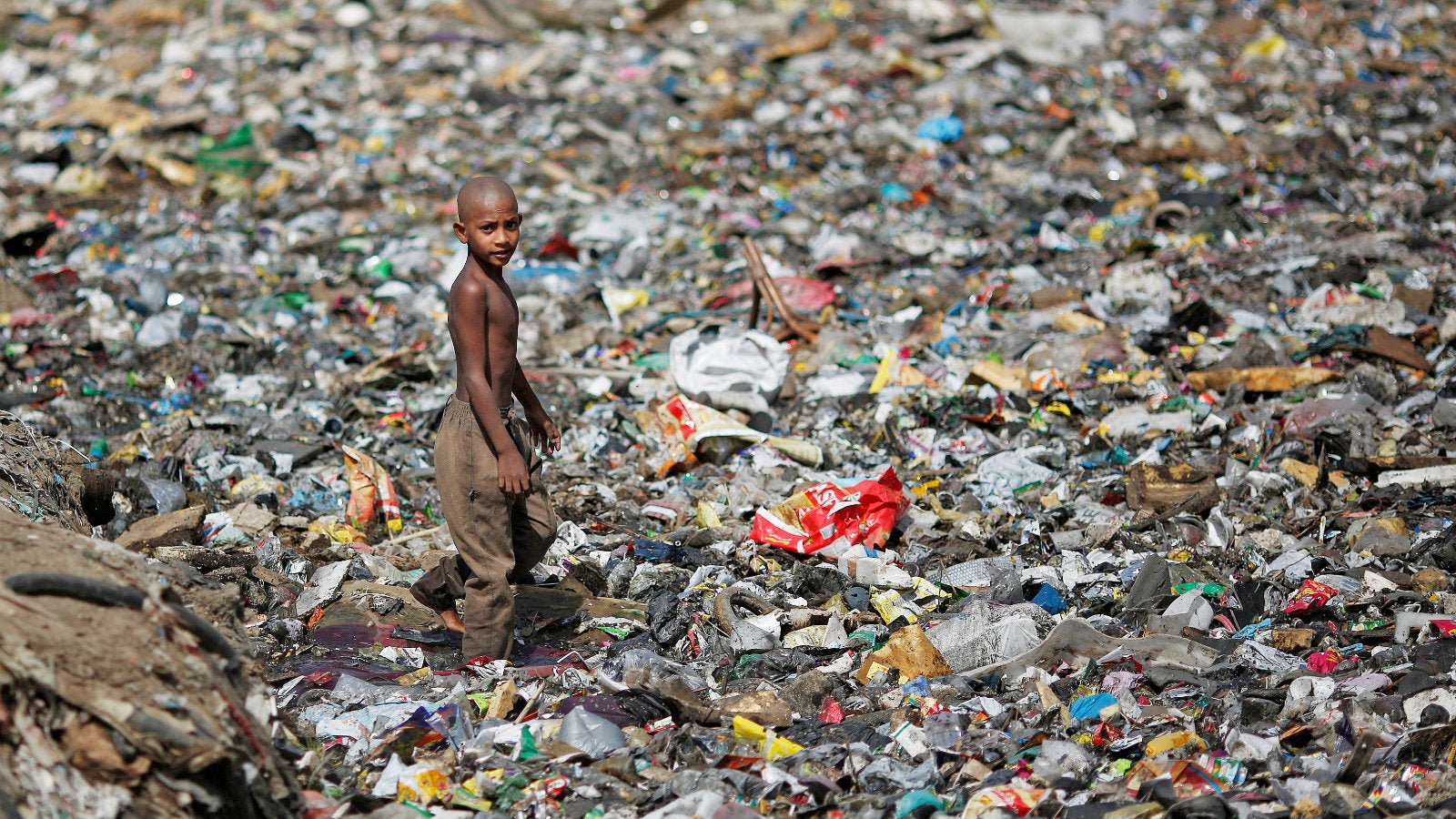
India seems to be drowning in garbage.

As Hollywood undergoes a churn set off by the #MeToo movement against sexual harassment, Bollywood, too, may be slowly acknowledging its own dirty secrets.
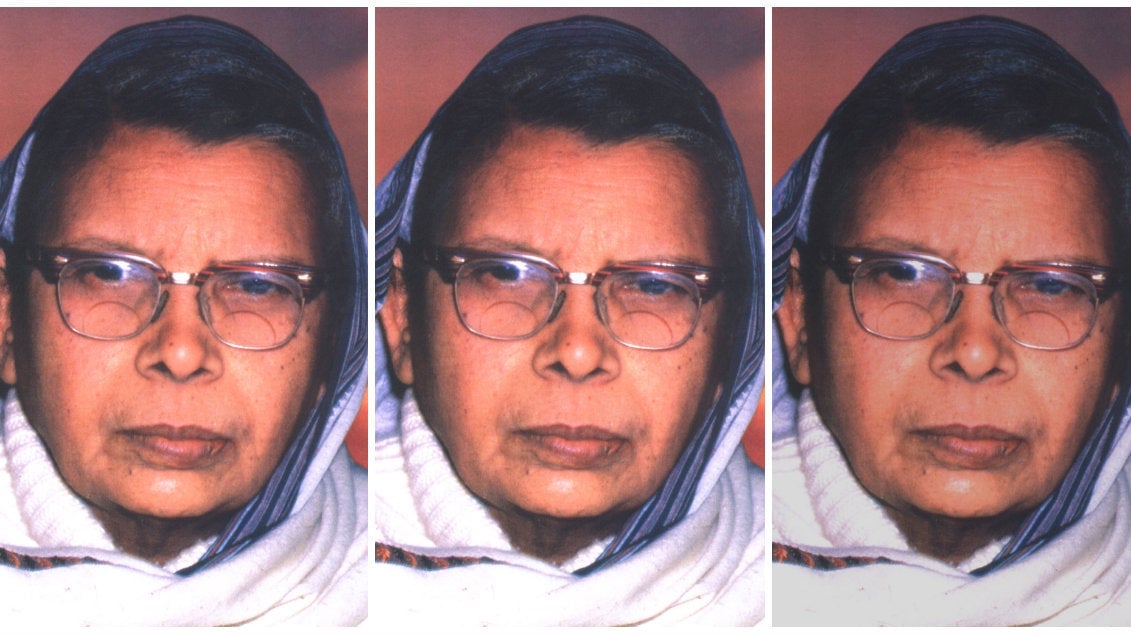
In the 1920s, a time when few Indian girls could dream of finishing school and being anything other than housewives and mothers, one woman discovered a love of writing and went on to become one of the key figures in a new era of Hindi poetry.
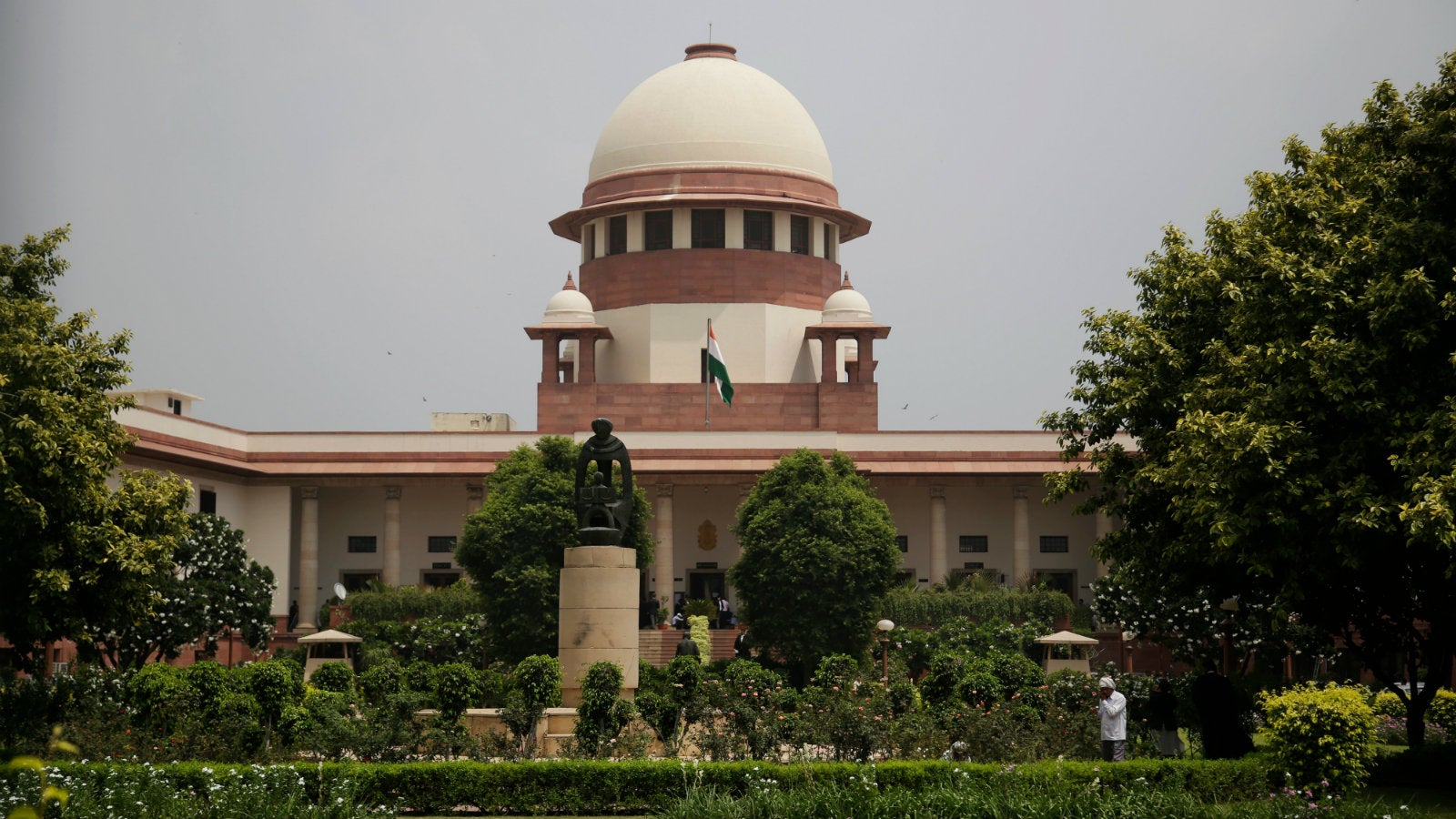
India’s supreme court is getting another female judge.

Hank Azaria is finally ready to do something about the problem with Apu.
The Indian general election is a year away, but the country’s already in the grip of multiple state-level polls. Leading political formations are, as usual, busy with their promises and proclamations.
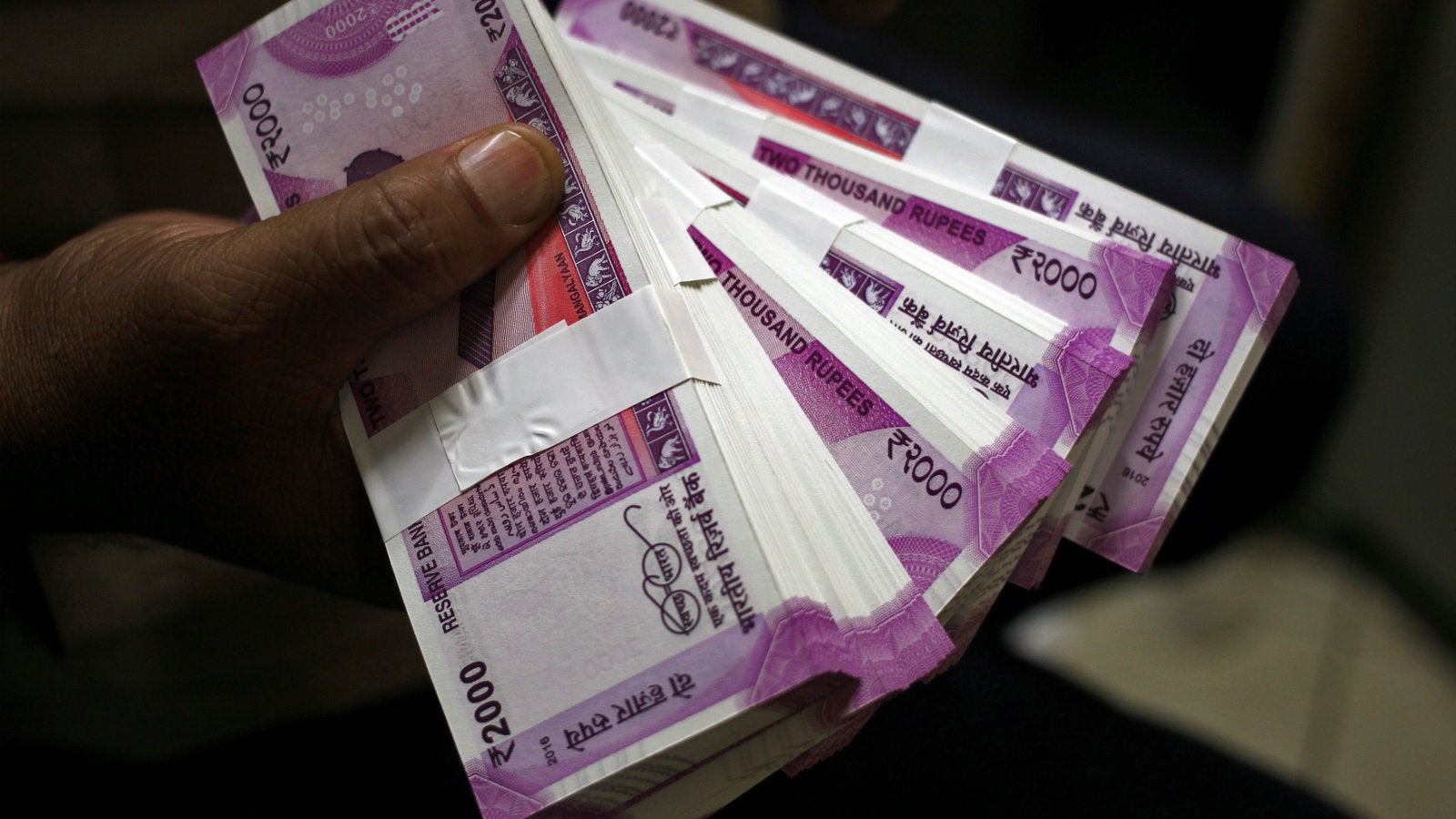
On Sunday, April 22, a retired health worker named Ashok Pathak went to a United Bank of India (UBI) ATM in the Subhash Nagar neighbourhood of Bareilly, Uttar Pradesh, to withdraw some money. But among the notes totaling Rs4,500 that the counter dispensed was one very convincing fake Rs500 bill—olive green in colour and marked with the image of Mahatma Gandhi, just like the real ones. Instead of being guaranteed by the Reserve Bank of India (RBI), though, this was from one “Children Bank of India.”
Has the Kama Sutra, the ancient Indian treatise on love-making, often left you perplexed with its dozens of seemingly impossible sexual positions? Well, help may be at hand.
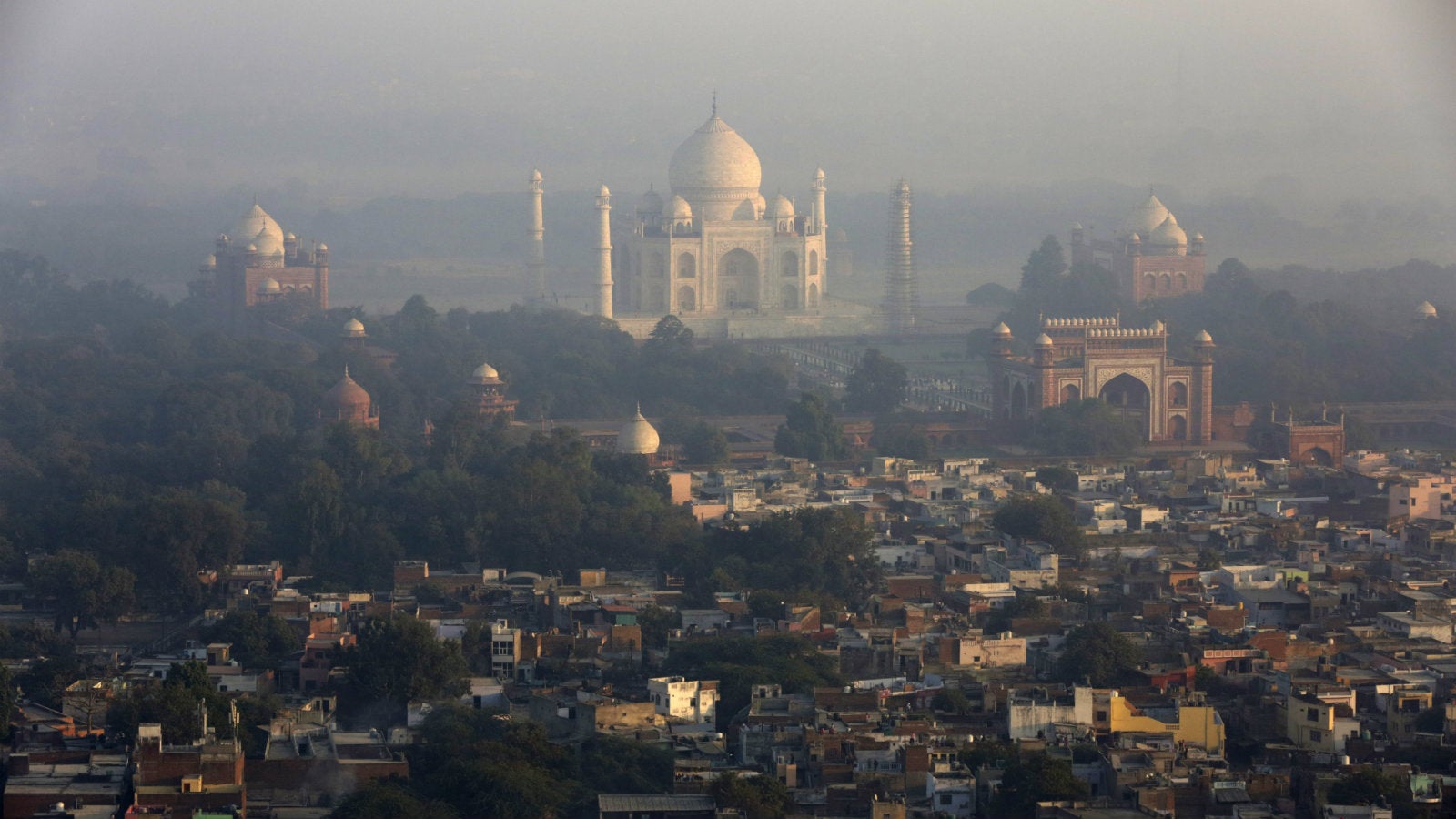
For a country with such a rich and diverse history and culture, India does very little to preserve the remnants of its past.
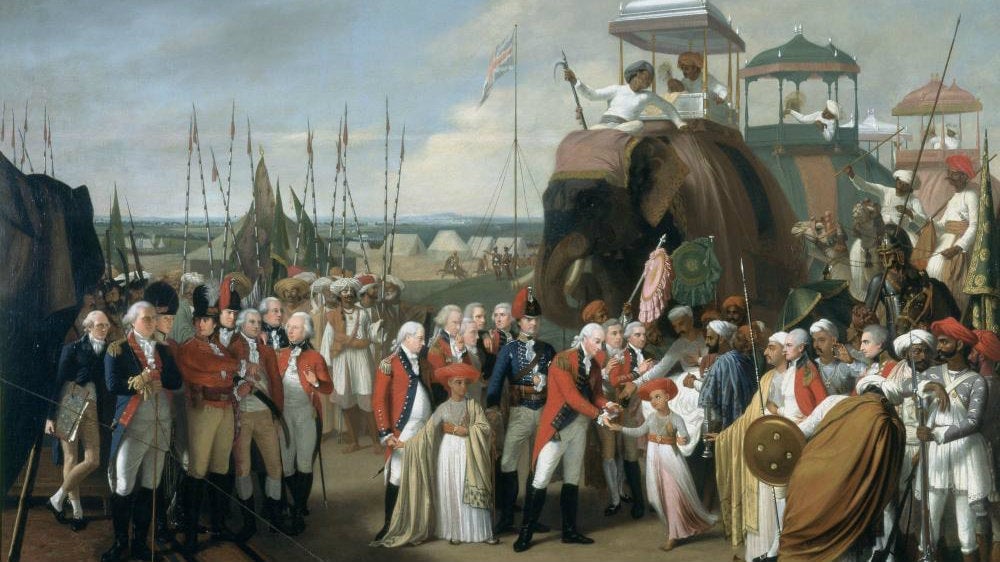
Conventional wisdom says Britain’s transformation in the 18th century from an agrarian economy to an industrial one was largely midwifed by technological innovation and mechanisation, as symbolised by the steam engine and the cotton factories, respectively.
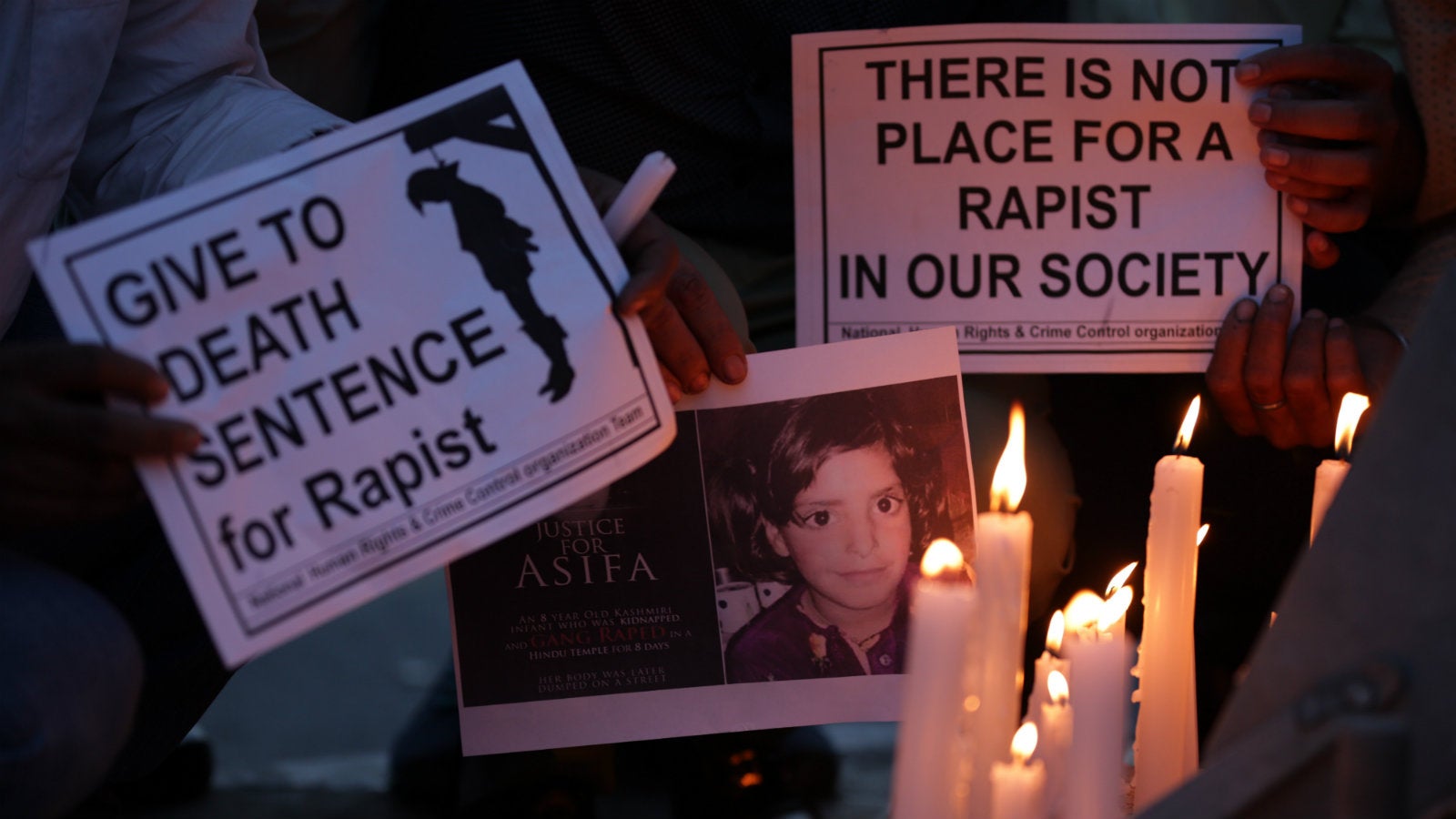
Some five years after a gang rape incident roiled India, the country is in the throes of another bout of outrage—this time over the violation and murder of a young girl in the Kathua region of the restive Jammu & Kashmir (J&K) state.

Five years after the brutal New Delhi gang rape highlighted the crisis of women’s safety in India, two more gruesome cases—involving children this time—have shown that solving the problem will need a lot more than just laws. For, what’s adding to the gravity of the cases are the responses of politicians and key political groups.
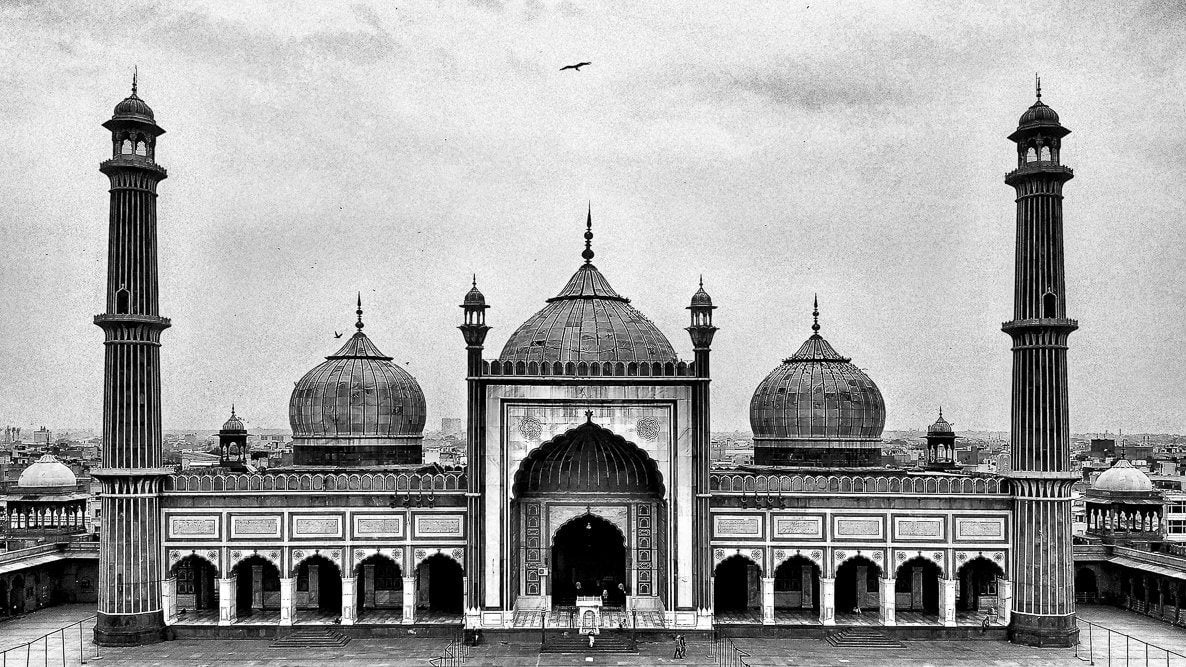
In the 1760s, the young, charismatic son of the recently assassinated Mughal emperor, Alamgir II, made a decision that would completely transform India’s fate. Determined to restore his dynasty’s glory, Ali Gauhar, known as Shah Alam II, went to war with the British East India Company (EIC).
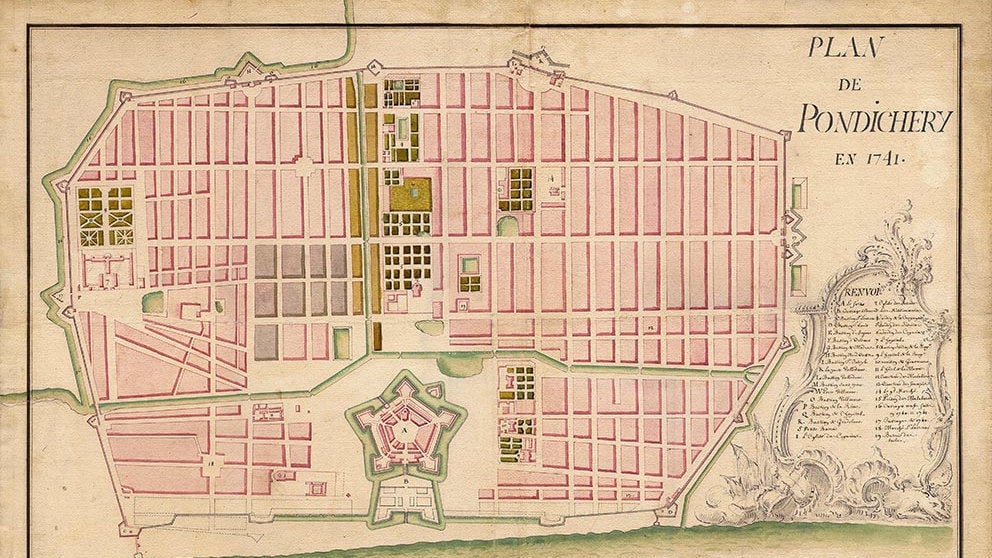
In the 1580s, the adventurous son of a Dutch innkeeper found himself on a ship sailing from Lisbon to India. Newly employed by the archbishop of Goa, Jan Huygen van Linschoten was headed to the capital of the Estado da India Portuguesa—the Portuguese State of India—from where the European power almost completely controlled trade with the subcontinent.

Just over a year after its rival Christie’s decided to stop holding live auctions in India, Sotheby’s is gearing up to begin.
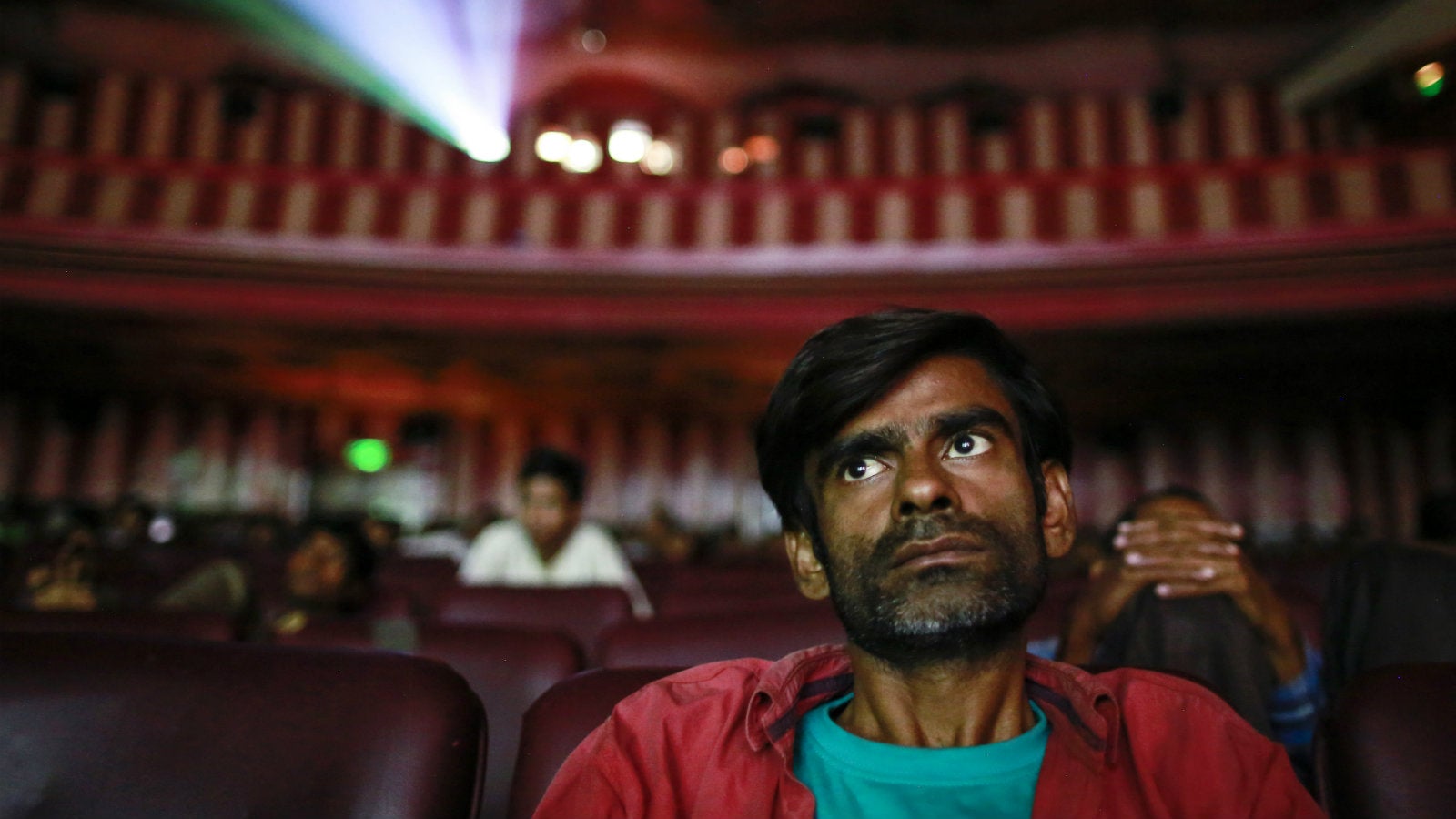
The multiplex revolution may have transformed urban Indians’ movie-watching experience, but for those living outside big cities, catching the latest Hollywood, Bollywood, or regional film in a cinema hall is difficult—sometimes impossible.
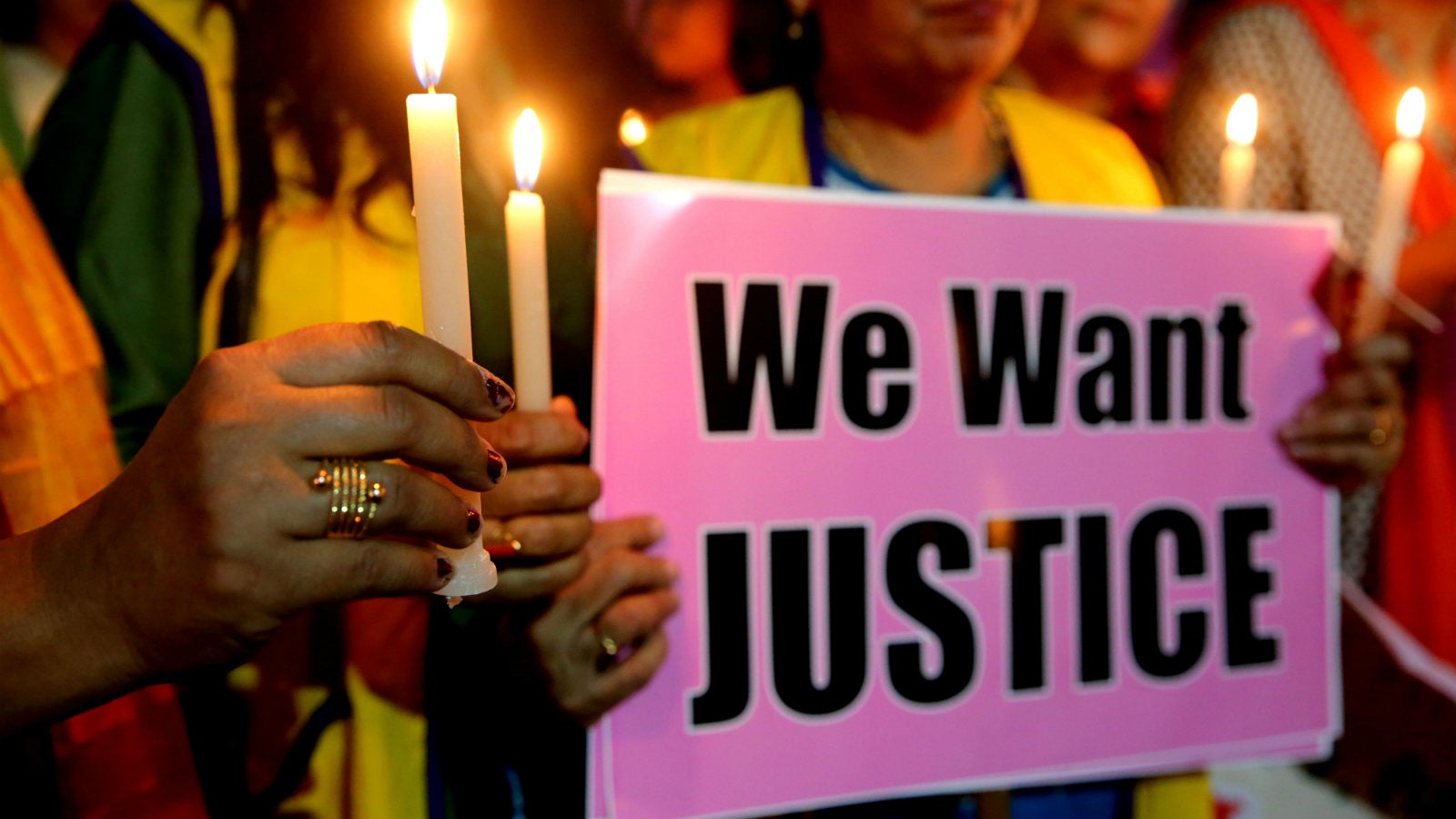
Survivors of sexual assault in India rarely get the justice they deserve—and it is all the more difficult for women and girls with disabilities.