
Money & Markets
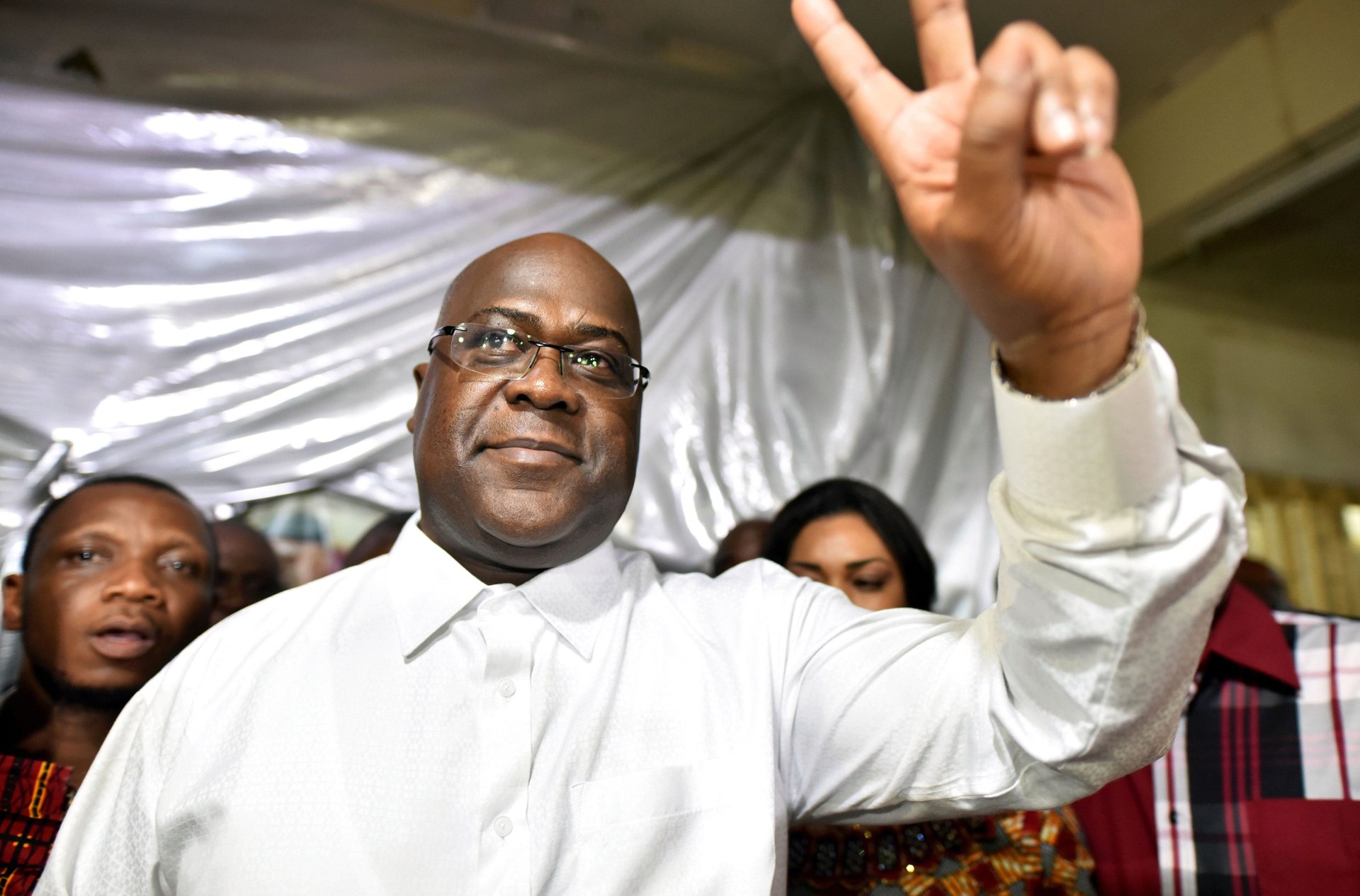
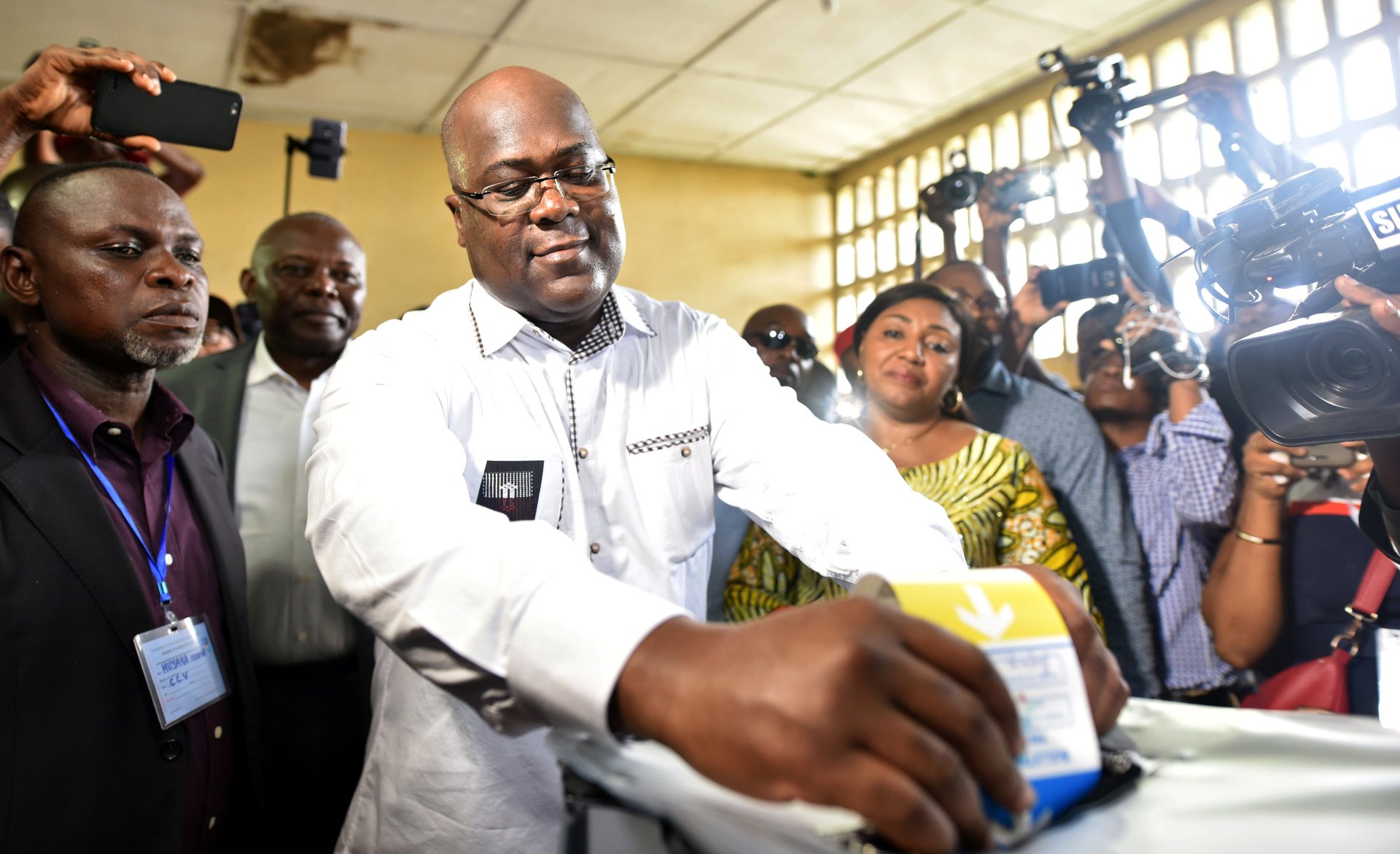
DR Congo’s top court has upheld a controversial election result for a Tshisekedi win*This story has been updated
Updated July 21, 20222 min read
*This story has been updated
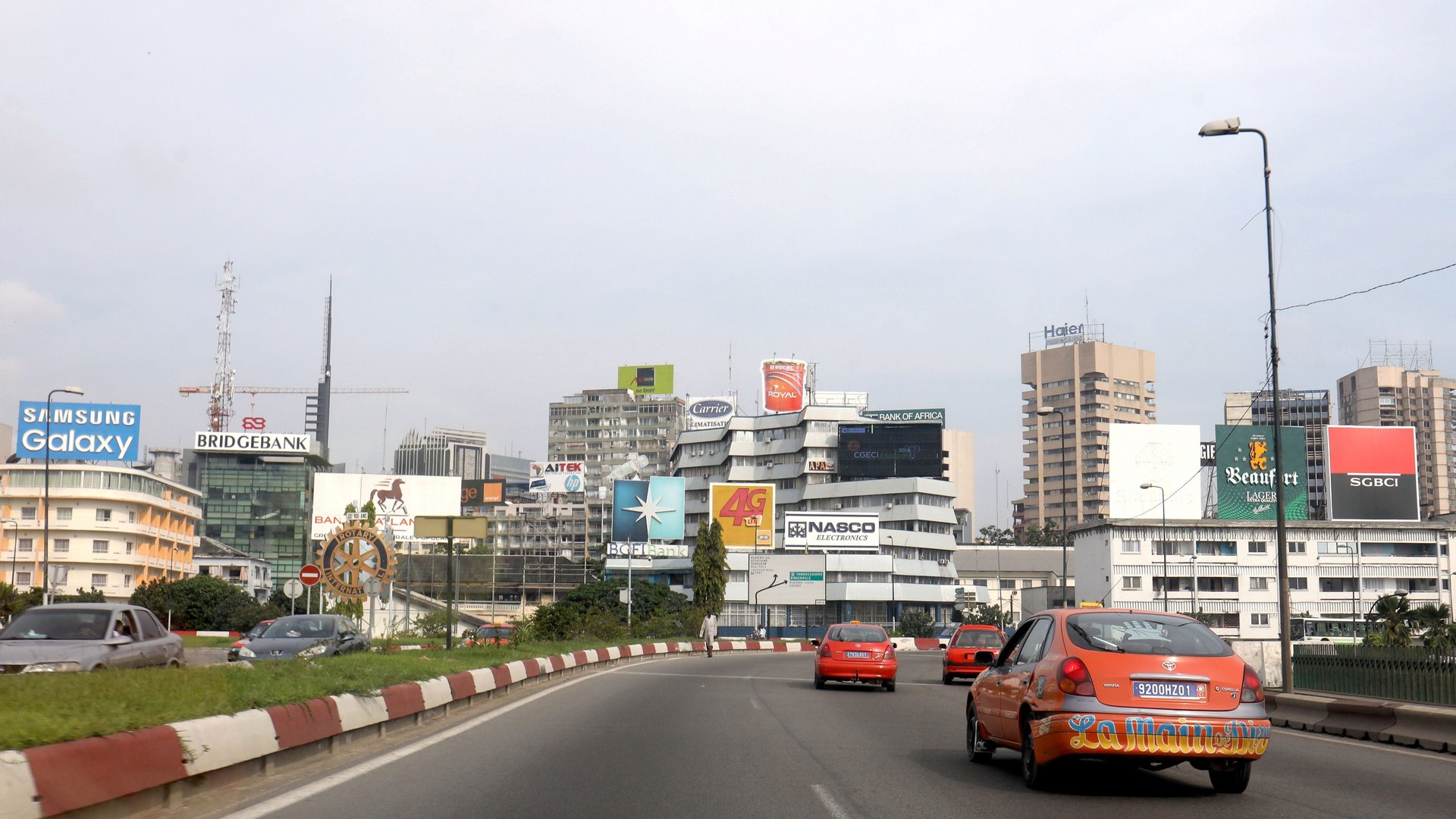
Trying to get to grips with what to expect from Africa’s economies in 2019 can be broken out into three categories of discussion: the good, the underwhelming and the disconcerting.
*This story has been updated
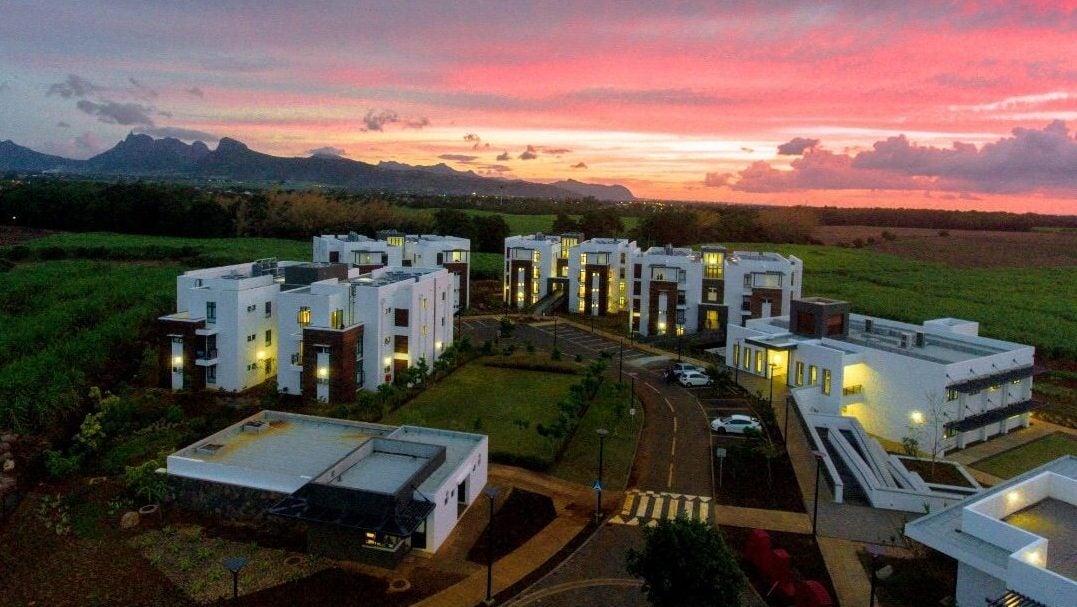
African Leadership University, the Mauritius-based institution with an ambitious goal to train the continent’s future leaders, has raised $30 million in a Series B round led by Danish retail billionaire Anders Holch Povlsen.
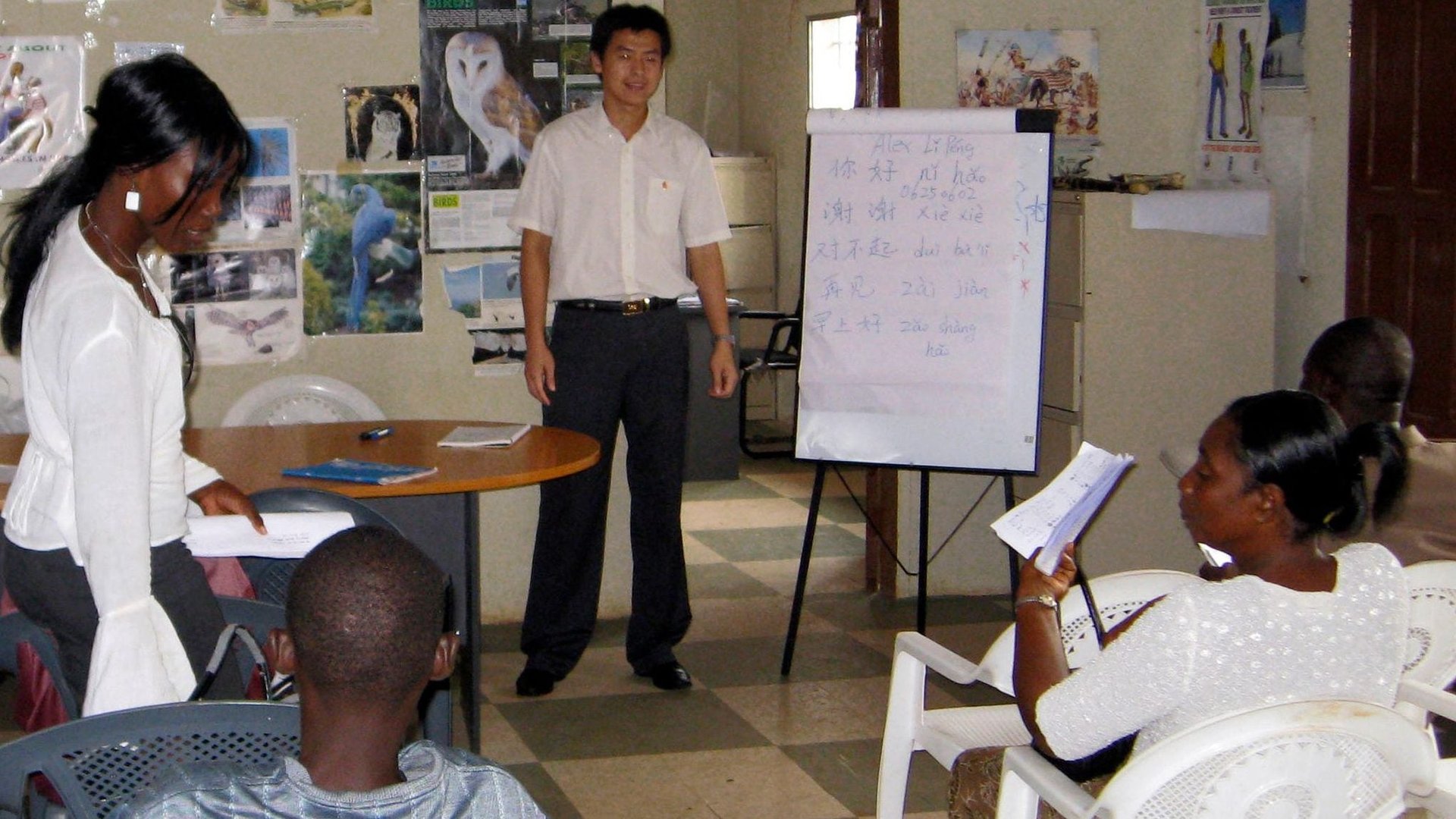
Uganda’s education ministry is planning to add Mandarin language lessons to its secondary school curriculum at 35 schools with future plans to roll it out to more educational institutions as resources become available.
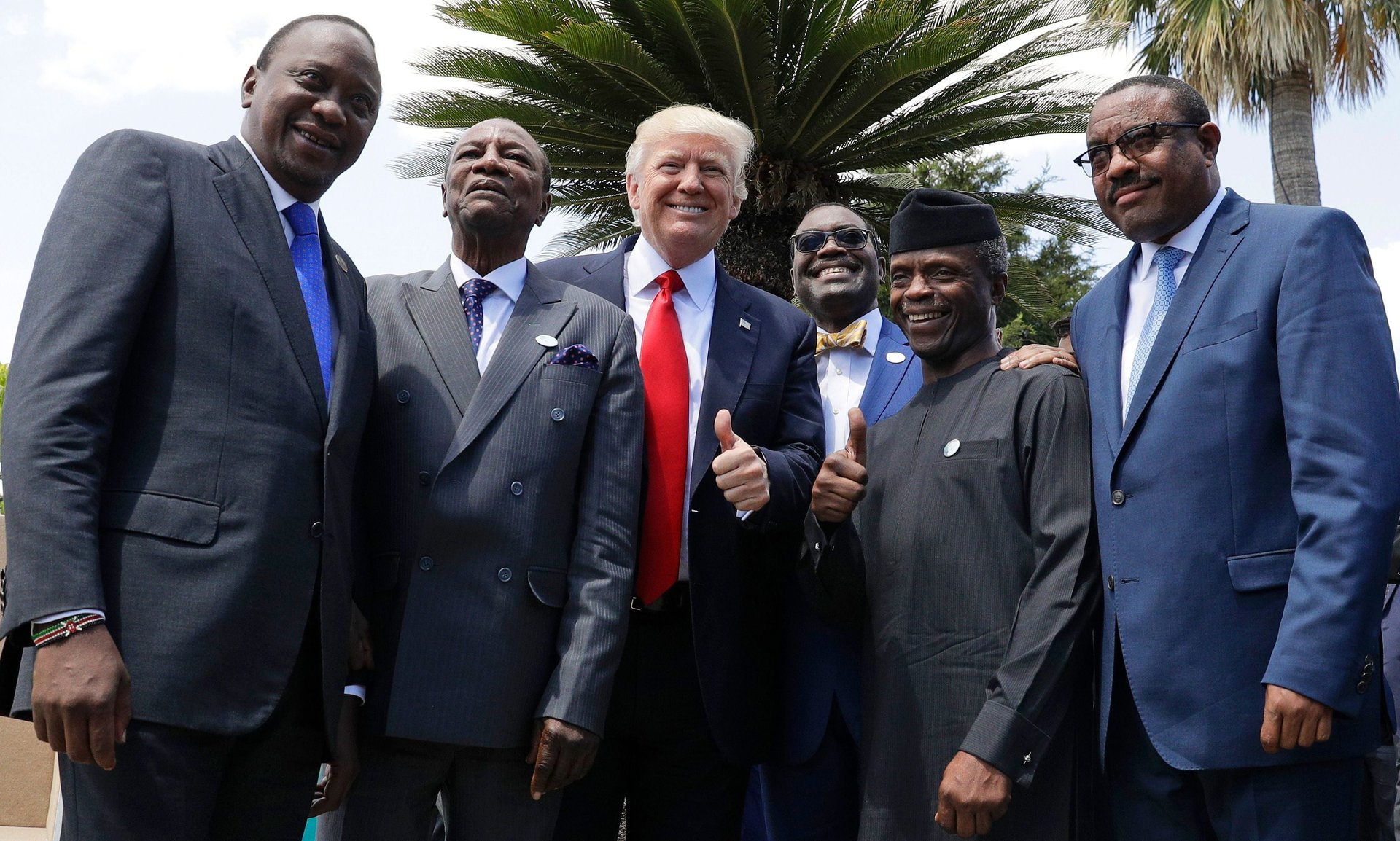
It’s hard not to have seen the early coverage of the United States’ new “Africa Prosper” policy without quickly coming to the conclusion it’s the same or a facet of the White House’s China policy.

The infrastructure shortage in most of sub-Saharan Africa needs a major financing solution but given fiscal constraints and other financial limitations it isn’t likely to come from African governments anytime soon.

The last decade has been a trying time in journalism. Media organizations large and small around the world have faced the existential threat of a shifting business model as traditional models were upended by digital distribution.
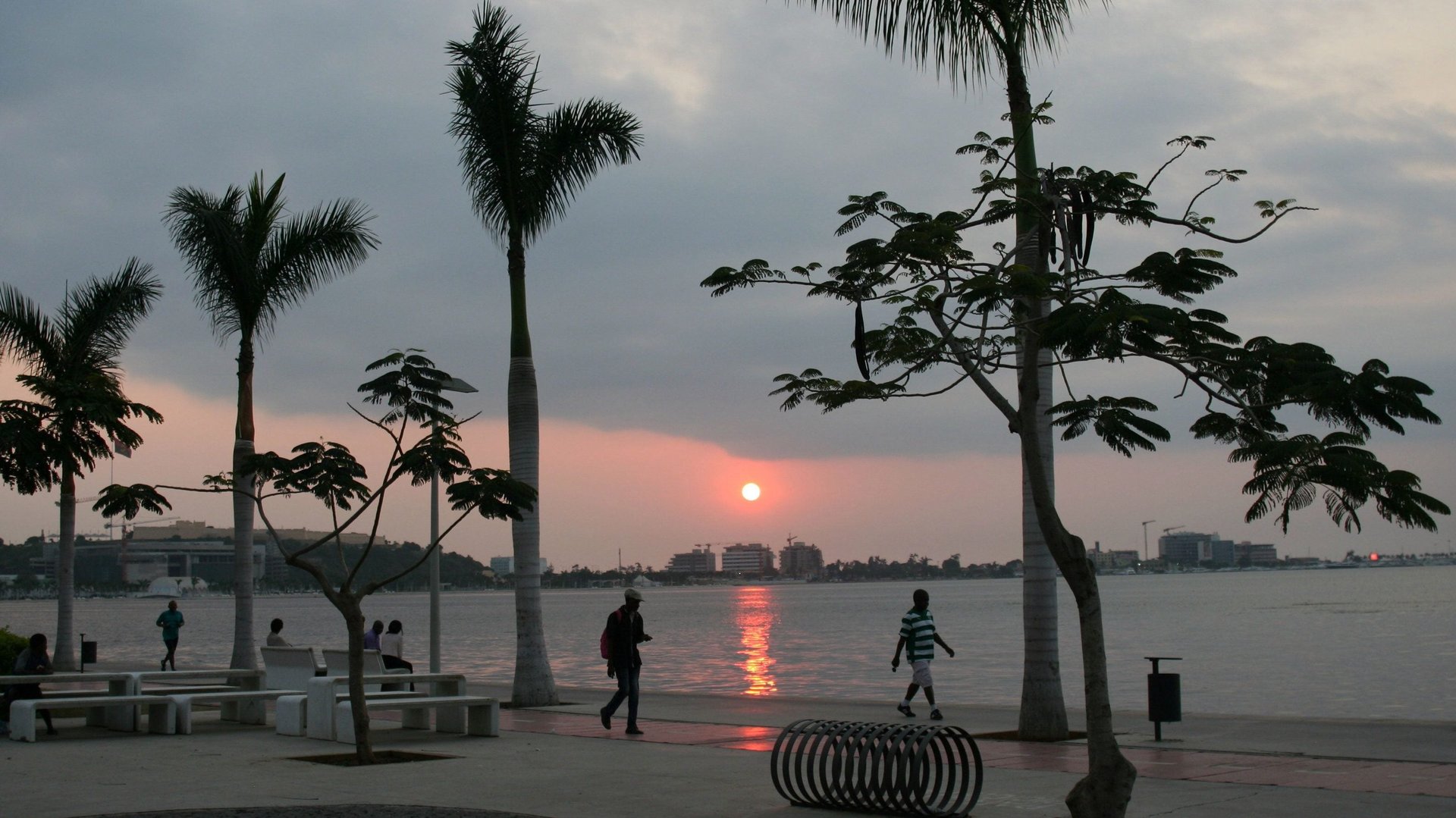
For the last decade or so, lists of the world’s most expensive cities usually include London, Hong Kong, perhaps New York, and then at least one African city—recently it’s been Luanda, Angola or an unexpected city like N’Djamena, Chad.
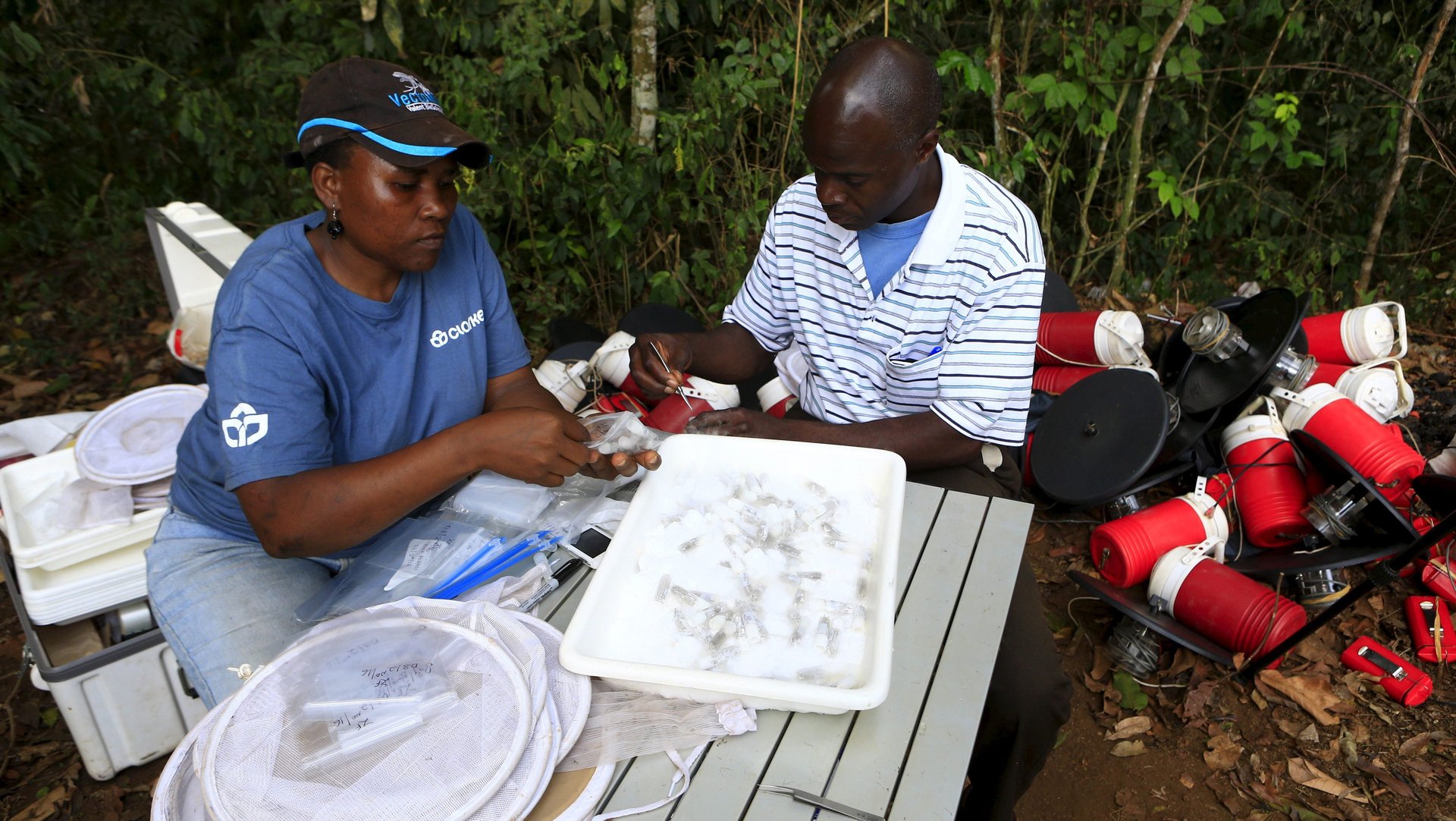
Of the many developmental challenges facing Africa, scientific research doesn’t often rise to the top of the discussion agenda, though thankfully that has been changing with high profile initiatives like the Next Einstein Forum. And yet research and development will be key to the kinds of improvements that African citizens need and expect.
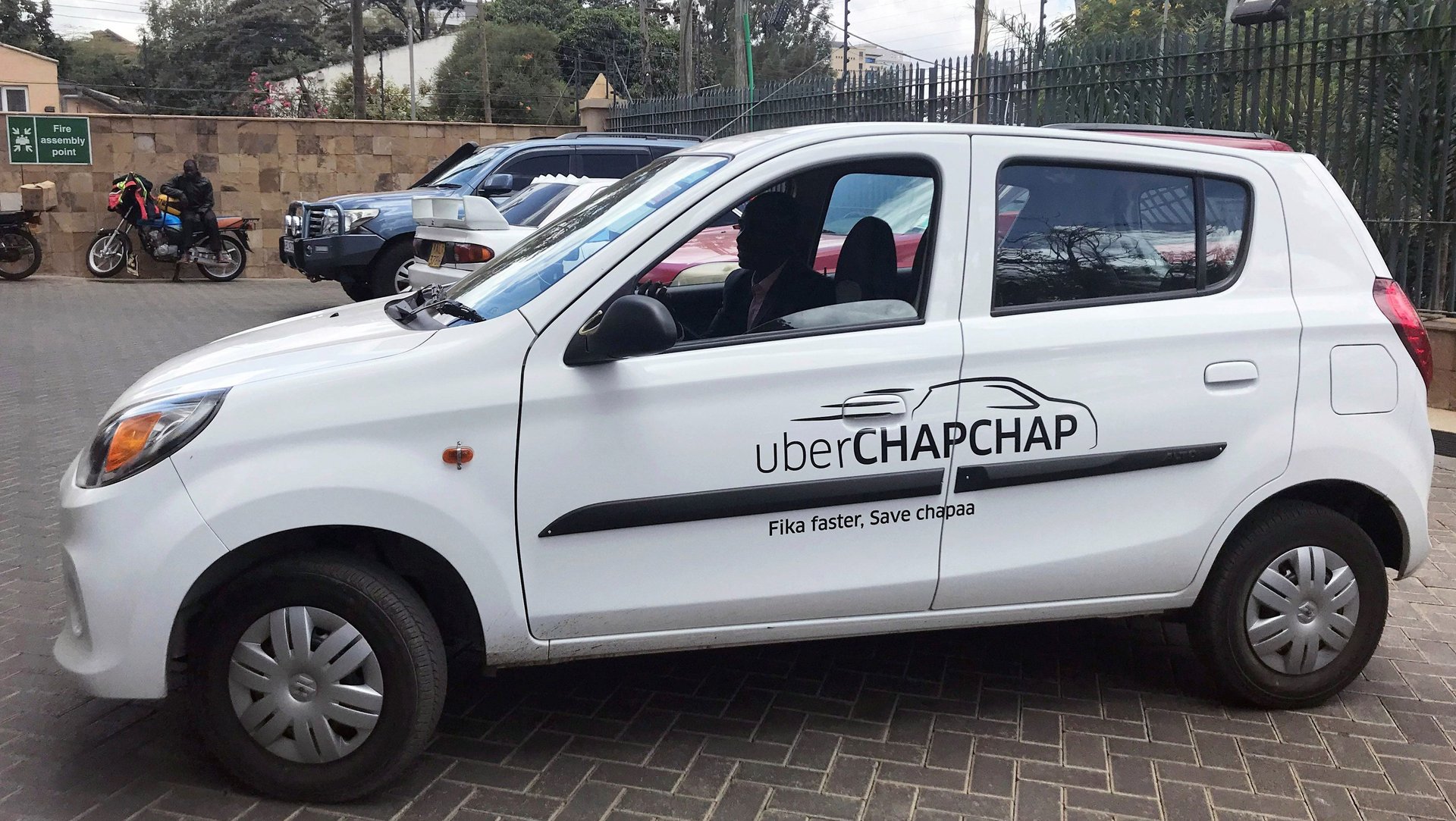
One of my favorite anecdotes from a few years back is of the Nairobi Uber driver who asked this New Yorker, “Do they have Uber in the US?” Since then, I’ve encountered many drivers from Lagos to Cape Town and noted how quickly ride-sharing has spread in some of the big African cities, although not without its challenges.
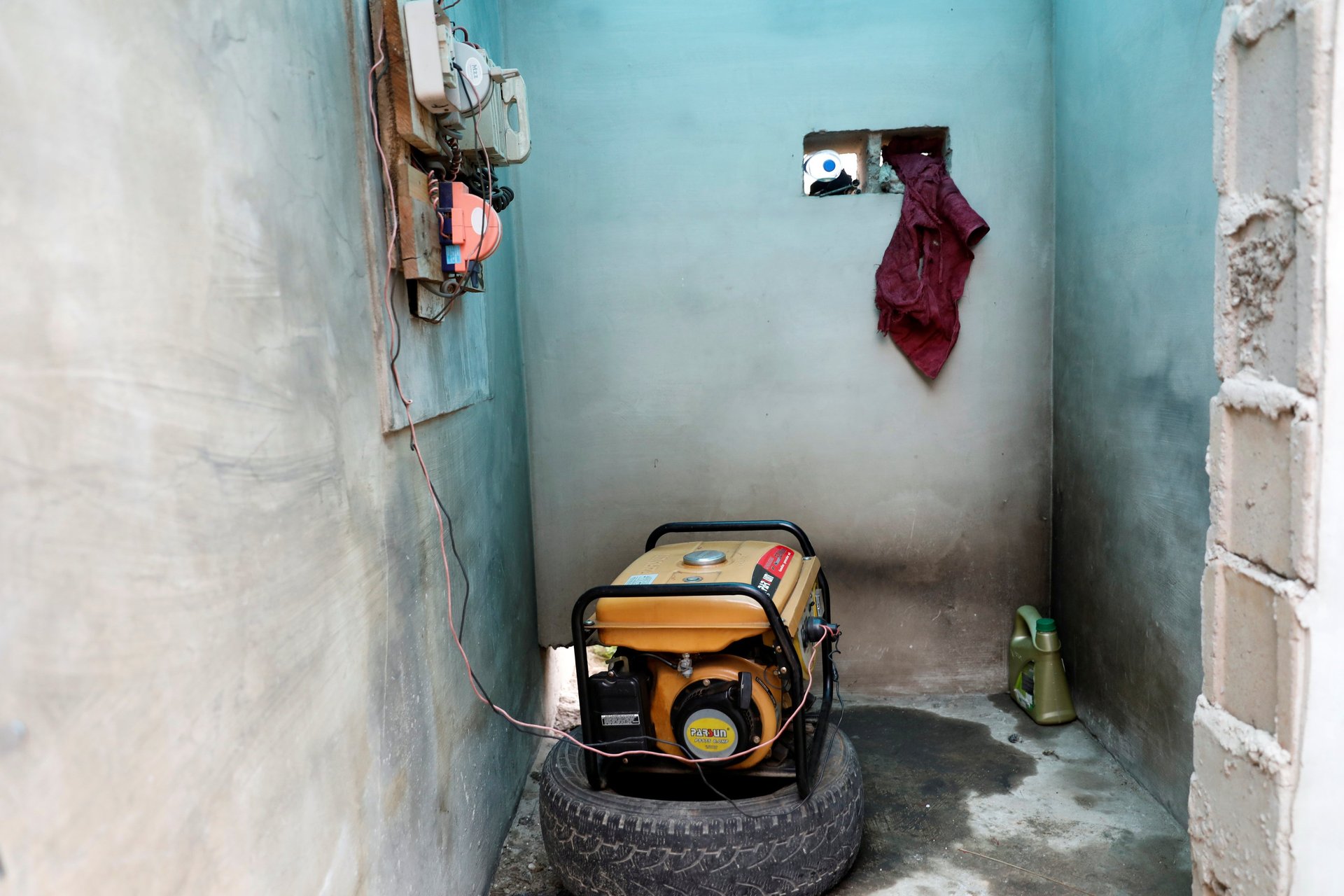
Many of the discussions around getting electricity to more Africans are about how governments, NGO partners, and investors can bring online more of the 600 million plus people currently out of reach of an electricity grid or other non-traditional energy sources.
OPIC is dead. Long live OPIC.

It’s been remarkable to watch a sound from the streets of Lagos and Accra spread to the US Billboard charts and London clubs and festivals to become a cultural phenomenon around the world.
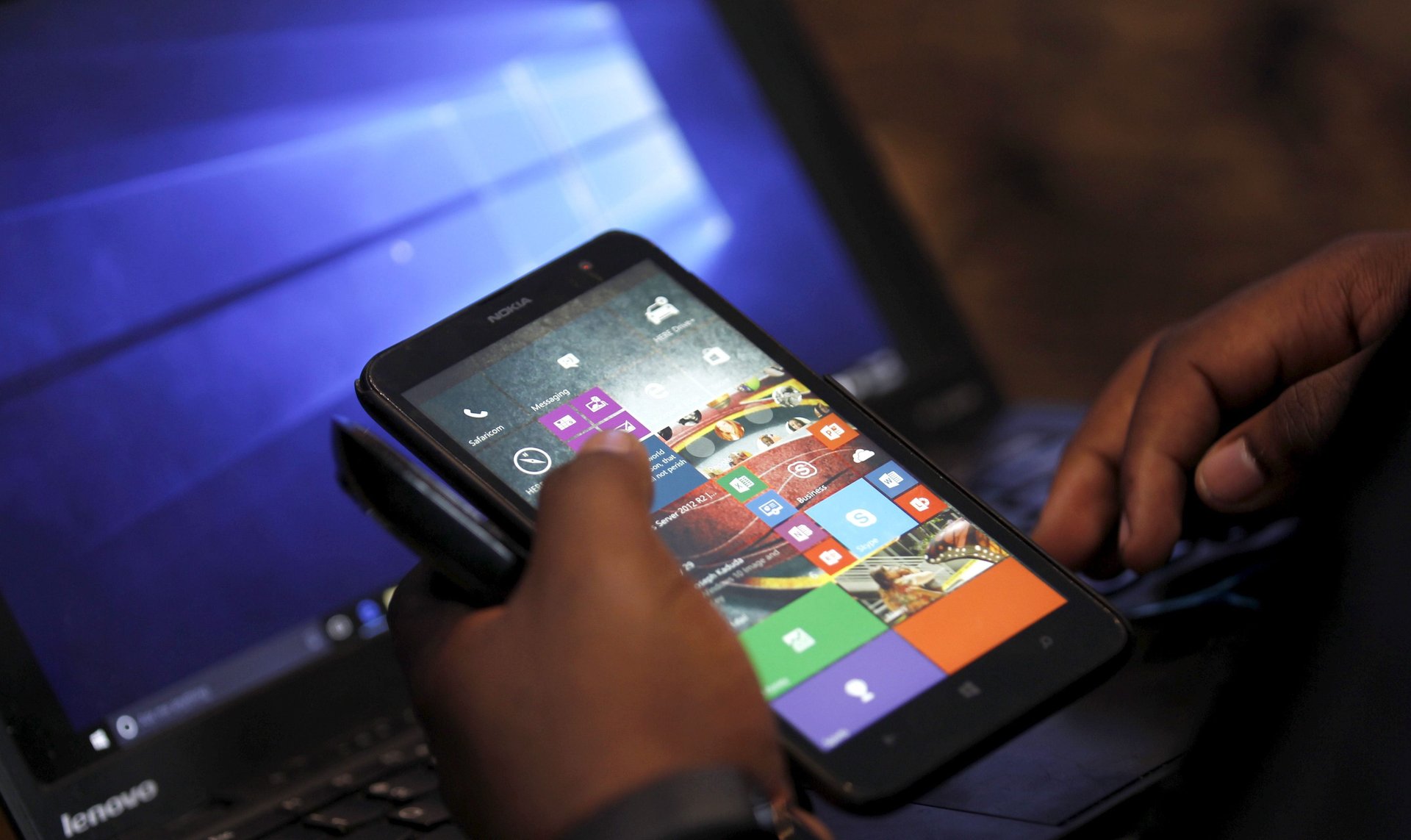
The prospect of connecting Africa’s 55 countries and over one billion people via better road and rail networks has often run into the challenge of raising the billions of dollars needed to turn a decades-old vision into reality.
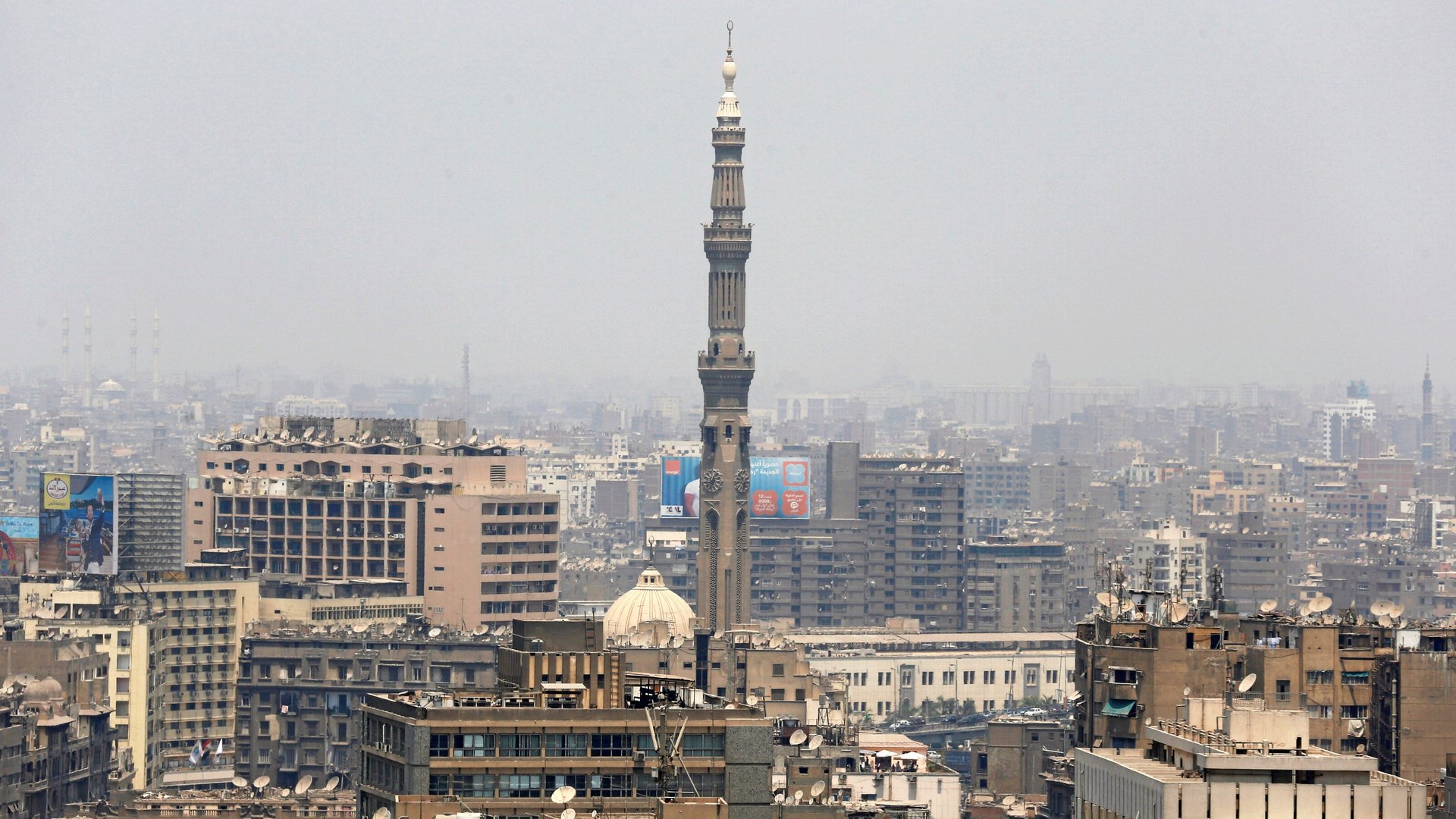
Millions of people are moving into Africa’s cities every month as most of its countries blaze through some of the fastest urbanization rates the world has ever seen. Economic opportunity is at the top of the list for the reasons why.
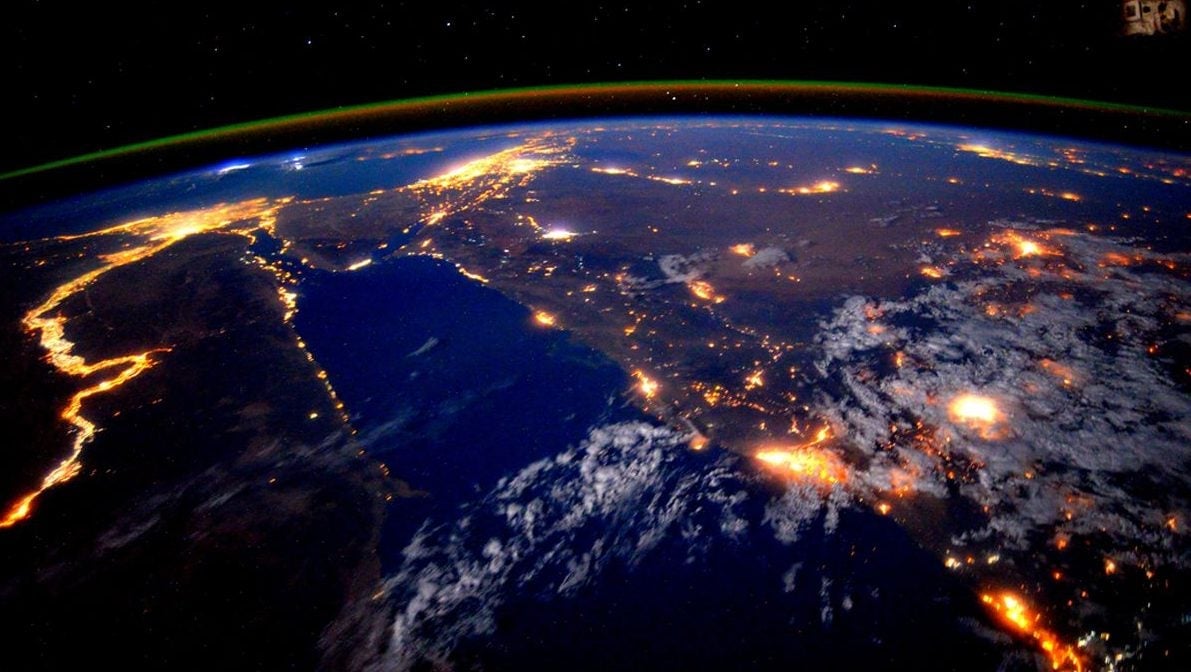
The fascinating space adventures of Elon Musk and Jeff Bezos are essential viewing for anyone seeking to understand the future of business and industry here on Earth.

The powerful idea African countries and cities should be connected with strong transportation networks, particularly by road and rail, is one that can sometimes be over-romanticized as a pan-African vision of the independence struggle. It has roots in colonialists’ vision for connecting the territories they controlled.
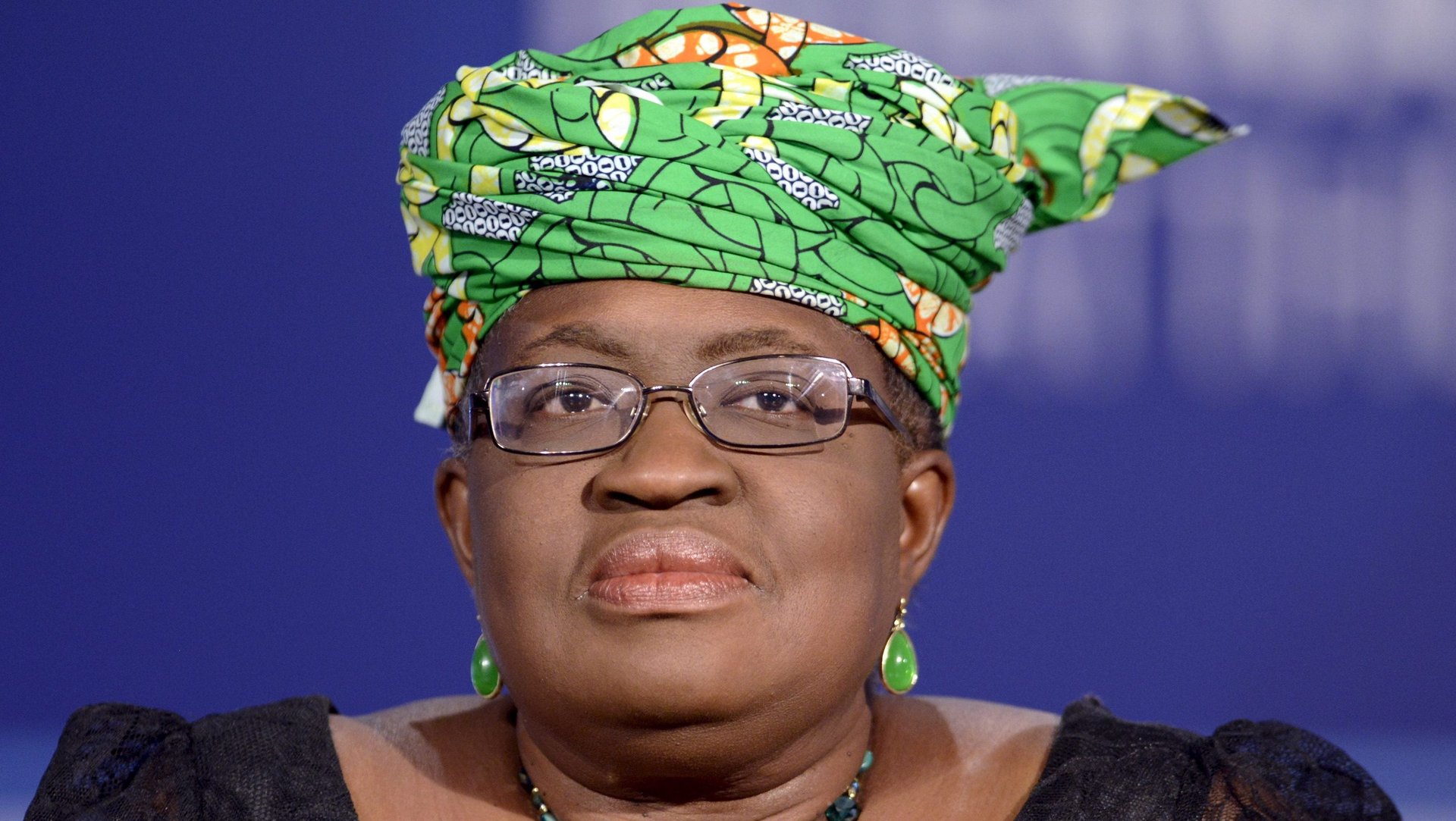
Nigeria’s former finance minister Ngozi Okonjo-Iweala has been appointed to the board of Twitter.

After nearly two decades of decline and existential threat, the global music business is growing.

Europe has an insatiable appetite for chocolate. Not only is it the world’s biggest consumer of the sweet treat, it’s also the largest producer and exporter, thanks to a global market share of 70%.
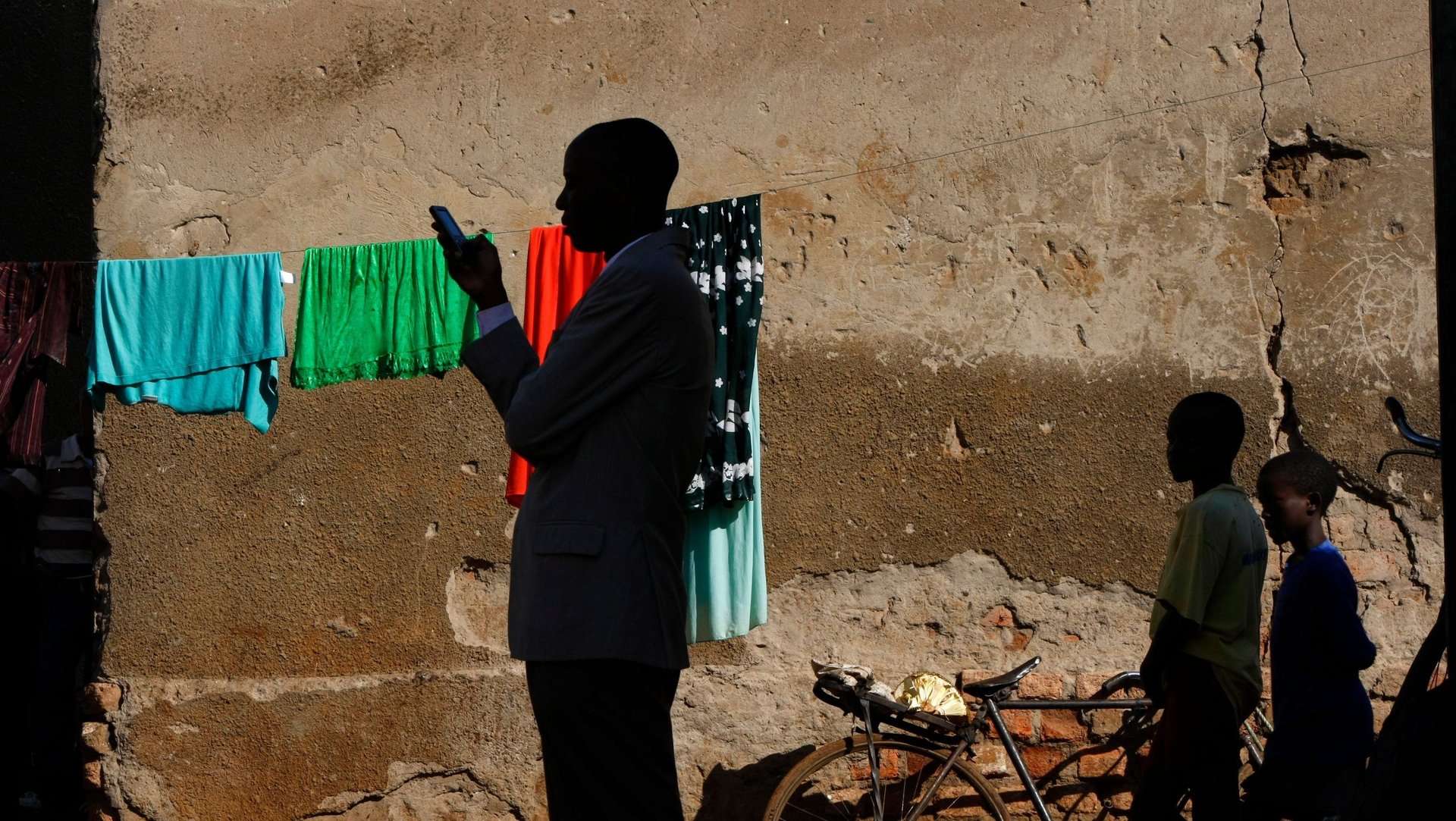
Uganda’s government has kept its promise: Many Ugandans woke up today (July 1) to find that if they hadn’t paid the new tax on social-media use, services like WhatsApp, Twitter, Facebook and Skype were inaccessible.

Cape Town
Paris