
Business News
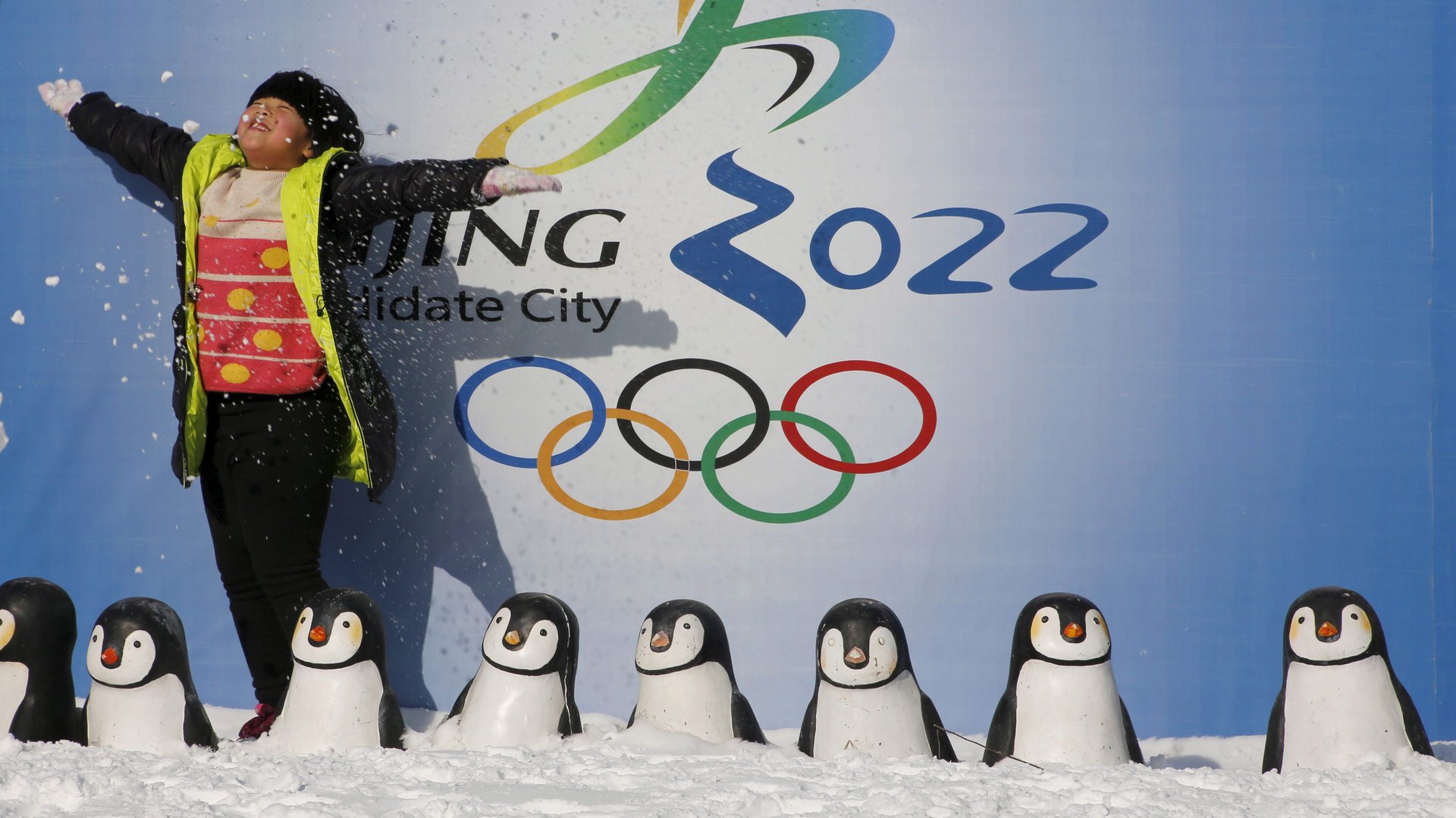
The Winter Olympics is pretty much over natural snow, which is great for their next hostTechnology is apparently more reliable than Mother Nature.
Updated July 20, 20222 min read
Technology is apparently more reliable than Mother Nature.

After a bruising showing at the Pyeongchang Winter Olympics, China finally won its first gold medal yesterday (Feb. 23). And while Chinese fans are celebrating, they’re also using the occasion to vent over what they deem to be unfair treatment at the games.
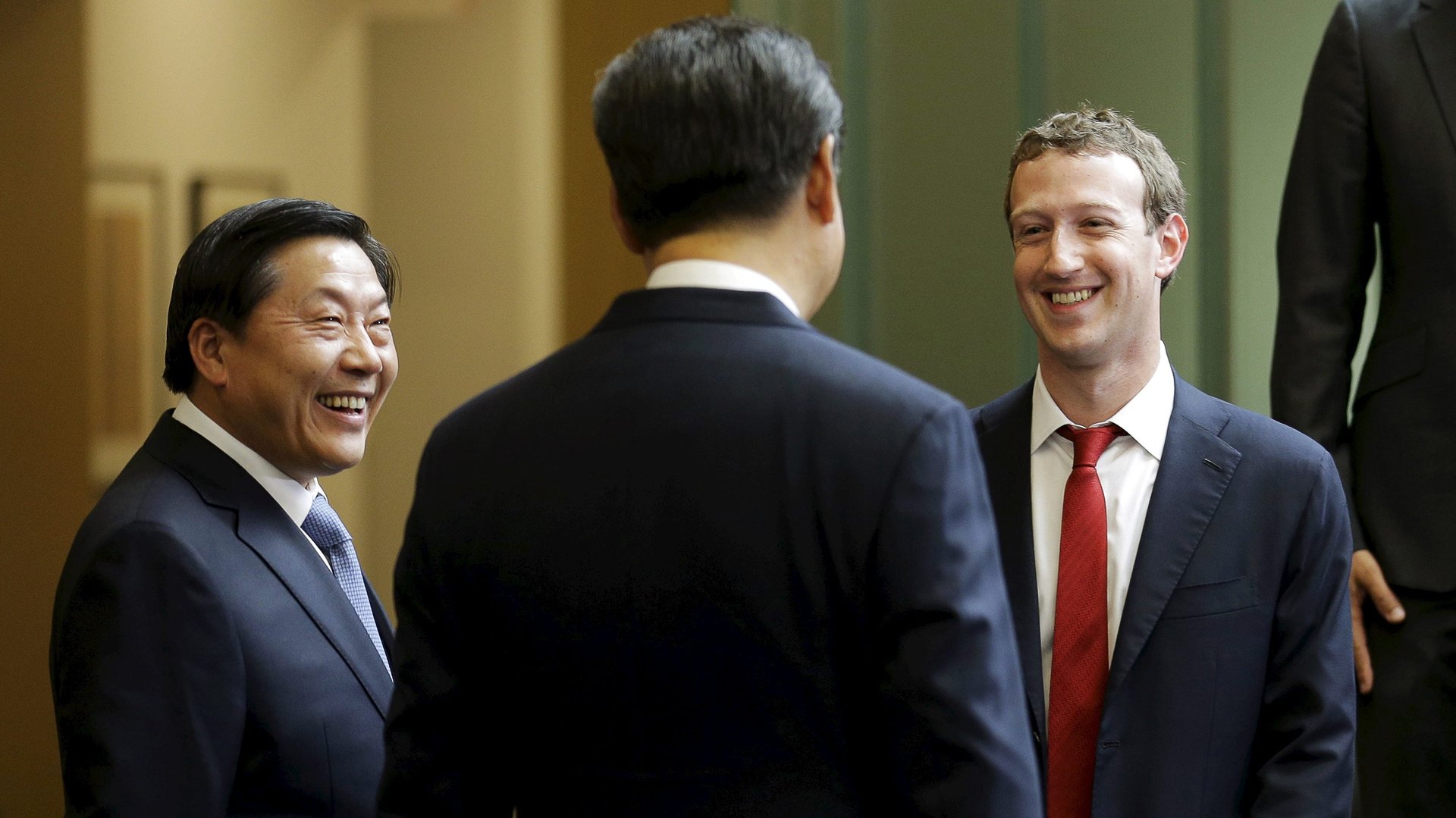
China’s former internet czar was expelled from the Communist Party and will be prosecuted for corruption, the party’s top graft-busting agency said yesterday (Feb. 13).
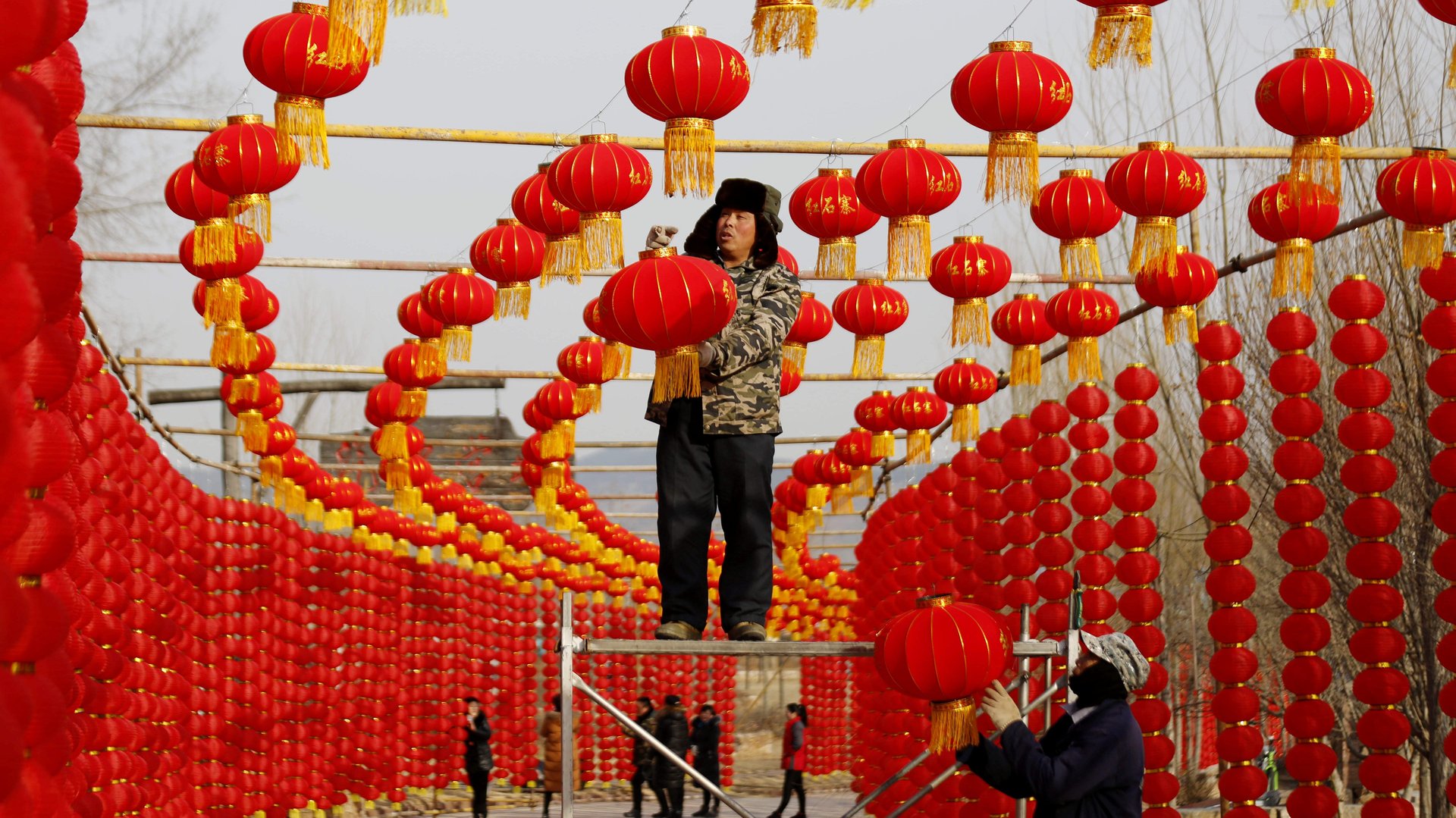
Lunar New Year is the most important holiday in China, and is all about reuniting with family. For some 1,300 Chinese prisoners, they can finally be home this year.

The Fighting Boys, aka TFBOYS, is the most popular boy band in China. The three wholesome teenagers have a combined 100 million followers on microblogging site Weibo, and fans routinely take out ads to celebrate their birthdays or new album releases.
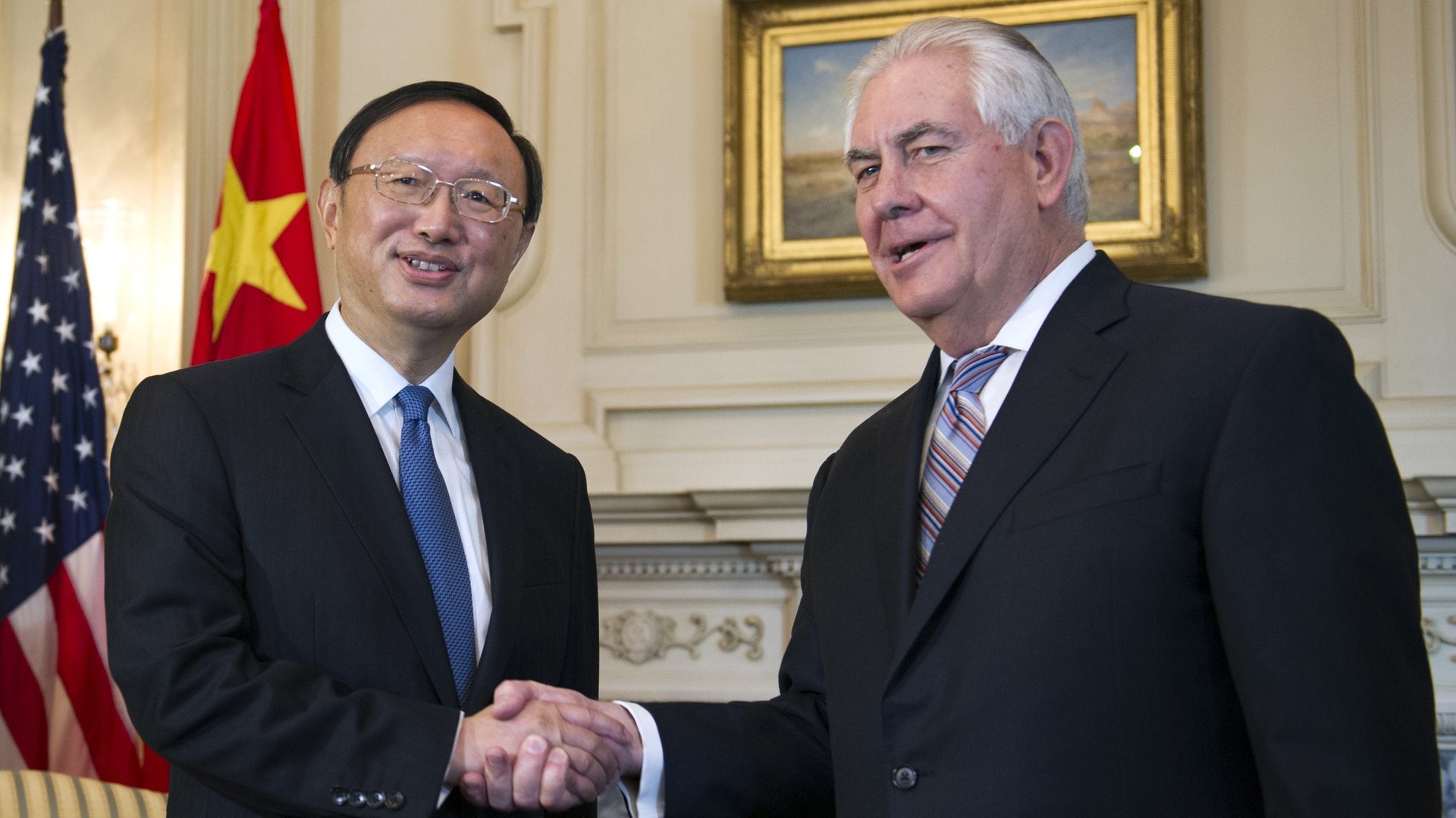
For another sign that the US and China are moving in separate directions on the global stage, look no further than their plans for the foreign service.
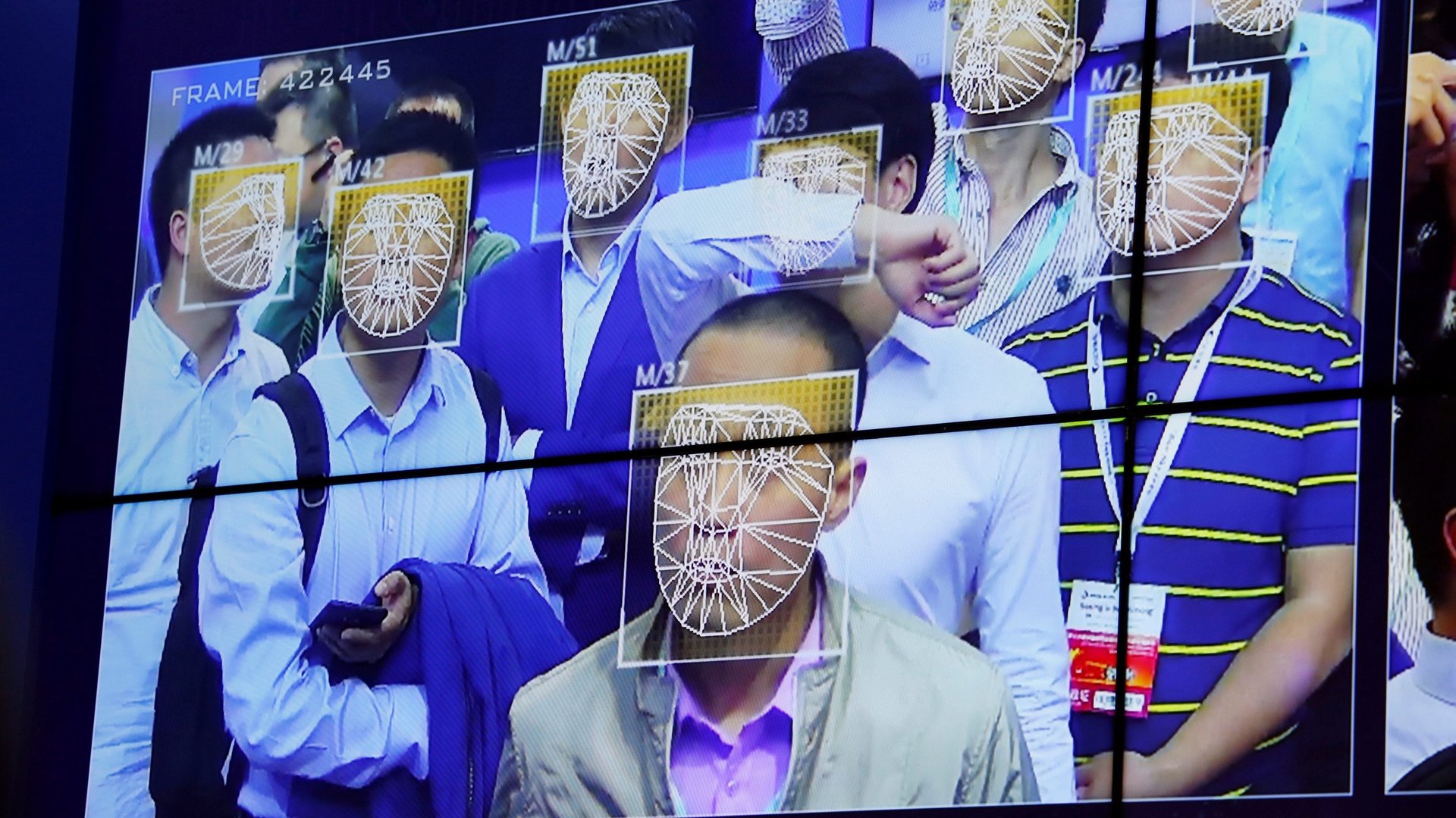
In the Matrix series, Keanu Reeves wears futuristic sunglasses to look cool when fighting against machines. But in China, police are now wearing sunglasses equipped with facial-recognition technology to catch criminal suspects.

International brands have increasingly learned the lesson that if they don’t bow to Beijing over politics, they shouldn’t expect to benefit from a lucrative Chinese market. For a cautionary tale, just look at Lotte Group. Last year, the South Korean conglomerate decided to sell its supermarket chain in China, after being boycotted by the public for providing land to host an anti-missile system that is deemed a threat by Beijing.
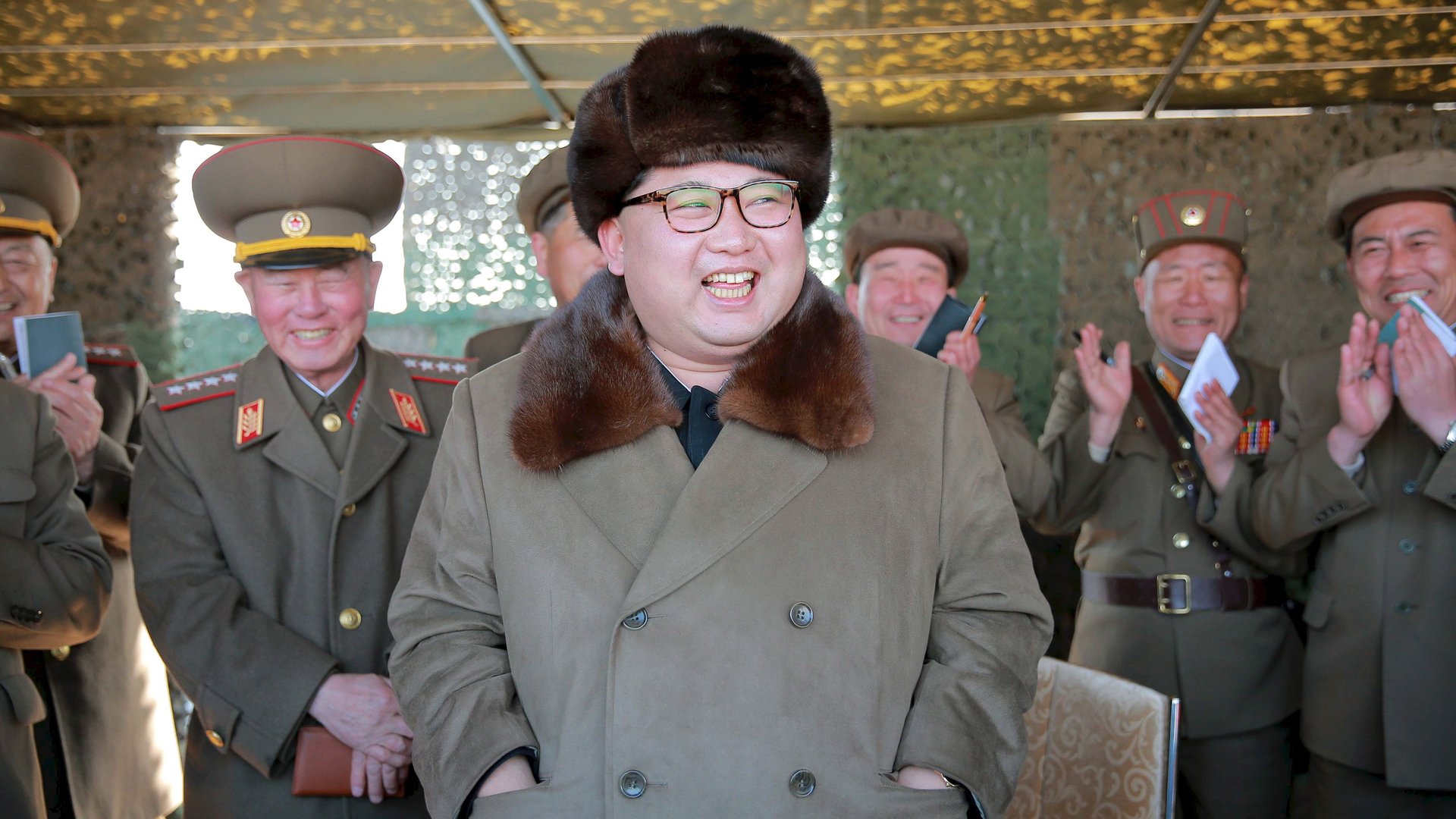
North Korea is no stranger to cryptocurrencies: The rogue regime has been accused of launching a global ransom attack to raise bitcoin, hacking South Korean exchanges, and mining crypto both within its borders and secretly on your computers. Now, it has become a suspect in the world’s largest crypto heist, Reuters has reported.

The global crypto community is obsessed with collecting virtual cats, and it’s about to get even more so.
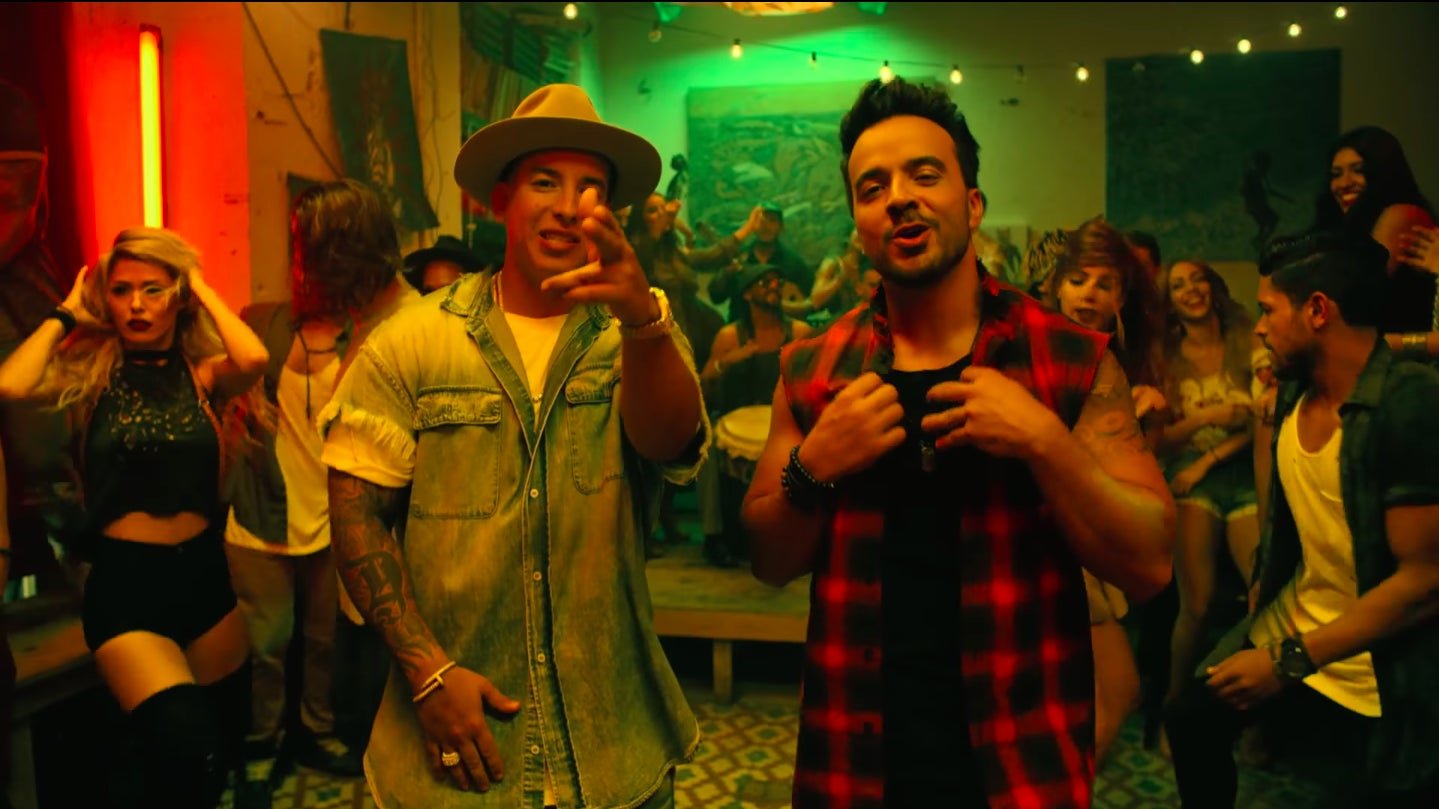
The Grammys may have snubbed the biggest song of 2017, but “Despacito” lives on.
It’s confirmed: Samsung has started mass producing chips designed for cryptocurrency mining, known as application-specific integrated circuits (ASICs).

What’s better than having a boyfriend? Having four fake ones.

Line, which has more than 200 million monthly active users worldwide, announced today (Jan. 31) that it is planning to start a cryptocurrency exchange.
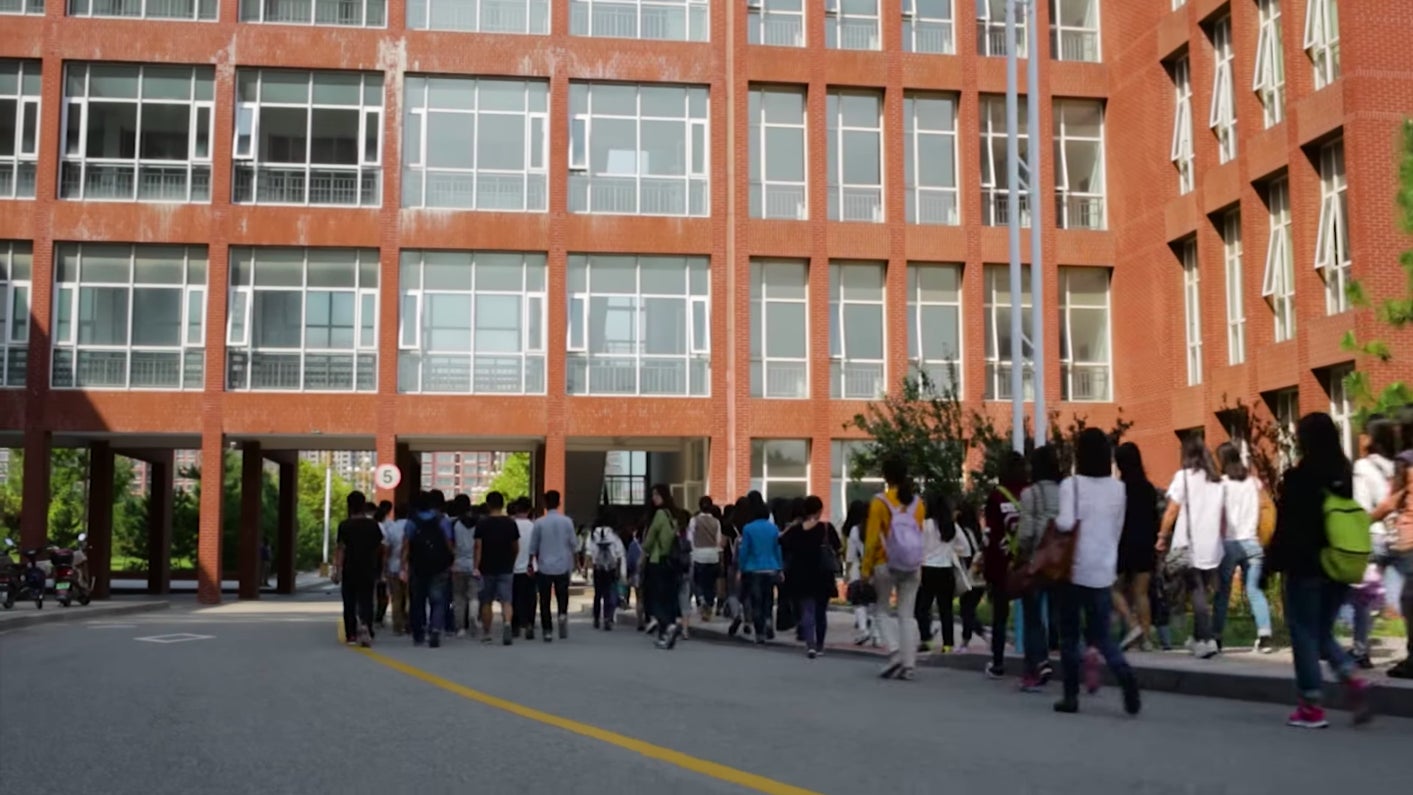
The University of Groningen has abandoned plans to offer full degrees at its newly built campus in China, according to an announcement yesterday (Jan. 29).
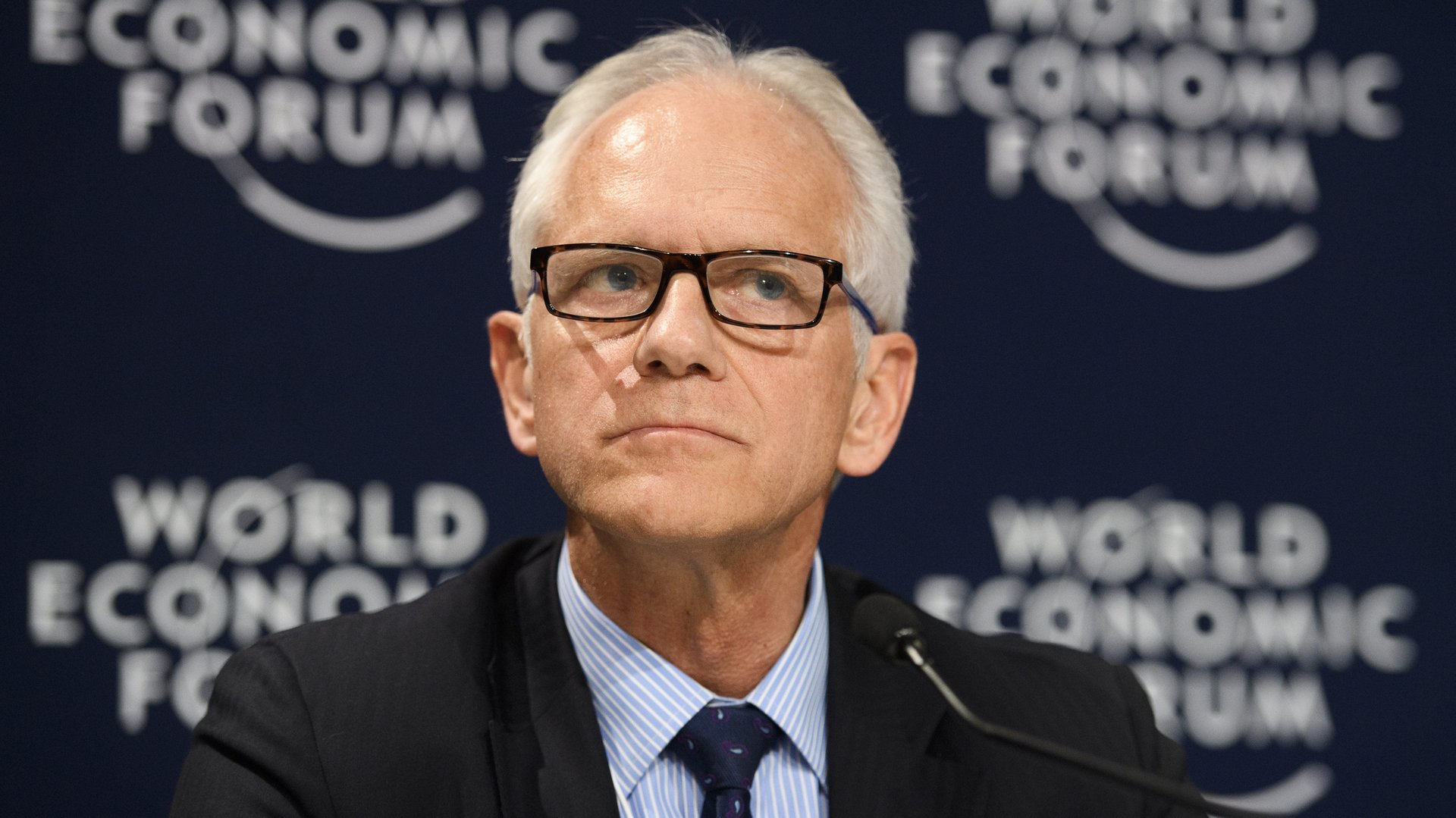
China’s propaganda machines are rolling in full force to pitch Xi Jinping’s alternative vision for globalization while Davos is underway. State news outlets in recent days put out a slew of articles promoting the idea that the 2018 World Economic Forum has been shaped by the Chinese president, even though he’s not there.
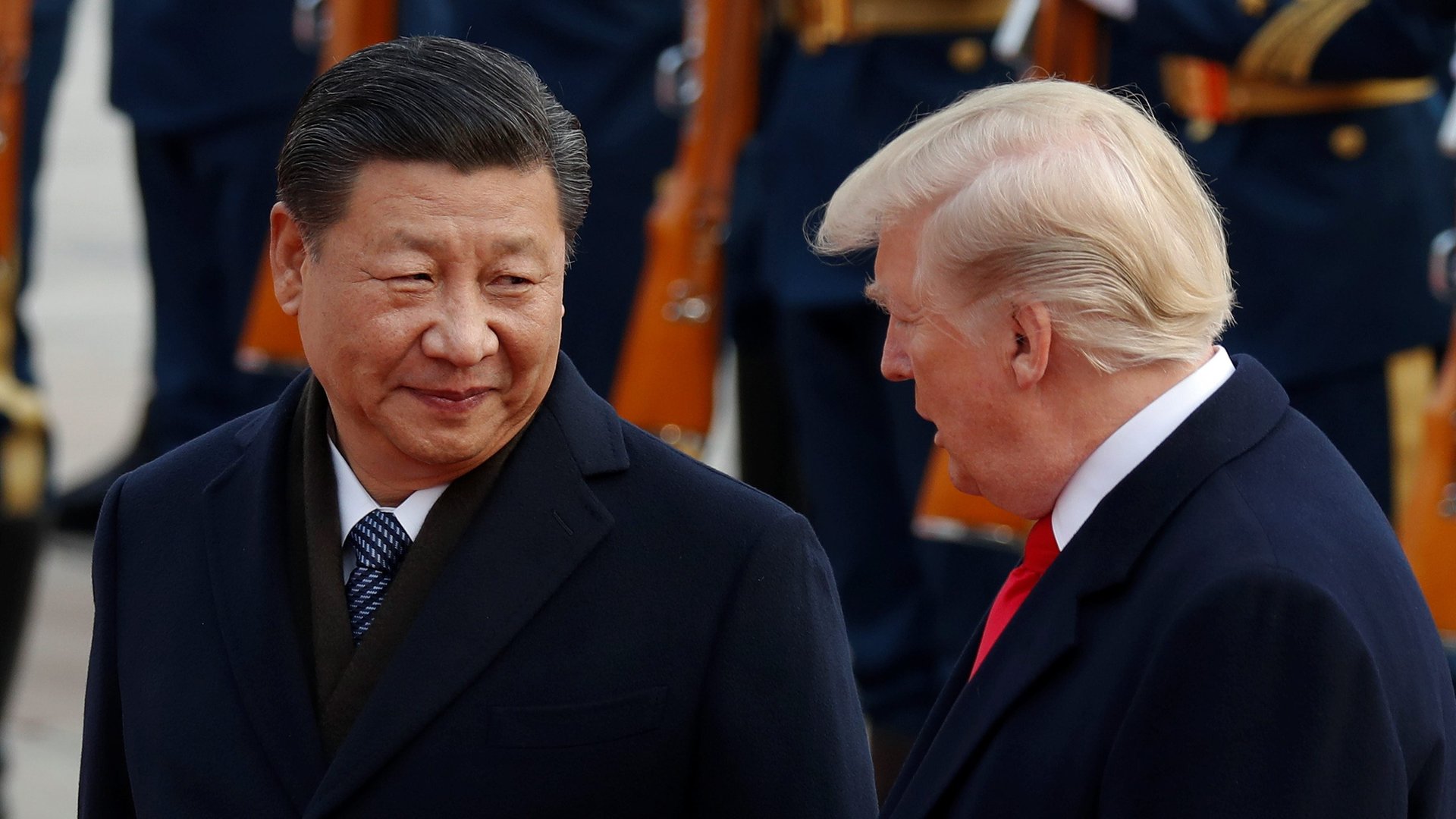
Last year, Xi Jinping defended globalization and free trade in the first-ever address given by any Chinese president in Davos, and rebuked many of Donald Trump’s “America First” policies without mentioning his name. This year, although Xi is not at the annual gathering of the global elite (while Trump is), China has in fact delivered a much stronger message about global leadership: It’s either us or America.
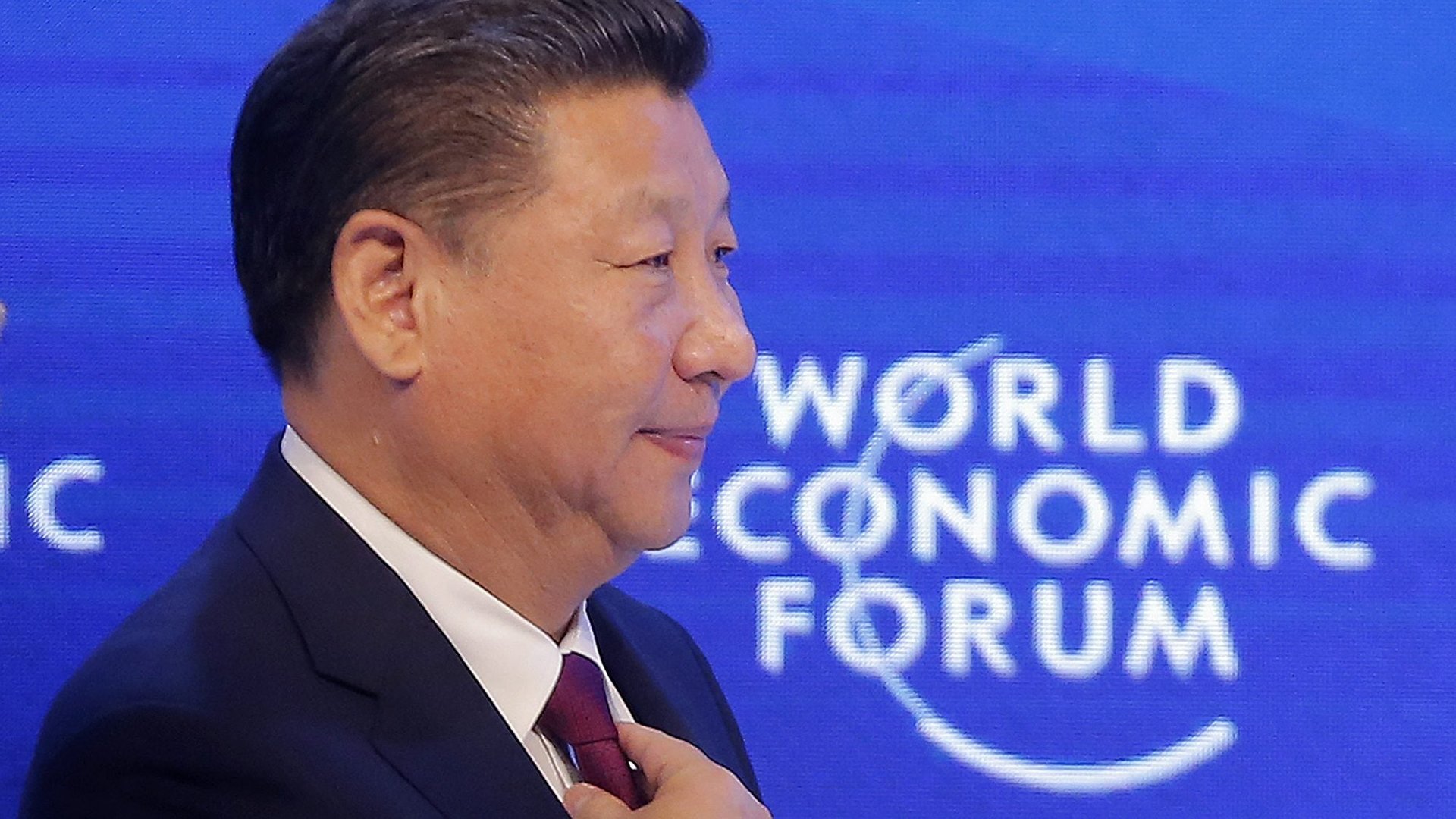
After debuting at Davos as a champion of globalization last year, China’s president Xi Jinping opted to skip the annual gathering of the World Economic Forum this week to fine-tune China’s global strategy. But his influence lingers on.
China’s embrace of the dot-com era gave birth to three internet companies that now dominate the country’s tech scene: Baidu, Alibaba, and Tencent, together known as the BAT. Founded at the end of the 20th century, the big three have grown far beyond their core businesses—search engines, e-commerce, and social networks, respectively—to do just about everything from digital payments to cloud computing. Increasingly, they are challenging the likes of Google, Amazon and Facebook as they go on global investment sprees, while shifting from copying to innovation.
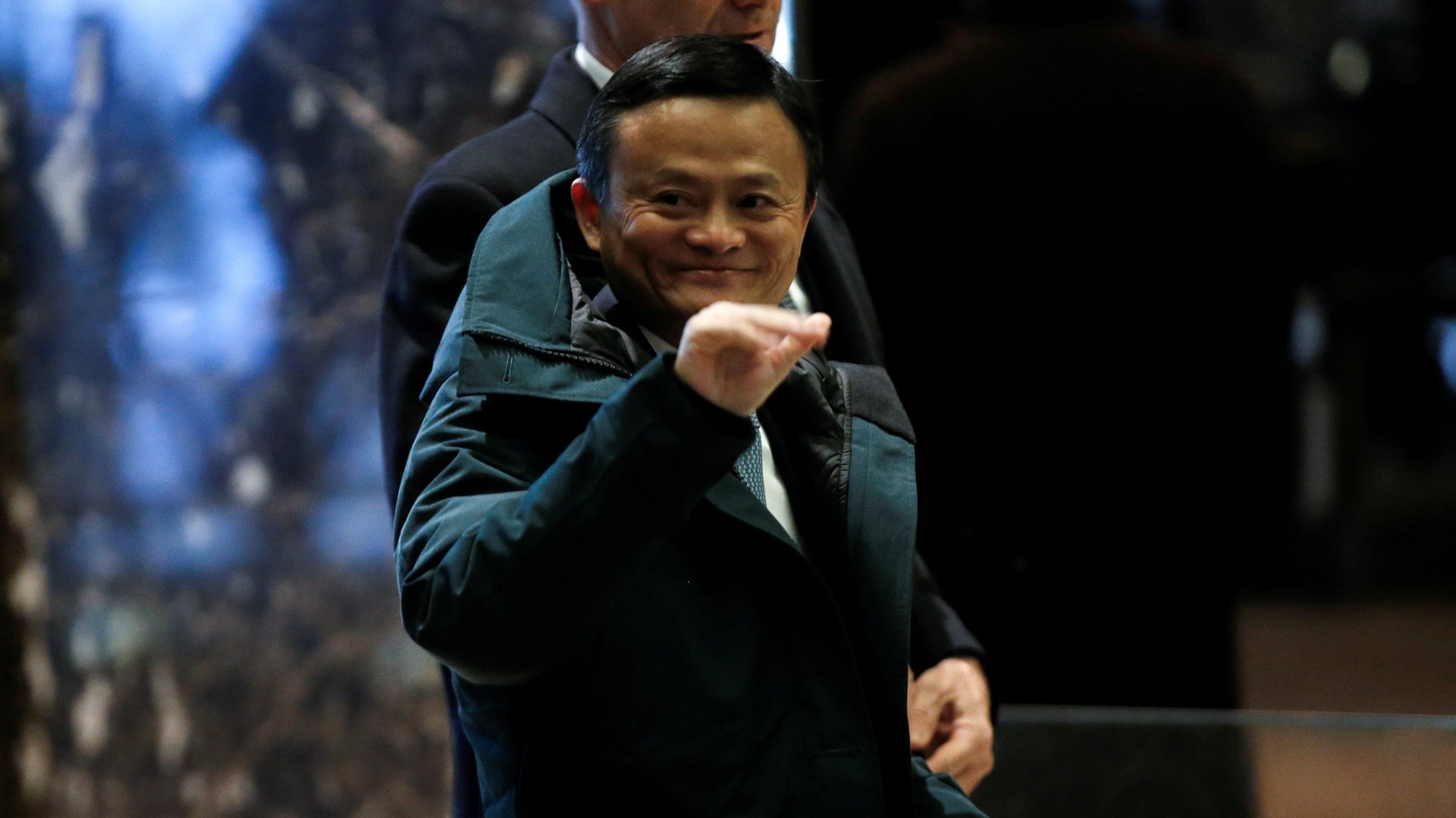
Staying warm at Davos could be a challenge for the world’s political and business leaders, with the Swiss Alpine town seeing its heaviest snowfall in 60-something years.
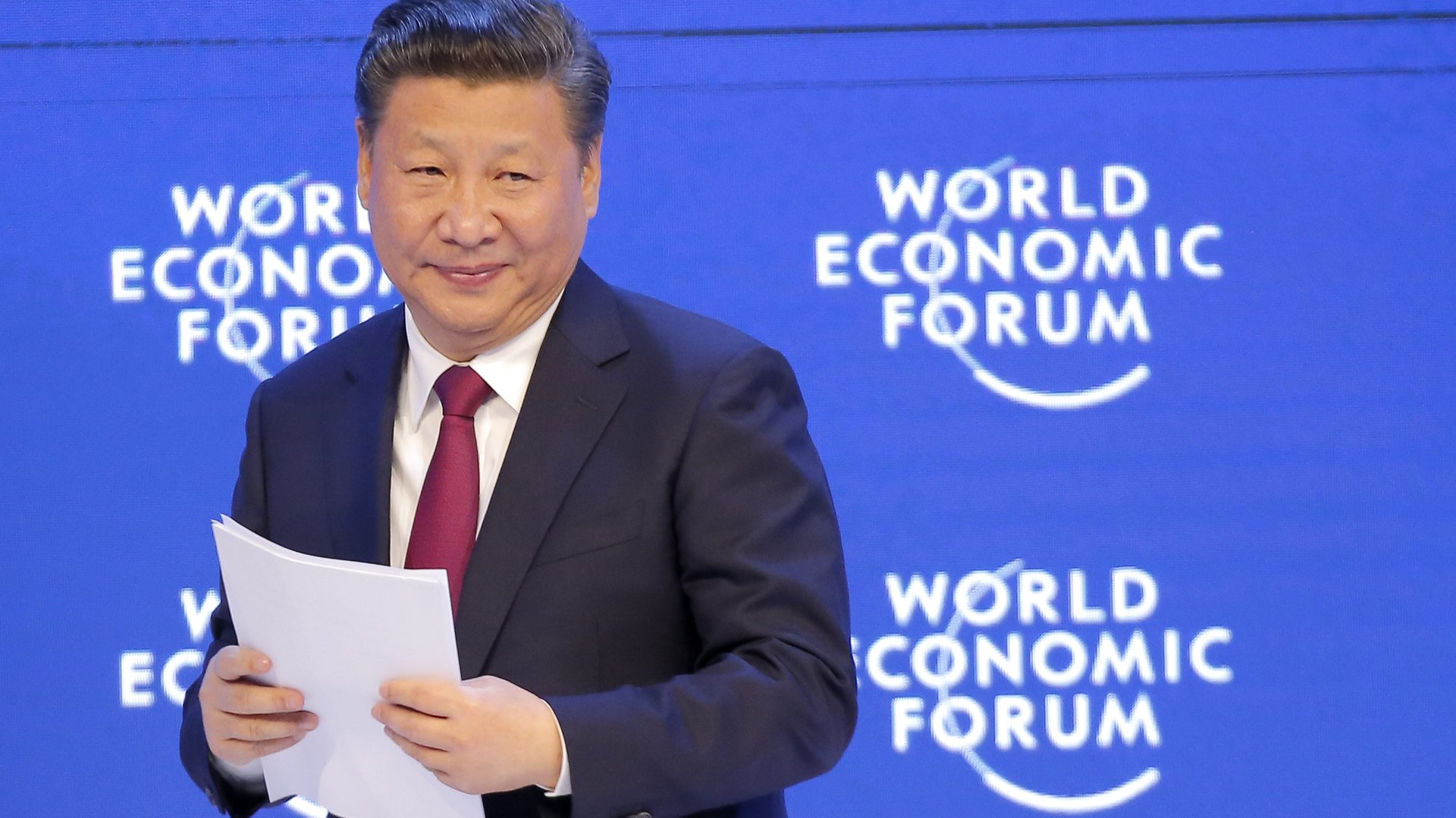
This year’s World Economic Forum at Davos has drawn a wide array of world leaders, including the heads of six of the G7 nations (yes, Donald Trump is there) and Indian prime minister Narendra Modi. Yet there is one important figure missing: Chinese president Xi Jinping.
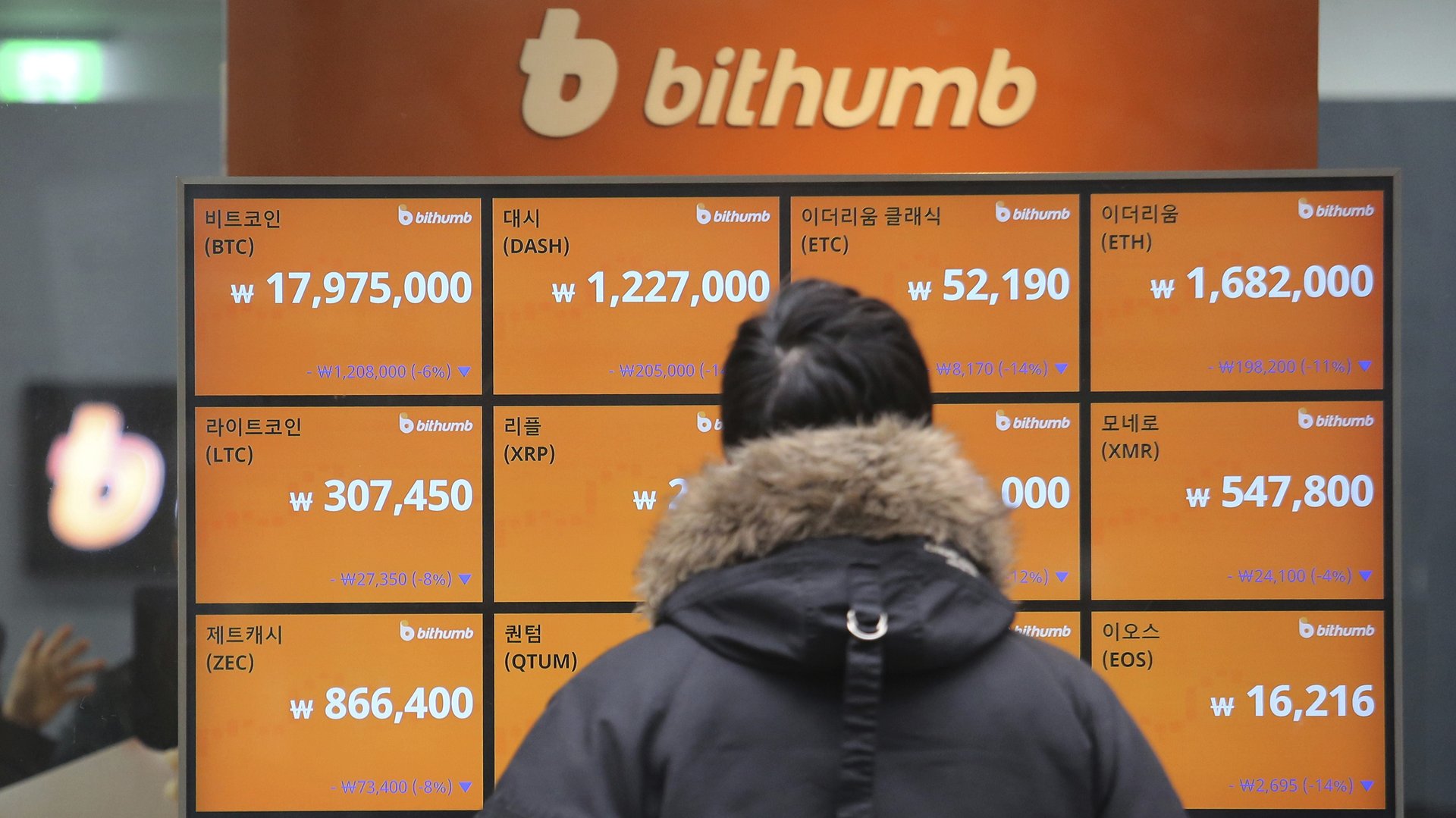
As concerns grow over crypto-mania in the country, South Korea’s government is doubling down on efforts to rein in trading of virtual currencies like bitcoin. The latest move is making real-name registration mandatory for crypto traders.
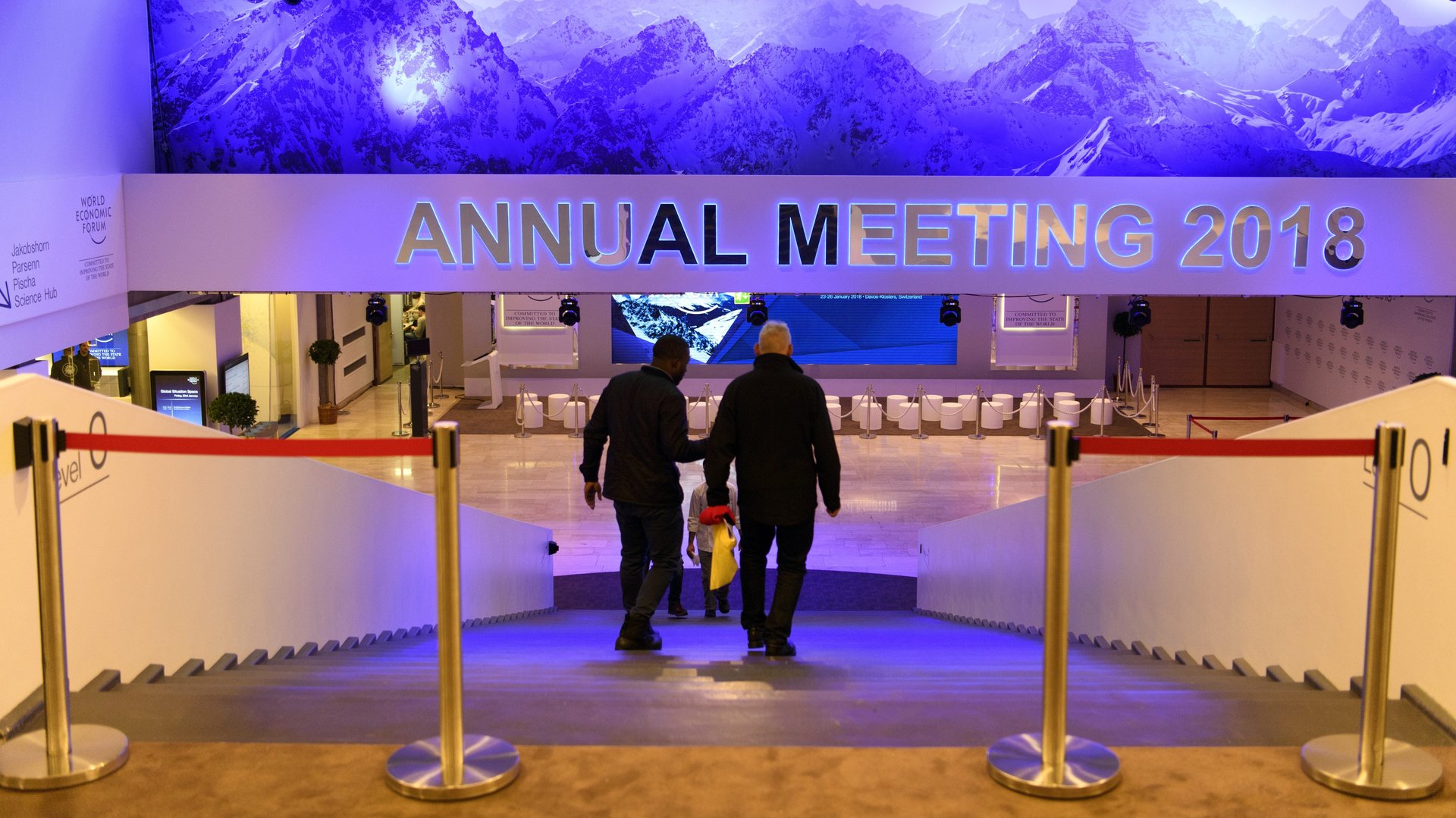
Last year in Davos, Chinese president Xi Jinping positioned himself as globalization’s most vocal champion. This year, his right-hand man Liu He will shed light on how China intends to shape the world economy.

Last summer, hip-hop finally went mainstream in China thanks to a singing competition, The Rap of China, becoming an unexpected sensation. Problem: The government, not just fans, began paying more attention to the lyrics of Chinese rappers.