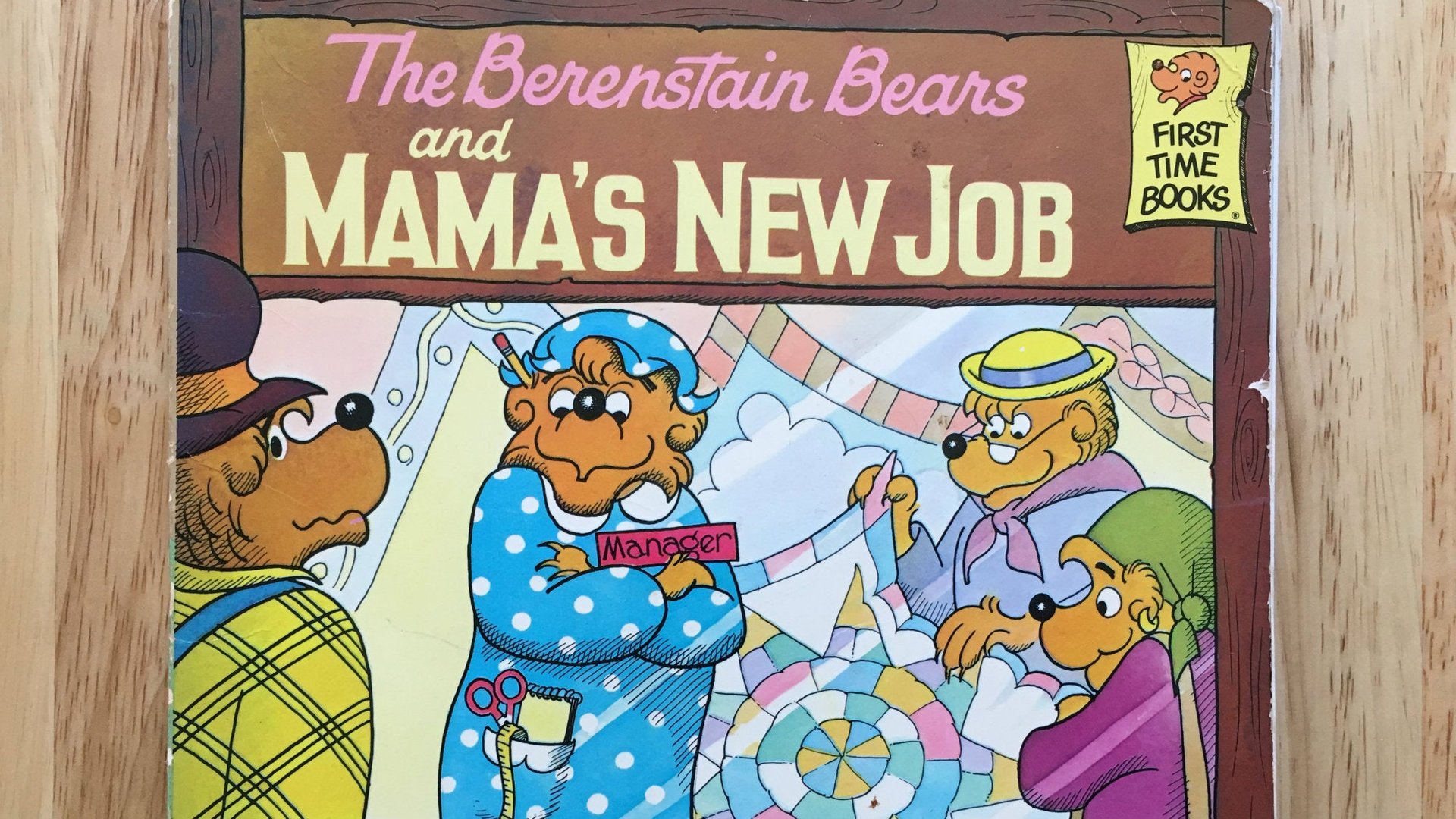
If you grew up in the English-speaking world in the 1970s or 1980s, you probably encountered the Berenstain Bears, the much-loved children’s book series by the American husband-and-wife team Stan and Jan Berenstain.

If you grew up in the English-speaking world in the 1970s or 1980s, you probably encountered the Berenstain Bears, the much-loved children’s book series by the American husband-and-wife team Stan and Jan Berenstain.

Troves of internet literature document the things that engineers and scientists do when left alone with candy. To this compendium we can now add a definitive investigation of M&M colors.

Emoji make it possible to communicate without saying a word, and this goes for swearing too. Terms like “ass hat,” “douchebag,” “motherfucker,” and the extremely British epithet “cockwomble” can all be conveyed in clever combinations of tiny pictures.

You may have seen a much-circulated story, allegedly posted on CNN’s website, in which a Cornell University student claims to have lost 37 pounds through a diet regimen consisting of apple cider vinegar and supplements of Garcinia cambogia, a type of tropical fruit.

The works of Nobel Prize-winning writer Hermann Hesse explore man’s search for meaning. In the 1905 essay “On Little Joys,” the Siddhartha author identified a small difference between those able to find poetry in the “aggressive haste” of the modern world, and those consumed by busyness.

Presidents receive a lot of gifts from foreign dignitaries; they keep hardly any.

On March 4, the London-based Financial Times ran a story (paywall) educating readers on skyscrapers, the multistory structures that have been part of most city skylines for the last 132 years.

What if—stay with me—what if, instead of coffee and toast for breakfast, you could have coffee on toast? Did I just blow your mind? Because as of March 1, we live in a world where such things are possible.

Martin Schneider, currently a writer and editor at the film review site Front Row Central, took to Twitter recently to share an experience he and Nicole Pieri has while working as colleagues at a resume writing service.

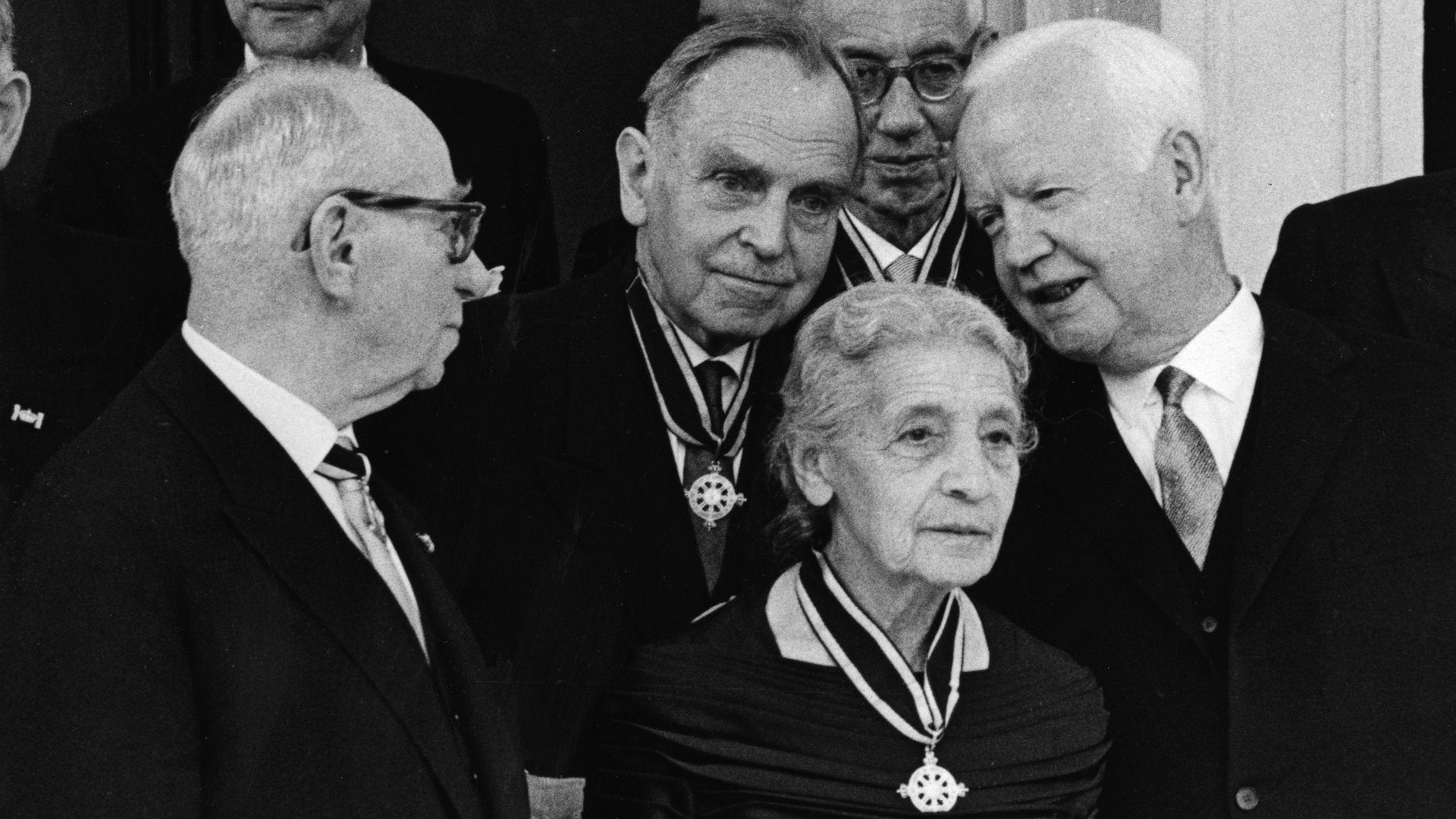
The Austrian-born physicist Lise Meitner co-discovered nuclear fission, the breakdown of an atom’s nucleus into smaller components. It’s the fundamental process in nuclear energy and nuclear warfare (though Meitner refused to pursue any research into weaponizing the science she uncovered). She’s kind of a big deal.

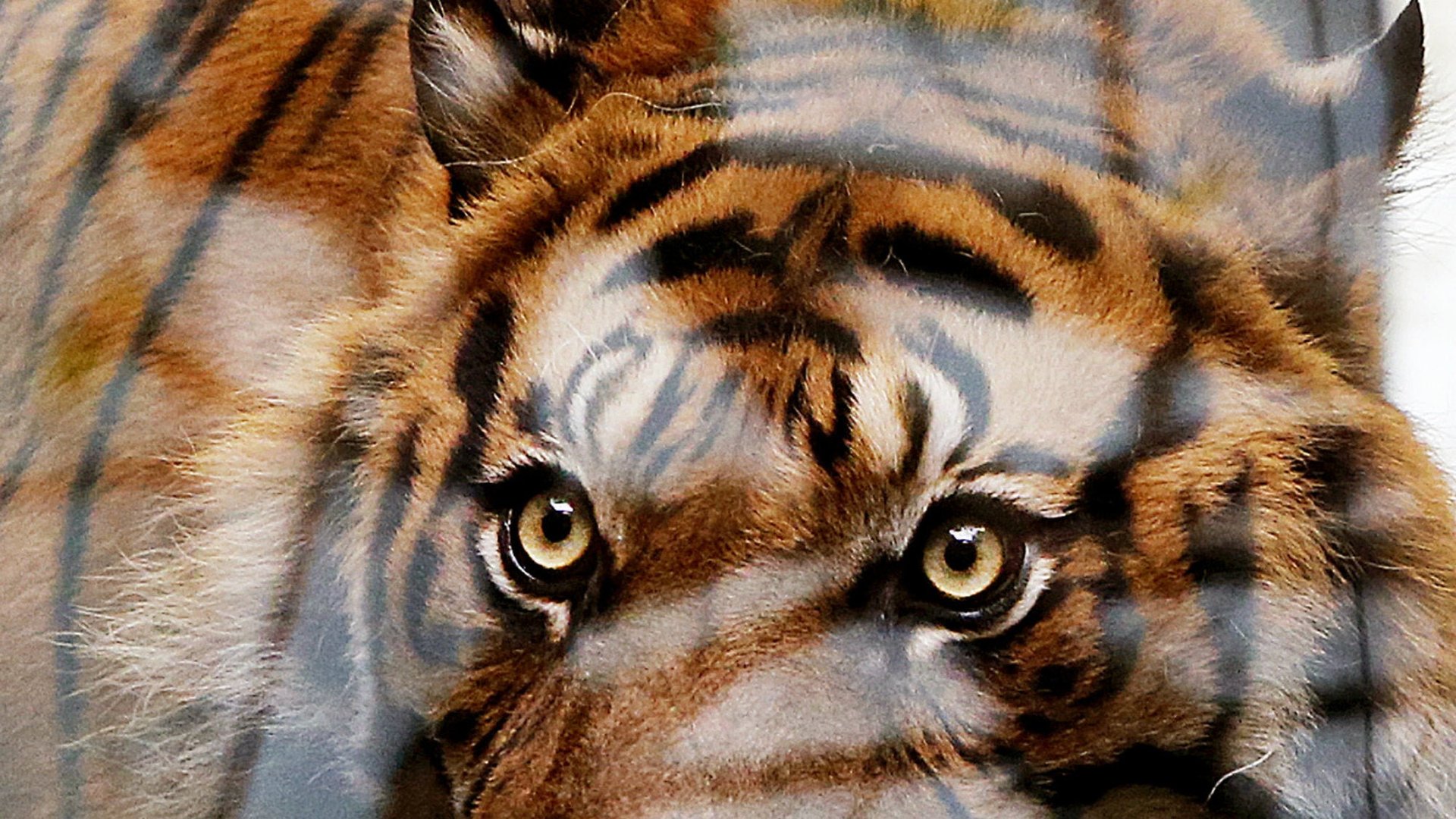
Humans and elephants are a danger to each other. Poachers and habitat loss have reduced African elephants’ numbers by 30% in the last decade. Meanwhile, elephants sometimes raid human farms, trampling crops and destroying community livelihood, and even in some cases killing people.

You may have had this experience: finally settling down with that book you’ve been meaning to read or the paperwork you’ve been meaning to do, only to find that you just can’t focus. If there are other demands on your attention—kids, for example—sustained concentration can seem near impossible.

Before there was Bic for Her, before there was tape Just For Girls, before there was a whole bunch of stuff that absolutely, definitely does not need to be made just for ladies, there was the Oscar Mayer ham can for women.

A website run by the Norwegian public broadcasting corporation recently started making people pass take a short multiple choice quiz to prove they’ve actually read articles before commenting. It’s an effort to combat the destructive human impulse to react to news before we’ve bothered to understand exactly what we’re reacting to.

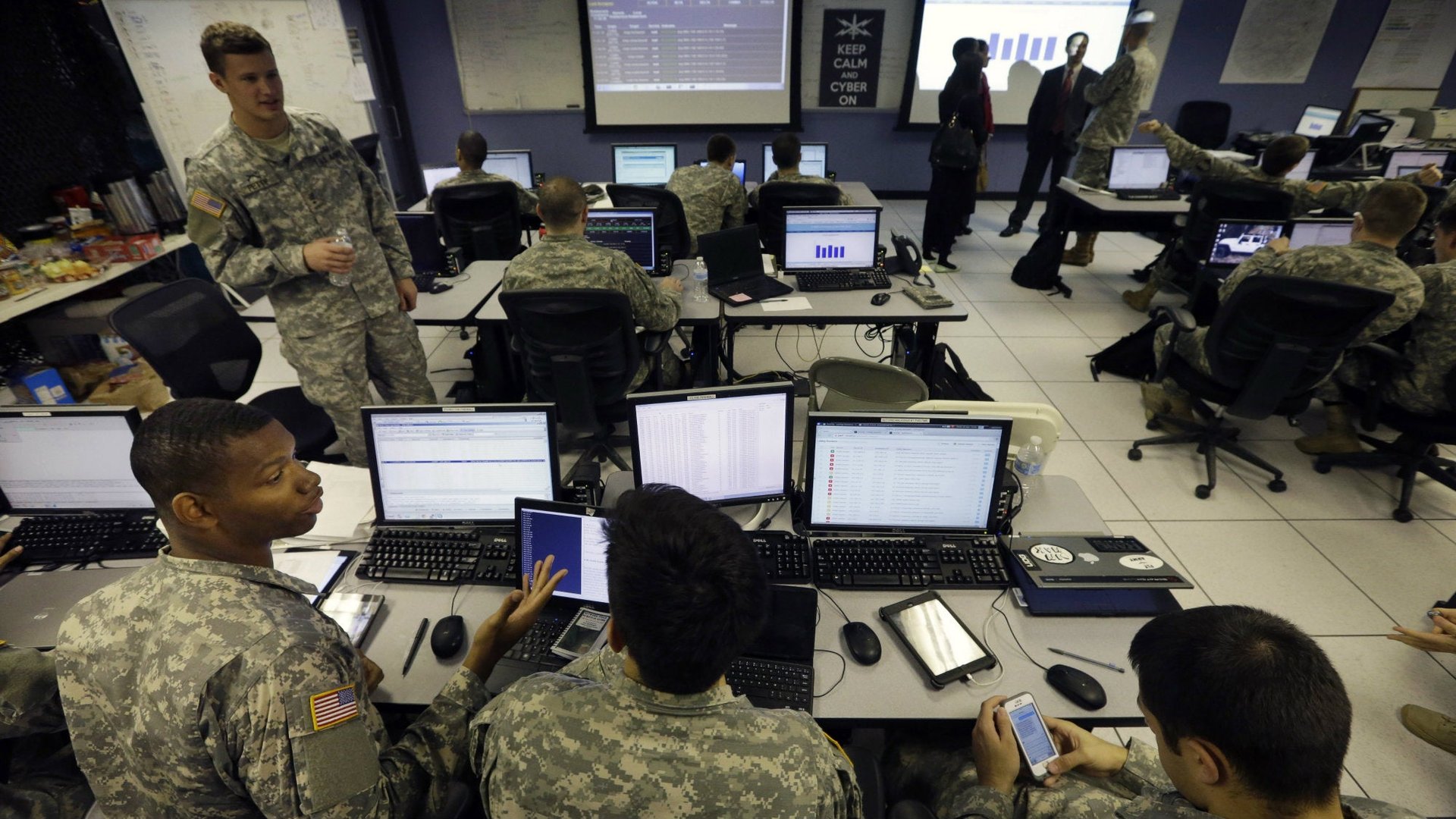
Long before the world knew the contents of Hillary Clinton staffers’ inboxes thanks to Russian hackers, the country went after an even bigger US target, in a movie-worthy plot documented in Fred Kaplan’s 2016 book Dark Territory: The Secret History of Cyber War and highlighted in a New Yorker article earlier this month.

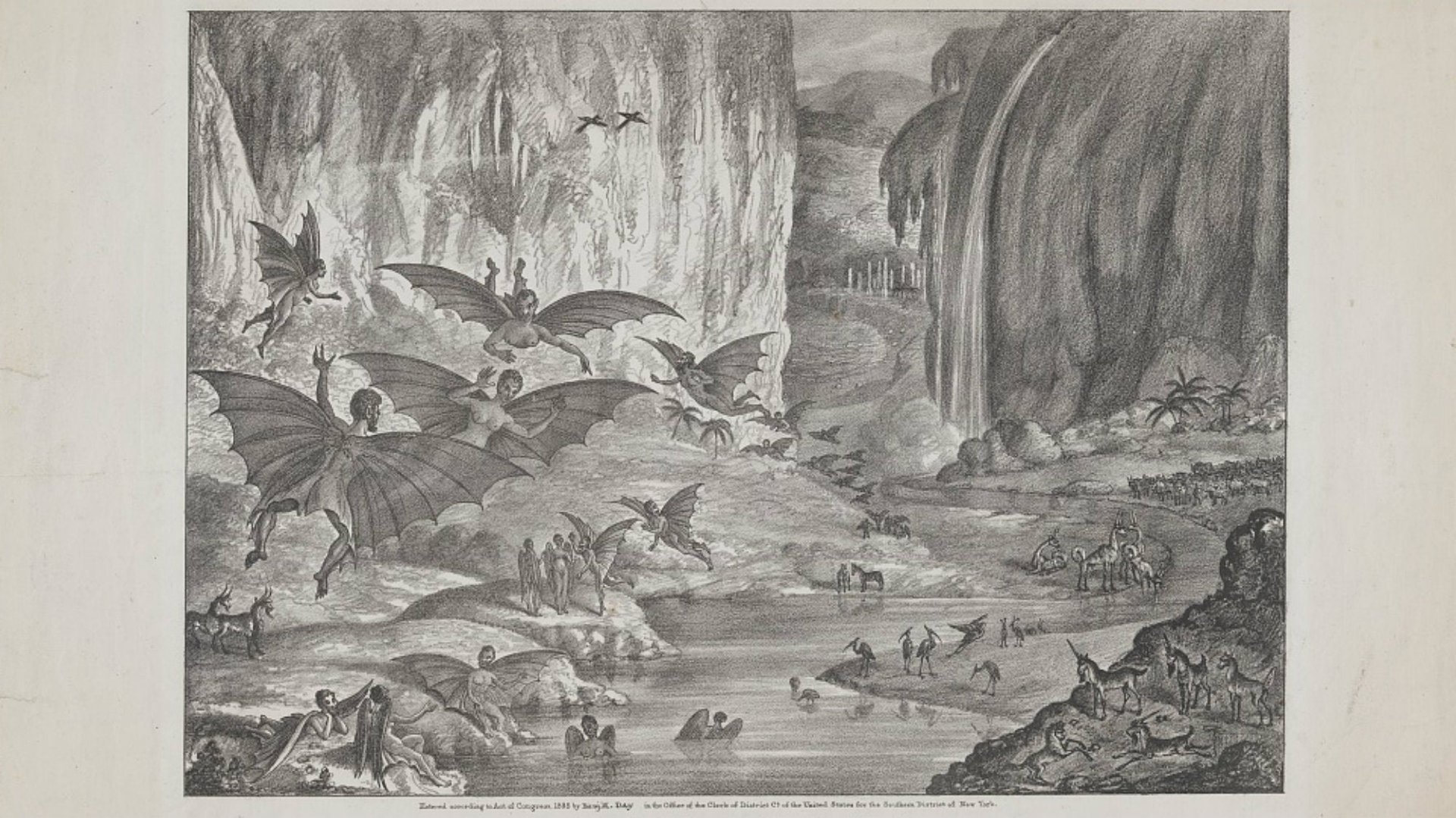
The Aug. 25, 1835 issue of the New York Sun carried astonishing news. From the Cape of Good Hope in South Africa, where he’d traveled to study the southern skies, English astronomer John Herschel had discovered life on the moon.

Charts are something of a religion here at Quartz. Done right, they’re succinct, attractive illustrations that convey volumes at a glance. Yet they are also inherently excluding. A visual representation of data, no matter how elegant, is a useless tool for someone who is not able to see.

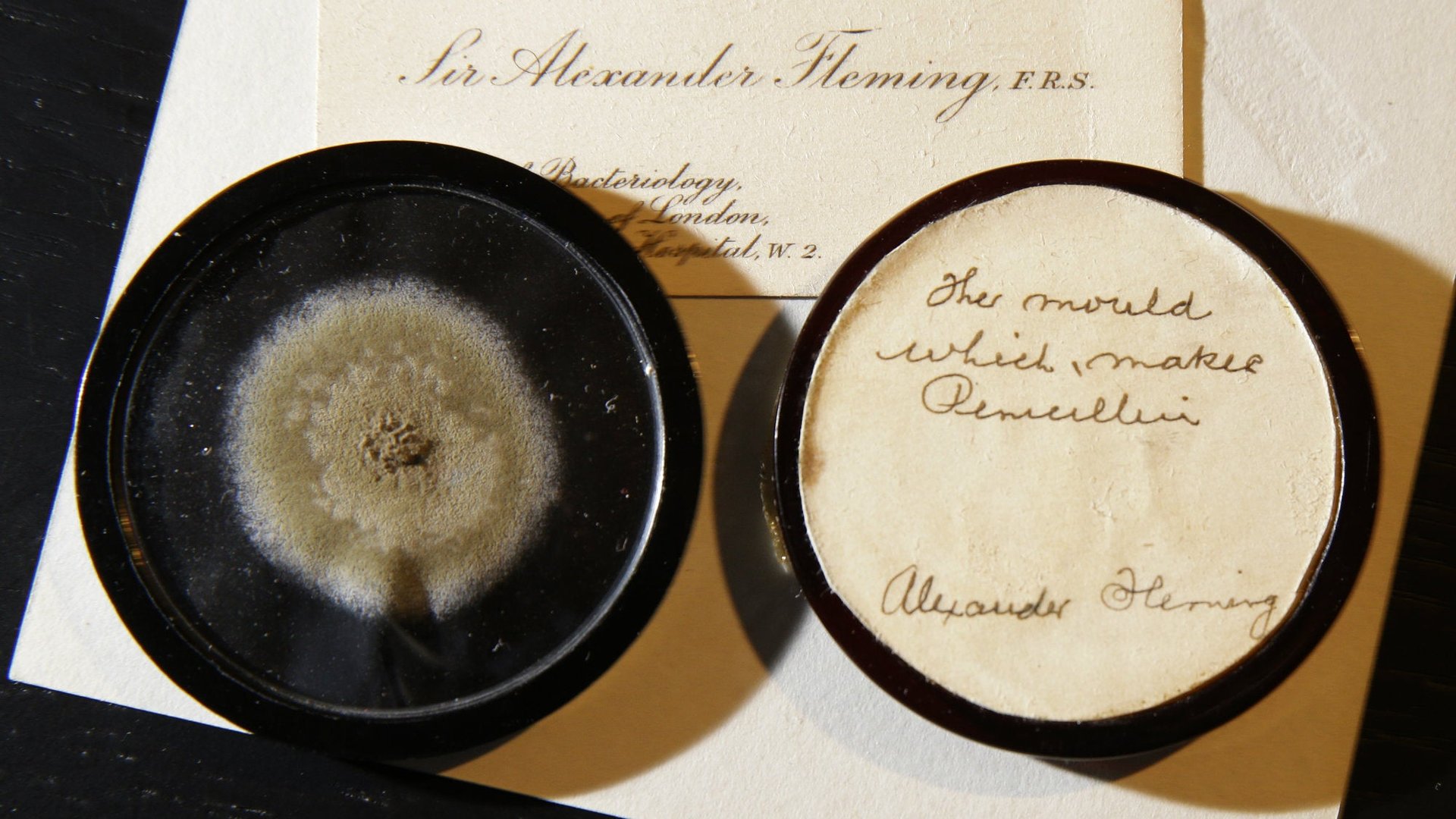
It’s a bull market for famous fungus. A preserved specimen of the mold that led to Alexander Fleming’s discovery of penicillin just sold at auction in London for £11,875 (about $14,500).

There are people who watched the chaotic Best Picture announcement at the Academy Awards on Feb. 26 and said to themselves, “Wow. Someone really messed up those envelopes.”

After five parched years, an unusually wet winter has officially ended the drought in 83% of California, according to figures released this week from the US National Drought Mitigation Center.

Former US Congresswoman Gabby Giffords has a message for representatives avoiding town halls for fear of encountering protestors: Have some guts. Two days after she was shot and seriously injured at a public meet and greet near Tuscon, Arizona, in 2011, her offices were open to the public.

How you feel about the future has a lot to do with how you feel about regret. People prone to rue paths not taken approach the unknown more cautiously than others, a new study has found. They’re less eager to know what the future holds, and more willing to hedge against risks they can’t predict.

Researchers at Berlin’s Max Planck Institute for Human Development recently asked 2,000 people (pdf) in Germany and Spain if they’d want to know what’s in their future, if such foresight were possible.

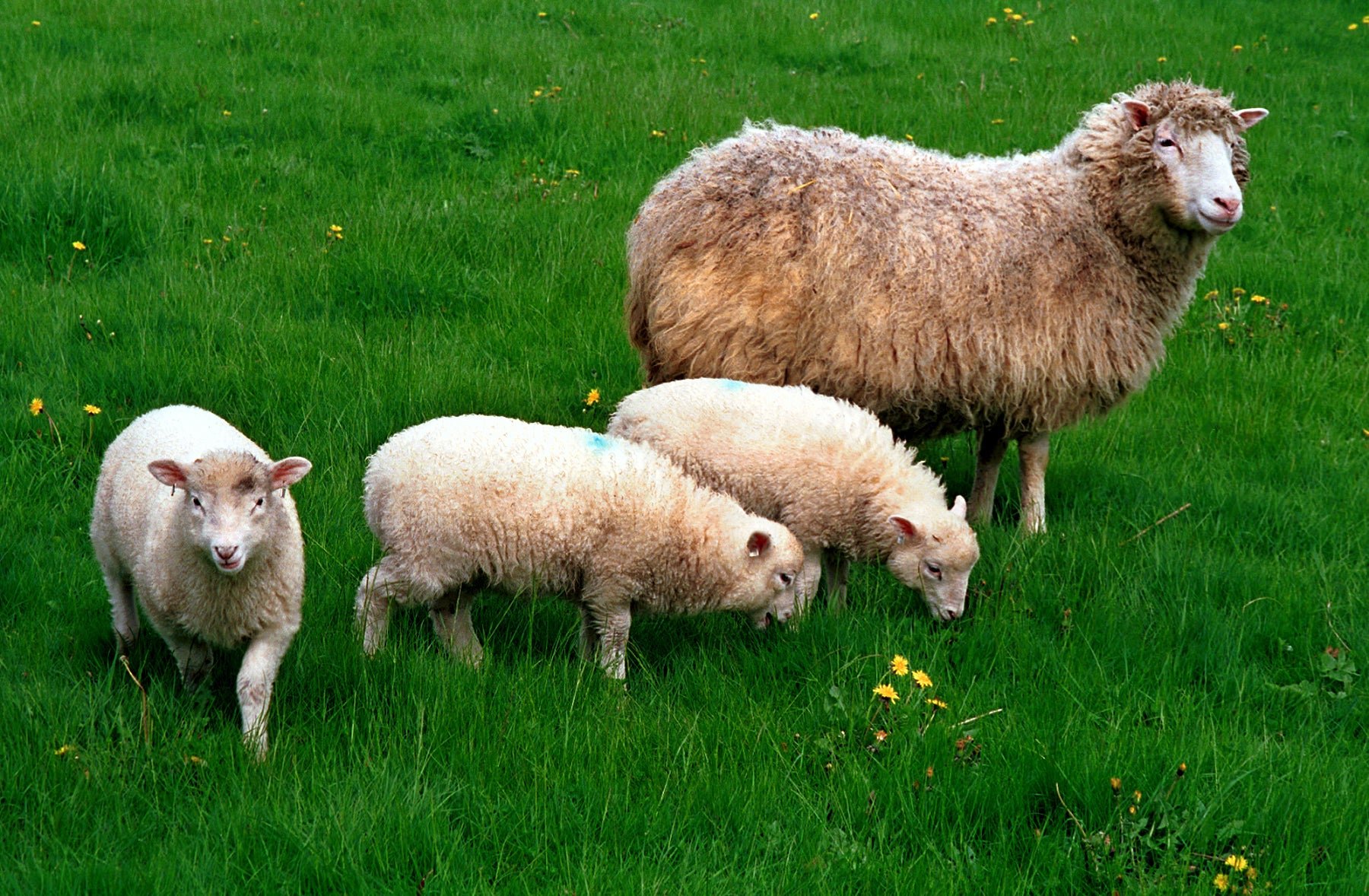
Twenty years ago today, scientists at Edinburgh’s Roslin Institute introduced the most famous sheep in history. The Finn Dorset born seven months earlier was the first mammal cloned from the cells of an adult. She was named for the famously-endowed singer Dolly Parton—a nod to the mammary gland cell from which she was cloned.