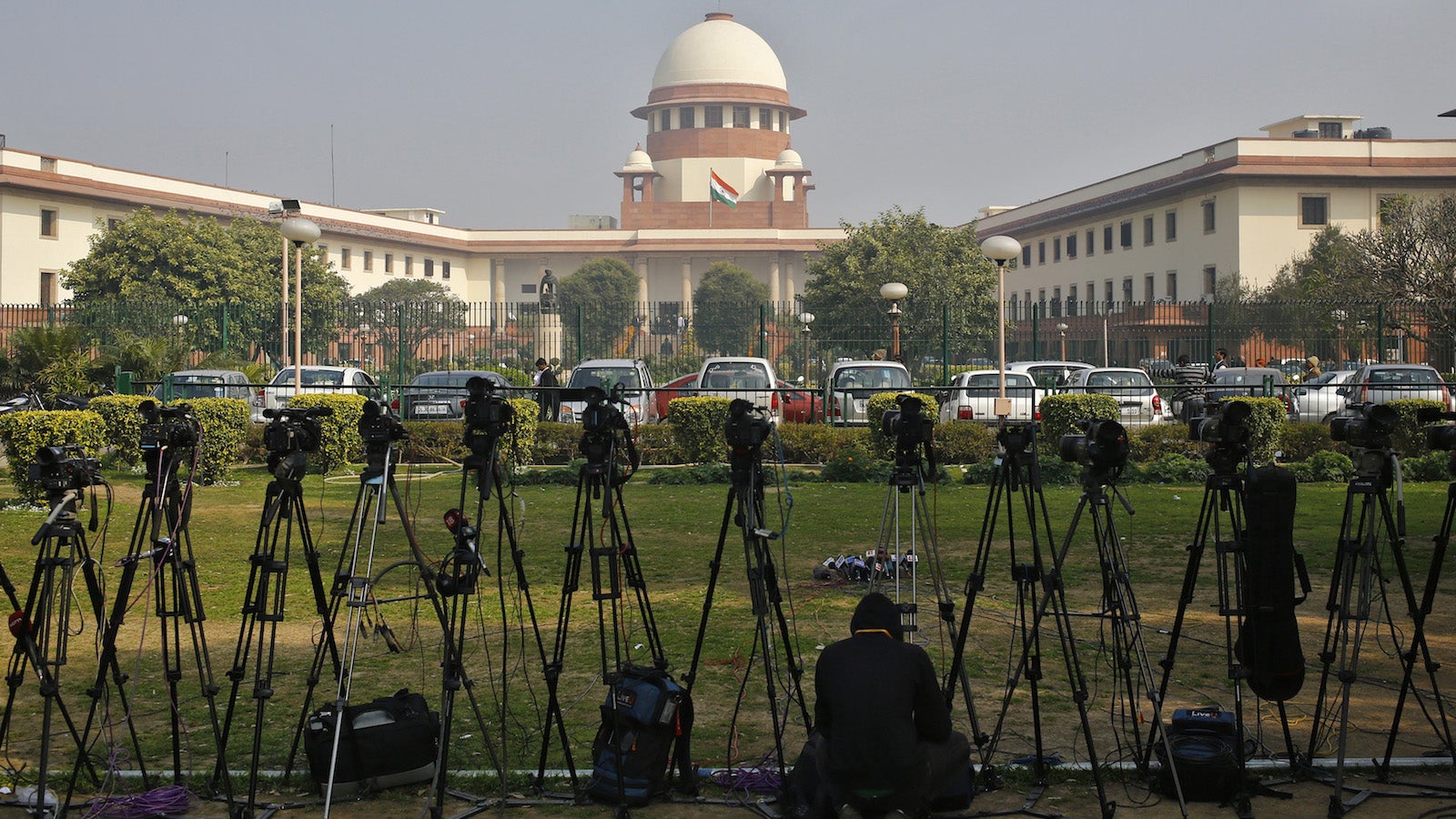
It is the most unexpected of pairings divided by more than a generation, but it has taken an upstart law student and a wizened interpreter of the constitution to restore freedom to India’s internet.
It is the most unexpected of pairings divided by more than a generation, but it has taken an upstart law student and a wizened interpreter of the constitution to restore freedom to India’s internet.

In 1985, a 28-year-old man from Uttar Pradesh quit his government job, left his family and arrived in the dead of the night at a small village in Rajasthan’s Alwar district.

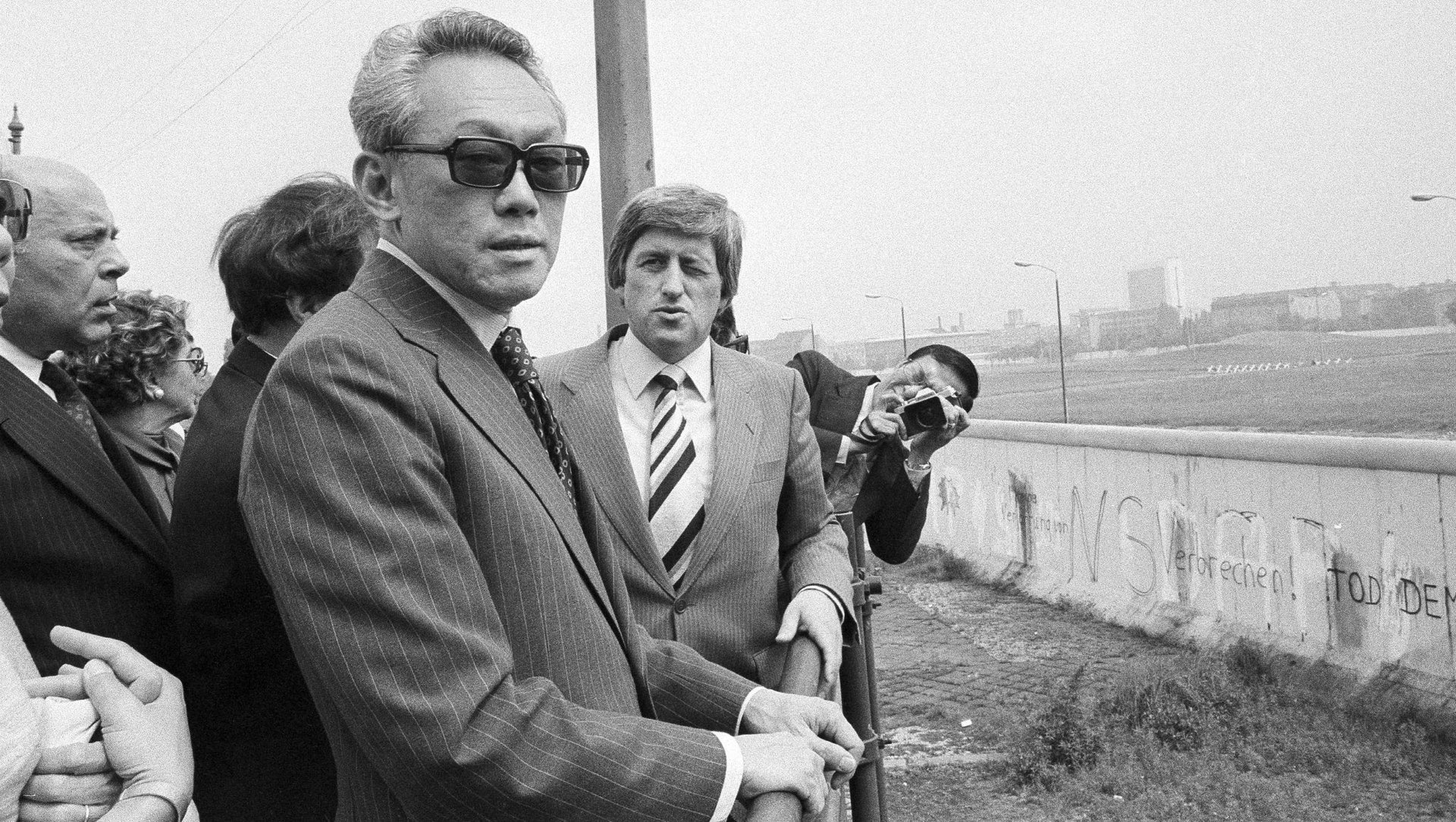
The forthright and farsighted Cambridge-trained lawyer who transformed Singapore from a colonial entrepot in Southeast Asia to one of the world’s most important financial centers has died.

This post has been corrected.

The fine art of Indian budget-making—with its liberal dose of populism, sops for corporates and optimistic forecasting—is an exercise that Yashwant Sinha knows well.

Sorry. No new trains were announced today.

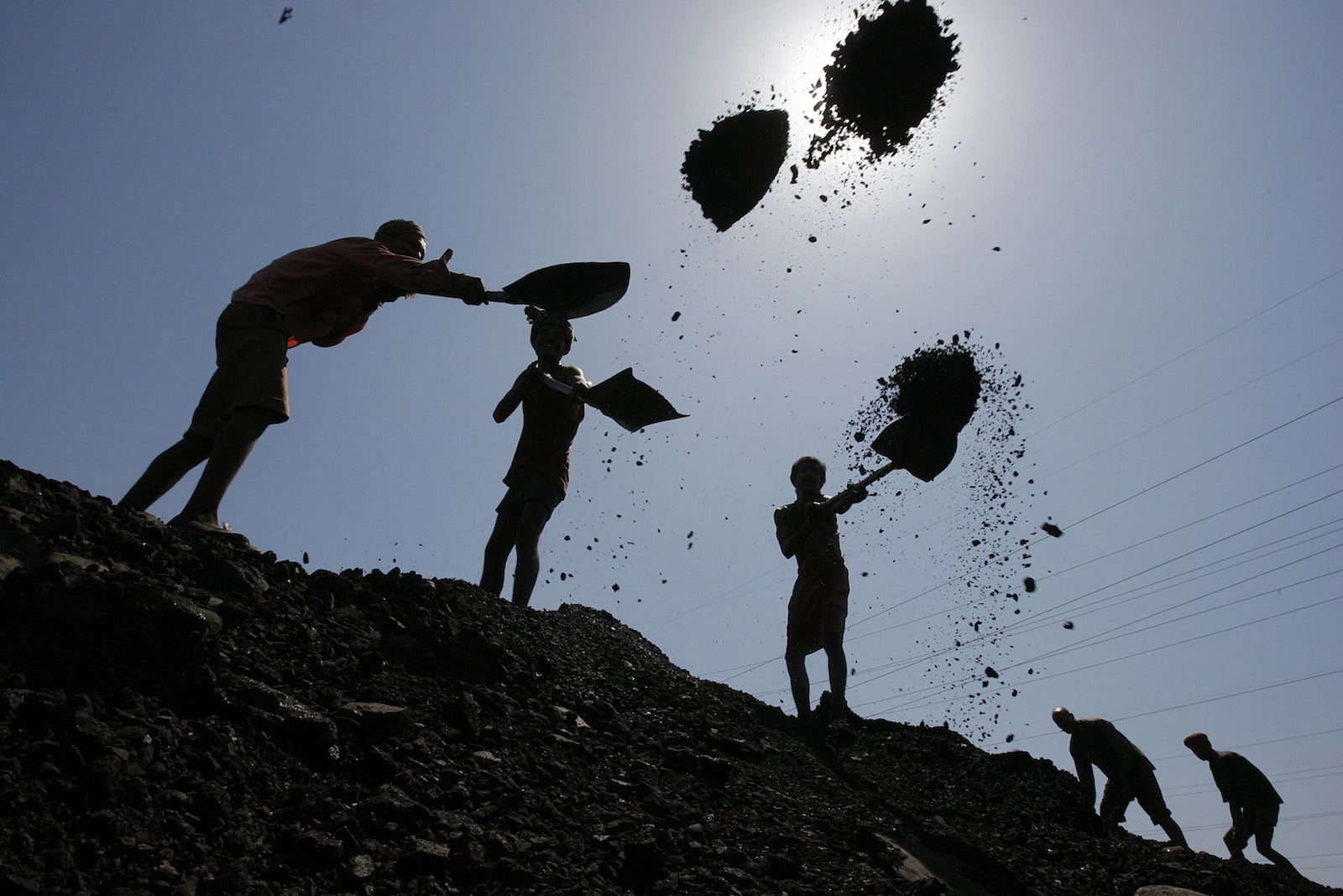
Anil Swarup is the straight-shooting bureaucrat at the helm of the Narendra Modi government’s ambitious effort to clean up India’s coal sector.

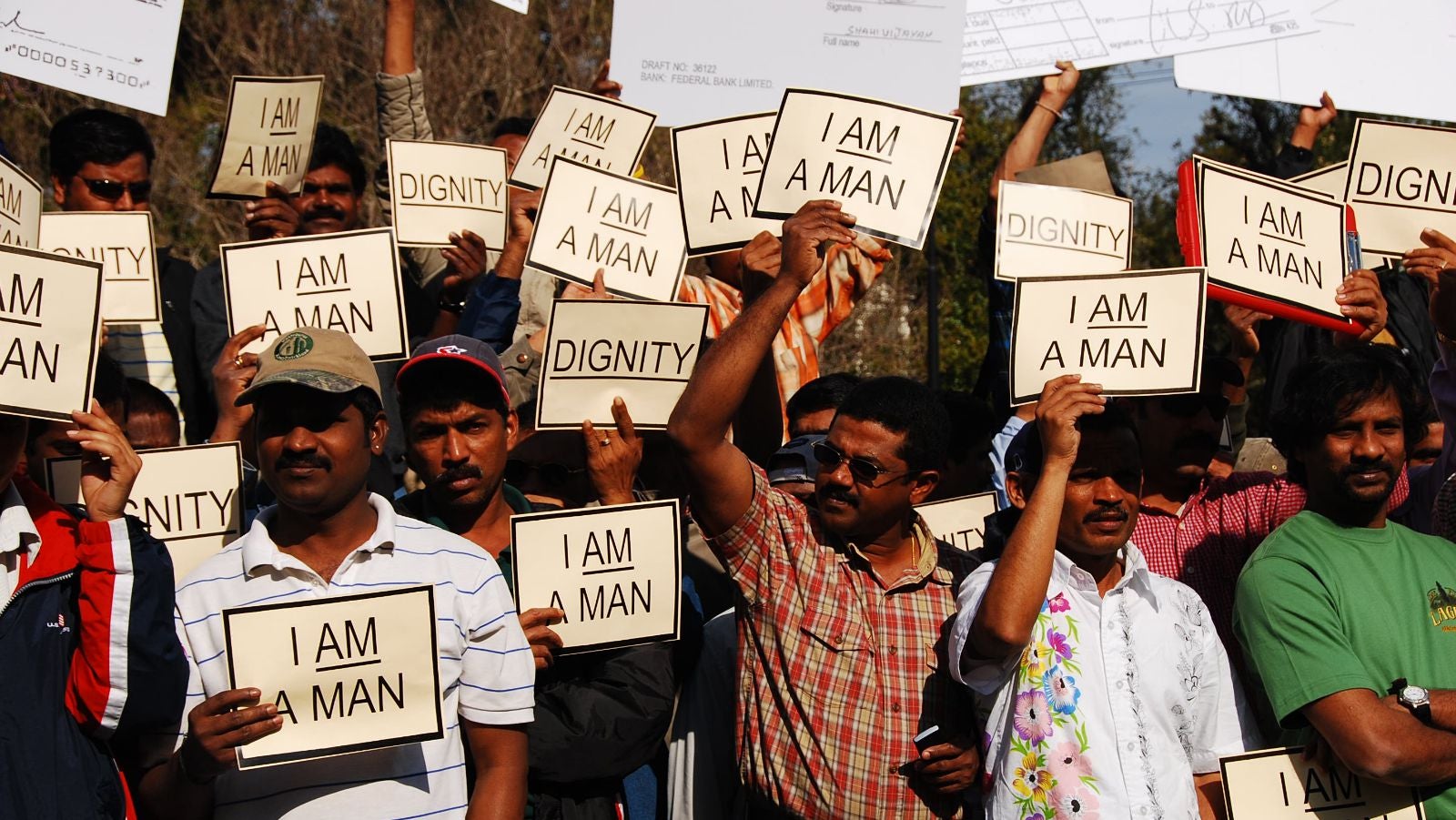
After Hurricane Katrina charged through the southern US in 2005, inflicting damages worth an estimated $108 billion, Alabama-based Signal International hired some 500 Indian workers to help with repair and rebuilding in the wake of the storm.

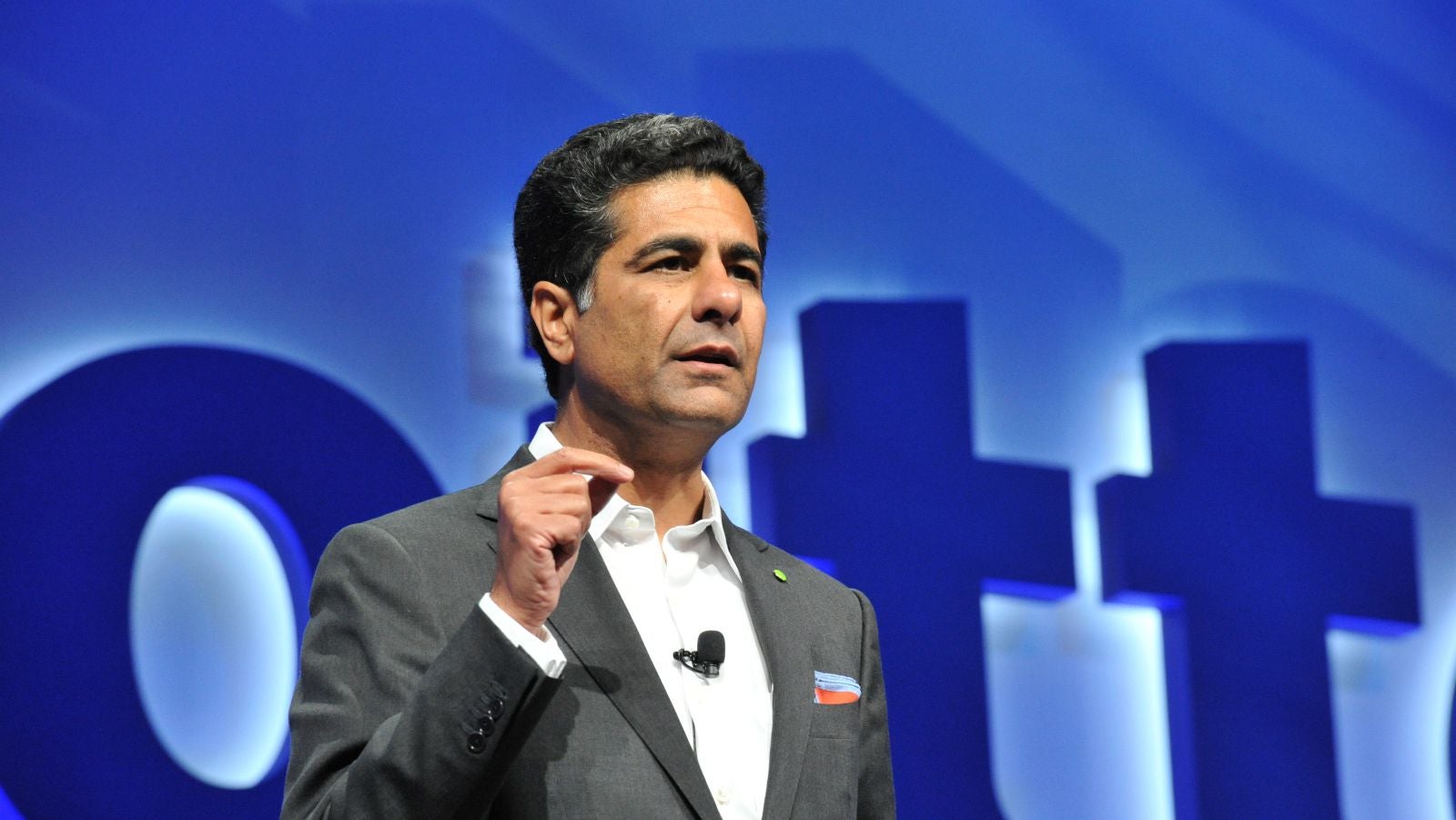
The story of the rise (and fall) and rise of Punit Renjen—who was named Deloitte Global’s CEO in 2015—begins in the heartland of Haryana.

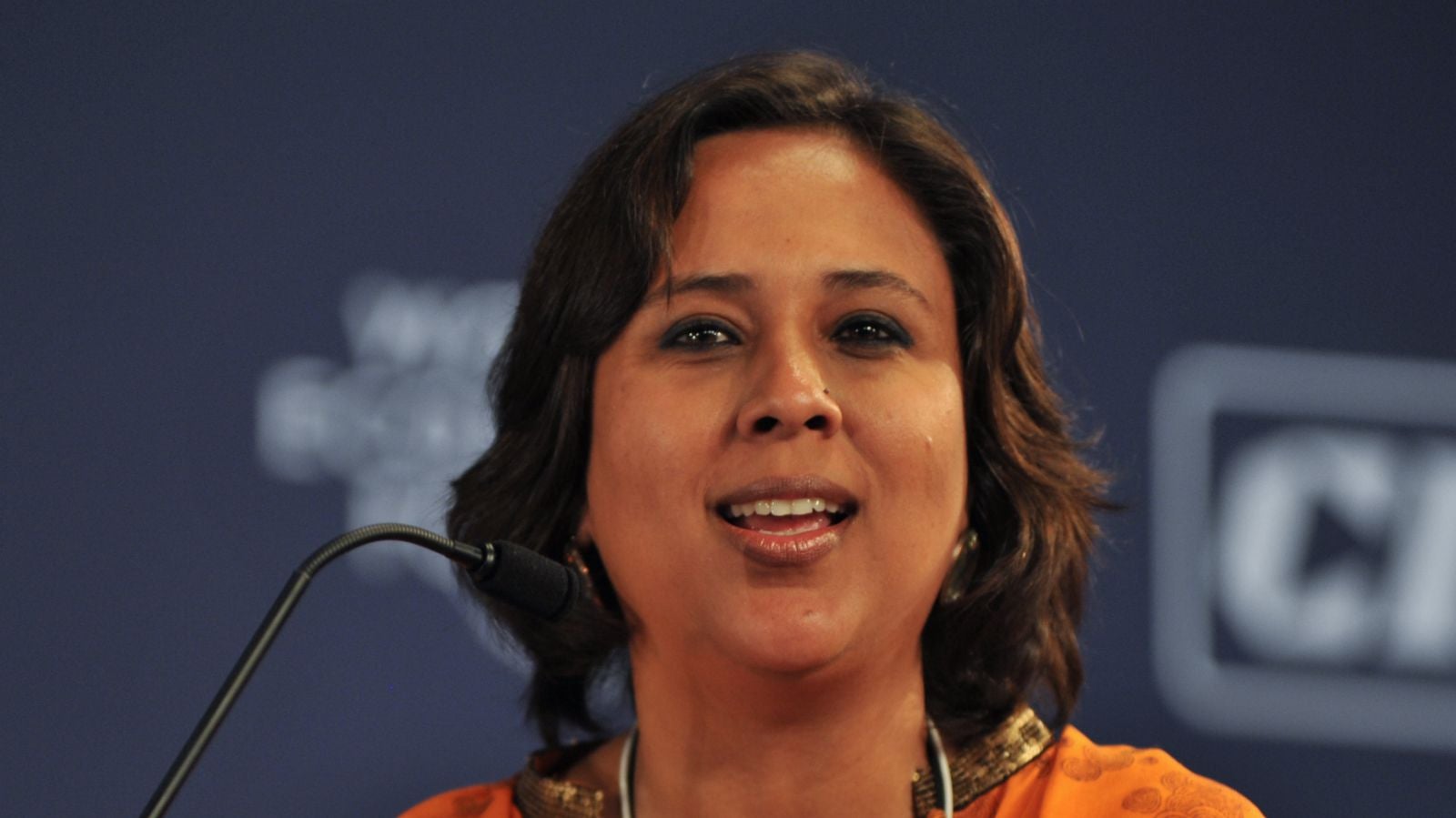
Widely watched, prolifically retweeted, liberally criticised and abundantly admired, Barkha Dutt—perhaps the most well known Indian journalist of her generation—is turning entrepreneur.

Indian comedians are angry. Really, really angry.

This morning, India’s GDP growth for the 2013-14 financial year was 4.7%.

This post has been corrected.

After a spectacular collapse in 2012 and a slow recovery, India’s foreign direct investment (FDI) inflows are finally back on track.

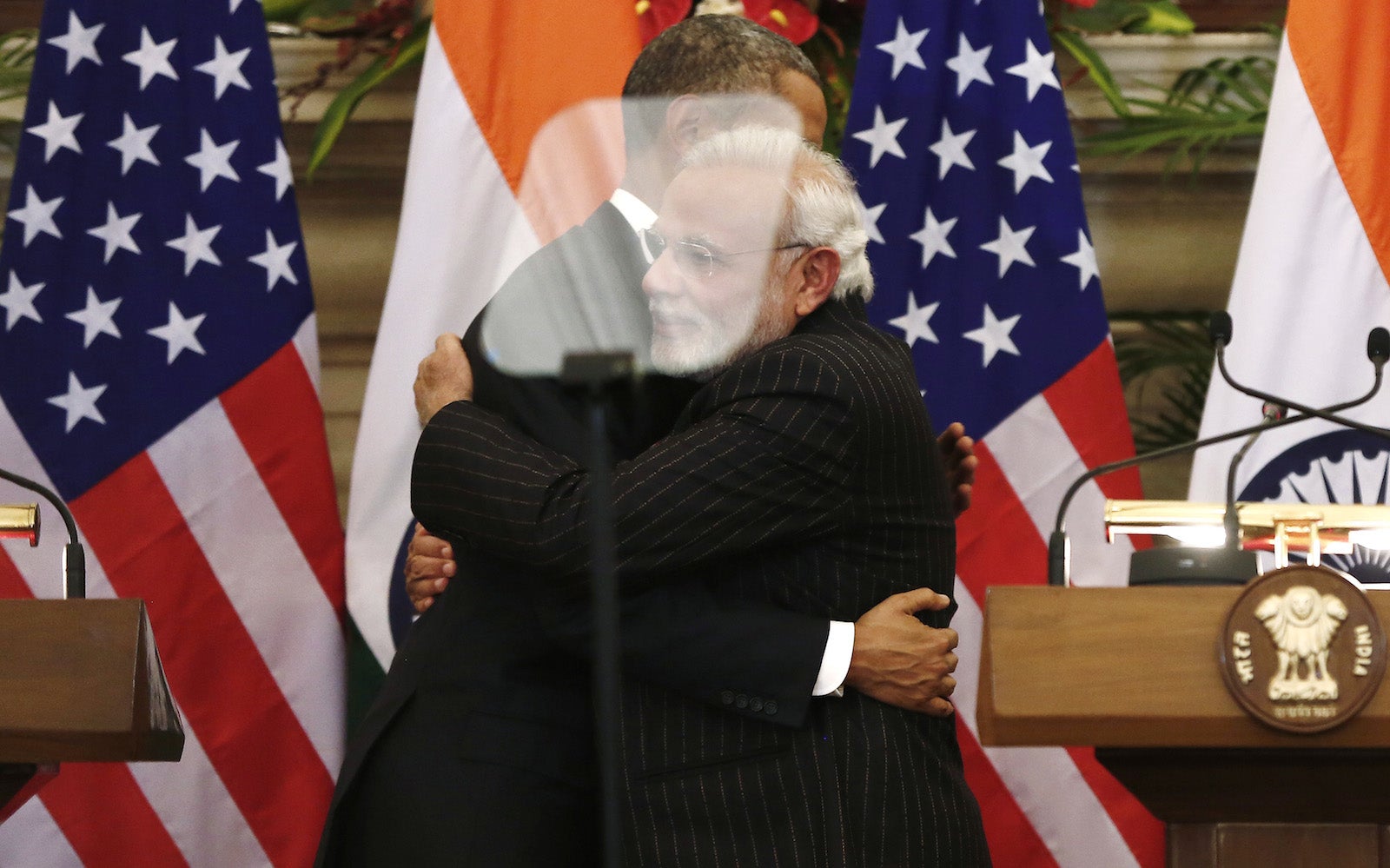
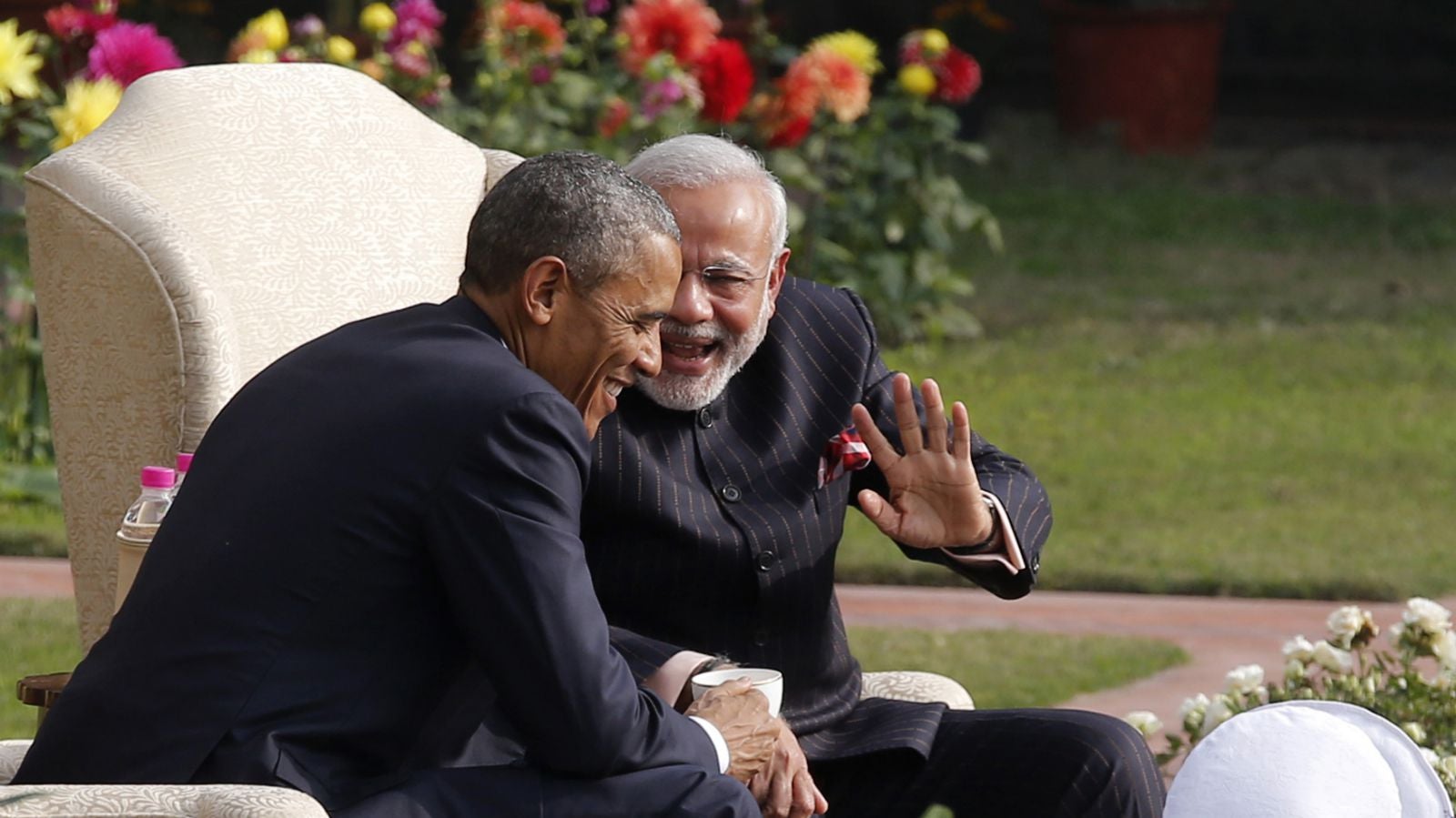
After the hugs and histrionics of US president Barack Obama’s visit to New Delhi, the Narendra Modi-led Bharatiya Janata Party (BJP) government has swiftly got down to business.

Barack Obama talked up economic ties on his visit to India this week. But he didn’t put his money where his mouth was.

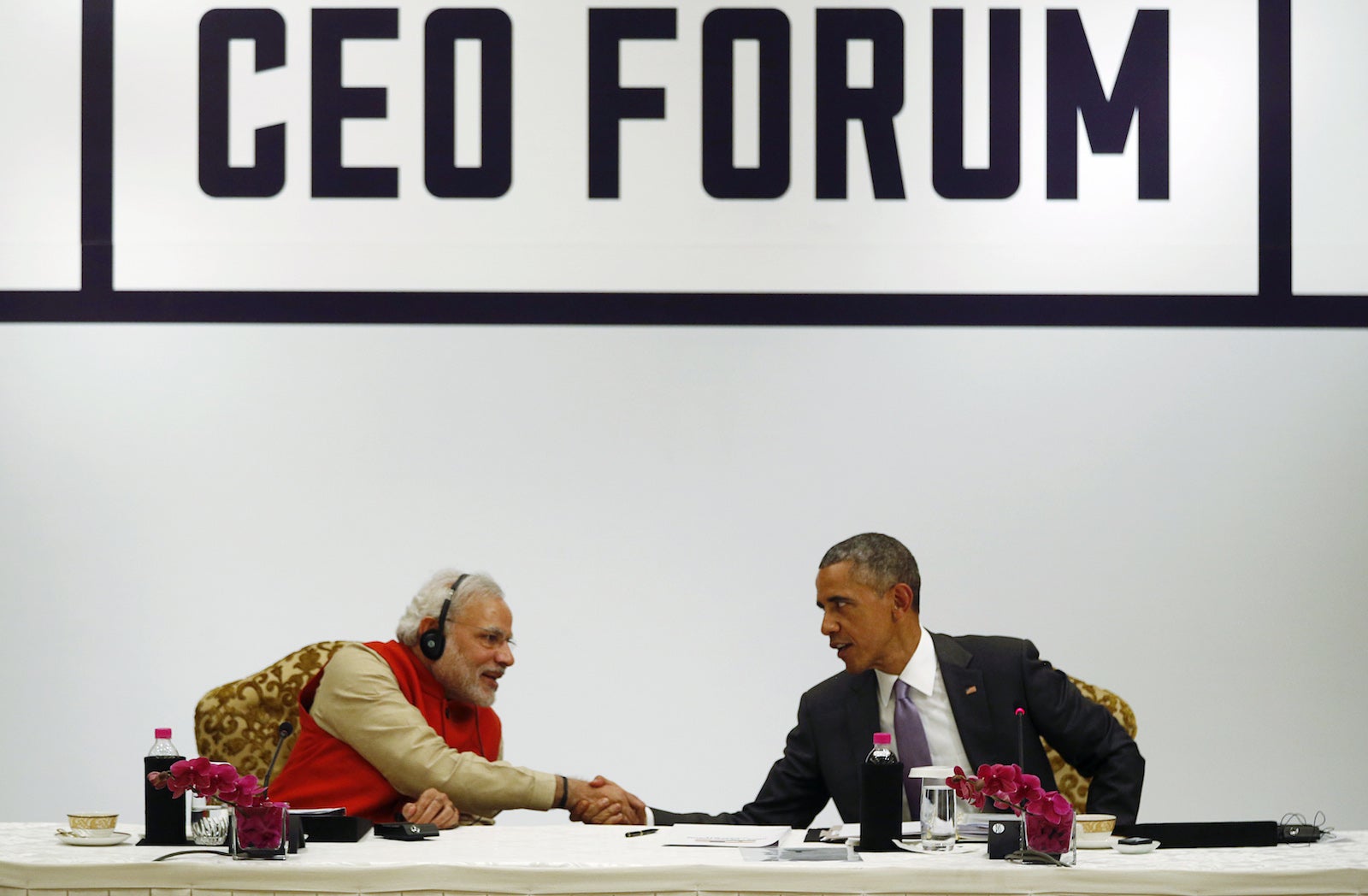
Between two burly hugs—and backed by a political mandate that his predecessor so keenly missed—prime minister Narendra Modi on Sunday (Jan. 25) pushed the India-US relationship into an orbit that would’ve been scarcely imaginable even a few months ago.

Narendra Modi’s deft ascent from Gandhinagar to New Delhi was only the prelude.

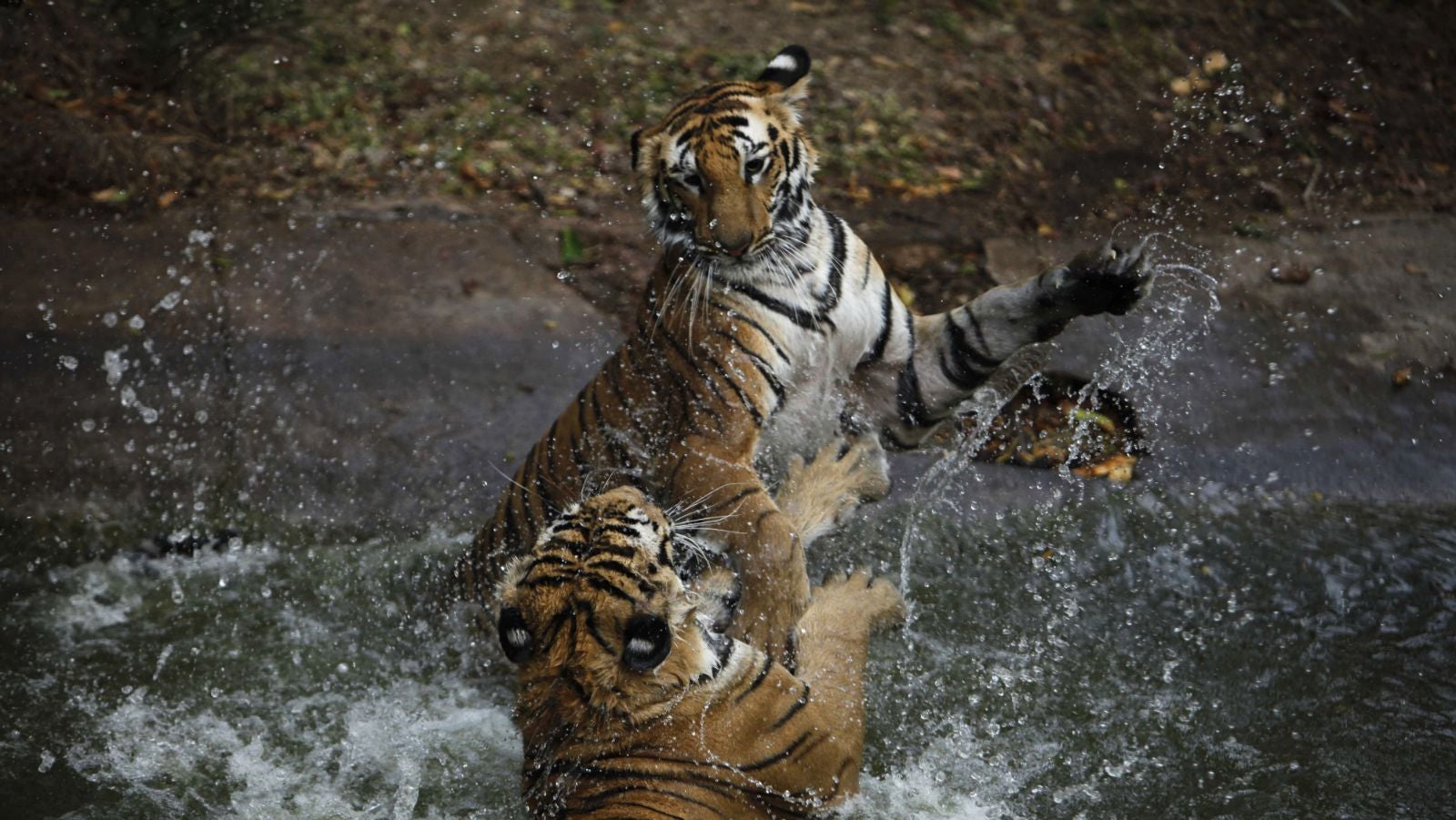
First, the good news: Years of conservation efforts are finally making their impact felt, and India’s tiger population has grown by over 30% since the turn of the decade.

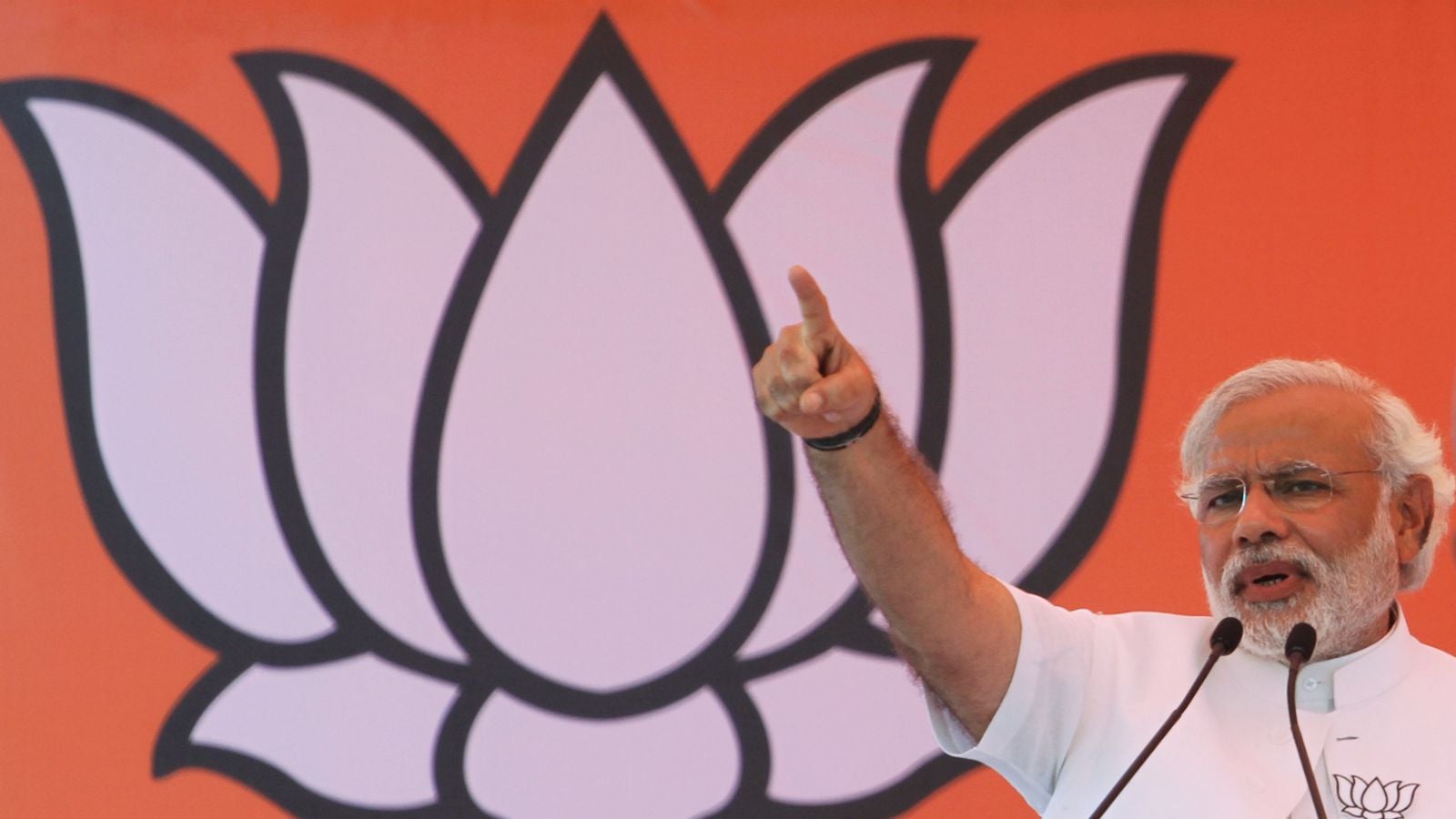
The 2014 general elections were estimated to be India’s most expensive—and the Narendra Modi-led Bharatiya Janata Party (BJP) broke the bank on the way to its biggest ever election victory.

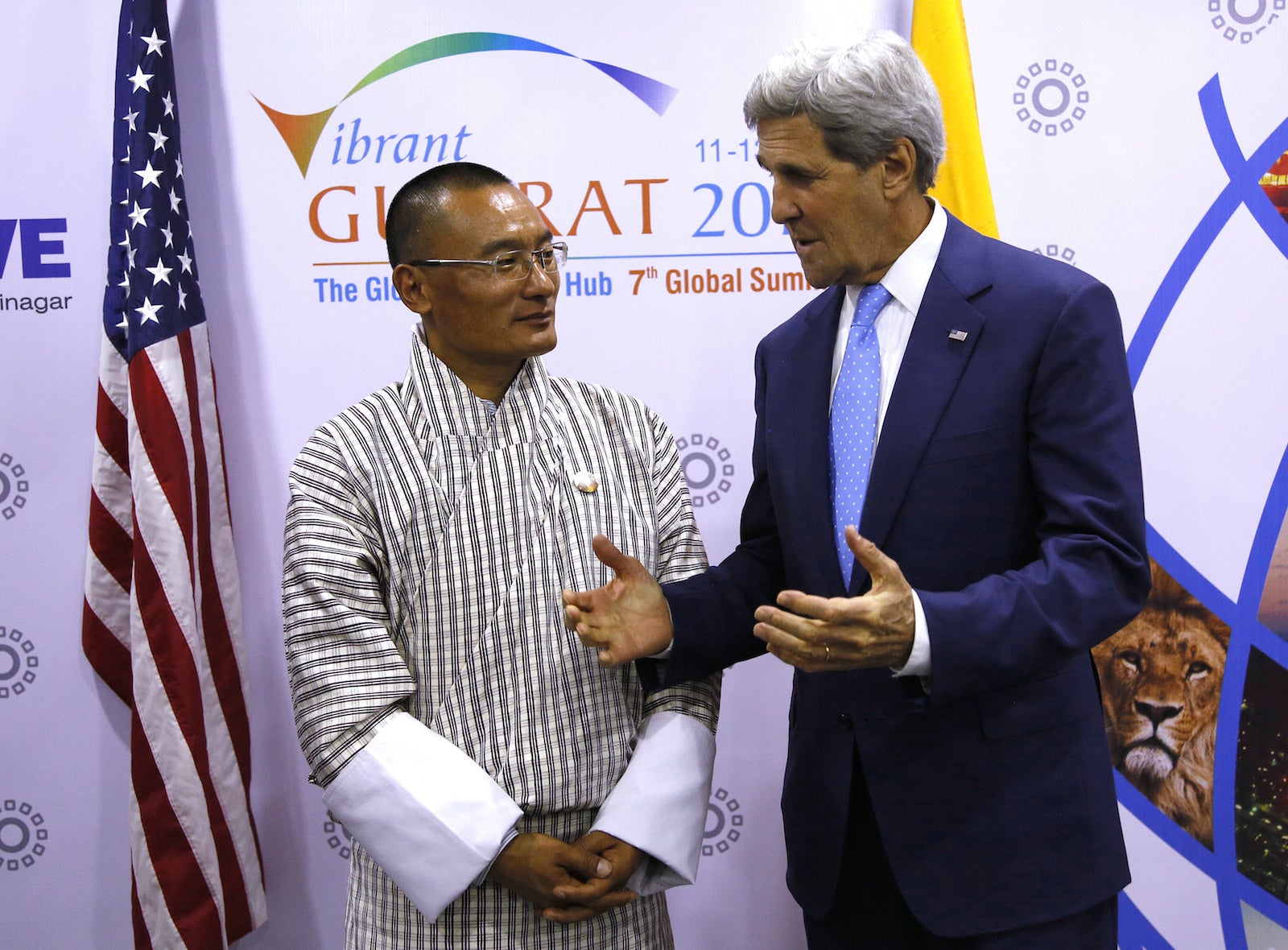
GANDHINAGAR—On a stage bursting with chief executives of some of the world’s largest companies and politicians who hold sway over billions, the biggest applause came for the leader of a small Himalayan country wedged between India and China.

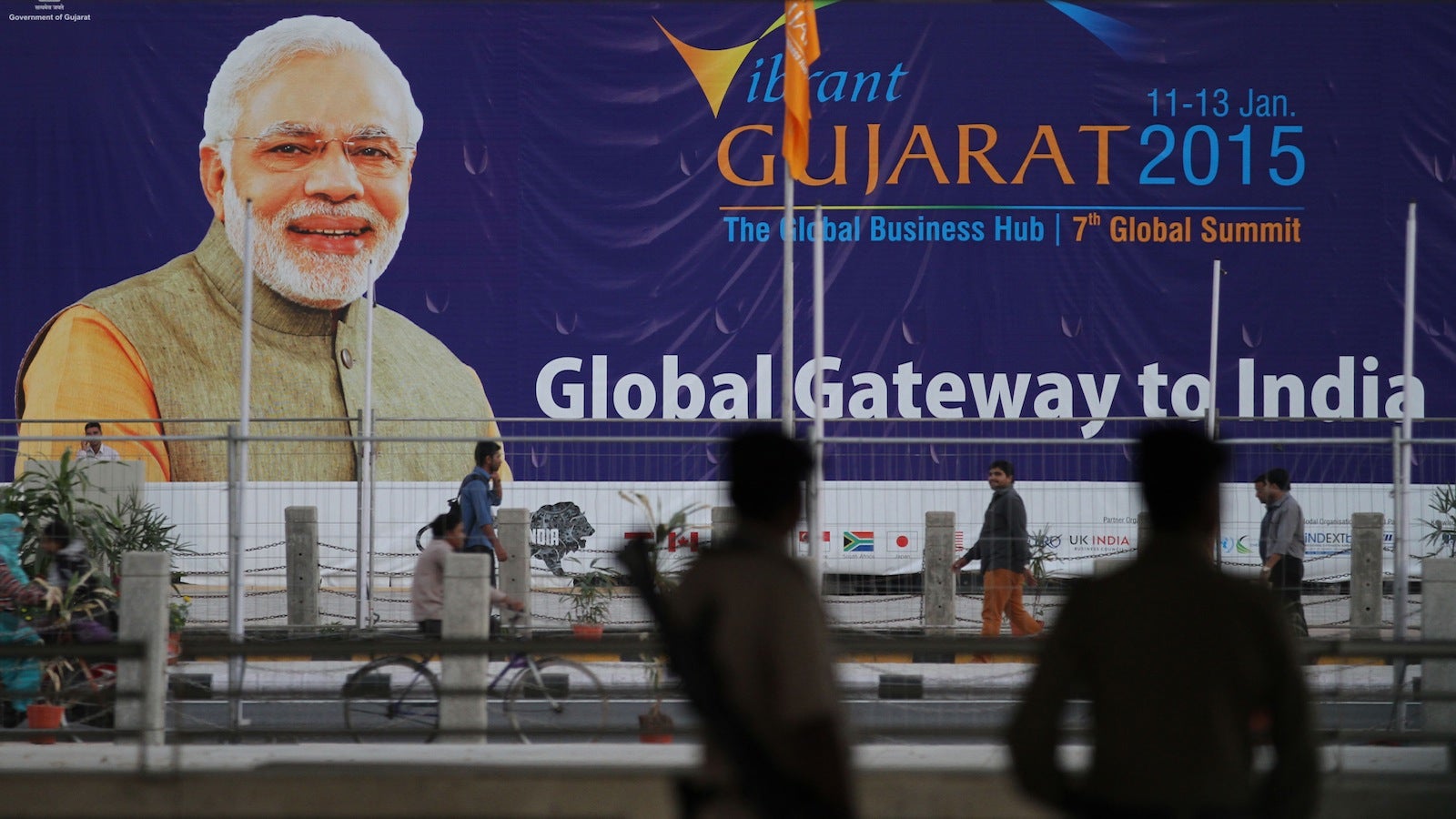
GANDHINAGAR—In case you weren’t sufficiently enthusiastic about where India’s economy is heading, a quick Sunday stopover at the Vibrant Gujarat inaugural would have allayed your doubts.

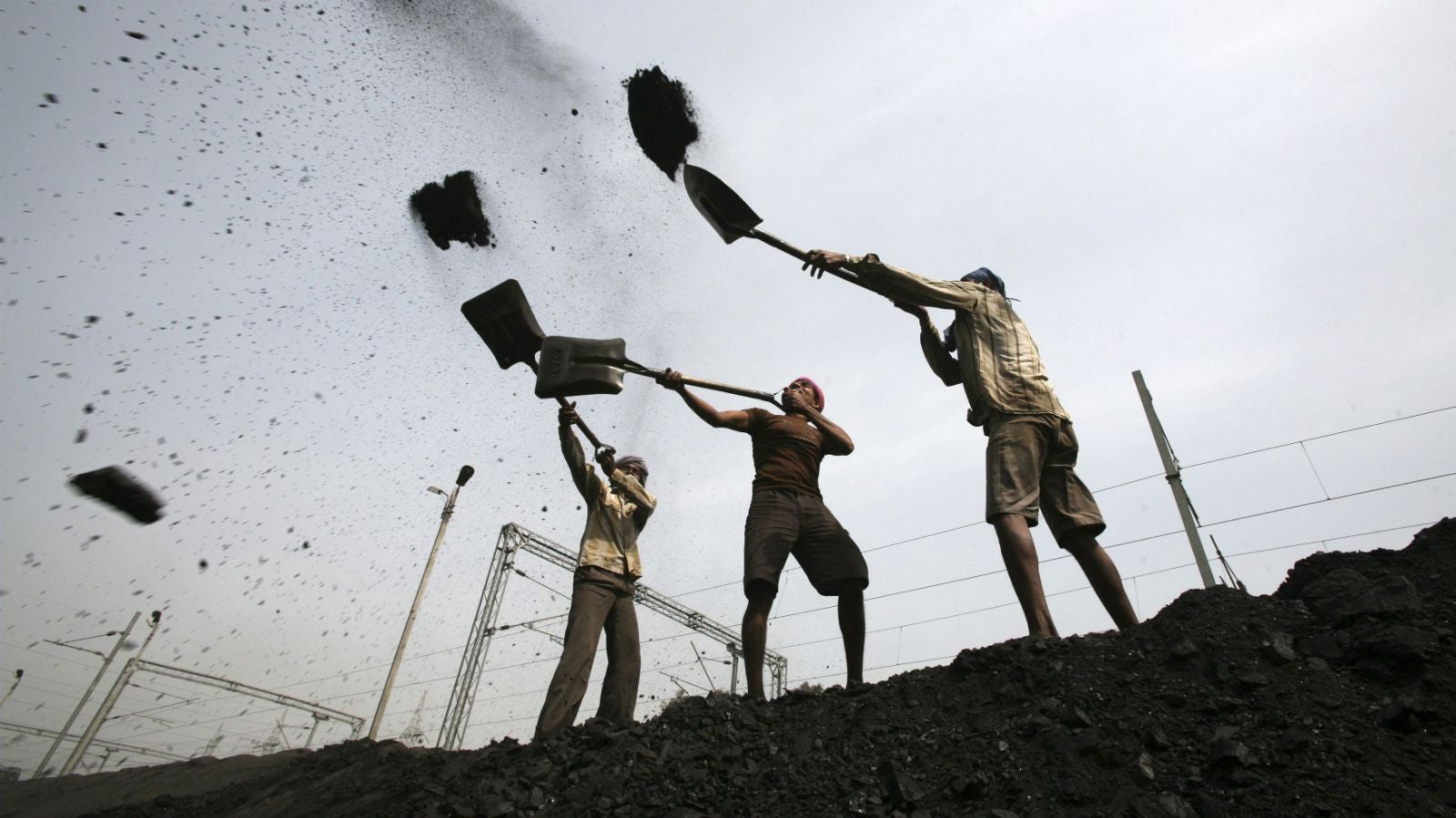
Late on Wednesday night, after a drawn out meeting with coal and power minister Piyush Goyal, the unions representing some 500,000 Coal India Limited (CIL) workers decided to call off their five-day-long strike and get back to work.

(This article has been corrected.)