
Money & Markets
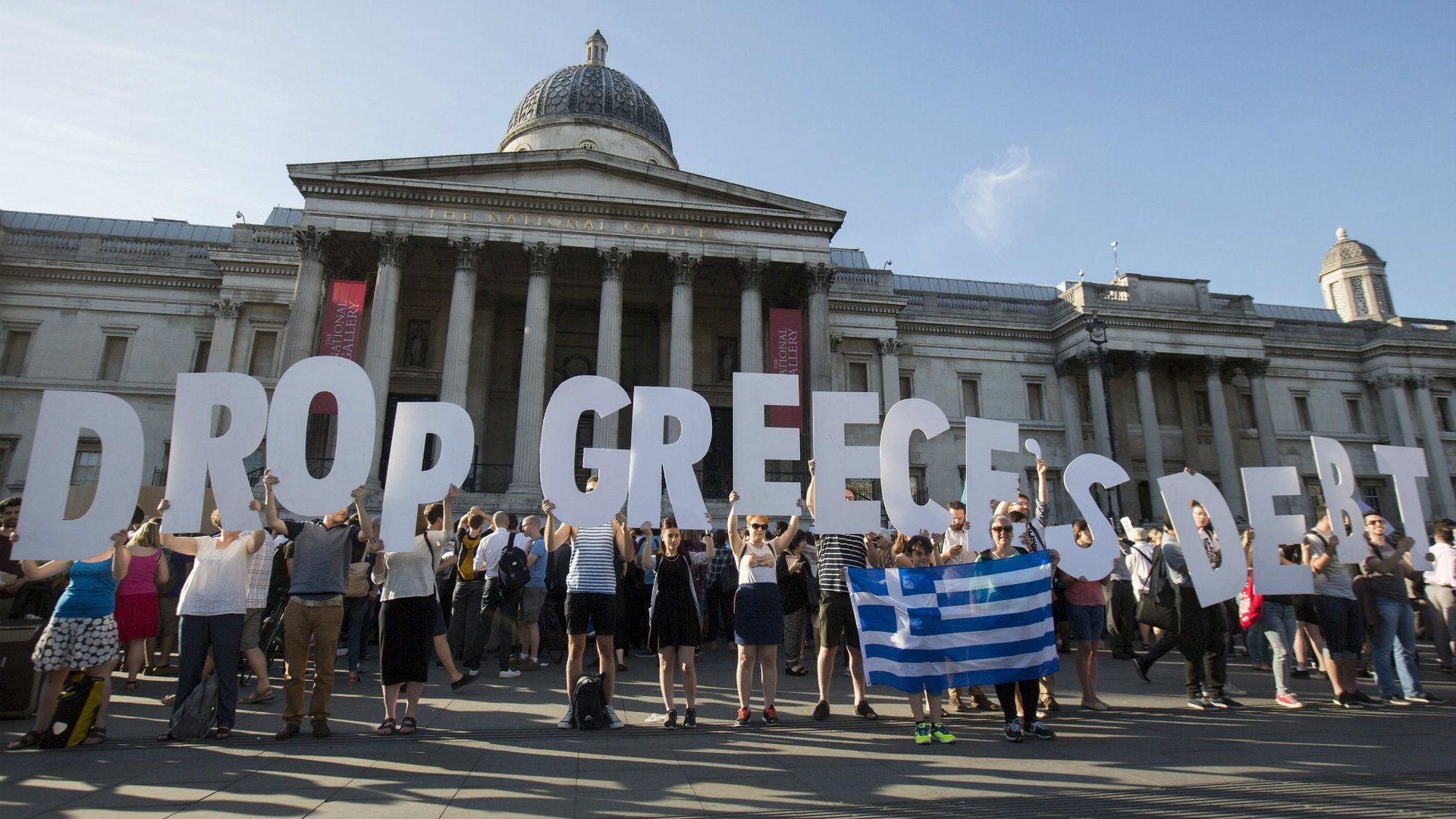
The IMF has made an obvious point about Greece’s huge debt. Here’s why it still mattersAre you sitting down? The International Monetary Fund has dropped a bombshell: Greece has too much debt.
Updated July 21, 20226 min read
Are you sitting down? The International Monetary Fund has dropped a bombshell: Greece has too much debt.
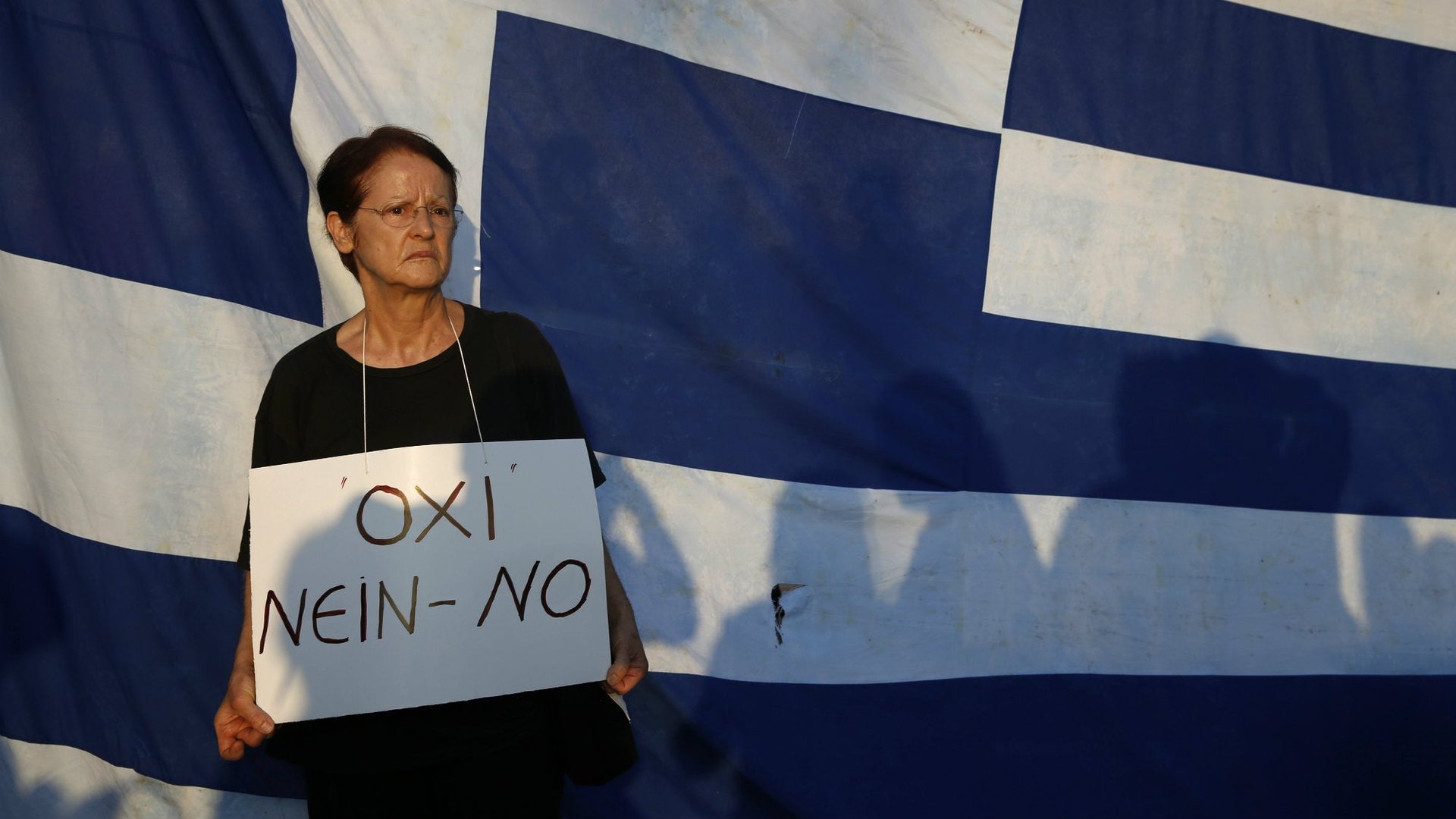
On paper, Greece’s referendum on Sunday (July 5) is narrowly focused on accepting or rejecting a proposal made by creditors to extend the country’s bailout deal last week. But leaders from the rest of the euro zone are pitching the vote in much starker terms: Greeks are effectively voting on whether they want to stay in the euro zone or not.
Since Greek prime minister Alexis Tsipras brought bailout negotiations to a halt by unexpectedly calling for a referendum, the talks between Athens and its creditors have seen more twists and turns than… a twisty-turny thing. And so, at least for today, the markets like what they hear:
It’s official: Greece has defaulted on a $1.7 billion loan repayment to the IMF, earning it the dubious honor of being the first advanced country to stiff the international financial institution, and setting a new record for the size of a missed payment. (Step aside, Sudan.)
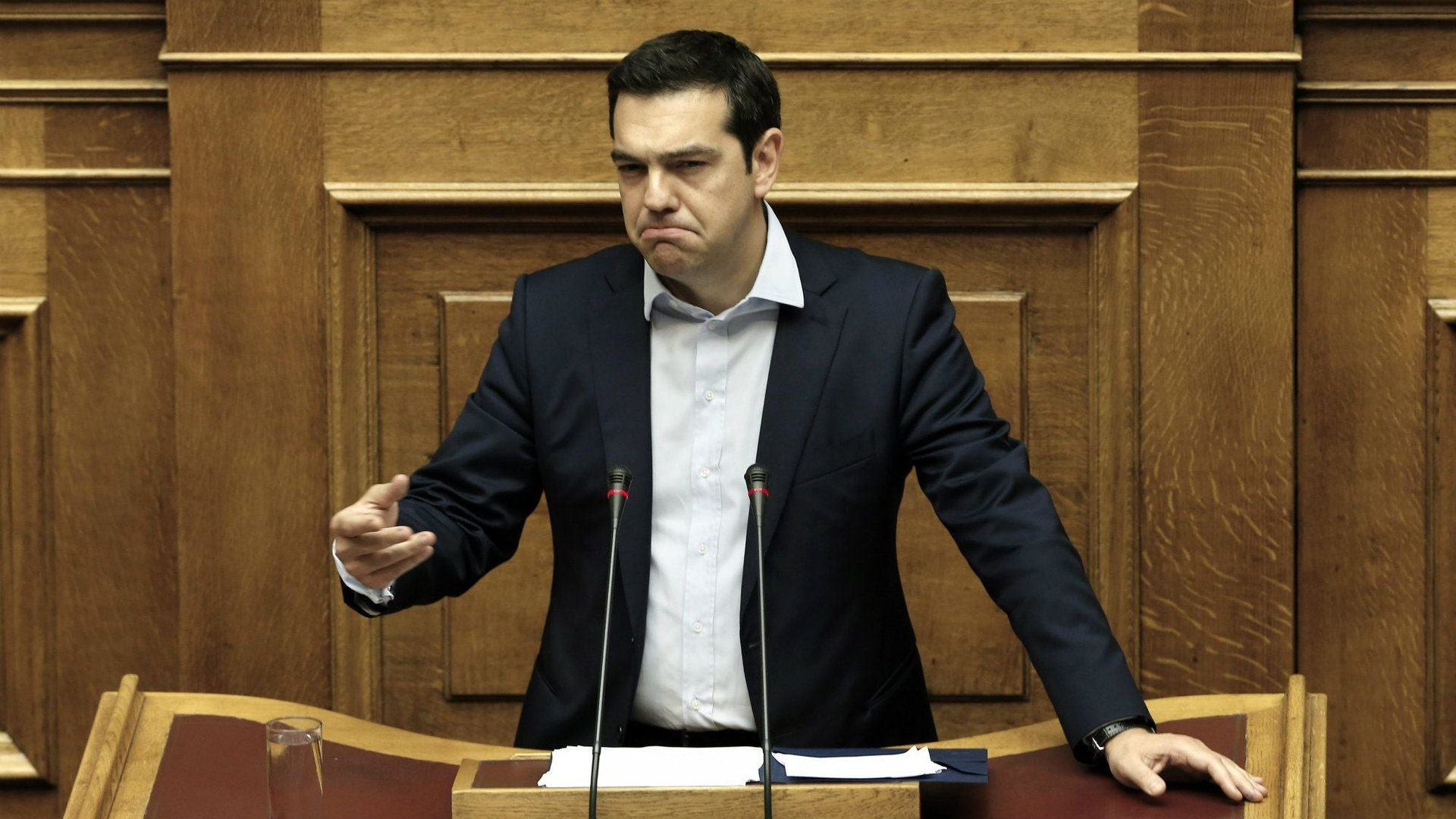
Mere hours before Greece defaults on a loan repayment to the IMF and sees its bailout deal expire, prime minister Alexis Tsipras thought the time was right to launch a new offer to lenders.

Two-thirds of the world’s mobiles are dumb phones.
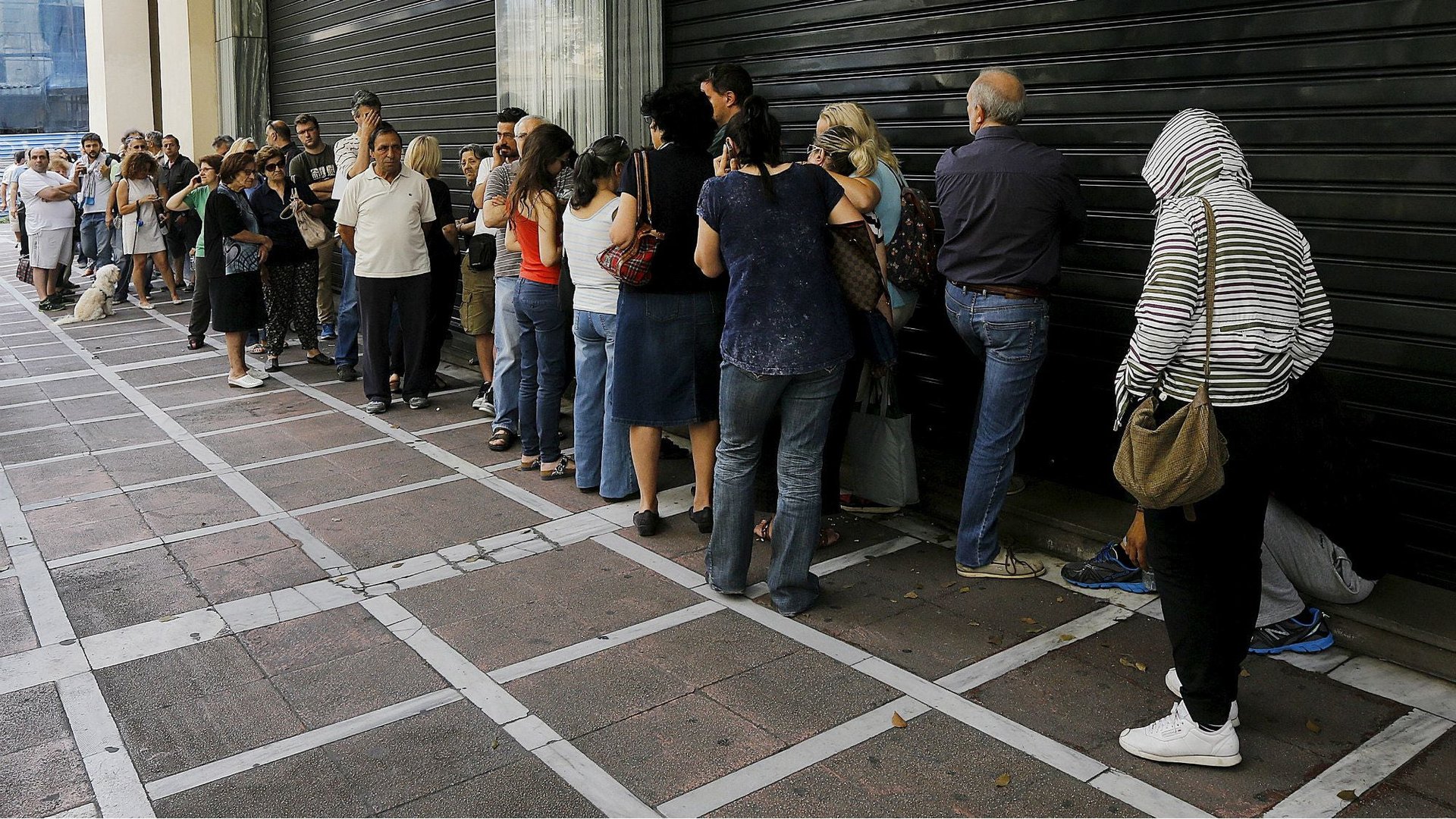
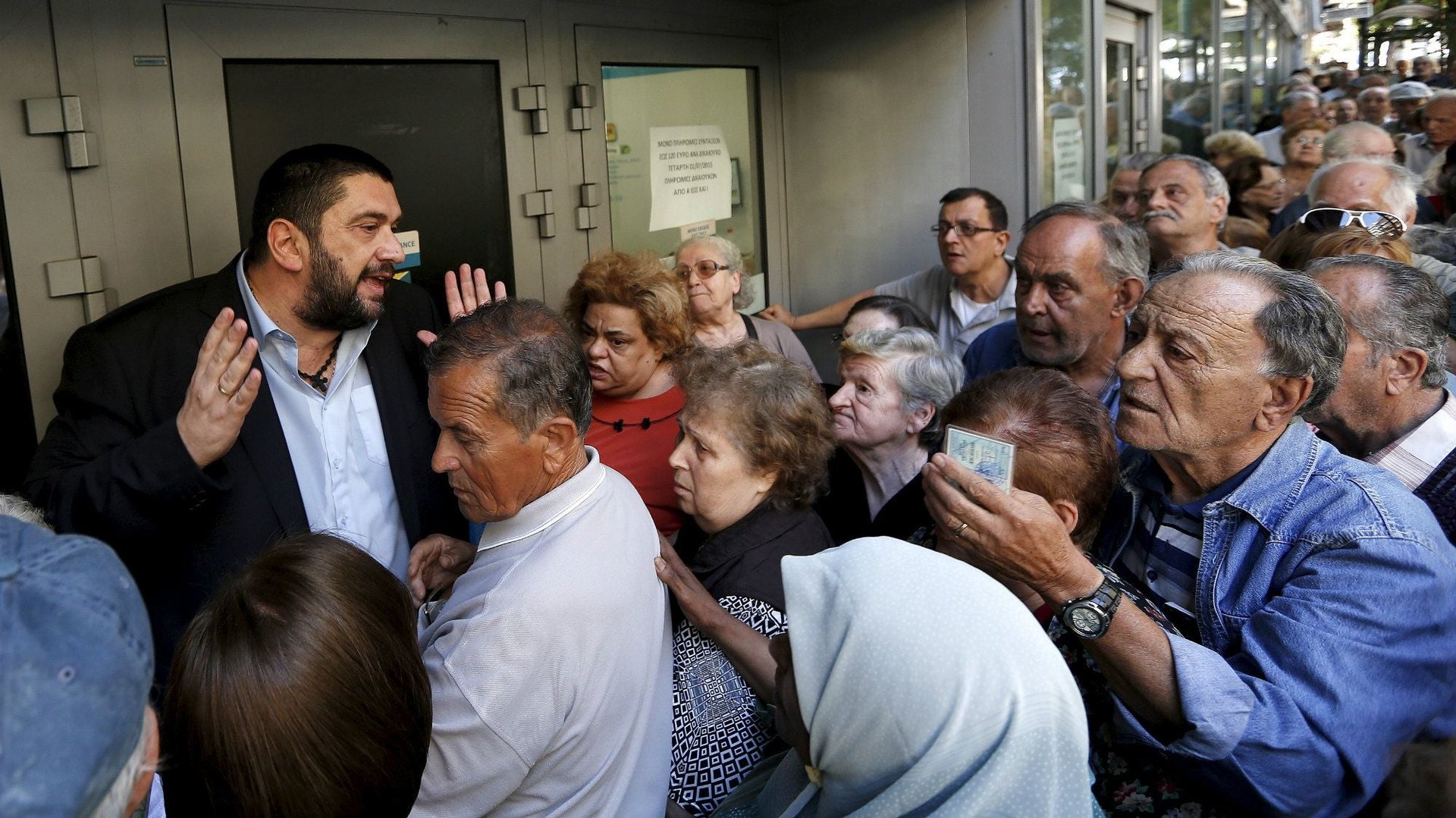
If someone offers you a bet that Greek banks will be back to normal next week, you’d be wise to take the other side. The history of capital controls suggests that once they are imposed, they tend to stay in place for a long time.
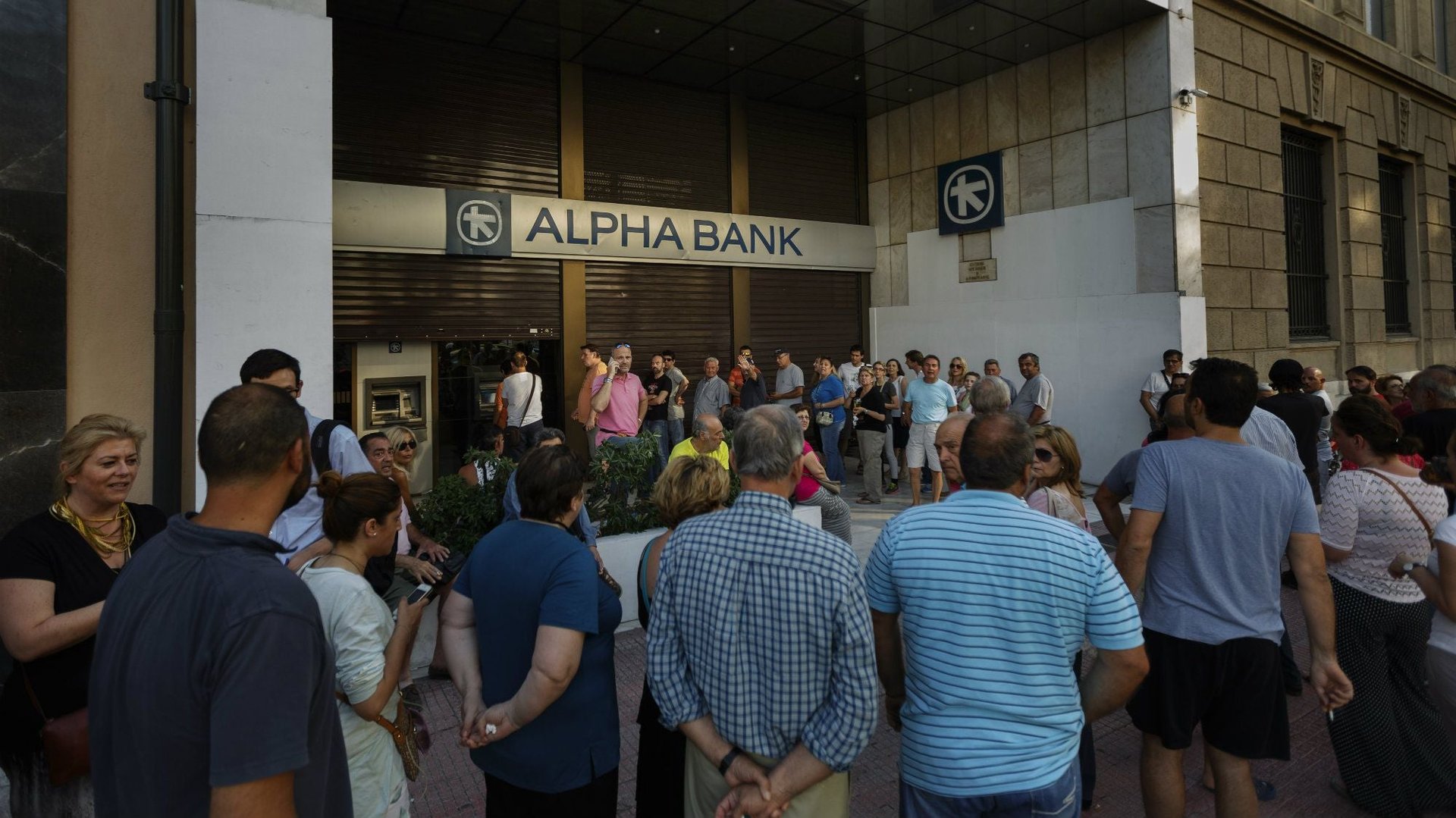
Democracy is messy. The Greeks know this better than most, having essentially invented the concept.

Imagine if in the next five years, the economic situation got so bad that nearly everyone in your country’s biggest city moved abroad. New York City, empty and deserted. Shanghai, deathly quiet. Mumbai, ground to a halt. That, relatively speaking, is what has happened to Greece during its economic crisis.
For most big retailers, a 21% rise in sales and 11% jump in quarterly profits would be reason to cheer. But H&M is under pressure today, as investors worry about what they see in the details of the Swedish group’s latest earnings report (pdf). Its shares dropped by more than 2% amid the stream of negative headlines.
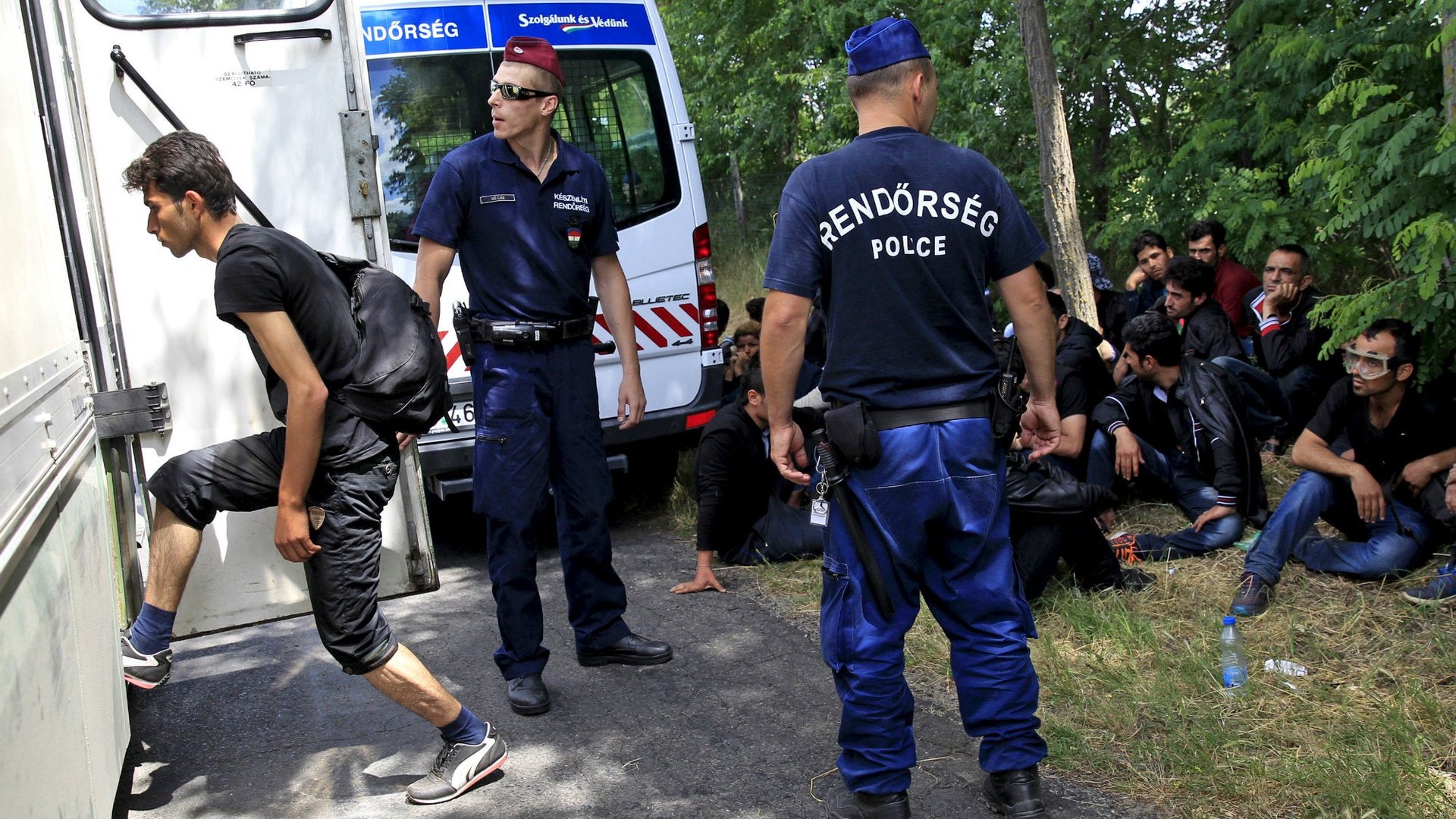
Europe is struggling to cope with an influx of migrants, and one state in particular—Hungary—has had enough. Budapest suspended a key EU rule governing the transfer of refugees yesterday; it will no longer re-admit asylum seekers who passed through Hungary on their way to other EU countries. The rule requires asylum claims to be processed by the first EU country they enter.
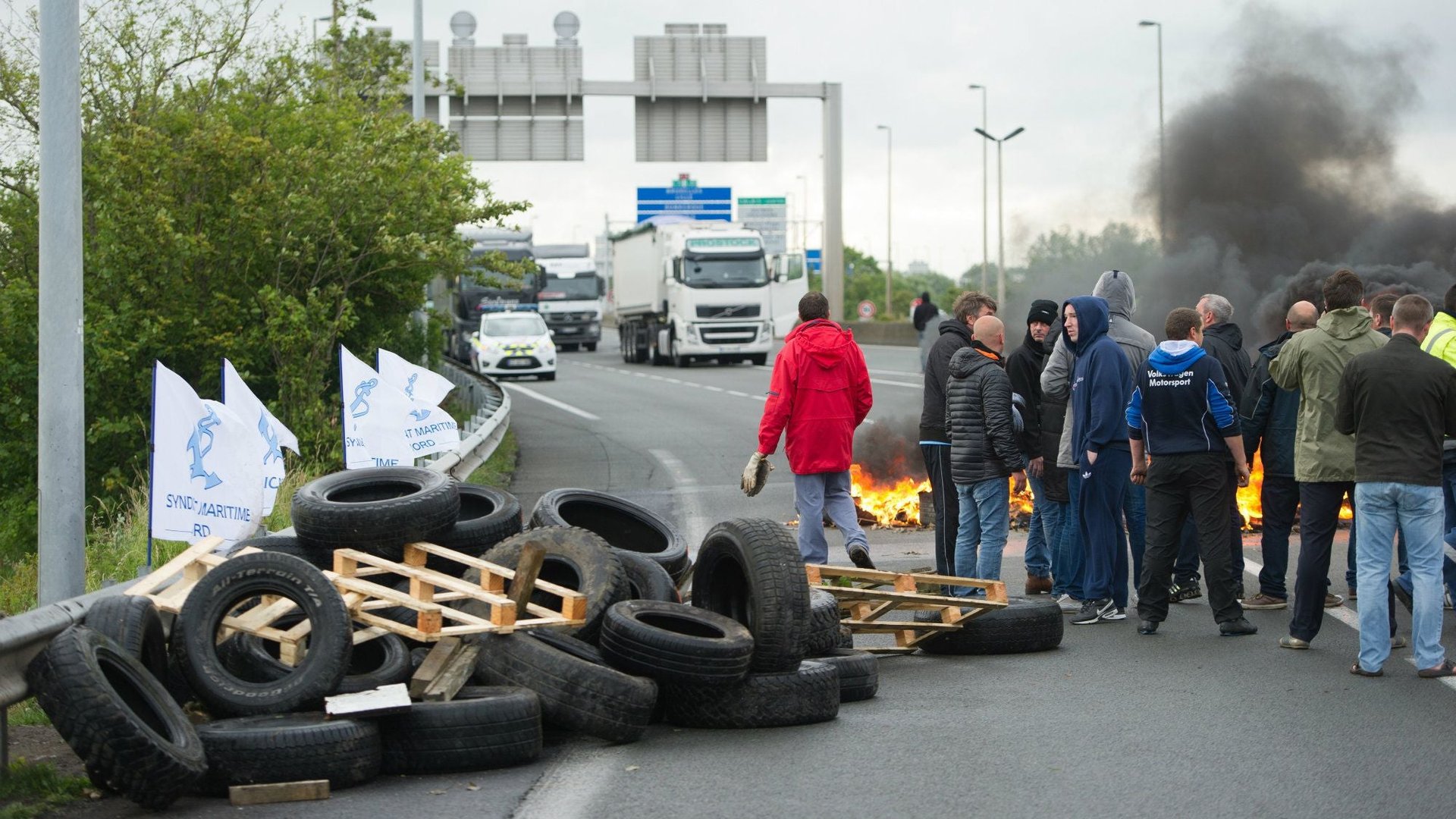
A work stoppage to protest the sale of two ferry boats resulted in widespread chaos at ports, roads, and tunnels in France and England today—and then the industrial disruption ran headlong into Europe’s burgeoning immigration crisis.
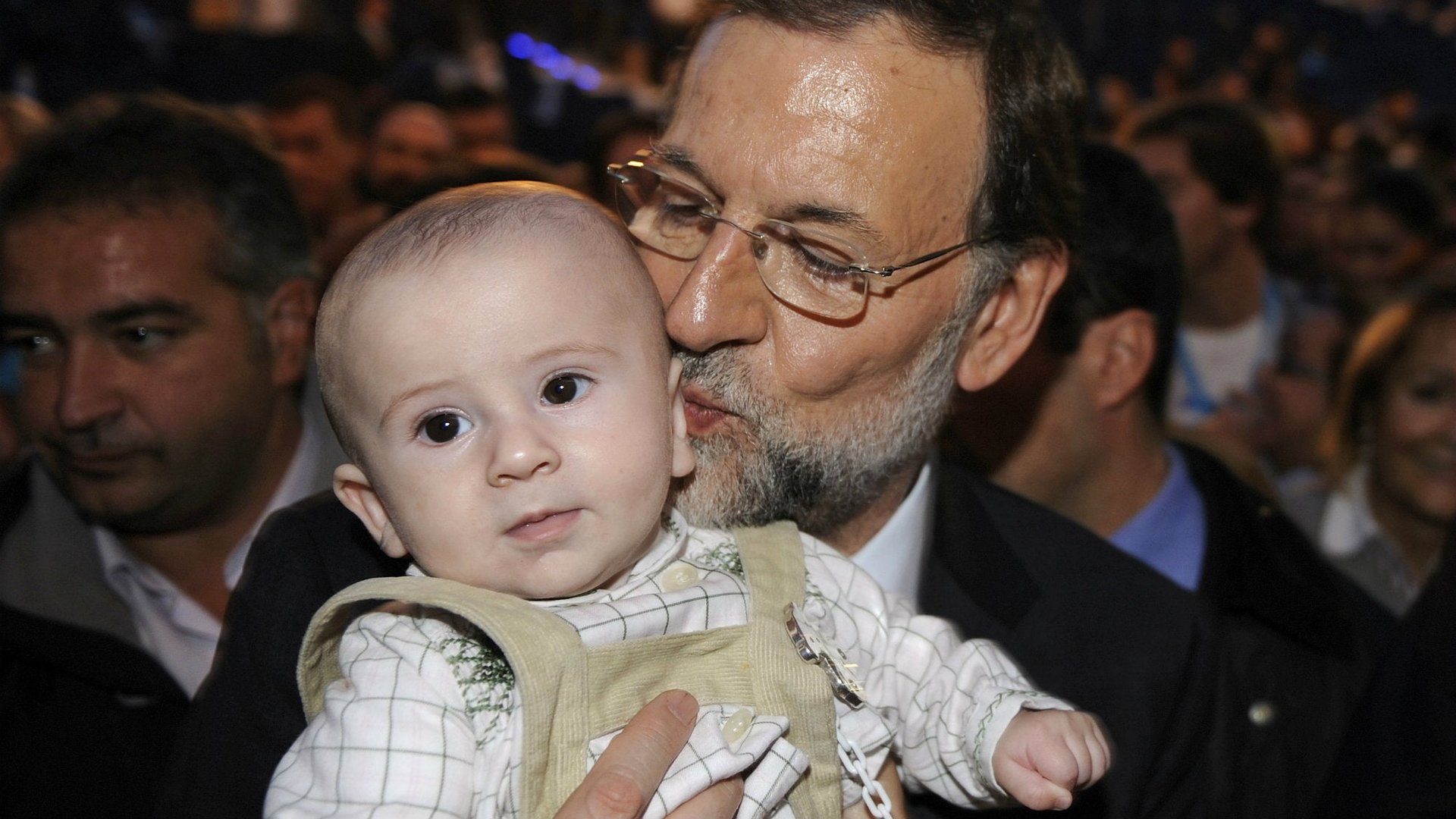
You have to squint to see it, but the number of babies born in Spain last year rose for the first time since 2008—that is, since the global financial crisis savaged the Spanish economy. At precisely 426,303 births, Spain saw 588 more babies born within its borders in 2014 than the year before:

Across Europe, traders’ screens were a sea of green today, with Greece—of all places—glowing brightest. Greek stocks and bonds rallied big on news that (finally, mercifully) the country may be close to agreeing a deal to extend its bailout agreement.
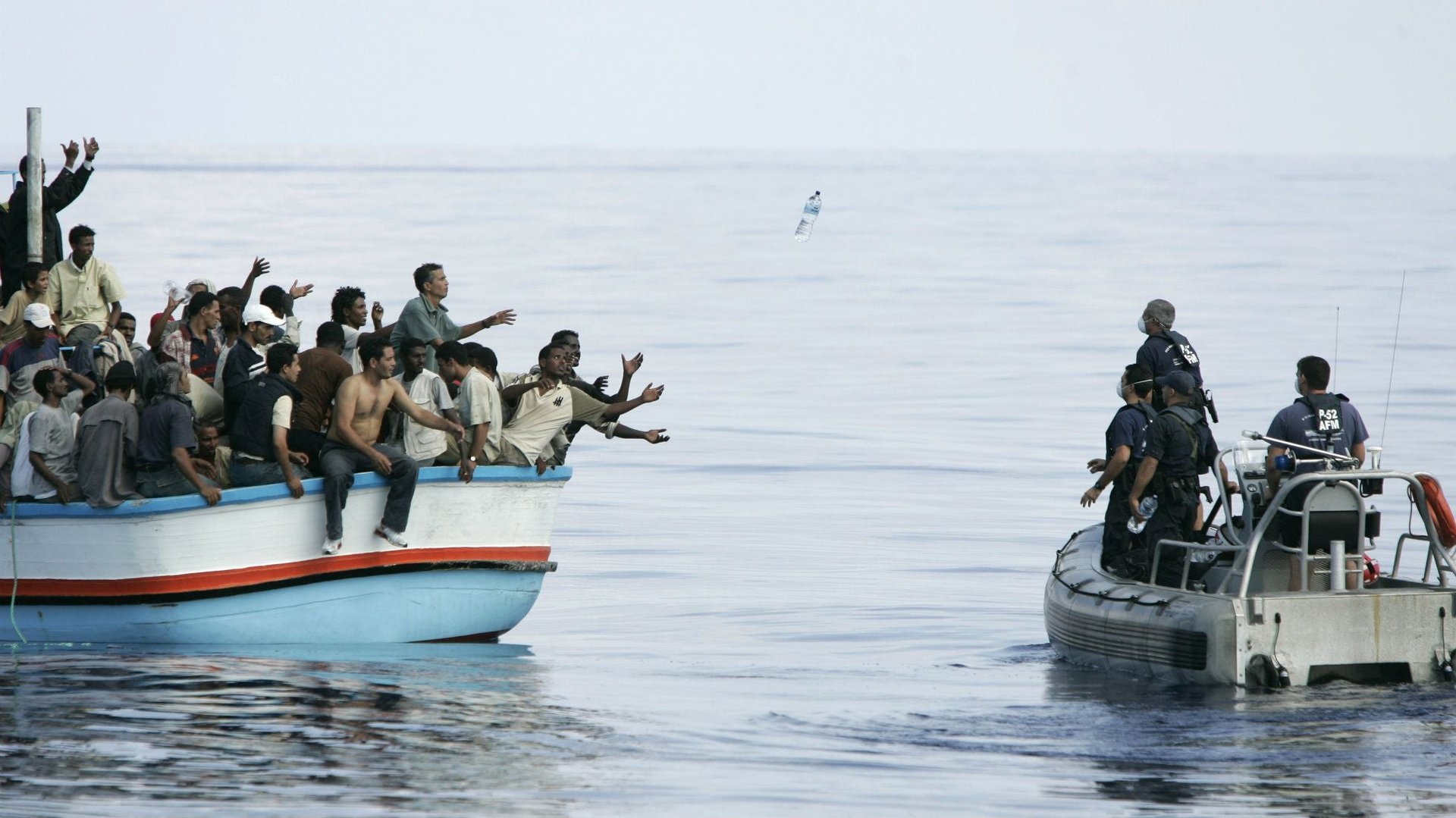
More than 100,000 migrants have made the treacherous journey across the Mediterranean to Europe in the first half of this year alone. Fleeing war, persecution, and other hardships, these desperate refugees risk life and limb to reach the EU.

The key players in Greece’s increasingly acrimonious bailout negotiations haven’t yet come to blows. But if they keep talking like this, fists may fly.
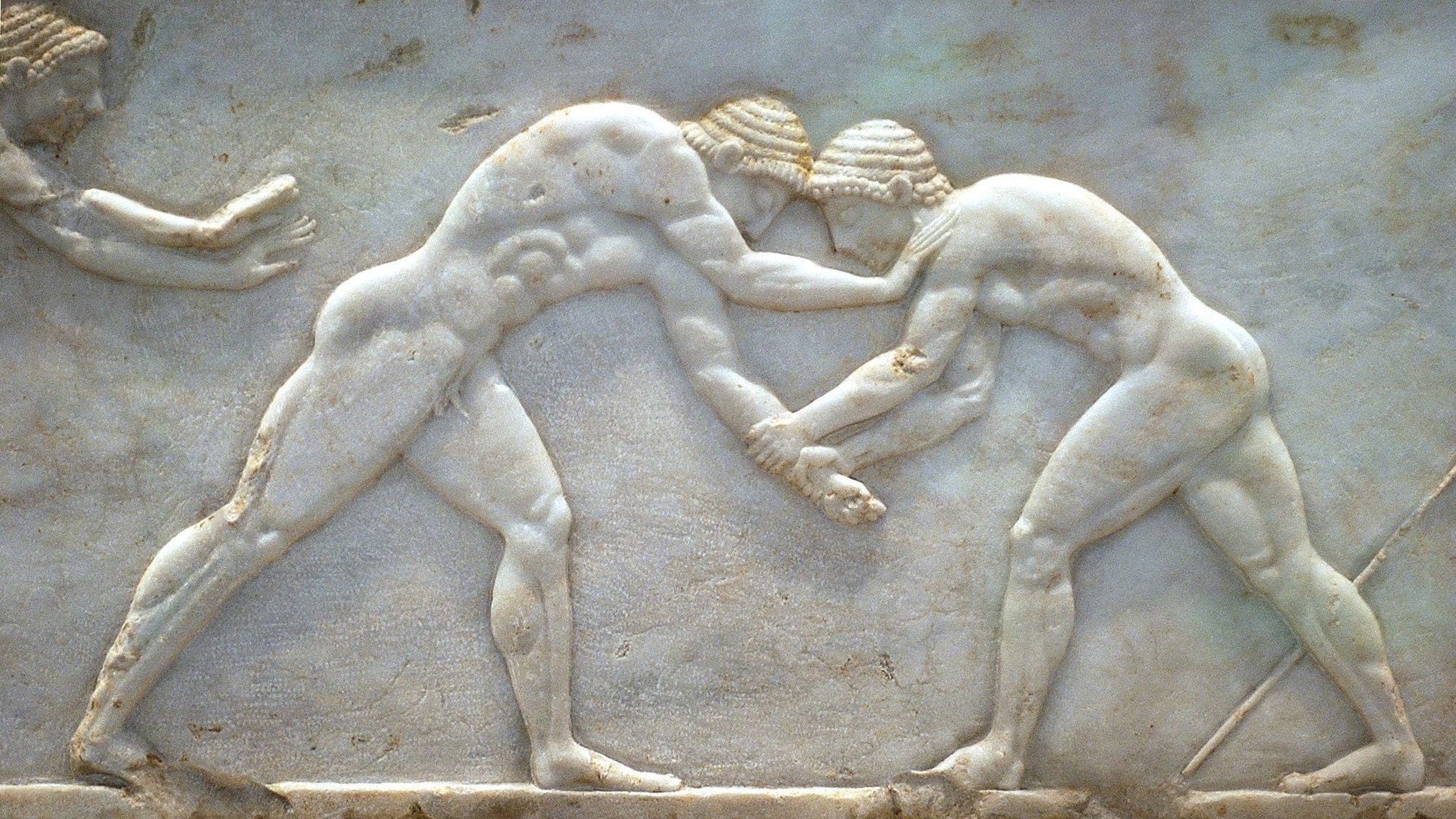
Greece’s on-again, off-again bailout talks can be maddening for those trying to track the country’s fate. For months, Athens and its creditors have regularly broken apparently unbreakable deadlines, making scant progress in agreeing on new economic reforms in return for desperately needed cash.
The figure $1.8 trillion represents a lot of money. It looks particularly massive written out in full: $1,800,000,000,000.
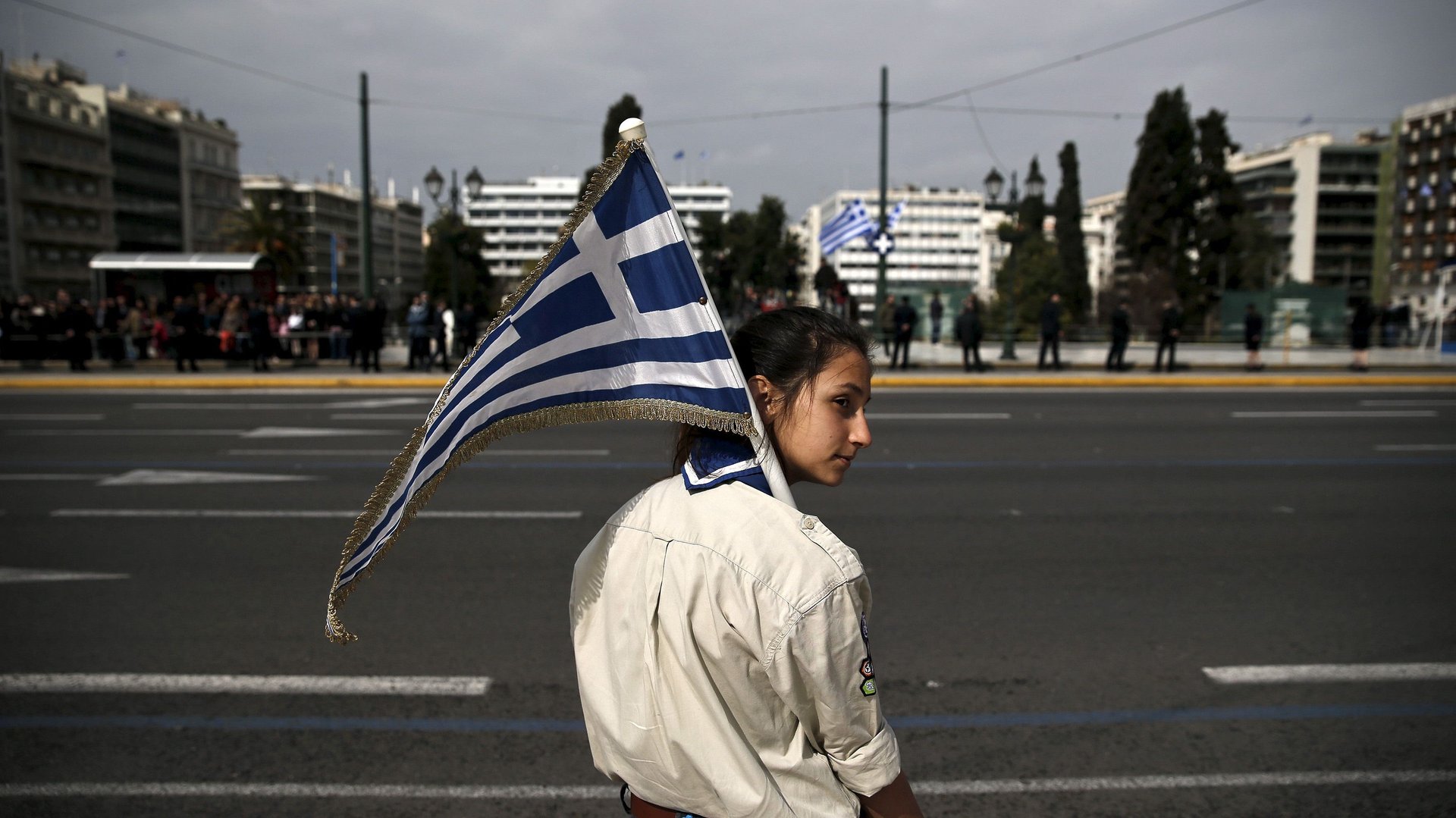
The euro zone, it’s fair to say, is hardly a happy family. And looming largest are the antics of a single problem child.

Dominique Strauss-Kahn has been acquitted of charges that he acquired prostitutes for a series of sex parties around the world. The 66-year-old former head of the International Monetary Fund (IMF)—and onetime favorite to become the next French president—beat the “aggravated pimping” accusation, it was announced at a court in Lille earlier today.
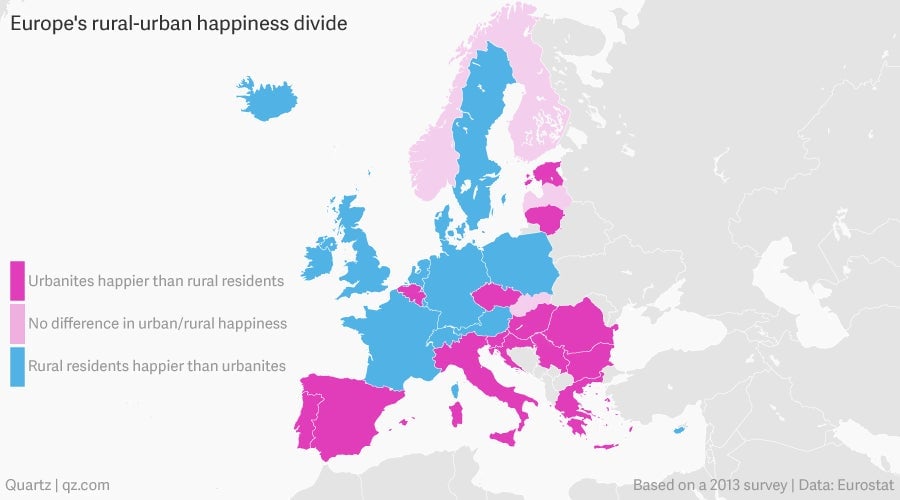
The hard-working, windswept, Protestant north and the leisure-seeking, sun-dappled, Catholic south. These long-lived stereotypes of the people in northern and southern Europe have been reinforced by the continent’s recent financial crisis: the stronger creditor countries in the north were charged with bailing out their debt-laden counterparts in the south. (There are exceptions, of course, but stay with us here.)
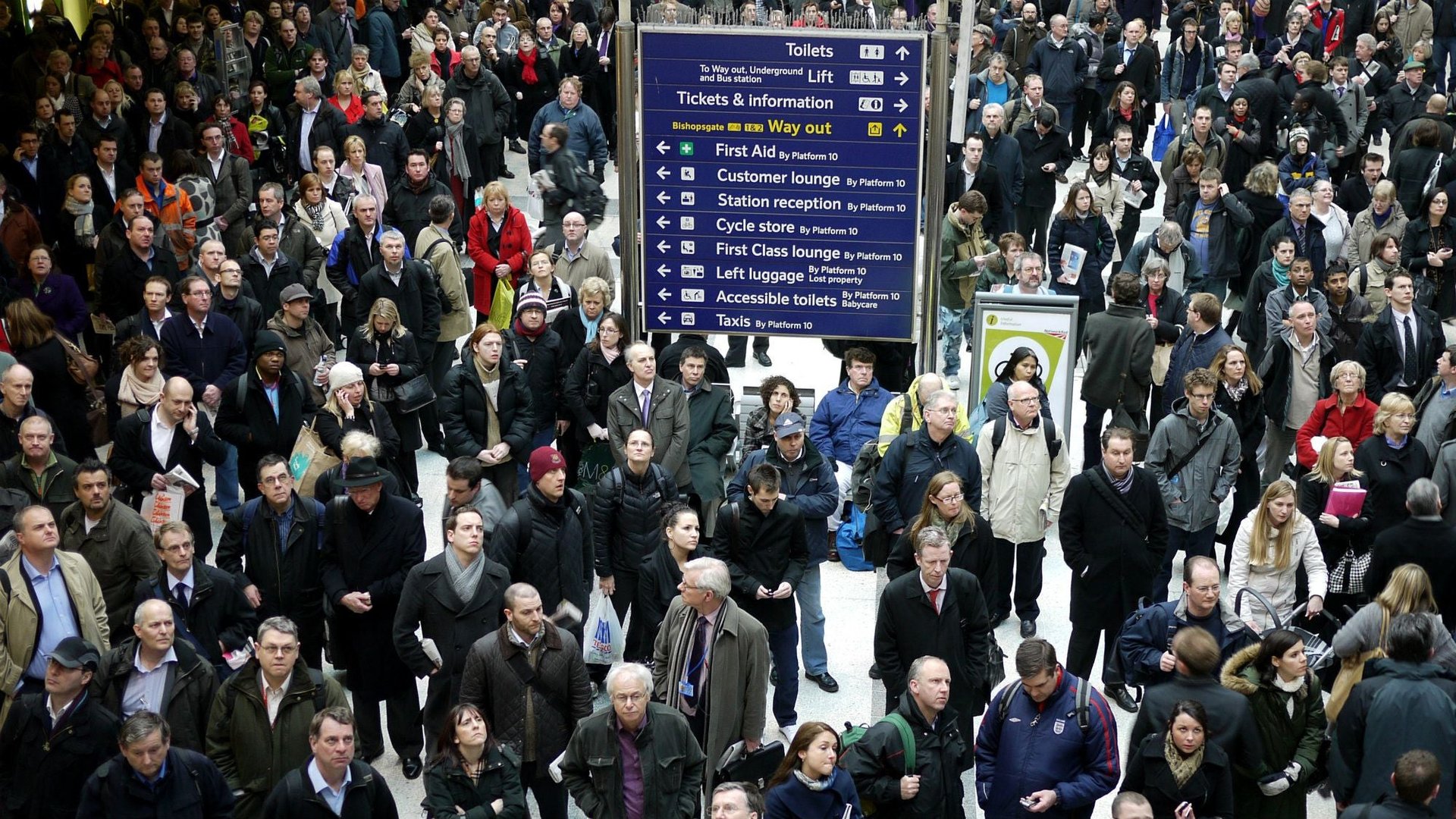
Few of Britain’s disgruntled train riders will feel much sympathy for Network Rail, the state-owned operator of the country’s rail infrastructure. Today, the company reported sharply lower profit for its latest fiscal year, in part due to heavier investments in upgrading tracks, tunnels, stations, and the like. (The trains themselves are run by an array of privately owned companies.)
Remember the kerfuffle in the US about the “fiscal cliff” in 2013, or the regular showdowns since then about the government’s debt ceiling? How about Germany’s insistence on budget surpluses and no new borrowing, enshrined by the passage of a restrictive “debt brake” law (pdf), despite historically low borrowing costs?
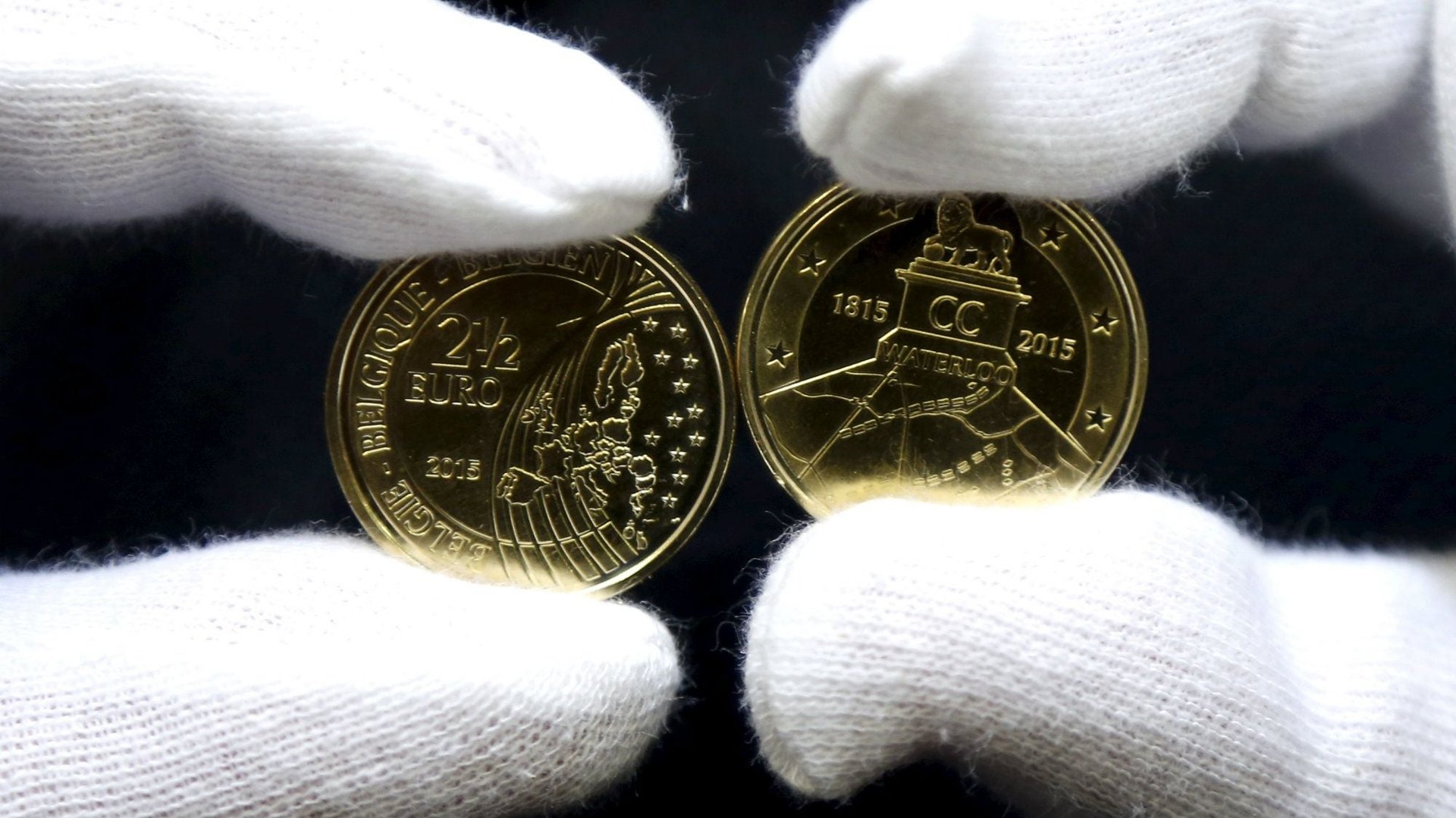
Two hundred years ago, the armies of Napoleon and Wellington amassed on a field near Brussels. The subsequent battle claimed the lives of some 50,000 soldiers, or one in four of those who fought at Waterloo on June 18, 1815. Defeated, Napoleon lived out the rest of his days in exile, his dreams of expanding France’s empire dashed.