These days, getting dressed can feel like an environmental catastrophe: fast fashion is piling up in landfills; the pesticides used on cotton are dangerous; and soon we will all be wearing plastic—if we’re not already.

These days, getting dressed can feel like an environmental catastrophe: fast fashion is piling up in landfills; the pesticides used on cotton are dangerous; and soon we will all be wearing plastic—if we’re not already.

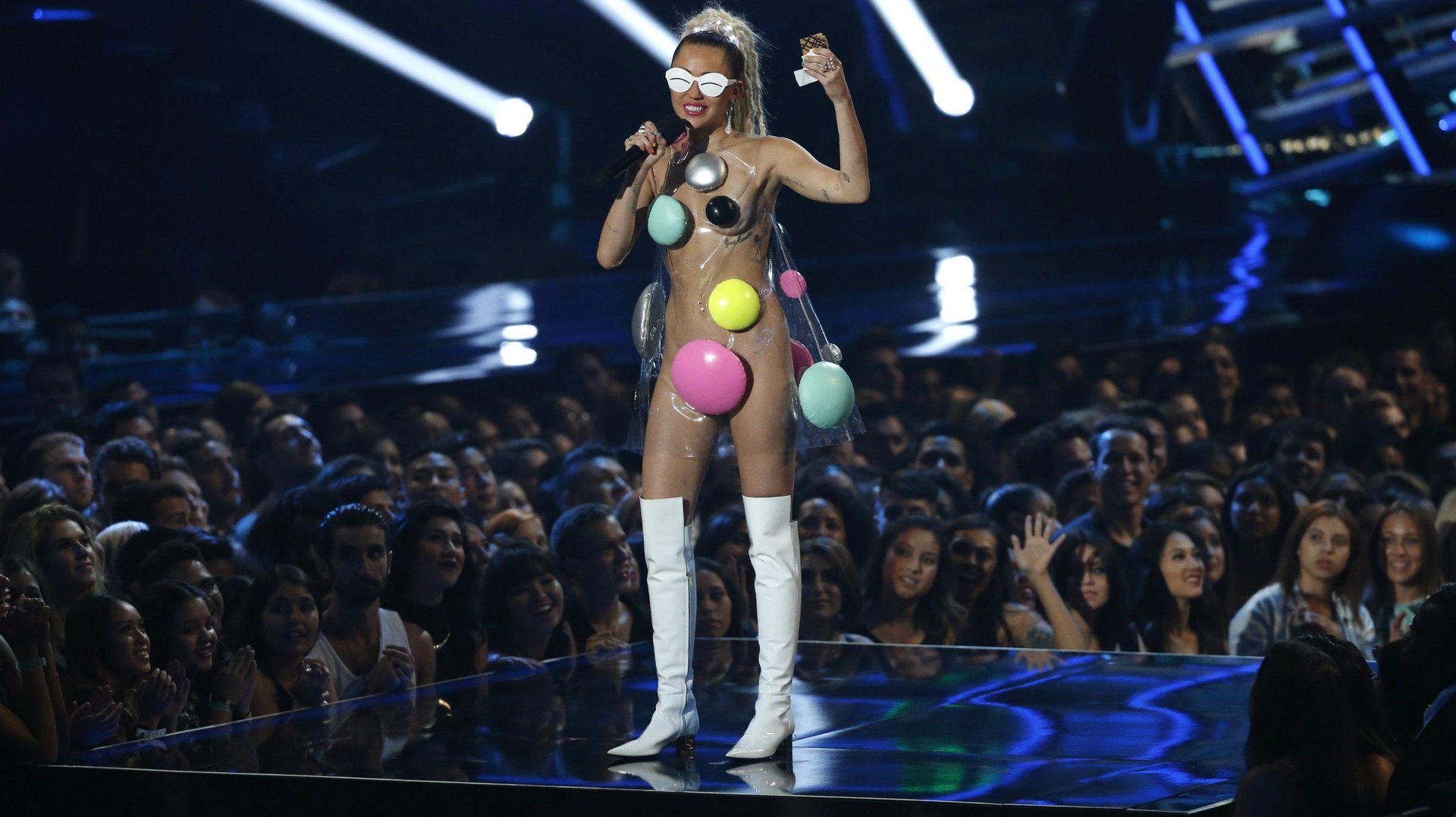
Despite myself, I wanted to watch the MTV Video Music Awards this year. I wanted to see Nicki, Taylor (and squad), and maybe Beyoncé, and relish the painfully awkward moments that live awards shows so reliably deliver. I understand MTV is trying to reach those pesky, cord-cutting millennials with a recent rebranding that integrates elements of internet ubiquity such as emojis, rainbows, and Miley Cyrus into a lo-fi, neon pastiche. You know, the stuff kids like.

I just took a brief hallucination break with a colleague. We stepped into a supply closet, dimmed the lights, sat down, and watched one another’s faces morph into those of lionesses. I cried the whole time. Then we went back to work.

The name Zalando is unfamiliar to most people outside Europe, but on the continent, the online shopping site has exploded since it started selling flip-flops in 2008. After a massive growth spurt in 2010—Zalando spokesperson Boris Radke says monthly sales shot from €2 million ($2.7 million at the time) to €70 million in just five months—the Berlin-based start-up expanded into other countries and product categories. In 2014, the company went public on the Frankfurt Stock Exchange.

Once in a while, a single accessory can define a fashion season, or begin a new era for a well-established brand. This fall, a pair of Gucci loafers, compliments of the label’s new creative director, Alessandro Michele, did both.

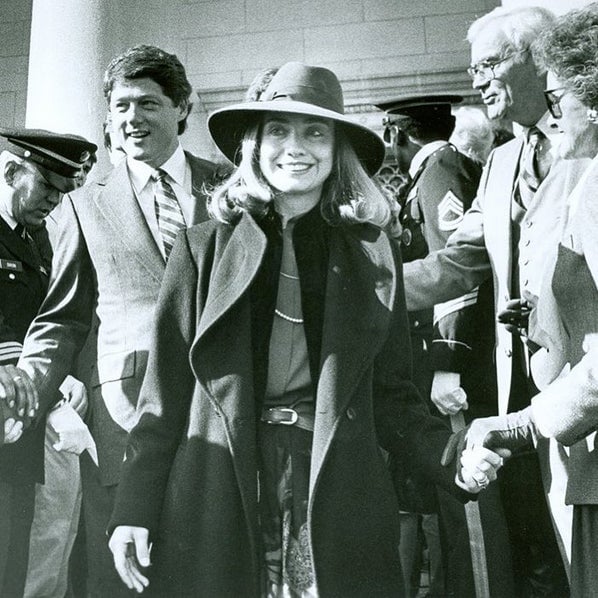
Hillary Clinton posted a #tbt on Instagram today that demonstrated not only her continued mastery of the medium, but also a brilliant fashion moment I would love to see her reprise in 2015. What’s more, she knew it was great!

On Sunday, the Daily Mail spotted a celebrity with something highly incriminating in her mouth. It wasn’t a crack pipe, ecstasy pill, or the tongue of a high-ranking politician.

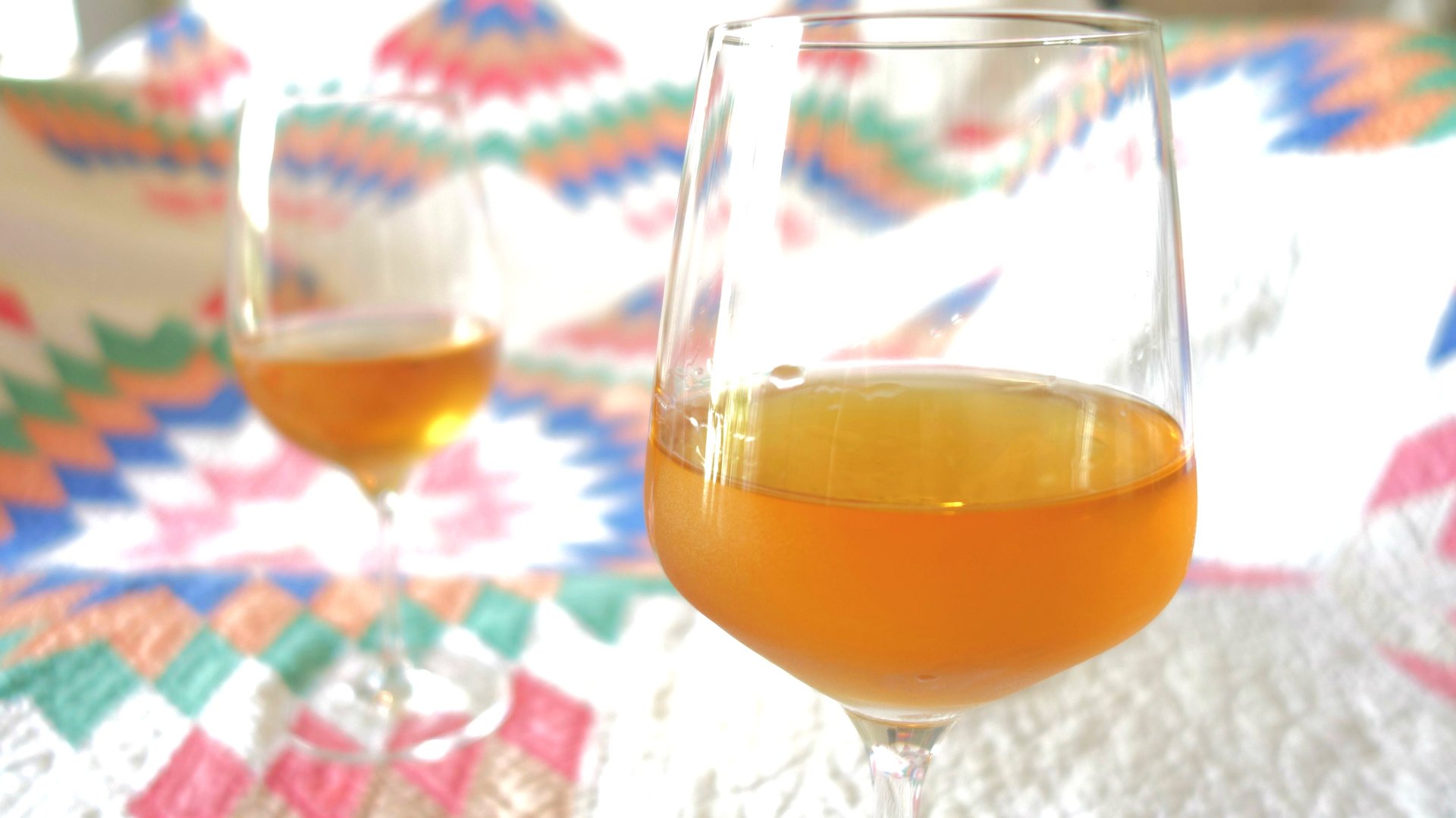
On a recent night at Four Horsemen, a buzzy new wine bar in Williamsburg, Brooklyn, nearly everyone sipped wine of a similar shade. It wasn’t burgundy, ruby, yellow, or pink, but a peachy amber glow that filled their glasses, which shimmered with humidity on an August night.

The political and financial fallout from the Petrobras corruption scandal unfolding in Brazil has been staggering. Brazilians are angry, and rightfully so. The investigation known as “Operation Car Wash” alleges that local politicians and executives spent years filling their pockets with cash scraped off the top of Brazil’s nationally-controlled oil company, doing indelible damage to Petrobras’s bottom line and to foreign investors’ faith in Brazil.

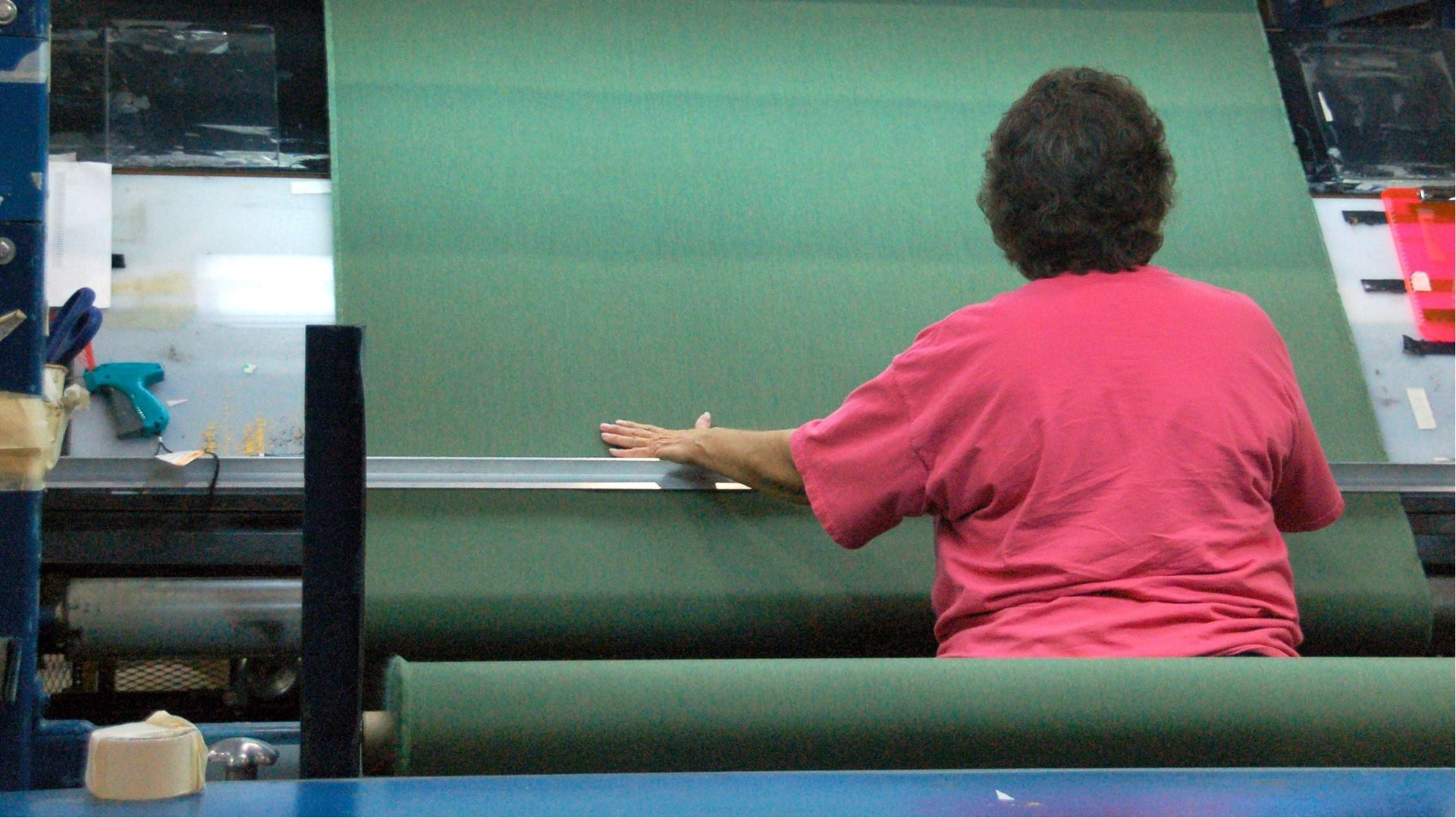
The story of outsourcing apparel production to where labor is cheap is a familiar one. In the US, the garment sector has all but disappeared, as companies have sent manufacturing work to countries including India, Bangladesh, Vietnam, and most notably China, which exported some $30 billion of clothing to the US last year.

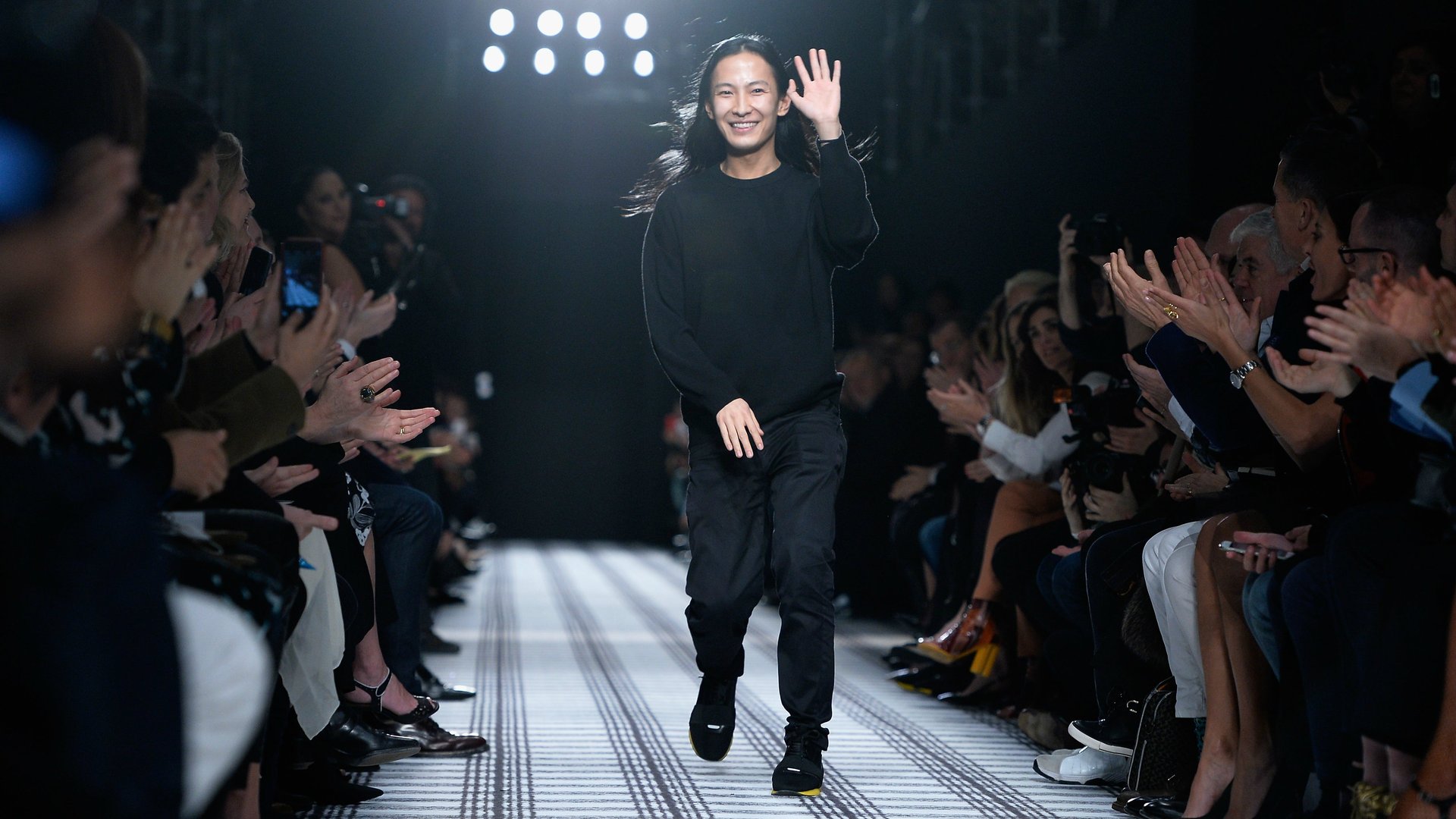
Designer Alexander Wang and Kering, the luxury company that owns the fashion label Balenciaga, announced Friday (July 31) that Wang is leaving his post as the Paris-based label’s creative director. Wang held the position while also designing his eponymous line in New York, and spent less than three years with Balenciaga. It was a very short tenure for such an esteemed role, but as anyone who has spent that length of time in a faulty (and long-distance!) relationship can attest, that’s plenty of time to know it’s not a match.

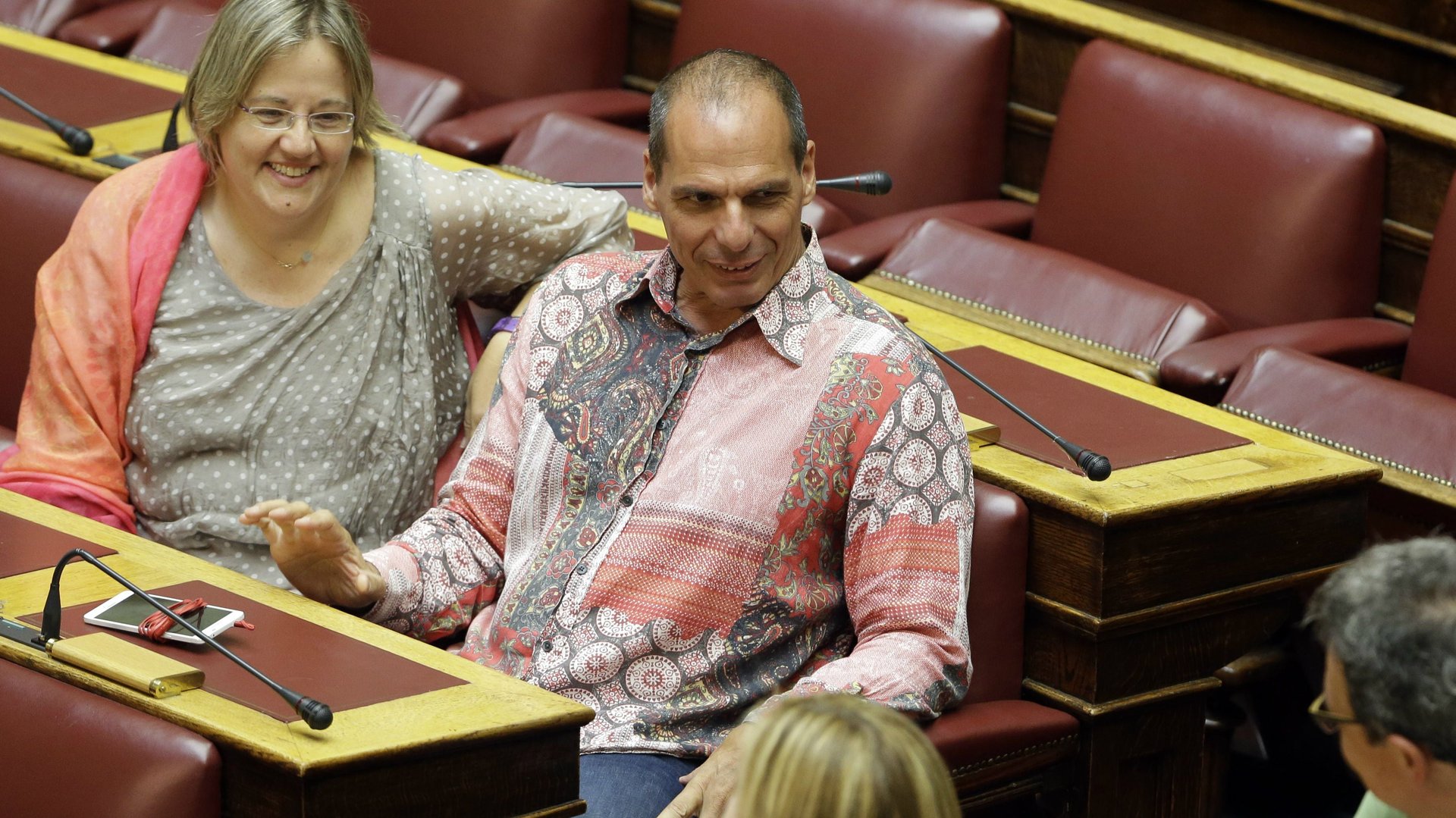
On what is perhaps the ultimate summer Friday—the final weekday before August subsumes much of Europe in a monthlong holiday of Mediterranean sunshine, sea, and spritzes—former Greek finance minister Yanis Varoufakis has raised the bar for casual workwear everywhere.

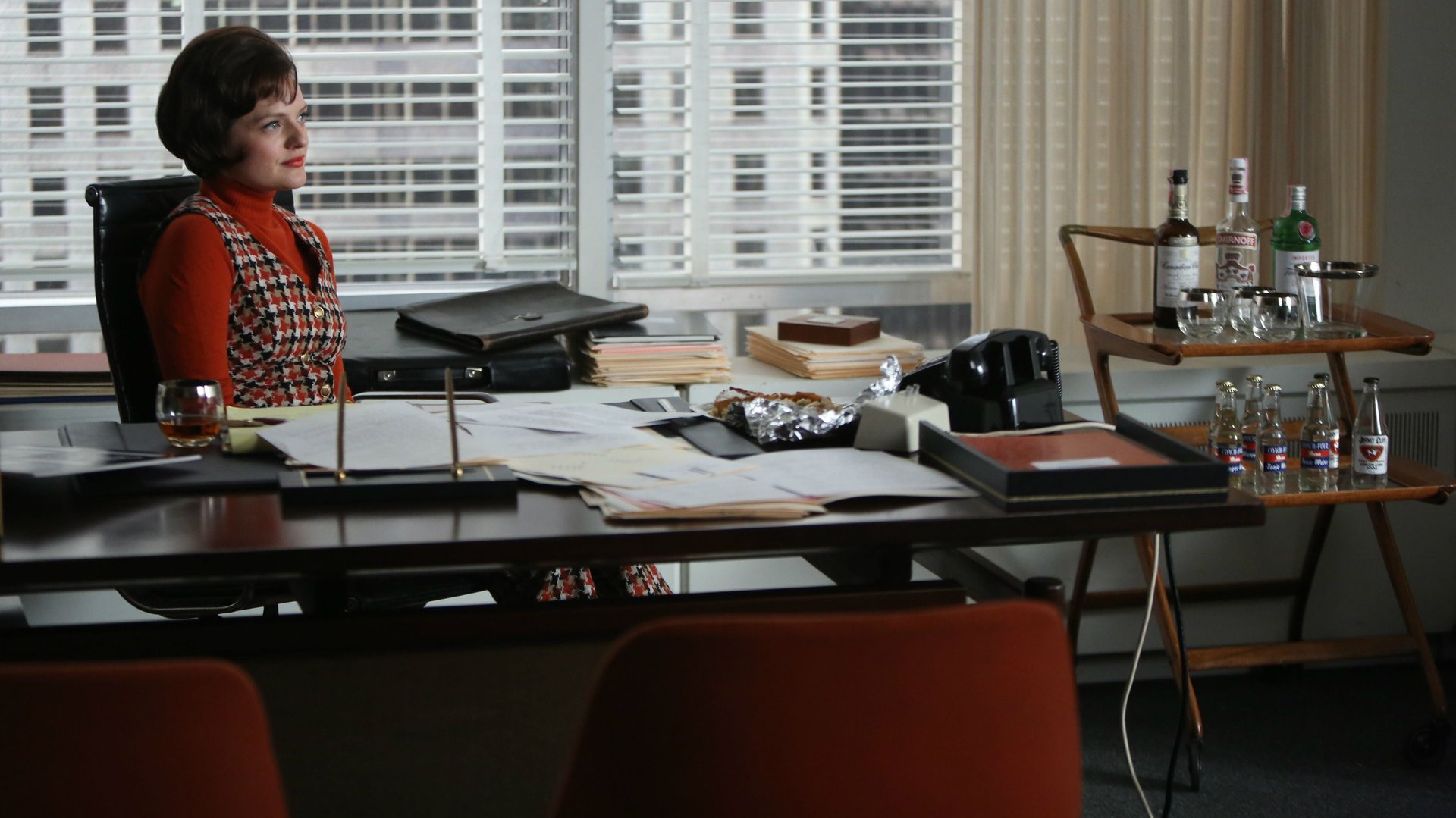
An auction of more than a thousand props from Mad Men will go live July 31, giving fans the chance to bid on everything from Stan’s bongos and Ken’s eyepatch to Megan’s wedding ring and Don’s Cadillac Coupe de Ville. The Cadillac is cool, to be sure, but perhaps none of the items up for auction embodies the desirable (and perhaps more affordable) side of Mad Men culture more than the bar carts and their trappings.

The Hermès Birkin bag is arguably the most enduring, powerful, valuable, and recognizable women’s accessory of the modern era—the ultimate “It bag,” with months-long waiting lists, quarter-million dollar auction prices, and a selected cadre of glamorous celebrity fans.

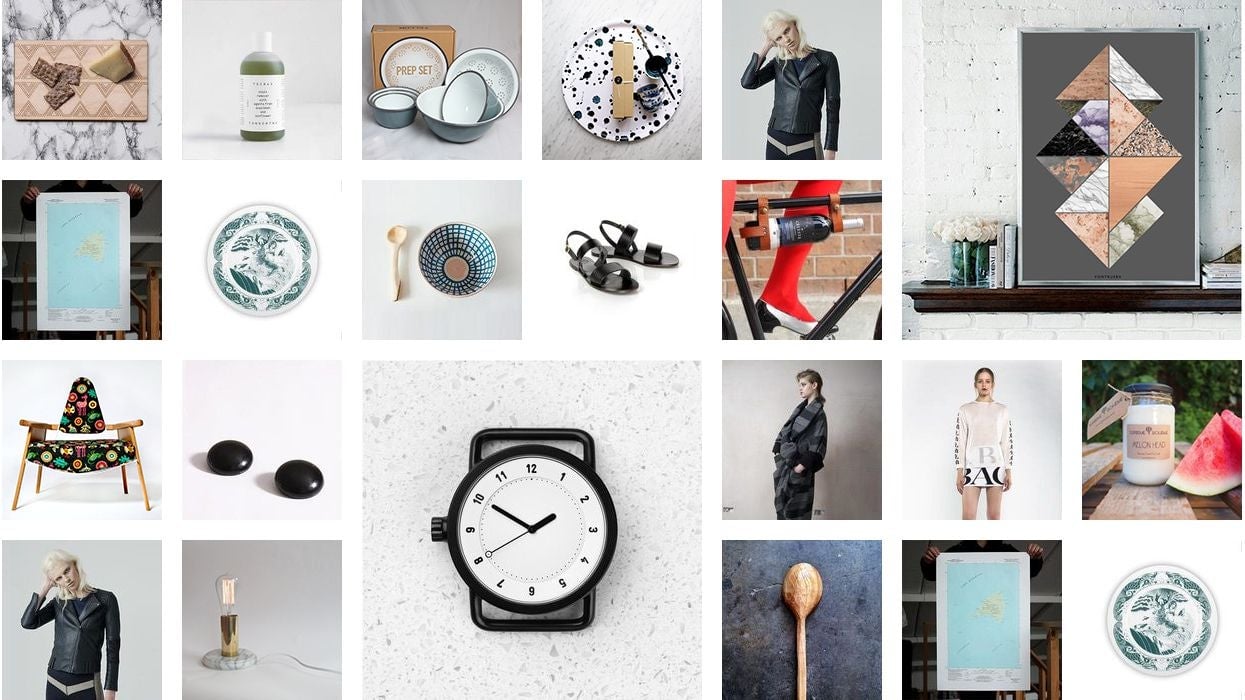
When Amira Marion and Judy Lee wanted to launch a web-shop for Nomada, their collection of clothing, accessories, and home wares, they had lots of options.

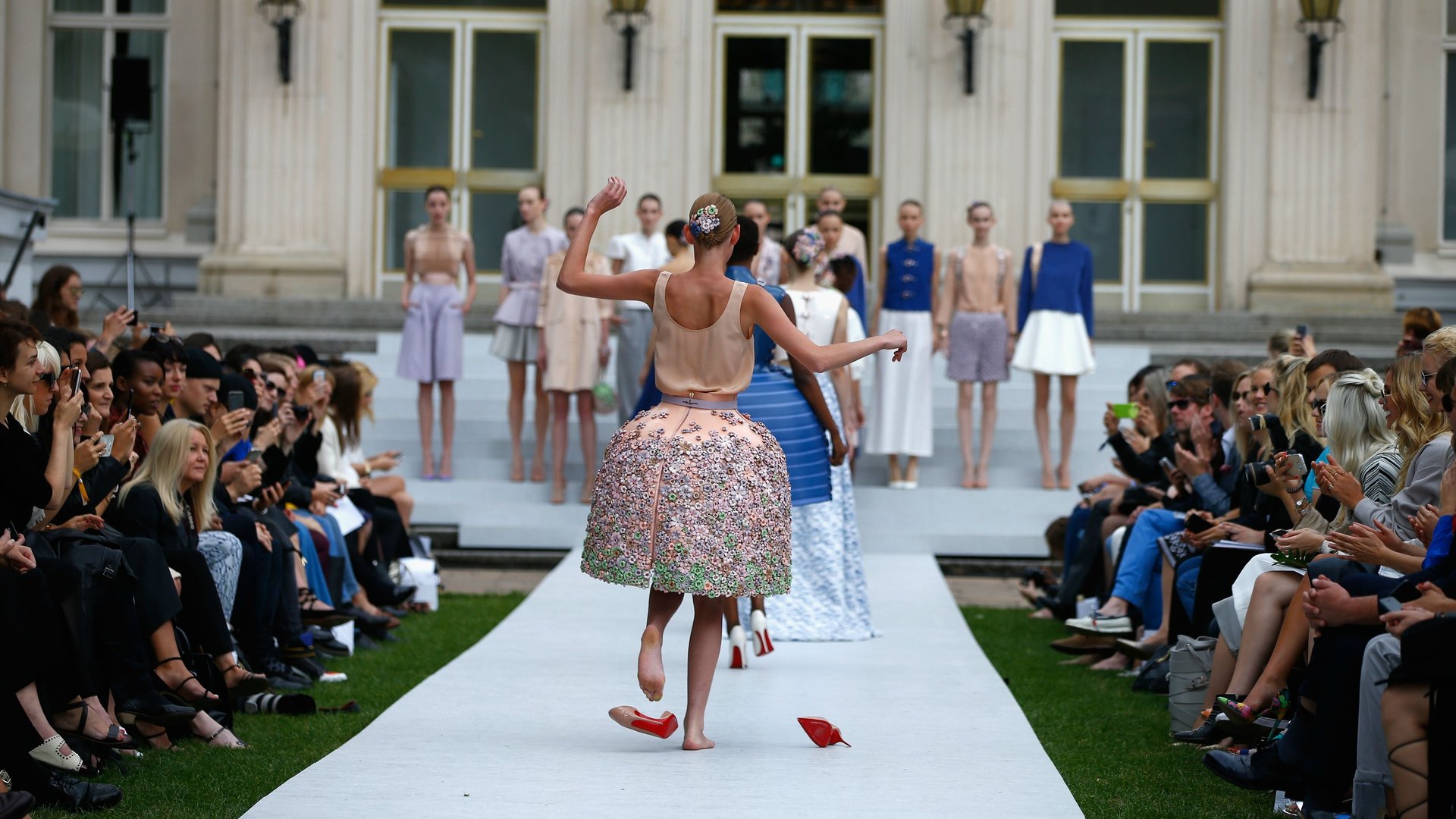
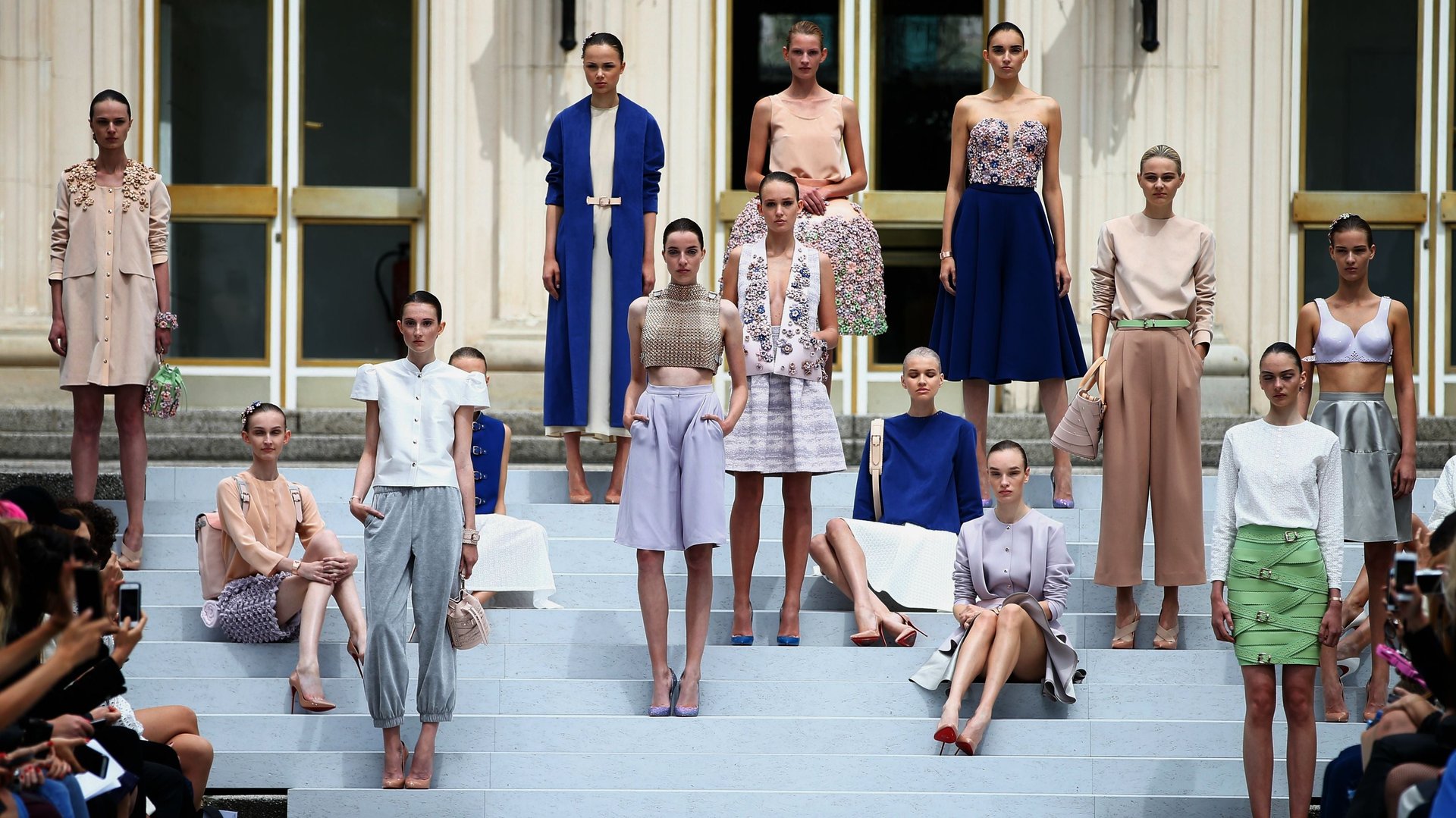
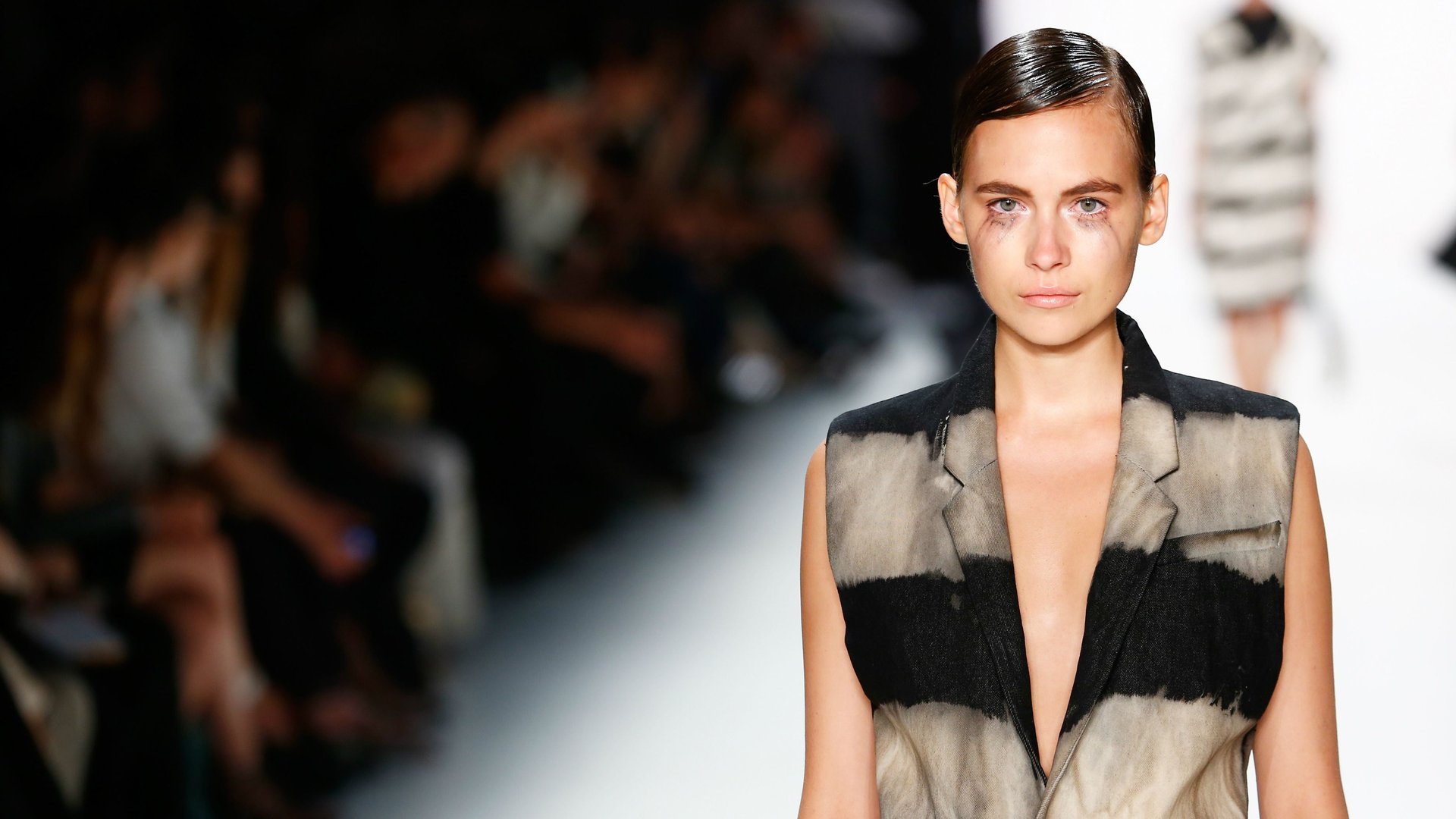
The sun emerged just as the first model appeared in the runway entrance at designer Marina Hoermanseder’s Spring 2016 show, in the back garden of Berlin’s Kronprinzenpalais (Crown Prince’s Palace) on July 10. In stiletto heels that tipped her onto her toes, and a bell-shaped skirt of hard, molded leather, she looked like a ballerina emerging from a music box.

At Marina Hoermanseder’s exquisite show at Berlin Fashion Week on Friday (July 10), in the garden of the city’s historic Crown Prince’s Palace, the models wore blouson jackets, Marlene Dietrich pants, shiny molded leather bodices, and bell-shaped skirts covered in handmade leather flowers.

For years now, 3D printing has nipped around fashion’s margins, appearing at fashion and technology conferences in the form of dresses and accessories that look fit for, well, fashion and technology conferences. That all changed this week.

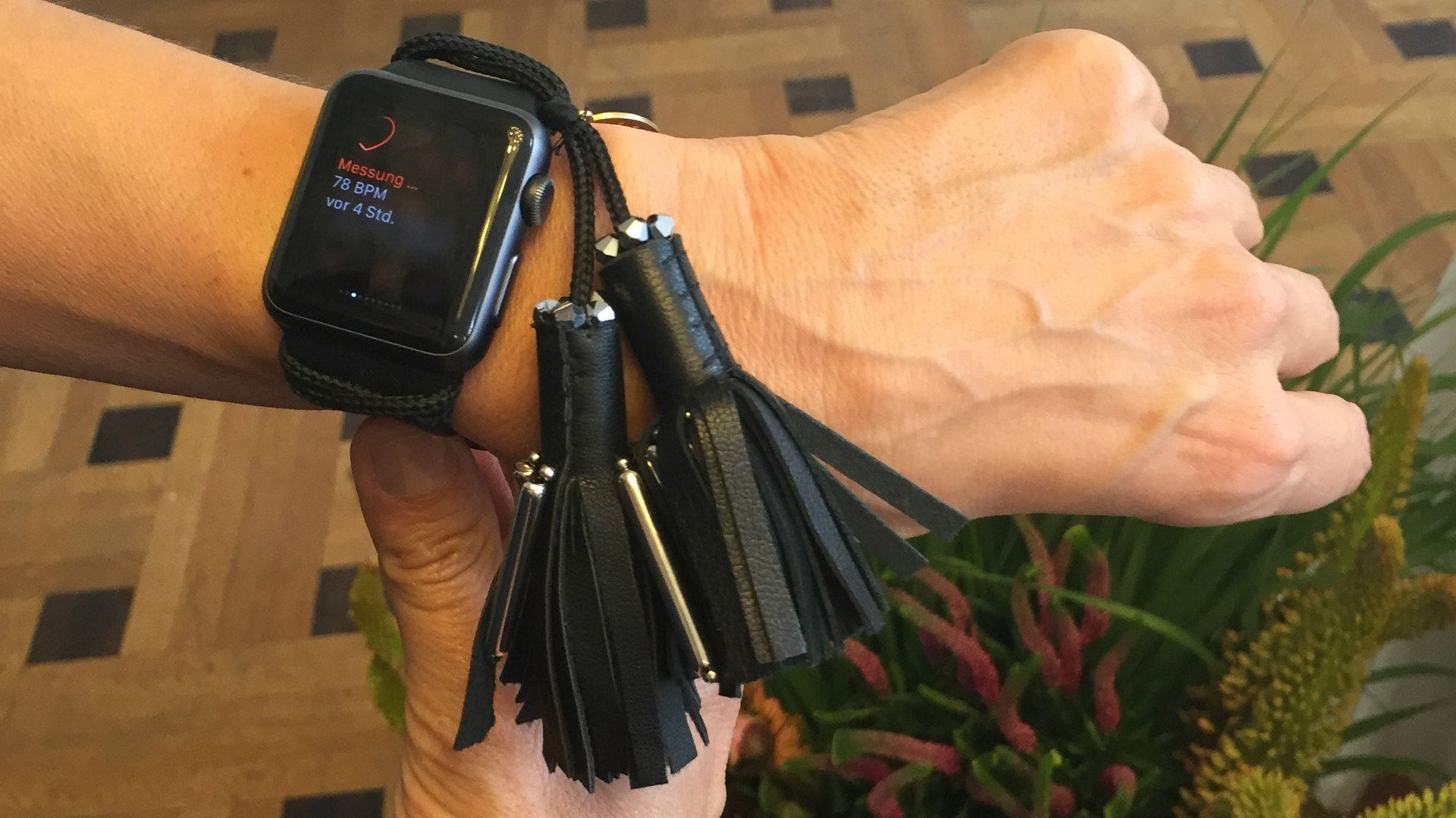
Despite campaigning for the affection—and Instagrams—of influencers such as Karl Lagerfeld and Beyoncé, the Apple watch has yet to really infiltrate the fashion crowd. But maybe that’s just because our accessories don’t have the right accessories—yet.

One of the funny things about going to a fashion show is how quickly it is over. There is a lot of waiting for it to begin—first to file into the tent or venue, then for VIPs to be shuffled to the front row and photographed there. Then, the lights go down, the lights go up, the music thumps, the models stomp, stomp, stomp around the runway. They all file out once more for a finale, the designer takes a bow, and you’re out. Once it starts, it’s usually over in about eight minutes.

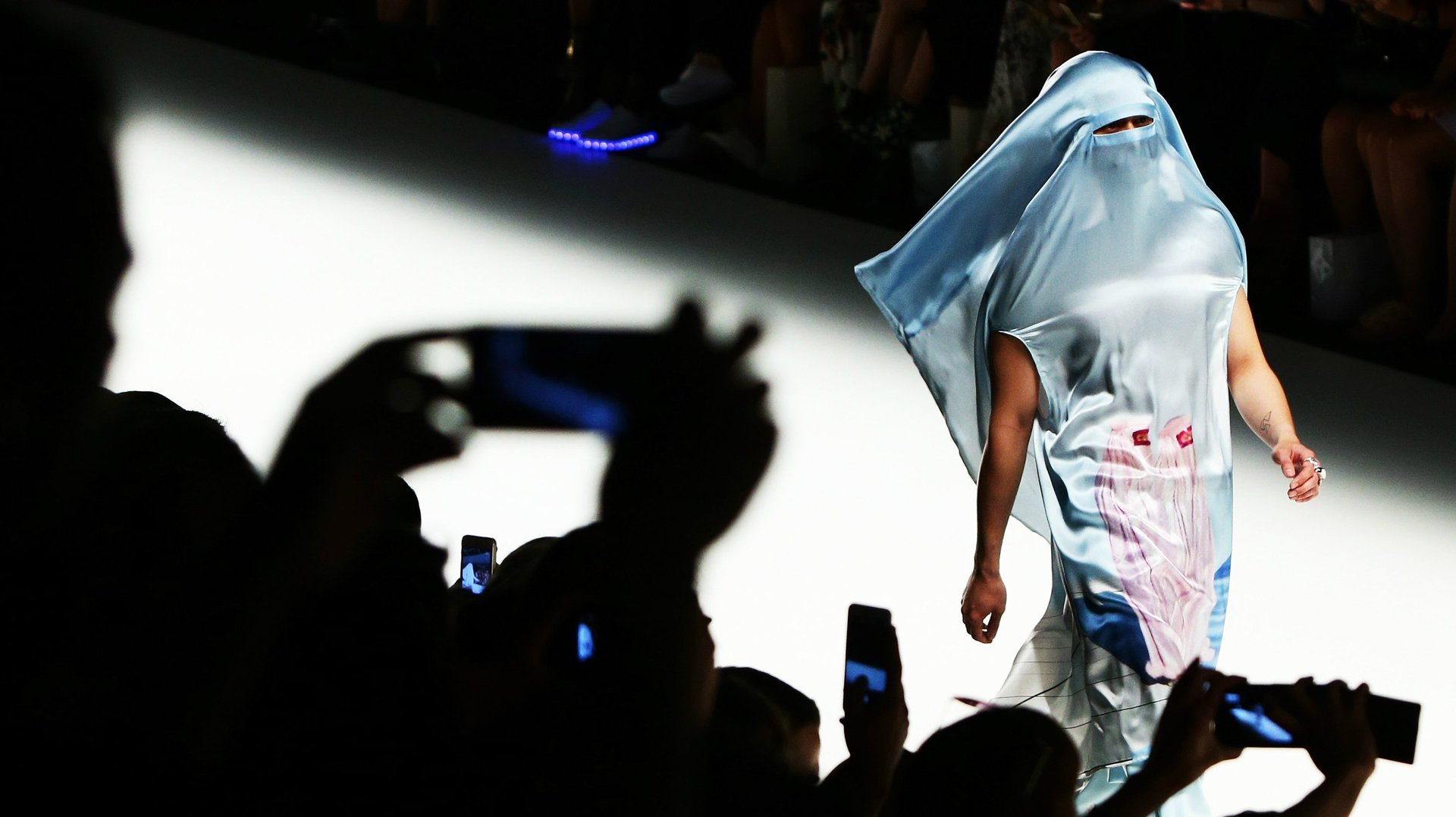
When the Berlin-based Serbian designer Saša Kovačević, the creator of the five-year-old fashion line Sadak, set out to design this season’s collection, he wanted to create a post-modern version of an Islamic miniature—a millennia-old form of painting that depicted historical events in rich pigment and detail.

The era of the “naked dress” was officially ushered in on May 4, 2015, on the well-shaped backsides of Kim Kardashian, J.Lo, and Beyoncé. In nearly non-existent dresses of transparent lace, the former two attempted to out-pose one another on the carpet at New York City’s Met Gala before Beyoncé and her body appeared, blowing the competition away.

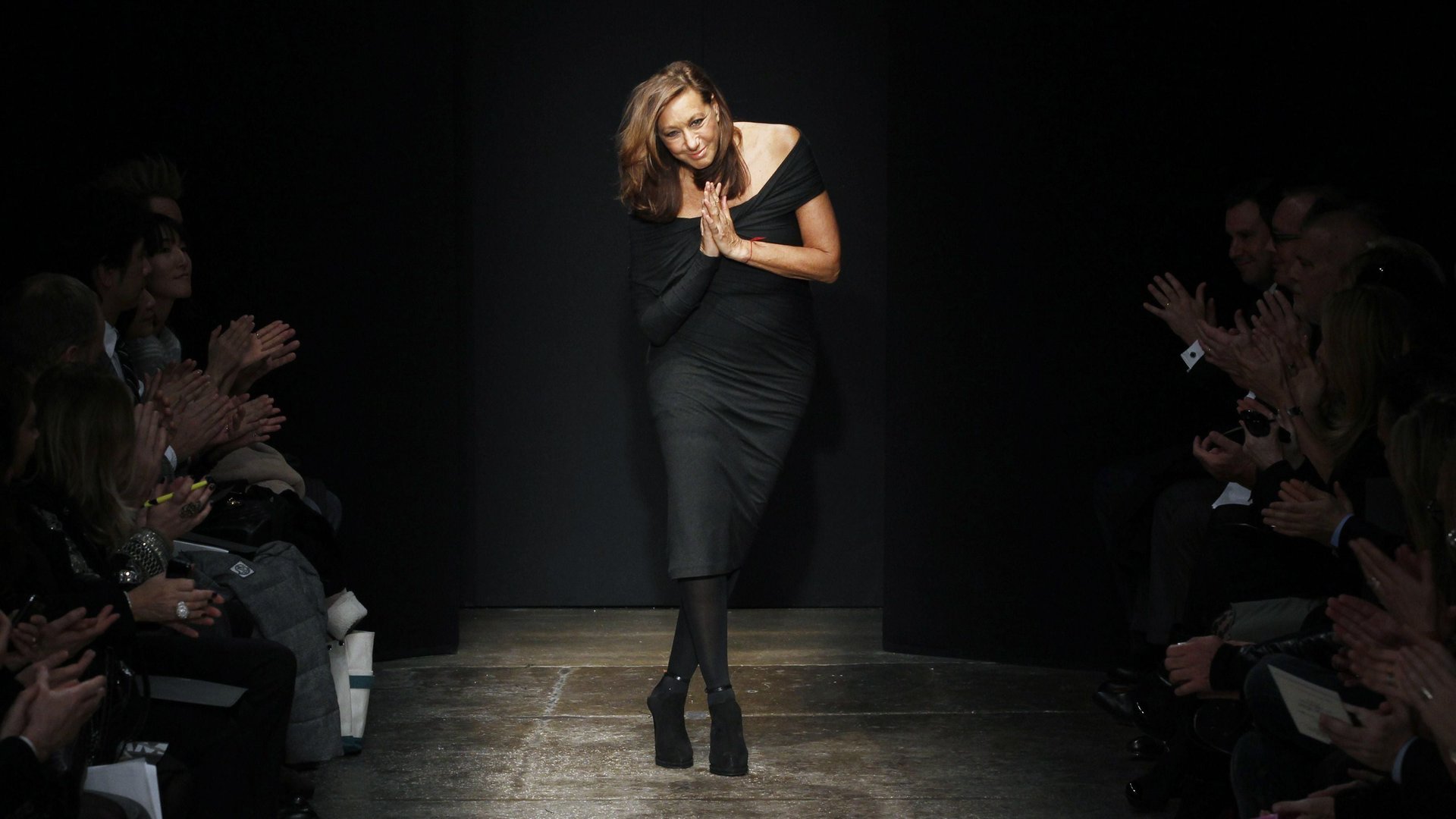
Before there was Spanx, athleisure, or personal essays about personal uniforms, there was Donna and her bodysuit.

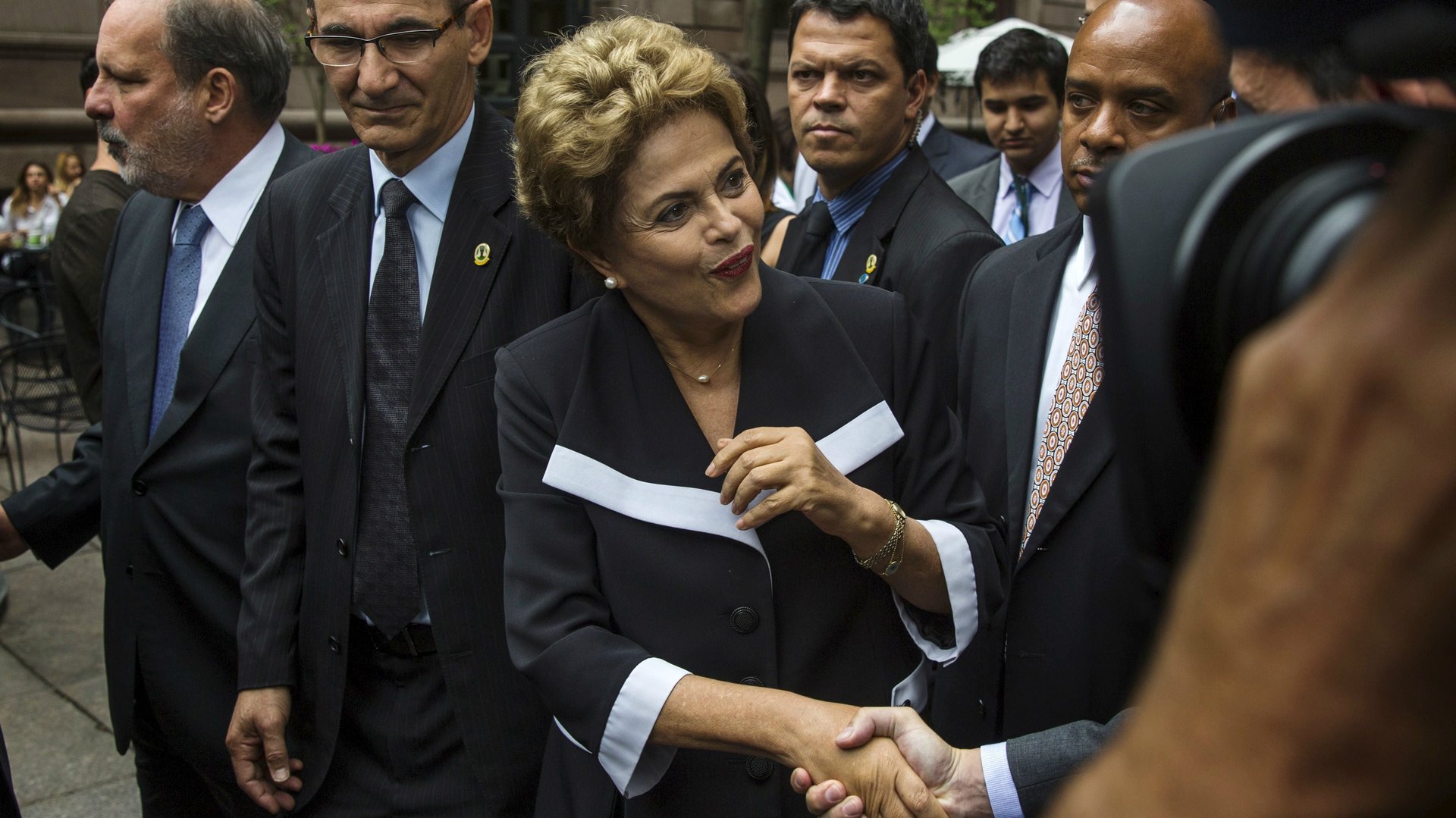
Dilma Rousseff is in the US this week on a state visit originally scheduled for 2013, which she cancelled after Edward Snowden revealed the NSA had been spying on Brazilians’ communications, including her own. Brazil’s economy—and its president’s approval ratings—are in shambles, so she really needs this trip to go well.