With the sophisticated user interface and powerful system apps afforded by iOS 11, the iPad feels like it’s finally reaching maturity. But what does the device’s clarified identity say about the Mac’s future?

With the sophisticated user interface and powerful system apps afforded by iOS 11, the iPad feels like it’s finally reaching maturity. But what does the device’s clarified identity say about the Mac’s future?

The so-called “anti-diversity” memo leaked from Google this week has tech commentators (and beyond) in an uproar. One view is Google’s reaction puts it in a no-win situation. Another, more hopeful, is the commotion will force the company to reexamine its ideas and practices.

Weeks ago, Walt Mossberg, arguably the most influential, most respected for his integrity (not the same thing) tech columnist announced his retirement at a young 70. Today, I salute his exemplary career, and remember the “good old days” of traditional newspapers. And I also wonder what led to his decision.

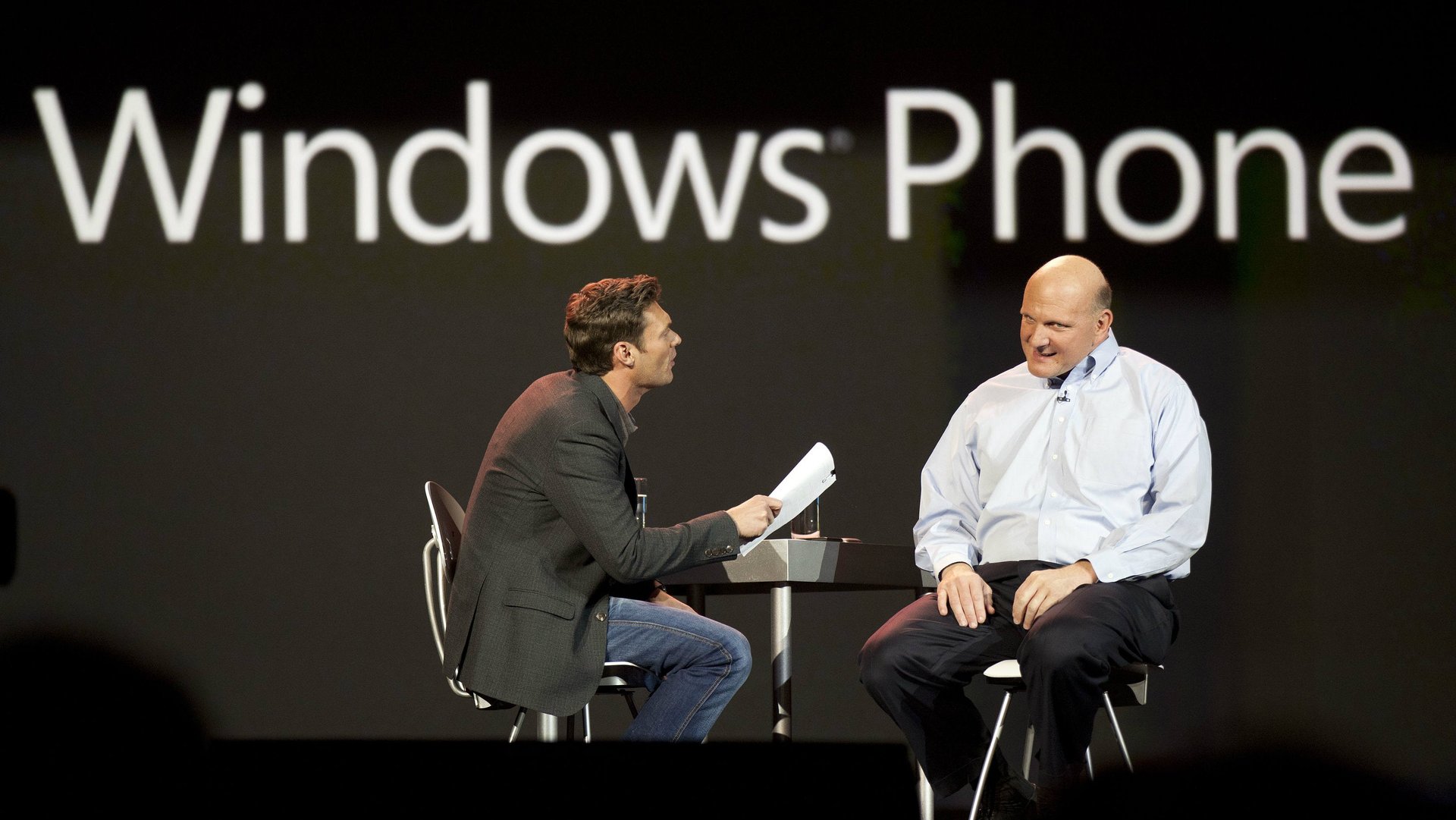
How could Microsoft’s Windows Phone licensing business model stand a chance against Google’s free and open Android? None of the Redmond giant’s complicated countermeasures worked—its smartphone platform is dead. And yet, inexplicably, Microsoft failed to use a very simple move, one we’ll explore today.

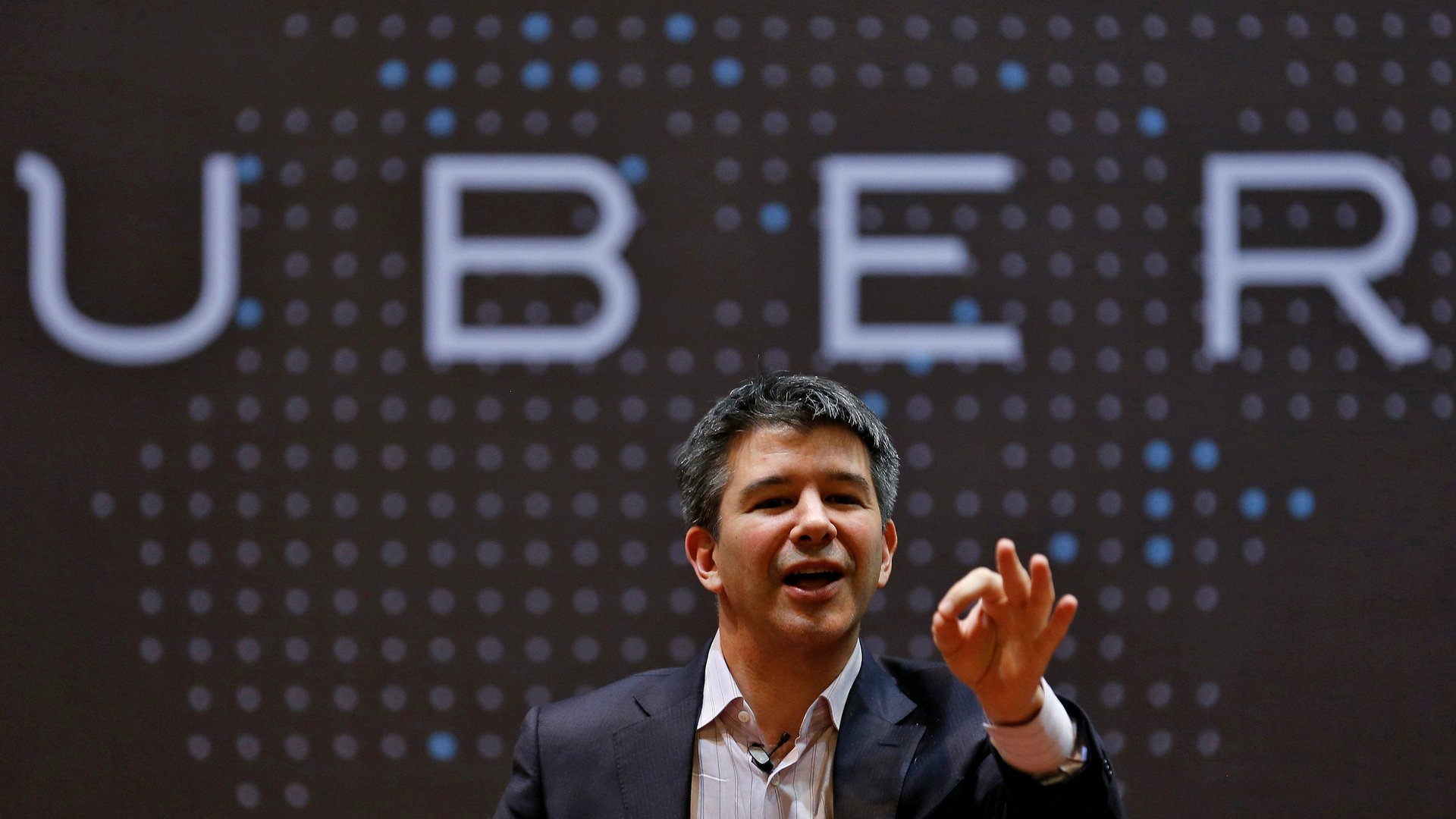
Blaming the Uber calamity on the recently deposed CEO Travis Kalanick is convenient, but let’s not forget the less visible but just as problematic role that the board of directors played as they let Uber unravel. Given the board’s complicity, can the company fashion a spectacular turnaround, or will it be a quick flameout?

Today’s Apple is often seen as the iPhone company, a huge supply chain machine that produces and sells hundreds of millions of smartphones…and generates mounds of cash in the process. Today we look at the changes the iPhone brought to the old Apple culture—and consider that some things never change.

At last week’s Worldwide Developers Conference (WWDC), Apple made an unusually large number of hardware and software announcements. Today we’ll look at a potential connection between Apple’s silicon design strengths and its just-unveiled augmented reality and machine learning applications development tools.

France’s new president is unusual in some obvious ways: His young age, his path to power outside the traditional party system, the briskness of his ascent. If he succeeds with his immensely ambitious reforms, starting with laws that will “drain the French swamp,” he will transcend unusual and move on to astonishing.

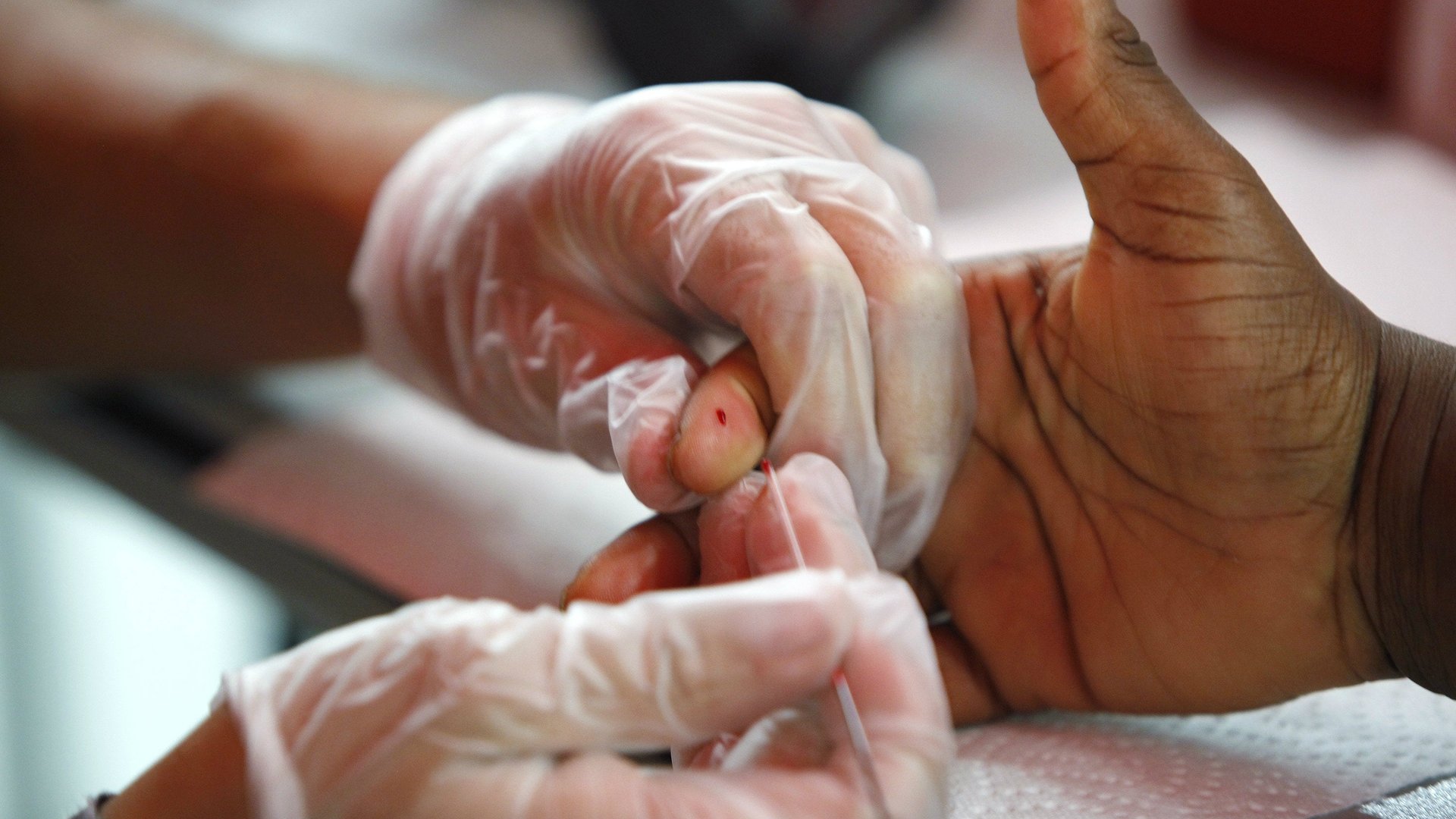
Apple appears to be working on blood glucose monitoring as a way to address type 2 diabetes.“Stick it in your ear.” Literally.

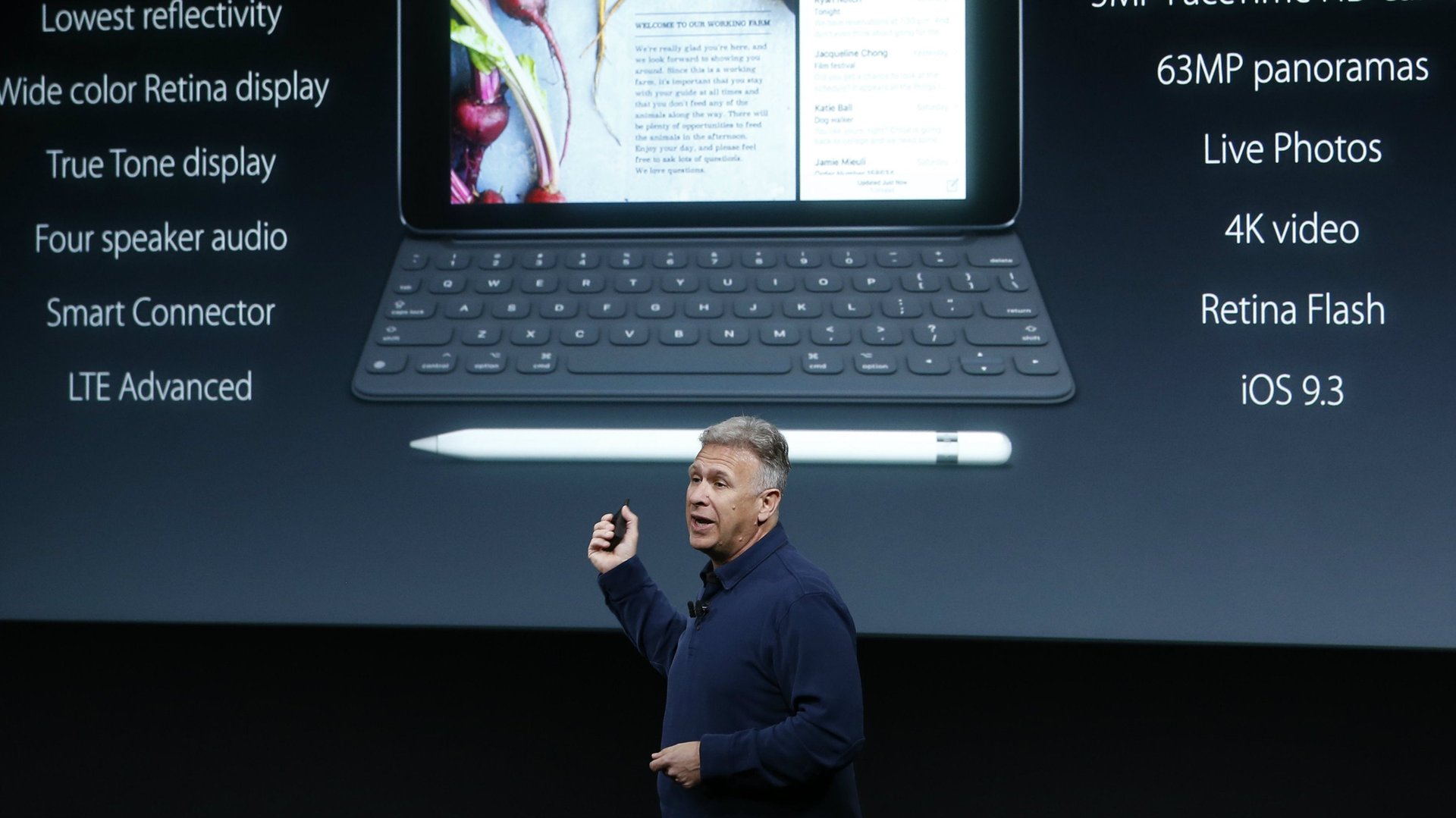
Apple continues to profess optimism for the iPad even as sales continue to decline. In particular, the company hopes the new, beefier iPads will lure content creators away from conventional (and also declining) PCs. But how far will Apple go to blur the line between an iPad and a Mac?

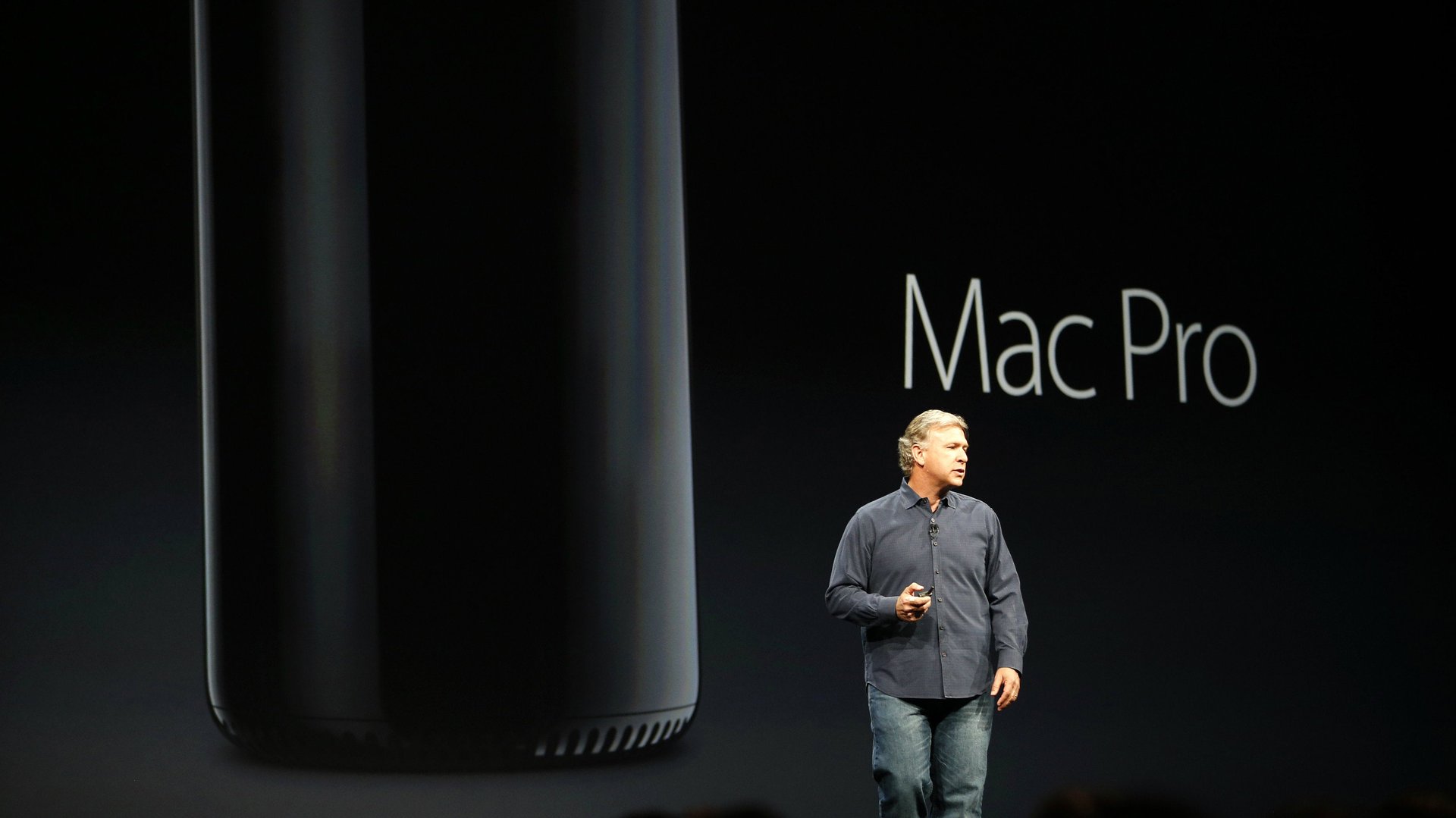
Apple execs have finally acknowledged their inexplicable failure to update the high-end Mac Pro. While there were plenty of apologies, there were too few details about how they plan to correct course.

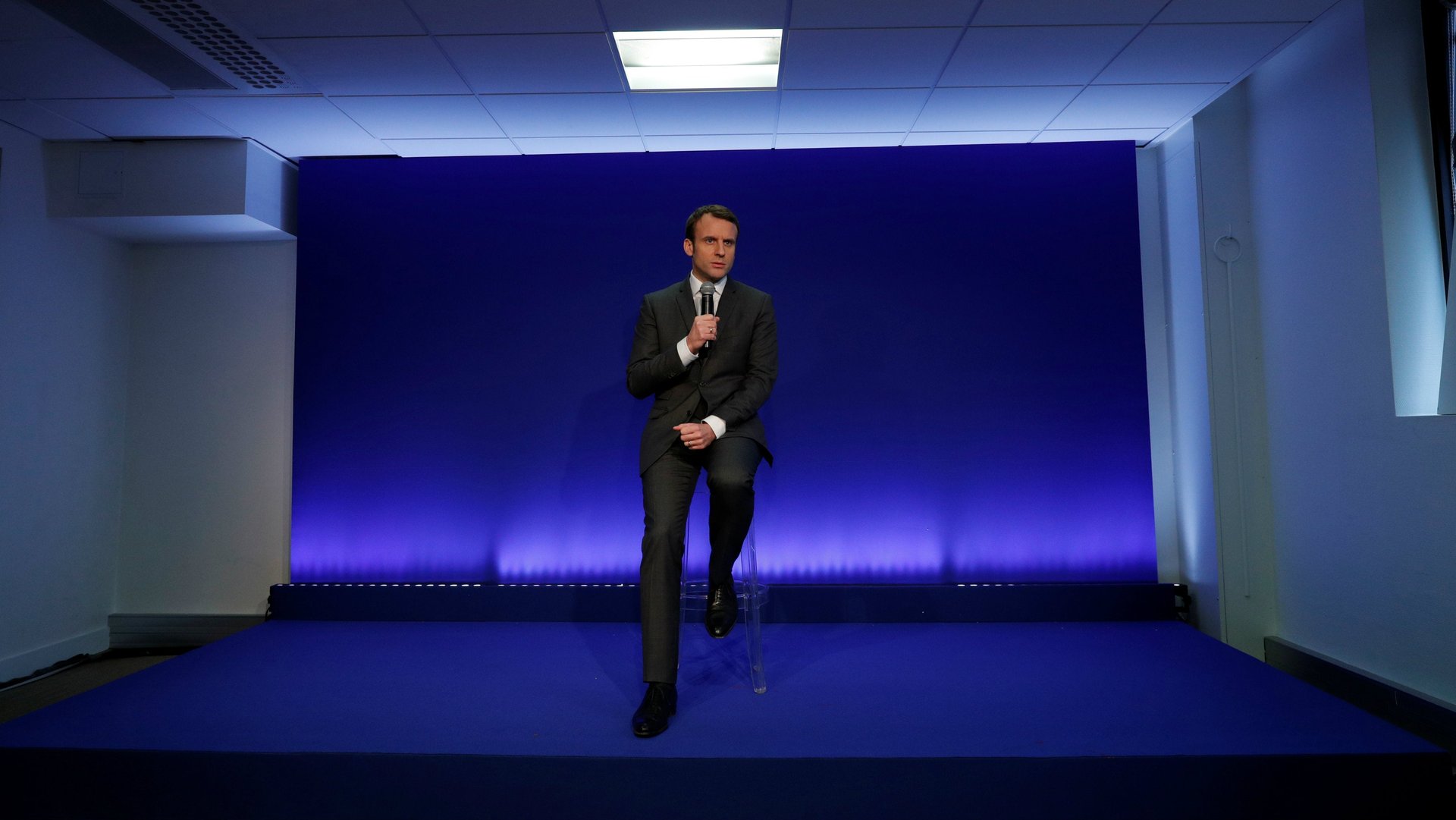
As another president is about to find out, getting elected is a necessary but not sufficient condition. Emmanuel Macron, if elected, will be faced with the arduous task of convincing the French to sacrifice some of their way of life for the greater good of their country, themselves, and their children.

Through a combination of luck and an inspired reading of France’s rejection of its tired political establishment, Emmanuel Macron rode to a clear victory in the first round of the French presidential election. But getting elected will be easy compared to the messy business of governing a divided, conservative country.

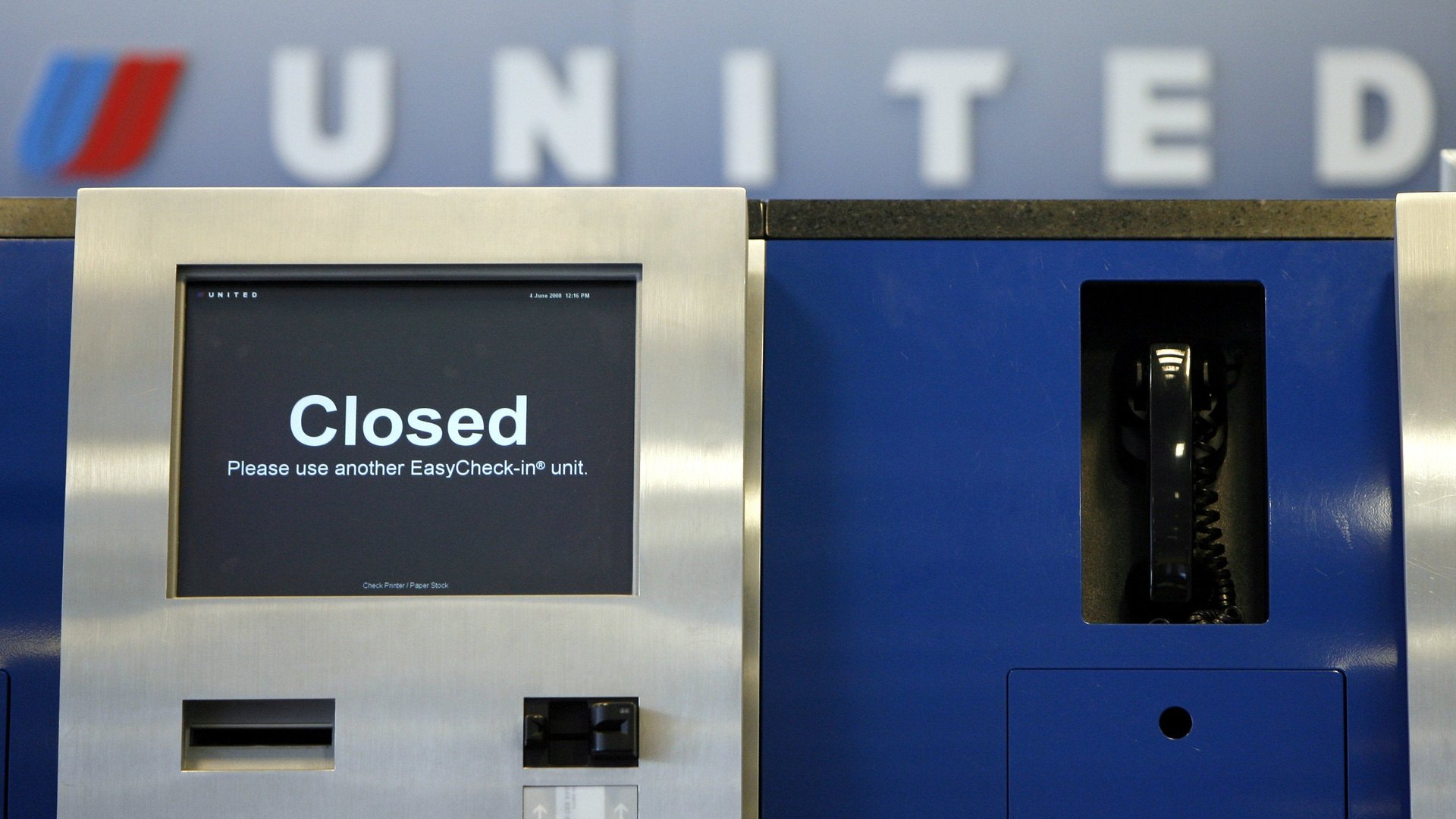
In the aftermath of the abominable United Airlines incident, allow me to offer some thoughts about customer service, company cultures, and the underlying sick process of regulatory capture.

Who on Earth regards a computer’s file system as anything more than a bland office worker? But if we dig a little deeper there’s a story to be told, one that concerns the future of Apple’s widening array of operating system versions and hardware devices.

On the one hand, we have iPad plummeting sales, dropping 50% in three years. On the other, we have Apple’s professed high optimism, without much proof besides some new—and clever—ads, and the recent discreet release of evolutionary and slightly less expensive hardware. Is that all?

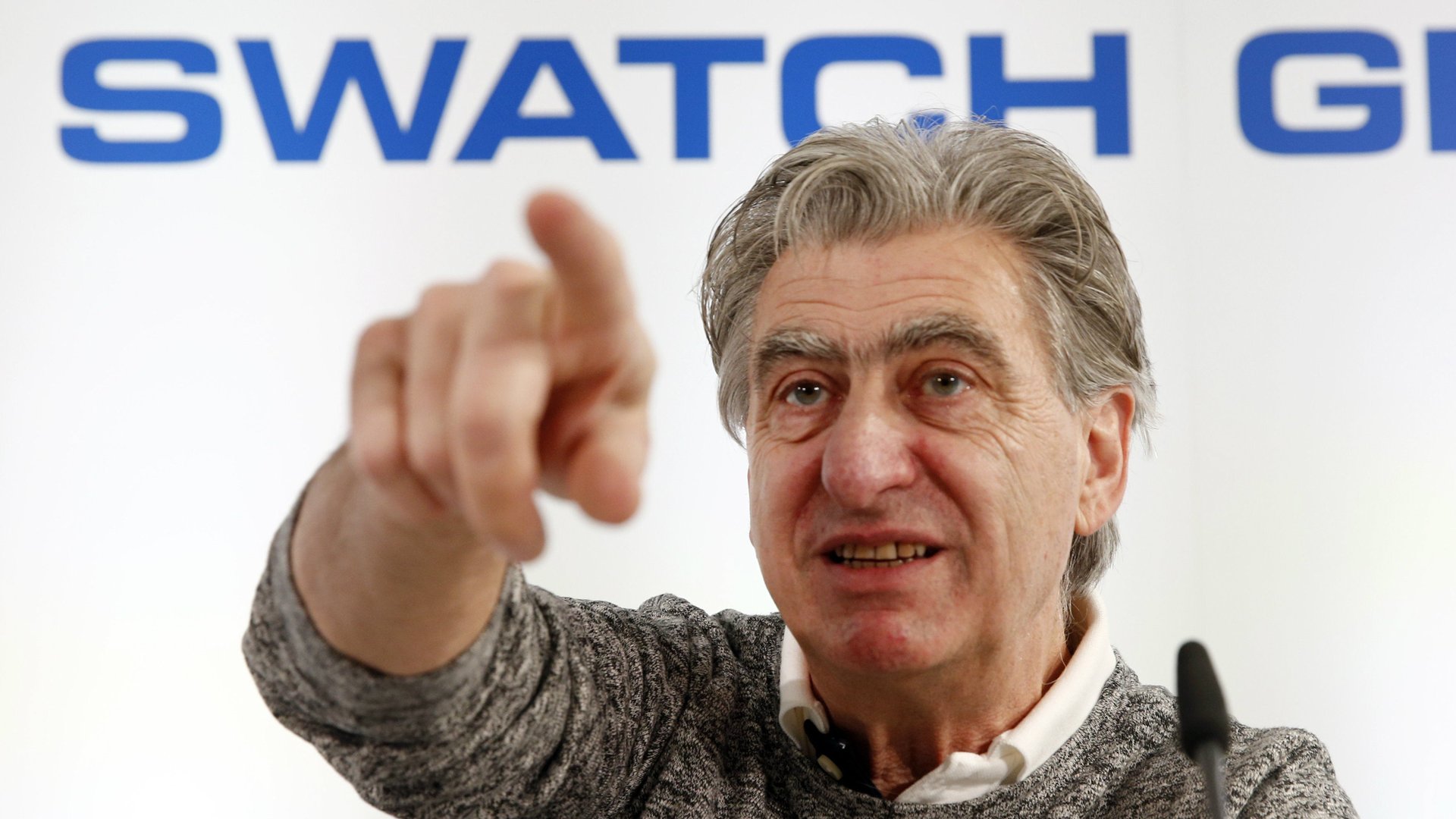
Nick Hayek wants Swatch to roll out its own smartwatch OS rather than use Android Wear. This is a grave mistake that shows little understanding of smartwatch success factors and of competitive software engineering cultures and their ecosystems.

The healthcare debate is unhealthy. It drowns us in a sea of words, numbers, and angry shouts, and causes us to forget the topmost problem: US healthcare costs more, but it does less.

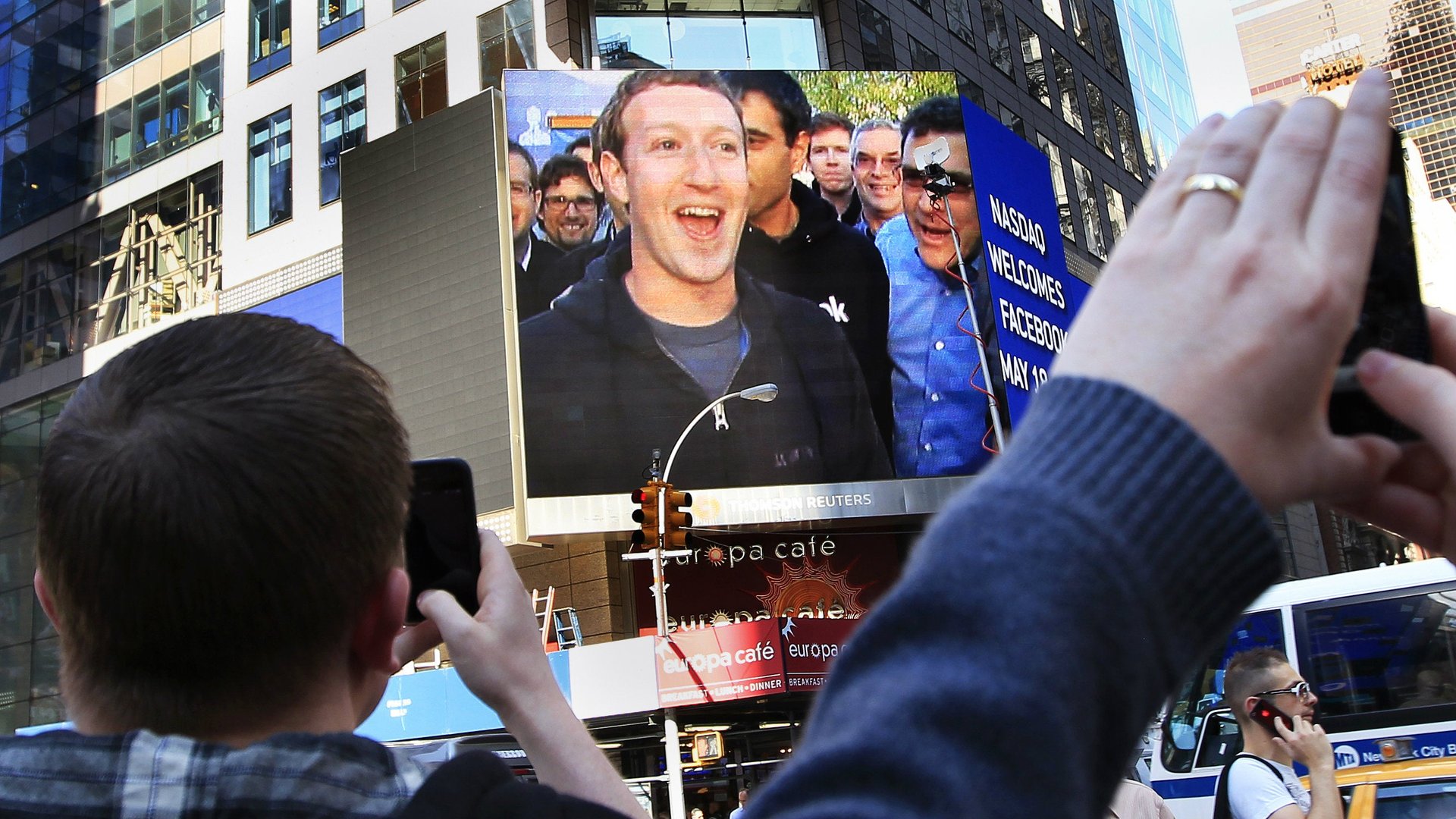
From a Harvard dormitory at the ripe age of 20, Mark Zuckerberg created one of the most successful companies of the Internet Age. He is liked and respected by his employees and leads what is probably the Valley’s best run organization. Today, Facebook has become so powerful that it challenges established political structures and threatens to undemocratically twist the will of the people.

Here we go again. Autocrats always end up resorting to the same tactics: Those who are with me are “good people.” Dissenters are disloyal, they must be categorized and eliminated. Our new president seems to like the old recipe. Let’s do more than passively hope it won’t work.

While we may never see another phenomenon like the iPhone during its early days, that doesn’t mean Apple’s best years are behind it. A closer and (with apologies) longer look at Apple’s numbers paints a picture of a company that’s more adept than most at playing the long game.

A more personal, possibly naive, Monday Note, but these are highly unusual and dangerous times. We need to pay attention to the American dream—the real one reflected in the Statue of Liberty, not the false nostalgia of isolationists.

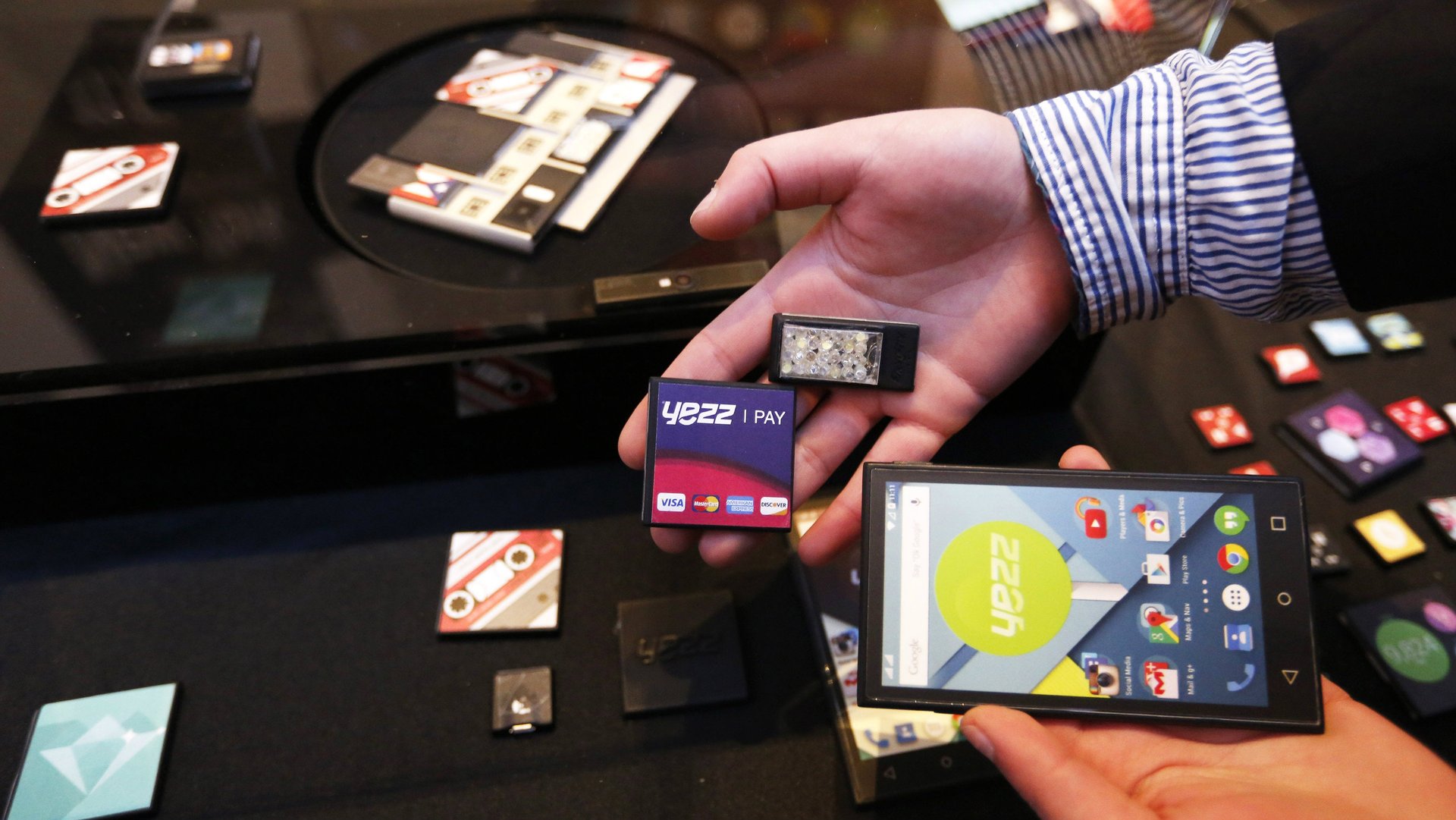
What’s not to like in a modular smartphone that can be configured to one’s liking and updated to protect it against the evils of planned obsolescence? As it turns out, a lot. Starting with the mere matter of implementation.

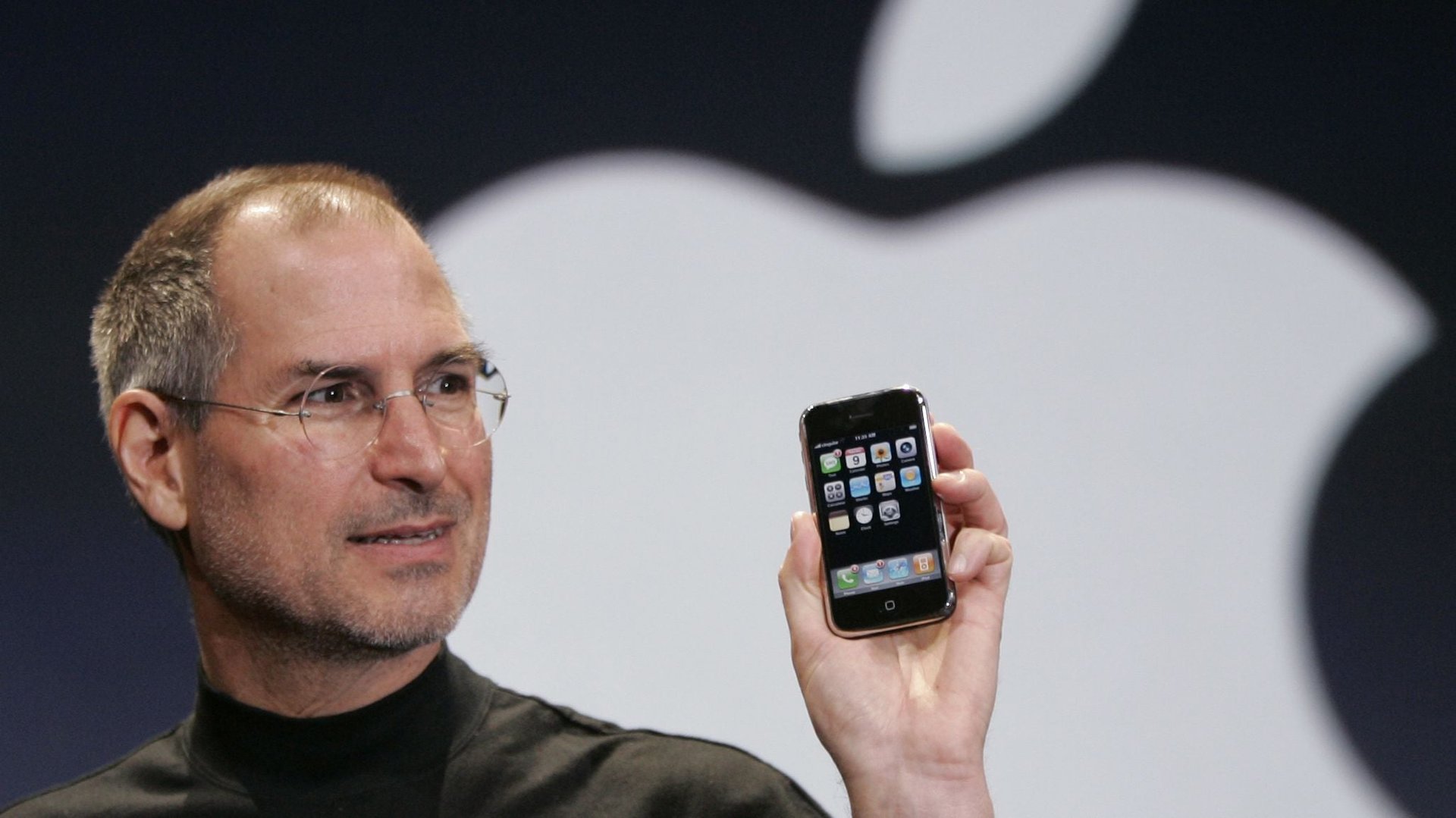
Much has been said about the original iPhone’s success factors: an innovative multi-touch interface, a never-seen-before combination of cell phone, iPod, and internet “navigator.” All good, but missing one crucial element: removing the carrier’s control on the iPhone’s features and content.