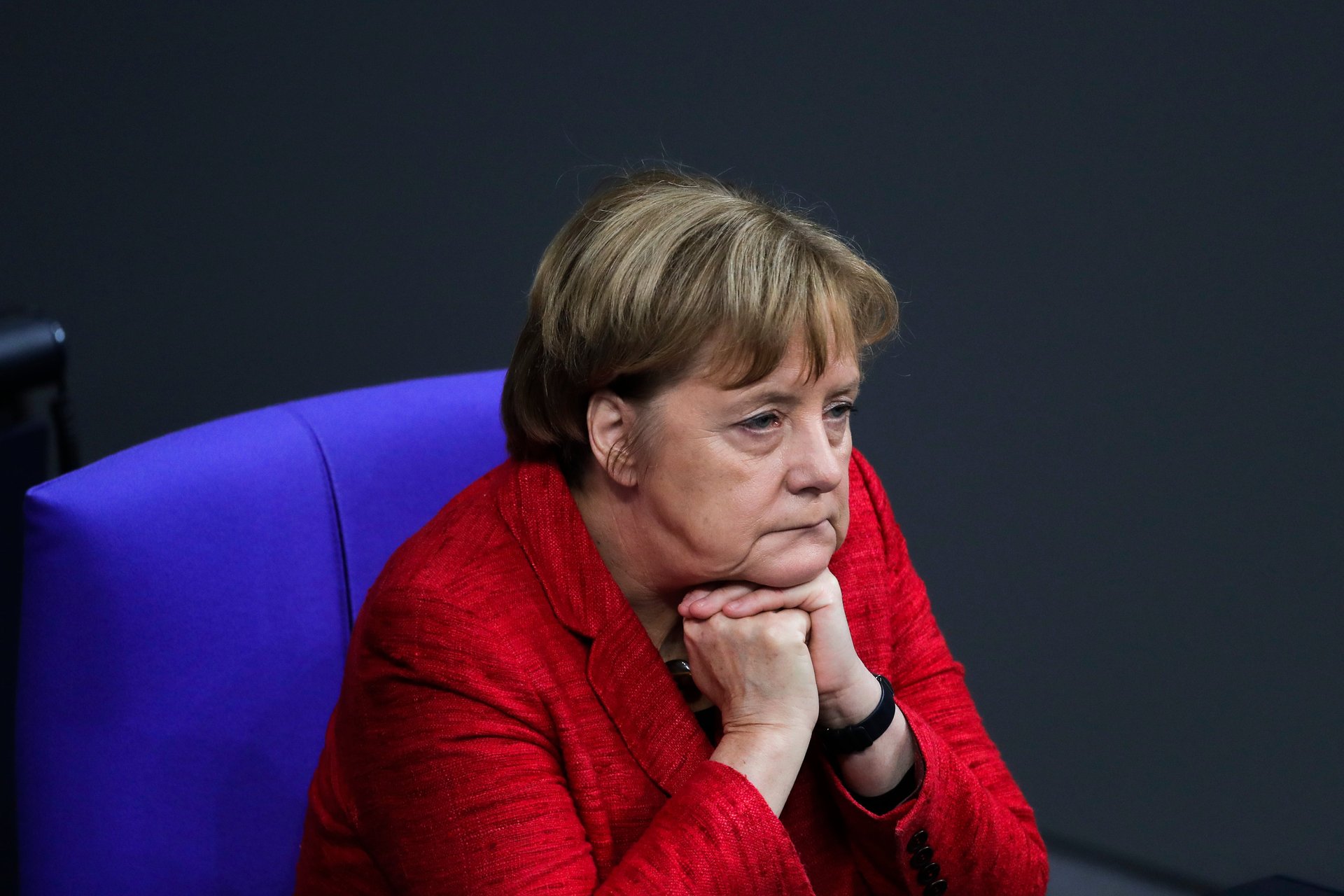
Germany’s Christian Democratic Union, its sister party Christian Social Union, and the Social Democratic party have plenty of hurdles to overcome as they start talking about forming the country’s next government.

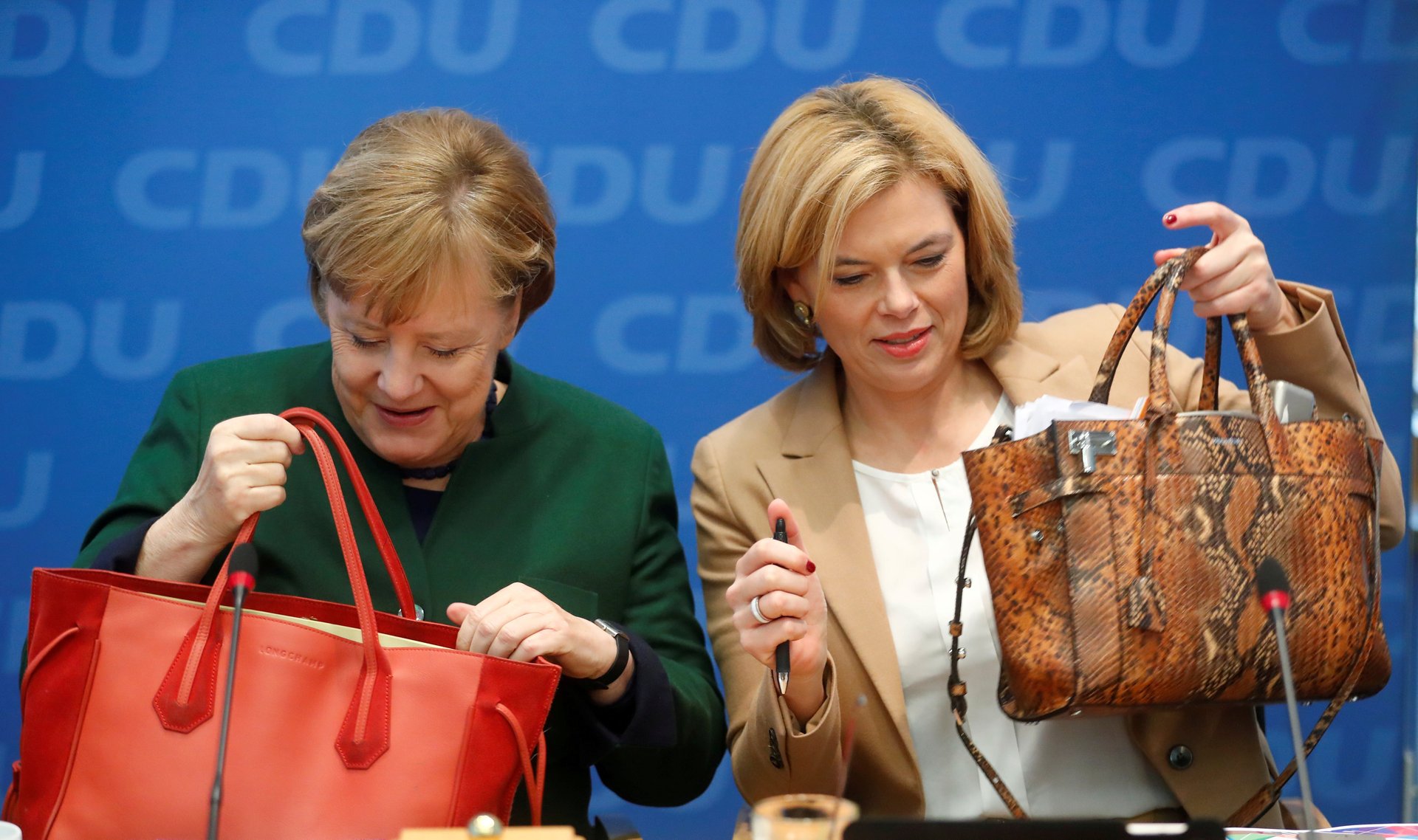
Germany’s Christian Democratic Union, its sister party Christian Social Union, and the Social Democratic party have plenty of hurdles to overcome as they start talking about forming the country’s next government.

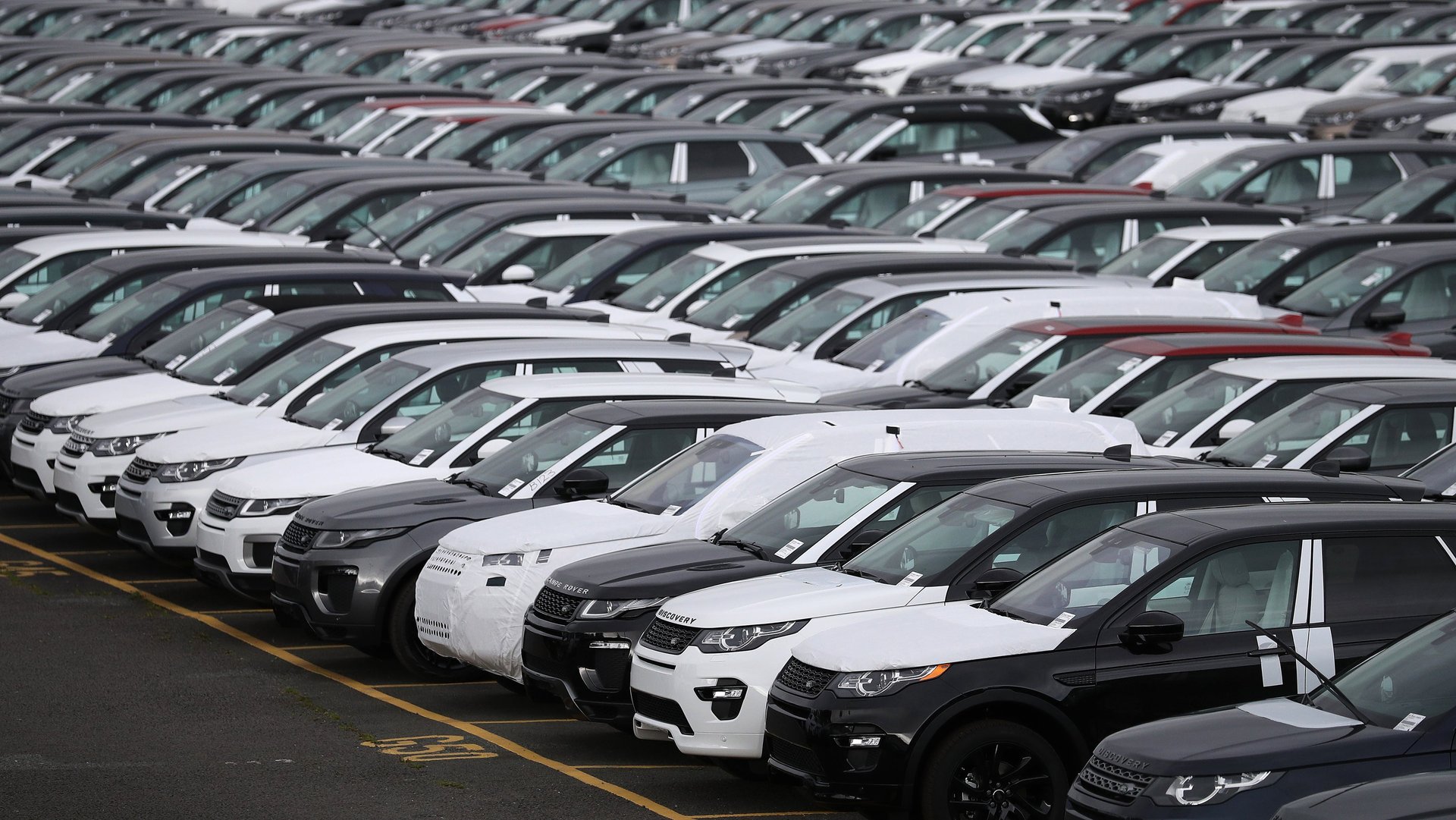
Germany revealed its car sales figures for 2017 today—and they’re as robust as one has come to expect from the home of the automobile. Some 3.4 million new vehicles were sold (link in German) last year, up 2.7% from 2016, rising for the fourth year in a row and smashing their highest level in a decade.

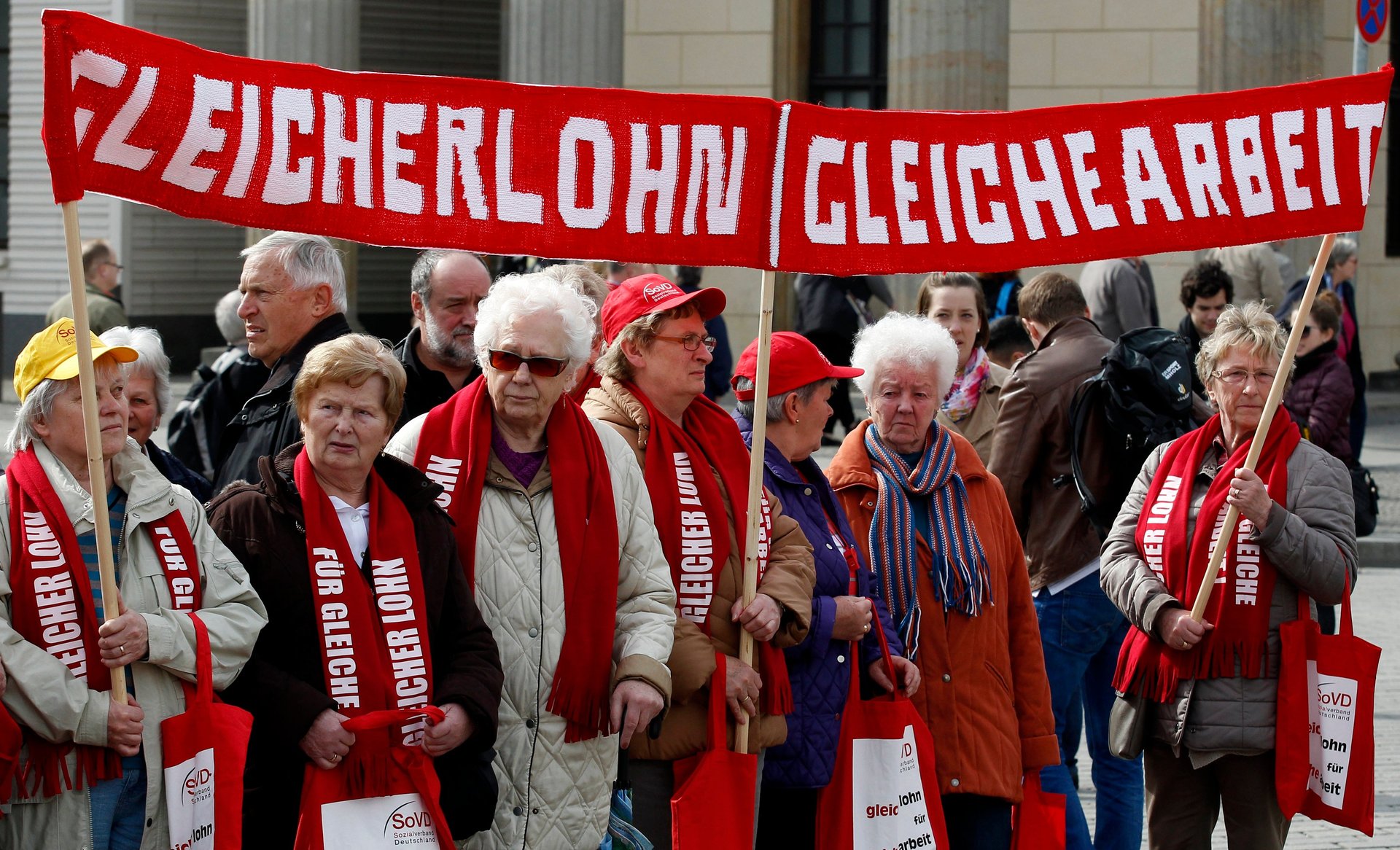
Germany has taken a step towards trying to tackle its significant gender pay gap with a new law. As of Jan. 6, employees will be allowed to find out what their co-workers are making. At 21%, the pay gap between men and women in Germany is quite a bit higher than the 2015 EU average of 16.3%.

Germany began enforcing its strict new rules on how social media companies must combat hate speech as of Jan 1. From now on, companies that repeatedly fail to remove offensive posts in a timely manner could face a maximum fine of €50 million ($60 million).

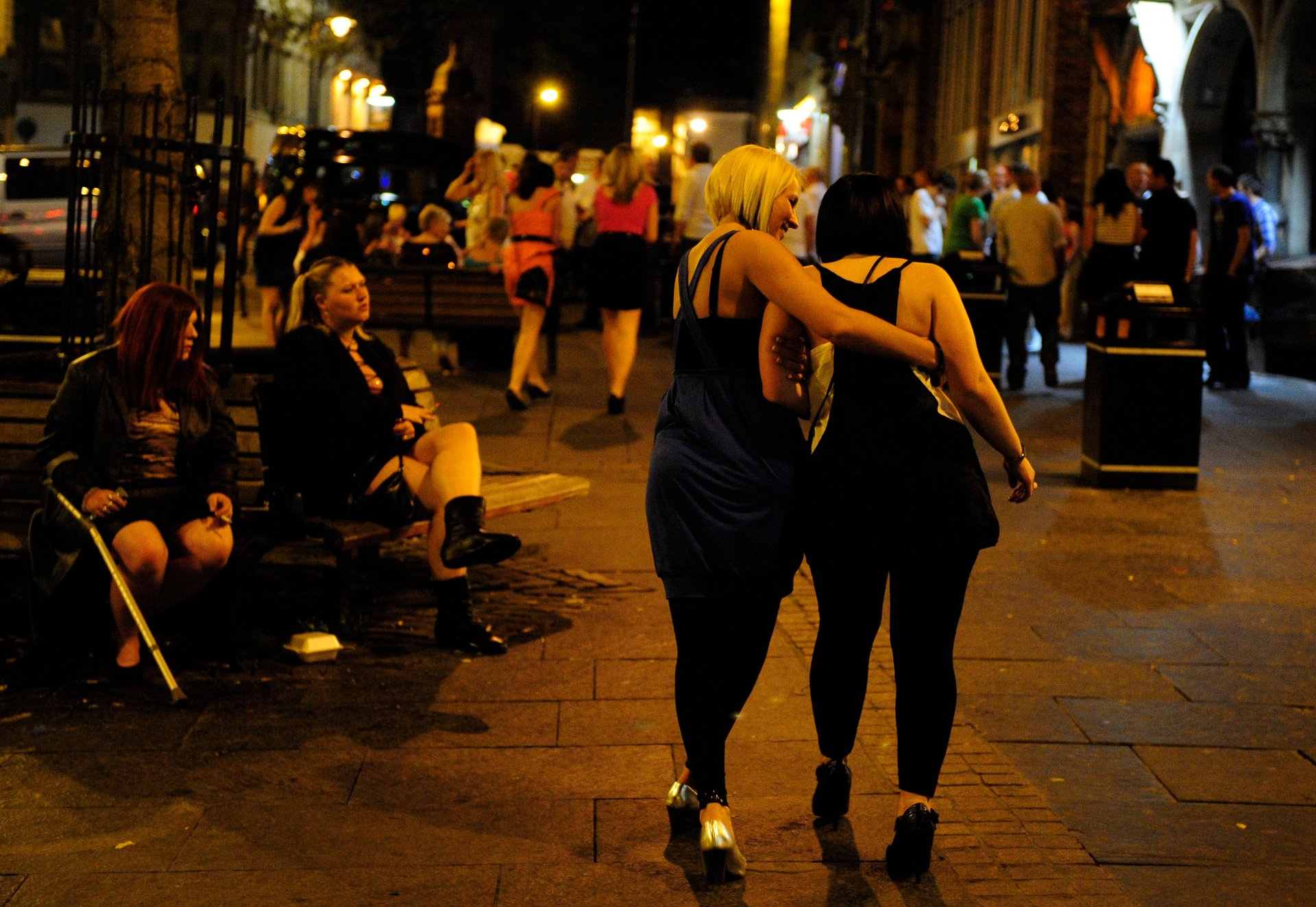
The UK’s taxpayer-funded National Health Service is considering setting up more mobile stations in cities to take care of seriously drunk people—an effort to ease the pressure on its jam-packed hospital ER departments.

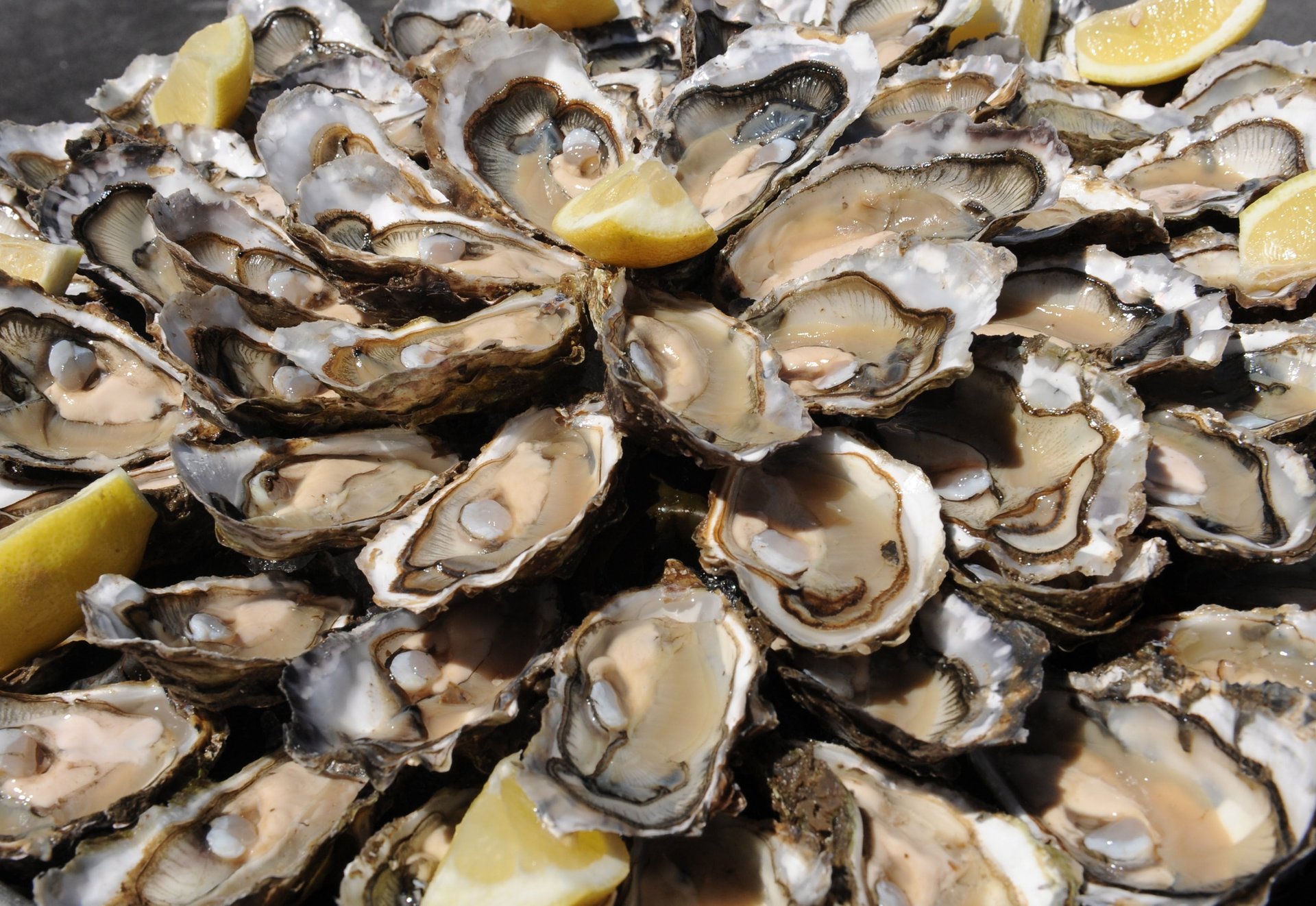
A briny oyster has traditionally been enjoyed with a squeeze of lemon, a splash of Tabasco, or a shallot vinaigrette. In France, home to some of the world’s best oysters, one local producer has gone one step further, and actually added flavors to oysters while they’re still in their shells.

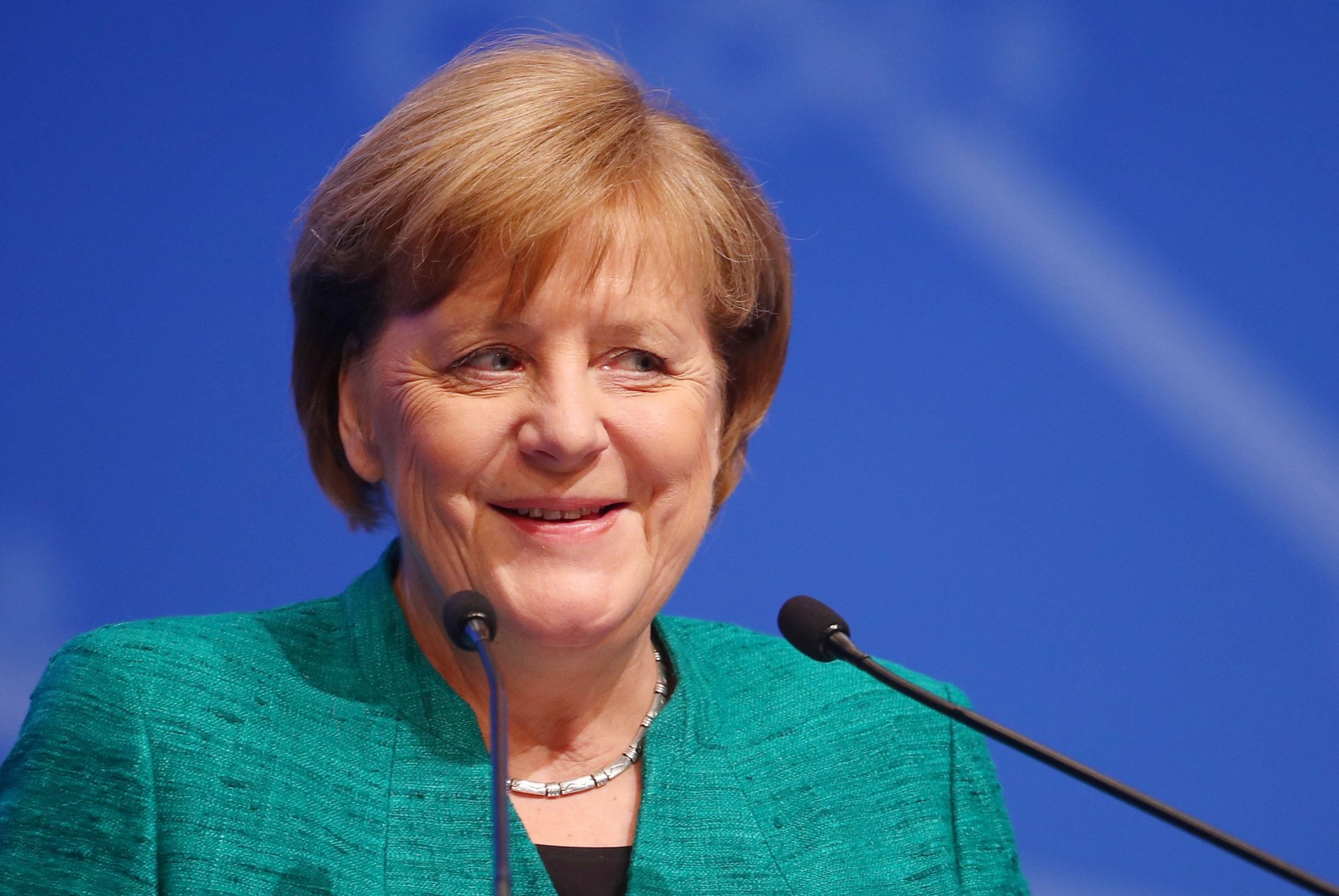
Germany looks to enter 2018 in the same shape that it will leave 2017, with its shaken-but-not-stirred chancellor at the helm—albeit of a caretaker government—and doing what she does best: “merkeln,” a verb coined by Germans to describe the kind of plodding, wait-and-see behavior that has characterized Angela Merkel’s time as leader.

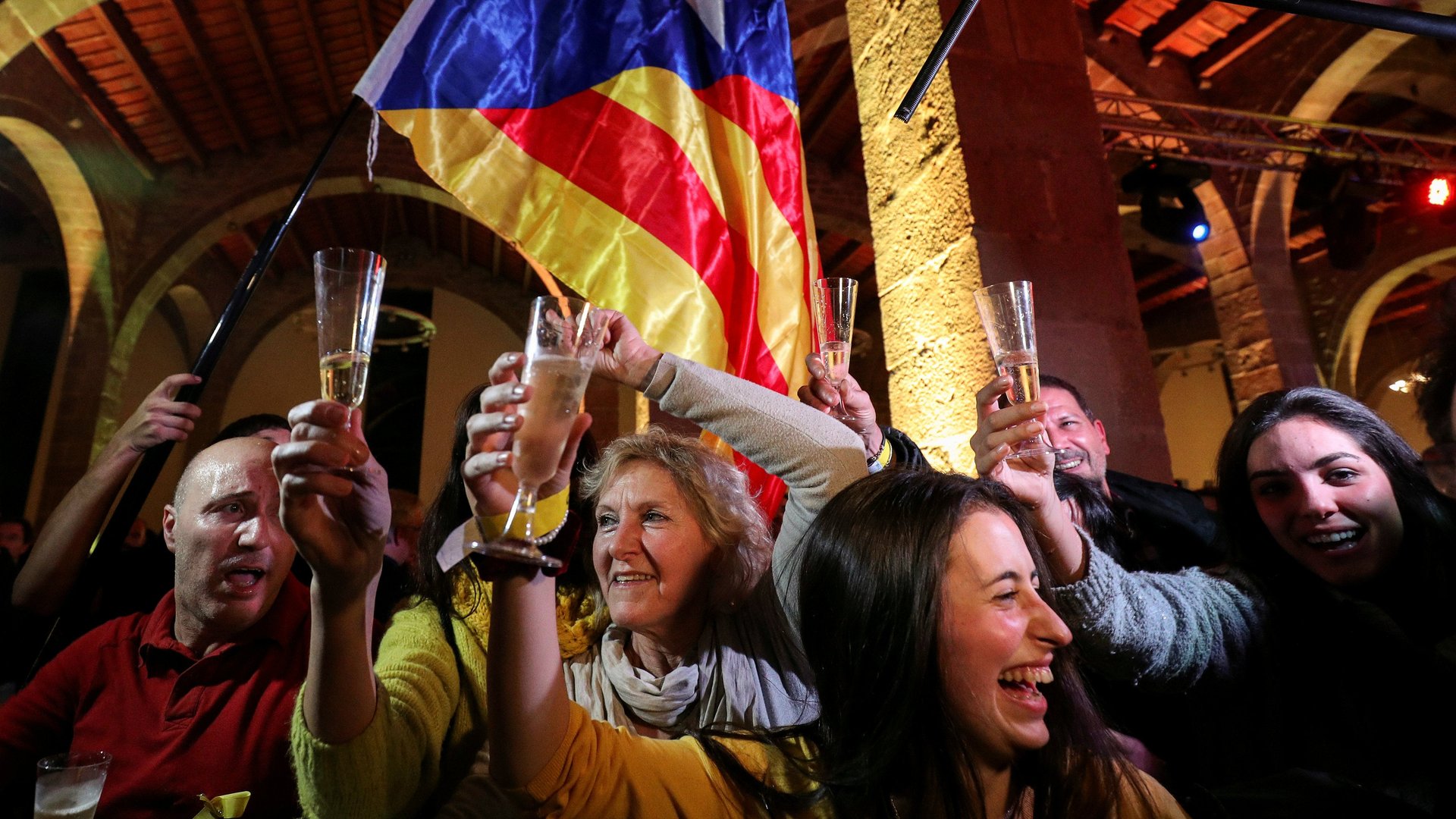
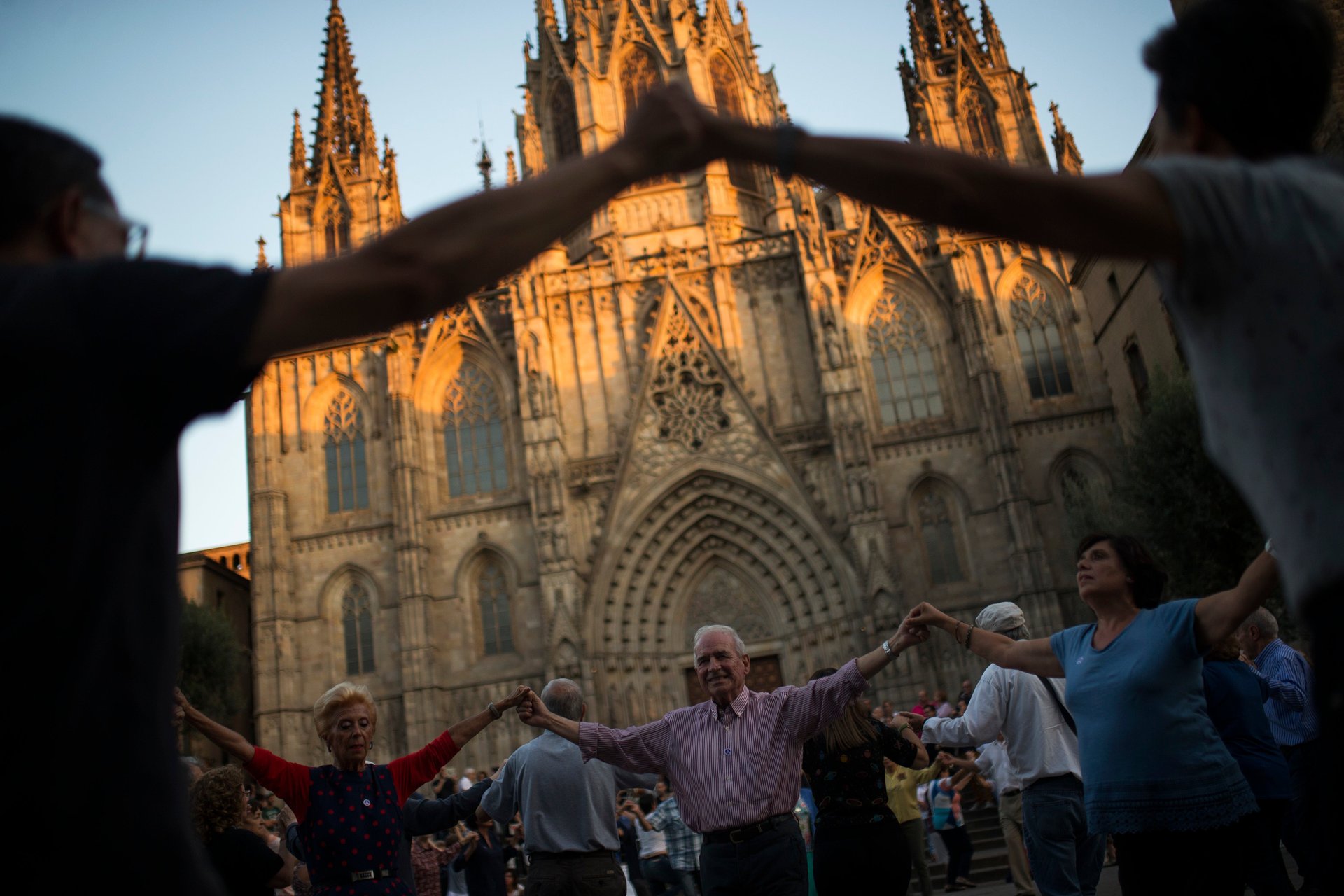
After Catalonia formally declared independence from Spain in October, Madrid quickly responded by imposing direct rule over the region and instigating new elections on Dec. 21. A record number of people turned out to vote in yesterday’s snap election and handed pro-independence parties another majority in the region’s parliament.

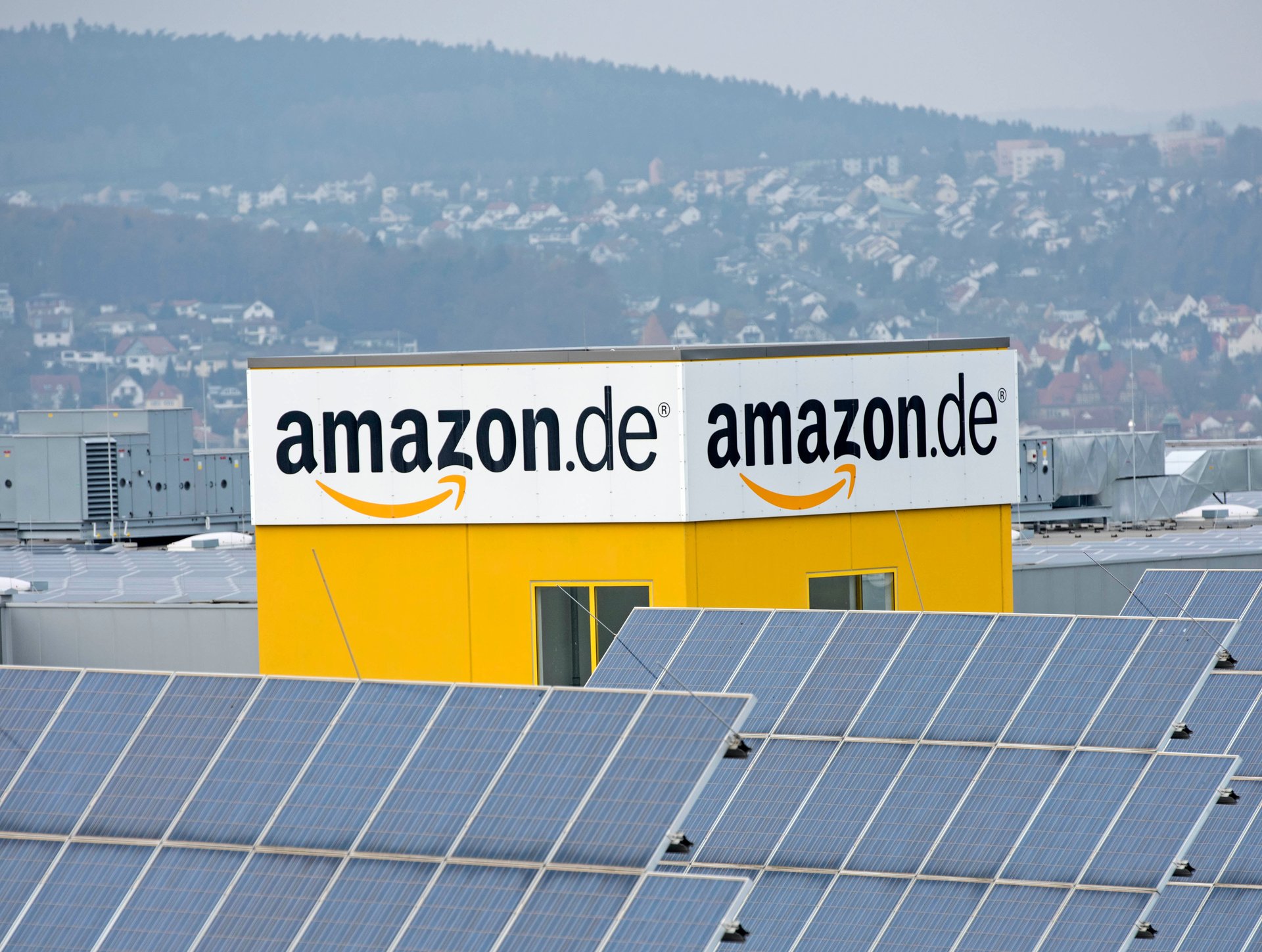
Germans still love shopping in stores, which account for 90% to 95% of the country’s total retail sales. That’s a point Ralf Kleber, head of Amazon Germany, was keen to make to the Berliner Morgenpost (link in German) on Monday.

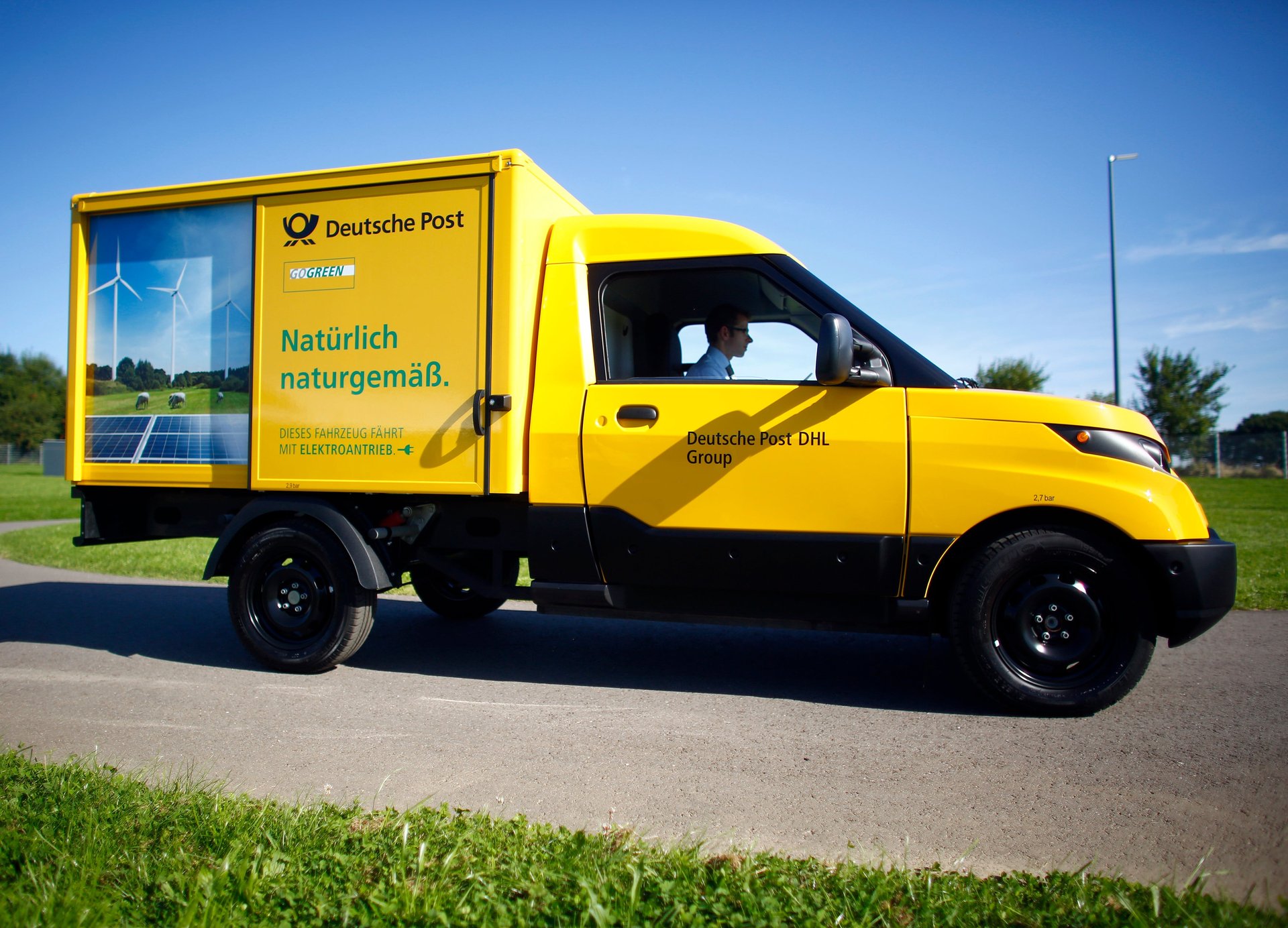
Most of the attention in the electric-truck sector recently has focused on Tesla, which presented its Semi model to great fanfare earlier this month. Not to be outdone, Daimler beat Tesla to the punch by unveiling its big electric rig a few weeks before Elon Musk’s big moment. Those scene-stealing electric semis won’t be on the roads until 2019 at the earliest. In the meantime, smaller, lightweight e-trucks are desperately needed in cities crippled by air and noise pollution.

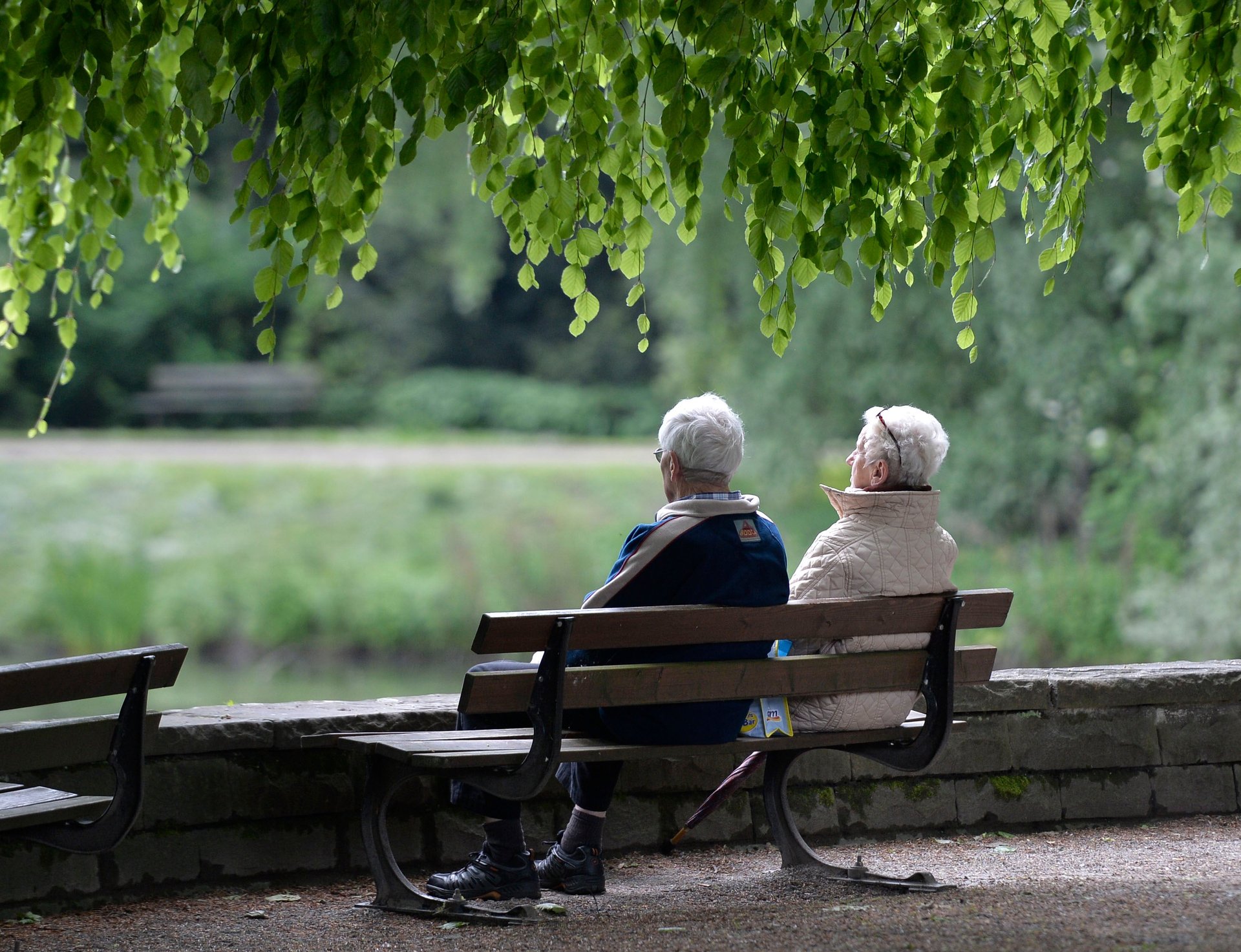
It’s tough being a female pensioner in Germany.

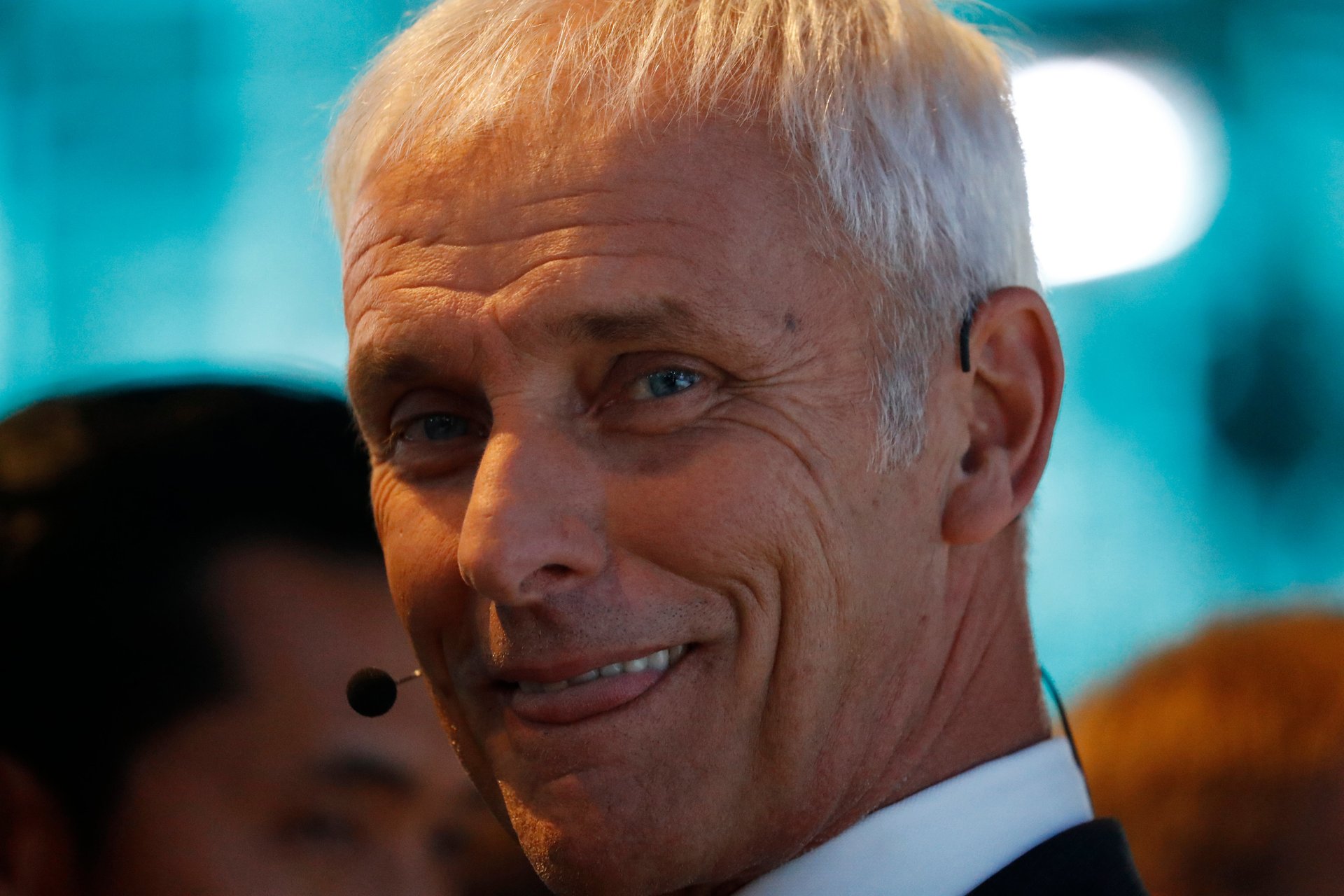
In an about-face that’s taking the industry by surprise, Volkswagen chief executive Matthias Müller told business daily Handelsblatt (paywalled link in German) that the German government needs to start phasing out its diesel fuel subsidies. The tax break, designed to boost sales of diesel cars, costs the government about €7.8 billion ($9.1 billion) a year.

Germany’s domestic intelligence agency has accused China of trying to recruit German officials via fake LinkedIn profiles.

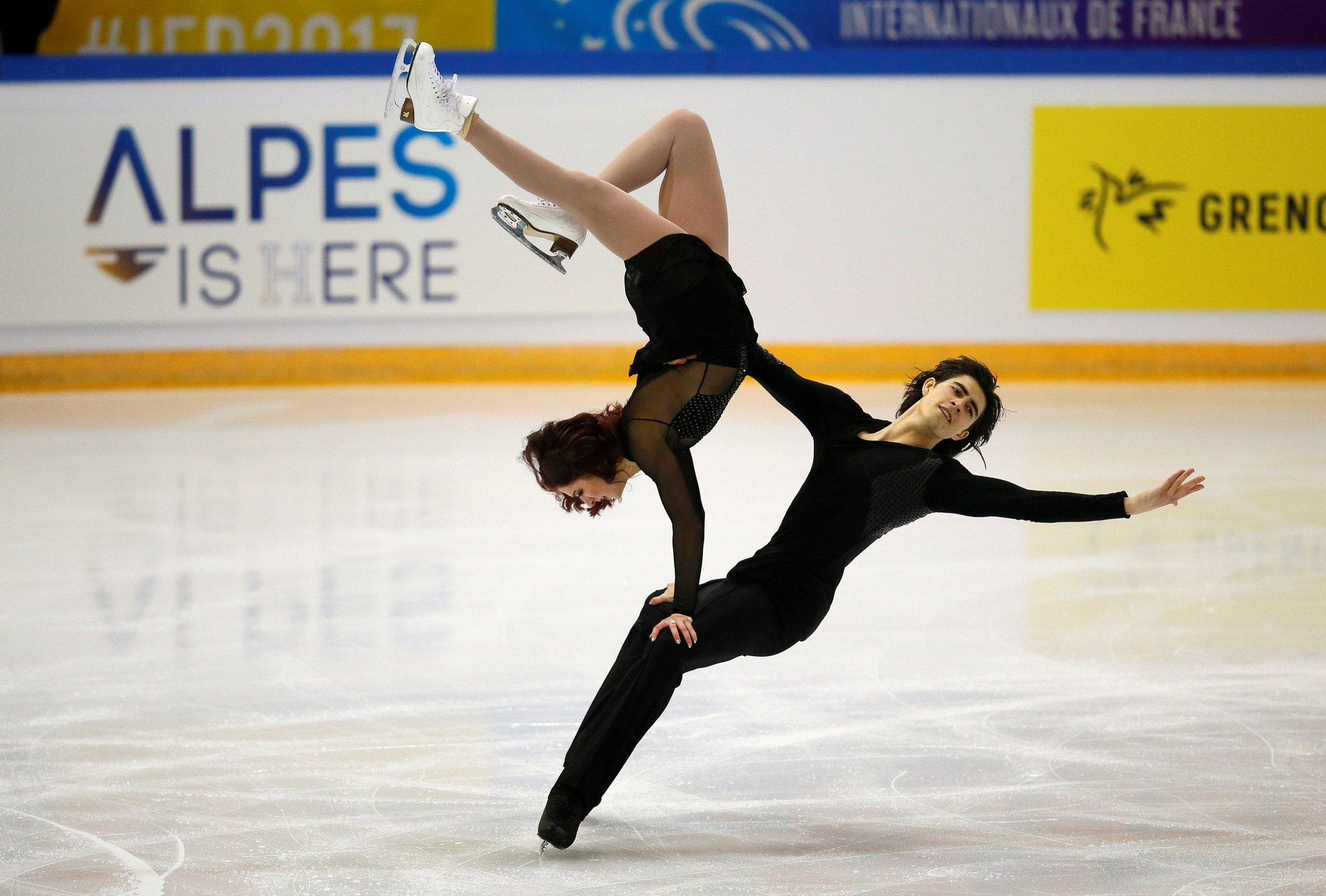
The International Skating Union (ISU) is on thin ice with the European Commission’s competition commissioner. Margrethe Vestager announced today (Dec. 8) that the ISU is in breach of EU antitrust laws because of the harsh penalties it imposes on its members when they take part in speed-skating competitions that are not ISU-approved.

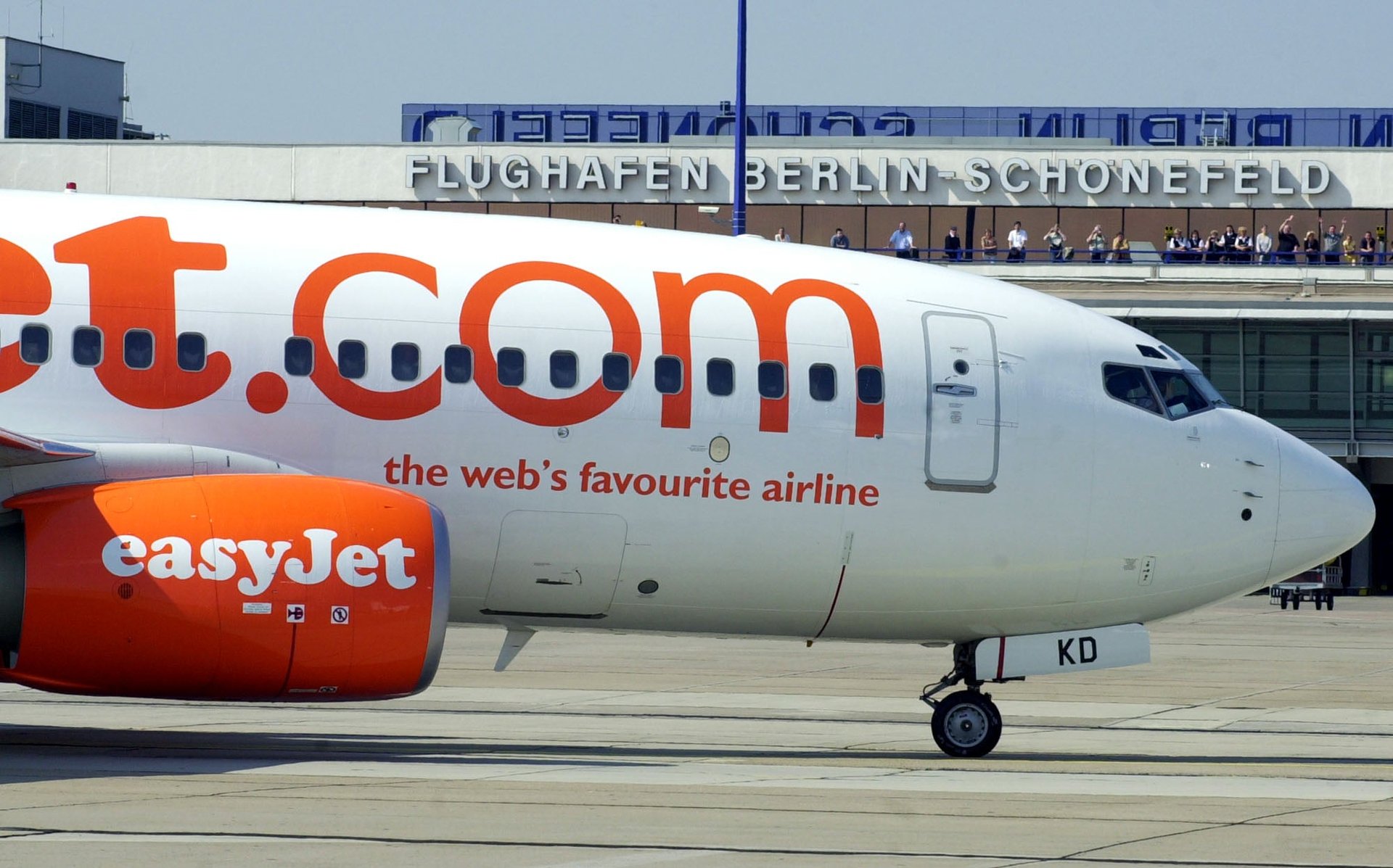
Britain’s EasyJet is gearing up to break Lufthansa’s short-lived monopoly on domestic German flights.

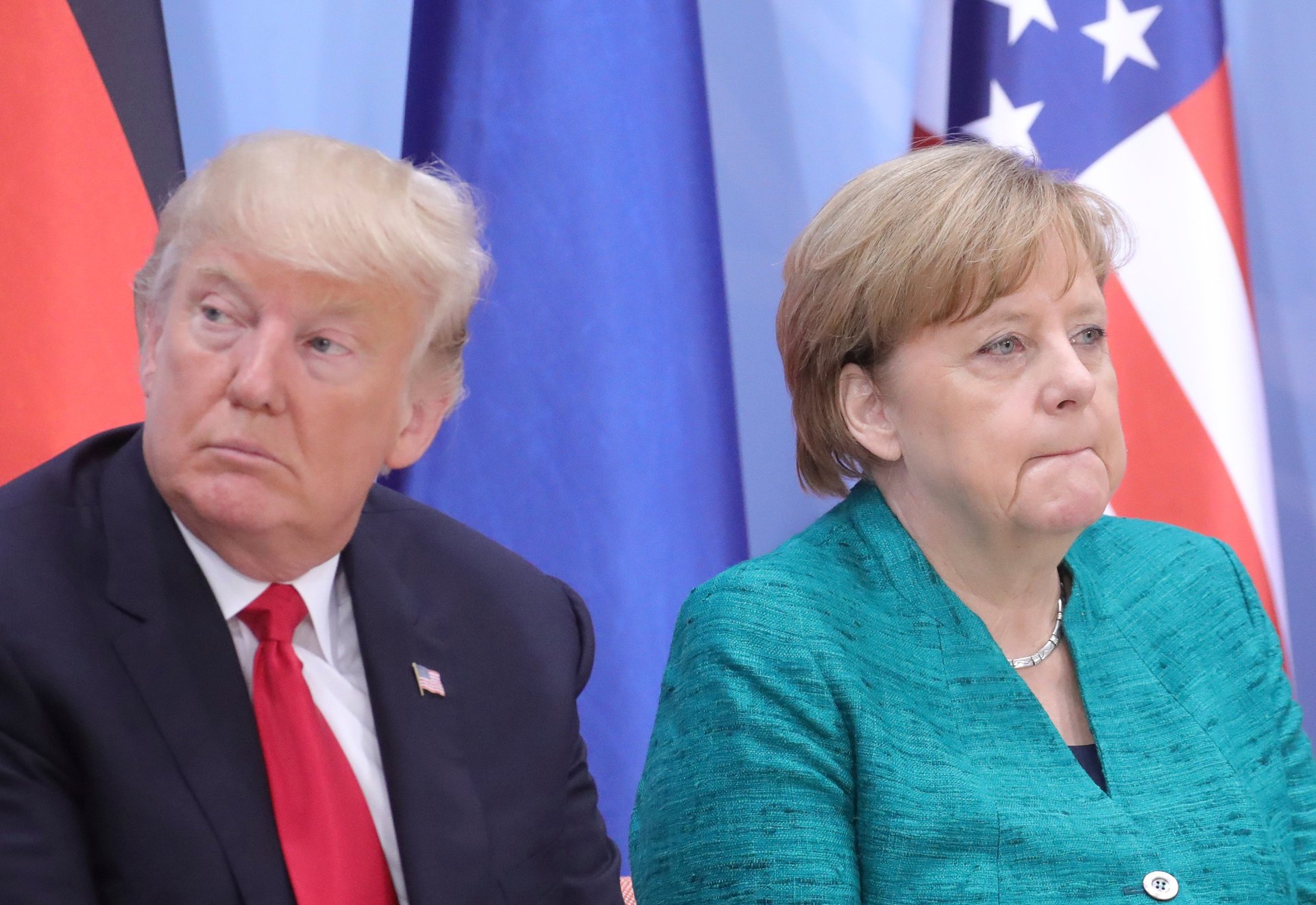
The once-close relationship between the US and Germany has undergone a shakeup since Donald Trump won the 2016 presidential election. Over the course of this year—particularly during Germany’s own election campaign—politicians including Chancellor Angela Merkel herself—have urged Germany to emancipate itself from the US and focus on building up the European Union.

It may seem like Angela Merkel is a permanent fixture in the heart of Europe—but her reign can’t last forever. The German chancellor has been the chair of the Christian Democratic Union since 2000, and leader of Germany since 2005. But after a weaker-than-expected showing during September’s general election, and now stuck in a difficult position trying to form a coalition with her former partners the Social Democrats, Merkel’s party is starting to think about who could become the new CDU chief after her time’s up.

A great peace descended on the internet for 11 whole minutes on Nov. 2 this year, when the US president’s fiercely busy @realDonaldTrump account was suddenly deactivated. Speculation raged about whether Trump had been suspended for violating Twitter’s terms of service—for example, with his threatening tweets towards North Korean leader Kim Jong-un, or one of the other divisive posts he had released in the past.

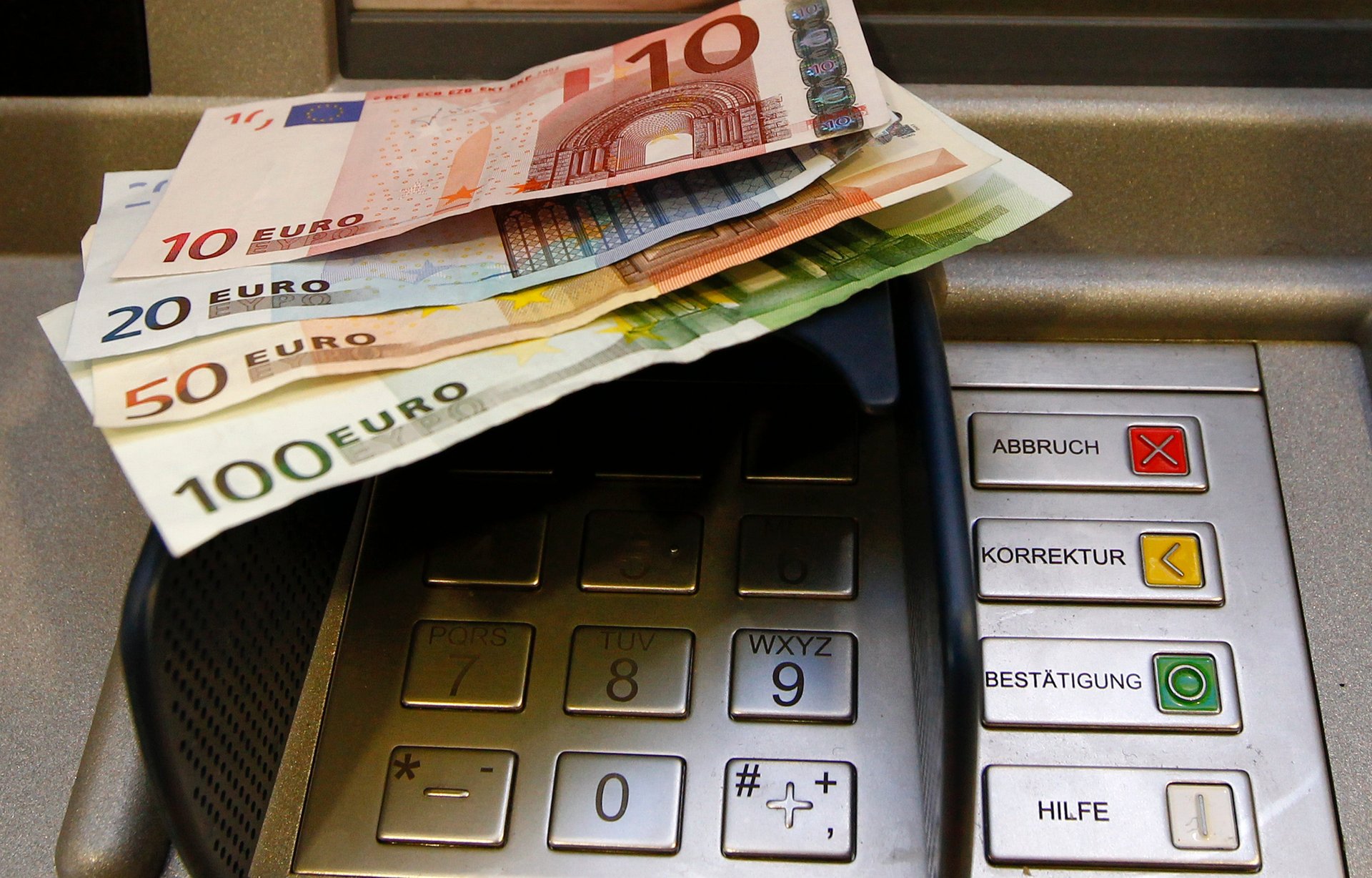
The Germans’ preference for paying their way in cold, hard cash rather than using credit or debit cards has been well documented over the years.

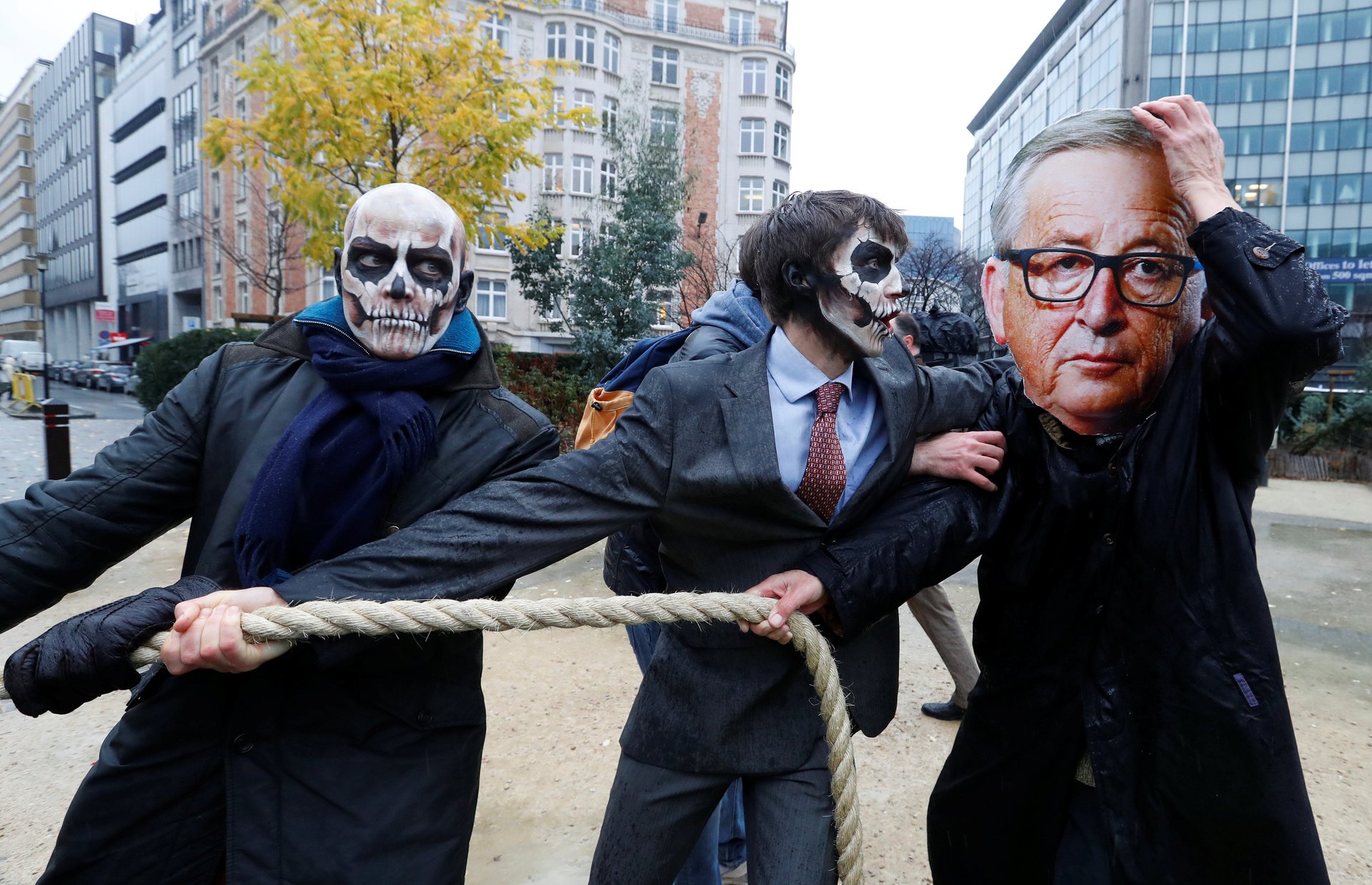
European Union countries found themselves at odds on Monday over weed killer. After a long deadlock over renewing the license for pesticide glyphosate—and despite 1.3 million Europeans signing a petition to ban it—Germany cast the deciding vote, allowing it be licensed for another five years. France, Italy, Austria, and Belgium were all against it.

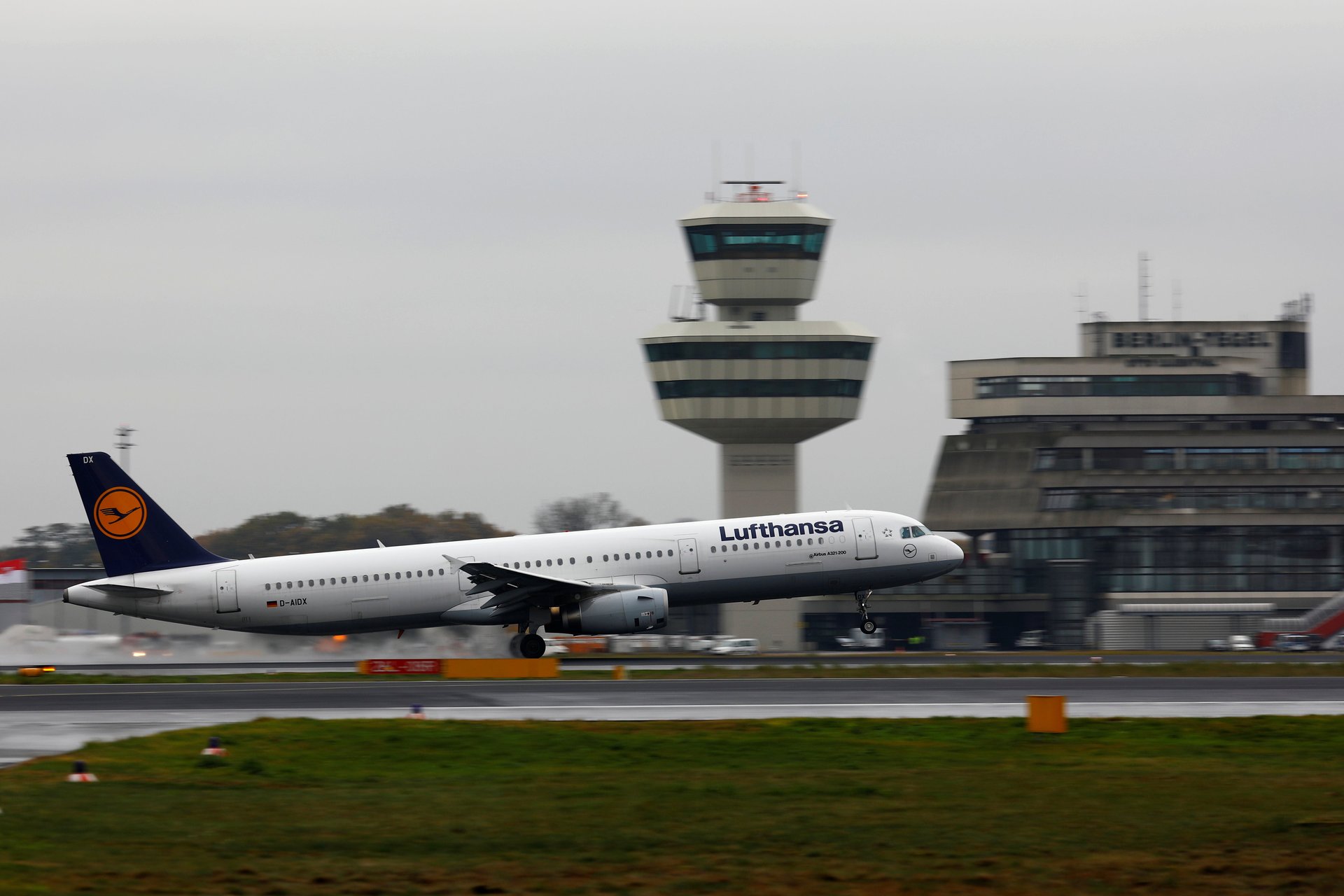
There were squawks of protest from Lufthansa’s competitors in Europe in October, when the German flag carrier swept in to buy the bulk of its bankrupt rival Air Berlin. Ryanair chief executive Ryan O’Leary called on the EU competition authorities to block the Lufthansa takeover, calling it a “conspiracy” between the German government, Lufthansa, and Air Berlin that would drive up prices for customers.

Mediterranean countries are living up to longevity stereotypes in this week’s report (pdf) on life expectancy from the European Commission. Spain and Italy came top of the ranking with an average life expectancy at birth of 83.3 and 83.2 respectively.

Activists have built a mini model of Berlin’s Holocaust memorial outside the home of far-right politician Björn Höcke in Bornhagen. The move is to troll the lawmaker after he caused uproar in January earlier this year when he said Germany should not have such a memorial in its capital city.

Europe’s most prosperous country had a rude awakening on Monday when talks between the three parties trying form the next government fell apart after five weeks of wrangling. Two months after her Christian Democrats suffered a disappointing election result, the German chancellor—known for her negotiation skills—failed to broker an agreement between her party, the Christian Social Union, the Free Democrats and the Greens.