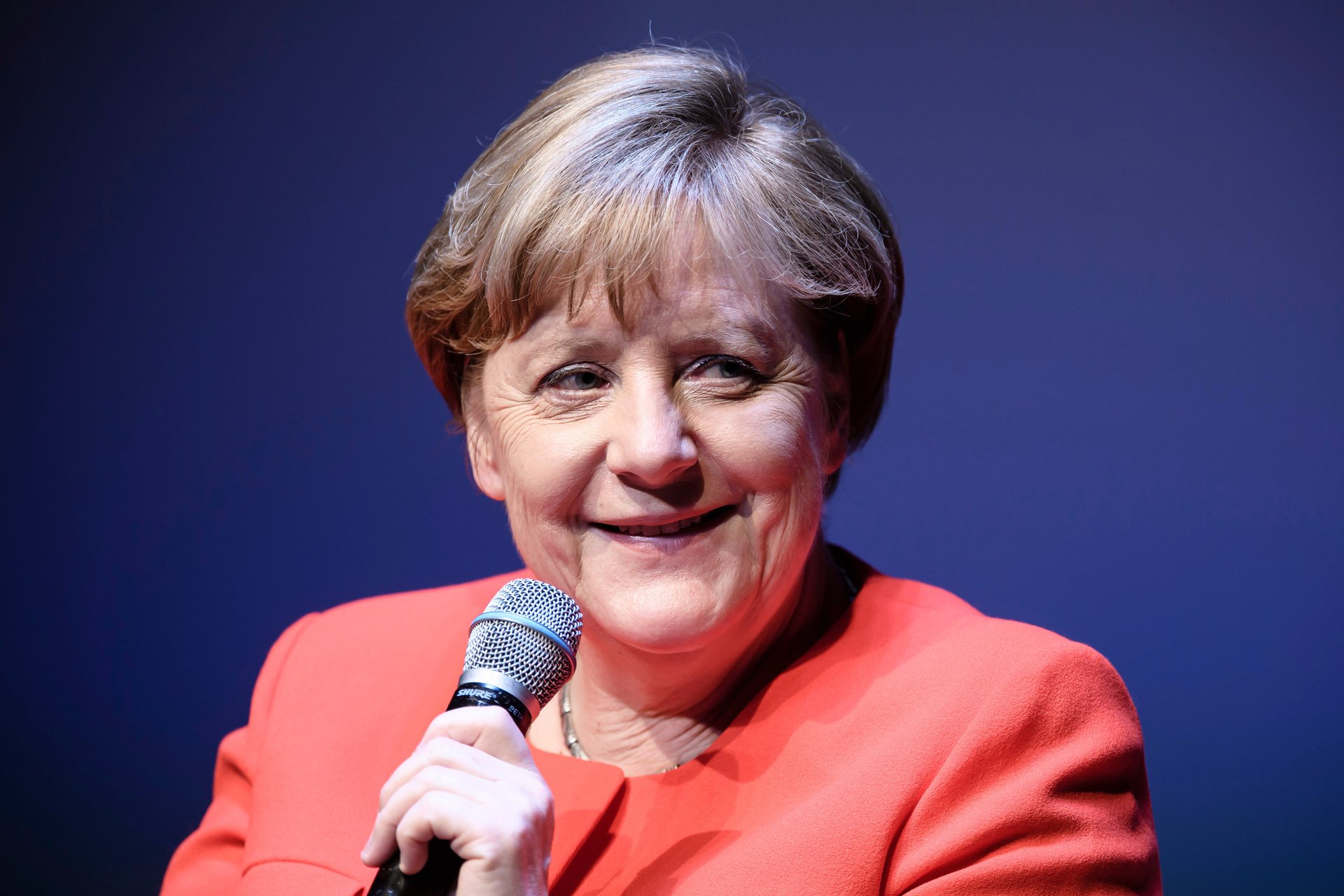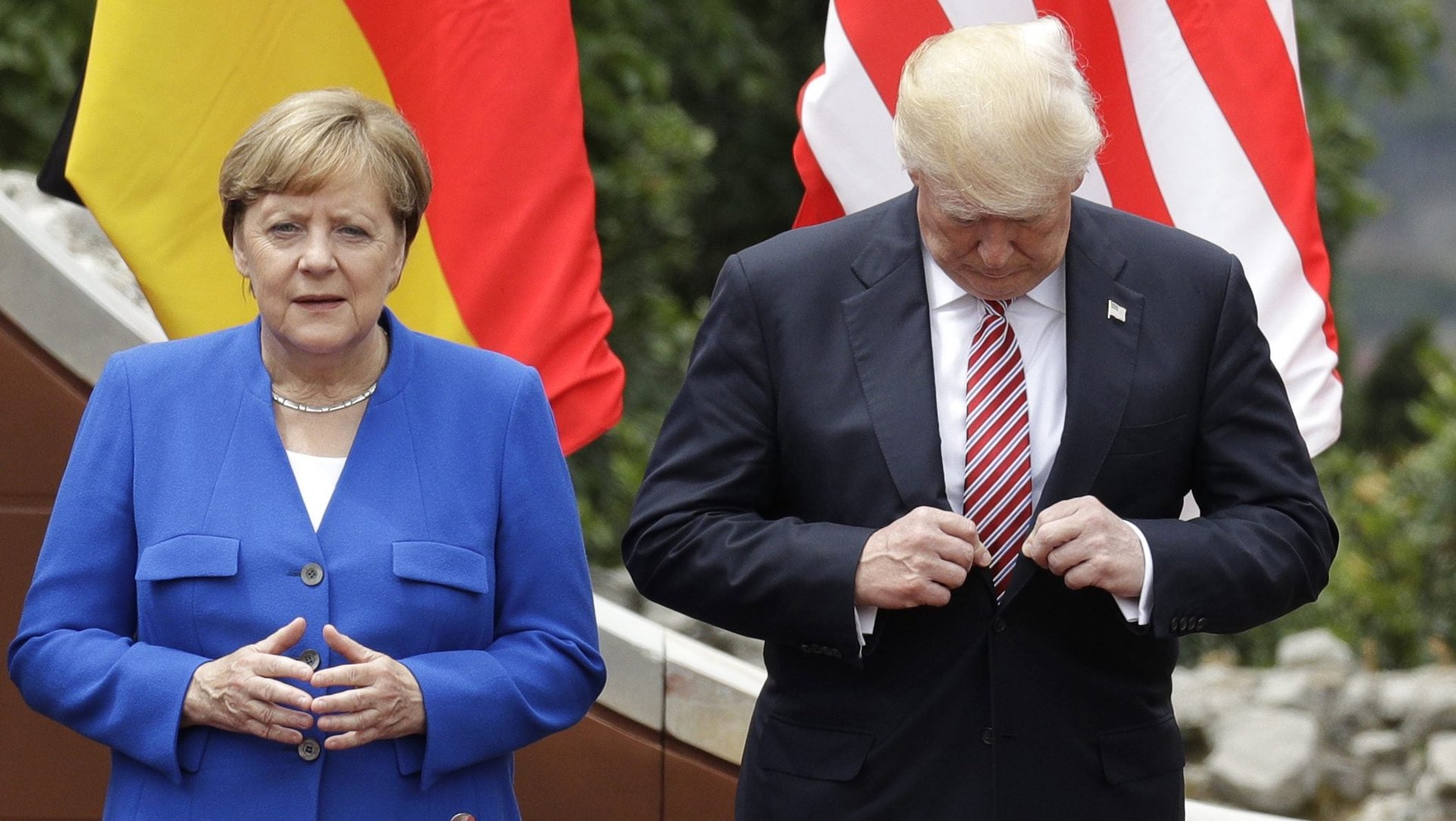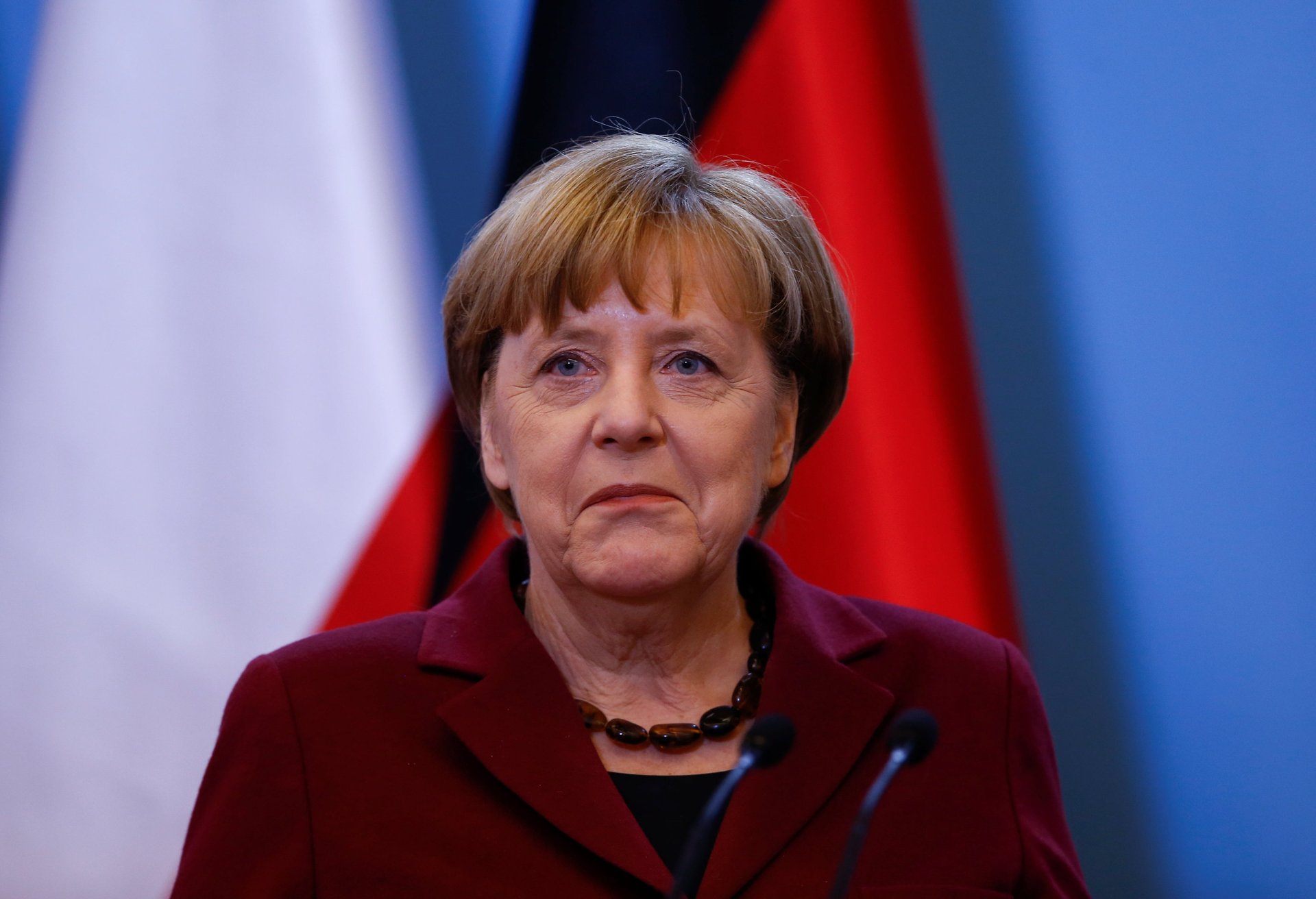
There’s a lot riding on the upcoming G20 summit for German leader Angela Merkel, host of this year’s gathering of world leaders in Hamburg.

There’s a lot riding on the upcoming G20 summit for German leader Angela Merkel, host of this year’s gathering of world leaders in Hamburg.

The “shared mobility” industry is a confusing tangle of automakers and tech companies developing services for car-sharing, car-pooling, and ride-hailing at the tap of an app. Passenger cars have been the focus in recent years, but now the humble bus is up for re-imagining as well.

Despite its reputation as a progressive country, Germany still hasn’t joined the 14 other countries in the EU (out of 28) and others like the US who have already legalized same-sex marriage—although civil unions have been permitted in the country since 2001. That may finally be about to change, after the German chancellor said in a TV interview on June 26 that she hoped the issue is “headed towards a conscience vote” among lawmakers.

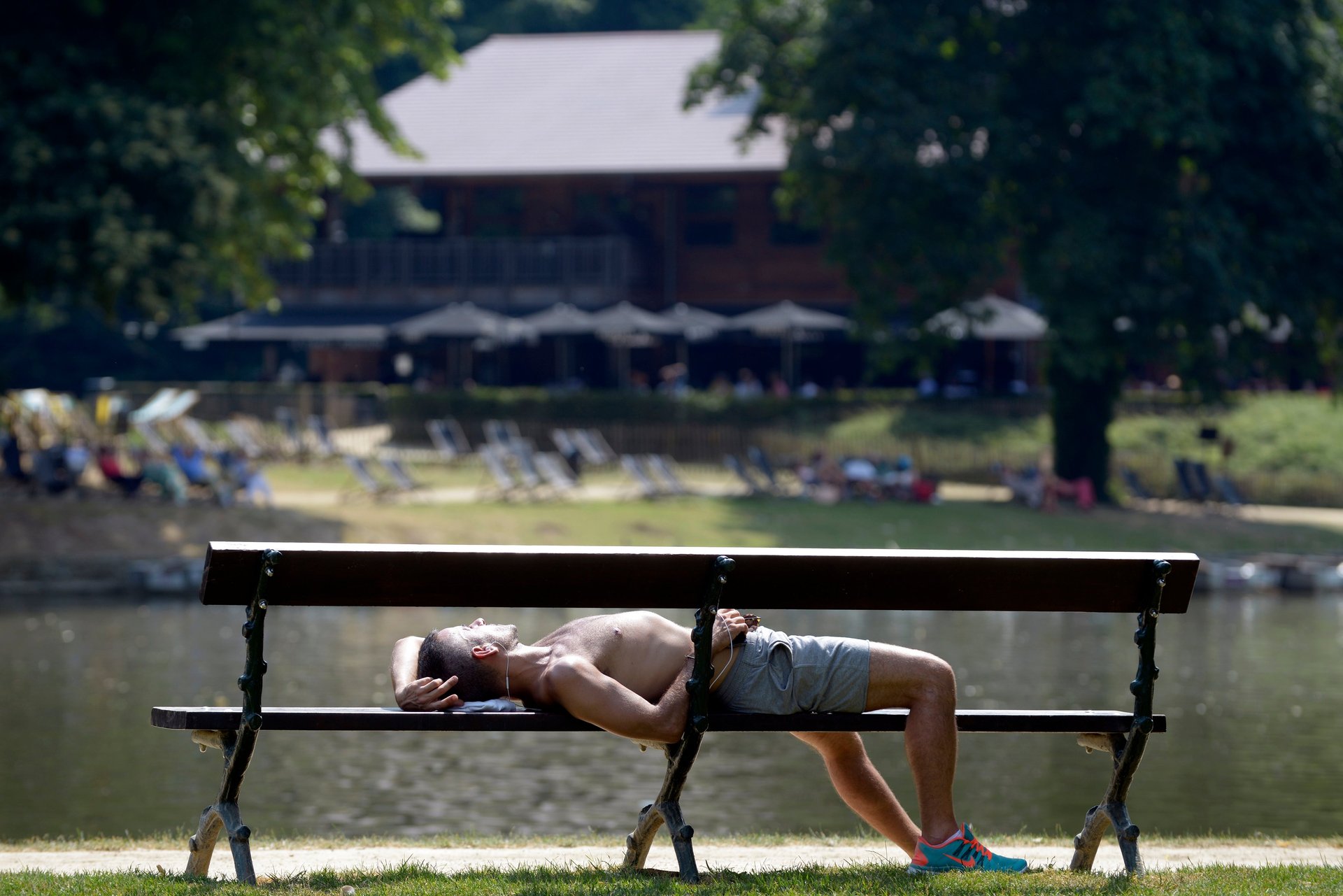
The UK-EU Brexit talks are off to a sticky start today in Brussels—not just because they promise to be endlessly difficult and complex, but because the Belgian capital is unable to cope with sweltering temperatures of 31° C (88° F).

The German discount supermarket wars are coming to America.

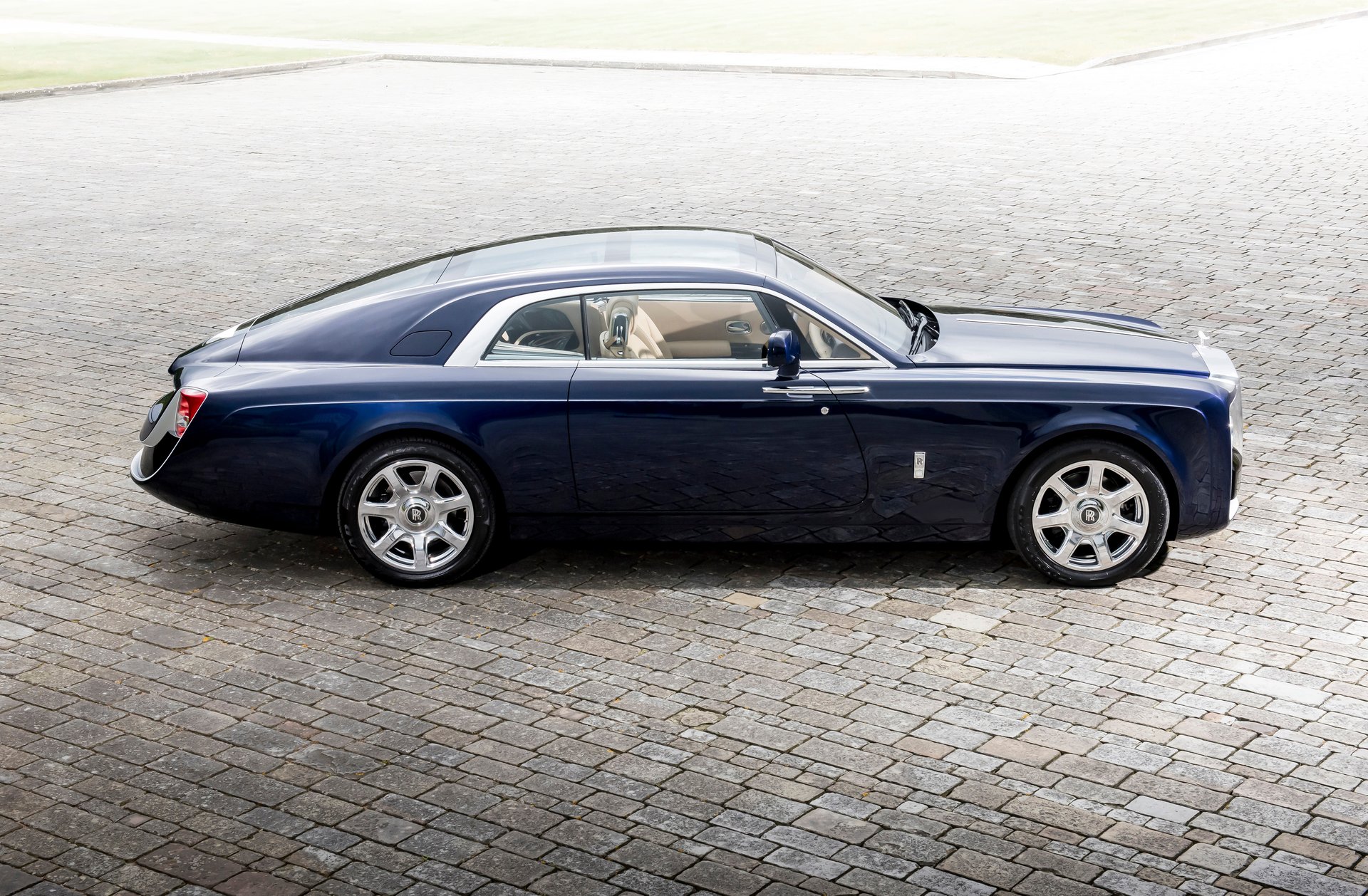
From the front, it’s clearly a Rolls-Royce, with a massive maw of a grille and quizzical, round headlamps. From the back, it looks like a yacht, or perhaps a frog. Put them together and you have Sweptail—a bespoke car made for a client with endless resources and decidedly quirky taste.

Just two days after Angela Merkel said the European Union needed to take charge of its own destiny and could no longer completely rely on the US and Britain, Germany’s main political parties are all leaping into the fray to criticize US president Donald Trump and his policies. And, like Merkel, they’re pushing for varying levels of emancipation from the US and increased self-reliance within the EU.

While Britain reels from Brexit, the US reels from Trump, and France flirted dangerously with the possibility of a far-right president, Germany looks like a safe and stable land right now. A powerful economy, low unemployment, a positive image on the world stage, the country has a lot going for it—and a large chunk of young German voters want to keep it that way—or at least keep Angela Merkel at the helm come September’s federal elections. She’s already served three terms, a fourth would boost her to the top of the leaderboard of longest-serving European leaders.

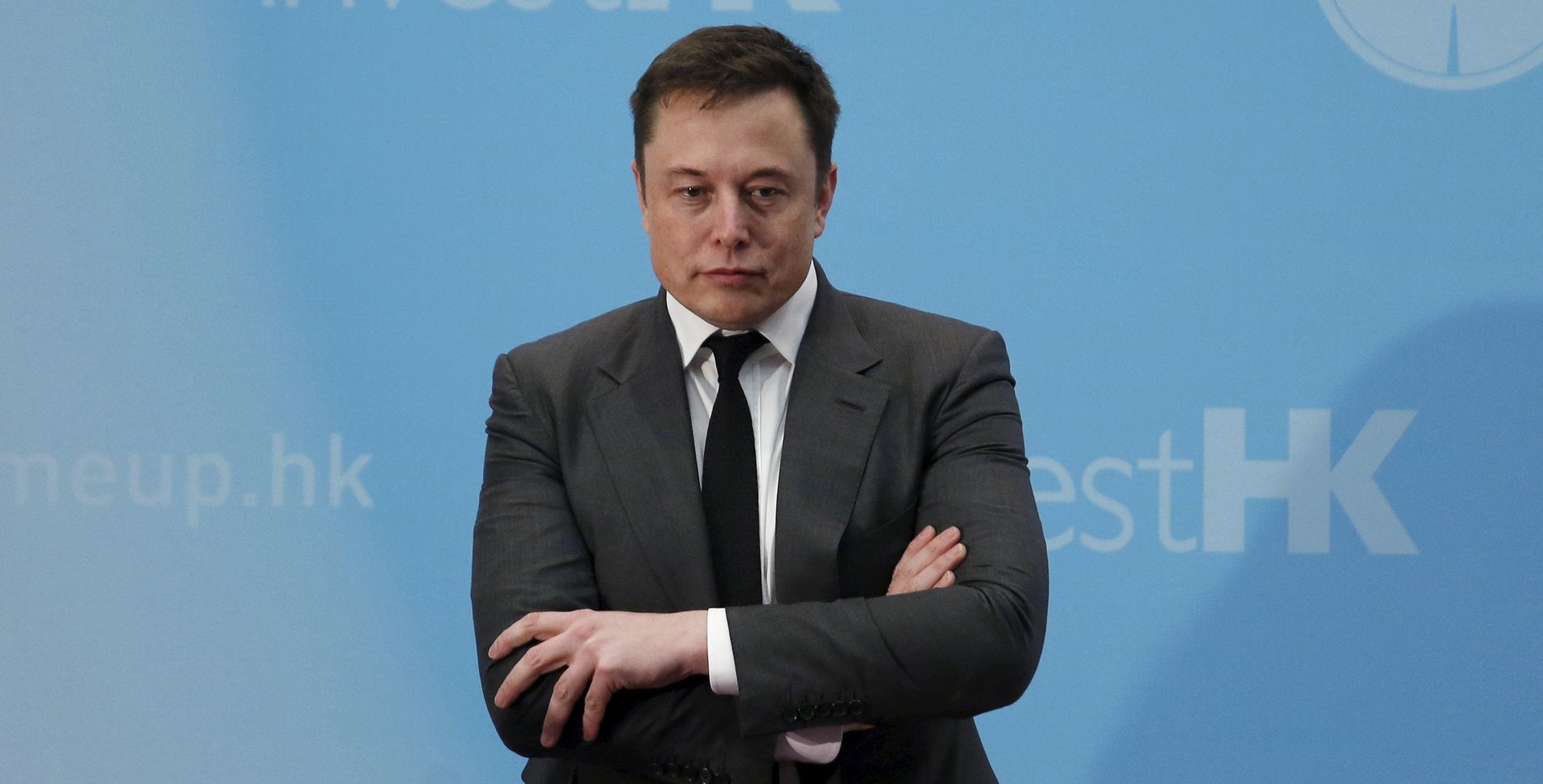
He may be one of the most forceful CEOs in the world, but Elon Musk is proving no match for Germany’s hugely powerful workers union IG Metall.

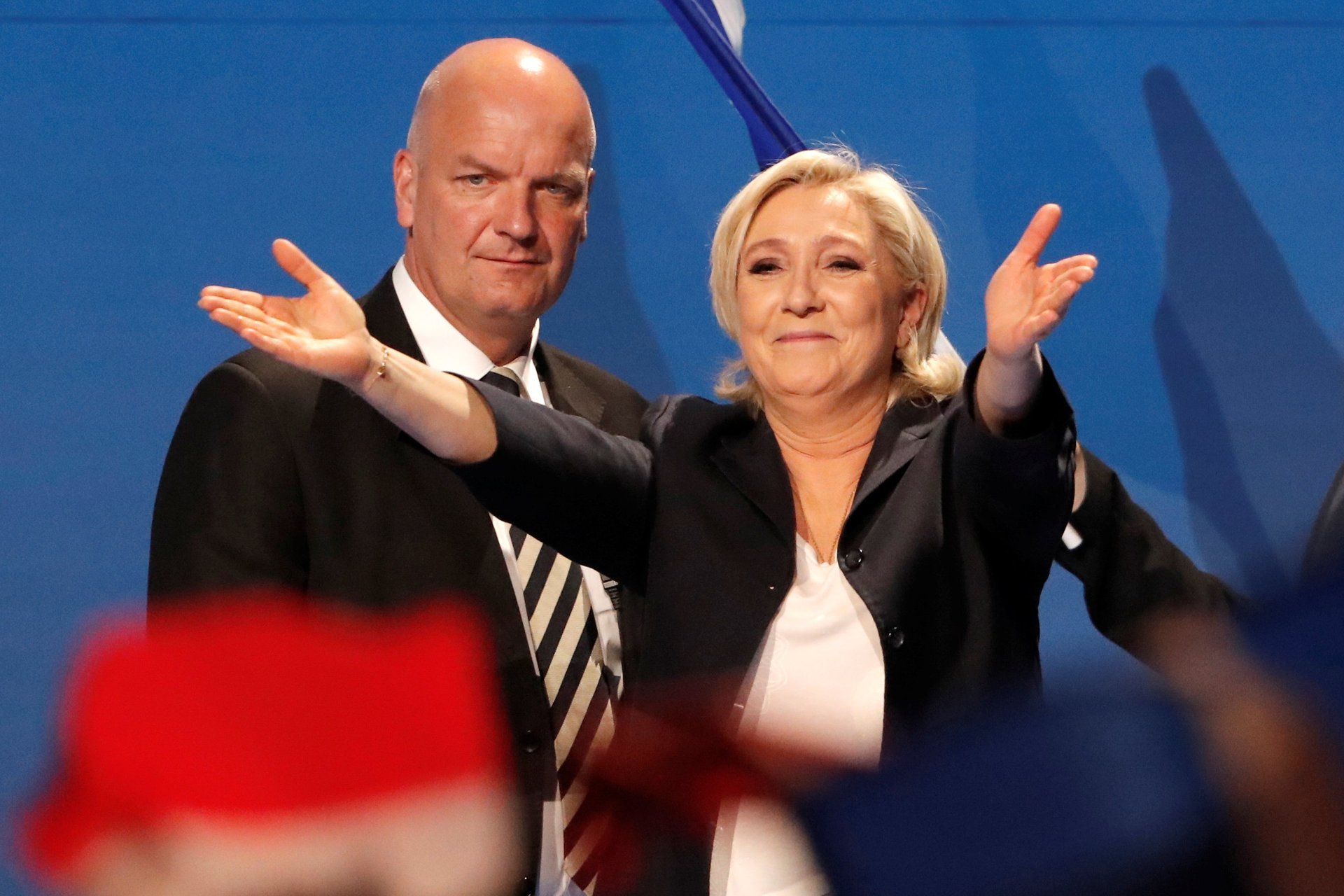
In a move that mirrors that of Melania Trump at the Republican National Convention last year, when she cribbed from a speech by Michelle Obama, France’s far-right presidential candidate Marine Le Pen took to the airwaves with a speech that appeared to borrow heavily from one made by her former conservative opponent, François Fillon.

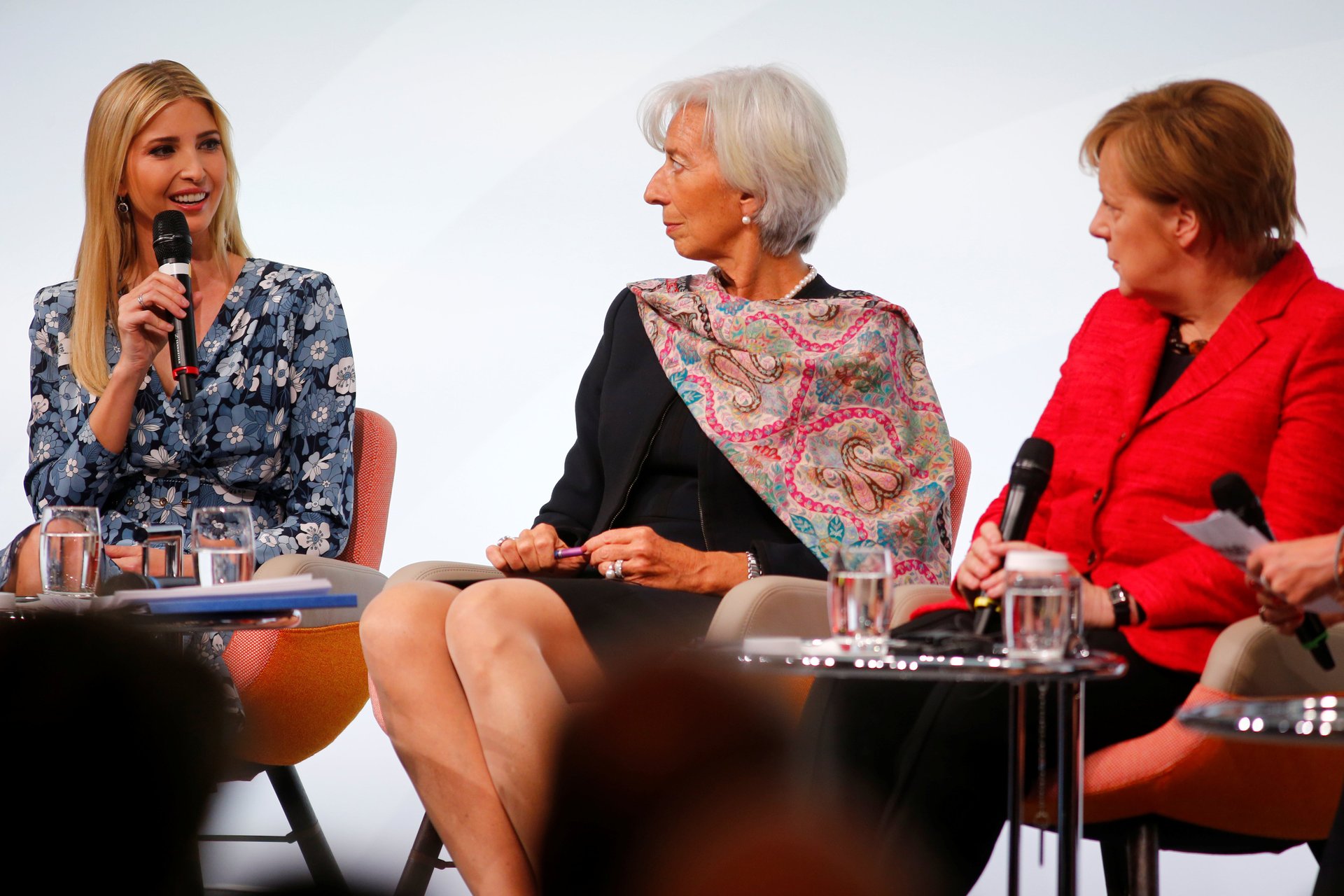
Ivanka Trump’s first foreign trip as an official White House advisor got off to a chilly start in Germany on Monday, where she was invited by German chancellor Angela Merkel to sit on a G20 panel about women’s empowerment. Merkel, IMF chief Christine Lagarde, and Queen Maxima of the Netherlands were all on the panel.

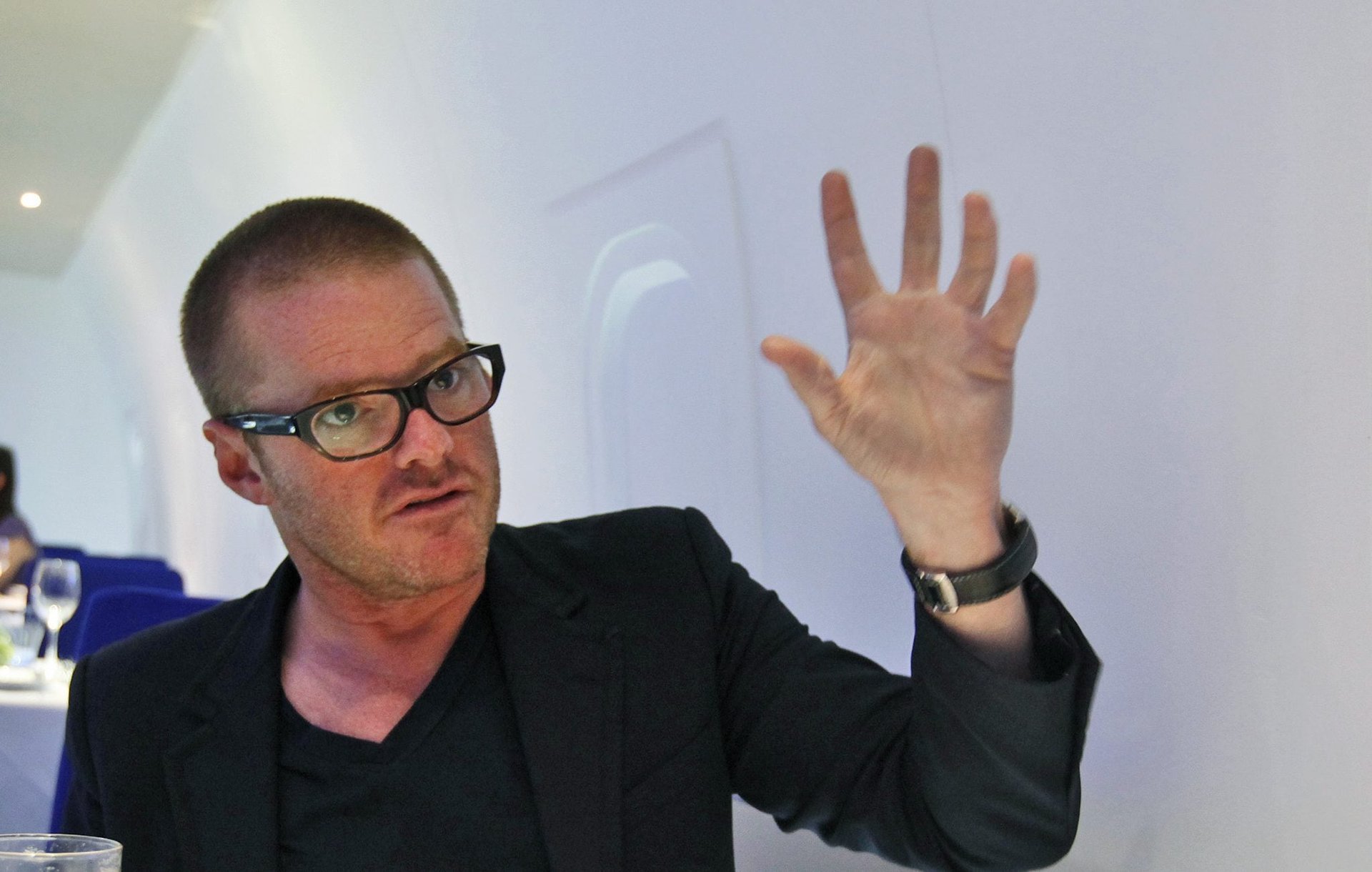
Michelin-starred British chef Heston Blumenthal has hooked up with Microsoft to launch a Skype bot.

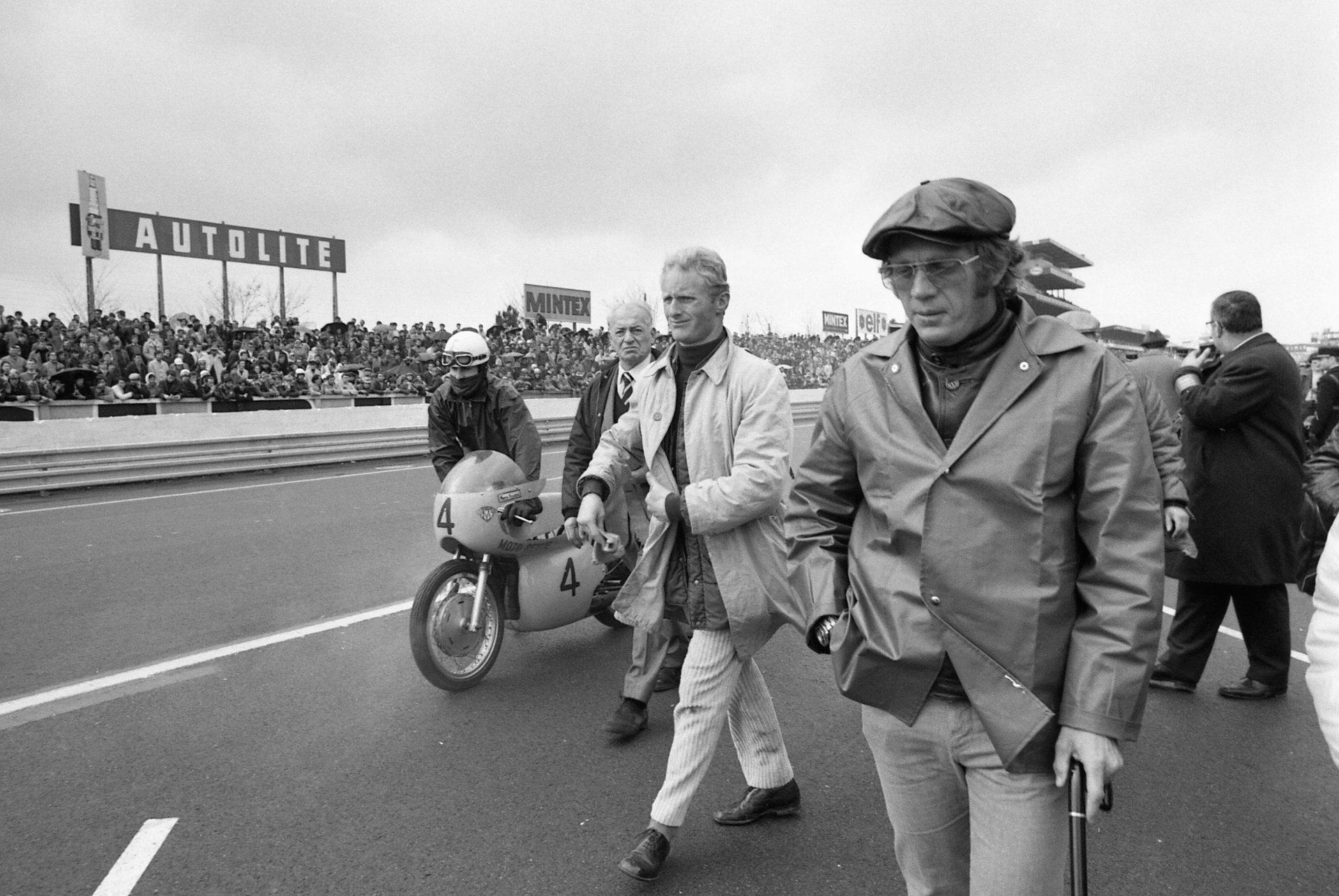
Three Austrian brothers, working out of their garage, have transformed a Porsche 910 into a limited edition, souped-up electric car. It’s one of the Porsches that appeared in the 1971 film “Le Mans,” starring the “King of Cool” himself Steve McQueen.

Germany, the land of diligent recyclers, is often lauded for its eco-credentials, and its ambitious “Energiewende,” the government’s plan to wean the country off coal and nuclear power. However, as far as mobility goes, it’s a country still stubbornly attached to its gas-guzzling autos. Last year, the nation’s car owners were partially responsible for sabotaging its overall greenhouse gas emissions.

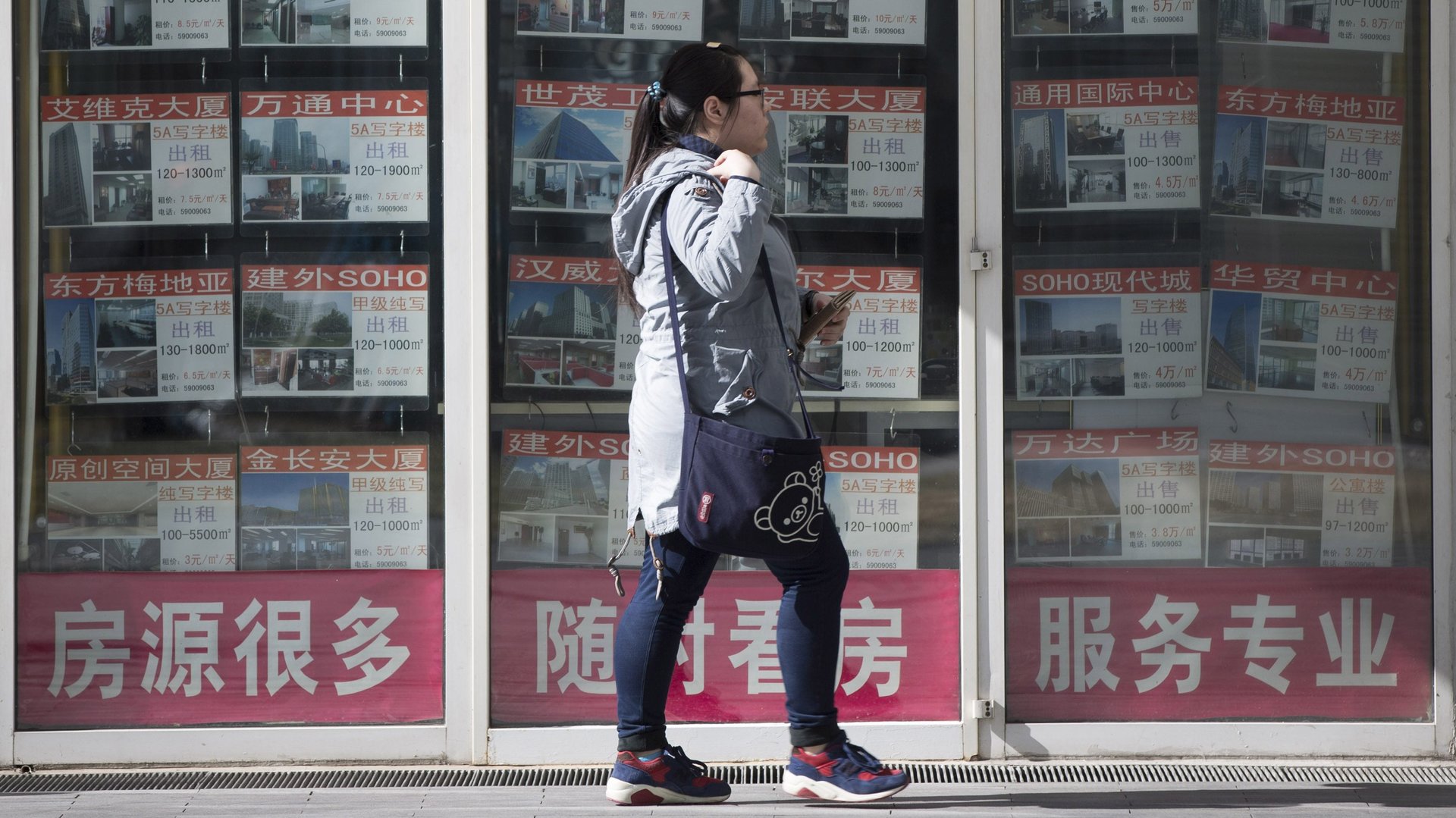
Getting a foot on the property ladder is a challenge for millions of young people everywhere—apart from in China it appears. A whopping 70% of Chinese millennials already own their own homes, despite the fact that China has seven of the top 10 most expensive cities in the world for residential real estate.

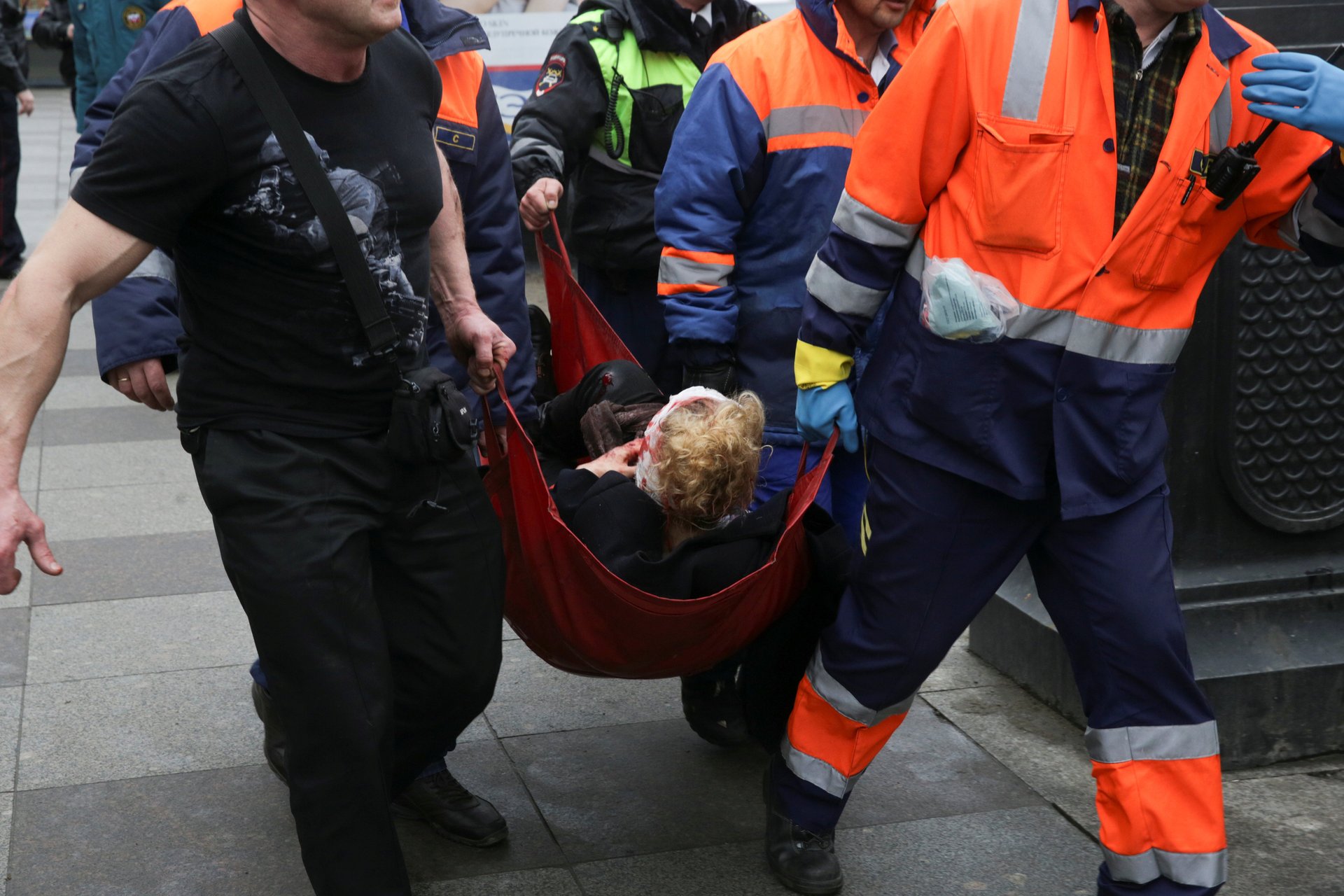
At least 10 people have been killed by an explosion in the St. Petersburg metro, according to Reuters. An earlier report from the RIA Novosti news agency said there were two separate blasts at two metro stations: Sennaya Ploshchad and Tekhnologichesky Institut.

The deed is done. Nine months after a narrow majority of British voters opted to end the UK’s membership of the European Union, the Brexit process has officially begun. Today, the UK’s ambassador to the EU hand-delivered a six-page letter from prime minister Theresa May to the European Council in Brussels, triggering Article 50 of the Lisbon Treaty. Two-year divorce proceedings are now formally underway.

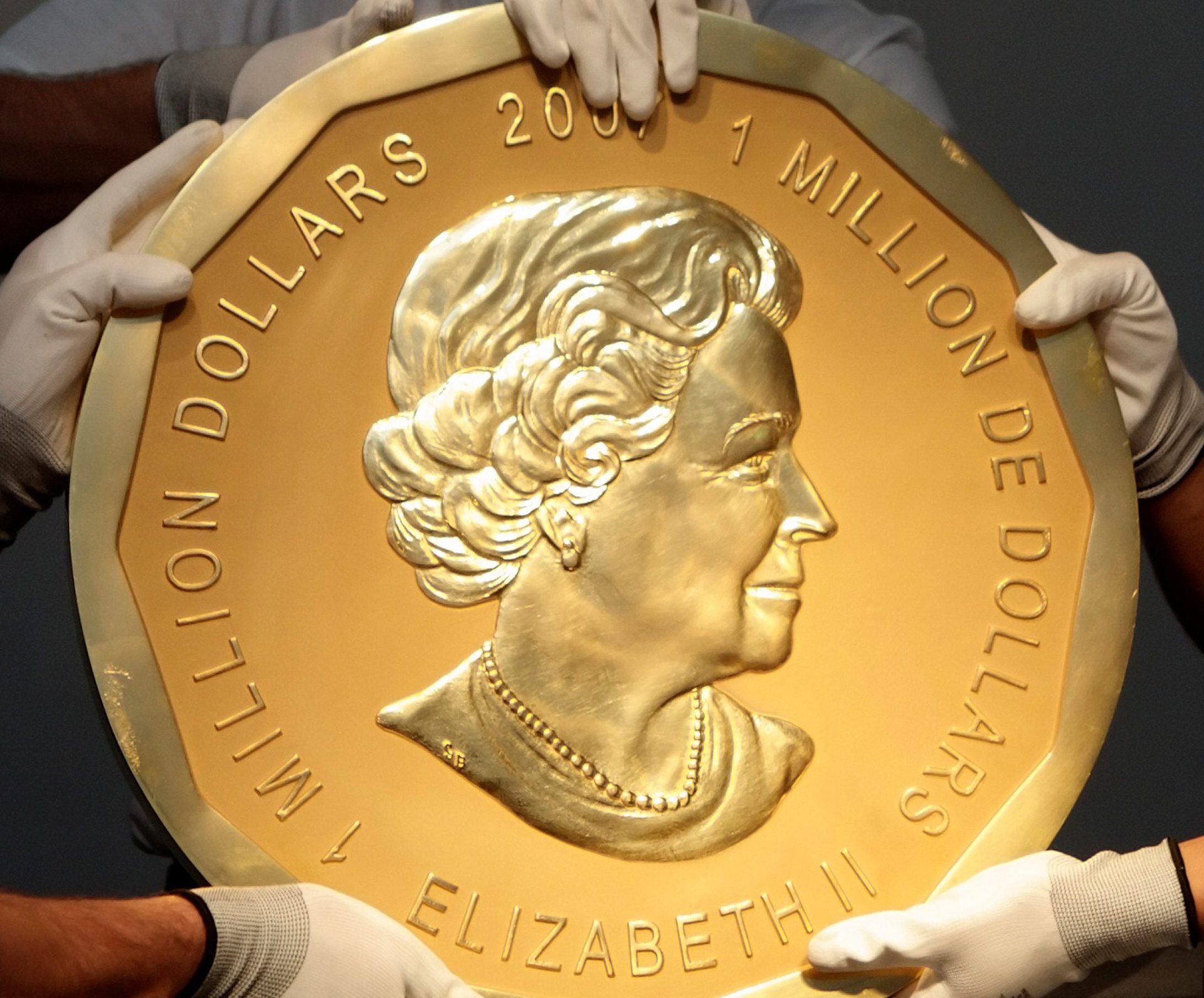
An enormous Canadian coin called “The Big Maple Leaf” was stolen from Berlin’s Bode Museum in the early hours of March 27. Made of pure gold, the coin has a face value of $1 million, but is worth more than $4 million at today’s gold prices.

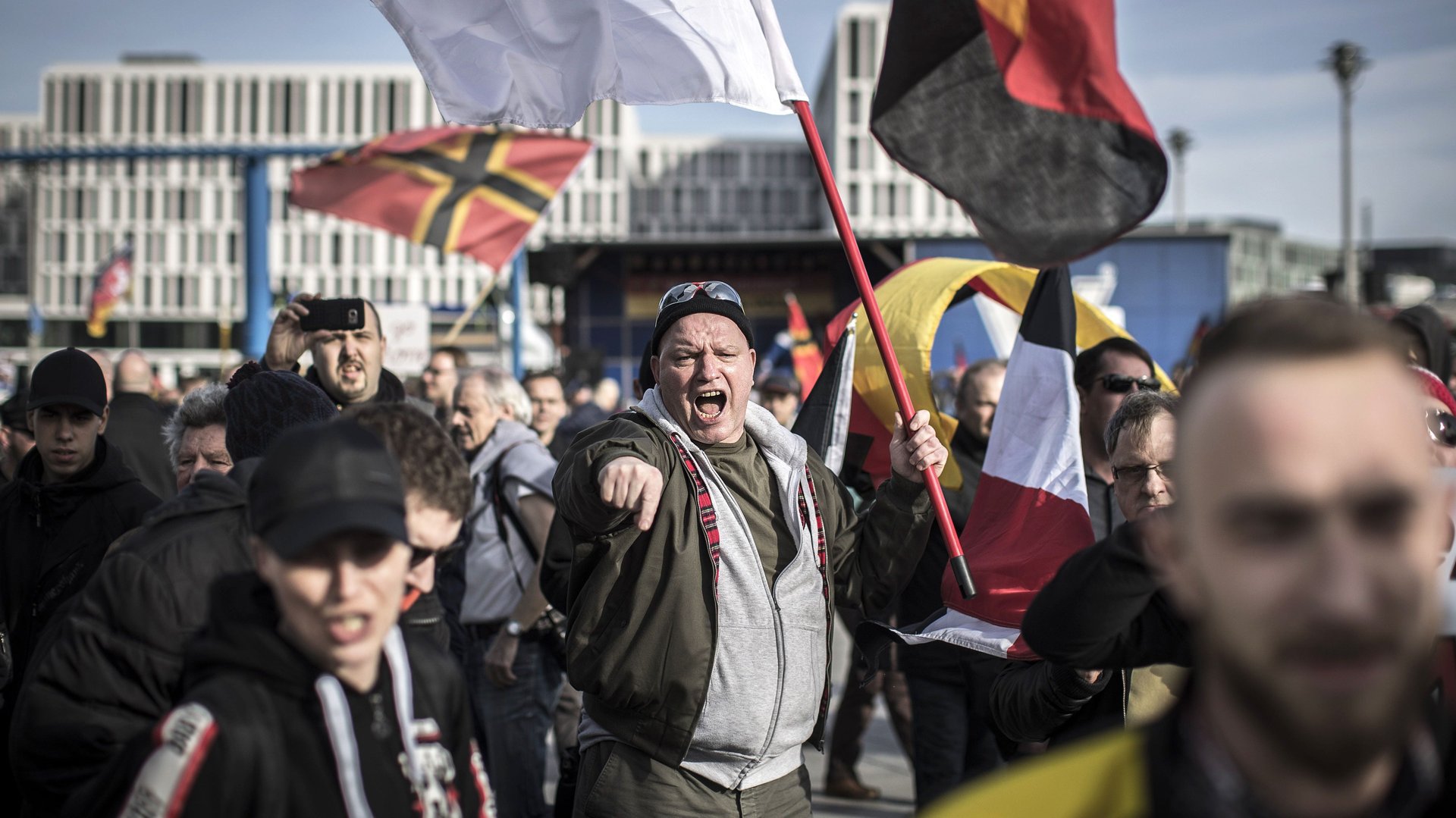
Harmless loners obsessed with conspiracy theories, or genuine threat to the state?

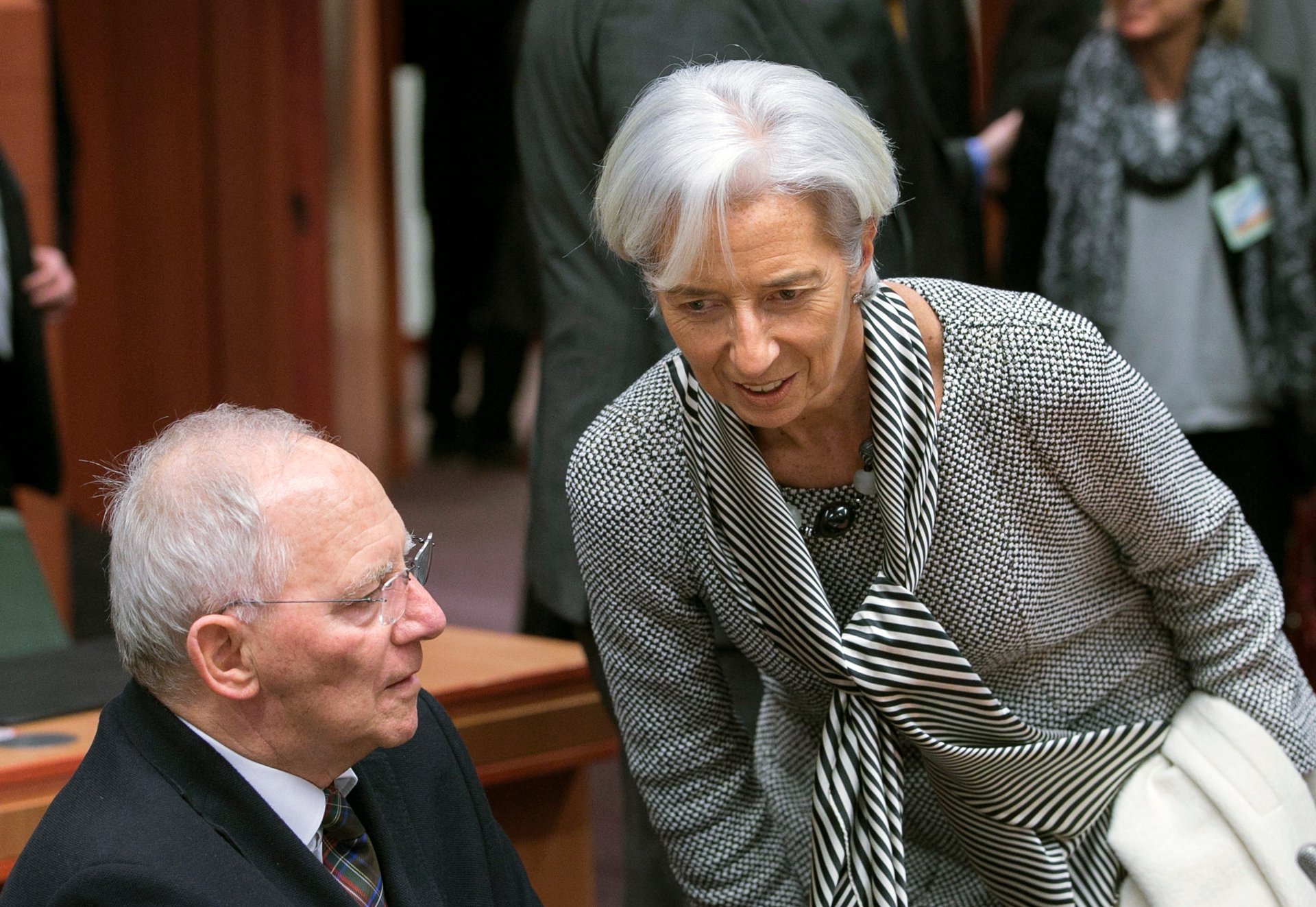
An employee suffered burns to her face and arms after a booby-trapped letter exploded at the International Monetary Fund’s Paris office on Thursday. The incident happened one day after a parcel containing explosives was mailed to the head of the German finance ministry, Wolfgang Schaüble, in Berlin.

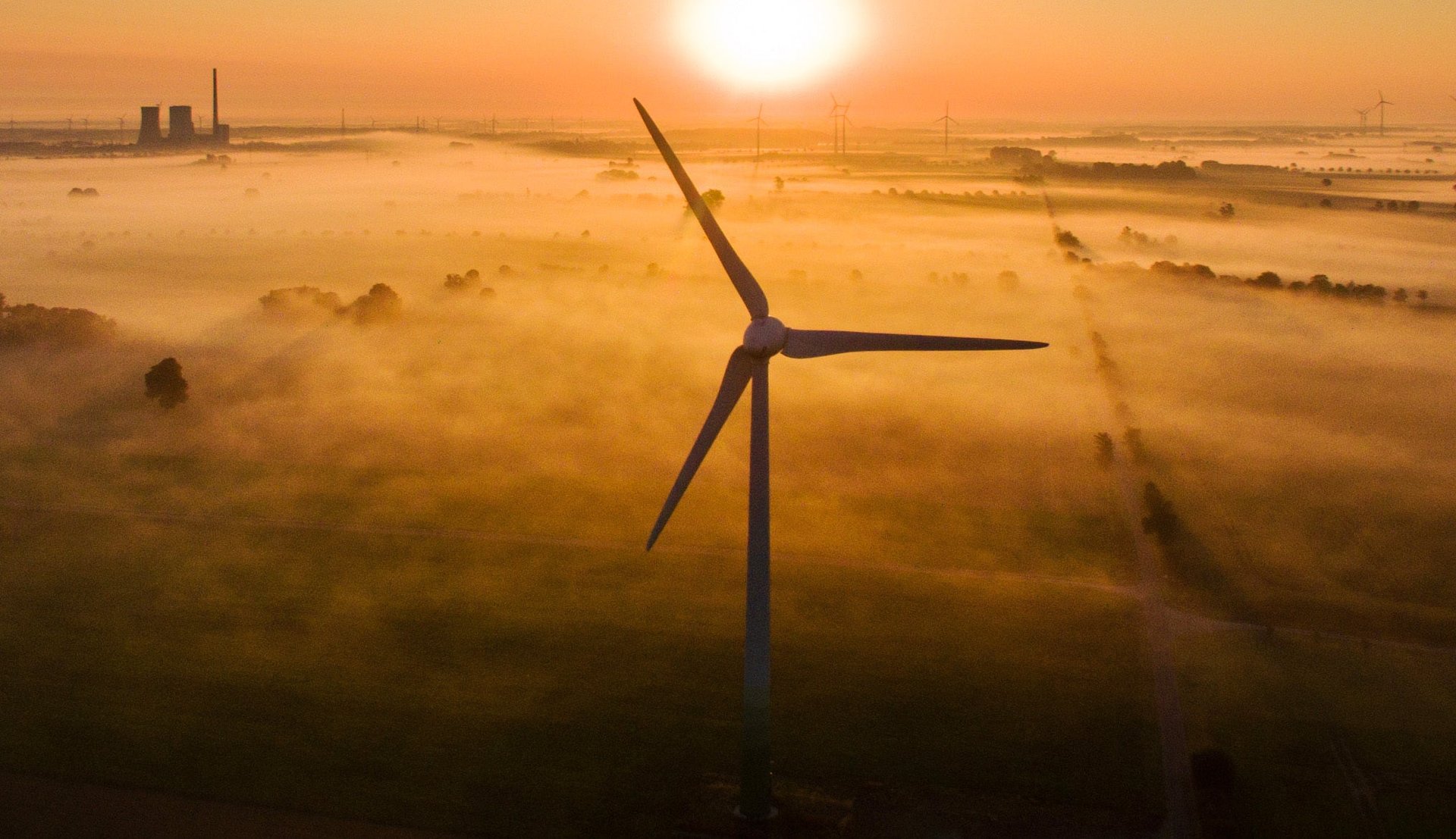
Germany’s aggressive shift away from fossil fuels and nuclear power, the so-called Energiewende (“Energy Transition”), has pushed the country’s two largest utility companies deep into the red. How deep? RWE and EON have reported combined losses of €28 billion ($30 billion) over the past two years.

Have Germans had enough of Mutti?

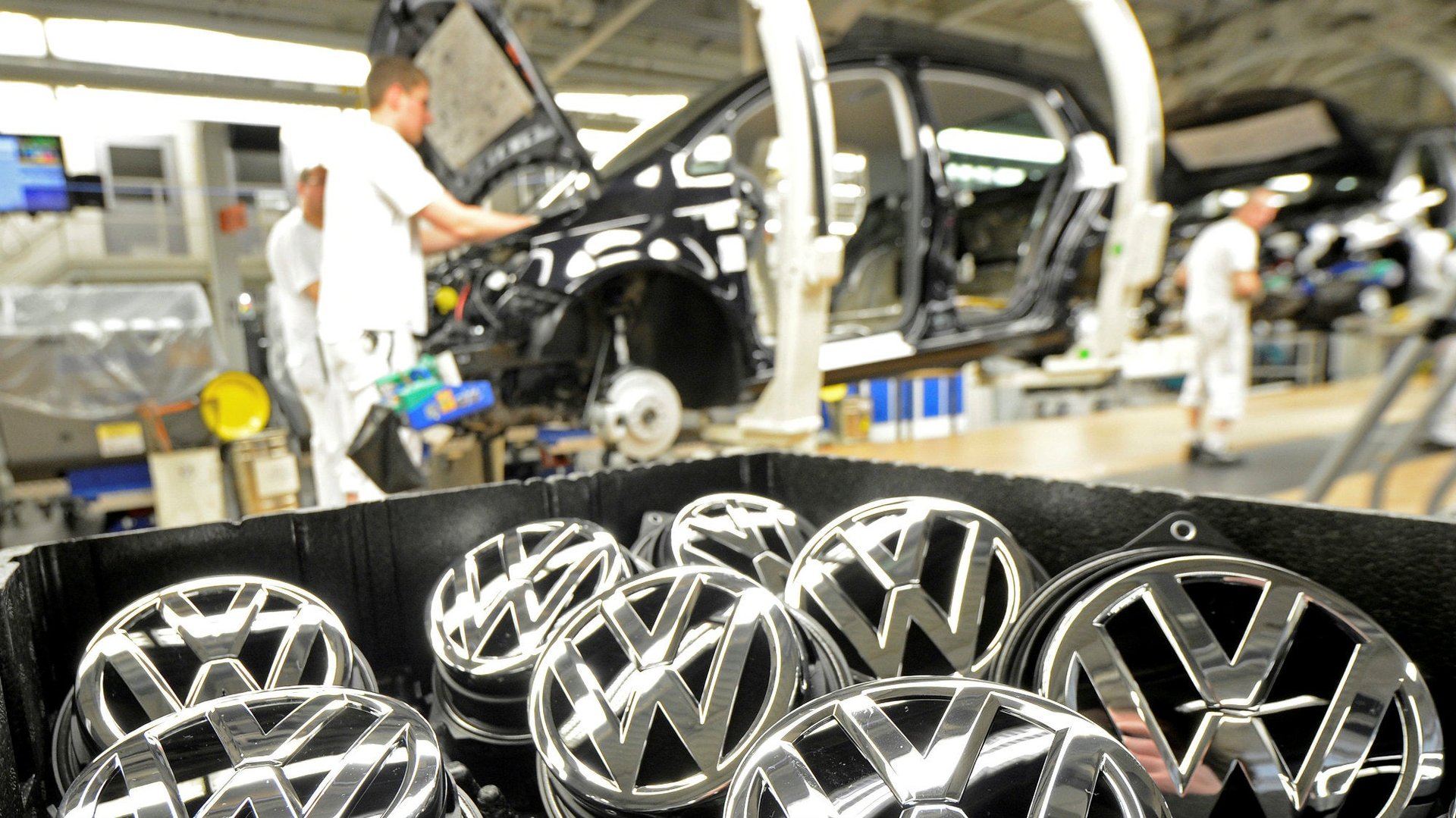
Volkswagen has managed to wrestle the title of world’s biggest carmaker away from rival Toyota, despite being tarnished by the worst scandal in its history.

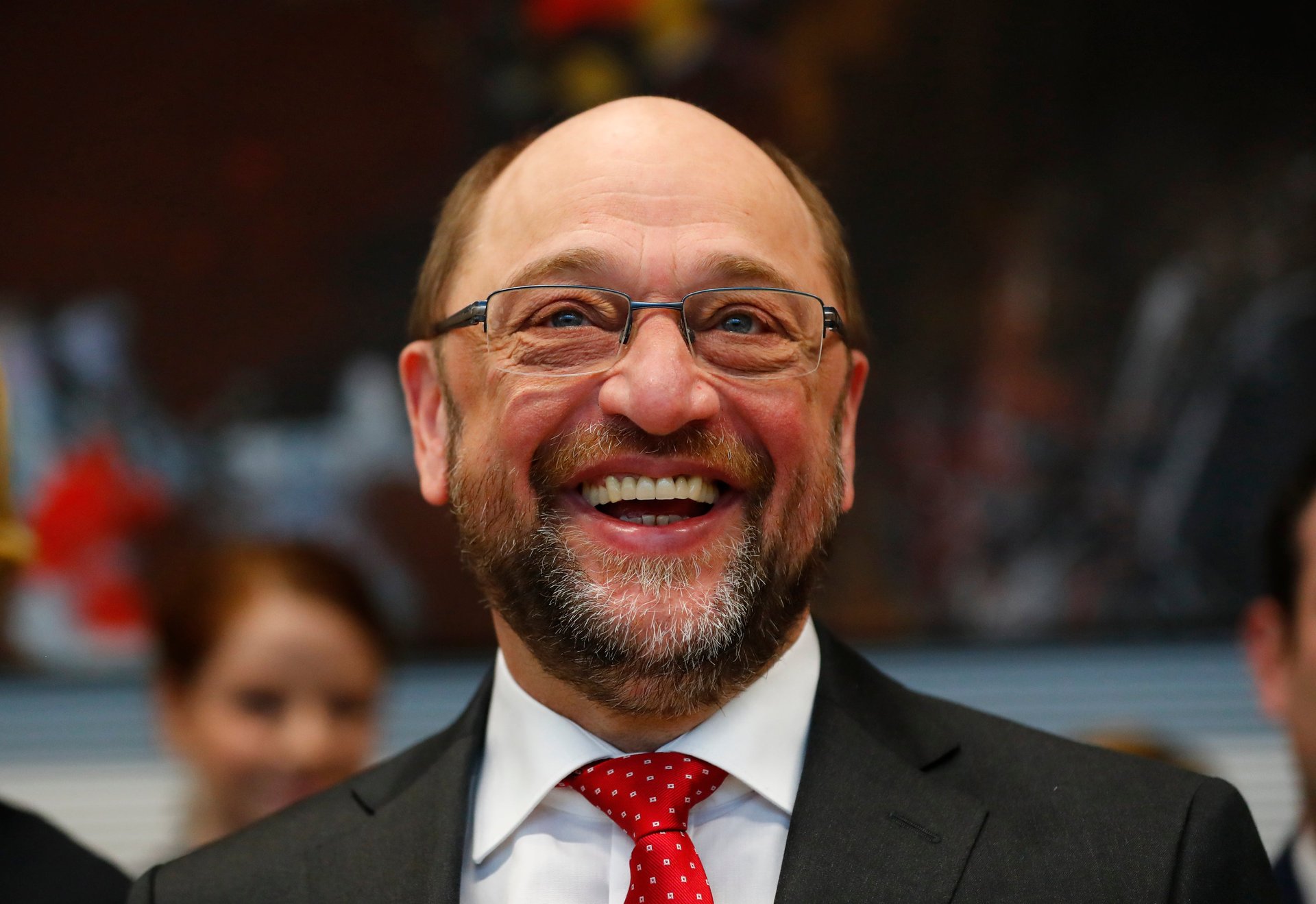
Sigmar Gabriel, Germany’s economy minister and head of the center-left Social Democratic Party (SDP), surprised a lot of people this week by announcing he won’t run against chancellor Angela Merkel in September’s federal election.