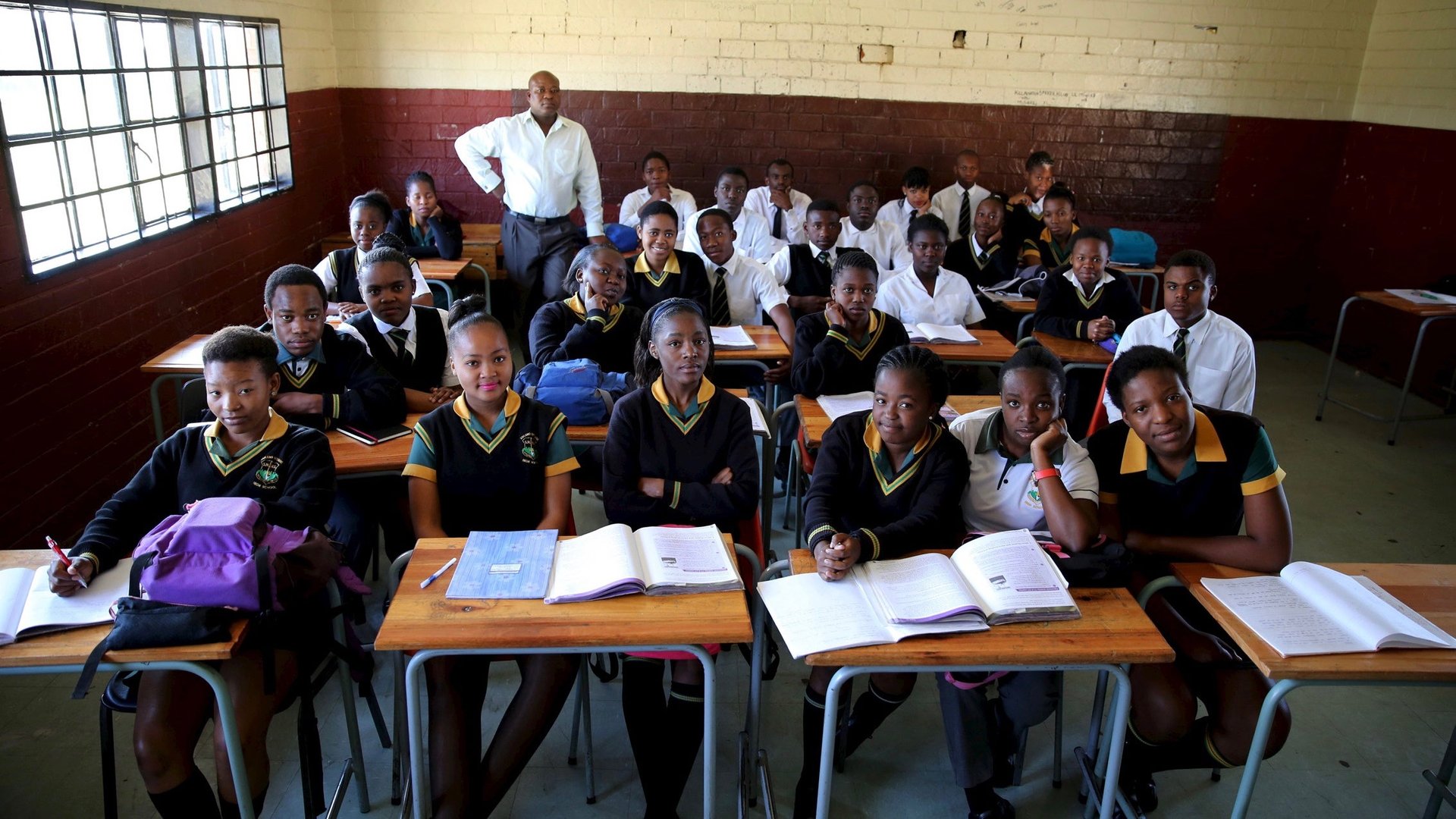
South Africa’s Department of Basic Education has lowered the pass rate for mathematics to just 20% in an effort to keep children moving through the country’s struggling school system.

South Africa’s Department of Basic Education has lowered the pass rate for mathematics to just 20% in an effort to keep children moving through the country’s struggling school system.

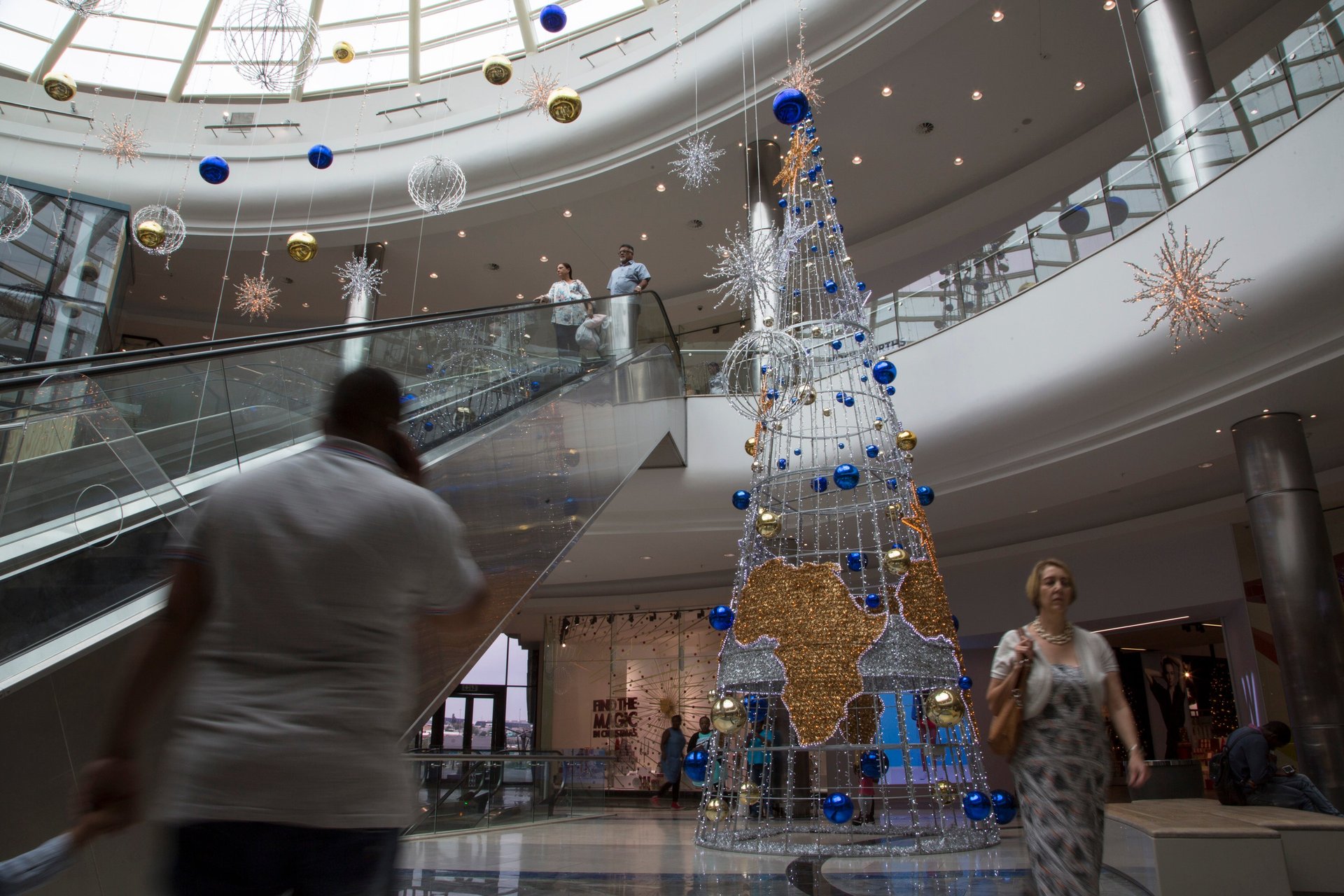
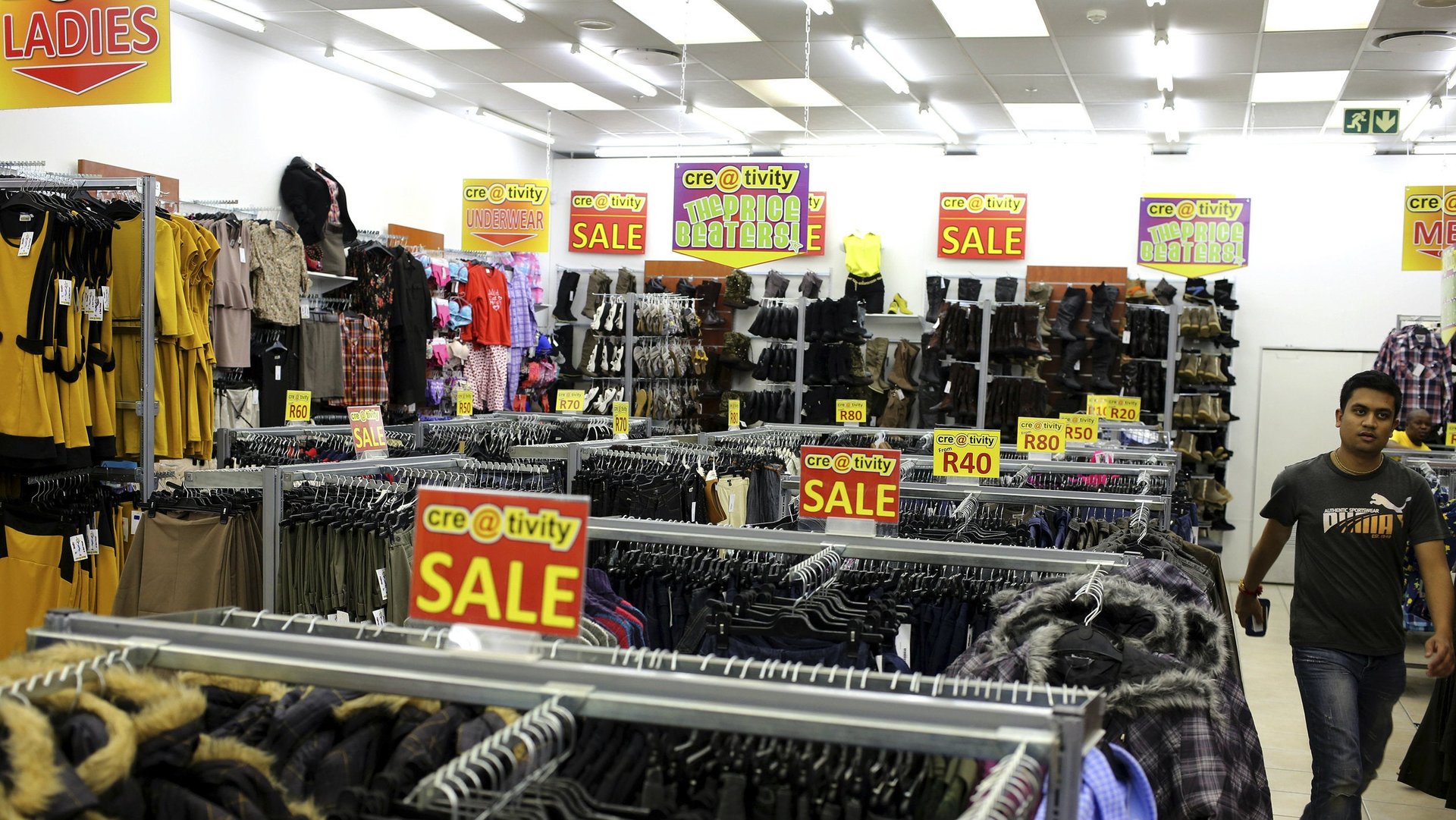
Giant Christmas baubles. Prancing reindeer. Boney M’s “Christmas Album“ filtering through the sound system. It’s Christmas at malls in South Africa, and despite the outside temperatures hovering around 26°C (80°F), inside it’s a winter wonderland.

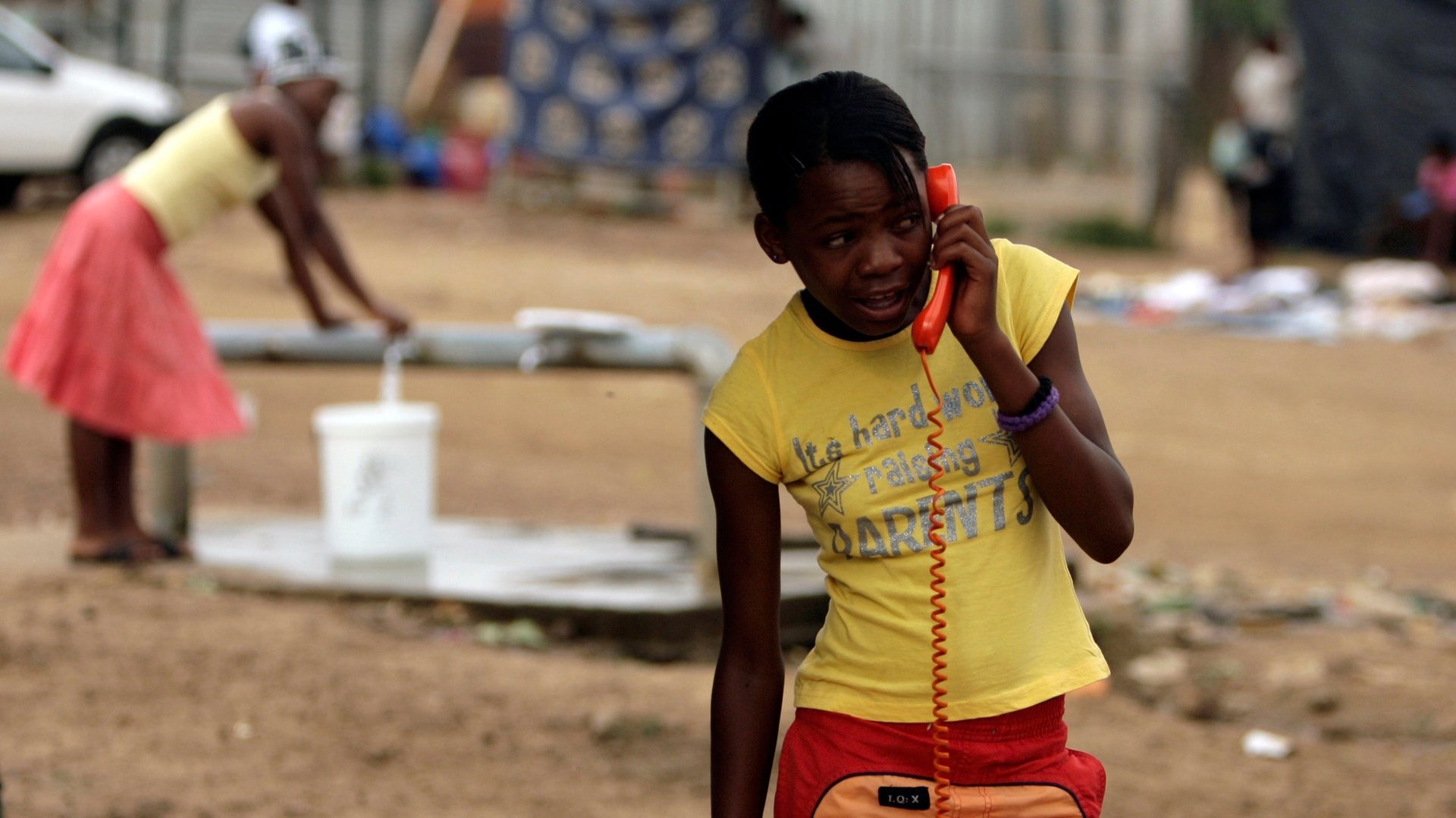
Diepsloot, Johannesburg

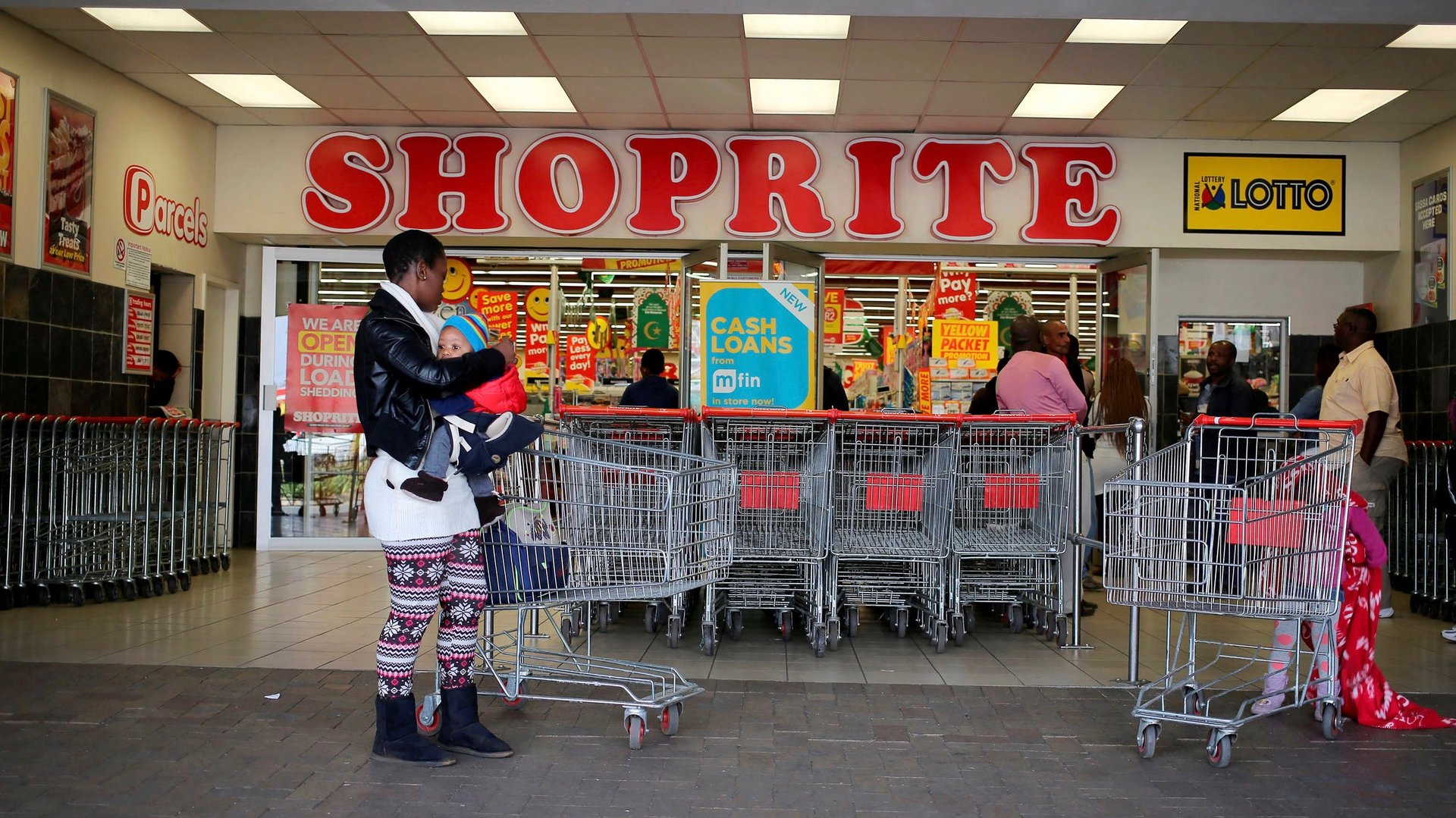
Johannesburg

A Moroccan television channel has offered women tips on how to cover up bruises from domestic abuse, in a country where violence against women is already high.

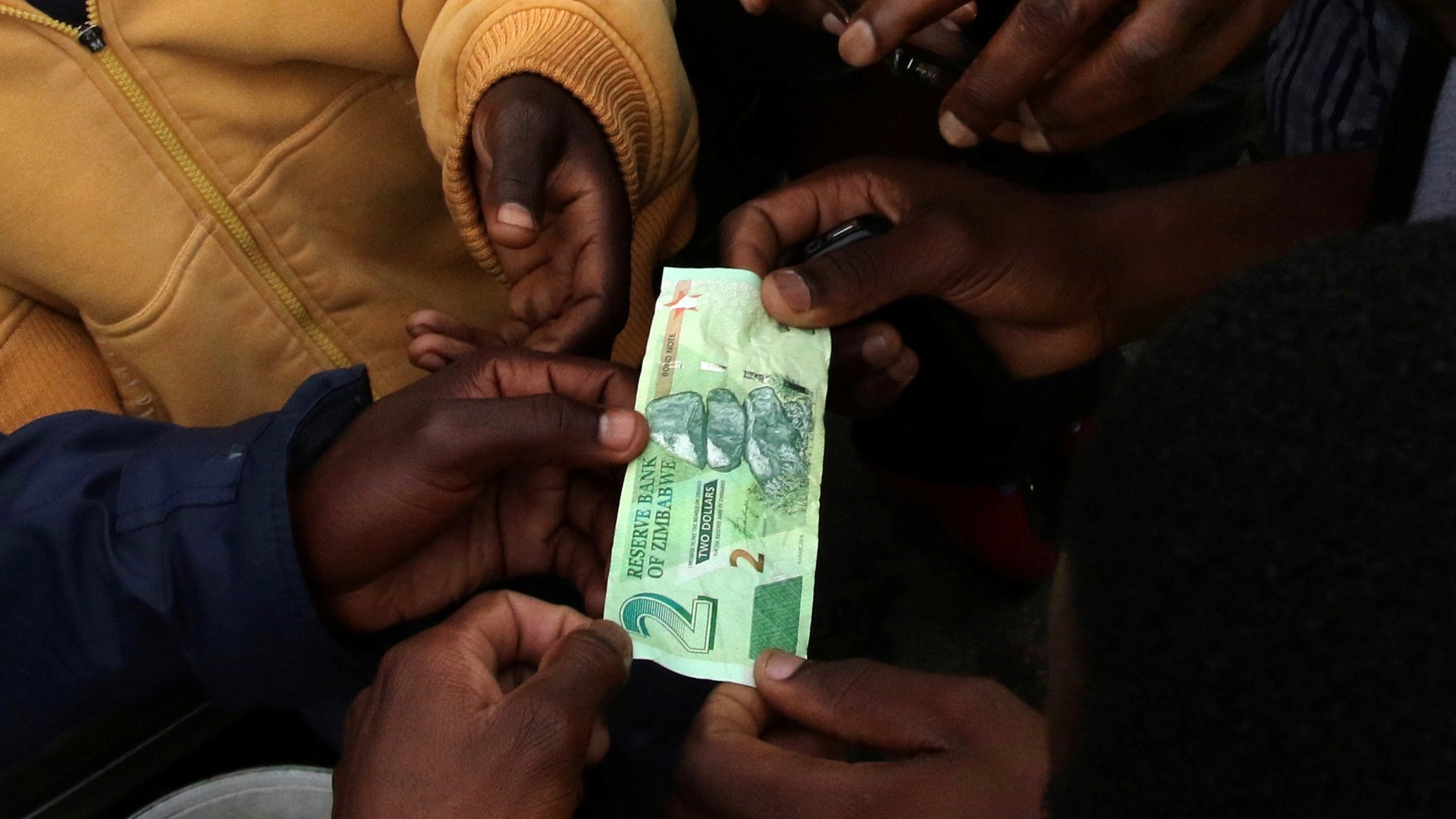
Zimbabwe’s bond notes have been in circulation for a day and a half, and already they’re bringing back memories of the darkest days of the country’s collapsed currency. The notes are a desperate attempt to address a severe cash shortage in a crippled economy, but the bond notes are likely to exacerbate the very problems they are meant to solve.

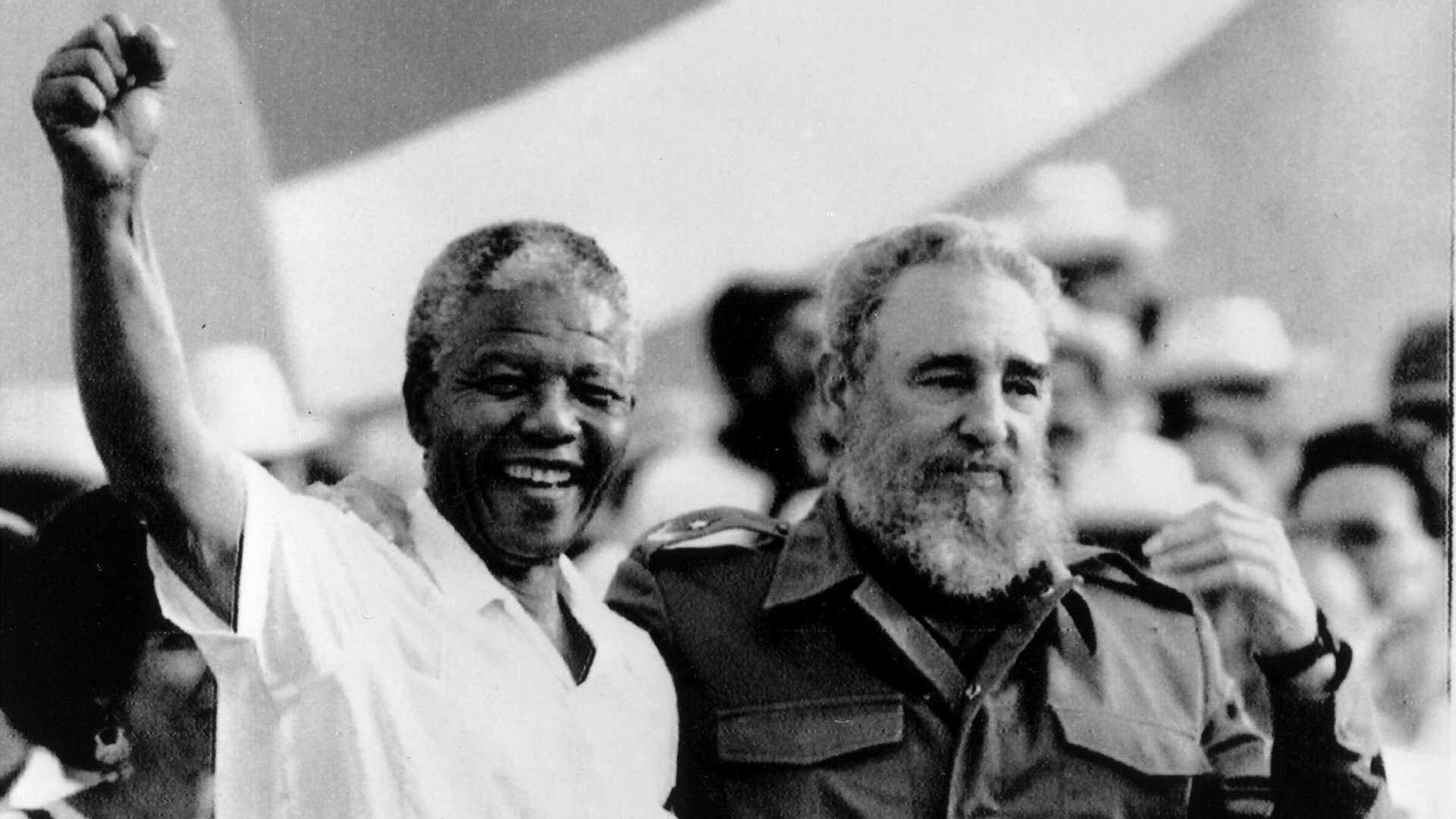
With Fidel Castro gone, Africa’s liberation leaders lose a loyal friend and a hero of the people.

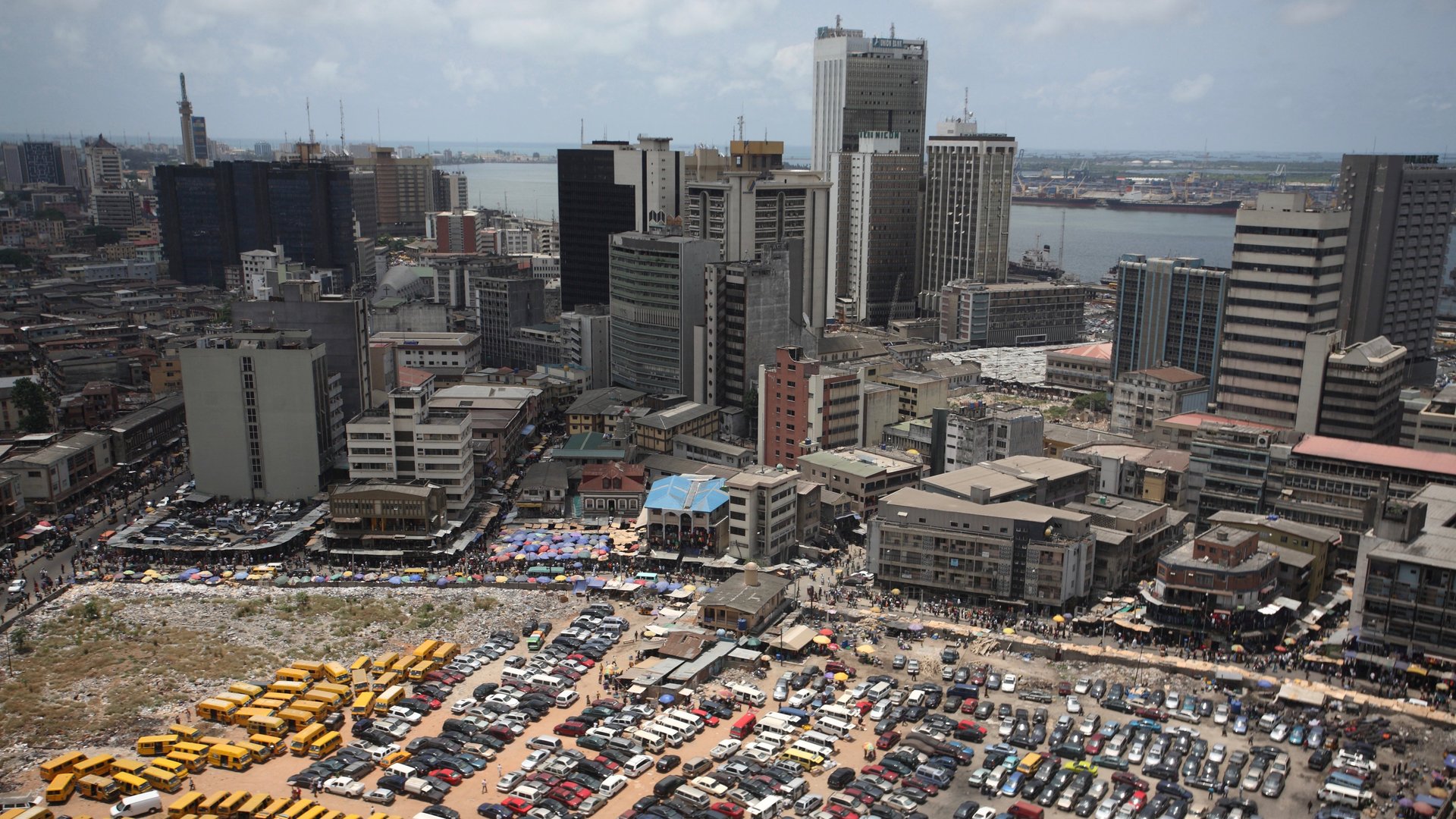
You don’t need the turkey dinner to get into the frenzied spirit of Black Friday—just ask the thousands of people who clamored for deals on Nov. 25 in some of Africa’s big cities.

A new online tool can help Africans keep their leaders accountable by tracking statistics on governance. The Mo Ibrahim Foundation has launched a new data portal that collects and measures statistics on issues like safety, human rights and economic opportunities.

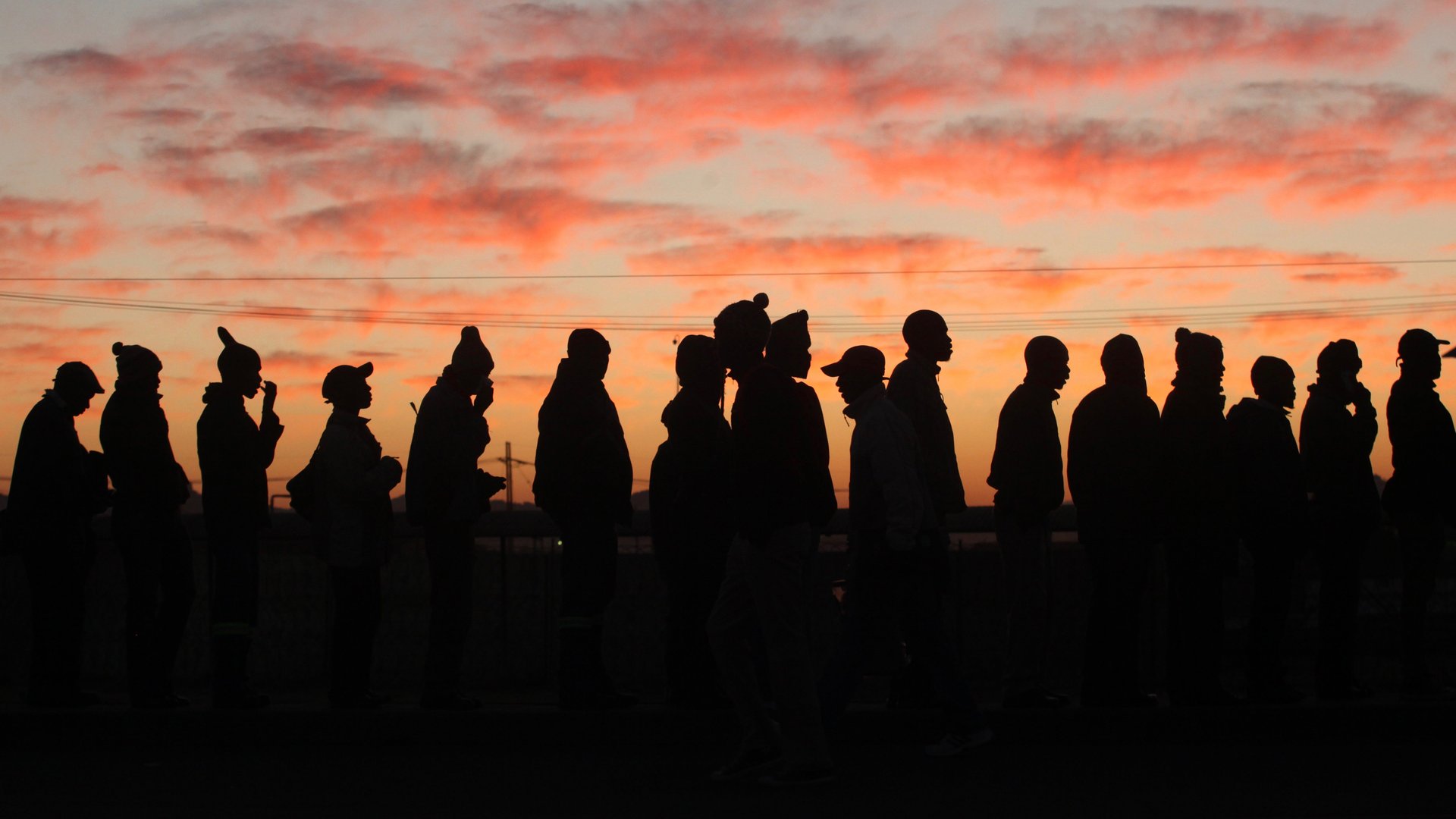
South Africa’s unemployment rate is relentlessly climbing, a trend that shows no sign of abating. Statistics South Africa, a government agency, said on Nov. 22 that the country’s unemployment rate has risen to 27.1% from 26.6% in the second quarter of 2016, the highest it’s been in 13 years.

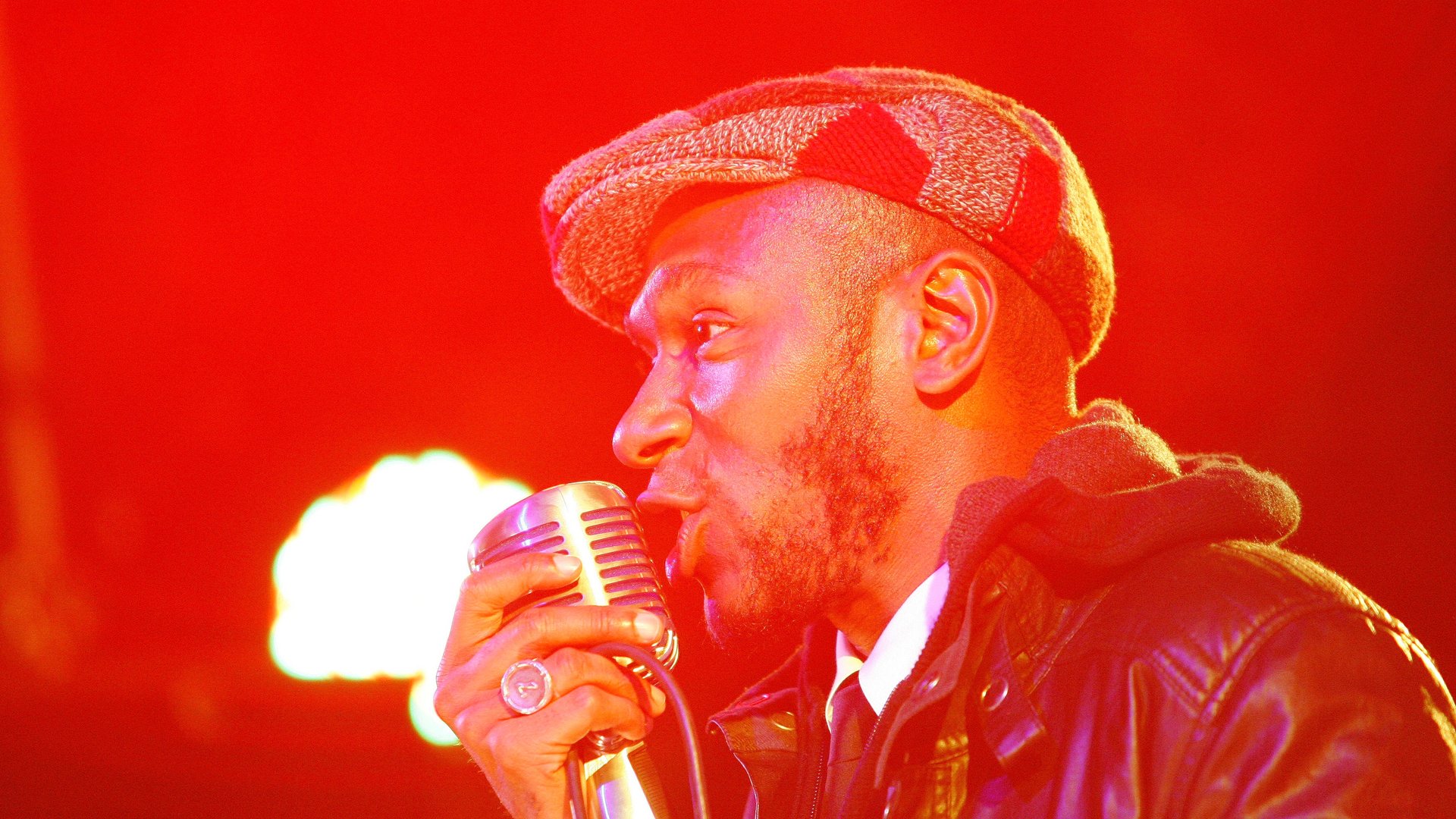
Mos Def’s ideals about a world without borders have been dashed by South African immigration officials. The Department of Home Affairs declared the rapper and actor an “undesirable person” on Nov. 22 after he tried to leave the country using a world passport, an idealistic travel document issued by a pacifist organization promoting a world without borders.

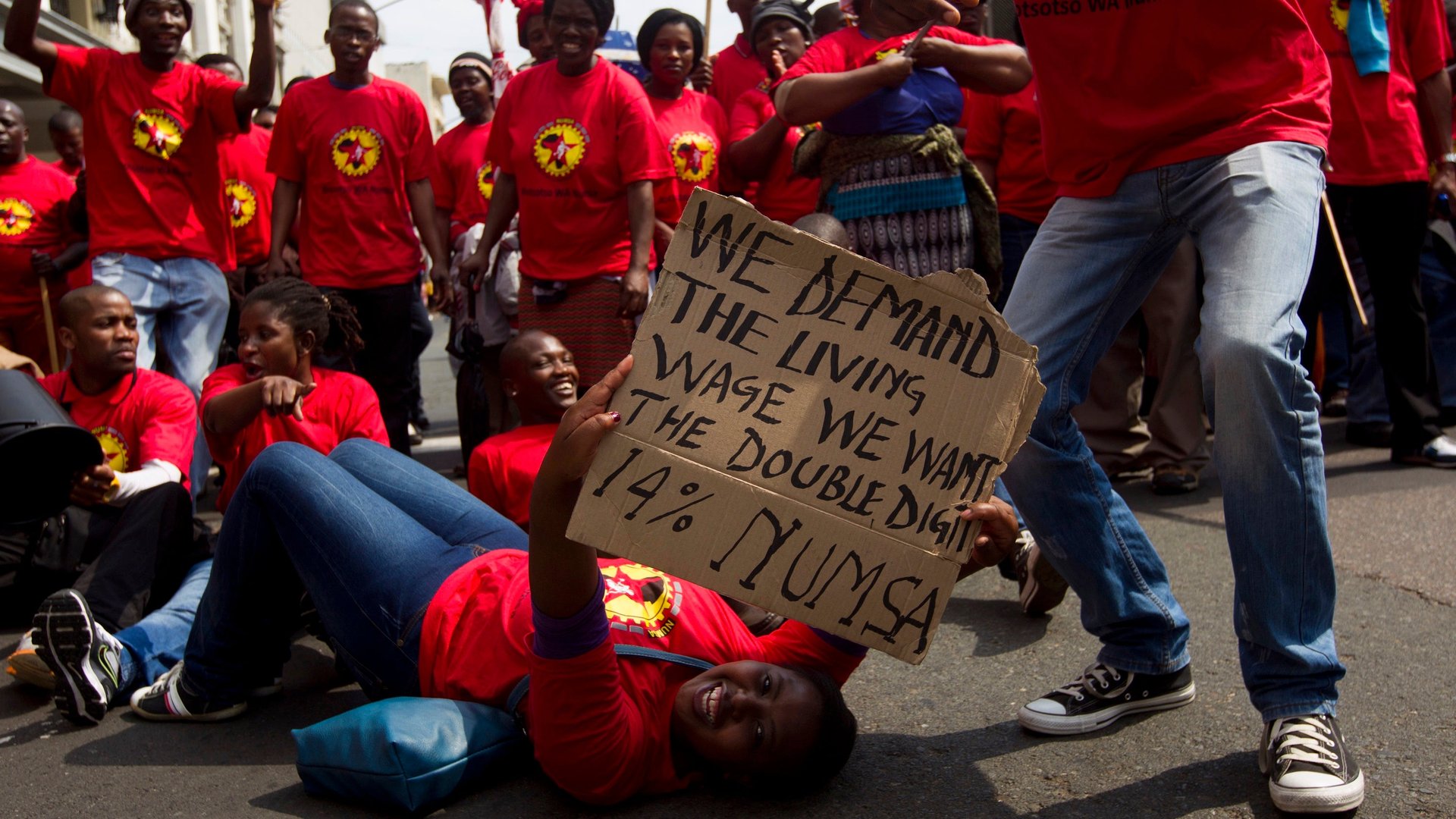
In a bid to reduce the massive gap between rich and poor in the country, South Africa’s government has proposed setting a national minimum wage for the first time. But pitching the 20-rand-an-hour figure (roughly $1.40) to the country isn’t proving easy for policymakers, who are trying to balance the competing demands of business and labor.

The United States may have the highest paid CEOs, but South Africa is where CEOs live far above the rest of us. South African CEOs are among some of the best paid in the world, and earn more than 500 times more than the average South African. The figures are the latest statistic illustrating how South Africa is consistently (pdf) one of the most unequal societies in the world.

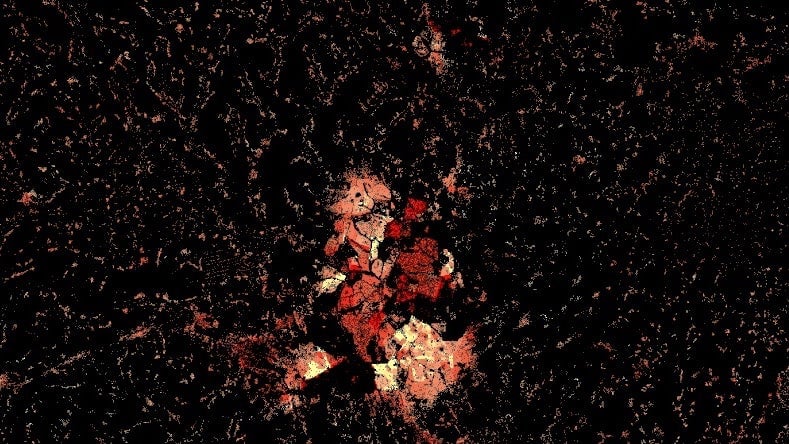
To bring people the internet, first you have to figure out where there is no internet.

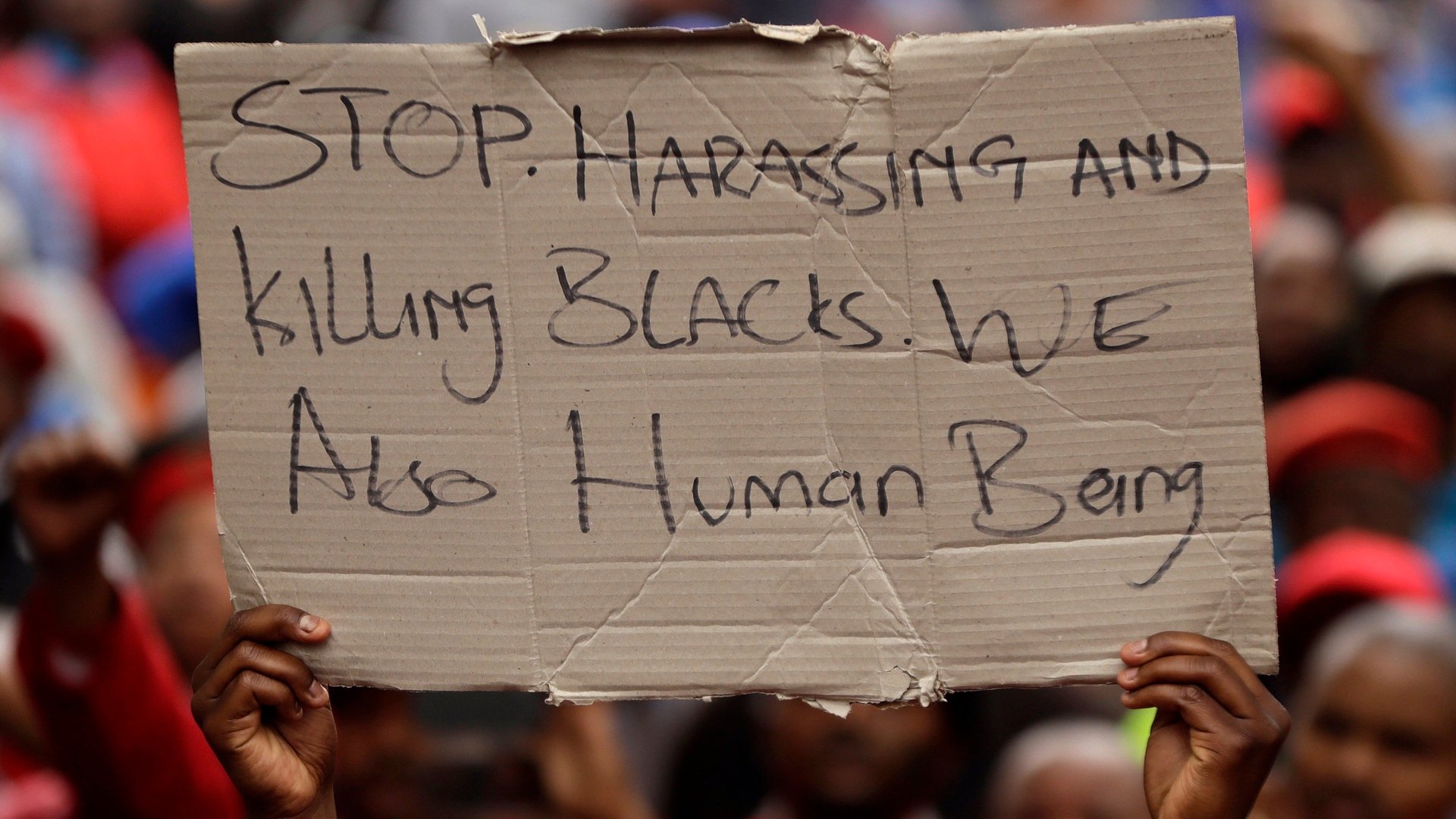
Two white South Africans accused of assaulting and stuffing a black man into a coffin appeared in court today, Nov. 16, sparking protests in the small town of Middelburg. The pair’s alleged actions were captured in a viral video that surfaced earlier this month.

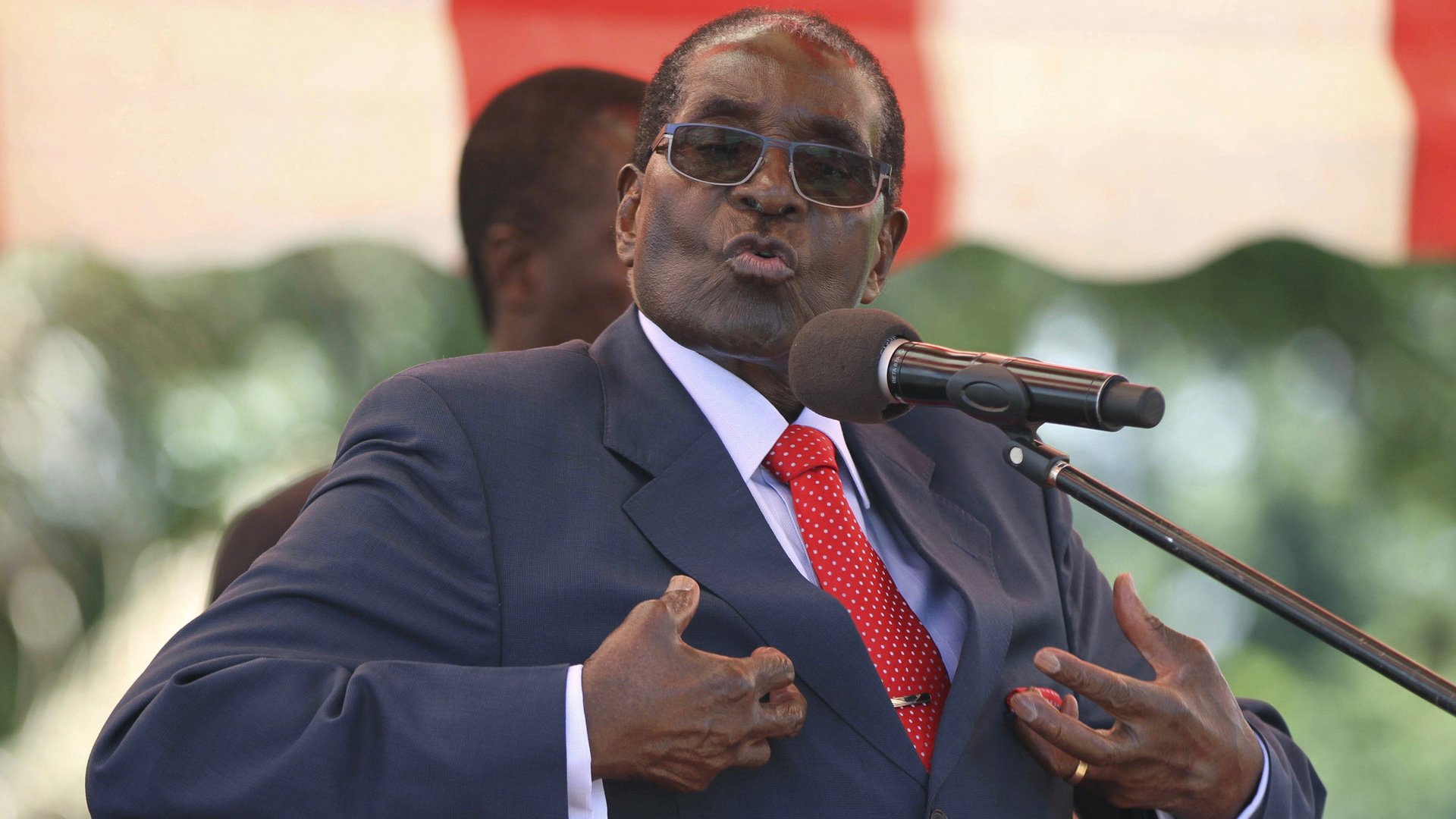
Zimbabwean president Robert Mugabe wants to return to the United States’ diplomatic fold after years of tense relations, and his administration is confident that president-elect Donald Trump will welcome him back.

The head of South Africa’s power utility is stepping down, after being implicated in an explosive state corruption report. Eskom CEO Brian Molefe announced his resignation on Nov. 11, saying it was in the interest of “good corporate governance,” in light of the reputational damage done to him and Eskom.

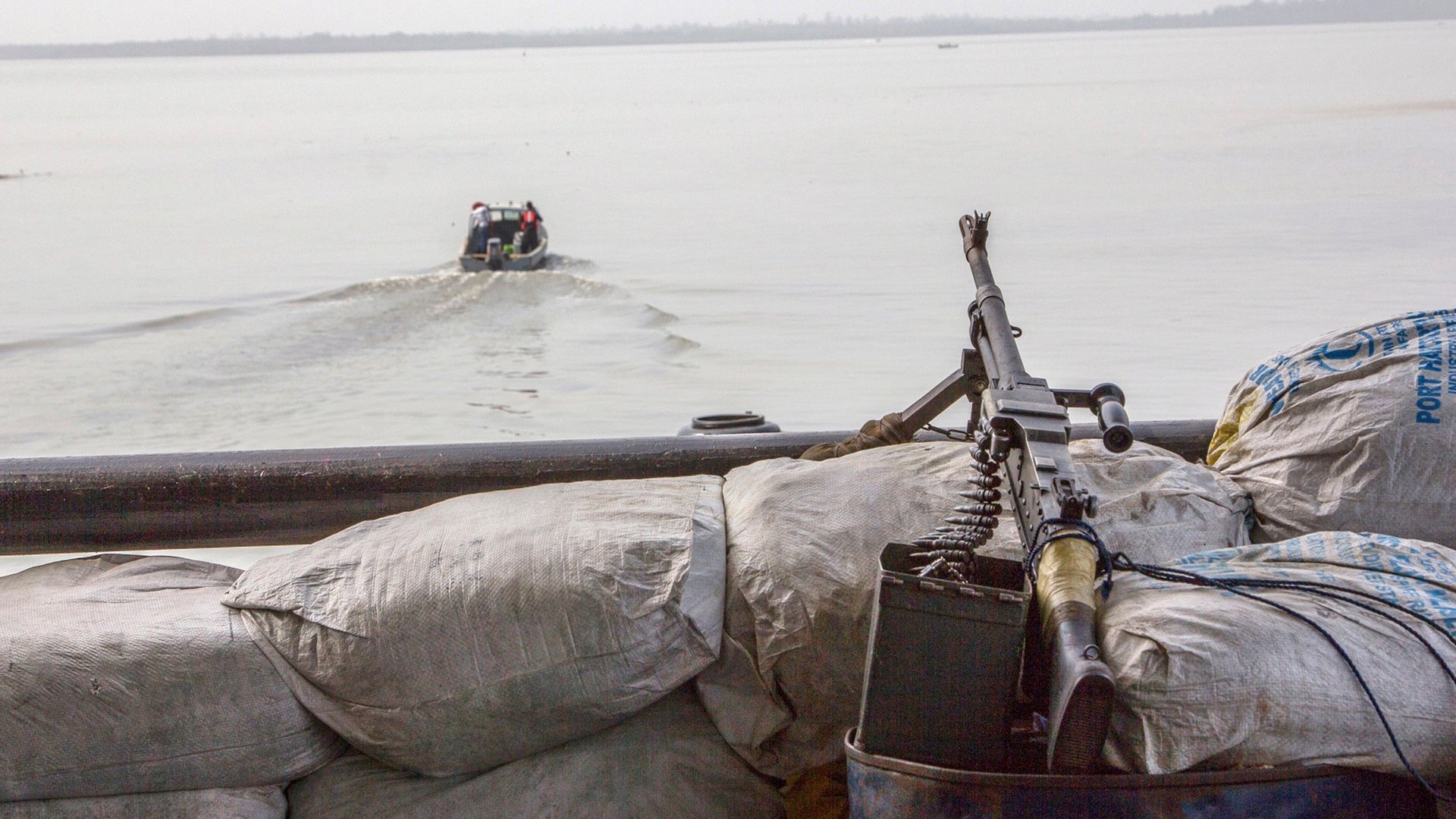
This year has been the quietest on the high seas since 2008, as incidents of piracy have decreased. But that drop belies a change of tactics. Instead of hijacking vessels, pirates have turned to kidnapping. The last three years have seen a rash of kidnappings targeting ship crews, especially on Africa’s west coast and parts of Southeast Asia.

On Wednesday (Nov. 9), Americans woke up to the reality that a charismatic populist buoyed by the support of a non-urban working class base was slated to become their next president. As South Africans, we’re here to say: We’ve been there America.

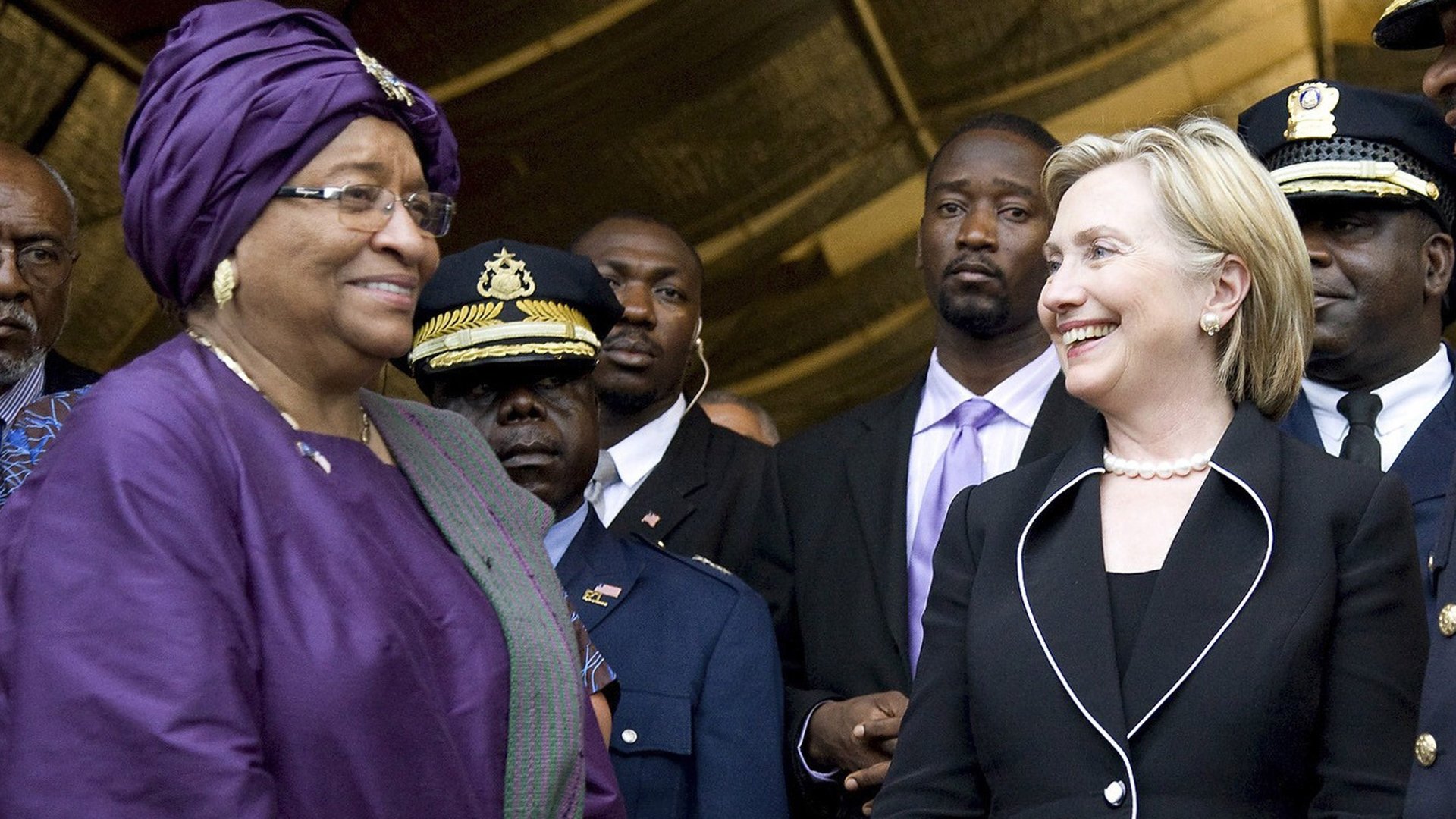
While some world leaders awkwardly padded their congratulatory statements for president-elect Donald Trump in diplomatic speak and tradition, one of the world’s handful of women leaders had the guts to say exactly what she, and many others, think about Hillary Clinton’s loss in the US presidential election. Liberian president Ellen Johnson Sirleaf was clear about her disappointment with America’s failure to elect a woman to the White House for the first time.

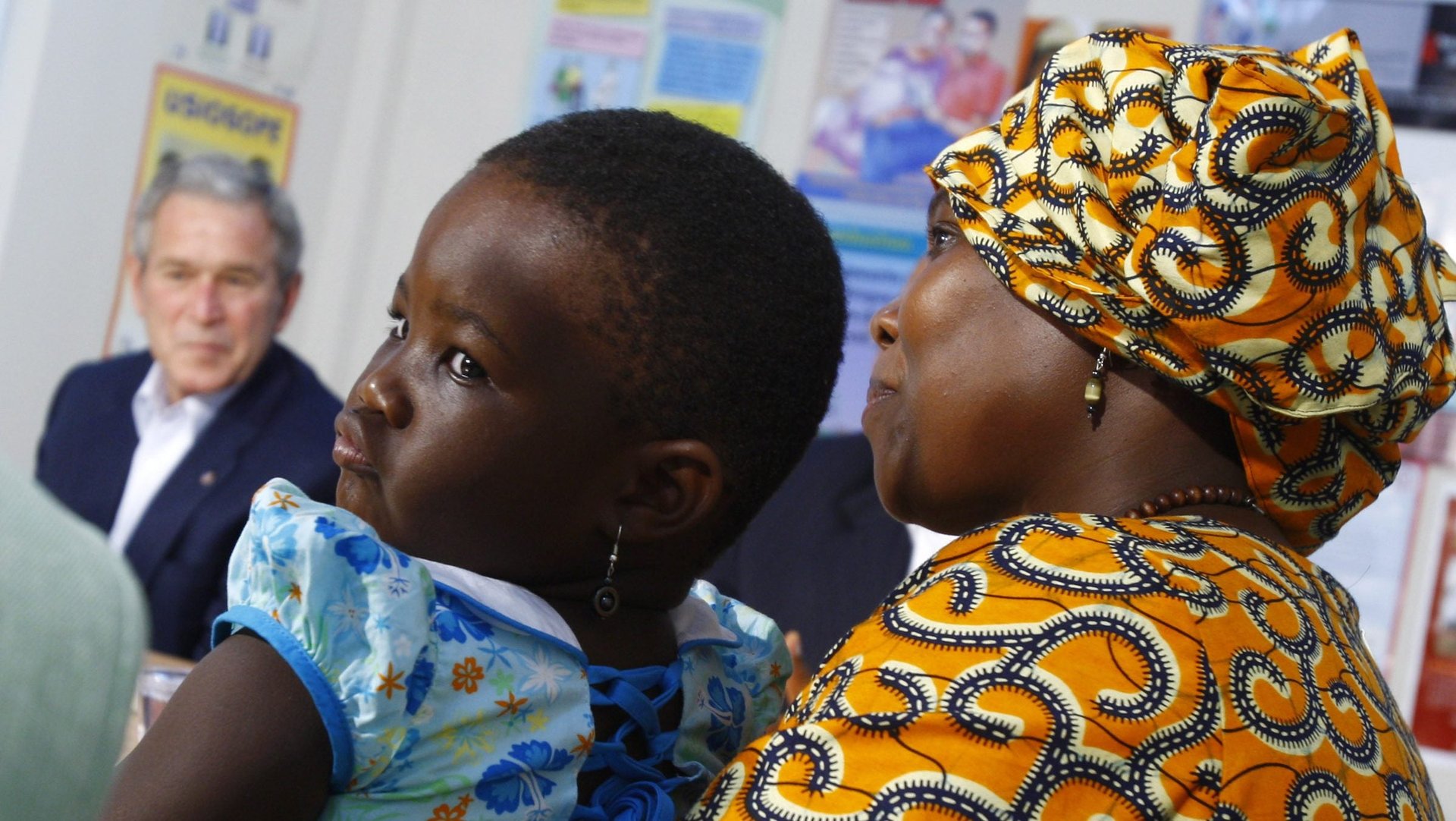
President-elect Donald Trump isn’t particularly concerned with Africa: Over the course of his campaign, the continent was barely mentioned. But glimpses at Trump’s broader foreign policy suggest he’ll favor a mix of aggression and isolationism over increased global cooperation, and is very unlikely to be a champion of humanitarian aid. All of that is bad news for Africa.

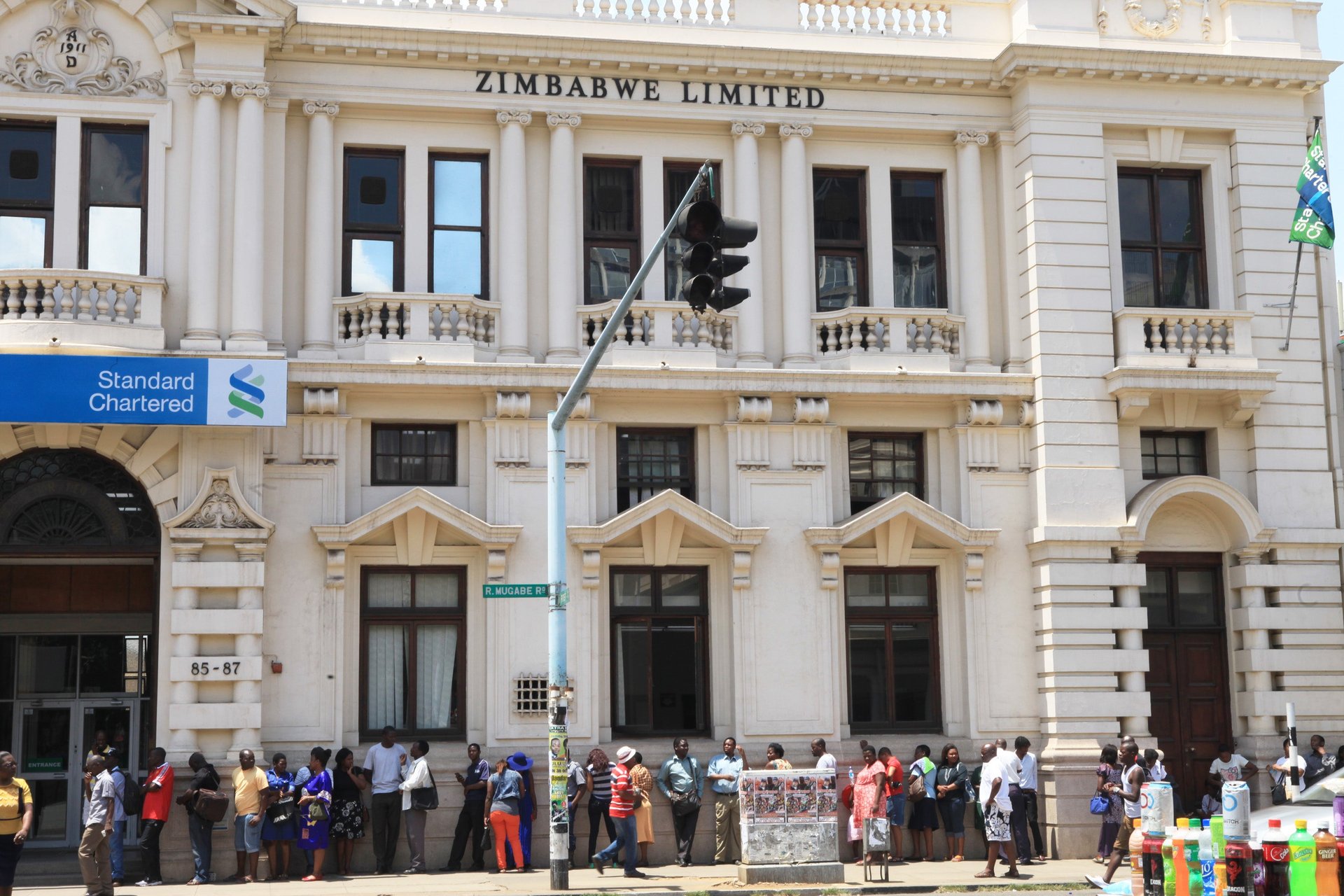
It’s a terrible moment of déjà vu for Zimbabweans as another currency looms. For the last few days, in the capital Harare, Zimbabweans have begun lining up outside of banks to get hold of what little cash is in circulation before it’s replaced by bond notes as currency—the latest desperate measure by the cash-strapped government.

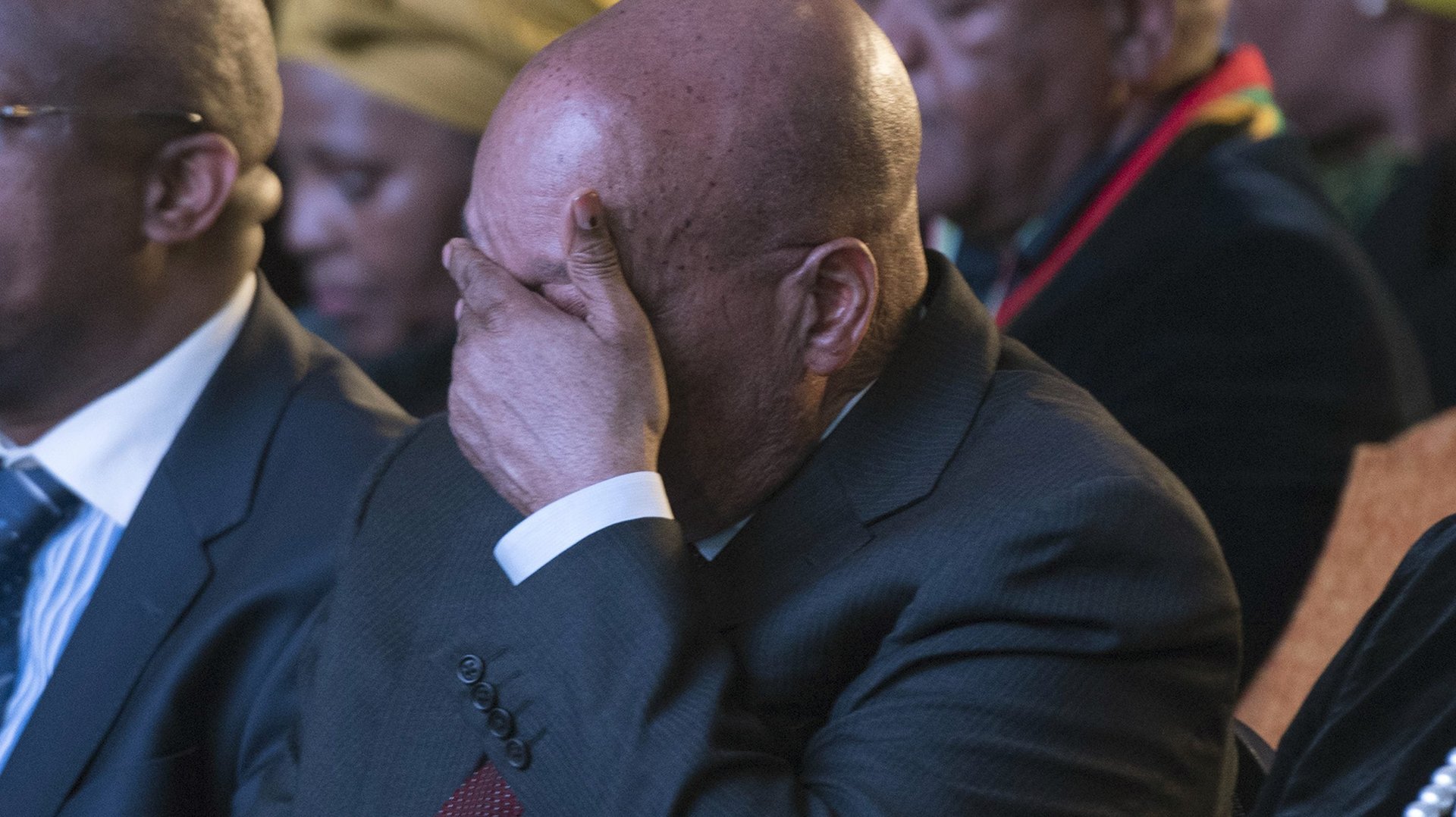
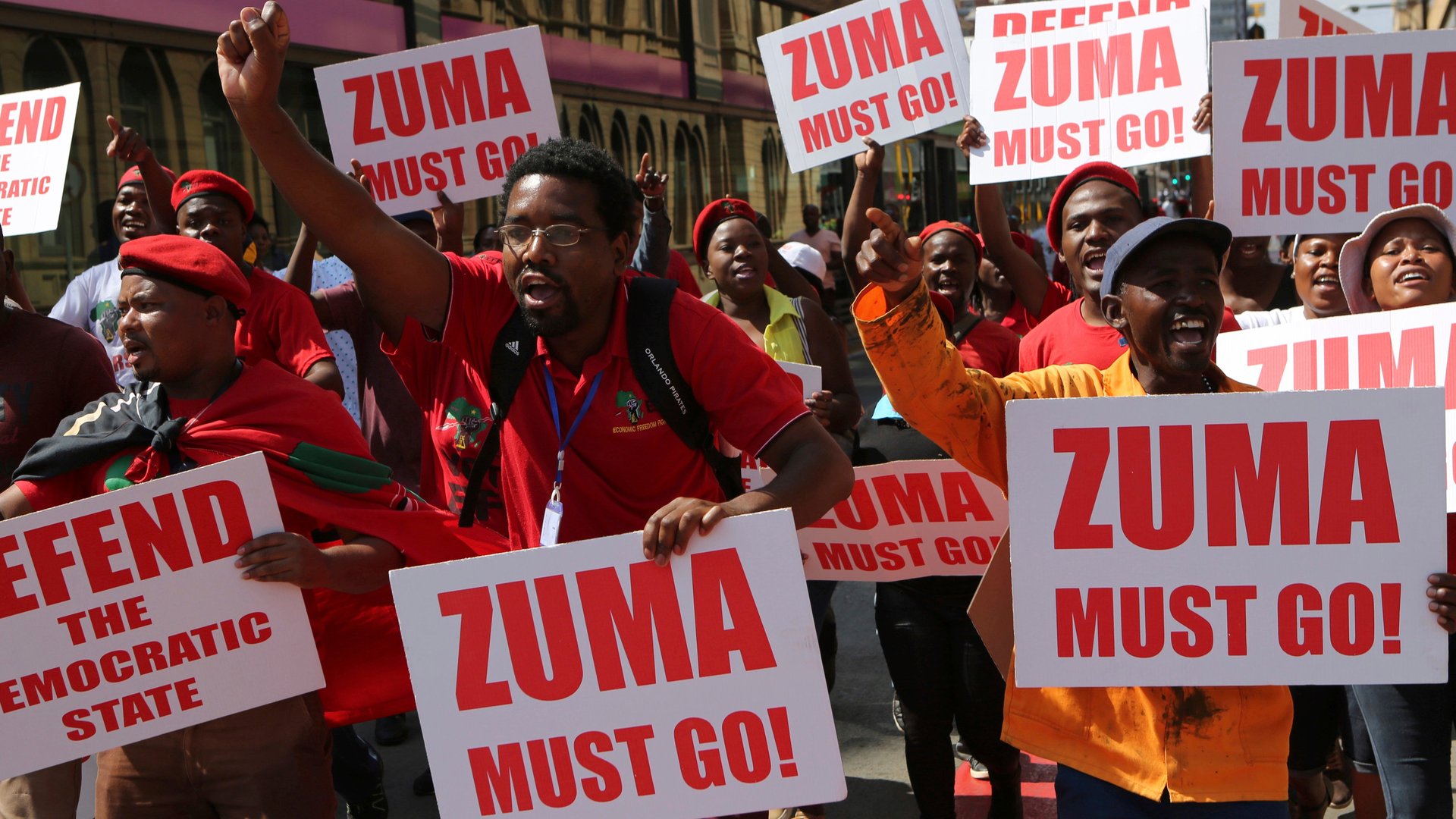
It’s the report that confirms South Africa’s worst fears about corruption: that the state has been captured. In 355 pages, former public protector Thuli Madonsela and her team of investigators outline in detail just how much control the Gupta family, a wealthy Indian immigrant family, has over South Africa’s resources. The Guptas’ close friend, president Jacob Zuma, as well as two ministers implicated in the report, went to court to stop its release. But it was finally released on Nov. 2, after protests and a court battle.

Pretoria, South Africa