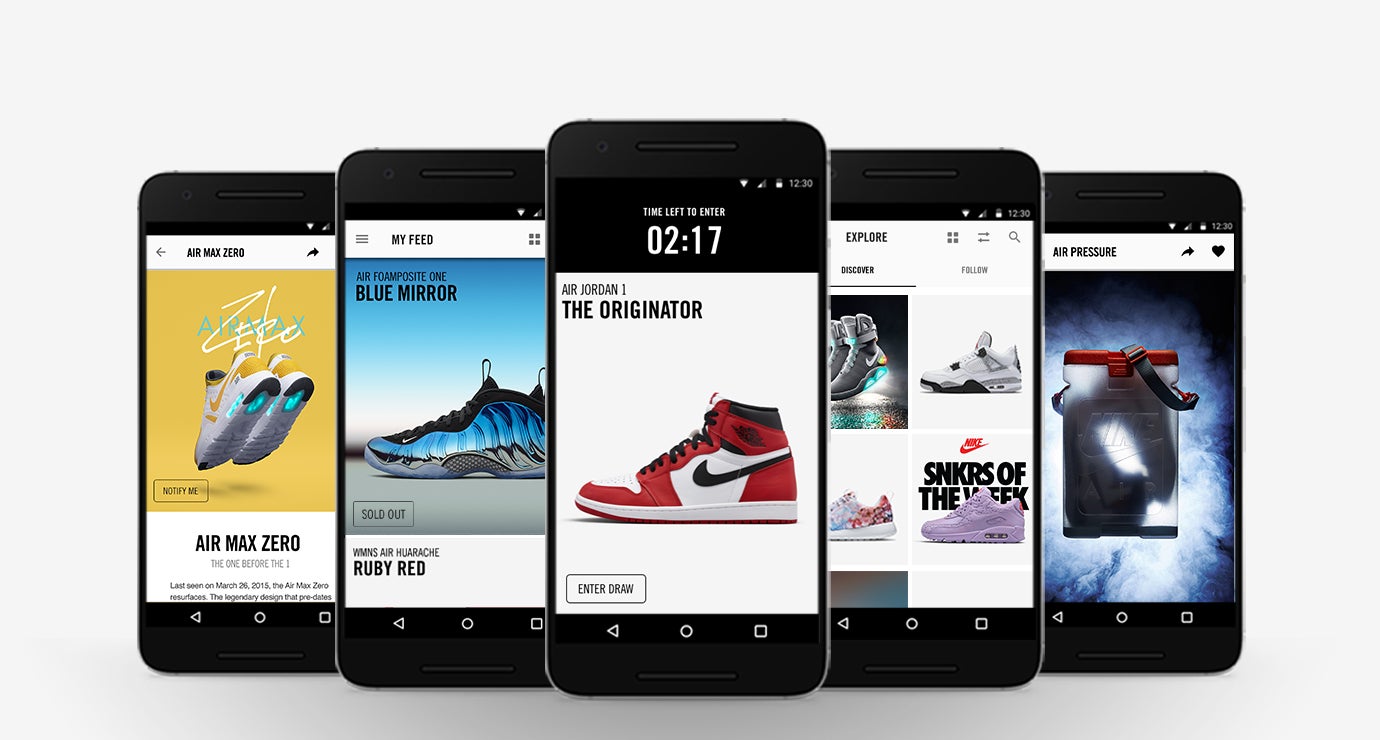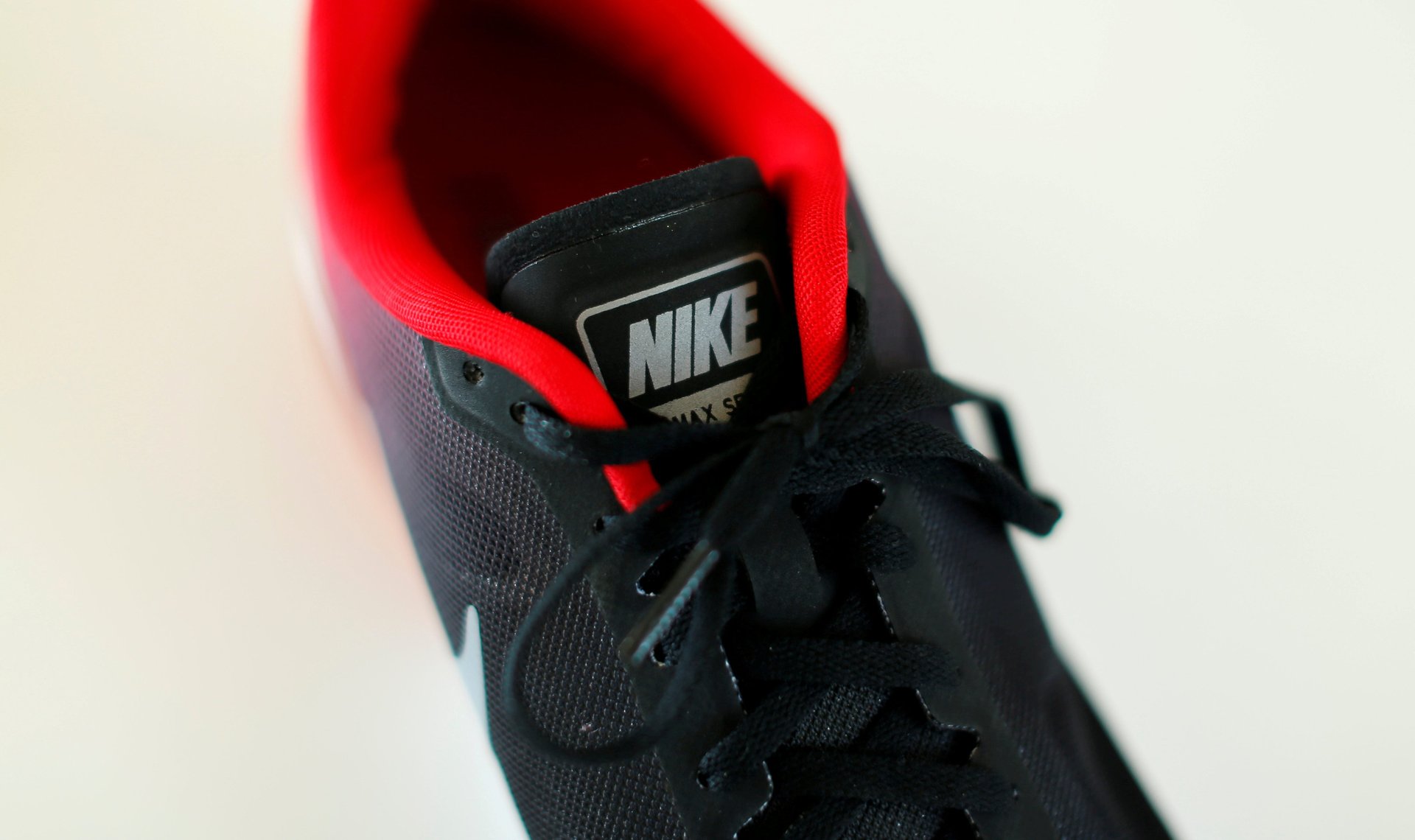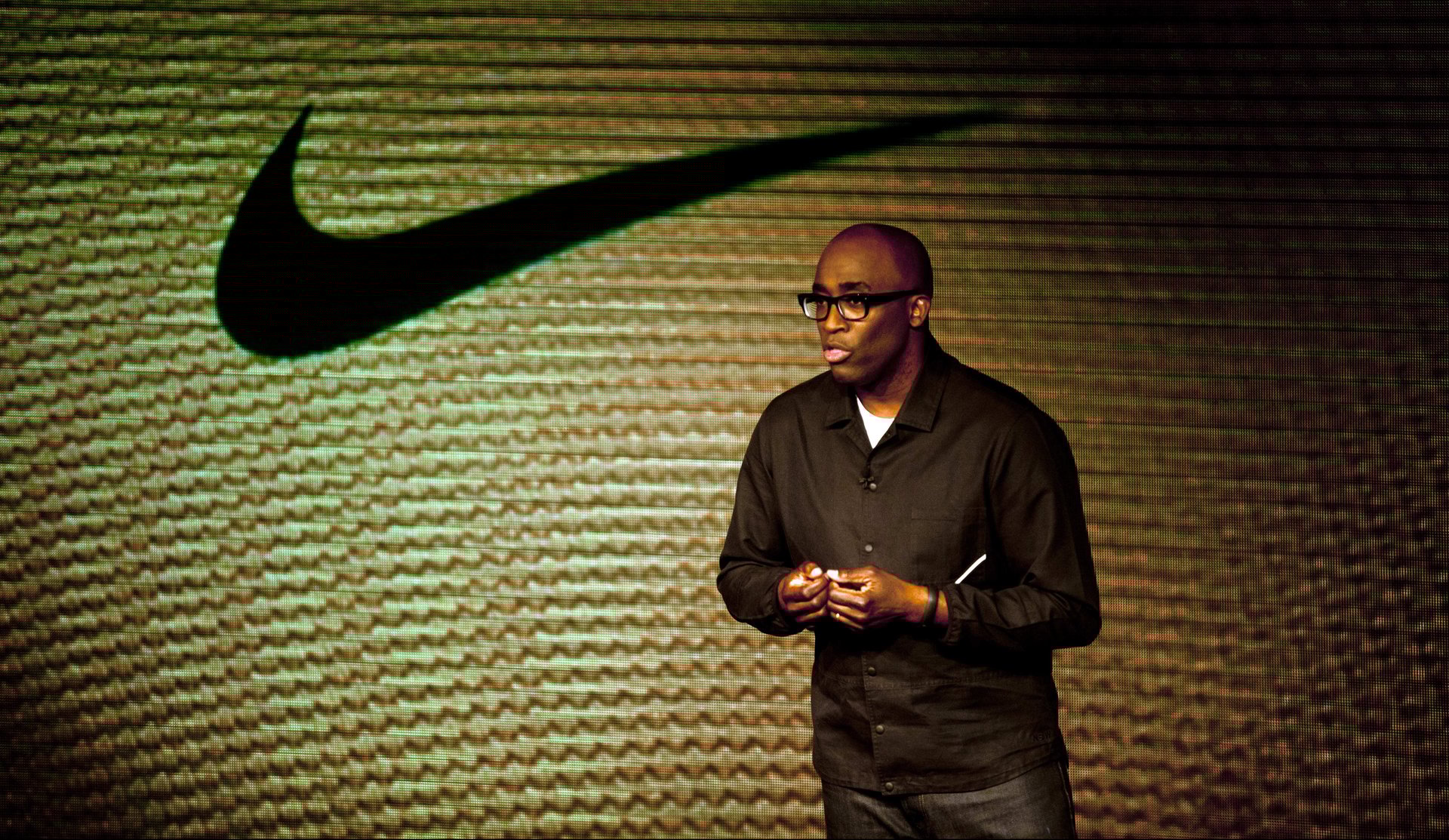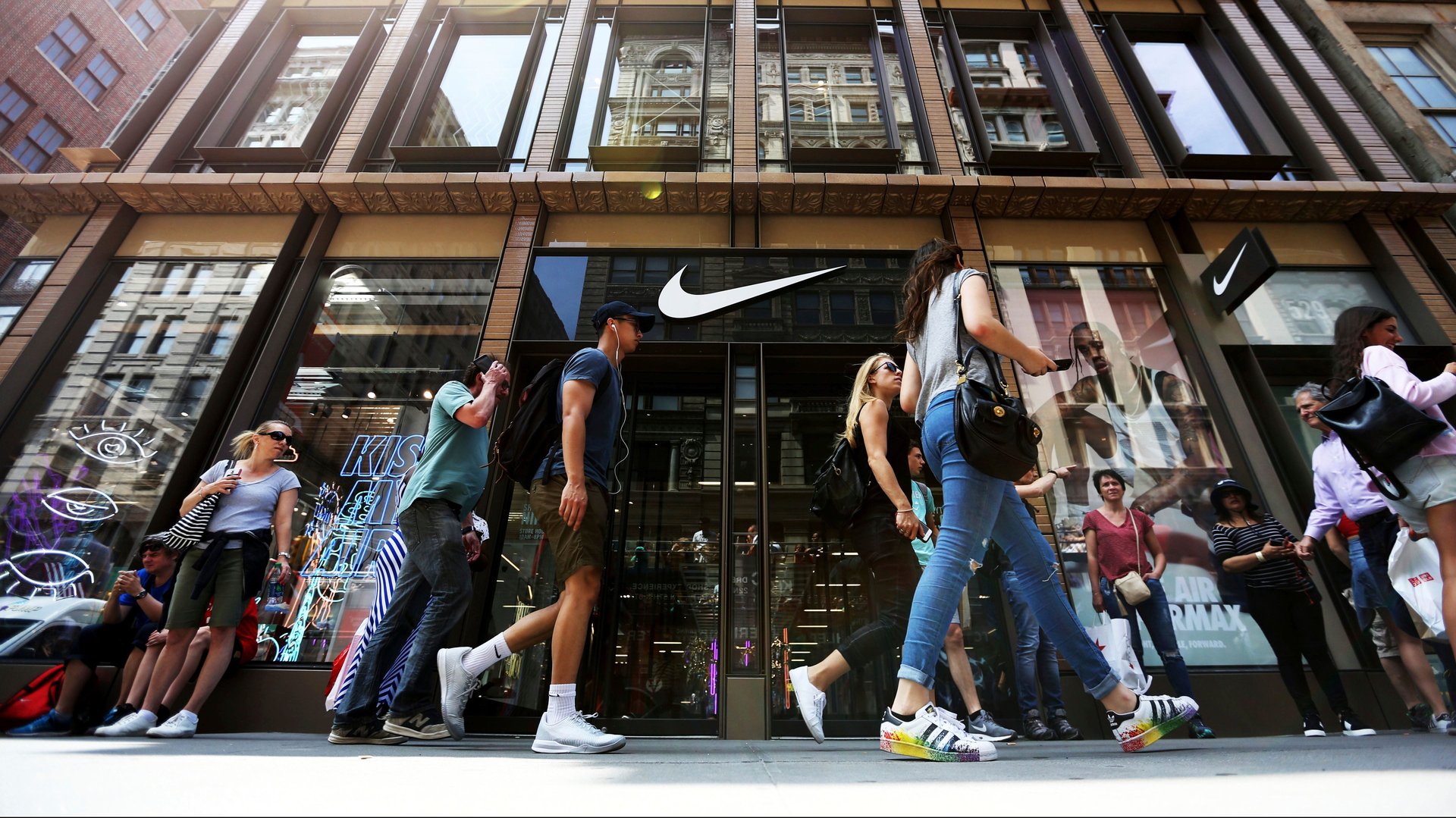
According to some 6,000 teens in geographically diverse high schools around the US, Nike’s status as the top brand among young Americans is under pressure.

According to some 6,000 teens in geographically diverse high schools around the US, Nike’s status as the top brand among young Americans is under pressure.

LVMH, the world’s largest luxury conglomerate, has unveiled a startup incubator, like the ones that have nurtured countless young companies in Silicon Valley—only this one is based in Paris, and its focus is specifically on technology for the luxury world.

REI has an ambitious new plan to ensure sustainability-minded shoppers feel good about buying any product sold in the outdoors- and fitness-supplier’s stores.

The US-China trade spat keeps escalating. Donald Trump is now threatening another hefty round of tariffs on Chinese products, after China retaliated to a previous round with its own trade barriers against US goods.

What started as a quiet internal problem at Nike has developed into a very public pledge by the world’s largest athletic brand to change its corporate culture.

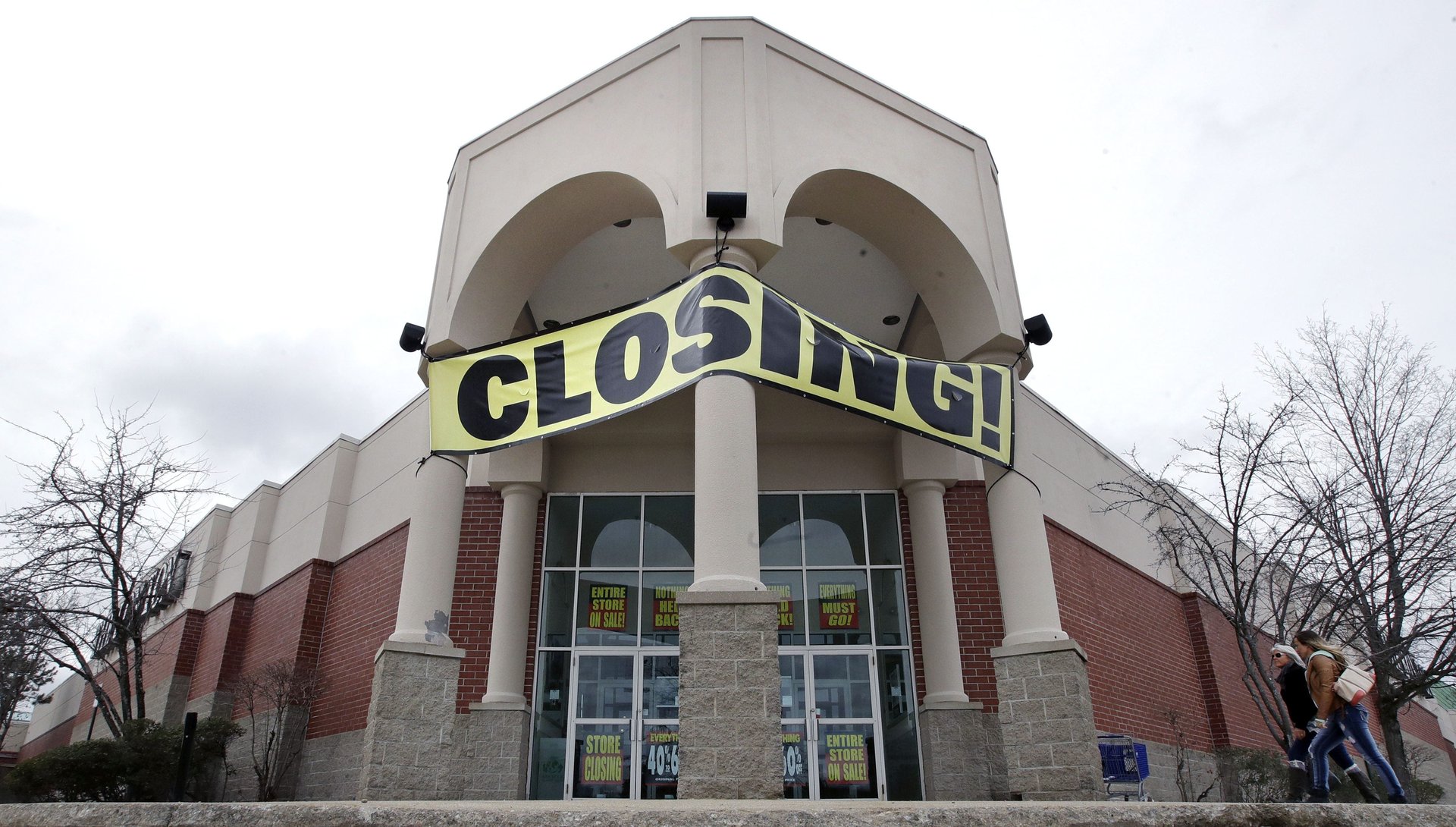
The past two years have been rough for a number of big US clothing and footwear brands. Many have regularly struggled to sell the inventory they’ve made, and have fallen back on heavy and endless discounts—sinking their profits. They’ve had to contend with a string of bankruptcies among some of their largest retail partners, along with high-profile store shutterings. Shoppers, meanwhile, are spending less of their money on clothes, and seem to only want to buy on sale.

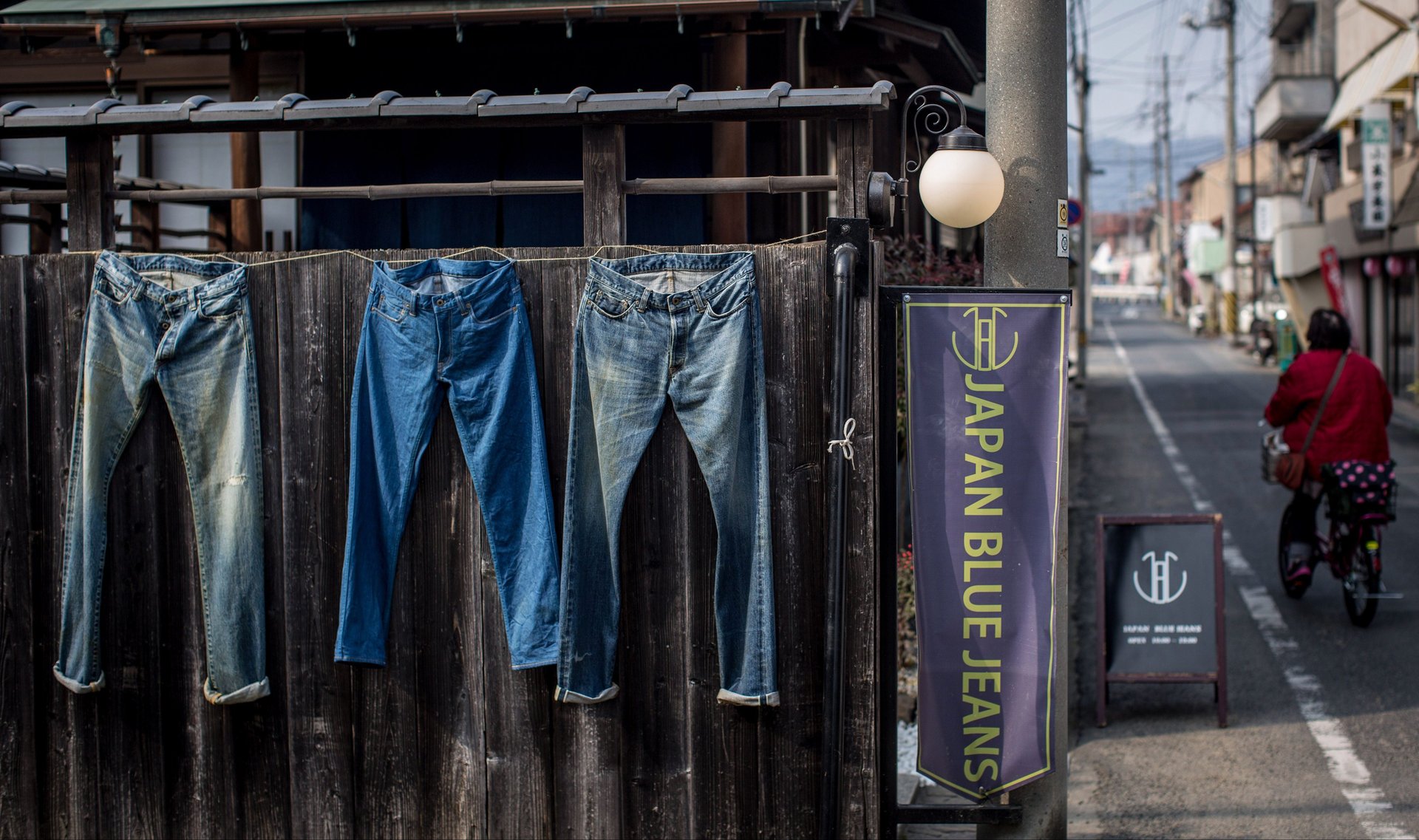
It’s not fun to wear old-fashioned, 100% cotton denim in its “raw” unwashed state. It’s stiff, like cardboard. It tends to crease rather than fold. It’s constricting and rough against the skin.

Manny Chirico, the CEO of PVH Corp—the parent company of Tommy Hilfiger and Calvin Klein—offered a frank assessment of Amazon’s role in fashion on a call with investors about his company’s latest earnings today (March 29). “It’s just not where it needs to be right now,” he said. Amazon’s fashion sales, he added, are weak on both “metrics” and “presentation” at this stage.

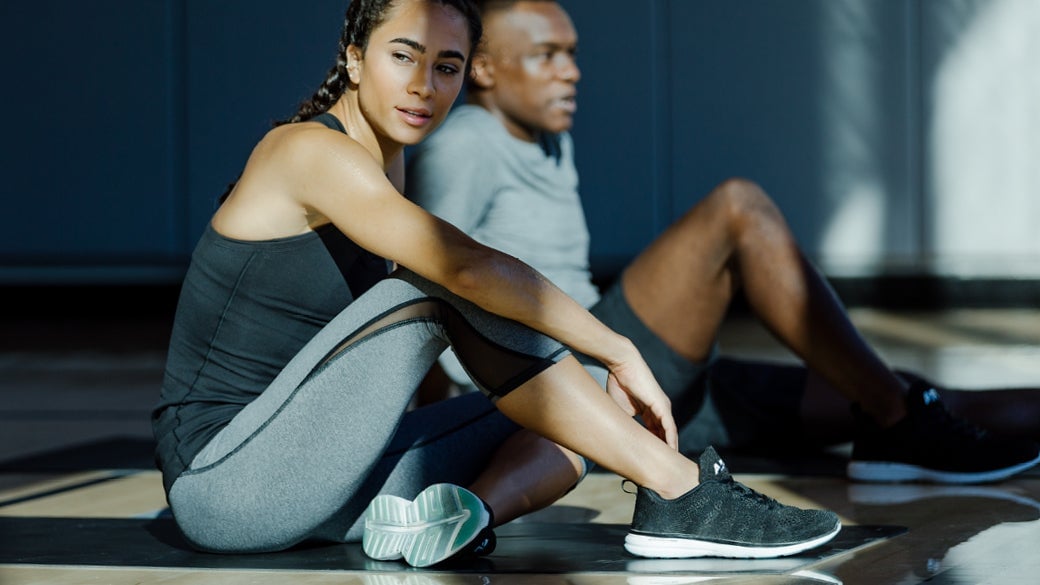
The telltale sign of athleisure’s rise in countries such as the US is the very visible spread of yoga pants and other stretchy leg coverings, which have migrated out of workout studios and into the streets (and sometimes offices).

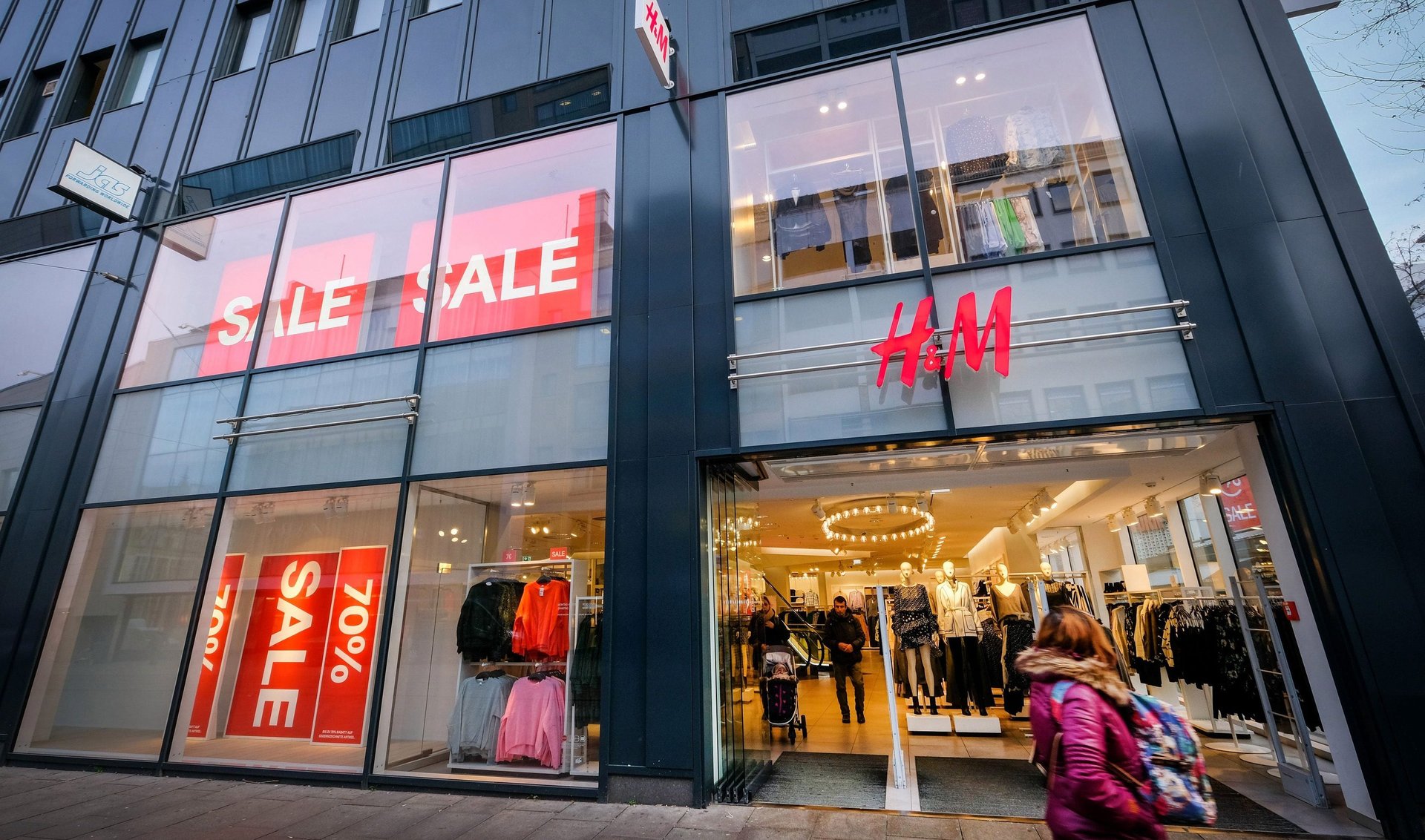
H&M is in the midst of a massive clearance sale.

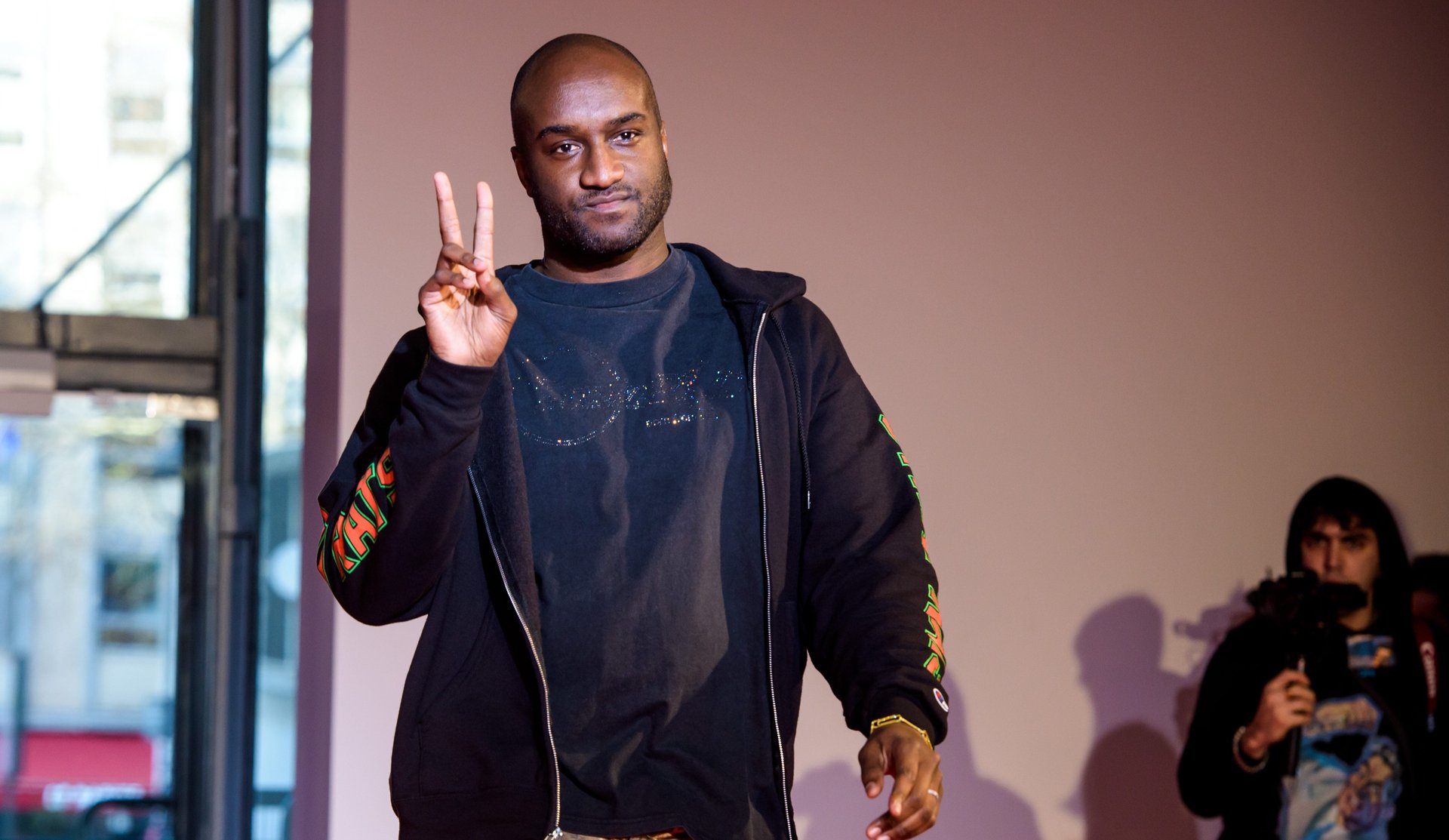
Luxury fashion is undergoing a major shift. Logo tees, hoodies, and other streetwear are no longer separate from high fashion—in fact, they have become some of its main ingredients.

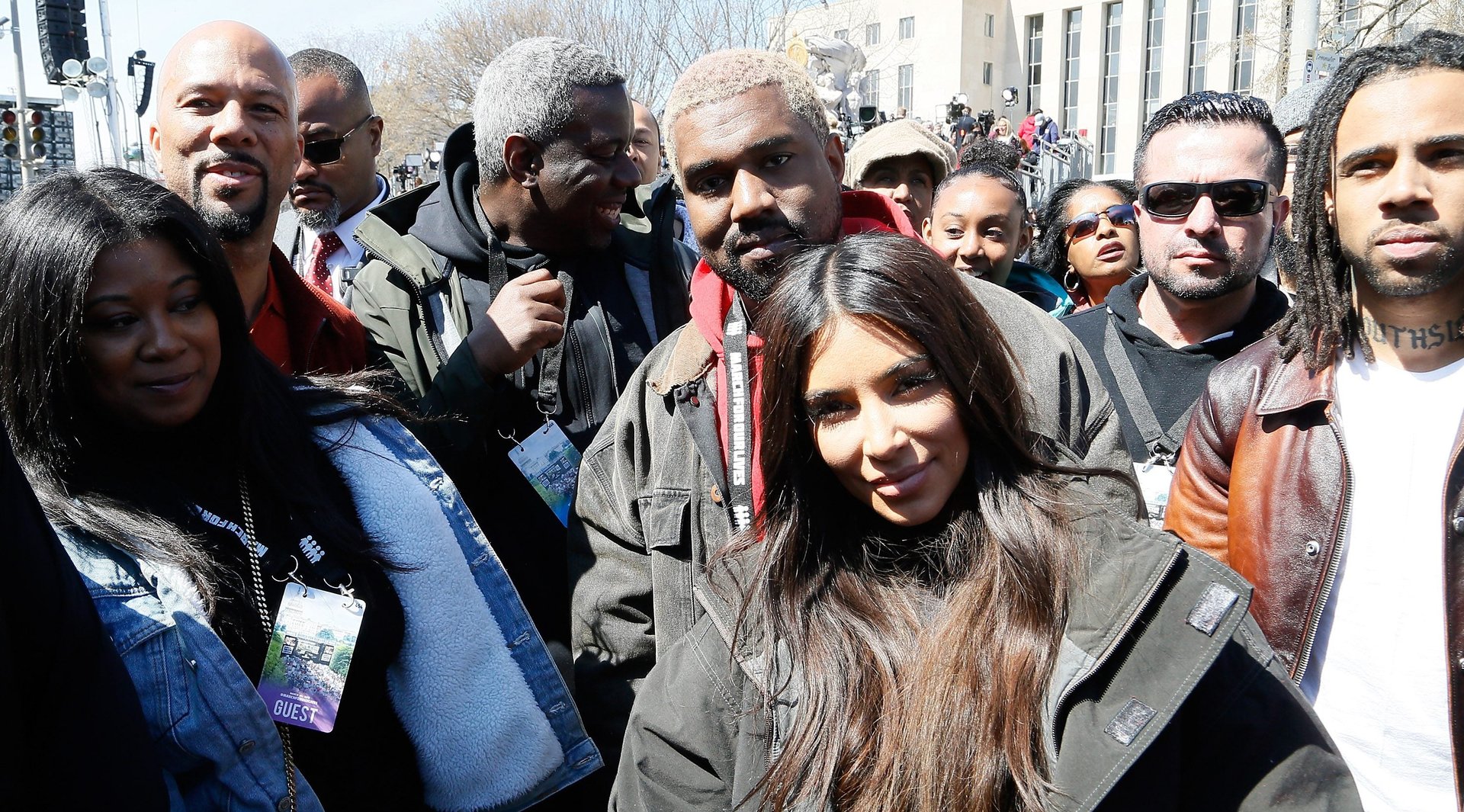
On March 24, hundreds of thousands of people across the US took part in a massive planned march to demand tighter restrictions on guns and protest inaction by politicians as mass shootings continue to happen in American schools.

Facebook’s reach into its users’ data just seems to keep growing.

Nike rose to be the world’s biggest athletic brand in a very different retail landscape. Back then shoppers went to stores and bought things, and retail partners were frequently the conduit between brands and consumers.

American brands have battled for years for more protection of their intellectual property in China, including better ways to address knockoffs. But some tough talk by US president Donald Trump has them worried that his cure might be worse than the disease.

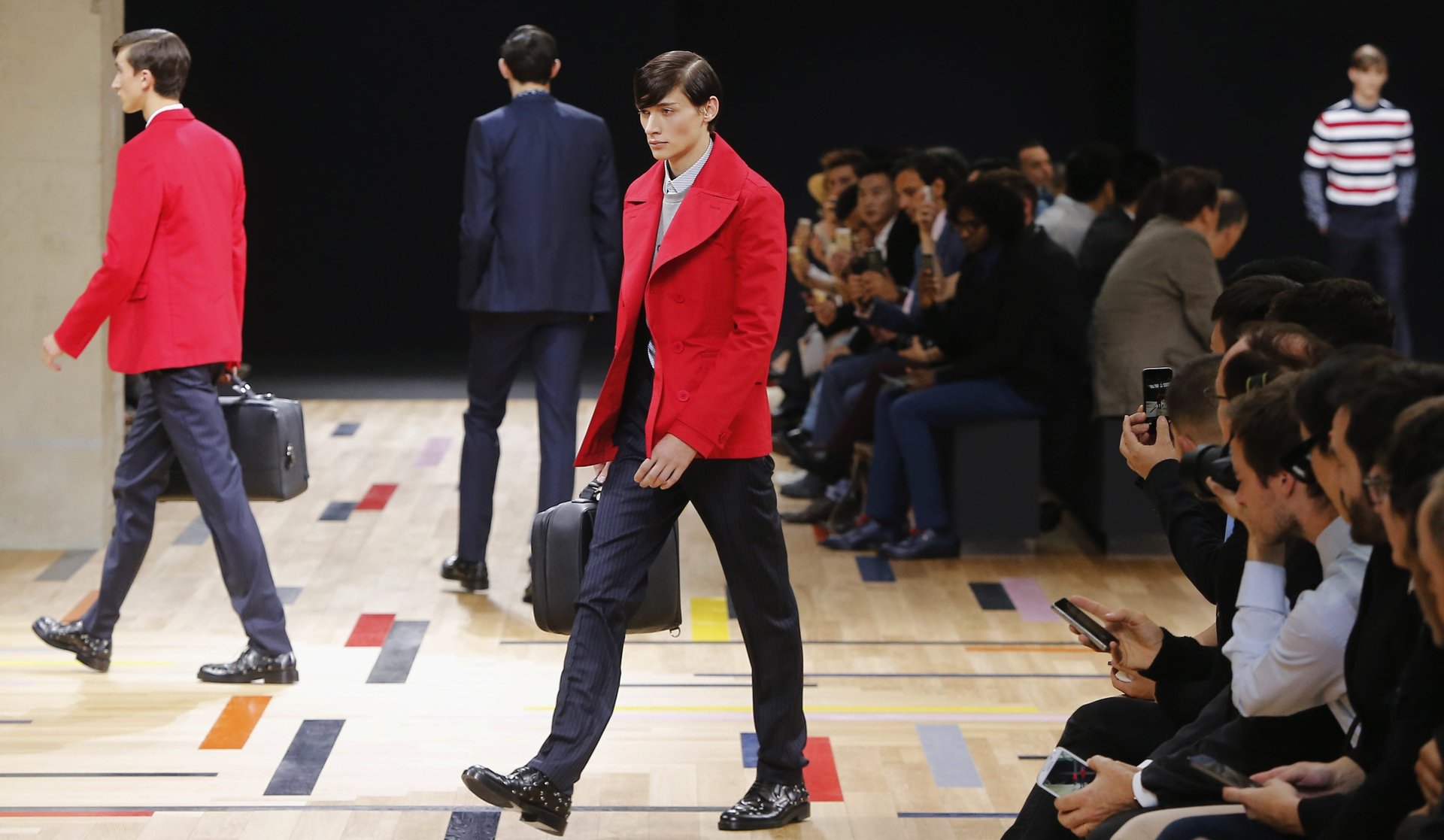
Dior Homme was once arguably the most influential menswear label in the world. In the early and mid-2000s, under the direction of designer Hedi Slimane, Christian Dior’s menswear line was the major force convincing legions of fashionable guys to squeeze themselves into pencil-thin clothes—not least of them Chanel’s Karl Lagerfeld, who admitted that the desire to fit into Slimane’s stick-figure silhouettes prompted him in 2000 to begin his dramatic weight loss. That influence trickled down to shape clothing from labels like Levi’s and J.Crew.

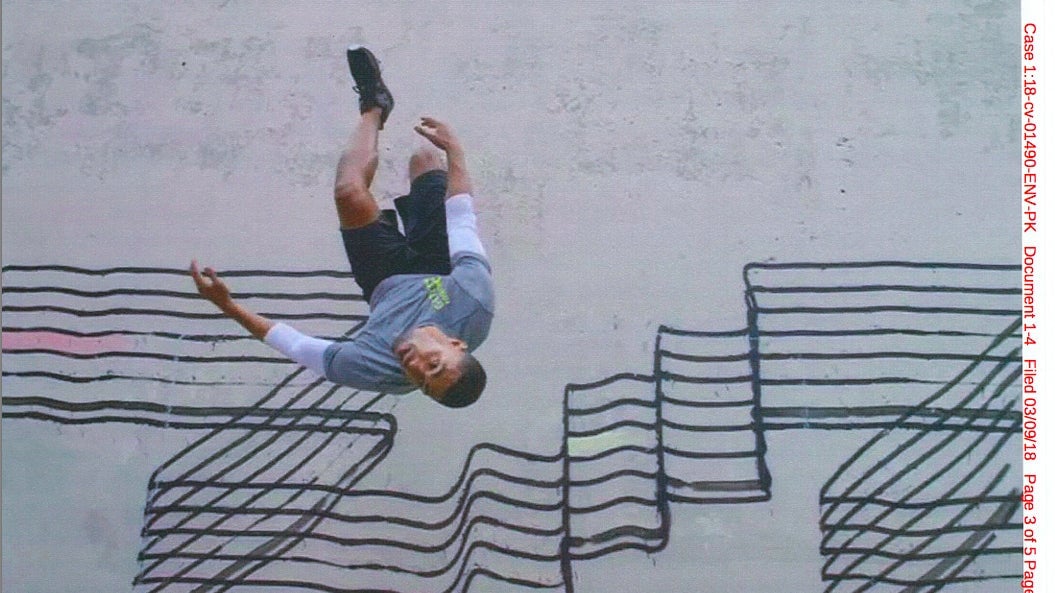
On the wall of a handball court in Brooklyn is a distinctive piece of art created by the graffiti artist Jason Williams, who goes by the name Revok. It looks a bit like a staff in musical notation, squiggling and twisting up and down the wall.

Nike says its number two executive, brand president Trevor Edwards, is stepping down. No reason was provided in the official announcement, but a separate memo about his departure, which was sent from CEO Mark Parker to Nike staff and reviewed by the Wall Street Journal, also noted that the company has received reports from employees about inappropriate workplace behavior.

Forget all the “retail apocalypse” headlines. The phrase suggests the whole industry is collapsing, consulting firm Deloitte says. In reality, it’s not.

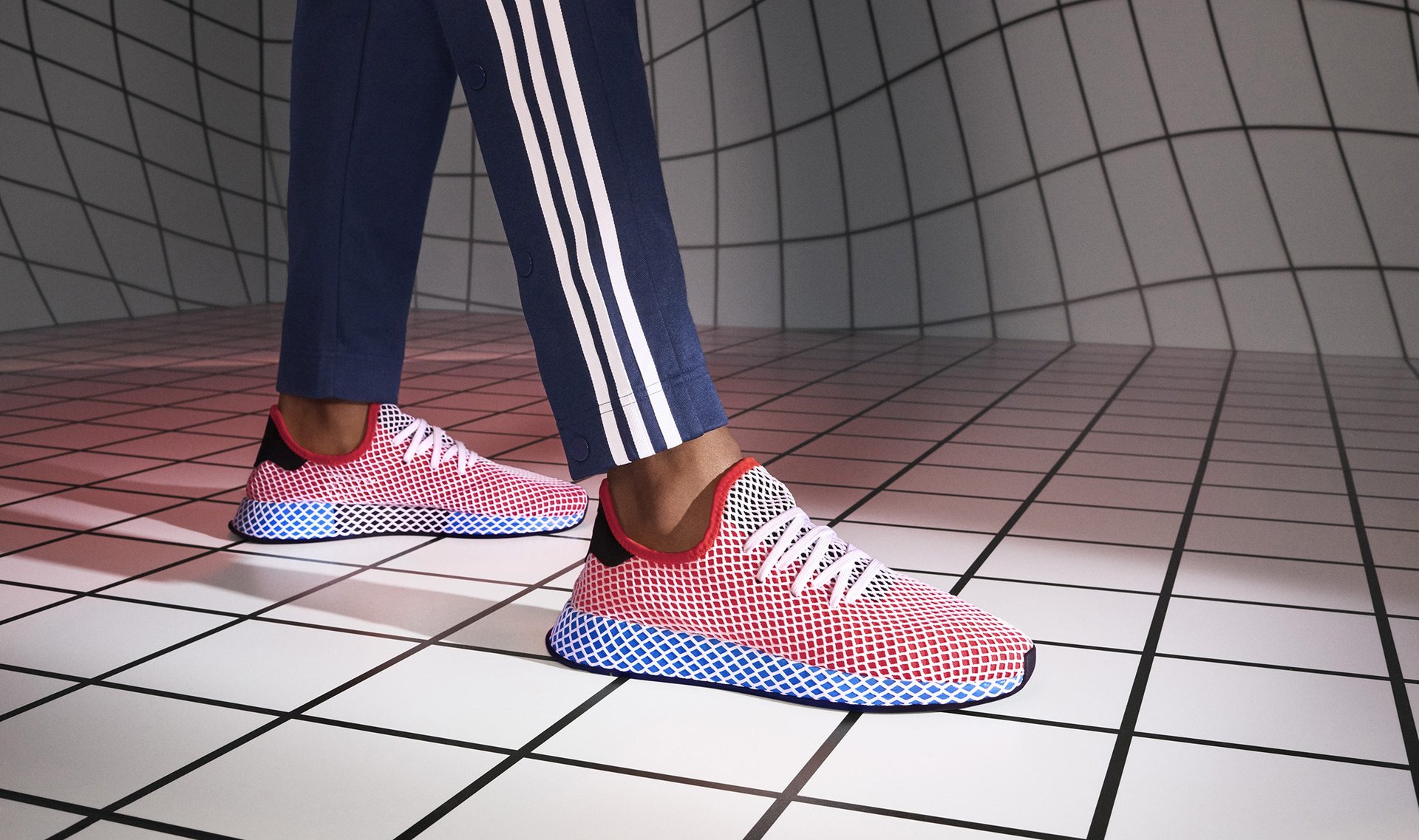
It’s a common sight on Instagram: a low-angle shot of a sneaker with a soft, flexible knit upper that hugs the foot. The shoe style is hugely popular at the moment. When people want to show it off in pictures, they often plant their feet flat, toes pressed down to create a silhouette with a smooth line from the top of the foot to the toe.

While luxury fashion brands were generally slow to embrace e-commerce, shoppers have made it clear that they’re more and more comfortable buying even their high-end stuff online.

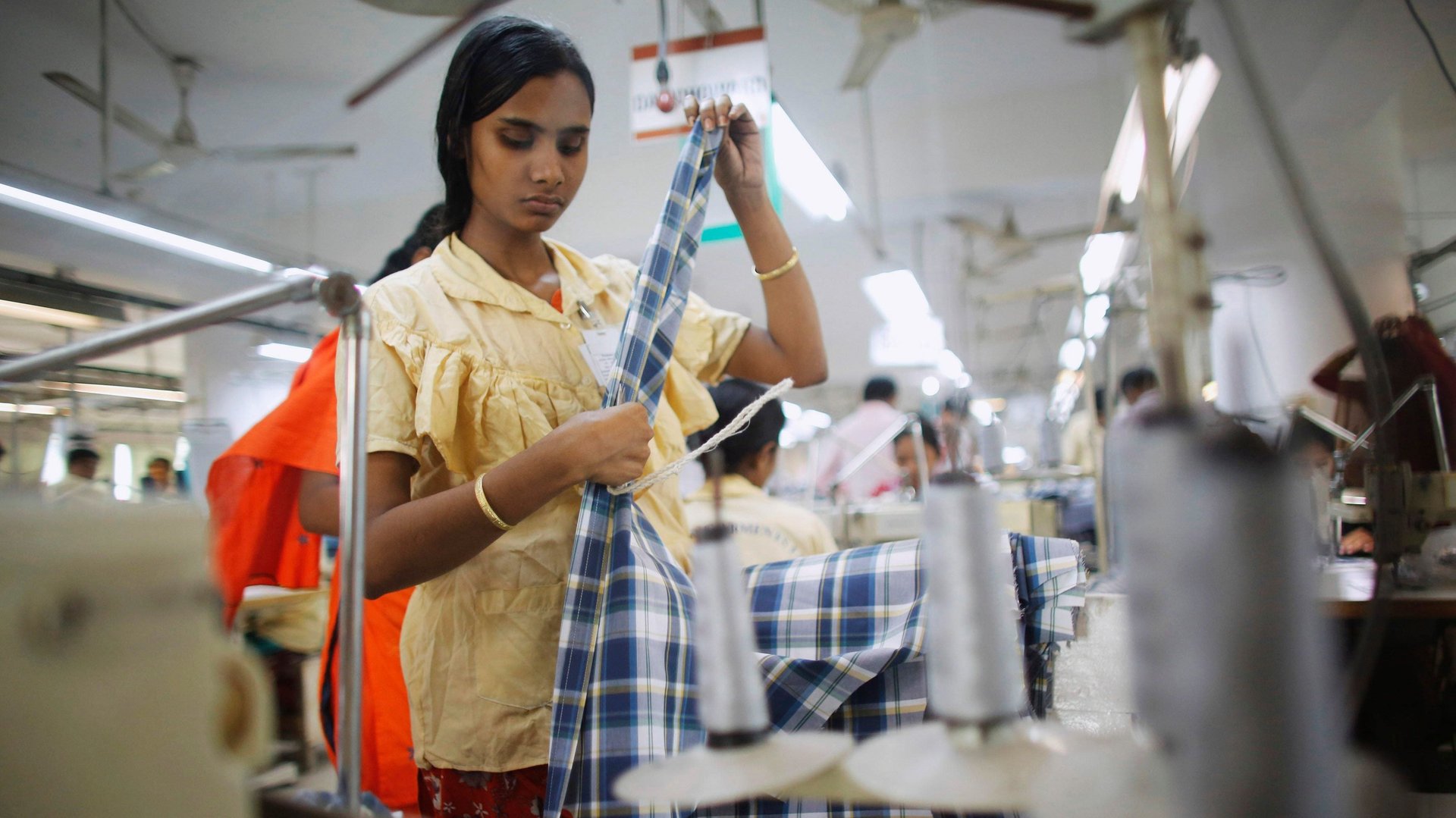
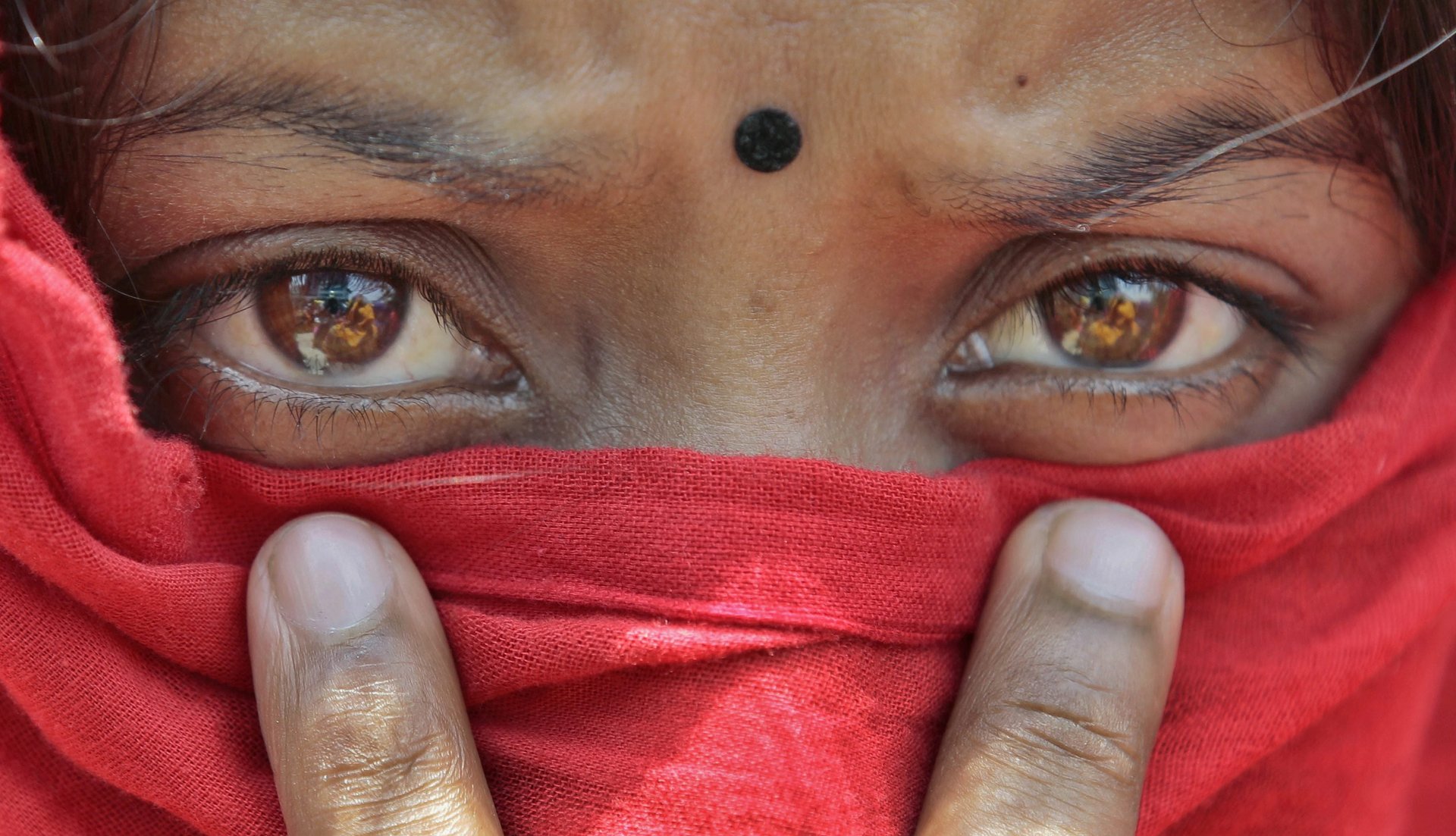
The first National Woman’s Day, a precursor to International Women’s Day, took place in the United States in 1909. It honored a garment workers’ strike the year before, in which women protested the poor working conditions, low wages, and sexual harassment they faced—and it predated by two years the Triangle Shirtwaist Factory fire, which killed 146 garment workers, mostly young immigrant women, in Manhattan.

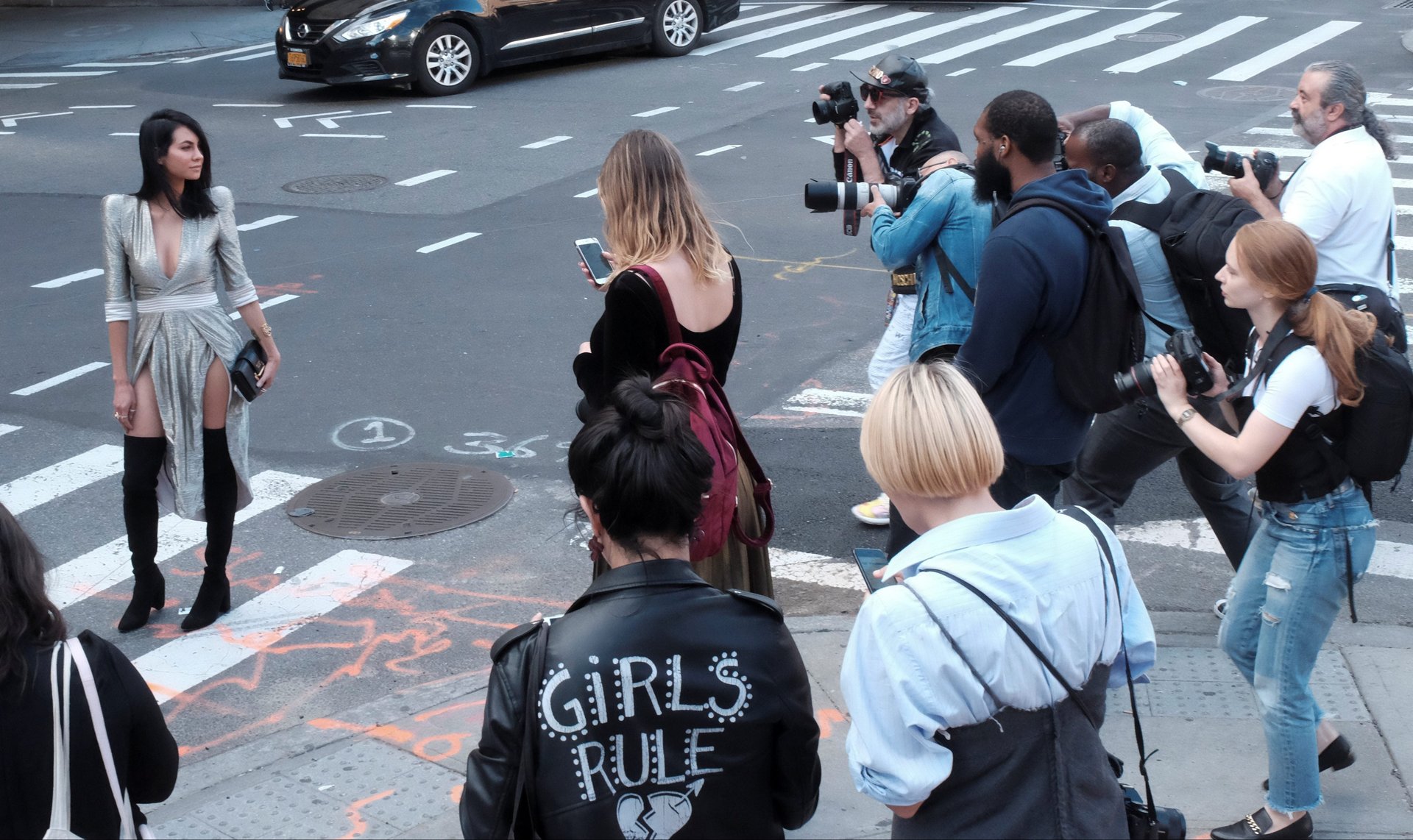
What would fashion be without its alchemical ability to transform clothes into status?

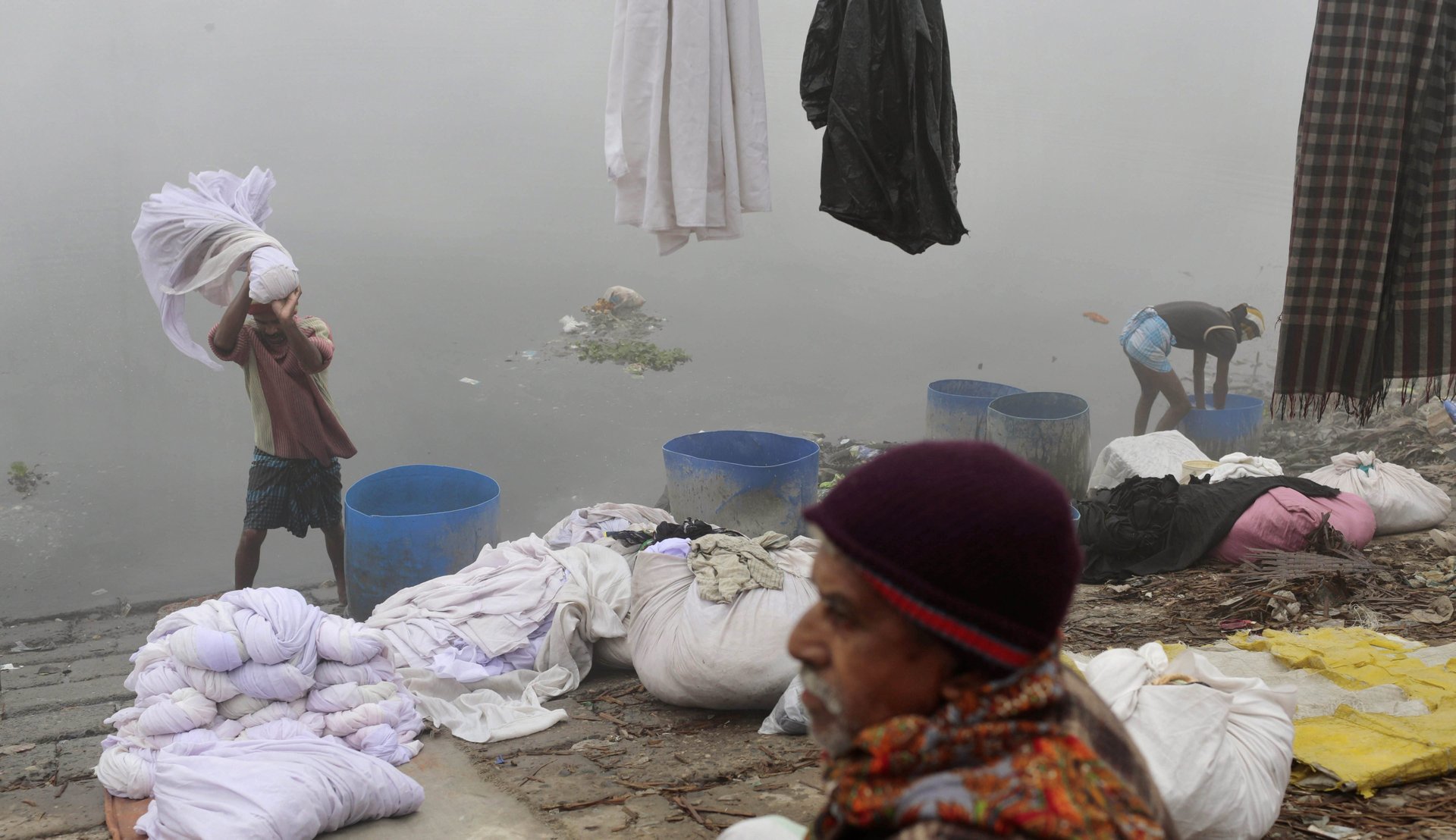
The $2.5 trillion fashion industry is one of the largest users of water globally (pdf), according to the United Nations Economic Commission for Europe (UNECE), noting that producing one cotton shirt requires 2,700 liters of water—”the amount a person drinks in 2.5 years.” The agency also estimates that one in six people worldwide works in a job related to fashion, an industry whose supply chain has a reputation for unsafe conditions, child labor, and other exploitative practices, especially for girls and women.