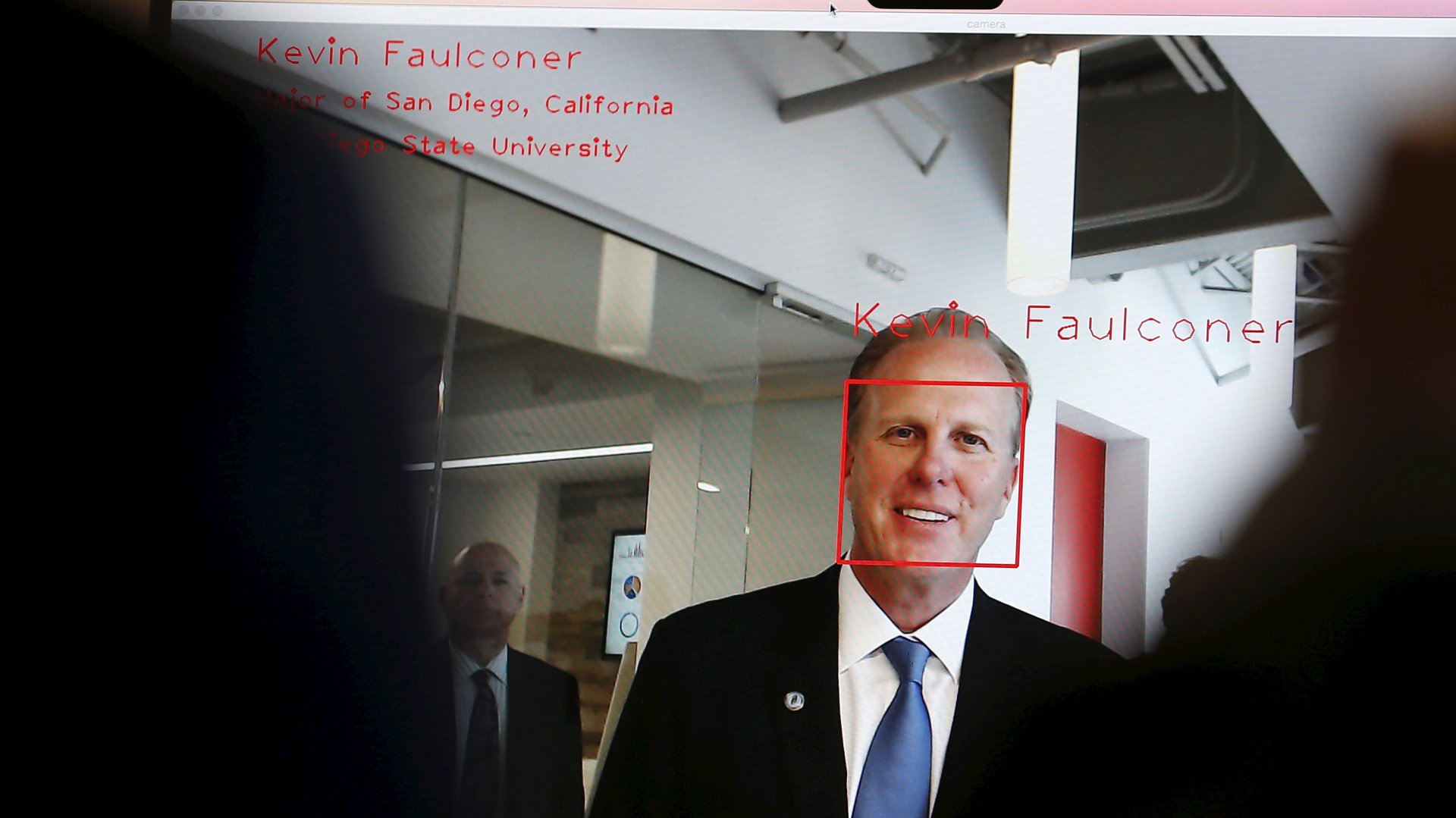
Cameras are everywhere. In London, one of the world’s most heavily monitored cities, nearly half a million of them comprise part of the “ring of steel” system that surveils much of the city.

Cameras are everywhere. In London, one of the world’s most heavily monitored cities, nearly half a million of them comprise part of the “ring of steel” system that surveils much of the city.

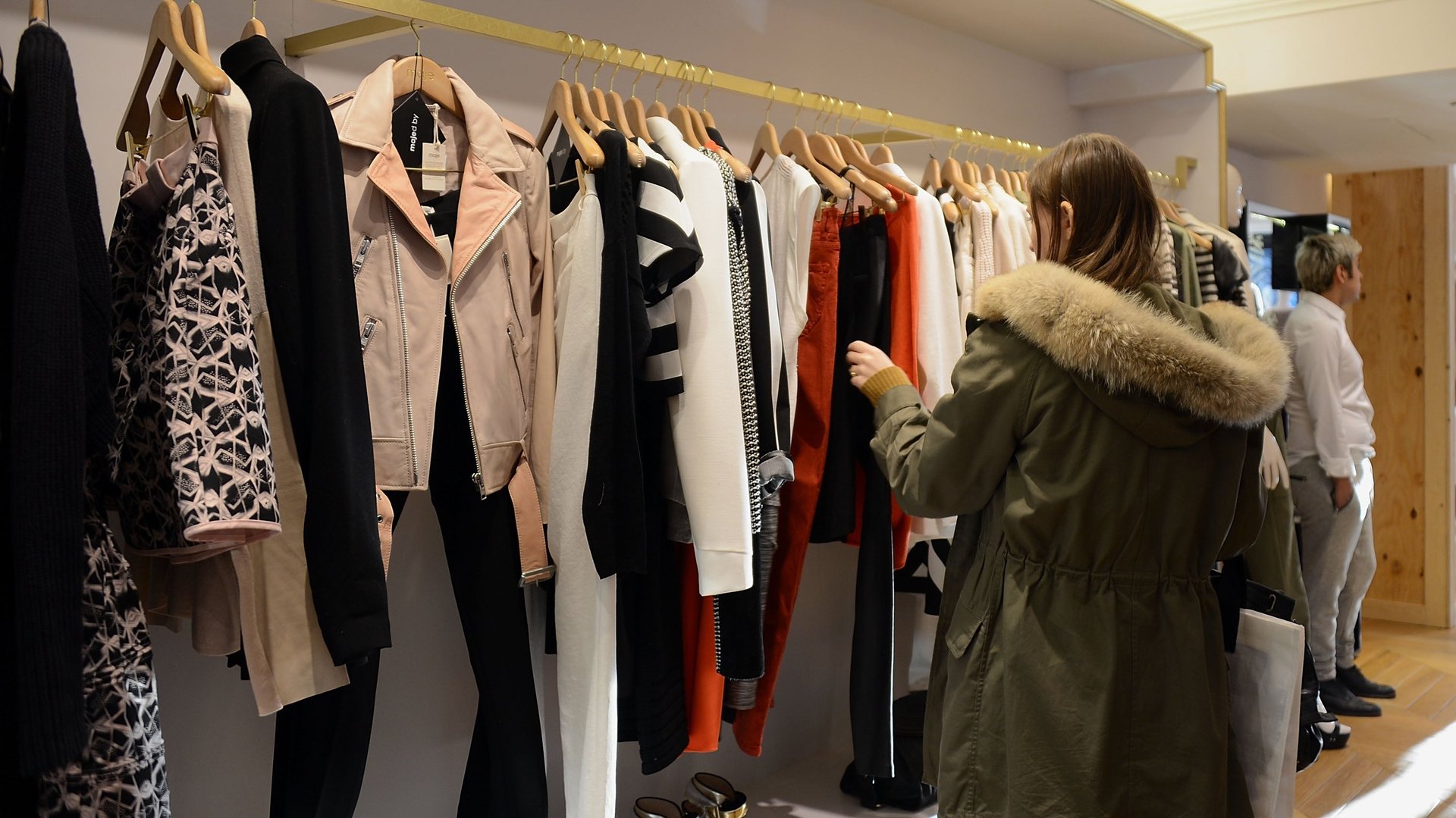
The US retail landscape is shifting, and department stores are suffering. While shoppers move online, productivity at brick-and-mortar locations—measured as sales-per-square-foot—is dwindling. Many chains haven’t closed stores quickly enough to keep pace, including Macy’s.

Amazon, which got it start selling books online, may soon enter the world of stretch pants and gym shorts.

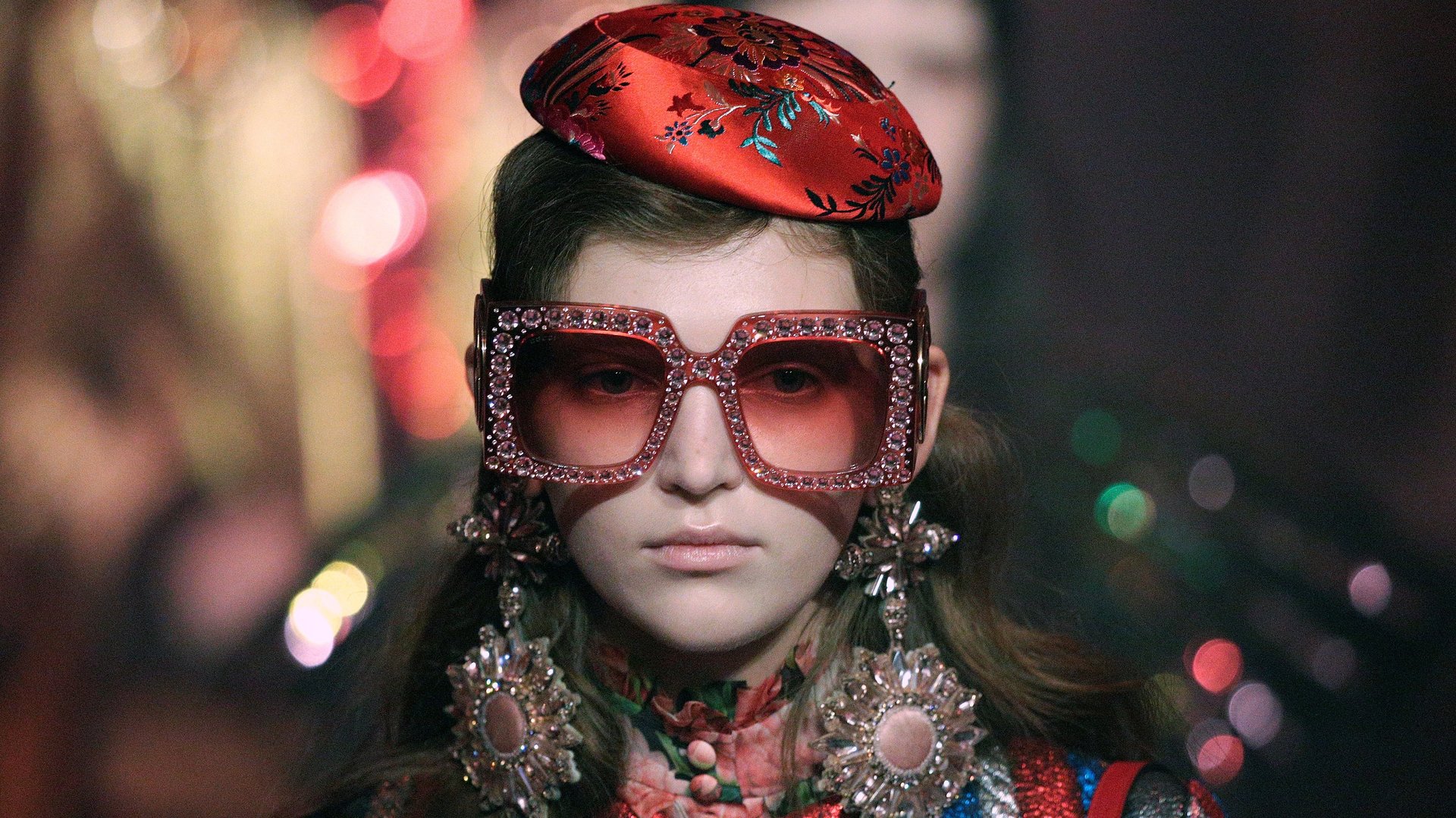
Last year was a bad one for many companies selling expensive fashion, handbags, and jewelry. For the first time since the financial crisis of 2008, the global market for personal luxury goods failed to grow, stalling at €249 billion (about $258 billion).

The season of giving is over. It’s followed by the season of returns.

It can be painful, amusing, or inspiring to look back on the way we once dressed. How history will judge 2016 remains to be seen, but for now, we can glance backward to see what was popular in fashion this year.

Carrie Fisher, who died today at the age of 60, will be remembered by countless fans for her turns as Princess Leia in the Star Wars series, but that was far from her only successful role. Fisher was a talented writer who could bring a script to life off-screen as well as she could as an actress in front of the camera.

Today pop culture and high fashion feel inseparable, but in 1990, a music video by the pop star George Michael made an indelible impression by bringing the two together.

The year 2016 is almost a wrap, and looking back, a few brands stick out as those that dominated fashion. They made—and sold—the products everyone wanted. They were the ones people couldn’t stop talking about. They were right at the center of culture and how we dress today.

China’s largest online marketplace, which is owned and operated by e-commerce giant Alibaba, has landed on a list of “notorious markets” where the US government says piracy and counterfeiting are rampant.

The holidays are almost here and you might be realizing that you still don’t know what to get for everyone on your list.

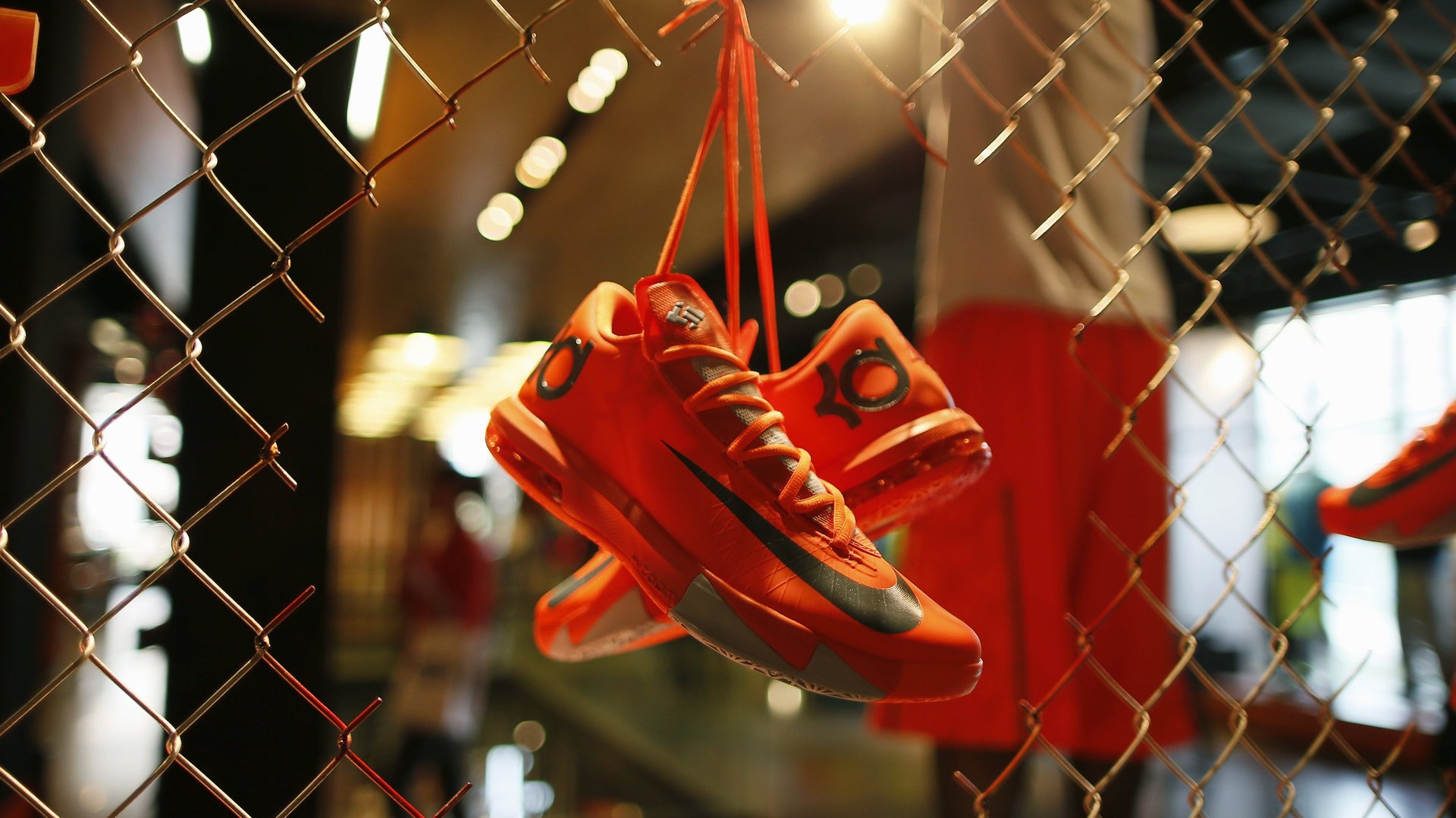
Americans love their sneakers, and are willing to pay a high price for a pair they love. But what many shoppers don’t know is that a large portion of the markup they’re paying is the result of steep import tariffs imposed by the US government. On a pair of $120 rubber-soled athletic shoes, for example, about $20 of the retail price could be the result of duties the manufacturer had to pay when they landed in the US from an overseas factory.

For those who celebrate Christmas, this is crunch week. The days and hours to the holiday are counting down, leaving little time to finish—or begin—your shopping.

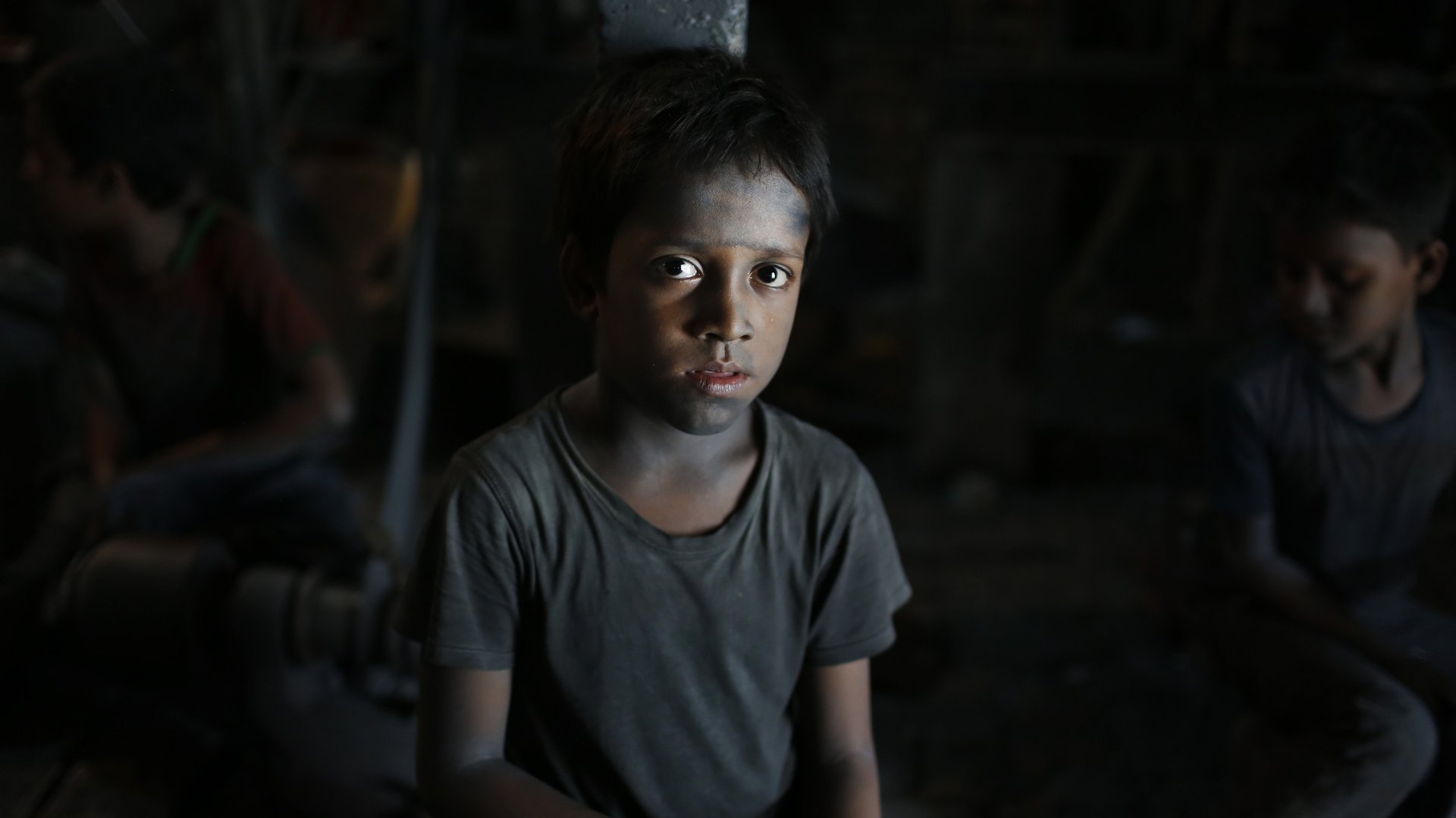
When a UK think tank interviewed 2,700 children in the slums of Dhaka, Bangladesh, for an extensive new report on child labor, one girl they spoke with was a 14-year-old named Shilpa. She had completed a few years of schooling in a rural area before moving to Bangladesh’s capital and largest city, where she finished grade 5 and then took work stitching clothes in a garment factory.

To reach your customers—current and potential—you need to be where they live. That’s increasingly online, on social networks such as Instagram.

The fashion industry is always home to a broad range of styles, but at any time, one or two stand out above the rest. One year it might be minimalism, another, the revival of a past decade’s look.

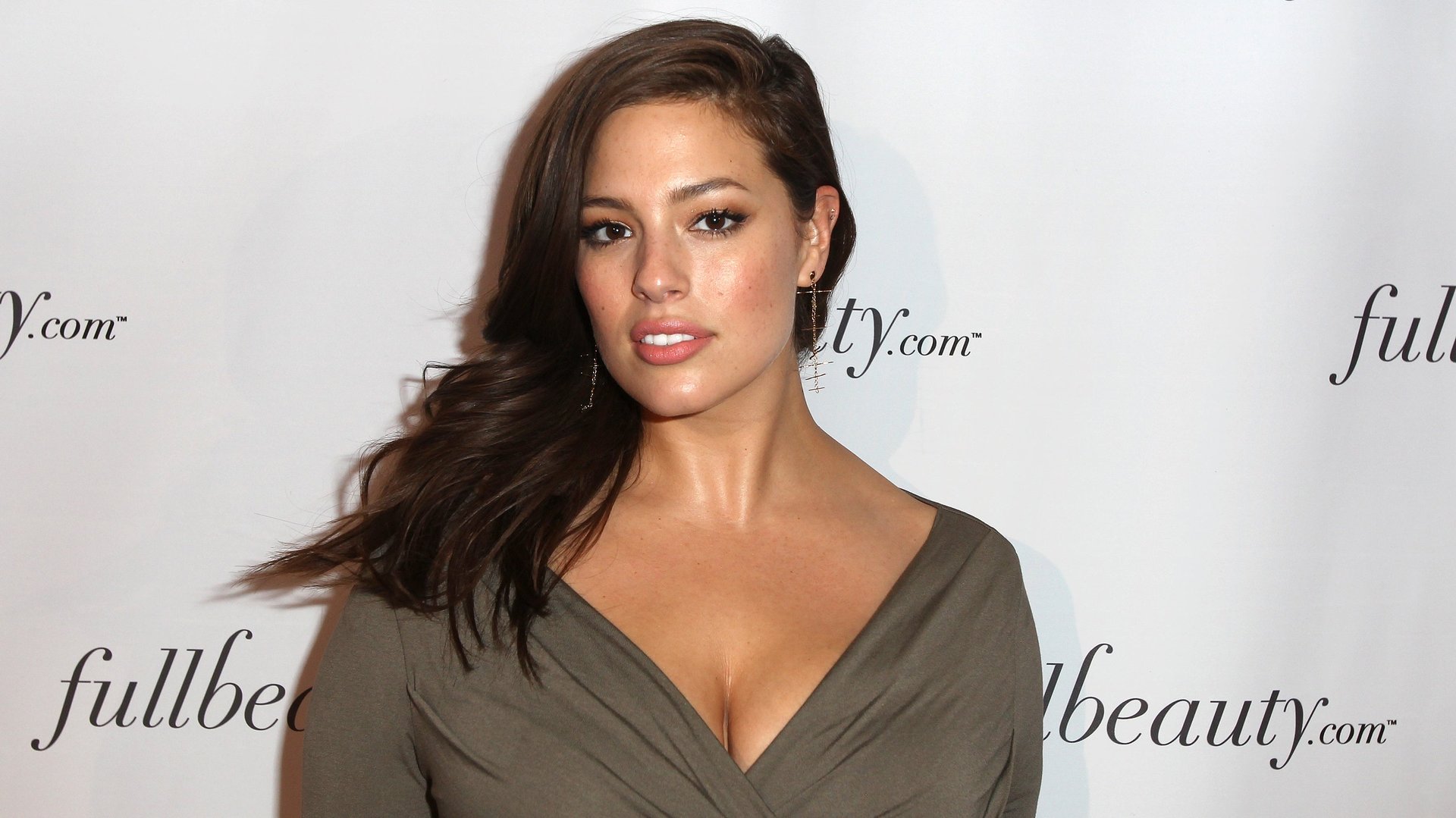
It’s hard enough for women above a size 12 to find clothing at a store. Apparently it doesn’t get much easier if they’re going to be on the cover of Vogue.

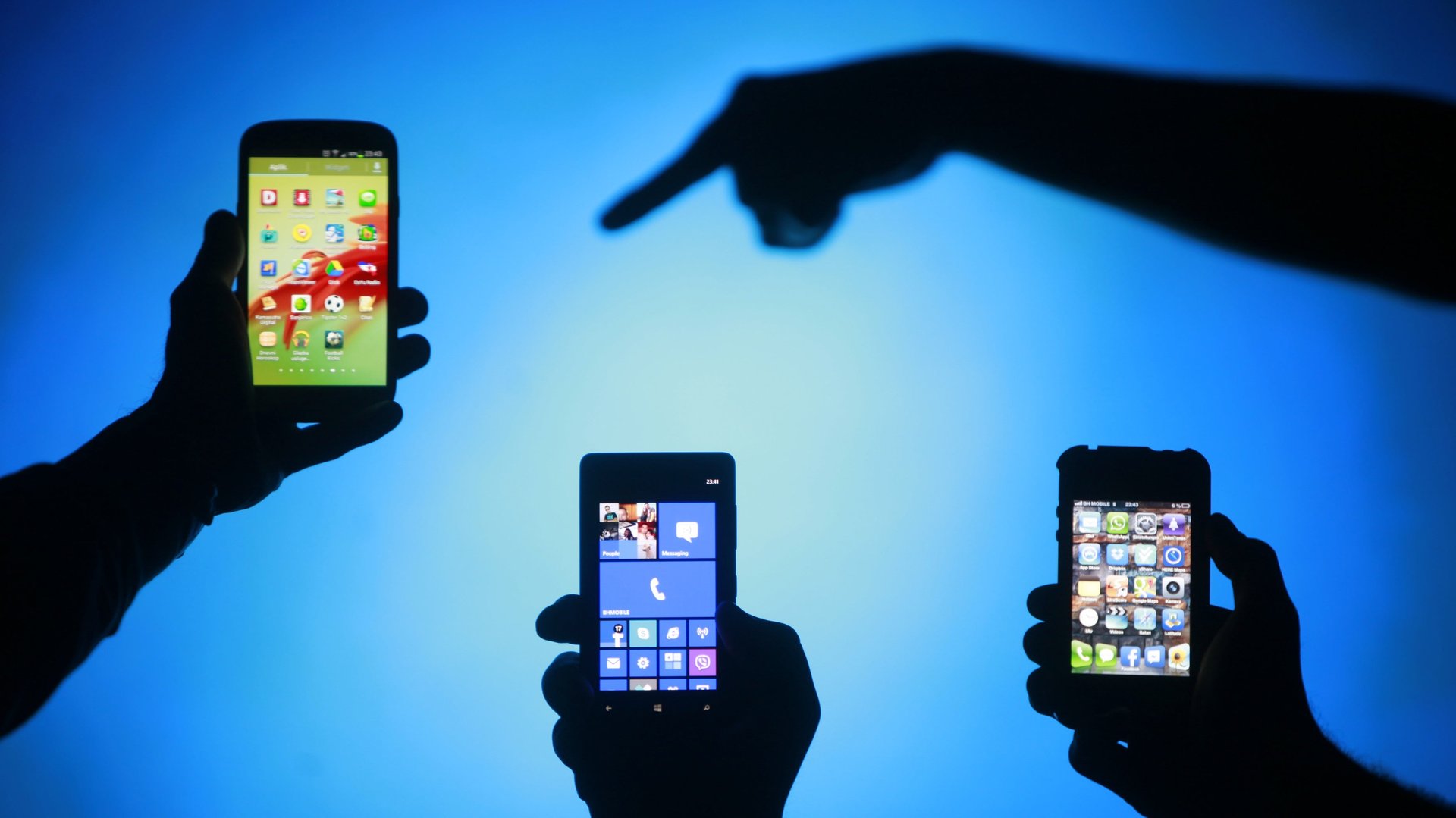
A US Supreme Court ruling in a dispute between Apple and Samsung over design patents may have big implications for designers of all sorts.

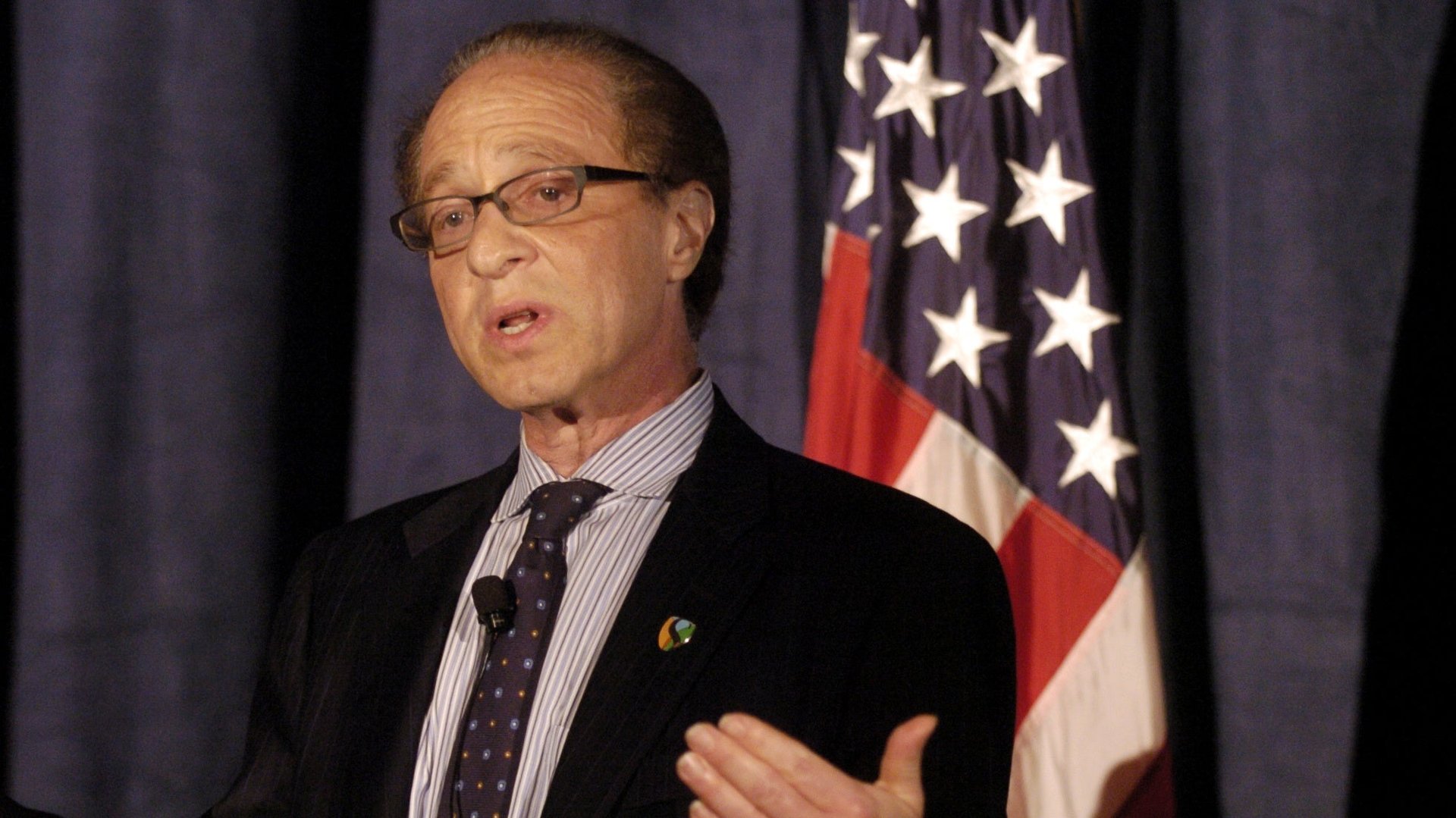
Ray Kurzweil is one of those people whose name is often attended by the vague title “futurist.” An accomplished inventor, who in 2012 became a director of engineering at Google focused on machine learning, he’s well-known for the many predictions he’s made over the years about how technology will shape and transform our lives.

Under Armour is out to prove it’s playing in the big leagues. The Baltimore-based sporting goods company announced today that it has entered into a 10-year deal with Major League Baseball to be its official uniform provider, beginning in the 2020 season.

Maybe it has happened to you before: Your new t-shirt looks like it has suddenly aged two years with one wash. A hole has opened in the crotch of the jeans you’ve only had for six months. A thread is hanging from your shirt after just a few wears, threatening a much greater unraveling.

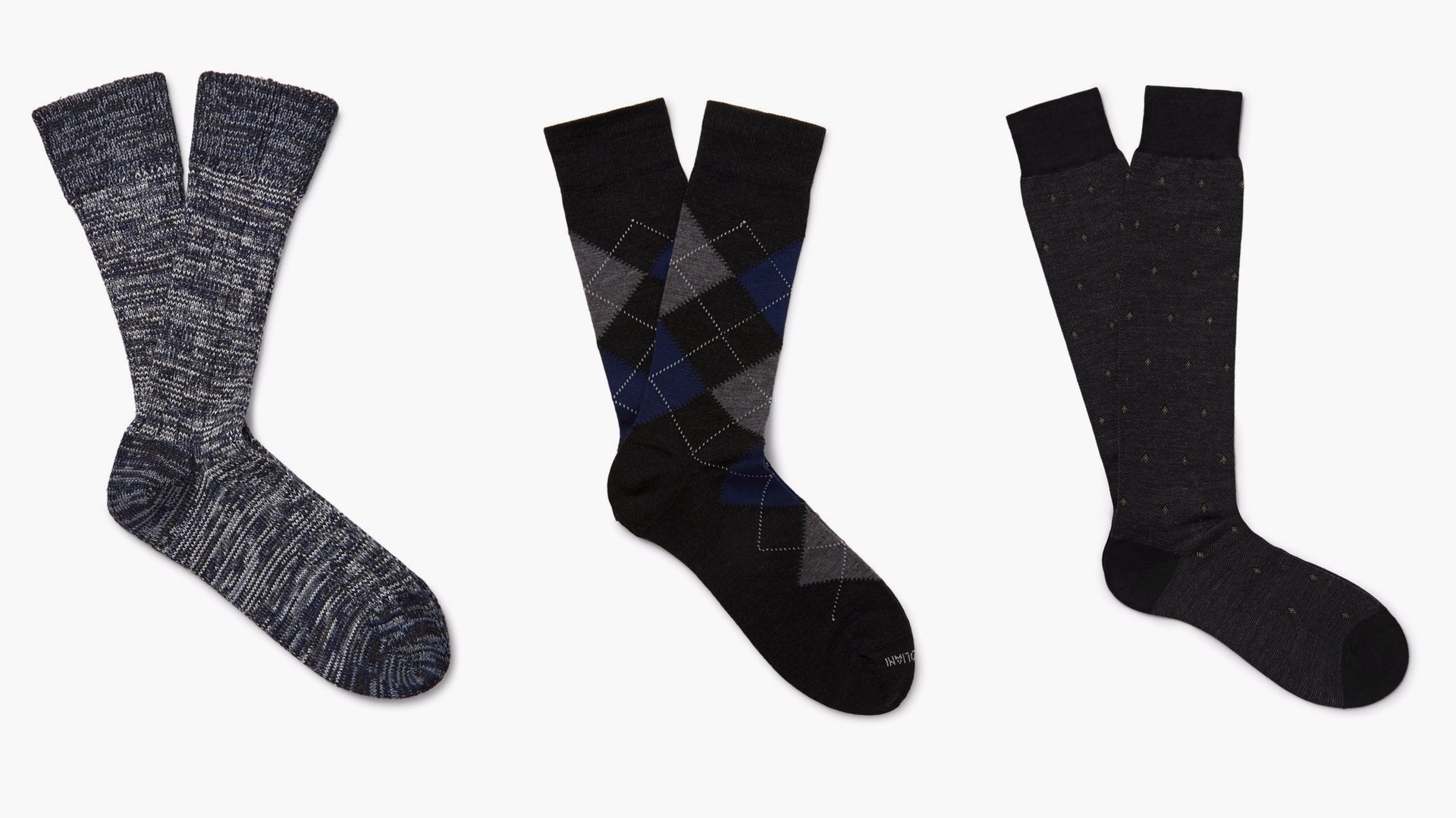
Socks—yes, socks—are an incredibly popular holiday gift. According to research firm NPD Group, they are the item of clothing given the most to men or women in the US for Hanukah or Christmas.

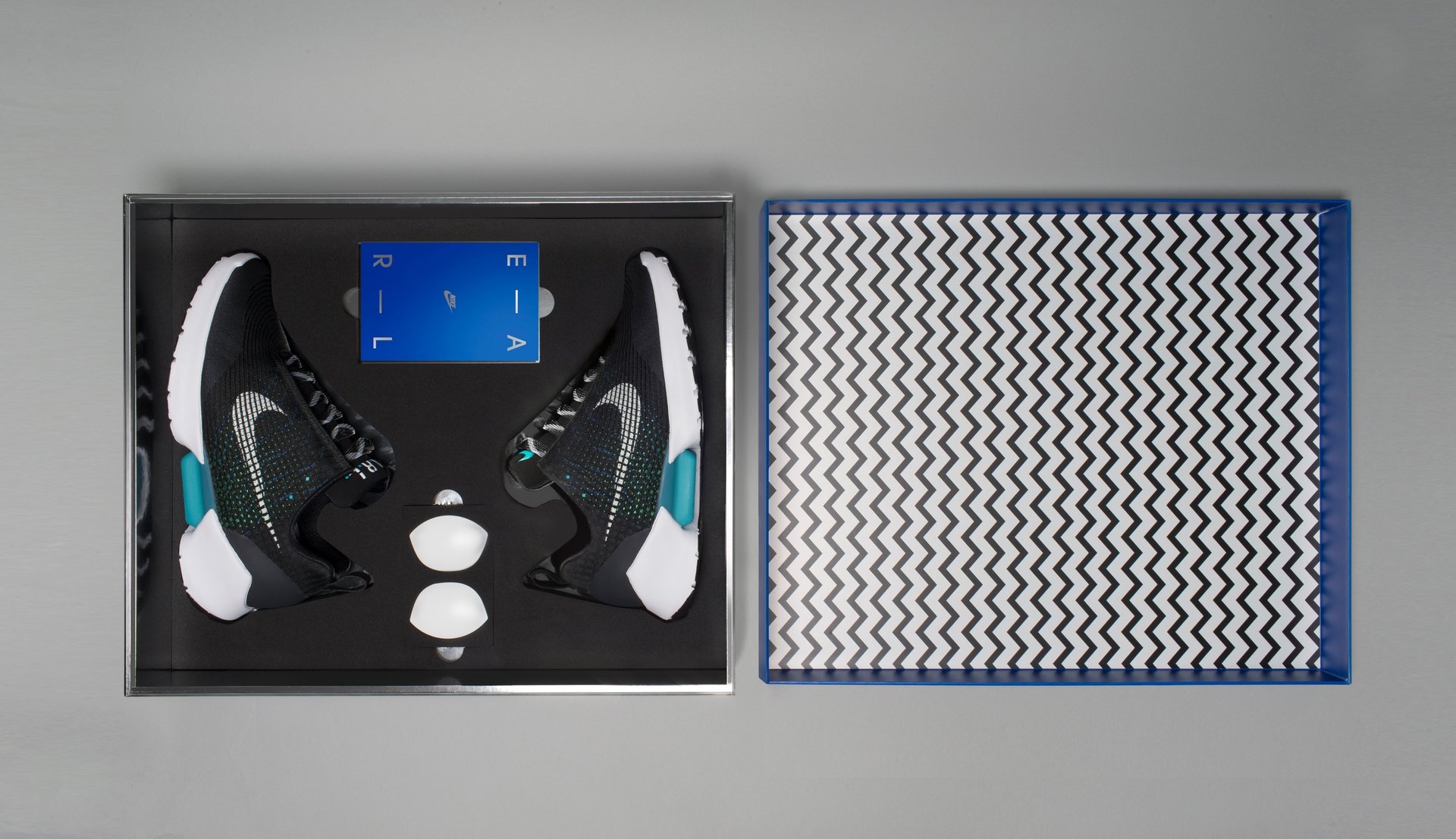
After a decade of development and a reveal back in March, Nike’s first-ever self-lacing sneakers made for general release, the HyperAdapt 1.0, hit the mass market today. Sort of.

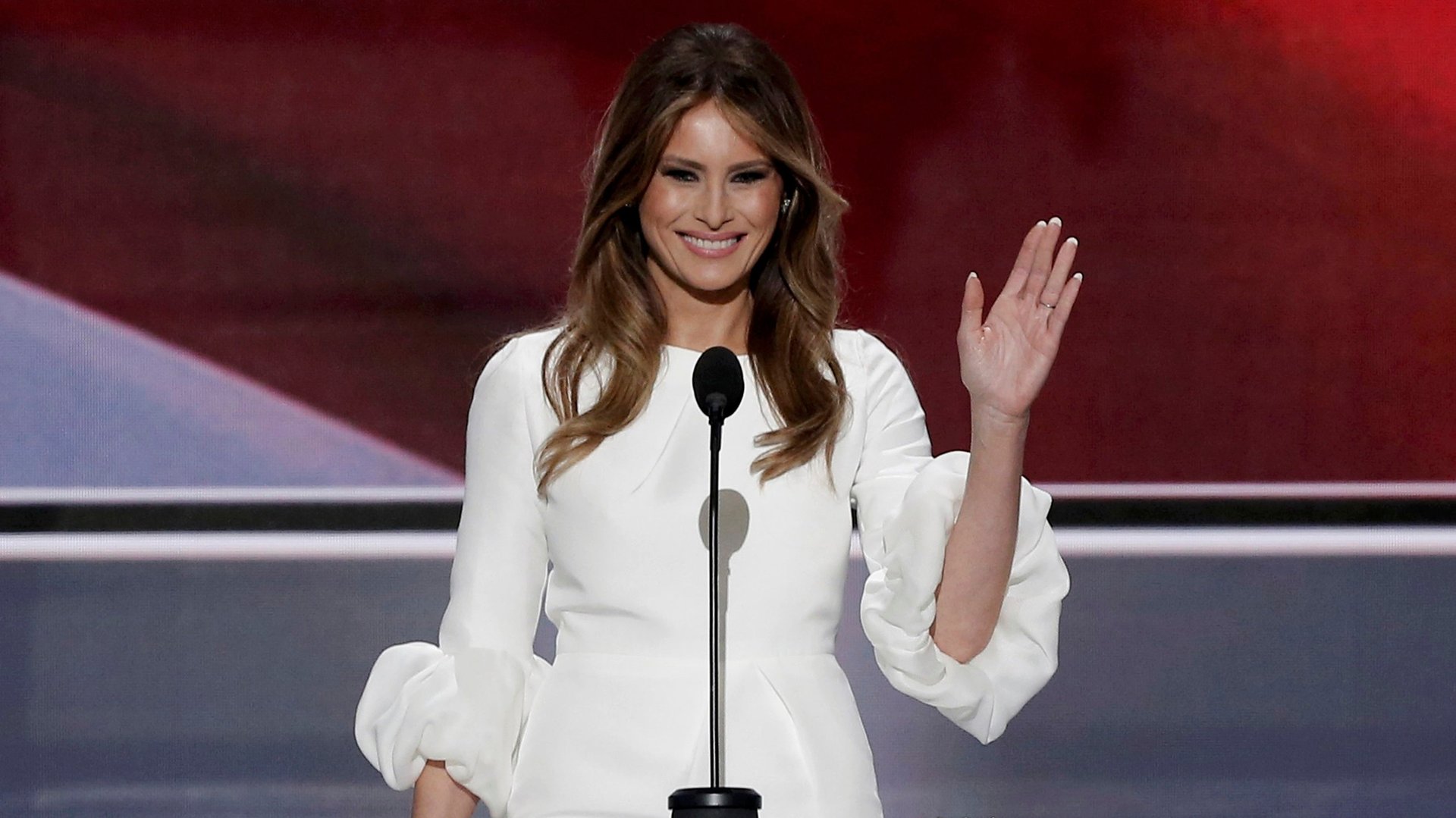
Melania Trump, wife of US president-elect Donald Trump, has a tough sartorial act to follow in Michelle Obama.