

Tech & Innovation
BuzzFeed may have just joined the billion-dollar startup clubThese are buzzy days for BuzzFeed, indeed.
Updated July 21, 20221 min read
These are buzzy days for BuzzFeed, indeed.

Sometimes it’s good to be boring. At least that’s the mantra Wells Fargo should tout to shareholders. The 162-year-old California-based bank (which was actually founded in New York City), is on the brink of becoming the most highly valued financial institution in US history, according to the Wall Street Journal. Wells Fargo’s current valuation—$279.92 billion—is just shy of eclipsing Citigroup’s high-water market capitalization of $282.75 billion, set back in February 1991. (Wells Fargo shares are up 13% so far this year, besting the 2.7% gain for the S&P 500 financial sector.)

We’re one step closer to the quantified household.

Your ATM might be about to become an EBK.

Investment bankers may want to hold off on buying that extra pair of Gucci loafers this year.

Meet David F. Welch. The Silicon Valley veteran holds about 130 patents in areas like fiber optic networking and semi-conductor laser technology. He made a tidy sum during his stint as chief technology officer for fiber optic company SDL, when JDS Uniphase bought it in 2001 for $41 billion. He then helped found a Sunnyvale, California telecommunications networking firm now known as Infinera more than a decade ago. It now has a market value of more than $1 billion. Oh, and he also started a non-profit organization called Students Matter that is leading an all out assault on teacher tenure at public schools.

Harvard’s multi-billion-dollar endowment hasn’t been making the grade.
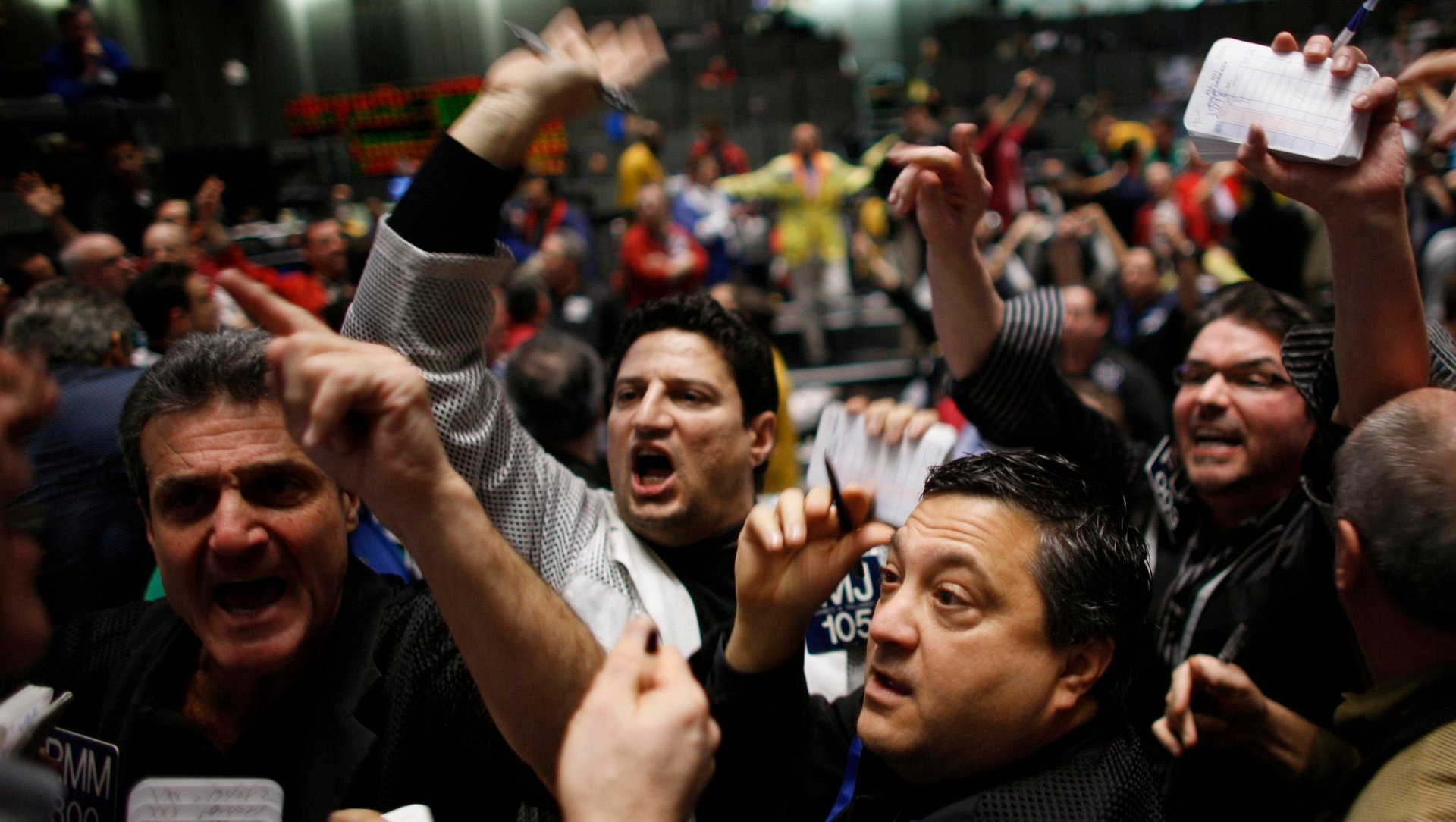
So uncertain is the global economy’s outlook that investors are losing their appetites for fixed-income trading—and the slew of US banks that broker those bets are losing revenue. But as bad as the epic decline in fixed-income trading has been for them, it’s the European banks that are really taking it on the chin.
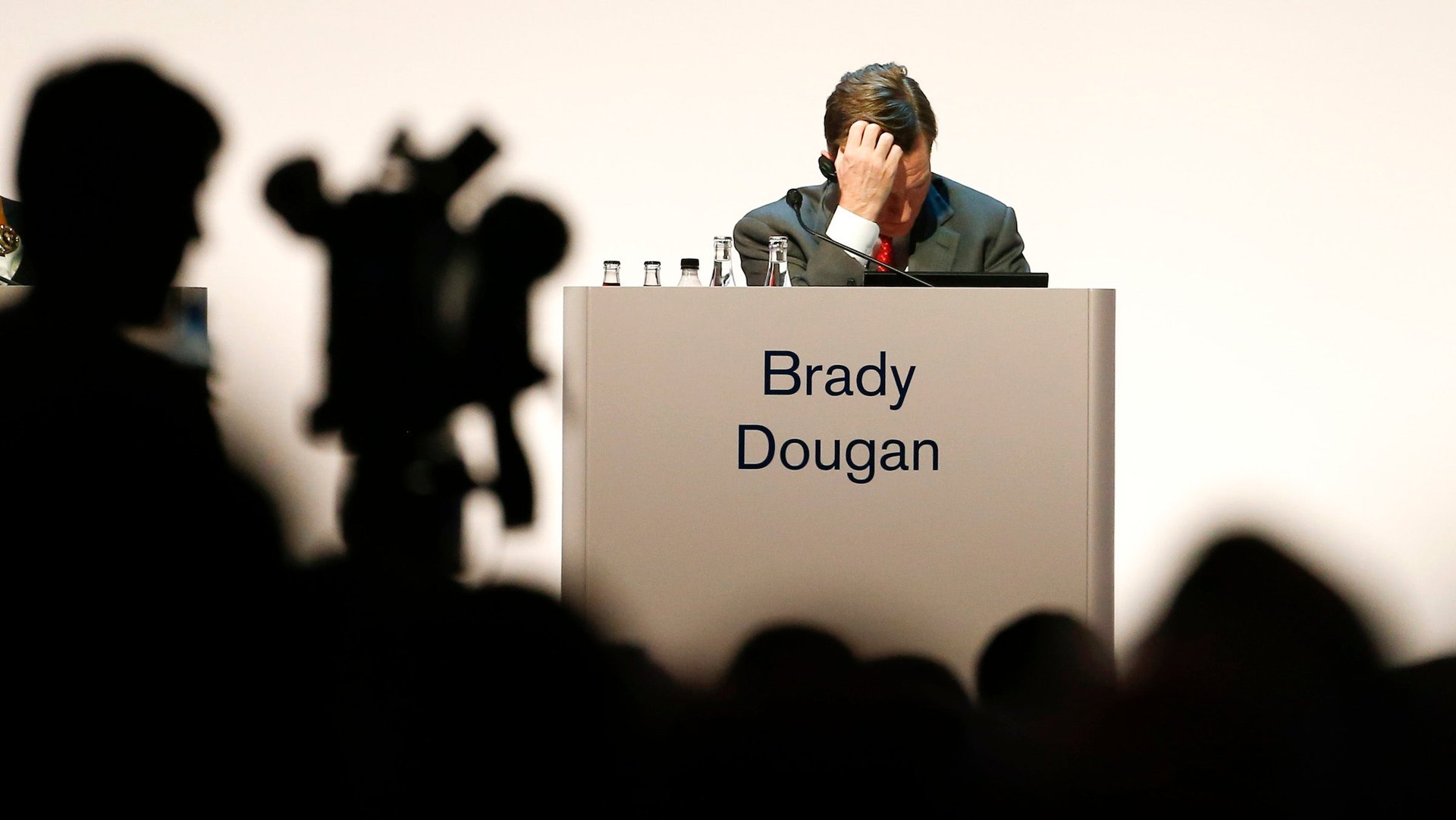
Making money on Wall Street isn’t what it used to be. Revenues from fixed-income trading–the lifeblood of Wall Street banks in recent years–is shriveling. A decline in trading has been prolonged and a quick rebound doesn’t look promising. To stay in the business, more banks are going to look to cut costs. “We believe that a combination of factors has increased the pressure on investment banks to reconsider partnerships,” wrote financial industry consulting firm Boston Consulting Group, in a recent report.

Uber hit the accelerator in its most recent funding round. The ride-sharing startup just put the finishing touches on biggest funding round of any technology startup in history, according to PrivCo, which provides financial data on privately-held companies. Uber raised $1.2 billion in its latest funding round from a group of investors including mutual fund giant Fidelity. The round values the company at $17 billion, about five times its valuation from just a year ago.
Bank of America may be close to putting a long litany of mortgage fines in its rearview mirror. But it’s gonna cost chief executive Brian Moynihan.
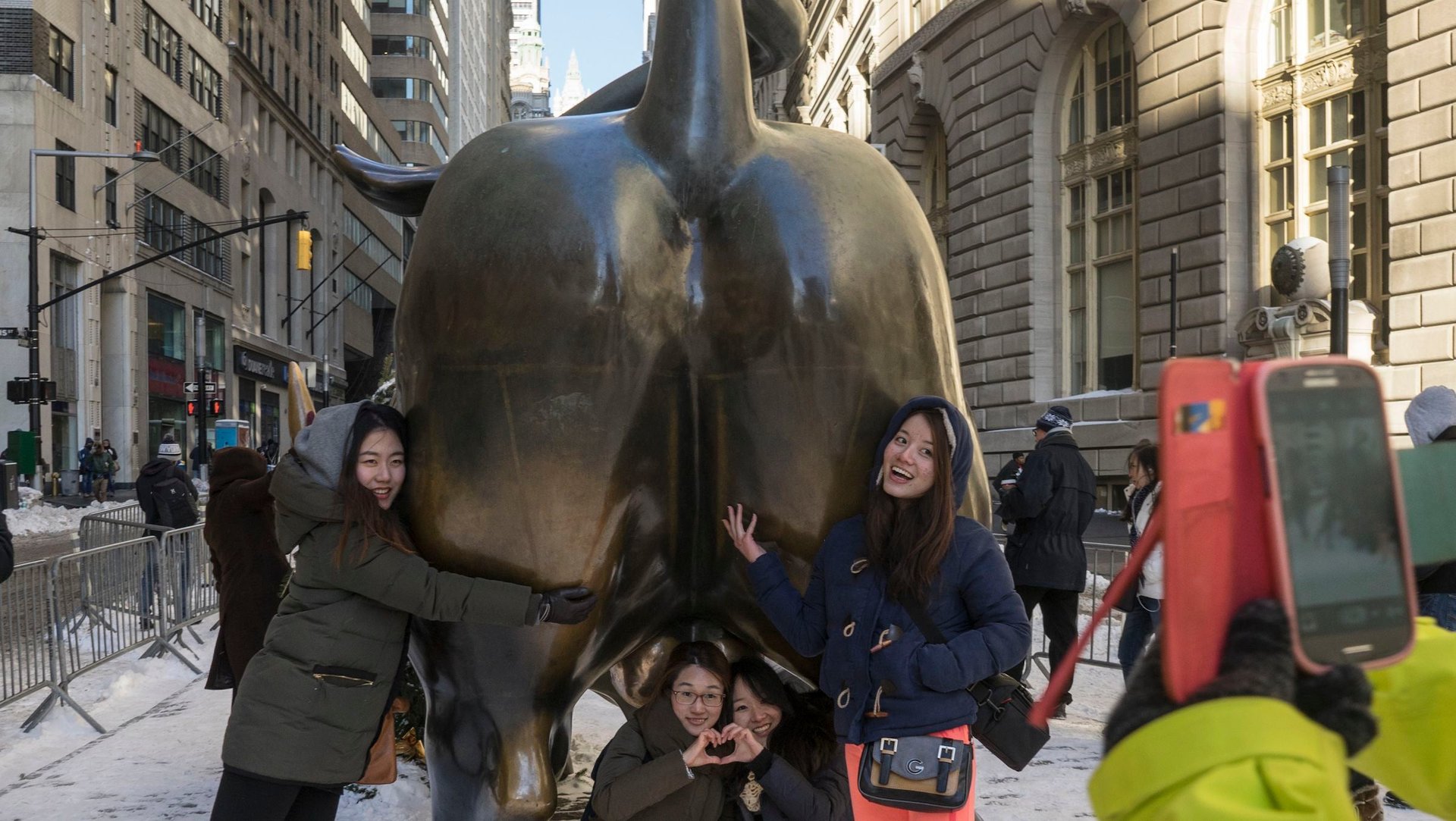
With the new strictures related to the Dodd-Frank financial regulation reforms, US banks are having a tough time ringing up the sorts of profits to which they have been accustomed. That’s particularly true in trading. As a result, the Wall Street Journal reports (paywall), banks are considering another round of layoffs to compensate for the lackluster results.

This post has been corrected

Uber could be set to claim some serious bragging rights in the world of startups. Bloomberg reports that mutual fund giant Fidelity is competing to lead a round of financing for startup car service Uber Technologies.
A Goldman Sachs up-and-comer, Stephen Scherr, has been promoted to head the firm’s global strategy effort, replacing veteran Andrew Chisholm, who joined the firm in 1985. Chisholm is retiring at the end of the year.

BNP Paribas’ balance sheet and reputation look set to take a hit from a $10 billion fine from US regulators to settle allegations the bank evaded US sanctions, according to reports in the Wall Street Journal.

Box plans to launch its highly anticipated IPO in the coming weeks, despite concerns within the company that a once-hot market for technology public offerings had cooled considerably since earlier this year. The Los Altos, California online file-sharing company’s plans to go public this year are “still on track,” with an offering “weeks not months” away, a source familiar with the company’s plans said.

What do star golfer Phil Mickelson, corporate raider Carl Icahn and famed Las Vegas gambler William T. Walters have in common? Federal insider trading probes. The trio reportedly are ensnared in a series of investigations led by the Federal Bureau of Investigation and the Securities and Exchange Commission concerning trades made based on non-public information—otherwise known as insider information—report the Wall Street Journal (paywall) and New York Times (paywall), both citing people briefed on the probes.

Hedge funds focused on Russia and Eastern Europe are encountering their worst monthly returns since 2004, according to Hedge Fund Research, Inc., a firm that tracks the industry.

Look out below! On Wall Street, revenue from fixed-income trading is dropping fast. And the outlook for the second quarter isn’t good. If it seems like a replay of the first-quarter results, that’s because it is–only worse.
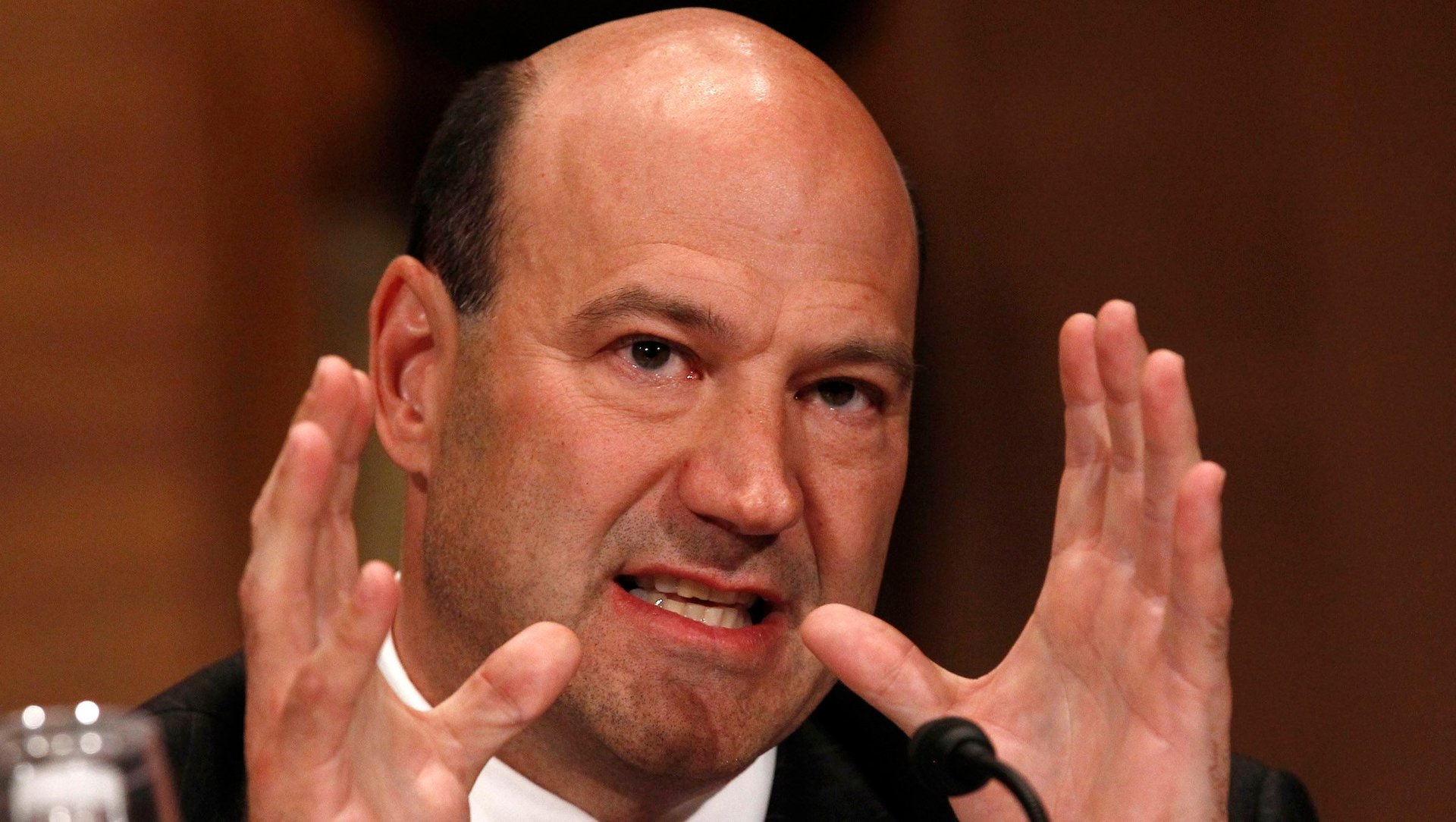
Goldman Sachs is trying not to let a slowdown in its trading business get it down. That’s essentially the message Goldman president and chief operating officer Gary Cohn conveyed during a presentation to analysts today. Cohn outlined the firm’s plans to try to combat a market in which some of its bread-and-butter businesses—notably fixed-income, currencies, and commodities (FICC)—are facing major headwinds. “To be successful you must continually adapt your strategy,” Cohn said, noting that Goldman has been cutting costs, including shrinking pay to historically low levels, and trying to dial down its overall risk-taking. Cohn’s bottom line message centered on Goldman’s ability to be able to pivot quickly from growth in one area to scaling back, all depending on the needs of its clients and the vagaries of the markets. Here’s a look at the presentation in which the bank talks about some of its options for squeezing the most out of its business:

Is it time to panic yet? The trading business on Wall Street is continuing to get walloped. Indeed, Citigroup chief financial officer John Gerspach just told attendees at a conference that the bank’s second-quarter revenues from trading stocks and bonds may plummet by as much as 25%, compared to the same quarter last year.

Bank risk-taking is back. Toughened regulation such as the Dodd-Frank financial reforms haven’t entirely killed banks’ appetite to underwrite risky debt. According to a recent research note by Moody’s Investors Service, underwriting standards are loosening up at US banks.

The “Michael Lewis effect“—in which a book by the best-selling business writer has helped make not only his fortune but those of the people he writes about—may have struck again. A formerly little-known electronic trading firm, IEX Group—the company depicted as the good guy in Lewis’ recent best-selling book Flash Boys—is attracting interest from unnamed venture investors, the Wall Street Journal reported today (paywall).