

Money & Markets
How do you lose a 3.86-ton sculpture of Lenin’s head?
Updated July 21, 20221 min read
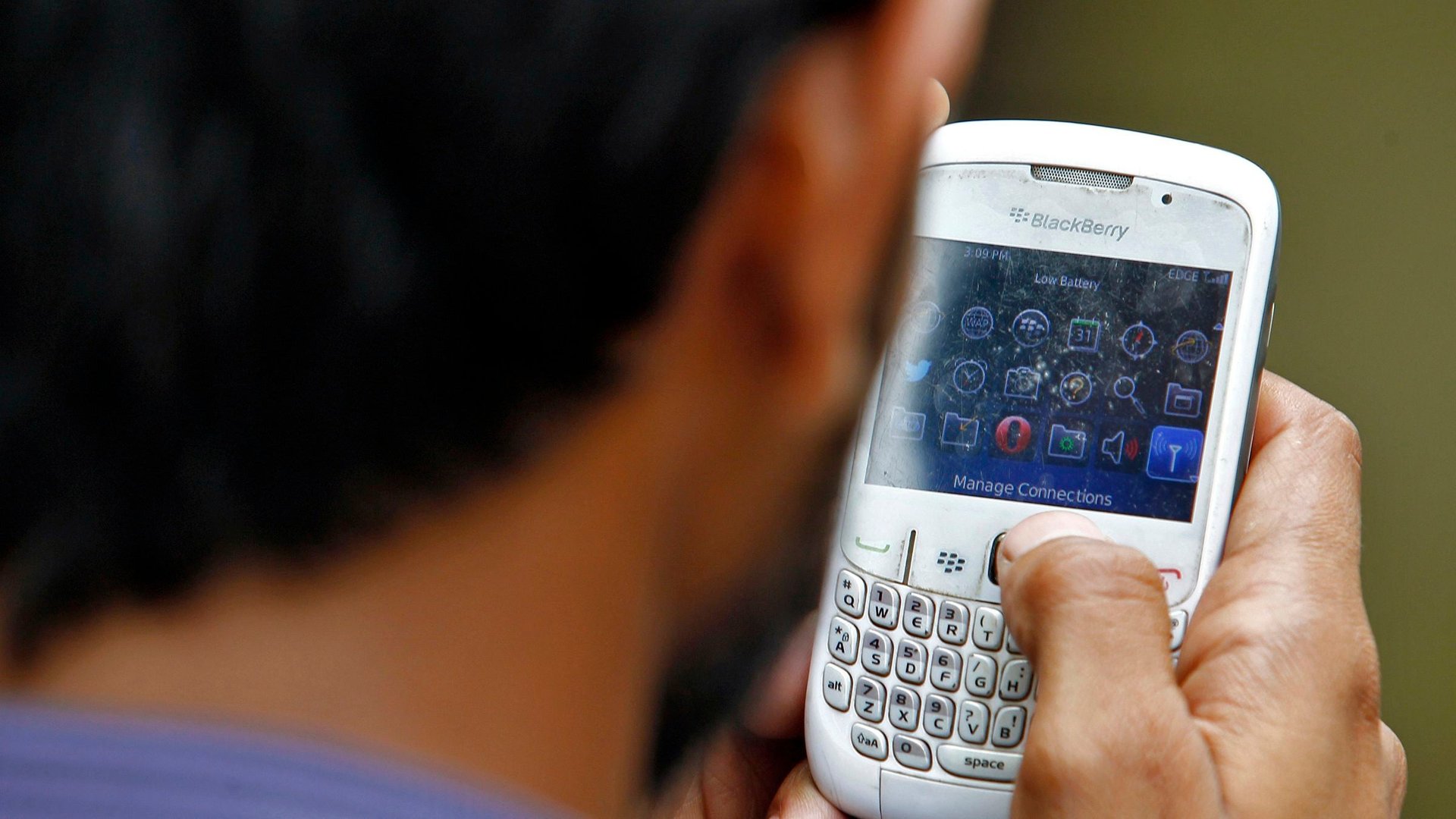
Imagine returning home from a two-week vacation to an inbox as clear and empty as an unspoiled beach. That’s no idle daydream, but the new policy of the German automaker Daimler. When employees go on vacation, they can turn on “Mail on Holiday,” which automatically deletes all incoming emails and notifies senders that their messages haven’t been received. Daimler tested the system last year and is now offering it as a perk to its 100,000 German employees.
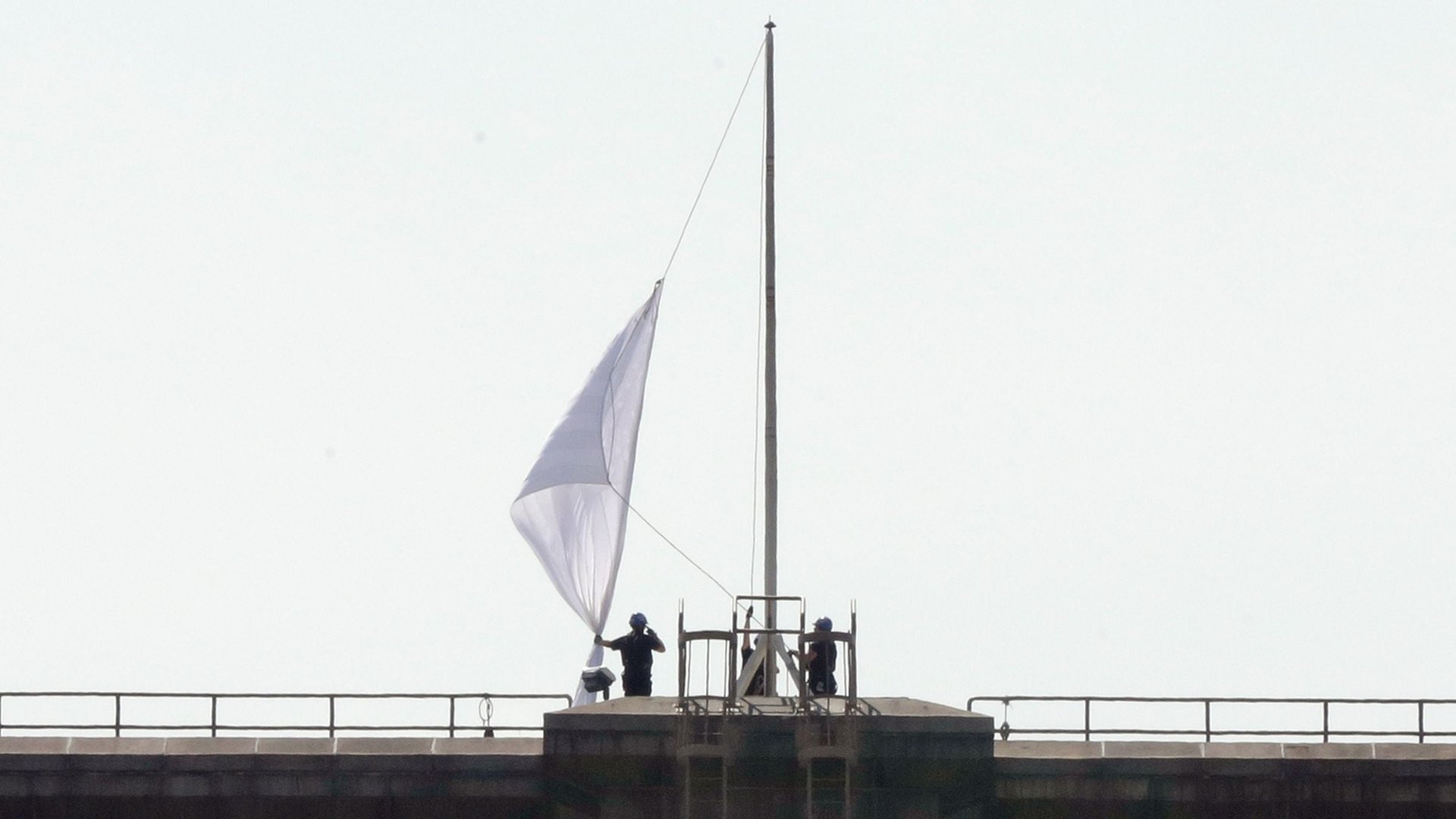
Last night, the New York Times revealed the identities of the people who secretly hoisted two bleached-out American flags atop the Brooklyn Bridge on July 22. The self-styled art installation by Matthias Wermke and Mischa Leinkauf set off a police investigation and security fears in the media, but the two Berliners say they intended the flags as an avant-garde birthday tribute to the bridge’s German-born engineer, John Roebling.

For the privilege of walking the grounds of Philip Johnson’s Glass House, the building that brought its architect (and resident) instant fame when it was completed in New Canaan, Connecticut, in 1949, you’ll pay $30, or $100 for an extended visit. An overnight stay costs $30,000, and a reservation is advisable. But as a National Historic Landmark and “one of the masterworks of modern American architecture,” the house is not for sale.
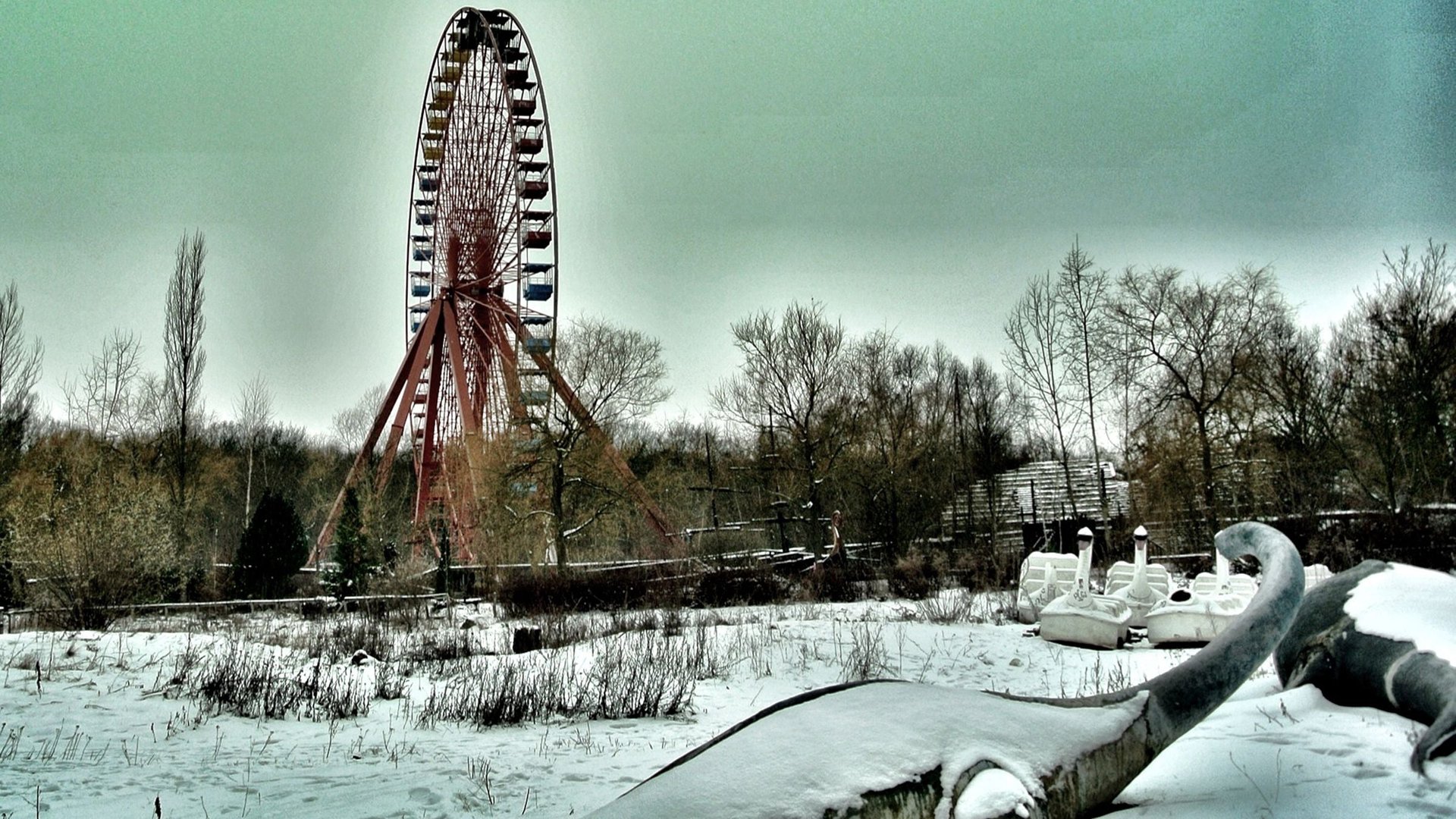
Spreepark, an abandoned Berlin amusement park turned ruin porn icon, burned down over the weekend in what the police suspect was arson.
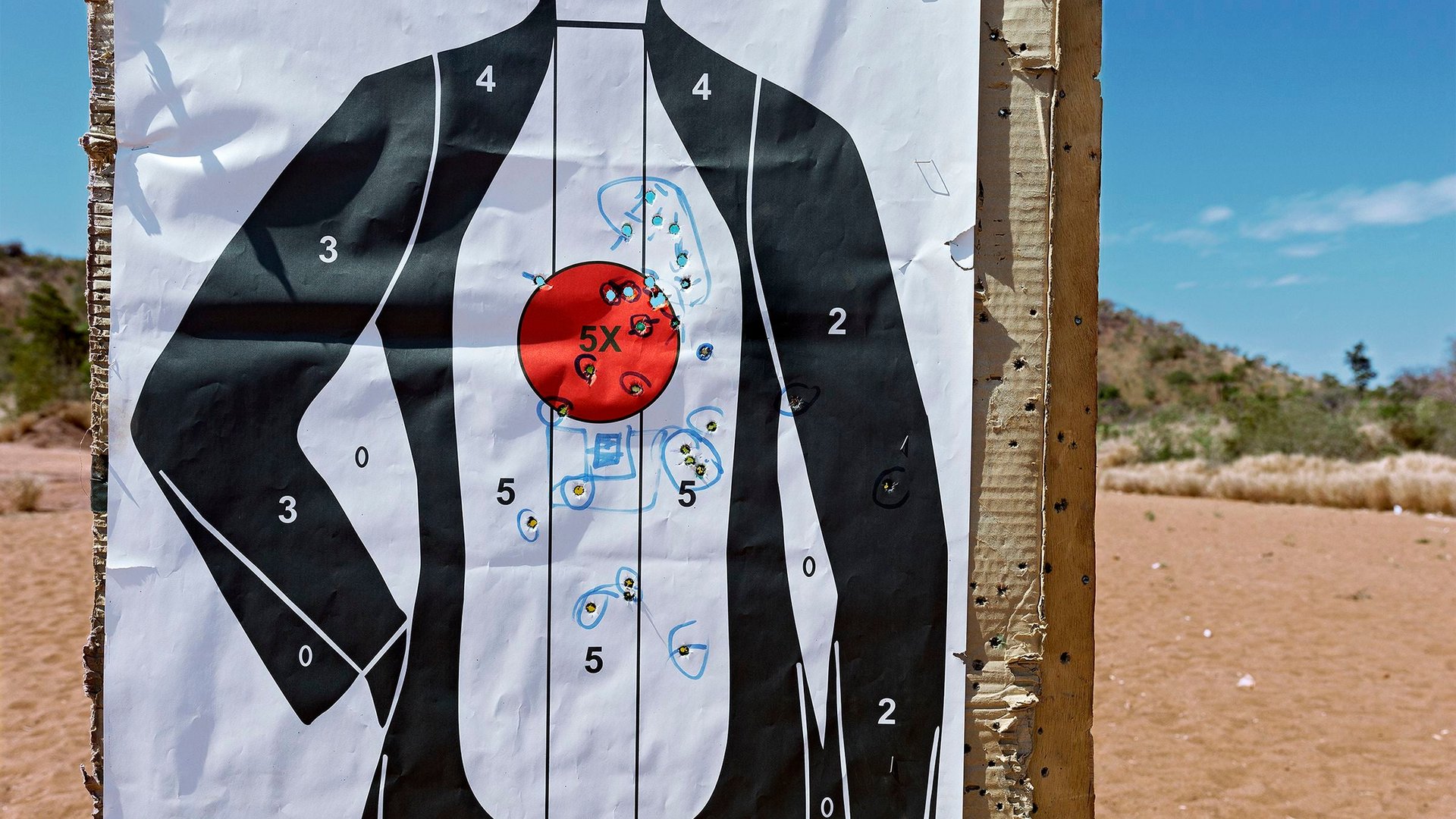
You can often tell a country’s enemies by the targets its soldiers use for shooting practice. That’s what Herlinde Koelbl found while visiting the military shooting ranges of nearly 30 nations over the course of the past six years. Her photographs are collected in a recent book, Targets, and an exhibition at Berlin’s Deutsches Historiches Museum, up through October 5.
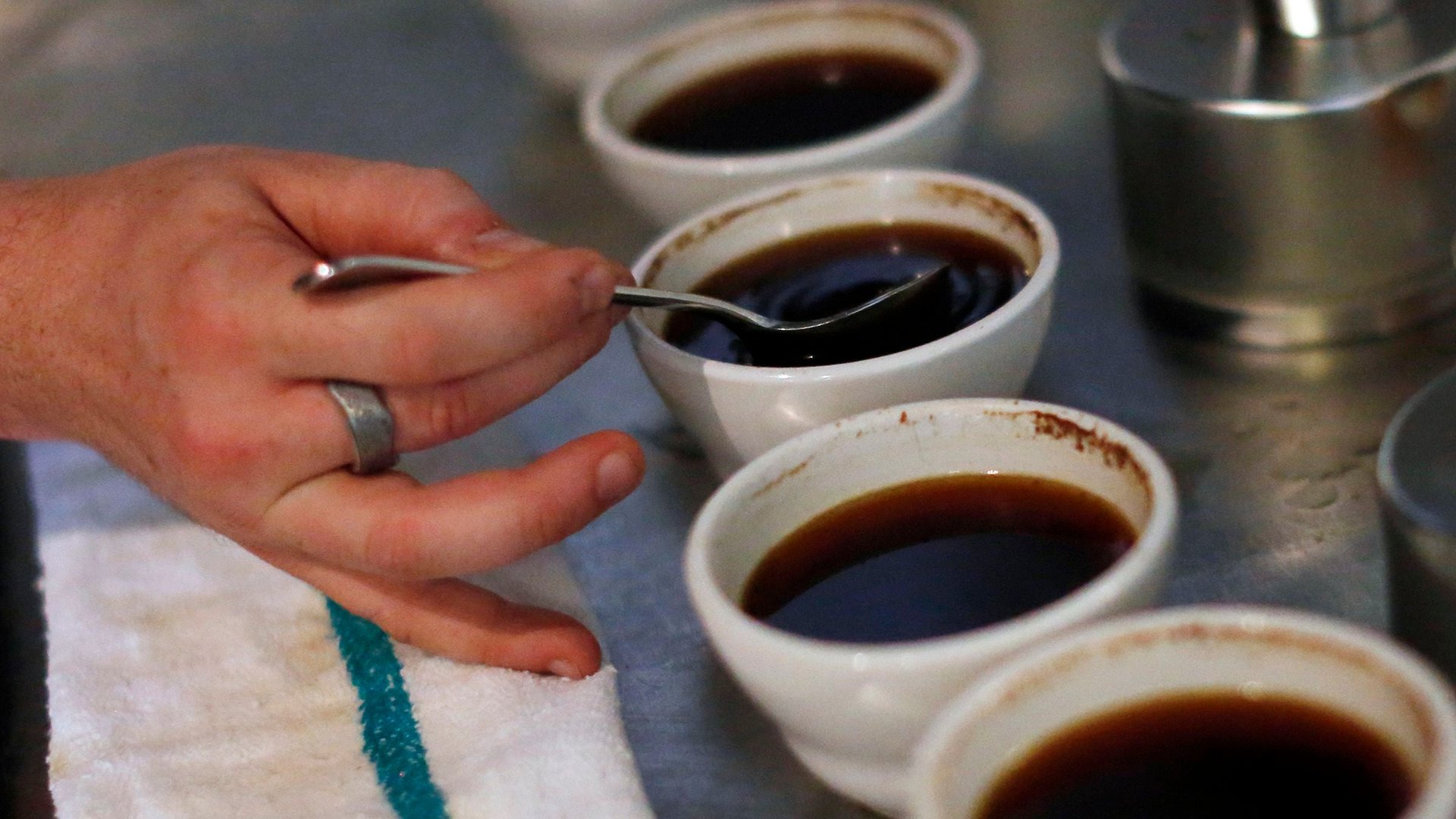
What exactly is in your cup of coffee? Besides coffee grounds and water, of course, there may be corn, potato flour, soybeans, brown sugar, and other fillers. Coffee ranks alongside olive oil, honey, and milk as one of the most frequently adulterated foods. And as climate change and a coffee-eating fungus wreak havoc on the world’s arabica supply, the tinkering is likely to rise as producers try to maximize profits.

Yesterday, before a shaky ceasefire between Israel and Hamas collapsed this morning in a hail of rockets and recriminations, a speech by Desmond Tutu was read out (on his behalf) in Durban, South Africa, to close the triennial meeting of the International Union of Architects (UIA), an industry group that represents 1.3 million architects worldwide.
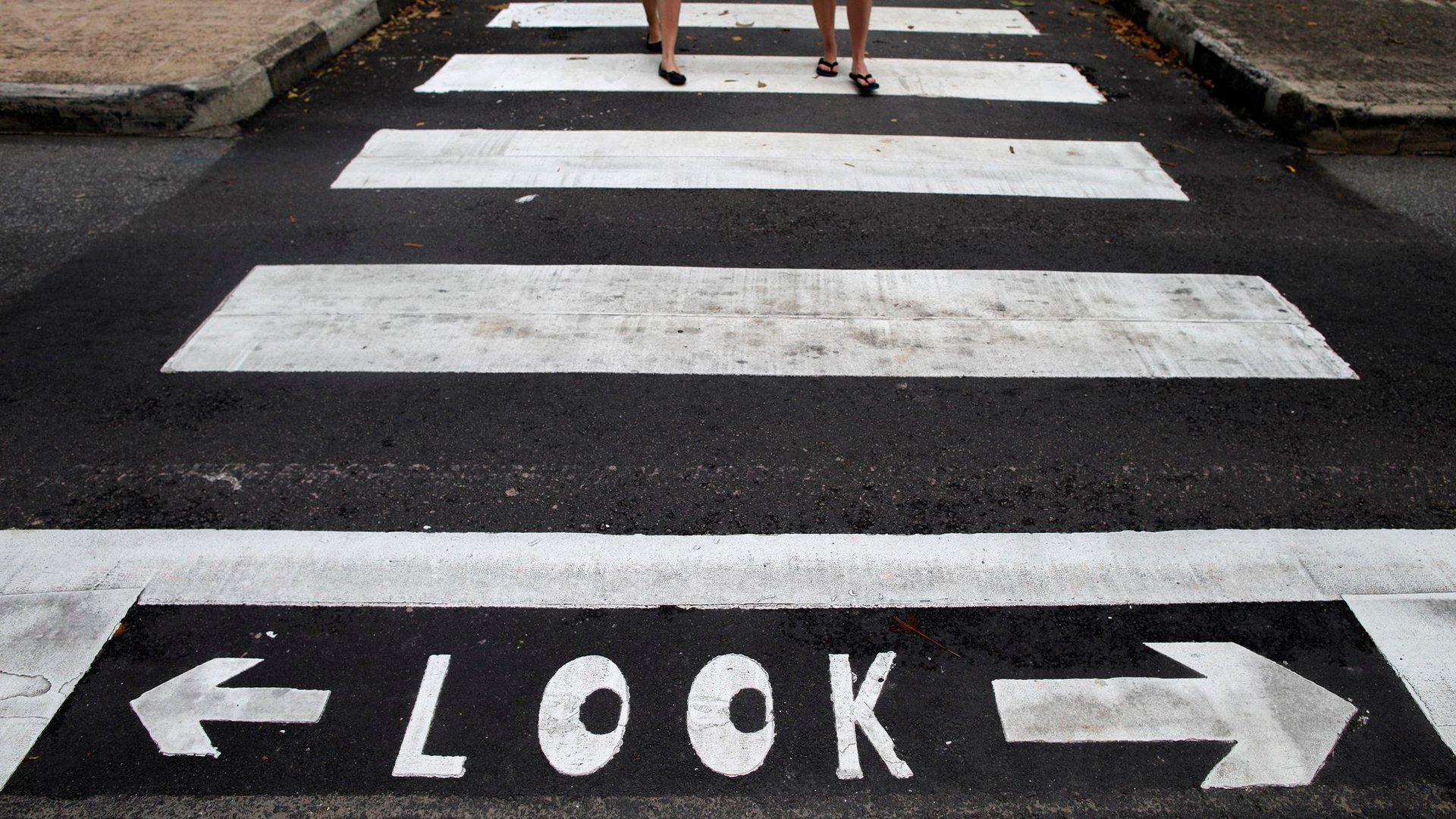
Since at least ancient Roman times, cities have struggled over how to get pedestrians across the street safely. The current default for large intersections in most parts of the world is a traffic light that operates at fixed intervals, accompanied by buttons that sometimes do nothing at all. But as a recent UK study (pdf) found, many elderly people can’t cross in the allotted time. As a result, they are more likely than younger pedestrians to avoid busy intersections, and more likely to die or get hurt while crossing the street.

This summer, when Zaha Hadid’s monument to a dead dictator won an award from the Design Museum of London, it prompted some soul-searching in architecture circles. How can a building be judged solely on the merits of its form, ignoring the uses to which it might be put?
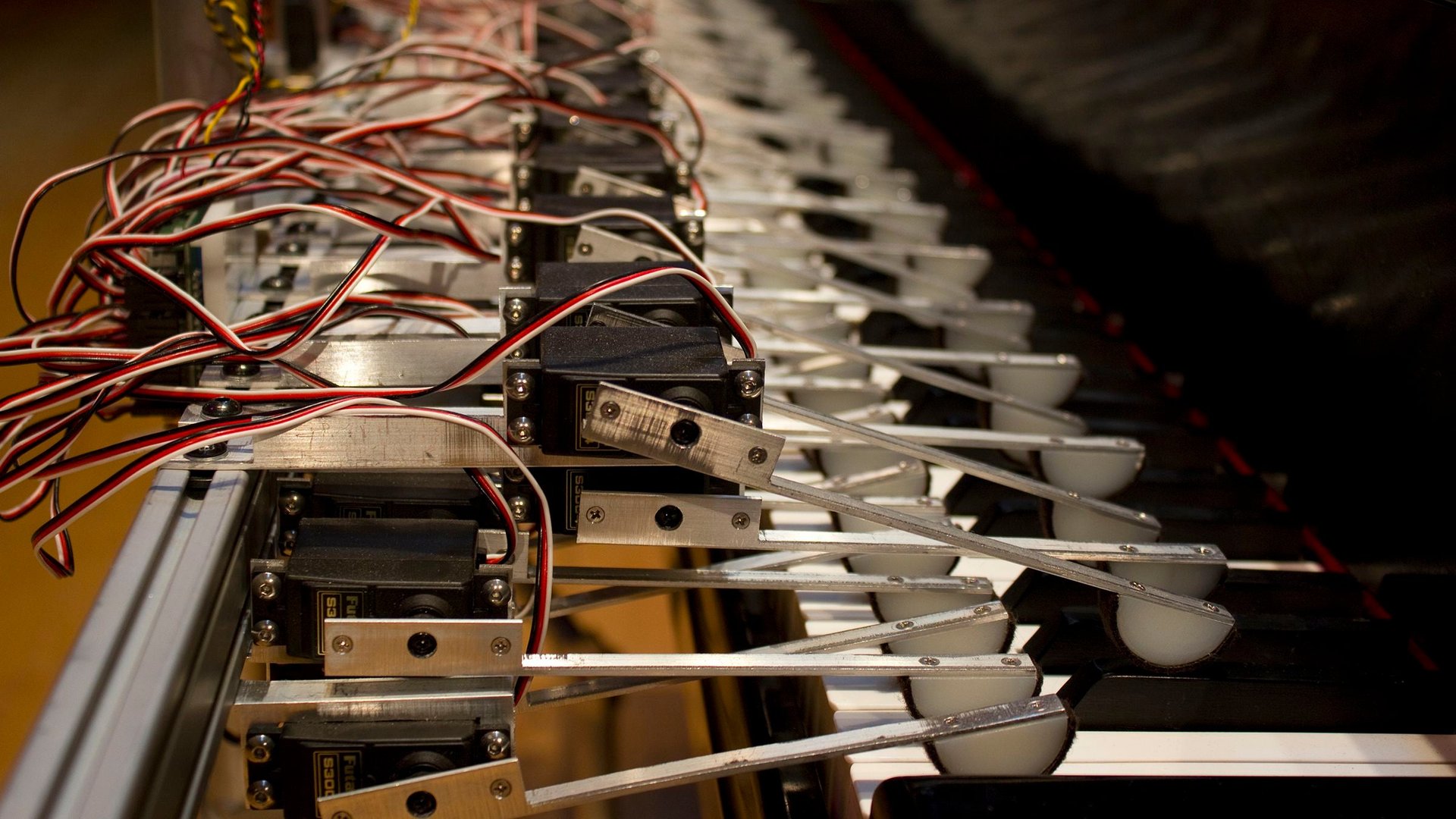
The ancient Greeks heard music in the spheres. Now an artist is looking to the weather with a piano that’s synchronized to passing clouds.
Facebook just made a barely perceptible change to its website. The notification icon at the top of its navigation bar is an image of a small globe, which used to show North and South America, no matter where you logged in from. Americans (and people looking at the iPhone app) still get that view, but now users in Asia, Africa, and Europe see an icon of the Eastern Hemisphere (as first noticed by Tech in Asia).

Russia retaliated yesterday against new EU and US sanctions over Ukraine by banning most fruit and vegetable imports from Poland, and warned that an EU-wide ban could be next. The move could cost Poland—a former Soviet satellite and the world’s biggest apple exporter—access to its biggest market. Last year Poland exported €438 million ($587 million) worth of apples, 56 percent of which went to Russia.
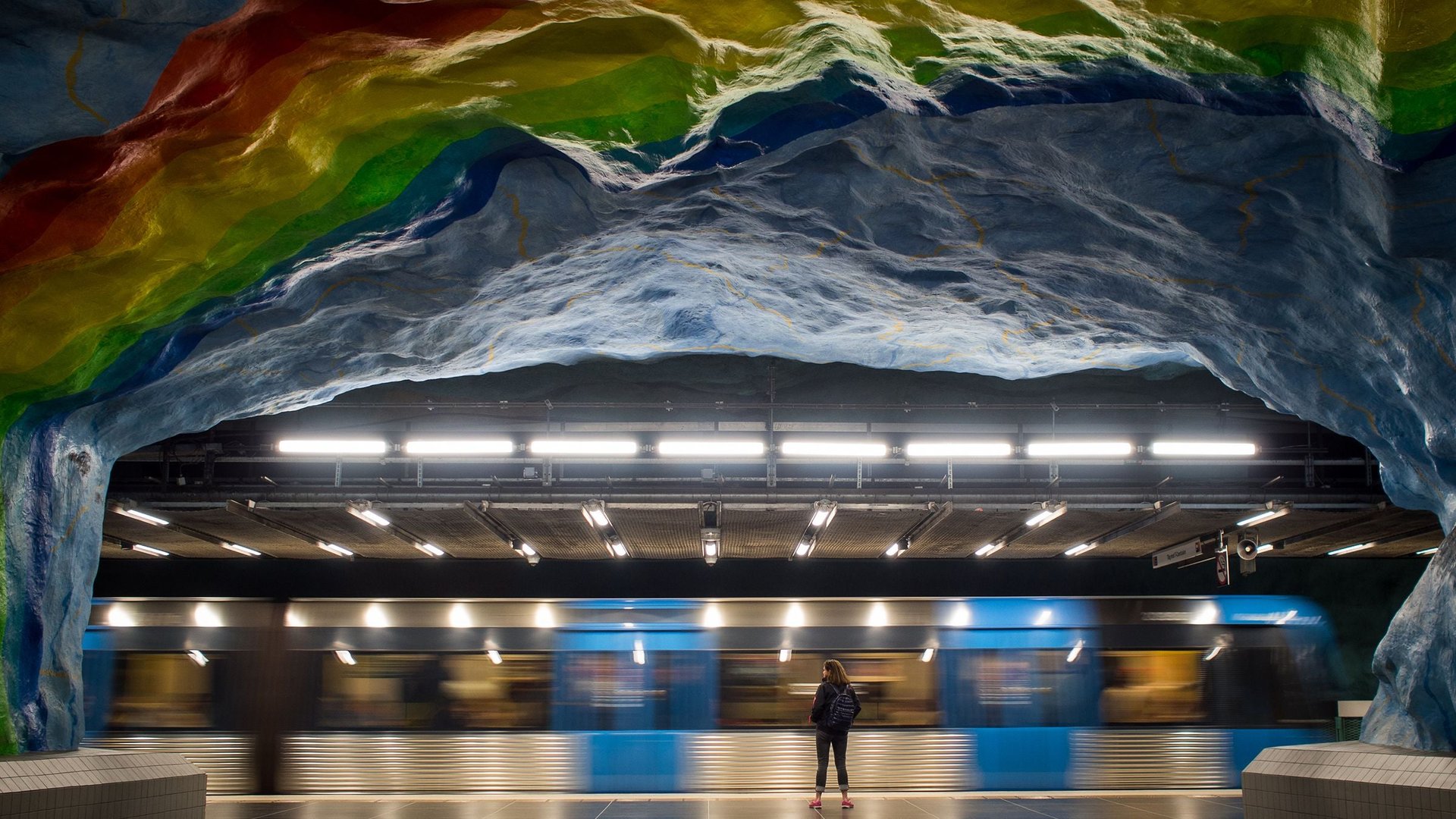
As Stockholm plans a 25.7 billion kronor ($4 billion) expansion of its subway system to deal with an expected half million new residents by 2030, the city is asking citizens to help with the design. Last month the city launched an online contest to crowdsource the color of the new metro line being added to its Tunnelbanan system.
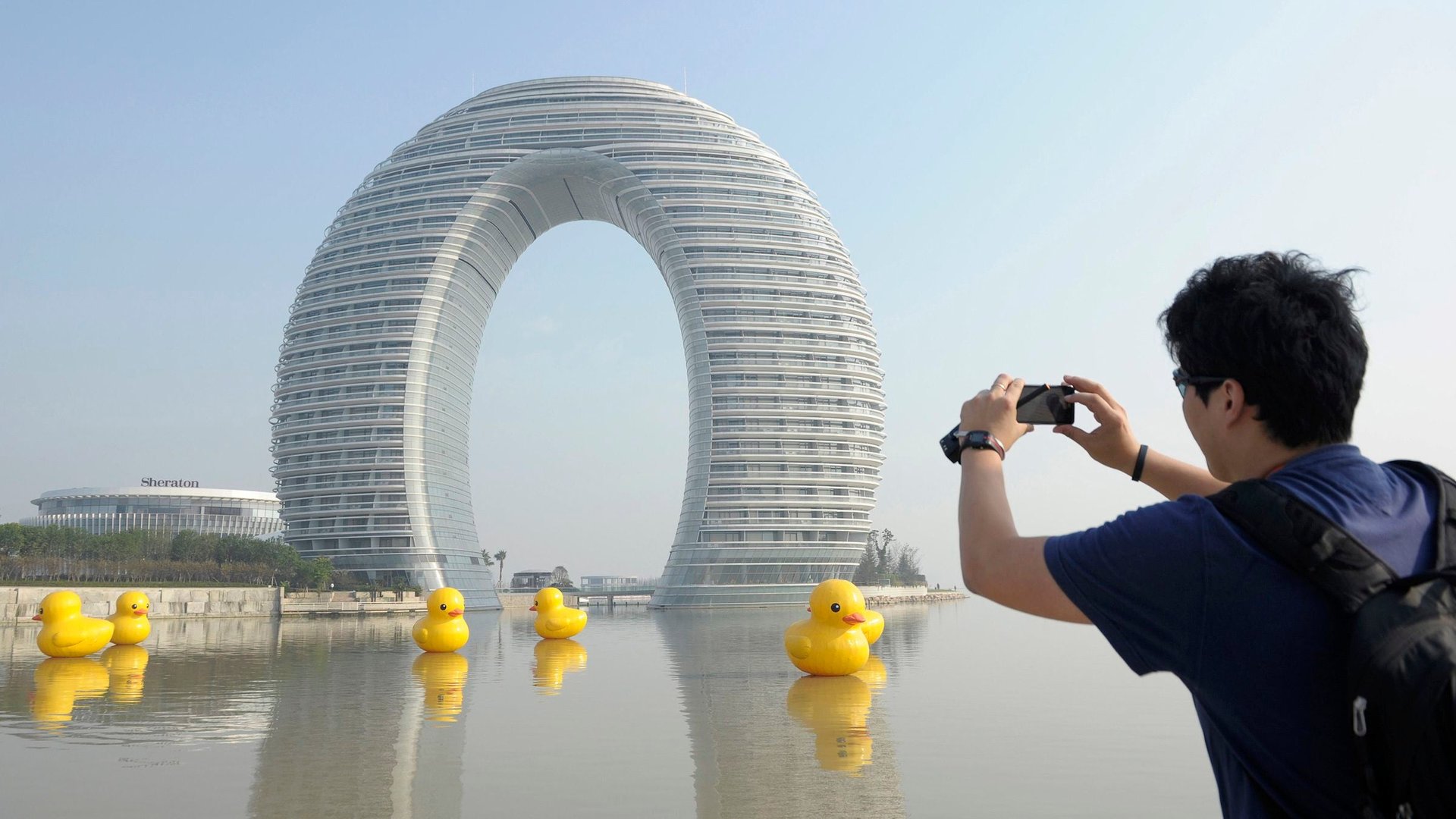
George Lucas gave the first inkling today of what his controversial museum in Chicago might look like when it opens in 2018. Ma Yasong, of the Beijing-based MAD Architects, will design the main building of the Lucas Museum of Narrative Art. Jeanne Gang, who runs local firm Studio Gang, will handle the landscape design and a pedestrian bridge.
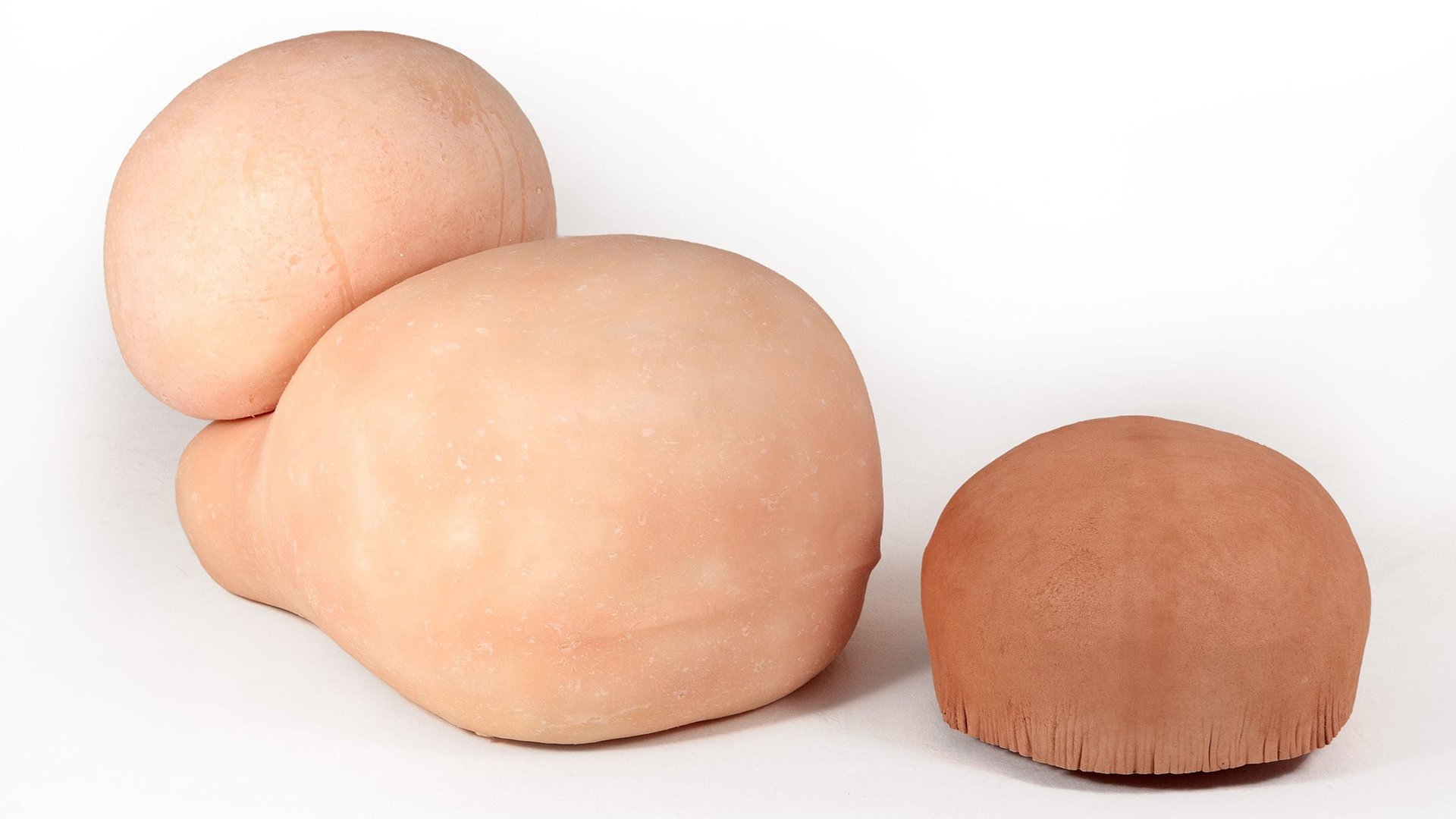
In need of furniture for your man cave? Look no further.
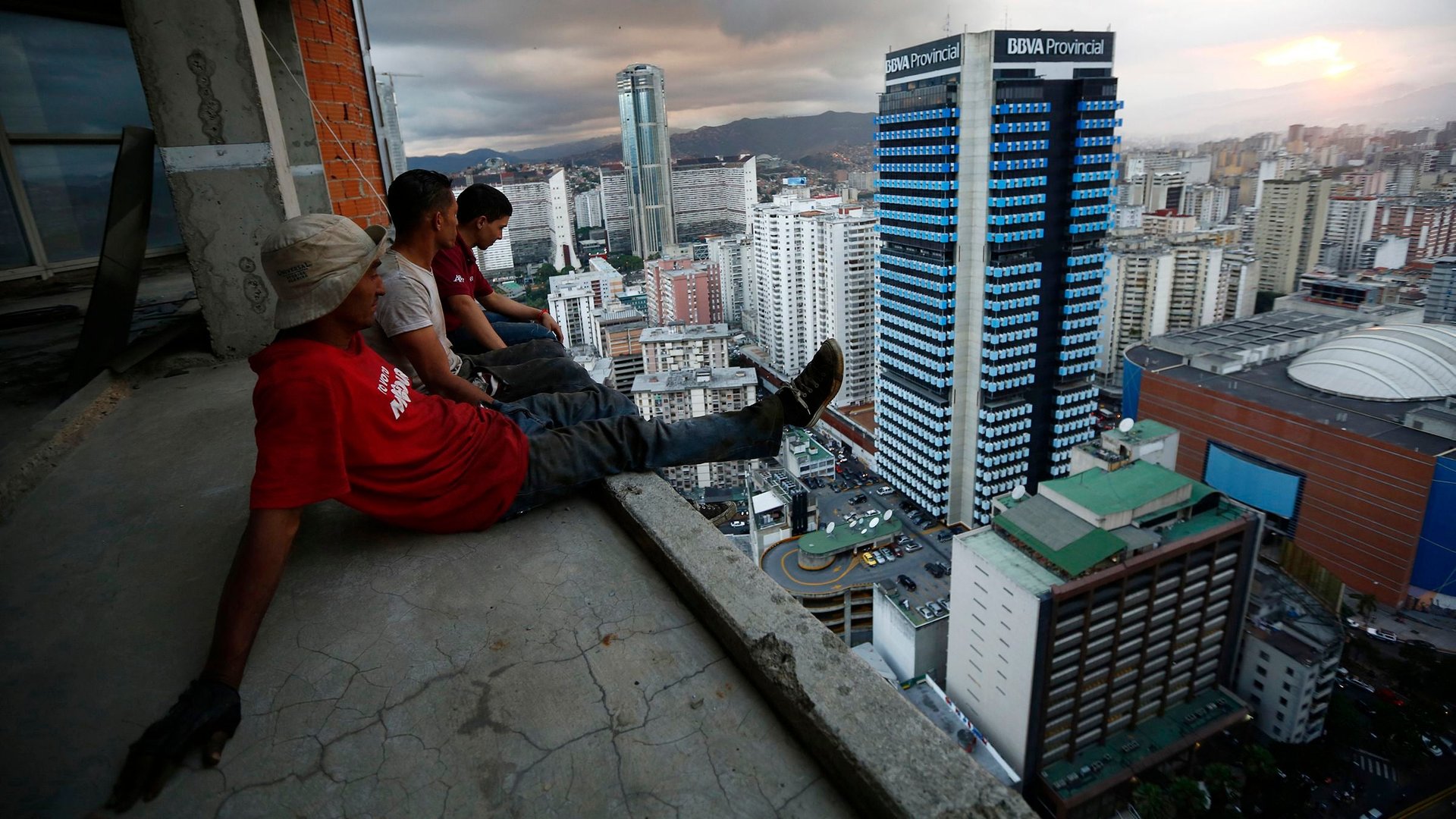
On a rainy night in September 2007, hundreds of squatters made their way into the third-tallest skyscraper in Caracas, Venezuela, and set up a temporary encampment. The unfinished, 45-story building—intended as a bank headquarters in the center of the capital—had sat vacant for more than a decade, after the developer’s death and the country’s 1994 financial crisis put construction on hold.
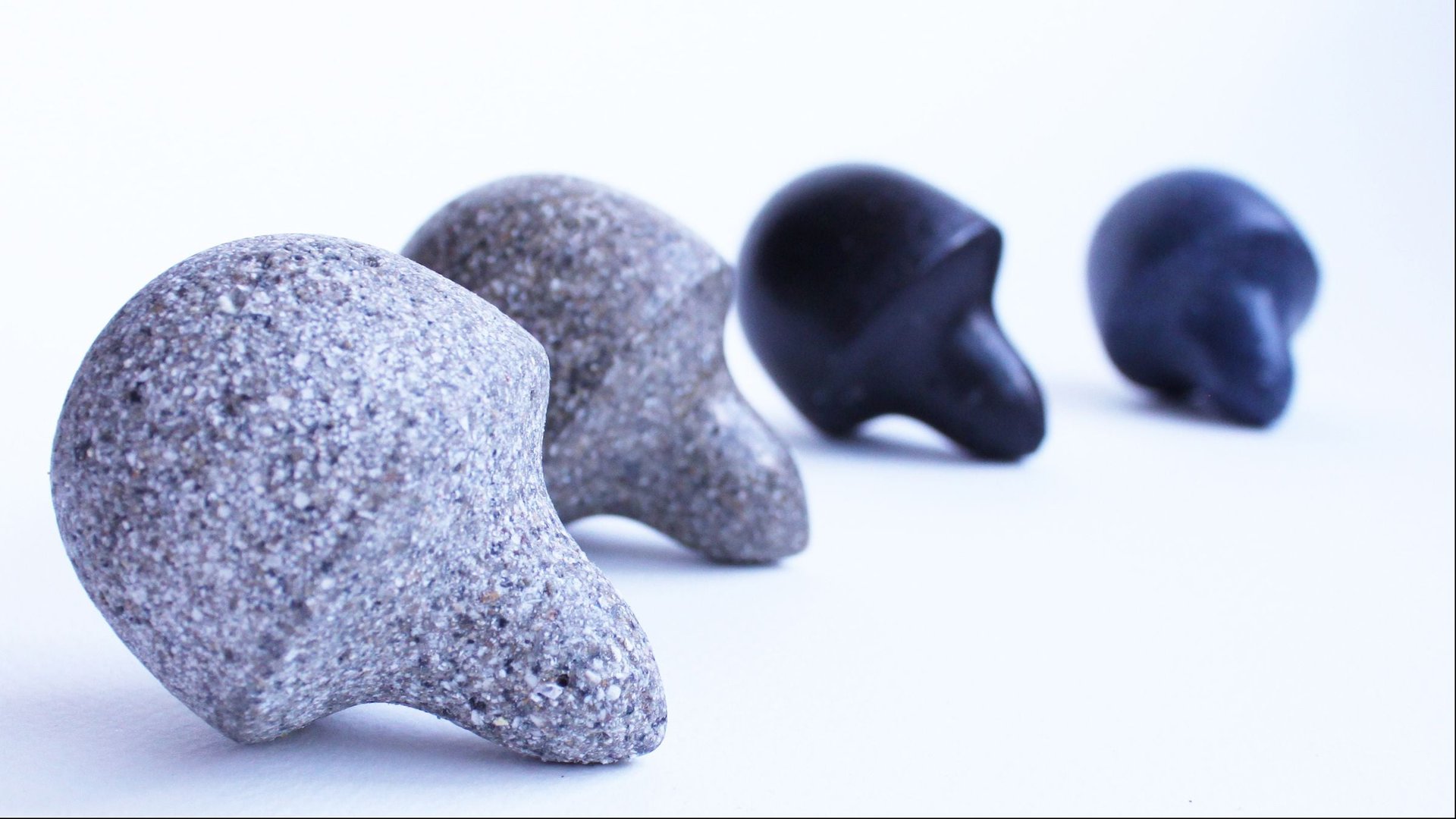
Around the world, cremation is more popular than ever. In 50 years, the US cremation rate has gone from less than 4% to more than 40%. In China and Russia, it’s around 50%; in the UK, 75%; and in Japan, close to 100% (pdf).
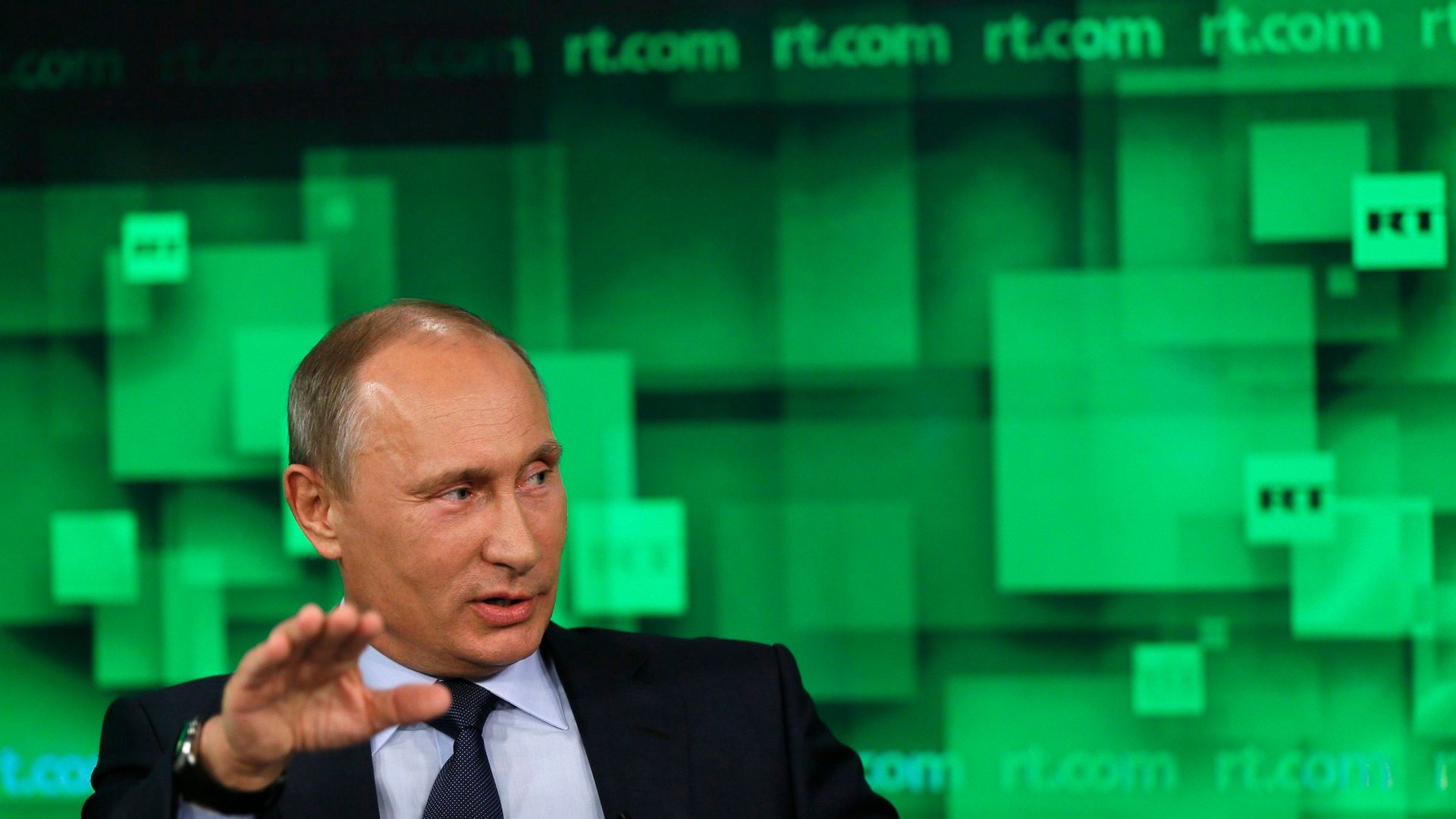
A Russia Today correspondent resigned this morning in protest of the Kremlin-funded network’s coverage of Malaysia Airlines flight 17, which was shot down yesterday over eastern Ukraine.
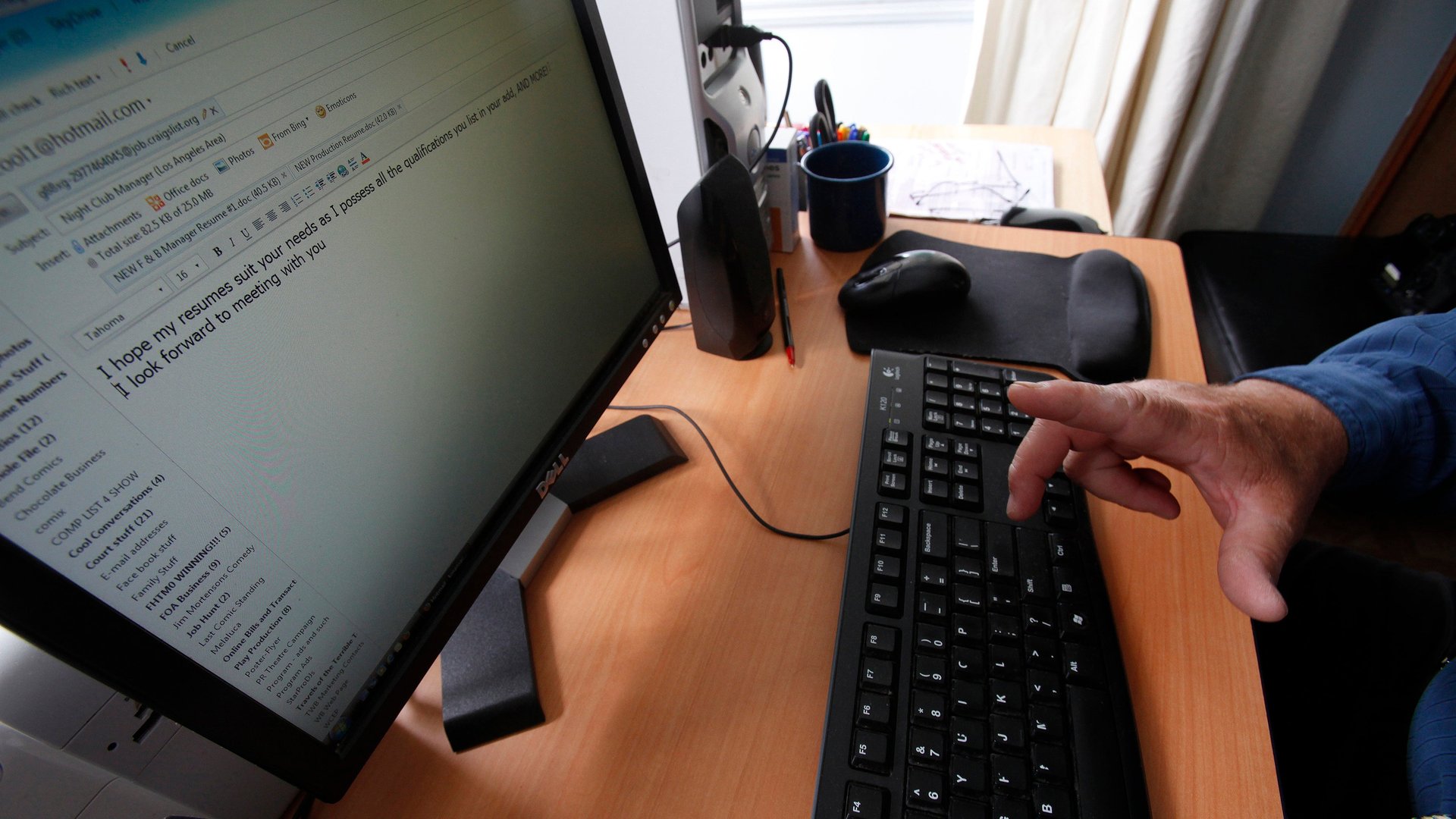
Selling yourself often feels like a grotesque act. So job applicants’ cover letters seem unlikely to contain much great prose. Instead, we tend to fill the page with false notes and empty phrases. (“I believe my skills make me the ideal candidate, and I would appreciate your consideration…”)

Although the Cooper-Hewitt—the New York design museum that’s part of the US government’s Smithsonian Institution museum complex—has been closed to the public for three years during its renovation, it has remained a hive of activity. Much of that work has taken place in its Digital & Emerging Media Department, which tries to make the museum’s collection more accessible and engaging online. Its latest effort is Robot Rothko, a web app developed by Cooper Hewitt’s senior engineer, Aaron Cope, that uses the museum’s digital archive of its collection to create works of internet art inspired by Mark Rothko.
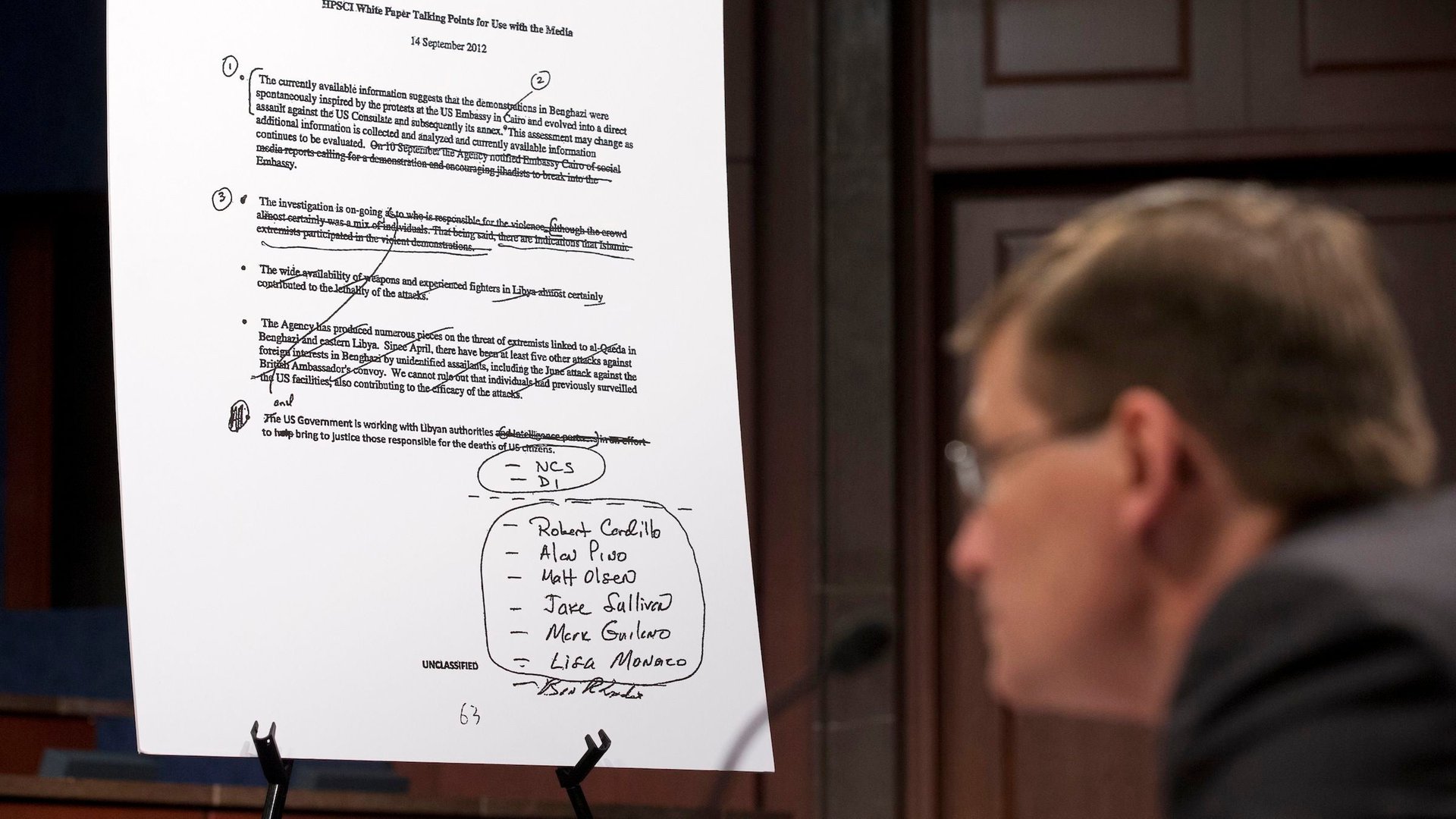
This post has been updated.
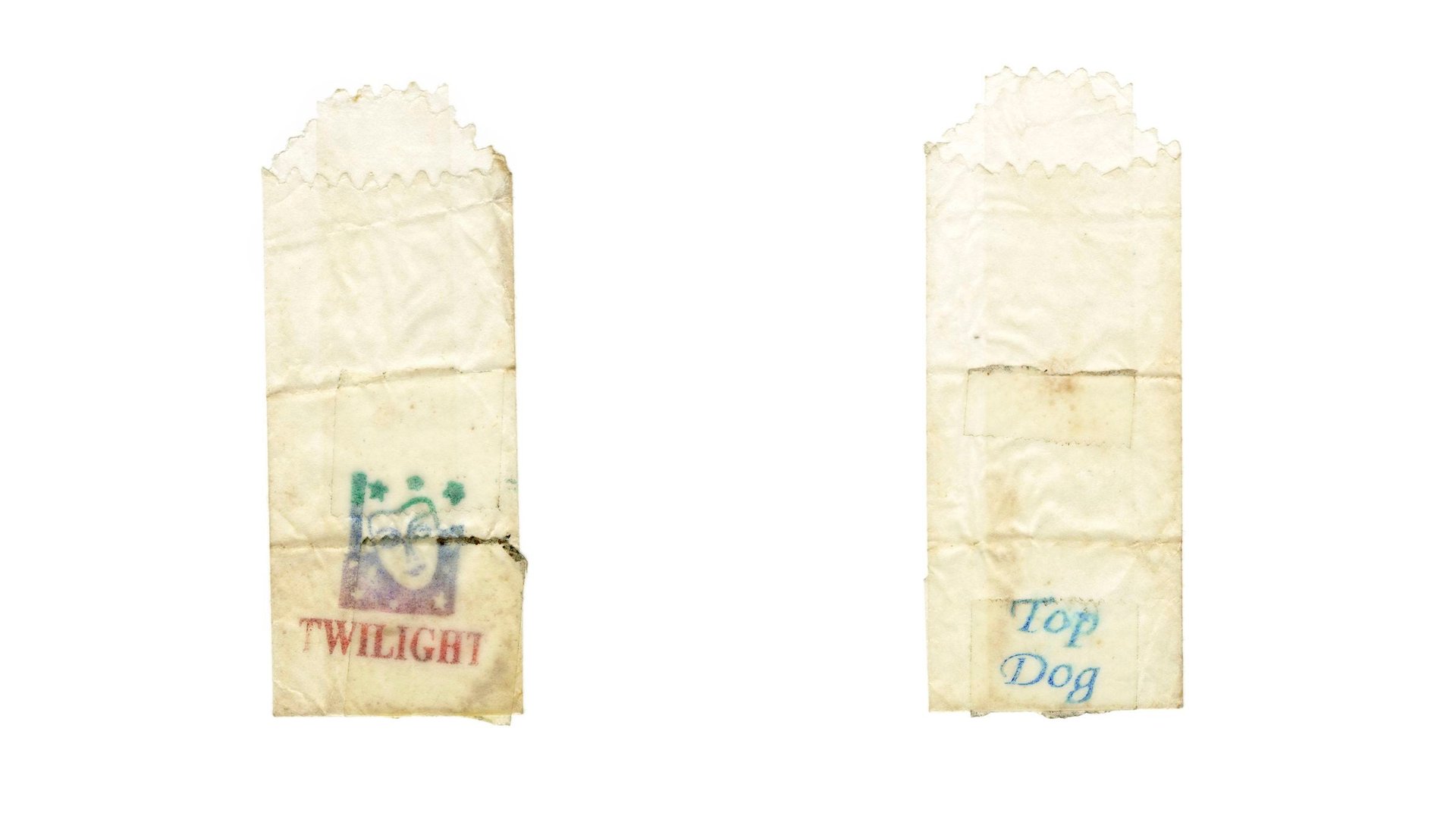
Nine years ago, when Graham MacIndoe was living in New York City and addicted to heroin, he started collecting the small glassine bags that held the drugs he bought. MacIndoe was a commercial photographer, and even in the grip of a years-long addiction that would ultimately leave him broke, imprisoned on Riker’s Island, and facing deportation, he became interested in the baggies on a visual level.
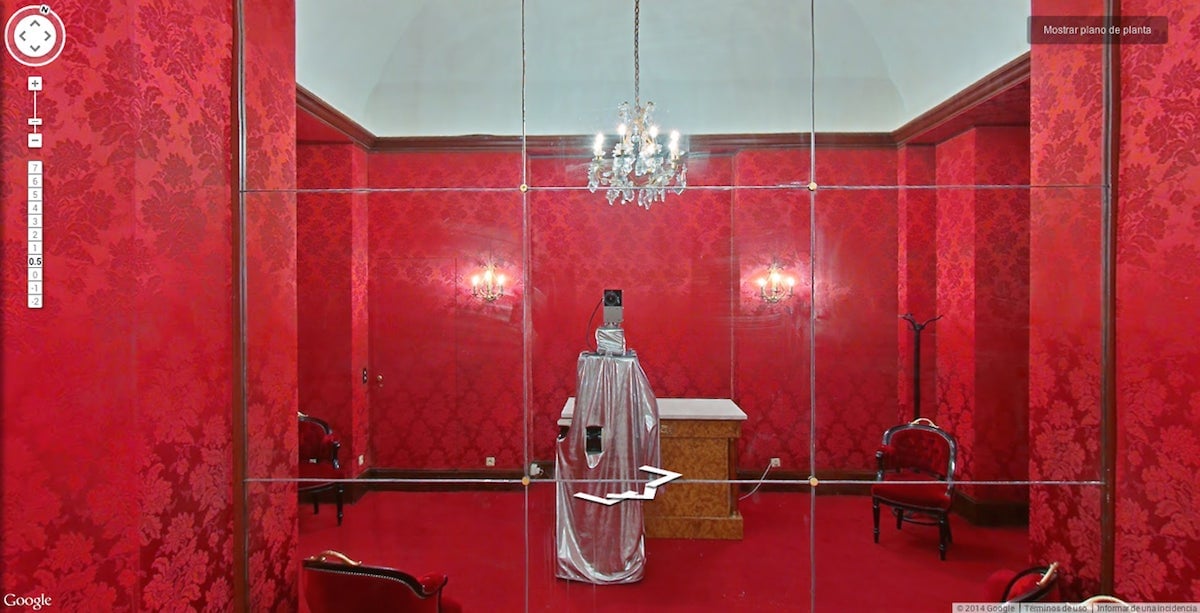
Google’s Art Project was launched three years ago as a sort of Street View for museums and art galleries. Using panoramic cameras mounted on trolleys, Google captures the artwork and gilded halls of 250 institutions around the world—all the while trying to stay out of sight.