
Tech & Innovation
It costs Apple about a third as much to make an iPhone 7 as it charges youThe cheapest iPhone 7 retails for $649, but new research suggests it costs Apple roughly $225 to build one.
Updated July 21, 20222 min read
The cheapest iPhone 7 retails for $649, but new research suggests it costs Apple roughly $225 to build one.

Self-driving cars just aren’t enough.
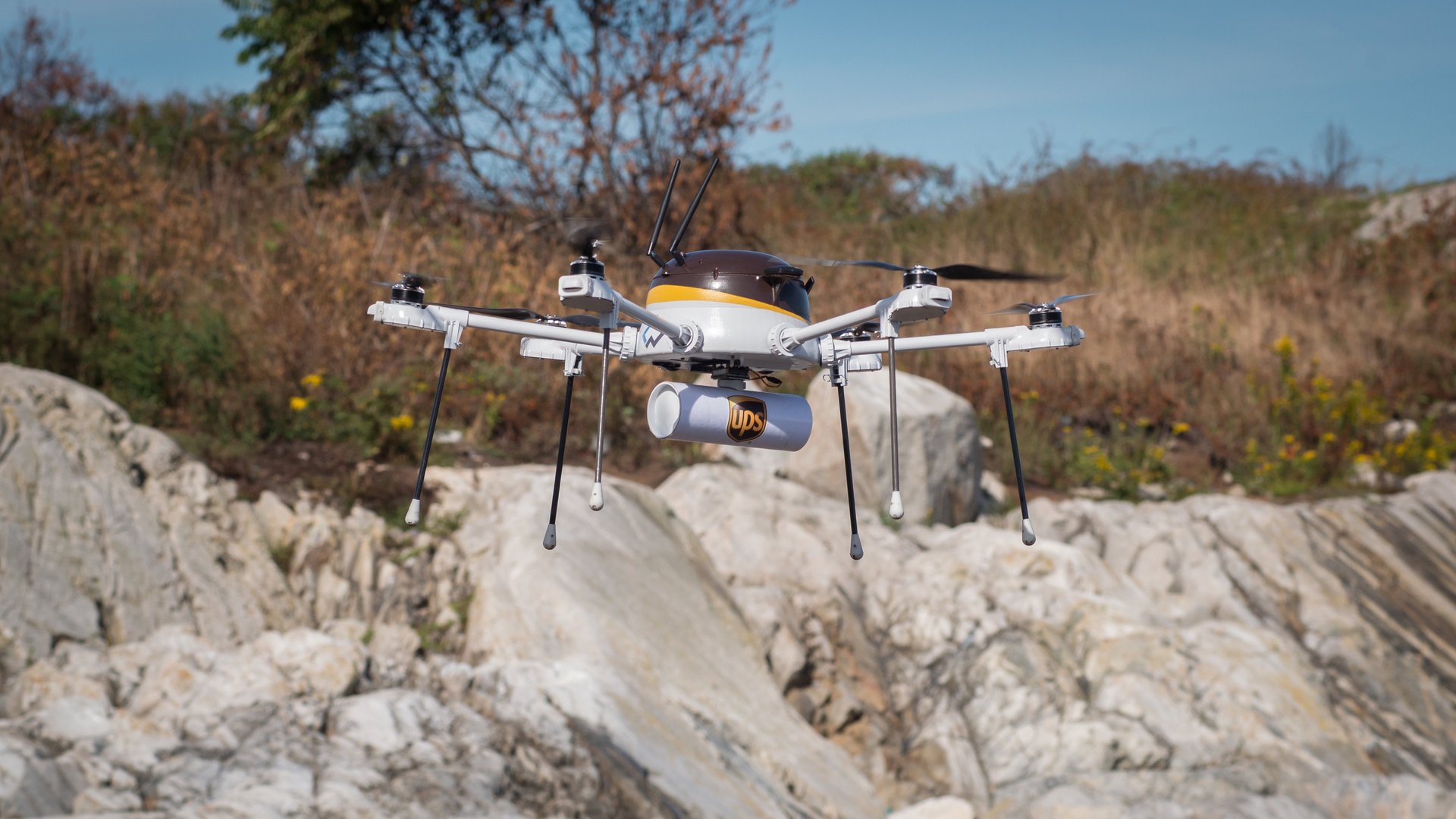
Instead of waiting impatiently for a large brown truck to drop off your latest online orders, you might soon have to turn your attention to the sky.
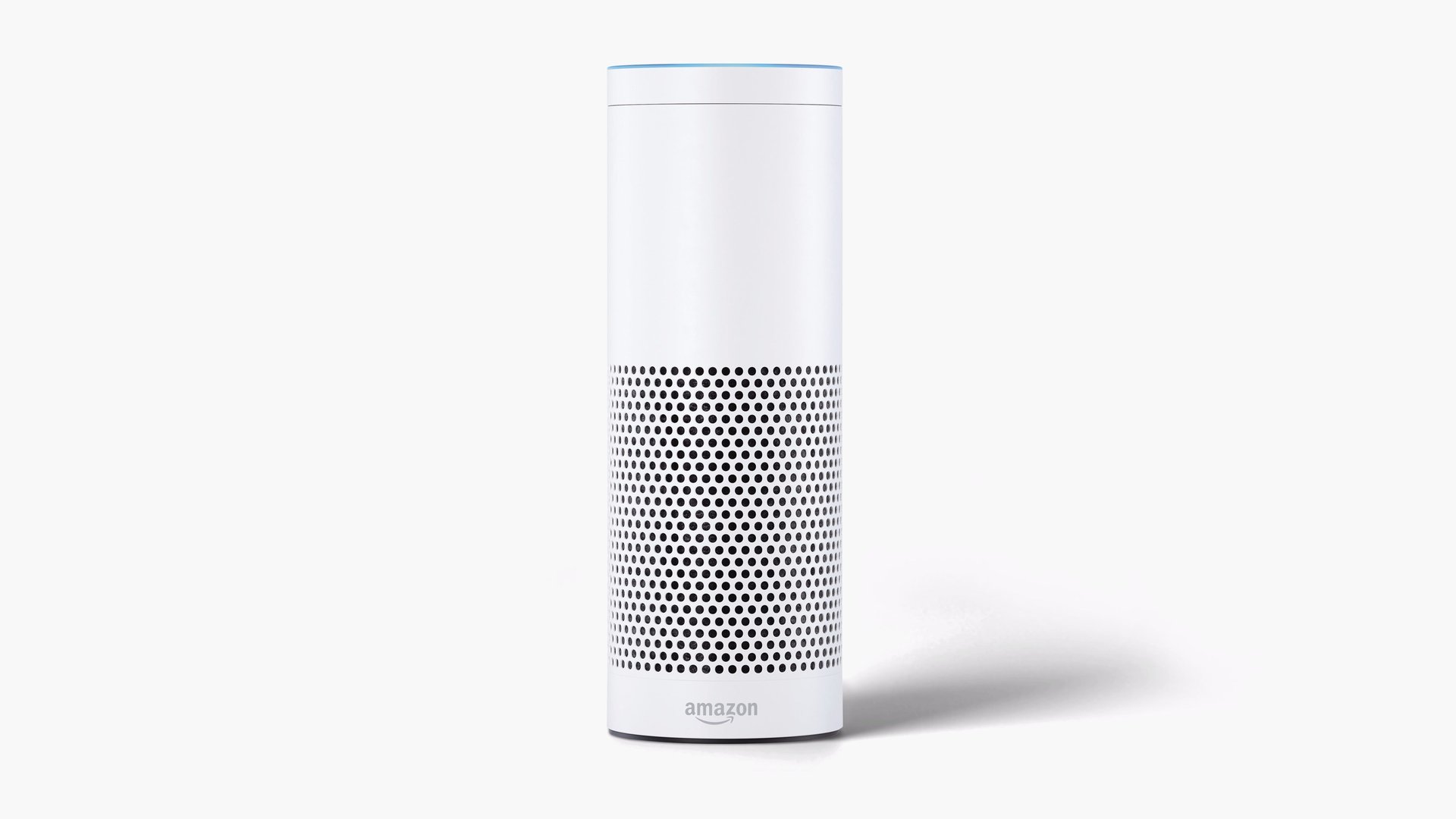
Siri may soon be making the jump from your pocket to your end table.
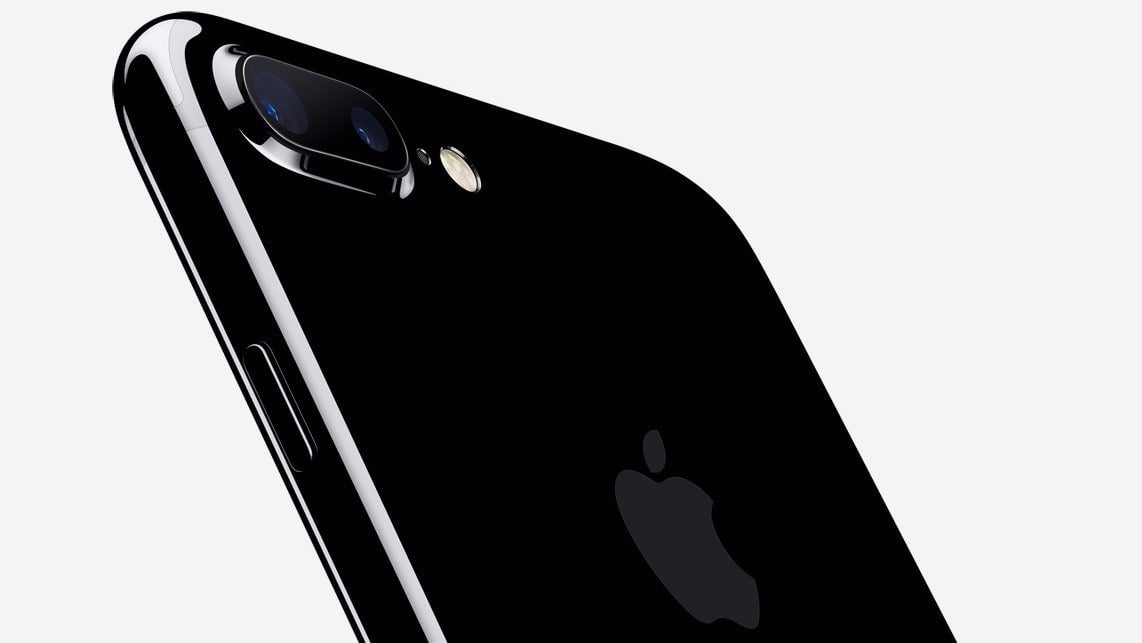
Before the iPhone 7 and 7 Plus were even released, rumors swirled that the phones would be underwhelming, and perhaps even boring. And then on stage in California two weeks ago, Apple unveiled something very similar to what many people already carried in their pockets: The iPhone 7, from the outside, looks exceedingly similar to the two iPhone models that preceded it.
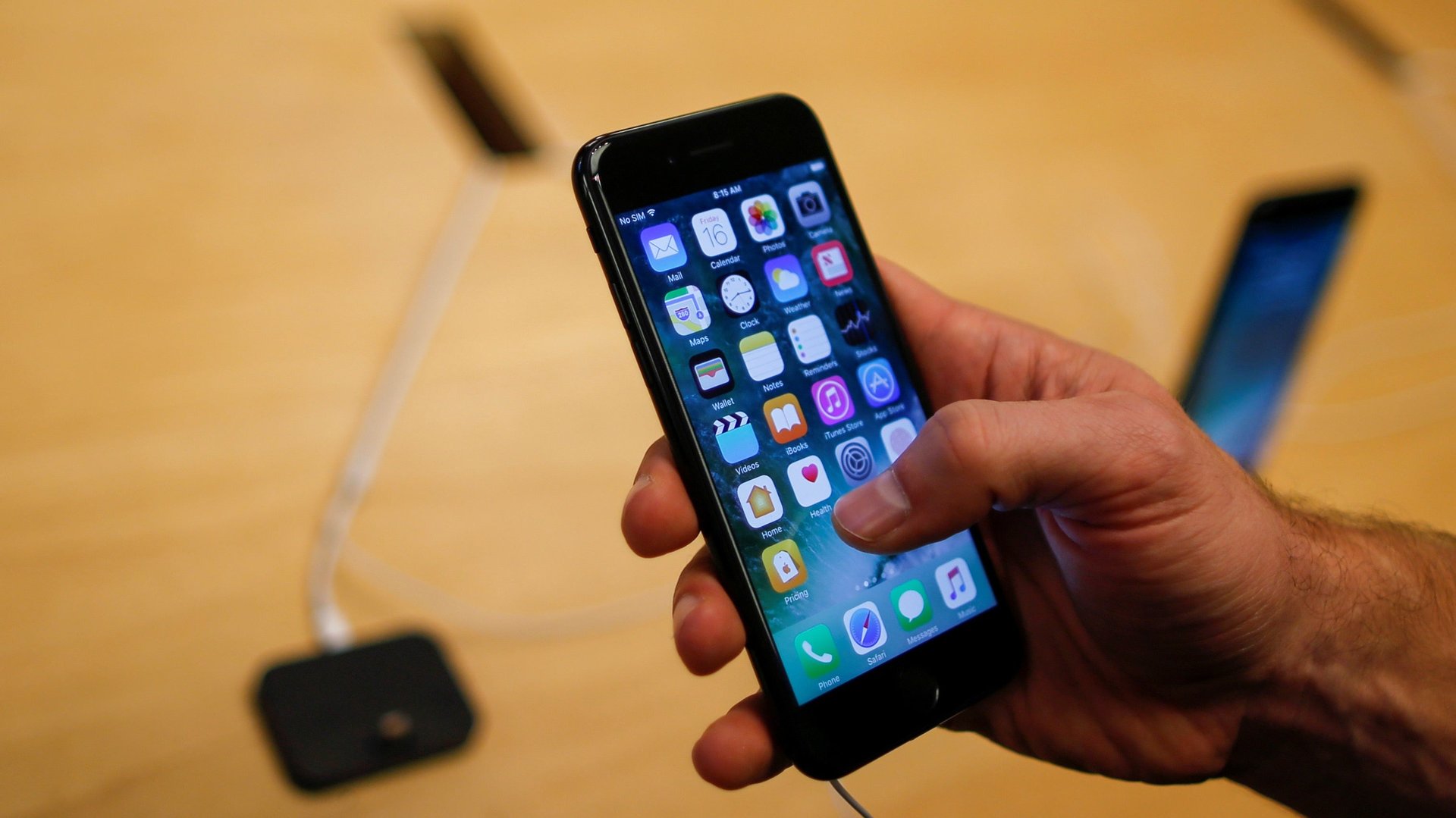
Earlier this month, Apple released the latest update to its mobile operating system, iOS 10. There are a few new features, such as a new lock screen, an updated Photos app, and a revamped Apple Music and News, but the biggest update is to Messages. Gone is the simple interface for sending texts and images to friends and family, and in its place a madhouse of stickers, animations, handwritten notes, and other over-the-top features.
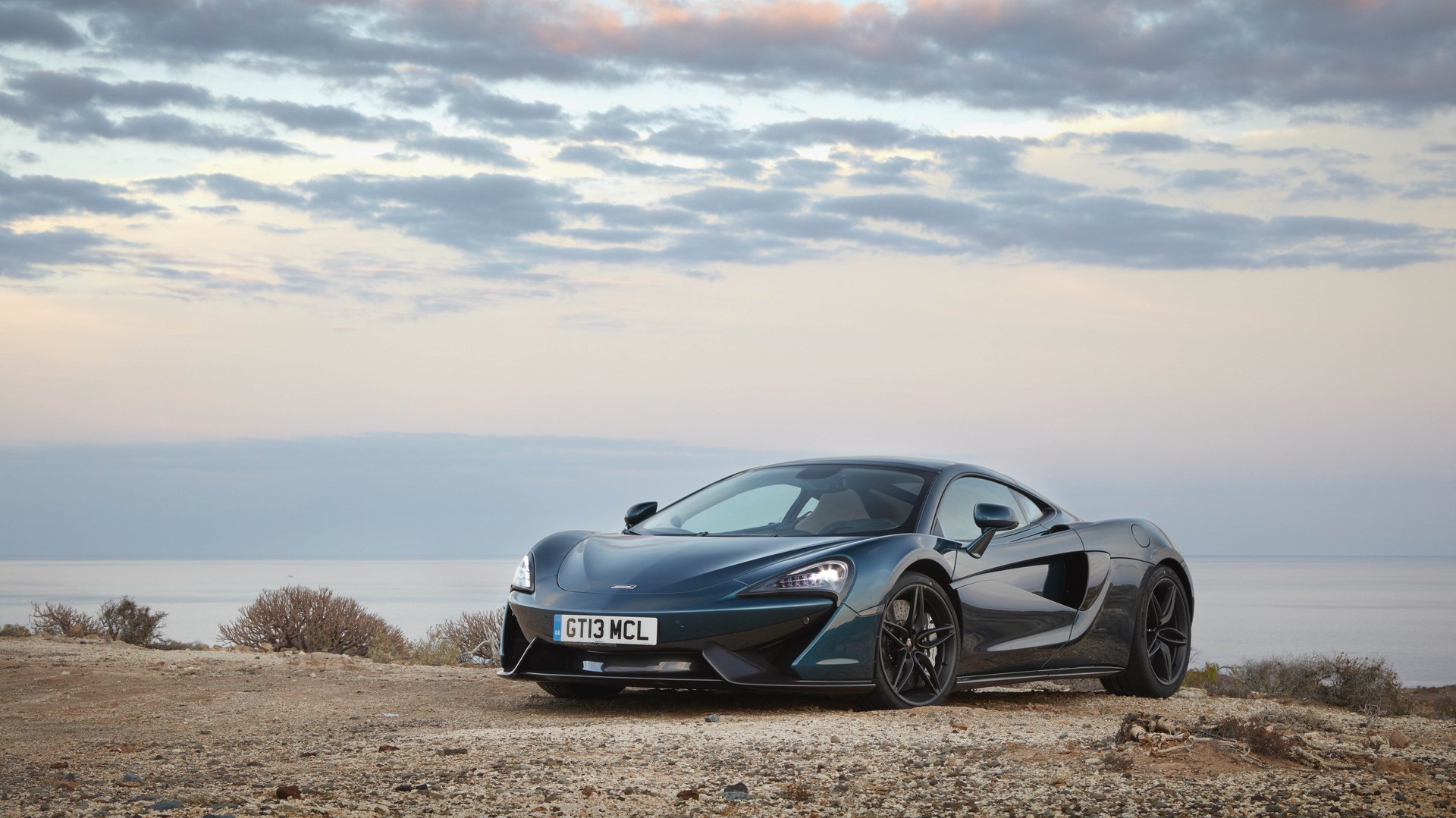
Apple has approached McLaren Technology Group, the company behind the McLaren Formula One racing team and some of the most expensive road cars in the world, about a potential acquisition, the Financial Times reported.
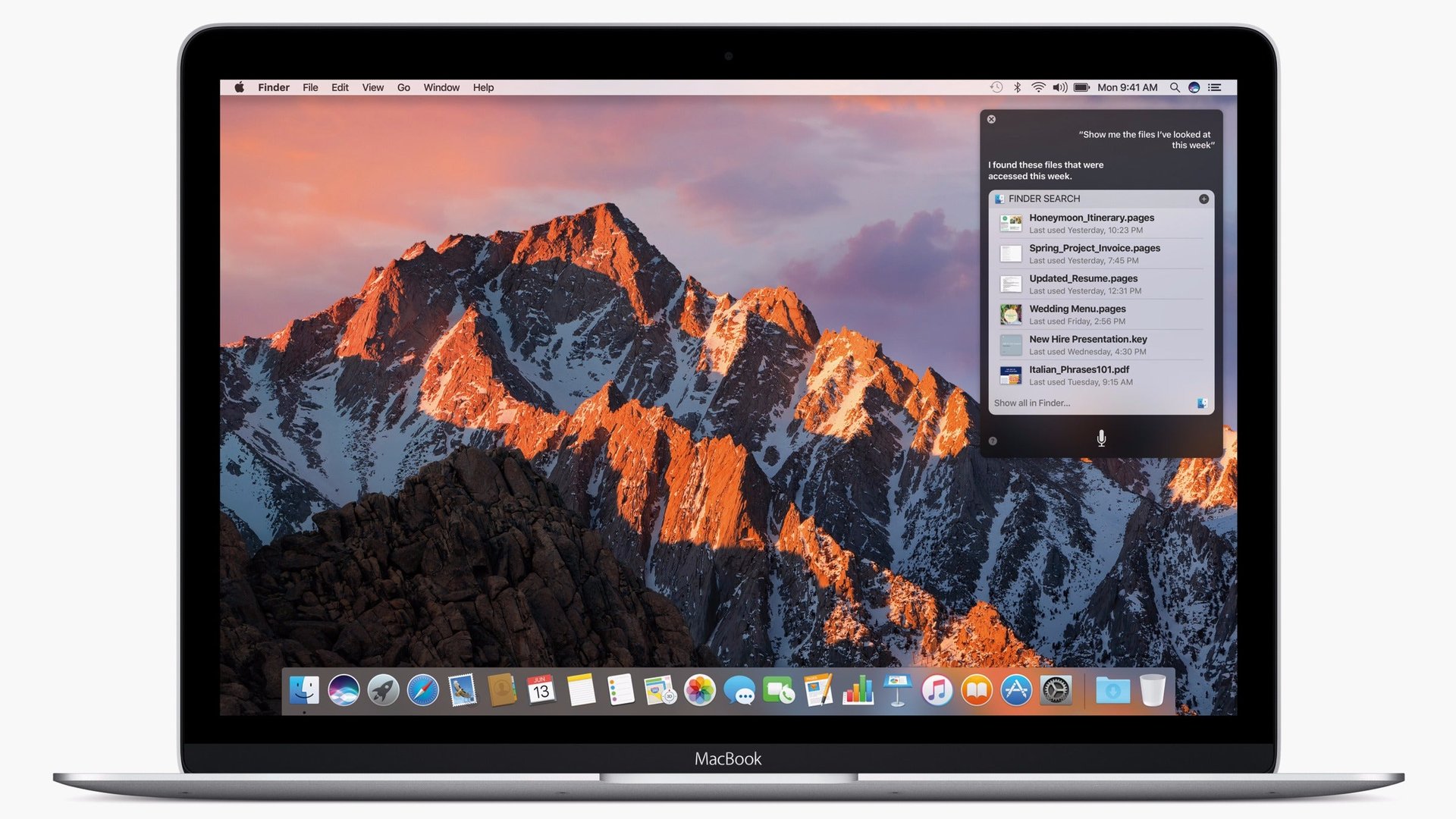
About a week after updating its mobile operating system, Apple is turning its attention to computers. The company is launching the newest version of its Mac operating system today (Sept. 20), which it’s rebranding from OS X to macOS. If your computer is compatible—which is pretty much any Mac released in the last 5 years—and you want to know what’s changing, read on.
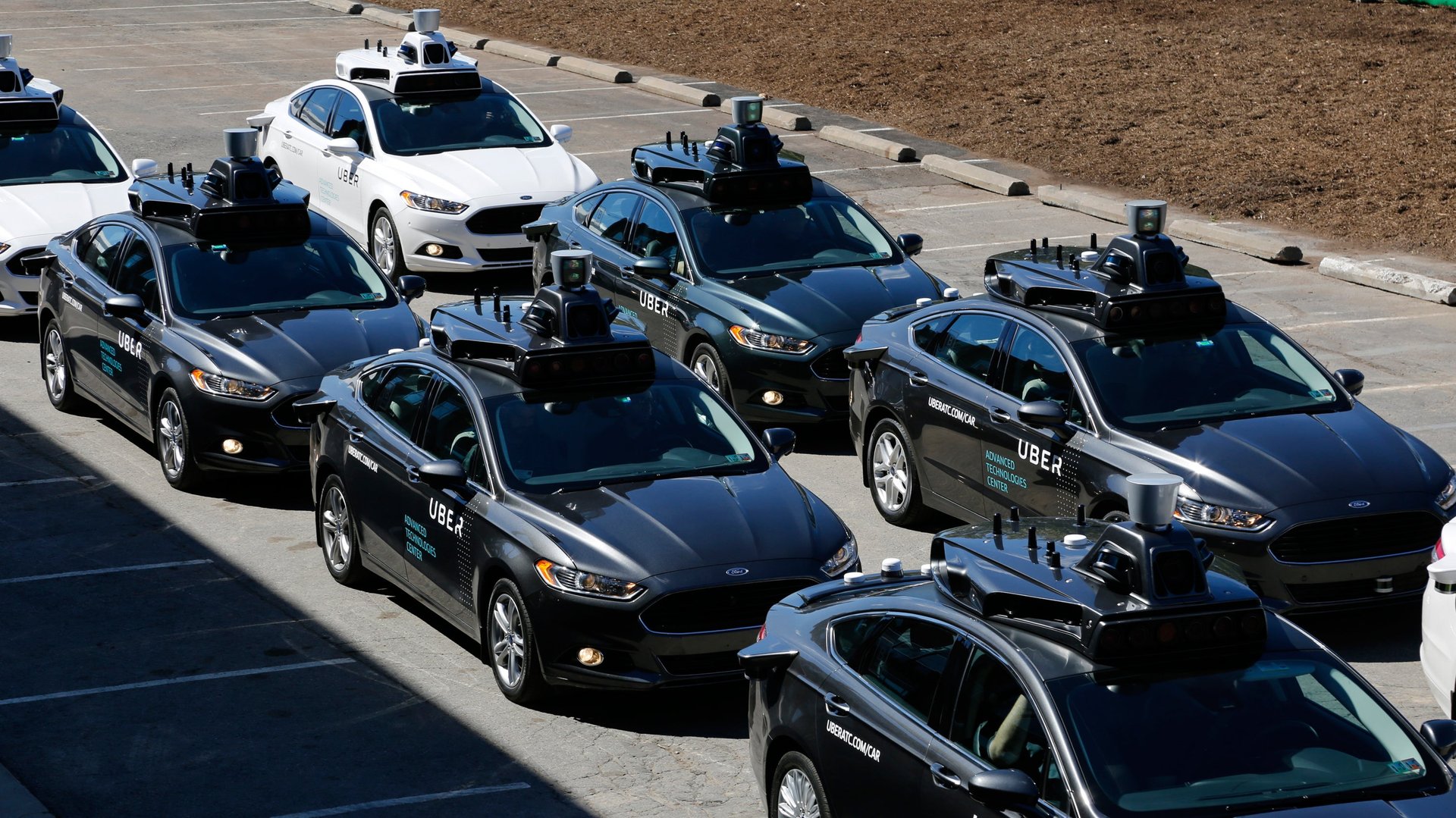
Self-driving cars are quickly moving from science fiction to reality, and the US government is trying not to pump the breaks.
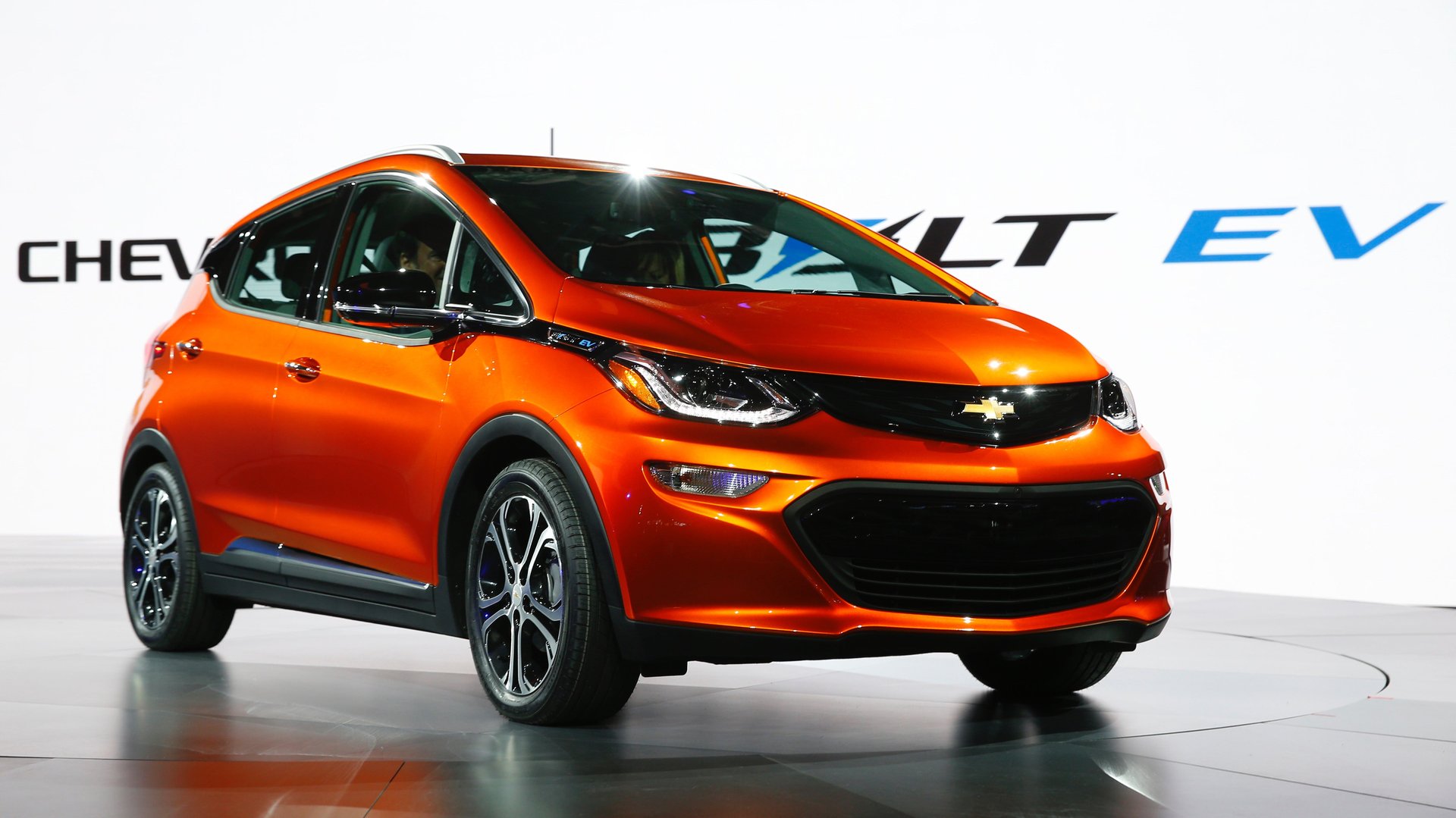
The electric vehicle wars are changing. Today, Sept. 20, General Motors announced that the Chevrolet Bolt, the company’s first fully electric vehicle, will go on sale in the US later this year. The starting price for the car will be $37,495. That is about $2,500 more than Tesla’s most affordable vehicle, the Model 3, which won’t go into production until 2017.
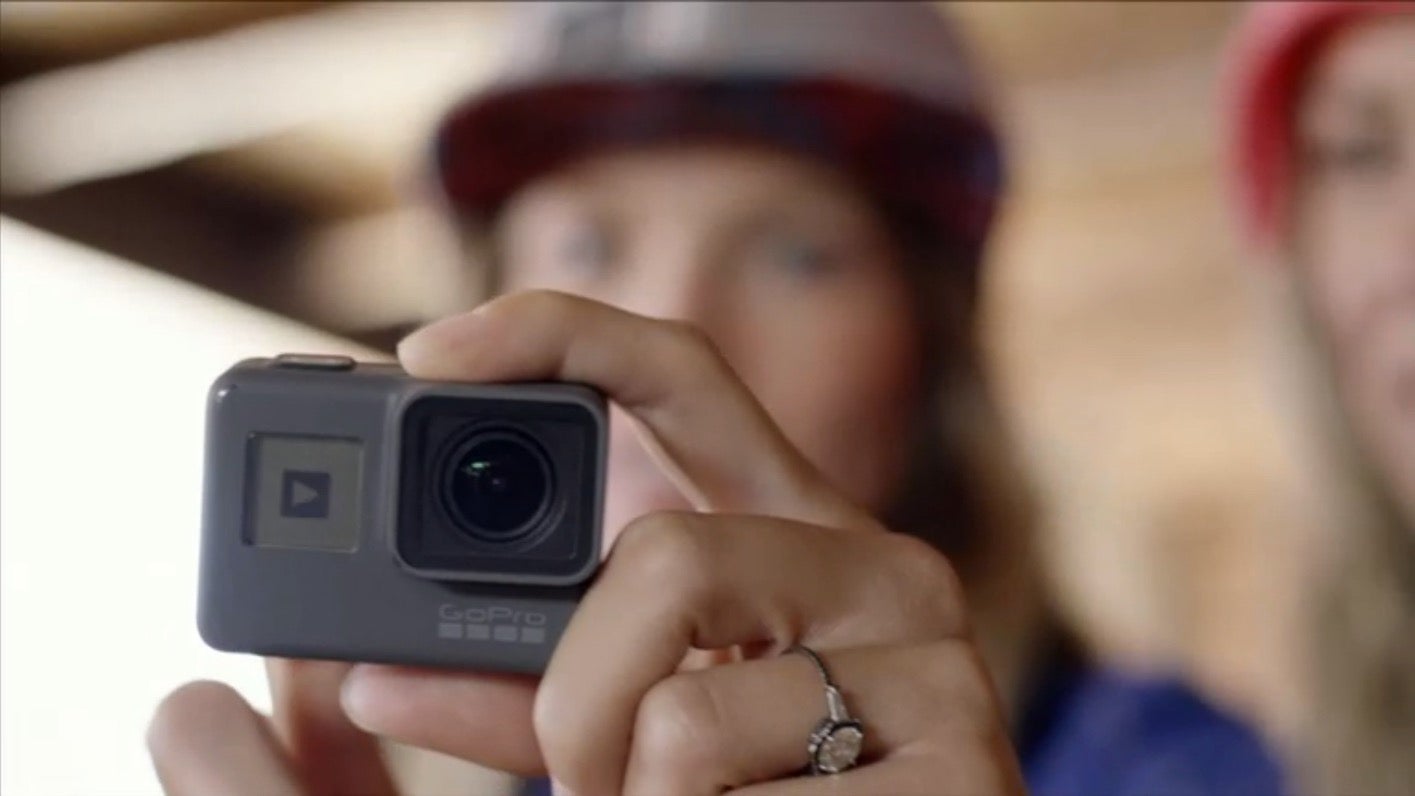
At an event near Lake Tahoe, California, today, GoPro CEO Nick Woodman unveiled what may well be the products that make or break the company. He finally showed off Karma, the drone that GoPro first announced last December, as well as two new Hero5 cameras, the next in its line of portable action cameras.
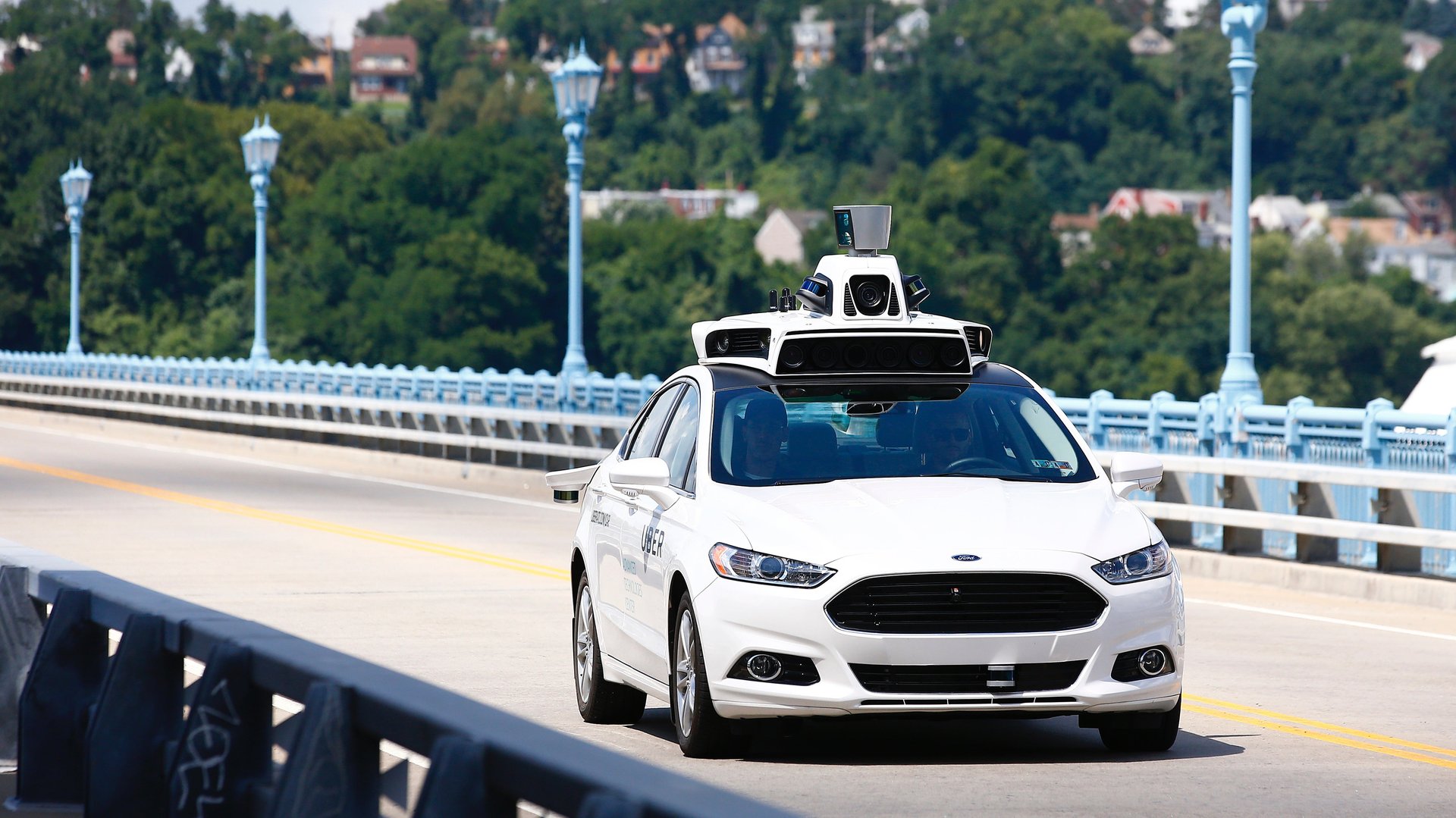
Even though it was unsettling, erratic, and possibly rushed out, my trip in a self-driving Uber car this week will most likely be looked back upon as a watershed moment. Wednesday Sept. 14 was the first time in the US an autonomous car picked up regular people and drove them somewhere (pretty much) on its own. The drive was just one event in a week hinting that the future of mobility we’ve been dreaming about may arrive sooner than we think.

Standing outside Apple’s giant glass cube on Fifth Avenue in New York, it seemed at first like today’s iPhone launch event was going to be as hectic as they have been for the past nine years. Traditionally, eager customers camp out in tents outside stores for days before the official launch, trying to ensure they are amongst the first to walk out with Apple’s newest gadget, as Apple employees strain to keep throngs of customers in line.
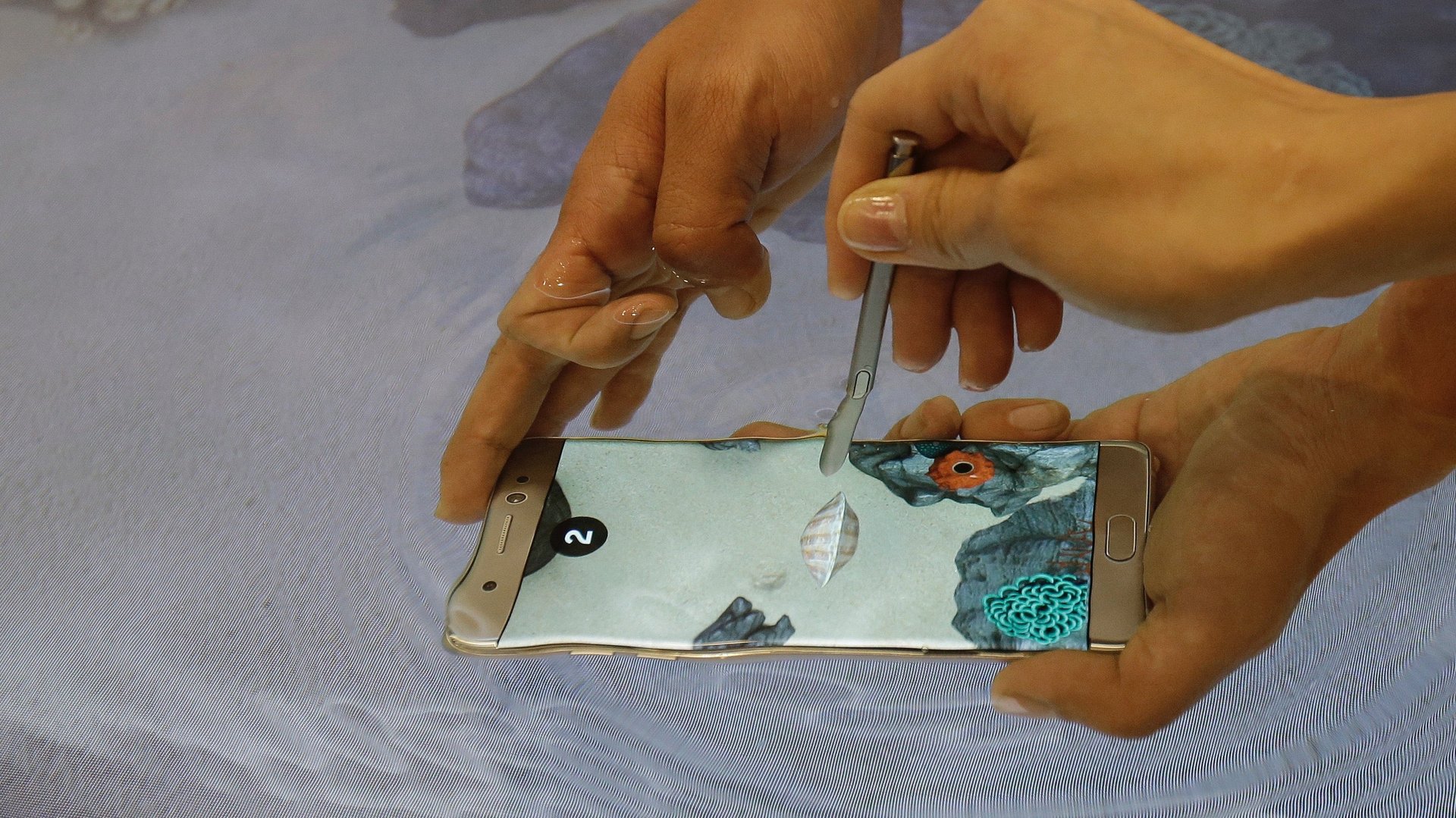
Smartphones are officially 2016’s hoverboards.
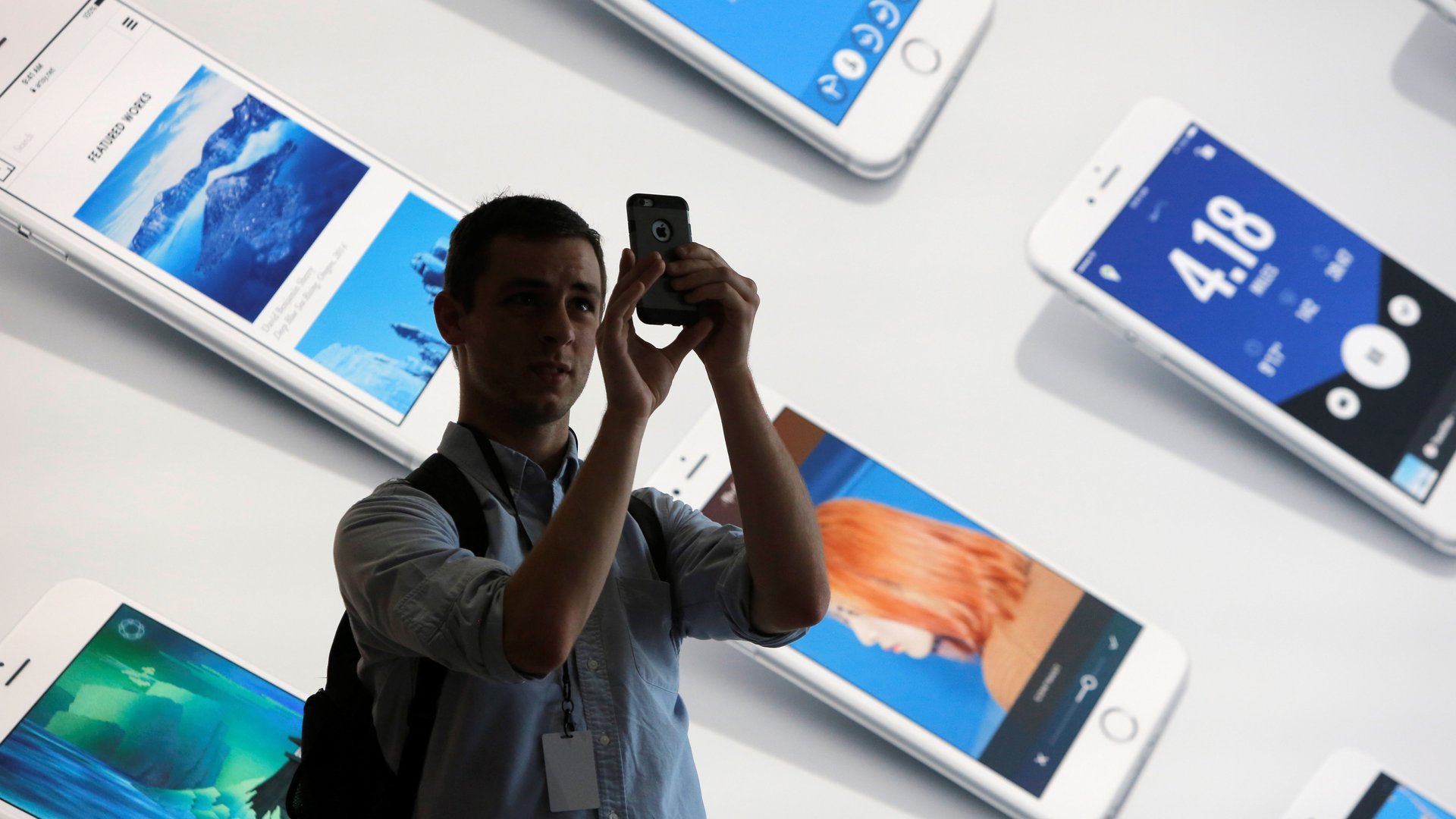
On Tuesday (Sept. 13), Apple launched its newest mobile operating system, iOS 10. Apple called the software its “biggest iOS release ever,” and while there were many new features to try out—like the overly jaunty new iMessages, or the fact that your phone can now automatically remember where you parked your car—the company also redesigned a lot of the interactions that its users have become used to over the last decade. One of the main changes: You no longer swipe to unlock the iPhone. Instead, you’re now supposed to click on the home button to either bring up the passcode screen, or unlock the phone with a fingerprint.
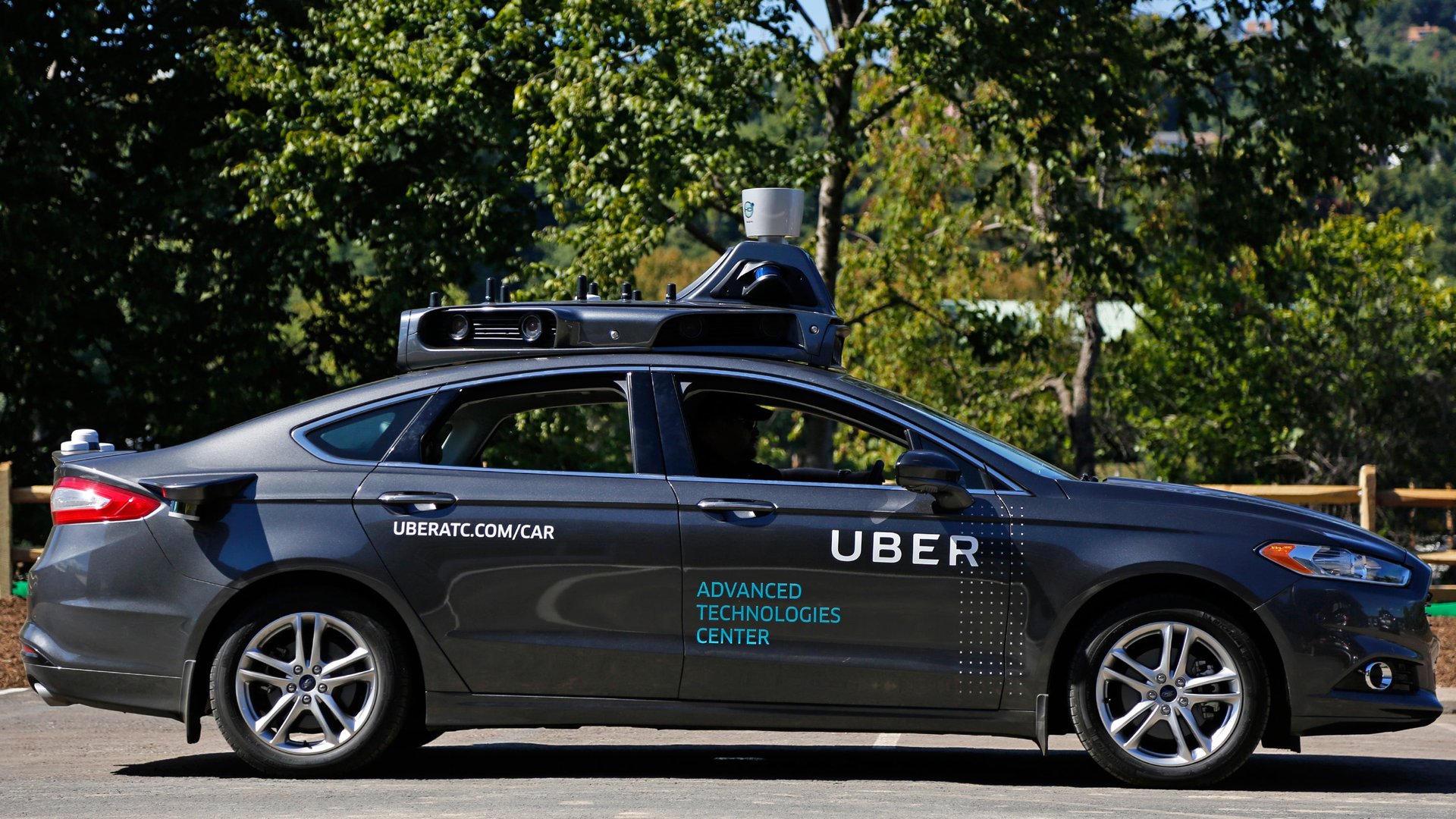
When the media descended on Pittsburgh to preview Uber’s self-driving cars earlier this week, local officials had little time to prepare.

Pittsburgh, Pennsylvania

In this series, Perfect Company, we are examining pockets of excellence in the corporate world. No single company is perfect, but together they show what the corporate ideal could look like.

In this series, Perfect Company, we are examining pockets of excellence in the corporate world. No single company is perfect, but together they show what the corporate ideal could look like.
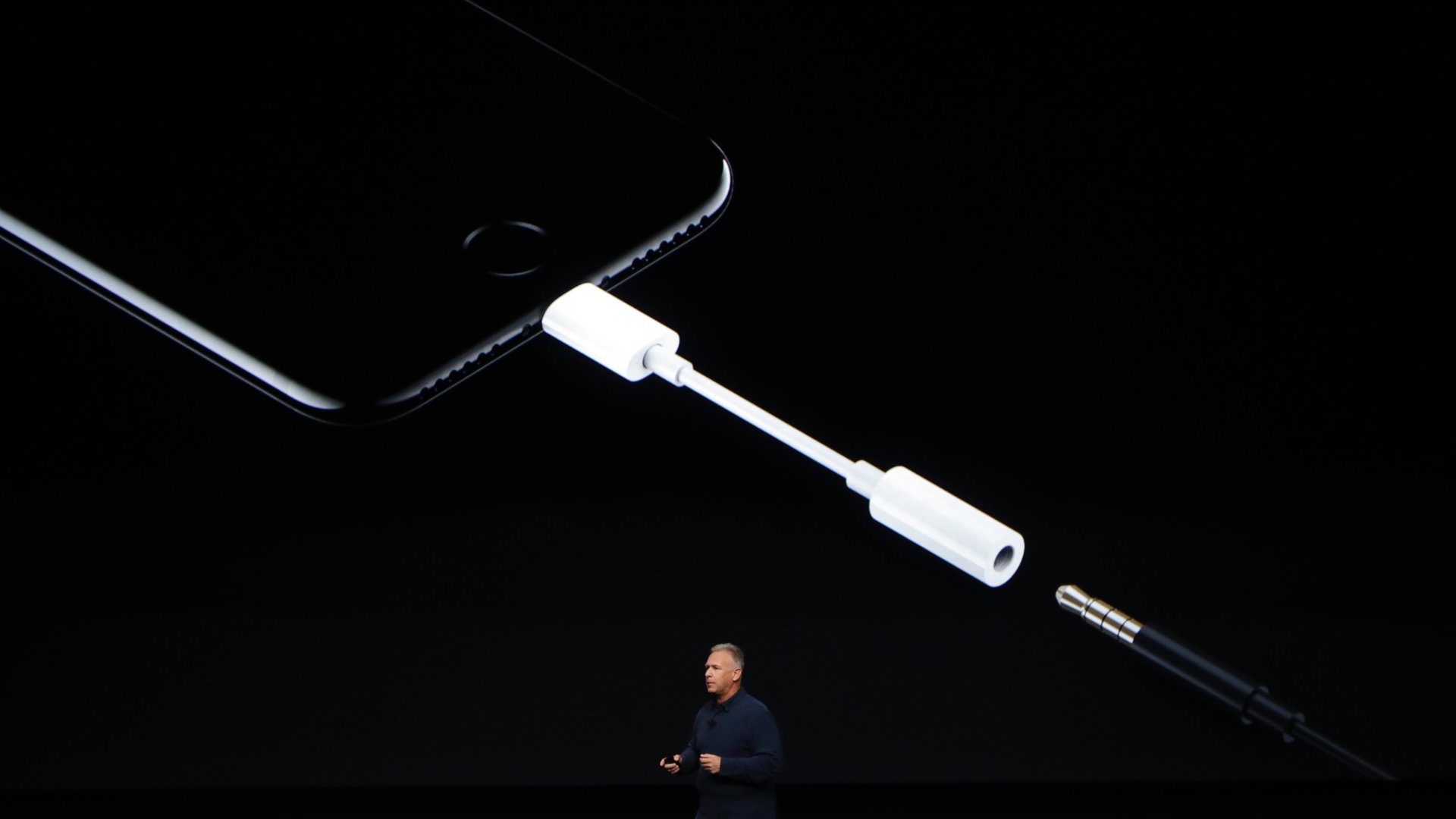
The internet is not pleased with the news that the next iPhone will not come with a traditional headphone jack. Instead, Apple’s next phone will use its Lightning charging port as the conduit through which music will flow. The company will also throw in a small plastic dongle to convert regular headphones into something that will fit into the Lightning port.
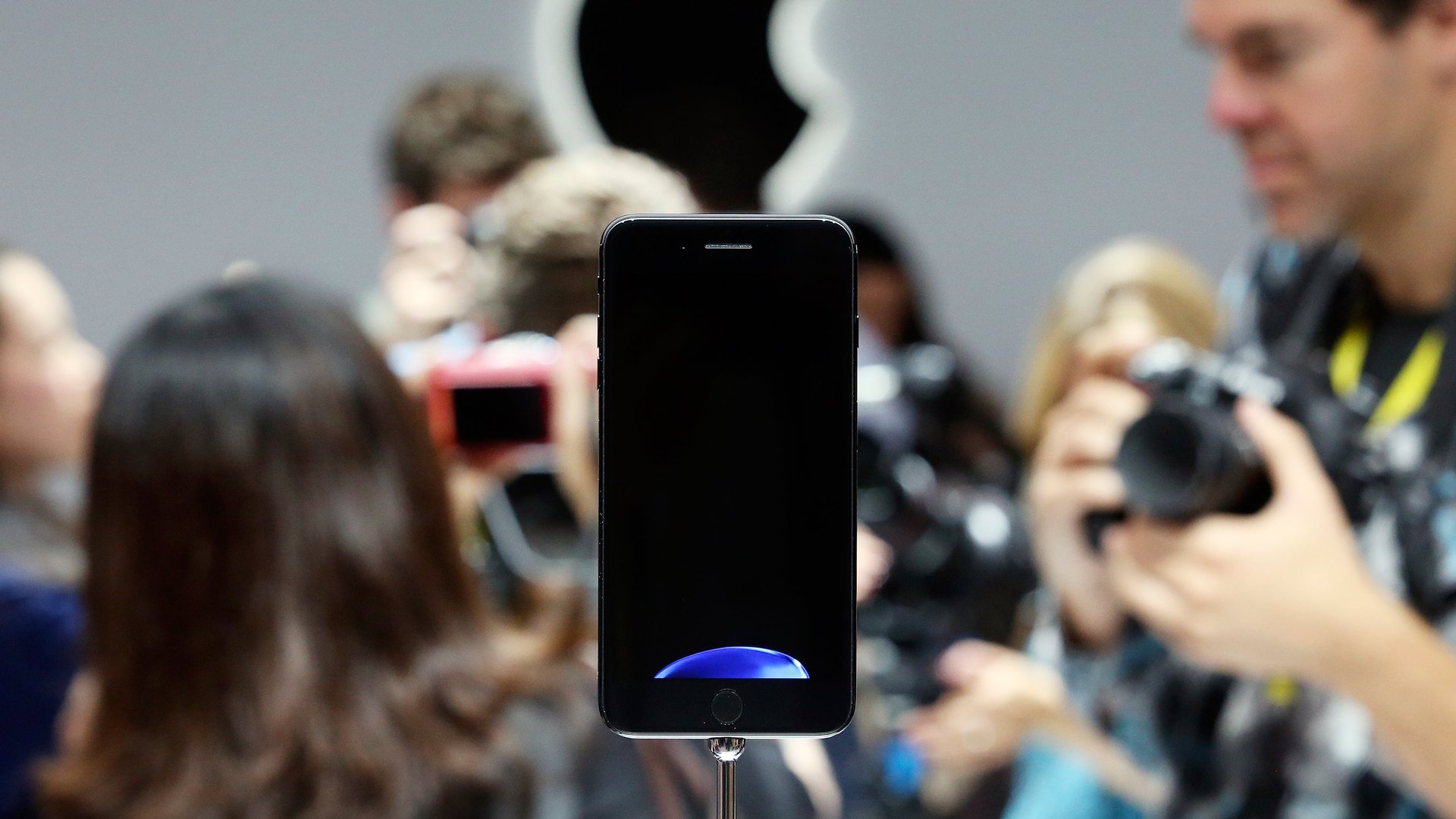
On Sept. 9, a brand new, but very similar, iPhone will be available for pre-order. If you’re after a new phone, you may be considering the payment plan that Apple introduced last year, the iPhone Upgrade Program, a monthly installment program that promises a new phone each year. Or perhaps you got roped into it last year, assuming that Apple was going to introduce a markedly new phone this year.
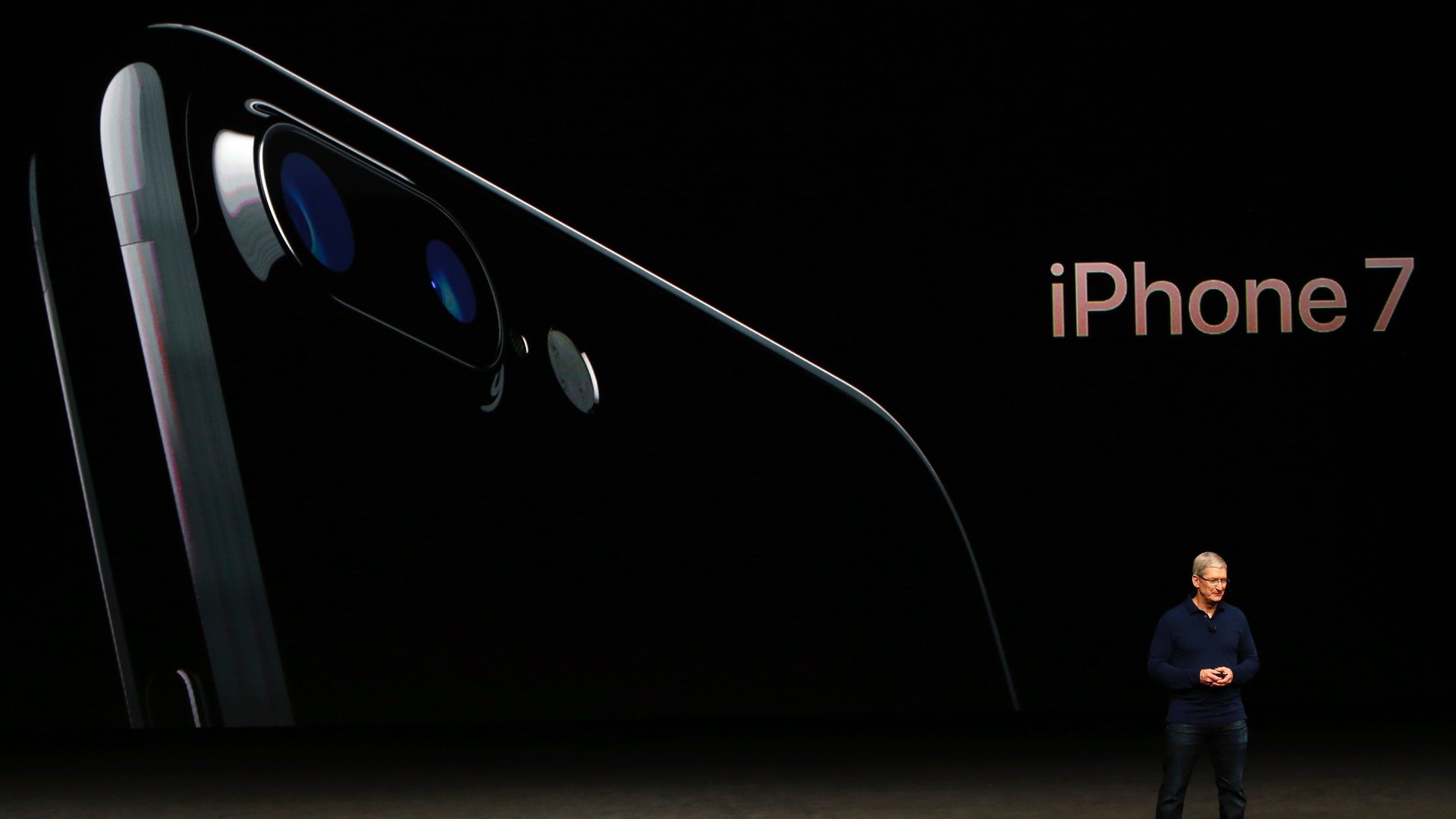
Much like with Hollywood, Apple’s sequels are starting to feel more and more derivative.
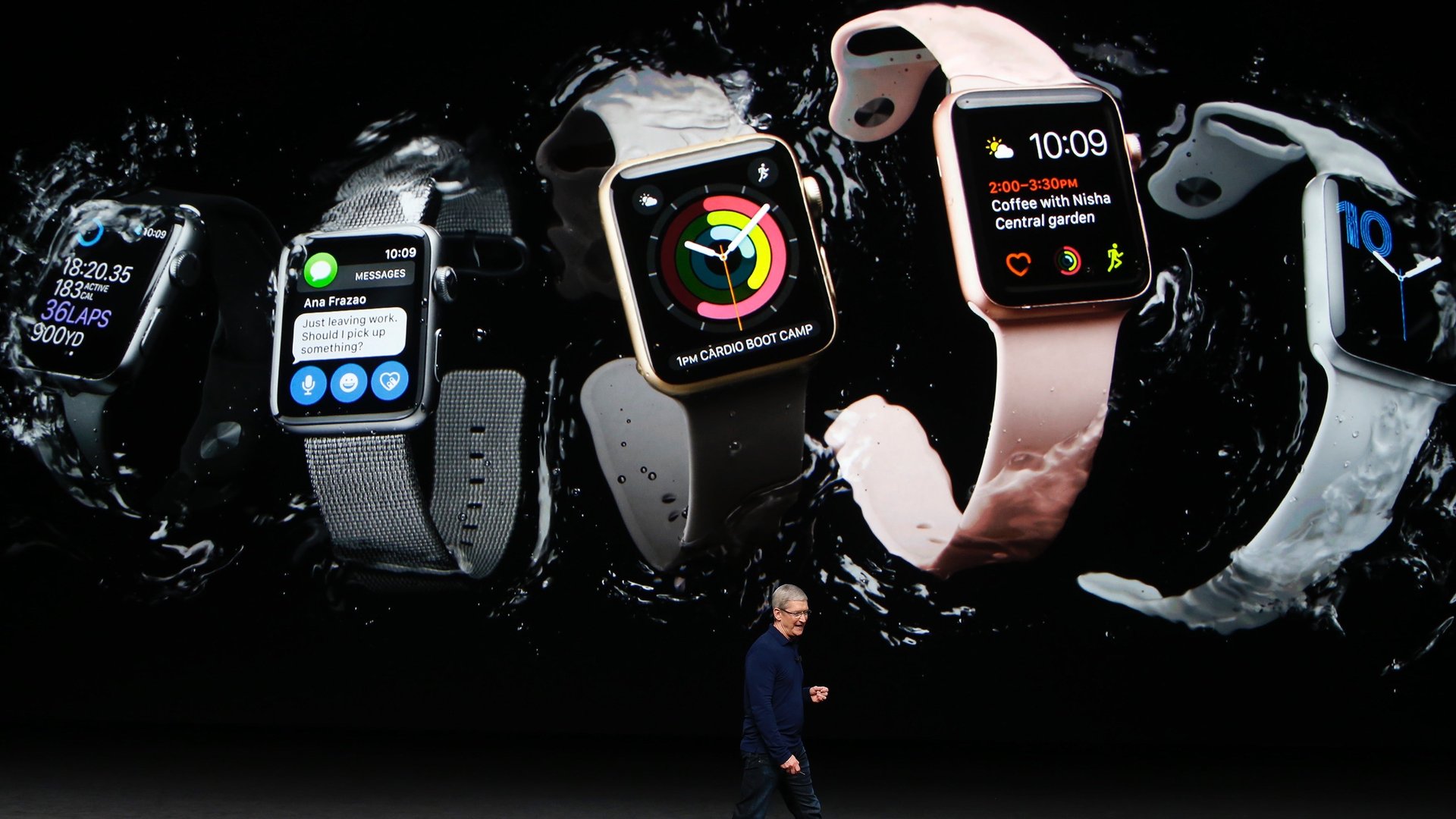
At a packed Bill Graham Civic Auditorium in San Francisco today (Sept. 7), Apple announced its latest array mobile devices, including two new iPhones, an updated Apple Watch, and a new set of wireless headphones called AirPods.
Apple unveiled a series of much anticipated products today (Sept. 7) at a media event in San Francisco. No iPad or Mac news, but it launched the next generation of the iPhone and Apple Watch. Here are the biggest announcements from the keynote event: