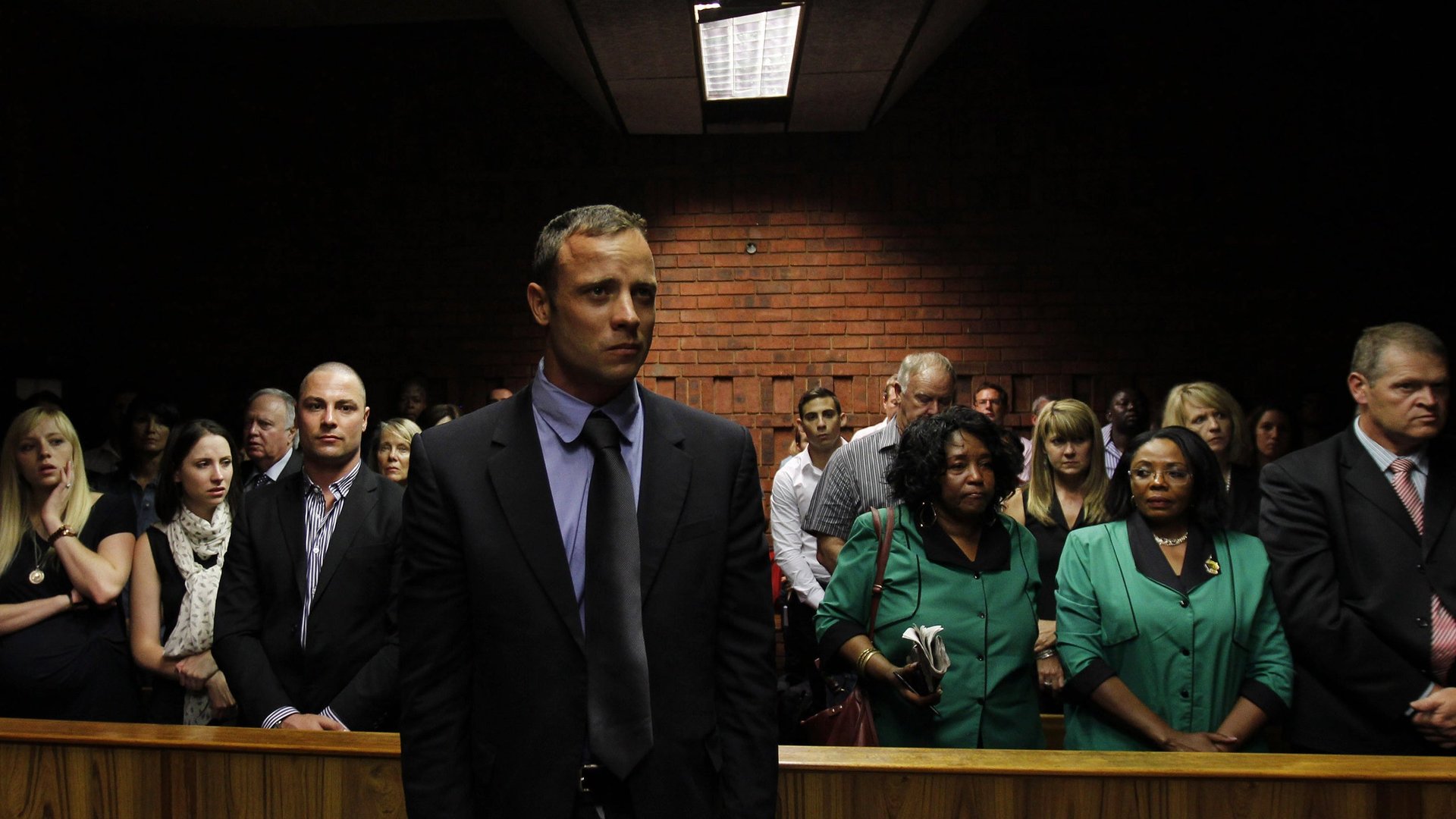
Two years ago, the South African paralympic athlete Oscar Pistorius dominated international news after shooting and killing his girlfriend, Reeva Steenkamp, in his home.

Two years ago, the South African paralympic athlete Oscar Pistorius dominated international news after shooting and killing his girlfriend, Reeva Steenkamp, in his home.

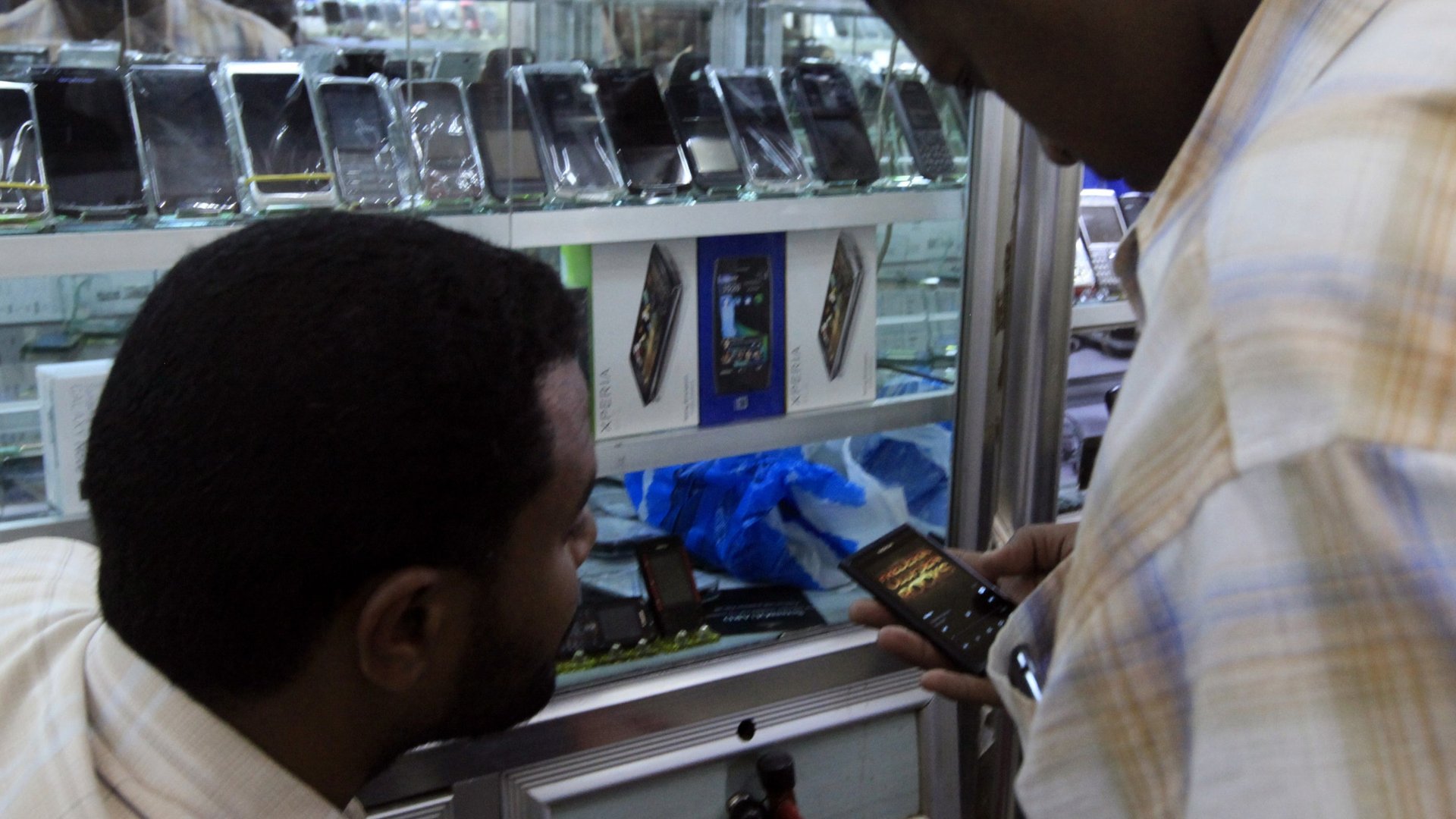
Africa’s mobile connections may be edging closer to the one-billion mark, but growth in unique mobile subscribers—the number of individuals that have subscribed to a mobile service—will slow down over the next years says a a new a report from GSMA, the international organization of mobile operators and companies.

This post has been corrected.

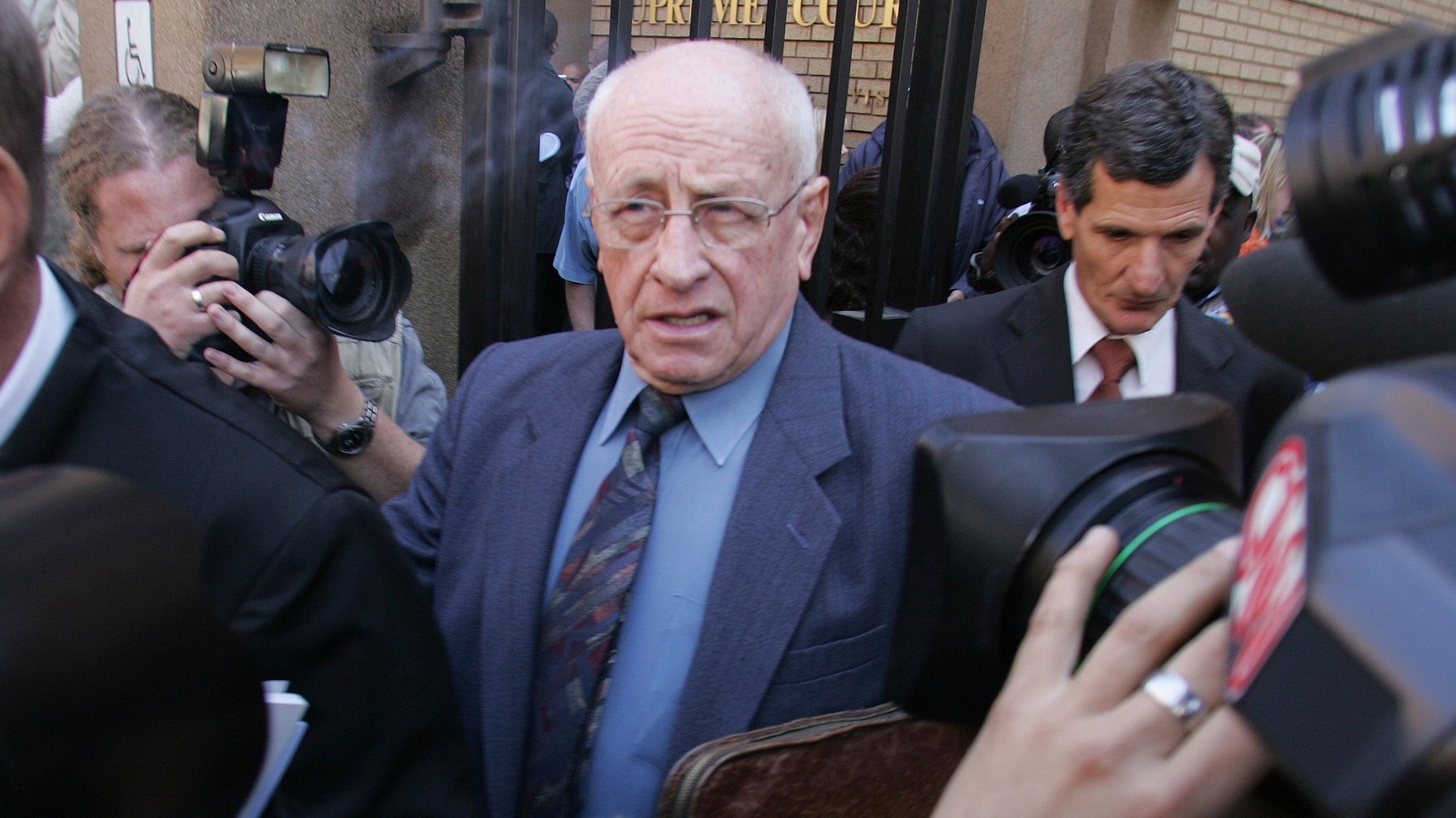
Adriaan Vlok, the minister of law and order during the latter years of South Africa’s Apartheid rule was in the news again this week. This time for donating food to poor black South Africans.

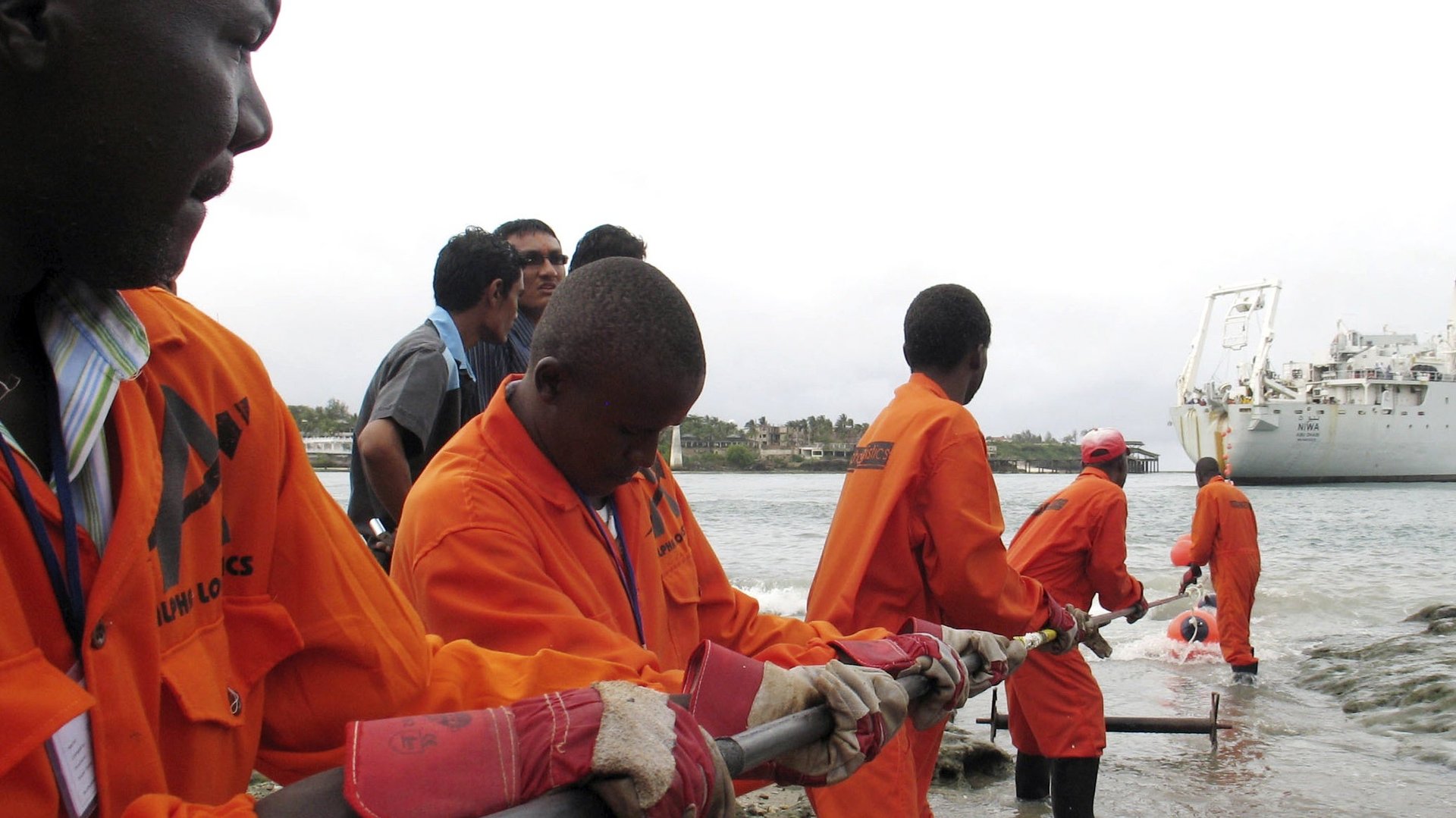
While undersea internet cables may have brought a 20-fold increase in bandwidth in Africa, last-mile connectivity—the infrastructure to extend networks into homes, schools, and workplaces—remains a challenge. Most African countries simply lack the fiber to distribute bandwidth more locally.

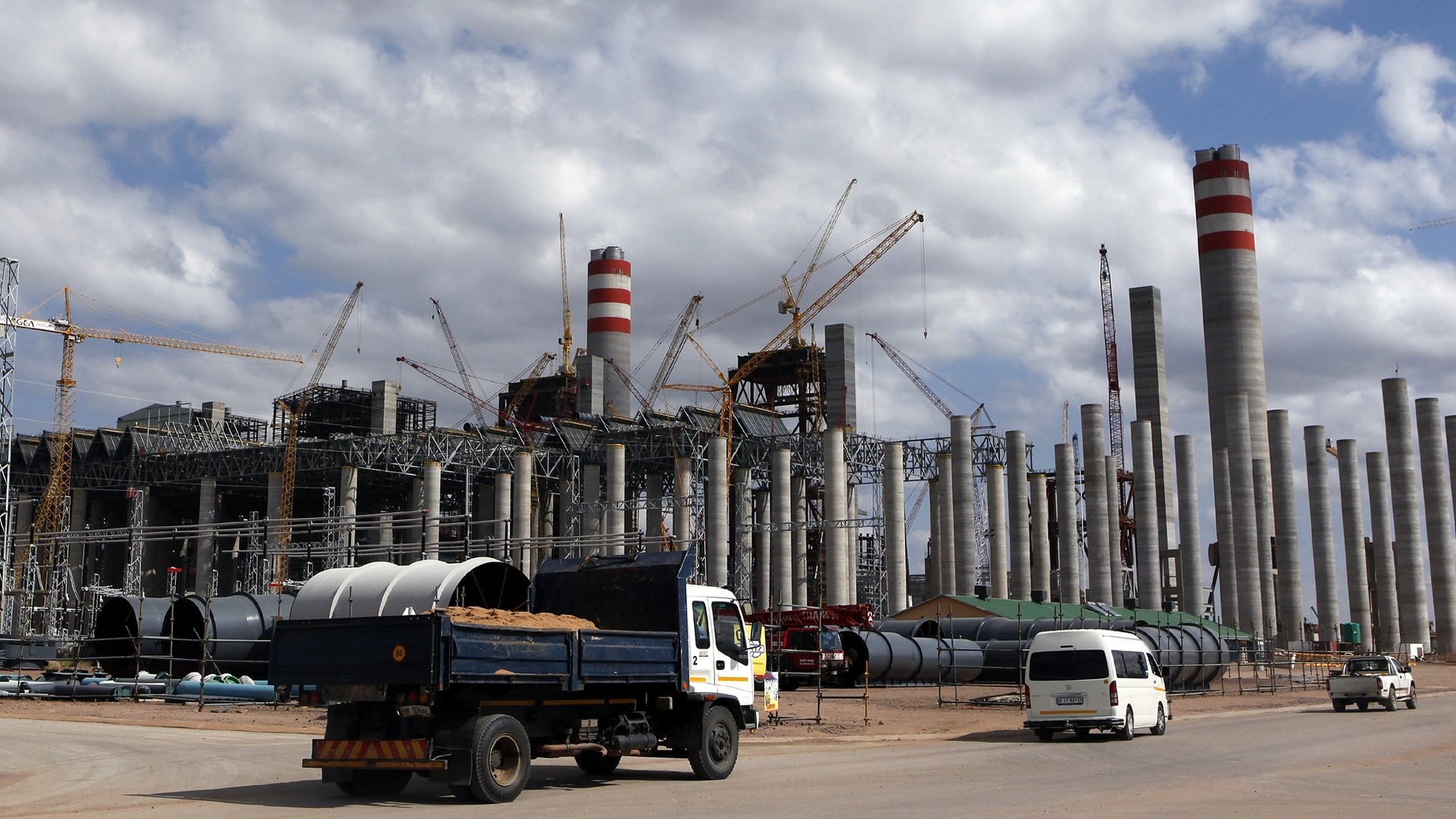
On Sept. 28, American regulators slapped a $19 million penalty on Hitachi, over allegations that the Japanese conglomerate violated the Foreign Corrupt Practices Act (FCPA). According to the US Securities and Exchange Commission, Hitachi made payments totaling $6 million to Chancellor House Holdings, a front company of South Africa’s ruling party, the African National Congress (ANC), in order to win contracts relating to the construction of two large power stations.

No one likes unsolicited opinions. Last week, on Friday (Sept. 25) the international credit rating firm, Moody’s Investors Service, downgraded the country’s credit rating. On Sunday (Sept. 26), Zambia’s ministry of finance lashed out against Moody’s in a statement on its Facebook page for publishing an “unsolicited” credit rating.

Thriving in Nigeria, Africa’s largest economy, is tough. On Friday (Sept. 25), Tiger Brands—South Africa’s largest food company—announced that its CEO, Peter Matlare, would step down at the end of this year. Matlare had led the company’s unfruitful acquisition of a 63% stake in Dangote Flour Mills, a Nigerian company that produces flour, noodles and pasta, and is partly owned by Africa’s richest man, Aliko Dangote.

Kigali, Rwanda’s capital, is often lauded as “Africa’s cleanest city”. The country’s 2008 ban on non-biodegradable plastic is often mentioned as a cause. Another is that on the last Saturday of every month, people across the country commit time to projects aimed at improving the country’s public spaces, in a mandatory practice called Umuganda—loosely translated as “coming together to achieve a common purpose”.

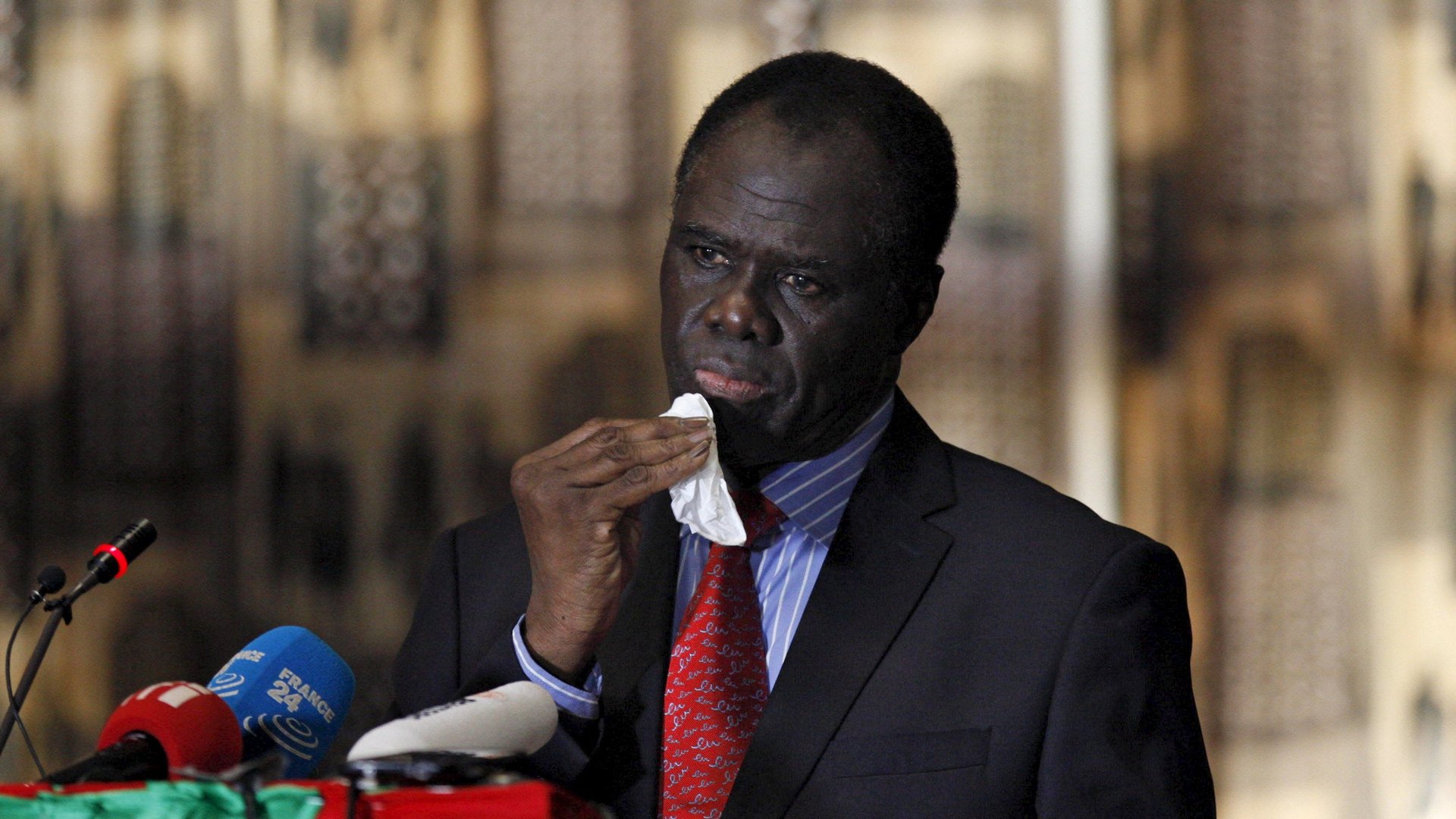
Michel Kafando—Burkina Faso’s interim president tasked with preparing ground for the country’s democratic transition—is back in power after last week’s coup.

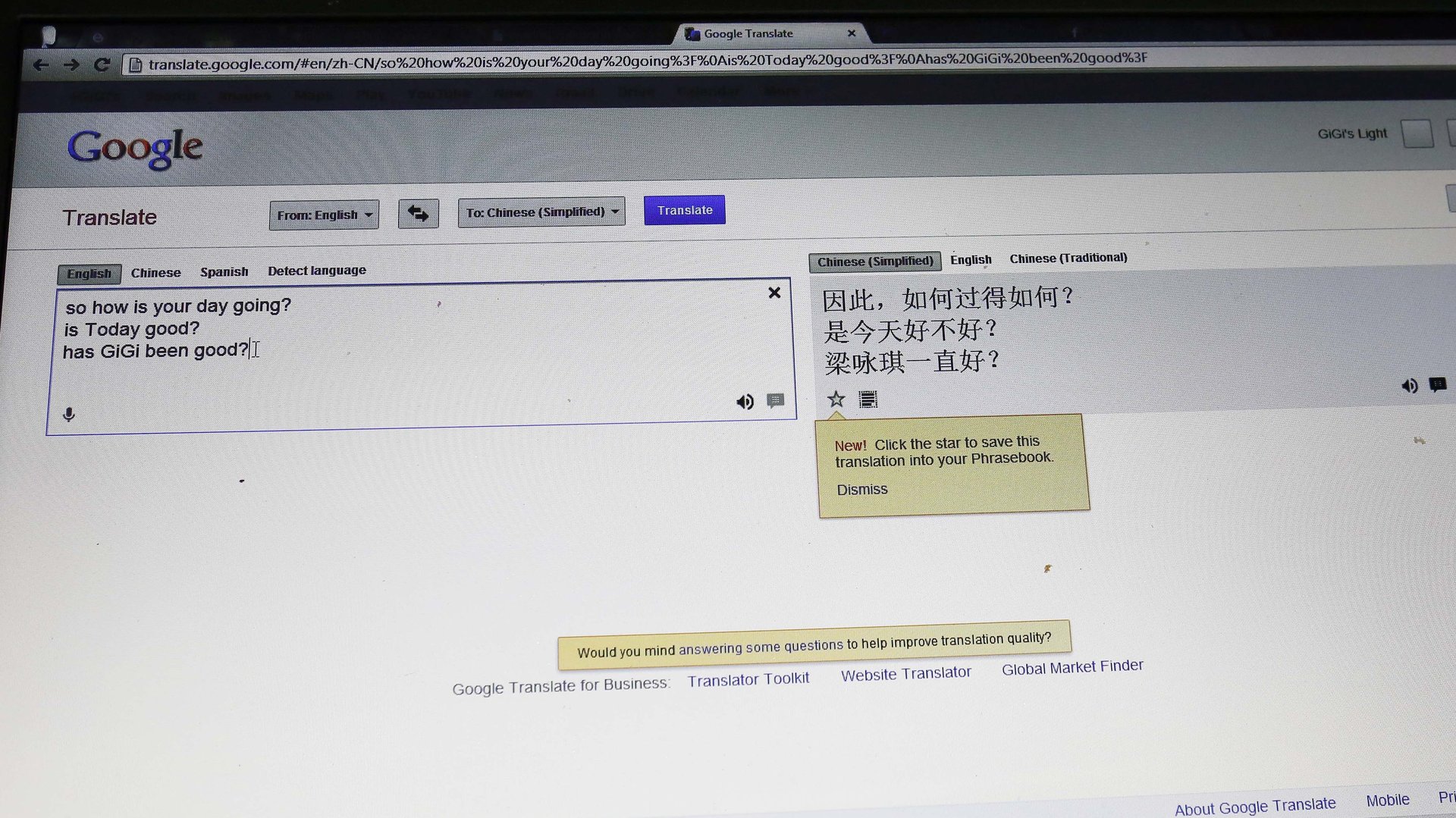
One way of getting more people online would be to make the internet more linguistically diverse. As Quartz reported last November, several of the world’s biggest tech companies have been expanding the number of languages in which they offer their services. At the end of last year, Google Translate added 10 new Asian and African languages, like Sesotho and Kazakh.

Burkina Faso may be a step closer to resolving the coup that erupted last week Thursday, but it is unlikely that the country will return to civilian rule anytime soon. Reuters reports that Macky Sall, Senegalese president and chief mediator, announced a draft deal intended to restore order in the West African country yesterday (Sep. 20) after talks with General Gilbert Diendéré—leader of the powerful presidential guard that led the coup.


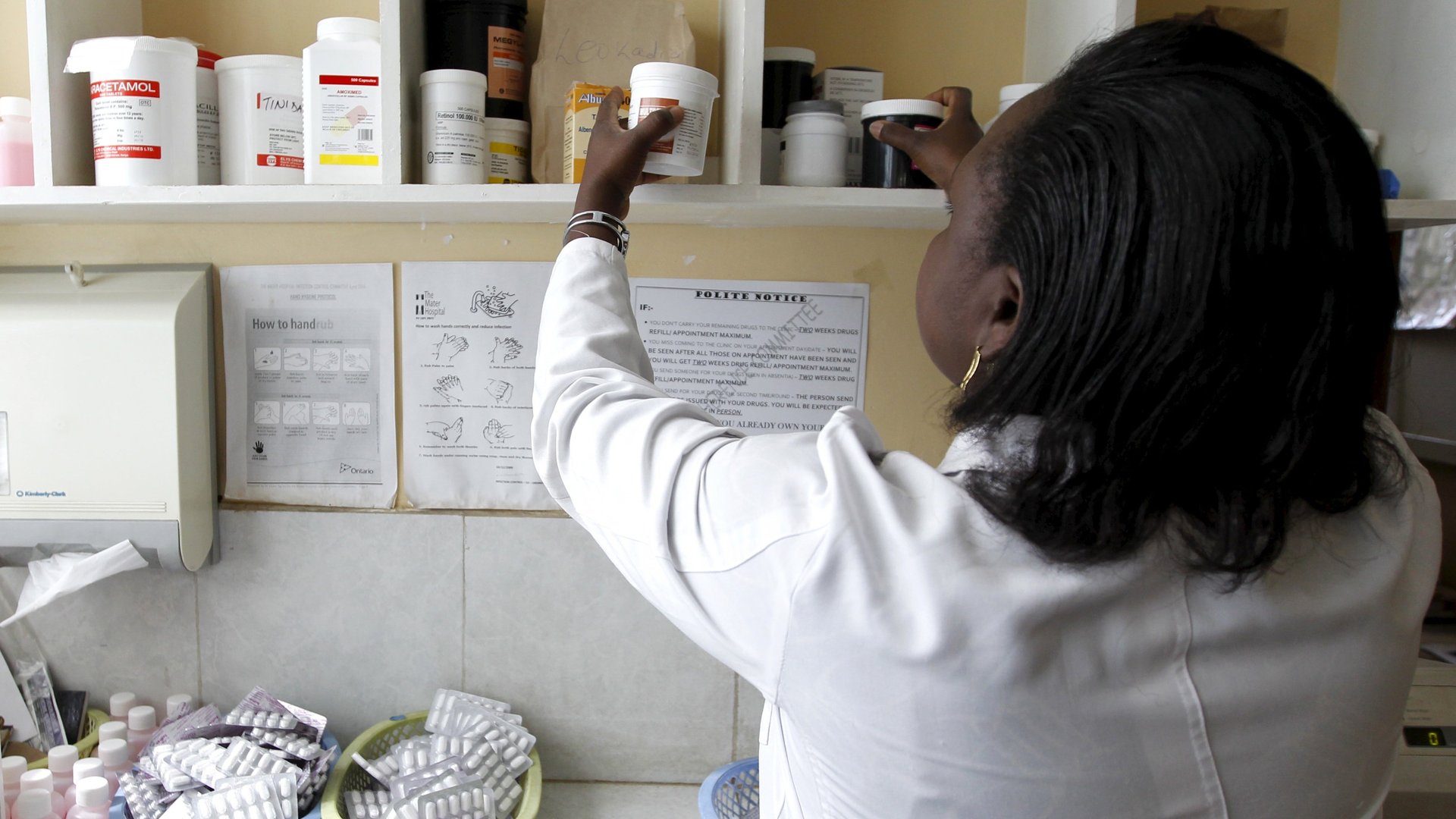
An estimated 30,000 people die from poisonous snake bites in sub-Saharan Africa each year—and up to 100,000 in the world. Nature—a health science journal—reports that the humanitarian aid organization Médecins Sans Frontières (MSF), predicts that the world could run out of stock of a highly regarded antidote, Fav-Afrique, which neutralizes toxins and snake venom, by June 2016.

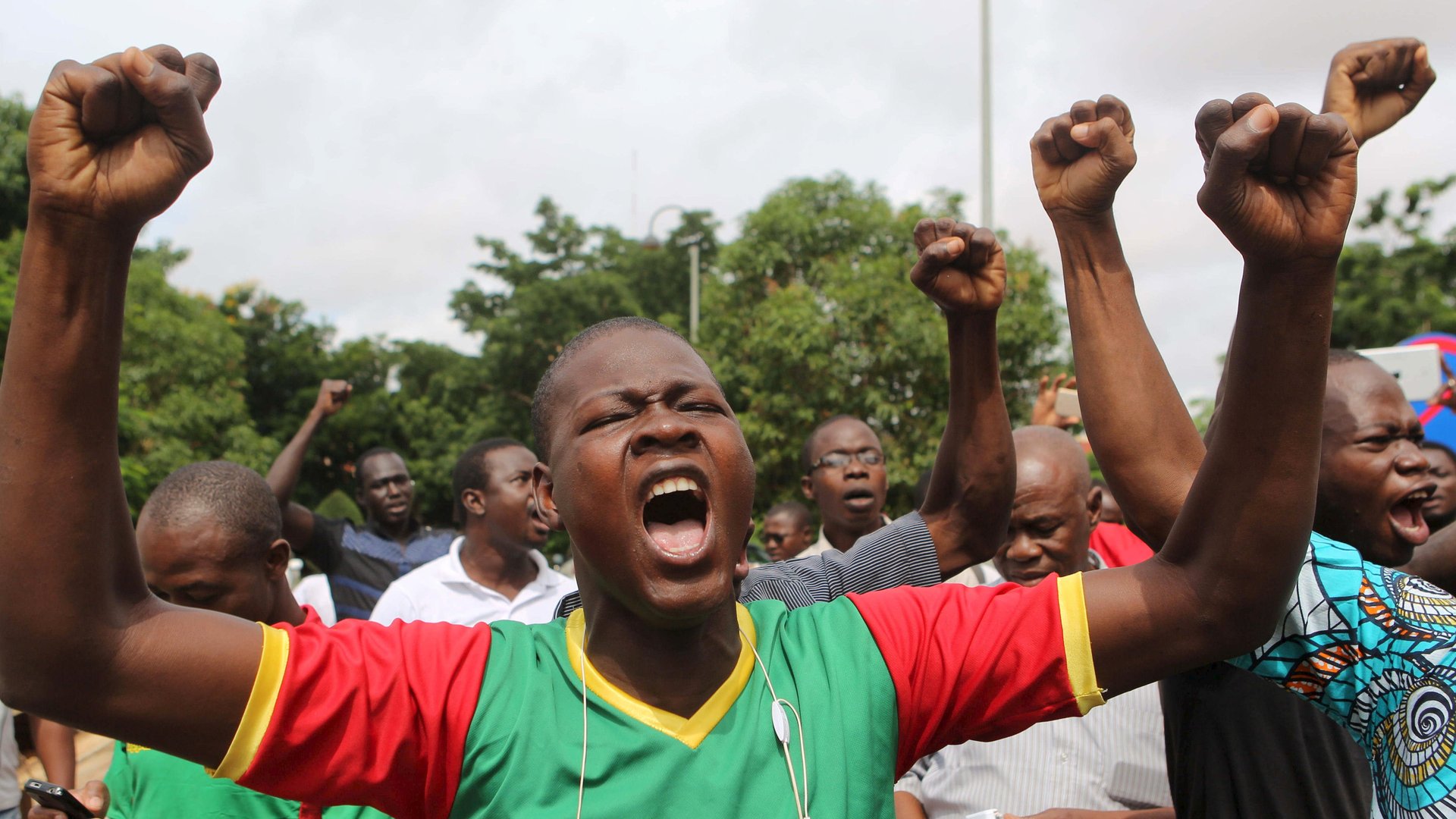
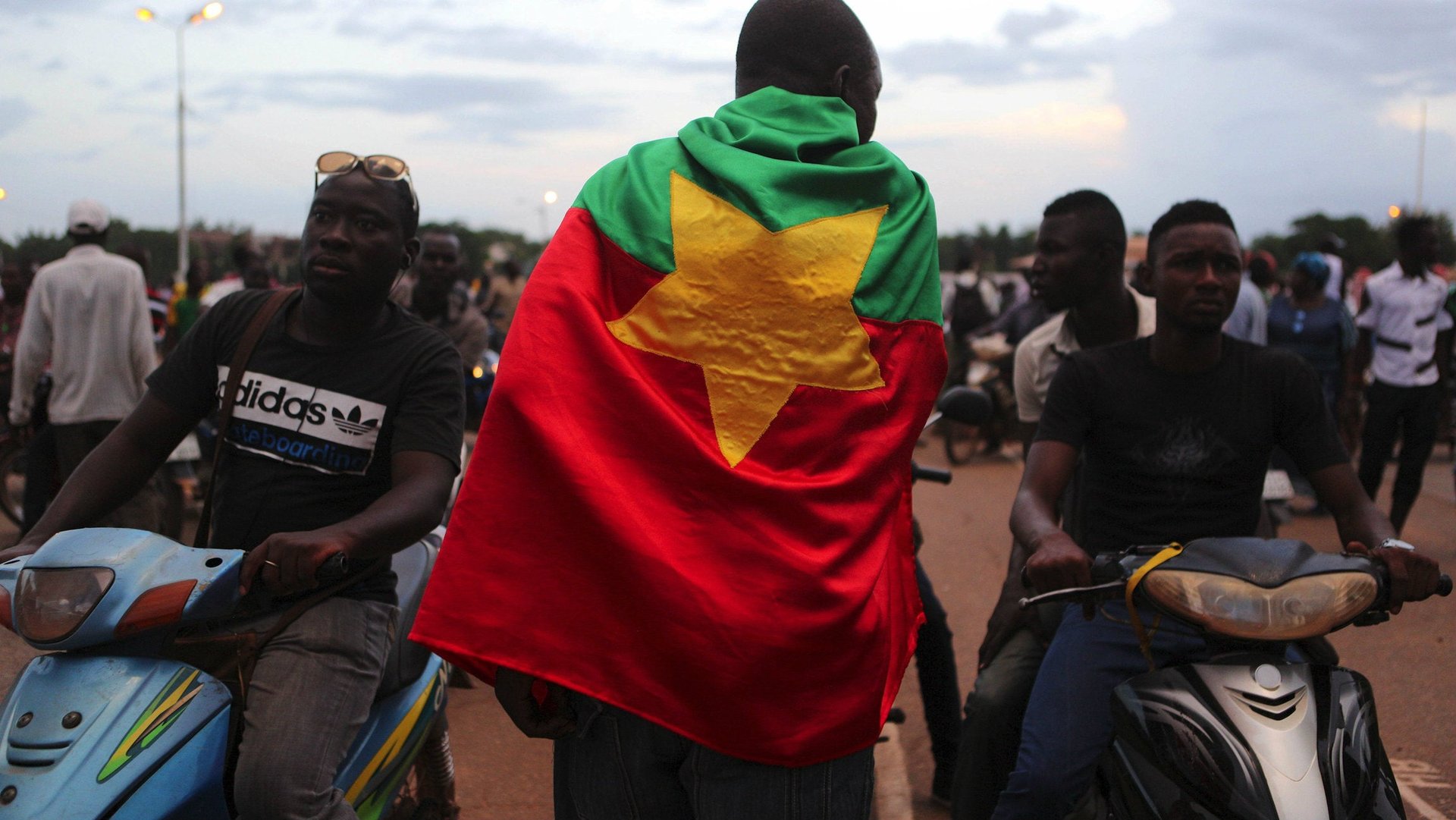
Burkina Faso’s military has overthrown the interim government in a coup that has plunged the capital city, Ouagadougou, into panic and comes just three weeks before the country was due to hold elections.

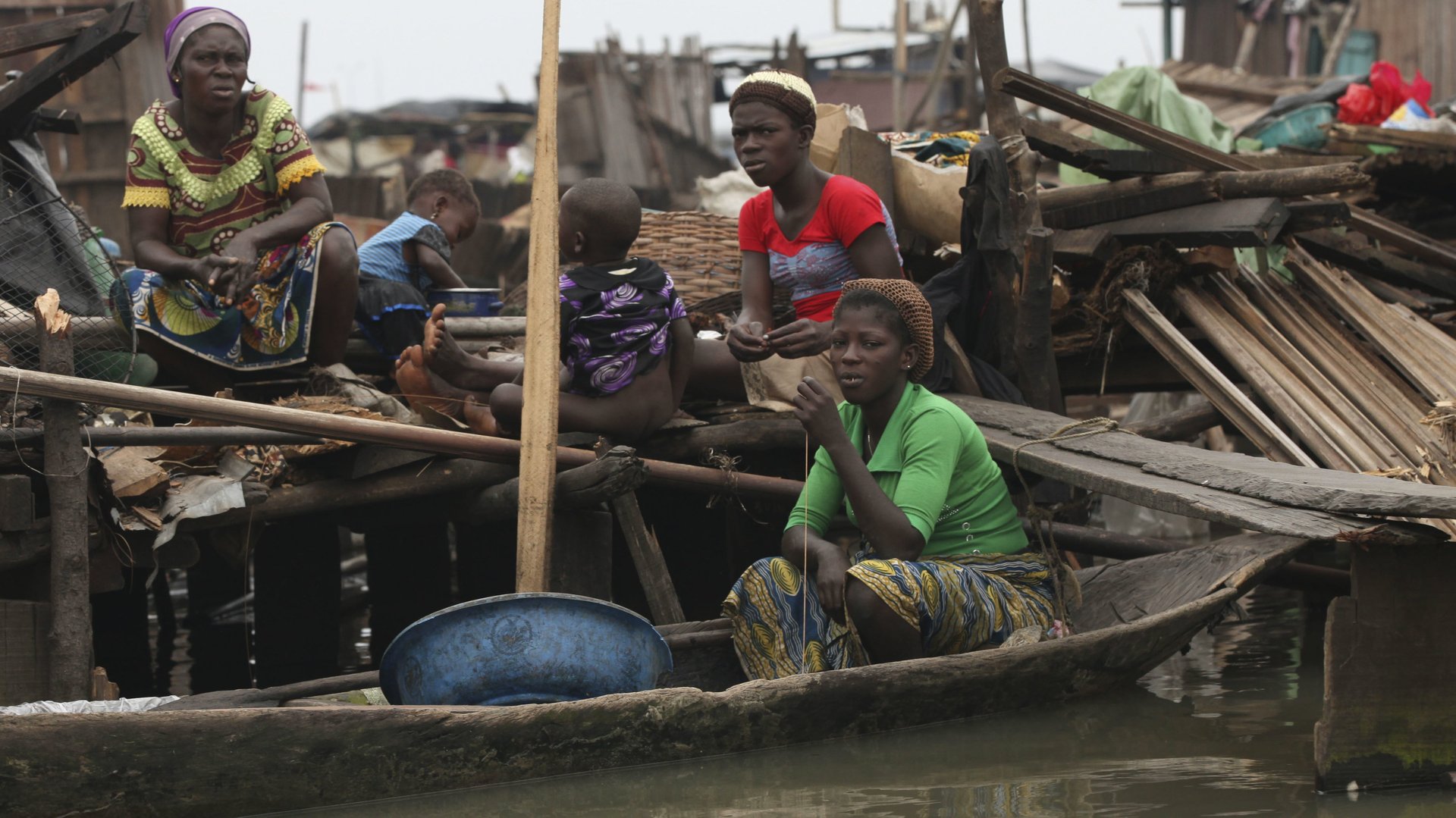
Nigerian architect Kunlè Adeyemi is re-imagining African’s water slums as floating islands.

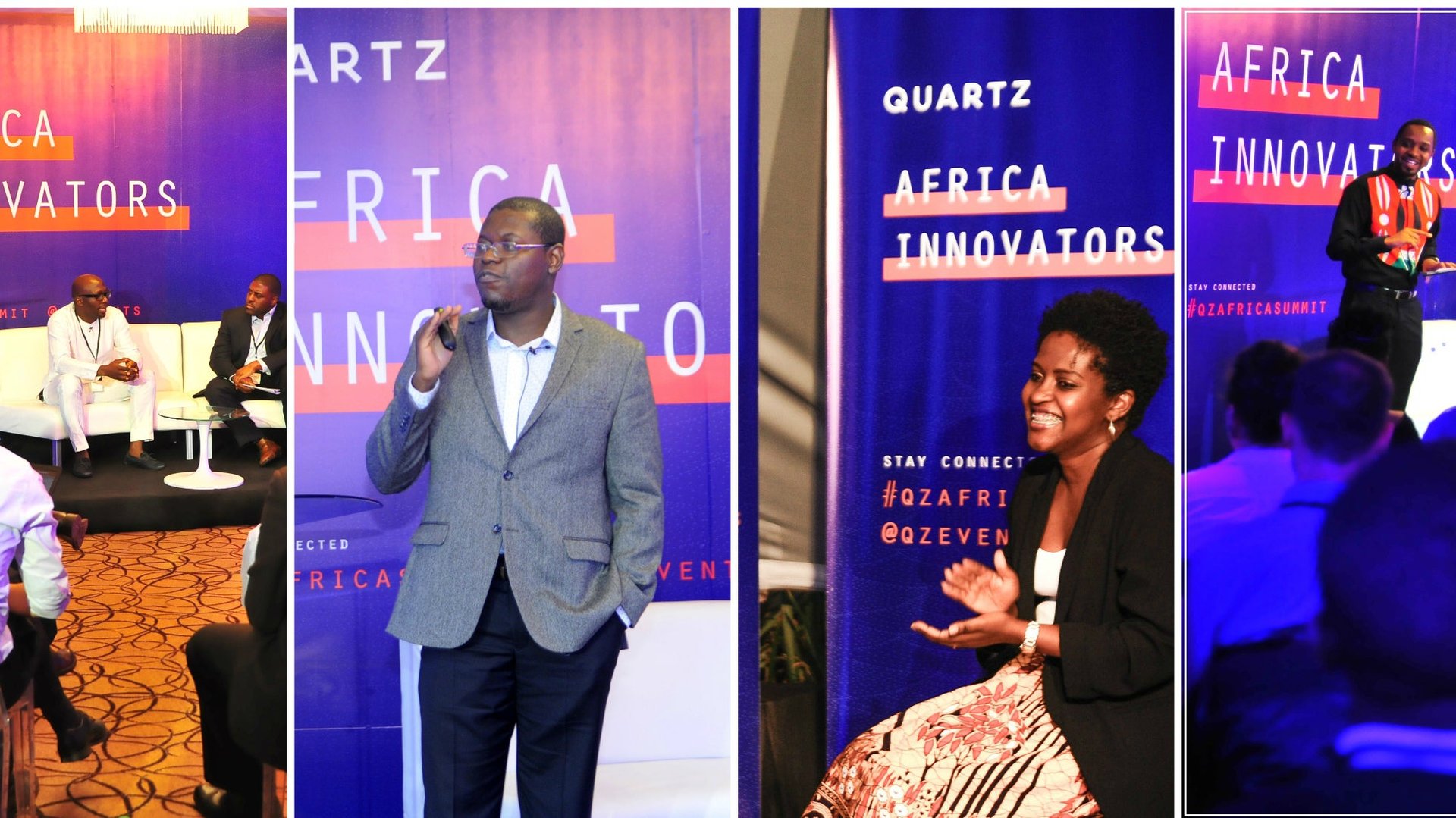
Africa is changing. For a long time this change was initiated from the outside. Now, Africans are leading the continent’s transformation. The Quartz Africa Innovators’ Summit is celebrating these people. Among those recognized are Nigerian architect Kunle Adeyemi, Kenyan activist and photographer Boniface Mwanga, Ghanian social entrepreneur Bright Simons, and Kenya’s tech entrepreneur Ory Okolloh. Read about the 30 innovators we’ve selected here. Follow us via the event’s hashtag #qzafricasummit. Our live blog from the event on Sept. 14th is below.

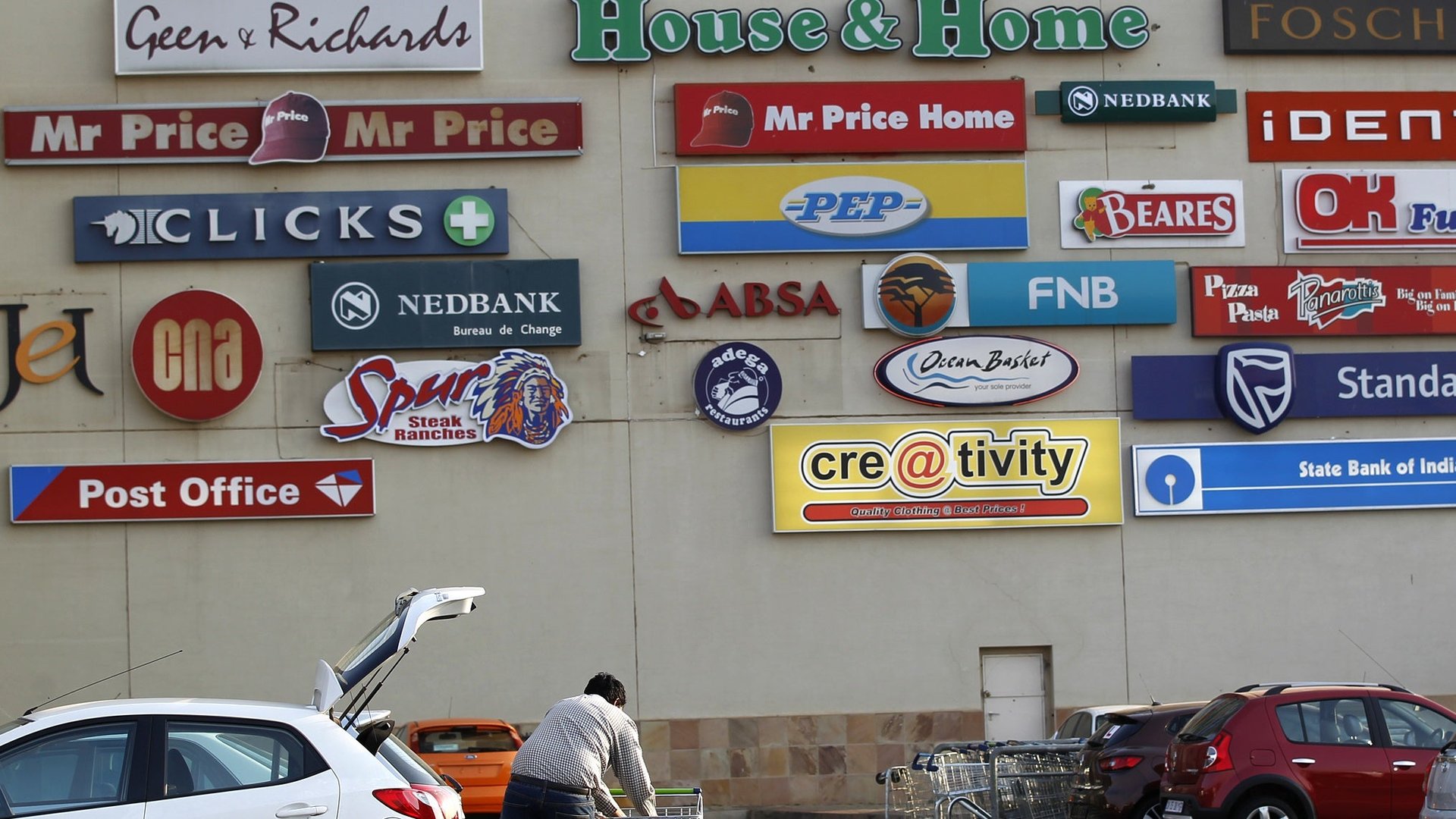
It is rarely mentioned countries, like Gabon, Botswana and Angola, that are increasingly becoming attractive for multinational retailers looking to launch and expand on the African continent, according to a new report. These countries are small and dynamic, their income levels are growing and their retail markets are unsaturated—offering ample opportunity for the enterprising retailer.

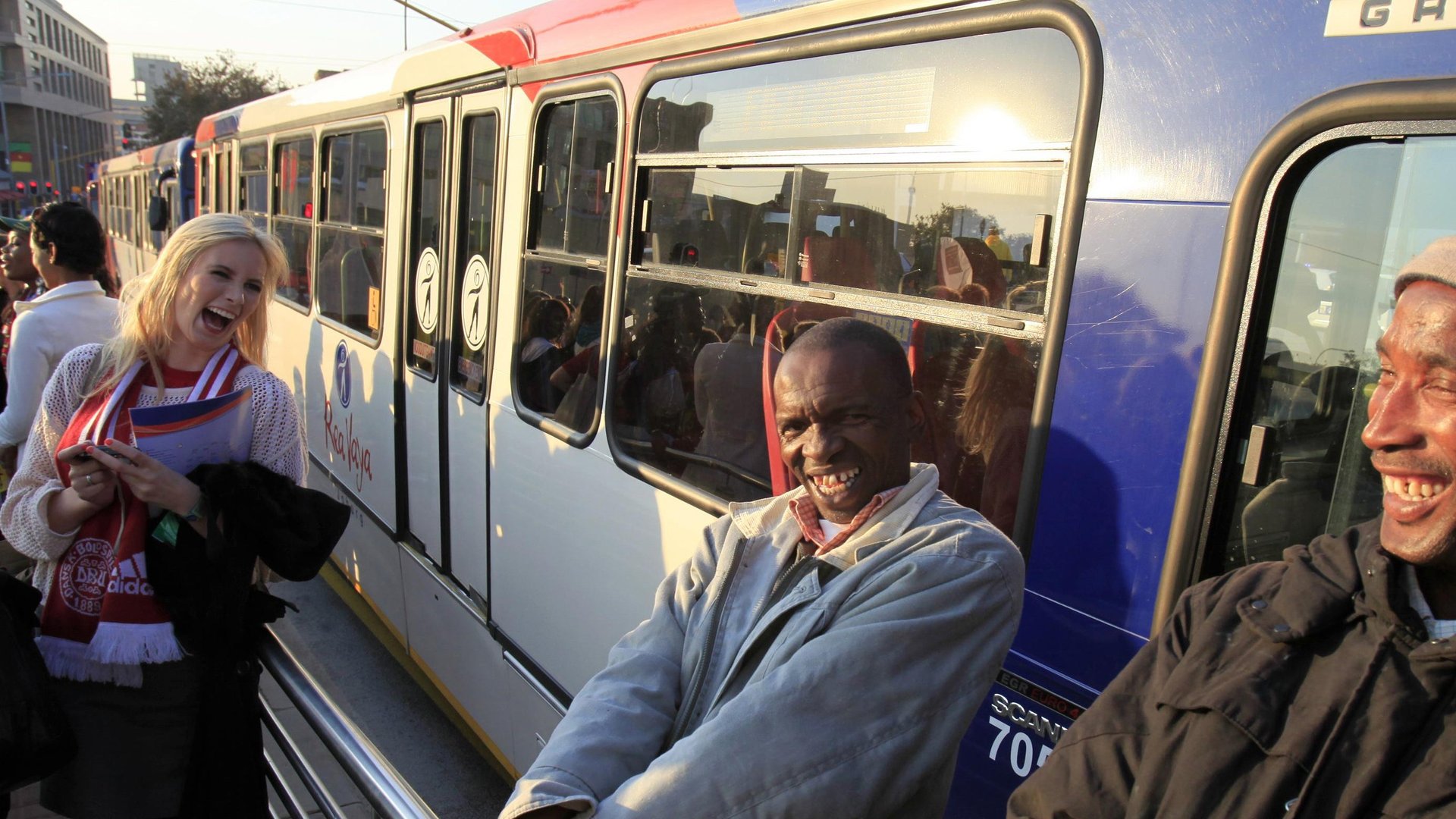
Johannesburg’s bus rapid transit system Rea Vaya—one of the continent’s first public bus systems—has saved South Africa as much as $890 million so far, by reducing travel time, improving road safety, and cutting down on carbon emissions, according to a recent report by the New Climate Economy, a project affiliated with the World Resources Institute.

By 2030, more than 50% of Africans will live in cities. As the continent urbanizes, mitigating the effects of manmade threats and natural disasters will play an important role in guaranteeing the social and economic stability in African cities.

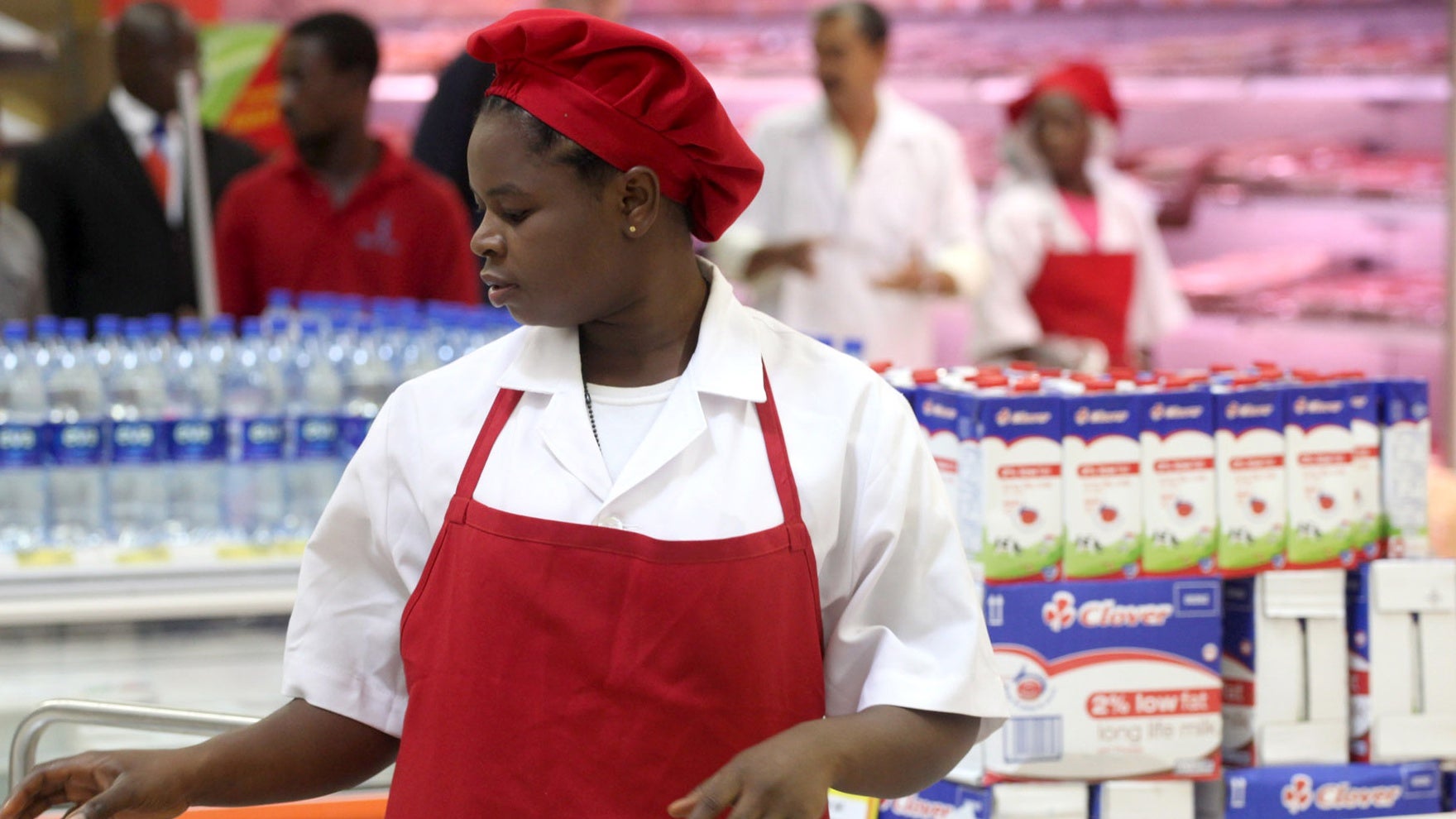
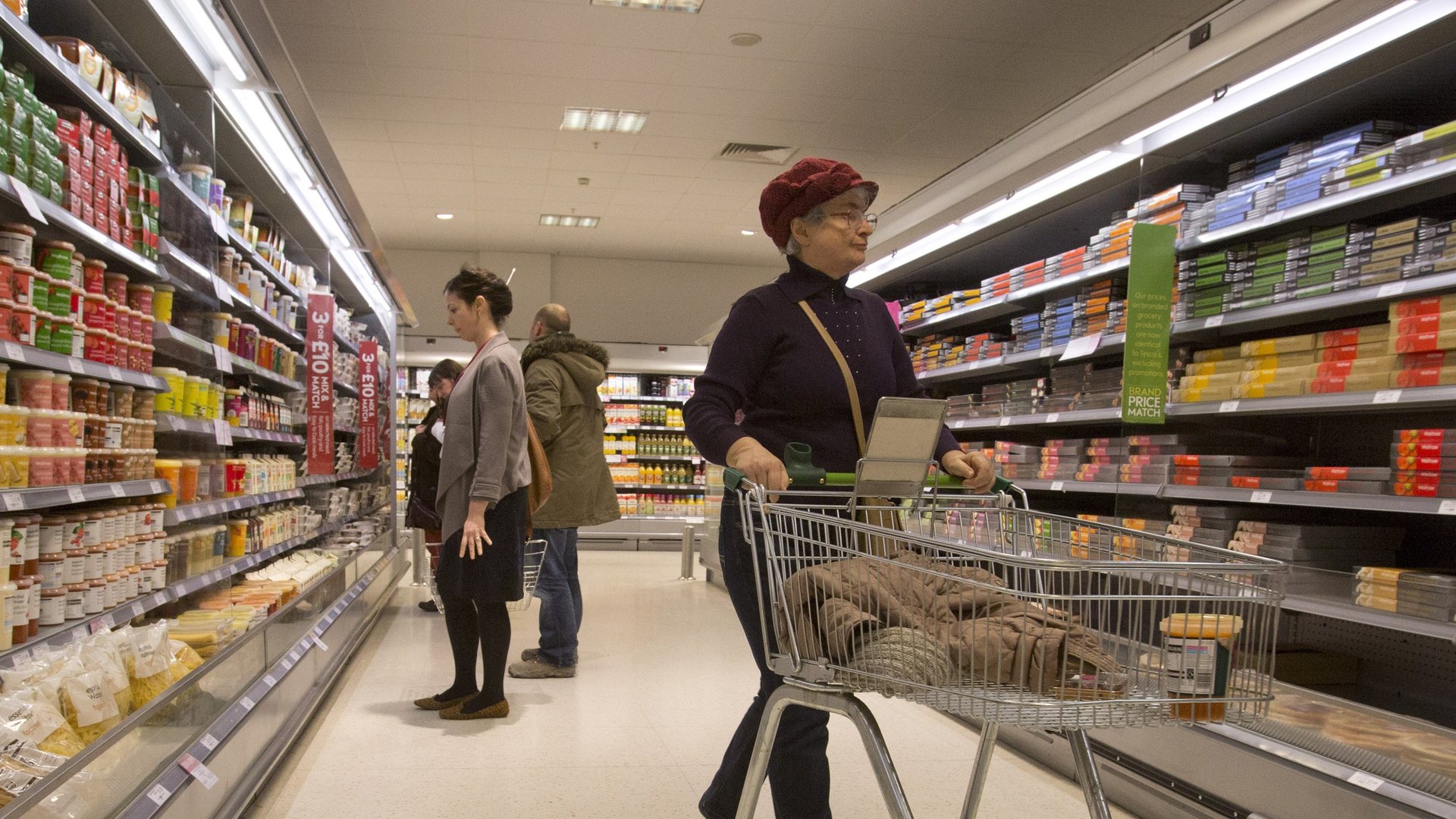
Christo Wiese, the South African businessman behind Africa’s largest retailer, Shoprite, has his sights on entering the grocery sector in Britain through a possible acquisition. It would be the latest in a string of retail investments in the country Napoleon Bonaparte famously described as “a nation of shopkeepers.”

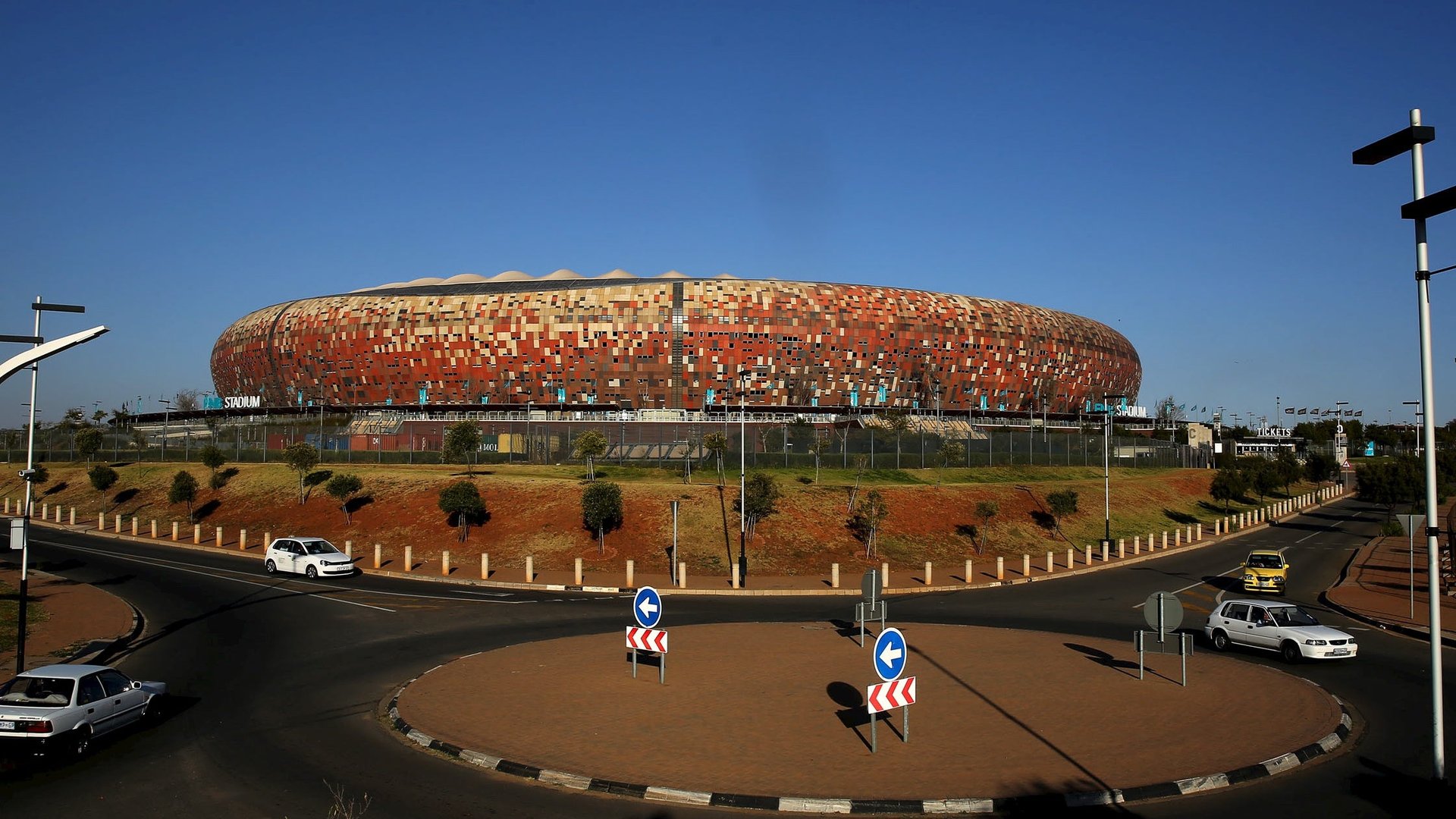
Just five years after hosting the 2010 Fifa World Cup, South Africa has clinched the rights to host another mega-event: the 2022 Commonwealth Games.

Amid the recent global economic slowdown and persisting domestic challenges in the country, South Africa’s economy contracted by 1.3% in the second quarter of 2015, edging closer to a possible recession in the next quarter.

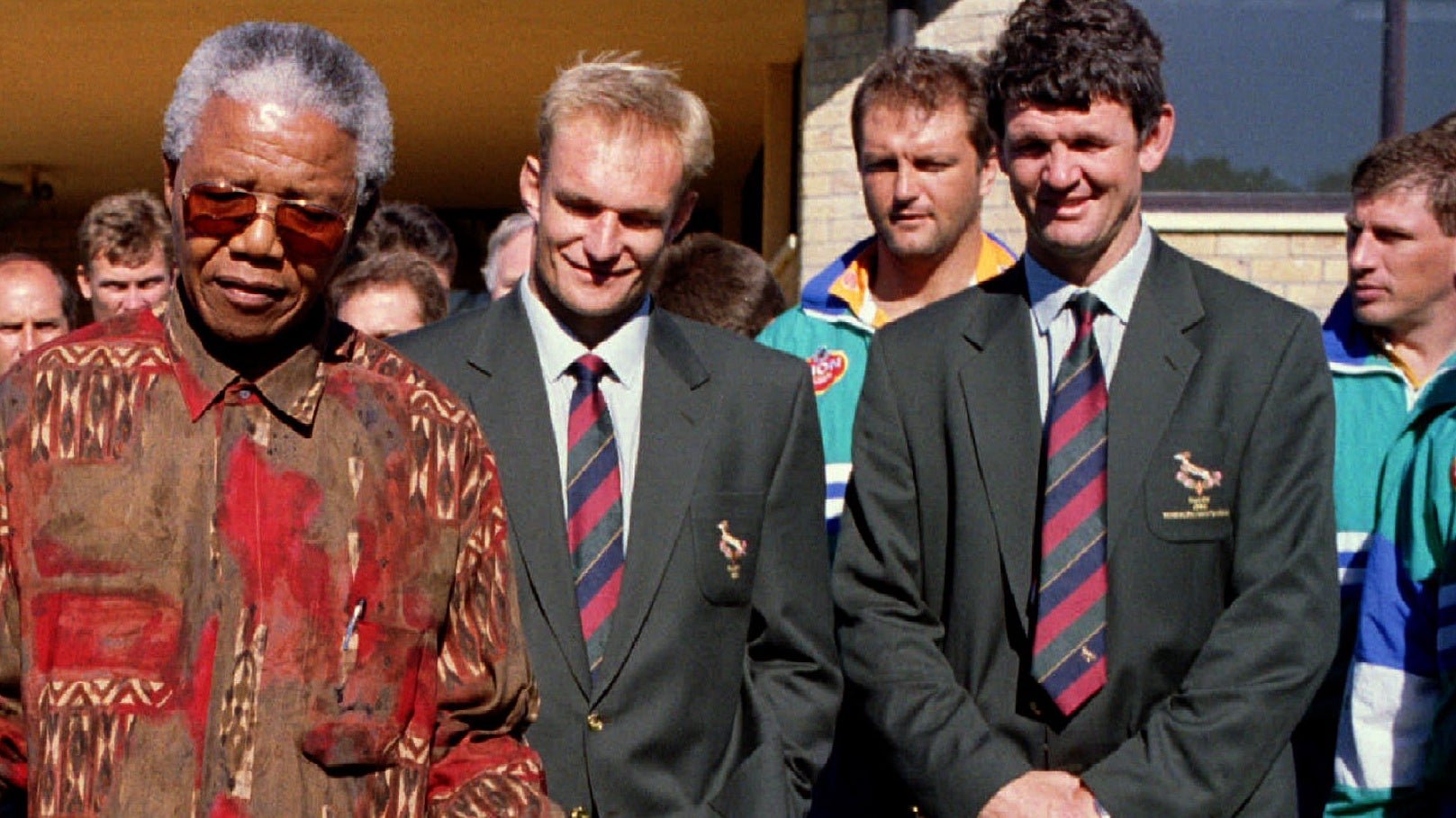
Under Apartheid, white minority rule segregated all aspects of life in South Africa. There were separate education system for blacks and whites, separate public amenities, and even separate sporting codes. After the formal end of Apartheid in 1994, Nelson Mandela, the country’s first democratically elected president, set himself a near-impossible task: turning rugby—once considered a “whites-only” sport—from a symbol of prejudice and oppression into a symbol of national unity. For him, the 1995 Rugby World Cup—the first international tournament that South Africa participated in after years of international sanctions—was the perfect showcase for this.