This week, Actuality plugs into the weird world of sonification — making data into sound. Pythagoras tried to do it with cosmic spheres. Today, sonification pioneers are making music from climate change and cheeseburger data.

This week, Actuality plugs into the weird world of sonification — making data into sound. Pythagoras tried to do it with cosmic spheres. Today, sonification pioneers are making music from climate change and cheeseburger data.

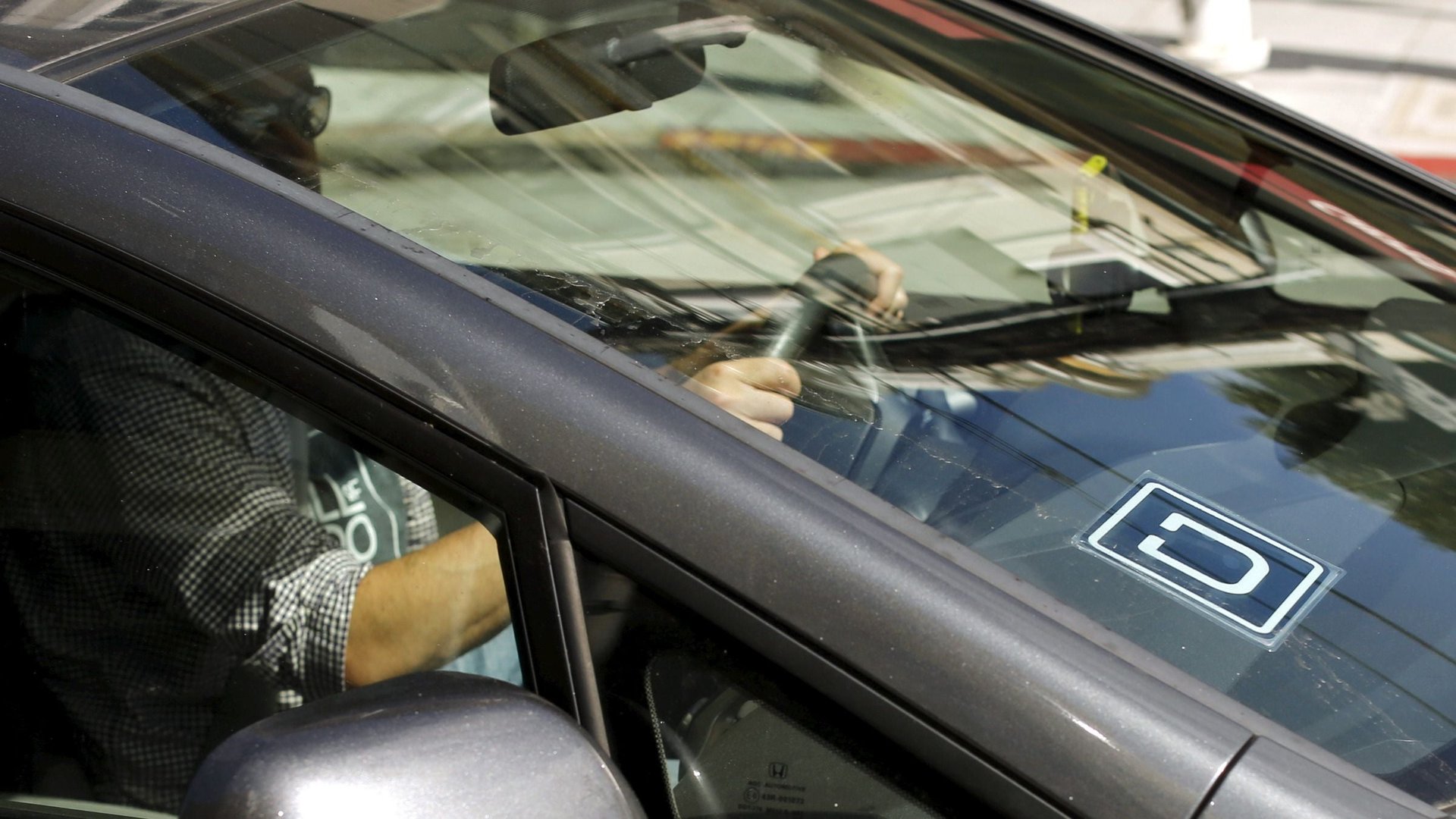
A federal judge has ruled that Uber drivers in California can sue the mobile car service provider as a group for denying them the full benefits of employment.

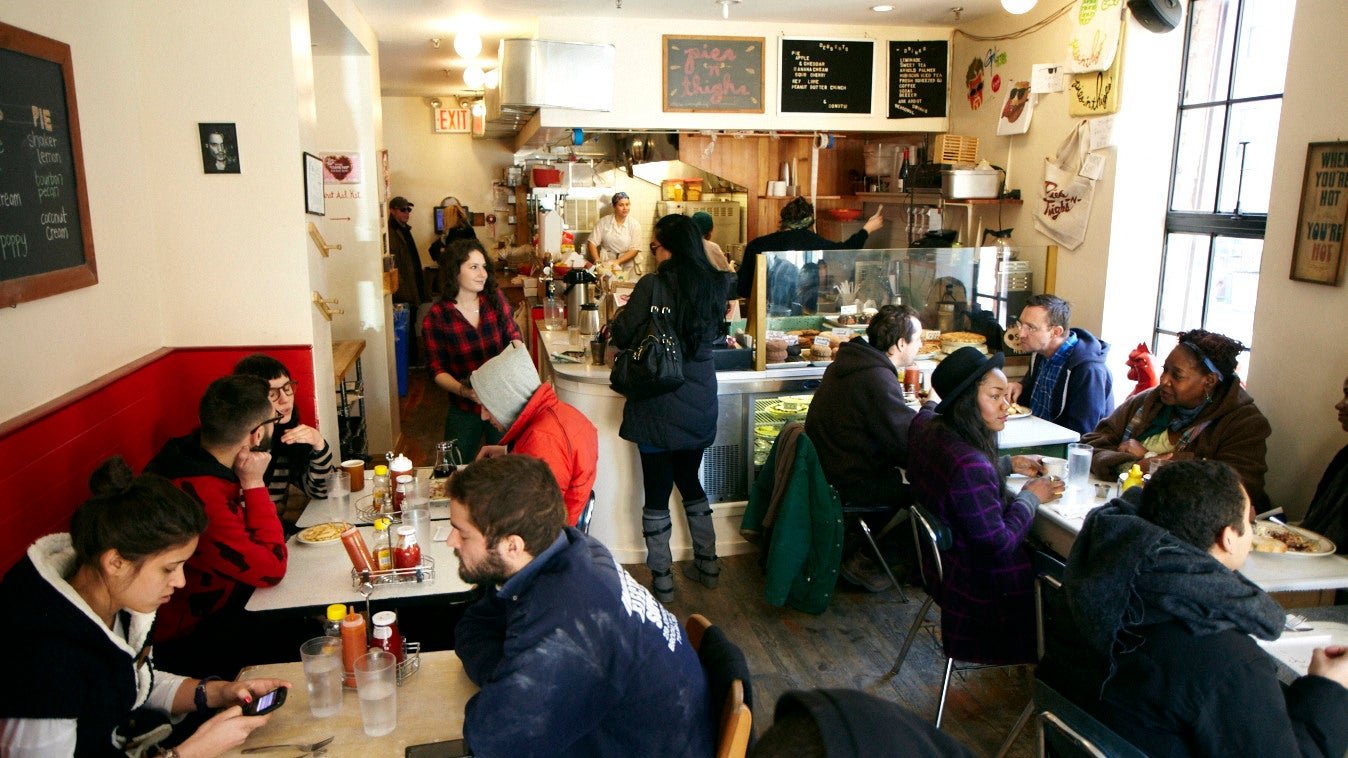
Foodie culture may be easy to ridicule, but it demands more than just a gentrifying neighborhood and an appreciation for the finer things: It requires business savvy.

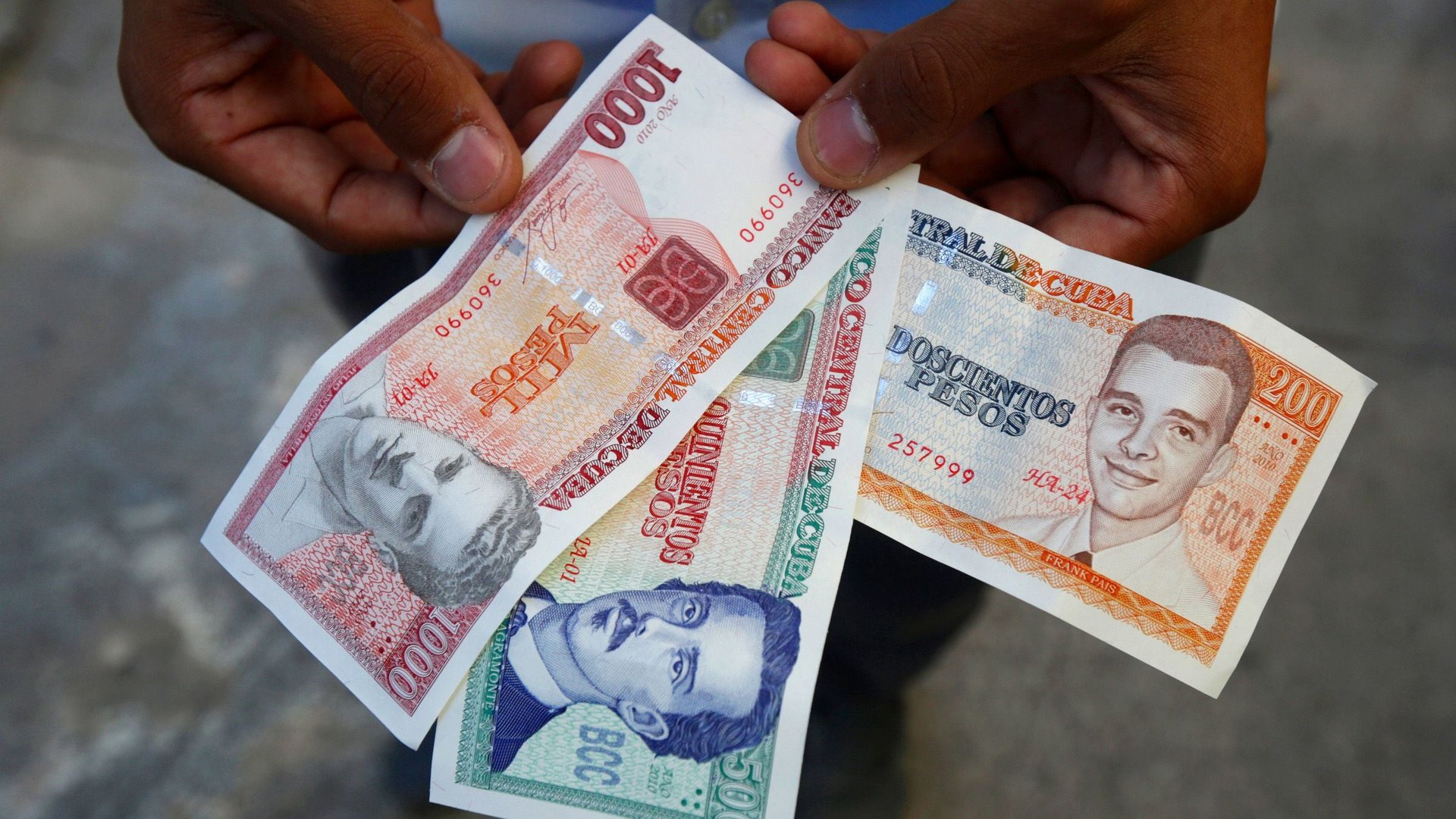
The first reported bitcoin transactions between the US and Cuba mark the latest innovation brought to the island’s complicated economy, as the two countries normalize relations.

Texas governor Rick Perry’s campaign chairman in Iowa quit this week in search of a more solvent contender when his salary wasn’t paid. Sure enough, the Republican front-runner, bombastic billionaire Donald Trump, snatched him up.

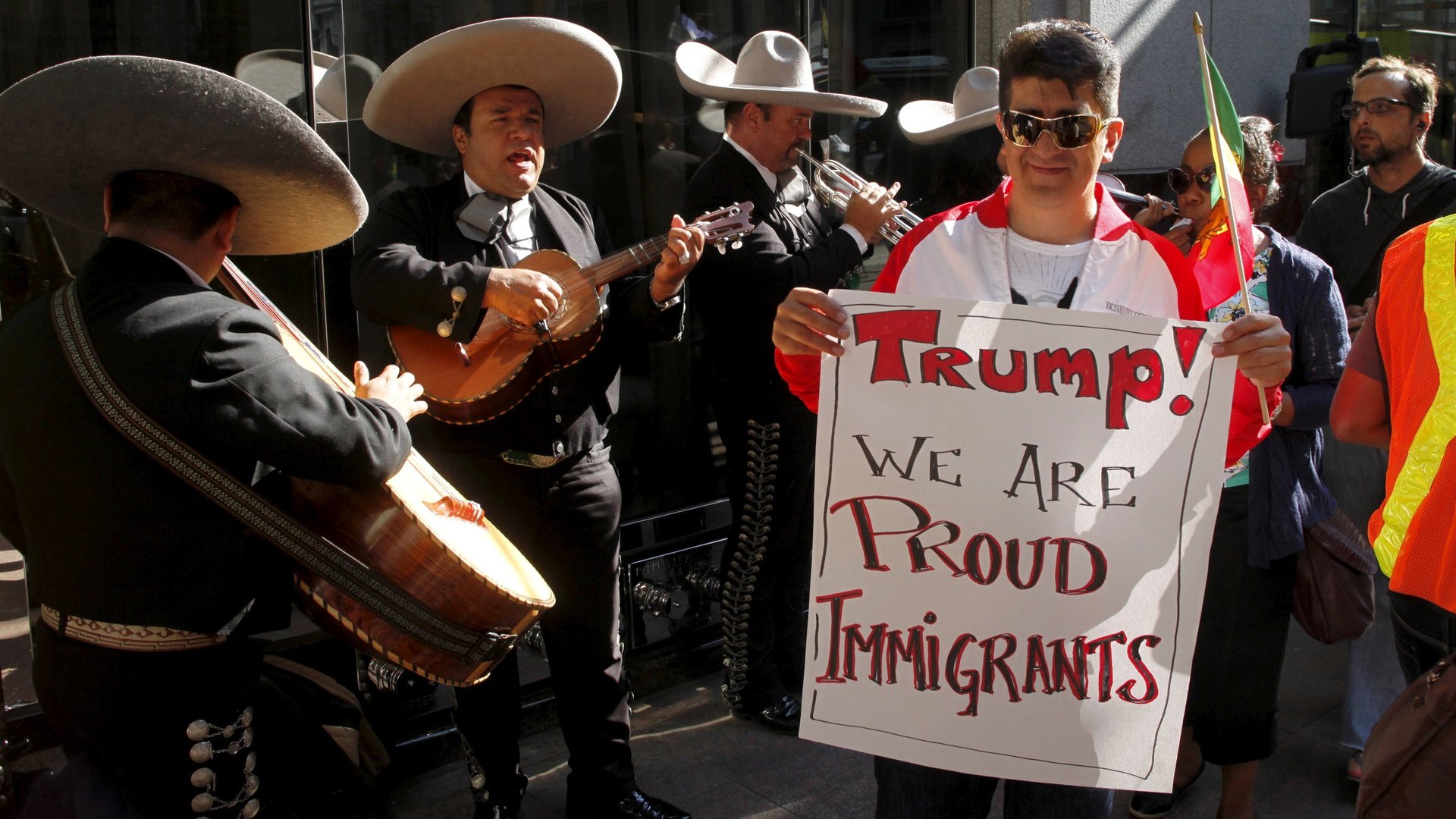
Republican presidential front-runner Donald Trump says he wants to stop immigration into the US in order to increase American wages. The only problem? Immigration already raises American wages.

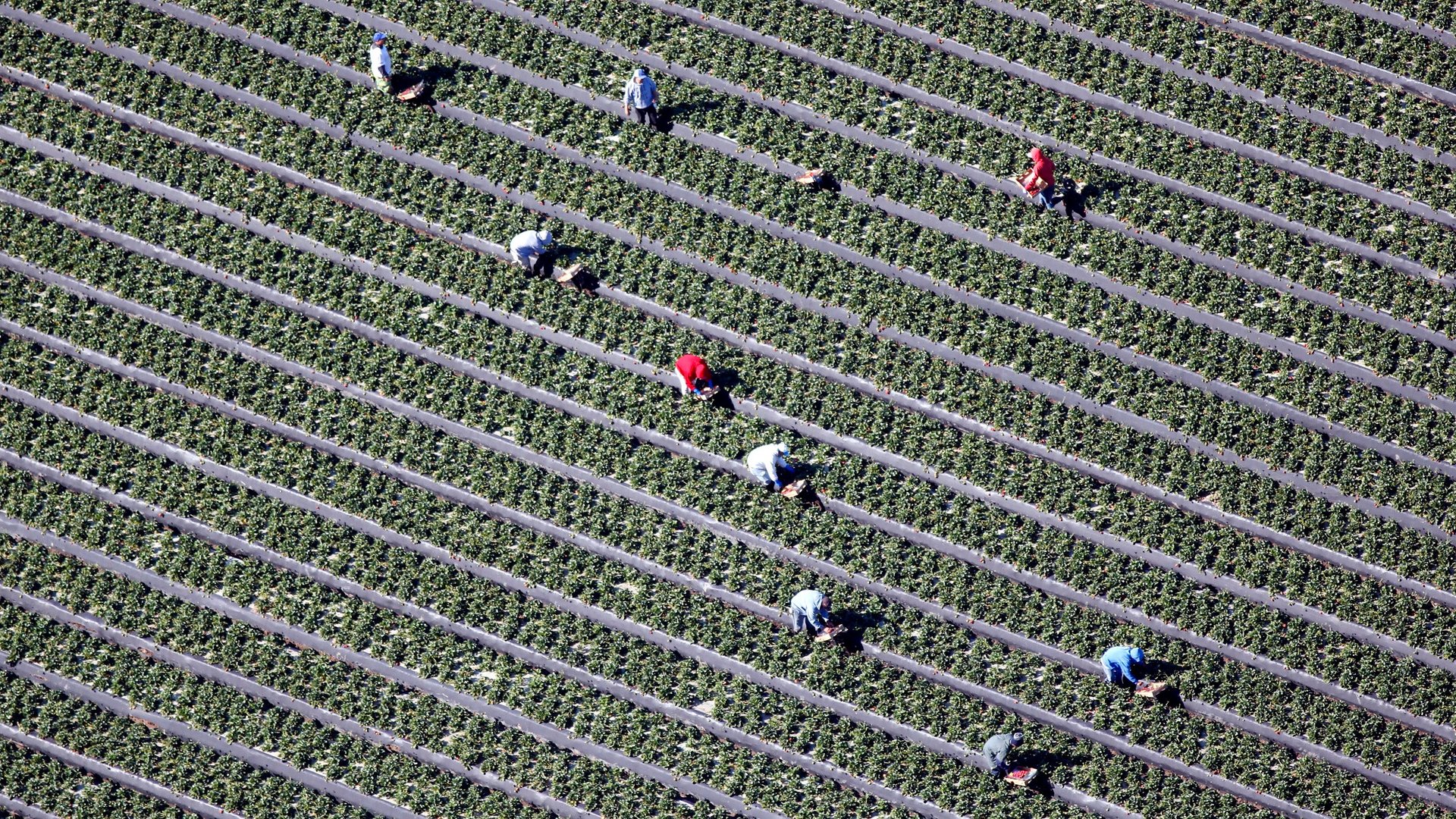
This week, Actuality considers Donald Trump’s plans for immigration reform and finds them wanting. And, do US farms need more immigrant labor—or just to pay higher wages? Plus, the neuroscience of long-distance Turkish whistling.

Japan’s government will no longer reward its centenarian citizens with a silver sake dish worth ¥8,000 ($64), saying the growing number of long-lived Japanese are putting a strain on the country’s budget.

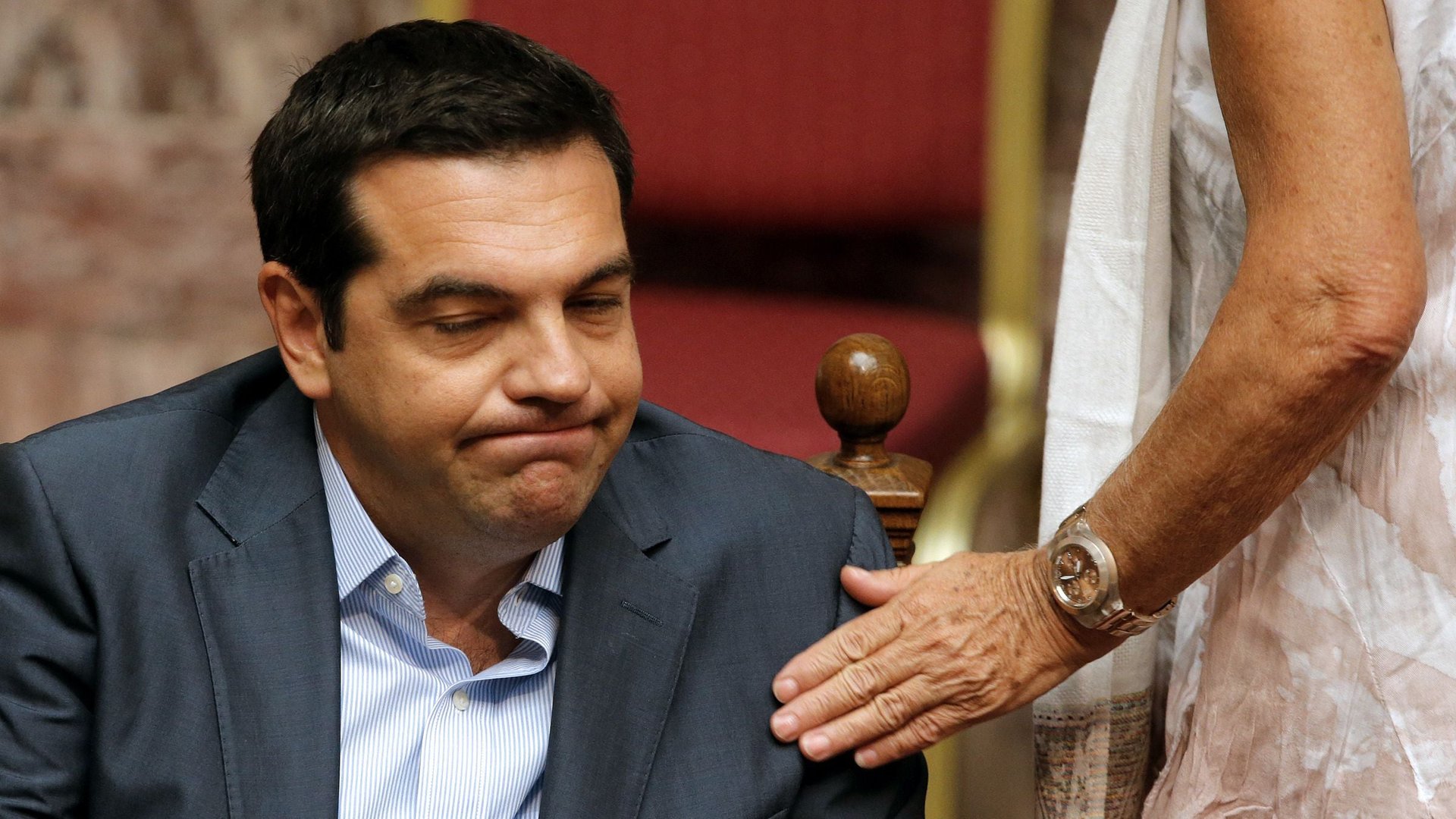
Now that euro-zone finance ministers have approved a new €86 billion ($95 billion) rescue program for Greece and the country has begun a new round of reforms and austerity to pay its bills, there’s just one problem: None of it will be enough for Greece to actually, uh, pay its bills.

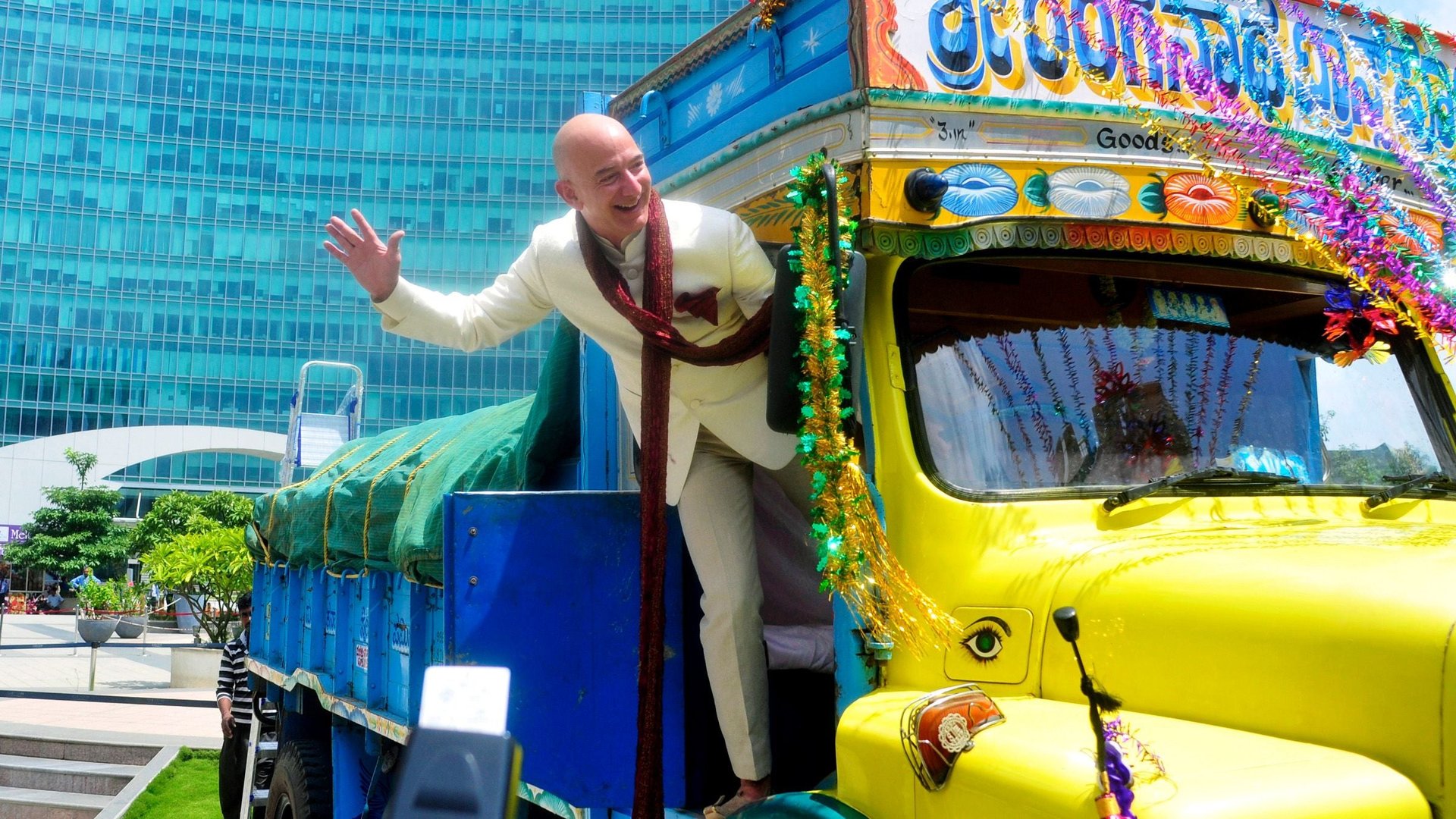
Who doesn’t enjoy a good round of brutal criticism? A lot of former Amazon employees, apparently.

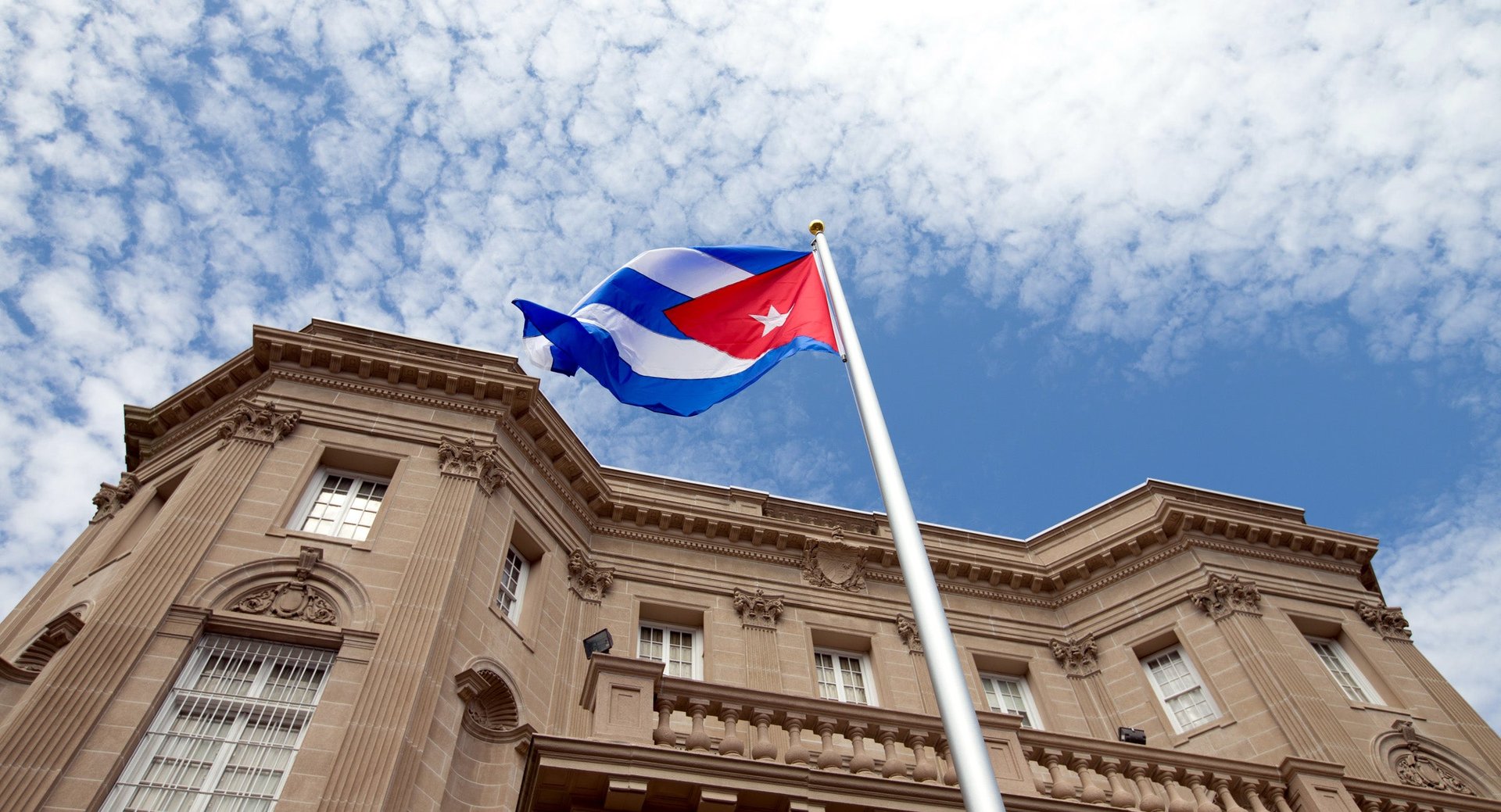
With the US flag flying over an embassy in Cuba for the first time since 1960, American diplomats are back on the ground. And they face a conundrum that troubles their colleagues in countries from China to Russia: How to balance US commercial gains with idealistic foreign-policy goals?

The International Monetary Fund faces a stern test of its independence that could have repercussions far beyond the fate of the Greek economy, by far its biggest headache of the moment.

Skeptics of a global deal to restrict Iran’s nuclear weapons program may be overestimating the United States’ economic clout, according to Secretary of State John Kerry.

Google—or the many products and services now under the holding company Alphabet—provides the connecting tissue between US forces and Kurdish militias fighting against ISIL in war-torn Syria.

Remember when NASA decided to hire Boeing and SpaceX fly commercial astronauts to that agrarian orbital paradise, the International Space Station?

Donald Trump had lots to say at the first Republican presidential debate, but one comment in particular was hailed as insight. When the outspoken entertainer was asked about his past political donations, including to members of the rival Democratic party, and specifically Hillary Clinton, he had this to say:

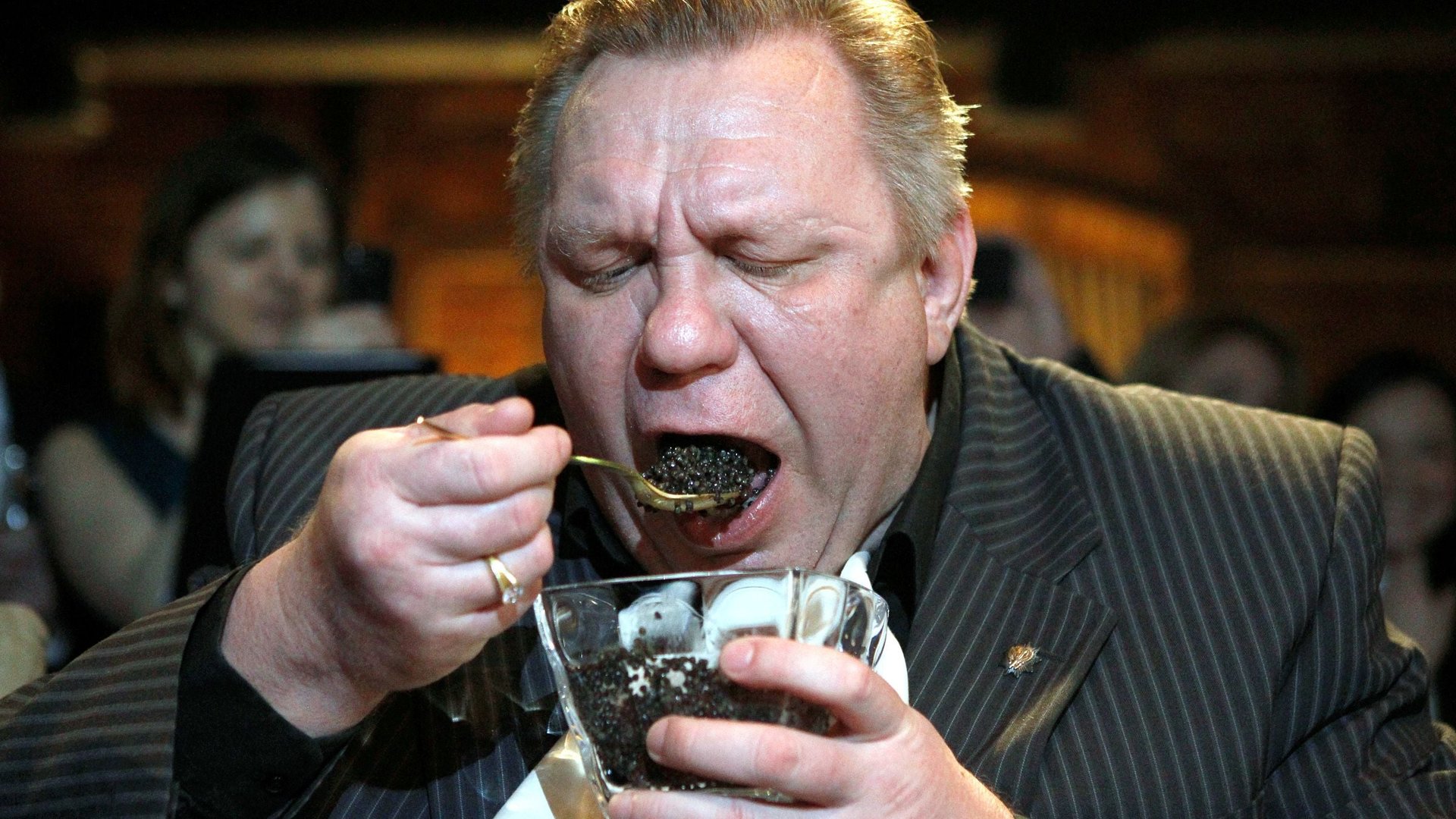
This Week, our podcast Actuality gorges itself on caviar to understand why the supply chain behind a luxury good is more important than ever. Also, a semi-aquatic, invasive rodent may solve the “fur is murder” problem. Plus, the market in gothic poultry.

In just the first half of 2015, US political campaigns spent more money on Uber rides—$124,880—than they did in the entirety of 2014, a year with actual voting, and one in which we saw the controversial car service trounce taxis among the political class.

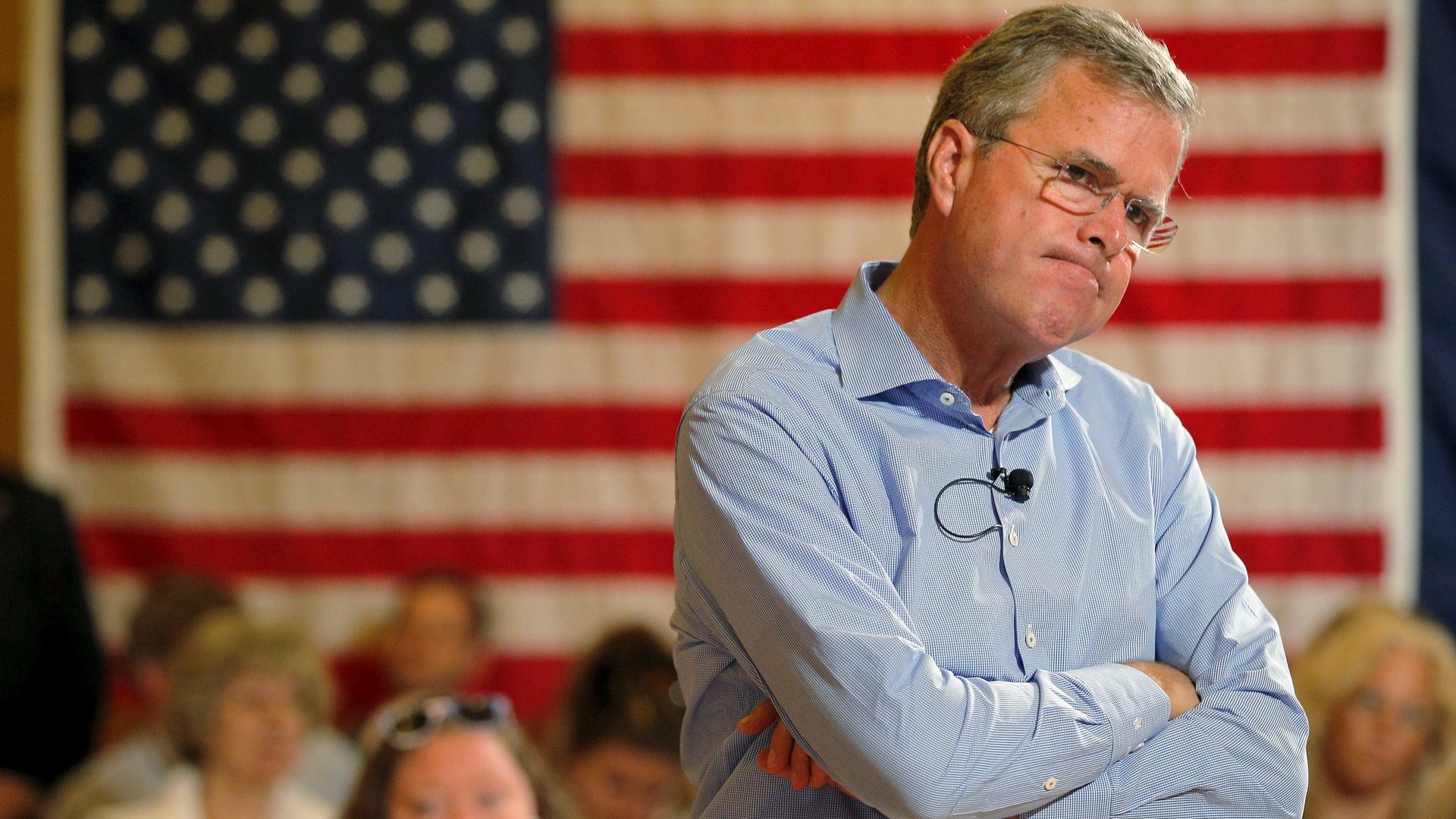
Jeb Bush’s presidential campaign has raised just $11 million for political activities—not much more than socialist senator Bernie Sanders’ $8 million fundraising haul. But Bush is still a leader in the race for political cash. That’s because Right to Rise, a “Super PAC” closely allied with his campaign, has picked up more than $100 million this year.

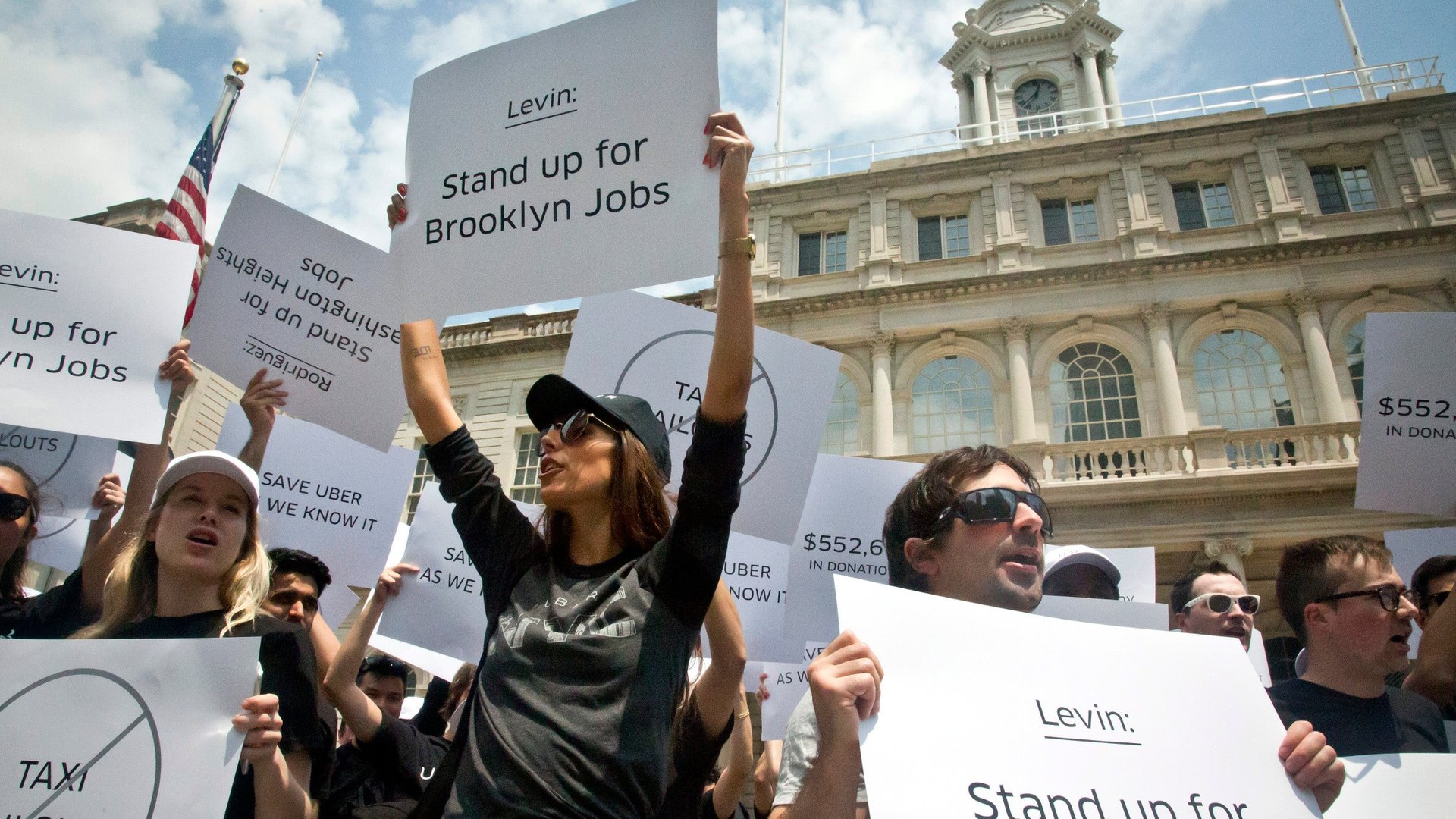
Uber, the car service platform, surprised New Yorkers when it convinced Mayor Bill de Blasio to drop a proposed cap on the company’s growth in the city, the largest US car service market. Bradley Tusk, one of the company’s first political advisers, is credited with orchestrating the victory.

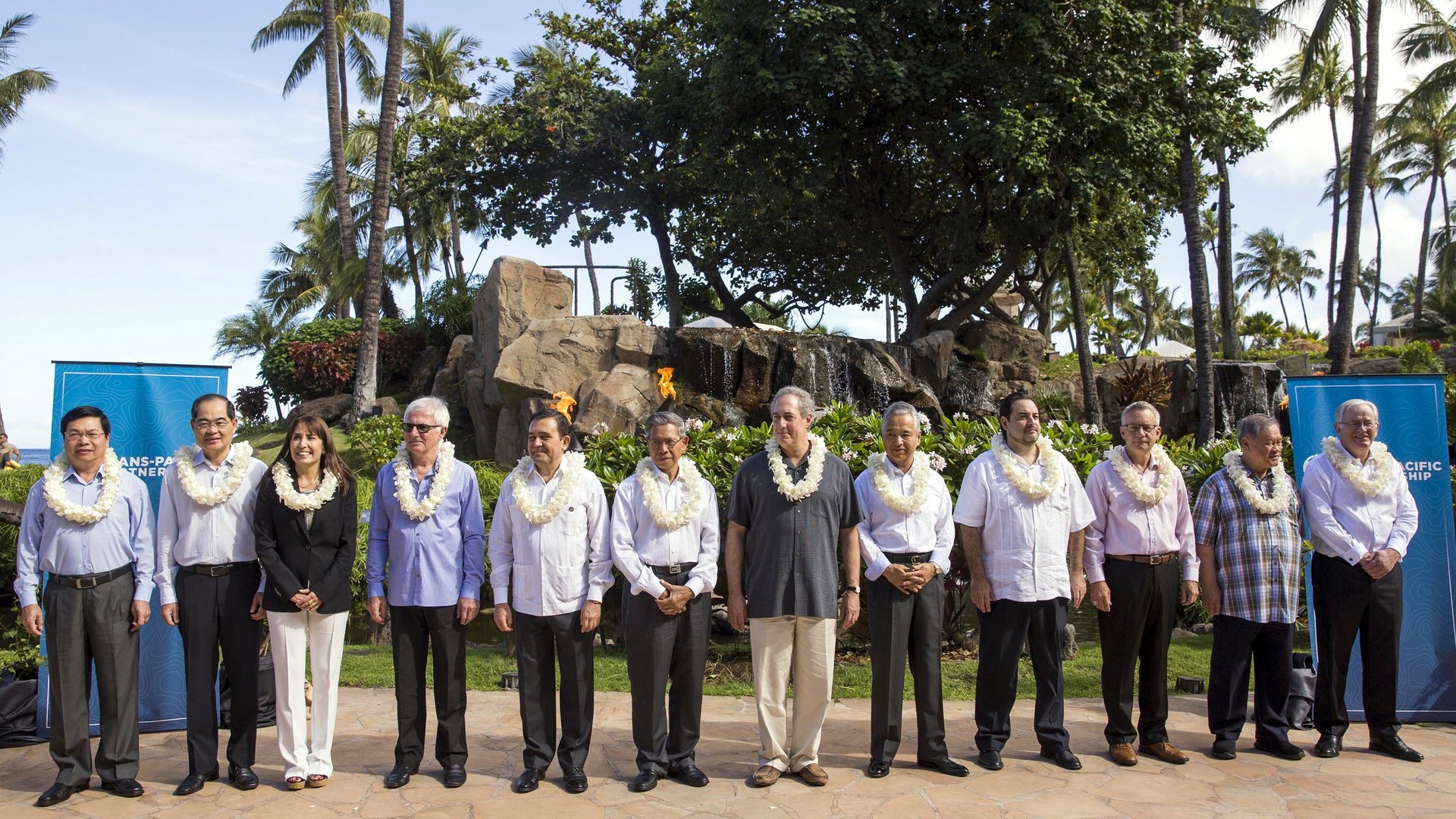
After ministers from the 12 nations negotiating the Trans-Pacific Partnership failed to make a deal last week during a Hawaii summit portrayed as the concluding round, the fate of the controversial trade-liberalization effort is back in jeopardy.

Democratic US presidential candidate Hillary Clinton just released her tax returns from the past seven years, filling out her public financial history dating back decades as first lady, senator, and secretary of state.

Hillary Clinton went to Florida today and blasted her Republican opponents in the US presidential race for their support of an embargo and travel ban on Cuba—a move that might complicate efforts to end the island nation’s American ostracization.

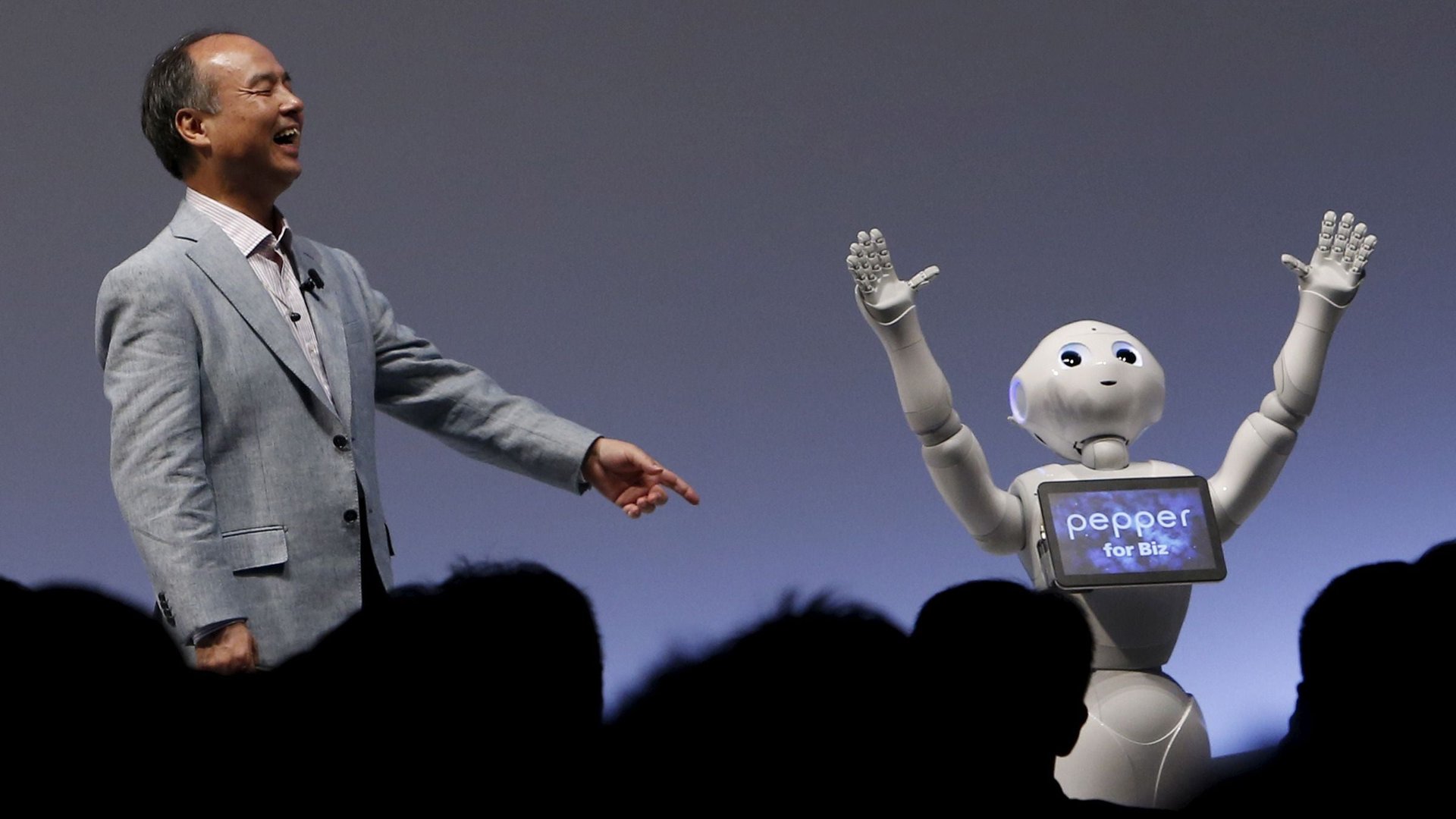
Robots are having a moment.